October 16, 2018
Opinion:
¶ “The UN’s Devastating Climate Change Report was Too Optimistic” • While deniers claim the latest IPCC report is “too alarmist,” one former IPCC lead author said, “If anything it is the opposite. Once again, with their latest report, they have been overly conservative (ie, erring on the side of understating, underestimating the problem).” [Motherboard]

Dry countryside (Shutterstock image)
Science and Technology:
¶ “Would You Eat Slaughter-Free Meat?” • A company in San Francisco is working on lab-grown cellular meat in an effort to stop the slaughter of animals and protect the environment from the degradation of industrial factory farming. They say they are solving the problem of how to feed a crowded earth without destroying the planet. [BBC]
World:
¶ “Crowdfunded Solar Panels Aim to Supercharge Business in Africa” • Many small-scale farmers in densely populated Kisii County in western Kenya depend on bananas, maize, a maybe a dairy cow for income. But now they have electricity from a crowdfunded solar micro-grid to power a hatchery and raise chickens for sale. [ETEnergyworld.com]

Solar array
¶ “Australia Should be ‘Exporting Sunshine, Not Coal’, Economist Jeffrey Sachs Tells Q&A” • Economist Jeffrey Sachs has criticised successive Australian governments for “defending a 19th or 20th century industry” rather than taking decisive action to address climate change. He said Australia should be “exporting sunshine, not coal.” [The Guardian]
¶ “Thai Wind Hits Operational Stride” • Gunkul Engineering company Korat Wind Energy has passed its three-month completion review at the 50-MW Mittraphap wind farm in Thailand. The project has 20 turbines in Nakhon Ratchasima and sells power to the Electrical Generating Authority of Thailand via a long-term deal. [reNEWS]
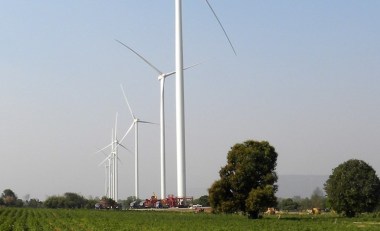
Thai wind turbines (Image: Mott Macdonald)
¶ “Australian Online Renewable Energy Marketplace to Help Cut Bills” • Australia looks set to copy its US counterparts by setting up a digital marketplace so organizations can buy renewable energy in an attempt to reduce carbon emissions and costs. The market should provide better access to inexpensive renewable energy. [TheBull.com.au]
UK:
¶ “Post IPCC 1.5°C Report, UK Government Seeks Advice on Net-Zero Emissions Target” • A week after the IPCC report warned that limiting global warming to 1.5°C requires unprecedented action, the government of the UK is seeking advice from its Committee on Climate Change on setting a date for a net-zero emissions target. [CleanTechnica]

Parliament (Shutterstock image)
¶ “Fracking Row Continues as UK Shale Gas Drilling Recommences” • Exploratory shale gas drilling is starting in the UK for the first time in seven years, after a court ruled to permit it. Protesters are already organizing to prevent Cuadrilla, a shale gas firm, from recommencing fracking at a site in Lancashire, England. [Power Engineering International]
¶ “Jaguar Mulls Transition to Fully Electric Lineup” • According a report by Autocar, Jaguar is contemplating changing over its entire lineup to electric only vehicles. No hybrids, no plug-in hybrids, just battery electric. This will make it the second car company in Europe or America to make battery electric cars exclusively, after Tesla. [CleanTechnica]

Electric Jaguar concept (Credit: Autocar)
¶ “UK’s Largest Companies Pledge Hundreds of Millions of Pounds to Tackle Climate Change” • Around thirty of the top businesses across the UK have announced significant pledges, worth hundreds of millions of pounds, to tackle climate change. The pledges mark the government’s first ever Green GB & NI Week. [GOV.UK]
US:
¶ “Washington Governor Slams Plan to Use West Coast Military Bases to Ship Coal, Natural Gas” • Interior Secretary Ryan Zinke spoke with the Associated Press about a proposal to use West Coast military bases and federal properties to ship coal and natural gas to Asia. Washington state Gov Jay Inslee called the plan “reckless” and “harebrained.” [CNN]
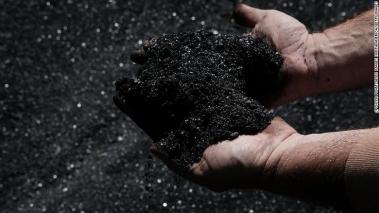
Coal (Photo by Spencer Platt | Getty Images)
¶ “Energy Storage Market in US to hit $4 billion by 2024: Global Market Insights, Inc” • A study by Global Market Insights, Inc, says the US energy storage market is expected to surpass $4 billion by 2024. Growing regulatory focus toward minimizing carbon emissions while increasing the share of renewables will be the market driver. [GlobeNewswire]
¶ “Puerto Rico Groups Call for 100% Renewables by 2050” • Puerto Rico’s Chamber of Commerce and Association of Mayors have endorsed a report calling for 100% renewable electricity by 2050. So have twelve industry associations, academic institutes, and nonprofits. PREPA, Puerto Rico’s troubled electric utility, plans to use fossil fuels. [pv magazine USA]

Aguadilla, Puerto Rico (Wikimedia Commons)
¶ “US Corporations Break 4-GW Renewable Energy Record” • Large US companies are acting on renewable energy goals at a record pace. During the course of this year, through August, they have already procured nearly 4 GW of utility-scale wind and solar capacity, breaking the previous full-year record, set in 2015, by nearly 750 MW. [Solar Power World]
¶ “A Lot of SC Power Customers Don’t Know They’re Paying for $9 Billion Nuclear Debacle” • Over a year after the VC Summer expansion project was abandoned, many South Carolina residents are unfamiliar with the project that could cost them billions. Of ratepayers surveyed, 40% were not familiar with the project’s collapse. [Greenville News]
Have an enchantingly beautiful day.
geoharvey is free and without ads.
 geoharvey is not tax-deductible.
Posted in nuclear power, renewable power, solar, wind | Leave a Comment »
Tags: nuclear, nuclear power, renewable power, solar power, wind power
October 15, 2018
Opinion:
¶ “Message from Hurricanes Michael and Maria: Renewable Energy Makes More Sense than Ever” • To face the growing threat of climate change, we can no longer rely on old energy systems. We must develop new ones that can withstand more frequent hazards. We can build infrastructure in a smarter, more sustainable way. [USA TODAY]
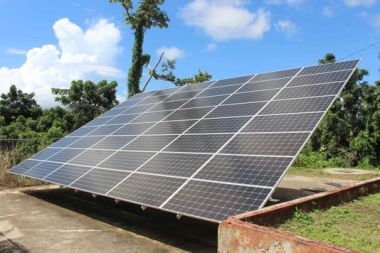
PVs in Puerto Rico (Lester Jimenez | AFP | Getty Images)
¶ “It’s Time for the Adults to Take Charge – 100 Corporations Responsible for 71% of Carbon Emissions” • The 6th IPCC Climate Assessment Report makes it crystal clear: Human society is facing a life or death. The only way to save ourselves is to reduce the amount of CO2 in the atmosphere drastically, dramatically, and deliberately. [CleanTechnica]
¶ “Ten Facts from the World’s Most Terrifying Climate Change Report” • The IPCC report is not messing around. It has 91 expert authors, a mind-melting 6,000 scientific references and comments from 42,000 experts. They all agree. We need to reduce our carbon emissions substantially, right now, or we’re screwed. Here are ten chilling facts. [Techly]

Ghost forest
World:
¶ “AC Energy Inks $83-Million EPC Contract for Development of Solar Farms in Vietnam” • AC Energy, Inc and a Vietnamese partner have signed contracts for the engineering, procurement and construction covering a total of 80 MW of solar plants in Vietnam, valued at an estimated $83 million, according to the company’s president. [BusinessWorld Online]
¶ “Germany: Tendered PV Projects Need No Public Subsidy in August” • No public incentive was paid in August for PV installations up to 10 MW and selected under the country’s tender mechanism. This was because market prices were higher than the price including the feed-in premium tariff, awarded in the tender. [pv magazine International]

Solar system (Image: Enerparc)
¶ “Palau Signs PPA with Engie EPS for 100-MW Microgrid” • The Republic of Palau has signed a power purchase agreement with Engie Electro Power Systems for a 100-MW microgrid project. The project, called Armonia, is supply power from solar PVs and energy storage in addition to the island’s already existing diesel generators. [Power Technology]
¶ “Nuclear Power Continues its Decline as Renewable Alternatives Steam Ahead” • Nuclear bailouts and bankruptcy were noted in the 2017 World Nuclear Industry Status Report. In its forward, the report asserted that the debate on nuclear power is over. “Nuclear power has been eclipsed by the sun and the wind,” it said. [World Finance]

Abandoned nuclear project
Australia:
¶ “ARENA, Monash University, Indra Team to Trial Monash Transition to Full Renewable Energy Grid” • The Australian Renewable Energy Agency, Monash University, and technology partner Indra Australia are teaming up to trial a microgrid on Monash’s Clayton campus in Victoria. The campus is to be powered by renewable energy. [iTWire]
¶ “Australia Heading for a ‘Battle Royale’ on Solar Power” • The sharply rising levels of rooftop and grid-level solar power will force tough discussions as Australia reaches a solar peak, energy chiefs say. With an average of six new rooftop solar installations every minute, the generation and distribution systems need to change. [The Sydney Morning Herald]

Storage batteries
¶ “Coalition’s Climate Change Stance will ‘Kill People’, say Greens” • A former Australian Coalition Deputy Prime Minister said money for a pumped storage scheme would be better spent to fund new coal-fired power stations. Greens MP Adam Bandt warned the Coalition’s views on climate change and renewable energy will “kill people.” [SBS]
¶ “Landmark Renewable Energy Deal to Slash Emissions” • Major agreement will see 18 New South Wales councils secure more than a third of their retail energy from a renewable energy generator. The deal, touted as the first in the state, will see Moree Solar Farm provide 440,000 MWh of energy over the next 12 years to 18 councils. [Government News]

Moree Solar Farm
US:
¶ “Trump: Climate Change Scientists Have ‘Political Agenda'” • US President Donald Trump accused climate change scientists of having a “political agenda,” as he cast doubt on whether humans were responsible for the earth’s rising temperatures. He said he does not believe climate change is a hoax, but he has doubts about a human cause of the change. [BBC]
¶ “New Energy Solar Starts Building 200-MW Solar Park in California” • Australian investment company New Energy Solar Ltd said it has begun construction of its 200-MW Mount Signal 2 solar project in California’s Imperial County. The solar park has a 20-year power purchase agreement with Southern California Edison. [Renewables Now]

Mount Signal 2 (New Energy Solar image)
¶ “Tesla deploys new Powerpack project that could save Colorado ratepayers $1 million per year” • Tesla’s energy division is deploying a new Powerpack project in Weld County, Colorado, where it could save ratepayers and the local utility as much as $1 million per year. The project consists of 80 Powerpacks to stabilize the grid. [Electrek]
¶ “Can a city’s water infrastructure produce hydropower?” • Micro-hydropower technologies are beginning to harvest the energy from municipal water systems using specially designed in-pipe turbines. Lucid Energy, based in Portland, Oregon, is generating power in several US cities using its own system, called LucidPipes. [Power Technology]
Have an empoweringly satisfying day.
geoharvey is free and without ads.
geoharvey is not tax-deductible.
Posted in nuclear power, renewable power, solar, wind | Leave a Comment »
Tags: nuclear, nuclear power, renewable power, solar power, wind power
October 14, 2018
Opinion:
¶ “Investors Won’t Want to Miss This $10 Trillion Opportunity” • In the last five years, global enterprises have invested a stunning $1.5 trillion in renewable power. But the opportunity that lies ahead is monumental, with one estimate pegging the number at more than $10 trillion to replace the current carbon-based power systems. [Motley Fool]

Renewable power (Getty Images)
¶ “To Chart NH’s Energy Future, Learn from our Conservative Past” • At the turn of the 20th century, unregulated clear cutting wiped out most of New Hampshire’s forests. In response, environmentalists, businessmen, and elected officials, led by Republicans, set out to save the state’s natural resources for future generations. [Nashua Telegraph]
¶ “Switch to Green Energy – and Save £250 on Your Bill” • The UN could not have been any clearer. If you are worried about climate change, you’ve got to do your bit and reduce harmful emissions. Fortunately, there is no longer any excuse not to switch to a green electricity (and in some cases, gas) supplier. It is easy and saves money. [The Guardian]
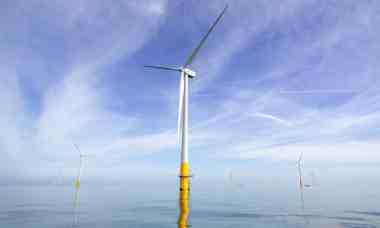
Wind turbines of Kentish Flats offshore windfarm
(Chris Laurens | Getty Images | VisitBritain RM)
¶ “Climate Change Provided High Octane Fuel for Hurricane Michael” • Sometimes connecting climate change to a specific weather event is difficult. With Hurricane Michael, it is not. Earth’s waters are getting warmer due to an increasing global temperature, and warmer waters fuel hurricanes. They were 3°F to 5°F higher in the Gulf. [CBS News]
World:
¶ “Pioneer Turbine Sets New Benchmark For Tidal Renewable Energy” • In its first year of testing, the world’s most powerful floating tidal turbine has generated 3 GWh of electricity. The SR2000 FloTEC project from ScotRenewables has shown it can provide low-cost, low-risk and reliable energy to the European power grid very predictably. [Phys.Org]
Wave (Shutterstock image)
¶ “Plug-in Cars = 60% of New Car Sales in Norway in September” • Exponential electric vehicle adoption has been at play in Norway for several years. Fully electric cars are up to 45% market share in Norway, and if you throw in another 15% for the plug-in hybrids, plug-in vehicles have grown to a whopping 60% market share. [CleanTechnica]
¶ “Blue Agave Crop Grown in Far North Queensland to be Burned at Sugar Mill for Power Generation” • Blue agave, the basic ingredient for tequila, is grown on a commercial scale in Mexico, but Queensland’s MSF Sugar plans to plant 4,000 hectares of it. After the sugar is extracted, fibers will be burned to produce electric power. [ABC News]

Blue agave plants (Photo: Courtney Wilson | ABC News)
¶ “Saskatchewan NDP rolls out key element of climate change plan at convention” • A loan program that would enable people, businesses, and farms to switch over to more energy-efficient options and renewable energy was presented at the convention of Saskatchewan’s New Democratic Party as key element of the climate change plan. [Circleville Herald]
¶ “Offshore Wind Technology Takes Off” • Compared to other renewable energy technologies, offshore wind still makes up a small part of global power generation. Today, there is slightly less than 19 GW of installed offshore capacity. Costs have been falling rapidly and installed capacity is expected to grow to 128 GW by the year 2030. [Utilities Middle East]

Offshore wind farm
¶ “TEPCO Apologizes for Still-Radioactive Water at Fukushima Plant” • TEPCO admitted that water at the Fukushima Daiichi nuclear plant still contains radioactive materials, which it has insisted for years had been removed. The utility apologized to a government committee which is looking into ways to dispose of the water. [Japan Today]
US:
¶ “5.7-MW Solar Project Now Producing Energy on Former Landfill in Vermont” • A 5.7-MW solar project on a former landfill in Brattleboro, Vermont, is now online. The project was jointly developed by Sky Solar and Encore Renewable Energy. The solar array sits on land owned by the Windham Solid Waste Management District. [Solar Power World]

Brattleboro landfill solar array
¶ “‘It’s a Big Deal for Us’: The Magic Kingdom is Going Green” • By the end of 2018, Disney will flip the switch on a sprawling 50-MW solar power facility with more than a half-million solar panels, just outside Disney’s Animal Kingdom. Disney plans to reduce its net greenhouse-gas emissions 50% worldwide by 2020, compared to 2012. [The Sydney Morning Herald]
¶ “A Scientist And Clean Energy Advocate Is Gaining Ground in Chicago’s ‘Hottest Congressional Race'” • Sean Casten, who holds degrees in molecular biology and biochemical engineering, has been working to profitably reduce greenhouse gas emissions for more than a decade. Now he is in a congressional race that is too close to call. [ScienceAlert]
Have a magnificently joyful day.
geoharvey is free and without ads.
geoharvey is not tax-deductible.
Posted in nuclear power, renewable power, solar, wind | Leave a Comment »
Tags: nuclear, nuclear power, renewable power, solar power, wind power
October 13, 2018
Science and Technology:
¶ “Wisconsin Hydrogen Breakthroughs May Be Steps toward Cleaner Energy” • Scientists at the University of Wisconsin made two breakthroughs that may help hydrogen become a bigger player in renewable energy production and storage. Their work may be a step toward the “hydrogen economy” some analysts have predicted for nearly 20 years. [WUWM]

Fuel cell research lab at UW-Madison (Chuck Quirmbach)
¶ “How Climate Change Will Affect Your Health” • The IPCC report warns of dire consequences if governments don’t make “rapid, far-reaching, and unprecedented changes in all aspects of society” to stem global warming. The planet isn’t the only thing at risk as temperatures rise, however. Your health might be in danger, too. [CNN]
¶ “Wind and Solar Farms can Make Their own Weather” • Some forms of renewable energy could change the climate more directly than had previously been thought. If wind turbines and solar panels were deployed across the Sahara, more rain would fall and more plants would grow, according to research in the journal Science. [Minneapolis Star Tribune]

The Sahara (Terri Colby | Chicago Tribune – TNS)
World:
¶ “40% of China’s Coal Plants Are Losing Money, Reports Carbon Tracker” • Carbon Tracker unveiled technology that uses satellite imagery and machine learning to identify risks from fossil fuel plants. It shows that about 40% of all Chinese coal plants are losing money and their owners could save $390 billion by closing them down. [CleanTechnica]
¶ “Japan to Add 17 GW of New Solar by End of 2020” • Growth in Japan’s solar power sector is predicted to slow over the coming decade, according to an analysis from Fitch Solutions Macro Research, a part of the Fitch Group. But first, from the end of 2017 through the end of 2020 the industry will add 17 GW of new solar capacity. [CleanTechnica]

Japanese floating solar array
¶ “Gas from Paper Production Waste to Power Natural Gas Vehicles in Sweden” • Under an agreement between energy company Gasum and paper company Stora Enso, biomethane will be from waste waters at the latter’s Nymölla Mill in southern Sweden. The plant will turn the mill’s waste water effluent into liquid biogas. [NGV Global]
¶ “China to be Leader in Consuming Renewable Energy by 2023” • China is fighting with air pollution and exploring alternatives to reduce coal use. Their increasing initiatives are expected to make the country world’s largest renewable energy user within the next few years, according to information from the International Energy Agency. [Transparency Journal]
Renewable energy
¶ “SSE Installs Final Vestas Turbines at 228-MW Scottish Onshore Wind Farm” • SSE has installed the last of its turbines at the Stronelairg onshore wind farm in Scotland as the project nears completion. The 228-MW facility, situated in the Great Glen, is made up of Vestas turbines, 53 V117 and 12 V112 machines with a capacity of 3.45 MW. [Energy Digital]
¶ “Ras Ghareb Windfarm” • Ras Ghareb windfarm is a 262.5-MW near-shore wind project being developed near the Gulf of Suez, approximately 30 km north-west of Ras Ghareb, Egypt. It is Egypt’s first project by an independent power producer. It is expected to supply power to about 500,000 households, starting in 2019. [Power Technology]

Ras Ghareb windfarm
¶ “‘Cheap as Chips’ Flexibility Poses ‘Huge Threat’ to Nuclear” • Cheap flexibility from storage, demand-side response, and distributed generation pose a “huge threat” to the nuclear industry, former UK energy secretary Ed Davey said. The falling costs of such technologies raise “serious questions” about the pursuit of new nuclear plants. [Utility Week]
US:
¶ “Nevada Explores Blockchain To Track Renewable Energy” • Nevada state regulations require that 25% of electricity come from renewable energy sources by 2025, the state has an energy credit trading system. The Nevada Public Utilities Commission announced plans to consider blockchain as a replacement for the current system. [Ledger Insights]

Hoover Dam
¶ “Tesla Powerwall To Get New Features, Higher Prices” • Tesla has increased the prices of the popular Powerwall system, to account for new features it has added over the course of 2018 and additional features and hardware the company will bring to market in 2019. The new systems improve management and reliability. [CleanTechnica]
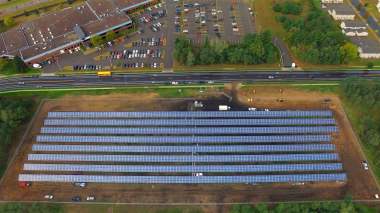
¶ “Xcel Proposes New Wind, Solar Plan” • Xcel Energy plans to offer a program that would allow its Wisconsin customers the choice to get all their energy from wind and solar sources. The company submitted a proposal for the program in a filing with the Public Service Commission of Wisconsin, hoping to launch it next year. [Leader-Telegram]
Solar array
¶ “Sony Accelerates Shift to Renewable Power in the US” • RE100 member Sony has brought forward its target year for reaching 100% renewable electricity in the US to 2030. Sony joined RE100 in September with a goal of going 100% renewable globally by 2040, but the tech giant is showing it is possible to go further and faster. [The Climate Group]
¶ “New York State Invests $40 Million in Solar Energy and Storage Projects” • New York Gov Andrew Cuomo announced that $40 million will be available in early November to support solar projects with integrated energy storage. This investment aims to help the state reach its energy storage target of 1,500 MW by 2025. [Energy Manager Today]
Have a quintessentially grand day.
geoharvey is free and without ads.
geoharvey is not tax-deductible.
Posted in nuclear power, renewable power, solar, wind | Leave a Comment »
Tags: nuclear, nuclear power, renewable power, solar power, wind power
October 12, 2018
Opinion:
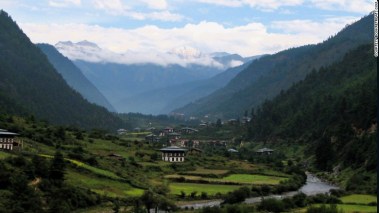
¶ “What Tiny Bhutan Can Teach the World about Being Carbon Negative” • High up in the Eastern Himalayas is one of the greenest countries in the world. While many nations are struggling to reduce their carbon emissions, the Kingdom of Bhutan is already carbon negative: it takes more greenhouse gasses from the atmosphere than it emits. [CNN]
Bhutan
¶ “Building Equitable Circular Societies” • A Circular Economy is a regenerative system in which resources are kept in use for as long as possible, with maximum value recirculated. Products and materials are offered as a service so they can be recovered and regenerated at the end of each service life. Instead of cradle to grave, it is cradle to cradle. [CleanTechnica]
¶ “That $3 Trillion-a-Year Clean Energy Transformation? It’s Already Underway” • To keep global warming in check, the world will have to invest an average of around $3 trillion a year over the next three decades in transforming its energy supply systems, a the IPCC report says. It will not be cheap, but it is already underway. [InsideClimate News]
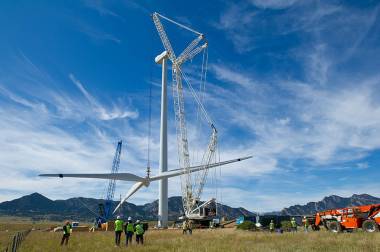
Building a wind turbine (Photo: Dennis Schroeder | NREL)
World:
¶ “Micro and Mini-Grids to Bring Power to Indonesia’s Off-Grid Communities” • The government of Indonesia and the Asian Development Bank will implement a program for micro-grids and mini-grids for less electrified areas. The ADB said around 10 million people, 15% of the Indonesian population, had no access to electricity in 2016. [pv magazine International]
¶ “Falling Lithium-Ion Prices will Help EU to Reach Renewable Energy Target, Expert Predicts” • Lithium-ion technology, a major factor in renewable energy deployment, has been costly, but the cost of lithium-ion batteries is falling far faster than previously predicted. “The rate of change is phenomenal,” one Smart Energy Council member said. [Verdict]
Renewable energy (Shutterstock image)
¶ “Trial to Run Monash University on 100% Renewables Backed by ARENA” • A ground-breaking microgrid trial that aims to run Victoria’s Monash University on 100% renewable energy won grant funding from the Australian Renewable Energy Agency. The electric power for the university would be generated and stored on-site. [One Step Off The Grid]
¶ “Fortum JV Bolsters Russian Regional Ties” • Finnish energy company Fortum and Russian partner Rusnano have signed a cooperation agreement with the government of Kalmykia to build up to 450 MW of wind power in Russia. Fortum’s 50:50 joint venture with Rusnano has won the right to develop almost 2 GW of wind power in Russia. [reNEWS]
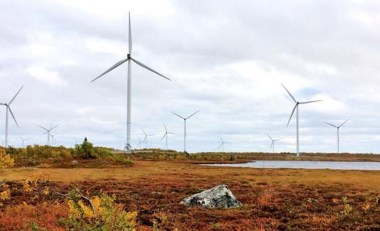
Wind farm in Sweden (Fortum image)
¶ “Fair Isle Reaps Renewable Reward” • The Scottish island of Fair Isle is benefiting from 24-hour electricity provision for the first time thanks to a new renewable energy system with three wind turbines, a ground-mounted solar facility, and battery storage system. Previously the island’s 55 people only had power 16 hours per day. [reNEWS]
US:
¶ “Wisconsin’s Solar Energy will Increase by 33% under New Public-Private Partnership” • When ten Wisconsin communities purchase power through the new solar energy partnership with Organic Valley, the 31-MW solar array installed by the farmer cooperative’s initiative will increase the state’s solar capacity by 33%. [Wisconsin Public Radio News]

Wisconsin solar farm (Photo: of Prairie Restorations, Inc)
¶ “Bill Nelson Says Global Warming Led to Hurricane Michael’s Strength: ‘Listen to the scientists’” • Florida Sen Bill Nelson bluntly assigned blame for how an October tropical storm swiftly grew into the most powerful hurricane to ever hit the Florida Panhandle: It is global warming. He said “Florida is ground zero” on climate change. [TBO.com]
¶ “SDG&E Gets the Ball Rolling on Community Solar” • A new solar plant is providing clean energy to customers signed up for San Diego Gas & Electric’s EcoChoice and EcoShare community solar programs. The project and two more under development will deliver a combined 42.4 MW of renewable energy to the San Diego region. [Solar Industry]

Scene in California
¶ “Southern Power to Build 200-MW Wind Farm in Kansas after Deal with Royal Caribbean” • After a deal with Royal Caribbean Cruises Ltd, Southern Power will build a 200-MW wind farm in Kansas. The Reading wind facility is expected to generate enough clean energy to offset 10%-12% of Royal Caribbean’s annual carbon emissions. [Renewables Now]
¶ “New DC Renewable Energy Goal – 100% Renewable Adoption by 2032” • The IPCC report said quick action is needed on climate change. The DC council met to consider major climate legislation, and came up with an aggressive plan to cut carbon emissions. The new goal would be 100% clean electricity by 2032, up from 50%. [Hydrogen Fuel News]

Capitol Building
¶ “Peninsula Clean Energy Goes Big Time with 200 MW-AC Solar Project” • Following a groundbreaking day, construction contractor Clēnera is officially beginning work on the 200-MW Wright Solar Park, which occupies 1,200 acres of former grazing land in the rolling plains of Merced County, in California’s Central Valley. [pv magazine USA]
¶ “Westinghouse Could Be Hurt by New US Curbs on Nuclear Exports” • The Trump administration announced new limits on sharing civilian nuclear power technology with China. US officials said they were warranted in response to theft of American nuclear technology and intellectual property for military and other purposes. [BloombergQuint]
Have an astoundingly propitious day.
geoharvey is free and without ads.
geoharvey is not tax-deductible.
Posted in nuclear power, renewable power, solar, wind | Leave a Comment »
Tags: nuclear, nuclear power, renewable power, solar power, wind power
October 11, 2018
Science and Technology:
¶ “Freakishly Warm Ocean Water is a Major Reason why Hurricane Michael Became the Strongest Storm in Decades” • Based on its low central pressure, Michael is the most powerful hurricane the US has weathered in nearly 50 years. It grew from a tropical depression in just 72 hours over waters that were 4°F to 7°F (2.2°C to 3.8°C) normal. [Business Insider]
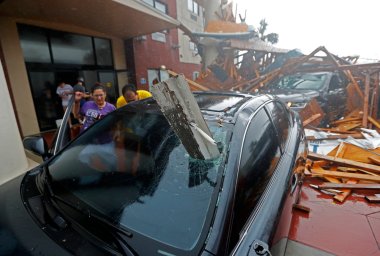
Wreckage from Hurricane Michael (Photo: Gerald Herbert | AP)
World:
¶ “Science Needs to Fix Climate Change – and FAST Warns Astronomer Royal after IPCC Report” • Britain’s Astronomer Royal has called for a worldwide redoubling of research and development into renewable energy to avert ecological catastrophe. He sees solving the climate problem as a “win-win situation. [Express.co.uk]
¶ “Norwegians Float with SeaTwirl” • Swedish outfit SeaTwirl is to sell electricity to Norwegian power company Haugaland Kraft from its S2 floating wind turbine, if the project is built at a site near Haugesund in Norway. SeaTwirl said that the Haugesund site is one of the main alternatives for the installation of the 1-MW S2. [reNEWS]

Impression of SeaTwirl (SeaTwirl image)
¶ “Denmark is Banning Non-Renewable Energy Power Vehicles to Combat Climate Change” • Denmark becomes the latest country in the entire world to ban the new sale of vehicles powered entirely by fossil fuels in order to fully transition to clean power, non-polluting vehicles on the road such as EVs or hybrids. [College Media Network]
¶ “The Philippines Seeking to Rev Up Geothermal Development Again” • The Philippines is looking at revamping geothermal development again, following its drop behind Indonesia in global rankings of geothermal countries earlier this year. In recent years, the Philippines has been basing its economic growth on fossil fuels. [ThinkGeoEnergy]

Makban geothermal plant (ThinkGeoEnergy, creative commons)
¶ “Fossil Fuel Power Drops to New Low in UK” • A report by energy market analyst EnAppSys shows that coal and gas-fired power stations in the UK produced 26.71 TWh in the three months to September 30 – just 41% of Britain’s overall power mix. Five years ago, the level for Q3 was 60%, and in 2010 it was 74%. [Power Engineering International]
¶ “Governments Must Change Tack to Contain Global Warming, Says Big Oil” • To contain global warming at 1.5°C, the IPCC said manmade global net CO2 emissions need to fall by about 45% by 2030 from 2010 levels. Governments, not energy firms, need to take the lead to reach that target, several of the big oil and gas companies indicated. [Business Insider]

Cars in Berlin (Thomas Reuters image)
¶ “World Bank Dumps Kosovo Plant, Ending Support for Coal Worldwide” • The World Bank has abandoned the last coal project on its books, with its president publicly dumping the Kosova e Re plant in Kosovo. The coal-burning power plant could not compete with renewables on price, according to bank president Jim Yong Kim. [businessgreen.com]
¶ “Belgium’s Creaky Nuclear Reactors Raise Risk of Winter Power Outages” • Five of Belgium’s seven nuclear reactors have been taken offline for repairs in recent months, with another set to follow, after the discovery of shoddy concrete, leaky pipelines and poorly constructed steel supports. Belgium plans to close all the plants by 2025. [Taiwan News]
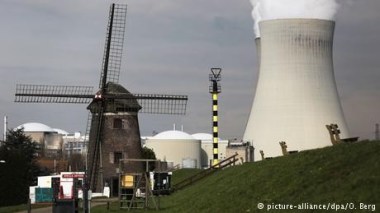
Nuclear Plant in the back yard of a windmill
US:
¶ “Why Exxon is Spending $1 Million to Push for a Carbon Tax” • ExxonMobil, long accused of downplaying the threat of climate change, announced plans to donate $1 million to a group urging Washington to enact a tax on carbon. It is the first donation Americans for Carbon Dividends has got from an American oil and gas supermajor. [CNN]
¶ “Ørsted Acquires Deepwater Wind to Build US Offshore Wind Platform” Danish offshore wind energy giant Ørsted signed an agreement to acquire Deepwater Wind, the developer of the 30-MW Block Island wind farm off Rhode Island, in a move set to be worth $510 million. This will result in the creation of an offshore wind platform for the US. [CleanTechnica]
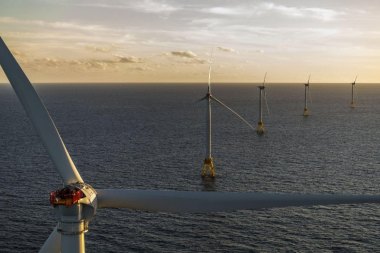
Block Island wind farm
¶ “Tesla May Double Size of Gigafactory 1 and Triple its Workforce, if Infrastructure Permits” • Elon said he can foresee doubling the size of Gigafactory 1 and tripling the workforce of 7,000 to over 20,000, a Reno Review Journal report said. “The biggest constraint on growth here is housing and infrastructure,” Musk said. [CleanTechnica]
¶ “Hawaii’s March to 100% Adds 260 MW Solar + 1 GWh Storage” • Hawaiian Electric Industries reports that it is in negotiations on long term power purchase agreements with developers of seven projects on three islands. The developments, on O‘ahu, Maui, and the island of Hawai‘i, are for solar power with battery backup, at a 1:4 capacity ratio. [pv magazine USA]
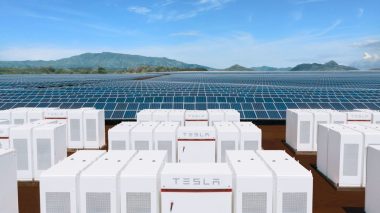
Kauai Island Utility Cooperative solar plus storage plant
¶ “Pika Energy Storage Unveils its Upgradable Residential Energy Storage Solution” • Pika Energy has rolled out two new residential energy storage products that bring a new capability to allow Pika’s Smart Batteries to be integrated into existing solar systems. The system is one of the first designed to work with existing systems. [CleanTechnica]
¶ “Duke Energy Plans $500 Million Investment in Energy Storage” • Duke Energy, headquartered in Charlotte, North Carolina, has outlined plans for $500 million of energy storage projects to be carried out in the Carolinas over the next 15 years. The systems are expected to have a capacity of approximately 300 MW. [Renewable Energy Magazine]
Have an energizingly encouraging day.
geoharvey is free and without ads.
geoharvey is not tax-deductible.
Posted in nuclear power, renewable power, solar, wind | Leave a Comment »
Tags: nuclear, nuclear power, renewable power, solar power, wind power
October 10, 2018
Opinion:
¶ “Why You Have (Probably) Already Bought Your Last Car” • You may be scoffing in disbelief at this article’s title, but bear with me. A growing number of tech analysts are predicting that in under 20 years we will all have stopped owning cars, and the internal combustion engine will have been consigned to the dustbin of history. [BBC]

Driverless taxi (Getty Images)
¶ “There Is Only One Energy Future: Firmed Renewables” • Even if we put climate change imperative to one side, we would still have a profound energy transition. The cheapest and cleanest technology for replacing old electric power plants is renewable energy, even when it is coupled with necessary firming technologies. [The Australian Financial Review]
Science and Technology:
¶ “Diverse Forests Can Absorb More Carbon Than Single Species Forests, Study Finds” • A study comparing forests was published in the journal, Science. Its authors estimate that for every additional species of tree found in a forest, there is an additional 6% increase in carbon storage – up to a tree stand of 20 different species. [Science Trends]
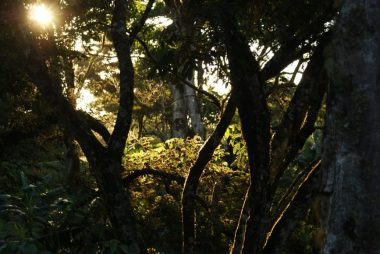
Forest (Photo: eliasfalla via Pixabay, CC0)
World:
¶ “These Companies Are Leading The Fight Against Climate Change” • A report published by the UN IPCC said that “rapid, far-reaching and unprecedented changes in all aspects of society” are needed to avoid disastrous levels of global warming. While often seen as culprits, some businesses are setting a positive example. [CNN]
¶ “Denmark Discusses Labeling Food For Climate Impact” • The Danish government began discussing proposals to oblige food manufacturers and supermarkets to put labels on their products that would rate their impact on the environment and climate. The move is being supported by the Danish Agriculture and Food Council. [CNN]

Danish supermarket (Francis Dean | Corbis via Getty Images)
¶ “Egypt Could Meet More Than 50% Of Its Electricity Demand With Renewable Energy” • Egypt could generate up to 53% of its electricity from renewable sources by 2030, a report by the International Renewable Energy Agency says. Renewables could reduce the country’s energy bill by up to $900 million annually in 2030. [Utilities Middle East]
¶ “IKEA Plans Emissions-Free Deliveries In Five Cities” • IKEA is well-known for using solar power at some of its stores, and for offering solar panels for sale in some as well. The company just added a new green wrinkle. It will have emissions-free delivery in five cities, New York, Paris, Los Angeles, Amsterdam, and Shanghai, by 2020. [CleanTechnica]

IKEA Concept Center
¶ “GE Wins Contract For Egypt’s First Nuclear Power Plant” • GE won a contract to supply equipment and services to Egypt’s first nuclear power plant, the company announced. The contract includes the supply of four nuclear turbine generators. The plant is to be built in cooperation with Russian state-run nuclear firm Rosatom. [The National]
¶ “Three Spanish Wind Farms Totaling 128 MW Set To Open In 2019” • Enel Green Power España started construction of three wind farms in Spain. The facilities are the 46.8-MW Muniesa, 41.4-MW Farlán and 39.9-MW San Pedro de Alacón, all in the region of Aragon. The total investment will be around €130 million ($149.1 million). [CNBC]

Wind farm in Spain (Enel Green Power)
¶ “Australia’s Top Scientist Calls For Hydrogen Revolution To Replace Fossil Fuels” • The federal government’s top scientist Alan Finkel says Australia could slash global carbon emissions and create a multi-billion dollar export industry by developing hydrogen as an energy source to replace fossil fuels for vehicles, homes, and industry. [The Sydney Morning Herald]
¶ “Suzlon Savours 250-MW Local Success” • The 250-MW Chandragiri wind farm in the Indian state of Tamil Nadu has been completed by Suzlon and Sembcorp Energy India. The project, which features 119 Suzlon 2.1-MW S111 120-meter turbines, will sell electricity to Power Trading Corporation under a long-term agreement. [reNEWS]

Suzlon wind turbine (Suzlon image)
US:
¶ “Flint Schools Are Getting Safe Water Fountains Thanks To Elon Musk” • Schools in Flint, Michigan, are finally getting the help they need to provide safe water fountains for their students, four years after high levels of lead were found in Flint’s water. Billionaire Elon Musk and the Musk Foundation donated the money to install filters. [CNN]
¶ “Kansas City Utility Packages Clean Energy With Federal Tax Savings” • Kansas City Power & Light has a rate case before the Missouri Public Service Commission that would return federal tax savings to customers. It also has measures to reduce energy usage, and it encourages renewable energy purchases and community solar. [Energy News Network]

Kansas City Missouri
¶ “Trump Says He Will Review UN Climate Change Report” • President Trump said he will “absolutely” review a new dire report on climate change from the UN, though he expressed some skepticism about its authors. “It was given to me and I want to look at who drew it, which group drew it,” Trump told reporters at the White House. [The Hill]
¶ “Lobby Group Forms To Save Davis-Besse, Perry Nuclear Plants” • The Ohio Clean Energy Jobs Alliance was created to lobby to keep open the Davis-Besse and Perry nuclear plants. The group is supported by power plant owner FirstEnergy Solutions Inc. It is made up of government, business and labor leaders, an announcement said. [Akron Beacon Journal]
Have a fabulously fruitful day.
geoharvey is free and without ads.
geoharvey is not tax-deductible.
Posted in nuclear power, renewable power, solar, wind | Leave a Comment »
Tags: nuclear, nuclear power, renewable power, solar power, wind power
October 9, 2018
Opinion:
¶ “UN Climate Change Report Contrasts With Recent EPA Policy Changes” • The IPCC report warning consequences could be drastic if “rapid, far-reaching and unprecedented changes” are not made to mitigate global warming contrasts starkly with Trump administration policies decreasing federal regulation of greenhouse gas emissions. [CNN]

Pollution (When I did a Google search on this
image, Google said that it was Donald Trump.)
¶ “Five Things We Have Learned From The IPCC Report” • BBC environment correspondent Matt McGrath outlines five key takeaways from the report on rising temperatures issued by the IPCC. An author said, “I wouldn’t want to be too optimistic as it will require huge changes, but if we don’t do it, that will also require huge changes.” [BBC]
Science and Technology:
¶ “Power flies from Minesto kite” • Swedish marine energy developer Minesto generated first power from its commercial-scale Deep Green 500-kW tidal kite off the coast of north Wales. The company said initial generation was achieved during the second commissioning phase for the device, which is located at a site in Holyhead Deep. [reNEWS]

Deep Green tidal kite (Minesto image)
¶ “NREL: Geothermal Technologies Could Push Energy Storage Beyond Batteries” • Compressed-air storage in old gas wells, geothermal-solar hybrid technology, and geothermal energy in cold-climate communities could offer new options for energy storage, according to the US DOE’s National Renewable Energy Laboratory. [ThinkGeoEnergy]
World:
¶ “Tesla’s Battery In South Australia Breaks Stranglehold Of Natural Gas Industry” • The 129-kWh Tesla Powerpack installation in South Australia is already having a strong impact on the region’s electricity markets, saving grid operator Neoen and customers an estimated $25 million, ⅓ of its purchase price, in its first year. [CleanTechnica]

Tesla’s Hornsdale Power Reserve
¶ “Renewables Are Now The Cheapest Source Of Energy, Says EBRD” • Due to significant cost reductions, renewables are now often the cheapest source of energy, according to a statement from the European Bank for Reconstruction and Development. The bank has issued a statement calling for a “step change” in investments. [pv magazine International]
¶ “Renewables To Provide 30% Of World Electricity By 2023, IEA Report Claims” • Renewables will provide almost a third (30%) of the world’s electricity in five years’ time, a report from the International Energy Agency said. Renewables’ share of all energy, including power, heating, and transport, will rise to 12.4% in 2023. [Energy Voice]

Dudgeon wind farm (Jan Arne Wold | Woldcam | Statoil ASA)
¶ “Northern Territory Signs PPA With 25-MW Solar Farm, As Grid Reforms Take Shape” • Plans for the largest yet PV farm in Australia’s Northern Territory moved ahead, as the 25-MW project sealed a solar off-take deal with Jacana Energy. The project had already gained development approval from the territory’s government. [RenewEconomy]
US:
¶ “Clean Power Plan Or Not, Coal Caught In Corporate Death Squeeze (CleanTechnica Interview)” • Former President Barack Obama’s Clean Power Plan gets a lot of heat for killing US coal jobs, but the funny thing is, it never went into effect. US coal power plants keep closing. And for miners, the news is about to get much, much worse. [CleanTechnica]

Wind turbine in the back yard
¶ “We Want Sun: A 100% Renewable Puerto Rico?” • US energy researchers and a group of energy, public policy and labor interests in Puerto Rico last week issued a plan to put the island on a path towards 100% renewable energy. With power costs at 23¢/kWh, the plan, “Queremos Sol (We Want Sun),” makes economic sense. [Microgrid Knowledge]
¶ “Solar, Wind Helping To Cut CO2 Emissions, Government Says” • Energy-related carbon dioxide emissions decreased nearly 1% last year as the nation shifted further away from coal-fired power generation and more toward cleaner sources of electricity, including natural gas and renewable energy sources like wind and solar. [Houston Chronicle]

Getting more power from renewable sources
¶ “SCE Proposes Five New Green Energy Programs To Replace Aging GTSR Program” • Southern California Edison proposed five new Green Programs to the California Public Utilities Commission in an attempt to give customers options to tap into and support renewable electricity through their monthly electricity payments. [CleanTechnica]
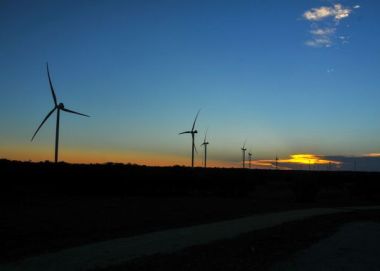
¶ “General Motors will soon use wind power to build pickups and SUVs” • GM’s largest gas-burners, pickups and full-size SUVs, will soon be built at plants powered by wind, not fuel. GM wants to power all its global facilities with 100% renewable energy by 2050. GM will be at 20% of that goal by year-end, the automaker said. [Detroit Free Press]
Wind power (Photo: Billy Brown)
¶ “Apollo To Buy $1 Billion Of Energy Investments From GE Capital” • General Electric Co agreed to sell a portfolio of about 20 equity investments, worth roughly $1 billion, to Apollo Global Management as the downtrodden manufacturer extends a push to slim down and shed finance assets following a surprise CEO change. [Yahoo Finance]
¶ “Public Service Commission candidates on Vogtle, renewable energy” • The Georgia Public Service Commission is not usually front-of-mind for most voters. But one issue is drawing more eyes to the PSC. The Vogtle nuclear power plant, the only one under construction in the US, is years behind schedule and billions over budget. [MDJOnline.com]
Have a downright gratifying day.
geoharvey is free and without ads.
geoharvey is not tax-deductible.
Posted in nuclear power, renewable power, solar, wind | Leave a Comment »
Tags: nuclear, nuclear power, renewable power, solar power, wind power
October 8, 2018
IPCC Report:
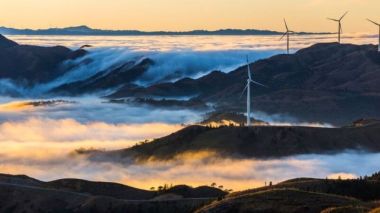
¶ “Climate Report: Scientists Urge Deep Rapid Change To Limit Warming” • After three years of research and a week of haggling between scientists and government officials at a meeting in South Korea, the Intergovernmental Panel on Climate Change (IPCC) has issued a special report on the impact of global warming of 1.5°C. [BBC News]
Renewable electricity generation
¶ “Eight Things You Need To Know About The IPCC 1.5°C Report” • While all countries committed under the Paris Agreement to limit global temperature rise to 1.5°C-2°C (2.7°F-3.6°F), major questions remained: How can the world achieve this temperature goal? And what happens if it doesn’t? Here are eight things to know. [RenewEconomy]
¶ “The IPCC Global Warming Report Spares Politicians The Worst Details” • The IPCC report’s summary paints a sobering picture of the impacts of a global mean surface temperature rise of 2°C. The summary was approved by all governments, the US, Australia, and Saudi Arabia included. It does not even mention some of the content’s worst projections. [The Guardian]

Changing monsoon patterns not mentioned (Stringer | Reuters)
¶ “Morrison Vows No Money For Climate Conferences And ‘All That Nonsense'” • Australia’s prime minister responded to the latest IPCC report by declaring that he had no intention of spending money on climate conferences and “all that sort of nonsense.” He indicated Australia would resume a disruptive role in world climate talks. [RenewEconomy]
¶ “UN Climate Report Warning: Act Now, It’s A Life Or Death Situation” • Earth’s surface has warmed 1°C, which has been enough to lift oceans and unleash a crescendo of deadly storms, floods and droughts. It is on track toward an unlivable 3°C or 4°C rise. At current emissions levels, we could pass the 1.5°C marker as early as 2030. [The National]

Hanna Lake, Pakistan (AFP)
¶ “Climate Crisis Spurs UN Call For $2.4 Trillion Fossil Fuel Shift” • The world must invest $2.4 trillion in clean energy every year through 2035 and cut the use of coal-fired power to almost nothing by 2050 to avoid catastrophic damage from climate change, according to the scientists convened by the United Nation’s IPCC. [Yahoo News]
World:
¶ “Hambach Forest Clearance Halted By German Court” • A German court on temporarily blocked mining company RWE from razing further sections of an ancient forest to mine coal. The open-pit mine run by RWE currently covers 33 square miles. Only 10% still remains of the 12,000-year-old Hambach Forest. [CNN]

Small parts of the Hambach Forest and the Hambach Mine
(Photo: Federico Gambarini | picture alliance via Getty Images)
¶ “World To Install Over One Trillion Watts Of Clean Energy By 2023” • The world could install over 1,000 GW of renewable power, more than the EU’s entire generating capacity, over the next five years. One scenario the International Energy Agency has in its latest annual report on renewables forecasts up to an extra 1.3 TW by 2023. [BloombergQuint]
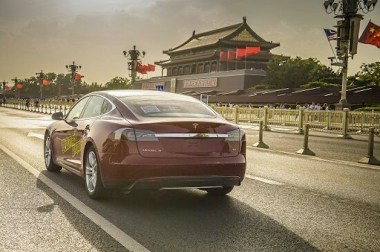
¶ “Tesla Speeding Up Chinese Factory Due To Trump Trade War” • China is putting a 40% tariff on cars imported from the US, and according to Tesla, it costs 55–60% more to manufacture a car in the US than it does to produce the same car in China. So Tesla is accelerating the construction of its new production facility near Shanghai. [CleanTechnica]
Tesla in China
¶ “Pilbara Wind And Solar Plans Jump To 11 GW As Macquarie Provides Capital” • Plans for the Asia Renewable Energy Hub, a huge wind solar hybrid project in north-western Australia, jumped from 9 GW to 11 GW. This follows Macquarie Group providing development capital and new analysis of wind speeds in the area. [RenewEconomy]
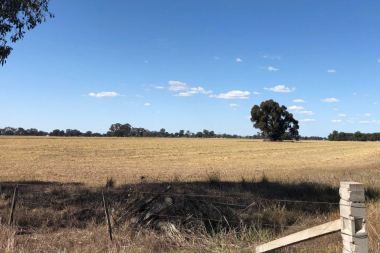
¶ “Victorian solar farm approved while three other ‘controversial’ projects deferred” • The Victorian government has given the green light to the Congupna project, a solar farm in northern Victoria that could produce enough power for more than 20,000 homes. The state has a goal of getting 40% of its power from renewables by 2040. [ABC News]
Location of the Congupna project
¶ “India Signs Agreement For Six Nuclear Power Units With Russia” • On the sideline of the 19th India-Russia Annual Bilateral Summit, the countries signed a deal for cooperation on developing a new nuclear power project in India. The nuclear project will have six power units with latest Generation 3+ VVER 1200 reactors. [Energy Bangla]
US:
¶ “2018 Nobel In Economics Awarded To William Nordhaus And Paul Romer” • The Nobel Prize in economic science went to two Americans. William D Nordhaus was cited for his work on the implications of environmental factors, including climate change. Paul M Romer was cited for work he has done on the importance of technological change. [New York Times]

Nordhaus and Romer (Credit: Niklas Elmehed)
¶ “TVA Solar Lags As Power Companies Across Southeast Embrace Renewable Energy” • The nation’s largest public utility continues to lag behind much of the Southeast in solar growth, and the gap is getting wider. Critics claim the Tennessee Valley Authority is stunting solar growth as it avoids downsizing its infrastructure. [Chattanooga Times Free Press]
¶ “Q&A With Joel Clement: Interior Department Whistleblower Discusses Climate Change In The Trump Era” • “I don’t think we’ve ever seen an administration try to undercut science so blatantly as this one,” Joel Clement told a group of students and professors at the Indiana University Robert H McKinney School of Law in Indianapolis. [Indianapolis Star]
Have an utterly charming day.
geoharvey is free and without ads.
geoharvey is not tax-deductible.
Posted in nuclear power, renewable power, solar, wind | Leave a Comment »
Tags: nuclear, nuclear power, renewable power, solar power, wind power
October 7, 2018
Opinion:
¶ “Serious About Climate Means Serious About Carbon” • This week, the Intergovernmental Panel on Climate Change will release a report on the feasibility of stabilizing global warming at 1.5° C warming, an ambitious goal of the Paris Agreement. Spoiler alert: It ain’t pretty. Most scholars give us five to eight years before we reach it. [The Hill]
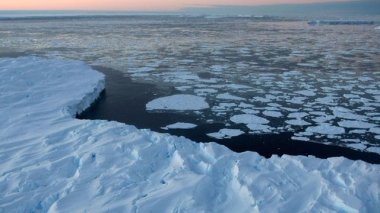
Melting ice
¶ “Big Auto Keeps Complaining About How Hard Going Electric Is For Them” • Legacy automakers have been hyping a future where they’ll finally electrify their fleet. Now, however, it appears they’re a bit reticent to do so. VW’s CEO said the cost will be higher than expected, because “competitors have been making more progress.” [CleanTechnica]
¶ “Wind Power Does Not Cause Global Warming” • Two Harvard researchers published a paper on wind power that was widely commented on. Many reporters interpreted the paper to say that the researchers had shown that wind turbines somehow cause climate change. That is not what the authors say. It is not what they imply. [CleanTechnica]

Wind farm
¶ “Nuclear Power Play Keeps Vogtle Project Alive” • Late last year, the Georgia Public Service Commission fended off pressure from ratepayers and anti-nuclear advocates and voted to back Georgia Power’s request to continue the work. But now, after supporting an enterprise with no limits for years, some are fed up enough to say no. [Gainesville Times]
World:
¶ “Funding Secured For UK’s First Hydrogen Injection System On A Ferry” • Innovate UK has granted £430,332 ($565,000) in funding to design and integrate a hydrogen diesel dual fuel injection system on a commercial ferry. The hydrogen to be used in the project will be produced in Orkney, from renewable energy sources. [The Maritime Executive]

Shapinsay vessel (David Hibbert, Orkney Islands Council)
¶ “New Car Sales In Free Fall In UK And Europe Thanks To WLTP Fuel Economy Standard” • All new cars sold in the EU and the UK must be certified using the Worldwide Harmonized Light Vehicle Test Procedure (WLTP) standard as of September 1. After deep discounts in August for cars meeting the old standard, the car market is hurting. [CleanTechnica]
¶ “As US Sanctions Approach, Iran Promotes Investments in Renewable Energy” • The head of the Renewable Energy and Energy Efficiency Organization of Iran, a state-owned entity also known as Satba, announced that the Energy Ministry is ready to attract foreign investors in the country’s renewable energy sector. [Al-Bawaba]
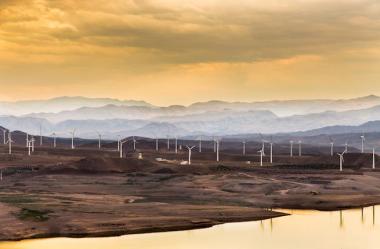
Wind turbines in northern Iran (Shutterstock)
¶ “One-Third Of Companies In The UK Have Installed On-Site Battery Storage” • A Haven Power survey found that a third of UK companies have invested in on-site battery storage projects. Over half of British companies questioned would consider energy usage in their top three priorities, with many wishing to sell power to the grid. [Energy Digital]
¶ “Ivory Coast: First Solar Power Plant Of 37.5 MW, Will Be Located In Boundiali” • Germany and the European Union have both committed to finance the construction of Ivory Coast’s first solar power plant. Located in the northern part of the country, it will have a capacity of 37.5 MW, which will be enough to supply 30,000 households. [AFRIK 21]
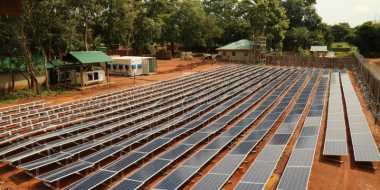
Solar array (Shutterstock image)
¶ “Danish Conservative Prime Minister Thinks Climate Council Is Too Conservative, Doubles Electric Vehicle Goal” • The Danish Council on Climate Change recommended a goal of 500,000 electric cars by 2030 as a step to making Denmark fossil fuel free by 2050. The Danish Prime Minister wants that the goal would be a million. [CleanTechnica]
US:
¶ “City Of Aspen, Colorado, Tries Transportation Alternatives” • The city of Aspen, Colorado, is employing a city mobility lab to study traffic patterns and trial a new app. Its goal is decreasing the number of cars coming into the town each day by 800. The mobility lab’s project director answered some questions for CleanTechnica. [CleanTechnica]

Aspen, Colorado
¶ “eMotorWerks Puts EV Chargers To Work As 30-MW Virtual Energy Storage Battery” • eMotorWerks, an Enel Group Company, has successfully deployed a 30-MW/70-MWh virtual energy storage battery load comprised of distributed electric vehicle charging loads on the California Independent System Operator markets. [CleanTechnica]
¶ “Utility-Scale Solar Project Powers Up In West Maui” • Maui’s second utility-scale solar project, Ku’ia Solar in West Maui, is online and supplying power to Maui Electric Co, the utility said. The project can supply up to 2.87 MW of power. MECO is paying 11.06¢/kWh for its energy, compared to 17¢/kWh for energy from fossil fuels. [Maui News]
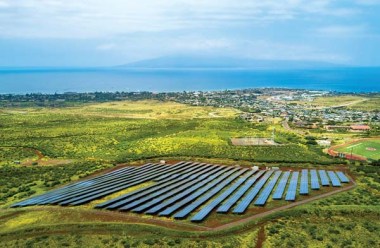
Ku‘ia Solar project (Maui Electric Co photo)
¶ “The 2,900 Home sonnenCommunity Demonstrates The Potential Of Neighborhood Solar+Storage” • sonnen is partnering with Mandalay Homes and Arizona Eco-Development on a disruptive new community in which a mind-boggling 2,900 homes will receive a sonnen energy storage solution and a rooftop solar installation. [CleanTechnica]
¶ “US Solar Tariffs To Cost Customers $236.5 Million” • Solar import tariffs imposed by the Trump Administration in January are expected to cost the average residential customer $960 per solar system, adding up to what is essentially a $236.5 million tax imposed on American solar customers, a report published by EnergySage said. [CleanTechnica]
Have a superbly snug day.
geoharvey is free and without ads.
geoharvey is not tax-deductible.
Posted in nuclear power, renewable power, solar, wind | Leave a Comment »
Tags: nuclear, nuclear power, renewable power, solar power, wind power
October 6, 2018
Opinion:
¶ “Energy Transition: The Greatest Switch Capital Markets Have Ever Seen” • If we make the right changes to investment, market, and business models, the total cost of the clean energy system will be significantly lower than the current fossil fuel driven energy system. The alternative could leave us with a bill that far exceeds current costs. [CleanTechnica]

Sunflowers and windpower (Photo: Gustavo Quepón)
¶ “Shocker: Perry Releases Study Supporting Coal Subsidies” • Trump’s DOE put together a bogus study to justify a proposal to prop up polluting coal-fired power plants and financially failing nuclear plants. Keeping uneconomic power plants open for just two more years could cost $34 billion to offset the operating shortfalls. [The National Memo]
Science and Technology:
¶ “Carbon Engineering Claims Direct Air Capture of Carbon Costs Less Than $100 Per Ton” • Carbon Engineering, based in Canada, built a demonstration facility for its direct air capture technology. Based on its experience to date, it claims the cost of removing carbon directly from the atmosphere can be as low as $94 a ton. [CleanTechnica]

Carbon Engineering pilot plant
World:
¶ “ABB is Building the Distributed, Resilient Grid of the Future, One Business at a Time” • One of the key trends ABB sees in the market is that renewables have brought the democratization of electricity with them. This can easily be seen in the residential rooftop solar revolution. Now it is moving to commercial and industrial customers also. [CleanTechnica]
¶ “BorWin Gamma Nears Finish Line” • The 900-MW BorWin Gamma platform is set to reach the installation site in a German North Sea wind farm on schedule. In early September, Dubai shipyard Drydocks World shipped out the 18,000-tonne topside that will be installed some 130 km off the German coast in water depths of about 40 meters. [reNEWS]

Gamma at the Suez Canal (Ulrich Wirrwa | TenneT | Siemens)
¶ “Innogy, Shell, Stiesdal Partner on Floating Wind Demo” • The companies will invest about €18 million ($20.7 million) in the demonstration project. It will use a 3.6-MW Siemens Gamesa Renewable Energy SA direct drive offshore wind turbine. It will be located at the test site of the Marine Energy Test Centre near Stavanger, Norway. [Renewables Now]
¶ “MPUVN rooftop solar gets lowest ever tariff of ₹1.38 per unit” • Madhya Pradesh Urja Vikas Nigam announced that it has achieved historic low tariff of ₹1.38 per unit (1.9¢/kWh) for Indian central government buildings in its RESCO II rooftop solar tender, an official statement said. The rate will increase by 3% annually. [ETEnergyworld.com]

Solar array
¶ “Renewable energies generated 41.8% of electricity from January to September in Spain” • Renewable energies generated 41.8% of electricity from January to September in Spain: wind energy provided 19.4%, concentrated solar power thermal generated 2.2%, and PVs share was 3.3%. Hydropower generation was at 15.2%. [REVE]
¶ “Siemens Gamesa Wins its First Russian Wind Farm Order” • Siemens Gamesa has secured its first order in Russia from Enel Russia, one of the country’s independent power producers, for the supply of 90 MW of wind turbines. The agreement includes delivery, installation and service for 26 turbines at a wind farm in southern Russia. [Electric Light & Power]
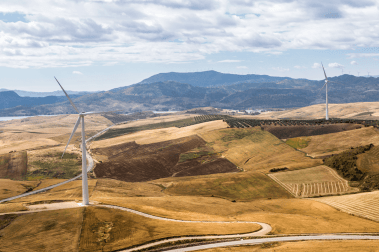
Wind farm
¶ “Spain scraps ‘sun tax’ in measures to cool electricity prices” • In a move to reduce electricity prices, the Spanish government will scrap a controversial levy on solar power affecting small businesses and households, Energy and Environment Minister Teresa Ribera said. This will make it easier for consumers to erect panels for their own use. [Reuters]
¶ “Three decades after nuclear disaster, Chernobyl goes solar” • Ukraine unveiled a solar plant in Chernobyl, just across from where a power station, now encased in a giant sarcophagus, caused the world’s worst nuclear disaster three decades ago. The solar plant was built in a contaminated area, which remains largely uninhabitable. [The Express Tribune]
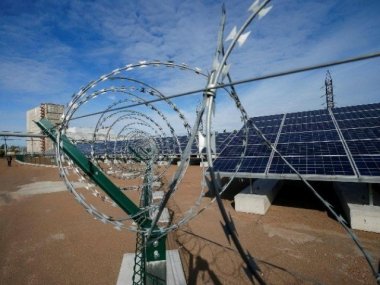
Razor wire and solar panels at Chernobyl
US:
¶ “New Mexico Approves Pattern Energy’s 2.2 Gigawatt Corona Wind Projects Plan” • The New Mexico Public Regulation Commission has opened the door for Pattern Energy to begin construction on its Corona Wind Projects. The project will have an estimated 950 wind turbines, which will boast a total capacity of 2,200 MW. [CleanTechnica]
¶ “Millions of Texas Oil Dollars Flowing into Carbon Fee Fight in Washington State” • Texas oil companies are pouring millions of dollars into Washington state to fight a ballot measure that, if passed, would create the nation’s first carbon fee, raising the cost of gasoline and other fossil fuels and likely hurting demand for petroleum products. [Energy Voice]

Citgo oil refinery in Texas (Photo: Eddie Seal | Bloomberg)
¶ “NJ Sees Big Improvement in Energy Efficiency, New Report” • The American Council for an Energy-Efficient Economy issued its State Energy Efficiency Scorecard for 2018. It ranks New Jersey as the state with the most improvement, ranking at 18th overall. New Jersey had been ranked 7th in 2010, but a change in policy pushed it to 24th. [InsiderNJ]
¶ “PSEG Seeks Nuclear Support on the Tail of $4.1 Billion Clean Energy Proposal” • New Jersey’s Public Service Enterprise Group this week doubled down on claims that only state subsidies can save its three nuclear power plants. A week ago, the group’s electric and gas utility presented a plan to invest $4.1 billion in clean energy. [GreenTech Media]
Have a wholly hunky-dory day.
geoharvey is free and without ads.
geoharvey is not tax-deductible.
Posted in nuclear power, renewable power, solar, wind | Leave a Comment »
Tags: nuclear, nuclear power, renewable power, solar power, wind power
October 5, 2018
Opinion:
¶ “Clean Energy is Coming. What’s Exxon Waiting For?” • Unlike their European rivals, ExxonMobil and Chevron have not yet made large-scale investments in solar, wind, electric cars, or energy storage. Their more cautious approach raises their risk of being left behind if the energy revolution arrives faster than they anticipate. [CNN]
Science and Technology:
¶ “Large-scale Wind Power Would Require More Land and Cause More Environmental Impact than Previously Thought” • “Wind beats coal by any environmental measure, but that does not mean that its impacts are negligible.” Wind turbines cannot be extensively installed without atmospheric impacts that need to be considered. [Harvard Gazette]
World:
¶ “Siemens Gamesa Awards First Local Taiwan Offshore Wind Supply Contracts” • Siemens Gamesa Renewable Energy has announced its first local supply agreements for offshore wind projects in Taiwan, heralding the next key step in the growth of what is expected to be the world’s next big offshore wind energy hub. [CleanTechnica]
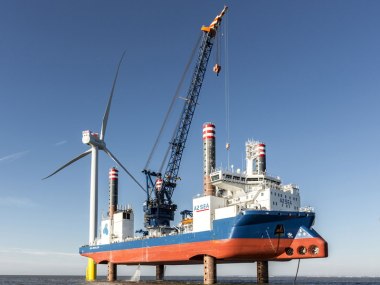
Construction of Formosa 1 Phase 1 (Swancor image)
¶ “‘Not One Country’ On Track to Limit Global Warming to 2°C” • Consultancy giant PwC has published its latest Low Carbon Economy Index for 2018 which shows that not only are emissions on the rise again, but that not even one G20 country is achieving the necessary decarbonization rate to limit global warming to the necessary 2°C. [CleanTechnica]
¶ “Industry Hails Crown for ‘Significant Progress'” • The UK offshore wind industry has welcomed the Crown Estate’s move to accept eight extension projects for assessment. Trade body RenewableUK led the reaction after the seabed landlord said up to 3.4 GW of wind farms will progress to the next round of the process. [reNEWS]

Making a turbine blade (Siemens image)
¶ “ESB Goes Mega in North-east Scotland” • ESB, an Irish utility developer, filed to build the 26-turbine Glendye wind farm in north-east Scotland. The project will feature hardware of up to 149.9 metres, clearing the way for top power of more than 100 MW. Glendye will be around 2 km from Fettercairn on the southern edge of Aberdeenshire. [reNEWS]
¶ “Australia Set for More Records in Annual RET Accreditations” • The Clean Energy Regulator in Australia said it expects more than 3.4 GW of large-scale renewable power plants to get accredited under the Renewable Energy Target this year, and up to 4.3 GW to follow in 2019. In 2017, there were 1.7 GW of plants accredited. [Renewables Now]

Wind farm in Australia (Photo: AGL Energy)
¶ “21 IORA Countries Adopt the Delhi Declaration on Renewable Energy” • The 21 member states in the Indian Ocean Rim Association adopted the Delhi Declaration on Renewable Energy, which calls for collaboration among IORA member states in meeting the growing demand for renewable energy in the Indian Ocean Littoral. [ETEnergyworld.com]
¶ “Mexico Could Cut Electricity Prices By 40% With Renewables” • Mexico could see electricity prices drop by as much as 40% by deploying more renewable energy generating capacity. This is the conclusion of a study carried out by the Mexican Business Coordination Council, quoted by commodity information provider S&P Global Platts. [OilPrice.com]

Solar farm
¶ “Private PPAs for Solar are Proliferating in Latin America” • Although auctions for big renewable energy projects are still in place in Latin America, increasing numbers of deals show the private PPA segment is gaining ground in most of the regional markets, and projects under this regime are becoming viable as an option. [pv magazine International]
¶ “France’s oldest nuclear plant Fessenheim to close by 2022” • France’s Ecology Minister Francois de Rugy said Fessenheim’s two 900-MW reactors will be shut down by 2022. Previously the closure had been tied to the start-up of the new generation EPR Flamanville 3 reactor on the northwest French coast, which was to open next year. [Deutsche Welle]
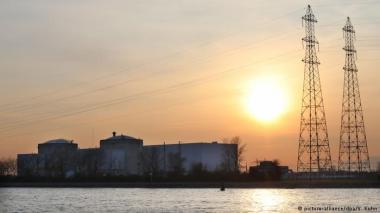
Fessenheim nuclear plant
US:
¶ “Lake Erie Icebreaker Wind Project Receives Federal Approval” • A federal review led by the DOE of the proposed Icebreaker Lake Erie wind project found no significant environmental impacts. The report, which was based on over two years of study, states that the project would not significantly affect migratory birds. [Renewable Energy Magazine]
¶ “US Residential Flexibility Potential to Reach 88 GW by 2023” • A report from Wood Mackenzie Power & Renewables predicted that the US could likely boast 88 GW worth of residential flexibility potential by 2023, with nearly 30 million distributed generation and grid-connected devices already installed across the country. [CleanTechnica]

Rooftop solar system
¶ “LePage’s Secretive Wind Energy Panel, Thought to be Near Death, Meets for the First Time” • The Maine Wind Energy Advisory Commission is charged with examining the potential economic impact of wind power development on tourism in western and coastal Maine and recommending changes to the state’s permitting system. [Press Herald]
¶ “US Indicts Russians In Conspiracy To Hack Nuclear Energy Company, Doping Watchdogs” • The US charged seven Russian intelligence officers with conspiring to hack computers and steal data from the nuclear energy company Westinghouse Electric Co, an international agency probing the use of chemical weapons, and other organizations. [HuffPost]
Have a marvelously delightful day.
geoharvey is free and without ads.
geoharvey is not tax-deductible.
Posted in nuclear power, renewable power, solar, wind | Leave a Comment »
Tags: nuclear, nuclear power, renewable power, solar power, wind power
October 4, 2018
Science and Technology:
¶ “Pairing Wind and Solar for 24-Hour Renewable Energy” • Invenergy is starting with a 175-MW wind farm. Within that, it plans to build a 150-MW solar farm. They will produce enough electricity together for about 175,000 homes. The wind and solar energy complement each other, because they hit their peaks at different times. [InsideClimate News]
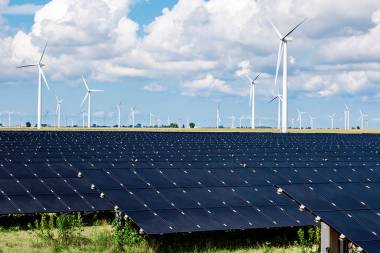
Invenergy’s Grand Ridge project in Illinois (Invenergy)
¶ “The cost of carbon capture: is it worth incorporating into the energy mix?” • The high cost of carbon capture and storage has thus far kept the technology from entering mainstream use, though it is held as one of the few means of keeping fossil fuels in the global energy mix without inciting further environmental damage. [Power Technology]
World:
¶ “Alberta Government issues RFP for 135,000 MWh of solar” • The Government of Alberta has said it is committed to buying renewable energy certificates equivalent to 135,000 MWh of solar electricity over the next 20 years. This is enough to power around 18,750 homes and equivalent to 55% of the government’s electricity needs. [pv magazine International]

Alberta legislature building (Image: Zeitlupe, Wikipedia)
¶ “SoftBank CEO Offers Free Solar Power to ISA Countries After the End of 25-Year PPA” • Talking at the Global Renewable Energy Investment Meeting and Expo, SoftBank CEO Masayoshi Son announced, “I will give free power from solar power projects after 25 years of PPA to all [International Solar Alliance] member countries.” [Mercom India]
¶ “Modi fires starting gun on India’s National Energy Storage Mission” • India’s prime minister Narendra Modi made an official commitment towards the launch of the country’s first National Energy Storage Mission. He said India could see clean energy business opportunities worth $70 billion to $80 billion in the next four years. [Energy Storage News]
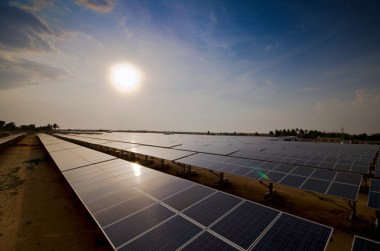
Solar array (Image: Tata Solar)
¶ “Group calls for 70% target for renewable electricity by 2030” • A report from energy and utilities analysts Baringa concludes it is technically possible and cost neutral to the consumer to use renewable energy to supply 70% of Ireland’s electricity needs by 2030. A group representing renewable energy providers is now calling for that goal. [Irish Times]
¶ “Siemens, AES puts store in England” • Fluence, a Siemens and AES joint venture, is to provide battery systems totalling 60 MW to the second phase of UK Power Reserve’s 120-MW energy storage portfolio in England. The contract builds on a previous deal for the 60-MW first phase of the portfolio, which is under construction. [reNEWS]

Battery storage (AES image)
¶ “Australia installed solar capacity to double to 18 GW by 2020” • Australia’s installed capacity of solar is expected to double to 18 GW in the next two years as a wave of new large scale projects are completed and customers continue to turn to solar to reduce their electricity bills. One analyst expects up to 4 GW installed this year. [RenewEconomy]
¶ “Finnish main course for Nordex titan” • German turbine manufacturer Nordex has secured its first large-scale order for the N149/4.0-4.5 series unit for the 81-MW Hedet wind farm in Finland. A total of 18 machines with 135-meter towers will be delivered and installed at the site under a turnkey deal with developer Neoen. [reNEWS]

Wind turbine (Nordex image)
¶ “Britvic moves to 100% renewable electricity in its British business” • Britvic now powers all of its British operations from 100% renewable electricity, the UK-based beverage maker has announced, after securing a four-year deal with energy provider E.ON. It will save the equivalent of over 17,000 tonnes of CO2 per year. [FoodBev.com]
¶ “Areva’s Finnish reactor may face further delays” • Finland’s proposed Olkiluoto 3 nuclear power plant, which is already more than a decade behind schedule, may face further postponements, according to plant operator Teollisuuden Voima. After repeated delays and soaring costs, TVO said the final testing phase is now running late. [Reuters]
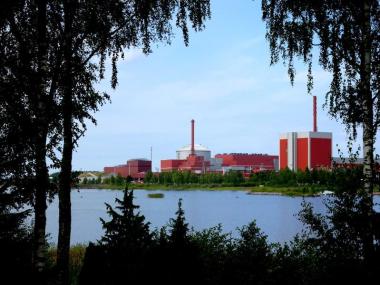
Olkiluoto 3 (Jussi Rosendahl | Reuters | File Photo)
¶ “Hinkley Point builder feels heat for French reactor failings” • The company building the Hinkley Point C nuclear plant has been rebuked by French safety regulators for failings in the construction of a prototype reactor in Normandy. The reactor EDF is building at Flamanville has the same design that it plans to use at Hinkley Point. [The Times]
US:
¶ “Organic Valley to Become 100% Renewably Powered in 2019” • Organic Valley, a cooperative of organic farmers, announced the details of its community solar partnership. The project enables Organic Valley to share the benefits of solar energy with its rural neighbors and become the largest food company to be 100% renewably powered. [waste360]

Organic Valley solar and wind
¶ “Trump names pro-fossil ideologue to fill vacant FERC seat” • Trump appointed Bernard McNamee to fill the seat on the Federal Energy Regulatory Commission that was vacated when Robert Powelson stepped down. McNamee has been a champion of a coal and nuclear bailout and has written about benefits of fossil fuels. [pv magazine USA]
¶ “Drift and Budweiser Partner to Increase Renewable Energy Use” • Drift, a new power company that uses high-frequency trading and AI to provide 100% renewable, low-cost, local power, and Budweiser, which is moving to 100% renewable energy, are partnering to help power customers get low-cost local 100% renewable power. [Renewable Energy Magazine]
Have a thoroughly amusing day.
geoharvey is free and without ads.
geoharvey is not tax-deductible.
Posted in nuclear power, renewable power, solar, wind | Leave a Comment »
Tags: nuclear, nuclear power, renewable power, solar power, wind power
October 3, 2018
Opinion:
¶ “How to show Trump you care about climate change” • Jay Inslee, Governor of Washington: While Donald Trump is blowing smoke on climate change, we here in the West have been choking on it this summer. And if we don’t start electing people – from city council to governor – who are willing to confront climate change, we’re all going to pay dearly. [CNN]

Warming Arctic
World:
¶ “India: 40% electricity generation from non-fossils by 2030, up to $80 billion for PV manufacturing” • Prime Minister Narendra Modi confirmed that India will achieve the goal of 175 GW by 2022 on time. He announced that now the target is to meet 40% of India’s total energy requirements in 2030 with non fossil fuel-based sources. [pv magazine International]
¶ “wpd Moves Into Taiwan After Securing 1 GW Offshore Wind Tender” • New energy developer wpd cleaned house in Taiwan’s offshore wind tenders last year, locking in 990 MW of new contracts. Now it is at work to implement that order by 2025. YD Chang shared the excitement of the new rush into Taiwan in an interview. [CleanTechnica]
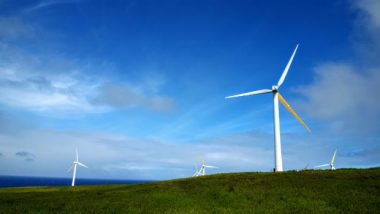
Wind turbines (Kyle Field)
¶ “Frost & Sullivan forecasts strong 2018 for solar, despite China’s policy setback” • A report from business consultants Frost & Sullivan expects around 90 GW of new solar installations by the end of 2018, in line with the predictions of other leading analysts. It further notes that PV remains the world leader in renewable energy capacity. [pv magazine International]
¶ “James Fisher lets Welsh tidal kite fly” • James Fisher Marine Services has completed its project scope for tidal kite developer Minesto’s Holyhead Deep scheme off the coast of north Wales. All the components and systems needed for power delivery are now in place to start power generation. The tidal kite has a capacity of 500 kW. [reNEWS]

Deep Green tidal kite (Minesto image)
¶ “Japan transfers excess renewable power between regions for first time” • Excess renewable energy was moved between two of Japan’s electricity regions for the first time since a major shakeup of its power sector, the country’s grid monitor said. Solar power from the island of Kyushu was transmitted to Japan’s main island of Honshu. [ETEnergyworld.com]
¶ “Origin says solar cheaper than coal, moving on from base-load” • Origin Energy says the cost of wind and solar farms has fallen so far it is now cheaper than the marginal cost of coal generation. The Australian company is moving on from the concept of “24/7 base-load,” according to its head of energy trading and operations. [RenewEconomy]

Australian wind farm
US:
¶ “Yep, Tesla Is Gobbling USA Luxury Car Market – 8 Charts & Graphs” • Tesla increased its deliveries by more than 100% in the third quarter compared to the second quarter, its previous best quarter in history. In 6 years, its Q3 sales jumped from 321 to 83,500. The cars it is most directly competing in are the luxury classes. [CleanTechnica]
¶ “Offshore Wind Could Spur Economic & Employment Boom In South Carolina” • A report, The South Carolina Jobs Project: A Guide to Creating Jobs in Offshore Wind, outlined how South Carolina could tap into the growing offshore wind manufacturing and development pipeline to drive economic growth through to 2035. [CleanTechnica]
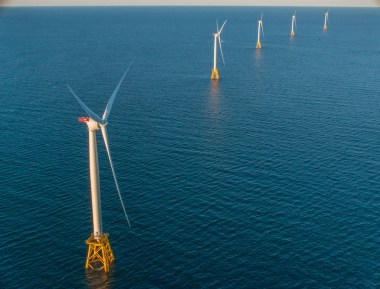
Block Island wind farm
¶ “Rattlesnake stirs in Texas” • Goldwind Americas has received undisclosed tax equity financing from BHE Renewables and Citi for the 160-MW Rattlesnake wind farm in Texas, which has also reached commercial operation. The project, in McCulloch County, features 64 Goldwind 2.5-MW permanent magnet direct-drive turbines. [reNEWS]
¶ “Climate Change Will Devastate National Parks, Impact Electrical Grids, & Spur Mass Migration In The US” • For a Chinese hoax, climate change is having some very real impacts on the United States and its people. As the evidence grows that the Earth will continue to get warmer, the US government continues to ignore the obvious. [CleanTechnica]

Joshua Tree National Park
¶ “Fort Collins aims for 100% renewable electricity by 2030” • It is official: Fort Collins wants 100% renewable electricity by 2030. The City Council voted 6-1 to support a resolution to that effect, joining eight other Colorado cities aiming to be fossil-free. Renewable energy installations already underway will bring the city to the 50% level. [The Coloradoan]
¶ “Tesla Crushes Quarterly Delivery Record With 83,500 Deliveries In Q3” • Tesla has released its preliminary delivery and production numbers for Q3 2018. In the quarter, a total of 83,500 vehicles delivered to customers. This amounts to an increase of more than 100% versus the next highest quarter in history … which was Q2 2018. [CleanTechnica]
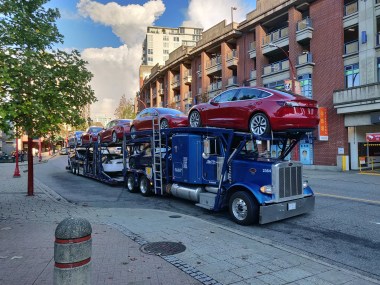
Delivery of Teslas (Photo by Iain Thomson)
¶ “Gov Northam’s energy plan pushes renewables, efficiency, modernizing the electric grid” • Gov Ralph Northam released his 2018 Virginia Energy Plan. It is heavy on renewables, energy efficiency, electric vehicles and modernizing the electric grid. He said the 10-year plan could bolster the state’s economy and energy security. [Daily Press]
¶ “Nuclear, wind energy a growing part of energy mix, Xcel says” • Xcel Energy plans for its Prairie Island and Monticello nuclear plants to continue to provide at least a quarter of its generating mix through 2030 as renewable energy replaces coal and natural gas plants. The goal is to reach 85% carbon-free generation by 2030. [INFORUM]
Have a stuningly agreeable day.
geoharvey is free and without ads.
geoharvey is not tax-deductible.
Posted in nuclear power, renewable power, solar, wind | Leave a Comment »
Tags: nuclear, nuclear power, renewable power, solar power, wind power
October 2, 2018
Opinion:
¶ “The problems at GE’s troubled power unit can’t be fixed quickly” • General Electric’s board ousted CEO John Flannery, but the problems at the heart of its power business defy a quick solution. At the core of the problems is its failure to forecast a downturn in demand for its turbines amid booming demand for renewable energy. [CNBC]
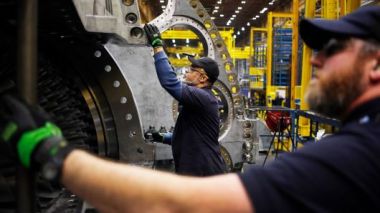
GE assembly line (Luke Sharrett | Bloomberg | Getty Images)
¶ “Despite Trump Roadblocks, Full Steam Ahead for Clean Energy Transition” • President Trump desperately wants to reverse progress on moving to a low-carbon economy. But his schemes continue to flop thanks largely to the ongoing actions of states, utilities, and corporations that are adopting clean energy technologies. [Union of Concerned Scientists]
World:
¶ “Victoria’s renewable energy boom set to create thousands of jobs” • The renewable energy construction boom in Victoria is on track to create more than 6,000 annual jobs, according to a new analysis. Victoria has 26 operational large-scale wind and solar projects, 12 under construction, and 28 with planning approval. [The Guardian]
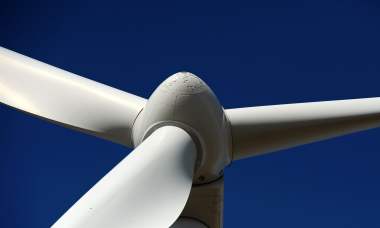
Wind turbine (Photo: Bloomberg via Getty Images)
¶ “Cellcube selected by E.ON as large-scale long duration energy storage solution for project in Sweden” • The village of Simris, in southern Sweden, gets 100% of its electric power from locally produced renewable energy, on an annual basis. E.ON chose a CellCube vanadium redox flow battery for the village’s storage technology. [pv magazine International]
¶ “This Car Maker Is About To Launch Europe’s Largest Energy Storage Project” • Renault is launching the biggest energy stationary storage system from EV batteries in Europe. The French company has introduced Advanced Battery Storage, a stationary storage system for energy developed exclusively from EV batteries. [OilPrice.com]
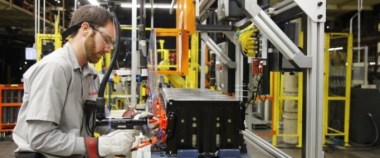
Battery pack plant
¶ “France awards 230 MW in rooftop solar tender, prices down 5%” • France’s fifth tender for rooftop solar power capacity has awarded 230 MW at an average price of €76.8/MWh (8.9¢/kWh). The price is 5% less than in the previous such tender. The larger systems provided a new record low of €72.2/MWh for solar power. [Renewables Now]
¶ “Shell offers springboard to success” • Shell has opened applications for the Shell Springboard 2019 program that awards £350,000 funding to support cutting-edge, low-carbon small and medium-sized enterprises in the UK. The Springboard is seeking SMEs that reduce carbon emissions and are innovative and viable economically, Shell said. [reNEWS]
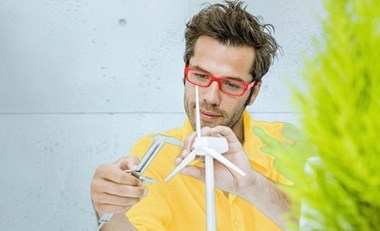
Technician at work
¶ “Tesla battery proves a leading source of dispatchable power, AEMO says” • Australia’s Resources Minister Matt Canavan reportedly dismissed the big battery as “the Kim Kardashian of the energy world: it’s famous for being famous [but] doesn’t do very much.” But no less an authority than the Australian Energy Market Operator disagrees. [ABC News]
¶ “EDP keeps investing in off-grid solar” • Portugal’s state-owned power provider, EDP has agreed to acquire a minority stake in SolarWorks, a Mozambique-based start-up specializing in the commercialization of decentralized solar energy solutions to domestic and business customers without connection to national grid. [pv magazine International]
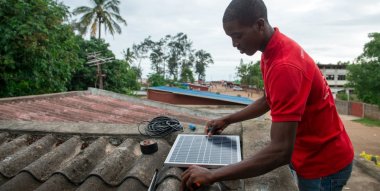
Solar installation (EDP image)
¶ “Renewables investment in 2018 seen at $228 billion, slow growth due to China” • Investments in renewable energy capacity globally will reach $228.3 billion (€197 billion) this year, up by just 0.7% on 2017 as China’s decision to limit solar capacity additions has hit year-on-year growth, according to Frost & Sullivan. [Renewables Now]
US:
¶ “Tesla Is 2 Years Ahead Of Schedule On Gigafactory 1” • Tesla is often criticized for slipping on targets. But Tesla’s Gigafactory 1 in Nevada is solidly on track to achieve a battery production volume of 35 GWh per year by the end of 2018. This is two years ahead of the original 2020 target date that was set for achieving such volumes. [CleanTechnica]

Car production in the Tesla Gigafactory
¶ “10 Year Extension To US EV Tax Credit Proposed” • Several Democratic Senators and Representatives have introduced legislation to extend the US federal tax credit for zero-emissions vehicles by 10 years. The bill also proposes a tax credit extension on EV charging infrastructure and sales of other alternative fuel vehicles. [CleanTechnica]
¶ “First California Public Floating Solar Power System Delivered By Ciel & Terre” • Ciel & Terre USA announced completion of a 252-kW floating PV power system for the Lake County Special Districts, on behalf of Kelseyville County Waterworks District #3. Over 700 floating solar panels and SolarEdge solar optimizers were used for the system. [CleanTechnica]
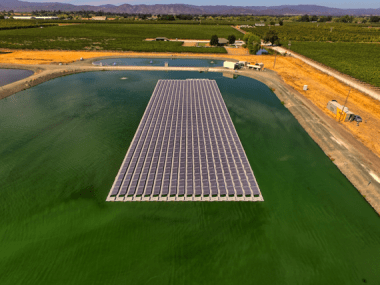
Floating PV system (Ciel & Terre image)
¶ “Consumers Energy energizes drive to electric cars and renewables” • Michigan utility Consumers Energy is stepping on the pedal in its move toward more EVs and increased renewable energy in the birthplace of the automobile. The company is teaming up with General Motors to speed a shift to EVs in their home state. [Daily Energy Insider]
¶ “Trump Signs Legislation to Promote Advanced Nuclear Reactor Technology” • President Trump signed the Nuclear Energy Innovation Capabilities Act. The bill is intended to speed up development of advanced reactors by eliminating several of the financial and technological barriers standing in the way of nuclear innovation. [Greentech Media]
Have a triumphantly flawless day.
geoharvey is free and without ads.
geoharvey is not tax-deductible.
Posted in nuclear power, renewable power, solar, wind | Leave a Comment »
Tags: nuclear, nuclear power, renewable power, solar power, wind power
October 1, 2018
Opinion:
¶ “Q & A: Why Switching to Renewable Energy Sources is No Longer a Matter of Morality, But of Economics” • When the Global Green Growth Institute was founded eight years ago, most people thought renewable energies would never replace oil and coal. Today, the tables have turned. Dr Frank Rijsberman answers questions. [Inter Press Service]
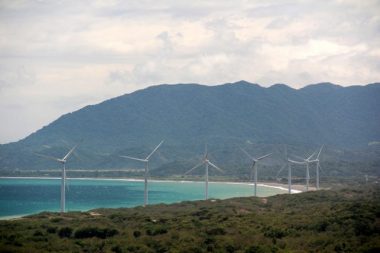
Philippine wind farm (Credit: Kara Santos | IPS)
¶ “Natural Gas Swings, Misses Inexorable March To The All-Electric Future” • Natural gas used to be considered a clean alternative, but evidence is building that leaks contribute to global warming. That’s on top of local impacts from air pollution, water contamination and other water resource issues, and yes, earthquakes. [CleanTechnica]
¶ “Why the #MeToo movement gives me hope we can fix climate change” • There are signs of something happening that might bring the faster shifts in popular attitude and behavior that are needed to meet vital climate targets. A mixture of new social movements and social media now seem capable of transforming shifts. [The Guardian]
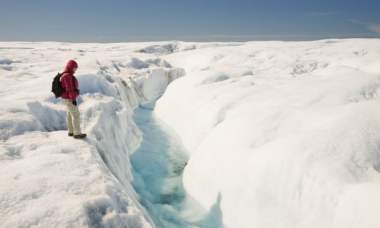
Glacier in Greenland (SpecialistStoc | Rex | Shutterstock)
¶ “The many faces of climate denial” • While North Carolina’s state legislature mandated a wholesale denial of the problem of climate change, Massachusetts’s state government adopted a different form of climate denial that is arguably just as pernicious and even more widespread: denying that the problem is as grave as it is. [CommonWealth magazine]
Science and Technology:
¶ “The people building a greener future” • Constructing new environmentally-friendly buildings is expected to generate more than 6.5 million jobs by 2030, according to predictions by the International Labor Organization. Following energy, building will be the second fastest growing sector for green jobs in the coming decades. [BBC]
Planeta-DeAgostini head office in Barcelona (Getty Images)
World:
¶ “Chart: Global Shifts In EV Battery Chemistry (And Electric Car Sales Grow 66%)” • EV Volumes released another report on electric car sales and trends. Electric car sales grew strongly yet again. Globally, plug-in car sales were up 66% in the first half of 2018 versus the first half of 2017. One chart on battery chemistry stands out. [CleanTechnica]
¶ “Denmark launches first mixed wind and solar tender worth 140 MW” • The Danish Energy Agency, Energystyrelsen, has launched a mixed source tender worth 140 MW of renewable energy. The tender has a price cap of €17.42/MW (2.02¢/kWh). It is Denmark’s first ever technology-neutral renewable energy tender. [Energy Digital]

Solar array
¶ “Wind and Solar Powering Greek Island” • The Greek island of Tilos may provide the model for a renaissance of renewable energy across the EU. This summer, technicians tested a system that will allow the island to produce and run on its own power, thanks to a battery system charged by an 800-kW wind turbine and a solar park. [Power Magazine]
¶ “End climate war, pleads Synergy chairman Robert Cole” • The chairman of Western Australia’s state-owned power provider called for an end to the debilitating wars over energy and climate policy, saying the uncertainty hampers investment decisions. He expressed frustration over the federal government’s inability to meet carbon targets. [The West Australian]
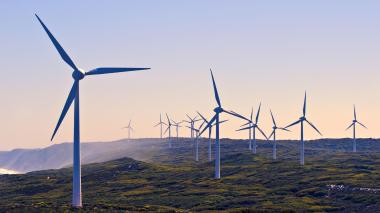
Albany Wind Farm (Getty Images | iStockphoto)
¶ “Japan takes a major step toward a hydrogen-based economy” • A Japanese consortium started construction of the Fukushima Hydrogen Energy Research Field, which is said to be the world’s largest hydrogen-based energy system, in Fukushima Prefecture. The move is considered a major step towards a hydrogen-based economy. [ChemEngOnline]
¶ “New Queensland abattoir to be powered by solar and hydrogen storage” • A new high-tech abattoir to be built in Queensland has joined the industrial shift to renewable energy. Plans were announced for the plant to be partly powered by a 78-MW solar farm, with a 33-MW solar-powered hydrogen facility to service its boiler. [RenewEconomy]

Solar-powered abattoir
¶ “Intense Summer Heatwaves Rattle World’s Power Plants” • The scorching heat of the summer of 2018 forced a swathe of power plants across the world to reduce power or shut down temporarily, owing to warmer-than-usual cooling water and other general heat-related issues. France had to shut down several nuclear reactors. [Power Magazine]
US:
¶ “Here’s how the University of Richmond will match 100% of its electricity needs with solar power” • It would not have been possible just five years ago, but a gradual decrease in cost for solar panels paired with an increase in government incentives has enabled the university to produce heaps of sustainable energy soon. [wtkr.com]

Solar array
¶ “Vermont’s energy efficiency utilities under inspection in new investigation” • Almost 20 years after Vermont became the first state in the country to start a separate energy efficiency utility, with the creation of Efficiency Vermont, members of a state board are now re-examining how energy efficiency utilities operate. [vtdigger.org]
¶ “AEP plans two solar facilities in Ohio” • American Electric Power Ohio wants to build two solar facilities in southwest Ohio, Kallanish Energy reports. The utility filed a proposal with the Public Utilities Commission of Ohio to build 400 MW of solar power in Highland County. One of the two plants would be the largest in Ohio, at 300 MW. [Kallanish Energy]
Have a stimulatingly appealing day.
geoharvey is free and without ads.
geoharvey is not tax-deductible.
Posted in nuclear power, renewable power, solar, wind | Leave a Comment »
Tags: nuclear, nuclear power, renewable power, solar power, wind power
September 30, 2018
Opinion:
¶ “Gas leak: Government tries to release its greenhouse news on the quiet” • The Morrison government stands accused of trying to sneak-release the latest greenhouse gas emission figures by making them public on the eve of the football grand finals. In the year to March 2018, Australia’s greenhouse gas emissions rose by 1.3%. [The New Daily]

Boy playing on a drought-struck family farm (Photo: Getty)
¶ “Tech Investments Are Powering Up Clean Energy” • Analysts at Bloomberg took a close look at capital expenditures by US tech companies. Since 2010, they have signed agreements to buy nearly 18,000 MW of clean power. Power purchase agreements are good for business. Long-term contracts with renewable generators have no variable costs. [Bloomberg]
¶ “UN report under review presents nations with tough choices on climate” • The world’s nations will gather at a UN conference in South Korea on Monday, October 1, to review and approve a 20-page bombshell, distilled from more than 6,000 scientific studies, laying out our narrowing options for staving off a climate catastrophe. [The Japan Times]
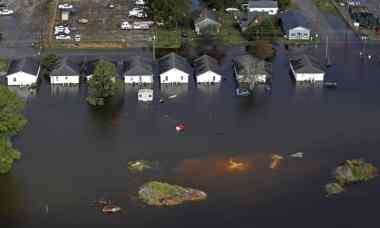
Floodwaters from Hurricane Florence
¶ “Report: Don’t bother to fight climate” • Deep in a 500-page environmental impact statement, the Trump administration made a startling assumption: On its current course, the planet will warm a disastrous 7° F (4° C) by the end of this century. But the paper justifies reduced transportation fuel efficiency, saying acting will not help. [Fort Wayne Journal Gazette]
Science and Technology:
¶ “Creating Fuel From Thin Air” • Artificial photosynthesis has great technical promise for utilizing solar power to convert CO2 into fuel. Natural photosynthetic efficiency is very low, but it can result in huge accumulations of useful materials over time. Artificial photosynthesis would speed up the process, making hydrogen for fuel. [OilPrice.com]

Science in the laboratory
World:
¶ “Nigeria Doubles Down On Mini-Grids” • The development potential of Nigerian mini-grids supplying up to 1 MW of capacity from renewable sources, is valued at up to $20 billion, according to a report issued by private sector think tank Nigerian Economic Summit Group and the US-based sustainability NGO, Rocky Mountain Institute. [OilPrice.com]
¶ “Siemens Gamesa announces new contracts as ETES construction nears completion” • Siemens Gamesa Renewable Energy has revealed that its electric thermal energy storage (ETES) facility in Germany is nearing completion. The facility can store 30 MWh of energy, a day’s supply for 1,500 German households. [Energy Digital]
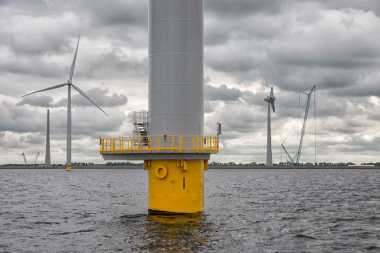
Offshore wind farm (Getty Images)
¶ “Dasara to be powered by green energy sources” • This year, illumination for India’s Dasara festival is going green, powered largely by renewable energy sources. The festival’s lighting will be powered by over 538 MW from renewable sources, with 238 MW from solar sources and 300 MW from wind generation plants. [The New Indian Express]
¶ “Plan to extend power transmission lines by 36,870 km by 2041” • According to the Power Cell statistics, the total length of transmission lines in Bangladesh is 11,123 km. The government has planned to extend the transmission lines by 36,870 km across the country by 2041, when production of electricity is projected to reach 60,000 MW. [Dhaka Tribune]
Powering the nation (Bigstock)
¶ “Small islands shifting to renewables” • The International Renewable Energy Agency is stepping up its plans to help small island developing states (SIDS) shift to clean power. Leaders from both met at a side event held during the UN General Assembly. They agreed to move forward with the SIDS Lighthouses 2.0 initiative. [Innovators Magazine]
US:
¶ “Disaster could be a turning point in energy debate” • Arguing that money would be better spent shifting to renewable energy, environmentalists have been prodding Massachusetts for years to move away from natural gas. The recent gas fires and explosions in the Merrimack Valley have renewed debate over the use of natural gas. [Eagle-Tribune]

Massachusetts boy wearing a gas mask because of
smoke (Paul Bilodeau | Eagle-Tribune Staff photo)
¶ “Elon Musk Settles With SEC, Will Stay On As CEO But Step Aside As Chairman” • Reports say that Elon Musk and Tesla have settled the lawsuit the Securities & Exchange Commission brought alleging fraud because Musk said the words “funding secured” in a tweet about taking Tesla private. He did not admit fraud in the settlement. [CleanTechnica]
¶ “Entergy seeks to re-license two nuclear plants, amid questions over performance in power emergency” • Entergy is seeking to renew licenses for the River Bend and Waterford 3 nuclear plants in Louisiana. They received favorable reviews from the EPA and the NRC. But recent emergencies have put electricity providers under scrutiny. [The Advocate]
Have a captivatingly sweet day.
geoharvey is free and without ads.
geoharvey is not tax-deductible.
Posted in nuclear power, renewable power, solar, wind | Leave a Comment »
Tags: nuclear, nuclear power, renewable power, solar power, wind power
September 29, 2018
Opinion:
¶ “Forbes: Electric Cars = The Future, Gasmobile Killers” • Are the days of the gas guzzler numbered? Tom Raftery (via Forbes) says there are “seven reasons why the internal combustion engine is a dead man walking.” He explains, “…the move from ICE vehicles to electric will happen sooner and more quickly than most people suspect.” [CleanTechnica]
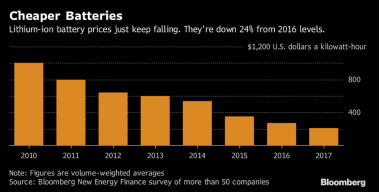
One reason the future is with EVs (Source: Forbes | Credit: Bloomberg) Please click on the image to enlarge it.
¶ “The Inevitable Oil Supply Crunch” • “The warning signs are there – the industry isn’t finding enough oil.” That statement is the start of a new report from Wood Mackenzie, which concludes that a supply gap could emerge in the mid-2020s as demand rises at a time when too few new sources of supply are coming online. [OilPrice.com]
¶ “Excitement builds about changes accelerating in energy systems” • Paonia, Colorado, used to be a coal town. In 2012, nearly 1,000 people were employed in the local mines, but by 2017, employment had fallen to just 220. Now, the town is pushing aggressively toward local renewable energy generation. And people are excited. [Mountain Town News]

Paonia, Colorado (Photo: Allen Best)
¶ “Jeremy Corbyn wants to make the UK carbon neutral by 2050. This is how he could actually do it” • Jeremy Corbyn packed a lot into his closing speech at the Labour Party conference. One thing he set out was a bold plan to reduce net carbon emissions by 60% by 2030. But to get there he will have to focus on more than just renewables. [Wired.co.uk]
Science and Technology:
¶ “NantEnergy Says Zinc-Air Battery Ideal For Grid Storage” • Compared to most lithium-ion batteries, NantEnergy’s zinc-air batteries offer lower cost and longer duration. The company says its batteries, which rely on abundant and inexpensive zinc, are already at the $100/kWh level, and that the price is expected to drop as production increases. [CleanTechnica]

NantEnergy battery (Please click on the image to enlarge it.)
World:
¶ “America’s largest PV plant comes online in Mexico” • Italian energy company, Enel announced the completion of its 828-MW Villanueva project. It has also built an additional portion of the Don José solar plant, which has now reached 260 MW. The two projects have had 1,089 MW of capacity grid-connected in several phases. [pv magazine International]
¶ “New Zealand newest geothermal power plant enters commissioning stage” • New Zealand’s latest geothermal power plant entered the commissioning phase, adding a capacity of 25 MW to New Zealand’s geothermal power generation capacity. ThinkGeoEnergy’s records show NZ’s geothermal capacity now at 1005 MW. [ThinkGeoEnergy]
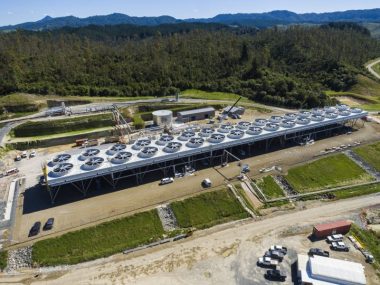
Te Ahi O Maui geothermal power plant (source: Eastland)
¶ “Treated water at Fukushima plant far too unsafe to be dumped soon” • TEPCO acknowledged that about 80% of the water in giant storage tanks on the premises at the Fukushima Daiichi nuclear plant exceeded government standards for radioactive materials. Some is by a factor of 20,000, even though it had already been processed. [Asahi Shimbun]
¶ “Vestas to build 181-MW Aussie wind park” • Vestas Wind Systems A/S announced it will build the 181-MW Berrybank wind farm in the Australian state of Victoria for Global Power Generation. The 43 turbines for the wind farm are to be installed in time for a commissioning date scheduled for the second quarter of 2020. [Renewables Now]
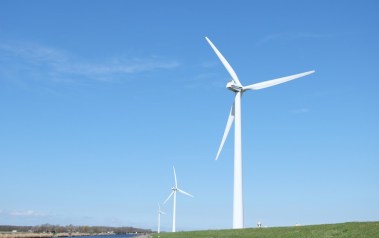
Vestas turbines (Photo: DennisM2)
US:
¶ “Solar energy expansion gets final state approval” • The Solar Massachusetts Renewable Target (SMART) program of the state’s Department of Energy Resources, is designed to expand solar power and lower rates. It has cleared its final regulatory hurdle, paving the way for what is hoped will be 1,600 MW of new solar installations. [Sentinel & Enterprise]
¶ “NYSERDA and the Danish Energy Ministry Announce Agreement to Enhance Cooperation Regarding Development of Offshore Wind Energy” • The New York State Energy Research and Development Authority and the Danish Ministry of Energy, Utilities, and Climate signed a Memorandum of Understanding on developing offshore windpower. [LongIsland.com]
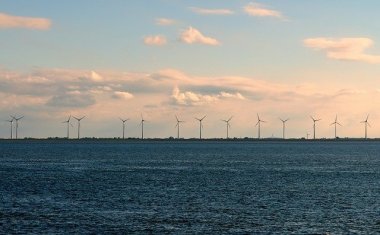
Wind power (Photo: Detmold.jpg)
¶ “US solar production increases 25.4% in first half of 2018 over last year” • Non-hydro renewable energy sources (biofuels, biomass, geothermal, solar, wind) set new US records for both production and consumption in the first half of 2018, according to a SUN DAY Campaign analysis of Energy Information Administration data. [Solar Power World]
¶ “Appalachia Could Get a Giant Solar Farm, If Ohio Regulators Approve” • Appalachian Ohio, a region hurt by the decline of coal, may become home to one of the largest solar projects east of the Rockies. American Electric Power submitted a plan to work with two developers to build 400 MW of solar in Highland County, Ohio. [InsideClimate News]

Solar panels (Credit: Kerry Sheridan | AFP | Getty Images)
¶ “Kelly promotes clean energy, takes on Sununu” • Using the backdrop of City Hall flanked by Dover, New Hampshire’s mayor, who had lobbied lawmakers to expand net metering in the state, Democratic gubernatorial nominee Molly Kelly chastised Gov Chris Sununu for not signing a bill to do so. Kelly is promoting green energy. [The Keene Sentinel]
¶ “Bloom Energy gets $100 million in financing for fuel cell deployments” • Key Equipment Finance will provide $100 million in project financing for new Bloom Energy commercial and industrial fuel cell deployments. Key has already provided Bloom $300 million in financing for earlier Bloom Energy fuel cell projects. [delawarebusinessnow.com]
Have an excitingly groovy day.
geoharvey is free and without ads.
geoharvey is not tax-deductible.
Posted in nuclear power, renewable power, solar, wind | Leave a Comment »
Tags: nuclear, nuclear power, renewable power, solar power, wind power
September 28, 2018
Science and Technology:
¶ “Undersea Walls & Columns Could Slow Collapse Of Glaciers For 1000 Years” • Scientists at Beijing Normal University, the University of Lapland in Finland, and Princeton published a study in the journal of the European Geosciences Union. It argues that walls of sediment and rock could significantly slow glacial melting in Antarctica. [CleanTechnica]

Thwaites Glacier 2012
¶ “Chemical pollution could wipe out half of all killer whale populations” • Chemical pollutants banned more than 40 years ago are still having a devastating effect on marine life and could lead to the disappearance of half the world’s killer whales before the end of the century. That’s according to a study published in the journal Science. [CNN]
World:
¶ “Iron Mountain Hits Key Renewable Energy Milestones in Europe” • Iron Mountain Incorporated, a leader in storage and information management services, announced that its operations in Belgium, Ireland, The Netherlands, and the UK have achieved their goal of sourcing 100% of their electricity from renewable energy. [Sustainable Brands]
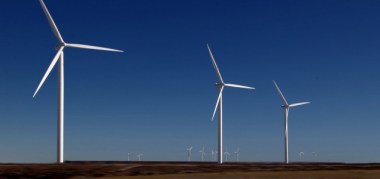
Wind turbines
¶ “IEA Chief Predicts 200 GW Of Offshore Wind By 2040” • Speaking at the Global Wind Summit, Fatih Birol, the Executive Director of the International Energy Agency, predicted that wind energy would play “a critical role” in the world’s energy mix over the coming decades, boosted in part by up to at least 200 GW of offshore wind. [CleanTechnica]
¶ “Renewables produces almost a third of UK power in Q2” • Between April and June, renewables provided a record 31.7% of the UK’s electricity generation. The low-carbon share fell slightly compared to the same period in 2017, to 53.4%, as a result of outages in nuclear power plants. Coal power also fell to a record low of just 1.6%. [Energy Voice]
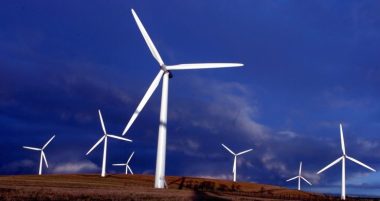
Onshore wind farm (Photo: Colin Rennie)
¶ “World Bank Commits $1 Billion To Battery Storage In Developing Countries” • The World Bank Group announced a commitment of $1 billion for a new global program to accelerate the investment in battery storage for energy systems across developing and middle-income countries to accelerate use of renewable energy. [CleanTechnica]
¶ “Solar & Wind Energy Destined To Expand Faster Than Other Global Energy Sources” • Global market analyst DNV GL peeled back the layers of its recent forecast on global energy source evolution to show that solar and wind energy will grow, buoyed by offshore wind, to represent nearly 70% of global electricity production by 2050. [CleanTechnica]
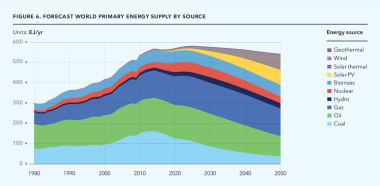
Please click on the image to enlarge it.
¶ “Vestas lands 225-MW turbine order in Argentina” • Danish wind turbine manufacture Vestas Wind Systems A/S said it has secured a 225-MW order for four wind farms in Argentina from local energy company Central Puerto SA. Two of the wind farms are in Buenos Aires province; the other two are in the Cordoba province. [Renewables Now]
¶ “Innogy breaks ground on 349-MW Australian Limondale solar farm” • Germany’s innogy SE, a subsidiary of RWE, confirmed it has taken the final investment decision for the Limondale solar farm in New South Wales. At 349 MW peak, the Limondale solar farm is expected to be Australia’s largest solar power plant once completed. [pv magazine International]
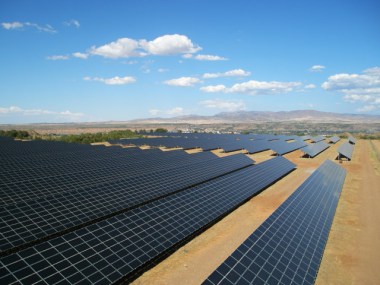
Solar farm of innogy subsidiary Belectric (Image: Belectric)
¶ “Terrible: Rising gas output lifts Australia’s greenhouse gas emissions” • Australia’s greenhouse gas emissions have continued to climb, reaching the highest levels on a quarterly basis since 2010. They were led by a surge in gas production. For the 12 months to March 31 2018, emissions were up 1.3% from a year earlier. [The Sydney Morning Herald]
¶ “Offgrid communities: using renewable energy to live independently” • According to CE Delft’s report, The Potential of Energy Cities in the European Union, by 2050 almost half of all European Union households could help to produce renewable energy, with off-grid communities contributing 37% of this amount. [Power Technology]
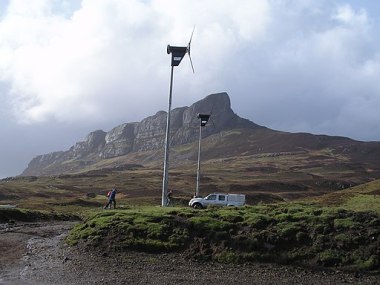
Turbines on the island of Eigg (Photo: WL Tarbert)
US:
¶ “SEC Files Suit Against Elon Musk” • (Updated) Probably the last thing anyone wants to hear three days before the end of Q3 is that the Securities & Exchange Commission has sued Elon Musk in federal court in Manhattan, accusing him of fraud with regard to a totally out-of-the-blue tweet on August 7 that rocked Wall Street. [CleanTechnica]
¶ “Businesses Push California Toward Another Clean Economy Governor” • California business groups say it is critically important that the next governor endorse California’s ambitious new emissions-free electricity law and Governor Jerry Brown’s executive order that sets the goal of a carbon-neutral state economy by 2045. [CleanTechnica]

#CleanEconomyGovernor
¶ “New Jersey utility proposes $4 billion plan to advance state’s clean energy goals” • PSE&G, New Jersey’s largest regulated utility, has a $4 billion plan to make the Garden State greener and advance the state’s bid to become a clean energy leader. Its six-year plan, Clean Energy Future, aims to reduce both costs and emissions. [CNBC]
¶ “New York’s Nuclear Zero-Carbon Credits Pass Federal Court Challenge” • A federal court has upheld the legality of New York’s zero-carbon emissions program for nuclear power plants, the second decision this month bolstering the rights of states to set their own energy policies without overstepping federal authority. [Greentech Media]
Have an inspiringly wonderful day.
geoharvey is free and without ads.
geoharvey is not tax-deductible.
Posted in nuclear power, renewable power, solar, wind | Leave a Comment »
Tags: nuclear, nuclear power, renewable power, solar power, wind power
September 27, 2018
Opinion:
¶ “Election 2018: Clean Energy’s Future Could Rise or Fall with 36 Governor’s Races” • Some of the most consequential elections for climate policy this fall could be the 36 governors races, where a blue wave could position clean energy advocates as a significant counterforce against the Trump administration’s fossil fuel agenda. [InsideClimate News]
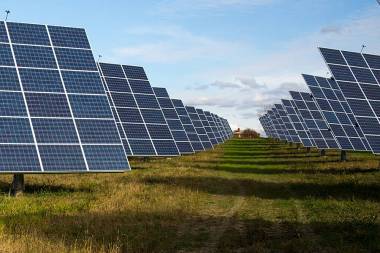
Solar array in Vermont (Robert Nickelsberg | Getty Images)
World:
¶ “South Australia’s Tesla battery on track to make back a third of cost in a year” • The Tesla lithium-ion battery in South Australia is on track to make back a third of its construction costs in its first year of operation, new financial documents show. The capital cost of the 100-MW/129-MWh battery was A$90.6 million (€56 million, $65.8 million). [The Guardian]
¶ “Acciona to supply renewable power to Bosch’s Iberian centers” • Spanish infrastructure group Acciona SA announced that it will supply renewable power to all of industrial group Bosch’s centers in the Iberian Peninsula. The company will deliver electric power guaranteed to be 100% renewable to over 20 Bosch facilities in Portugal and Spain. [Renewables Now]
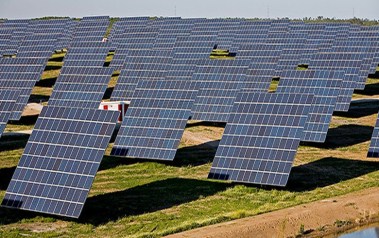
Acciona PV plant Portugal (Source: Acciona SA)
¶ “RE100 Adds 7 New Members, Including First Latin American & Turkish Companies” • Global 100% renewable electricity initiative RE100 announced at Climate Week NYC that it added seven new members, bringing the total number of companies up to 152, and introducing the first companies from Latin America and Turkey. [CleanTechnica]
¶ “Global Wind Energy Council Forms Taskforce To Accelerate Offshore Deployment” • The Global Wind Energy Council announced that it will form the Offshore Wind Taskforce. The taskforce is dedicated to accelerating development of offshore wind technology in non-European markets such as Asia and North America. [CleanTechnica]
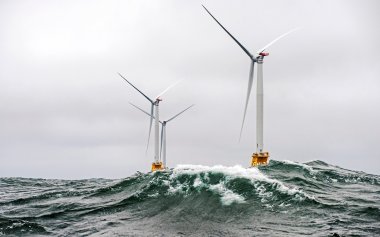
Offshore windpower (GWEC image)
¶ “Eighty five local firms implement solar energy projects in Egypt’s Benban” • Eighty five local companies in Egypt aim to implement the services of the solar energy feed-in tariff projects in Benban, Aswan. Of the 85 companies registered to implement the services in Hassan Allam, 33 are owned by the people of Benban. [Technical Review Middle East]
UK:
¶ “Labour conference: Corbyn Swansea tidal lagoon pledge” • Jeremy Corbyn has promised to back proposals for a tidal power lagoon in Swansea Bay if Labour wins power in the next election. Tory UK ministers rejected plans for the lagoon, but Labour’s leader backed them as part of a “green jobs revolution” at the Labour conference. [BBC News]
Tidal barrier (TLP image)
¶ “Labour pledge ‘seven-fold’ increase in offshore wind at conference” • Labour’s shadow business and energy secretary, Rebecca Long Bailey, pledged that her party would look to create a “seven-fold” increase in offshore wind. She said Labour plans to provide 60% of UK energy through renewables in just twelve years. [Energy Voice]
¶ “Increasing Number of Banks Say No to Financing Coal-Based Projects” • British multinational banking and financial services company Standard Chartered pulled the plug on any upcoming coal-fired power plants across the globe. Doing so, it has joined an ever-increasing list of banks that have shown a commitment towards the environment. [Mercom India]
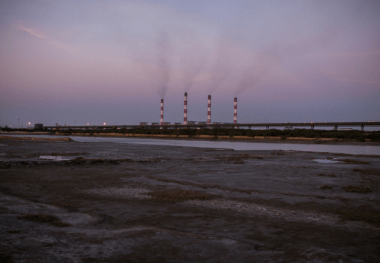
Indian coal-burning power plant
US:
¶ “Utility Solar + Storage Accelerates Ahead Of Expectations” • The US utility market for energy storage this fall is warming ahead of expectations, with requests for proposals accelerating from a mild demand level earlier this year. The 2018 market was not expected by some storage system manufacturers for another two years. [CleanTechnica]
¶ “Building a Better Energy Future in Puerto Rico” • Even though the lights are finally back on throughout Puerto Rico, serious challenges remain. Restoring to conditions before Hurricane Maria is just making them as bad as they had been. But there is no need to accept that position, the electricity grid can be made better. [Center For American Progress]
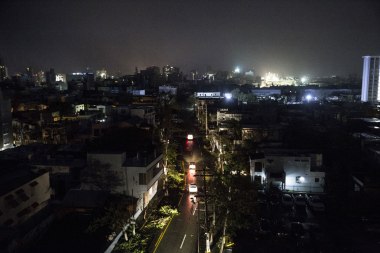
San Juan during black-out (Alex Wroblewski | Getty)
¶ “Shell Partners With NREL On Clean Technology Incubator” • Multinational oil and gas company Royal Dutch Shell announced that it launched the Shell GameChanger Accelerator, partnering with the DOE’s National Renewable Energy Laboratory. The new organization is to discover and advance emerging clean energy technologies. [CleanTechnica]
¶ “Virginia To Challenge For Top Offshore Wind Spot In US – 2 GW By 2028” • Hot on the heels of New Jersey’s decision to solicit 1.1 GW of offshore windpower capacity, southern cousin Virginia is positioning itself to become the South’s first offshore wind giant with a goal of installing at least 2,000 MW in the coming decade. [CleanTechnica]

Block Island offshore wind farm
¶ “Solar Suit Aims to Put Maine Back on Track” • With every technological advance, solar energy becomes less expensive and a more attractive as an investment. In Maine, however, the Public Utilities Commission has developed policy to fight progress. It will charge people who invest in solar systems for the power they produce. [Natural Resources Council of Maine]
¶ “Georgia Nuclear plant gets go-ahead despite budget overages” • The primary owners of the last nuclear power plant still under construction in the US, Georgia Power, Oglethorpe Power, and the Municipal Electric Authority of Georgia, said in a joint statement that they made an agreement that allows building Plant Vogtle to continue. [New Jersey Herald]
Have a fascinatingly splendid day.
geoharvey is free and without ads.
geoharvey is not tax-deductible.
Posted in nuclear power, renewable power, solar, wind | Leave a Comment »
Tags: nuclear, nuclear power, renewable power, solar power, wind power
September 26, 2018
World:
¶ “Cities and Finance Combine To Strengthen Climate Change Investment In Africa, Asia, and Latin America” • The Global Climate City Challenge, will seek to address financing and technical preparation for cities across the world to strengthen investment in green projects and programs essential for climate change resilience. [CleanTechnica]
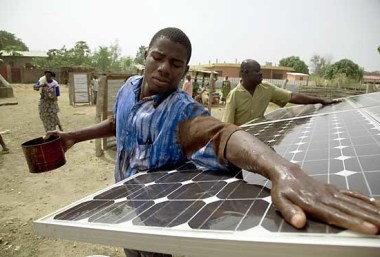
Solar panels in Africa
¶ “World’s biggest baking company goes green” • Grupo Bimbo, the world’s biggest baking company, has committed to using 100% renewable electricity by the year 2025. Headquartered in Mexico City, Mexico, Grupo Bimbo also joined the RE100, a global initiative of companies committed to using 100% renewable electricity. [CNBC]
¶ “MHI Vestas enters 10-MW territory” • MHI Vestas kicked off sales of its much-anticipated 10-MW wind turbine. Commercial installations are to start from 2021. The Danish manufacturer officially broke the double-digit barrier with the V164 10-MW machine through a series of relatively small upgrades to the technology. [reNews]
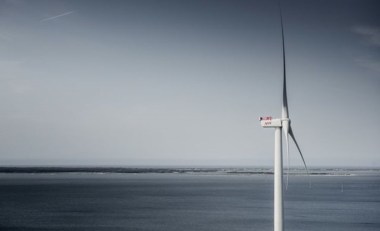
MHI Vestas V164 (MHI Vestas image)
¶ “Statkraft to invest $1.2 billion a year in renewables until 2025” • Norwegian power firm Statkraft said it plans to invest around $1.2 billion a year in renewable energy from 2019 to 2025. The state-owned company plans to upgrade hydropower facilities and to reach capacities of 6,000 MW of onshore wind and 2,000 MW of solar power by 2025. [Reuters]
¶ “Renewables may account for 18% of total power generation by 2022” • The share of renewable energy in India’s electricity generation mix is likely to rise to around 18% by 2022, up from 7.8% at present, owing to the continuous focus on capacity addition from solar and wind, according to a report from Moody’s Investors Service. [News Nation]
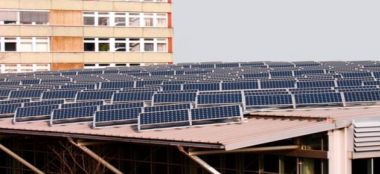
Indian rooftop solar system
¶ “China steps up green energy push with revised renewable target of 35% by 2030” • China is aiming for renewables to account for at least 35% of electricity consumption by 2030, according to a revised draft plan seen by Bloomberg. Previously, the goal was for “non-fossil fuels” to make up 20% of energy use by 2030. [South China Morning Post]
¶ “EU tidal energy expertise arrives in Canada” • European offshore renewables expertise is being used in Canada with the installation of the PLAT-I floating tidal energy platform in Nova Scotia. The PLAT-I tidal energy system was developed by Sustainable Marine Energy. It is equipped with four Schottel Hydro SIT250 tidal turbines. [Maritime Journal]

PLAT-I (Photo: Sustainable Marine Energy Ltd)
¶ “Funding of two new coal IPPs in South Africa may be under threat” • International and local efforts to restrict funding for the construction of new coal-fired power plants appear to be gaining momentum, even possibly threatening the funding of the two new planned independent coal power producer projects in South Africa. [Fin24]
¶ “Norwegians outfit heavy lifter” • Norwegian outfit Kongsberg Maritime won a $13 million contract to supply a technology and electrical package for a new heavy lift crane vessel for use in the offshore wind industry. The vessel marks the entry of Norway’s Offshore Heavy Transport into the offshore windpower installation market. [reNews]
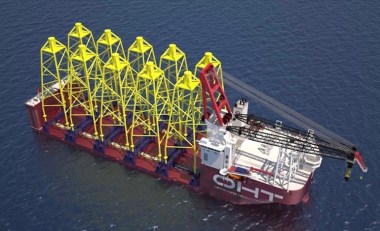
Heavy lift crane vessel (Image: Kongsberg Maritime)
¶ “Belgium Faces Winter Blackouts as Aging Reactors Falter” • Belgium is bracing for power shortages this winter as the nation grapples with extended outages at its aging fleet of nuclear reactors. Only one of the seven reactors in Belgium will be operational at start of November, and some electricity will have to be imported. [Bloomberg]
¶ “Berlin pressured on clean power sales” • Energy ministers of five states in northern Germany urged the federal government to auction extra onshore and offshore wind capacity in the short term and to expand the country’s power grid. They called on the federal government to offer a total of 9.5 GW of extra wind and solar capacity. [reNews]
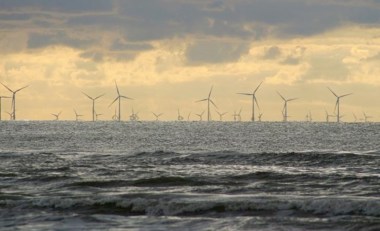
Offshore wind power (Pixabay image)
US:
¶ “AEP to retire Oklaunion coal plant due to renewables, gas competition” • American Electric Power will retire its 680-MW Oklaunion coal plant in 2020 because it cannot compete with cheaper power from gas and renewables, the utility announced. The plant is located on the Texas side of that state’s border with Oklahoma. [Utility Dive]
¶ “Holyoke solar plant gets battery storage” • One of first states to enact an energy storage target, Massachusetts, received its largest utility-scale energy storage system when ENGIE and Holyoke Gas & Electric launched a 3-MW/6-MWh system connected to a solar farm at the site of the closed Mount Tom Power Station. [GazetteNET]

Solar plus storage system at Mount Tom
¶ “Alabama Power seeks renewable energy, including hydro” • Alabama Power said it is seeking proposals to meet future energy and reliability needs, including proposals for potential renewable energy projects. The company issued two requests for proposals. One of the requests is general, but the other is specifically for renewable energy resources. [HydroWorld]
¶ “America’s First SMR Makes Pivotal Advancement with Selection of Manufacturer” • NuScale Power selected Virginia-based BWX Technologies, Inc for engineering work to make its small modular reactor. NuScale’s nuclear technology is the only small modular reactor to undergo Design Certification review by the NRC. [Odessa American]
Have an astonishingly superior day.
geoharvey is free and without ads.
geoharvey is not tax-deductible.
Posted in nuclear power, renewable power, solar, wind | Leave a Comment »
Tags: nuclear, nuclear power, renewable power, solar power, wind power
September 25, 2018
Science and Technology:
¶ “Global warming harms national parks more than rest of US, study finds” • According a climate study published by researchers at the University of California, Berkeley and the University of Wisconsin, areas that are chock-full of national parks, places like Alaska and the American Southwest, have already seen dramatic temperature hikes. [NBC News]
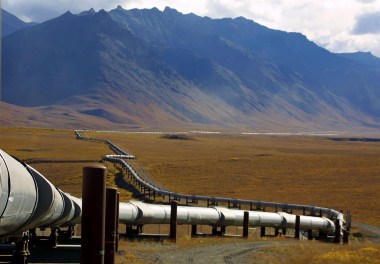
Alaska’s North Slope (Photo: Al Grillo | AP file)
World:
¶ “Plan put forward to dodge US sanctions” • The remaining members in the Iranian nuclear deal say they will set up a new payment system to maintain business with Iran and bypass US sanctions. The system would facilitate oil companies and businesses to continue trading, without relying on the US-led global market and dollar. [BBC]
¶ “Labour wants green energy to power most UK homes by 2030” • Rebecca Long-Bailey, the shadow business secretary, will declare that the UK Labour Party is committed to reducing greenhouse gas emissions to zero by 2050. Almost all of Britain’s homes and businesses would be powered by emissions-free power by 2030. [The Guardian]
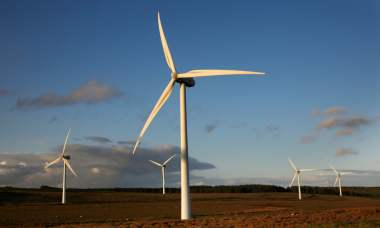
Green Rigg Wind farm in Northumberland
(Photo: Murdo MacLeod for the Guardian)
¶ “RE100: Green companies outperform their peers” • Those companies that use renewable electricity outperform their rivals financially, according to a report released by RE100, The Climate Group’s initiative to encourage firms to commit to using 100% renewable power. The report compared 152 RE100 companies with rivals. [businessgreen.com]
¶ “Global oil production to rise over next five years” • An annual report from OPEC has predicted global oil production will rise to record highs over the next five years, predominantly due to increased demand from airlines and road vehicles. OPEC expects demand to rise from 100 million barrels today to 112 million by 2040. [Power Technology]

Plane wing (Photo: Raffaello Tesi)
¶ “Hiroshima High Court signs off on restart of reactor at Shikoku Electric’s Ikata nuclear power plant” • The Hiroshima High Court accepted an appeal by Shikoku Electric Power Co to allow it to restart a reactor at its Ikata nuclear power plant, saying worries over the possibility of a volcanic eruption damaging the plant are “groundless.” [The Japan Times]
US:
¶ “Purely Green Program Connects Consumers Directly To Renewable Energy In Texas” • Renewable Power Direct, a Texas startup, has taken community solar and wind farms to the next level. RPD’s Purely Green program has several large companies working together to give small customers power from renewable sources. [CleanTechnica]
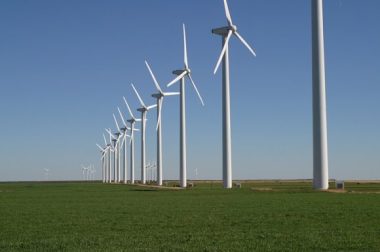
Green Mountain Wind Farm
¶ “Michigan utilities upgrade pumped storage plant ahead of renewable push” • The Ludington Pumped Storage Plant serves as 1900-MW battery for Michigan’s electric grid. The plant is getting an $800 million upgrade that will boost capacity and extend its life another 40 years, to store energy from solar and wind plants. [Energy News Network]
¶ “Vestas secures 144 MW order from Avangrid Renewables in the USA” • Vestas has received an order for 144 MW of its V136-3.45 MW turbines delivered in 3.6-MW Power Optimized Mode from Avangrid Renewables for the Otter Creek Wind Farm in Illinois. Turbine delivery will begin in the second quarter of 2019. [Renewable Energy Magazine ]
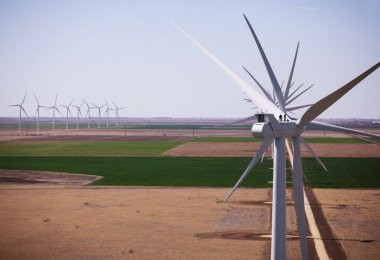
South Plains wind farm, Texas (Vestas image)
¶ “Local solar at the heart of Cleveland’s 100% renewable energy goal” • The city of Cleveland, Ohio, is looking to put community solar plants on vacant and contaminated land and to make it easier for residents and business to go solar. It will also employ community choice aggregation, according to its climate action plan. [pv magazine USA]
¶ “Ground-breaking renewable fuel refinery announced” • NewEnergyBlue is about six months away from breaking ground on a ground-breaking renewable fuel refinery. New Energy Spirit Biomass Refinery is projected to turn 280,000 tons of North Dakota wheat straw into 16 million gallons per year of low-carbon auto fuel. [Feedstuffs]

New Energy Spirit Biomass Refinery
¶ “LG Enters US Home Energy Storage Business, Unveils State-Of-The-Art Systems” • LG Electronics USA Business Solutions is launching two advanced energy storage systems, along with an expandable battery pack for US homeowners. One system is for those who already have solar panels; the other is for new LG solar panel installations. [MarketWatch]
¶ “Iberdrola plans to boost US renewable power by about 50%” • Iberdrola SA, the world’s biggest wind power producer, plans to expand its renewable capacity in the US by about 50% over four years. The expansion is part of the Spanish electric utility’s global plan to reduce carbon emissions, Iberdrola’s chief executive told Reuters. [ETEnergyworld.com]

Wind farm
¶ “LePage’s secret wind commission falling apart” • A vocal critic of commercial wind energy in Maine has resigned from Gov Paul LePage’s secretive commission to study the industry, saying the group “lacks urgency, credibility, and focus.” Maine’s wind farms generate roughly 900 MW, more than all other New England states combined. [Lewiston Sun Journal]
¶ “Owners Vote to Continue Vogtle Nuclear Project” • Owners of the beleaguered Plant Vogtle nuclear expansion project have voted, at least for now, to continue construction of two new AP1000 reactors at the site near Waynesboro, Georgia. One owner’s board said its vote was conditioned on an agreement to cap costs. [Power Magazine]
Have a profoundly enviable day.
geoharvey is free and without ads.
geoharvey is not tax-deductible.
Posted in nuclear power, renewable power, solar, wind | Leave a Comment »
Tags: nuclear, nuclear power, renewable power, solar power, wind power
September 24, 2018
Opinion:
¶ “No chance of meeting EU renewable goals if infrastructure neglected” • Negotiations on the Electricity Market Design package will continue this fall with one aim of the package being to provide for a higher percentage of renewables in our energy. Yet we have no chance of meeting our goals if we neglect our energy infrastructure. [EUobserver]
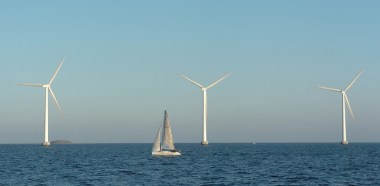
Energy from the wind (Photo: European Community)
¶ “Power Outages During a Hurricane Can be Deadly. Solar Could Fix That.” • Maria, and the more recent storms like Hurricane Florence, tell a story about reliable power that’s quite different from what President Trump has claimed as he gives his usual support to fossil fuels. Fossil fuels are not secure, but the sun is reliable. [Mother Jones]
Science and Technology:
¶ “Jordan’s plans to turn the desert green” • According to the Food and Agricultural Organisation, food production needs to be increased by 50% by 2050. Food production accounts for about 70% of our freshwater consumption and emits 25% of greenhouse gases. While arable land is being lost to climate change, Jordan is farming in a desert. [BBC]
Greenhouse in a desert
¶ “GE unveils 5.3-MW onshore titan” • Turbine manufacturer GE has taken the wraps off a new 5-MW-plus onshore wind turbine featuring a novel two-piece blade design. The 5.3-158 is part of the Cypress platform to be unveiled at WindEnergy Hamburg 2018 this week. It offers a 50% power increase from GE’s 3-MW turbine. [reNews]
World:
¶ “Talk of coal-mining in Sabah draws objections across the board” • Non-governmental organisations and political parties from both sides of the divide have come out strongly to object to Government plans to allow coal mining in Sabah, in northern Borneo, Malaysia, as fears grow that the coal-rich Maliau Basin was a target. [The Star Online]
¶ “Volkswagen Plans 16 New Electric Car Assembly Plants, One In North America” • Volkswagen plans to make as many as 10 million electric cars in the coming years. As part of that plan, the company expects to have 16 electric car assembly plants in operation by 2022, part of its $40 billion dollar EV investment strategy. [CleanTechnica]
¶ “Scotland’s renewables masking ‘lack of progress’ on EVs and agriculture” • Scotland is outperforming the rest of the UK on emissions reduction and is on course to meet upcoming climate targets. But the Committee on Climate Change says strong progress is needed in such sectors as agriculture, transport, and heating. [businessgreen.com]

Edinburgh
¶ “More solar panels! Rooftop energy creation goes up in 2018, new players enter market” • Those who have bemoaned the slow pace of capacity addition of rooftop solar PVs in India have reason to cheer. As much as 805 MW capacity was added in the first half of 2018, nearly double the combined amount in 2015 and 2016. [Financial Express]
¶ “More renewable energy projects to be implemented in Russia” • Russia’s conventional energy reserves are among the world’s biggest, but the country has been also working on increasing the share of renewables. In addition to wind, solar, and hydro-electric projects, the government is stimulating the development of waste-to-energy. [Realnoe vremya]

Renewable energy (Photo: adege)
¶ “Tackling climate change to be key talking point at UN summit” • With global temperatures rising, superstorms taking their deadly toll and a year-end deadline to firm up the Paris climate deal, leaders at this year’s UN General Assembly are feeling a sense of urgency to keep up the momentum on combating climate change. [ETEnergyworld.com]
¶ “Ontario’s government preps for Green Energy Act repeal” • The newly-elected government of Ontario introduced legislation to scrap the Green Energy Act. The Green Energy Act had been introduced in the Ontario legislature back in 2009 in order to expand the use of renewables in the province and fight climate change. [Renewables Now]
Wind turbines in Ontario (Image: CanWEA)
¶ “Arkona delivers first power” • Eon and Equinor have delivered electricity to the German grid for the first time from the 385-MW Arkona offshore wind farm in the Baltic Sea. GeoSea jack-up A2Sea Sea Challenger has installed 44 of the 60 Siemens Gamesa 6.45-MW turbines at the project, Equinor said. Equinor was formerly known as Statoil. [reNews]
US:
¶ “Arkansas Electric Cooperative CEO says coal is ‘no longer king’, consumers are ‘next power plant’” • Arkansas Electric Cooperative Corp CEO Duane Highley said energy efficiency has helped produce more power with existing assets, and in turn, is helping reduce the need for new billion-dollar power plants to be constructed. [talkbusiness.net]
Electric utility worker
¶ “Former federal energy regulators say it’s a ‘fertile time’ for energy choice, question renewable mandates” • Two former Federal Energy Regulatory Commission members met with reporters to back an upcoming Nevada ballot measure and give their takes on the potential benefits of moving to a competitive retail market. [The Nevada Independent]
¶ “Leading Gold Dome Republicans grumble about rising cost of new nukes at Vogtle” • A group of Republican state legislators are now among those grumbling publicly about budget-busting costs as the Plant Vogtle expansion drags toward completion. They want owners to make certain that regular folks not pay too much of the bill. [SaportaReport]
Have a dazzlingly worthwhile day.
geoharvey is free and without ads.
geoharvey is not tax-deductible.
Posted in nuclear power, renewable power, solar, wind | Leave a Comment »
Tags: nuclear, nuclear power, renewable power, solar power, wind power
September 23, 2018
Opinion:
¶ “10 Years after 1st Car, Tesla Production Rate is 300,000 to 400,000 Cars a Year” • Critics have written for years that Tesla would never be able to produce cars in quantity. They still do. But the truth is, Tesla produced its first car in 2008 and is now hitting a production rates of between 300,000 and 400,000 cars per year just 10 years later. [CleanTechnica]

Tesla Model 3
¶ “Utilities Look Toward a Clean Energy Future, Yet the Administration Keeps Looking Back” • Trump’s coal bailout is unlikely to work, partly because coal’s rapid decline has been driven primarily by market forces. But another key reason the bailout would fail is that utilities are setting goals to reduce CO2 emissions. [Union of Concerned Scientists]
¶ “Putting a dollar value on one of oil’s biggest subsidies: military protection” • Securing America’s Future Energy, a clean-energy advocacy group composed of retired military and business leaders, published a paper on the costs to the US military of defending oil supplies. They said the cost is at least $81 billion per year. [Vox]

Carrier operations (Anthony Flynn | US Navy via Getty Images)
World:
¶ “Government of Canada invests $30 Million in Halagonia Tidal Energy” • The government of Canada, through Natural Resources Canada’s Emerging Renewable Power Program, provided $29.8 million of funding to Halagonia Tidal Energy Ltd to support its $117-million tidal-power project at the Bay of Fundy. [Private Capital Journal]
¶ “The World’s First Hydrogen-Powered Train is Now On Track in Germany” • French train-building company Alstom delivered its first two hydrogen-powered trains to Germany. They are the first of many Alstom already has on order. Germany is lowering its emissions from the transportation sector, and diesel trains are to be phased out. [Jalopnik]

Hydrogen-powered train (Photo: René Frampe, Alstrom)
¶ “West Bengal to commission floating solar power plants next year” • The West Bengal government is developing two floating solar power plants to be commissioned by next year, the state minister for power and non-renewable energy said. The larger plant’s capacity would be 100 MW, and the smaller plant’s would be 5 MW. [ETEnergyworld.com]
¶ “Filling in for coal – the potential role of geothermal energy in Germany” • A recent article from Germany’s Geothermal Association highlights on how geothermal energy can make a significant contribution to planned exit from coal-fueled power and heat generation. The exit from coal is necessary to slow climate change. [ThinkGeoEnergy]
German open pit mine and power plant (gbohne | Flickr)
¶ “Portugal third in renewable energy production” • Portugal got 54.1% of its electricity from renewable resources in 2016, Eurostat reported. Portugal was one of only five EU countries that got more than half their electricity from renewable sources: 50%, Austria (72.6%), Sweden (64.9%), Portugal (54.1%), Denmark (53.7%) and Latvia (51.3%). [The Portugal News]
¶ “Enel Green Power España to build 84.7 MW solar PV farm in Spain” • Enel Green Power España, an Italian renewable-energy firm recently began constructing an 84.7 MW solar PV facility in the Spanish municipality of Totana. It will be the largest solar plant the company has ever built in Spain, with an investment of about €59 million. [CMFE Research]

Solar array in Spain
US:
¶ “Companies End Effort to Buy Navajo Generating Station” • The companies negotiating to purchase the largest coal-fired power plant in the southwestern US have broken off their pursuit of that goal. This means the 2,250-MW Navajo Generating Station near Page, Arizona, remains scheduled to close by year-end 2019. [Power magazine]
¶ “LPEA studies power alternatives to wholesale supplier” • La Plata Electric Association is exploring alternatives to purchasing power from its wholesale power supplier, Tri-State Generation and Transmission. LPEA’s contract with Tri-State caps purchases from outside sources at 5%, limiting its ability to buy renewable power. [The Durango Herald]

Solar array (Durango Herald file photo)
¶ “Aeterna Energy adds solar+storage system to California movie theater” • The privately owned iconic Mary Pickford Theater hosted a ”Flip the Switch” event, showcasing a self-sustaining renewable energy plant housed on its own premises. Its newly installed 620-kW roof-mounted solar PV system is backed by a 1000-kWh battery. [Solar Power World]
¶ “217 scientists sign letter opposing logging as a response to wildfires” • The House version of the 2018 Farm Bill now being considered would expand logging on public lands in response to increases in wildfires. A group of 217 scientists, educators, and land managers signed an open letter calling on lawmakers to consider what they are doing. [Wildfire Today]
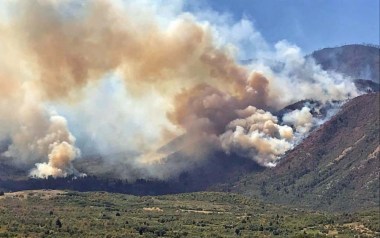
Bald Mountain Fire
¶ “Michigan utility unveils new battery at university” • A Michigan utility has unveiled a new battery to store renewable energy at Western Michigan University. The battery can store enough solar and wind energy to supply about 1,000 homes with an hour of power, according to Consumers Energy’s Project Manager. [Fox17]
¶ “Federal appeals court keeps rate cuts for failed nuke plants” • The US Fourth Circuit Court of Appeals denied requests from South Carolina Electric & Gas to stop the temporary rate cuts while it appeals and to speed up the case. The rate cuts were put in place by lawmakers who believed the loss should be covered by shareholders. [Plainview Daily Herald]
Have a superbly enjoyable day.
geoharvey is free and without ads.
geoharvey is not tax-deductible.
Posted in nuclear power, renewable power, solar, wind | Leave a Comment »
Tags: nuclear, nuclear power, renewable power, solar power, wind power
September 22, 2018
Opinion:
¶ “Homeowners who live on the coast are sleepwalking toward climate catastrophe” • Sea levels are rising faster than predicted. Relative sea levels in vulnerable places like South Florida are roughly four inches higher now than in 1992; projections by the Army Corps of Engineers and others see rises in South Florida of 12 inches by 2030. [CNN]
¶ “Energy Deregulation Opening up Potential for Renewable Energy Future” • President Donald Trump made big promises about deregulating energy and has followed through on some of them. Most of his promises and efforts have been for fossil fuels, but deregulation could have a positive impact on the renewables market. [Renewable Energy Magazine]
Science and Technology:
¶ “Decentralized micro-grids could be the next big thing for renewable energy” • A report funded by the Dutch government concludes that microgrids could make local economies based on the technology 90% self-sufficient, enabling a truly renewable society. Instead of fitting renewables onto conventional grids, it suggests building microgrids. [ZME Science]

Ecovillage (Credit: Metabolic)
World:
¶ “ING To Steer €500 Billion Portfolio Toward Paris Agreement Goals” • Dutch banking giant ING announced last week that it would begin to steer its €500 billion lending portfolio toward meeting the Paris Agreement well-below 2°C warming target, starting by committing to using science-based scenarios to direct its business strategy. [CleanTechnica]
¶ “China Seeks To Achieve “Grid Price Parity” For Wind & Solar” • China is planning to increase efforts to ensure that the country’s wind and solar sectors can quickly compete without subsidies and achieve “grid price parity” with traditional energy sources like coal, according to new National Energy Administration draft guidelines. [CleanTechnica]
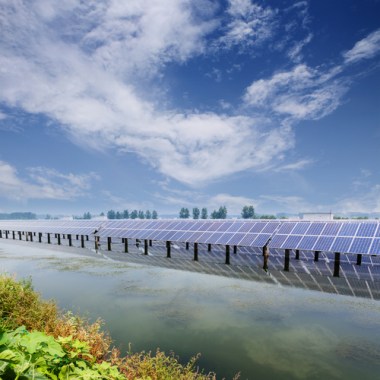
Solar system in China (Shutterstock image)
¶ “European Union & California Step Up Carbon Market Cooperation” • The European Union and the State of California announced last week at the Global Climate Action Summit held in San Francisco that they intend to strengthen their bilateral cooperation on carbon markets to maximize and leverage climate action. [CleanTechnica]
¶ “Renault Launches Second ‘Smart Island’ to Combine Electric Cars and Renewable Energy” • Electric cars and renewable energy can reinforce each other to produce a greater impact. In a project similar to one for the Portuguese island of Porto Santo, Renault plans to transition the island of Belle-Île-en-Mer to renewable energy. [The Drive]

Belle-Île-en-Mer
¶ “McGill University to partner with Xebec to develop Power-to Gas process for renewable energy storage” • McGill University announced it will work with Xebec Adsorption Inc to develop a prototype reactor to produce Renewable Natural Gas. The process uses electricity generated by renewable sources and CO2 from waste. [pv magazine International]
¶ “ACME commissions 200-MW solar power plant at Bhadla” • Independent power producer ACME Solar said it commissioned its 200-MW solar power plant at Bhadla in Rajasthan. ACME’s total operating capacity in solar power now stands at 2.4 GW and the company’s total portfolio of solar projects stands at over 5.5 GW, it said. [ETEnergyworld.com]
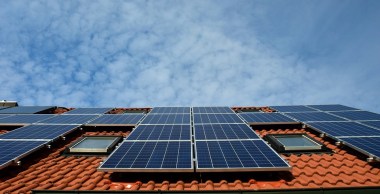
Rooftop solar system
¶ “Australia set to run on 100% renewable energy within 15 years” • The Australian renewables energy industry will install more than 10 GW of new solar and wind power before the end of 2019. If that rate is maintained, Australia would reach 50% of its renewables target in 2025, and it could reach a 100% target by the early 2030’s. [Small Caps]
US:
¶ “New Jersey Makes Way For 1.1-GW Offshore Wind” • The New Jersey Board of Public Utilities voted unanimously to move forward with its expansive offshore wind development plans, opening an application window for 1,100 MW of offshore wind capacity, the largest single-state solicitation of offshore wind to date in the US. [CleanTechnica]
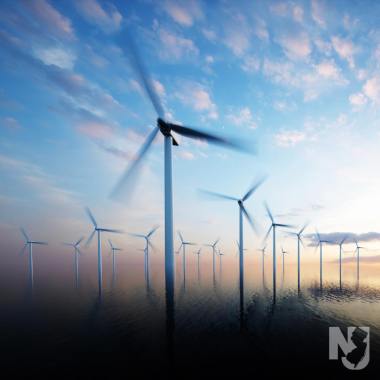
Offshore wind farm
¶ “Calvin Klein brand owner to go 100% renewable by 2030” • PVH Corp, the apparel major that owns brands such as Calvin Klein and Tommy Hilfiger, joined the RE100 initiative. The company has committed to operate with 100% renewable electricity by 2030. It will source 50% of its electricity from renewables by 2025. [Renewables Now]
¶ “Cleveland Sets a Big Goal as It Sheds Its Fossil Fuel Past” • Cleveland, Ohio, which has worked for years to reinvent itself as it sheds its industrial past, has become the latest major city to announce plans to shift to 100% renewable electricity. The city announced that it will have 100% of its power from renewables by 2050. [InsideClimate News]

Cleveland (Chris Gent | CC-BY-SA-4.0)
¶ “TVA, environmental groups duel over the future of solar energy” • About 13% of the power generated by the Tennessee Valley Authority now comes from renewable sources, and only 3% from wind and solar, the TVA’s figures show. Environmental groups say the TVA could do much more, and they are suing to make that happen. [Knoxville News Sentinel]
¶ “Canceling Georgia nuclear plant could cost owners billions” • In a letter to the three owners of Plant Vogtle, the DOE said that if the construction project is canceled, the government is “prepared to move swiftly to fully enforce its rights under terms of the loan guarantee agreements, including the repayment provisions.” [KTAR.com]
Have an exceptionally lovely day.
geoharvey is free and without ads.
geoharvey is not tax-deductible.
Posted in nuclear power, renewable power, solar, wind | Leave a Comment »
Tags: nuclear, nuclear power, renewable power, solar power, wind power
September 21, 2018
Science and Technology:
¶ “Solar Energy Largely Unscathed by Hurricane Florence’s Wind and Rain” • Faced with Hurricane Florence’s powerful winds and record rainfall, North Carolina’s solar farms held up with only minimal damage while other parts of the electricity system failed. The state’s nuclear and coal power plants had some problems. [InsideClimate News]

Storm damage (Chip Somodevilla | Getty Images)
¶ “Cheap Alternative To Lithium Could Be Used In Next Generation Of Batteries” • Researchers from Purdue University have found a way to produce efficient sodium-ion batteries that are as functional and cheaper than its lithium counterpart. Lithium is extremely rare and there are worries that its supply could be limited. [Tech Times]
¶ “Offshore mussels from Brussels” • Mussels were cultivated at an offshore wind farm in the Belgian North Sea as part of a test project of a Belgian consortium that includes DEME Group, other companies, and research institutions. They are researching the potential of offshore wind turbine foundations as a habitat to grow the seafood. [reNews]

Mussels from an offshore wind farm (DEME Group image)
World:
¶ “Corporate & Regional Leaders Launch Net Zero Carbon Buildings Commitment” • A group of 38 businesses, cities, states, and regions partnered with the World Green Building Council to launch the Net Zero Carbon Buildings Commitment. They intend to start a movement towards decarbonizing the built environment. [CleanTechnica]
¶ “1,600 Volkswagen Electric Trucks For Brazil” • Volkswagen makes electric trucks? Well, yes, it does – or it will. Not only that, but Ambev Brewery in Brazil has ordered a whopping 1,600 of them. Oh, but just to be clear, the orders are to be fulfilled by 2023. Production, CleanTechnica was told, is expected to begin in 2020. [CleanTechnica]

Volkswagen e-Delivery electric truck
¶ “Toyota Motor to fund new renewable energy projects in Japan, including geothermal” • Toyota Motor Corp has announced that it is to invest $270 million into renewable energy fund to push development of new solar, wind, biomass, and geothermal power plants. Its goal is to power Toyota factories and dealerships in Japan. [ThinkGeoEnergy]
¶ “Permit issued for tidal power project in Nova Scotia” • Nova Scotia authorities have issued a marine renewable energy permit for a tidal electricity project in the Bay of Fundy. The permit was issued to Black Rock Tidal Power allowing the business to perform tests on a 280-kW floating platform over a period of up to six months. [CNBC]

Bay of Fundy (Mike Grandmaison |
All Canada Photos | Getty Images)
¶ “Ontario Tories seek to scrap Green Energy Act” • Months after cancelling hundreds of renewable energy contracts, the Ontario government introduced legislation to scrap a law that aimed to bolster the province’s green energy industry. Premier Doug Ford had made a campaign promise in the last election to repeal the Green Energy Act. [Niagarathisweek.com]
¶ “ADB lends $40 million for hybrid renewables project in Mongolia” • The Asian Development Bank said it will provide a $40 million (€33.9 million) loan to support a 41-MW distributed renewable energy project in Mongolia. The system will include solar and wind capacity, battery storage, and a 500-kW heat pump for public buildings. [Renewables Now]
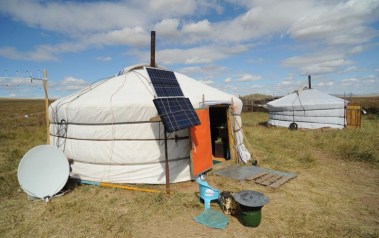
Yurts
US:
¶ “Kentucky utilities to propose Green Energy tariff to drive renewable energy growth” • Louisville Gas and Electric Company and Kentucky Utilities Company have recently said that they will propose a Green Tariff to promote renewable energy growth and economic development in a rate review filing on September 28. [Daily Energy Insider]
¶ “US Solar Installation Costs Declined In 2017, Little Progress So Far In 2018” • The eleventh edition of Berkeley Lab’s Tracking the Sun report published this week shows that the installed price of solar continued to fall across the country in 2017 but only saw small declines through the beginning of 2018. Tariffs on solar PVs may be to blame. [CleanTechnica]

Solar system in California
¶ “AEP Ohio Files For Huge Renewable Energy Increase” • American Electric Power has filed an amended Long-Term Forecast Report with the Public Utilities Commission of Ohio that shows the need for at least 900 MW of new renewable generation resources in the state. This would more than double Ohio’s clean energy. [Solar Industry]
¶ “Colorado electric cooperative aims at 70% clean energy by 2030” • Holy Cross Energy, an electric cooperative in Colorado, set a target of sourcing at least 70% of the power provided to its members from clean and renewable energy by 2030, up from 39% now. Another goal is a 70% reduction in greenhouse gas emissions from 2014. [Renewables Now]
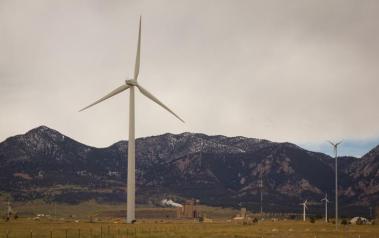
Colorado wind turbines
¶ “Northern Indiana utility ditching coal in favor of renewable energy in next 10 years” • The Northern Indiana Public Service Company announced that it will speed up the retirement of its coal-fired generation by as much as ten years – planning to replace the entire fleet with wind, solar, and batteries within ten years. [Indianapolis Star]
¶ “The last nuclear reactors under construction in the US are facing opposition” • The last two nuclear reactors under construction in the US are at the Vogtle power plant in Georgia. Now, the three major owners of the construction project are getting ready to vote in coming days on whether to keep it going or cut their losses. [Ars Technica]
Have a totally carefree day.
geoharvey is free and without ads.
geoharvey is not tax-deductible.
Posted in nuclear power, renewable power, solar, wind | Leave a Comment »
Tags: nuclear, nuclear power, renewable power, solar power, wind power
September 20, 2018
Science and Technology:
¶ “Flood frequency of world’s largest river has increased fivefold, study finds” • Flooding on the Amazon River has increased fivefold over the last two or three decades, a new study has found. Analysis of more than 100 years of river level records from the Amazon showed that both floods and droughts had become more frequent. [The Independent]
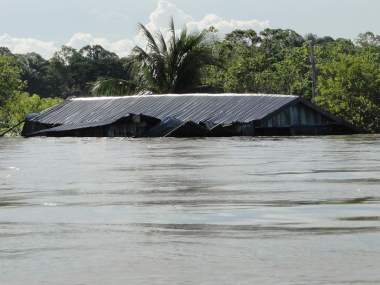
Amazon flood (Photo: Jochen Schöngart,
National Institute for Amazon Research)
World:
¶ “Gujarat Solar Auction Yields India’s Lowest Bid” • Gujarat Urja Vikas Nigam Limited secured tariff bids for 500 MW of solar power capacity in the range of ₹2.44/kWh (3.37¢/kWh) and ₹2.88/kWh (3.98¢/kWh). The offer for 500 MW was met by bids from thirteen project developers willing to develop over 1,900 MW. [CleanTechnica]
¶ “SIMEC Atlantis Unveils World’s Largest Tidal Turbine” • Tidal turbine maker SIMEC Atlantis Energy unveiled designs for what may be the world’s largest single-rotor tidal turbine, the 2-MW AR2000. SIMEC Atlantis’s 1.5-MW turbines are used at the world’s largest tidal stream away, the 6-MW MeyGen array off the north of Scotland. [CleanTechnica]
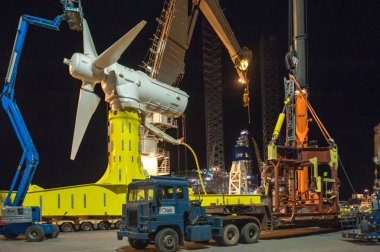
SIMEC Atlantis turbine installed in MeyGen array
¶ “Nearly 400 Investors With $32 Trillion In Assets Step Up Climate Action To Support Paris Agreement” • Nearly 400 investors, with assets worth $32 trillion, announced The Investor Agenda, a first-of-its-kind global agenda aimed to accelerate and scale-up actions critical to meeting the goals of the Paris Agreement. [CleanTechnica]
¶ “Electric For All Campaign From Volkswagen – 10 Million EVs Based On MEB Platform” • Volkswagen officially launched its “Electric For All” campaign this week with the official introduction of its MEB platform. The platform is where the powertrain, suspension, brakes, and other vital components all come together. [CleanTechnica]

VW MEB platform
¶ “Renewables reach 37-year high” • Strong hydro and wind generation saw 85% of the New Zealand’s electricity produced from renewables in the June quarter, government data shows. The country has a target to achieve 90% renewable power by 2025. The Labour-led coalition has suggested going to 100% 2035. [Newsroom]
¶ “Shell Announces Methane Emissions Target For Oil & Gas Of 0.02% By 2025” • Royal Dutch Shell, better known simply as Shell, announced a target to reduce and maintain its methane emissions intensity for all its oil and gas assets below 0.02% by 2025. To achieve the goal the company will implement a variety of programs. [CleanTechnica]

Floating LNG facility
¶ “Canadians fuel 164-MW Spanish sun” • Canadian Solar won a contract to supply 164 MW of modules for the 350-MW Escatron PV project in Spain being developed by Cobra Group. Over 481,900 MaxPower modules will be installed at the project, with shipments starting this month. Escatron is due to be online next year. [reNews]
¶ “Floatgen delivers first power” • Ideol’s 2-MW Floatgen floating wind turbine off the coast of Le Croisic in France has delivered power to the French grid for the first time. The developer said the milestone means Floatgen is now fully operational. The Floatgen system is made up of a Vestas V80 turbine and floating foundation. [reNews]

Floatgen turbine (Ideol image)
¶ “Buoyant gas industry may be blindsided by renewables” • The global gas industry, boosted by new projects to feed booming demand, claims to be in the best shape in five years. Not everybody is buying into the industry’s confidence. Analysts warn it is getting ahead of itself, pointing to renewable energy as a threat. [Reuters]
US:
¶ “Boise City Aims At 100% Renewable By 2030 For Municipal Operations” • The City of Boise has joined a growing list of cities across the country that have committed to transitioning to 100% renewable energy sources. The Boise city facilities are already fueled by a combination of renewable and non-renewable sources. [Boise State Public Radio]
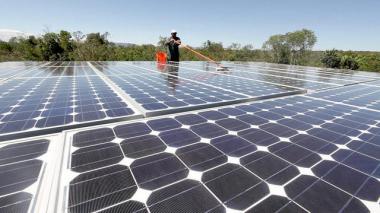
Solar installation (Tim Henshall | Flickr Creative Commons)
¶ “Renewable energy proposition draws millions of dollars in campaign spending” • Arizona Prop 127 is an initiative to amend the state constitution to require power utilities to get more of their electricity from renewable resources. Both supporters and opponents are currently engaged in a fierce and expensive media battle. [Tucson Local Media]
¶ “Adrian Dominican Sisters Commit To Michigan Renewable Energy” • A religious order with 600 Dominican sisters in Michigan committed to matching 100% of its electricity use with renewables. They are taking part in a green generation program that matches electricity use with clean energy generated in Michigan. [North American Windpower]
Wind turbine (iStock image)
¶ “Colorado Springs Utilities increases commitment to renewable energy with solar purchase agreement” • Colorado Springs Utilities will generate more than a fifth of its electricity with solar power when 150 MW are added to its portfolio. Eight companies have made proposals, and the utility will negotiate for the best deal. [Colorado Springs Gazette]
¶ “Jacksonville utility company wants federal regulators to intervene on Plant Vogtle dispute” • Jacksonville Electric Authority asked federal energy regulators to intervene in its dispute with a Georgia electric agency over an agreement requiring Jacksonville’s ratepayers to help build two nuclear reactors in Georgia. [Savannah Morning News]
Have an intensely pleasant day.
geoharvey is free and without ads.
geoharvey is not tax-deductible.
Posted in nuclear power, renewable power, solar, wind | Leave a Comment »
Tags: nuclear, nuclear power, renewable power, solar power, wind power
September 19, 2018
Opinion:
¶ “Q&A: Why Offshore Wind is the Future” • Energy company Ørsted has abandoned the oil and gas business it began with for renewables. Now it has eleven offshore wind farms in the UK, including the world’s biggest, Walney Extension. Matthew Wright, Ørsted UK managing director, explains the thinking behind the move. [Raconteur]

Ørsted offshore wind farm
¶ “Russia Wins 2016 Election, Loses Energy Race” • Russia’s interest in US politics looked like a win, when Donald J. Trump took occupancy of the Oval Office in 2016. But now the US DOE says the US is leading the rest of globe in oil production and ramping up its natural gas exports – at the expense of Russia, of course. [CleanTechnica]
Science and Technology:
¶ “Giant towers proposed to clean Delhi’s toxic smog” • During one bad spell in 2017, air quality in Delhi was so poor breathing it was equivalent to smoking 44 cigarettes per day. The Smog Project,” designed by Dubai-based architecture firm Znera Space, is an ambitious proposal to clean the air in one of the world’s most-polluted cities. [CNN]

Giant smog filtering towers (Znera Space and R-Code)
¶ “Is air pollution tied to higher dementia risk?” • A study published in the medical journal BMJ Open found that among older adults in London, those living in areas with the highest concentration of air pollution annually were at a subsequent higher risk of dementia compared with those living in areas with the lowest amount. [CNN]
¶ “Ocean Plastic Cleanup Project Is Better News Than You Might Think” • There are plainly evident risks and potential downsides for the Ocean Cleanup Project. There are still failure points that will be tested, and it’s clear that cleanup is only part of a solution. But the problems appear to have been considered fairly carefully and mostly avoided. [CleanTechnica]
Ocean Cleanup Project barrier
World:
¶ “European Nations Plan to Use More Hydrogen for Energy Needs” • Dozens of European countries are backing a plan to increase the use of hydrogen as an alternative to fossil fuels to cut the continent’s carbon emissions. Energy officials from 25 countries pledged to increase research into hydrogen technology and accelerate its everyday use to power factories, drive cars, and heat homes. [Voice of America]
¶ “More Than 130 Companies Have Made Science-Based Targets This Year Alone” • Since the beginning of the year, more than 130 companies have joined the Science Based Targets initiative, pushing the total number of companies close to 500 and representative of about one-eighth of total global market capitalization. [CleanTechnica]

Mexico City
¶ “Sarawak to expand renewable energy use” • Sarawak Energy Bhd aims to expand the coverage of renewable energy to rural communities in the Malaysian state of Sarawak by 2025. SEB’s CEO said he expects to maintain more than 60% hydro in the power mix but wants to add more alternative energy such as solar and biomass. [New Straits Times Online]
¶ “Renewable energy law in the works to speed up development” • Myanmar’s Ministry of Electricity and Energy is drafting a renewable energy law to develop the sector, according to the chief engineer of the Department of Renewable Energy and Hydropower Plants. The goal is for 8% renewable energy in 2021 and 12% in 2025. [Myanmar Times]
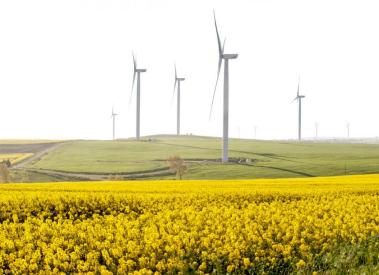
Wind turbines in Turkey (EPA photo)
US:
¶ “Trump administration rewrites Obama-era rule for potent greenhouse gas” • The Trump administration has finished rewriting an Obama administration rule on methane pollution from oil and gas wells on public lands. The new rule eliminates regulations for the companies that operate on federal land some call complicated and expensive. [CNN]
¶ “Miami’s Existence Is Threatened With As Little As 18″ Of Sea Level Rise” • Miami is very vulnerable to the effects of climate change. It sees sunny day flooding as regularly as clockwork. It has the third-tallest skyline in the US, but most of the buildings are close are sea level. It is built on porous sandstone, so even a seawall will not work. [CleanTechnica]

Miami area (Hoberman Collection | UIG via Getty Images)
¶ “Xcel Energy opens huge, billion-dollar wind farm on Colorado’s Eastern Plains” • With a plan to get the majority of its power from renewable energy by 2026, Xcel Energy Colorado celebrated completing the 600-MW, 300-turbine Rush Creek Wind Project. It sprawls across nearly 100,000 acres in five counties on the Eastern Plains. [The Denver Post]
¶ “University Announces Massive Wind Power Purchase” • For 15 years beginning in 2020, Boston University will be buying wind power, a major step in the University’s Climate Action Plan to curb greenhouse gas emissions. BU will buy the power from a South Dakota wind farm, resell it in the Midwest, and keep the renewable energy certificates. [BU Today]

Midwest wind farm (NREL image)
¶ “Rhode Island Orders Up More Renewable Energy” • Rhode Island continues to push for more renewable energy, with a call for 400 MW of power from new energy projects developed in and outside Rhode Island. The request for proposals is separate from the 400 MW of offshore wind power awarded earlier to Deepwater Wind. [ecoRI news]
¶ “Indian Point Relicensed – Closing Still Set” • The NRC has approved license extensions for the Indian Point nuclear reactor units 2 and 3 to 2024 and 2025, respectively. Entergy, however, agreed with New York State to cease operations at Indian Point 2 by April 30, 2020 and Indian Point 3 by April 30, 2021, unless some emergency develops. [Patch.com]
Have a gloriously enviable day.
geoharvey is free and without ads.
geoharvey is not tax-deductible.
Posted in nuclear power, renewable power, solar, wind | Leave a Comment »
Tags: nuclear, nuclear power, renewable power, solar power, wind power
September 18, 2018
Opinion:
¶ “The Public Wants Renewable Energy and They Want It Now!” • Utility companies, like automakers, would like to party like it’s 1999 forever, but consumers are beginning to realize their future lies with zero emissions vehicles and renewable energy. The transition has begun. If the people will lead, their leaders will follow. Spread the word! [CleanTechnica]
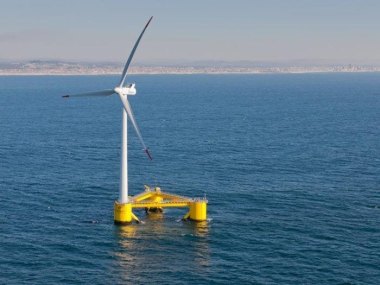
Floating wind turbine
World:
¶ “Germany embarks on quest for methane fuel” • A research project is exploring the potential use of methane fuel from renewable sources in the German energy, transport and shipping industries. The government-funded lead project will aim to develop and study technologies to enable methane-based fuels from renewables. [The Motorship]
¶ “Renewable energy storage and the future of smart cities” • From Singapore to San Francisco, organisations, government officials, and city planners have made great efforts to support the development of intelligent communities. A recent report by IHS Technology said there will be at least 88 smart cities all over the world by 2025. [Information Age]

City in the haze
¶ “Germany launches second wind-solar auction” • Germany’s Federal Network Agency opened its second mixed auction for large-scale onshore wind and solar power projects. About 200 MW of renewable energy capacity will be assigned. Bids for the auction can be submitted until November 2nd, 2018, according to the agency. [pv magazine International]
¶ “UK wind ‘tops 20 GW'” • Installed wind capacity in the UK has reached the 20-GW milestone, following the commissioning of Ørsted’s 659-MW Walney 3 offshore wind farm, according to industry group RenewableUK. The total operational capacity of onshore and offshore wind in the UK is currently 20,128 MW, the group said. [reNews]

Walney 3 (Ørsted image)
¶ “Rentel finishes installing North Sea turbines” • Rentel finished installing its last two of 42 turbines at its new wind farm in the Belgian North Sea. During the summer, marine engineering expert DEME’s jack-up vessel “Sea Installer” put all of the wind turbines in place in the Belgian North Sea, about 40 km from the coast of Ostend. [Maritime Journal]
Australia
¶ “S&P Global: Coal-fired power stations are a poor investment” • Private investment in coal-fired power plants is highly unlikely due to poor investment returns, S&P Global said. Its analysis shows renewable energy backed by battery storage or gas offers the most prudent investment, according to a report in the Sydney Morning Herald. [Energy Matters]
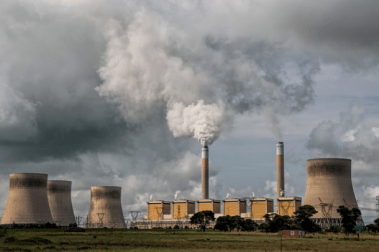
Coal-fired power station (Pixabay image)
¶ “Coalition will not replace renewables target after it winds down in 2020” • The energy minister, Angus Taylor, said the Morrison government will not replace the renewable energy target “with anything” after it winds down in 2020. He said, “We know we will reach the 26% emission reduction target without additional intervention.” [The Guardian]
¶ “Clean Energy Regulator counts 9 GW in big solar and wind pipeline” • Australia looks certain to sail past its 2020 large-scale renewable energy target of 33,000 GWh, with the latest data showing the combined capacity of large-scale wind and solar energy projects in the development pipeline is now nudging a massive 9 GW. [RenewEconomy]
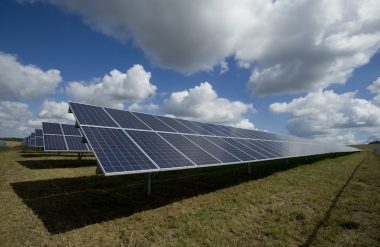
Solar array (Image via Unsplash)
US:
¶ “Lyft goes carbon-neutral and 100% renewable” • Lyft, the ride-hailing industry’s second-leading company, announced an extension on the company’s carbon offset program that now makes their platform entirely carbon-neutral, soon to be entirely powered through renewable energy. The move is outlined in a blog post. [pv magazine USA]
¶ “California state universities commit to 100% clean energy by 2025” • The University of California, which is made up of 10 campuses and additional facilities, set sustainability and clean energy goals, including a pledge to not use natural gas for space and water heating in new buildings or major renovations after June 2019. [Utility Dive]

University of California campus
¶ “SoCalGas to Offer Renewable Natural Gas at its Fueling Stations for the First Time” • Southern California Gas Co announced it will soon begin using renewable natural gas at the 25 utility-owned natural gas vehicle fueling stations across its service territory, as well as at six fueling stations in the San Diego area. [Markets Insider]
¶ “Nuclear, Wind Companies Competing To Sell Connecticut ‘Zero Carbon’ Energy” • In response to a request by the state of Connecticut for solar, wind, hydro, and nuclear facilities for its “Zero Carbon” program, it received more than 100 submissions for solar, wind hydro and nuclear facilities. The state is now reviewing them. [Hartford Courant]

Millstone nuclear plant (Stephen Dunn | Hartford Courant)
¶ “Oldest US nuclear plant shuts down after nearly 49 years” • America’s oldest nuclear power plant has shut down as planned. Officials at the Oyster Creek Nuclear Generating Station in Lacey Township, New Jersey, say the plant went offline at noon on September 17. There are now 98 operational nuclear power plants in the US. [Sacramento Bee]
¶ “Duke Energy’s Brunswick nuclear plant inaccessible due to flooding, workers stranded” • Duke Energy’s Brunswick nuclear plant, about 30 miles south of Wilmington, North Carolina, has declared a state of emergency as the 1,200-acre complex remains cut off by flood waters of Hurricane Florence and is inaccessible to outside personnel. [Insurance News Net]
Have an exuberantly merry day.
geoharvey is free and without ads.
geoharvey is not tax-deductible.
Posted in nuclear power, renewable power, solar, wind | Leave a Comment »
Tags: nuclear, nuclear power, renewable power, solar power, wind power
September 17, 2018
Opinion:
¶ “How design of cities must change to withstand ‘category 6’ mega storms” • With winds of 173 kph (107 mph) and gusts of up to 223 kph (138 mph) reported, Typhoon Mangkhut, the world’s strongest storm this year, tore into parts of Hong Kong’s dense fabric. City design needs to be based on the storms to come, not those in the past. [CNN]

Hong Kong (Philippe Lopez | AFP | Getty Images)
¶ “Nature Roars. Washington Hears Nothing.” • As if this past summer of merciless heat waves, droughts, and megafires were not warning enough, in the past several days the elements sounded another alarm about global warming caused by burning fossil fuels. Meanwhile, the EPA proposed weakening the rules on methane. [New York Times]
World:
¶ “Egypt to build a solar park in Kom Ombo, Aswan” • The Egyptian New and Renewable Energy Authority signed a €20 million deal with Spanish energy company TSK Grupo to build a 26-MW solar park in Kom Ombo, Aswan, MENA reported. The project will have a €40 million soft loan from the French Agency for Development. [Egypt Independent]
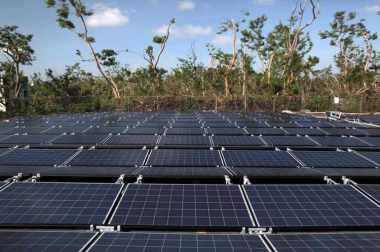
Solar array (Reuters | Alvin Baez)
¶ “100% railway electrification to double power demand by 2022” • India’s union cabinet has approved the complete electrification of broad-gauge railway tracks by 2022. This means that Indian Railways electric power demand is set to double in the next four years, as at least 2,000 MW of addition power is required to achieve the goal. [Livemint]
¶ “Over 80% of South Koreans Back Renewable Energy Expansion: Poll” • According to the survey of 1,003 South Koreans, 86.2% of respondents said they are in favor of the expansion of renewable energy, such as solar and wind power. Slightly over 11% answered that they are against such a policy, and the rest had no opinion. [The Korea Bizwire]

Rooftop solar panels on the Seoul City Hall
(Image: Seoul Metropolitan Government)
¶ “India’s solar energy capacity is growing” • India’s electricity sector is transforming rapidly. A 50% decline in wind and solar tariffs since 2016 means renewable energy is now the lowest cost source of new generation. This has turned the established order in India on its head. Unsurprisingly, capital for new coal has dried up. [pv magazine India]
Australia:
¶ “Taylor launches extraordinary and ill-informed attack against wind and solar” • New energy minister Angus Taylor launched an extraordinary attack against wind and solar, saying they cause “de-industrialisation” and claiming that Labor’s 45% emissions reduction target would send a “wrecking ball” through the Australian economy. [RenewEconomy]
Running past wind turbines
¶ “New solar and wind the ‘only thing’ pushing down power prices” • As the federal Coalition’s new energy minister launches an extraordinary attack on wind and solar power, a report by The Australia Institute found that the “only thing” currently helping to reduce electricity prices in Australia is the increasing use of renewable energy. [RenewEconomy]
¶ “S&P says Australia’s uncertain energy policy is undermining investor confidence” • Uncertainty in Australia’s energy policy holds back investment vital to ensure reliability and capacity, ratings agency S&P said. One analyst said regulatory intervention could be credit-negative for the sector over the medium to longer term. [Business Insider Australia]
¶ “‘Tsunami’ of new wind and solar projects drives renewables output to a record” • Clean energy’s share of total Australian grid supply for the 12 months to August was a record 16.1%. When rooftop solar is added, the 12-month share rose to 19.7%. This is just shy of the 2020 Renewable Energy Target set for large-scale renewables. [The Sydney Morning Herald]
US:
¶ “US Congress passes bill to help advanced nuclear power” • Last week, the House passed a bipartisan bill called the Nuclear Energy Innovation Capabilities Act (S 97). The bill, which originated in the Senate, would will allow the private sector to partner with US National Laboratories to vet advanced nuclear technologies. [Ars Technica]

Virgil C Summer Nuclear Station
¶ “Oyster Creek shutting down for good today: 5 things you need to know” • The aging nuclear reactor at Oyster Creek is closing after a half-century run. The station has been a local icon since its construction in the 1960s. It has also been the source of concern for local people, who will continue to worry about safety during decommissioning. [Asbury Park Press]
¶ “Colorado rolls with climate shift, grappling with low river flows and a complicated debate over reservoirs” • Colorado’s ongoing shift toward a hotter and drier climate is spurring such quick adaptations as allowing taller stacks of hay on trucks rolling into the state. But it is also forcing a scramble to examine climate change. [Canon City Daily Record]
Sunrise at a low reservoir (RJ Sangosti, The Denver Post)
¶ “Two large-scale renewable energy projects planned in West Michigan” • Two large renewable energy projects are moving forward in Muskegon County. One, at Muskegon County’s Wastewater Management System, will be the largest solar project in Michigan. The other will be the first major wind project in the region since 2012. [MiBiz]
¶ “Tetra Pak moving to 100% renewable energy by early 2019” • Tetra Pak is set to be the first manufacturing company in Denton, Texas, to operate with 100% renewable energy. Work is underway to install 1,862 solar panels at its manufacturing plant and the headquarters office building for the company’s US and Canadian operations. [Denton Record Chronicle]
Have an amazingly preferable day.
geoharvey is free and without ads.
geoharvey is not tax-deductible.
Posted in nuclear power, renewable power, solar, wind | Leave a Comment »
Tags: nuclear, nuclear power, renewable power, solar power, wind power
September 16, 2018
Opinion:
¶ “Optimism trumps despair at San Francisco climate summit” • Mayors, governors, entrepreneurs, chief executives, investors, and celebrities delivered a double-edged message at the close of the Global Climate Action Summit in San Francisco: Global warming is making the planet unlivable – but we know how to fix it. [The Japan Times]

Woman dressed as a tree (AFP-JIJI)
Hurricane Florence:
¶ “Hurricane Florence Is 50 Miles Larger, with 50% More Rain, Thanks to Climate Change” • For the first time, researchers have calculated the impact of climate change on a hurricane as it was active. Hurricane Florence, they found, was about 50 miles (80 km) larger and dumped 50% more rain than it would have had without climate change. [Infosurhoy]
¶ “Record rainfall from Tropical Storm Florence plagues the Carolinas” • Portions of the Carolinas have been inundated by the heaviest amount of rain on record for this region, and torrential rain is still falling. Over the weekend, there could be another foot of rain or more in parts of northeastern South Carolina and southern North Carolina. [Axios]

Flooding (Photo: Mark Wilson | Getty Images)
¶ “Hurricane Florence Threatens Many Homes That Already Cost the Government Millions” • As Hurricane Florence made landfall on the coast of North Carolina, there is renewed scrutiny of legislation that bars state agencies from crafting policies based on scientific understanding of sea level rise from human-caused global warming. [Common Dreams]
¶ “Hurricane Florence downgraded to a tropical storm with flash floods predicted” • The National Hurricane Center director Ken Graham has expressed fears of flash floods. The Brunswick nuclear plant in North Carolina has suspended its operations as a precautionary measure, as is normal when hurricane-force winds are expected. [Blasting News]
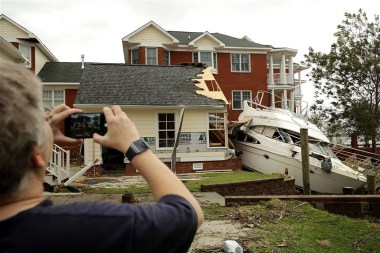
Stranded boat (Chip Somodevilla | Getty Images)
¶ “As Florence weakens to tropical depression, serious threat remains” • Though now downgraded to a tropical depression, Florence is still dangerous. It has been blamed for at least 14 deaths. There were more than 658,000 power outages across North Carolina as of 11:15 pm Saturday the state Department of Public Safety said. [NBCNews.com]
Science and Technology:
¶ “Siemens Launches Frequency Stabilizer to Support Power Grids in Milliseconds” • With its SVC Plus Frequency Stabilizer, Siemens is the world’s first supplier to combine reactive power compensation capability with the use of a supercapacitor. In less than 50 milliseconds, it can provide power needed for stable grid operation. [Transmission and Distribution World]

Frequency Stabilizer (Siemens image)
World:
¶ “Largest Electric Bus Order In Canada – New Flyer Wins Contract For 40 Electric Buses In Montréal & Laval” • Société de transport de Montréal, which provides public transportation in Montréal, placed an order for 40 electric buses from New Flyer, a Canadian bus maker. New Flyer is the largest transit bus maker in North America. [CleanTechnica]
¶ “100% Electric Autonomous Shuttle Project For Quebec” • A 100% electric autonomous shuttle will be used on roads in Candiac, Quebec, in a long-term demonstration project. The project is a collaboration between the shuttle’s manufacturer, NAVYA, Keolis Canada, the Quebec government, and Propulsion Quebec. [CleanTechnica]
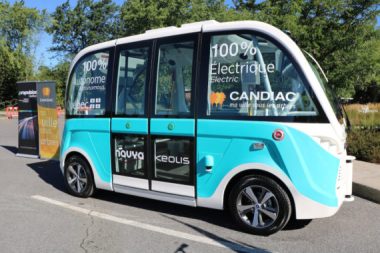
NAVYA Shuttle (CNW Group | Ville de Candiac)
¶ “China demolishes high emission power plants with installed capacity two times more than Britain’s total” • Britain’s total installed power plant capacity is about 70,000 MW, but the gross installed capacity of the power plants demolished in China was 170,000 MW, a Chinese senior official said at the Global Climate Action Summit. [ecns]
¶ “Marubeni’s shock exit from coal” • Japanese energy giant Marubeni Corp is getting out of coal and accelerating its shift into renewable energy dramatically, according to a story in Nikkei. If the story is true, it will send shockwaves around the energy world and confirm that renewable energy is not just cleaner, but more economic than coal. [Michael West News]

Strip mine (Photo: Dominik Vanyi | Unsplash)
US:
¶ “Moving Beyond Coal at the Global Climate Action Summit” • America will meet its Paris Climate Agreement targets, the director of the Sierra Club’s Beyond Coal campaign said. Over 200 new coal plants stopped construction, over half of US coal plants closed (273 and counting), and coal cannot compete with renewable power. [Red, Green, and Blue]
¶ “Offshore Wind Energy Project Inches Forward on the North Coast” • Efforts to build a wind energy farm off California’s North Coast took a step forward this week. The Redwood Coast Energy Authority and a consortium of private companies submitted a lease application to the federal Bureau of Ocean Energy Management. [North Coast Journal]
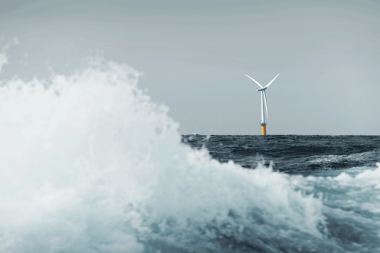
Floating turbine demo, Karmøy, Norway (Statoil image)
¶ “NYPA Uses Digital Simulation of the New York Power System to Test Advanced Grid Technologies” • The New York Power Authority, the largest state public power organization in the nation, will model, develop, and test innovative solutions for energy systems at its Advanced Grid Innovation Laboratory for Energy. [Transmission and Distribution World]
¶ “Regulations Removed from Rhode Island’s Coastal Rulebook” • The latest meeting of the Coastal Resources Management Council was dominated by wind facilities and an overhaul of coastal regulations. Altogether, 55 rule changes and updates to CRMC regulations have been proposed. The public has until September 17 to comment. [ecoRI news]
Have an enthrallingly gorgeous day.
geoharvey is free and without ads.
geoharvey is not tax-deductible.
Posted in nuclear power, renewable power, solar, wind | Leave a Comment »
Tags: nuclear, nuclear power, renewable power, solar power, wind power
September 15, 2018
Opinion:
¶ “Texas electric grid did just fine without coal-fired power plants” • A hot summer, during which critics said the Electric Reliability Council of Texas would fail because it relied too much on wind energy, instead proved grids can close uneconomical coal plants, rely on renewable energy, and still provide reliability and reasonable prices. [Houston Chronicle]
Hurricane Florence:
¶ “Hurricane Florence Is Part Of What Al Gore Got Right In An Inconvenient Truth” • This was supposed to be a lighter-than-usual season due to the El Niño cycle, but due to climate change, lighter does not mean what it used to. In context of this, it’s worth revisiting the predictions made in Al Gore’s film to assess their quality. [CleanTechnica]
¶ “Worsening storms are the price of greed” • The necessary and terrifyingly overdue efforts to combat climate change at the source of worsening storms are simply not being made in the US. Instead, even small victories, such as reducing pollution from coal and US participation in the Paris Climate Accord, are being walked back. [CNN]

A boat wedged between trees by Hurricane Florence
¶ “Hurricane Florence is the latest setback to struggling flood insurance program” • Hurricane Florence will bring flooding and destruction to thousands of homes in the Carolinas and Virginia. It is another blow to the federal program providing insurance against flood damage that has already had $16 billion in debt forgiven by congress. [CNN]
Science and Technology:
¶ “ICESat: Space laser to get unprecedented view of Earth’s ice” • The American space agency is about to put a laser in orbit to measure the condition of Earth’s ice cover. The new satellite mission, called ICESat-2, should provide more precise information on how these frozen surfaces are being affected by global warming. [BBC]

ICESat (NASA image)
World:
¶ “Renewable Energy Prices Set To Fall Further: Deloitte” • Renewable energy sources, notably solar and wind, are reaching price and performance parity globally and, as technologies continue to advance their deployment, prices will likely continue to fall, according to a study by accounting and consultancy firm Deloitte. [ETEnergyworld.com]
¶ “MHI Vestas Opens Innovative Offshore Wind Farm & Signs Floating Wind Order” • MHI Vestas announced two landmark achievements recently. It opened its European Offshore Wind Deployment Centre in Aberdeen and finalized an order for the world’s most powerful turbines for a floating offshore wind farm in Northern Portugal. [CleanTechnica]

Offshore wind farm
¶ “SSE plans to spend up to €2 billion on Irish offshore wind” • SSE plans to spend as much as €2 billion to expand its small Arklow Bank offshore wind farm. It says the project will be able to power half a million homes when usable wind energy is being generated. Currently, Arklow Bank has just seven turbines in operation. [Independent.ie]
¶ “Rapid Electrification Together With Wind & Solar Will Drive Massive Grid Expansion” • Ongoing and rapid electrification of global energy demand and the increase of wind and solar sources in the energy mix is expected to lead to massive growth of the world’s electricity transmission and distribution systems, DNV GL’s report said. [CleanTechnica]

Transmission lines (Shutterstock image)
¶ “EESL to help commission 500,000 solar water pumping systems in ISA member countries” • Energy Efficiency Services Limited, a joint venture of public sector undertakings under the power ministry, has been selected by the International Solar Alliance to facilitate the implementation of 500,000 solar water pumping systems. [ETEnergyworld.com]
¶ “Serbia’s first large-scale wind farm to start in October” • Belgian renewable energy firm Elicio NV said its 42-MW Alibunar wind farm in northern Serbia will start operating in October and help the Balkan country diversify its energy mix and reduce greenhouse gas emissions. The wind farm has 21 Senvion wind turbines. [ETEnergyworld.com]

Wind farm
¶ “Chinese major launches rooftop solar energy solutions in India” • Trina Solar launched solar energy kits under the brand Trinahome to cater to the renewable energy needs of household and small and medium enterprises sector in India. Trinahome will come in three sizes, 3 kW, 5 kW and 10 kW, and will include all components needed. [ELE Times]
US:
¶ “Nuclear subsidies triumph over legal challenges” • The 7th US Circuit Court of Appeals gave the nuclear power industry victory and finding that Illinois’ zero-emission credit program does not exceed state authority. Environmentalists see good in the ruling as it also validates broad powers to set climate-friendly energy policies. [E&E News]

Byron Generating Station (Photo: Exelon)
¶ “Gov Brown says California to Launch Satellite to Track Pollutants Causing Climate Change” • Gov Jerry Brown said California will launch a satellite to monitor pollutants that contribute to climate change. The governor announced the project during the closing of the Global Climate Action Summit in San Francisco. [USA Herald]
¶ “Virginia companies ask for better access to renewable power” • Virginia needs easier access to greener energy sources, according to a letter to the state Department of Mines, Minerals and Energy. The letter, signed by a group of businesses, universities, and healthcare institutions, said Virginia’s competitiveness is at stake. [Energy News Network]
Have an overwhelmingly positive day.
geoharvey is free and without ads.
geoharvey is not tax-deductible.
Posted in nuclear power, renewable power, solar, wind | Leave a Comment »
Tags: nuclear, nuclear power, renewable power, solar power, wind power

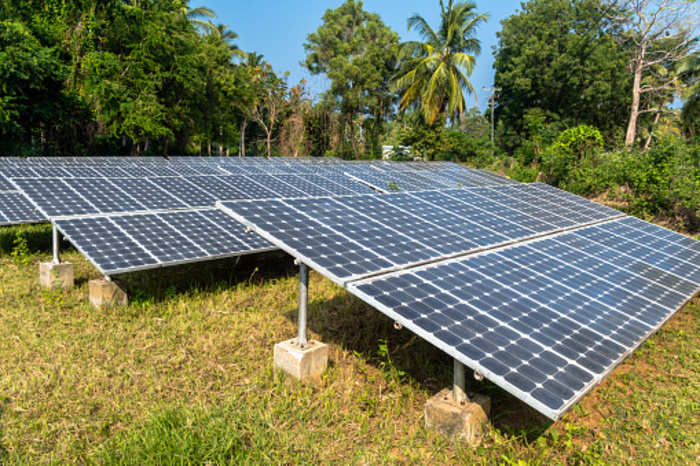



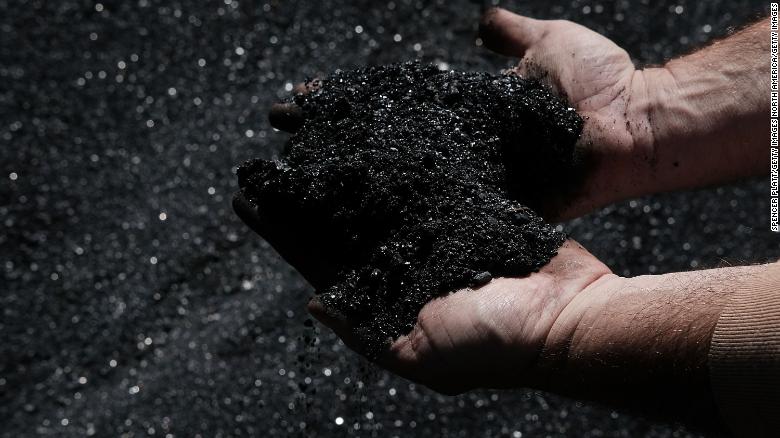


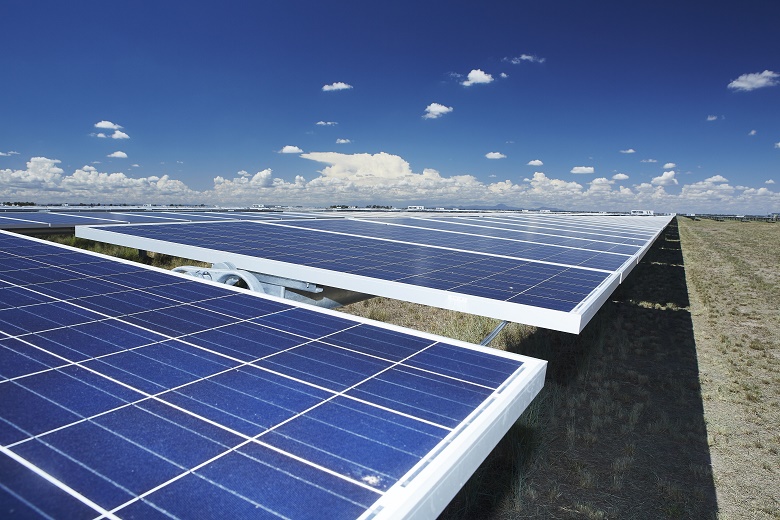

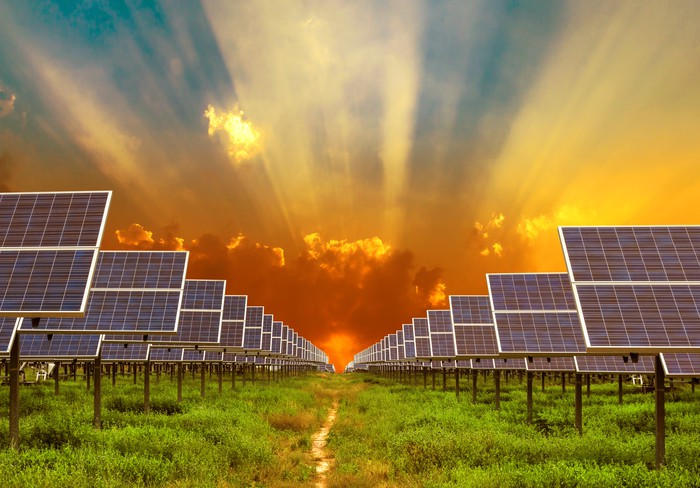

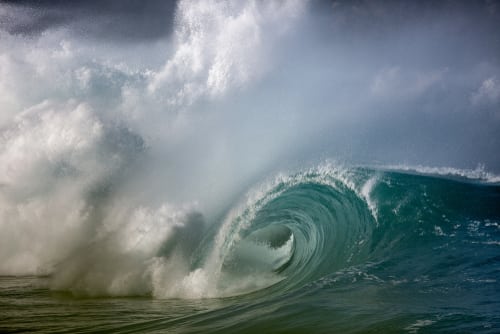
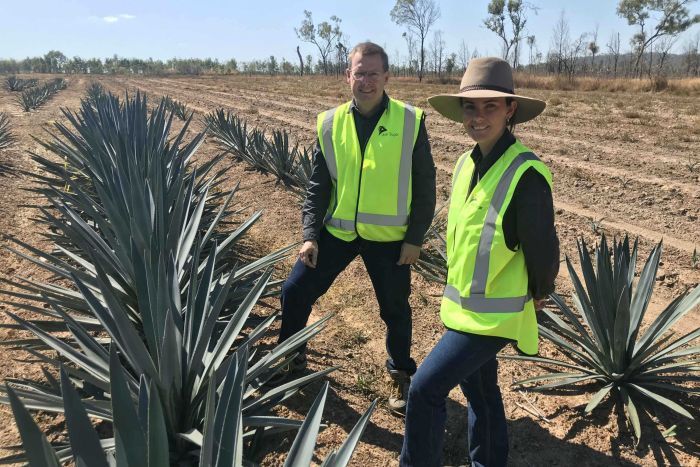
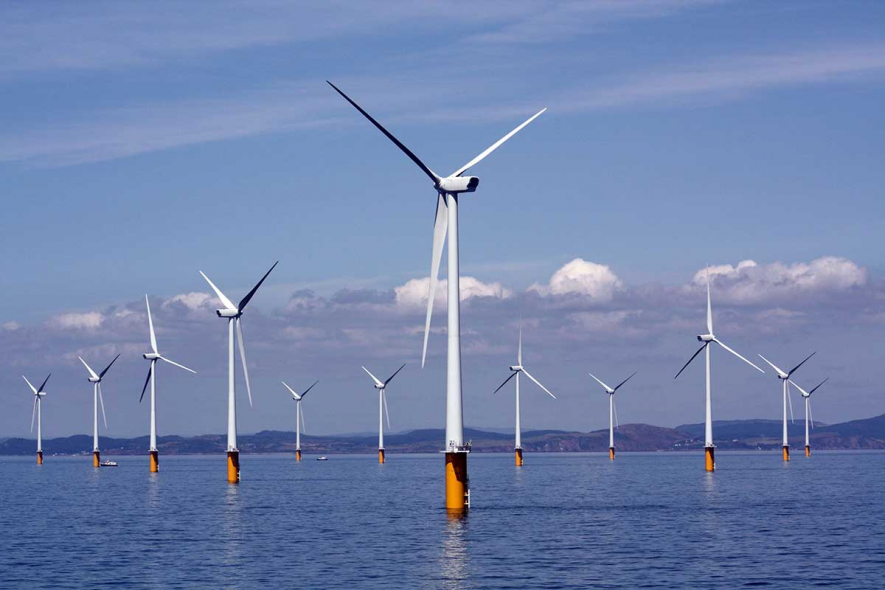



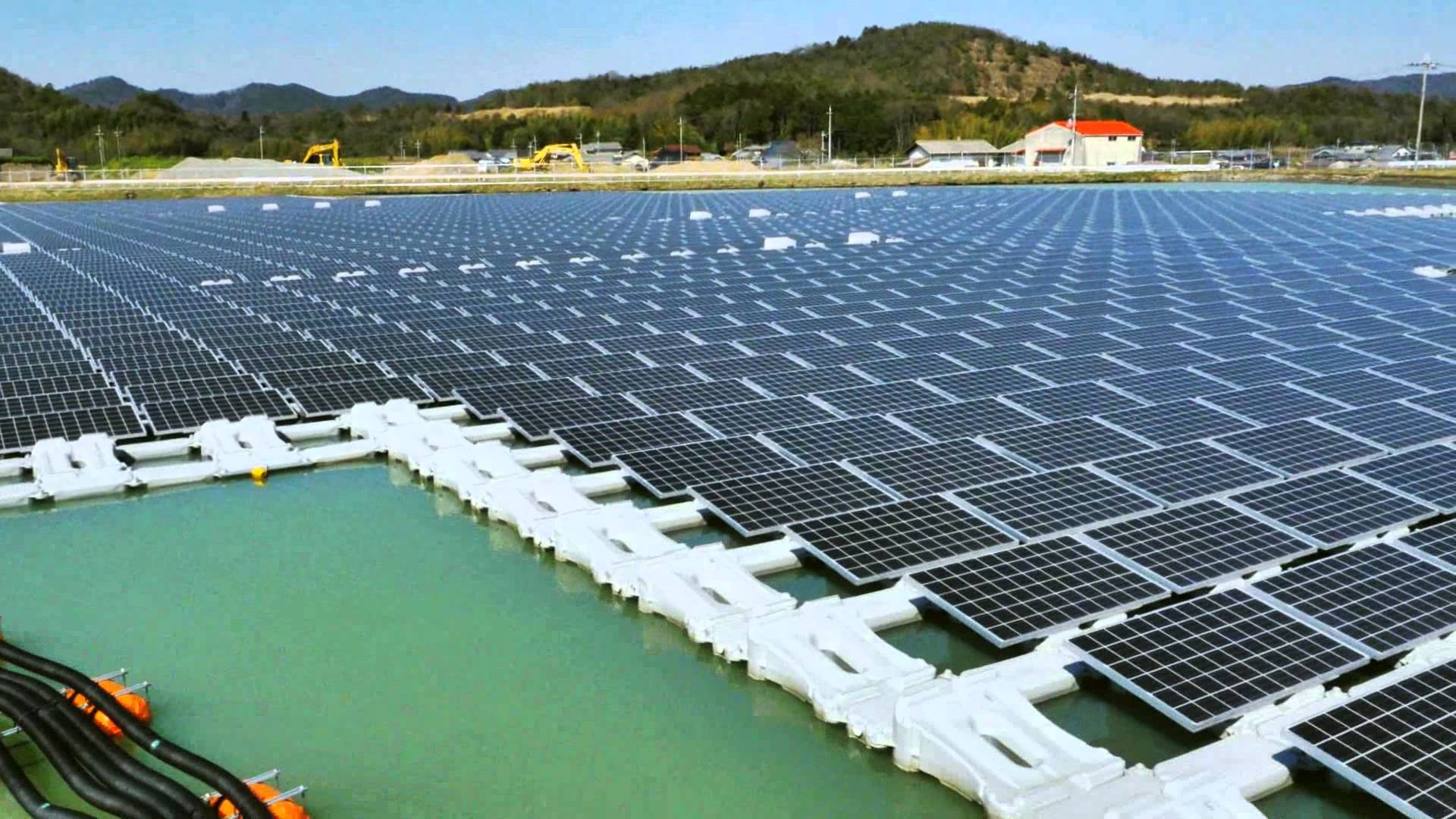
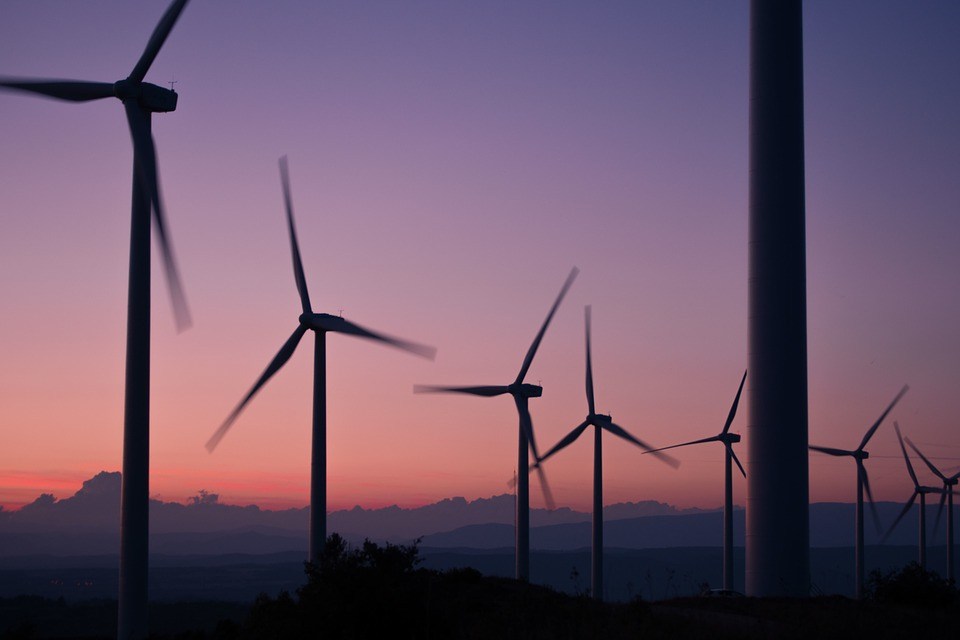





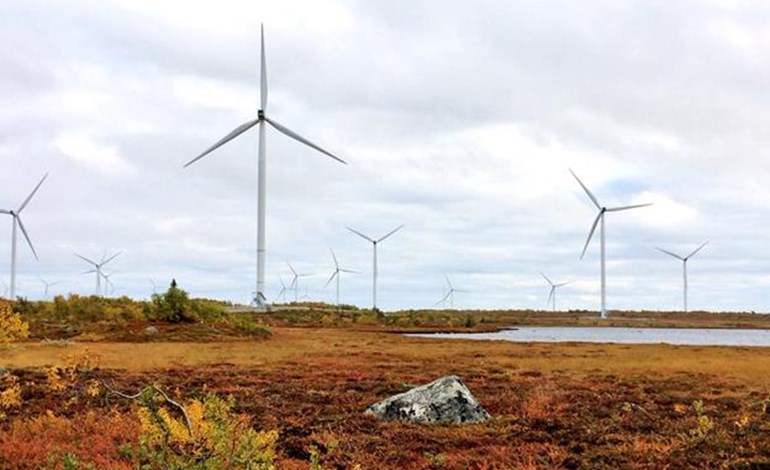
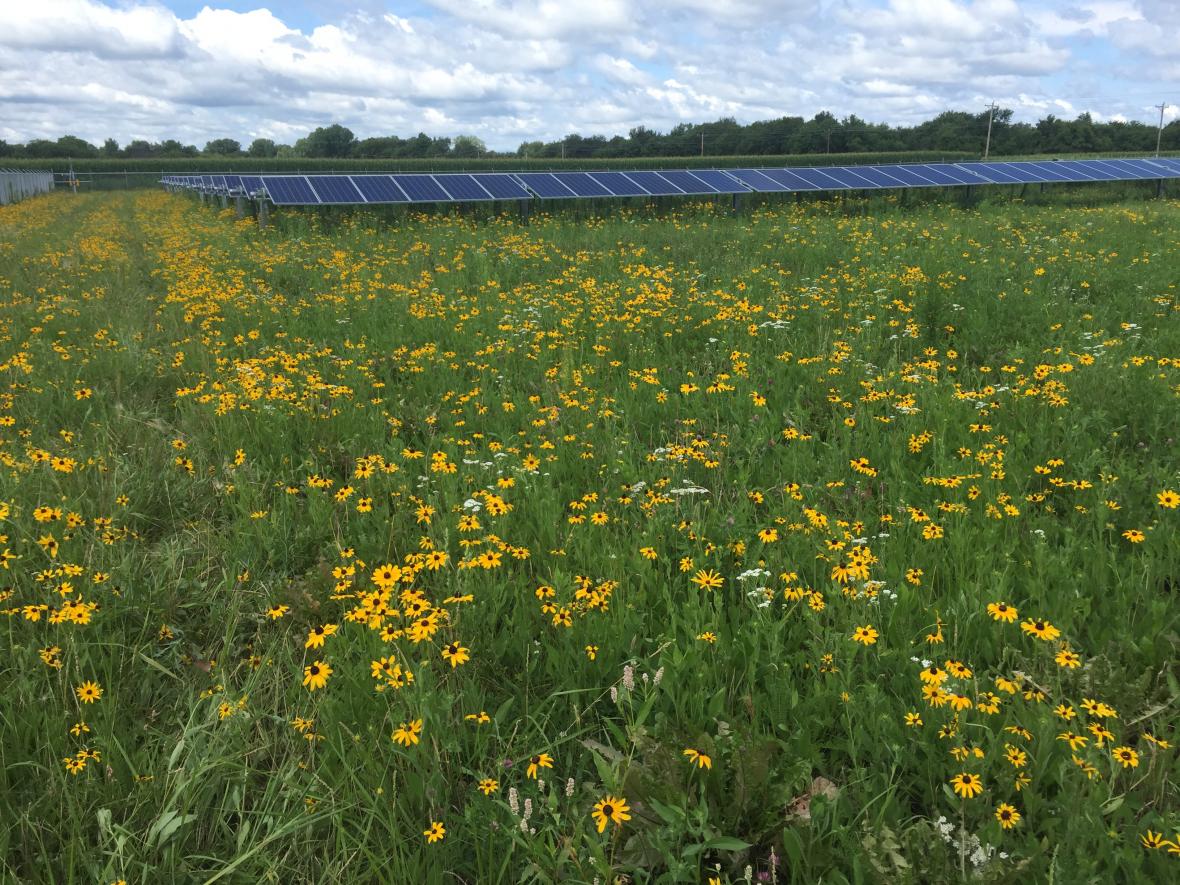


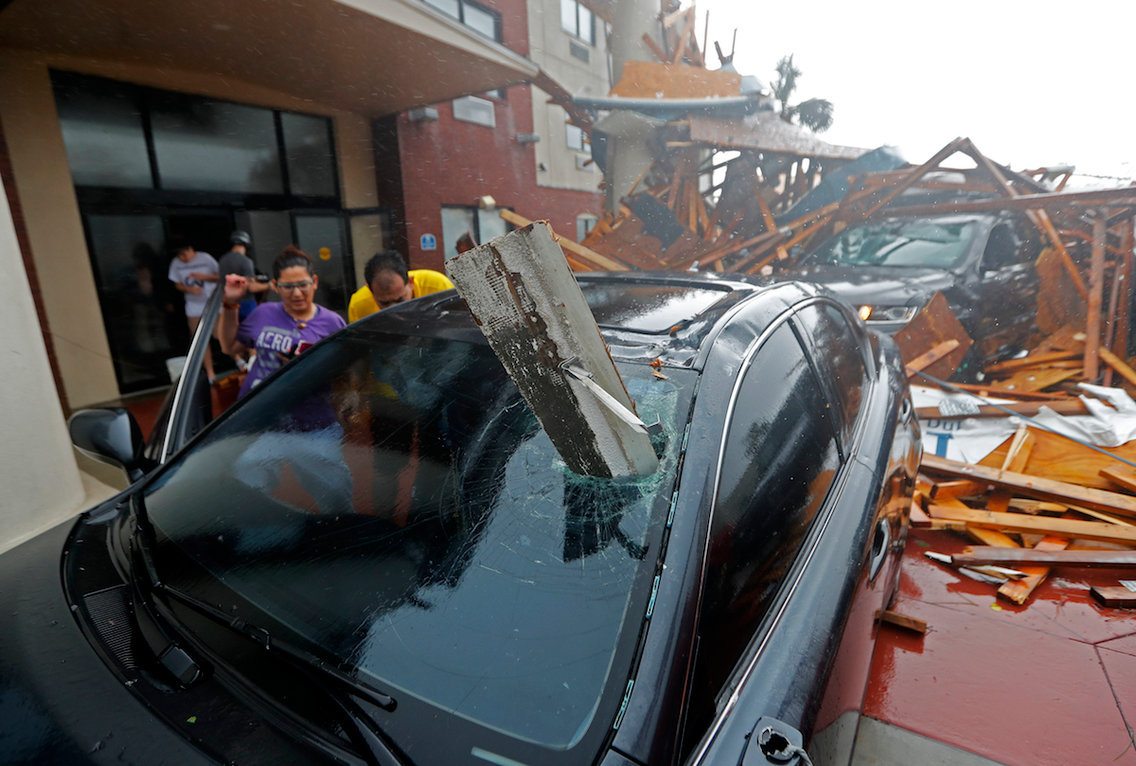
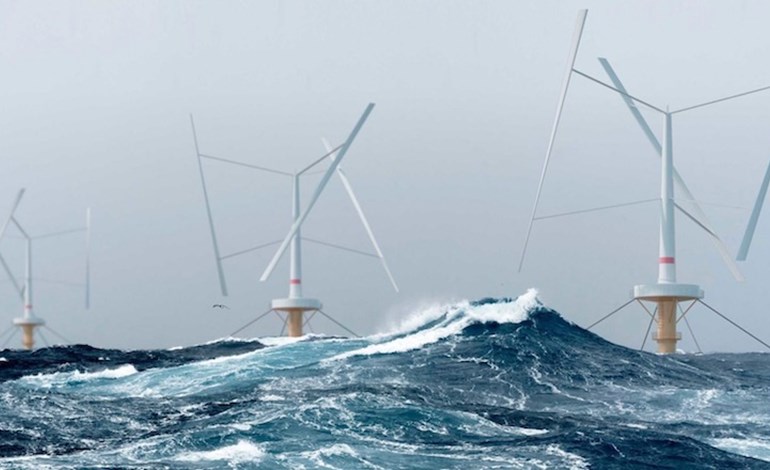


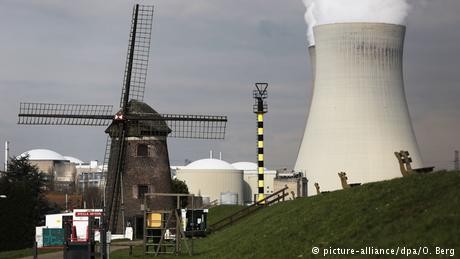
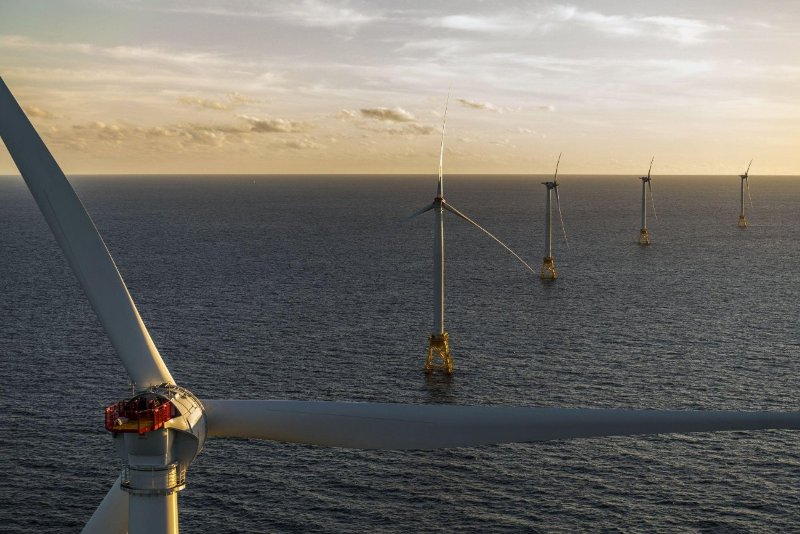


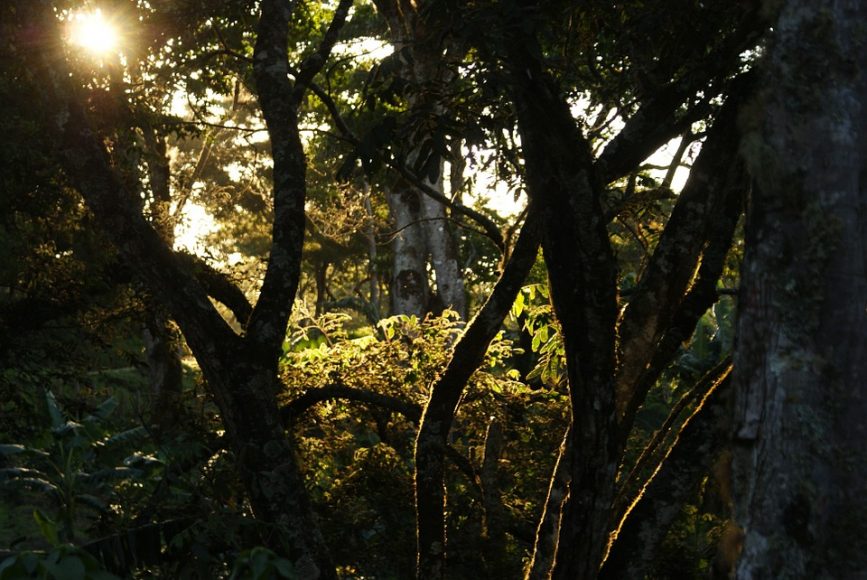


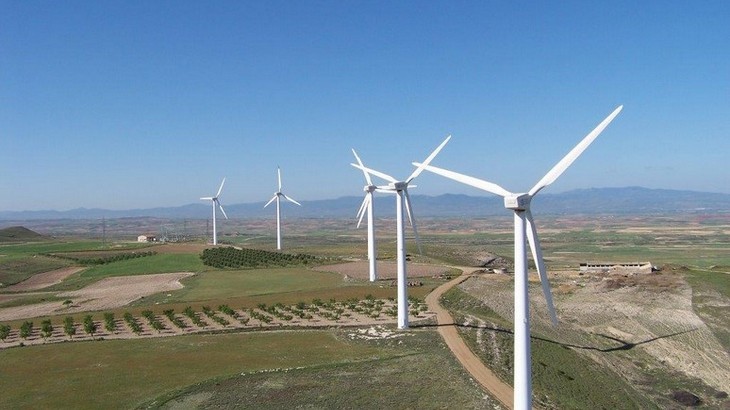


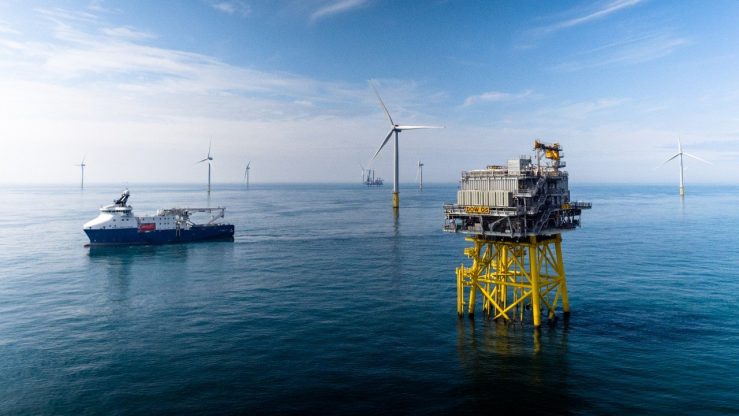



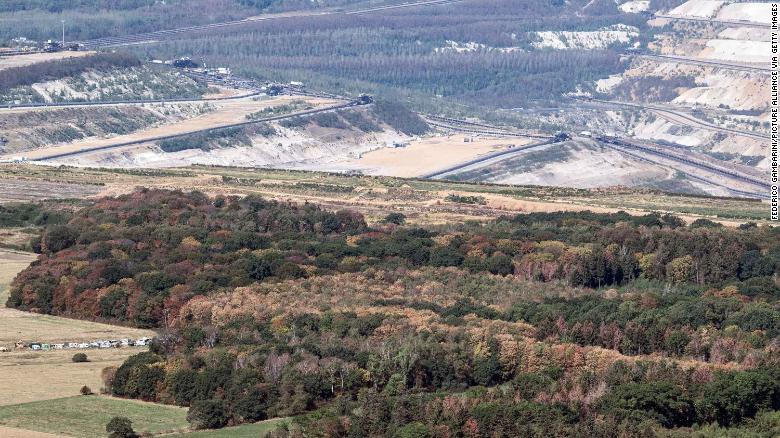
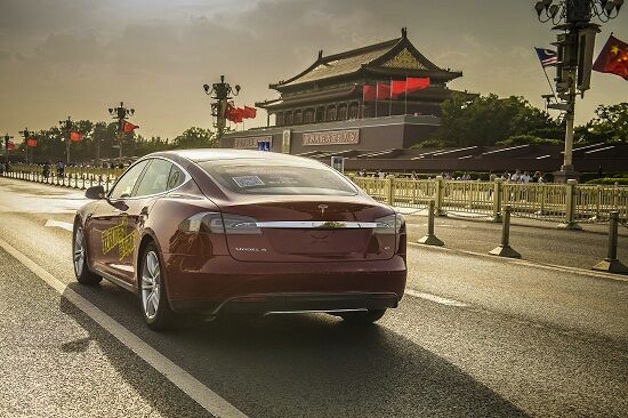
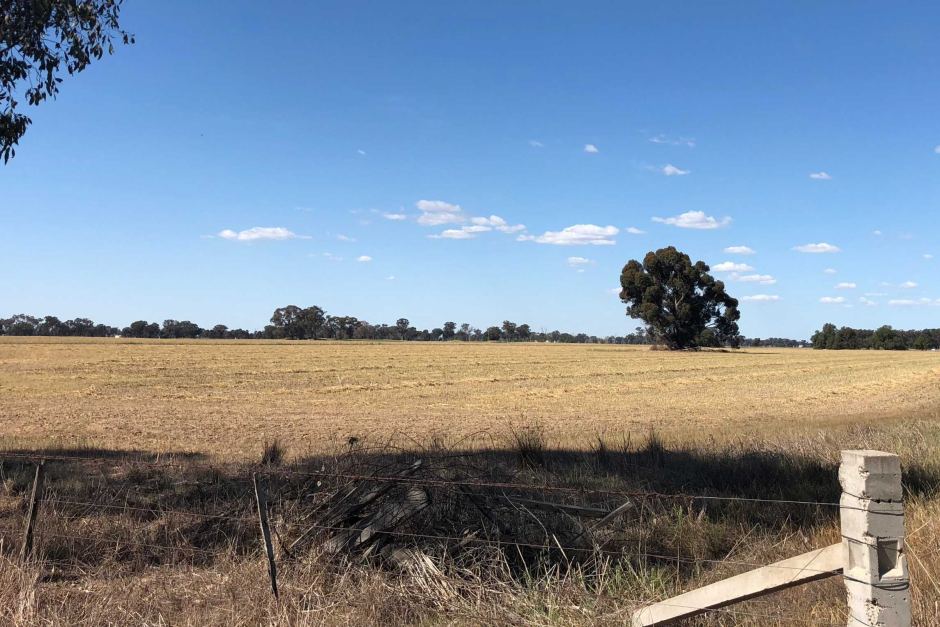


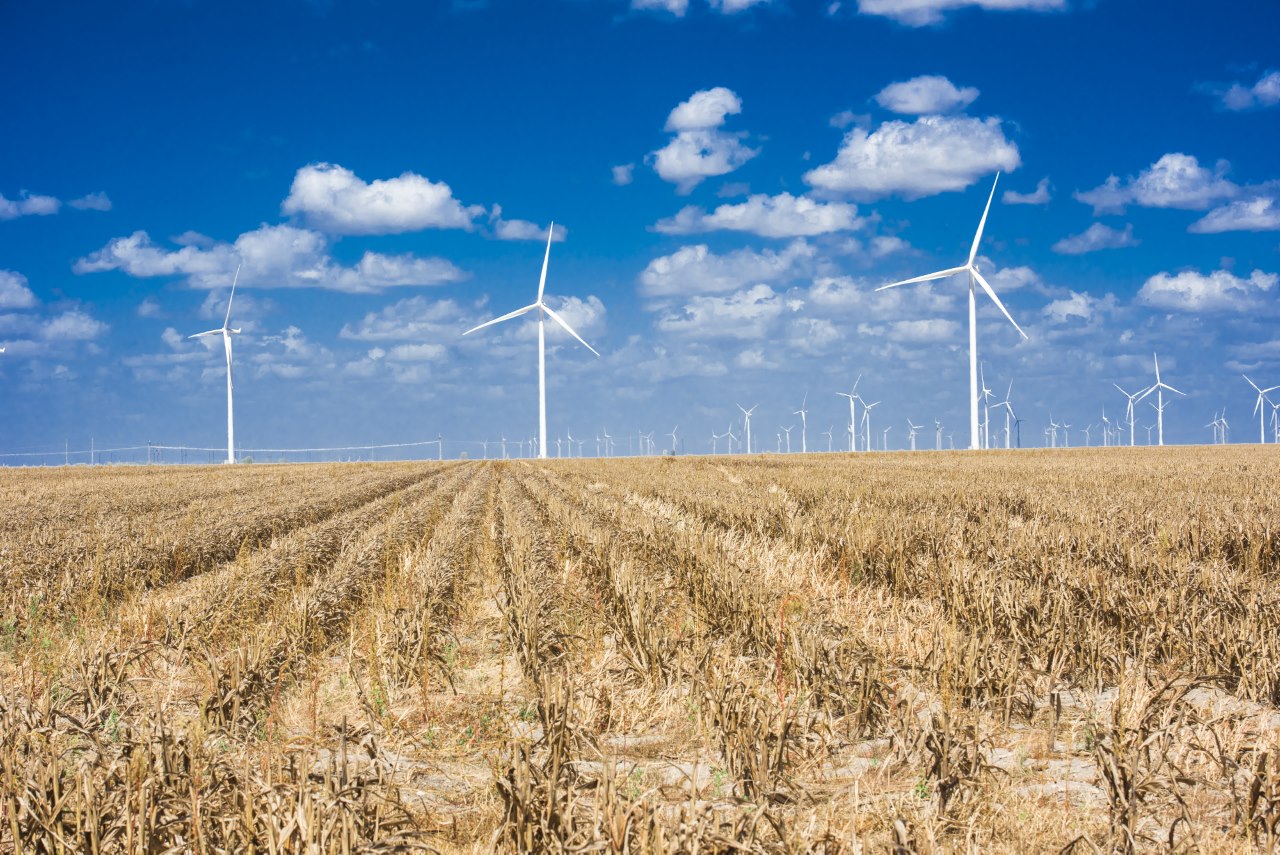


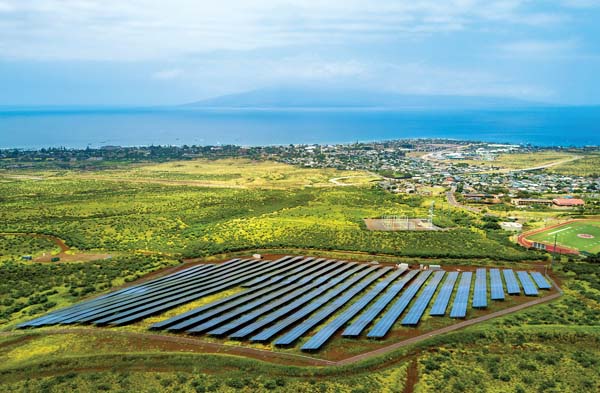



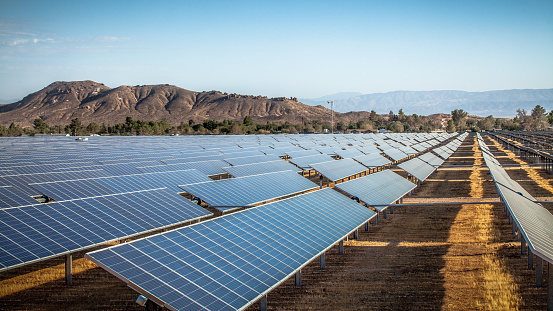
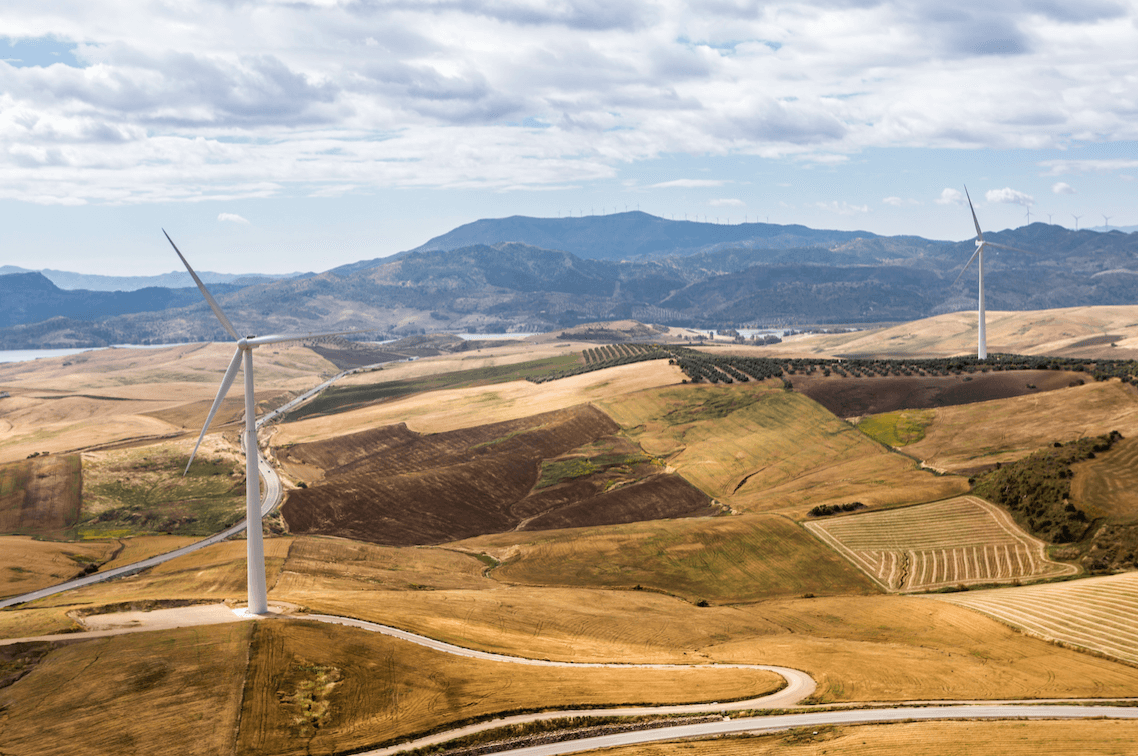

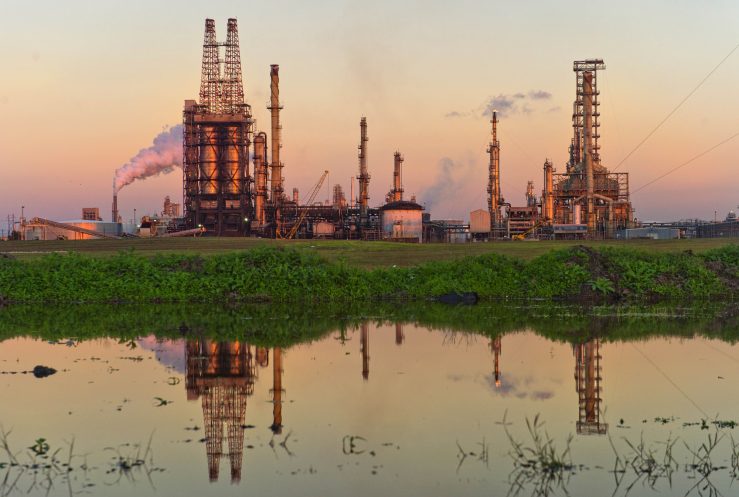
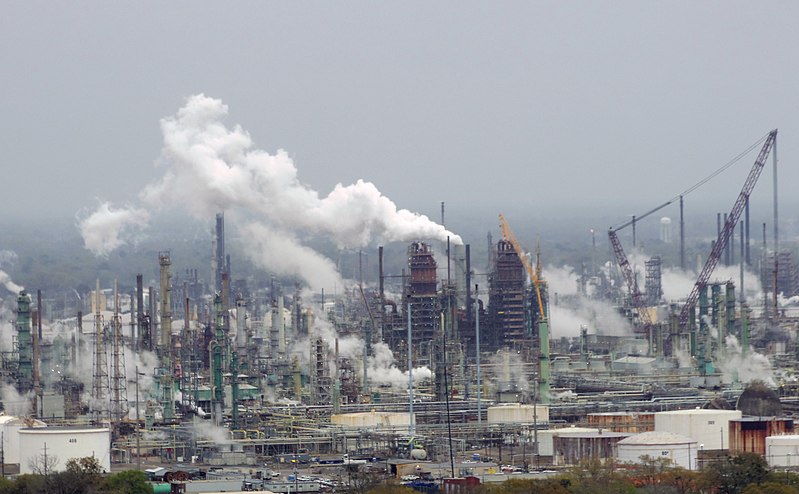
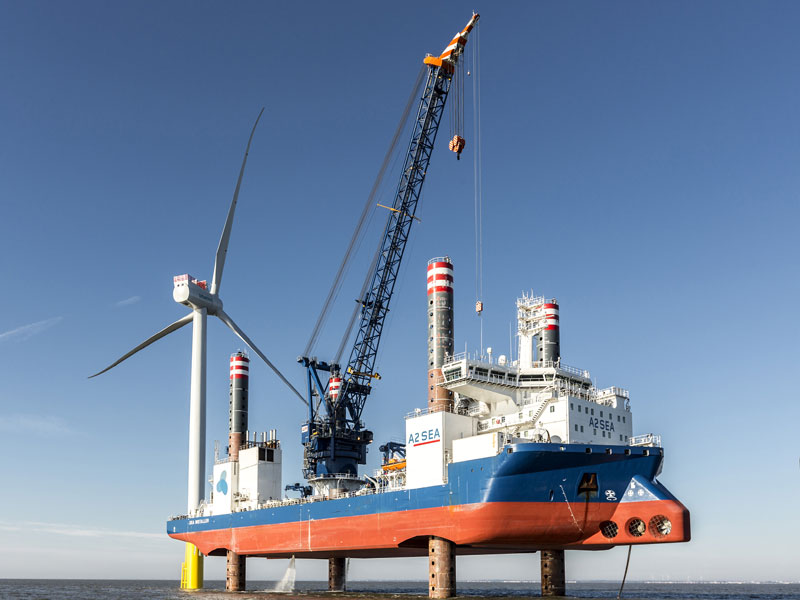
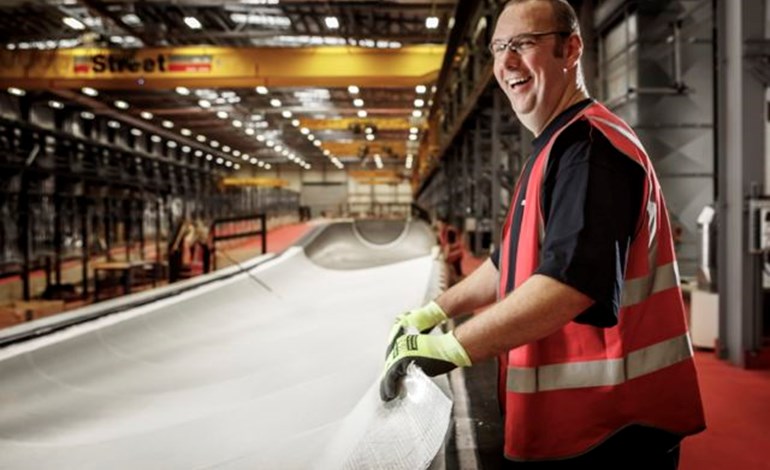

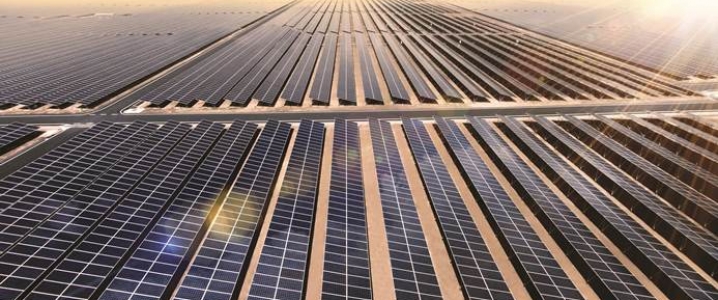
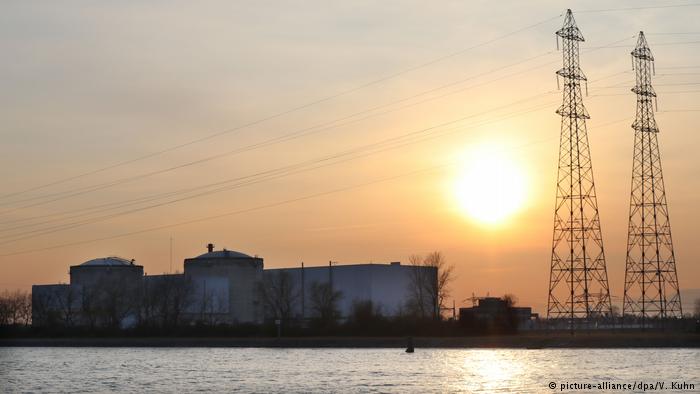

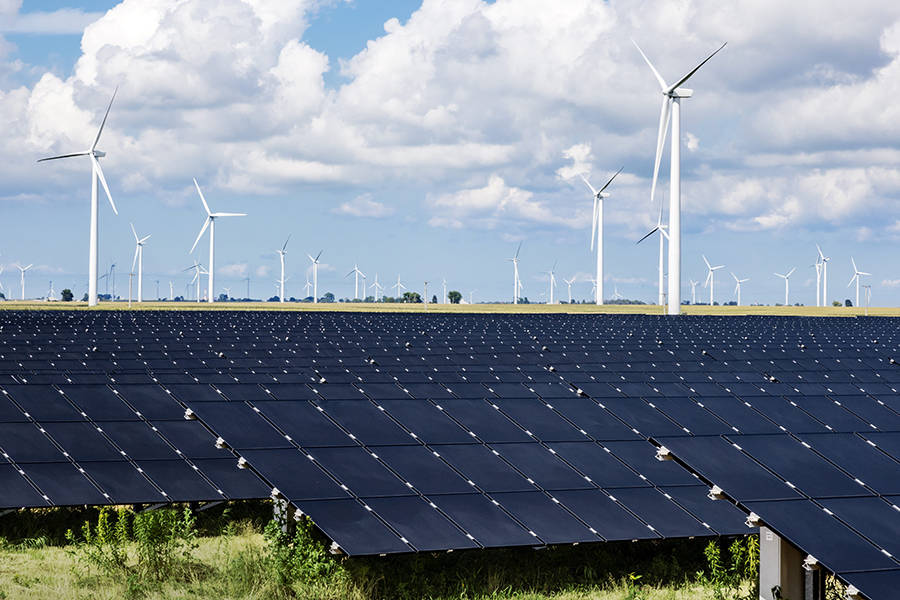

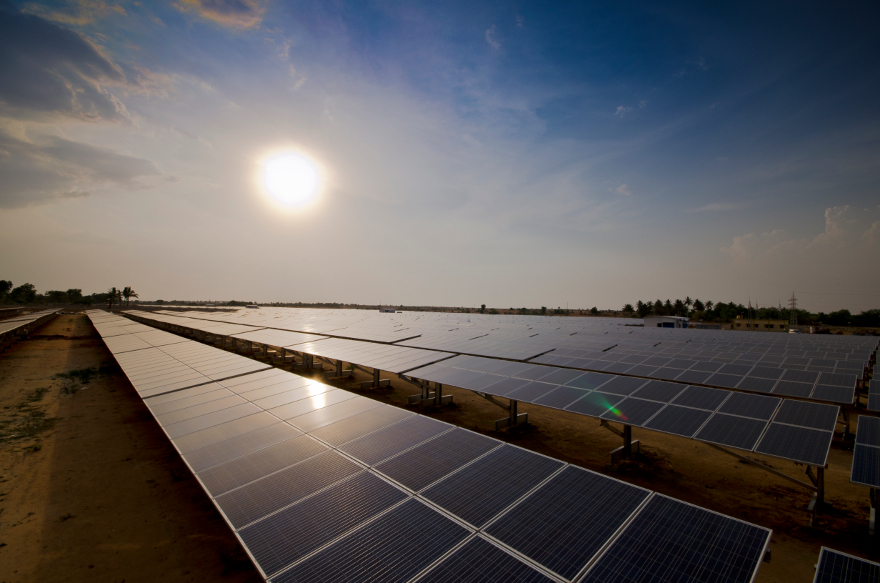

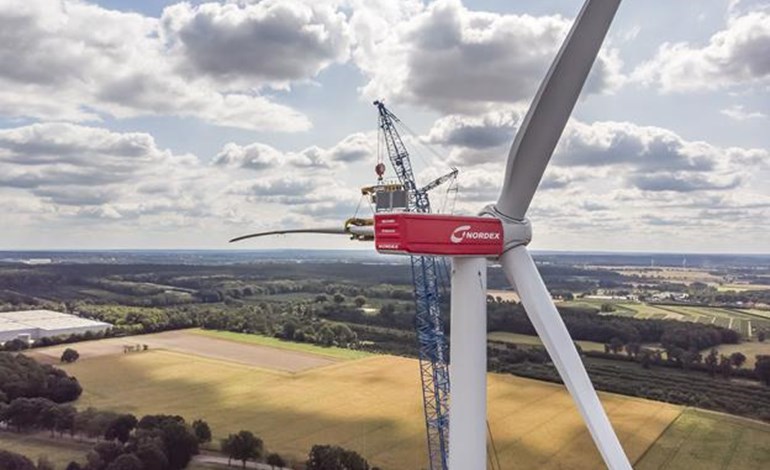


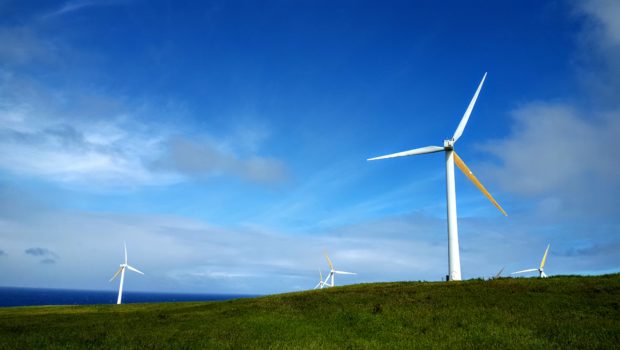

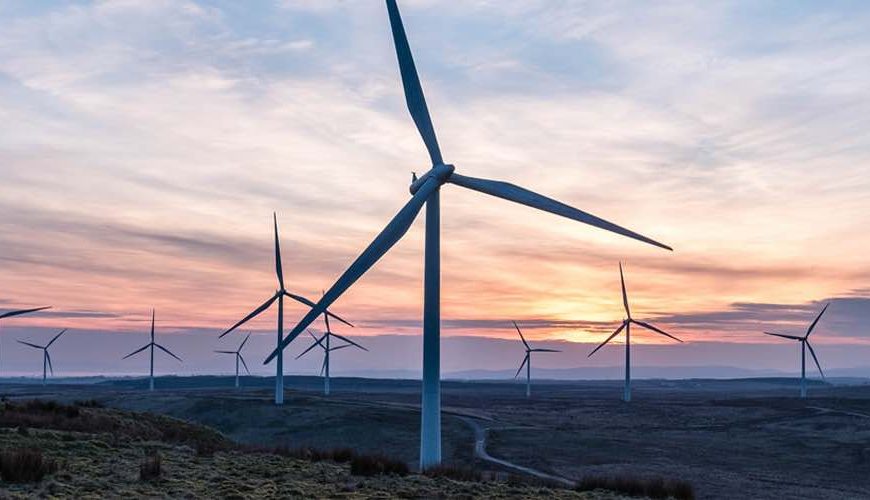
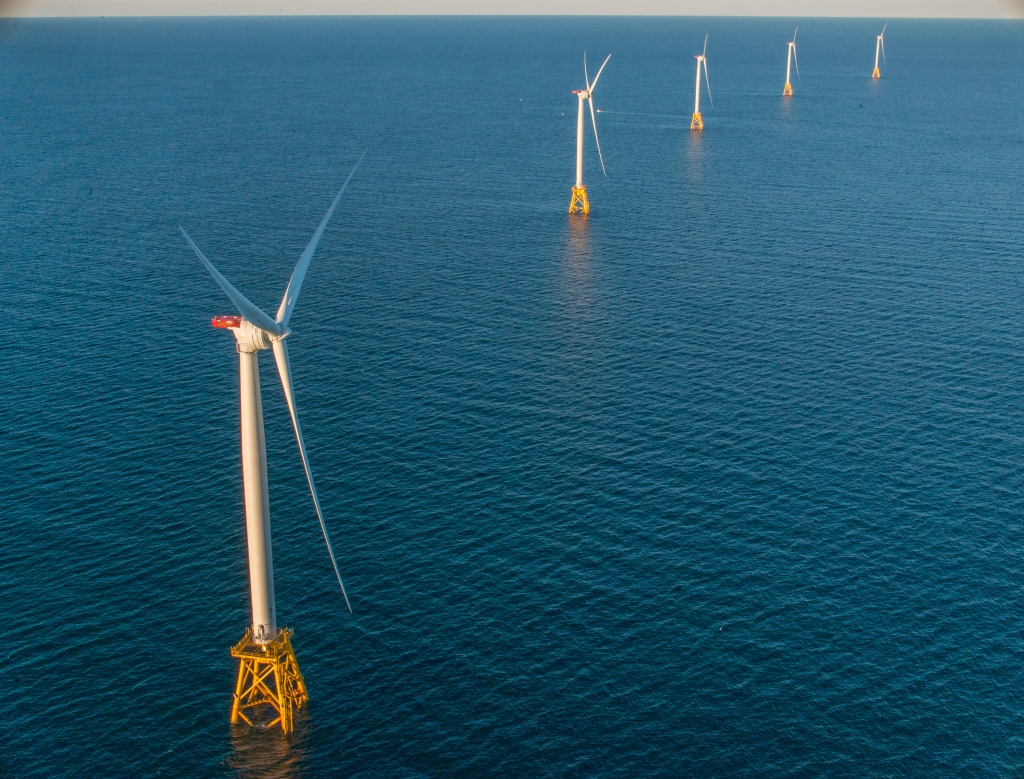





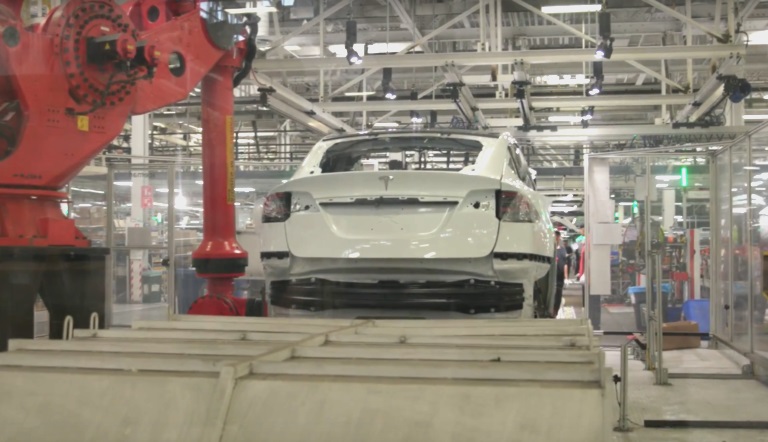
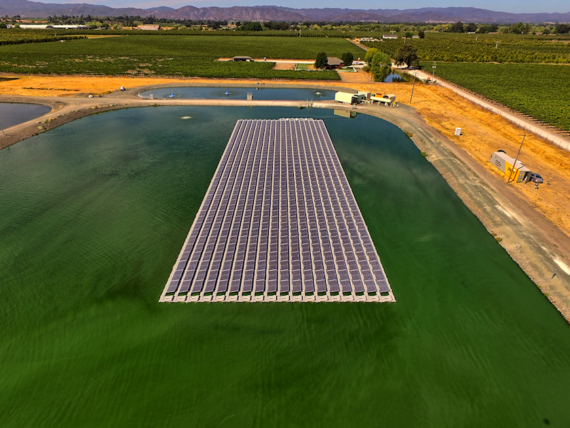
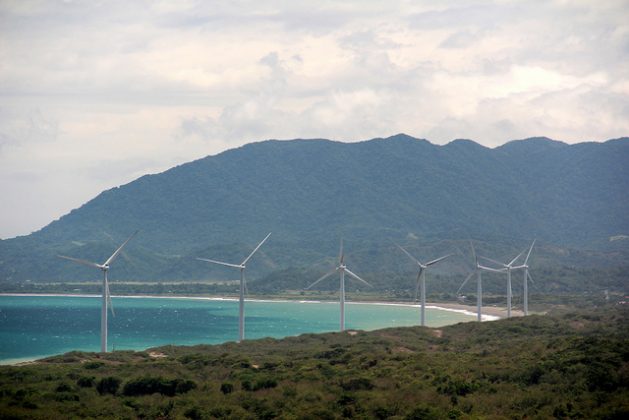

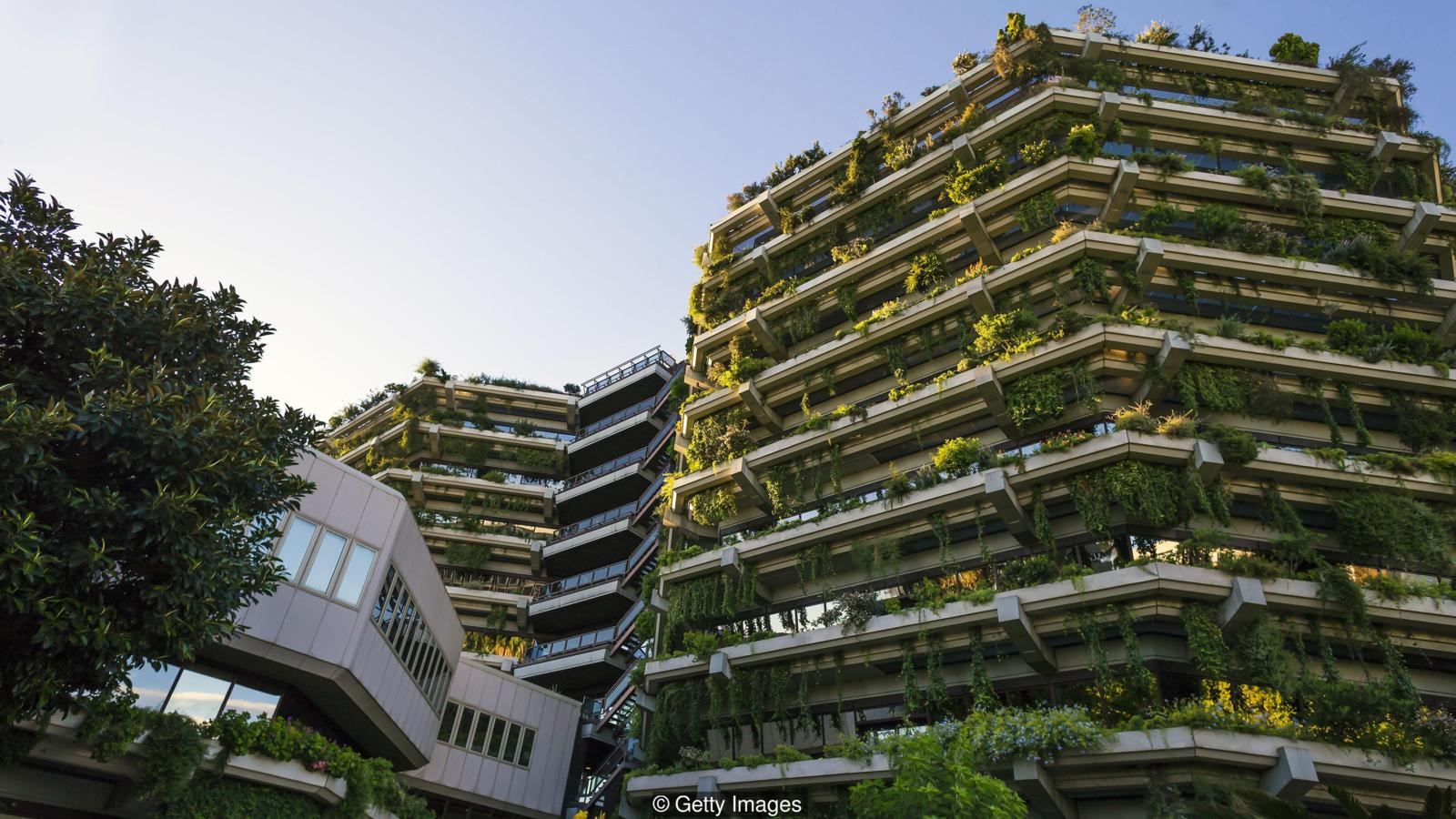

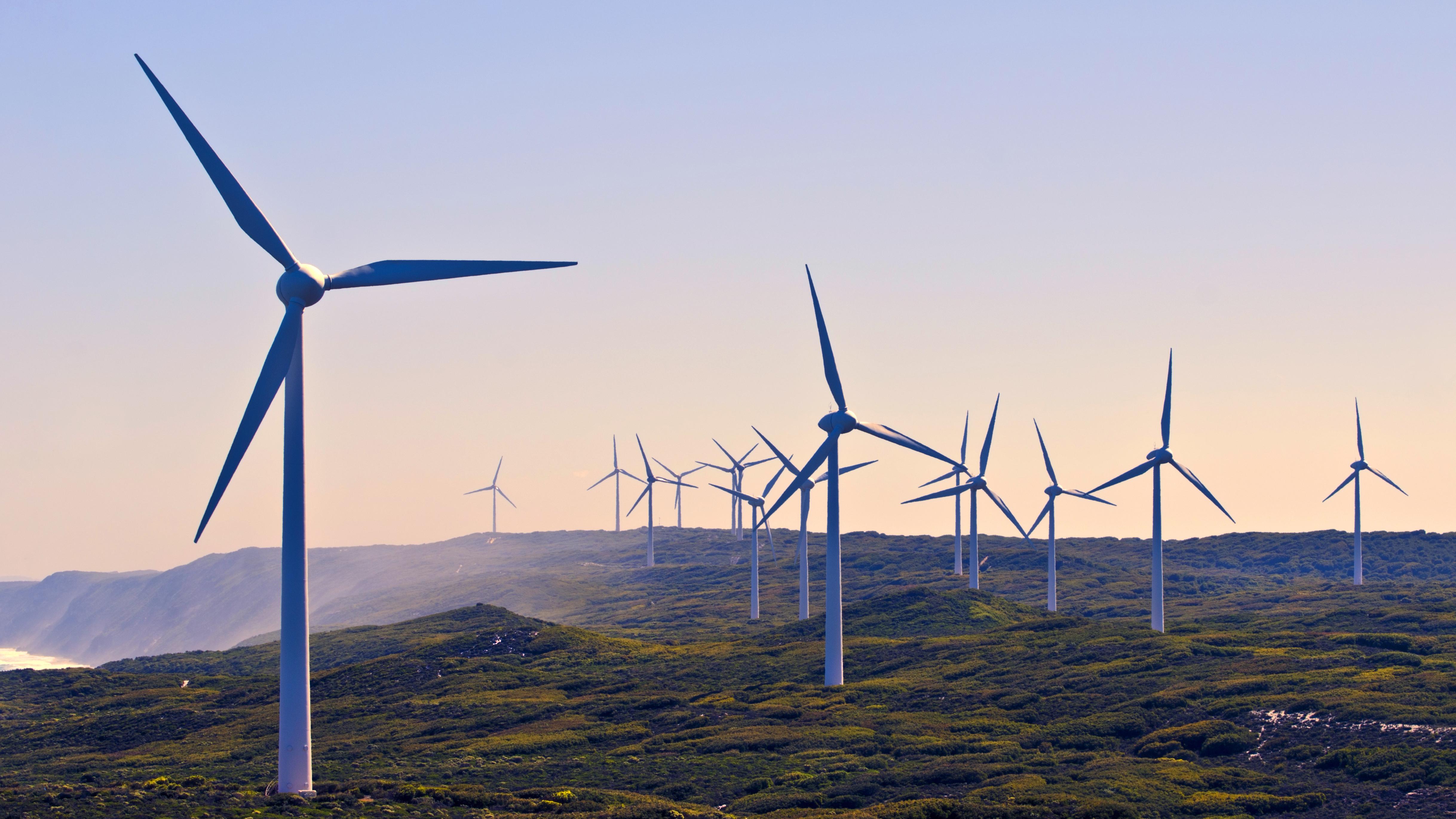

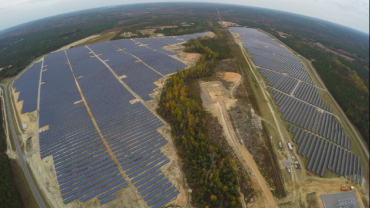


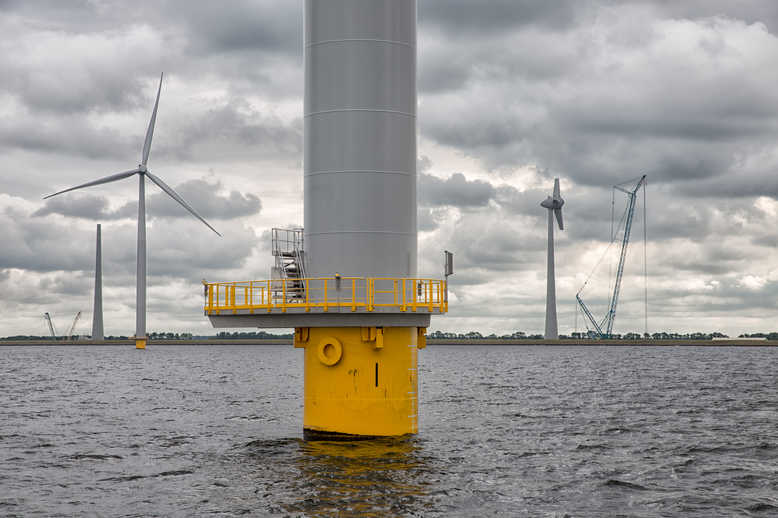


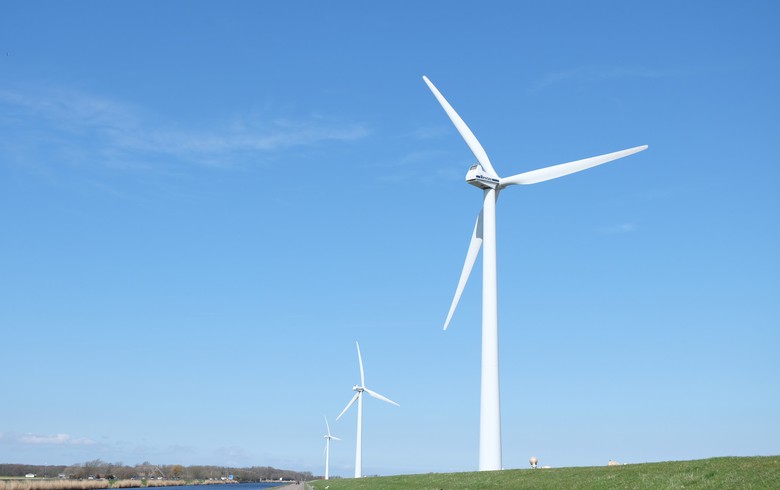


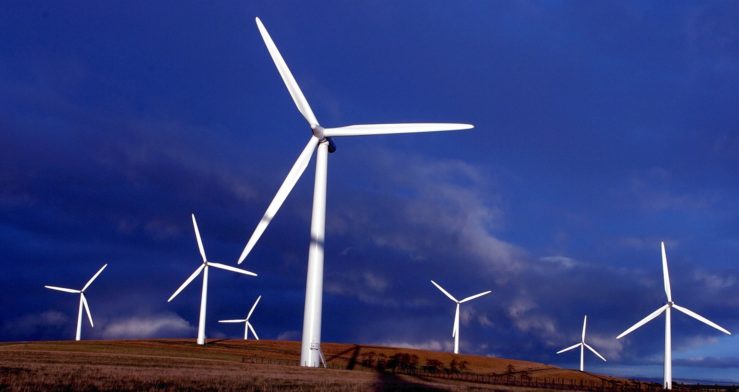
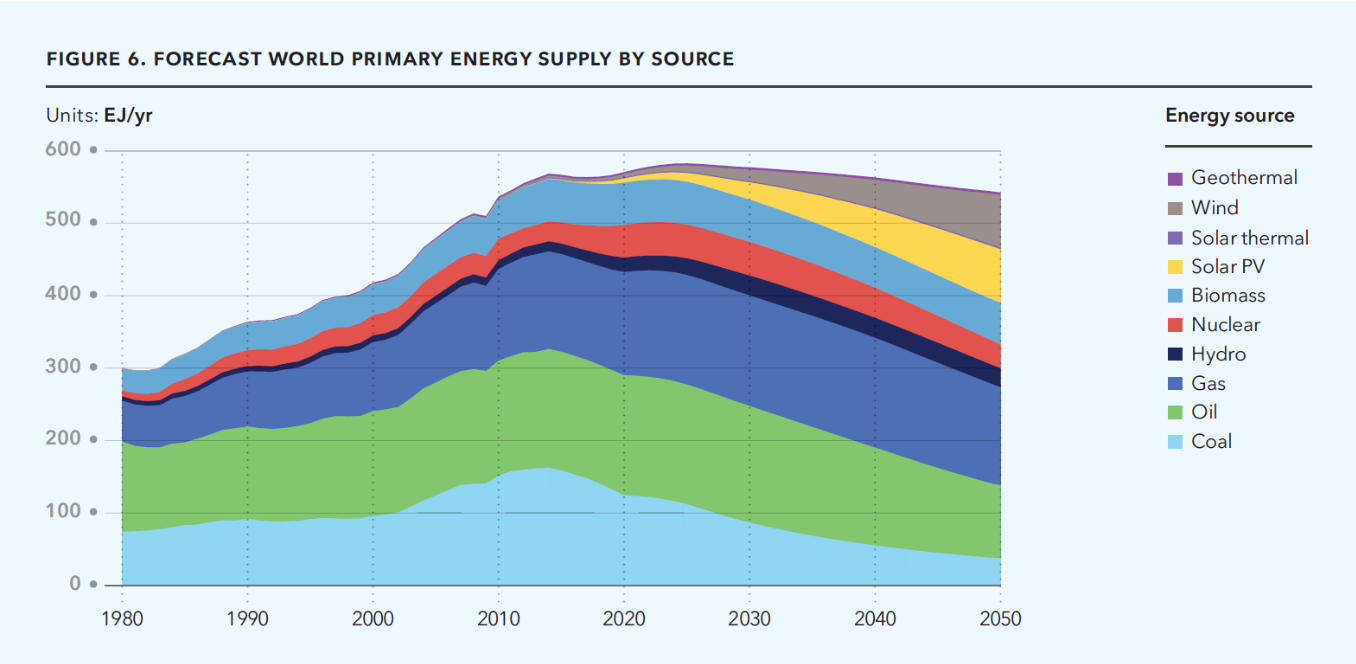

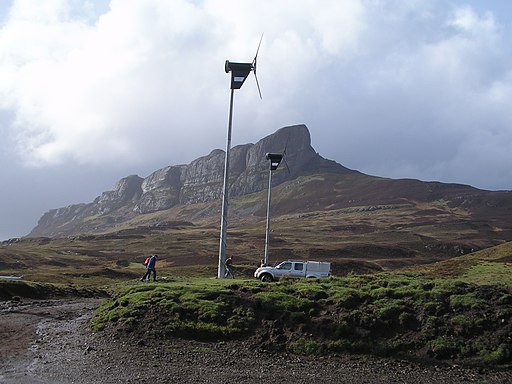

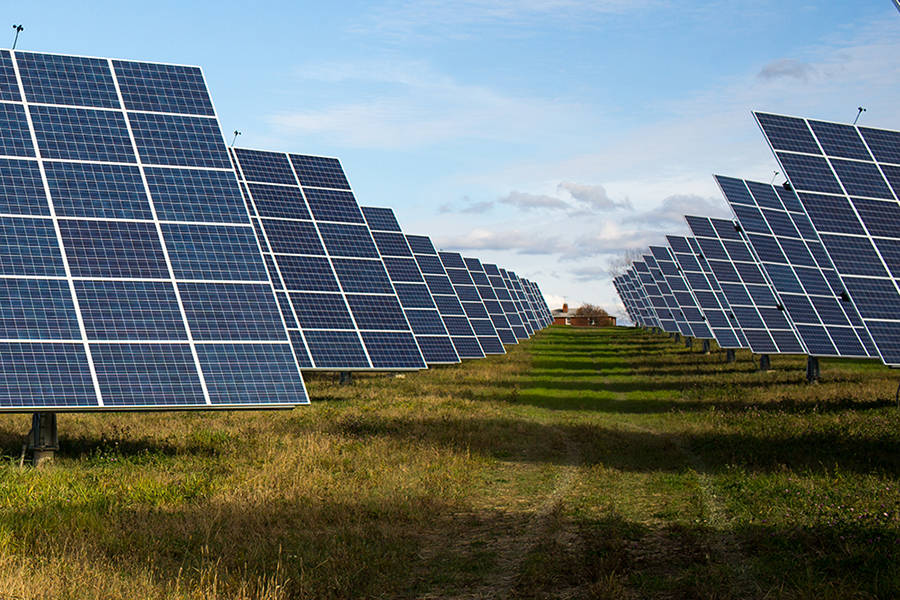

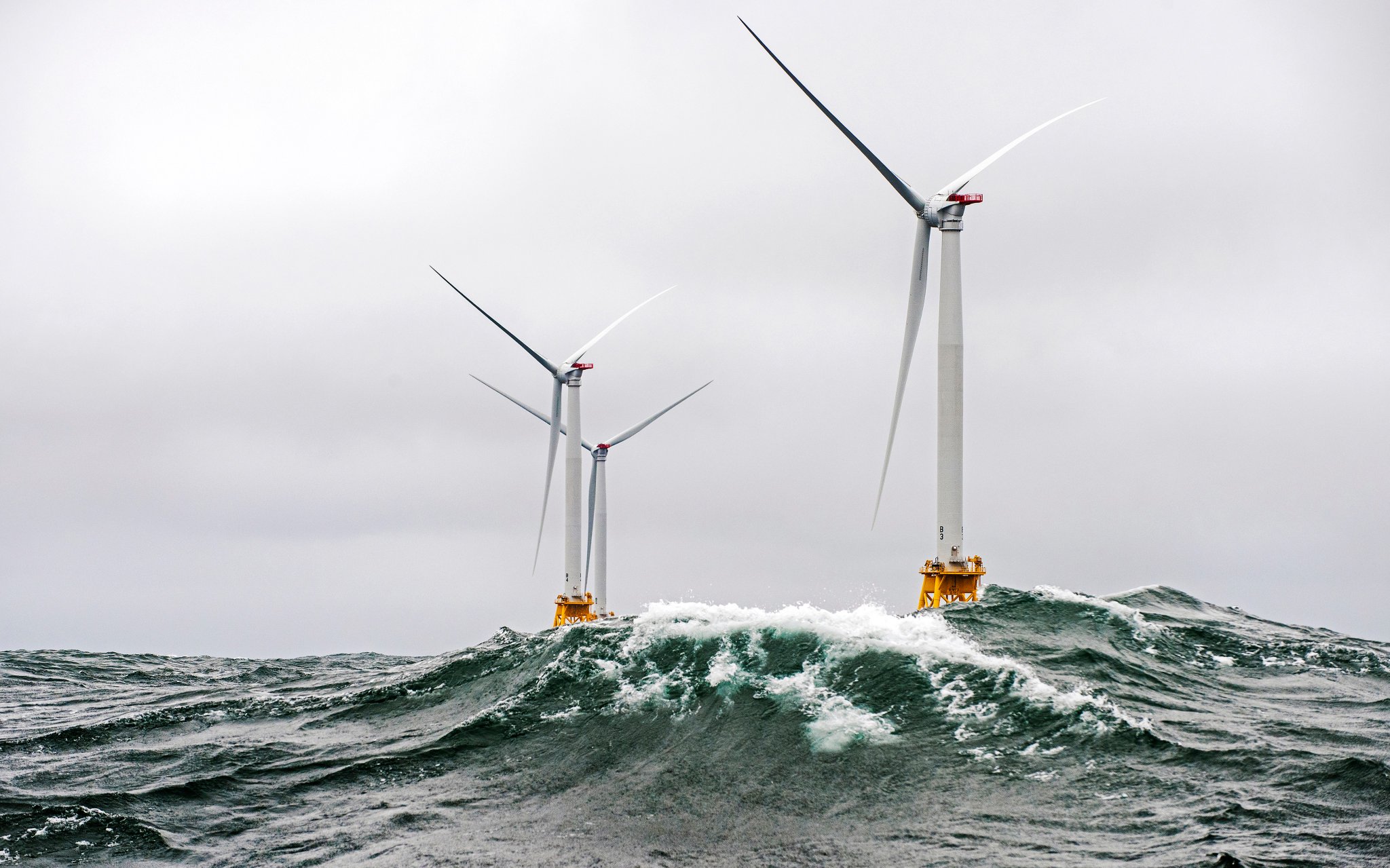
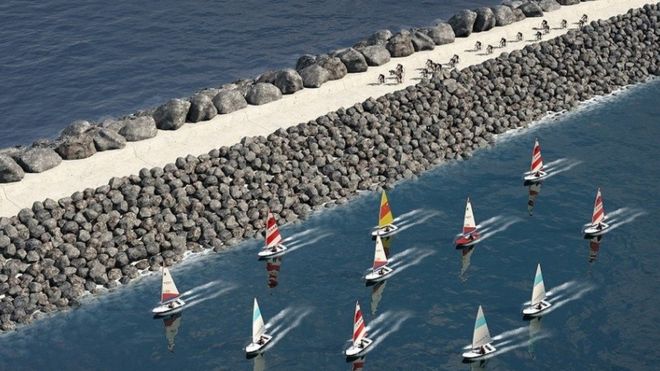
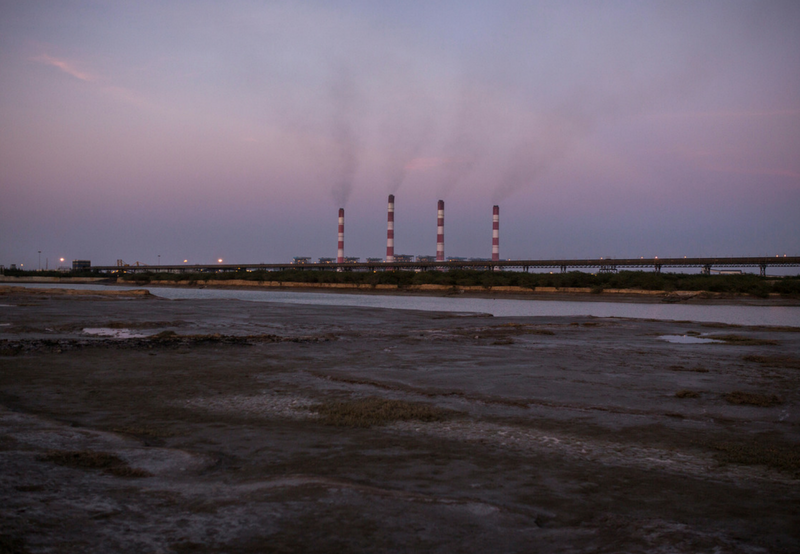


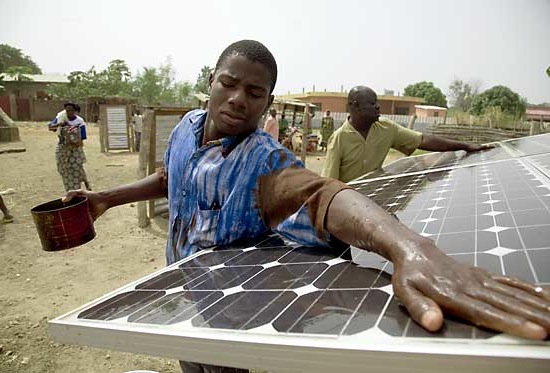
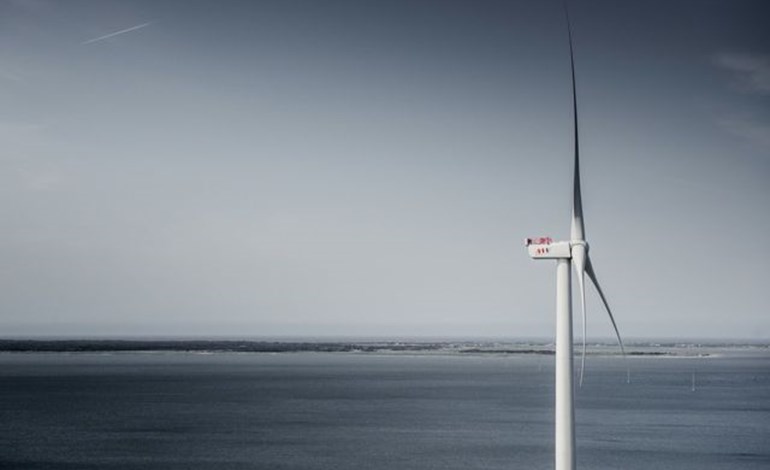
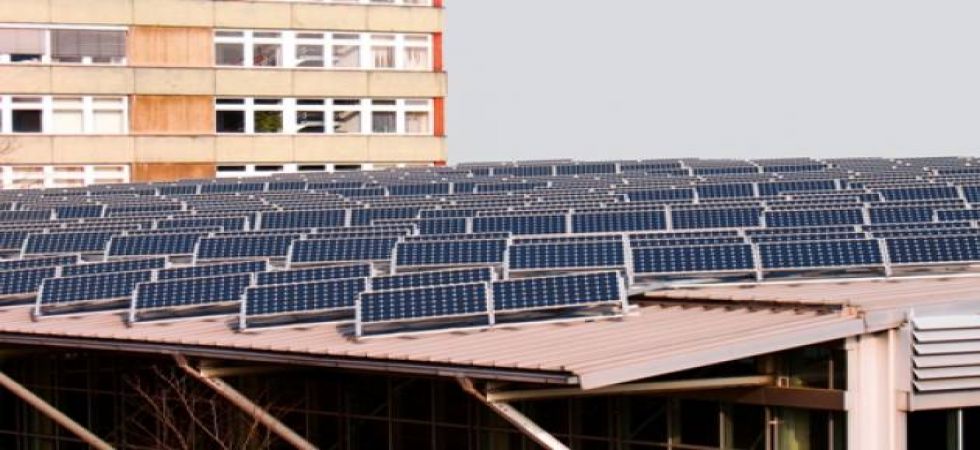

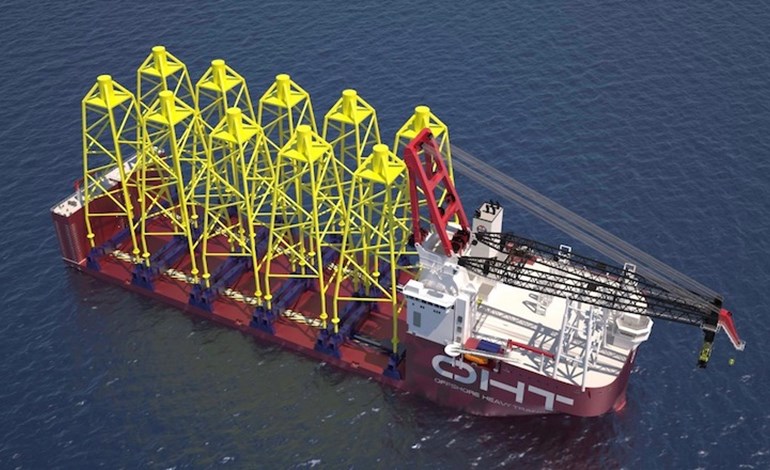

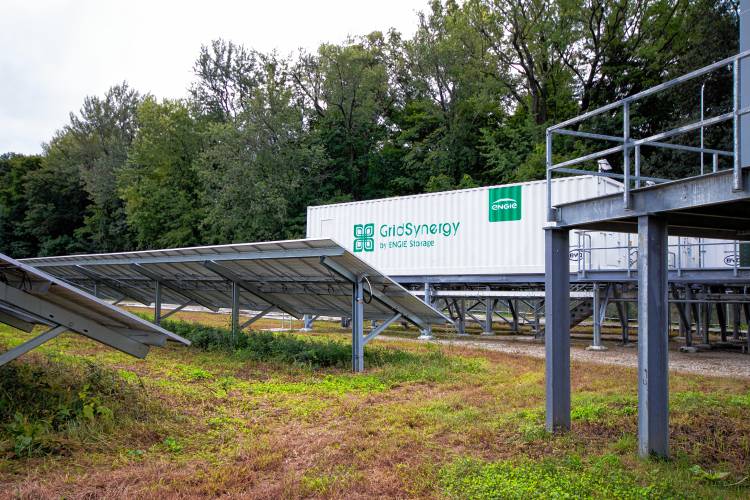
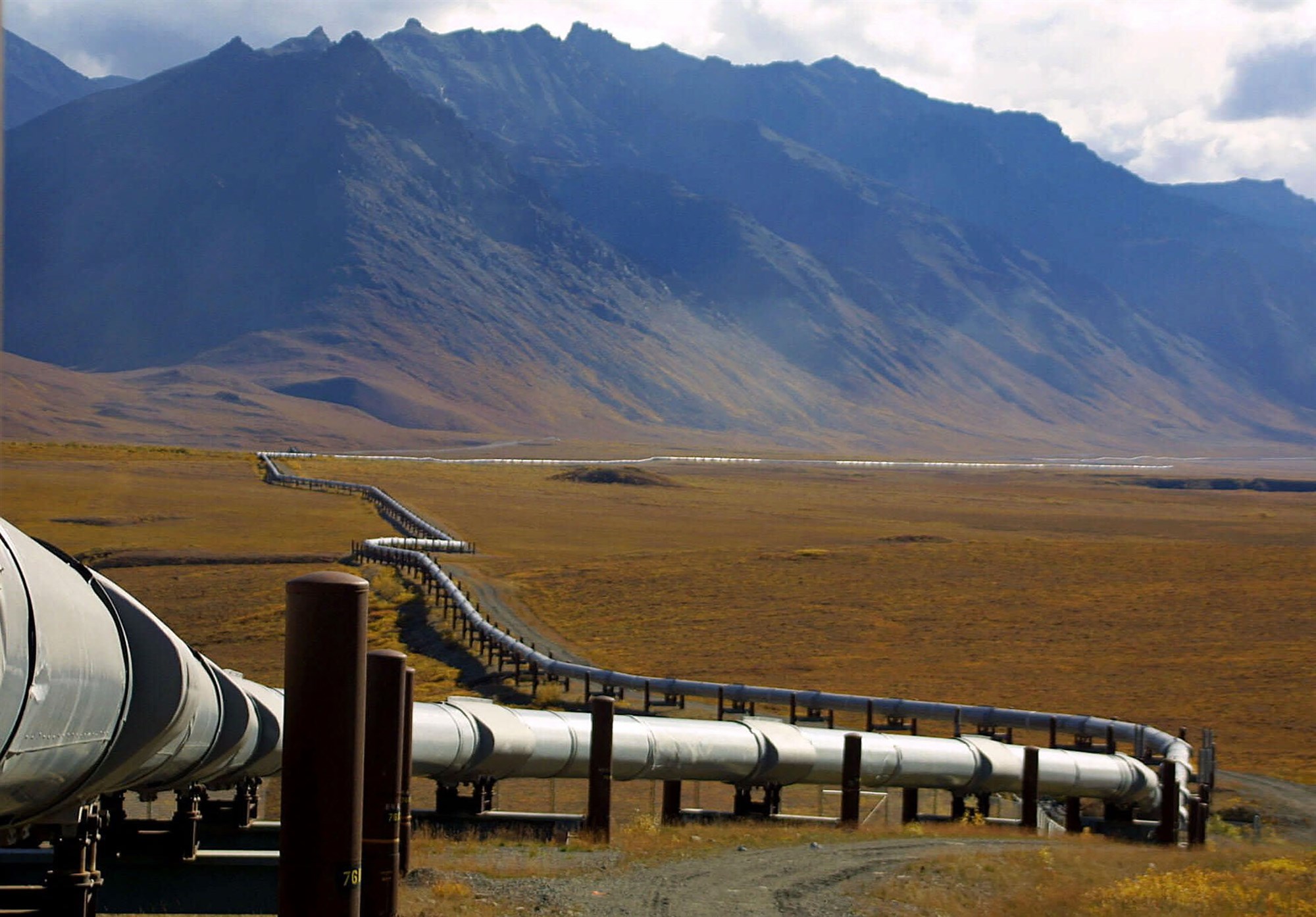
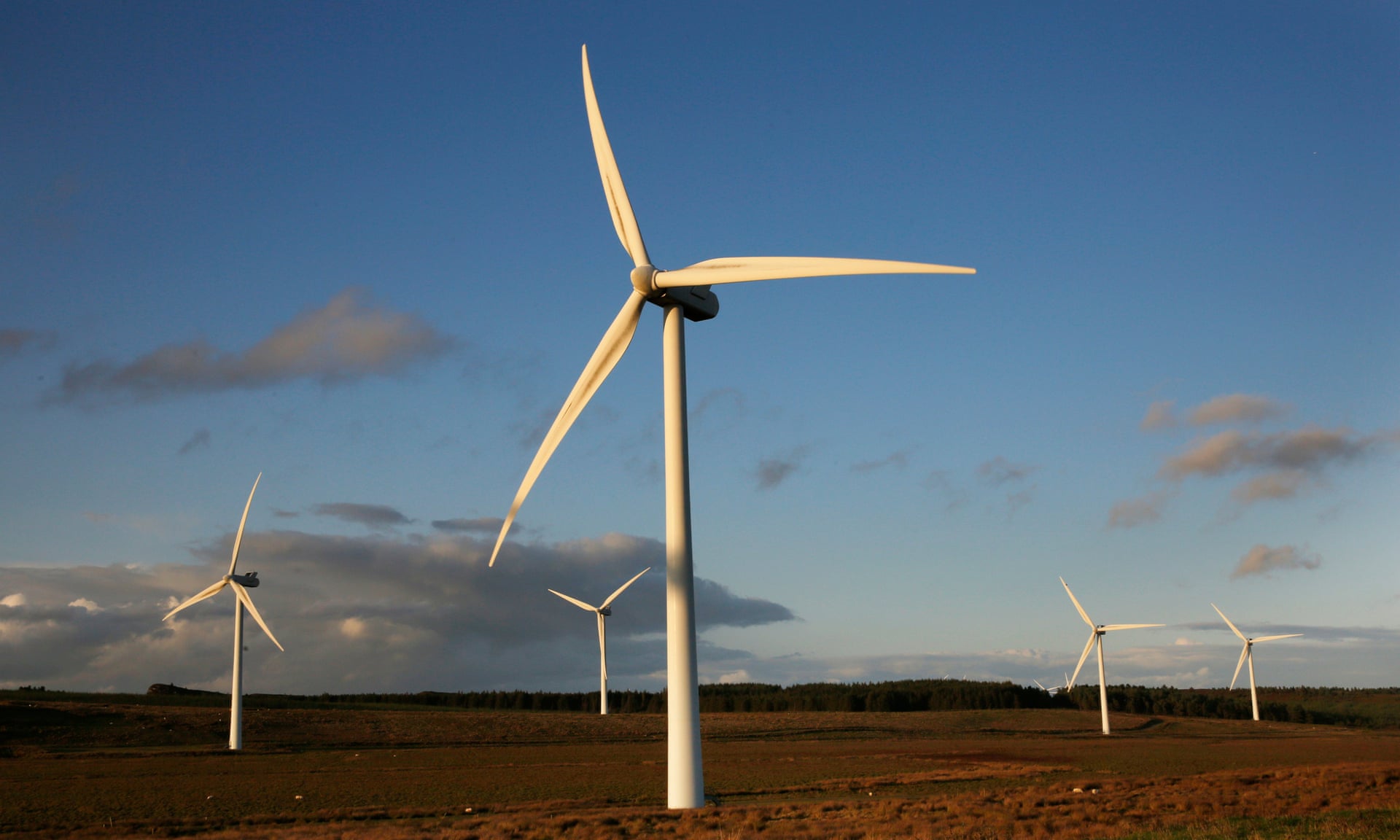

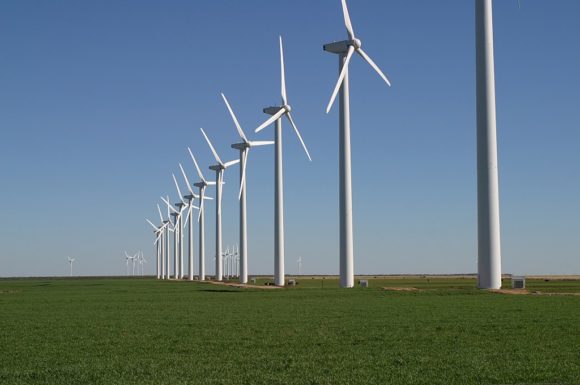
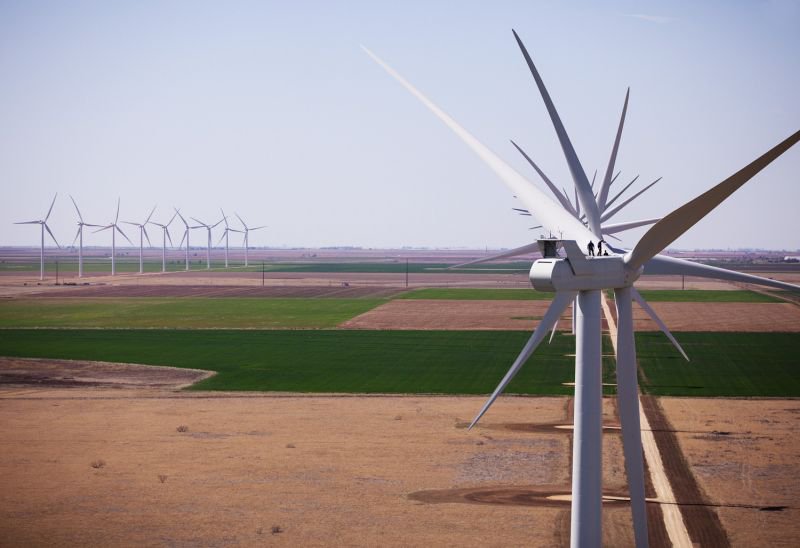


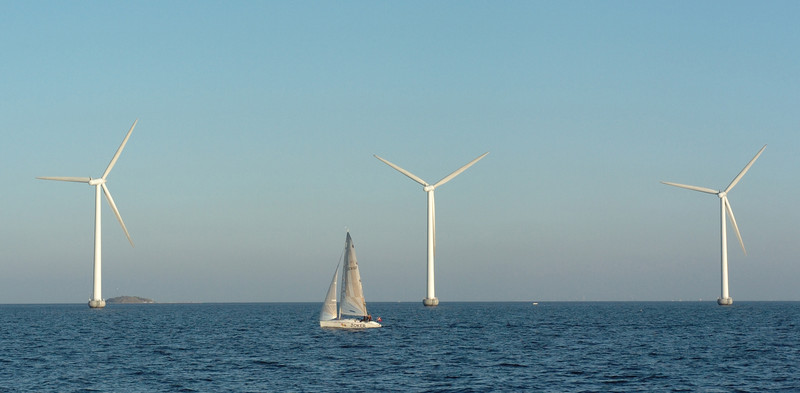
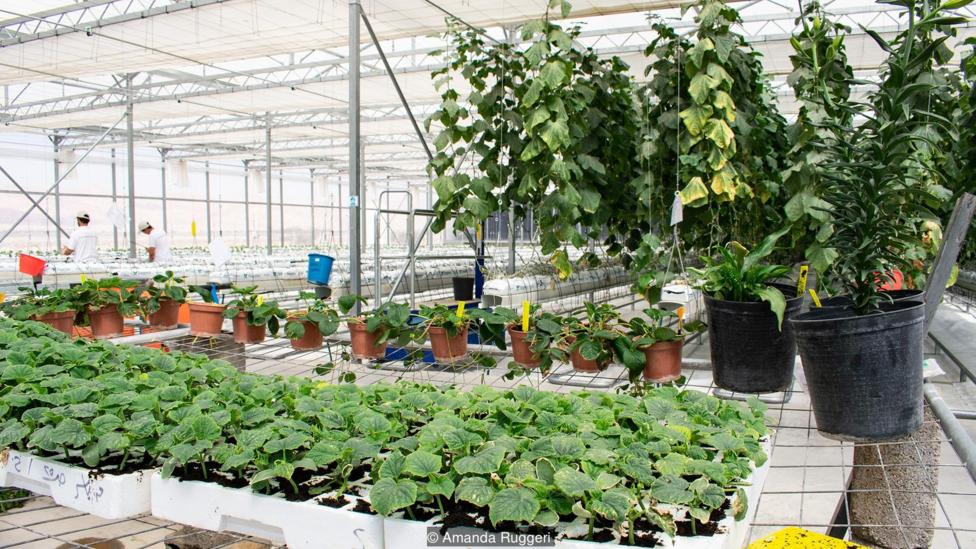

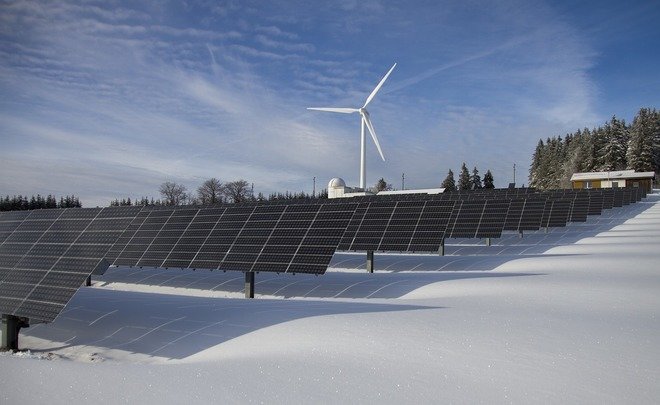



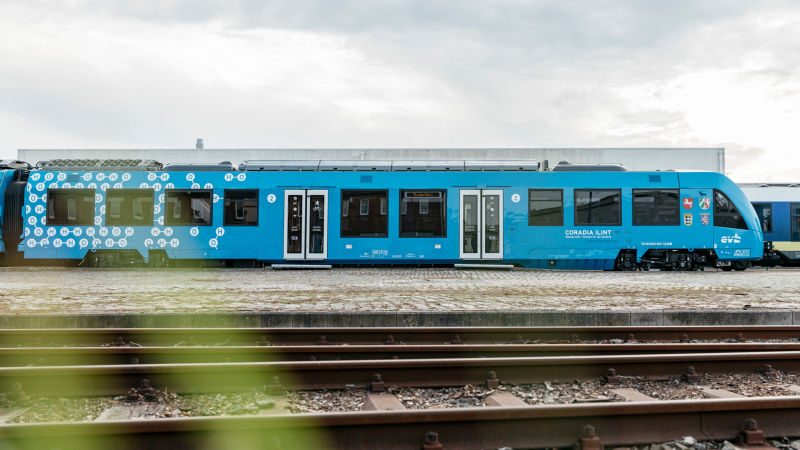
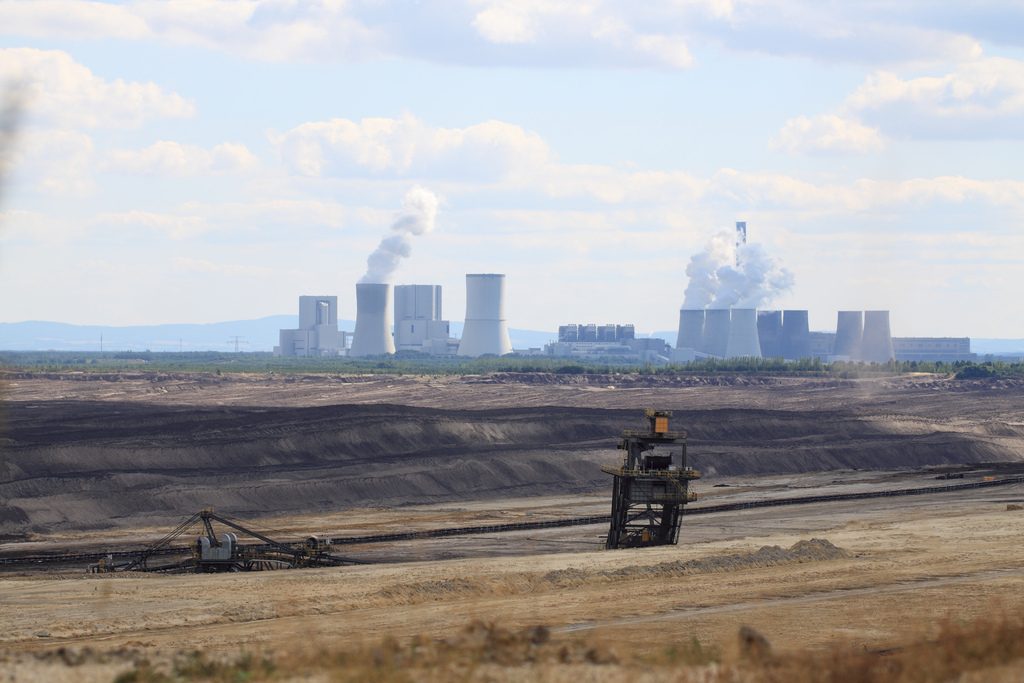

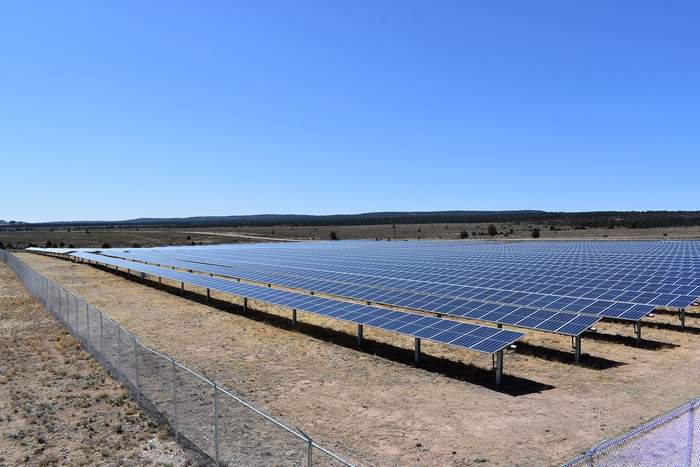


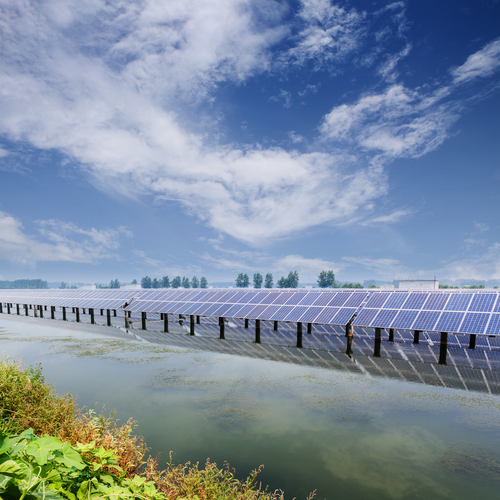
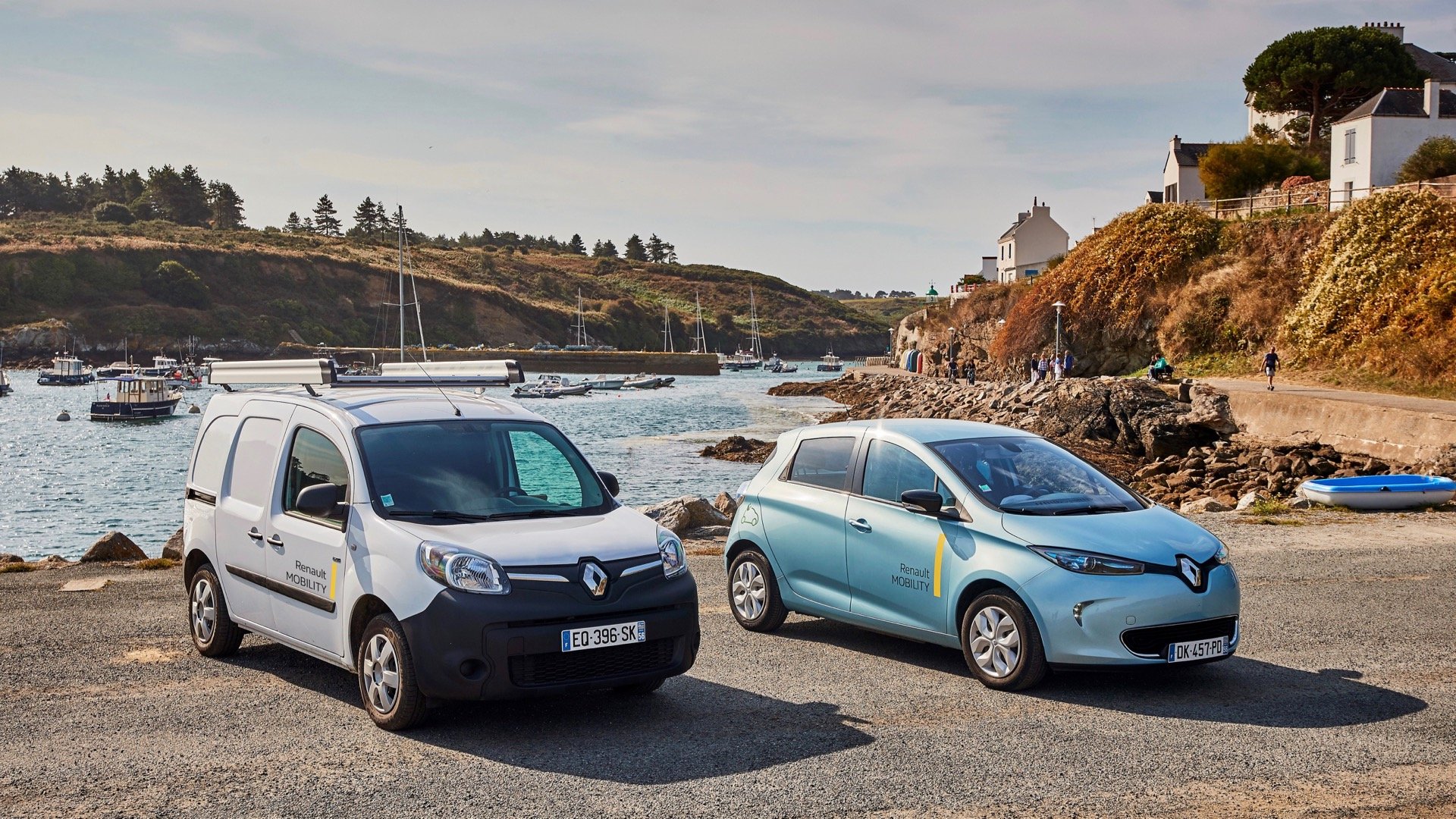
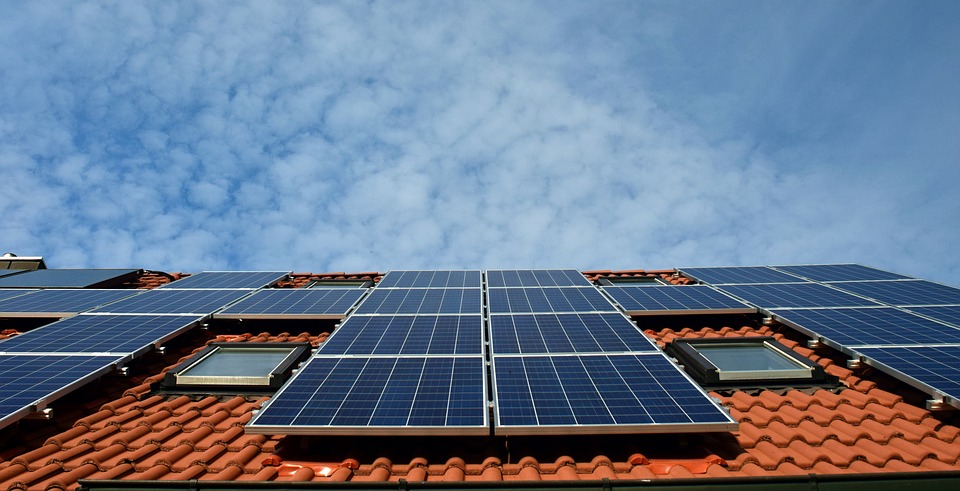


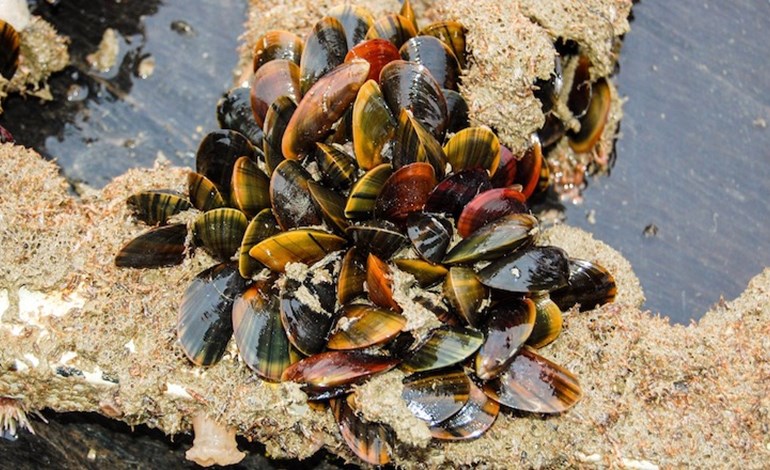
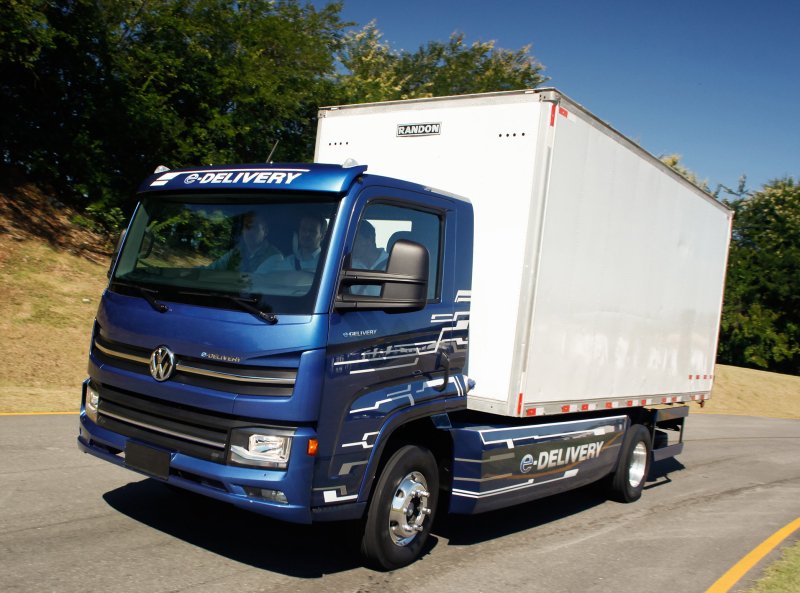



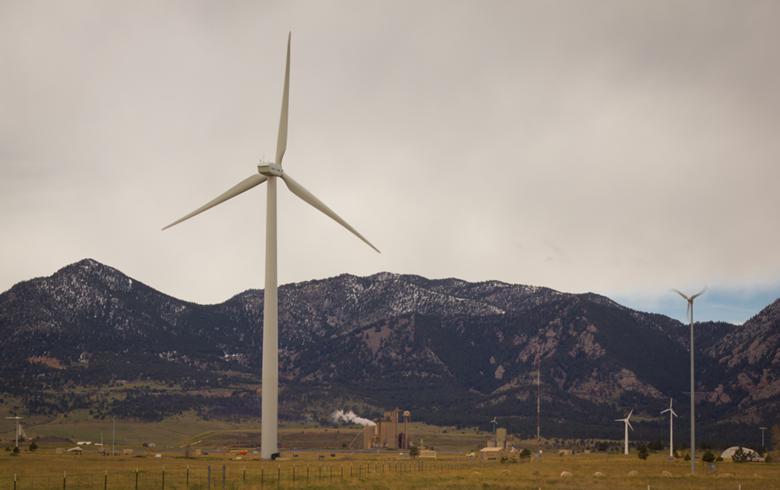
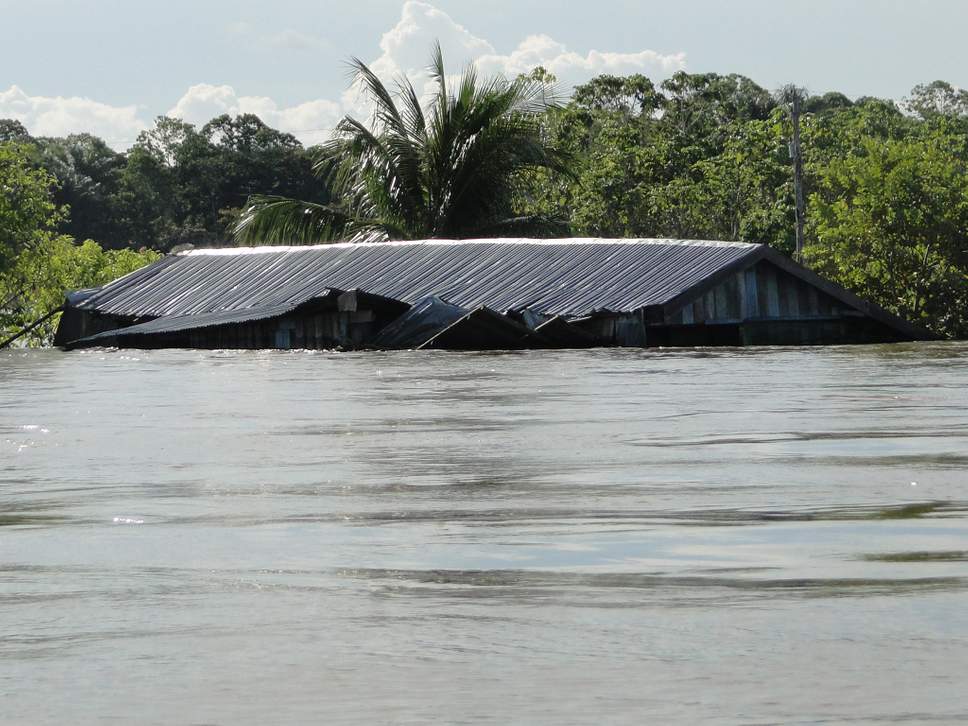







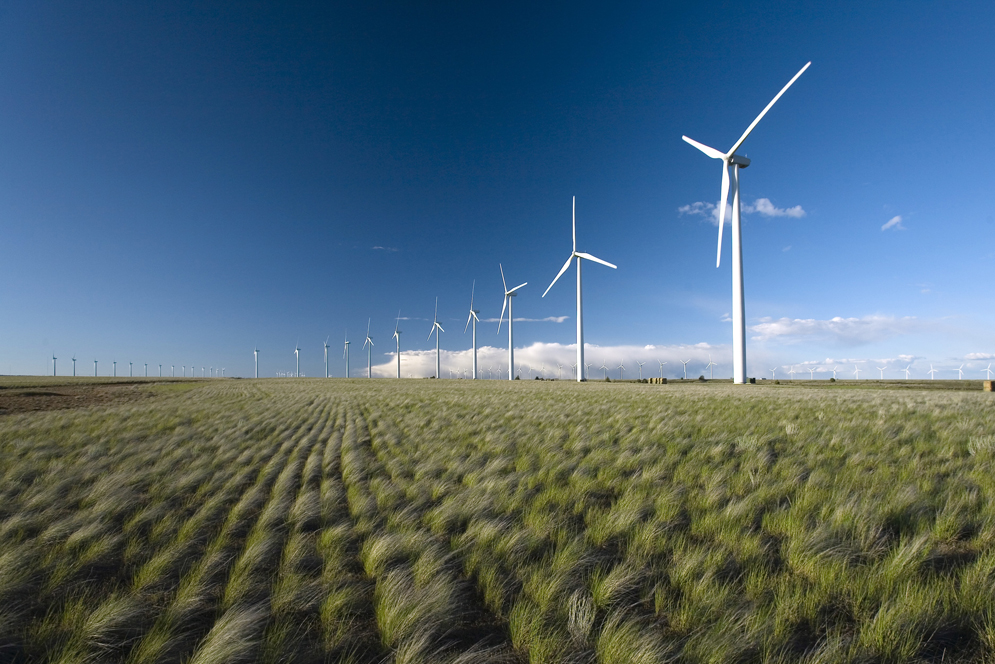


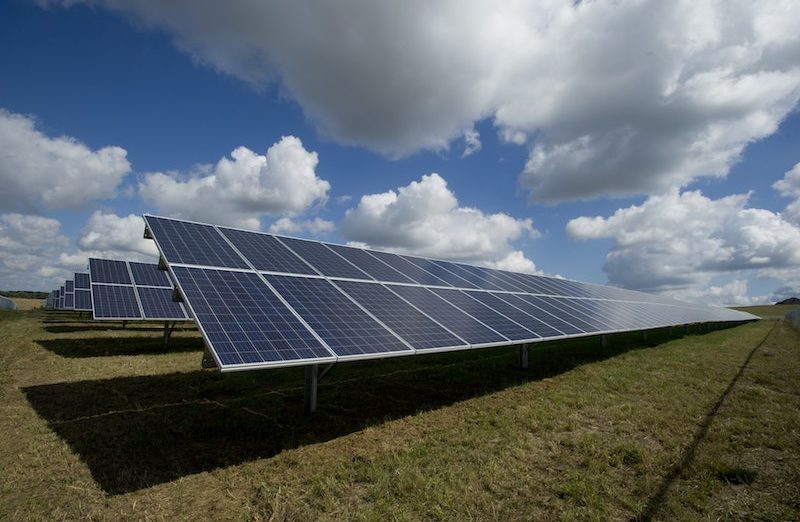

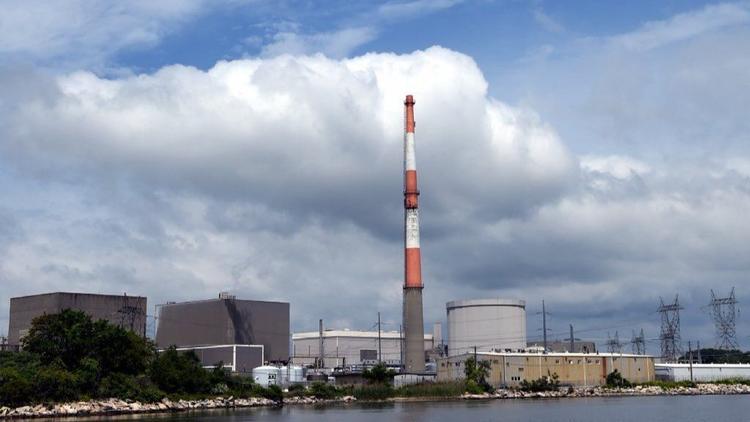

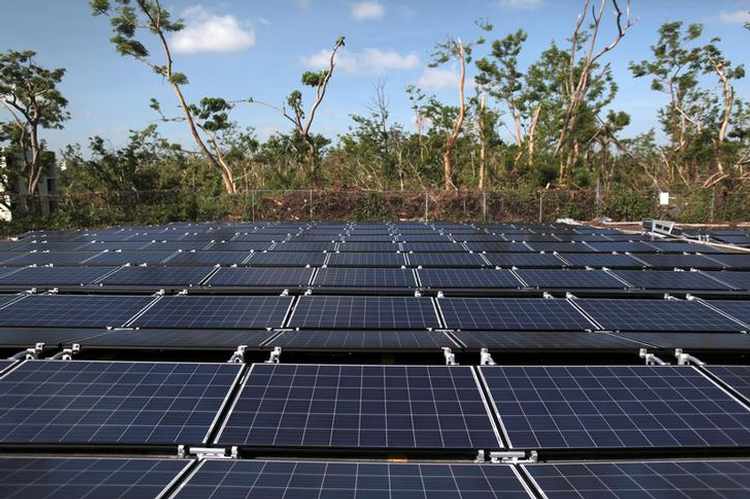
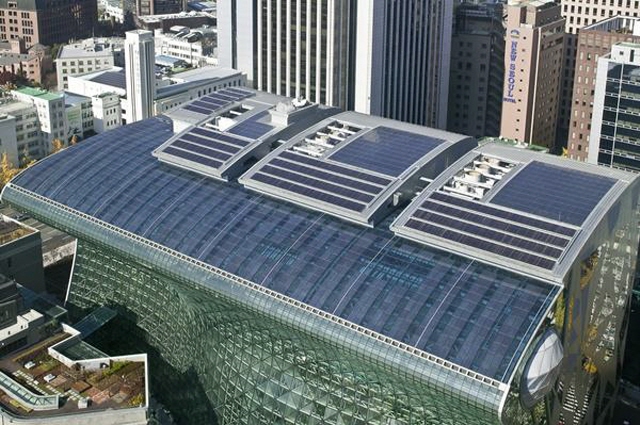

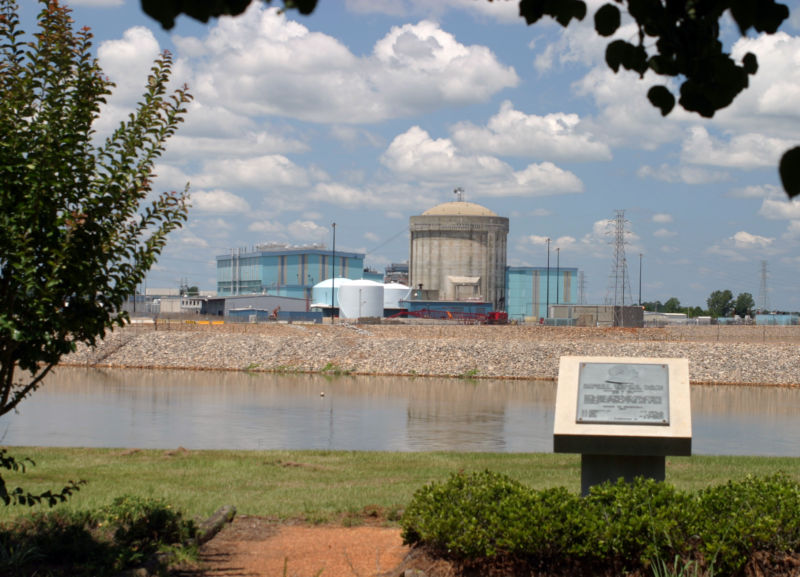

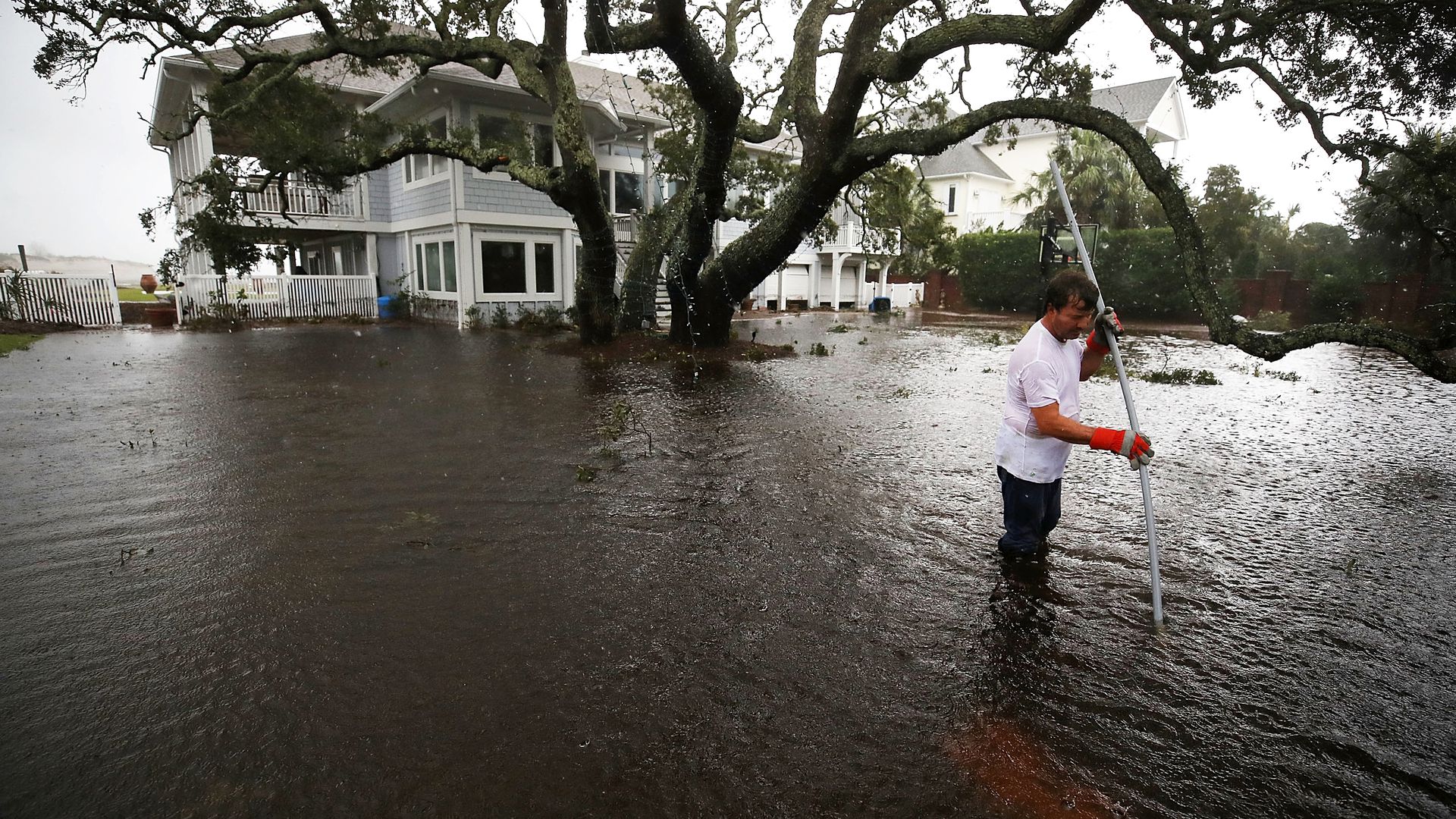

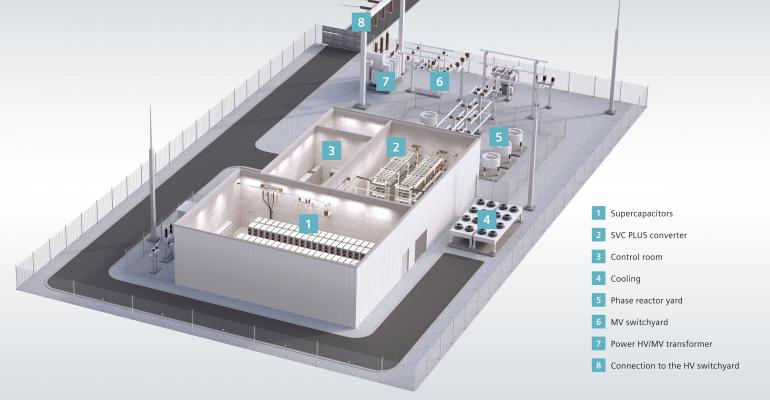


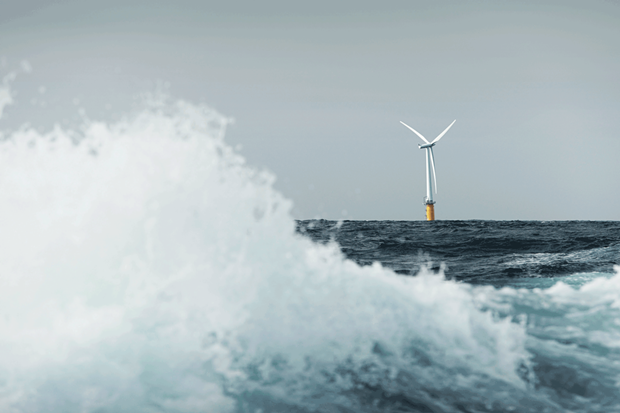

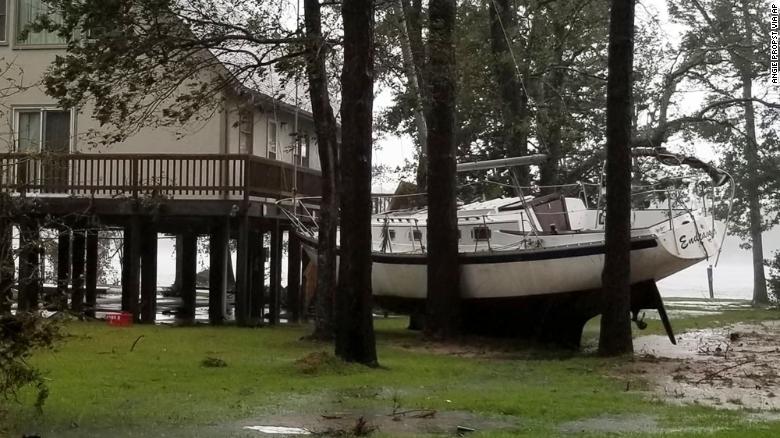


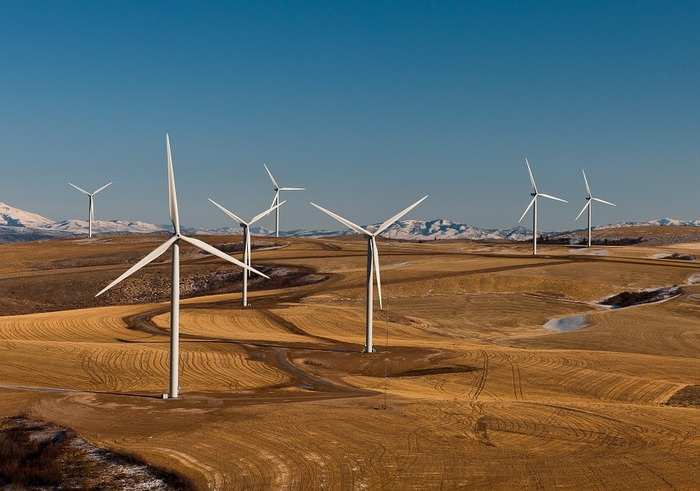
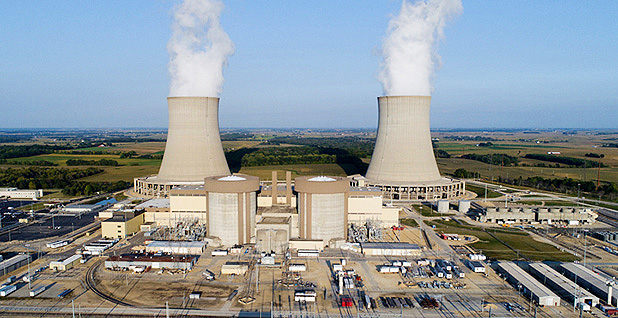
 geoharvey