June 20, 2015
Opinion:
¶ “The Pope Is an Energy Wonk. Engineers Agree with His Assessment.” The Pope’s teachings are supported by the most comprehensive engineering analyses of the US power grid. The National Renewable Energy Lab summarized nine in-depth engineering analyses. [The Equation: Blog of the Union of Concerned Scientists]
Science and Technology:
¶ Sixty-five million years ago, the dinosaurs disappeared in what’s known as the Earth’s fifth mass extinction. Today, a sixth mass extinction could be well underway and humans are most likely the culprit, through environmental changes including deforestation, poaching, overfishing, and global-warming. [CNN]

Moho nobilis, extinct. Many others will follow. Painting by John Gerrard Keulemans, 1842-1912. Copyright expired in the US. Wikimedia Commons.
World:
¶ The US has organized a Lower Mekong Initiative Renewable and Clean Energy Business Delegation, on the margins of the Asia Clean Energy Forum 2015. Talks focused on how US firms and technology can support clean energy and promote energy security in Burma, Cambodia, Laos, Thailand, and Vietnam. [Newsroom America]
¶ According to the Carbon Brief, the EU’s energy usage is at 1990 levels despite “a 6% increase in population and a 45% expansion of economic output.” This results from better building insulation and product energy efficiency, uptake of renewables, vehicle fuel efficiency standards and economic changes. [CleanTechnica]
¶ The inauguration ceremony for the world’s 2nd largest offshore wind farm, Gwynt y Môr took place on June 19. The wind farm, located eight miles offshore in Liverpool Bay, includes 160 wind turbines with a combined electric generating capacity of 576 MW. It was built with an investment of $3.3 billion. [EnergyOnline]
¶ Tanzania’s untapped renewable energy potential can provide solutions for the 9 GW of additional power the country will need by 2035, a report says. Tanzania has 2,800-3,500 hours of sunshine per year and the solar sector presents good opportunities. There are also other important resources. [SeeNews Renewables]

Author: .Martin. License: Creative Commons, Attribution-NoDerivs 2.0 Generic
US:
¶ The NRC has cleared the way for Entergy Nuclear to take $220 million of the $660 million Vermont Yankee decommissioning trust fund to help pay for handling spent nuclear fuel. NRC regulations prohibit such a use of the funds, but the NRC has been granting exemptions to nuclear power plants. [Rutland Herald]
¶ Iowa is one of the leading states for renewable energy, and Heartland Power Cooperative in St. Ansgar is adding to that initiative by introducing their 2706 solar panel display, the largest in Iowa. The 4.5 acre solar farm has the ability to power 125 average size homes, and customers are signing on. [KIMT]
¶ Portland, Maine, has reduced greenhouse emissions in the last five years and is now planning to cut its carbon footprint by relying on renewable energy. The city has plans for five sites that could be used to generate electricity from solar PVs. They include facilities at schools, the library, a fire station, and an airport. [WMTW Portland]
¶ A show-down over budget politics is brewing between New Hampshire’s Democratic Governor and Republican legislature. Renewable energy advocates hope it can be an opportunity to convince budget writers to reconsider taking money away from renewable incentives to fund Homeland Security. [New Hampshire Public Radio]
¶ The utility sector is going through a period of margin compression and market disruption which is challenging for some companies. NRG is using this challenging business environment and the current low interest rates to pivot all of the Company’s businesses to benefit from these trends going forward. [Seeking Alpha]
Posted in nuclear power, renewable power, solar, wind | 1 Comment »
Tags: nuclear, nuclear power, photovoltaic, renewable power, solar power, wind power
June 19, 2015
World:
¶ German company Nordex SE said it has received orders to build 55 MW of wind farms in Turkey for two customers. Its turbines are expected to produce 148 GWh annually, for a capacity factor of above 37%. The wind farm’s output is expected to be enough to power about 42,000 households. [SeeNews Renewables]

2.4-MW Nordex turbines. Source: Nordex SE
¶ The annual overview of the European electricity market, from the European Network of Transmission System Operators for Electricity, says 33% of electricity produced in the EU now comes from renewables, of which 18.5% is hydropower and 14.4% “other renewables” (mostly wind and solar power). [CleanTechnica]
¶ In six months, delegates from nearly 200 countries will gather in Paris with the intention of signing the first truly global climate agreement. The talks will not be replay of the fractious talks held in Copenhagen, in December 2009, according to Christiana Figueres, the UN’s top climate diplomat. [Earth Island Journal]
¶ A Canadian Senate committee on energy, environment and natural resources said June 17 in a report, that the territory of Nunavut’s electrical power system is unsustainable. The committee found that 17 of the 25 existing diesel facilities operating in Nunavut are operating beyond their service dates. [Nunatsiaq News]

Ceremony on the occasion of the foundation of Nunavut, April 1st 1999
¶ Australian strategic metals miner TNG Limited and renewables group Energy Made Clean signed a memorandum of understanding covering evaluation, implementation and installation of a solar array and vanadium batteries. The system would power a mining project in the Northern Territory. [Australian Mining]
¶ Hydropower is the world’s largest source of renewable electricity. With a century-long head start over wind and solar power, large hydropower was 52% of the world’s renewable energy capacity in 2014. But new figures from the International Renewable Energy Agency show the picture is changing. [International Rivers]
US:
¶ The California Senate recently passed SB 350, legislation that sets a goal of 50% electricity from renewables in the Golden State by 2030. The bill doesn’t stop there, though; it also calls for doubling the energy efficiency of buildings in the next 15 years, and cutting petroleum use in transportation by half. [CleanTechnica]
¶ North Elba, New York, has decided to use a small-scale anaerobic digester designed for source-separated municipal food and organic wastes at a regional level. BIOFerm Energy Systems/Viessmann Group will supply the system, the first of its kind in the US. The project is expected to begin this year. [Biomass Magazine]
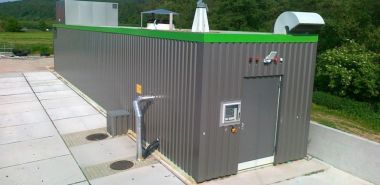
This small-scale EUCOlino digester will be used at North Elba to generate power from community food waste. BIOFerm Energy Systems/Viessmann Group photo.
¶ Actors Mark Ruffalo and Leonardo DiCaprio joined a large group of people with widely differing backgrounds at a pop-up event in the East Village to launch a national campaign that aims to make clean energy more accessible and affordable for 100% of the people. The campaign is called “100%.” [Satellite PR News]
¶ The 20th Century model of large baseload electricity generation, including nuclear reactors, is in an irreversible decline in the face of the emerging 21st Century decentralized power model relying on renewables, energy efficiency, and demand management, says Mark Cooper of the Vermont Law School. [Fierce Energy]
¶ Exelon, the parent company of Baltimore Gas and Electric Co and the largest owner of nuclear power plants in the United States, notified the US NRC that it found dangerous levels of tritium, a radioactive isotope of hydrogen, in a monitoring well at Peach Bottom nuclear plant in Delta, Pennsylvania. [Baltimore Sun]
Posted in nuclear power, renewable power, solar, wind | Leave a Comment »
Tags: nuclear, nuclear power, photovoltaic, renewable power, solar power, wind power
June 18, 2015
Science and Technology:
¶ A team of scientists working on studies in microbiology at Columbia University have devised tiny engines powered by evaporation. The devices generate electricity from the energy produced by bacterial spores known as Bacillus subtilis, which exhibit strong mechanical responses to changing relative humidity. [Mashable]

Photo from YouTube video Renewable Energy from Evaporating Water by ExtremeBio
World:
¶ Pope Francis has clearly embraced what he calls a “very solid scientific consensus” that humans are causing cataclysmic climate change that is endangering the planet. The pope has also lambasted global political leaders for their “weak responses” and lack of will over decades to address the issue. [National Catholic Reporter]
¶ A new report from GTM Research forecasts 55 GW of solar PV to be installed globally in 2015, up 36% on 2014’s installation figures. The United States will be the third-ranked solar PV market in 2015 behind China and Japan, according to GTM, installing approximately 8 GW, equating to 14% of the global PV market. [CleanTechnica]
¶ Denmark has launched a new tender round for 350 MW of near-shore wind farms off the east coast of Jutland. The turbines must be a minimum of 7 MW, which would provide a capacity factor of 60% and produce low cost electricity. This is in contrast to what would come from the Hinkley nuclear plant. [CleanTechnica]
¶ The UK’s Conservative government is to end subsidies to onshore windfarms from 1 April 2016, a year earlier than set out in the previous Tory-Liberal Democrat coalition agreement. There will be a grace period for projects already having planning permission, the Department of Energy and Climate Change said. [The Guardian]
¶ The Scottish government has warned Whitehall of the threat of a lengthy legal battle if they push ahead with anticipated cuts to subsidy support for the onshore wind industry. Scotland’s Energy Minister said any funding reduction would likely be challenged by an application for Judicial Review. [Click Green]
¶ Record installations for wind power and solar PV helped uncouple global growth from CO2 emissions, according the Global Status Report on the renewable energy industry from REN21. The report finds 135 GW of clean energy capacity was added over 2014, more than coal and gas combined. [Business Green]
¶ AspectSolar announced that the company’s solar energy products will be used to aid disaster relief efforts in earthquake-torn Nepal. AspectSolar’s lightweight, durable solar charging panels and battery systems are being used by high-elevation skiers to bring power to remote villages. [Your Renewable News]
¶ German energy group RWE AG will officially open the 576-MW Gwynt y Mor offshore wind farm near the Wales coast on June 18. The park, worth over £2 billion ($3.2 billion), uses 160 turbines of 3.6-MW each, made by Germany’s Siemens AG. Construction works were initiated in January 2012. [SeeNews Renewables]
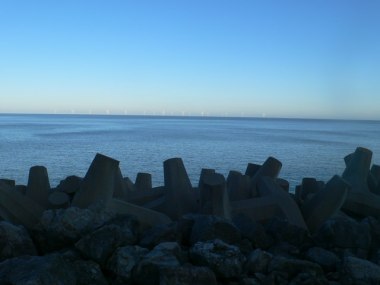
View out to sea from, solar farm in the distance. Photo by Eirian Evans. Creative Commons Attribution Share-alike license 2.0. Wikimedia Commons.
¶ Professor Hans Schellnhuber, head of the highly regarded Potsdam Institute for Climate Impact Research outside Berlin, told reporters Australia’s reliance on coal exports to China was a “suicide strategy.” Professor Schellnhubner is the adviser to Pope Francis on the effects of global warming. [The Australian Financial Review]
¶ A report says Australia’s “big four” banks have bucked a global trend by heavily favouring investment in fossil fuel projects over renewable energy by $6 to $1 since the global financial crisis. Analysis by Market Forces revealed ANZ led in funding coal, oil and gas projects since 2008, pouring in $12.6 billion. [The Guardian]
¶ Germany’s wind power association BWE is urging the German government to take legal steps against the subsidization of new nuclear power capacity in the EU. The organisation’s president Hermann Albers spoke specifically about planned subsidies for the 3.2-GW Hinkley Point C nuclear power plant. [SeeNews Renewables]
US:
¶ Rocky Mountain Power is hoping to offer customers a way soon to purchase all or part of their power from a solar source without having to put solar panels on their roof. The utility is proposing a Blue Sky subscriber solar program. It’s now seeking approval from the Utah Public Service Commission to supply subscribers. [KUER]

Typical solar farm in the Rocky Mountains. RMP’s newly proposed subscriber farm will be 15 megawatts in capacity. Photo by Rocky Mountain Power.
¶ Within two decades, Iowa wind energy could power the equivalent of more than 6.3 million homes. That’s from a new report released by the DOE. The report says the American wind industry can rapidly expand over the next two decades, comprising one-fifth of the domestic electricity market by 2030. [DesMoinesRegister.com]
¶ Nuclear energy is a costly failure, and Ohio and other states should focus on alternative energy, according to a report by the Institute for Energy and the Environment at Vermont Law School. Upgrading old nuclear and coal-burning power plants will cost ratepayers, and ultimately the utilities, more money. [Port Clinton News Herald]
Posted in nuclear power, renewable power, solar, wind | Leave a Comment »
Tags: nuclear, nuclear power, photovoltaic, renewable power, solar power, wind power
June 17, 2015
Science and Technology:
¶ A new conversion efficiency world-record for a full-size, thin-film solar module of 18.6% (aperture area efficiency) has been set by First Solar, according to a press release. The new cadmium-telluride PV module is the first the company has shown that outperforms “the best multi-crystalline module recorded.” [CleanTechnica]
¶ The International Energy Agency has revealed that global energy-related CO2 emissions stopped growing in 2014, halting at 32.2 Gt, unchanged from 2013. The IEA notes that, despite the global economy growing by about 3% across 2014, global energy-related CO2 emissions were able to remain unchanged. [CleanTechnica]
World:
¶ A solar farm that could power for 6,700 homes annually has been proposed for 102 acres of land outside Cirencester, a town not far from Bristol. Energy company Big60Million wants to build a 23.4MW Cirencester Solar near Witpit Lane, Preston and said the site would benefit Gloucestershire people. [Gloucestershire Echo]
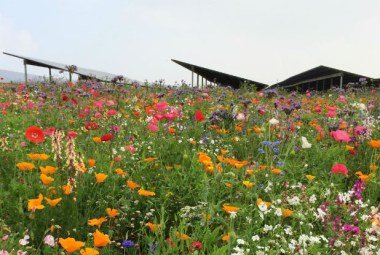
English solar farm. Photo provided by Big60Million.
¶ Solar Frontier, a noted thin-film solar module producer, will partner with the Germany-based developer New Energy for the World to build 100 MW of new solar energy projects in the UK, according to recent reports. The projects will use Solar Frontier’s CIS solar cells, as well as various other components. [CleanTechnica]
¶ Thailand’s Gunkul Engineering Pcl has plans to invest about 10 billion baht ($296.9 million) this year, mostly to expand capacity of renewable energy at home and abroad. About 4 billion baht will be spent for solar power plants and 5 billion baht for wind power, the assistant managing director for business said. [Reuters]
¶ Gerard Mestrallet, the chairman CEO of Engie (formerly GDF Suez), a French company, signalled a big push against coal-fired generation, issuing a “call to arms against coal.” Engie happens to own the Hazelwood brown coal generator in the Australian state of Victoria, the dirtiest power station in the country. [RenewEconomy]
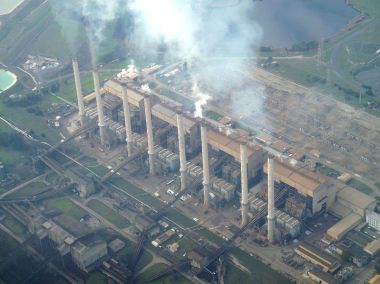
Hazelwood brown coal generator. Photo by Mriya. GNU Free Documentation License. Wikimedia Commons.
¶ Sunny India is set to add more solar power than wind capacity for the first time this financial year. Solar installations are set to exceed 2500 MW this financial year (ending March 2016), topping the 2400 MW target for wind, according to officials from India’s Ministry of New and Renewable Energy. [Business Spectator]
¶ The extent solar power has captured the imagination of Australians is evident in the latest Lowy Institute Poll. 43% of the adult population surveyed said solar ‘will be our primary source of electricity 10 years from now,” even though it currently only represents 2% of the nation’s generation capacity. [Energy Matters]
¶ Canada has celebrated Global Wind Day by announcing it has become the 7th nation in the world to surpass 10,000 MW of installed wind power, enough for over three million homes. More wind energy has been installed in Canada over the past five years than any other source of generation, including coal and gas. [Energy Matters]
US:
¶ A dam that once powered a pulp and paper mill on the upper Mississippi River is now producing electricity for Dairyland Power Cooperative. Dairyland is providing the 10 MW of power produced by the facility to its 25 member distribution co-operatives and the 17 municipal utilities it serves in the Midwest. [Electric Co-op Today]
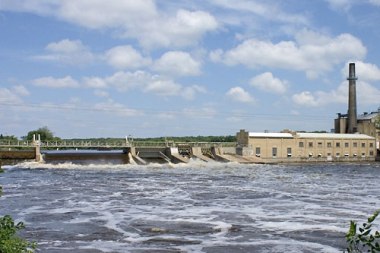
Sartell Dam. Photo by Daveswagon. Put into the public domain by the author.
¶ New Hampshire House and Senate negotiators deadlocked on proposals to change how the state uses money collected by taxing power plant carbon emissions. The current system will continue; 20% of money collected goes into renewable energy projects, and the other 80% used to reduce electric rates. [The Union Leader]
¶ A Spanish steel company is planning to build a new plant to manufacture wind towers in the Texas Panhandle. GRI Renewable Industries, the industrial wind division of Gonvarri Steel Industries, intends to build a wind tower manufacturing plant in Amarillo that would build 400 towers a year. [mySanAntonio.com]
¶ General Motors showed signs Tuesday that it may take on Tesla Motors in the stationary battery business with a different approach. GM is proposing to power homes, businesses and utilities with recycled used electric car batteries from cars like its Chevrolet Volt, which has both batteries as a gas engine. [USA TODAY]
¶ SunCommon, a Vermont Benefit Corporation, will divest its 401k portfolio from fossil fuels. The announcement was followed by a presentations by Maeve McBride of 350VT and Dan Quinlan of Divestor.org. SunCommon’s legal charter directs the company to attend to the triple bottom line: people, planet and profit. [vtdigger.org]
¶ Former Massachusetts Governor Michael Dukakis was among a throng of activists Tuesday who called for the closure of the Pilgrim nuclear power plant along Cape Cod Bay. In front of a crowd clad in bright yellow “Shut Down Pilgrim” t-shirts, Dukakis spoke of difficulties with evacuating Cape Cod. [WGBH NEWS]
Posted in nuclear power, renewable power, solar, wind | 1 Comment »
Tags: nuclear, nuclear power, photovoltaic, renewable power, solar power, wind power
June 16, 2015
World:
¶ The International Energy Agency suggests we have started to work positively on climate change. Solid global economic growth last year failed to increase in carbon emissions. Renewable power types are expected to overtake coal as the world’s largest source of electricity by 2030. [The Australian Financial Review]
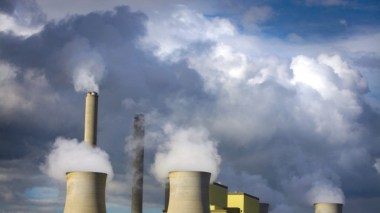
The IEA says renewable energy will overtake coal as the biggest source of electricity supply by 2030.
¶ Adani Group has signed a joint venture agreement with the Rajasthan Government to set up a 10,000-MW solar park by 2022. This will be the largest such integrated facility in India. Adani Renewable Energy Park Rajasthan Ltd., will have a 50-50 equity partnership with the state government. [Andhra Wishesh]
¶ The UK government has completed a 69.5-MW solar farm, the country’s largest, Solar Power Portal reported. The power plant is located at a Defence Infrastructure Organisation site in Lyneham, Wiltshire. There is still a potential for expansion of the solar farm to a maximum capacity of 86 MW. [SeeNews Renewables]
¶ The Energy and Mineral Resources Ministry of Indonesia is considering increasing the 2016 budget for renewable energy development five times to $824 million. The development of rooftop PV capacity is in particular focus, with solar arrays being planned for government office buildings and airports. [SeeNews Renewables]
¶ The UK is not on course to meets its legally binding target to secure 15% of its energy from renewable sources by 2020, according to a new industry-backed analysis. The Keep on Track! project found that the deployment of green heat and transport technologies will need to accelerate significantly to meet goals. [Business Green]
¶ The EU is estimated to have reached a 15.3% renewables share in gross final energy consumption in 2014, with 25 member states expected to meet their interim targets. The bloc aims at a 20% share by the end of the decade. The report shows that biomass is the most widely used renewable energy source. [SeeNews Renewables]
¶ At Fukushima Daiichi’s No 1 reactor, most or all nuclear fuel inside its pressure vessel has melted through and pooled at the bottom of the containment vessel. In the other reactors that melted down, some fuel is thought to remain in their pressure vessels. Robots will survey conditions to help decide how to proceed. [AsiaOne]
US:
¶ After installing 718 MW of solar capacity in Q1 of 2015, California has become the first US state to surpass the 10,000 MW threshold, a new report shows. California deployed 231 MW of residential, 88 MW of commercial and 399 MW of utility-scale solar plants in Q1 and ended with a cumulative 10,649 MW. [SeeNews Renewables]
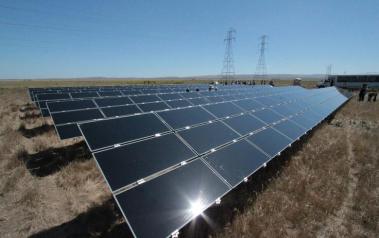
Solar park in California equipped by First Solar. Author: Russ Ferriday. License: Creative Commons, Attribution-ShareAlike 2.0 Generic
¶ With $4 billion and a new government office, the White House has unveiled its latest clean energy initiative and cast a new role for the federal government: not only is it a funder of new research, of the latest solar converter or biofuel source, but it is also a market builder addressing a need for new investment. [The Guardian]
¶ The DOE’s National Renewable Energy Laboratory has allocated up to $6.5 million to support five projects helping the US electric grid handle growing amounts of renewables. The projects come under the Integrated Network Testbed for Energy Grid Research and Technology Experimentation initiative. [SeeNews Renewables]
¶ TDI New England announced an agreement with the Conservation Law Foundation. It includes enhanced environmental and public benefits from a project running a 150 mile long transmission line under Lake Champlain, making Vermont part of the development of the New England Clean Power Link. [Rutland Herald]
¶ Throughout the country, there are more than 80,000 dams, primarily used for flood control and irrigation. Today, just 3% are equipped to generate power. But that 3% produces nearly 7% of our electricity. Hydropower has huge potential for increased capacity. But there are problems with permits and licences. [The Hill]
Posted in nuclear power, renewable power, solar, wind | 1 Comment »
Tags: nuclear, nuclear power, photovoltaic, renewable power, solar power, wind power
June 15, 2015
Science and Technology:
¶ Just days after the US EPA issued its long-awaited fracking report, Stanford University announced that it would undertake a comprehensive research effort aimed at resolving several areas of concern in the natural gas industry. The press release focuses particularly on fugitive emissions or methane leaks. [CleanTechnica]
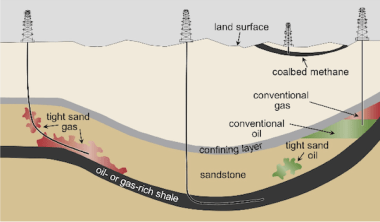
Courtesy of US EPA.
World:
¶ Veolia has been awarded a €450 million deal to operate a wood-fuelled biomass power plant in Killala, County Mayo, Ireland. The company secured a 15-year contract from Mayo Renewable Power to operate the new 42.5-MW heat and power plant. It will produce enough electricity to supply 68,000 homes. [Irish Times]
¶ Power prices in the UK may fall below zero during some hours before the end of the decade as intermittent renewables output is poised to soar, according to National Grid Plc. Negative power prices, already prevalent in markets from Germany to the Nordic region, occur when supply exceeds demand. [Energy Voice]
¶ Solar energy is expected to change the utility landscape as it could reach as share of 9% to 12% of Europe’s electricity production by 2030, according to a study by consultancy Roland Berger. In Germany, the price of solar PV is already €0.17 ($0.19) per kWh below the retail electricity price. [SeeNews Renewables]
¶ In the Philippines, the Maibarara Geothermal Incorporated of PetroGreen Energy, Incorporated said its exploration activities in Sto. Tomas, Batangas showed there is enough steam needed to proceed with an expansion project of an existing 20-MW geothermal power plant, increasing its output by 50%. [Rappler]
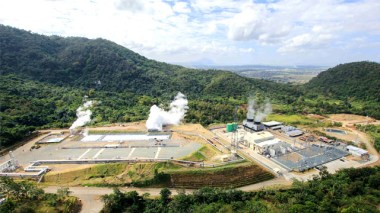
Image from PetroEnergy Resources Corporation website
¶ A peak in global energy-related emissions is possible as early as 2020 and at no net economic cost, the International Energy Agency said, while warning that without stronger action the world could see a temperature rise of 3° C by century’s end. The report identifies potential actions. [International Business Times UK]
¶ Applications for new wind farms in Australia’s state of Victoria will now be simpler due to planning changes streamlining project approvals. The changes will see applications for wind farms and supporting infrastructure assessed together, rather than multiple applications to State and local governments. [Energy Matters]
¶ Problems with a reactor in northern France have triggered deep concern in the British government about the future of the UK’s first new nuclear power station for 20 years at Hinkley Point in Somerset. EDF Energy, the French company behind Hinkley, has years of delay and cost increases at its plant in Normandy. [Financial Times]
¶ More and more companies are turning to wind energy to power their businesses, according to the Global Wind Energy Council. GWEC said wind energy has become fully mainstream and is today one of the fastest growing industrial sectors in the world, attracting $100 billion in investment in 2014. [reNews]
US:
¶ In its latest Utility Solar Market Snapshot, the US Solar Electric Power Association offers welcome news: solar energy is becoming increasingly attractive to utilities. Solar has become the fastest-growing power source in the nation, and report forecasts 25% to 50% solar market growth in 2016. [CleanTechnica]
¶ The New York State Senate passed legislation that would allow municipal landfills and water treatment facilities to offset their energy costs by producing their own energy and feeding it back into the grid. This bill broadens the net metering law in New York State by including energy from such plants. [Madison County Courier]
Posted in nuclear power, renewable power, solar, wind | 1 Comment »
Tags: nuclear, nuclear power, photovoltaic, renewable power, solar power, wind power
June 14, 2015
Science and Technology:
¶ Solar Impulse is waiting for a weather window to fly from Japan to Hawaii, making it the longest and most dangerous journey ever on sun powered solo airplane. The seventh leg of the plane’s trip around the world, from Nanjing to Honolulu, was cut short because of weather, so the plane landed in Japan. [TechFrag]

Solar Impulse 2
¶ A report by The Brattle Group for the Advanced Energy Economy Institute says high penetration of renewable generation is not only technically feasible but are already being managed without compromising reliability of electric power service. This supports higher usage of renewable energy. [Windpower Engineering]
World:
¶ The countries that are the biggest polluters have offered different solutions, each using its own timeframe and accounting method, for the UN climate plan. Early analyses by climate researchers show the combined impact falls short of the sharp cuts in emissions required to keep global warming in check. [The Sentinel]
¶ China has approached Bangladesh with a proposal to build waste-based power plants to utilise potentials of the renewable energy sector in the country. The group making the proposal has already completed power plants that generate coal and fuel from garbage with a combined output of 30 MW. [DhakaTribune]
¶ The Chinese Government is going to launch a 50-MW solar powered project in Garissa County, Kenya. Chinese Ambassador to Kenya Liu Xianfa says the project will help provide opportunities such as jobs for the youth who are vulnerable to terror extremism in the largely marginalized county. [Capital FM Kenya]
¶ Google is in talks to invest tens of millions of dollars in the Lake Turkana Wind Power Project, under construction on 40,000 acres in Kenya, slated to be the largest in sub-Saharan Africa. Scheduled for completion in 2017, the project is expected to deliver about 20% of all the electricity produced in Kenya. [AFKInsider]
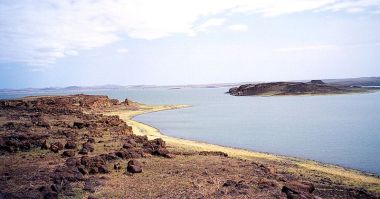
View of Lake Turkana, Kenya. Photo by Doron. GNU Free Documentation License. Wikimedia Commons.
¶ The government of India has launched an insurance pool to the tune of 1,500 crore rupees ($234,668,000) which is mandatory under the Civil Liability for Nuclear Damage Act in a bid to offset financial burden of foreign nuclear suppliers. Several projects that have been held up may now move forward. [The Hans India]
US:
¶ OCI Solar Power LLC, based in San Antonio, Texas, announced that it had started construction on the 110-MW Alamo 6 solar photovoltaic plant located in Pecos County, Texas. Once constructed, this will be the largest PV plant in Texas and one of the largest dual-axis solar projects in the world. [solarserver.com]
¶ sPower, of Salt Lake City, Utah, announced that it has successfully secured 20-year power purchase agreements for three new solar PV projects in California. The three PV facilities will be completed and generating solar power in 2016. Together, they will generate enough solar power for more than 2,500 homes. [solarserver.com]
¶ As reported earlier, Tri-State Generation and Transmission Association is buying the entire 76-MW output of the Twin Buttes II Wind Project. It is also fighting to preserve a supply source for a coal-fired power plant in Craig, Colorado, and awaits a decision from a federal judge. [Casper Star-Tribune Online]
Posted in nuclear power, renewable power, solar, wind | 1 Comment »
Tags: nuclear, nuclear power, photovoltaic, renewable power, solar power, wind power
June 13, 2015
Opinion:
¶ “How the Pope Could Turn US Climate Politics Upside Down” Pope Francis is about to release a much-anticipated letter to bishops about faith and climate change. If it has the impact he is counting on, it could finally budge a glacier of frozen thinking on the climate crisis. This is how he may pull this feat off. [Bloomberg]
World:
¶ A planned £300 million green energy facility in Islandmagee could help transform Northern Ireland’s economy. Dublin-based renewable energy company Gaelectric plan to build a compressed air energy storage facility, the first of its kind in the UK and only the third such project anywhere in the world. [Carrickfergus Times]
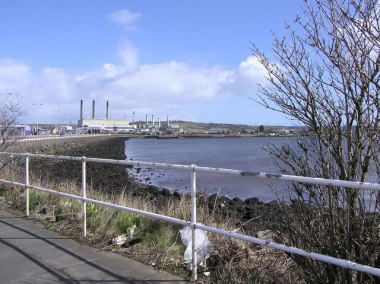
View of Ballylumford and power station at Islandmagee, in rural Northern Ireland. Photo by Kenneth Allen. Creative Commons Attribution-ShareAlike 2.0 license.
¶ China-based Solar Power has formed a joint venture with KK Uniroot, a diversified Osaka-based corporation, to develop 500 MW of solar power in Japan. SPI Solar will do the funding, construction, and equipment procurement. Uniroot will see to site acquisition, regulatory approvals, and selling power. [CleanTechnica]
¶ Australian Prime Minister Tony Abbott told a broadcaster that wind turbines were “visually awful”, noisy, and caused health problems. When he was asked if he had ever visited a wind farm, he admitted to being near one turbine on one occasion. It was funded by the previous government of his own party. [Sydney Morning Herald]
¶ In Australia’s Southwest, cattle farmer Hamish Officer lives closer to wind turbines than most people. Five of them stand within 750 metres of the home he shares with his wife and two daughters. He disagrees with Prime Minister Abbott, saying they are not troublesome and “add to the landscape.” [Warrnambool Standard]
¶ According to media reports, integrated oil major Royal Dutch Shell plc is willing to leave Ukraine by stepping out from its exploration activities at its last well in the country. Shell is not the only company leaving. Last year, another Chevron Corporation cancelled a shale gas deal worth $10 billion and left in the country. [Zacks.com]
¶ A lack of customers is hurting Australian coal-fired power stations. A Grattan Institute energy expert says while some factors that led to Alinta Energy’s decision to close two coal-burning power plants were specific to the company, it could also lead to marginal coal producers reducing supply. [The Australian Financial Review]
¶ In British Columbia, the Metro Vancouver Waste-to-Energy Facility says since the beginning of 2015, emissions have been reduced by 53% due to an updated emission control system, equivalent of removing about 20,000 vehicles from the road. The technology was developed by Covanta, of New Jersey. [Renewable Energy from Waste]
¶ Ethiopia submitted a climate deal that included a green house gas cut of 64% by 2030 and an intention to sell carbon credits over the 2020-2030 periods. Ethiopia became the third African country to unveil its plan to cut carbon emissions as part of a global pact, and the 40th country to post a plan for the UN. [StarAfrica.com]
¶ The South Korean government has started its first decommissioning of a nuclear plant. At a meeting in Seoul presided by the Minister of Trade, Industry and Energy, the National Energy Council voted to recommend that the operator decommission the No 1 reactor at Kori Nuclear Power Plant. [The Hankyoreh]
US:
¶ Ocean Renewable Power Co has asked the Federal Energy Regulatory Commission for a two-year extension of its hydrokinetic pilot project license for the 300-kW Cobscook Bay Tidal Energy project in Maine. As a pilot project, licenses are short-term. The company is interested in continuing its research. [HydroWorld]
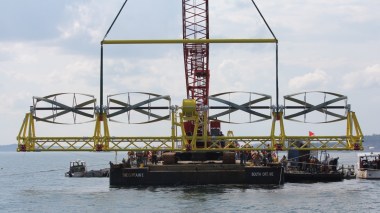
Photo courtesy of Ocean Renewable Power Co.
¶ A new solar agreement marks a key milestone for South Carolina customers in the Duke Energy service area. Enhancing Duke Energy’s Distributed Energy Resource programs, the new proposals are designed to grow solar capacity in the Duke’s South Carolina service area from about 2 MW to about 110 MW. [CleanTechnica]
¶ Federal buildings in the Washington area might be seeing more solar power systems, under a new solicitation by the General Services Administration. The agency is looking for a power purchase agreement that would extend across multiple buildings in the Washington area, according to a solicitation. [Federal Times]
¶ Los Angeles city will not be purchasing power from Bechtel Corp’s planned 358-MW Soda Mountain Solar Project in the Mojave Desert. The news comes shortly after the Bureau of Land Management suggested that the project’s capacity be cut by a quarter for reasons ranging from environmental to visual. [SeeNews Renewables]
Posted in nuclear power, renewable power, solar, wind | Leave a Comment »
Tags: nuclear, nuclear power, photovoltaic, renewable power, solar power, wind power
June 12, 2015
Opinion:
¶ “Microgrid power struggle tests century-old monopolies” –
Microgrids that can disconnect from a centralized electric grid and operate independently are sizzling hot these days. Cities vulnerable to storms want them. People interested in lower power bills want them. And now, traditional utilities want them. [Environmental Defense Fund]

New York skyline when half the city was in blackout due to Hurricane Sandy. Photo by David Shankbone. Creative Commons Attribution 3.0 Unported license.
World:
¶ Solar power now covers more than 1% of global electricity demand. In Italy, Germany and Greece, solar PV supplies more than 7% of electricity demand. This is reported by Solar Power Europe (previously EPIA – European Photovoltaic Industry Association). China is the fastest growing market. [CleanTechnica]
¶ A draft decree shows Spain’s energy ministry is to introduce a new fee for the owners of grid-connected solar power system with energy storage. The move is to discourage the use of batteries. Under the draft legislation, such systems will also receive no payment for power they send to the grid. [SeeNews Renewables]
¶ The pace of change in China’s energy policy means that the targets it has set for cutting greenhouse gases are likely to be achieved sooner than expected, a study says. China had promised its emissions would peak in 2030 and subsequently decrease. It could now be five years ahead of schedule. [eco-business.com]
¶ The Scottish government published proposals aimed at developing the country’s energy efficiency potential, with district heating to take a vital role. The policy statement details measures to supply heat efficiently and at the lowest cost to consumers, as part decarbonisation. [Cogeneration & On-Site Power Production Magazine]
¶ Aurora Wind Power, a venture of Engie (formerly GDF SUEZ, France), Investec Bank Limited, and KTH, announced that it has started commercial operation of the 94-MW West Coast 1 wind farm. The wind farm’s site is located in South Africa’s Western Cape Province, near the town of Vredenburg. [Cape Business News]
¶ Tohoku Electric Power Co plans to postpone restarting two of its idled nuclear reactors by around a year, officials with the regional power utility said Thursday. The No 1 reactor at the Higashidori plant in Aomori Prefecture and the No 2 reactor at the Onagawa plant in Miyagi Prefecture will be delayed. [The Japan Times]
¶ South Korea’s oldest nuclear reactor may fail in its second bid for a life extension in the face of strong opposition as people have learned an important lesson from the 2011 Fukushima nuclear crisis: Anything can happen at any time. The Kori-1 reactor was built in the southeastern port city of Busan in 1977. [GlobalPost]
US:
¶ Iberdrola Renewables LLC announced it has signed a 25-year deal to supply Tri-State Generation and Transmission Association Inc, of Westminster, Colorado, with the entire 76-MW output from a new wind farm Iberdrola will build on the state’s eastern plains. The project is to be finished in 2017. [Denver Business Journal]

Iberdrola wind farm. Photo by Iberdrola.
¶ The US residential solar market grew by 76% in the first quarter of 2015, compared to a year earlier, installing 437 MW, according to GTM Research and the Solar Energy Industries Association. The US installed 1.3 GW of solar PV across all market segments, despite one of the worst winters recorded. [CleanTechnica]
¶ Vermont Governor Peter Shumlin signed H. 40, an energy bill into law that promises to create 1,000 new jobs and help Vermonters save on energy costs over a 15-year period. “I think it is the most forward-leaning legislation in the country,” Mary Powell, chief executive officer at Green Mountain Power, said. [vtdigger.org]
¶ Northwest Energy Innovations has successfully deployed its Azura wave energy device at the United States Navy’s Wave Energy Test Site near Kaneohe Bay, Oahu, Hawai’i. The device will be deployed for 12 months of grid-connected testing as part of a program to commercialize the Azura technology. [AltEnergyMag]
¶ DTE Energy Company received the NRC approval to construct and operate a nuclear unit, Fermi Unit 3. The company can build Fermi Unit 3 at the existing 1,170 MW Fermi Unit 2 plant site, near Newport, Michigan. The new reactor will be the fifth in the US to complete the NRC’s combined license process. [Nasdaq]
¶ Agriculture Secretary Tom Vilsack announced that USDA is investing more than $6.7 million in 544 renewable energy and energy efficiency projects nationwide. The move will include grants that will help farmers, ranchers and small business owners use more renewable energy, reducing carbon footprints. [agprofessional.com]
Posted in nuclear power, renewable power, solar, wind | Leave a Comment »
Tags: nuclear, nuclear power, photovoltaic, renewable power, solar power, wind power
June 11, 2015
World:
¶ Lekela Power, a joint venture between Actis and Mainstream Renewable Power, is on track to achieve its goal of installing 1 GW of wind and solar parks across Africa in the next five years. The company already has 860 MW of African projects under construction or due to start construction next year. [SeeNews Renewables]
¶ A new report by the International Renewable Energy Agency shows that 164 countries have now adopted at least one type of renewable energy target, compared to just 43 ten years ago. There are two other countries, Canada and the UAE, with renewable energy targets at the sub-national level only. [SeeNews Renewables]
¶ In Australia, Alinta Energy has revealed it will close its Port Augusta power stations and the Leigh Creek mine as early as March next year, with 440 jobs lost. The company says it plans to close the operations by March 2018, but they could be shut down earlier date as they become increasingly uneconomic. [The Guardian]
¶ As Pakistan struggles with the rising risks of floods and melting glaciers, it is crafting a plan to cut its planet-warming emissions under a new global climate deal expected in Paris in December. The nation is currently considering a goal to reduce its greenhouse gas emissions by 30% from 2008 levels by 2025. [The Nation]
¶ BP has threatened to widen a rift between European and US oil companies over how to respond to global warming by urging political leaders to deliver a “substantial” deal at international climate change talks later this year. The CEOs of American oil companies call approaches being considered unworkable. [The Guardian]
¶ A unit of Chinese solar producer ET Solar Energy Corp has commissioned a 13-MWp ground-mounted PV plant in the UK for renewables investor Belltown Power. The Park Farm solar plant, in Leicestershire, is expected to generate enough power to meet the needs of about 3,900 local households. [SeeNews Renewables]
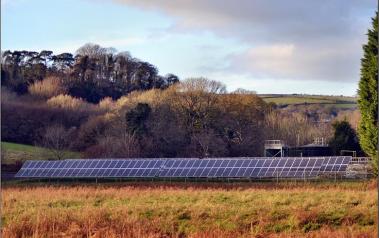
UK solar park. Author: Robert Pittman. License: Creative Commons, Attribution-NoDerivs 2.0 Generic
¶ Green energy now accounts for a record 6% of global power generation according to the BP Statistical Review of World Energy. The report shows shifts in global energy production and consumption have had profound implications for prices, for the global fuel mix, and for global carbon dioxide emissions. [Click Green]
¶ Dozens of the UK’s leading businesses, including Willmott Dixon, Cisco, E.on, John Lewis Partnership, SSE, and BT, have called on the new Government to take decisive action to combat climate change and build a low-carbon economy. The group sent an open letter to Prime Minister David Cameron. [Click Green]
¶ Japan’s industry minister, Yoichi Miyazawa, told a Lower House committee session on economy and industry that Japan needs to have 35 nuclear reactors in operation by 2030. This is in order to achieve a government goal of getting 20% to 22% of the country’s electrical energy from nuclear plants. [Asahi Shimbun]
US:
¶ General Electric announced the city of Rexburg, Idaho, has selected its new anaerobic digestion technology to treat biosolids at its wastewater treatment facility. The Monsal anaerobic technology treats biosolids, creating “Class A” biosolids, while generating electricity and heat. [Renewable Energy from Waste]
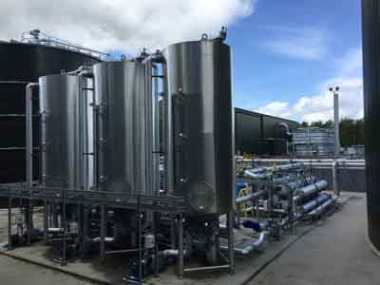
GE anaerobic digester.
¶ Montana’s Renewable Portfolio Standard was signed into law ten years ago. Now, Montana is a clean energy success story, with $1 billion invested by the wind industry alone. Wind projects generate low-cost, local renewable power, produce local tax revenue, and spur job creation. [Your Renewable News]
¶ Amazon Web Services Inc, the cloud computing unit of US e-commerce group Amazon.com Inc, will support the construction and operation of an 80-MW solar farm in Virginia that will generate electricity for its data centres. The company has a goal of 100% reliance on renewable power for its web servers. [SeeNews Renewables]
¶ The recently released report by Stanford University showed that the US can go 100% renewable if homes, cars, factories, etc, all run on electricity. And before anyone comments that it is easier said than done, Mark Jacobson, lead researcher in the study, claims that it is feasible in just 35 years from now. [The Green Optimistic]
¶ High penetrations of variable renewable generation can be manageable without compromising reliability. In fact, it’s been proven in Texas and Colorado. A new report finds that high penetration levels of renewable generation are not only technically feasible but are being managed without sacrificing reliability. [Fierce Energy]
Posted in nuclear power, renewable power, solar, wind | 1 Comment »
Tags: nuclear, nuclear power, photovoltaic, renewable power, solar power, wind power
June 10, 2015
Opinion:
¶ “Australia isolated on climate after G7 meeting” – Many countries can see the writing on the wall. After the G7 nations announced a goal of moving away from fossil fuel dependence, a question arises: Could Prime Minister Tony Abbott and his Government be any more out of step with the world on climate policy? [SBS]
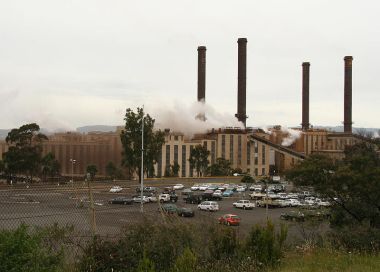
Energy Brix Power Station, Victoria, brown coal fired power station and briquette factory. Photo by Marcus Wong. Wikimedia Commons.
World:
¶ On Monday, renewable energy development company SunEdison was awarded an additional five solar photovoltaic power projects in South Africa under round 4.5 of the country’s procurement program. The five projects will be located in the North West Provinces and will have a total generation capacity of 371 MW. [ESI Africa]
¶ Tidal Lagoon Swansea Bay got planning consent from the UK Department of Energy and Climate Change for construction of the £1 billion tidal lagoon project in Swansea Bay, Wales. The company will start construction of the 320-MW project next year, after of a guaranteed price for power is established. [Energy Business Review]
¶ A new roadmap released today at the International Renewable Energy Agency’s ninth IRENA Council meeting has set out a pathway for advancing renewable energy supported by battery storage. They call for 150 GW of batteries and 325 GW of pumped storage to be brought online by 2030. [pv magazine]
¶ Mercedes-Benz has unveiled a personal energy cell that, like Tesla’s Powerwall, uses batteries to charge up during off-peak hours. The German car manufacturer revealed that each pack holds 2.5 kWh of electricity. Combined, eight of them to can hold 20 kWh to cover grid failure or backup solar power. [Daily Mail]
¶ The Japanese government and TEPCO are planning to push back the start of removing spent fuel at the wrecked Fukushima Daiichi nuclear complex by two to three years from the current schedule. Work to begin removing the spent fuel from the Unit 3 pool is expected to be delayed until fiscal 2017. [The Japan Times]
US:
¶ Renewable energy accounted for 9.8% of US energy consumption in 2014. This marks the highest renewable energy share since the 1930s, when wood was a much larger contributor to domestic energy supply. In 2014, slightly more than half of all renewable energy was used to generate electricity. [CleanTechnica]
¶ Michigan utility DTE Electricity has asked regulators to let it cut monthly residential electricity rates because wind energy costs are falling. DTE is working to comply with the state’s 10% by 2015 renewable portfolio standard, and the result is a decline in energy costs as more windpower goes online. [CleanTechnica]
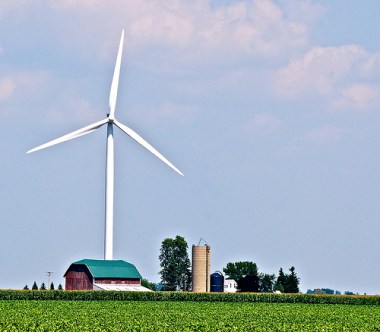
Wind turbine at farm.
¶ The US is expected to install 7.9 GW of solar PV capacity in the full 2015, according to GTM Research and SEIA. They expect the residential solar segment to grow the most. The US PV capacity expanded by 1,306 MW in Q1, including 225 MW of non-residential and 644 MW of utility-scale installations. [SeeNews Renewables]
¶ Advanced Microgrid Solutions announced plans to install up to 500 MWh of Tesla’s Powerpack batteries over the coming years. That would make it Tesla’s biggest single battery customer yet. The plans are based on contracts with Southern California Edison and the expectation of more to come. [Greentech Media]
¶ The US Court of Appeals for the District of Columbia Circuit dismissed an attempt by more than a dozen states and other entities to block US EPA from finalizing its greenhouse gas standards for power plants. The court said it could not rule on standards before they were finalized. [Environment & Energy Publishing]
¶ Tesla CEO Elon Musk on Monday asked utility executives to partner with his company to deliver more reliable power to homes and businesses. Musk said utilities could use the larger-scale Powerpack batteries to be better able to use renewable sources, improve power delivery and defer infrastructure upgrades. [Manufacturing.net]
¶ Northern Power Systems, located in Barre, Vermont, and MCM Energy Labs sri, of Italy, announced they will partner to deliver hybrid power systems for both grid-connected and off-grid applications. Offerings are expected to include multiple source power generation with advanced power technology solutions. [Stockhouse]
¶ Cape Cod Bay Watch has generated a report they say documents marine destruction and pollution of Cape Cod Bay by Entergy’s Pilgrim Nuclear Power Plant. An attorney with Cape Cod Bay Watch said the crux of the problem is what they call “a once-through cooling system” that kills marine life. [95.9 WATD-FM]
Posted in nuclear power, renewable power, solar, wind | 1 Comment »
Tags: nuclear, nuclear power, photovoltaic, renewable power, solar power, wind power
June 9, 2015
World:
¶ A record 40 GW of new solar power was connected in 2014 according to a new report from SolarPower Europe, formerly the European Photovoltaic Industry Association. The group said that 2014 was a “tipping point.” Its executive advisor pointed out that in 2014, renewables produced more power than nuclear. [reNews]
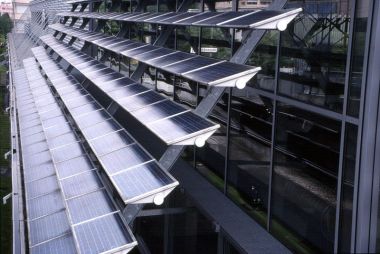
Photo by Rama. Wikimedia Commons.
¶ Essel Group and the state government of Rajasthan announced that the two have entered into an agreement to set up a joint venture company that will oversee development of 5 GW of solar power capacity over the next few years. They will build at least two separate solar parks, at Bikaner and Jaisalmer. [CleanTechnica]
¶ The top seven industrialized countries (G7), whose carbon dioxide emissions total 25% of the world’s output, decided at a meeting in Germany today to phase out their use of fossil fuels by the end of this century. It’s a breakthrough move on climate change and a strong signal to the rest of the countries in the world. [CleanTechnica]
¶ The wind power segment of Gestamp Renewables has won a 20-year contract for the 102-MW Copperton wind project in South Africa’s Northern Cape province. Gestamp plans to start construction by the first quarter of 2016. The $169.7 million project is expected to start commercial operations in late 2017. [SeeNews Renewables]
¶ SunEdison has been awarded five solar more photovoltaic projects in South Africa, totaling 371 MW DC. The five solar power plants will be located in the Northern Cape and North West Provinces and are expected to produce enough energy to power the equivalent of more than 200,000 South African homes. [AZoCleantech]
¶ Irish renewable energy company Mainstream Renewable Power expects construction to be completed on two large-scale wind farms in South Africa by the end of 2017. The wind farms, which will have a with a total generation capacity of 250 MW, represent an investment of about €420 million. [Irish Independent]
¶ The 270-MW K2 Wind Power Facility in Ontario has started commercial operations. Having 140 Siemens 2.3 MW wind turbines, K2 Wind is currently the largest such facility in Ontario in terms of capacity. It is expected to generate adequate electricity to power 100,000 average households in Ontario. [Greentech Lead]
¶ American Capital Energy & Infrastructure is investing in a 151.8-MW wind power project in Senegal in west Africa. The total cost of the facility, which will be the largest in West Africa, is estimated at €305 million, with ACEI expecting to provide an estimated €76 million of equity, with the rest from other investors. [reNews]
¶ Norway’s Parliament voted Friday to ratify a decision made by the Norwegian sovereign wealth fund’s finance committee to divest of coal industry holdings. The fund will sell stakes in mining and power companies that directly, or indirectly, base 30% or more of their revenue on coal. [Environment & Energy Publishing]
US:
¶ Hawai’i is now the first state in the nation to adopt a 100% renewable energy requirement for electricity generation, as Governor David Ige signed the measure into law. That goal is to be achieved by 2045. Representative Chris Lee introduced the measure partly as a step to reduce electricity costs. [Hawaii Public Radio-HPR2]

A Mitsubishi 250 kW wind turbine of the Kama’oa Wind Farm in Ka Lae. Photo by Harvey McDaniel from Naalehu, HI. Wikimedia Commons.
¶ The California Public Utilities Commission is working to replace the current four-tier structure, in which greater users of electricity pay higher rates, with a two-tier or a three-tier structure. They are also shifting to time-of-use rates, which would charge more for electricity at high demand times, by 2019. [CleanTechnica]
¶ A Republican entrepreneur is putting a whopping $175 million behind a campaign whose message will have some party stalwarts seeing red: The GOP needs to deal with climate change. Among Republican presidential candidates, only Lindsey Graham admits to believing human activity causes climate change. [Politico]
¶ An Oklahoma electric cooperative will offer its members stakes in a community solar project with help from an Arkansas co-op that designs and develops solar arrays. Tri-County Electric Cooperative plans to deploy a 1-MW solar array and give members the option to purchase individual panels. [Electric Co-op Today]
¶ Researchers at Stanford University and UC Berkeley have outlined how each state can achieve a complete transition to renewable power by 2050. The plans call for aggressive changes to both infrastructure and energy consumption habits, but also show conversions that are economically possible. [Stanford University News]
¶ The state of California has already set 14 solar records this year, including the latest high of 6,078 MW of simultaneous solar generation, but don’t expect that high mark to be the record long. Experts expect a steady clip of new records over the next few months, as sunny summer weather kicks into full gear. [The Desert Sun]
Posted in nuclear power, renewable power, solar, wind | 1 Comment »
Tags: nuclear, nuclear power, photovoltaic, renewable power, solar power, wind power
June 8, 2015
Science and Technology:
¶ Sungrow, one of the leading PV-inverter manufacturers in the world, has released a series of inverters with 99% efficiency. The string and central inverters with a peak efficiency of 99% were developed by Sungrow’s in-house R&D team, with certification from the Austrian Institute of Technology. [Your Renewable News]
World:
¶ Increased capacity and strong winds saw Scottish wind power generation rise 83% year-on-year last month, setting a record for May. The turbines generated enough for 101% of Scottish households. WWF Scotland said on Monday as it called on the UK government to rethink its plans to curb onshore wind. [SeeNews Renewables]
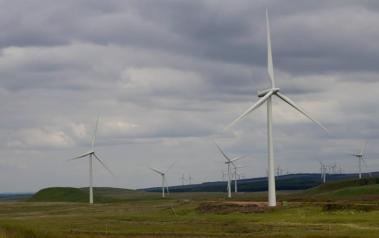
Wind park in Scotland. Author: Ian Dick. License: Creative Commons, Attribution 2.0 Generic.
¶ Indonesia plans to review local coal mines which do not have “clean and clear certification,” and possibly consolidate the country’s coal industry, according to the mining and energy minister. Around 4,000 mines will be reviewed because they do not have proper certification and they could be consolidated. [Platts]
¶ US-backed Mayo Renewable Power is planning a €180 million electricity generating plant for Killala, the construction of which will create up to 350 jobs. It will be Ireland’s largest independent biomass power plant. It will be fueled by woodchip biomass and produce enough electricity to power 68,000 homes. [CareersPortal]
¶ A fully renewable energy system, including all energy consuming sectors, is not only a possible but a viable solution for Finland, according to a new research by researchers from Lappeenranta University of Technology. Results show that a fully renewable energy system represents a competitive solution for Finland. [AZoCleantech]
¶ South Korea has axed plans to build four coal-fired power plants and will boost its nuclear reactor fleet by two more units, as it looks to increase the share of nuclear and gas in power generation and cut reliance on coal. The new plans would take the number of planned nuclear reactors to 36 by 2029. [Economic Times]
¶ A joint venture between UK’s SSE Plc and US-based Wheelabrator Technologies Inc has secured a £75 million ($114.6 million, €102.7 million) off-take contract for a 68-MW waste-to-energy plant in West Yorkshire, England. Its annual output would be enough to power around 160,000 households. [SeeNews Renewables]

Chipped wood. Author: Douglas O’Brien. License: Creative Commons, Attribution-ShareAlike 2.0 Generic.
¶ SunEdison Inc. plans to invest $15 billion in India by 2022, a top executive said, as the renewable-energy company seeks to deepen in its foothold in a country where power producers have struggled to meet demand. The company plans to install a total of 15 GW of wind and solar power capacity in India. [MarketWatch]
US:
¶ Three large shipping containers in an industrial park in Boothbay, Maine have batteries storing enough electricity to run 100 homes for a day, New England’s first utility-scale electricity storage system. They are part of a pilot program aimed at meeting peak demand at a fraction of the cost of new transmission lines. [Press Herald]
¶ The oil and gas industry in the US and its environmental critics are each finding reasons to hype a new EPA study on the impact of hydraulic fracturing on drinking water. The EPA found fracking has not resulted in widespread, systemic damage to drinking water, but potential vulnerabilities do exist. [USA TODAY]
Posted in nuclear power, renewable power, solar, wind | 1 Comment »
Tags: nuclear, nuclear power, photovoltaic, renewable power, solar power, wind power
June 7, 2015
World:
¶ Hydro Tasmania is bracing for the effects of a looming El Nino. Drier than normal conditions have been blamed for lower hydro generation in other Australian states, while the weather bureau warns a strengthening El Nino in the Pacific should bring below average rainfall for south-eastern Australia. [Perth Now]

Hydro Tasmania’s Gordon Dam on Lake Gordon in the South-West of Tasmania. Picture: Peter Mathew/Hydro Tasmania.
¶ Curbing global warming will be among many items on the agenda when G-7 leaders meet over the weekend. Japan may find itself odd man out, as the government favors coal, gas and nuclear power over green energy despite rapid growth of investment in renewables since the Fukushima Disaster. [News Watch International]
¶ India’s National Institute of Engineering, one of the oldest institutions in the country, is set to establish a renewable energy-based micro grid. Its Center for Renewable Energy and Sustainable Technologies will collaborate with the University of Wisconsin, US, to establish a micro grid on the institute campus. [Web India]
¶ Pakistan’s climate change minister says reduction in taxes on clean energy would lessen Pakistan’s heavy dependence on coal, oil, and natural gas. In the new financial budget for 2015-16, the government has exempted solar panels and certain related components from sales tax and customs duty for a year. [DAWN.com]
¶ To hear the oil ministers of Saudi Arabia and Kuwait talk about it this week, the race to develop massive solar power arrays in the world’s sunniest nations is nearly as important as the current battle for oil market share. At a major OPEC conference , both took time to hail their nascent solar power efforts. [Trade Arabia]
¶ Africa can boost its capacity to generate power, economic growth, and jobs, without precipitating catastrophic climate change, argues Kofi Annan. The Africa Progress Panel, which he heads categorically rejects the idea that Africa has to choose between growth and low-carbon development. [Front Page Africa]
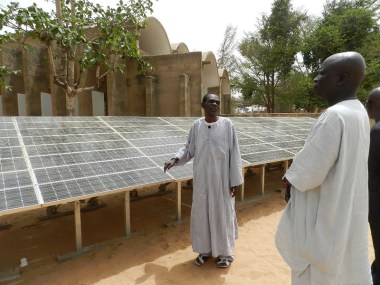
Solar panels in Senegal. Photo by Fratelli dell’Uomo Onlus, Elena Pisano, Wikimedia Commons.
¶ Right at this very moment 621 million Africans, two-thirds of the continent’s population, live without electricity. A kettle boiled twice a day in the United Kingdom uses five times as much electricity as someone in Mali uses in a year. With current trends, the lack of power will last until long after 2030. [Times of Oman]
US:
¶ Columbia Water and Light, the municipal utility of Columbia, Missouri, plans to test biofuel pellets that are not made from wood in a power plant boiler later this summer, after the Missouri Department of Natural Resources approves a temporary permit. The pellets are made from such materials as corn stover. [Columbia Daily Tribune]
¶ Ohio’s growth of green energy jobs is slowing down because of government policies, according to a study conducted by Environmental Entrepreneurs. The study, Clean Jobs Ohio, says there are now 89,000 Ohioans working in the clean energy field, but the government believes clean energy is unaffordable. [Cincinnati.com]
¶ With more than 280 buildings and 13 million square feet of indoor space, green energy would seem elusive if not impractical at the University of Utah. And yet, the US EPA this week ranked the school eighth in the nation and first among Pac-12 schools in the College and University Green Power Challenge results. [Salt Lake Tribune]
Posted in nuclear power, renewable power, solar, wind | Leave a Comment »
Tags: nuclear, nuclear power, photovoltaic, renewable power, solar power, wind power
June 6, 2015
Opinion:
¶ “Big Energy is dying as $90 trillion low-carbon world emerges” – The aging fossil-fuel industry, Big Oil, Big Coal, Big Gas, doesn’t want you to hear the relentless drumbeat leading investors away: Falling stock prices, rising costs, spills, depleting reserves. But Sustainable Energy is pushed them aside. [MarketWatch]
World:
¶ The French gas utility named Engie (formerly GDF Suez) is developing new geothermal projects in the Paris, France, area to the tune of 50 MW, which will bring the company’s total geothermal capacity there to 100 MW. A single plant, Noisy-le-Sec, has a capacity of 10 MW. The new addition will be done in 2016. [CleanTechnica]

The Eiffel Tower and the Champ de Mars. Photo by Wladyslaw, Wikimedia Commons.
¶ The cabinet of Maharashtra has approved the state’s new renewable energy policy which envisages addition of 14.4 GW of capacity by 2020. Solar power accounts for 7.5 GW of the total, wind power for 5 GW, biomass power for 1 GW, small-scale hydropower for 400 MW, and agro-waste for 300 MW. [Greentech Lead]
¶ Donald Trump has lost his latest legal challenge against an offshore windfarm project near his Aberdeenshire golf resort. Proposals to build the 11-turbine scheme in Aberdeen Bay were approved by the Scottish Government in 2013. Trump claimed it would spoil the view from his luxury golf links. [Ellon Times]
¶ The Philippine Department of Energy approved on May 27, 2015, the service contract of the largest solar PV power plant in the country. A 25-year service contract was signed between Living Project 4 People Philippines Inc and the DOE for a 100-MW Solar PV Project in Ilagan City, Isabela, Philippines. [eco-business.com]
¶ Britain’s new nuclear power stations and other energy infrastructure projects must be designed to look beautiful to garner essential public support, Energy Secretary Amber Rudd, says. When spending so much on infrastructure, it is crucial to ensure the public is on your side by making projects visually inspiring. [The Independent]
US:
¶ The Energy Information Administration’s analysis of the EPA’s proposed Clean Power Plan shows that renewable energy play a critical role under a range market conditions and policy assumptions. The key difference involves the timing and the extent of wind and solar electric generating capacity additions. [PennEnergy]
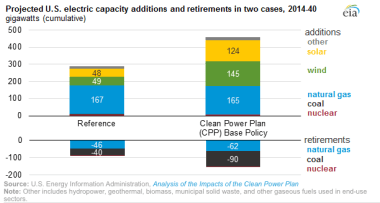
Energy Information Administration graph.
¶ Officials of the Tri-County Electric Cooperative in Oklahoma’s Panhandle have announced they will offer its customers the opportunity to buy solar energy produced by a system at their new headquarters in Hooker, Oklahoma, making it the first electric utility in the state to offer “community” solar. [Tulsa World]
¶ One corner of the Whitcomb Farm in Essex Junction, Vermont now has 12,000 solar panels generating electricity on it. The system was built by New Jersey developer PSEG. Its 3.6-MW capacity makes it the largest solar system in the state. It will supply annual needs of about 600 households. [WPTZ The Champlain Valley]
¶ Over 30 states are at least halfway toward meeting early CO2 emissions targets called for by the US EPA’s proposed regulations for existing power plants, according to a study released by the Union of Concerned Scientists. Of those states, 14 can meet the 2020 interim target based on prior actions. [Argus Media]
¶ A lawsuit filed in the 9th Circuit Court of Appeals on behalf of 10 environmental organizations challenges the approval of Shell’s exploration plan in the Arctic. The plan for exploration in the Chukchi Sea, off the northwest coast of Alaska, was approved by the Bureau of Ocean Energy Management. [Dutch Harbor Fisherman]
Posted in nuclear power, renewable power, solar, wind | 1 Comment »
Tags: nuclear, nuclear power, photovoltaic, renewable power, solar power, wind power
June 5, 2015
World:
¶ ScottishPower Renewables said it has received consent for its Glen App wind farm, of up to 33 MW, in the South Ayrshire, southwestern Scotland. South Ayrshire Council gave the thumbs up to the 11-turbine scheme on Wednesday. The wind farm is expected to be fully operational by 2017. [SeeNews Renewables]
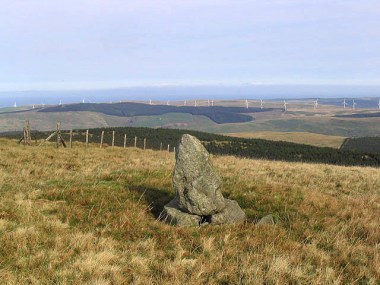
Haggis Hill in Ayrshire with wind farm in background. Photo by Walter Baxter. Wikimedia Commons.
¶ A huge number of Australians already have solar PVs on their rooftops. That is only part of the reason many global battery storage developers are targeting Australia as their first big market. Australian attitudes on energy also include cynicism about utilities and yearning for energy independence. [CleanTechnica]
¶ IKEA Group announced it will invest €600 million in wind and solar power, on top of the €1.5 billion invested since 2009. Also, IKEA Foundation, the charitable arm of the group, will invest €400 million to support families and communities in nations vulnerable to floods, droughts and desertification. [brandchannel.com]
¶ A working paper from the influential New Climate Economy initiative says the climate benefits of gas, including shale gas, could in theory be significant. But it warns that any theoretical benefits could easily be wiped out without controls on methane leakage. The paper questions the premise of the gas bridge. [CleanTechnica]
¶ Renewable energy group Gaelectric has revealed plans for a £300 million storage facility in Northern Ireland which could lead to more than 500 jobs. The facility in Larne will use compressed air energy storage technology, its first adaptation for use along with intermittent sources such as wind and solar. [Belfast Telegraph]
¶ The value of Europe’s five biggest energy utilities dropped €100 billion ($113 billion) between 2008 and 2013, in part because of a dogged preference for coal over clean power investments, a new report says. EON, RWE, GDF Suez, EDF and Enel collectively lost 37% of their share value in the period. [The Guardian]
¶ Ghana’s Deputy Minister for Energy and Petroleum, Mr John Abdulai Jinapor, and the Deputy CEO for International Business Cooperation of Rosatom, Mr Nikolay N. Spasskiy, signed an agreement for cooperation in peaceful use of nuclear energy in Ghana at the ATOMEXPO International Forum in Moscow. [spyghana.com]
US:
¶ A study by the US DOE found that a proposed $1.2 billion power transmission line under Lake Champlain would have very little effect on the surrounding environment. The proposed New England Clean Power Link is a project designed by TDI New England to bring Canadian electricity to the New England market. [Vermont Public Radio]
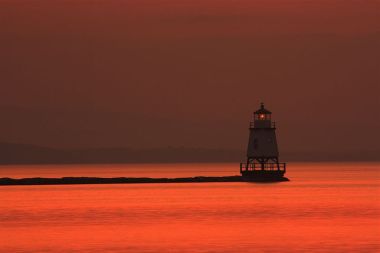
Light house in Lake Champlain at dusk, as seen from Burlington Vermont. Photo by Nagaraju.ramanna. Wikimedia Commons.
¶ It wasn’t Honolulu, or Los Angeles, or Austin, or Phoenix. No, the US city that installed more solar power than any other in 2014 was … Indianapolis? Yep. Indianapolis added a whopping 51 MW of solar capacity in 2014, nearly all the result of a voluntary program offered by Indianapolis Power & Light. [EarthTechling]
¶ Advanced Microgrid Solutions has selected Tesla as the primary technology provider for its utility-scale energy storage projects. AMS will install up to 500 MWh of Tesla batteries in its energy storage projects. AMS also signed an agreement with Black & Veatch for engineering and construction services. [Your Renewable News]
¶ Great River Energy, a Minnesota not-for-profit electric cooperative, and its participating member cooperatives, have launched Revolt, a program allowing customers to charge their electric vehicles with 100% wind energy at no extra cost. This is done through dedicated wind energy RECs. [North American Windpower]
¶ Dairyland Power Cooperative, based in LaCrosse, Wisconsin, has issued a request for proposals for up to 25 MW of renewable energy from one or more new utility-scale photovoltaic solar facilities. The RFP seeks proposals for up to 25 MW of capacity with commercial operation to begin by July 1, 2016. [Your Renewable News]
¶ A proposal to install over floating wind turbines offshore of Oahu, Hawaii’s most populous island, could generate 30% of the island’s energy needs according to a report from Fusion. The state produces the bulk of its power from imported oil. The state legislature has passed a 100% by 2045 renewables mandate. [Utility Dive]
Posted in nuclear power, renewable power, solar, wind | Leave a Comment »
Tags: nuclear, nuclear power, photovoltaic, renewable power, solar power, wind power
June 4, 2015
Science and Technology:
¶ Residential solar can slash electricity costs, boost property values, deliver a great return on investment, and decrease air pollution and greenhouse gas emissions. But it turns out that rooftop solar can also deliver dividends for everyone on the grid, regardless of whether or not they are solar powered. [CleanTechnica]
World:
¶ Panasonic will start to sell energy storage solutions to Australian power companies like Red Energy and ActewAGL this October, according to recent reports. The company will be selling lithium-ion batteries, similar to Tesla’s. Panasonic energy storage solutions will be available in New Zealand as well. [CleanTechnica]
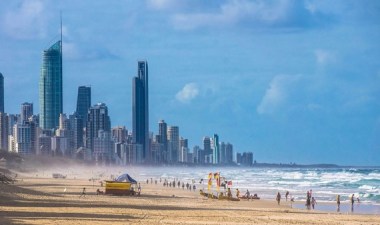
Image Credit: Petra, Wiki Commons
¶ Siemens has signed contracts worth €8 billion for high-efficiency natural gas-fired power plants and wind power installations that will boost Egypt’s power generation capacity by more than 50% compared to the currently installed base. The projects will add an additional 16.4 GW to Egypt’s national grid. [The FINANCIAL]
¶ There will be no US-style shale gas revolution in Europe, the president of the International Gas Union told BBC. “You cannot duplicate [the US experience] in Europe,” he said. “Politicians are hesitating to accept shale development.” The US has experienced low gas prices because of fracking. [Hellenic Shipping News Worldwide]
¶ Alberta Premier Rachel Notley was elected in a surprise vote last month. Alberta produces a third of Canada’s pollution. She is working to shift Alberta’s energy policy, in the same way Ontario’s has changed. The shift includes phasing out coal plants and offering subsidies for solar and wind, according to sources. [Bloomberg]
¶ Critics say Japan’s emissions target to be presented to November’s climate summit is unambitious compared to those of other leading countries and unrealistic because it depends on restoring a nuclear industry facing public hostility. It cuts emissions levels by 26% by 2030 from what they were in 2013. [Reuters]
¶ Japanese electric utilities and nuclear watchdog are at odds over the “science” used to calculate the risks of underground faults at nuclear power plants. The Nuclear Regulation Authority says faults should be considered active unless they are scientifically confirmed to be inactive. The utilities disagree. [Asahi Shimbun]
US:
¶ New York and New Jersey customers will now be able to install SunTegra solar shingles through solar contractor ACE Solar. SunTegra solar shingles are manufactured by New York–based Integrated Solar Technology. Ace Solar will bring roof-integrated solar systems to more residential solar customers. [CleanTechnica]
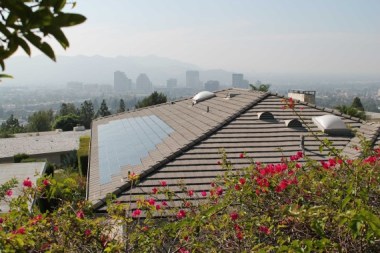
Photo via IST
¶ ExxonMobil CEO Rex Tillerson recently let the world know that global warming or not, his company will keep on doing business as usual. However, one of the global petroleum industry’s single biggest customers is ready for a change of air. The US Army intends to wean itself from petroleum products. [CleanTechnica]
¶ US independent power producer EDF Renewable Energy says that the 200-MW Longhorn wind farm in the state of Texas has achieved commercial operation. The wind park uses 100 2-MW Vestas wind turbines. It should generate enough power to meet the annual needs of around 55,000 households. [SeeNews Renewables]
¶ The California Senate approved a sweeping package of climate change bills designed to cement the Golden State’s reputation as a leader in the fight against global warming. The legislation would trigger a fundamental shift in the kinds of cars Californians drive and the way they power their homes and businesses. [Record Bee]
¶ New York state’s energy research authority is proposing to spend $1.5 billion over the next 10 years to spur further development in renewable energy projects, extending a program that began in 2004 through the state’s Renewable Portfolio Standard program. It also wants to make changes in the program. [Buffalo News]
Posted in nuclear power, renewable power, solar, wind | Leave a Comment »
Tags: nuclear, nuclear power, photovoltaic, renewable power, solar power, wind power
June 3, 2015
World:
¶ Lights flick on across a sleepy hamlet in Kenya, thanks to the efforts of more than 200 Maasai women at the frontline of a solar power revolution. Trained in solar panel installation, they use donkeys to haul their solar wares from home to home in the remote region, giving families their first access to clean and reliable power. [TODAYonline]

Massai village in Tanzania. Photo by David Berkowitz. Wikimedia Commons.
¶ Tokyo-based firm Juwi Shizen Energy started construction of a 25-MW solar park in Hirono, Japan, to be put online in the spring of 2016. This is the biggest engineering, procurement, and construction deal in Japan for the joint venture between German developer Juwi AG and Japanese firm Shizen Energy Inc. [SeeNews Renewables]
¶ A report, Under the Rug: How Governments and International Institutions Are Hiding Billions in Support to the Coal Industry, reveals that governments and financing organisations have funnelled more than $73 billion into coal-related projects over the last 8 years. Much of the support is for export financing. [CleanTechnica]
¶ Power for All is a global campaign dedicated to promoting the fastest, most cost-effective, and most sustainable approach to universal energy access. It claims that access to distributed, democratized, and renewable energy can be delivered twice as fast and at 10% of the cost of the top-down, centralized model. [CleanTechnica]
¶ ACME Cleantech Solutions, a renewable energy developer in India, has commissioned 100 MW of solar PV plants in the state of Rajasthan in the country’s Northwest. There will be a total of five plants of 20 MW each. The power generated from the projects will supply the state through a 132-kV line. [PV-Tech]
¶ China is the world’s largest hydro power producer and is expected to share its technology with the world despite challenges at home, according to the China Economic Weekly. The magazine says China’s installed hydropower capacity of 300 GW led the world and accounted for 27% of global capacity in 2014. [WantChinaTimes]
¶ ReFood has completed a multi-million pound development project to expand an anaerobic digestion facility in Yorkshire. The project has almost doubled the capacity of the facility which is now capable of processing 160,000 tonnes of food waste. It will generate enough electricity for more than 12,000 homes. [Thorne Gazette]
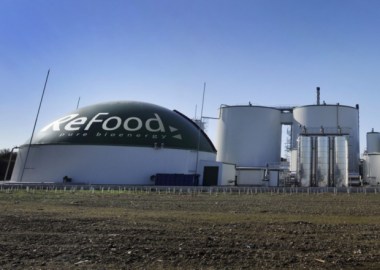
Reffod digester at Ings Road, Bentley, Yorkshire.
US:
¶ Making it easier and more affordable to install rooftop solar systems, Georgia Governor Nathan Deal has signed into law the Solar Power Free Market Financing Act. The legislation is considered a victory for both property rights supporters and solar advocates, and has applause from the solar industry. [CleanTechnica]
¶ Republican presidential hopeful Rick Santorum says he loves Pope Francis, but he wants the pontiff to stop talking about climate change. He says the pope should “leave science to the scientists.” The pope, who has a master’s degree in chemistry, is becoming increasingly vocal about climate change. [Huffington Post]
¶ A new low in California’s worsening drought was reached Monday when state officials reported that the state’s snowpack is gone. This was inevitable as a measurement two months ago said it was at 5% of normal. Despite the dire water measurement, power supplies are basically unaffected. [Natural Gas Intelligence]
¶ US developer Wind Quarry proposes to install 45 2.3-MW Siemens turbines at the 103-MW Willow Creek project in western South Dakota, the developer said in an application to the state Public Utilities Commission. The project area encompasses about 40,000 acres of private ranch land in Butte County. [reNews]
¶ Customer costs will continue to mount for the construction of two nuclear reactors at Plant Vogtle, even if regulators reject cost overruns, Georgia Power Co executives testified on Tuesday. The utility had acknowledged in February that construction is over budget and 18 months behind schedule. [McDuffie Mirror]
¶ South Carolina Electric & Gas Co is asking for a nearly 3% rate increase due to overruns in the cost of building two new nuclear reactors. South Carolina media outlets report the increase, if approved by state regulators, would first appear on the bills of the utility’s almost 700,000 customers in November. [Aiken Standard]
Posted in nuclear power, renewable power, solar, wind | 1 Comment »
Tags: nuclear, nuclear power, photovoltaic, renewable power, solar power, wind power
June 2, 2015
World:
¶ The Global Apollo Program aims to make the cost of clean electricity lower than that from coal, worldwide, within 10 years. It calls for £15 billion a year of spending on developing green energy and energy storage. In today’s money, it is the same cost as the Apollo Program that put astronauts on the moon. [The Guardian]

Earthrise. NASA photo, taken by Apollo 8 crew member Bill Anders. Wikimedia Commons.
¶ A Japanese industry ministry projection shows Japan’s oil use is likely to fall by 33% by around 2030 to about 2.5 million barrels per day as Tokyo pushes for a return of nuclear power, suspended after the Fukushima Disaster, and boosts renewable use. Japan is the world’s fourth-biggest importer of oil. [THE BUSINESS TIMES]
¶ Spanish developer Enerfin is developing a wind project of up to 100 MW in southwestern Ontario. The company is working with landowners and environmental consultants to define the final project area, likely in Brook-Alvinston and possibly Enniskillen. DNV GL is handling the environmental work.[reNews]
¶ The number one consideration for the Rosatom State Atomic Energy Corporation’s customers was that the company offer a guaranteed price for a nuclear power plant that is comparable to or cheaper than other forms of electricity generation, Rosatom executives said at a roundtable discussion in Moscow. [BDlive]
US:
¶ Ford Motor Co is joining Tesla Motors Inc and Toyota Motor Corp in a strategy of letting competitors use patented technology to accelerate development of electric-drive vehicles. Ford will open up hundreds of patents on electric-car technology. Unlike Tesla and Toyota, it will license its patents for a fee. [Automotive News]

Ford Motor Company Headquarters, Dearborn, Michigan. Photo by Dave Parker. Wikimedia Commons.
¶ Southern Company subsidiary Southern Power announced the acquisition of a 30-MW project, the Pawpaw Solar Facility, to be located on about 416 acres in Taylor County, Georgia. The Pawpaw Solar Facility is expected to consist of about 137,000 polycrystalline solar modules on single-axis tracking tables. [AZoCleantech]
¶ Three solar projects in the Dry Lake area in southern Nevada have been approved, marking the Interior Department’s first grouped proposal on public land that it had already blessed for such use. Once complete, the projects are expected to generate enough electricity together to power 132,000 homes. [News3LV]
¶ All the electricity delivered to Borrego Springs, California, during a nearly nine-hour period in May came from a nearby solar energy plant, in what utility officials believe is the first time in the country an entire community has been powered by a renewable microgrid, San Diego Gas & Electric announced. [Times of San Diego]
¶ US developer Cape Wind has been granted a temporary reprieve while regulators mull a long-term extension request. Construction of the 468-MW project was to start by 1 May. The Massachusetts Energy Facilities Siting Board agreed to suspend the deadline while it considers a request for a two-year extension. [reNews]
¶ Nearly every speaker at Monday night’s Town Council meeting in Middletown, Delaware, said they want to see some form of renewable energy considered over natural gas as the prime backup power source for a proposed 52.5-MW data center, which would be part of the $350 million Middletown Technology Center. [The News Journal]
Posted in nuclear power, renewable power, solar, wind | 1 Comment »
Tags: nuclear, nuclear power, photovoltaic, renewable power, solar power, wind power
June 1, 2015
World:
¶ Renewable power produced 49.9% of the Spain’s electricity in the 29 days of May to Friday, grid operator Red Electrica de Espana said in its monthly report. Wind power was 25% share of total power. Hydroelectric plants generated 14.9%. The share of all major renewable sources grew in comparison to April. [SeeNews Renewables]
Wind turbines in Spain. Author: petter palander. License: Creative Commons, Attribution 2.0 Generic.
¶ French utility EDF will increasingly become a nuclear and renewable energy company, according to its new chief executive. Asked whether EDF has plans boost wind and solar as Germany has, he said the main question was how quickly EDF can boost its renewable assets and how much resources it can use. [Reuters Africa]
¶ The 630-MW London Array offshore wind farm has generated 5 TWh in its first two full years of operation. The facility in the Thames Estuary has also achieved an average availability of over 95% from its 175 turbines. London Array is owned by EON, Dong Energy, Masdar and Canadian pension fund La Caisse. [reNews]
¶ A Japanese consultative committee on Monday stuck to a controversial government plan for nuclear energy to generate 20%-22% the country’s electricity by 2030 despite public opposition following the Fukushima Disaster. The government will open the plan to the public for comment for a month. [Reuters]
¶ BP, Shell, and four other major energy companies who have written the UN calling for a global price on carbon to help them accelerate deployment of low emission technologies. The letter outlines the companies’ desire for a dialogue with the UN and governments about a scheme to put a price on emissions. [Business Green]
¶ The Renewable Energy Organisation of Iran will buy 80 wind turbines, most of which are for Sistan Balouchestan province. There are over 200 turbines operating in Iran. One of the biggest wind projects is the 180-MW Manjil wind farm. Iran’s coastal areas are not good locations because of irregular winds. [SeeNews Renewables]
¶ A project to build the world’s first tidal lagoon for generating clean electricity off the coast of Swansea has triggered an environmental row on the south coast of Cornwall. The dispute centers on a project to reopen a quarry at on the Lizard Peninsula, to source at least 3 million tonnes of stone for the Swansea project. [The Guardian]
¶ China invested more than $89 billion in renewable energy projects in the country in 2014 – a growth of 31% on the previous year, according to a detailed report on the country’s energy sector. The soaring increase is revealed in a report by the US government’s Energy Information Administration. [eco-business.com]
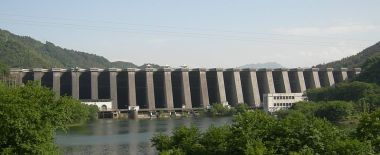
Foziling Dam. Photo by Lastman. Wikimedia Commons.
US:
¶ Sonoma Clean Power is rolling out service Monday to three additional cities and in doing so is set to become the main electricity supplier within Sonoma County, California, dislodging PG&E from its long domination in the region. Sonoma Clean Power will supply to 90% of the county’s customers. [Santa Rosa Press Democrat]
¶ In Connecticut, FuelCell Energy said that its megawatt-scale FuelCell Energy hydrogen delivery system is now available and can generate more than 1,200 kilograms of hydrogen per day, adequate to power a fleet of more than 1,500 fuel cell cars while also producing two megawatts of ultra-clean electricity. [Biobased Digest]
¶ A report from the nonprofit Brookings Institute says the EPA’s proposed Clean Power Plan will not reduce carbon dioxide emissions the way the Obama administration hopes it will without support of the states. The report analyzes individual state environment department comments on the rule. [Santa Fe New Mexican]
¶ SunEdison Inc, the world’s largest renewable energy development company, announced that it had signed agreements with five municipalities on Long Island to build seven solar power plants with a total capacity of 14 MW. The electricity from these power plants will be sold to the Long Island Power Authority. [AZoCleantech]
¶ Georgia Power executives will face questions this week about the delays and expense of building a new nuclear plant. Utility regulators in Georgia will begin a new cycle of oversight hearings Tuesday delving into the company’s progress in building two more nuclear reactors at Plant Vogtle in eastern Georgia. [Greenfield Daily Reporter]
Posted in nuclear power, renewable power, solar, wind | 1 Comment »
Tags: nuclear, nuclear power, photovoltaic, renewable power, solar power, wind power
May 31, 2015
Book Review:
¶ In a new book, noted environmentalist Lester Brown says the shift from fossil fuels to renewable energy will happen much faster than expected.“I think we’re going to see a half-century of change compressed into the next decade,” he says. “And this is partly because the market is beginning to drive this transition.” [PRI]

An electricity power plant smokestack in Berlin, Germany. Photo by Jorge Royan. Wikimedia Commons
Science and Technology:
¶ After several weeks of delays, a solar plane took off from China Saturday for a historic crossing across the Pacific that organizers hope will end in Hawaii in five days. Solar Impulse 2, with André Borschberg manning the controls, was supposed to fly May 4, but repeated bouts of poor weather delayed it. [CBS News]
¶ The Frankfurt School–UNEP Collaborating Centre for Climate & Sustainable Energy Finance has published a new study on economic benefits of hybridizing diesel-powered electric grids with solar PVs. Such grids are usually remote. Significant cost reductions can be had for state-owned utilities operating them. [solarserver.com]
¶ Researchers at Stanford are trying to develop large bioreactors where billions of bacterial methane generators called “methanogens” crank out the gas around the clock. These microbial colonies would be fed carbon dioxide from the atmosphere and clean electricity from electrodes, Stanford News says. [The Green Optimistic]
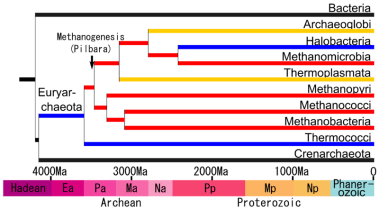
Phylogenetic tree of methanogens. They have been in nature for a while. Art by Crion. Wikimedia Commons.
World:
¶ The Palestinian Authority approved a national plan to reach 10% power generation from renewable sources by 2020. The renewable energy push was strengthened after Israel twice briefly cut off power to two West Bank towns over a debt of over $500 million dollars owed the Israeli Electric Company. [Ynetnews]
¶ Four solar developers will be selected to provide a combined capacity of 200 MWp as part of Jordan’s second round of renewable energy independent power producers. The four lowest bidders will sell electricity at tariffs ranging from 6.13¢ per kWh to 7.67¢ per kWh. The record low price is 5.9¢ per kWh. [Venture Magazine]
¶ The New and Renewable Energy Minister of the Indian state of Punjab inaugurated a 2.10-MW solar power plant in a village near the India-Pakistan border. He said the farmers who made India self-reliant in food grains were now all set to become entrepreneurs by harnessing solar power from their fields. [Greentech Lead]
¶ US Energy Secretary Ernest Moniz launched several initiatives with other global energy leaders at the Energy and Climate Partnership of the Americas and the sixth Clean Energy Ministerial in Merida, Mexico. These initiatives will further strengthen momentum in the Western Hemisphere and the world. [Imperial Valley News]
¶ Rooftop solar projects in India stand to be incentivized if a proposal made by the Minister for Coal, Power and New and Renewable Energy is realized. The government is also reportedly in talks with banks to provide loans for clean energy initiatives such as solar rooftop installations as part of home loans. [Greentech Lead]
¶ A magnitude 8.5 earthquake struck off the east coast of Japan, shaking buildings in Tokyo, but geologists said there was no danger of a tsunami and no reports of damage since the quake was extremely deep. There were also no reports of further irregularities at the Fukushima Daiichi nuclear plant. [GlobalPost]
US:
¶ Large swaths of green pasture along Massachusetts highways are being transformed into solar power fields that state transportation officials say could save taxpayers $15 million over the next 20 years. Ten sites along Route 3 and the Mass Pike have been selected for the first phase of the project. [Boston Herald]

A view of the Mass Pike, Stockbridge, Massachusetts. Photo by ToddC4176. Wikimedia Commons.
¶ Cutting US greenhouse gas emissions to the target level announced by the Obama administration won’t require huge policy changes, according to a new report from the World Resources Institute. Reducing emissions by 26% to 28% in the next 10 years can be achieved under existing policies and laws. [Summit County Citizens Voice]
¶ In Chatham County, Georgia, the Solarize program has flipped the switch on panels at four homes over the past few weeks and counts three more under construction. It has contracts on 35 installations in all. Solarize relies on bulk purchases to drive down the cost, and participants’ contracts total of 202 kW. [The Augusta Chronicle]
Posted in nuclear power, renewable power, solar, wind | 1 Comment »
Tags: nuclear, nuclear power, photovoltaic, renewable power, solar power, wind power
May 30, 2015
Science and Technology:
¶ Torrential downpours in Texas have flooded drought-parched lands. A heat wave has so far killed more than 1,800 people in India. Alaska, of all places, had record 91° readings. A pair of top-of-the-scale typhoons hit the Northwest Pacific. A drought is taking hold in the East. Part of the blame goes to climate change. [aol.com]

Shelf cloud of a supercell over Miami, Texas. NOAA Photograph. Wikimedia Commons.
¶ Calculations based on the EPA’s estimate of corn ethanol emissions show that last year’s production and use of 14 billion gallons of corn ethanol resulted in 27 million tons more carbon emissions than if Americans had used straight gasoline. That’s worse than Keystone’s projected emissions. [Environmental Working Group]
World:
¶ The International Energy Agency reported on progress of clean energy technologies toward climate goals. Only solar PV was deemed to be on track. Onshore wind and hydropower need to improve. Everything else is held to be “not on track.” Overall, the agency warns that efforts are falling short. [CleanTechnica]
¶ Abengoa has commenced construction of the 148.5-MW Tres Mesas wind power plant in Tamaulipas, Mexico. The wind facility will feature 45 Vestas-developed V117-3.3 MW turbines and will generate 520,000 MWh of clean electricity annually, enough to supply power needs of 71,000 homes. [Energy Business Review]
¶ The Indian state of Karnataka, which lies in the country’s Southwest, is now embarking on setting up a mega solar power park, said to be the world’s biggest. The park, with a capacity of 2,000 MW, will come up on 10,000 acres of land in a parched area. The site was chosen for its sunlight and low land use. [The Hindu]
¶ Irish renewable energy company Gaelectric and US electric carmaker Tesla Motors Inc say they have agreed to develop a 1-MW battery storage demonstration project in Ireland. Scheduled for deployment in 2016, this installation represents a part of a wider collaboration between the companies. [SeeNews Renewables]
¶ Toshiba Corporation received an order to supply a large-scale battery energy storage system for Tohoku Electric Power Company’s Minami-Soma Substation Project. The 40-MW, 40-MWh lithium-ion system, will be Japan’s largest. Construction of the system has begun, operations should start next February. [WebWire]
US:
¶ While much of the attention related to EPA’s Clean Power Plan is focused, appropriately, on the emissions and economic benefits of the new standards, a report just released by the CNA Corporation identified another benefit that may end up being worth more than all the other impacts combined: water. [Energy Collective]
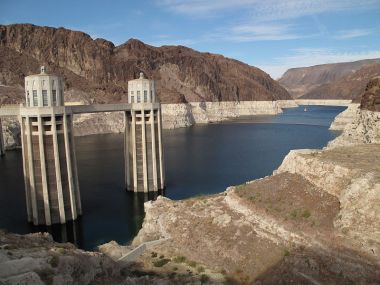
Low water in Lake Mead. Photo by Cmpxchg8b. Public Domain. Wikimedia Commons.
¶ Duke Energy Florida received approval to build, own and operate a 5-MW solar facility that will serve the Reedy Creek Improvement District near Orlando, Florida. The Board of Supervisors voted to accept a 15-year power-purchase agreement with Duke Energy Florida Solar Solutions LLC. [AZoCleantech]
¶ A solar compromise plan is one step away from landing on the desk of the governor of Nevada. The Assembly passed the measure by a 41-1 vote, displaying a strong harmony after months of conflict over raising the solar cap. The bill goes to the Senate for a concurrence vote before it goes to Sandoval. [Las Vegas Sun]
¶ The EPA has proposed lowering how much ethanol must be blended into the gasoline supply through next year, upsetting the renewable fuel industry that wants targets as set by Congress. The EPA says congressional forecasts are no longer realistic given changes that have occurred since they were put in place. [Sioux Falls Argus Leader]
¶ President Barack Obama’s administration plans to protect the greater sage grouse in the western United States by limiting oil and gas development and renewable energy in the bird’s habitat, under a new plan. Mining, energy and farming companies fear sage grouse protections could restrict their businesses. [AG Week]
¶ Exelon CEO Christopher Crane said the company will decide in September whether to close its money-losing, 1,824-MW Quad Cities plant in Illinois. He had hoped the Illinois General Assembly would pass legislation providing an estimated $300 million/year in economic support. At present, that appears unlikely. [Platts]
Posted in nuclear power, renewable power, solar, wind | Leave a Comment »
Tags: nuclear, nuclear power, photovoltaic, renewable power, solar power, wind power
May 29, 2015
Opinion:
¶ “Europe needs new energy policy as nuclear giants stumble” – The European nuclear industry seems to be in terminal decline. The French government owns 85% of Areva, which designs reactors, and 85% of Électricité de France, which runs them. Now it is amalgamating the two giants in a bid to rescue the industry. [RTCC]
Science and Technology:
¶ The highest temperature recorded on Wednesday reached 116.6° Fahrenheit (47° Celsius) in the eastern Indian states of Jharkhand and Odisha. More than 1,400 people have died in the heat wave. Climate change is likely is a factor, according to a research scientist with the NASA Goddard Institute for Space Studies. [CNN]

Elephants beat the heat in an Indian zoo. Photo by Elroy Serrao. Wikimedia Commons.
¶ NEC Energy Solutions has introduced its next-generation SLD energy storage technology, which uses lithium-ion cells based on lithium manganese oxide chemistry. SLD will be priced at up to 30% lower than the company’s existing storage solution. It will be available for installation in the first quarter of 2016. [Windpower Engineering]
World:
¶ Though Tesla has stolen the headlines by announcing its household batteries, Daimler already has a lithium-ion battery working in Germany and will go fully commercial in September. Daimler plans to offer battery storage set-ups for heavy industry, mid-sized facilities like supermarkets and, soon, households. [Motoring]
¶ Spanish wind turbine maker Gamesa has won an order to supply and install 96 machines with a combined capacity of 239 MW at ScottishPower Renewables’ Kilgallioch wind park in southern Scotland. Financial details were not disclosed, but Gamesa noted that this is the largest order for the 2.5-MW turbine to date. [SeeNews Renewables]
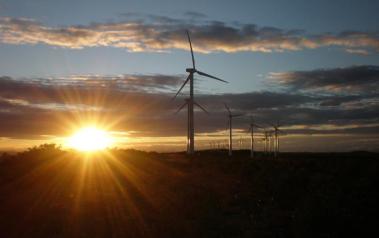
Wind farm using Gamesa turbines. Author: germanborrillo. License: Creative Commons, Attribution-ShareAlike 2.0 Generic.
¶ Japanese financial services group Orix Corporation and two other companies to develop a 100-MW offshore wind farm off Kashima Port in Kamisu City, Ibaraki Prefecture, Japan. The proposed offshore wind farm will comprise 20 turbines, each of 5 MW. It will be the largest commercial offshore wind farm in Asia. [Greentech Lead]
¶ The world’s largest container ship operator, Maersk Line, has announced an ambitious target to reduce its greenhouse gas emission. The company plans to cut emissions per container moved by 60% by 2020, from 2007 levels. This is equivalent to eliminating emissions from all passenger cars in France. [CleanTechnica]
US:
¶ Renewable energy development company SunEdison has signed deals with five municipal groups on Long Island, New York, to build seven solar installations for a total of 14 MW. Power generated by these plants will be sold to utility Long Island Power Authority through separate 20-year power purchase agreements. [PV-Tech]
¶ The biggest solar power project in Minnesota has won approval from state regulators. The $250 million Aurora Solar Project by Edina-based Geronimo Energy calls for installation of ground-mounted solar panels at 21 sites. Geronimo plans to finish the project in 2016 and sell the power to Xcel Energy. [Minneapolis Star Tribune]
¶ Kansas Governor Sam Brownback has signed a compromise between the wind energy industry and critics of the state’s green energy mandate. The deal will remove a requirement that renewable resources account for 20% of utilities’ electric capacity by 2020, but it will provide some tax breaks for windpower. [WIBW]
¶ TDI-New England wants to build a 1,000-MW power line under Lake Champlain. The developer has offered Vermont millions of dollars to lower electricity bills and to clean up Lake Champlain. State officials like the potential windfall, but they say it won’t get in the way of a vigorous review of the project.[Vermont Public Radio]

Lake Champlain. Photo by Travisleehardin. Wikimedia Commons.
¶ Data from the Energy Information Administration reveals highest levels of renewable energy use in the US since the Great Depression of the 1930s, when the country was in the depression and wood was a major source of heat. Renewable energy supplied 9.8% of total domestic energy consumption in 2014. [pv magazine]
¶ Three of the world’s largest tech companies, Apple, Facebook, and Google, have called on the North Carolina General Assembly to avoid making changes to the state’s renewable energy policies. They said the policies were important parts of the reasons they had to choose to invest in the state. [Triangle Business Journal]
Posted in nuclear power, renewable power, solar, wind | 1 Comment »
Tags: nuclear, nuclear power, photovoltaic, renewable power, solar power, wind power
May 28, 2015
World:
¶ Australia and New Zealand Banking Group Ltd has closed an A$600 million ($462 million US) green bond, the biggest certified so far under the Climate Bonds Standard. About 40% will go to refinance green property, with the rest for wind and solar energy loans in Australia, New Zealand and parts of Asia. [SeeNews Renewables]
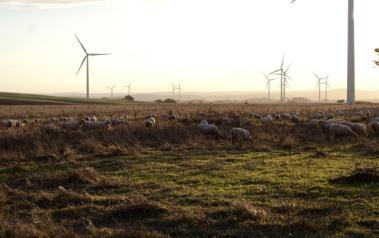
Wind farm in Australia. Author: Steven Caddy. License: Creative Commons, Attribution 2.0 Generic.
¶ Within a fortnight of publicly declaring that it would not completely divest from fossil fuel investments, Scotland’s University of Edinburgh has announced that it intends to divest from three of the world’s biggest fossil fuel producers. The university will write to these companies informing them of its intentions. [CleanTechnica]
¶ The Jordan News Agency said there will be a 20-year solar power purchase agreement between the Hong Kong-based, Hanergy Thin Film Power Group, and the Ministry of Energy and Mineral Resources in Jordan. The projects are valued at $1.5 billion. Hanergy recently gave Jordan a grant for transmissions. [SeeNews Renewables]
¶ Citibank lowered its long-run thermal coal forecast by 11%, citing increasing competition from natural gas and renewables and weak Chinese demand They told clients, “Global thermal coal demand is suffering from increasing environmental pressure and competition from natural gas and renewable energy.” [Platts]
¶ Discounting any immediate plans to stop coal imports, India’s Coal and Power Minister, Piyush Goyal, said that the government will open more than 60 coal mines across the country in the coming days. He said the new mines were part of the plan for state miner Coal India to double its production by 2020. [Business Today]
¶ GE’s renewable energy business on May 27th, 2015 announced it will supply Convergent Energy + Power with a 7-MW / 7-MWh battery energy storage system for the Ontario Independent Electricity System Operator. The system should help the IESO balance longer duration power irregularities in the area. [solarserver.com]
¶ A nuclear power plant in southern Japan has obtained all necessary permits to restart its two reactors, planned as early as late July. Japan’s Nuclear Regulation Authority said today that it had approved operational safety plans for the Sendai nuclear power station’s two reactors, owned by Kyushu Electric Power Co. [Business Standard]
¶ IKEA’s Nordic operations are now completely energy independent after opening its third wind farm in Sweden yesterday. The furniture retail giant now operates 46 turbines in Sweden and one in Denmark, producing around 360 GWh of clean energy per year, enough to power around 72,000 households. [Business Green]
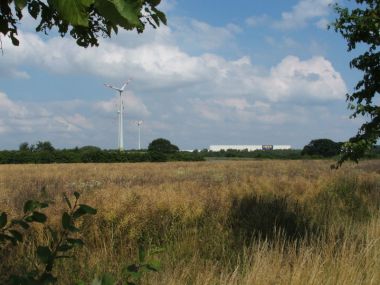
Wind farm and IKEA store in Germany. Photo by Gerd W. Schmölter. Wikimedia Commons.
US:
¶ The University of Hawaii Board of Regents voted this week to divest the University’s $66 million endowment, following a report provided by a University-appointed group tasked with investigating the complete divestment from fossil fuels. It is the largest university so far to divest itself of fossil fuels. [CleanTechnica]
¶ Arkansas electric cooperatives will have over 100 MW of additional wind power to meet the energy needs of their members. It will come from a planned wind farm in Oklahoma, 60 miles southeast of Oklahoma City. Plans call for the turbines and other aspects of the facility to be in service by the end of 2016. [Electric Co-op Today]
¶ Two northwest Ohio lawmakers used a business pitch on Wednesday in hopes of persuading fellow Republicans to weaken past moves they argue stymie development of large-scale wind farms. They pointed to the $1.1 billion expected to be invested in a new energy-intensive data center in central Ohio by Amazon. [Toledo Blade]
¶ Exxon Mobil’s CEO again rebuffed criticism that the company was not doing enough to cut carbon emissions, arguing that current climate models were not yet strong enough to justify a drastic shift away from fossil fuels. He argued we should look for solutions to the effects of climate change as they become clear. [Dallas Morning News]
¶ Legislation to end state support for renewable energy is on the ropes, as state politicians weigh concerns over potential damage to Texas’ booming wind power industry. A bill to freeze the renewable energy credit program and halt a $7-billion transmission line expansion for wind and solar farms has languished. [Dallas Morning News]
¶ US utility Westar Energy says it will buy 200 MW of wind from the Ninnescah wind farm in Kansas, to be built for it by a unit of NextEra Energy Resources LLC. The wind park in Pratt County will enter the construction phase late in 2015 or early 2016. It is planned to start producing power next year. [SeeNews Renewables]
¶ The NRC issued a ruling on a petition by Friends of the Earth that called for a shutdown of the Diablo Canyon nuclear plant over safety concerns. The NRC’s ruling didn’t stop operations, but the group’s still claiming a victory. The NRC is having the Atomic Safety and Licensing Board review the case. [New Times SLO]
Posted in nuclear power, renewable power, solar, wind | Leave a Comment »
Tags: nuclear, nuclear power, photovoltaic, renewable power, solar power, wind power
May 27, 2015
Opinion:
¶ “False promise of ‘carbon capture’ exposed” – The widely touted ‘carbon capture and storage’ technology is much more expensive than wind and solar, says Greenpeace. It also represents a perverse subsidy to the fossil fuel sector that will only boost coal and oil, and delay the transition to sustainable energy. [The Ecologist]

SaskPower Boundary Dam generating station. Photo by Wtshymanski. Wikimedia Commons.
World:
¶ Clean energy employed more than 7.7 million people across the world last year, according the International Renewable Energy Agency. The number, which covers people employed directly by renewable energy firms and throughout the supply chain, marks an 18% rise on the 6.5 million jobs recorded in 2013. [GreenBiz]
¶ Full power output has been achieved at the Westermost Rough offshore wind farm, located off the East Yorkshire coast. Westermost Rough is capable of generating enough electricity for more than 150,000 homes. It is the first offshore wind farm to make commercial use of the Siemens 6-MW wind turbine. [Insider Media]
¶ Ahead of the climate change Conference of the Parties in December, France’s lower house of parliament has approved a bill aimed at boosting renewable energy and reducing reliance on nuclear power, among other environment-friendly measures. There were 308 votes for the bill, and 217 against. [Jamaica Observer]
¶ To provide uninterrupted power from renewable energy sources, experts from the UK and IITs are now working to create a new model combining the best of concentrating photovoltaic solar power, biomass energy and hydrogen. They will soon light up a remote tribal hamlet in West Bengal. [Niticentral]
¶ Solar Power Inc, a renewable-energy project developer backed by China’s LDK Solar Co, agreed to help develop 500 MW of photovoltaic systems in Japan. Japan is the second-largest solar market, and may install as much as 12.7 gigawatts of panels this year, according to data compiled by Bloomberg. [Bloomberg]
¶ The operator of the crippled Fukushima Daiichi nuclear plant says it has finished filtering 620,000 tons of extremely toxic water stored in tanks on the premises of the complex to lower its radiation level. TEPCO says, however, that 400 tons more of radioactive water is still being generated every day. [The Japan Times]
US:
¶ In a new report, the US Department of Energy says the US could get 35% of its electricity from wind power within 35 years. The report details the benefits of replacing fossil fuel power plants with wind turbines generating carbon-free electricity. One benefit is saving 260 billion gallons of water each year. [TakePart]

Wind farm in rural America.
¶ The US DOE has announced $32 million in funding to help train more American solar support workers, to further drive down the cost of solar, and to increase access to solar data. Up to $12 million will be available to develop a solar support workforce, including professionals in the real estate and utility industries. [Energy Matters]
¶ Underwriters Laboratories, a safety science company based in Illinois, is partnering with University of California, San Diego, to scale their sustainability initiatives. The partners will do research on sustainable energy, focussing on technology, as well as sharing testing techniques, results, and analysis. [Chicago Inno]
¶ Faced with mounting fuel costs, New Jersey’s Hanover Township Wastewater Treatment Plant decided to use the biogas they previously flared to power a 100 kW generator. Prior to being injected into the engine, the biogas will be conditioned to extend engine life and avoid down time. [Renewable Energy from Waste]
¶ Duke Energy will partner with LG Chem and Greensmith to build a battery-based energy storage facility at the site of Duke’s decommissioned WC Beckjord coal-fired power plant in New Richmond, Ohio. The new plant will serve to regulate and stabilize the electric power grid in the eastern US. [Cincinnati Business Courier]
¶ According to the Federal Energy Regulatory Commission, wind and solar accounted for all new generating capacity placed into service in April. Wind, solar, geothermal and hydropower combined have provided 84.1% of the new US electrical generating capacity placed into service so far in 2015. [North American Windpower]
Posted in nuclear power, renewable power, solar, wind | Leave a Comment »
Tags: nuclear, nuclear power, photovoltaic, renewable power, solar power, wind power
May 26, 2015
Opinion:
¶ “New Wind Turbine Capacity Factor Could Increase From ~40% To ~60%” – The engineer and economist Bernard Chabot has written an article explaining how wind power capacity factors for new wind turbines could increase from about 40% to 60%. Such a change has profound implications. [CleanTechnica]
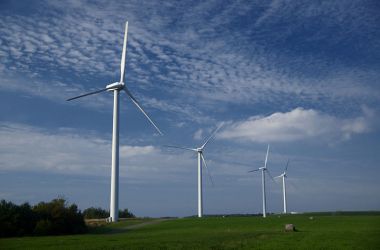
Four wind turbines on the Somerset Wind Farm, in Somerset, Pennsylvania. Photo by Jeff Kubina from Columbia, Maryland. Wikimedia Commons.
Science and Technology:
¶ Just weeks after producing its first batch of synthetic diesel fuel made from carbon dioxide and water, Audi has laid claim to another synthetic, clean-burning and petroleum-free gasoline replacement fuel called “e-benzin.” The fuel was created by Audi’s project partner Global Bioenergies, in France. [Gizmag]
World:
¶ The Government of Japan signed a contribution agreement on its pledge of $1.5 billion to the Green Climate Fund, bringing the total confirmed agreements since the GCF’s November 2014 Berlin meeting up to 58.5% of amounts pledged, and well over the 50% threshold required by its governing board. [CleanTechnica]
¶ Britain’s biggest water and sewerage company is set to be powered solely with renewable energy, after yesterday signing a £500m deal with Drax. A Drax subsidiary will supply electricity from biomass power for the next five years. The deal is expected to put downward pressure on electric bills. [Business Green]
¶ A member of South Africa’s National Planning Commission told a panel discussion that the country’s coal-fired power station build program and continued reliance on fossil fuels was partly the result of the entrenchment of the interest of large mineral resources firms in government. [Creamer Media’s Mining Weekly]
¶ A $310 million grant extended by China’s Hanergy firm to expand the Jordanian national grid’s capacity will help open the door for more renewable energy projects. Last year, the government cancelled plans for five windpower plants with a total capacity of 400 MW because of limited grid capacity. [Al-Bawaba]
¶ The Edinburgh Council has revealed plans to install community-owned solar panels on buildings across the Scottish capital. Public buildings such as schools, leisure and community centres will be chosen to host the solar technology, which project chiefs say will deliver significant environmental and social benefits. [CleanTechnica]

Cockburn Street in Edinburgh. Photo by David Monniaux. Wikimedia Commons.
¶ Ceres’ Investor Network on Climate Risk has grown to include over 100 institutional investors with more than $24 trillion in collective assets. The network is actively calling for an end to global fossil fuel subsidies and a strong Paris climate agreement later this year. It is also moving the corporate world. [Communities Digital News]
¶ A leading Chinese scientist has warned that China’s plans for a rapid expansion of nuclear power plants are “insane” because the country is not investing enough in safety controls. Proposals to build plants inland are particularly risky, because an accident could leave hundreds of millions of people without water. [The Guardian]
US:
¶ New Jersey wants to double its spending on energy-storage projects to $6 million. Renewable sources, such as solar and wind, could supply more power, and critical facilities like schools and wastewater treatment plants could keep up and running when the power grid fails, as it did during Hurricane Sandy. [NJ Spotlight]
¶ Switch, a tech company that runs one of the nation’s leading data centers, applied to Nevada regulators in November to generate and purchase power without the utility so it could get 100% renewable power and cut bills. A memo from the state criticizing the company’s position is being challenged. [St. George Daily Spectrum]
Posted in nuclear power, renewable power, solar, wind | 1 Comment »
Tags: nuclear, nuclear power, photovoltaic, renewable power, solar power, wind power
May 25, 2015
Science and Technology:
¶ The Solar Impulse 2, the experimental plane attempting to fly around the world without a single drop of fuel, is set to take off from China early Tuesday morning on the most challenging and dangerous part of its journey yet. Andre Borschberg will fly the craft alone during the non-stop flight from Nanjing to Hawaii. [CNN]

Solar Impulse SI2 in 2014. Photo by Milko Vuille. Wikimedia Commons.
World:
¶ There is uncertainty about the future of wind farms in the UK. Tory pledges to “halt the spread of onshore wind farms” by ending subsidies for new projects and giving local people more power over windfarm applications left many in the industry fearing the worst and have done little for investor confidence. [FarmersWeekly]
¶ Hanwha Group unveiled an ambitious plan to turn a small islet off the coast of Korea into a 100% solar-powered community. Three subsidiaries of the Korean solar group will lead on a project to transform the island of Jukdo, replacing its four diesel generators and with 100% renewable power. [eco-business.com]
¶ Goldman Sachs Group Inc plans to establish a bond facility to target $1 billion in investment in renewable energy projects in Japan, people familiar with the plan said. The initiative is part of Goldman’s 2012 plan to channel investments totaling $40 billion into renewable energy projects over the next decade. [GlobalPost]
¶ The construction on a 2.3-MW floating solar power plant has been completed in Hyogo prefecture, western Japan. It is the world’s largest floating solar power plant in terms of output. The plant is expected to generate 2,680 MWh every year. It is more efficient than land-based systems because the water cools the panels. [Xinhua]
¶ For a second consecutive year, Hydro-Québec posted a net result of $1.8 billion for the first quarter. Thanks to the company’s skillful sales programs and the solid performance of its generating and transmission facilities in very cold winter temperatures, the net result totaled $1,788 million in 2015. [Your Renewable News]
¶ Roughly 1% of Australia’s geothermal energy, which is shallower than five kilometres, could supply the nation’s total energy requirements, government estimates reveal. In the state of Victoria, some of the best geothermal areas are below beds of brown coal. The government seems to prefer the coal. [Sydney Morning Herald]
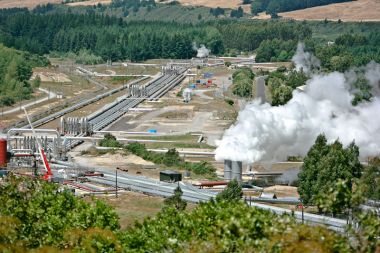
Geothermal plants do make steam, but not smoke. Wairakei Power Station in New Zealand. Photo by QFSE Media. Wikimedia Commons.
¶ Testing for the first turbine at Dutch offshore wind park Eneco Luchterduinen has been successfully completed, so the wind park is now generating energy for the grid. Installation of other wind turbines is progressing well. At present, Van Oord’s offshore installation vessel Aeolus sets up the 31st wind turbine. [Your Renewable News]
¶ Recent bids in Jordan confirmed last year’s results from Dubai: Solar is now cheaper than gas-fired power in this region, with major implications for energy strategies. Bids in Jordan’s recent solar auction were just over 6¢/kWh, slightly above the record 5.84¢ from Acwa Power last November in Dubai. [The National]
¶ In the Philippines, Citicore Power expects to roll out a 250-MW solar farm with Solar Philippines this year, and develop a 60-MW hydropower facility in Luzon that will be constructed early next year. The company is also eyeing putting up a 12-MW biomass facility in the Visayas early next year. [The Manila Times]
¶ The International Atomic Energy Agency criticized Tokyo Electric Power Co. and Japanese regulatory authorities for their failure to prevent the 2011 Fukushima Daiichi nuclear plant disaster despite knowing the risk of large tsunami hitting the facility, according to a copy of an IAEA report. [The Japan Times]
US:
¶ A disagreement over funding has Democrats and Republicans of the Maine legislature divided and a pair of key bills on energy lodged in a committee. One issue is whether the governor should be allowed to have the power to appoint the director of the Efficiency Maine Trust. Another is a typo in a law. [Lewiston Sun Journal]
¶ Blue Sphere Corp, a clean energy company that develops, manages and owns waste-to-energy projects, has announced that they will break ground on their a project in Johnston, Rhode Island, on Wednesday, May 28. The 3.2 MW of energy will come from uneaten food that would normally end up in local landfills. [GoLocalProv]
¶ Kansas City is famous for a lot of things: cattle, barbecue, and jazz to name a few. Now there may be more. Kansas City Power & Light announced a plan to install more than 1,000 electric vehicle charging stations over its service areas, which are in and around both Kansas City, Missouri, and Kansas City, Kansas. [Automotive News]
Posted in nuclear power, renewable power, solar, wind | 1 Comment »
Tags: nuclear, nuclear power, photovoltaic, renewable power, solar power, wind power
May 24, 2015
Science and Technology:
¶ At a news conference in Taipei, former US NRC chairman Gregory Jaczko said nuclear energy is playing an increasingly insignificant role in power generation worldwide, adding that it is more expensive than many other generating methods. He said its future was one of “decreasing use and eventual phase-out.” [Taipei Times]
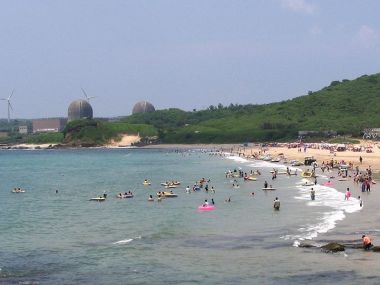
Ma’anshan nuclear power plan in southern Taiwan, Nan Wan Bay, wind turbines in background. Photo by M. Weitzel. Wikimedia Commons.
World:
¶ A renewable energy project that has seen 500 Glasgow Housing Association homes fitted with solar panels is being hailed a success after saving tenants £388,000 on their combined energy bills. The solar panels have so far generated more than 2.4 million kWh of electricity, enough to make 122 million cups of tea. [STV Glasgow]
¶ Metro Vancouver has joined a push to keep the fifty year old Burrard Thermal power station on standby as a backup electricity source for the Lower Mainland, but with a proviso that it burn a renewable energy source in the future instead of natural gas. Some opposed this as burning wood is potentially polluting. [Burnaby NewsLeader]
¶ The UK’s new Conservative energy secretary, Amber Rudd, has signalled that she plans to end subsidies to the operators of new wind farms. The industry worries that a sudden end to support for new projects would hit progress being made by the industry towards being subsidy-free in the medium-term. [Scotsman]
¶ AXA, one of the largest insurance companies in the world and the largest in France, announced this week that it will sell more than $550,000,000 in coal investments by the end of 2015. It will triple its investments in renewable energy, energy infrastructure and green bond to more than $3 billion by 2020. [PlanetSave.com]
¶ As part of the EU Emissions Trading System, it is estimated that emissions of greenhouse gases from more than 11,000 power plants and manufacturing installations in 2014 were 4.5 percent lower year on year. However, airlines showed increases in carbon emissions for their operations in the EU. [Prague Post]

The 760-MW Sheerness coal generating station, located southeast of Hanna, Alberta. Photo by Paul Jerry from Medicine Hat, Canada. Wikimedia Commons.
¶ Despite burning more coal for energy than all other provinces combined, Alberta is set to ween itself off the black mineral, earning praise from a coalition of physicians. Canada has laws to close or upgrade coal plants, but its provinces have pushed through stricter, faster plans, and Alberta could be next. [Calgary Herald]
US:
¶ A new government analysis of the EPA’s Clean Power Plan shows that the proposal could further weaken an already battered coal industry. Electricity generation from the carbon-intensive fossil fuel would fall by 90 GW, more than twice the decline government analysts had predicted as recently as April. [Lexington Herald Leader]
¶ The installation of charging stations for plug-in electric cars is moving ahead in New York, despite a decline in sales of the vehicles that mirrors the drop in gas prices. The sales blip bothers neither the state and federal agencies that are bankrolling the installation of this new infrastructure nor manufacturers. [Times Herald-Record]
¶ Siemens Energy unveiled a new product last week at the AWEA Windpower trade show in Orlando that it will partially manufacture in Hutchinson, Kansas, starting in 2017. The SWT 2.3-120 is a modification of Siemens’ original SWT 2.3-108 wind turbine, allowing higher performance at lower wind speeds. [Hutchinson News]
Posted in nuclear power, renewable power, solar, wind | 1 Comment »
Tags: nuclear, nuclear power, photovoltaic, renewable power, solar power, wind power
May 23, 2015
World:
¶ Australians in Melbourne have been negotiating for four years with various government bodies of the state of Victoria for an entirely solar-powered tram network in Melbourne. The network would be the world’s largest, and it would make the capital city of Victoria become a world environmental leader. [CleanTechnica]

Digital visualization by Australia Solar Group.
¶ Ben van Beurden, the chief executive of Shell, has endorsed warnings that the world’s fossil fuel reserves cannot be burned unless some way is found to capture their carbon emissions. The oil boss has also predicted that the global energy system will become “zero carbon” by the end of the century. [The Guardian]
¶ Over 2,000 business leaders, political leaders, and senior climate negotiators at the Business & Climate Summit pledged to lead a global transition to a low-carbon, climate-resilient economy. The question is “who will lead?” Policymakers call for business leadership, and business leaders call for well-founded policy. [CleanTechnica]
¶ Vestas has confirmed industry reports that it has signed on as supplier for an offshore project in the UK with a potential to be up to 970 MW. Navitus Bay Development Limited will receive up to 970 MW of Vestas V164-8.0 turbines, in a contract that may be worth an estimated £1.6 billion, or $2.5 billion. [CleanTechnica]
¶ How large are global energy subsidies? The answer: quite a lot larger than we thought, according to new estimates from the International Monetary Fund. They say subsidising fossil fuels costs an enormous $5.3 trillion a year, or around $10 million a minute. The fund says the figures are “extremely robust.” [CleanTechnica]
¶ Japan’s nuclear regulator has approved Kyushu Electric Power Company’s ‘construction plan’ for unit 2 of its Sendai nuclear power plant. The company hopes to restart unit 1 of the plant in July, with unit 2 following within months. New safety requirements meant the reactors needed greater security. [World Nuclear News]
¶ Inspections of containers holding contaminated water at the Fukushima Daiichi nuclear power plant found that at least 10% have leaks, which could trigger a hydrogen explosion. The owner, TEPCO, reported its findings at a meeting with a study group from the Nuclear Regulation Authority on May 22. [Asahi Shimbun]
US:
¶ According to a recently released report by the North Carolina Clean Energy Technology Center, grid parity was coming much quicker than expected. It has already been met in six major cities, and in 2017 the population at parity is likely to be 71 million instead of the 51 million projected in 2012. [CleanTechnica]

Hoboken. Photo by Jawny80. Wikimedia Commons.
¶ Since hurricane Sandy, New Jersey utility PSE&G has made significant investments to harden the grid in Hoboken. Even so, the City of Hoboken is exploring the possibility of building a microgrid for the community, to support critical facilities and the most vulnerable residents, should the grid go down. [CleanTechnica]
¶ Citing financial risks of climate change and carbon-intense coal assets, shareholders with billions of investment dollars voted in favor of carbon reduction targets at FirstEnergy and Great Plains Energy, showing strong support for of shareholder proposals put forth a non-profit and an investment group. [IT Business Net]
¶ UPS recently announced an agreement to purchase renewable natural gas for its delivery vehicle fleet from Clean Energy Fuels Corp, making it the largest user of RNG in the shipping industry. UPS has a goal of driving one billion miles using its alternative fuel and advanced technology fleet by the end of 2017. [Justmeans]
¶ West Warwick is on the path to becoming the first community in Rhode Island that uses renewable energy to offset all of the electricity used by its municipal and school facilities. Town voters approved issuing $18 million in bonds to pay for three large wind turbines that would be installed on private land. [The Providence Journal]
¶ Following their ambition always to be that little bit different, the guys at Intel decided to build a mini wind farm on the rooftop of their headquarters in Santa Clara, California. A micro-turbine array is being installed. It is comprised 58 wind turbines, each just under 7 ft (~2m) tall, and weighing 30 pounds (13 kg). [The Green Optimistic]
Posted in nuclear power, renewable power, solar, wind | 1 Comment »
Tags: nuclear, nuclear power, photovoltaic, renewable power, solar power, wind power
May 22, 2015
Science and Technology:
¶ A study by US wind energy experts suggests integrating more renewable generation into one of North America’s major power grids could boost its stability and resilience. The research was done by the National Renewable Energy Laboratory and GE Energy Consulting based on a study in the western US. [reNews]
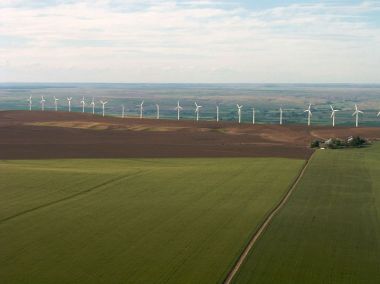
Stateline Wind Project, Eastern Oregon or Washington. Photo by Sam Beebe. Wikimedia Commons.
World:
¶ Saudi Arabia, the world’s largest crude exporter, could phase out the use of fossil fuels by the middle of this century, according to the kingdom’s oil minister. He said the kingdom plans to become a “global power in solar and wind energy” and could start exporting electricity instead of fossil fuels in coming years. [The Australian Financial Review]
¶ Global hydroelectric power capacity could double to 2,000 GW by 2050 or sooner, according to a report released this week by the World Energy Council. The report notes that hydropower worldwide has seen a resurgence since 2005 due to better management and understanding of the hydroelectric technology. [HydroWorld]
¶ European energy companies are increasingly investing in renewables rather than coal and gas, the chief executive of power company Engie, told the Financial Times. Coal and gas are uneconomic generating fuels for European suppliers, Mestrallet said, though they remain viable in some emerging markets. [Out-Law.com]
¶ Danish wind giant Dong has installed a milestone 3000 MW of offshore wind capacity across Northern Europe. The company reached the landmark figure with turbine 76 at the 312-MW Borkum Riffgrund 1 project in the North Sea. Dong has a target to construct 6500 MW offshore wind power by the end of 2020. [reNews]
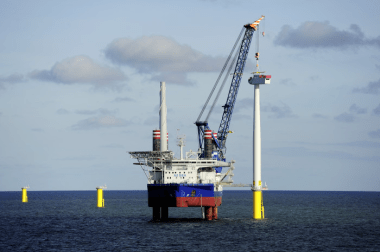
Turbine 76. Dong photograph.
US:
¶ Southern Power, a subsidiary of Southern Co, has acquired a 103-MW solar farm from Community Energy. The Butler power plant is coming up on roughly 1,000 acres in Taylor County, Georgia. It will have more than 1 million thin-film modules made by First Solar. It is expected to be operational next year. [Greentech Lead]
¶ Nuclear power plants in Illinois need state support to be profitable. Illinois legislation backed by the Chicago-based Exelon Corp, which also runs Chicago utility ComEd, could add about $2 per month to the bills of utility customers, even those customers outside their service are, such as those of Ameren Illinois. [STLtoday.com]
¶ Minnesota utility regulators approved lower electric rates for people who charge plug-in vehicles in their garages at night. The new rates, which take effect in about two months at Xcel Energy Inc. and two other utilities, could shave 40% or more off the already low cost of charging plug-in cars. [Minneapolis Star Tribune]
¶ California state regulators approved a plan to replace a 1950s natural gas power plant in northern San Diego County with a new natural gas plant. This led to complaints that renewable energy options were being overlooked. The area is under pressure because the San Onofre nuclear plant had to close. [Los Angeles Times]
¶ Renewable energy development company SunEdison has received contracts to build 33 MW of DC rooftop solar with Southern California Edison in the utility’s most recent round of solar procurement. SCE will purchase the electricity from the 17 rooftop installations through 20-year power purchase agreements. [PV-Tech]
Posted in nuclear power, renewable power, solar, wind | 1 Comment »
Tags: nuclear, nuclear power, photovoltaic, renewable power, solar power, wind power
May 21, 2015
Opinion:
¶ “Can Regions, Cities become 100% Dependent on renewable energy? Absurd? Not anymore”- Strides are being taken to move entire regions, as well as cities, to 100% renewable energy, according to speakers at the May 13-15 Renewable Cities Forum 2015 in Vancouver. Renewables are transforming policy. [Bloomberg BNA]
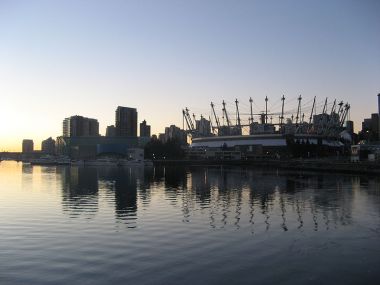
Vancouver downtown, winter sunset. Photo by Pmagn. Wikimedia Commons.
Science and Technology:
¶ A project testing combination of solar PV, combined heat and power systems and battery storage at a commercial facility in Germany could be adapted and scaled up elsewhere, according to General Electric, one of the project’s partners. Other partners are solar provider Belectric, and Jenbacher, for CHP technology. [CleanTechnica]
World:
¶ The C40 Cities Climate Leadership Group now comprises over 75 of the world’s greatest cities. In this role it represents a quarter of the world’s economy and nearly 8% of its population. Now it is making a new effort to help cities in developing nations to get credit for low-carbon climate-related projects. [CleanTechnica]
¶ Marine energy company Minesto has been awarded a €13 million investment through the Welsh Government. The funding is part of the commercial roll out, including the establishment of Minesto UK Headquarters in North Wales and commissioning of the first commercial Deep Green power plant. [Renewable Energy Focus]
¶ Wind power will play an important role in Chile’s Biobio region, which has 968 MW of approved wind projects and further 572 MW proposed for installation, the energy ministry said Tuesday. Wind power is now the leading renewable energy source in Chile in terms of installed capacity, with 892 MW. [SeeNews Renewables]
¶ China’s thermal coal imports are expected to drop by 52 million tonnes or around a quarter in 2015, as the country takes steps to support its domestic producers and address environmental concerns. The expected fall weighs on already historically low prices and exacerbate a supply glut. [Hellenic Shipping News Worldwide]
¶ Investment bank Morgan Stanley has painted a bullish outlook for the home battery storage market in Australia, saying it could be worth $24 billion, with half of all households likely to install batteries to store the output from their solar panels. That will mean more than the doubling the number with solar. [RenewEconomy]
¶ According to the 2015 “Technology Roadmap” from the International Energy Agency and Nuclear Energy Agency, nuclear power can play a modest, but important, role in avoiding catastrophic global warming, if it can solve its various problems including high construction cost without sacrificing safety. [Energy Collective] (If what?)
¶ The venting system designed to release pressure inside the containment vessel of the No 2 reactor at the Fukushima Daiichi nuclear power plant likely failed during the 2011 disaster, TEPCO said May 20. The discovery was made by a robot deployed last October to a room venting pipes from the reactor pass through. [Asahi Shimbun]
US:
¶ California has sealed a Memorandum of Understanding (“Under 2 MOU”) with 11 other states and provinces in the Americas and Europe to limit their greenhouse gas emissions to 80-95% by 2050 from 1990 levels. The tricontinental pledge, representing 100 million people, is without precedent and very forward-looking. [CleanTechnica]
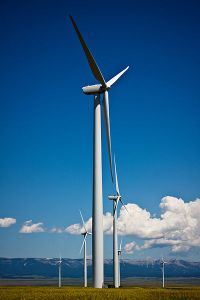
Wind turbines at the Judith Gap Wind Farm, just outside Judith Gap, Montana. Photo by Nomadic Lass. Wikimedia Commons.
¶ Renewable energy has evolved into a multimillion-dollar industry in Montana. A new report takes a look at the economic landscape during the 10 years of the state’s Renewable Portfolio Standard and finds renewable energy has added $17 million to the annual gross state product. Windpower stands out especially. [Public News Service]
¶ With the approval from the Federal Aviation Administration, Xcel Energy will now be able to monitor gas and electricity infrastructure using drone technology. The drones will inspect power lines, power plants, and renewable energy facilities for fallen trees, loose conductors, leaks, and other wear and tear. [WesternSlopeNow]
¶ A successful local lawsuit has ended in a de facto moratorium on fracking in North Carolina. This happened as a bill that would halt progress requirements on renewable energies continues to cycle its way through the legislature, appearing in front of committee on its way to a vote in the senate. [The Guardian]
¶ ACCIONA Windpower, a subsidiary of the ACCIONA Group that designs, manufactures and markets wind turbines, plans to install 805.5 MW of wind capacity in the US, Canada, and Mexico in 2015. Of this, 94% will be with 3-MW wind turbines. All these facilities are owned by third-party customers. [AltEnergyMag]
¶ In Vermont, Stowe Electric Department officials met last week with residents , hoping to assuage concerns over a solar project in their back yard. The project is up for a vote on May 28, as the town needs to get a bond to go ahead with the project. The immediate concerns of the residents may have been allayed. [Stowe Today]
Posted in nuclear power, renewable power, solar, wind | 1 Comment »
Tags: nuclear, nuclear power, photovoltaic, renewable power, solar power, wind power
May 20, 2015
World:
¶ The world’s first electrical car and passenger ferry powered by batteries has entered service in Norway. The ferry only uses 150 kWh per route, which corresponds to three days use of electricity in a standard Norwegian household. The ferry is powered by lithium-ion batteries charged by hydropower. [The Maritime Executive]
Battery-powered ferry in Norway.
¶ International Energy Agency and the World Bank have issued an update on progress countries have made on energy objectives. They say significant process has been made towards achieving widespread energy access, increased energy efficiency, and a greater development of renewable energy, but more is needed. [CleanTechnica]
¶ On Monday, the International Renewable Energy Agency released a report claiming that developing Djibouti’s significant renewable energy resources will allow the country to reach its goal of sourcing 100% of its energy from renewables by 2020. The country’s has geothermal, wind, and solar resources. [ESI Africa]
¶ Storing hydrogen deep underground in salt caverns and converting it into a reliable, affordable, flexible power source could help meet the UK’s future peak energy and load following demands, according to a new report published by the Energy Technologies Institute. The UK has over 30 useable salt caverns. [PoliticsHome.com]
¶ A report released by the International Renewable Energy Agency more than 7.7 million people world-wide are now employed by the renewable energy industry. This is an 18% increase from last year’s figure of 6.5 million. The solar PV industry is the largest renewable energy employer world-wide. [solarserver.com]
¶ German Chancellor Merkel and French President Hollande jointly yesterday pledged to do their utmost to ensure an ambitious UN deal to combat climate change is reached this year. The EU’s two biggest economies also urged other countries to do their part in helping achieve a global push to cut emissions. [The Daily Star]
¶ Brazil will reach an installed renewables capacity of 32.9 GW by 2017, with wind power becoming the top renewable energy technology there, GlobalData forecasts. Biomass plants represented half of Brazil’s renewable energy mix in 2014 are expected to lose the first place in the ranking to wind farms. [SeeNews Renewables]
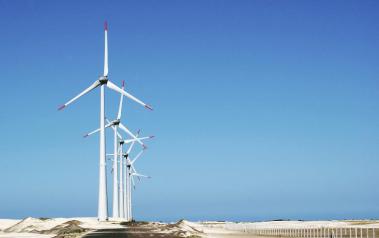
Wind farm in Rio Grande do Sul. Author: Alexandre Pereira. License: Creative Commons, Attribution – ShareAlike 2.0 Generic.
¶ Bloomberg New Energy Finance analyzed the pre-approval of a record 34 GW of Chinese wind projects to be built over 2015-18 in an Analyst Reaction, looking at the investment involved, the developers and the geographical distribution of the approved projects. This will be windpower’s biggest year in China. [Business Spectator]
¶ Japan`s nuclear watchdog on Wednesday gave the green light to restart one more atomic reactor, weeks after the government said a fifth of the country`s electricity supply should come from atomic power. The Nuclear Regulation Authority decided a reactor at Ikata nuclear power plant meets safety guidelines. [Zee News]
US:
¶ Georgia Power is launching the 2015/2016 Advanced Solar Initiative Distributed Generation program soliciting projects totaling 100 MW. The company will acquire solar resources using a combination of competitive bidding and fixed pricing. It is holding events to help applicants learn more. [Your Renewable News]
¶ In Alaska, faced with climate change and high electricity costs, the Kodiak Electric Association set a goal of producing 95% of the community’s electrical needs with renewable energy by 2020. They actually arrived there well ahead of time, and are now 99.7% renewably powered by wind and hydro. [Business Spectator]

Kodiak Island wind farm. Photo by James Brooks. Wikimedia Commons.
¶ Iron mines, electric utilities and the biofuel industry came out winners in energy-related measures passed by the Minnesota legislature. But municipal and cooperative electric companies convinced lawmakers people with rooftop solar panels don’t pay their fair share for the grid, so they will pay fees. [Minneapolis Star Tribune]
¶ The US DOE said higher wind turbine towers and longer blades could unlock wind development in all 50 states, opening up an additional one-fifth of the land area in the country. At 110 meter hub heights, the agency expects the land area with physical potential for wind deployment in the US to increase 54%. [reNews]
¶ Duke Energy announced plans to retire its Asheville, NC, coal-fired power plant in four to five years and modernize its generation and transmission system in western North Carolina and upstate South Carolina. They say this will reduce environmental impacts. The coal plant will be converted to burn natural gas. [Your Renewable News]
¶ The solar capacity in the US is forecast to grow to 40 GW by 2017, up from 20 GW in 2014, according to a new video report from the US Solar Energy Industries Association. Solar will be producing enough energy to power eight million homes by 2017, with all solar markets expected to grow 25-50% in this period. [PV-Tech]
Posted in nuclear power, renewable power, solar, wind | 1 Comment »
Tags: nuclear, nuclear power, photovoltaic, renewable power, solar power, wind power

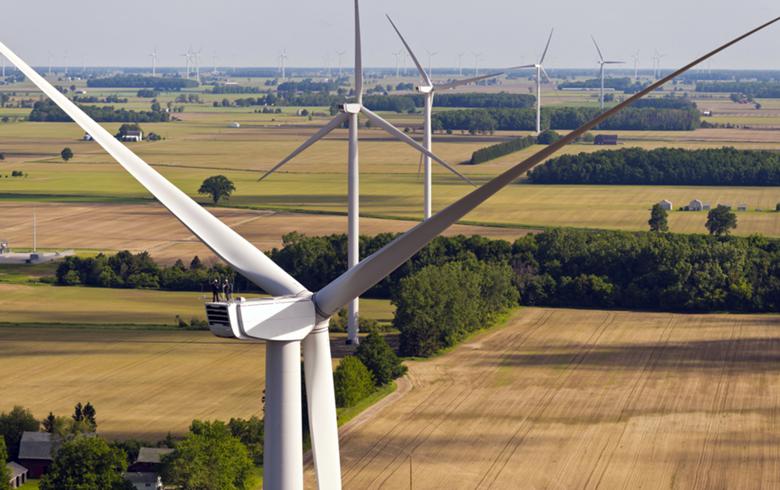

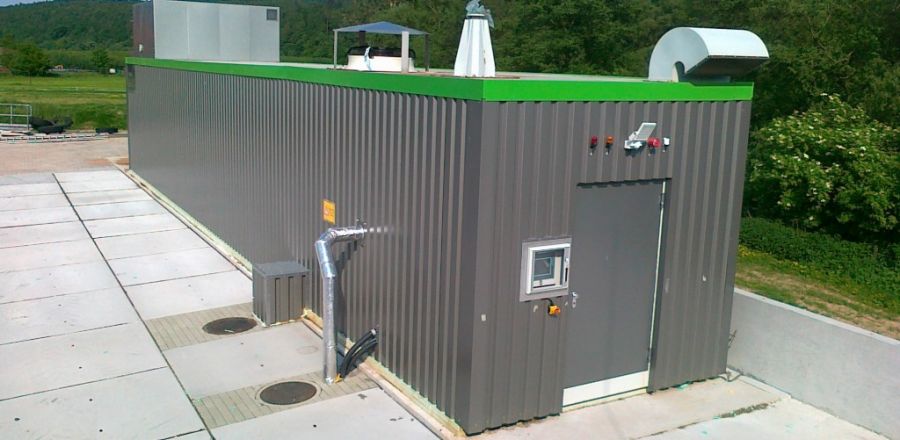
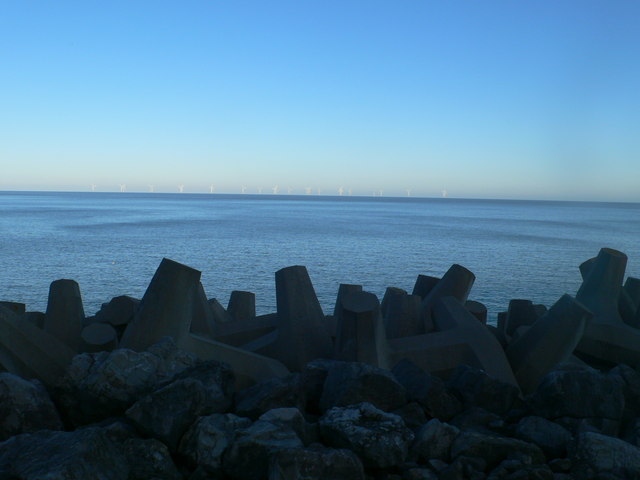

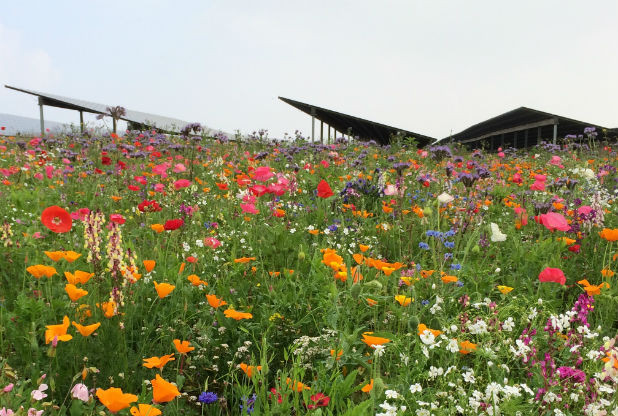
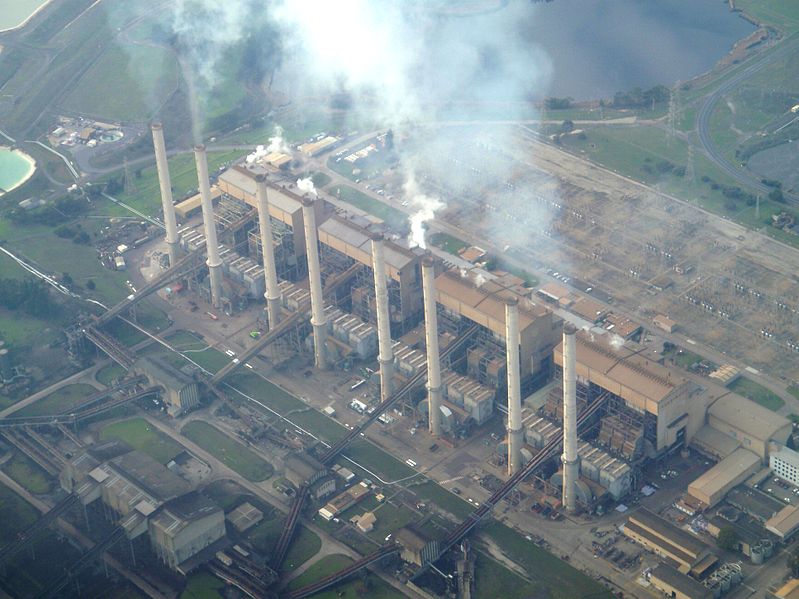

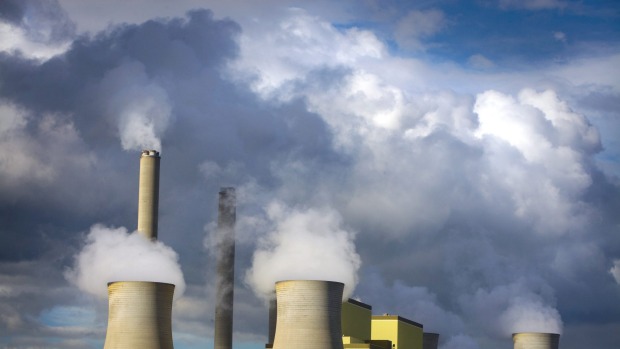
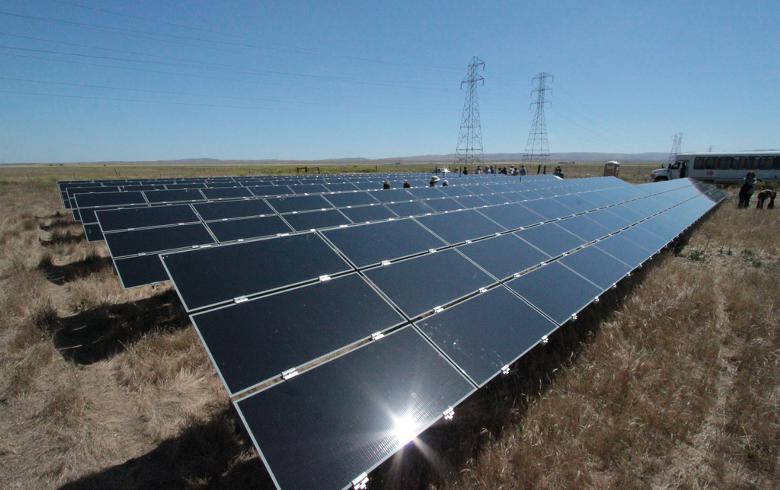
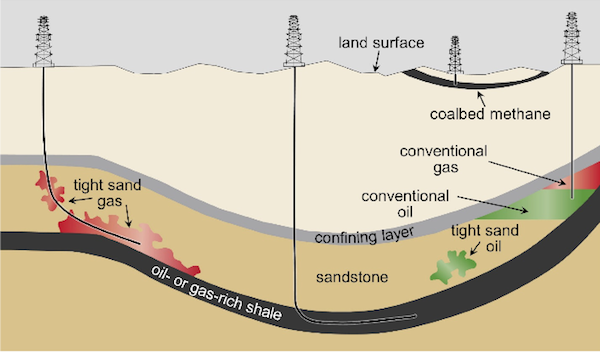
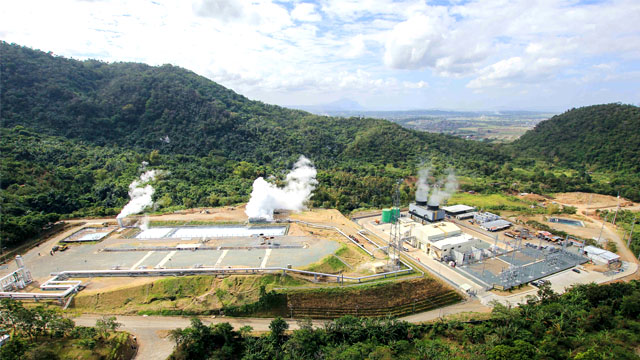


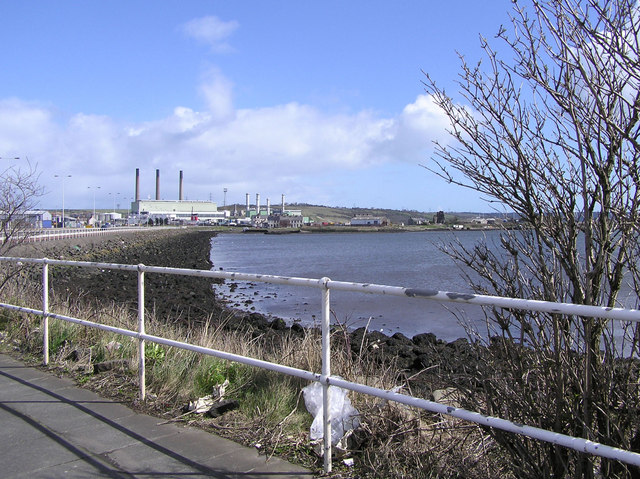
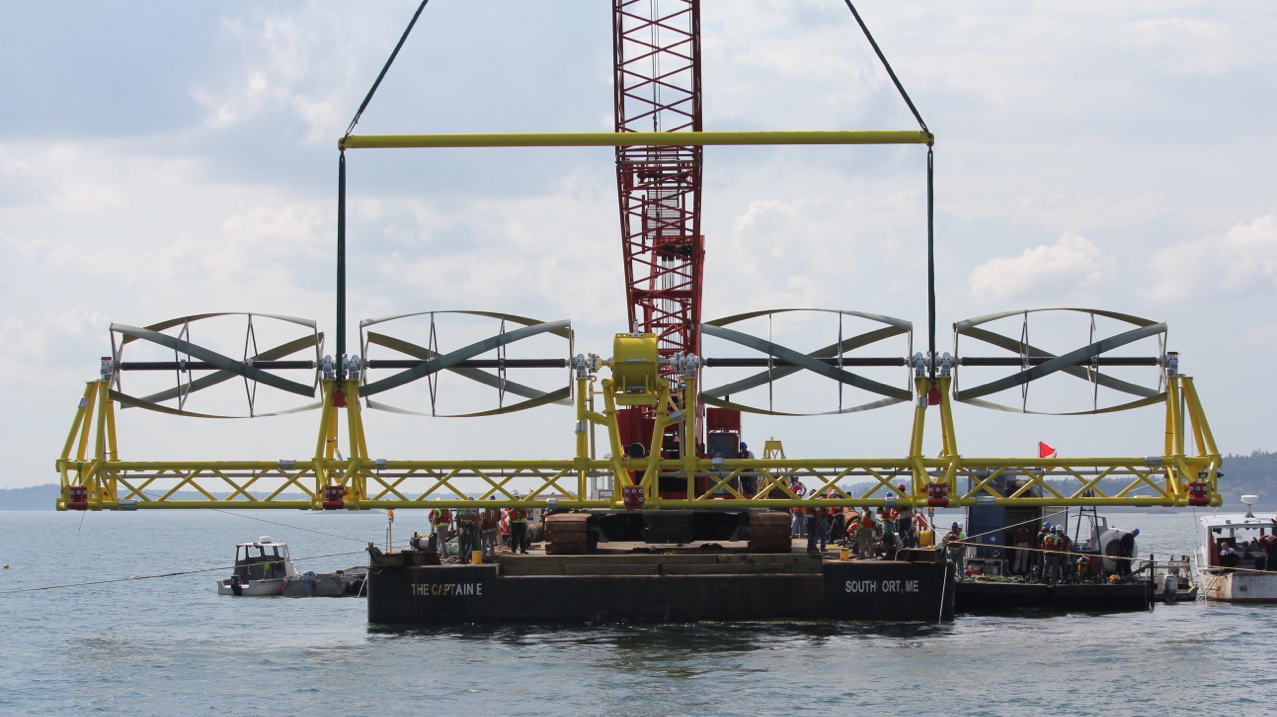

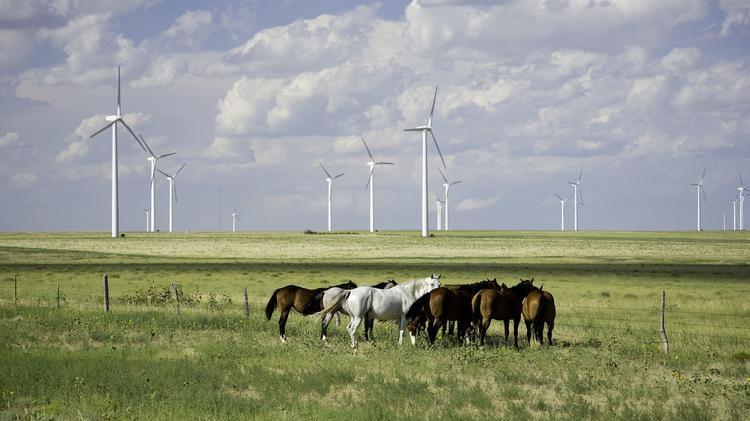

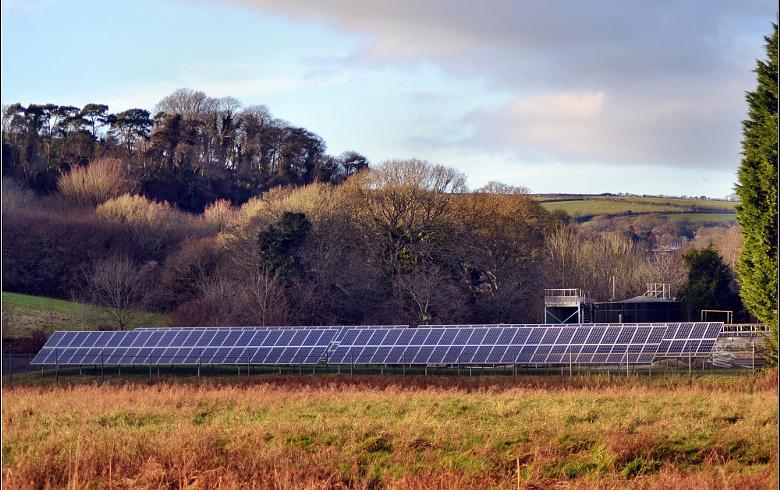
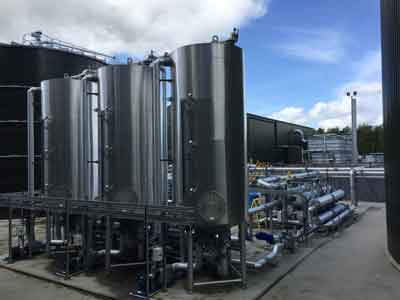
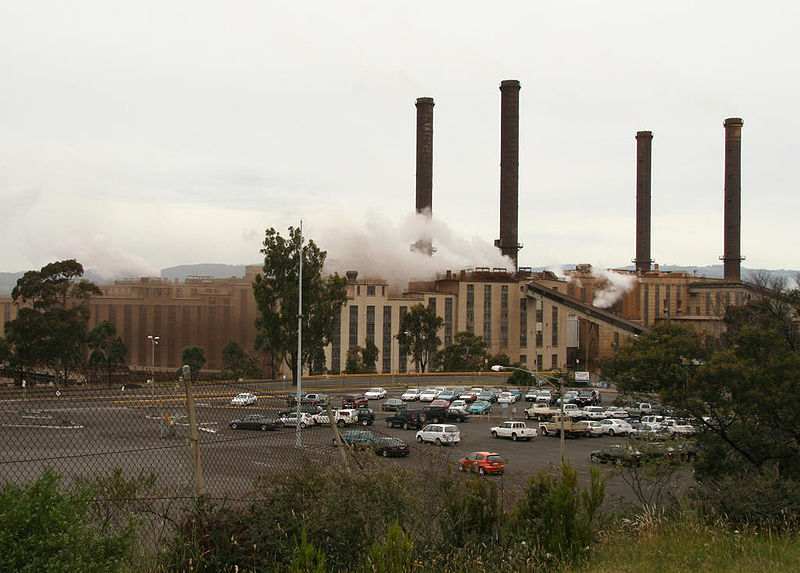
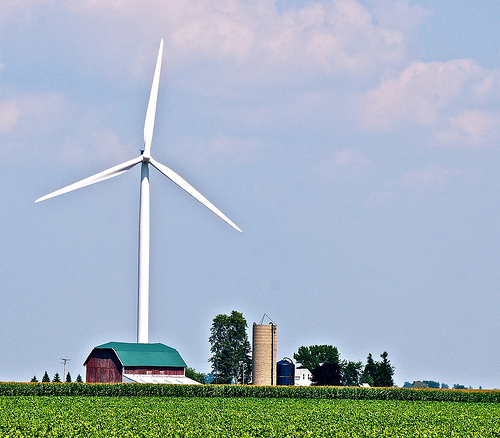
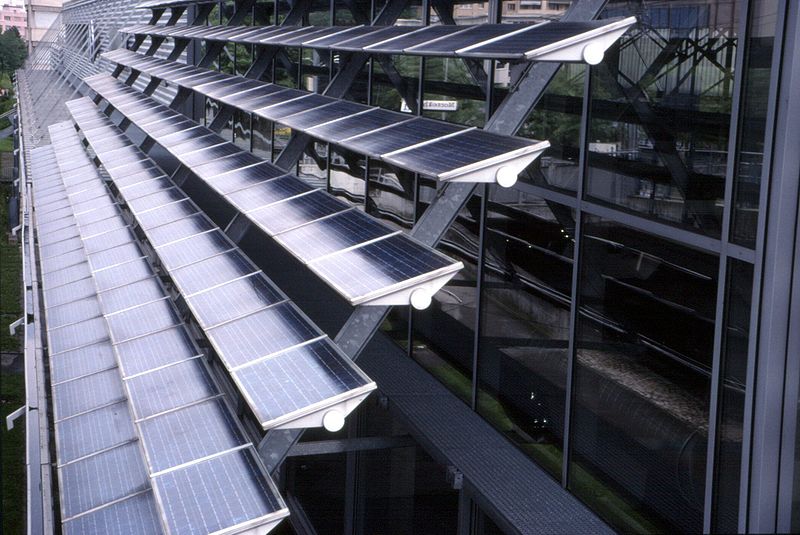
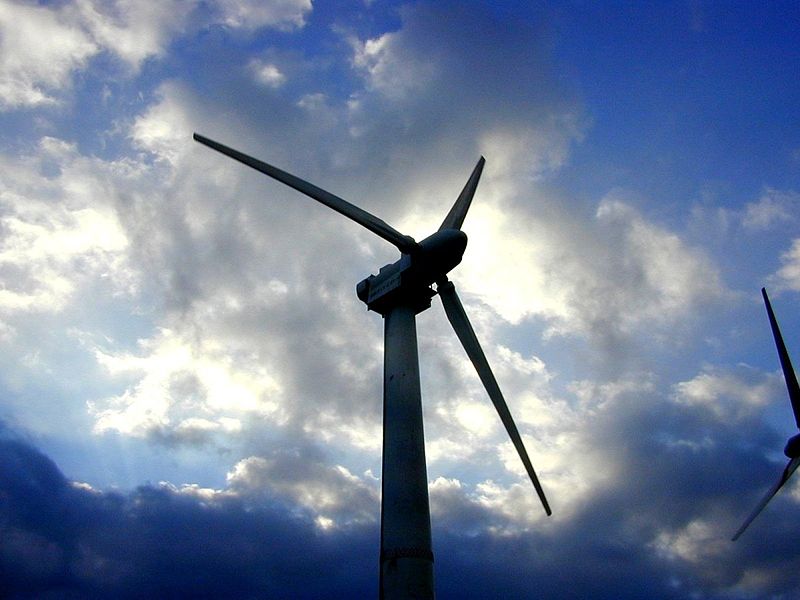
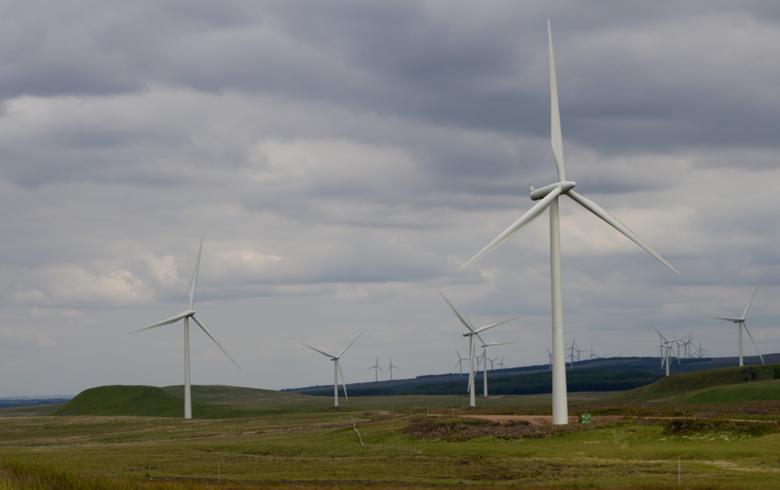

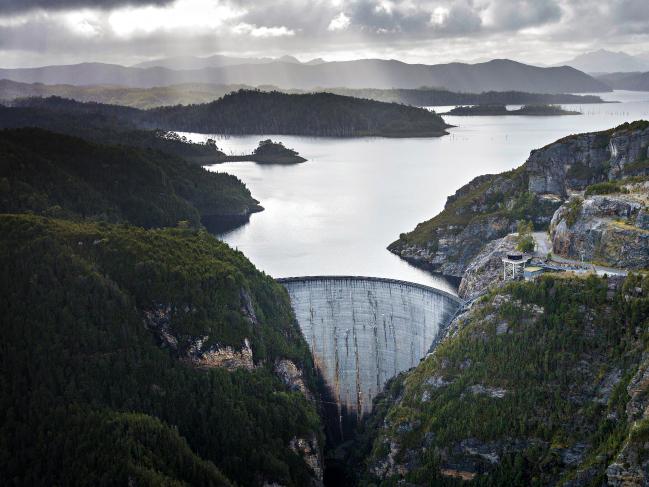
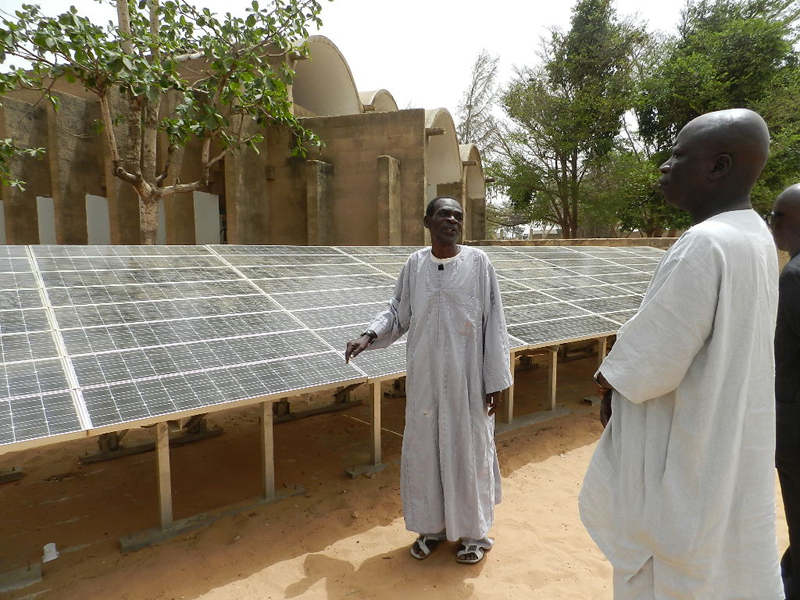
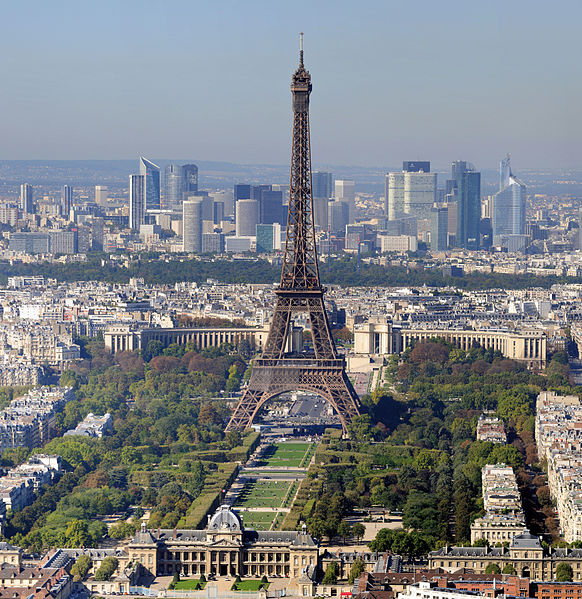
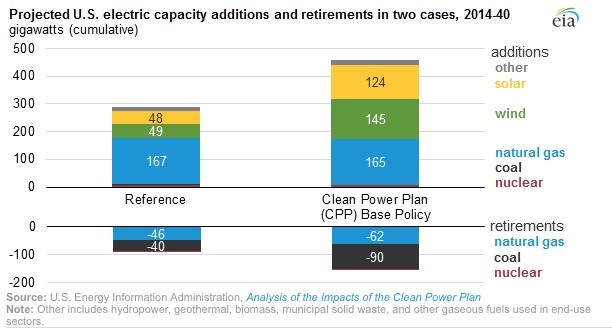
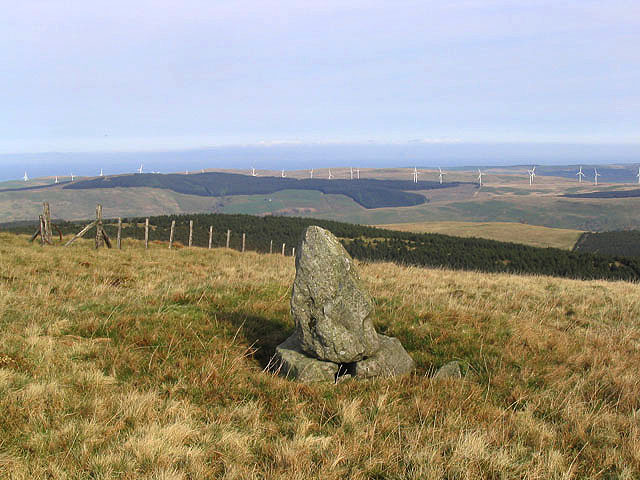
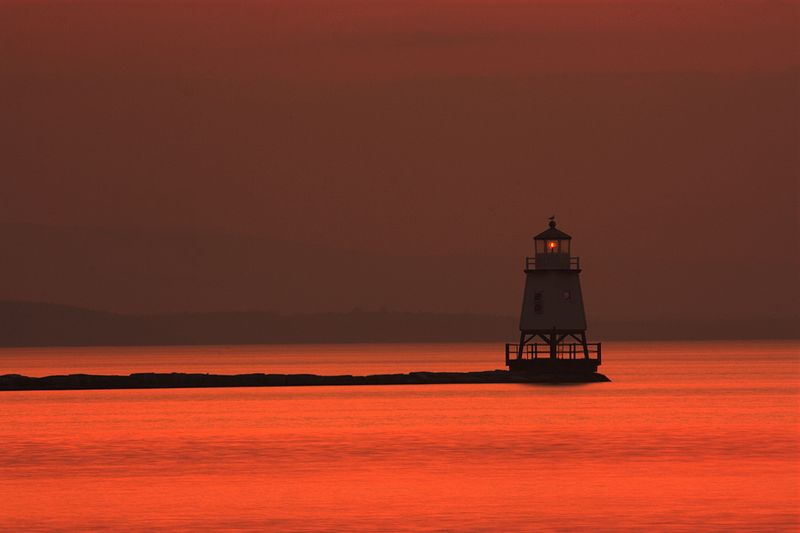
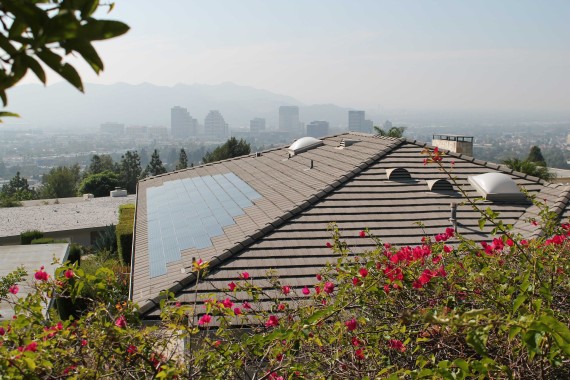

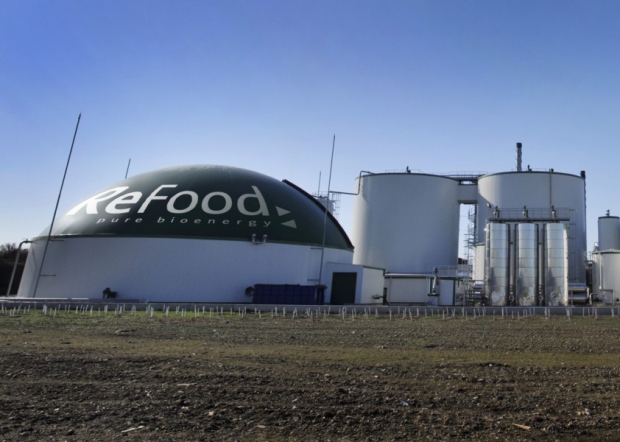

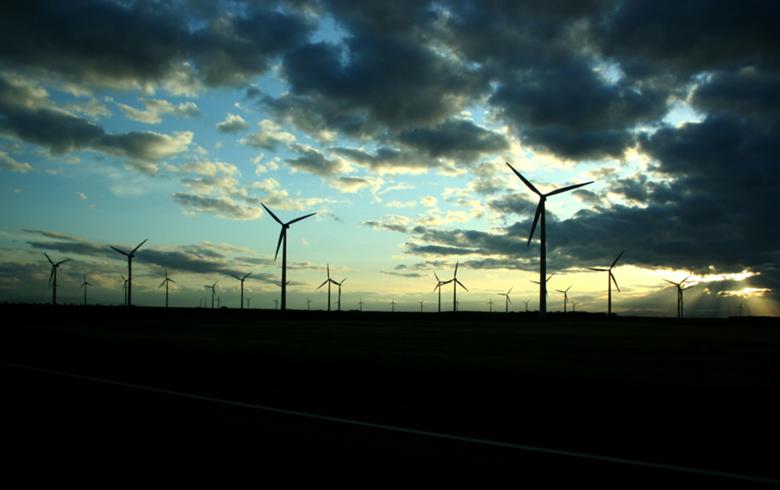
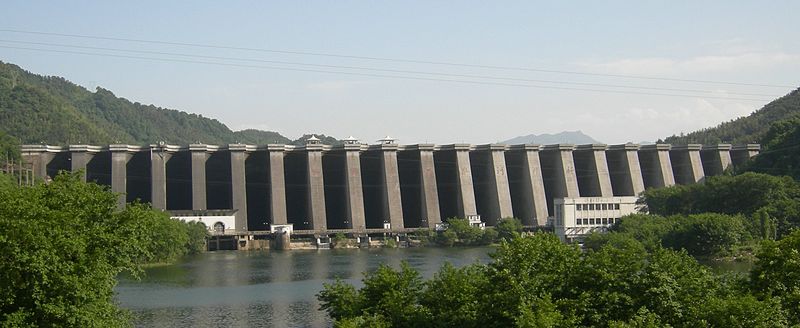

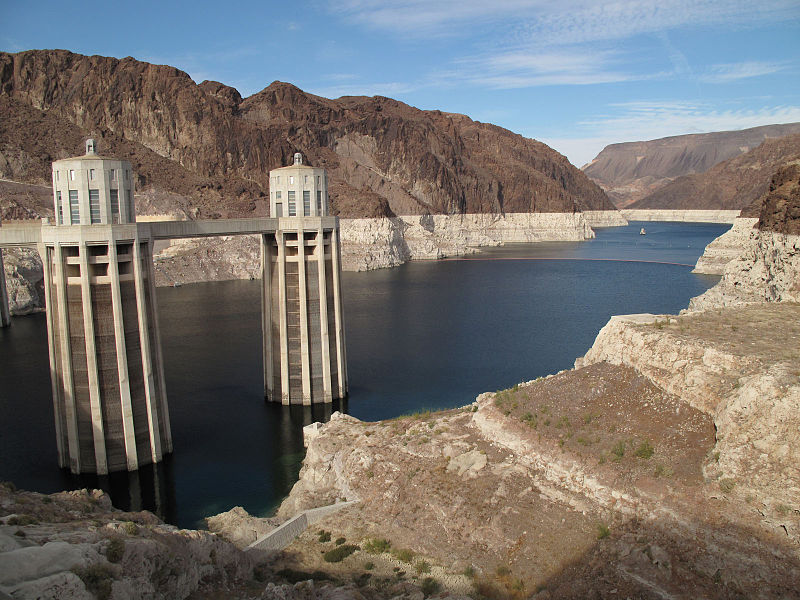
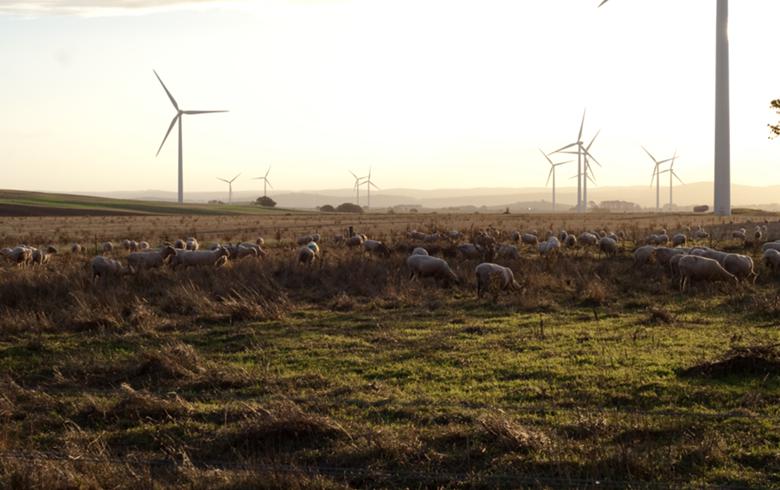
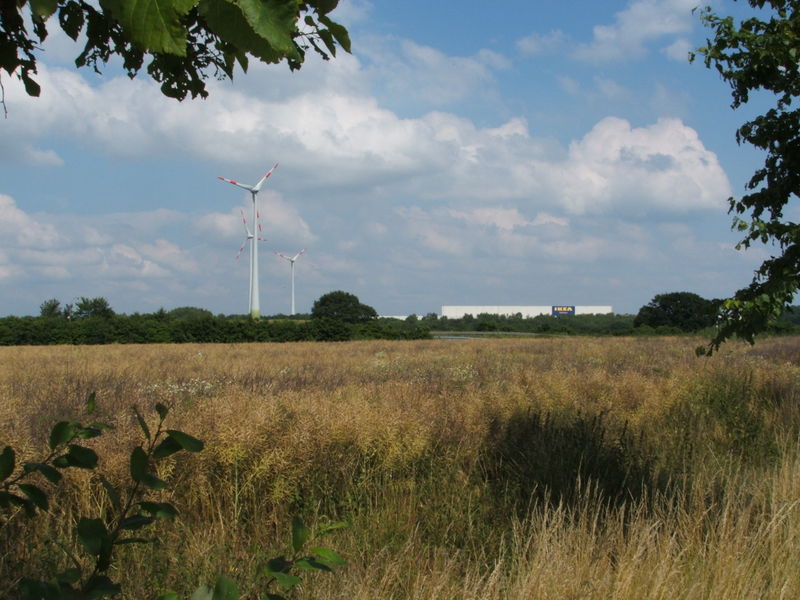



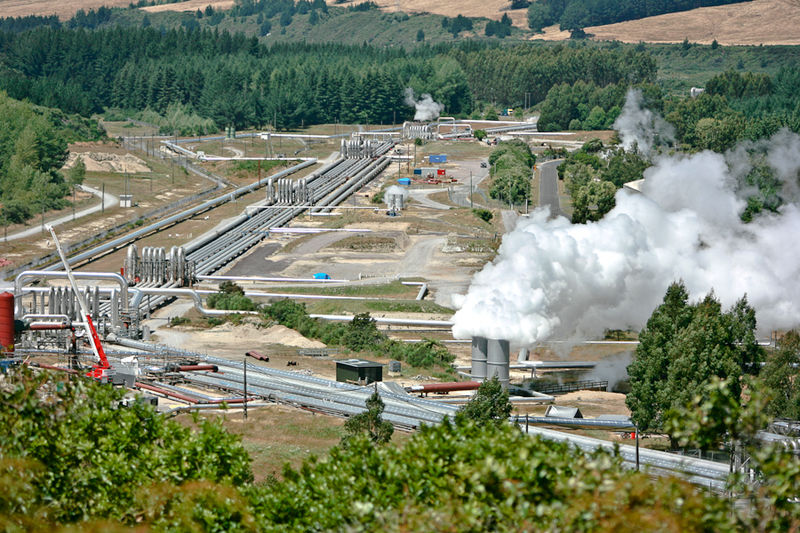
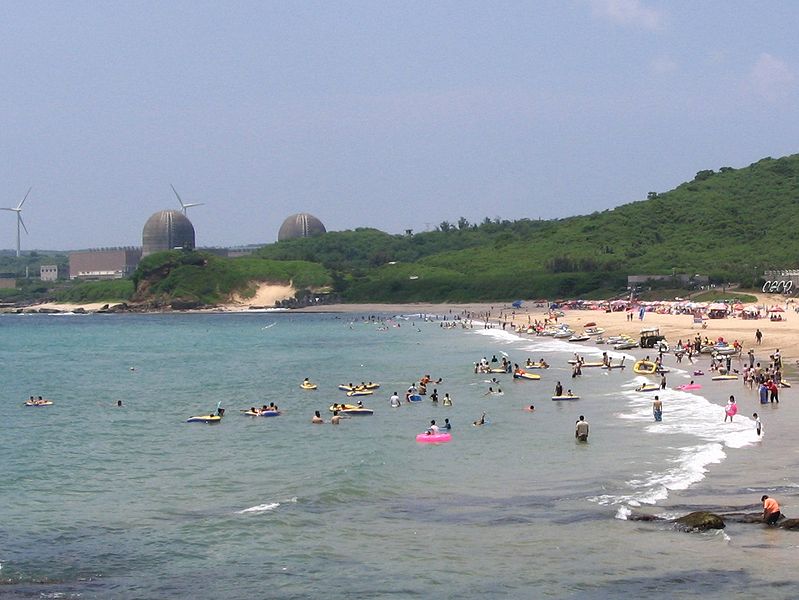

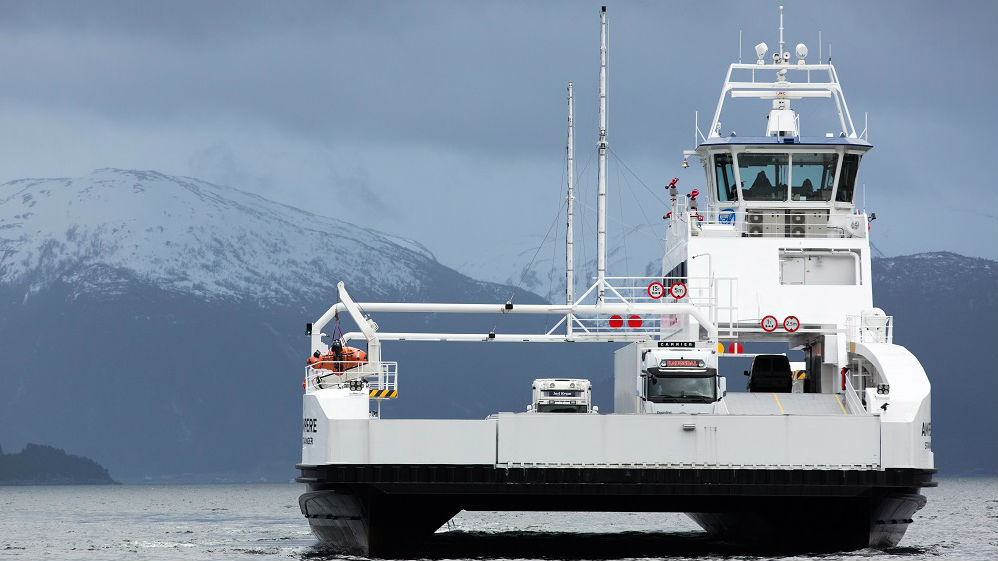
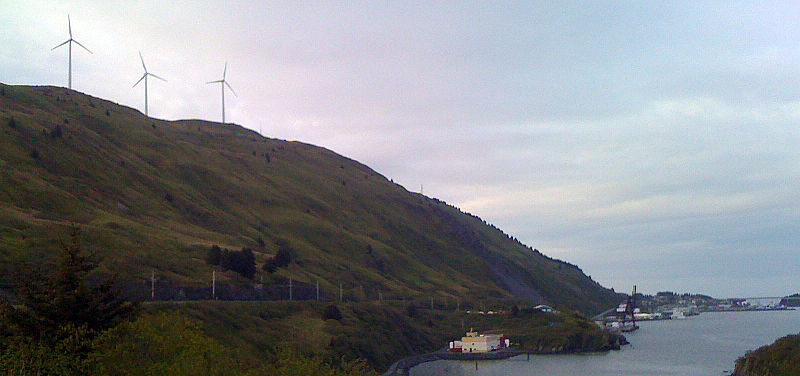

 geoharvey