
Opinion:
¶ “The Massive Farms Harnessing an Invisible Force” • Offshore wind has evolved quickly. The original Burbo Bank wind farm, built just 10 years ago, had 25 3.6-MW turbines – enough capacity to power about 80,000 homes. The Burbo Bank Extension boasts 32 8-MW turbines, providing nearly three times the old farm’s capacity. [BBC]

Offshore substation at Burbo Bank (Credit: Chris Baraniuk)
¶ “US Senators: Heartland Institute Mailings to Grade School Science Teachers ‘Possibly Fraudulent'” • If you teach science to American schoolchildren, there’s a good chance that you might open your mailbox soon and find a package containing a free, unsolicited 135-page book and 11-minute DVD, plus a cover letter from the Heartland Institute. [DeSmog]
World:
¶ The boss of BMW’s Australian arm pulled no punches at the launch of the plug-in hybrid 530e iPerformance. He said he feels the government has fallen far behind other developed countries on legislation and strategies regarding low-emissions vehicles. He believes that the government has “stuck their collective heads in the sand.” [CarAdvice]

530e iPerformance (BMW image)
¶ Last week, the European Union and China released a joint statement declaring their intentions to move on with the Agreement with or without America. They have gone past this position, and now they have decided to work with US states and cities that are keen on cutting their carbon footprint by going over the President’s head. [IFLScience]
¶ The Indian Power Ministry has finalized a policy for reviving 40 hydro power projects of 11,639 MW, provide support of ₹16,709 crore ($2.511 billion), and declare all large and small hydro projects as renewable energy. At present, a hydro power project up to 25 MW is classified under renewable energy and is entitled to various incentives. [HERE. NOW]
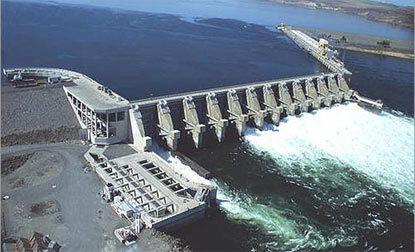
Indian hydro project
¶ India needs tens of billions of dollars to reduce its dependence on coal and oil. The Cabinet Committee on Economic Affairs has approved an initial public offering for the state-run Indian Renewable Energy Development Agency, which is a financial institution that provides financial support to renewable energy projects. [The National]
¶ A study by Masdar Institute shows that the cost of producing water for the UAE’s natural water storage structures could be reduced using wind power for the desalination. Producing 1,000 liters of water would cost between $1.6 and $2.1, slightly below the cost of producing fresh water by using thermal-powered desalination. [Utilities-ME.com]
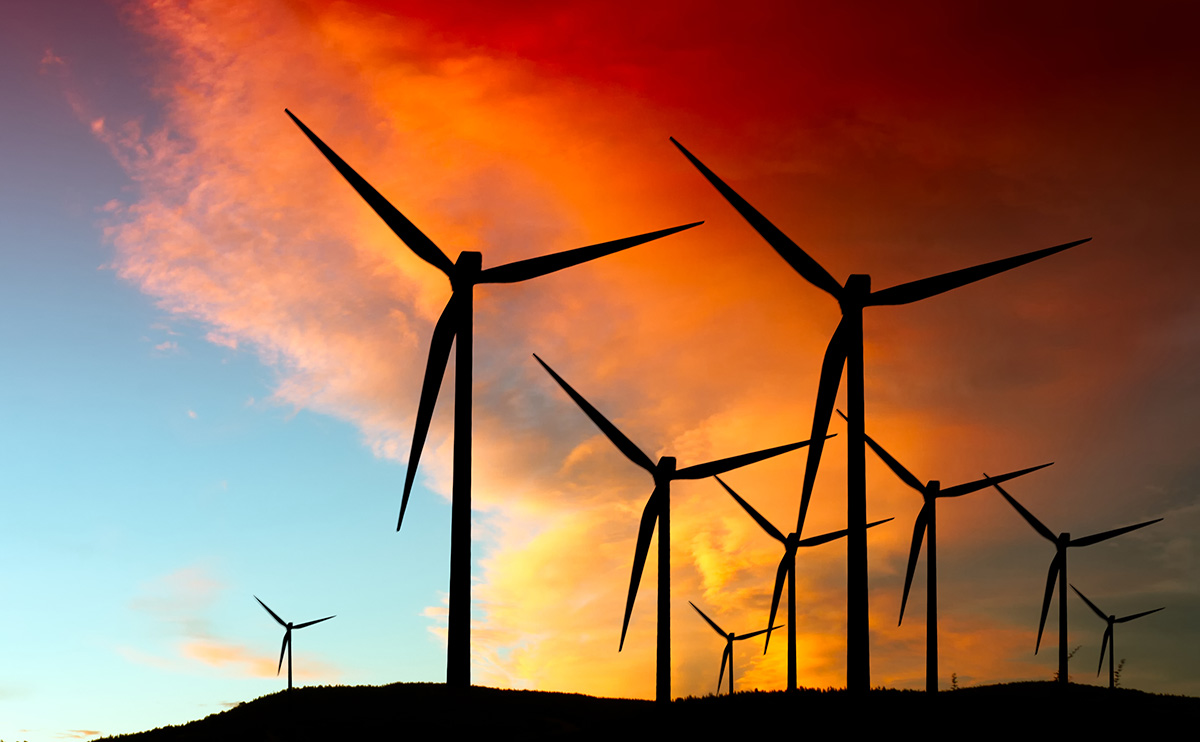
Wind power in the UAE
¶ The Korean energy industry is showing mixed reactions to the anti-nuclear energy policy touted by President Moon Jae-in, who vowed to scrap all new construction of new nuclear power plants and establish a road map to reduce reliance on nuclear energy. Proponents and opponents alike are taking a wait-and-see approach for now. [The Korea Herald]
US:
¶ Withdrawal of the United States from the Paris Agreement climate plan won’t provide a lifeline to the ailing coal industry, even in a state like Nebraska that burns a lot of it. Utilities, railroads and other users and haulers of the black stuff say that when it comes to the move away from coal, the train has already left the station. [Omaha World-Herald]
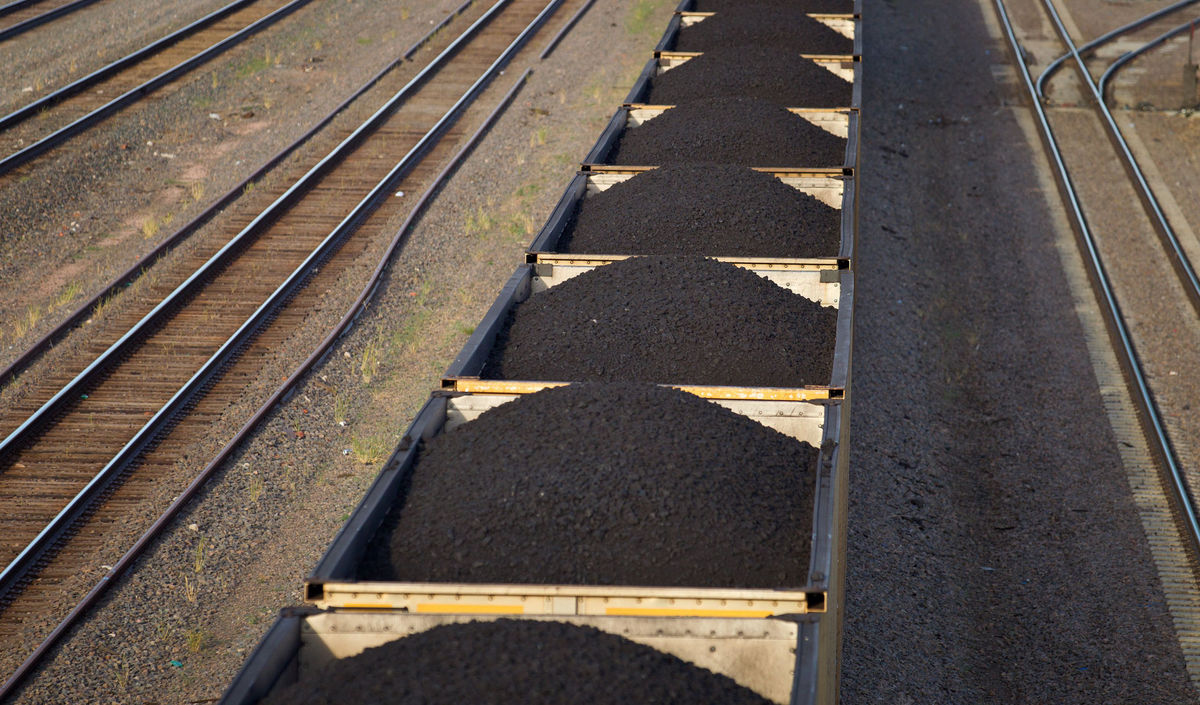
Coal train in North Platte (Rebecca S Gratz | The World Herald)
¶ While President Trump spurned the Paris climate accords, California Governor Jerry Brown was wrapping up a five-day tour of China that included a public session with President Xi Jinping at his side. The governor signed a flurry of agreements to partner with China on reducing emissions and develop clean technology. [Long Beach Press Telegram]
¶ A proposed bailout for Ohio’s two nuclear power plants that would lead to rate increases for FirstEnergy customers appears to be stalled in the Legislature. One legislative committee considering the idea suspended testimony last month amid protests, and another committee held its fourth hearing this week without taking a vote. [Lima Ohio]

Davis-Besse nuclear plant
¶ Guam’s Public Utilities Commission may award bid contracts for 120 MW of renewable energy, which could save ratepayers more than $43 million in five years. The decision authorizes the Guam Power Authority to petition the PUC to award a Phase II Renewable Acquisition Bid of two 30-MW proposals by different companies. [The Guam Daily Post]
¶ There are now persistent, highly acidified stretches of water found all along the West Coast, a 3-year survey of the region found. In some places, pH levels are as low as any ever recorded in any oceanic surface waters in the world. With rising levels of carbon dioxide, increasing numbers of hot spots will become more acidified. [CleanTechnica]
 geoharvey
June 11, 2017 at 8:27 am
Reblogged this on AGR Daily News Service.
June 11, 2017 at 4:22 pm
Reblogged this on nuclear-news.