Posts Tagged ‘wind power’
March 7, 2016
Opinion:
¶ Australian coal v renewables: how much will it cost to bring electricity to India’s poor? • The Australian government continues to claim that coal from such sources as Queensland’s Galilee Basin will play a vital role in bringing cheap energy to developing nations. But is that really the case? [EconoTimes]
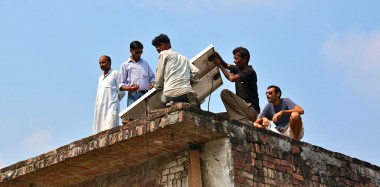
Renewables could be a better answer to India’s power problems.
¶ Lessons from Fukushima • Five years on, the 3/11 master narrative is still under construction. The response to the triple disaster in 2011 showed the world the best of Japanese society: orderly, humane and resilient. It also exposed the governance deficit, and that needs to be fixed. [East Asia Forum]
¶ Is the Hinkley Point C nuclear plant project about to unravel? From the outside looking in, EDF’s bid to build a nuclear power station at Hinkley Point in Somerset seems to lurch from the ludicrously improbable to the absurd. Given typical overruns at Hinkley, EDF would be in trouble. [ITV News]
Science and Technology:
¶ Researchers from the Quantum Wave Microscopy Unit at Okinawa Institute of Science and Technology Graduate University published a proposal for a submerged marine turbine that could harness the energy of the Kuroshio Current, an ocean current in the North Pacific Ocean. [CleanTechnica]

Ocean turbine proposed by Okinawa Institute of Science and Technology
World:
¶ Daimler AG will put €500 million into the creation of a second lithium-ion battery production facility in Germany, according to recent news from the company. The facility will produce lithium-ion batteries to be used in electric vehicles and hybrids under the Mercedes-Benz brand. [CleanTechnica]
¶ In the survey about plans for Japan’s future energy policy conducted before the fifth anniversary of the Fukushima Daiichi nuclear power plant accident, 44.6% sought cuts in Japan’s dependence on nuclear power and 21.0% requested the eventual abolishment of nuclear power generation. [Japan Today]
¶ Japan’s prime minister revealed a plan to make Fukushima Prefecture a center for development of hydrogen technology. Facilities will be developed in the prefecture to fuel 10,000 fuel-cell cars by 2020. The hydrogen would be generated by renewable energy. [The Japan News]
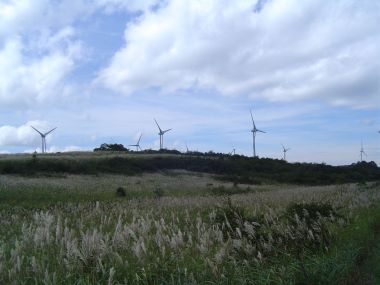
Nunobiki Plateau Wind Farm. Photo from Nunobiki Wind Farm. CC BY-SA 2.0. Wikimedia Commons.
¶ Myanmar’s Ministry of Electric Power signed a wind power deal with China Three Gorges Corporation last week. The two parties signed a memorandum of agreement for a wind turbine project in the Chaungtha area of Ayeyarwady Region, which will generate 30 MW of electricity. [Myanmar Times]
¶ The Federal College of Agriculture in Akure, capital of Nigeria’s Ondo State, is ready to support farmers seeking help to use gasses from cow manure to generate renewable energy. It will help bridge the gap in power shortage with biogas technologies in rural and semi-urban areas. [The Nation Newspaper]
¶ Wind power generation in Scotland was enough to meet 41% of the country’s entire electricity needs for the month of February, WWF Scotland said today. Scotland’s wind turbines supplied 929,417 MWh of electricity last month, enough to power 109% of Scottish households. [SeeNews Renewables]
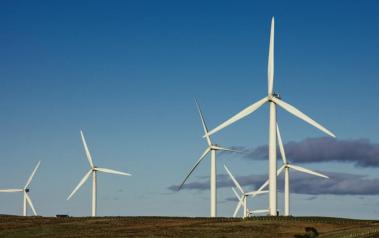
Wind farm in Scotland. Author: Neil Williamson. License: Creative Commons, Attribution-ShareAlike 2.0 Generic.
¶ The nuclear disaster has cost Japanese taxpayers almost $100 billion despite government claims TEPCO is footing the bill, according to calculations by the Financial Times. Almost five years after the disaster, the figure shows how the public have shouldered most of the disaster’s cost. [CNBC]
US:
¶ One of the reactors at the Oconee Nuclear Station was shut down after a fire and explosions damaged a transformed on site. The operator declared the incident “unusual” but emphasized there was no threat of radiation release. Emergency crews contained the fire. [RT]
¶ A NOAA study shows that by building new high-tech transmission lines, the US could cut energy sector global warming emissions by 80% within 15 years, while keeping consumer costs low and meeting increased demand. The idea came from studying the national weather map. [PRI]

High-voltage direct current transmission lines could help transfer electricity over long distances. Credit: Chris Hunkeler/Flickr
¶ Rooftop solar and distributed energy champions have advanced a ballot initiative to restore Nevada’s retail-rate net metering policy. However, they are facing legal challenges from a utility-backed PAC. If nothing else, a lot of time and money will be spent on this challenge. [CleanTechnica]
¶ SUN DAY Campaign, a non-profit focusing to sustainable energy, says the renewable energy (biomass, geothermal, hydropower, solar, wind) growth in the US has been promising, but the Federal Energy Regulatory Commission has failed in their forecasts on the industry. [Greentech Lead]
Posted in nuclear power, renewable power, solar, wind | 2 Comments »
Tags: nuclear, nuclear power, renewable power, solar power, wind power
March 6, 2016
Science and Technology:
¶ The National Snow and Ice Data Center reports that Arctic sea ice extent is running not only well below average, but also below levels seen during 2012, which went on to set the all-time record for lowest Arctic ice extent (which occurs in the late summer or early fall). [Bowling Green Daily News]

Icebergs float in a bay off Ammassalik Island,
Greenland. (AP photo / John McConnico)
World:
¶ Electrification has been done in 6,000 of the 18,500 villages in India that had been without electricity, and the renewable energy capacity has reached 39.5 GW, a meeting chaired by Prime Minister Narendra Modi was told. Progress of the initiative is being tracked in real-time. [The Hindu]
¶ South Africa has ramped up its green credentials by unveiling the continent’s first solar-powered airport. George Airport will meet 41% of its energy demand from a solar system with 3,000 PV modules. Power is being turned on incrementally and will finally deliver 750 kW of power. [CNN]
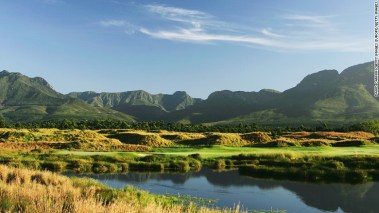
The George Airport is located along South Africa’s
Garden Route, an area of outstanding natural beauty.
¶ In the Philippines, many solar players are participating in the race to qualify for feed-in tariff incentives. Recently, three more solar projects are joining the race ahead of a government-imposed deadline, adding at least 200 MW of supply to the country’s power grid. [Philippine Star]
¶ Dam building on the lower Mekong River appears to be accelerating at a dangerous speed. People who live on the Mekong and its tributaries know that electricity is not the only product of the mighty river. The river’s many valuable assets include the world’s largest inland fishery. [Chiang Rai Times]
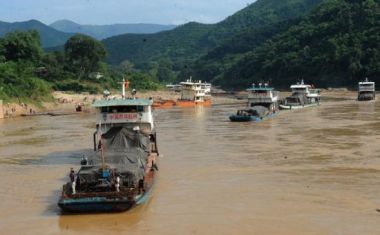
Boats on the Mekong River near the proposed Pak Beng Dam
site, downstream of Chiang Khong district, Chiang Rai.
¶ To respond swiftly to increasing demands of EV batteries, the LG Group’s battery unit is ramping up the production while mulling a plan to build an additional overseas production bases. The company has plants for lithium-ion batteries in Holland, Michigan and Nanjing, China. [The Korea Herald]
¶ In the early 1970s imported oil supplied 92% of Denmark’s energy. Today Denmark’s electric grid is over 40% renewably powered, and the country is aiming to reach 100% renewable electricity by 2035. It has a goal of 100% renewable energy in all sectors by 2050. [The Ecologist]
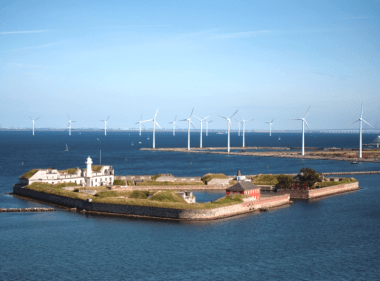
Wind turbines in Copenhagen, Denmark.
Photo: CGP Grey via Flickr (CC BY).
¶ Ontario Progressive Conservative Leader Patrick Brown says he favors putting a price on carbon to help deal with climate change. In his keynote address to more than 1,600 convention delegates, Brown said he became a Progressive Conservative because of the environment. [National Observer]
US:
¶ This winter was a no-show throughout most of Alaska, forcing officials in charge of the iconic sled dog race known as the Iditarod to bring seven rail cars of snow from Fairbanks to Anchorage, where the race starts. A tarp will cover the snow in Anchorage in case it rains. [Mashable]

Iditarod start in Anchorage, 2008. Photo by David Weekly
from Cupertino, CA. CC BY-SA 2.0. Wikimedia Commons.
¶ A scuba diver is suing Florida Power and Light after he became the second person to be sucked into an intake pipe at the St Lucie Nuclear Power Plant. He saw a yellow buoy, but no indication of any danger, so he went into the water to investigate it. The pipe led to a reservoir, where he resurfaced. [TheBlaze.com]
¶ In 2007, Minnesota lawmakers adopted aggressive renewable energy goals, calling for the state to produce 25% of its electricity from renewable energy by 2025. Now, a report by the Minnesota Commerce Department says the state could beat its renewable energy goals. [TwinCities.com-Pioneer Press]
Posted in nuclear power, renewable power, solar, wind | 2 Comments »
Tags: nuclear, nuclear power, renewable power, solar power, wind power
March 5, 2016
World:
¶ Alberta plans to issue its first competition for renewable electricity projects in late 2016. The provincial government has asked the Alberta Electric System Operator to develop a renewable electricity incentive program. Engagement with interested parties will start immediately. [reNews]

The Oldman 2 wind farm in Alberta (Mainstream image)
¶ Germany demanded that France close down its oldest nuclear plant, Fessenheim, near the German and Swiss borders. It is just one of several ageing atomic plants that are unsettling France’s neighbours. Reports claimed a 2014 incident at Fessenheim was more serious than earlier reported. [The Daily Star]
¶ A parliamentary committee in Sweden proposed a way to bring the nation to carbon neutrality by 2045. It would achieve this huge goal by reducing domestic emissions by 85% from 1990 levels. The rest could be offset by investing in international projects that cut carbon emissions. [CleanTechnica]

Image by Holgar Ellgard (CC BY-SA 3.0 unported license)
¶ The Indian Railways has announced plans to install 150 MW of solar PVs. Of this, 50 MW would be in rooftop solar projects on railway stations. The remainder would be 100 MW of PVs in utility-scale arrays. The move is part of a goal to have 100 GW of solar in India by March 2022. [CleanTechnica]
¶ Eon’s German networks were home to 32 GW of renewable capacity at the end of 2015, more than one-third of the country’s installed renewables. In total, Germany has 96 GW of installed renewables capacity, 34% of which is connected to Eon’s networks. Renewable installation varies by region. [reNews]

Eon image
¶ China may miss its goal of 58 GW of nuclear capacity by 2020 because too few reactors are being built, the chairman of China General Nuclear Power Corp has said. The country may start seven new reactors this year and its domestically designed model will be ready for export in three years. [Daily News]
¶ British Columbia may have surplus renewable power to sell to Alberta, but the premier of Alberta said her government won’t be buying it unless it can get an oil pipeline to the coast. BC’s Energy Minister said he didn’t have a problem with linking a potential power deal to pipeline support. [Calgary Herald]
US:
¶ Actions by two separate state legislatures could lead to the future closure of all four coal-fired power plants at Colstrip, Montana. On Wednesday, Oregon’s legislature passed a bill to eliminate use of coal-fired electricity within 20 years. Washington state followed suit on Friday. [KTVQ Billings News]

Colstrip power plant.
¶ Supreme Court Chief Justice John G Roberts Jr rejected a request to stay the Mercury and Air Toxic Standards rule, which was adopted by the EPA three years ago to tighten restrictions on a class of harmful pollutants, that are byproducts of burning coal. [Washington Post]
¶ Critics insist the latest version of what is called the “Rocky Mountain Power” bill at the Utah Legislature would mean lights out for rooftop solar development in the state and pull the plug on existing solar power generation. The bill passed the Utah Senate and awaits action in the House. [Deseret News]
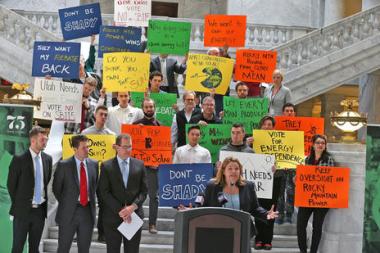
Brandy Smith, with Utah Clean Energy, speaks at
a solar advocates rally. Tom Smart, Deseret News
¶ Entergy customers in New Orleans will begin paying their share of the $948 million purchase of an Arkansas natural gas power plant starting this year. The typical New Orleans customer will see their monthly bill increase by about $5 when the new charge kicks in later this spring. [NOLA.com]
¶ The offshore wind industry has hopes for establishing itself in the US after years of disappointment. European offshore wind companies are increasingly committing to projects along the East Coast. That, industry leaders said, is evidence a US offshore wind industry is finally on its way. [Eagle-Tribune]
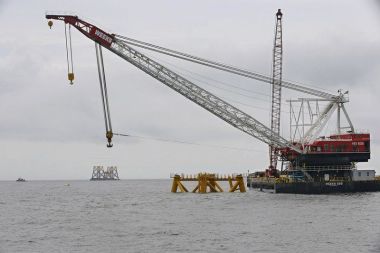
First foundation jacket installed at Deepwater Wind,
near Block Island. (AP photo / Stephan Sevoia)
¶ The New England Clean Power Link transmission line has got two of the three key permits needed to begin construction. TDI New England’s proposed $1.2 billion transmission line would carry 1,000 MW of Canadian hydro and wind power into Vermont. [Corporate Knights Magazine]
Posted in nuclear power, renewable power, solar, wind | 2 Comments »
Tags: nuclear, nuclear power, renewable power, solar power, wind power
March 4, 2016
World:
¶ The Canadian province of Ontario will invest $100 million into “green energy” projects in its push to reduce greenhouse gas emissions 37% by 2030. Ontario’s premier said this will help the province cut greenhouse gas emissions while improving local business prospects. [CleanTechnica]
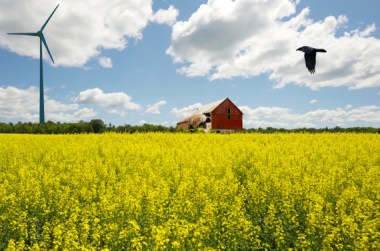
Ontario wind turbine. Image via Shutterstock
¶ German utility E·ON will partner with Solarwatt GmbH to develop and release modular energy storage systems based on Solarwatt’s MyReserve battery. The first models are expected in the next few months. E·ON’s domestic marketplace has over 1½ million private rooftop PV systems. [CleanTechnica]
¶ India gave a big clue about how serious it is about energy transformation policy when it doubled a national tax on coal. The increase, to ₹400 per tonne ($6/tonne), applies to all domestic and imported coal. The coal tax represents 30% of the wholesale price of domestic coal. [Corporate Knights Magazine]
¶ Indonesia’s importance as a solar market looks set to grow following the announcement of a 5-GW goal. At the Bali Clean Energy Forum, the Minister of Energy and Mineral Resources launched a program for a national energy mix with up to 23% renewable energy by 2025. [Solarplaza]
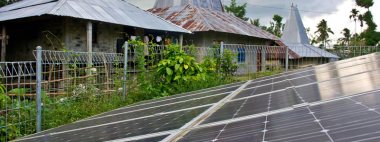
Solar PVs in Indonesia
¶ Dulas has begun construction on two medium-scale run-of-river hydro schemes in central Scotland. The projects have a total capacity 1.3 MW and are being developed for existing clients seeking to expand their clean energy portfolios ahead of Scotland’s 2020 targets. [Renewable Energy Magazine]
¶ Many British companies are missing out on the benefits of the switch to renewable power, according to a new report from energy supplier SmartestEnergy. The report highlights how businesses can secure multiple currently overlooked benefits from procuring clean electricity supplies. [Business Green]
SmartestEnergy report outlines the gains businesses can enjoy from switching to a cleaner electricity supply
¶ In a first ministers’ summit, Canadian Prime Minister Justin Trudeau won agreement from the premiers on a broad strategy to reduce greenhouse-gas emissions and build Canada’s clean economy, but could not gather enough support for a national minimum carbon price. [The Globe and Mail]
¶ China plans to set up a market for renewable energy certificates to increase the use of cleaner energy and reduce its reliance on coal. Power suppliers will be able to trade “green certificates” that represent the proportion of non-hydro renewable energy that they generate. [Reuters]
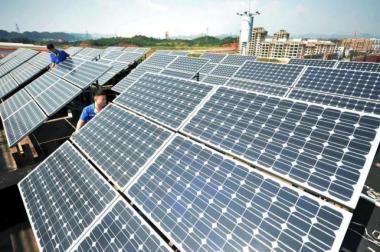
Workers install solar panels on the rooftop of a company in Shangrao, Jiangxi province, China, October 11, 2015. Reuters / Stringer
¶ Greenpeace said the environmental impact of the Fukushima nuclear crisis on nearby forests is just beginning to be seen that after five years, and they will be contaminated for years. Radiation forced tens of thousands of people from their homes, many of whom will likely never return. [Malay Mail Online]
¶ Almost 50,000 homes in Canberra will be powered by renewable energy thanks to a new wind farm contract awarded by the Australian Capital Territory Government. The Sapphire Wind Farm will have 32 wind turbines. The project is expected to be complete by 2018. [Australia Network News]

A new wind farm will provide power to Canberra.
US:
¶ A group of engineers in the US Nuclear Regulatory Commission say they have identified a design flaw in nearly all nuclear reactors in the country that should result in their mandatory shutdown unless operators fix the problem, Reuters reports. The issue became known in 2012. [Utility Dive]
¶ The US energy storage market grew a phenomenal 243% in 2015, the largest year on record, according to new figures from GTM Research. The US energy storage market deployed 112 MW in the fourth quarter, bringing the full year 2015 to a record 221 MW. The figure for 2014 was 65 MW. [CleanTechnica]
¶ Xcel Energy completed a $39-million high-voltage transmission project in Texas, allowing more wind and solar onto the grid. The new Bower-Howard transmission project on the Panhandle power grid would meet growing electricity demand in the area. The 115-kV was energised on Wednesday. [reNews]

Grid infrastructure. Image: Arteche
¶ Nearly 49% of electricity provided to the Big Island by the Hawaii Electric Light Co in 2015 came from renewable energy, according to a statement from HELCO’s parent company, Hawaiian Electric. Maui County reached 35% renewable and Oahu is at nearly half that level. [Honolulu Civil Beat]
¶ A bird dropping appears to have caused the temporary shutdown of part of the Indian Point nuclear plant in upstate New York. A report issued by the plant’s owner, Entergy, said a bird “streamer,” a long stream of excrement from a large bird, was the cause of a three-day shutdown in December. [CNN]
Posted in nuclear power, renewable power, solar, wind | 2 Comments »
Tags: nuclear, nuclear power, renewable power, solar power, wind power
March 3, 2016
World:
¶ The six-turbine Coonooer Bridge wind farm in the Australian state of Victoria has become the first operational wind farm from the Australian Capital Territory’s wind auction process. The 20-MW wind farm is expected to become fully operational this month. [SeeNews Renewables]

Wind farm in Australia. Author: Steven Caddy. License: Creative Commons, Attribution 2.0 Generic
¶ According to a study led by the University of Leeds, about 80,000 air quality-related deaths are prevented each year as a direct result of the introduction of European Union policies and new technologies. They led to a 35% reduction in fine particles in the atmosphere since 1970. [CleanTechnica]
¶ In Scotland, 70% of those polled want to see more renewable energy such as wind, solar, wave and tidal, and two-thirds agreed that the next government should “continue to take forward policies that tackle greenhouse gas emissions and climate change.” Only 19% would prioritize fracking. [RenewablesBiz]
¶ Australian firm Genex Power Ltd’s 150-MW solar PV and 330-MW pumped-storage hydropower project in North Queensland has been named a “Prescribed Project,” streamlining its approvals process. The scheme, with a 185-km transmission line, will cost $424 million (US). [SeeNews Renewables]
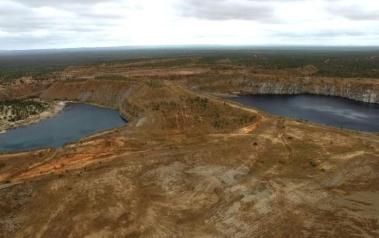
The project will be at the site of the historical Kidston Gold Mine. Source: Genex Power.
¶ Changes in UK government energy policy have chased off investors and may have added £120 a year to household bills, according to a parliamentary report. Funding U-turns on windfarms and energy efficiency schemes have reduced investor confidence and increased funding costs. [The Guardian]
¶ Indian automobile manufacturer Tata Motors Ltd has joined RE100, a global initiative of businesses committed to 100% renewable electricity. Tata Motors is the second Indian company to join the campaign, after Infosys. This brings the total number of RE100 members to 54. [SeeNews Renewables]

Good Energy has unveiled a revised design for the Big Field Wind Farm.
¶ Plans were unveiled for a community-owned Cornish wind farm that could be the first in the UK to operate without government subsidy. New plans have the same number of turbines of the same height as an earlier scheme, but new technology allows a 50% increase in output. [Windpower Engineering]
¶ Geneva is taking legal action over a French nuclear reactor for “endangering lives and polluting water.” Some 70 km from Geneva as the crow flies, Bugey, in the Ain department, is one of France’s oldest nuclear power plants, having come into service in 1972. It supplies about 4.5% of French electricity. [The Local.ch]
¶ A geological fault running directly beneath a nuclear reactor at the Shika power plant may be active, a panel of geological experts for the Nuclear Regulation Authority said. If that assessment is accepted, the utility will be unable to restart the unit, the No 1 reactor at the plant. [The Japan Times]
US:
¶ Massachusetts House Speaker Robert DeLeo made it official that the omnibus energy bill scheduled to come up for a vote in April will include provisions to encourage the development of offshore wind power and create a competitive procurement process for renewables. [CommonWealth magazine]

Wind turbines in Gloucester, Massachusetts. Photo by Fletcher6. CC BY-SA 3.0 unported. Wikimedia Commons.
¶ Mississippi Power, Hannah Solar and the US Navy have broken ground on a 23-acre solar project of over 3 MW at Seabee Base, in Gulfport. Two other projects approved by the state commission include a 50-MW solar station in Hattiesburg and a 52-MW solar project in Sumrall. [Solar Industry]
¶ The Oregon Assembly passed a bill setting a target of 50% renewables by 2040 and ending coal-fired power supply in the state by 2035. The House passed Senate Bill 1547, also known as the Clean Electricity and Coal Transition plan, and the Senate repassed it the next day. [SeeNews Renewables]

Solar panels. Author: Oregon Department of Transportation. License: Creative Commons, Attribution 2.0 Generic
¶ A Japanese-owned company has received construction financing and has started work on a 27.6-MW solar energy farm in Oahu. The project, which is scheduled to be completed and operational by the end of the year, will be one of the largest solar PV projects in Hawaii. [Pacific Business News (Honolulu)]
Posted in nuclear power, renewable power, solar, wind | 2 Comments »
Tags: nuclear, nuclear power, renewable power, solar power, wind power
March 2, 2016
Science and Technology:
¶ After seven months, Solar Impulse 2 has returned to the sky as it prepares to resume its record-setting round-the-world flight. The huge, sun-powered plane, which smashed the longest solo record last summer from Japan to Hawaii, flew a 90-minute maintenance and equipment-checking flight. [ABC 57 News]

After seven months, Solar Impulse 2 has returned to the sky as it prepares to resume its record-setting round-the-world flight.
Opinion:
¶ “Base load” power: a myth used to defend the fossil fuel
industry • At a conference in Houston, leaders of the global fossil power industry were shocked to hear the chairman of the biggest network owner in China dismiss the importance of coal, oil, and “base load” power. [RenewEconomy]
World:
¶ The Government of Western Australia will commit $300,000 to investigate building a micro-grid powered by renewables for the coastal town of Kalbarri. The town has experienced several extended and costly power outages, caused by problems with long transmission lines. [ABC Online]

A wind turbine at Kalbarri that would be used to power the proposed electricity micro-grid planned by the State Government.
¶ Oil giant Shell is being sued in London for the second time in five years over spills in the Niger Delta. Two communities are claiming compensation and want Shell to clean up their land. The Ogale community of about 40,000 people, who are mainly farmers or fishermen, are some of the claimants. [BBC]
¶ The Clean Energy Canada’s annual Tracking the Energy Revolution report found that renewables excelled in a complex economic environment, with 2015 marking the first time developing countries invested more money on clean energy than developed countries did. [edie.net]
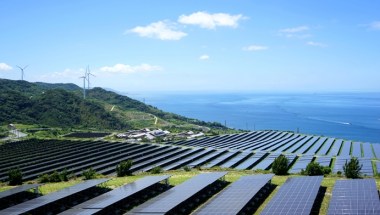
The report said developing countries spent $167 billion on clean energy in 2015 compared to developed countries’ $162 billion
¶ China, the United States, and Japan are set to lead the way in terms of solar PV installations in 2016, as the EU solar industry slows. Additionally, by the end of 2016, cumulative global installed solar PV systems will surpass 310 GW, compared to only 40 GW at the end of 2010. [CleanTechnica]
¶ China is surging ahead in switching to renewables and away from coal. Officials say this will allow it to surpass its carbon emissions targets. The country’s solar and wind energy capacity soared last year by 74% and 34% respectively compared with 2014, according to government figures. [New Scientist]
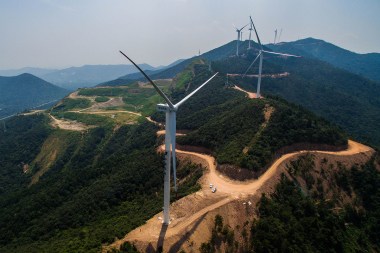
China installed a whopping 32.5 gigawatts of wind energy
capacity last year. Xu Yu / Xinhua Press / Corbis
¶ Scientists have written an open letter to Prime Minister Justin Trudeau and the premiers saying spending on fossil fuel infrastructure may not be the most productive use of resources. Trudeau and the premiers will start talks on a national climate-change strategy this week. [Huffington Post Canada]
US:
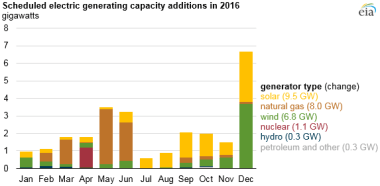
¶ The US Energy Information Administration has forecast additions to the US power grid for 2016. They say it will see the first new nuclear power in 20 years, with 1.1 GW. But that will be dwarfed by renewable power sources, which will account for nearly two-thirds of 2016’s new capacity. [Ars Technica]
¶ A lot of new utility-scale solar being built is not required under state Renewable Portfolio Standards. GTM predicts that more than 6 GW of non-RPS utility-scale solar will come online in 2016. The entire solar sector saw 4.1 GW installed in 2015, and that was a record-breaking year. [CleanTechnica]
¶ Hydropower, long the leading source of renewable energy in the United States, is slated to be overtaken by wind generation by the end of 2017, Generation Hub reports. At the end of 2015, wind accounted for 6.33% of the US power mix. Hydro made up 8.41%, but wind is growing quickly. [Utility Dive]
Posted in nuclear power, renewable power, solar, wind | 2 Comments »
Tags: nuclear, nuclear power, renewable power, solar power, wind power
March 1, 2016
World:
¶ Work is nearing completion on what will soon be Europe’s largest floating solar power farm. But few are likely to see the 23,000 solar panels on the Queen Elizabeth II reservoir near London. It is invisible to all but Heathrow passengers and a few flats in neighbouring estates. [The Guardian]

Divers fix anchors onto the bed of the reservoir.
Photograph: Martin Godwin for the Guardian
¶ SunEdison and a subsidiary of the state-owned Chinese company Jinneng Group, Jinergy Clean Energy Technology Company, are partnering for the creation of a 1.5 gigawatt integrated N-type mono-crystalline hetero-junction solar cell production facility in Shanxi, China. [CleanTechnica]
¶ The 56 MW Moree Solar Farm is feeding electricity into Australia’s National Electricity Market network. Spain’s Fotowatio Renewable Ventures developed and constructed the project. It deploys single axis tracking and is the largest solar project using crystalline silicon PV modules. [pv magazine]
¶ The 63.3-MW Calatagan Solar Farm is the largest solar facility completed in the Philippines to date. Solar Philippines, a renewable energy firm led by 22-year-old entrepreneur Leandro Leviste, developed, financed and constructed this solar farm at a cost of $120 million. [Inquirer.net]

A 160-hectare farm in Calatagan, Batangas, Philippines.
Contributed photo
¶ A group of prominent business leaders, including Ottawa’s growth guru Dominic Barton, is urging Canada to accelerate the transition to a cleaner, lower-carbon economy by pursuing a society-wide game plan. The leaders will introduce a virtual think tank called Smart Prosperity. [The Globe and Mail]
¶ 70% of Scottish voters polled wanted to see more renewable energy such as wind, solar, wave and tidal. Respondents had been asked whether there should be continued development of renewables, the extension of the life of fossil fuel plans, use of shale gas or building new nuclear plants. [Energy Voice]
¶ Wind farms in Spain produced 6,091 GWh in 2015, up by 2.4% year-on-year, and helped reach a total renewable energy share of 54.6% for February. Despite a lack of new capacity additions, Spanish wind power accounted for 30.2% of the country’s total power for the month. [SeeNews Renewables]

Wind farm. Author: TraumTeufel666.
License: Creative Commons, Attribution-ShareAlike 2.0 Generic.
¶ ScottishPower has plans to more than double the size of its 440-MW Cruachan hydro power station, though development is dependent on Government guaranteed pricing. The estimated £400 million development would need a floor price on its use in return for a cap on profits. [Scottish Daily Record]
¶ Construction of Britain’s first nuclear power plant in 20 years should be delayed until 2019 so problems with a similar reactor design in France are solved, the CFE-CGC Energy Union said. Unions occupy six of the 18 seats on the board of EDF, which is yet to vote on a final investment decision. [BBC]
US:
¶ The US produced over 190 million MWh of wind power in 2015, more than any other country in the world, even as China has nearly double the capacity, the American Wind Energy Association said. More than 31% of Iowa’s in-state electricity generation came from wind. [SeeNews Renewables]

Source: American Wind Energy Association
¶ A wide coalition of utilities, solar installers, consumer advocates, and environmentalists in Maine have introduced a bill in the state legislature to advance solar growth in the state and replace the net metering policy with a market-based “pay for production” program. [Utility Dive]
¶ Owing to the very harmful effects of common air pollution on fetal and childhood development, a large group of pro-life Christians in Texas, through the Evangelical Environmental Network, will be participating in the Pro-Life Clean Energy Campaign, according to a press release. [CleanTechnica]
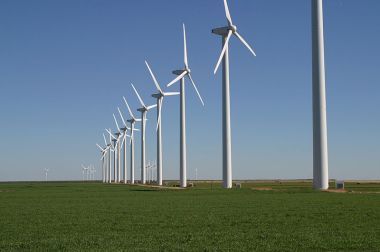
Brazos Wind Farm, Texas.
Photo by Leaflet via a Wiki CC BY-SA 3.0 License
¶ The New York State Common Retirement Fund lost at least $5.3 billion over the last three years by remaining invested in fossil fuel holdings, instead of reinvesting in green companies. These are the findings according to a new report from Corporate Knights, an investment research company. [CleanTechnica]
¶ Two Wisconsin utilities announced projects that will roughly double the state’s solar capacity. Dairyland Power Cooperative agreed to purchase almost 19 MW from 12 new solar arrays. Xcel Energy has agreed to purchase up to 3 MW from community-owned solar gardens. [Chippewa Herald]
Posted in nuclear power, renewable power, solar, wind | 2 Comments »
Tags: nuclear, nuclear power, renewable power, solar power, wind power
February 29, 2016
Opinion:
¶ The Size of the California Methane Leak Isn’t the Scariest Part of the Story • Though methane is a powerful greenhouse gas and the Aliso Canyon event was huge, we see an even bigger problem. There are hundreds of similar gas storage facilities, and nothing is monitoring them. [Smithsonian.com]
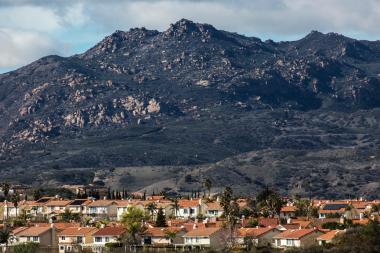
Thousands of residents of Porter Ranch were evacuated in the wake of the methane leak. (Ted Soqui / Ted Soqui Photography / Corbis)
¶ Put A Price On Carbon Or Face Trillions Of Dollars Of Costs & Massive Food Security & Migration Challenges • Don’t call it a carbon tax. Everybody hates the idea of taxes. But unless society addresses the damage done by burning fossil fuels, the world is on a collision course with reality. [CleanTechnica]
Science and Technology:
¶ BioMason is a North Carolina startup company that makes bricks without heat or clay. About 8% of global carbon emissions come from making bricks, according to the company’s co-founder, citing information from the EPA. The BioMason process creates no carbon emissions. [CleanTechnica]
World:
¶ The first electricity has been generated and delivered to the grid from the 600-MW Gemini wind farm in the Dutch North Sea. Two 110-km cables relay power from the wind park to the shore, where electricity is distributed through the TenneT high voltage grid from Eemshaven. [reNews]
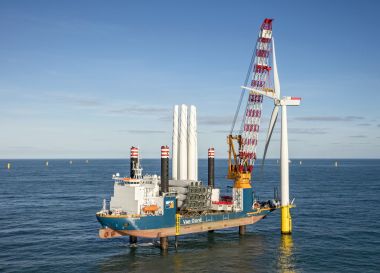
Turbines going in at Gemini (Gemini)
¶ Clean Energy Canada’s latest global analysis found that a record $367-billion (US) was invested in renewable power in 2015, a third of a trillion dollars. That’s serious money, nearly 50% more than was invested in power from fossil fuels. The trend is driven by economics. [The Globe and Mail]
¶ GE says it will build the world’s largest biomass-fired power plant in Belgium. Mechelen-based Belgian Eco Energy chose GE Steam Power Systems to provide the overall design, engineering and construction of the greenfield project for 215-MW, 100% biomass-fired, power plant. [SeeNews Renewables]
¶ Wind energy has reached a milestone in South Africa and is now feeding over 1 GW of power to the country’s electricity grid. South Africa still gets 87.4% of net domestic electricity production comes from coal. The contribution of renewables, wind and solar PV, last year was about 1%. [ITWeb]
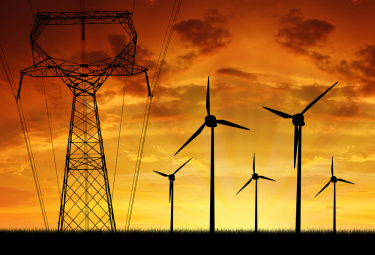
In 2011, there were just 10 turbines in SA. Now the country has 13 large wind farms, consisting of over 495 turbines.
¶ The UK’s biggest energy lobbying group has shifted its position on green energy and will start campaigning for low-carbon alternatives for the first time, in what environmental campaigners are describing as a watershed moment. The chief executive of Energy UK said the shift is urgent. [The Guardian]
¶ China’s CO2 emissions fell 1% to 2% in 2015 as the cooling Asian economy used 2% to 4% less coal, according to a Greenpeace analysis of the data. China also confirmed it broke two clean energy world records in 2015 –installing 32.5 GW of wind and 18.3 GW of solar power. [Climate Home]
¶ Australia’s biggest climate polluters increased their emissions in the year to July 2015, according to data from Australia’s Clean Energy Regulator. Even some of those companies have called policy to curb emissions, including shutting down the oldest or dirtiest coal-fired power stations. [The Guardian]
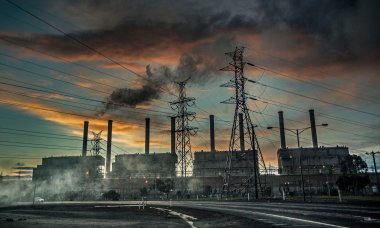
The Australian Conservation Foundation called on the federal government to close Australia’s coal-fired power stations in phases. Photograph: Meredith O’Shea for the Guardian
US:
¶ San Francisco’s renewable energy program appears to be off to a strong start. The City began auto-enrolling existing PG&E customers into CleanPowerSF on February 1. Customers who wish to remain with PG&E may opt out, but just eight have done so as thousands were enrolled. [San Francisco Examiner]
¶ As many as 49 wind turbines will be installed in Seymour Township, Wisconsin, in 2017. EDP Renewables project leaders say the effort will create around a dozen full-time jobs and support more than 200 temporary construction jobs. The project will have a capacity of 98 MW. [Dubuque Telegraph Herald]
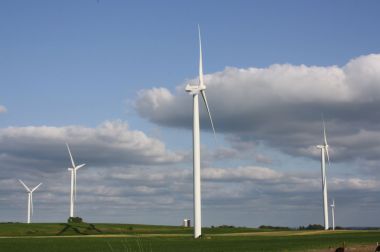
Wind turbines in Wisconsin. Photo by Royalbroil. CC BY-SA 3.0 unported. Wikimedia Commons.
¶ In the past six years, the federal government has provided $366 million to New Jersey to promote clean energy and energy efficiency, according to a new report issued Friday by the White House. In New Jersey, renewable-energy generation increased by almost 90% since 2008. [NJ Spotlight]
¶ A construction project would expand a natural gas pipeline across property of the Indian Point nuclear plant in New York. Elected officials, residents and environmental activists are criticizing the project, saying that a rupture of the pipeline could unleash a nuclear catastrophe. [New York Times]
Posted in nuclear power, renewable power, solar, wind | Leave a Comment »
Tags: nuclear, nuclear power, renewable power, solar power, wind power
February 28, 2016
Opinion:
¶ Nevada must work to stay ahead of curve • The renewable energy industry has been a particularly bright spot in Nevada’s economy. The state’s $500 million investment in tax incentives has yielded a 10-to-1 return. Action on the Clean Power Plan could have similar results. [Las Vegas Review-Journal]
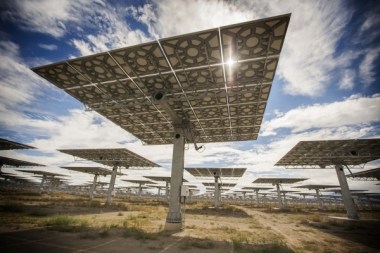
Heliostats at the Crescent Dunes Solar Project, 11 miles northwest of Tonopah, Nevada. Jeff Scheid / Las Vegas Review-Journal
World:
¶ Industry analysts are now forecasting that Australia may not hit its 2020 renewable energy target. If an annual shortfall occurs major energy players are required to pay penalties to the federal government. The additional costs are to be passed on to consumers. [Sydney Morning Herald]
¶ APA, which owns and operates gas pipelines, wants a seat at the table in the multibillion-dollar investment boom in renewable energy sources as Australia moves to meet the mandated renewable energy target. The company seeks to develop expertise in renewable energy. [Sydney Morning Herald]

APA plans to lift its renewable energy commitment.
Photo: Bloomberg
¶ The Sembcorp Gayatri Power Complex, sited in Andhra Pradesh, is coming online with a capacity of 2,640 MW. Its two 1,320 MW coal-fired power plants together cost $3 billion. Sembcorp Industries’ income from India will be “quite substantial” in the coming years, its CEO said. [AsiaOne]
¶ Councils in the UK should use bonds to fund infrastructure projects such as renewable energy and flood defences, according to the Lord Mayor of London. Municipalities in the US and Sweden, have raised billions of pounds for green projects by selling bonds to the public. [The Independent]
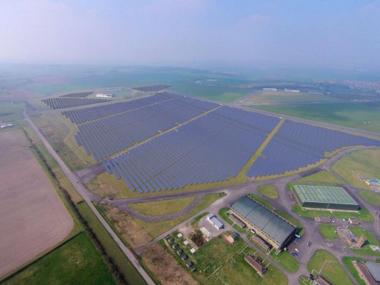
Wroughton Solar Park in Wiltshire has been funded by green bonds
¶ Investment in forestry over the next five years will have a big impact on the environment, as it will result in the planting of 600,000 hectares (1.5 million acres) in Europe, according to Dermot Ryan, Senior Advisor to European Commissioner Phil Hogan. [Agriland]
¶ Iran is complying so far with the July 2015 landmark nuclear deal with major powers, a report from the International Atomic Energy Agency said. Its first assessment since the accord came into force on January 16 yesterday showed that Iran was meeting its main commitments. [Daily Excelsior]
US:
¶ The Long Island Aquarium and Exhibition Center may be the recipient of waste heat generated by a new fuel cell energy generator being proposed for downtown Riverhead. Connecticut-based Fuel Cell Energy will build three 1.4-MW fuel cell generators in Suffolk County. [East End Beacon]
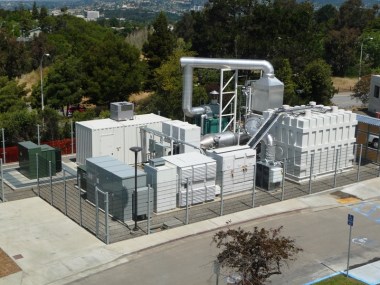
Fuel cell power plant
¶ Utilities have been grappling with how to integrate wind farms and solar plants into their systems and business models. Cheap power from large-scale renewables and rooftop solar have undercut the profitability of conventional electricity generation from coal and nuclear sources. [Malay Mail Online]
¶ A bid to extend Virginia’s coal tax credit has once again cleared the General Assembly and is on its way to the governor. The tax credits for coal mine owners and coal-buying power companies were created to help slow the industry’s decline. But they may not be working. [Roanoke Times]
Posted in nuclear power, renewable power, solar, wind | 2 Comments »
Tags: nuclear, nuclear power, renewable power, solar power, wind power
February 27, 2016
Opinion:
¶ Sooner than you think? A prediction that electric cars will cause the next oil crisis • There used to be a cartoon series called Closer than We Think. Now Bloomberg Business has a video series, Sooner Than You Think. The first episode suggests the electric car could cause the next oil crisis. [Treehugger]

One day, cars will be powered by the sun. Image via Paleofuture / Arthur Radebaugh
Science and Technology:
¶ Carbon dioxide can be tapped and transformed into green energy using innovative approaches, a professor from Qatar University has said. It can be captured and combined with hydrogen to produce methanol. The methanol can be used as a feedstock for transportation fuel. [Gulf Times]
¶ Bees, birds, butterflies and beetles are among a growing list of pollinator species in jeopardy of global extinction, a UN study warns, a trend that could threaten the world’s food supply. About three-fourths of the world’s food crops depend on pollination by insects and other animals. [CNN]

Scientists warn that declining populations of pollinators will affect future food supply.
World:
¶ French energy giant Engie launched a three-year strategic transformation plan to become a world leader in the energy transition. The announcement is part of the company’s intentional plan to speed up the implementation of a strategy previously decided upon two years ago. [CleanTechnica]
¶ London has seen more bike riders and fewer car commuters. According to Transport for London, over the last decade and a half car drivers have decreased by almost 50%, from 137,000 in 2000 to 64,000 in 2014, while the number of cyclists has tripled from 12,000 to 36,000. [CleanTechnica]

London cycling. Photo by David Skinner (some rights reserved)
¶ South Africa has in place a target of generating 42% of its power needs through renewable energy sources by 2030. The Transport Minister says sources include on-shore wind‚ concentrated solar thermal‚ biomass solid‚ biogas‚ landfill gas‚ small hydro‚ and solar photovoltaic. [Sowetan Live]
¶ Kansai Electric Power Co said it started up a nuclear reactor, the fourth to come back online following a nationwide shutdown after the March 2011 tsunami disaster. The accident forced all of Japan’s dozens of reactors offline for about two years as the nation examined safety issues. [Japan Today]
US:
¶ Green Mountain Power announced year-end operational results for Kingdom Community Wind in Lowell, Vermont. In 2015, the 21-turbine project generated enough electricity to power 26,700 homes for a year, an increase of 7%, 1,800 homes, over the previous year. [Vermont Biz]
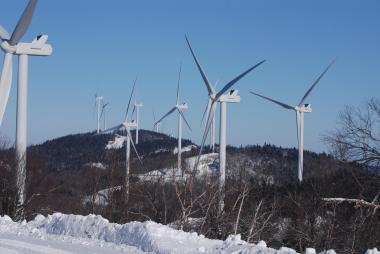
Photo courtesy GMP.
¶ Corn and soybean fields in Somerset County, Maryland, formerly ticketed for wind turbines may now become home to one of the largest solar power plants in the eastern US. Algonquin Power & Utilities Corp of Canada has plans to collect up to 150 MW of power from the area. [Delmarva Daily Times]
¶ New legislation would require all new construction in San Francisco, both residential and commercial, to have solar panels installed. The renewable energy ordinance would make San Francisco the first and only major city in the country to require solar panels on new buildings. [KRON4.com]
¶ Rural areas have typically weighed against progress on clean energy. But that may be changing. A new story out of Wisconsin illustrates that a slow, tentative shift is underway, as rural electricity consumers and the utilities that serve them take a new look at the benefits of solar power. [Vox]
¶ Pacific Gas and Electric Company (PG&E), a California Utility announced hitting a significant milestone for 2015 with 29.5% of retail electricity coming from renewable clean energy. That number actually exceeded the State targets of 23.3% for years 2014 through 2016. [GetSolar.com]
¶ Anyone who sees Vermont’s renewable energy installations may be surprised to learn that the state’s utilities get 0% of their power from wind and solar energy. That is the number cited in a report on allowing renewable energy credits to be sold to utilities in southern New England. [Valley News]
Posted in nuclear power, renewable power, solar, wind | 1 Comment »
Tags: nuclear, nuclear power, renewable power, solar power, wind power
February 26, 2016
Opinion:
¶ The Myth About Renewable Energy Subsidies • Ever hear the story that renewable energy can’t compete without a subsidy? You hear it all the time from the fossil fuel industry. And the renewables’ response? Take away fossil fuel subsidies; they’d be glad to compete on level terms. [CleanTechnica]
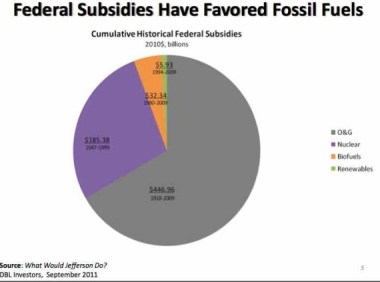
Cumulative historic federal subsidies.
Science and Technology:
¶ Greenpeace Japan announced it is conducting an underwater investigation into radiation contamination from the Fukushima Daiichi nuclear plant into the Pacific Ocean. The survey will be conducted from a Japanese research vessel using a one-of-a-kind Remotely Operated Vehicle. [Dominican Today]
World:
¶ Mainstream Renewable Power has grid-connected and started commissioning turbines at its 80-MW Noupoort wind farm in the Northern Cape of South Africa. This ZAR1.9 billion ($121.6 million) project is expected to start supplying electricity to the national grid by July 2016. [reNews]
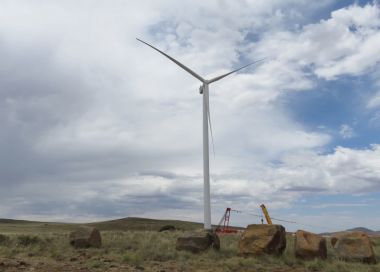
First turbine at Noupoort wind farm (Mainstream)
¶ Chile passed the 1-GW of solar PV project capacity milestone, with 1.013 GW of projects operating. And another 165 MW is expected to be installed shortly, according to new figures from the country’s National Center for Innovation and Promotion of Sustainable Energy. [Sustainnovate.]
¶ More than 12 GW of wind turbine contracts were awarded to nearly 140 wind projects worldwide, new research from Navigant Research says. It shows that Siemens and Vestas led turbine orders in the second half of 2015, with 2,852 MW and 2,810 MW of capacity respectively. [CleanTechnica]
¶ After news that EDF reported a 68% fall in profits and its lack of decision on the Hinkley C nuclear power plant, Dr Scott Cato, believing the UK should invest in renewables, commissioned a report on the viability of their producing 100% of the region’s energy. [Somerset County Gazette]
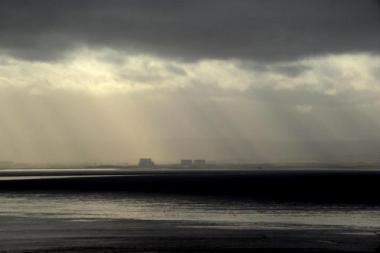
Clouded in doubt? Hinkley Point
¶ ScottishPower Renewables made its final investment decision for East Anglia ONE. When built, it will be the best value offshore windfarm in the world, and one of the largest. East Anglia ONE will generate 714 MW, enough to power the equivalent of 500,000 UK homes. [Blue & Green Tomorrow]
¶ Nowhere in Asia, is the solar growth story more evident than in the Philippines, where a combination of factors fuels a burgeoning solar industry. The government once expected 285 MW from solar by 2030. The target was raised in 2014 to 500 MW. And that goal was met last year. [eco-business.com]

ABB is setting up solar power plants in several provinces in the Philippines. Image: ABB
¶ The UK’s CO2 emissions fell by 4.3% in 2015 on the back of the largest recorded annual drop in coal use, outside of a miners’ strike, Carbon Brief analysis shows. This leaves UK CO2 emissions 31.5% below 1990 levels and at its lowest level since the start of the industrial revolution. [Carbon Brief]
¶ Lawyers are expected to indict three former executives of TEPCO on charges of negligence resulting in death and injury, in relation to the 2011 nuclear disaster at Fukushima Daiichi. The indictment will be filed at the Tokyo District Court by lawyers serving as prosecutors. [Asahi Shimbun]
US:
¶ Up to 175,000 annual pollution-related deaths, and $250 billion in health costs, could be prevented by 2030 by implementing “low carbon” policies in the US to prevent a 2° C rise in temperature, according to analysis from Duke University and the NASA Goddard Institute for Space Studies. [CleanTechnica]
Wind turbine and sun
¶ Four months after natural gas began leaking from a storage facility, residents of Porter Ranch, California, are returning home. Natural gas began leaking from the well at Southern California Gas’ Aliso Canyon storage facility on October 23 of last year. The leak lasted 112 days. [CNN]
¶ Owners of the last coal-fired power plant in Connecticut, Public Service Enterprise Group, have announced plans to replace the Bridgeport Harbor Station power plant with a natural gas-fired facility by the end of the decade. It has provided electricity for over 50 years. [Westfair Online]
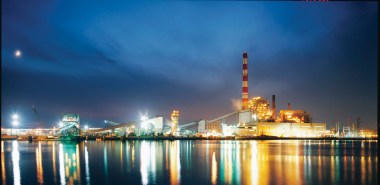
Bridgeport Harbor station power plant. Photo courtesy of PSEG
¶ After Republicans in the Oregon Senate blocked a clean energy bill, the House Committee on Rules voted 7-2 to pass a separate piece of legislation already passed by the Senate in which supporters had inserted the renewable energy bill. That bill now goes to the full House for a vote. [Portland Tribune]
Posted in nuclear power, renewable power, solar, wind | 2 Comments »
Tags: nuclear, nuclear power, renewable power, solar power, wind power
February 25, 2016
Opinion:
¶ Five years on and the Fukushima crisis is far from over • Five years ago the Rainbow Warrior sailed along the Fukushima coast conducting radiation sampling. Now, as we approach the fifth anniversary of the Fukushima Disaster, it’s back, and has Japan’s ex-Prime Minister on board. [Greenpeace International]

Greenpeace Ship Rainbow Warrior Sailing past the destroyed Fukushima Daiichi nuclear plant.
World:
¶ The reactor meltdown at the Fukushima Daiichi nuclear plant in 2011 should have been announced much sooner, the operator has admitted. In a statement, TEPCO said that a public declaration of the meltdown should have been done within days of the disaster, but took almost two months. [CNN]
¶ The World Trade Organization dispute settlement panel has struck a blow to India’s solar power program, ruling that New Delhi violated global trade rules by imposing domestic content restrictions on the production of solar cells and modules as part of its National Solar Mission. [Livemint]
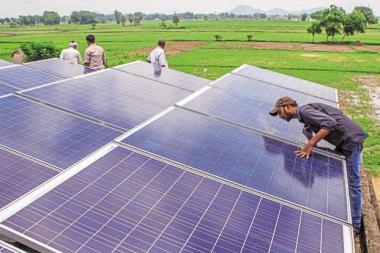
The US said its solar exports to India fell 90% since India imposed the domestic content requirement measures. Photo: Bloomberg
¶ Sri Lanka has given indications it intends to increase its goal for renewable energy generation significantly by the end of the next decade. The government is considering a goal for renewable energy in electricity generation of 100% by 2030, a significant increase over the current plans. [CleanTechnica]
¶ One of the largest solar power parks under India’s National Solar Mission will have provisions for storage as well. The Solar Energy Corporation of India is expected to release a tender for a 750 MW solar park in Andhra Pradesh that will include provisions for storage up to 100 MW. [CleanTechnica]
US:
¶ SunPower has signed with the Escondido Union High School District in California to offset 75% of its electricity demand. The agreement will see SunPower build 2 MW worth of solar power systems at four schools in the district, saving the district $13.4 million over a 20 year period. [CleanTechnica]

Image credit: via Sunpower Twitter
¶ Methane emissions from the oil and gas industry are much higher than previous official estimates, according to draft revisions of the US greenhouse gas emissions inventory from the EPA. Revised estimates of 2013 emissions are 27% percent higher than the previous tally. [CleanTechnica]
¶ EDF Renewable Energy, a major developer in North America, has brought online its first battery storage project, a 20-MW nameplate capacity system in McHenry County, Illinois. The installation adds 40 MW of flexible capacity to the PJM regional transmission organization. [SeeNews Renewables]
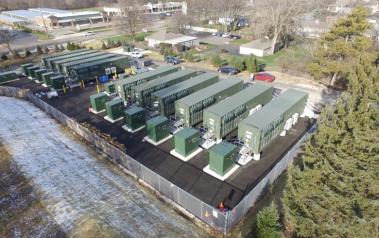
EDF Renewable Energy’s first commercial storage project in McHenry County Illinois. Photo: Business Wire
¶ Dairyland Power Cooperative has finalized agreements with two developers to purchase over 15 MW of renewable energy from multiple new PV solar facilities in Wisconsin. The installations will range from 0.5 MW to 2.5 MW in scale. They will power over 2,500 homes. [Leader-Telegram]
¶ NV Energy Inc wants to acquire 35 MW of renewable energy capacity and to award long-term power purchase agreements for at least a further 100 MW of renewables in Nevada. The company issued a request for proposals, with a bidding deadline for March 18, 2016. [SeeNews Renewables]

Solar array in Nevada. Author: BlackRockSolar.
License: Creative Commons. Attribution 2.0 Generic
¶ From tougher environmental regulations to more competition from renewable energy and electric cars, top US officials warned world energy leaders gathered in Houston that change is coming. EPA Administrator Gina McCarthy said, “The clean energy train has left the station, folks.” [Houston Chronicle]
¶ Legislation intended to increase the share of renewable power in Oregon and stop use of coal for the state’s power has stalled. Republicans in the state Senate were absent from the Senate floor on Wednesday, leaving Democrats without a quorum and unable to proceed on the vote. [OregonLive.com]

Republican seat sit empty in the Oregon Senate. Ian K. Kullgren/staff.
¶ The American Wind Energy Association’s Q4 2015 market report contained a surprise. “Approximately 75 percent of the megawatts contracted through PPAs during the fourth quarter were through companies including Procter & Gamble, General Motors, and Google Energy.” [GreenBiz]
¶ Developers are proposing the second-largest solar array in Windham County, Vermont, and the Vermont Army National Guard appears to be an enthusiastic partner in the project. An application has been submitted for a 1.8-MW net-metered project in Westminster. [vtdigger.org]
Posted in nuclear power, renewable power, solar, wind | 2 Comments »
Tags: nuclear, nuclear power, renewable power, solar power, wind power
February 24, 2016
Science and Technology:
¶ A study examined the persistence of carbon dioxide in the atmosphere and concluded that some sea level rise is effectively locked in. The study’s authors found that the carbon pollution we have emitted so far will cause an eventual sea level rise of 1.7 meters (5.5 feet). [The Guardian]
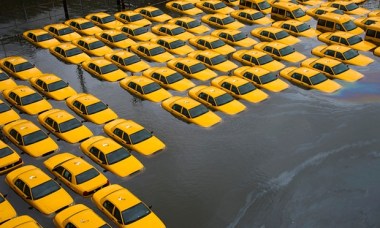
A parking lot full of yellow cabs flooded by Superstorm Sandy in Hoboken. Photograph: Charles Sykes/AP
¶ Scientists have modeled a history of the planet’s sea levels spanning back 3,000 years, and concluded that the rate of increase last century “was extremely likely faster than during any of the 27 previous centuries.” The study found human activity probably caused part of the rise. [CNN]
World:
¶ OpenHydro has completed a £1.8 million project to design, build and test a power conversion unit for its open-center turbine at the European Marine Energy Center in Orkney. The project is part of an initiative to assist in the development of wave and tidal energy technology in Scottish seas. [reNews]
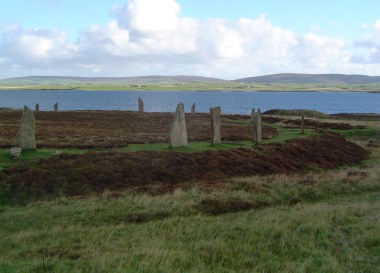
Image: Orkney (sxc)
¶ DONG Energy has announced that it will invest in and build the world’s first bio plant for handling unsorted household waste without prior treatment. The technology allows unsorted household waste to be digested into biogas” as well as other things like recyclable plastics and metals. [CleanTechnica]
¶ The world’s top coal producer, and the biggest emitter of greenhouse gases, will shut down 1,000 coal-fired power plants this year. It’s a move that will simultaneously cool off China’s over-supply of dirty coal and help tackle the country’s air pollution crisis. Deeper cuts are to come. [Mother Jones]

Chimneys spew pollution in an ailing industrial city in China’s northeast. Mark Henley / Ropi / Zuma Press
¶ Chile’s solar industry has seen strong development as the country’s green energy boom has kept down both carbon emissions and the high electricity costs of other Latin American countries. Solar bids are coming in as low as $65 per MWh, while Coal’s have been $85 per MWh. [Manufacturer.com]
¶ A Statkraft-led consortium unveiled plans for giant €1.1 billion, 1-GW network of wind farms in central Norway. Work is already poised to get underway on the wind farms. Construction is scheduled to start in the second quarter of this year with commissioning in 2020. [Business Green]
US:
¶ The US DOE’s National Renewable Energy Laboratory recently verified during testing that a SunPower X-Series solar panel achieved a conversion efficiency of 22.8%, thus marking the official achievement of a new world record for its class. Now, the X-22 panel is coming to market. [CleanTechnica]

Image via SunPower
¶ New York’s Public Service Commission said it is speeding up a “rescue plan” to keep the FitzPatrick nuclear complex in upstate New York running, after the power generator said a proposal made last month wouldn’t come in time to save it. The agency said it would offer “expedited financial support.” [Daily News]
¶ The DOE’s National Renewable Energy Laboratory released analysis of the impacts of the extension of federal tax credits on renewable energy deployment. The report explores how the extension might change both renewable energy deployment and carbon dioxide emissions. [Renewable Energy Magazine]

Wind farm in Colorado
¶ Cash-strapped coal companies are reaching the conclusion that energy policy is a matter for the courts rather than Congress. As dwindling demand puts pressure on mining companies to cut costs and climate rules threaten their very survival, many are shifting tactics. [Bloomberg Big Law Business]
¶ SolarReserve’s Crescent Dunes Solar Energy Project, which began testing operations last fall, has reached full production. The complex is the first utility-scale project with an integrated energy storage system allowing it to continue generating 24 hours a day. [CanadianManufacturing.com]
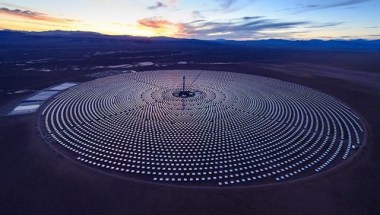
The Crescent Dunes solar project outside of Tonopah, Nevada. Photo: SolarReserve
¶ The Red Lake Band of Chippewa Indians signed an agreement to provide solar energy projects for the three Red Lake casinos and various other tribal buildings. Red Lake will install 15 MW of solar panels across the rooftops of the band’s largest buildings. [Indian Country Today Media Network]
¶ New York state regulators decided that the average RG&E electric customer must pay an extra $2.20 a month to subsidize the Ginna nuclear power plant. The new fee replaces a temporary $1.79 monthly surcharge RG&E customers have been paying since September. [Rochester Democrat and Chronicle]
Posted in nuclear power, renewable power, solar, wind | 1 Comment »
Tags: nuclear, nuclear power, renewable power, solar power, wind power
February 23, 2016
World:
¶ The International Energy Agency is warning consumers not to let cheap oil lull them into a false sense of security. In a report, the IEA said it expects prices to start recovering in 2017. But it forecasts a subsequent sharp jump in price as supply shrinks following under-investment by struggling producers. [BBC]
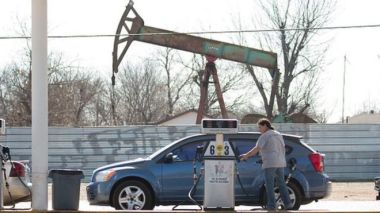
Consumers should expect oil prices to recover
¶ The operator of South Australia’s vast network says it has no concern about the growing penetration of renewable energy on its grid, and is encouraging remote towns to look at renewable micro-grids to cut costs. South Australia is likely to get over 50% of its electricity needs from wind and solar power this year. [CleanTechnica]
¶ At the recently concluded Invest Karnataka summit, two different entities pledged to add a total of 3 GW of solar power capacity in the southern Indian state. Karnataka Solar Power Development Corporation stated its plans to set up 2 GW, while Adani Group announced plans to set up 1 GW solar capacity. [CleanTechnica]
¶ A newly published decree will help bring down by six to eight months delays in the French green tenders system, Ecology Minister Segolene Royal announced. The decree modifies the procedure for holding tenders for electricity from renewable sources. It issued on February 21 and applies immediately. [SeeNews Renewables]
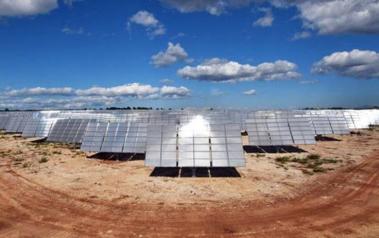
Urbasolar concentration solar power plant in France, Source: Urbasolar.
¶ Chinese manufacturer, Goldwind, became the world’s largest supplier of wind turbines in 2015 for the first time, displacing long-term number one supplier Vestas, according to preliminary findings from FTI Intelligence. According to the findings, Vestas is placed second, while US supplier GE is in third place. [GlobeNewswire]
¶ The capacity of wind power generation worldwide reached 432.42 GW at the end of 2015, up 17% from a year earlier and surpassing nuclear energy for the first time, according to data released by global industry bodies. The generation capacity of wind farms newly built in 2015 was a record 63.01 GW. [The Japan Times]
¶ UK-based Renewable Energy Systems Ltd last week announced the start of operations of two green power plants in France, lifting its portfolio in the country to 538 MW. Both installations, a 22-MW wind farm, with 11 Senvion wind turbines, and a 12-MWp solar park, are located in the Aude department. [SeeNews Renewables]
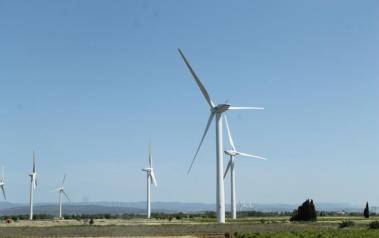
Wind farm in France. Author: Connie Ma. License: Creative Commons, Attribution-ShareAlike 2.0 Generic
¶ German onshore wind power generation capacity is likely to increase by around 3 GW to 4 GW this year driven by subsidy reform, the country’s wind industry association BWE said on Monday. The German economic affairs ministry plans to shift many renewable power subsidies to tenders, for which projects compete. [ICIS]
US:
¶ By summer’s end, sunny forecasts will translate into brightly lit rooms on the Ithaca College campus when a planned 2.9-MW solar electric project is completed, accounting for 10% of the campus’ electric needs. The Town of Seneca plans to sell the college, an estimated 3.55 million kWh electricity per year. [Ithaca Journal]
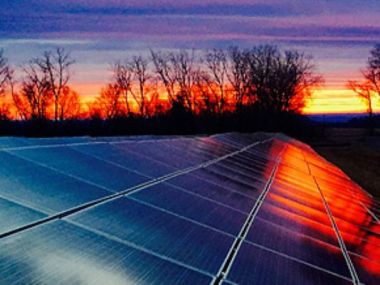
A photo of the new solar facility for Ithaca College, in Seneca, NY. (Photo: NYSERDA)
¶ New York Governor Andrew M. Cuomo Friday announced that 900 solar projects are underway through 26 community “Solarize” campaigns across New York state. Thirty-two of these come from the Solarize Canton effort. The solar systems in Canton total 228 kW, exceeding campaign expectations. [WatertownDailyTimes.com]
¶ A new Pennsylvania state regulatory decision will allow farmers in the Chesapeake Bay watershed to continue selling electricity from manure-based digesters to utilities at retail rates. The digesters have been pushed as one way for agriculture to reduce nutrients that pollute the Chesapeake Bay. [LancasterOnline]
¶ A new analysis of a recent 12-vehicle Proterra electric bus demonstration (put on by Foothill Transit in California) by the National Renewable Energy Laboratory has found that these buses possess an average fuel economy roughly 4 times higher than that of baseline compressed natural gas buses. [CleanTechnica]

Proterra electric bus
¶ Oregon lawmakers changed a controversial proposal aimed at scrubbing coal from the state’s electricity supply, sending the plan to the Senate floor after approving a measure to give state regulators more oversight. The bill would see ratepayers stop paying for power produced at out-of-state coal-fired power plants by 2030. [OregonLive.com]
¶ A study published in Nature Climate Change suggests that if the United States reduces emissions from the transportation and electricity sectors in order to meet those targets, 295,000 American lives could be saved by 2030. The study also estimated the near-term economic benefits could be over three times the cost. [IEEE Spectrum]
Posted in nuclear power, renewable power, solar, wind | 2 Comments »
Tags: nuclear, nuclear power, renewable power, solar power, wind power
February 22, 2016
World:
¶ Japan’s solar installations are expected to peak this year somewhere between 13.2 GW and 14.3 GW, according to Bloomberg New Energy Finance. Japan installed 7.1 GW of solar in 2013, 10.3 GW in 2014, and as much as 12.3 GW in 2015. However, BNEF is predicting a drop in installations for 2017. [CleanTechnica]

Rooftop solar installation in Japan. Photo by CoCreatr (some rights reserved)
¶ SkyPower has signed four power purchase agreements with the Indian state of Telangana to build and operate a total of 200 MW of solar energy projects. The deals bring the total number of solar projects agreed by the company in India to 400 MW, with the other 200 MW planned for the state of Madhya Pradesh. [reNews]
¶ Scotrenewables Tidal Power has completed the deployment of its advanced modular anchoring system at the European Marine Energy Centre in Orkney, Scotland. The deployment is part of preparations for the installation of a 2-MW floating tidal turbine in a project for floating technologies. [Renewable Energy Magazine]

Scotrenewables deployment of advanced anchoring system
¶ Colville Lake, a Dene community of about 150, high in a corner of Canada’s Northwest Territories, has successfully tested a system of batteries and solar panels that should allow the community to run entirely on the sun’s energy – at least in the summer. The system supplements a new diesel generator. [Huffington Post Canada]
¶ South Australia is about to go coal-free, and by the end of the year it will be supplying half of its energy needs from wind and solar. Some people think these things are big steps into the future; others that they are the beginning of the end of the world as we know it. The Northern brown coal station will close on May 8. [Echonetdaily]
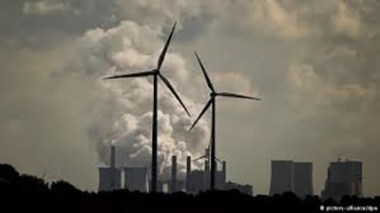
Coal and wind in South Australia
¶ Canada’s eventual decision over the fate of a 15-year-old proposal to build a deep underground repository for low and intermediate-level nuclear waste a mile from Lake Huron is being watched on both sides of the border. The decision was expected by March 1, but it is being put off – at least for now. [Toledo Blade]
US:
¶ Figures released by GTM Research and the Solar Energy Industries Association ahead of their scheduled US Solar Market Insight report, which is due out March 9, say the US solar PV industry installed a record 7,286 MW of solar PV in 2015. This was 29.5% of all new capacity, and beat out natural gas. [CleanTechnica]

New US solar installations by year. GTM graph.
¶ Bernie Sanders hasn’t proposed eliminating conventional oil and gas drilling or coal mining on private land, but he believes that fracking, is especially problematic. He wants to halt fracking not just on public land but on private land too. How would he actually do that? He has a list of six things that he could do to stop it. [Grist]
¶ Solar power has become the biggest growing energy source in New Hampshire. And in New Hampshire, the city of Franklin leads the way in this “green” growth. It has the first and biggest “solar garden” (array of panels) thus far.
Franklin has been called, “The Solar Capital of New Hampshire.” [Laconia Citizen]
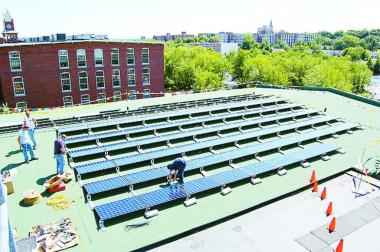
Workers install solar panels on the roof of a building in Franklin.
(Leigh Sharps / for the Citizen)
¶ Americana “big box” stores could host around 62.3 GW of rooftop solar PV capacity, enough to generate enough electricity to provide for the equivalent needs of roughly 7 million US households, according to a report. The stores have about 4.5 billion square feet of space that can be developed. [CleanTechnica]
¶ German PV system integrator Phoenix Solar AG today said its US subsidiary won a contract from Invenergy Solar Development LLC to design and build a 65-MW PV plant in Nevada. It will have polycrystalline modules on a single axis tracking system. Construction is set for the first quarter of 2016. [SeeNews Renewables]
Posted in nuclear power, renewable power, solar | 1 Comment »
Tags: nuclear, nuclear power, renewable power, solar power, wind power
February 21, 2016
Science and Technology:
¶ Welsh startup Riversimple unveiled its prototype car. Four in-hub motors use recovery braking to charge supercapacitors that then release electricity back for acceleration. The hydrogen fuel cells don’t power acceleration; they just maintain the car’s speed. As a result, its 1.5-kg tank of hydrogen can carry it 300 miles. [BBC]

Credit: Riversimple
World:
¶ The Indian government said the installed capacity of solar power crossed 5,000 MW in January and expressed confidence that the target of 18,000 MW would be achieved by 2017-end. India has initiated world’s largest renewable energy program by increasing its target from 35 GW to 175 GW capacity by 2022. [Daily Excelsior]
¶ The global oil-price bust has devastated economies across the Middle East and North Africa. There have been severe price declines in the past, but this collapse is different. Morocco’s drive to become a regional renewable-energy powerhouse offers a real option for economic development. [Daily News]
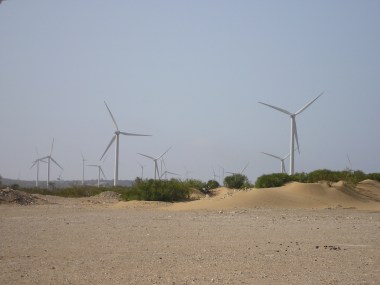
Moroccan wind farm. Photo by sqala from Biarritz, France.
CC BY-SA 2.0. Wikimedia commons.
¶ The Japanese government has decided to offer a loan of about ¥10 billion ($89 million) to build a solar power plant with a battery system in Egypt. The plan is to build a 20-MW solar power plant with a 30-MW capacity storage facility. The plant would supply electricity to about 7,000 households. [The Japan Times]
¶ The UAE’s Ministry of Infrastructure Development has launched an initiative to establish charging stations for electric vehicles as part of its efforts to support the green economy and sustainable development. The UAE aims to become a global leader in this area, and center for green products and technologies. [Emirates 24|7]

Electric car in the UAE
¶ Dozens of new onshore wind turbines could be built on Scottish islands at bill-payer expense, after ministers confirmed the islands may be excluded from their manifesto pledge to end subsidies for the technology. Projects on Shetland, Orkney and the Western Isles could yet qualify for even higher subsidies. [Telegraph.co.uk]
¶ Kansai Electric Power Co has found a puddle of radioactive water inside an auxiliary building at the Takahama nuclear plant’s No 4 reactor – an announcement that could throw a wrench into plans to reboot the unit later this month. The prefecture’s nuclear safety division said the leak did not affect the environment. [The Japan Times]
US:
¶ Thinley Lhondup Lama, a village elder from Nepal, stopped by a school in Hartford, Connecticut, to offer his personal thanks for the renewable energy systems given to three villages. One arrived in 2013, after a group of eight city students built a 24-foot-tall wind turbine that was helicoptered to Thinley’s village. [Hartford Courant]

Thinley Lhondup Lama, left presents a scarf to school principal Mike Maziarz as a thank you. (Jon Olson / Special to The Courant)
¶ At an event in Colchester, Vermont, Republican presidential candidate John Kasich was asked about climate change. He said, “I know that human beings affect the climate. I know it’s an apostasy in the Republican Party to say that. I guess that’s what I’ve always been – being able to challenge some of the status quo.” [BurlingtonFreePress.com]
¶ Ford Motor Co dropped its membership in the American Legislative Exchange Council (ALEC). In leaving ALEC, Ford joins companies such as Google, Microsoft and others that have concerns about the group’s position denying climate change and other stances they deem to be anti-environmental. [Bloomberg BNA]
Posted in nuclear power, renewable power, solar, wind | 1 Comment »
Tags: nuclear, nuclear power, renewable power, solar power, wind power
February 20, 2016
Opinion:
¶ 6 Reasons Al Gore Believes ‘We Will Prevail’ in Climate Fight • Al Gore admitted to the TED2016 audience in Vancouver on Wednesday, “every night on the news is like a nature hike through the Book of Revelation.” But he maintained, “I am extremely optimistic. We are going to win this. We will prevail.” [EcoWatch]

Al Gore struck a note of optimism during his TED2016 talk in Vancouver. “Change can happen faster than we think,” he argued.
Science and Technology:
¶ Smart microgrids provide higher reliability and more efficient operation of distributed generation assets than conventional systems. Siemens is participating in a community energy resiliency grant program in New York State and optimizing electrical generation at a Native American reservation in California. [Justmeans]
¶ Researchers at Germany’s Karlsruhe Institute of Technology have found an energy storage solution that could use of waste from processing apples. They discovered that leftover apple waste has “excellent” electrochemical properties for use in sodium-ion batteries, when reduced to a carbon material. [CleanTechnica]
¶ After record heat in 2015, January 2016 is continuing the trend. It was the hottest January on record and Arctic sea ice extent was at a record low level for the third time this year. El Niño has certainly played a role in this latest record, but scientists have concluded that this effect was fairly minor overall. [The Weather Network]

NASA’s plot of global temperature anomalies for January 2016. Credit: NASA GISS
World:
¶ Last year, 6 million tons of wood pellets harvested from forests in the southern US were shipped across the Atlantic. Half of those pellets were for Britain’s Drax power station, which is converting from coal to biomass to reduce carbon emissions and claim valuable Renewable Obligation certificates. [Science 2.0]
¶ A 3-MWp sun2live solar installation including more than 12,000 PV panels was developed and constructed by the UK-based clean energy provider PV Energy Limited. The plant was recently completed at the VC Bird International Airport of Antigua and represents a pioneer project for the whole Caribbean. [PennEnergy]
¶ Despite earlier moves towards the large-scale use of wood-fired (biomass) power plants, it looks as though lawmakers in the Netherlands are beginning to have doubts about the approach. Dutch parliamentarians have recently moved to suspend plans for wood energy subsidies over environmental concerns. [CleanTechnica]
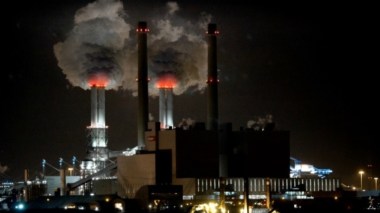
Photo by Marcel Oosterwijk via Flickr (some rights reserved)
¶ Tasmania’s Minister for Resources said that due to recent unprecedented events, including the failure of the world’s second longest undersea electricity cable and low rainfall, the government is now considering the use of biomass residues from value-added forest operations to generate energy. [Bioenergy Insight Magazine]
¶ Sweden’s Unit 1 at the Oskarhamn nuclear power plant will be closed in June 2017, the plant’s operator OKG AB said. The closure date is on the early side of the parameters of last year’s announcement. In October 2015, OKG said the plant would close between 2017 and 2019 due a negative market environment. [Nuclear Street]
¶ A study projects green building around the globe to double by 2018. According to the results of the study, the percentage of companies expected to have more than 60% of their building projects certified as “green” is anticipated to more than double by 2018, growing from 18% to approximately 37%. [CleanTechnica]

Dallas skyline via Shutterstock
US:
¶ Kansas is one of the states suing the EPA to stop the Clean Power Plan. Some lawmakers are even moving to freeze work on compliance planning. Meanwhile, utility companies and electric power grid operators serving the state continue to expand wind power, regardless of what happens to the rules. [Kansas City Star]
¶ A media report says Tesla Energy batteries will be used for a SolarCity solar farm and energy storage system for Kauai Island Utility Cooperative in Hawaiʻi. The Tesla Energy batteries will supply a 52 MWh utility-scale energy storage system for evening peak demand, typically between 5:00 pm and 10:00 pm. [CleanTechnica]
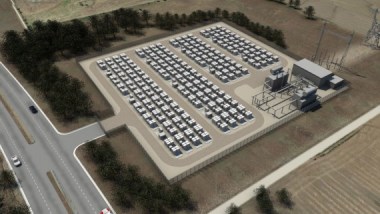
Artist’s impression of Tesla’s utility-scale storage systems. Image via Tesla Motors.
¶ The Massachusetts Solar Carve-Out II Program may have been reached full capacity for projects larger than 25 kW DC. Applications have been received for over 854 MW DC, exceeding the limit of 660.6 MW. New commercial solar projects in the state are already suffering under a net metering cap. [Digital Journal]
¶ Wind power in the Texas grid set a new record on Thursday evening when it generated 14,023 MW. The previous record was 13,883 MW. Wind turbines accounted for more than 45% of the grid’s overall load at certain points late on Thursday as Texas increasingly relies more on renewable power. [mySanAntonio.com]
Posted in nuclear power, renewable power, solar, wind | 2 Comments »
Tags: nuclear, nuclear power, renewable power, solar power, wind power
February 19, 2016
Science and Technology:
¶ It’s official: 2015 was the hottest year on record, beating out 2014 by the widest margin in 136 years of record keeping, US government agencies announced Wednesday. The last globally record cold year was 1911, while 15 of the 16 hottest years on record have occurred since 2001, according to NASA. [Climate Central]
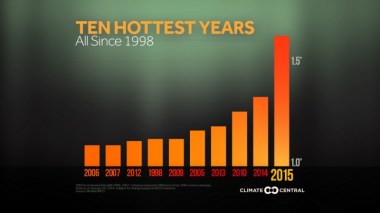
The top 10 hottest years on record. Temperatures are in Fahrenheit.
Opinion:
¶ Climate protection through nuclear power plants? Hardly. • In 2013 nuclear provided 10.6% of global electricity, and just 1.7% of global final energy consumption. Even if generation in nuclear power plants could be increased significantly, nuclear power will remain a marginal energy source. [Bulletin of the Atomic Scientists]
World:
¶ The world is moving more quickly towards renewable energy than people thought even a year ago, and Australia can expect an imminent boom in large-scale solar investment, according to the CEO of Australian energy utility Origin Energy. He expects solar to be cheaper than most gas-fired generation. [CleanTechnica]
¶ A national poll, conducted by Essential, found that a majority of Australians were more likely to vote for a party with ambitious goals for renewables technology. It found that 63% would prefer a party with a policy to ensure solar is installed on every suitable home and commercial or public building. [RenewEconomy]
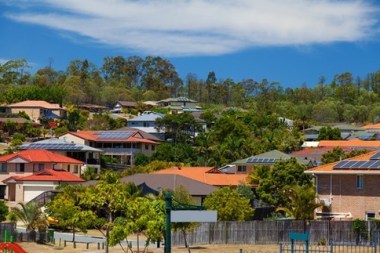
Rooftop solar in Australia
¶ RattanIndia Power is reportedly planning to use 324 hectares of land in the northern state of Punhjab originally earmarked for a coal-based power plant to set up a 200 MW solar power plant. The company has dropped plans for the coal-based power plant after it failed to receive assurance of domestic coal supply. [CleanTechnica]
¶ Austria’s biggest utility is seeking to expand a network of “virtual power plants” where energy flows from customers with their own generators. Purchases from solar, wind, biomass and hydro plants, often located at the premises of existing power customers, rose to 100 MW last year from 4 MW in 2014. [Bloomberg]
Built in 1843, this Austrian wier became a 15-kW hydroelectric power station. Photo by Herzi Pinki. CC BY-SA 3.0. Wikimedia Commons.
¶ China’s environment minister said the government needs more power to go after polluters and local government officials that impede compliance with environmental regulations. China’s pollution crisis has become increasingly severe, bringing about school closures and limited factory production. [VICE News]
¶ Japan’s wind-power capacity is expected to grow threefold as two developers invest tens of billions of yen. The total would be equivalent of 10 nuclear reactors. Eurus Energy Holdings and Electric Power Development each plan to invest around ¥60 billion ($528 million) in new facilities by 2020. [Nikkei Asian Review]
US:
¶ New satellite data and surface observations analyzed by Harvard researchers confirm previous data and observations: US methane emissions are considerably higher than the official numbers from the EPA. Significantly, the EPA numbers are mostly based on industry-provided estimates, not actual measurements. [ThinkProgress]
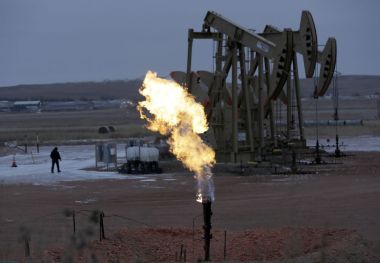
Gas flair. Credit: AP Photo / Eric Gay, file photo
¶ Palo Alto’s outlook for expanding its supply of cheap, green energy brightened this week. A City Council committee has enthusiastically approved a new 25-year contract with Hecate Energy that would allow the city to buy solar power at a price of less than 3.7¢/kWh. The price may set a record. [Palo Alto Online]
¶ At the National Association of Regulatory Utility Commissioners Winter Meeting this week, it was announced that the addition of wind resources surpassed both solar and natural gas in 2015. Wind resources accounted for 8.6 GW of capacity while solar and natural gas came in at 7.3 GW and 6.0 GW, respectively. [JD Supra]
Image Courtesy of Martin Abeggien. Used under Creative Commons license.
¶ Four elementary schools serving low-income communities in northern Nevada will blossom with greener classrooms. A press release says Nevada-based non-profit Black Rock Solar is working with Open Energy, a commercial solar debt finance provider, for solar projects on the four elementary schools. [CleanTechnica]
¶ A leaking gas well near the US city of Los Angeles which has been polluting the air for four months has been “permanently sealed,” officials say. The Southern California Gas Company had been pumping in heavy fluids and cement to seal the well. The natural gas leak has caused thousands to relocate. [BBC]
Posted in nuclear power, renewable power, solar, wind | 1 Comment »
Tags: nuclear, nuclear power, renewable power, solar power, wind power
February 18, 2016
Opinion:
¶ Why the U.S. is cutting carbon emissions no matter what happens with the Supreme Court • The power sector in the US is transforming to a much less carbon-intensive future, the precise thing that the Clean Power Plan aims for. This is neither a legal development, nor political. It is largely a business decision. [Washington Post]
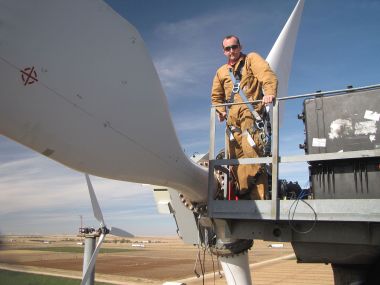
Scaled Wind Farm Technology in Lubbock, Texas. Photo by Mark Rumsey, Energy.gov photo. Wikimedia Commons.
World:
¶ Venezuela is raising petrol prices for the first time in 20 years, although the president claims it will still be the world’s cheapest. President Nicolas Maduro said pump prices of premium fuel would rise from the equivalent of $0.01 a litre to about $0.60. The cost of lower grade petrol would rise to about $0.10 a litre. [BBC]
¶ Telstra Corporation, an Australian telecommunications concern, plans to speed up the roll-out of solar and battery storage options to customers, according to RenewEconomy. The plan to offer home energy services indicates it will compete with electricity utilities, a growing international trend. [CleanTechnica]
¶ Dong Energy has exported first power from its 252-MW Gode Wind 2 offshore wind farm in the German North Sea. Sea Challenger, owned by A2SEA, has erected all 42 Siemens turbines at the project. The remaining machines at the 97-turbine 582-MW Gode Wind 1 & 2 complex are to be up this summer. [reNews]

Dong Energy’s Gode wind project (Dong photo)
¶ According to Solar Power Portal, the UK solar industry has reached a cumulative capacity of more than 10 GW. The news comes just weeks after the European solar industry trade body, SolarPower Europe, released a projection that the UK would remain the region’s largest solar market in 2016. [CleanTechnica]
¶ Chile’s renewable power generation rose 18.7% year-on-year to 671 GWh last month, representing a bit over 10.85% of total electric output, a government report shows. Solar power produced 26.6% of the total green power, biomass had a 26.25% share, wind power had 23.93%, mini hydro plants had 20.63% [SeeNews Renewables]
¶ Gamesa got an order from a German renewable energy company to replace 11 1-MW wind turbines at a wind farm with three G128-4.5 MW turbines. Operational since 1998, the Debstedt wind farm in Lower Saxony will be upgraded with new technology, and its annual output will be doubled. [Windpower Engineering]

The wind turbines will be replaced by three of Gamesa’s G128-4.5 MW turbines, producing more energy.
¶ Peru awarded 185 MW of solar PV projects at an average price of $48/MWh in a renewable energy solicitation. Bloomberg New Energy Finance Head of Solar Analysis Jenny Chase says that she has never seen a contract for power from solar PV this cheap in any nation that does not offer tax breaks. [pv magazine]
¶ About a third of the world’s publicly traded oil companies are at high risk of going bankrupt this year, according to a report from consulting and audit firm Deloitte. The firm put out its findings after closely examining 500 publicly traded oil and natural gas exploration and production companies worldwide. [Greentech Media]
US:
¶ The effort by San Francisco to launch a community choice aggregation renewable energy program was politically stymied for over a decade. But city leaders have now come together around CleanPowerSF. Notices were sent out to the first batch of customers San Francisco will automatically sign up. [San Francisco Examiner]
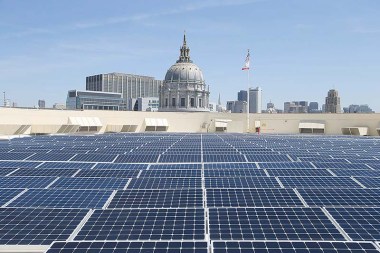
CleanPowerSF, San Francisco’s renewable energy program, is expected to begin in May. (Mike Koozmin/2014 S.F. Examiner)
¶ The future of the Prairie Island Nuclear Power Plant could be shorter than expected. In a recent filing, Xcel Energy told the Minnesota Public Utilities Commission it would like to do an economic study about the possibility of shutting down the nuclear facility prior to its official 2034 expiration date. [Post-Bulletin]
¶ Deepwater Wind’s 30-MW Block Island offshore wind project was selected in a 34-GW New England capacity auction. The wind farm committed to supply 6.8 MW. The auction was to cover projected demand starting in 2019-20. It closed at $7.03/kW after four rounds of competitive bidding. [reNews]
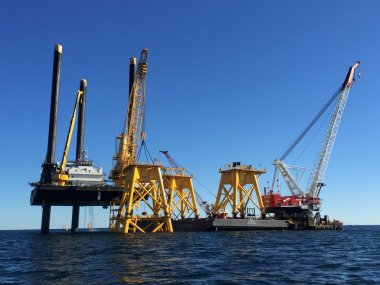
Construction at Block Island (Deepwater Wind photo)
¶ The Tennessee Valley Authority said Wednesday that it is considering whether to sell its unfinished Bellefonte Nuclear Plant, started in 1974 in northeast Alabama and mothballed for the past 28 years without ever producing any electricity. No potential price was mentioned, but TVA said it has spent about $5 billion at Bellefonte. [FederalNewsRadio.com]
Posted in nuclear power, renewable power, solar, wind | 2 Comments »
Tags: nuclear, nuclear power, renewable power, solar power, wind power
February 17, 2016
Opinion:
¶ Clean Power Doesn’t Need a Federal Plan • Last week, the Supreme Court put a stopper on the US Clean Power Plan. From the get-go, the CPP was criticized for being unconstitutional and unnecessary. Well, barring the legal applications of the plan, at least one of those accusations may turn out to be true… [Energy and Capital]
Colorado solar plant
World:
¶ In Germany and Portugal, a new drop-in biofuels process has emerged which is cost competitive with $30 oil, according to the inventors. The process breaks even with crude oil, on an 10-year amortized basis for capex, at roughly $20.30 per barrel of crude oil (assuming refining costs of $8.66 per barrel). [biofuelsdigest.com]
¶ Irish renewable energy firm, Solar 21 has acquired the project rights to build a 22-MW biomass power plant in England. The plant will be built on a 64-acre site near Hull. The firm is looking to secure €60 million through a fundraising round for the project, which has been under construction since October. [Irish Independent]
Solar 21 says that the plant will benefit from UK government-backed revenue.
¶ Oil prices fell on Tuesday despite Saudi Arabia and Russia agreeing to freeze oil output at January levels if other producers follow suit. The announcement came after ministers from the two nations met in Doha along with their counterparts from Venezuela and Qatar. Brent crude fell 2% to $32.77 a barrel. [BBC]
¶ Bangladesh, regarded by many as the nation most vulnerable to the impacts of global climate change, is on track to construct two coal-fired power plants that critics say are dangerously close to the world’s largest single tract of mangrove forest called the Sundarbans. A backlash against the plants is brewing. [Mongabay.com]
Chital deer emerge from the mists of the Sundarbans. Photo by Fabian Lambeck via Wikimedia Commons (CC 4.0)
¶ Woodside Petroleum, Australia’s largest independent oil and gas company, posted a 99% fall in profits for the 12 months to December. The firm put the decline in profits down to the global fall of over 45% in oil prices. Woodside’s net income came to $26 million (£18.18 million) from $2.41 billion a year earlier. [BBC]
¶ A new $30 million hydroelectric generating station on the Otonabee River in Peterborough, Ontario, is expected to come online by the end of June 2016. It will generate 6 MW of renewable energy in addition to the 4 MW already generated by the existing station. The total will power around 4,000 homes. [kawarthaNOW.com]
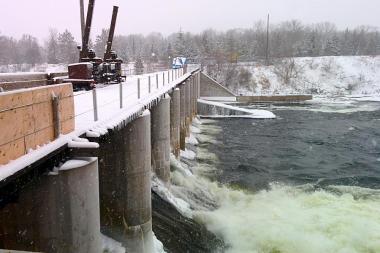
Hydroelectric station on the Otonabee River. Photo by Bruce Head for kawarthaNOW.
¶ Statoil ASA, Norway’s biggest oil and gas producer, will invest as much as $200 million in renewable energy over four to seven years. A new fund will take a minority stake in startups developing technologies including wind power, energy storage and smart grids, according to a company statement Tuesday. [Bloomberg]
¶ The UK’s Met Office has signed weather forecast service contracts for the 332-MW Nordsee One and 402-MW Veja Mate offshore wind farms in the south-west of the German Bight area of the North Sea. Nordsee One will also use Port forecasts and SafeVoyage for planning vessels’ routes in open water. [reNews]
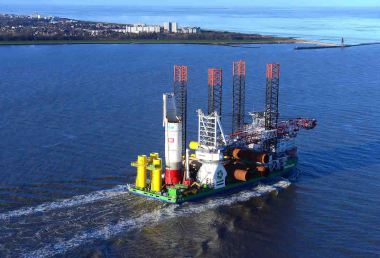
First monopile headed for Nordsee One offshore wind farm (RWE Image)
US:
¶ A bipartisan group of 17 governors announced a new initiative by their states to advance clean energy, encourage clean transportation, and modernize energy infrastructure. The Governors Accord for a New Energy Future follows a Supreme Court ruling last week to temporarily block the Clean Power Plan. [Environment America]
¶ Michigan joined the list of states that have suspended Clean Power Plan compliance strategies after the Supreme Court ruling of last week. However Governor Rick Snyder also announced today that he has joined 16 other governors in signing the bipartisan Governors’ Accord for a New Energy Future. [Midwest Energy News]
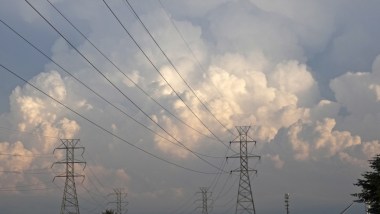
Power lines in Michigan. Photo by ellenm1 / Creative Commons
¶ A Los Angeles county transportation agency, the Antelope Valley Transit Agency, made the pledge to convert from diesel to 100% electric buses, according to recent reports. As the county’s bus fleet currently totals around 85, the pledge to go all-electric is a big one – one of the biggest in the US to date. [CleanTechnica]
¶ Trucking and transportation provider Estes Express Lines recently completed the installation of a $1.6 million rooftop solar power system at its Greensboro terminal. The system is designed to power the entire Estes Greensboro facility, which is made up of an approximately 80,000-square-foot dock. [Triad Business Journal]
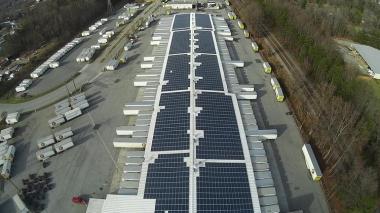
Estes Express Lines’ solar array.
¶ Wisconsin’s state Senate has passed a bill that would lift the state’s moratorium on new nuclear plants. Currently, state regulators cannot approve new nuclear plants unless a federal facility for storing waste exists and such a plant does not burden ratepayers. No such federal facility exists, however. [Journal Times]
¶ The mayor of Cohoes, New York, announced that the city is going green. The city has a 2.6-MW solar PV and LED lighting project underway, which is expected to save the taxpayers millions of dollars. The power from the solar energy will mainly be allocated to city hall, the fire station and the library. [NEWS10 ABC]
Posted in nuclear power, renewable power, solar, wind | 2 Comments »
Tags: nuclear, nuclear power, renewable power, solar power, wind power
February 16, 2016
World:
¶ British demand response specialist Flexitricity Ltd said National Grid has adopted its Footroom service, which can make use of excess wind power. The service will have industrial, commercial and public-sector sites paid to adjust generation or consumption on request, so wind farms need not be shut down. [SeeNews Renewables]
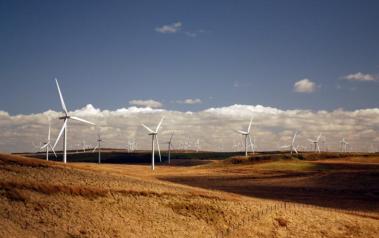
Whitelee wind farm in Scotland. Author: ms.akr.
License: Creative Commons, Attribution 2.0 Generic
¶ Lekela Power, a pan-African renewable power company, signed a deal with the Egyptian government to build a 250-MW wind power station in the Gulf of Suez area at an investment of $350 million. Lekela Power has over 1,100 MW of wind and solar projects under development in South Africa, Egypt and Ghana. [Trade Arabia]
¶ Construction work has begun on Europe’s largest floating solar farm at the Queen Elizabeth II reservoir near London. More than 23,000 panels will be floated on the reservoir, providing enough electricity each year to power the equivalent of around 1,800 homes. The array is due for completion at the end of March. [Business Green]
¶ Indian wind turbine maker Inox Wind Ltd said it will deliver 100 MW of its machines for a project in Gujarat state under a repeat order from Tata Power Renewable Energy Ltd. The project is TPREL’s fourth with Inox Wind. Before it, the company had ordered over 300 MW of wind turbines from the firm. [SeeNews Renewables]
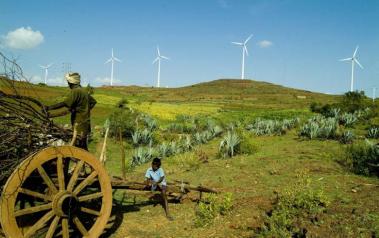
Wind farm in India. Author: Yahoo. License:
Creative Commons, Attribution 2.0 Generic
¶ French energy giant EDF is to extend generation from four of its UK nuclear power stations. Two stations due to be shut down in 2019 will continue for an extra five years. Another two will have extensions of seven years to 2030. EDF has still not made a final decision on building the Hinckley C plant. [BQ Live]
¶ Declaring renewable energy to be the future of India, Power and Renewable Energy Minister Piyush Goyal said 25 new solar parks will be added in the country. The minister said India’s target of generating 175 GW power by 2022 from renewable sources, includes 100 GW from solar, 60 GW from wind. [Odisha News Insight]
US:
¶ Increasing awareness of the grid vulnerability is causing many to doubt the wisdom of relying solely on the prevailing grid model. Government agencies and private companies are increasingly looking to the remote electrical microgrids that power rural Alaska, where there are no transmission lines. [Alaska Dispatch News]

Wind turbines generate electricity in Kotzebue,
Alaska, in September 2015. Loren Holmes / ADN
¶ GTM Research has released its latest solar report, which found that 20 US states are at grid parity today, with 42 expected to reach that milestone by 2020. With a decline in costs of solar PVs and increases in retail electricity rates, the economics of home solar systems have become increasingly attractive. [CleanTechnica]
¶ The Oregon House approved a bill that would eliminate the use of coal power in Oregon by 2030 and double the state’s renewable energy standard goal for 2040. The bill was passed, with utility support, under pressure as they are trying to head off ballot measures in the general election in November. [KLCC FM Public Radio]
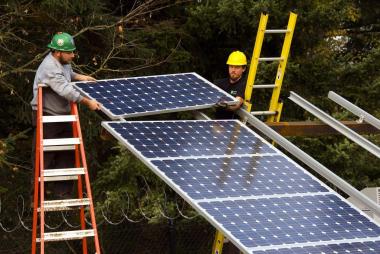
Credit Oregon Department of Transportation
¶ Wisconsin Governor Scott Walker issued an executive order that prohibits state agencies or departments from developing plans to comply with the Clean Power Plan. Walker argued that the effects of the EPA’s plan would fall heavily on coal-dependent manufacturing states like Wisconsin. [The Daily Cardinal]
¶ Rocky Mountain Power will soon be offering its customers the chance to use solar energy, even if they don’t plan to install panels on the roof. The company announced that it has contracted construction of a 20-MW solar farm in Holden, Utah. Customers may subscribe to some or all of their electricity from solar power. [RadioWest]
Posted in nuclear power, renewable power, solar, wind | 1 Comment »
Tags: nuclear, nuclear power, renewable power, solar power, wind power
February 15, 2016
Opinion:
¶ Asia can go 100 per cent renewable • For Asia, going 100 per cent renewable isn’t hypothetical. It is doable and it’s the best path to a sustainable future. The move is also being driven by costs. Renewable energy costs continue to decline, and we are beginning to see the true costs of fossil fuels. [eco-business.com]
Wind turbines in Western China. Image: Shutterstock
¶ Why Saudi Arabia and Russia are still flooding the oil market • Crude oil futures jumped 12% in New York on Friday, making their biggest one-day gain since 2009 and rebounding sharply from a 12-year low hit earlier in the week. Still, getting the fractious cartel to agree a deal to reduce oil supply may be a long way off. [CNN]
Science and Technology:
¶ A set photos from the US DOE’s National Renewable Energy Laboratory show how two eagles participate in a unique research at the National Wind Technology Center. They are helping on a research project that is developing radar and visual systems that prevent bird death caused by turbine blades. [Gizmodo India]
World:
¶ Bids are being sought for over $13 million in geothermal energy projects in Cornwall and the Isles of Scilly. Studies of the region’s geothermal potential suggest that it could supply all of Cornwall’s electricity. Geothermal energy could also meet as much as 20% of the UK’s electric power demand. [Hydrogen Fuel News]

Geothermal plant.
¶ As power crisis continue to haunt the southern region of Africa, Zimbabwe has joined other member states in an effort to generate electricity using wind by establishing a pilot project in Mamina. The pilot project is to study the viability of generating electricity using wind to avert power crisis. [Southern Times Africa]
¶ EDF’s powerful unions and several senior executives are said to believe that the Hinkley C project could be suicidal for the world’s biggest generator of nuclear energy. They want EDF to abandon the project – or at least persuade Britain to wait another three years until a more advanced generation is available. [The Independent]
¶ Investors in fossil fuels are being warned that they may risk losing their money, because the markets for coal and liquefied natural gas are disappearing. In both cases it is competition from renewables as their costs fall, principally wind and solar power, that is being blamed for the threat.
[eco-business.com]
India and China are cutting coal imports. India’s fell 34%
last year and Chin’a declined 31%. Image: Shutterstock
¶ The South Australian Royal Commission into the nuclear fuel cycle has conceded that nuclear power is not a viable alternative for Australia, but has urged authorities to consider it anyway. The result of the “tentative findings” could have serious implications for the roll out of renewable energy across the country. [RenewEconomy]
¶ While the lights probably won’t go out in Tasmania, the state’s energy crisis is really starting to pile on the pressure and has devolved into a war of words. The submarine cable that was supplying Tasmania with up to 40% of its electricity, failed in December and a drought has reduced hydro output. [Energy Matters]
US:
¶ According to the US Geological Survey, three earthquakes were recorded along the Kansas-Oklahoma border just a day after a 5.1 magnitude earthquake shook northwest Oklahoma. The state’s stronger and more frequent earthquakes have been linked to wastewater disposal associated with fracking. [KSAL]
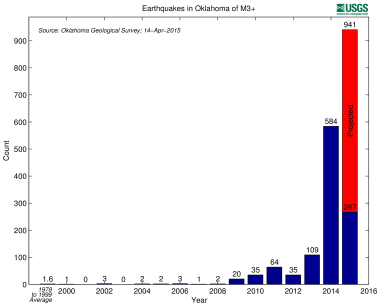
Increase in earthquakes in Oklahoma to April, 2015,
projected through the end of the year. USGS data.
¶ Using data from FERC and rooftop solar power estimates, it seems that 69% of newly installed US electricity generation capacity was from renewable energy power plants, with 67% from solar and wind power. The renewables segment on the whole grew by 23.5 GW, from 200.94 to 224.43 GW. [CleanTechnica]
¶ The Supreme Court put a hold on the Clean Power Plan, but many states are engaged. Colorado, New York, California, Virginia and Washington, and, at least, a dozen more have pledged to continue the work they have already started to come into compliance with the Clean Power plan to combat global warming. [Digital Journal]
Posted in nuclear power, renewable power, solar | 2 Comments »
Tags: nuclear, nuclear power, renewable power, solar power, wind power
February 14, 2016
Opinion:
¶ Have we reached the tipping point for investing in renewable energy? • Between 2014 and 2015, New York City’s biggest pension fund lost $135 million on fossil fuel holdings. Fossil fuel investments have cost 15 of Australia’s top funds an estimated $5.6 billion. Profitable sustainability is coming of age. [The Guardian]
Renewable energy is becoming increasingly viable, a trend that could potentially be a game-changer for investors. Photograph: Alamy
World:
¶ The first international agreement to cut commercial airline carbon emissions was signed by 23 countries, including the US. It entails a 4% reduction in the fuel consumption of commercial aircraft by dates depending on type. It aims to reduce emissions by over 650 million tons between 2020 and 2040. [CleanTechnica]
¶ Sri Lanka’s Prime Minister Ranil Wickremesinghe has warned officials of the Ceylon Electricity Board that he will be forced to take measures on his own to implement proposals related to the power sector if they fail to do what is needed. They have proposed nine new coal plants. He will only allow two. [Sunday Leader]
¶ The Brigg Renewable Energy Plant in North Lincolnshire was completed within its £162 million budget and three months ahead of schedule. It is capable of generating enough electricity to power 75,000 homes, and as it uses renewable energy, it is expected to save more than 250,000 tonnes of carbon dioxide each year. [Scunthorpe Telegraph]
The plant’s straw bail barn.
¶ According to IEEE experts, newer and more efficient ways to consume energy using renewables with energy efficiency will be a main focus of the dominant energy trend this year. This includes extensive use of smart-grids and technologies that improve resilience and reliability, with clean energy resources. [Equity Bulls]
¶ Philippine Senate Minority Leader Juan Ponce Enrile yesterday disclosed that arming the Philippines with a nuclear weapon was among the objectives of the construction of the now mothballed Bataan Nuclear Power Plant. This was planned during the administration of the late President Ferdinand E. Marcos. [Tempo]
¶ At a time when the governing British Columbia’s Liberal Party boasts about turning the province into a clean energy leader, the Canadian Wind Energy Association, country’s largest wind energy organization, has announced it is pulling out of the province to chase better opportunities in Alberta and Saskatchewan. [Alaska Highway News]
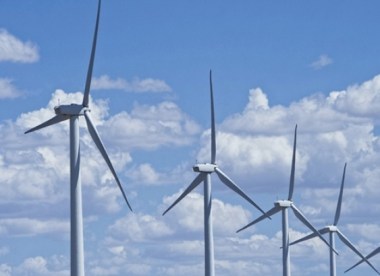
The Canadian Wind Energy Association is pulling out of B.C. File photo.
US:
¶ A solar boom is on in Minnesota. By the end of this year, Blue Earth County alone may have more solar capacity than the entire state does now. Xcel Energy predicts construction of these “solar gardens” to ramp up massively in 2016, generating more than 10 times the state’s current solar load. [Mankato Free Press]
¶ A new international quality standard for manufacturing solar PV modules has been created following on 5 years of work by researchers at the US DOE’s National Renewable Energy Laboratory and elsewhere, according to a press release. The new standard is intended to supplement the existing one. [CleanTechnica]
¶ Approximately 85 state, local and county officials and business people gathered Thursday for a VIP dedication of Sandstone Solar, one of Arizona’s largest photovoltaic power plants. The 45-MW plant covers more than 300 acres of former farmland and uses more than 182,000 solar panels. [TriValley Central]
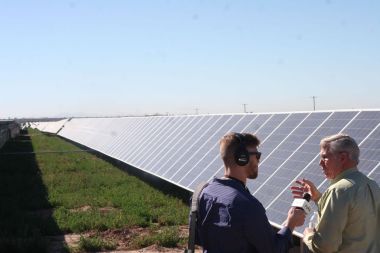
Jim Snyder, project manager for the new Sandstone Solar farm off, is interviewed after the dedication. Mark Cowling / Florence Reminder
¶ Dominion Virginia Power will soon add more solar power to its generation portfolio. The company is partnering with SunEnergy1 to install 91,803 solar panels at a new solar farm in Chesapeake, Virginia, a press release says. The site will generate enough energy to power 5,000 homes. [Proud Green Building]
¶ National Grid customers paid more than $110 million in surcharges to keep a nuclear plant in western New York open since 2012. Governor Cuomo has ordered the state Public Service Commission to investigate NRG Energy’s decision to close the Dunkirk Power Plant and whether consumers have been defrauded. [Syracuse.com]
Posted in nuclear power, renewable power, solar, wind | 1 Comment »
Tags: nuclear, nuclear power, renewable power, solar power, wind power
February 13, 2016
Opinion:
¶ Is This The Best Solar Chart Yet? • Solar energy has been in a boom of late (one that will arguably continue for a long while). One might ask why the technology has found increasing footholds in the global marketplace? Well, the graph below puts it more succinctly than I could, so have a gander. [CleanTechnica]
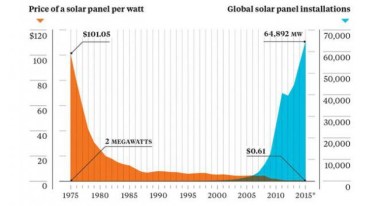
Image courtesy of the Earth Policy Institute/Bloomberg
¶ The CEO of the largest Russian bank said the age of oil was over. He is sort of right. • The CEO of the Russia’s largest Russian bank made a strong critical statement about the Russian economy. He said the oil age is over and Russia has lost the global competition because it has not adjusted to the clean energy race. [Huffington Post]
World:
¶ Oil prices surged as much as 12% on Friday after new suggestions that OPEC nations were set to cut oil production. The United Arab Emirates’ energy minister said OPEC members were ready to reduce output, the Wall Street Journal reported. But traders said sharp falls on Thursday may have triggered bargain-hunting. [BBC]

North Sea Oil rig. Photograph by Isaac Newton.
CC BY-SA 2.5 Generic. Wikimedia Commons.
¶ In what could reflect a paradigm shift in power generation in India, officials of the state-owned utility NTPC said one reason for low plant load factor at their thermal power stations is due to increased share of clean energy. The plant load factor has declined to 77.8% in 2015 from 79.3% in 2014 and 85% in 2012-13. [Business Standard]
¶ BP chief executive Bob Dudley this week called on governments to adopt carbon pricing mechanisms to address climate change. Dudley noted BP’s latest Energy Outlook 2035, also released during the oil and gas executives’ conference, projects global emissions to rise about 1% per year. [Environmental Leader]
US:
¶ Concerned about legislative moves, Maine solar installers, local and national businesses, environmental organizations, and the newly formed Solar Energy Association of Maine delivered a petition with nearly 4,000 signatures to the state legislature, urging regulators and lawmakers to preserve net-metering. [CleanTechnica]
Maine lighthouse. Shutterstock image.
¶ Major utilities have hit New Hampshire’s arbitrary cap on net energy metering but have shown virtually no interest in a stable transition for solar companies. Legislators are considering bills to address this, but the bills, SB 333 and HB 1116, would only lead to job losses in a few months, as currently written. [CleanTechnica]
¶ US scientists have modelled how a 1930s-like dustbowl drought might impact agriculture today, and found it to be just as damaging. But the research shows the effects to be very sensitive to temperature, meaning the potential losses would be far worse later this century if Earth’s climate heats up as expected. [BBC]
Farmer and sons in a dust storm, Oklahoma, 1936. Photo by Arthur Rothstein, 1915-1985. US Farm Security Administration photo. Wikimedia Commons.
¶ Infrared video taken Friday confirmed that the Southern California Gas Company has stopped the flow of natural gas leaking from a well at a facility near Los Angeles. SoCalGas said a relief well had “intercepted the base of the leaking well” and operators were pumping fluids to temporarily keep the gas from leaking. [CNN]
¶ After five years and millions of dollars of investments, Michigan’s utilities have exceeded the 10% renewable energy production goal under the state’s 2008 landmark energy law, the Michigan Public Service Commission said in its annual report. All 75 producers met the targets by December 31. [Crain’s Detroit Business]
Michigan Wind 1 near Ubly. Photo by No Trams To Lime Street
from Metro Detroit. CC BY-SA 2.0 Generic. Wikimedia Commons.
¶ By 2020 solar, wind, biomass and hydro will account for 10% of Georgia Power’s fuel mix, according to a new long-term plan the company recently filed with state regulators. That’s up from about 7% this year, or just 2% not counting hydro. In 2005, non-hydro renewables were not even counted in the mix. [MyAJC]
¶ The Tennessee Valley Authority is giving up on a nearly decade-old plan to pursue the next generation of major nuclear reactors at the Bellefonte Nuclear Power Plant in Alabama. TVA is facing a deadline today to tell its future plans to the Atomic Safety and Licensing Board of the US NRC. [Chattanooga Times Free Press]
Posted in nuclear power, renewable power, solar, wind | Leave a Comment »
Tags: nuclear, nuclear power, renewable power, solar power, wind power
February 12, 2016
Opinion:
¶ To Minimize Wind Power’s Impact on Birds & Bats, The Dept. of Energy Can Use AWWI As A Model • The Audubon Society says climate change threatens over half of American bird species. The American Wind Wildlife Institute has studied ways to protect wildlife and can be a model. [Natural Resources Defense Council]

Golden Eagle. (photo credit: Dave Taylor via Flickr)
Science and Technology:
¶ According to the Geothermal Energy Association, the industry reached about 3,442 MW at the end of 2013. Almost 700 geothermal projects are under development in 76 countries. Here is a closer look at some of the pros and cons when it comes to producing geothermal energy for home, business, or city. [PlanetSave.com]
World:
¶ The Indonesian island of Sumba is blessed with an abundance of natural resources, wind, solar and flowing water. In 2009 the Dutch NGO Hivos realized the potential these resources offered and conceived of a plan to electrify the island fully, using only renewable sources, by 2025. Now, about half the island has power. [GreenBiz]
Clean energy is spreading in Sumba, Indonesia.
Shutterstock / Asian Development Bank
¶ China installed half of all new wind capacity worldwide last year, according to the Global Wind Energy Council. The country added an “astonishing” 30.5 GW to boost installations to 145.1 GW. It overtook the EU, which added a record 6 GW to increase its capacity to 141.6 GW, for the first time. [The Guardian]
¶ In Australia, Green Energy Markets concluded that supply will fall short of the Large-scale Renewable Energy Target by 2018. This will mean power retailers, and consequently their customers, will be paying the shortfall penalty on every MWh it is short. This results from actions of the Abbott Government. [RenewEconomy]
Wind farm. Image credit: Shuttershock
¶ French utility EDF will need to spend some €100 billion ($113 billion) on upgrading its fleet of 58 nuclear power reactors by 2030, according to the country’s state audit office. The upgrades are needed to meet new safety requirements and to extend the lives of the units beyond 40 years. [Eurasia Review]
US:
¶ Conservation and clean-energy groups are urging Montana to continue its path toward renewable energy despite a setback this week, when the US Supreme Court put a temporary hold on the Clean Power Plan while it’s in litigation. Montana is one of 27 states that sued the EPA to block the plan. [Public News Service]
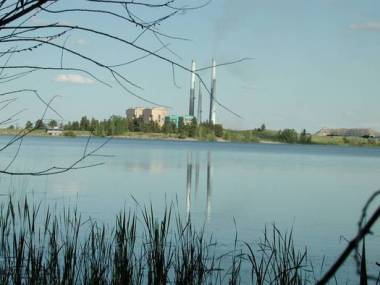
Conservation groups want Montana to rely less on coal-fired
power plants such as Colstrip. (Talen Energy)
¶ Despite a Supreme Court ruling delaying carbon-pollution limits, observers expect the changes under way in Virginia’s power grid to continue. Legal experts pointed out that the court order merely pauses enforcement until legal challenges are finished. It’s not a ruling on the plan itself. [Public News Service]
¶ In the US, K-12 schools spend $8 billion per year on energy. A school district in Colorado is doing something about that. The Boulder Valley School District is embarking on a program to have its portfolio of over 50 school buildings be net-zero energy and achieve an 80% reduction in greenhouse gases by 2050. [CleanTechnica]
¶ Florida Power & Light Co marked the ground breaking of its three new solar plants with a ceremony at the site of its future Manatee Solar Energy Center in Parrish. One of them, the FPL Manatee Solar Energy Center will consist of more than 338,000 solar panels over 762 acres, enough for 577 football fields. [Palm Beach Post]
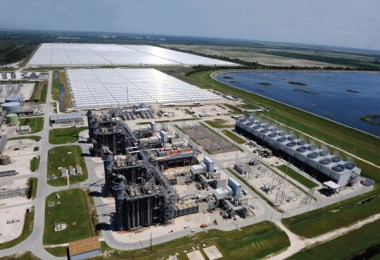
FPL’s Martin County plant is a hybrid solar/natural gas plant.
Photo provided by FPL.
¶ 17,000 Nevadans who installed solar had the rug pulled out from under them when the Public Utilities Commission killed net metering in the state. Solar companies, solar installers, activists, and average, everyday citizens have been rallying against it since then, and a major milestone in that battle is this week. [CleanTechnica]
¶ Nearly three-quarters of major energy deals made in 2015 were for renewables assets, and nearly three-quarters of the new generation capacity built in 2016 will be renewables, according to a study newly released by the Deloitte Center for Energy Solutions. Here are eight trends shaping the change. [Utility Dive]
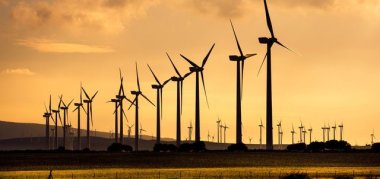
Wind farm. Image Credit: Depositphotos
¶ A new report released by the national non-profit The Solar Foundation, found Vermont to be #3 in solar jobs per capita in the country. This marks the third year in a row Vermont is in the top-3 for local solar jobs. Median wages for solar installation jobs are higher paying jobs than the national average, at $23.00/hour. [Vermont Biz]
¶ On February 12, a bi-partisan group of elected leaders from around New Hampshire, will go to Concord to urge lawmakers to lift NH’s cap on net metering and to make improvements to the existing legislation that is before them to ensure that the renewable energy market does not come to a halt. [Satellite PR News]
Posted in nuclear power, renewable power, solar | 1 Comment »
Tags: nuclear, nuclear power, renewable power, solar power, wind power
February 11, 2016
Opinion:
¶ Why Colorado Requested A Pause On The Clean Power Plan, But Isn’t Taking It • Colorado regulators say they will press forward on President Barack Obama’s plan to curtail emissions from coal-fired power plants, despite a temporary pause issued by the U.S. Supreme Court for the Clean Power Plan this week. [Colorado Public Radio]
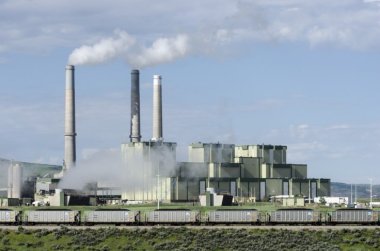
A coal train enters the Craig Station power plant near Craig, Colo. on Tuesday, June 16, 2015.
Science and Technology:
¶ The Brattle Group study says that the America’s 50 million residential electric water heaters can address bigger challenges such as storing energy from wind farms and solar arrays. The study examined smart technologies focused on water heaters, which use 9% of US household electricity. [Minneapolis Star Tribune]
World:
¶ Solar power project developers in India are expanding the rent-a-roof concept for developing solar systems to sell electricity to large-scale consumers. Under the rent-a-roof concept, the project developers set up solar power systems atop roofs of industrial or commercial electricity consumers. [CleanTechnica]
¶ The European Union said it nearly doubled its share of renewable energy from a 2004 benchmark and was already close to meeting its target obligations for 2020. The share of energy from renewable resources was 16%, about 89% above 2004 levels, the first year it started keeping records on renewables. [UPI.com]
About a third of all EU member states have met their goals for renewable energy usage early. File photo by Stephen Shaver / UPI | License Photo
¶ A leading source of solar analysis, IHS, published the latest edition of its Solar Deal Tracker this week, in which it finds that the global solar PV pipeline has now exceeded 200 GW, thanks in large part to the extension of the US Investment Tax Credit. Of the PV projects 110 GW are in the US, China, or Brazil. [CleanTechnica]
¶ BP says it sees a bright future for the oil and gas industry with crude prices spiking at $100 a barrel again, huge increases in shale output and new production from Canadian tar sands. BP believes fossil fuels will still be providing 80% of total energy supply in 2035 and admits this implies high carbon emissions. [HITC]
¶ More than 110 groups from across the globe joined a declaration today demanding that bioenergy be excluded from the European Union’s next Renewable Energy Directive. The EU is considering today the directive’s renewal for 2020 onwards. A decision is expected by the end of the year. [Center for Biological Diversity]
Bioenergy heating plant in Austria. Photo by Johann Jaritz. CC BY-SA 3.0 Wikimedia Commons.
¶ GE Power Conversion built the first serial Permanent Magnet Generator in its Saint-Nazaire offshore wind factory, which was inaugurated in late 2014. The factory has a capacity of manufacturing 100 generators per year. The generator has a 6-MW capacity and will supply power for 5,000 households. [AltEnergyMag]
¶ TEPCO says the situation at Fukushima Daiichi is much improved over the past five years. Nevertheless, seen from the road below, the nuclear power station looks much as it may have right after the catastrophic earthquake and tsunami that caused a triple meltdown here almost five years ago. [Washington Post]

Slogan sign “nuclear (power generation), a bright and future (source of) energy” Photo by Hohoho. CC BY-SA 4.0 International. Wikimedia Commons.
¶ Salvadoran electricity company Delsur published the timetable and preliminary rules for a solicitation to supply 150 MW of renewable energy plants. Of this, 100 MW will correspond to solar PV and the remainder wind projects. It is El Salvador’s second solicitation for renewable energy projects. [pv magazine]
US:
¶ Georgia will stop its work toward implementing the Clean Power Plan, a key piece of the EPA’s efforts to tackle climate change by reducing greenhouse gas emissions from power plants. Georgia is one of 27 states that had asked the US Supreme Court to delay implementation of the plan.
[WABE 90.1 FM]

Georgia will stop work on the Clean Power Plan. John Amis, File / AP Photo
¶ The White House promised that the US would be able to uphold its international commitments on climate change after the Clean Power Plan was delayed by the Supreme Court. Share pricess of coal companies jumped on the court’s news, but after the initial rise have resumed their long decline. [Sky News Australia]
¶ US outfit Apex Clean Energy is developing a 450-MW wind farm in western Ohio that it acquired from BP Wind Energy. Apex took over the Long Prairie project in 2014 and has leased all land needed for a first phase, the developer said in a presentation to Van Wert County officials this month. [reNews]
Wind farm in Ohio. Photo by Nyttend. Placed into the public domain by the author. Wikimedia Commons.
¶ The National Renewable Energy Laboratory is showing us that the algae biofuel field is still making progress despite low oil prices. Researchers at the lab are reporting a breakthrough system that ramps up the efficiency of the algae-to-ethanol process to a significant degree. The process combines two species of algae. [CleanTechnica]
¶ The unprecedented drought in California cost consumers an extra $2 billion in power bills because it dried up hundreds of hydroelectric stations in the state, curbing a key source of renewable energy, a new report found. Since it started in 2011, the drought has also undermined efforts to tackle climate change. [Bloomberg]
Posted in nuclear power, renewable power, solar, wind | 1 Comment »
Tags: nuclear, nuclear power, renewable power, solar power, wind power
February 10, 2016
Opinion:
¶ SCOTUS Clean Power Decision NOT Just “A Blow To Obama” • The headline on the Los Angeles Times reads “Supreme Court deals blow to Obama by putting his climate change rules on hold.” This is not “Obama’s plan.” It has been drawn up and legalized for the entire country. It is OUR plan. [CleanTechnica]

Coal Fired Power Plant at Sunset
¶ Obama’s clean power plan may be on hold, Coal’s fate is not • The US Supreme Court may have put President Barack Obama’s most aggressive plan to curb power-plant emissions on hold, but that’s not going to save coal from a shrinking market, or stop some states and utilities from moving on their own. [Energy Voice]
Science and Technology:
¶ A new study suggests we don’t actually need to store power from the wind and sun. Because the wind is always blowing somewhere in the US, and a cloudy day in one city will be sunny elsewhere, researchers suggest we just need a bigger grid, and better power lines that could send energy wherever it’s needed. [Co.Exist]
The wind is always blowing somewhere.
Photo: Andrei Mayatnik via Shutterstock
¶ Burning wood to produce electricity has growing in Europe, where it is heavily subsidized by national governments because it counts as renewable energy. It can be environmentally friendly at local scales, but used on large industrial levels it can accelerate global warming and worsen deforestation. [Climate Central]
World:
¶ Offshore wind energy giant DONG Energy unveiled a Renewable Balancing Reserve service. DONG is entering the demand management market and will invite large business customers to adjust their energy consumption when wind strength varies from forecast, simplifying grid operation. [Business Green]

Walney offshore wind farm
¶ AGL Energy Ltd, Australia’s largest electricity producer, plans to use its renewable energy fund unveiled Wednesday to kick-start as much as A$3 billion ($2.1 billion) in new projects, focusing on large wind farms. AGL expects the fund to help finance two stalled projects in New South Wales and Queensland. [Bloomberg]
¶ Danish wind turbine maker Vestas Wind Systems posted a full-year profit for 2015 that beat forecasts. Despite low global oil prices, Vestas expects revenues to continue rising this year. Net profit for the year rose to €685 million ($766 million) from €392 million last year, beating a forecast €637 million. [IndustryWeek]
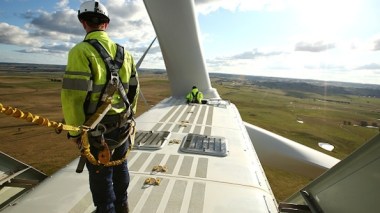
Vestas turbines. Getty Images.
¶ Japan’s nuclear watchdog has put the kibosh on TEPCO’s plans to freeze underground soil at Fukushima Daiichi nuclear power plant, a stunningly expensive project intended to solve the crisis of accumulating radioactive groundwater at the site. Freezing the ground was intended to hold ground water in place. [Asahi Shimbun]
US:
¶ Reacting to a lawsuit from 29 states, as well as the energy industry, The US Supreme Court blocked the Environmental Protection Agency’s Clean Power Plan from going forward while the rule is challenged in court. This was not expected. The US Court of Appeals for the DC Circuit will hold oral arguments in June. [CNN]
¶ There’s enough untapped wind howling across the vast plains of Oklahoma and Kansas to generate more electricity than a dozen nuclear power plants. What’s missing are transmission lines to ship it from spinning turbines to faraway homes and businesses. But they need permits from every state they cross. [Daily News]

Tapping the power of the great plains to light up faraway cities.
¶ The Union of Concerned Scientists released a report giving the history of an Eastern Interconnect working group in 2010 to 2012, which developed research showing the eastern US could cut carbon by 42% and reach 30% renewable energy by 2030. The numbers exceed those required under the Clean Power Plan. [Utility Dive]
¶ A generous incentive for the Massachusetts solar industry has quietly evaporated, as subsidies that helped finance solar power projects reached a limit set by the state. Also, the Legislature has yet to lift the cap that had been hit earlier on the amount of power utilities must buy from net-metered sources at retail rates. [The Boston Globe]
¶ On January 20th, the missile destroyer USS Stockdale officially became the first US Navy ship to use a biofuel mixture for regular military operations. It is part of the “Great Green Fleet,” a Carrier Strike Group that will serve as a test for the tactical viability and cost-effectiveness of biofuels. [EarthTechling]

Great Green Fleet
¶ Invenergy has signed a 120-MW wind power purchase agreement with 3M to provide the global science-based company with renewable energy to help support its operations across North America. The agreement with 3M includes the sale of wind energy from the Gunsight Wind Energy Center in Texas. [North American Windpower]
¶ By growing wind energy, Coloradans could save $2.7 billion on their electricity through 2050 and attract over $18 million in annual property tax revenue by 2030, according to new calculations made by the American Wind Energy Association and Wind Energy Foundation through DOE data. [North American Windpower]
Posted in nuclear power, renewable power, solar, wind | 1 Comment »
Tags: nuclear, nuclear power, renewable power, solar power, wind power
February 9, 2016
Opinion:
¶ Why natural gas investments could spell trouble for electric utilities • Natural gas has been called a fuel to gently transition the US to a clean energy future. The Union of Concerned Scientists claims that while the fuel’s role may grow, it could result in many states becoming over-reliant on natural gas. [Utility Dive]
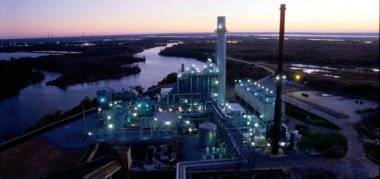
Natural gas plant. Image credit: Calpine
¶ A renewable energy-powered Canada could be closer than we think • University of Colorado researchers released a study saying the US could get most of its energy from wind and solar power by 2030, reducing greenhouse gas emissions by 75%. Could the same be done in Canada? (Spoiler: yes) [Yahoo News Canada]
Science and Technology:
¶ Green power is cheap enough to compete with fossil fuels and will buck the trend of falling investment in oil and gas as it can offer long-term returns sheltered from political risk, industry analysts say. Oil prices have dropped 75% since mid-2014, leading to predictions of falling petro-chemical investment. [Reuters UK]
¶ With support from the US National Science Foundation, Oscilla Power is developing a utility-scale wave energy harvester called Triton. The technology shows promise for delivering utility-scale electric power to the grid at a price competitive with current fossil or renewable technologies. [National Science Foundation]

Ocean Wave. Credit: Andrew Schmidt, PublicDomainPictures.net
World:
¶ As part of its principled shift away from diesel vehicles towards electrics following the diesel emissions cheating scandal (or, more likely, as part of its image rehabilitation strategy), Volkswagen recently revealed that it is now intending to release the world’s first high-volume, mass market electric car. [EV Obsession]
¶ Solar Frontier is partnering with the Japan Renewable Energy to develop 300 MW of new solar photovoltaic projects in Japan within the next 5 years, according to recent reports. But roughly 57 GW of solar PV projects in the country that have yet to go forward despite having won feed-in-tariff contracts. [CleanTechnica]
Solar System and Mt. Fuji. Image Credit: Solar Frontier
¶ About 8 GW of solar power systems were connected to European electric grids in 2015, according to estimates by SolarPower Europe. Demand for solar power systems in European countries increased by around 15% year-on-year, compared to 6.95 GW of new grid-connected solar power capacity in 2014. [reNews]
¶ The wind industry has surpassed the hydro industry as the third largest player in the European electricity grid in terms of capacity, and is fast closing the gap on the coal and gas sectors that continue to dominate the continent’s power mix. Wind energy now provides a total of 142 GW of capacity in Europe. [Business Green]

Wind power silhouette
¶ A dispute among Belgium, Germany and the Netherlands, centered on a pair of 40-year-old Belgian nuclear reactors roughly an hour’s drive from large cities across the border, is laying bare a growing European rift over nuclear energy. Nuclear power has fallen out of favor in some countries, but not others. [Washington Times]
US:
¶ The fourth annual Sustainable Energy in America Factbook highlights the record year for utility-scale and distributed low-carbon electric generation. One of the most significant pieces of the report is the data on prices and decarbonization, which shows that decarbonizing has not led to higher prices. [Greentech Media]
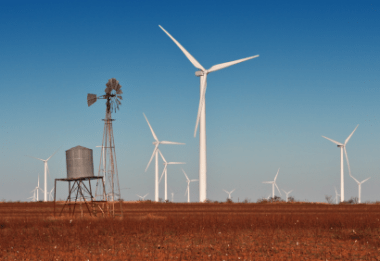
Texas wind farm.
¶ Solar rooftops could go a long way to strengthening California’s aging power grid, and save its residents more than $1.4 billion annually, according to a white paper published by SolarCity’s Grid Engineering team. “A Pathway to the Distributed Grid” evaluated the economics of distributed energy. [CleanTechnica]
¶ Connecticut may be getting more renewable energy. The first joint procurement by Connecticut, Massachusetts and Rhode Island garnered 24 bids from developers and companies for solar, wind, fuel cell and hydro projects, including five offering power that would be generated in Connecticut. [Hartford Business]
¶ Vermont energy regulators completed an update of the state’s key energy and electricity plans. The updated Comprehensive Energy Plan reaffirms Vermont’s overall goal of achieving 90% of its total energy needs from renewable sources by 2050, adds interim goals, and provides greater detail on achieving goals. [JD Supra]
¶ Solar power increases for businesses and utilities in Wisconsin led to three times more solar power installations for 2015 than any other before, according to Renew Wisconsin. Enough solar to power 1,000 average sized homes, 7.5 MW, was installed in 2015, the organization’s director said. [UW Badger Herald]
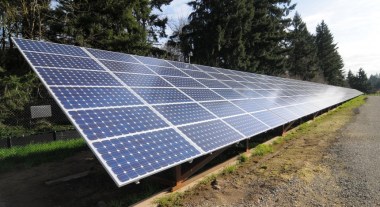
Solar in Wisconsin. Flickr user PROPortland General Electric
¶ President Obama said the US would tax each barrel of oil imported or exported, with some of that revenue can be used for transportation. He said, “Some of that revenue can be used for the investments in basic research and technology that’s going to be needed for the energy sources of the future.” [CNSNews.com]
Posted in nuclear power, renewable power, solar, wind | 1 Comment »
Tags: nuclear, nuclear power, renewable power, solar power, wind power
February 8, 2016
World:
¶ Wind power provided almost half of Scotland’s entire energy needs last month, According to WWF Scotland. January had 22 days when the wind generated sufficient power for every home in the country. Wind turbines supplied a total of 1,125,544 MWh to the national grid. [Scotsman]
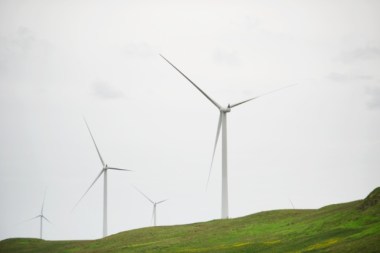
Whitelee windfarm in Eaglesham is the UK’s largest onshore windfarm. Picture: John Devlin/TSPL
¶ Labour’s London Mayor candidate Sadiq Khan outlined his ambition to ignite a clean energy revolution in the capital, as the “greenest mayor ever.” Khan’s plans were headlined by Energy for Londoners, a not-for-profit company working to bring the city clean and green energy. [edie.net]
¶ Under a new plan from the African Development Bank to scale up power in the 54 African states by 2030, the continent needs to boost investment in energy from 0.4% of GDP to 3.4% and consider scaling down subsidies for petroleum products such as diesel and kerosene. [Southern Times Africa]
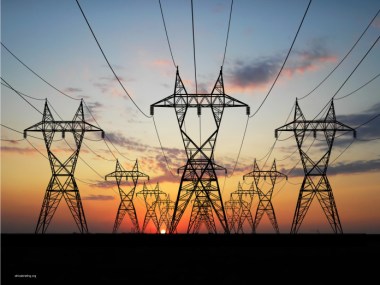
Transmission lines.
¶ The New Joneses is a fully-functional, sustainable, off-grid pop-up home that is launching to the public in Melbourne. The project is a collaboration between more than 10 companies providing eco-friendly home solutions, one of which is Enphase Energy, with its own modular home battery. [Gizmodo Australia]
¶ A solar power plant will be built in the northern Argentine province of Jujuy, bringing it renewable energy, according to President Mauricio Macri. A solar power plant is also planned in the western province of Mendoza. Projects like these will reduce the outages that now occur. [Latin American Herald Tribune]
¶ The combination of hydropower, wind, solar and other forms of renewable energy will generate more electricity than coal by 2030, according to the Paris-based International Energy Agency. Of the renewables the agency predicts will grow, wind power is the largest segment. [Wheeling Intelligencer]
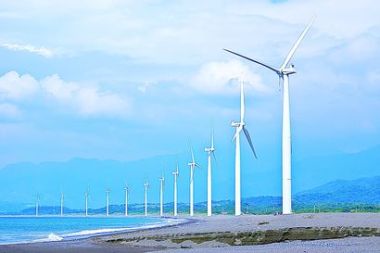
Photo Provided
US:
¶ With two reports commissioned by the Repower Our Schools Coalition, the North Carolina Clean Energy Technology Center says Charlotte-Mecklenburg Schools & Durham Public Schools would save millions of dollars with solar power, while improving basic education for students. [CleanTechnica]
¶ The US had over 20 GW of solar capacity as November ended, with nearly half of that located in California, the US Energy Information Administration said. Of California’s total solar capacity of 9,976 MW, 55% is utility-scale PV, and 13% is utility-scale solar thermal. [SeeNews Renewables]
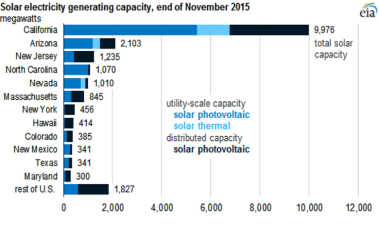
Source: US Energy Information Administration, Electric Power Monthly
¶ Tapping into Canadian hydropower is hardly a new concept in energy-starved New England. But Massachusetts Governor Charlie Baker’s proposal to authorize long-term contracts between utilities and hydropower producers is being viewed in some quarters as a potential game-changer. [Valley News]
¶ An upstate New York town that repeatedly found itself without power for days during a string of storms is planning the dramatic step by pulling its municipal buildings entirely off the electric grid. Nassau will rely on solar, wind, landfill gas and battery storage to power a microgrid by 2020. [Press Herald]
¶ While many states are just beginning to work out plans to meet the goals of the Clean Power Plan, Colorado is already most of the way there, thanks in part to Xcel Energy’s move away from coal-fired plants. Western Resources Advocates says Colorado is up to 70% of the way there. [energybiz]
Posted in nuclear power, renewable power, solar, wind | 1 Comment »
Tags: nuclear, nuclear power, renewable power, solar power, wind power
February 7, 2016
Science and Technology:
¶ Does shrinking ice in the Arctic lead to worse snow storms along the East Coast? It’s very possible says leading Arctic researcher Judah Cohen. In Washington, Baltimore, Philadelphia, New York City, and Boston, at least five of the top 10 snow storms on record have occurred since 1990. [Washington Post]
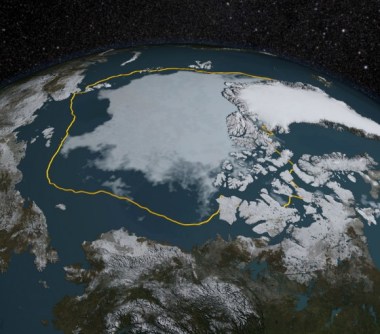
September Arctic sea extent compared to 1981-2000 average portrayed by yellow line (NASA)
¶ The ice cover across the Arctic hit a new low throughout January. The Colorado-based National Snow and Ice Data Center tracked the lowest ice extent ever for January. The record-low ice extent was driven by unusually high air temperatures over the Arctic Ocean – more than 6° C (10.8° F) above average. [Nunatsiaq News]
World:
¶ The Ugandan company Kiira Motors recently showed off what it claims to be the first solar-powered bus in Africa – the Kayoola prototype solar-electric bus – in the capital city of Kampala, according to recent reports. The company is currently looking for backers in order to mass manufacture the prototype. [CleanTechnica]

Electric bus. Image Credit: Kiira Motors
¶ India is eyeing Australia’s clout in Liquefied Natural Gas, renewable energy expertise, and clean coal technology to grow its economy. The third India-Australia Energy Security Dialogue seeks to build a stronger relationship as well as strengthen the institutional framework between the two countries. [PrameyaNews7]
¶ Tasmanian Resources Minister Paul Harriss is pushing investment in biomass energy generation, as low hydro dam levels combine with the Bass Strait power cable cut to put pressure on state industries. He said burning forestry and agricultural waste for electricity should be a central renewable energy strategy. [ABC Online]
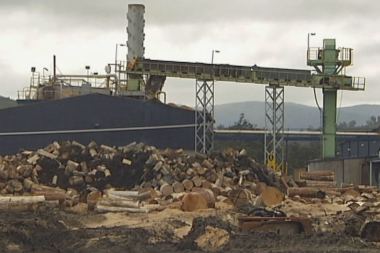
The Southwood sawmill in the Huon Valley was designed more than a decade ago to include a biomass plant. ABC
¶ The Indian government has transformed the country’s coal situation over a short time span, and not a single thermal power plant is now facing shortage of the fuel, according to Union minister Piyush Goyal. He said this while addressing the annual convention of Indore Management Association. [Times of India]
¶ Croatia is unlikely to go ahead with plans to build a new coal-fired thermal plant in the northern Adriatic. The environment minister said, “We need a new energy strategy in line with the European Union plans on boosting renewable energy and reduction of carbon dioxide emissions. Such plants don’t fit in.” [Reuters]
¶ Cuba’s electricity supply is still highly dependent on oil imports from neighboring Venezuela. But, like most Caribbean nations, Cuba has immense potential for energy generation from renewable alternatives, including solar energy, which can be utilized to meet domestic and small business needs. [Havana Times]

Solar system in Cuba. Photo: CIES
¶ Laos will soon have the region’s biggest and most advanced wind farm. It will be located on 8,000 rai (3,163 acres, 1,280 hectares) and supplying 600 MW of non-subsidised electricity. Valued at about Bt54 billion ($1.5 billion), it will use the latest wind turbine technology from General Electric and Vestas. [The Nation]
¶ In line with India’s Solar Energy Policy unveiled in 2012, the State government has now included buildings housing industries, government and quasi-government offices, including urban local bodies, in the list of institutions where an auxiliary solar-assisted water heating system must be installed. [The Hindu]
US:
¶ The US now has nearly 503 million barrels of commercial crude oil stockpiled, the Energy Information Administration said on Wednesday. It’s the highest level of supply for this time of the year in at least 80 years. Certain key storage locations are now “bumping up against storage and logistical constraints.” [CNN]
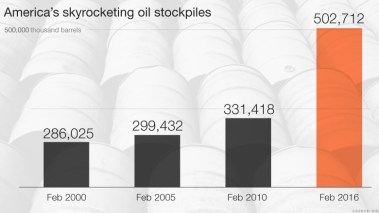
US Oil Inventories. Source EIA
¶ President Barack Obama said he will ask the Republican-led Congress to double spending on research and development into clean energy by 2020. But the request is unlikely to be fulfilled. GOP lawmakers scoff at the science behind climate change and dismiss Obama’s pleas to be dealt with the issue urgently. [The Denver Post]
¶ Radioactive material has leaked into the groundwater below the Indian Point nuclear plant north of New York City, prompting a state investigation and condemnation from governor Andrew Cuomo. Cuomo ordered an investigation into “alarming levels of radioactivity” found at three monitoring wells. [The Guardian]
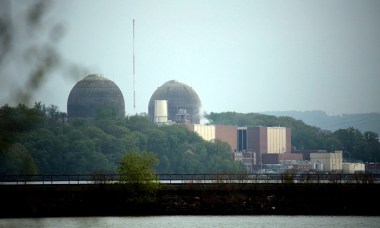
The Indian Point energy center in Buchanan, New York. Photograph: Ricky Flores/AP
¶ With an expansion of solar incentives in Massachusetts bottled up in committee and a battle over a comprehensive new state energy policy looming, the Environmental League of Massachusetts Action Fund plans to launch a $25,000 ad campaign targeting the influence of the utilities in shaping the energy debate. [Lowell Sun]
¶ Illinois state regulators allow Peabody Energy to pledge it has adequate assets to pay for the estimated $92 million needed to reclaim three southern Illinois mines when they close. The Environmental Law and Policy Center says that arrangement puts Illinois taxpayers at risk should Peabody go bankrupt. [Peoria Public Radio]
Posted in nuclear power, renewable power, solar, wind | Leave a Comment »
Tags: nuclear, nuclear power, renewable power, solar power, wind power
February 6, 2016
World:
¶ Aviva stadium, home of the Ireland rugby team, will be fully powered by renewable energy for the upcoming 2016 Six Nations tournament. The move is expected to save almost 2,500 tonnes of carbon emissions in 2016 alone. The stadium has teamed up with SSE Airtricity, who will supply green electricity and gas. [edie.net]

The move is expected to save almost 2,500 tonnes of carbon emissions in 2016 alone
¶ Global energy efficiency investment will reach $5.8 trillion by the year 2030, according to a report from the International Renewable Energy Authority. By 2030, yearly energy efficiency investment will total around $385 billion, the report says. The focus will be buildings, manufacturing, and transportation. [Sustainnovate]
¶ Danish energy giant DONG Energy released its 2015 financial results, reporting a 13% increase in operating profit over 2014 figures. DONG said the the increase was thanks primarily to “higher production from offshore wind.” The company’s Oil & Gas division had an impairment from low oil and gas prices. [CleanTechnica]
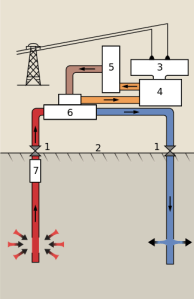
One type of geothermal system.
1 Wellheads, 2 Ground surface, 3 Generator, 4 Turbine, 5 Condenser, 6 Heat exchanger, 7 Pump. [Wikipedia]
¶ What will be the first geothermal power plant in Canada is under construction in Saskatchewan. The pilot plant for the project is set to total just 5 MW in capacity, but the potential is there for much more power, as the resource is a 40,000 square kilometer aquifer with a temperature of about 120° Celsius. [
CleanTechnica]
¶ Tetsuji Imanaka spent his professional life, since 1976, as a nucear scientist who opposed nuclear power. He says he never experienced harassment, but then again he never got promoted beyond the post of research associate. Now, the last of the so-called Kumatori Group of Six, is about to retire. [Asahi Shimbun]
US:
¶ A study from Oklahoma State University found that wind projects in the western part of the state are bringing revenues of hundreds of millions of dollars into local county coffers and school districts, while increasing the state’s energy independence. Some counties with small populations have had impressive windfalls. [Sustainnovate]
¶ Sleek new lithium-ion battery systems are poised to connect with Texas’ electric grid for the first time this year as more companies seek to revolutionize the power market. For example, Duke Energy is updating a 36-MW battery system at its wind farm in West Texas from outdated lead-acid batteries. [Houston Chronicle]
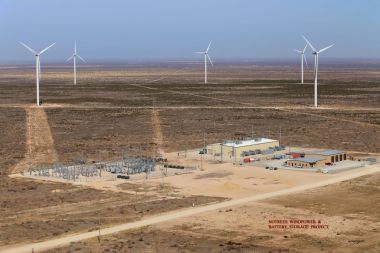
Duke Energy said it will upgrade the battery storage system at its Notrees wind farm in West Texas. Duke Energy photo.
¶ About 579 kW of low-income solar projects have been announced by the Colorado Energy Office and GRID Alternatives. Five projects will be built to help provide electricity to those most in need – people who spend more than 4% of their income on utility bills in rural areas, who could save about 50% on their energy bills. [CleanTechnica]
¶ US utility Georgia Power plans to add 525 MW of renewable generation by 2019. The proposal includes up to 425 MW of utility-scale solar, wind and biomass, according to the utility’s integrated resource plan filed with state regulators. The strategy also includes a carve-out for distributed solar resources. [reNews]

Linemen at work. Georgia Power image.
¶ ISO New England’s chief operating officer reported that total capacity is projected to decrease by 396 MW in 2016, but then increase by almost 9.8 GW in the following three years. About 4.1 GW of that total is wind and other renewables. ISO New England’s peak load in January was 19,412 MW. [Platts]
¶ In recent months, local officials from many Massachusetts communities have been considering ways to save money on innovative ways to fund upkeep projects and improvements to the town’s energy infrastructure. These range from efficient lighting to power-purchasing or net metering agreements. [Woburn Daily Times]

Massachusetts Department of Energy Resources map showing some of the 57 communities and school districts that have taken action on energy through an Energy Management Services contract.
¶ The Army will lease land and grant easements to Hawaiian Electric for the company to construct, own, operate, and maintain a 50-MW biofuel-capable generating station. The decision was based on the project’s final environmental impact statement, which explored potential environmental and socioeconomic impacts. [KHON2]
¶ Vermont Electric Cooperative is working on increasing its renewable energy portfolio. It’s currently proposing solar projects in Alburg and Grand Isle. And this week the co-op presented plans for a new project in Hinesburg. But some residents feel the project isn’t a good fit for their neighborhood. [Vermont Public Radio]
Posted in nuclear power, renewable power, solar, wind | Leave a Comment »
Tags: nuclear, nuclear power, renewable power, solar power, wind power
February 5, 2016
Opinion:
¶ Has the U.S. Really Reached an Epic Turning Point in Energy? • The amount of electricity from coal-fired power plants hit a record low while that from natural gas generators hit a record high. Renewable energy added the most new power in 2015, and annual carbon emissions reached a 20-year low. [National Geographic]
Turbines spin at the Horse Hollow Wind Energy Center in Texas. Photo by Joe McNally, National Geographic
¶ Sharing Clean Energy With Our Neighbors Is Saving Us Millions • One key challenge for grid operators is upgrading so we don’t have to throw away clean energy. Production of clean renewable energy sometimes gets shut down because the grid cannot absorb all the clean energy we produce. [Natural Resources Defense Council]
World:
¶ An article in the journal Nature Energy discusses the fact that renewable electricity investment has now outstripped spending on fossil fuels and that policies are focusing on improving energy efficiency and energy systems flexibility. It says these point to a global momentum toward sustainable energy systems. [CleanTechnica]
¶ Renewable energy developer SunEdison has commissioned 146 MW of Solar PV plants in the southern Indian states of Tamil Nadu, Andhra Pradesh and Telangana. Energy from the solar power plants will be sold via 25-year power purchase agreements to local distribution companies and private corporations. [PV-Tech]
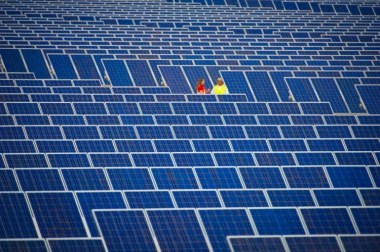
SunEdison installation at Charanka solar park in Gujarat. Credit: SunEdison
¶ The UK’s Department of Energy & Climate Change published its latest update on the country’s greenhouse gas emissions levels. According to the figures, UK’s greenhouse gas emissions were estimated to be at 514.4 million tonnes carbon dioxide equivalent in 2014, or around 35% lower than 1990 levels. [CleanTechnica]
¶ A Greenpeace Southeast Asia report revealed the health impacts of coal-fired power plant in the Philippines. It says 960 people die there each year due to stroke, ischemic heart disease, other cardiovascular diseases, and respiratory diseases. With proposed new plants, that figure could more than double. [eco-business.com]
¶ King Mohammed VI of Morocco inaugurated his country’s first solar power plant, a massive project that the country sees as part of its goal of boosting its clean energy output. Pakistan’s Prime Minister Abdelilah Benkirane and French Environment Minister Segolene Royal were among those who attended. [The Express Tribune]

AFP photo.
¶ As of last month, three school divisions in Peace Country, an area of western Canadian, are powered by wind energy. The school divisions announced that their schools and administration offices now get power from a wind facility near Provost, about three hours southeast of Edmonton. [Alberta Daily Herald Tribune]
¶ India has decided to join a global treaty on nuclear accident liability. The country ratified the Convention on Supplementary Compensation for Nuclear Damage. This is the latest effort the government has taken to ease suppliers’ concerns that they would be open to liability claims in case of a nuclear accident. [Bloomberg]
US:
¶ In a stunning trend with broad implications, the economy has grown significantly since 2007, while electricity consumption has been flat, and total energy demand dropped. The economy has grown 10% since 2007, while primary energy consumption has fallen by 2.4%, according to Bloomberg New Energy Finance. [ThinkProgress]
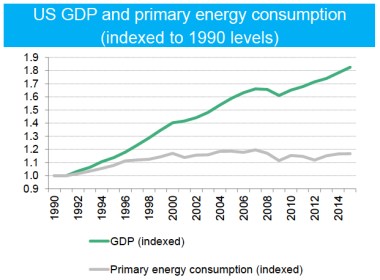
Credit BNEF
¶ Natural gas-fired power projects continue to be developed in the Electric Reliability Council of Texas footprint, but low prices and the prospect of more renewable capacity has some wondering how many new gas-fired units will actually come online over the next few years. [Hellenic Shipping News Worldwide]
¶ The National Renewable Energy Laboratory (NREL) has published a report with some fascinating points about renewable energy in the Salton Sea area. It covers potentials for developing solar, geothermal, and algal energy sources. There is also a great potential for extracting lithium from brine. [CleanTechnica]
¶ County prosecutors filed a criminal misdemeanor charge against Southern California Gas Co. According to the District Attorney’s Office, SoCalGas is being charged because they allegedly failed to report the leak at Porter Ranch immediately. Meanwhile, the company now also faces a wrongful death lawsuit. [Lawyer Herald]
¶ The world’s largest manufacturer of office furniture will soon offset 70% of its total US electricity usage from wind power with a long-term virtual power purchase agreement. Steelcase, based in Grand Rapids, Michigan, just announced an agreement with Apex Clean Energy for 25 MW of wind power. [RMI]
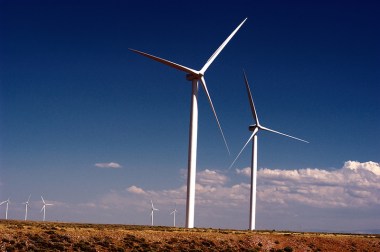
Photo courtesy of Eric Ward via Flickr, Creative Commons license (CC BY-NC-ND 2.0).
¶ According to data just released in the 2016 Sustainable Energy in America Factbook – a project of Bloomberg New Energy Finance, produced for the Business Council for Sustainable Energy – the shift to renewables may be happening a lot faster than the EPA thought that it would less than a year ago. [HeraldNet]
Posted in nuclear power, renewable power, solar, wind | Leave a Comment »
Tags: nuclear, nuclear power, renewable power, solar power, wind power

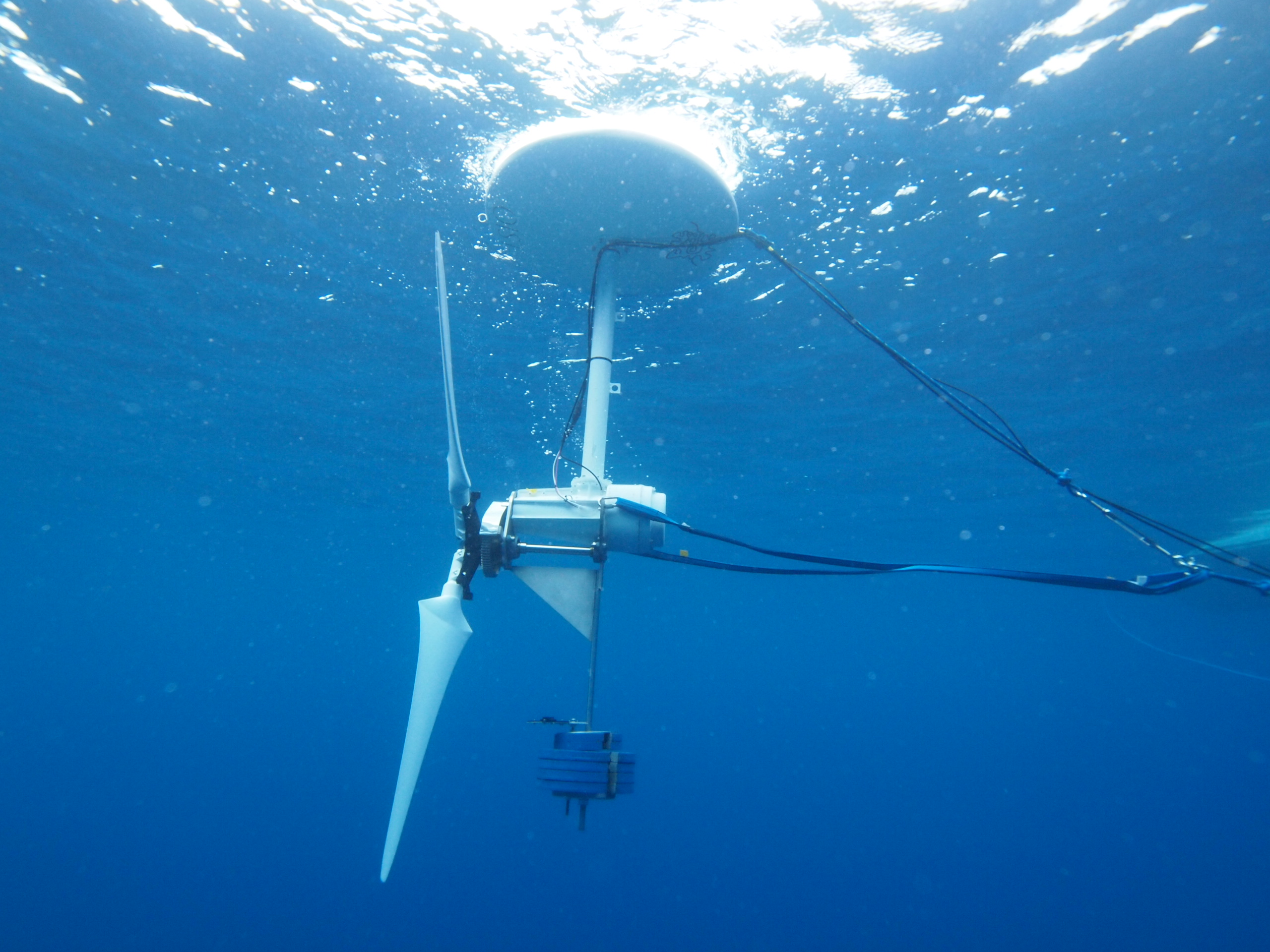
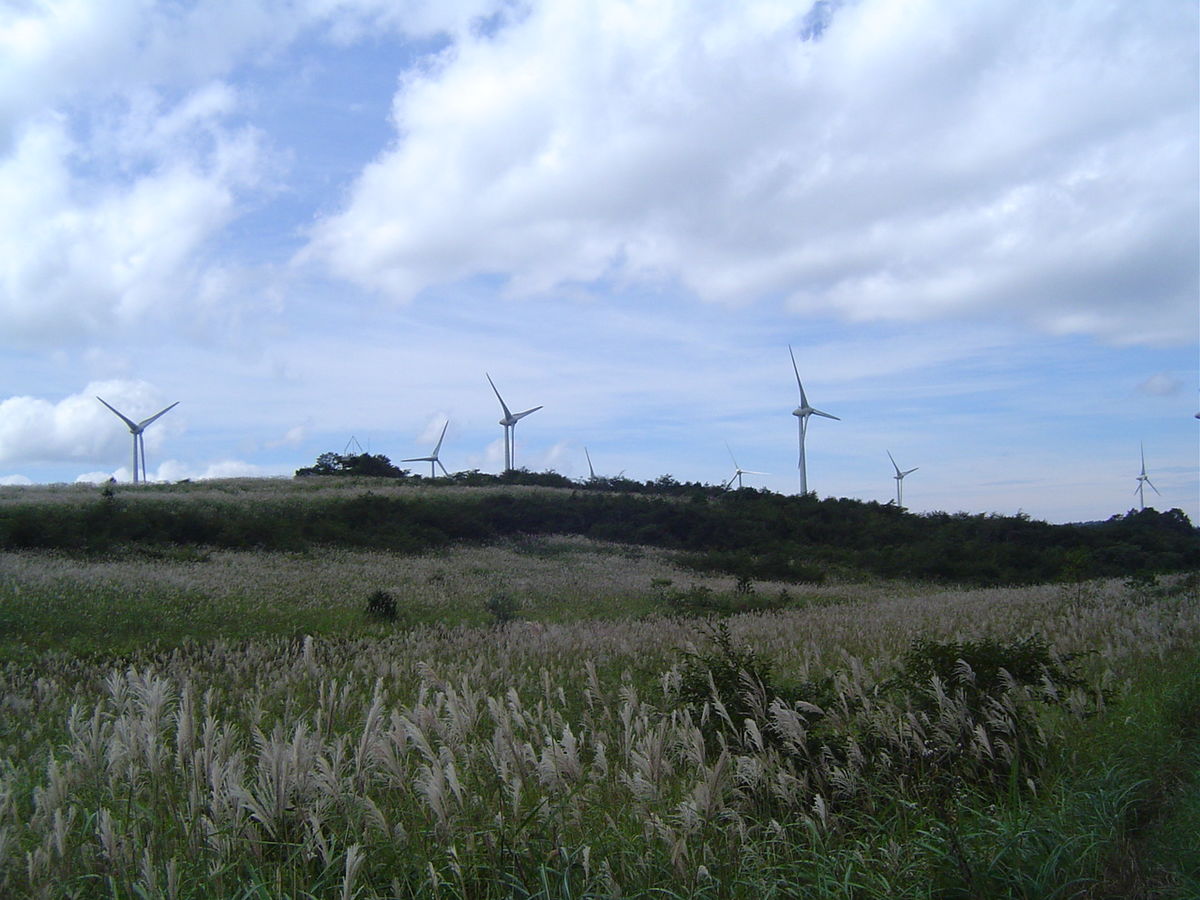
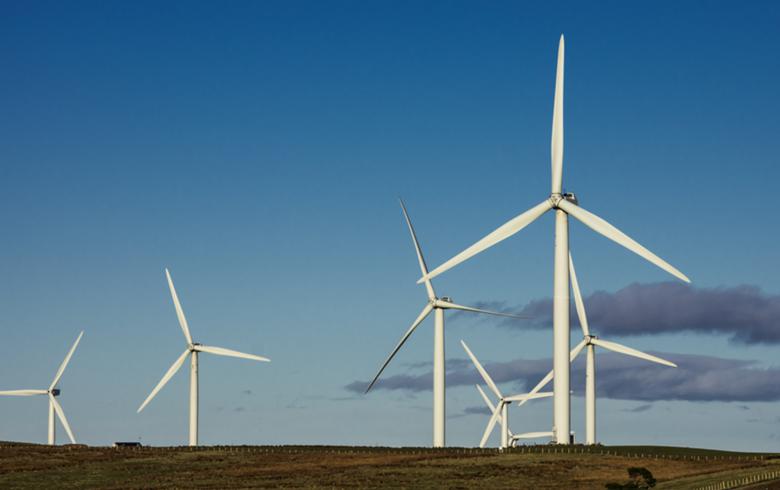



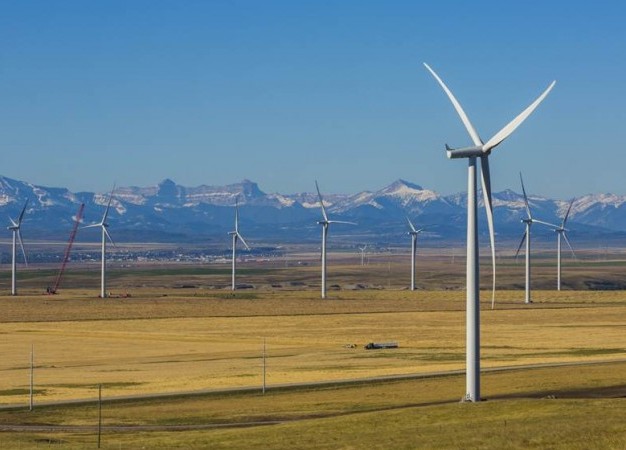
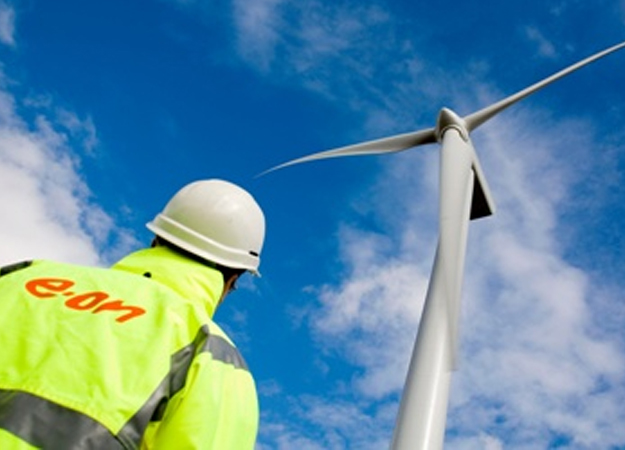
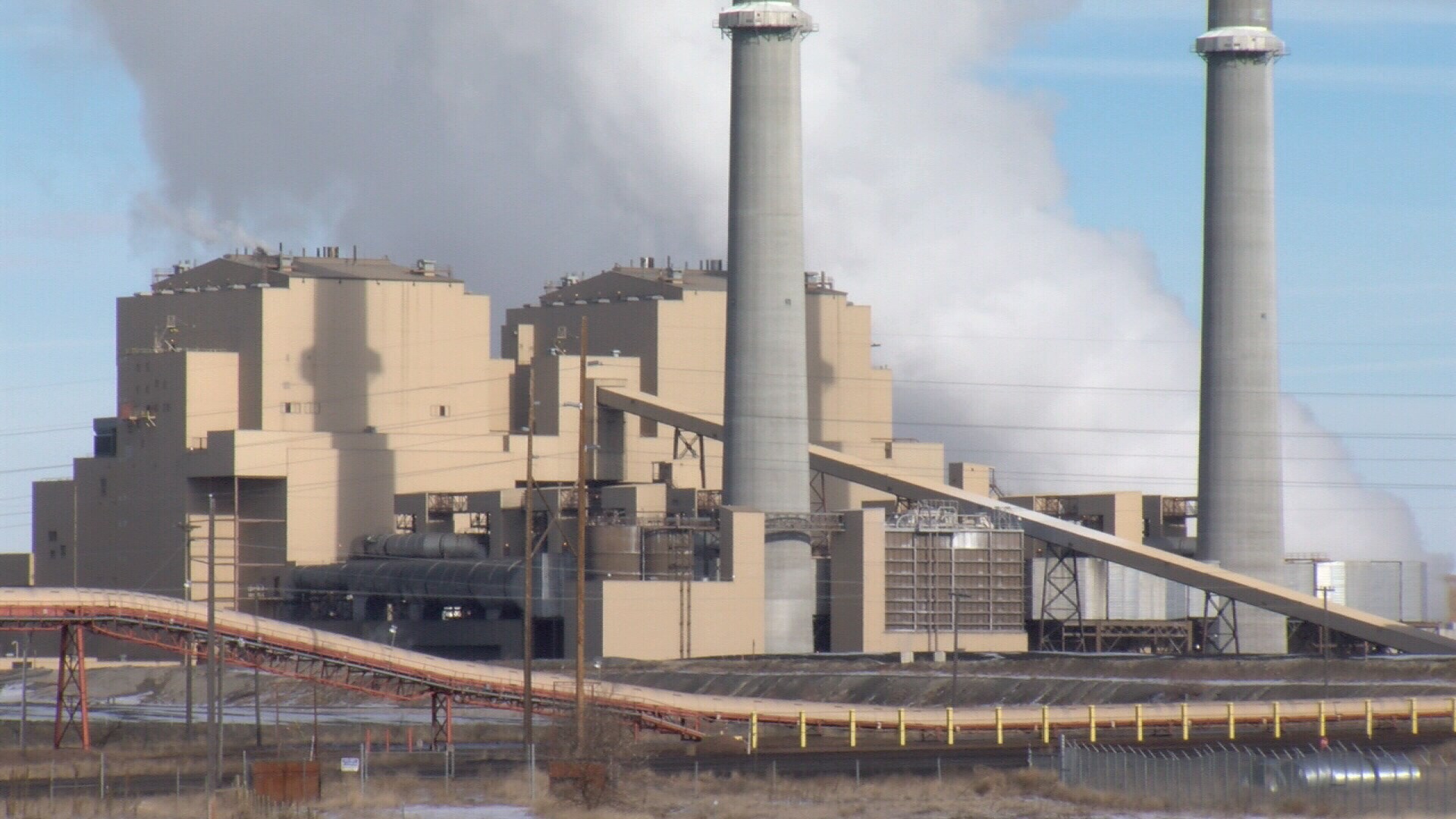

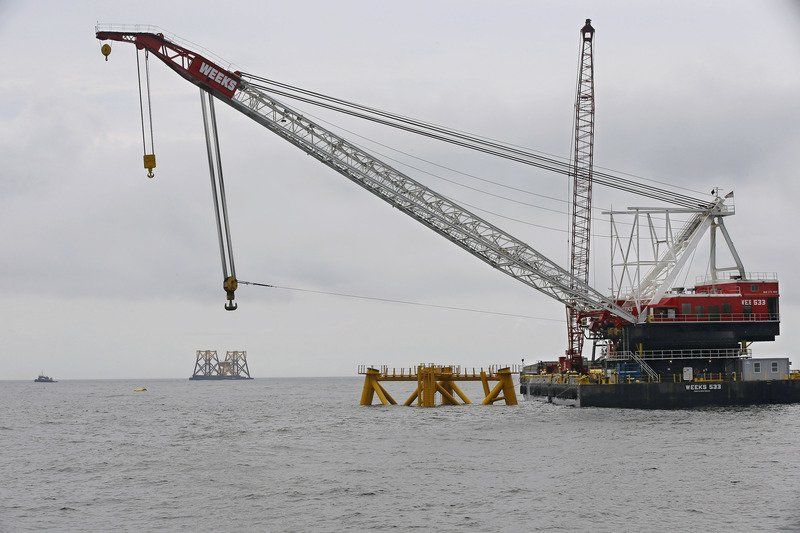


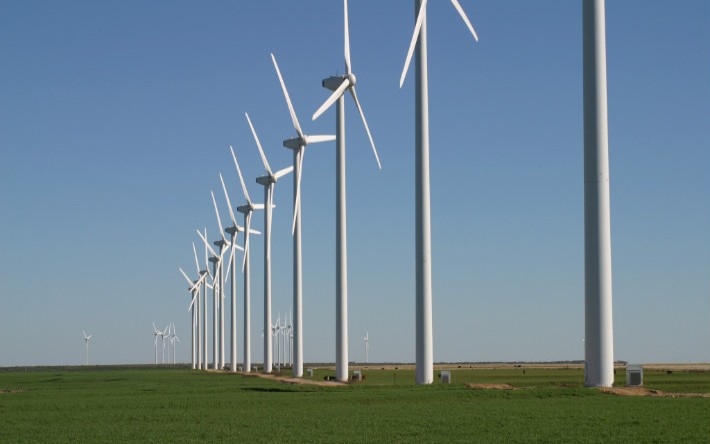

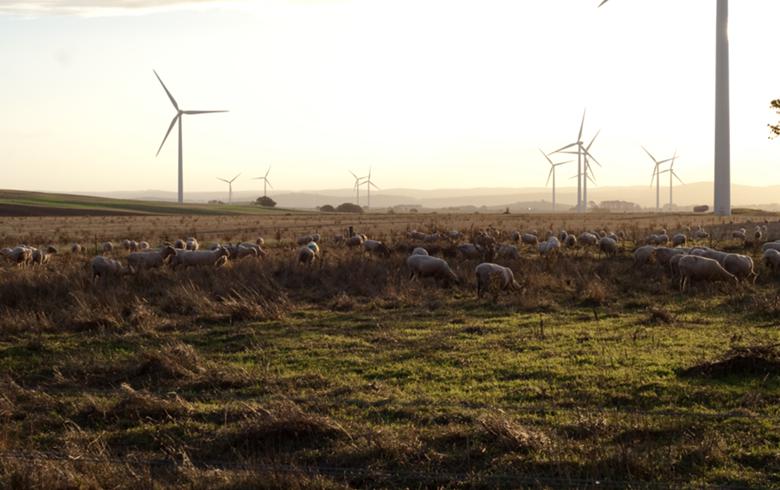

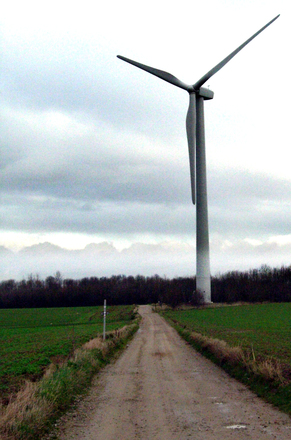
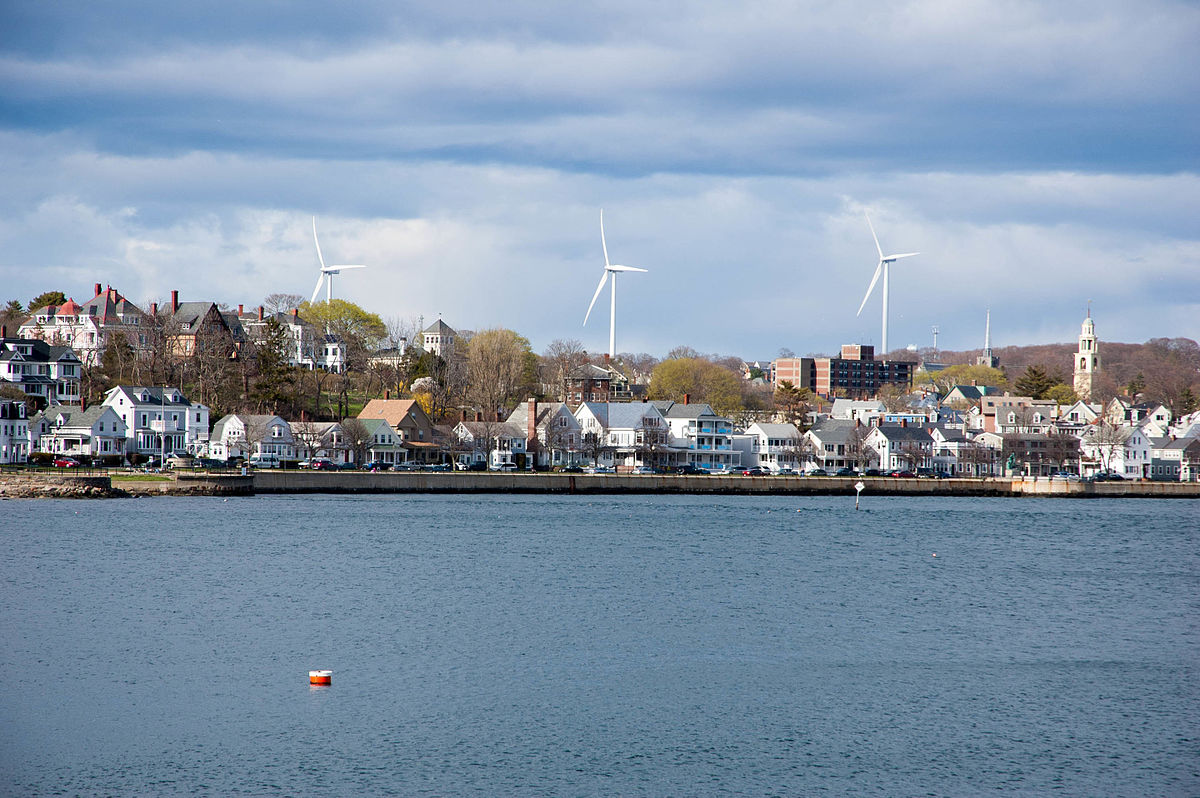
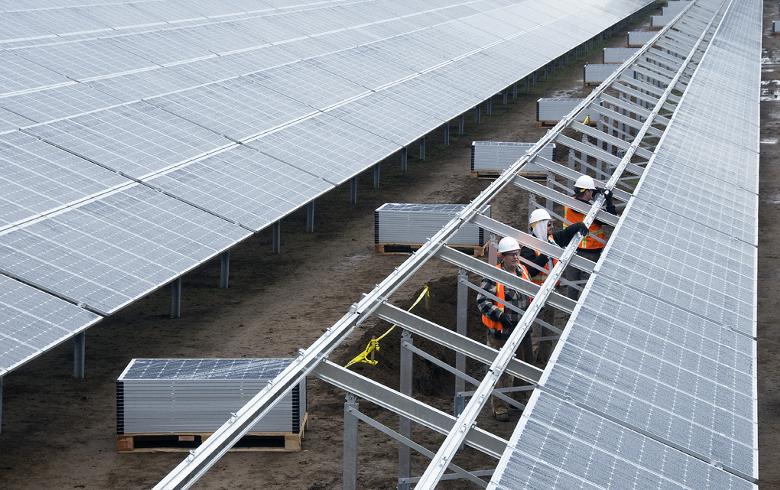

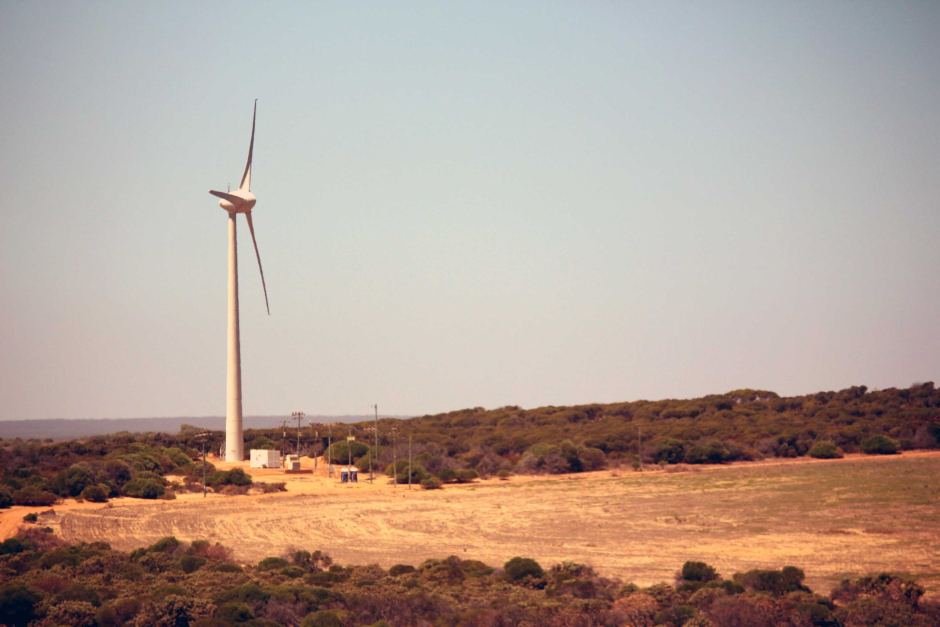
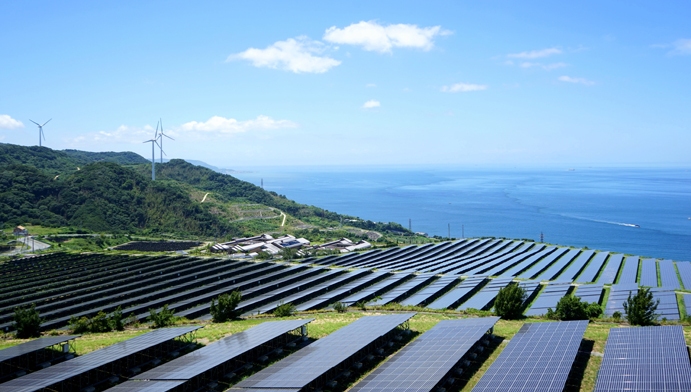
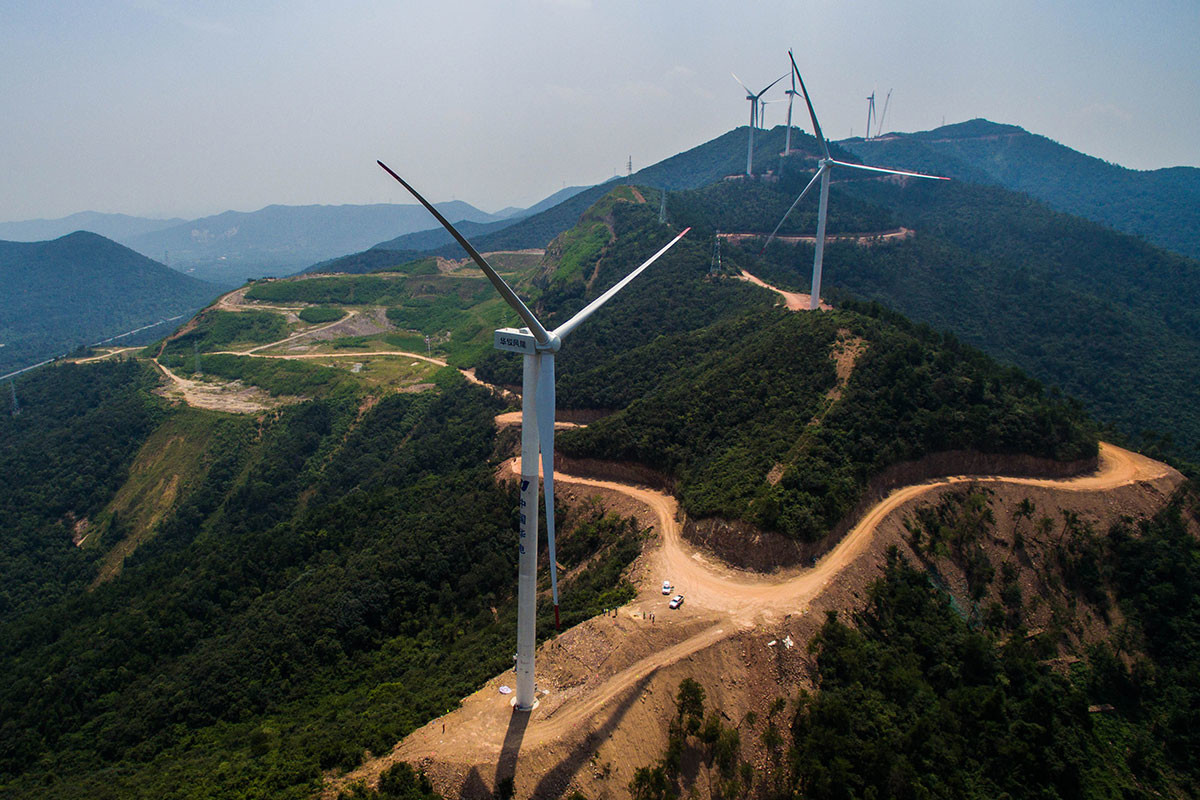
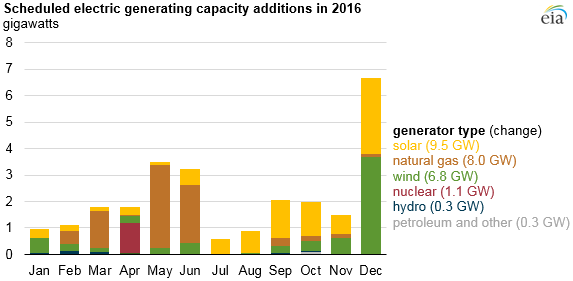
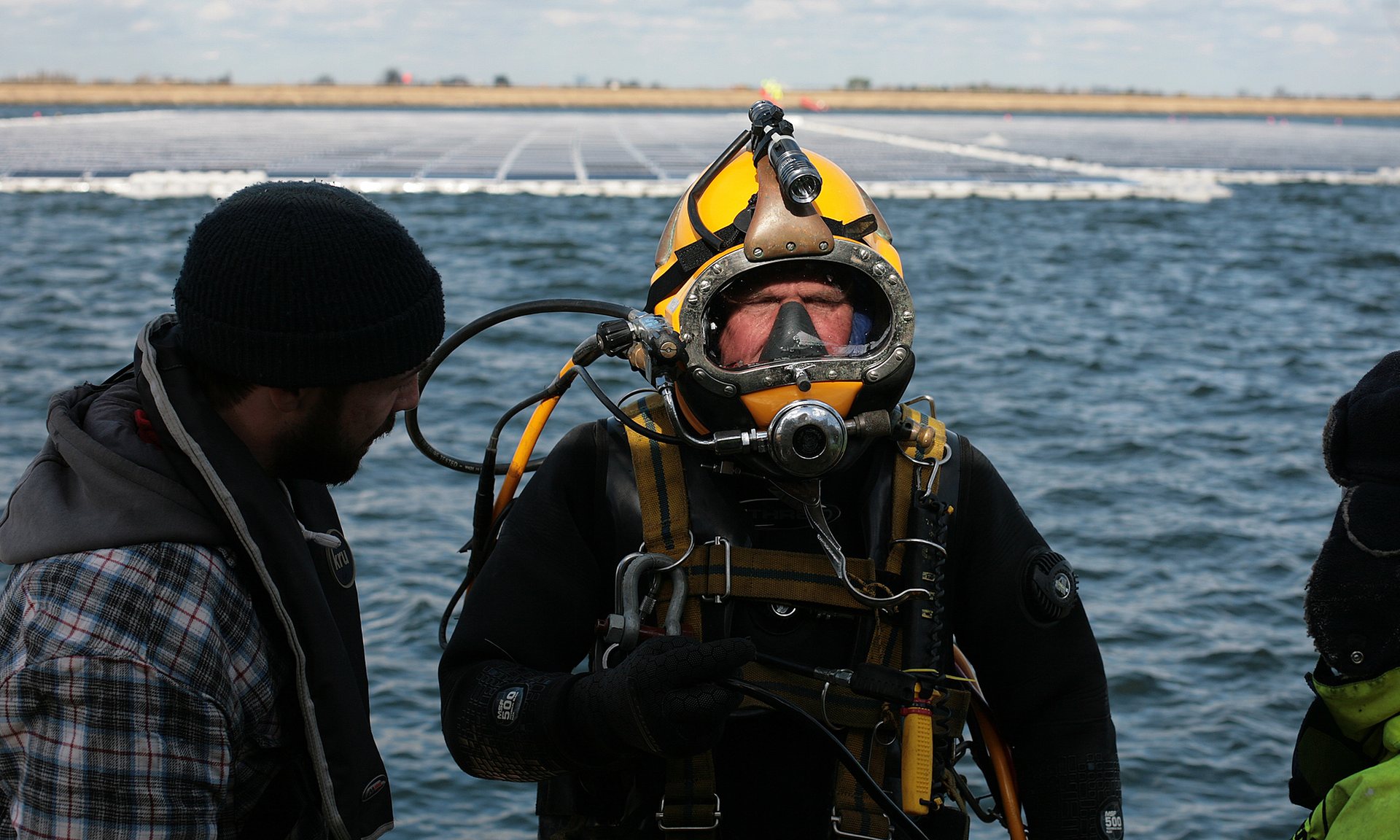
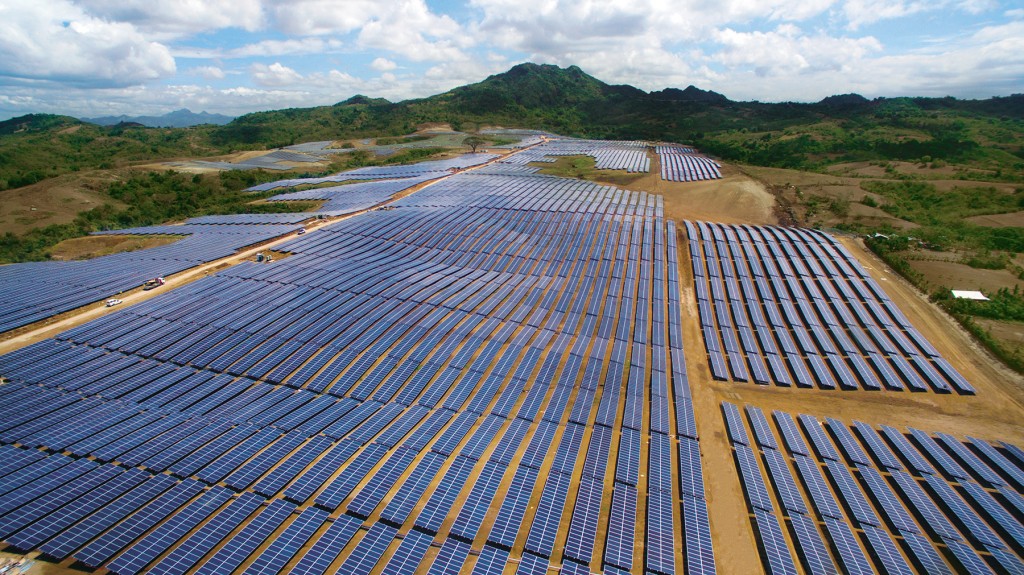

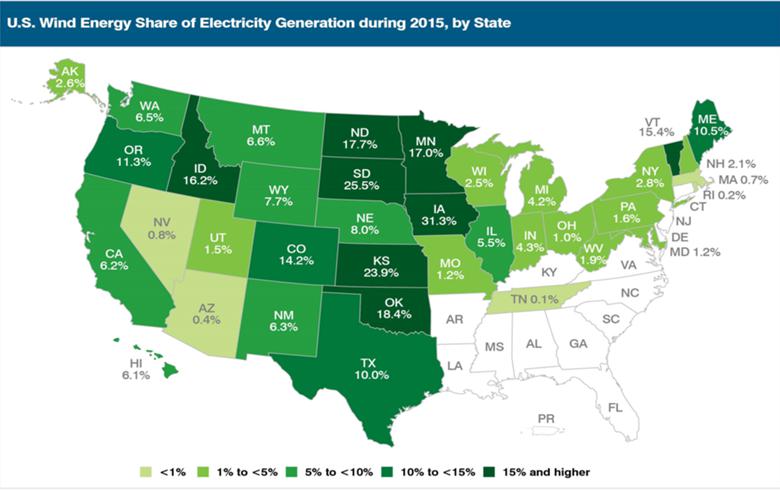
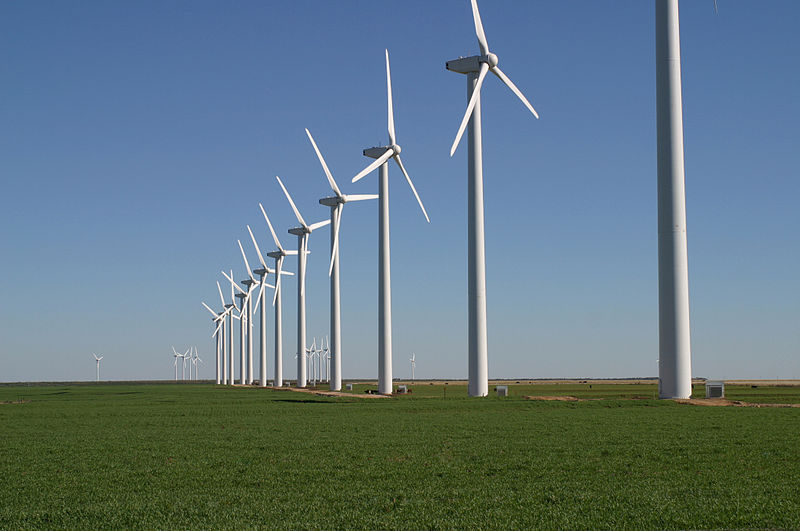
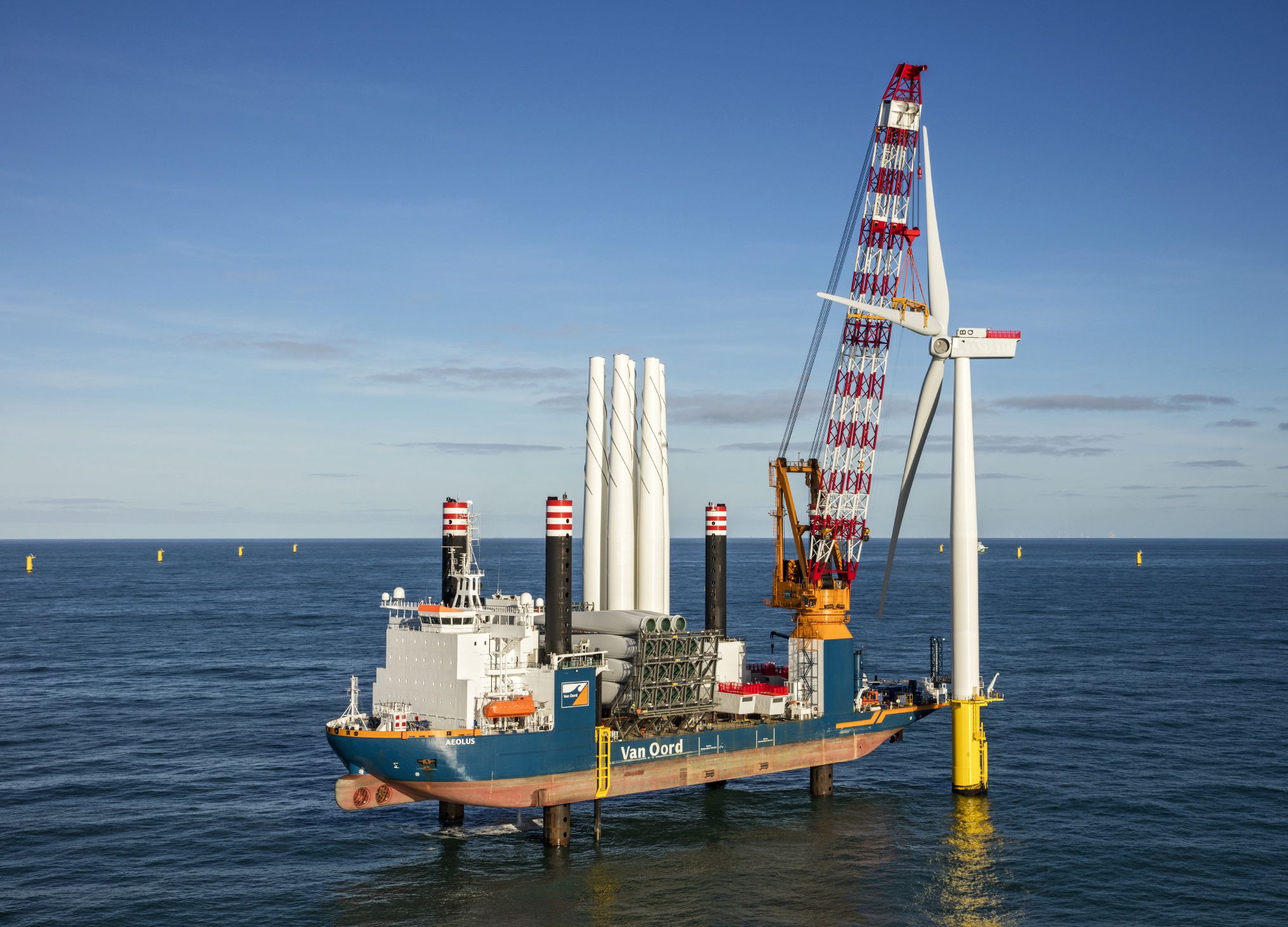
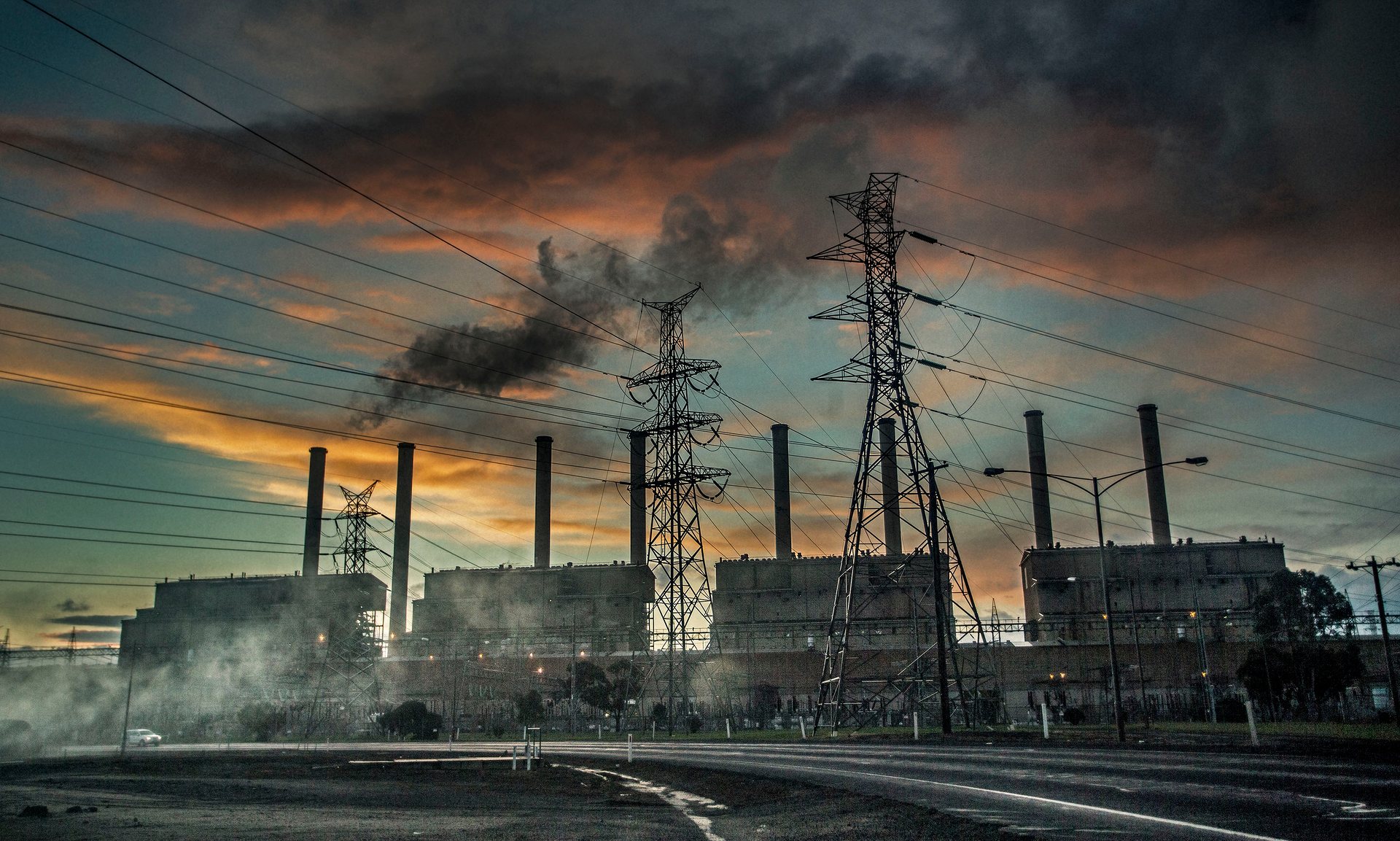
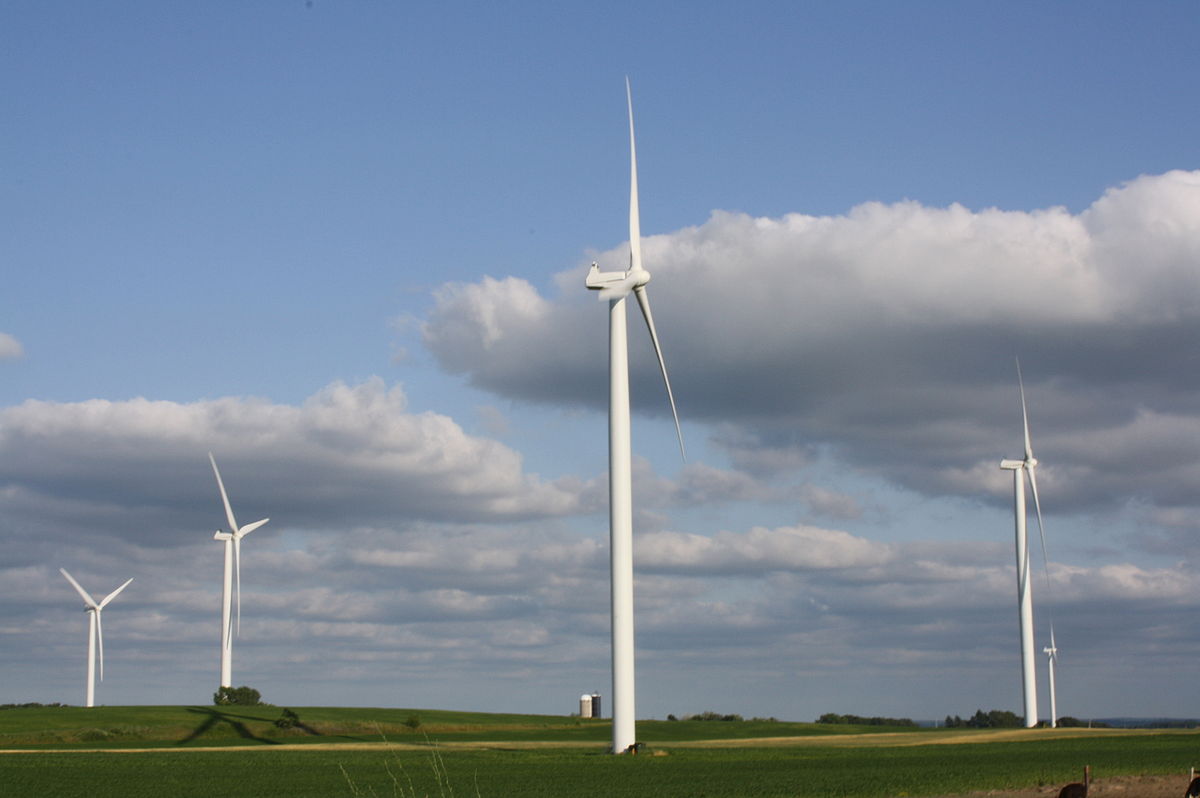
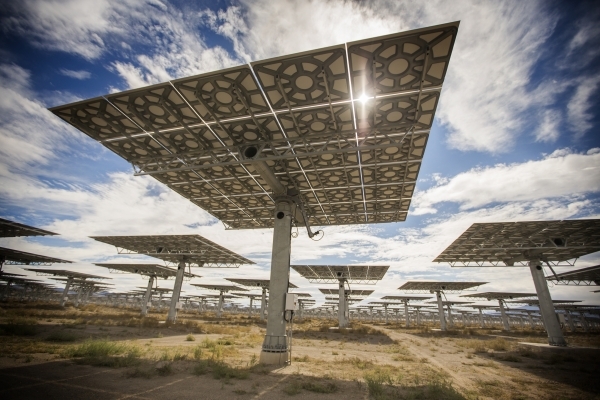

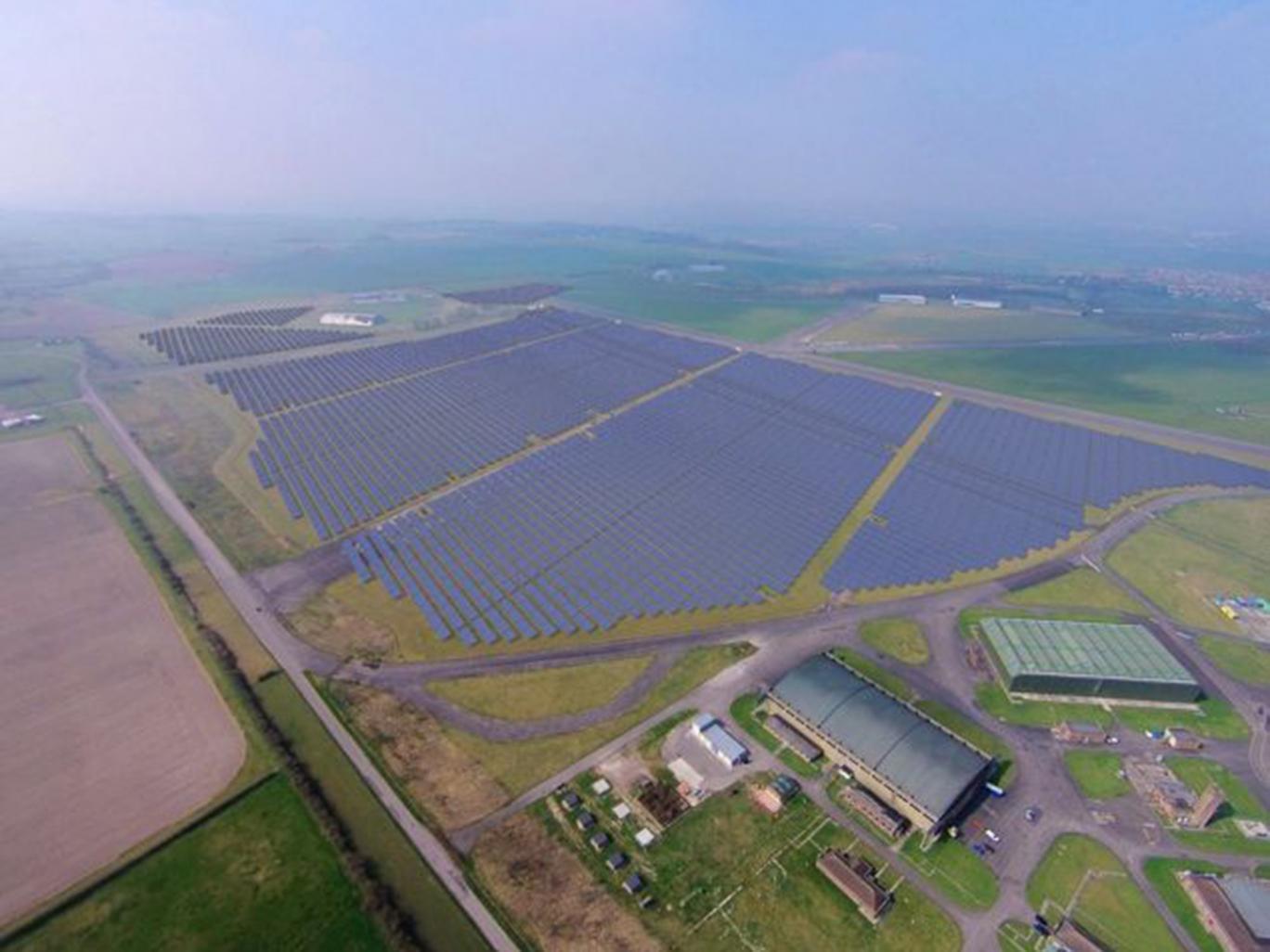
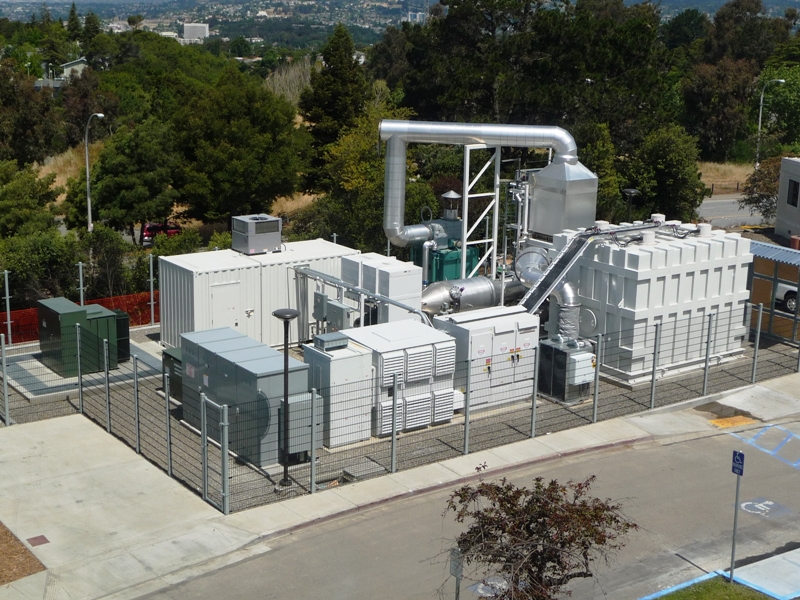


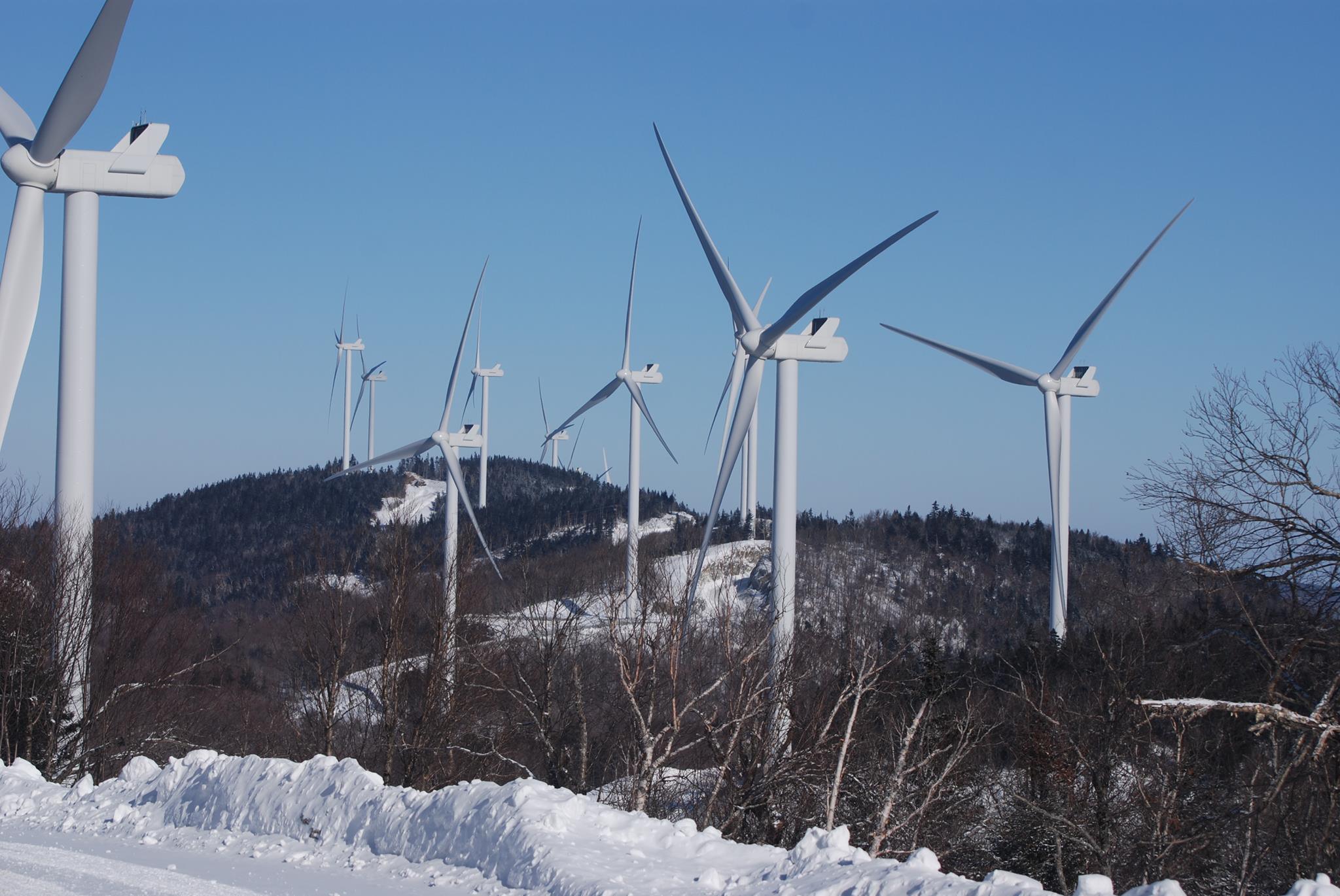
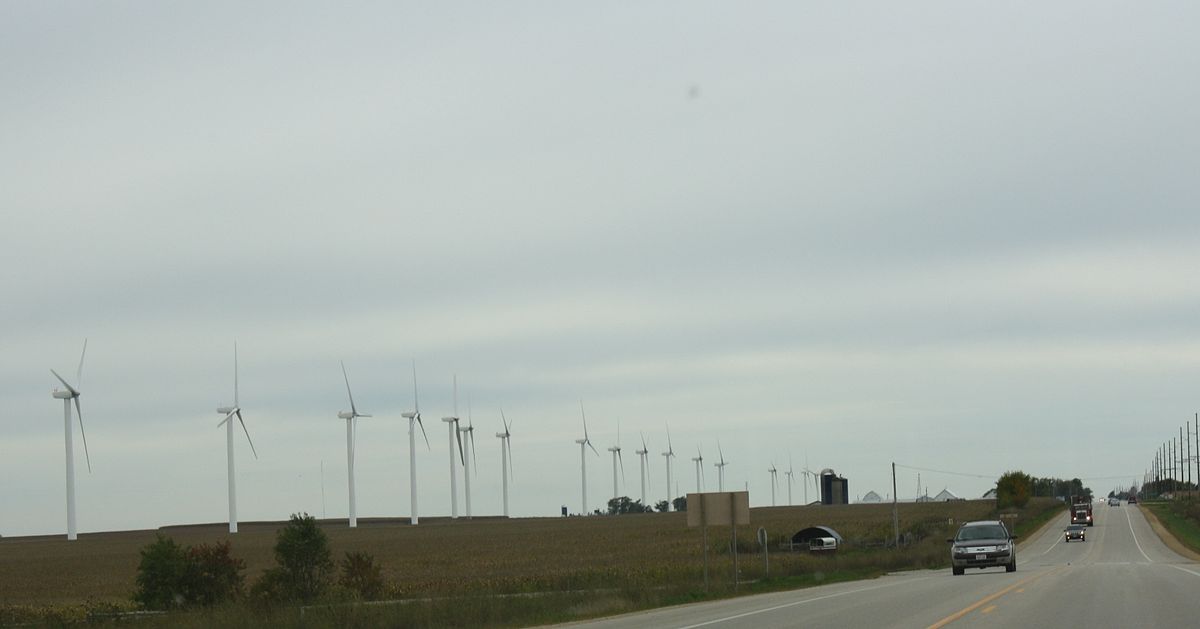
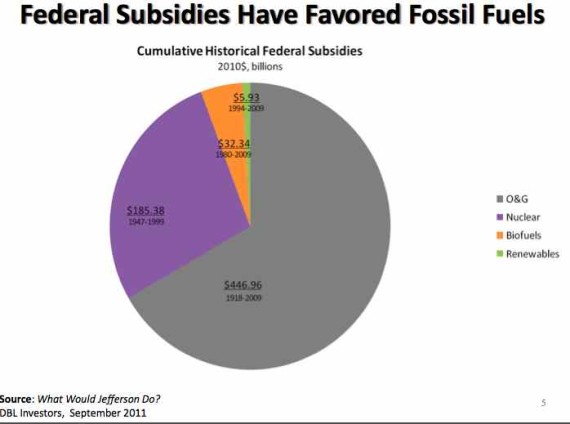
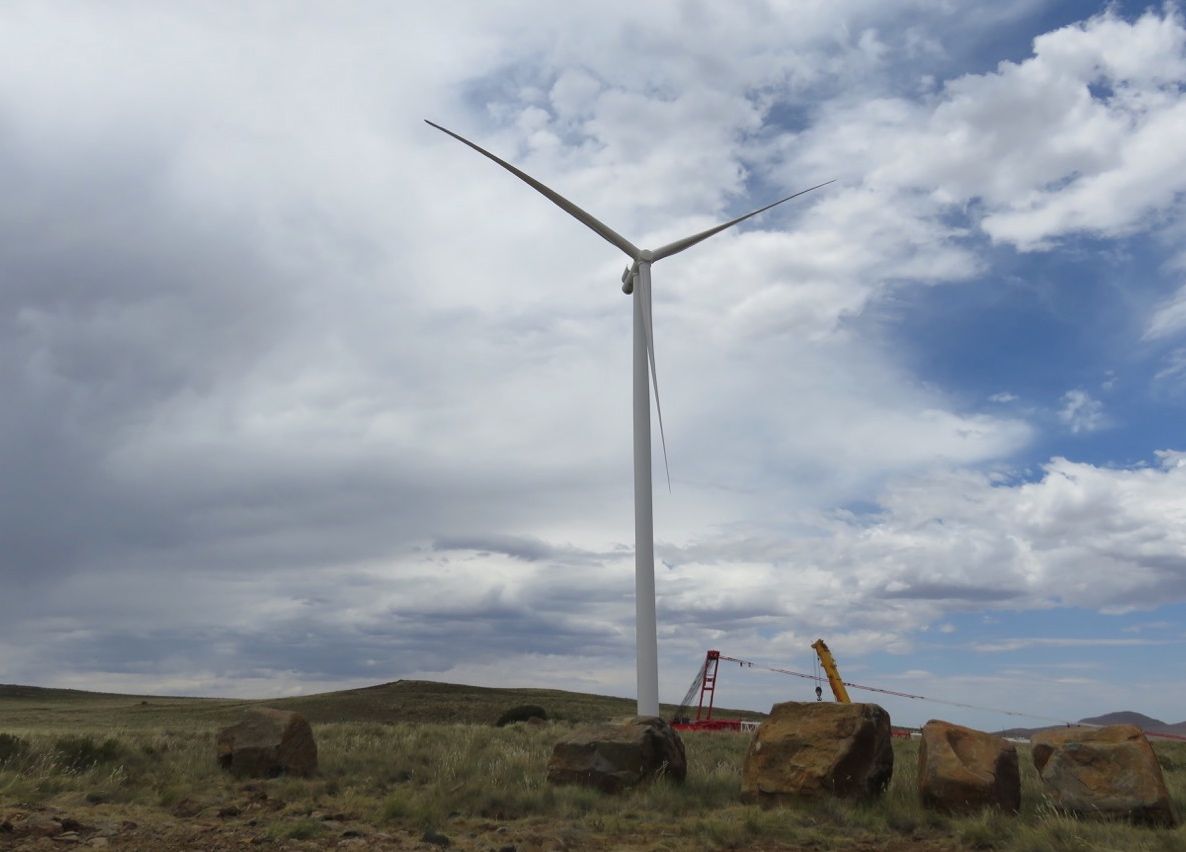
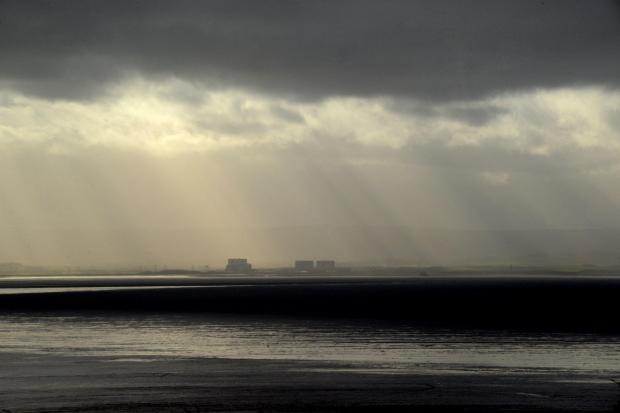

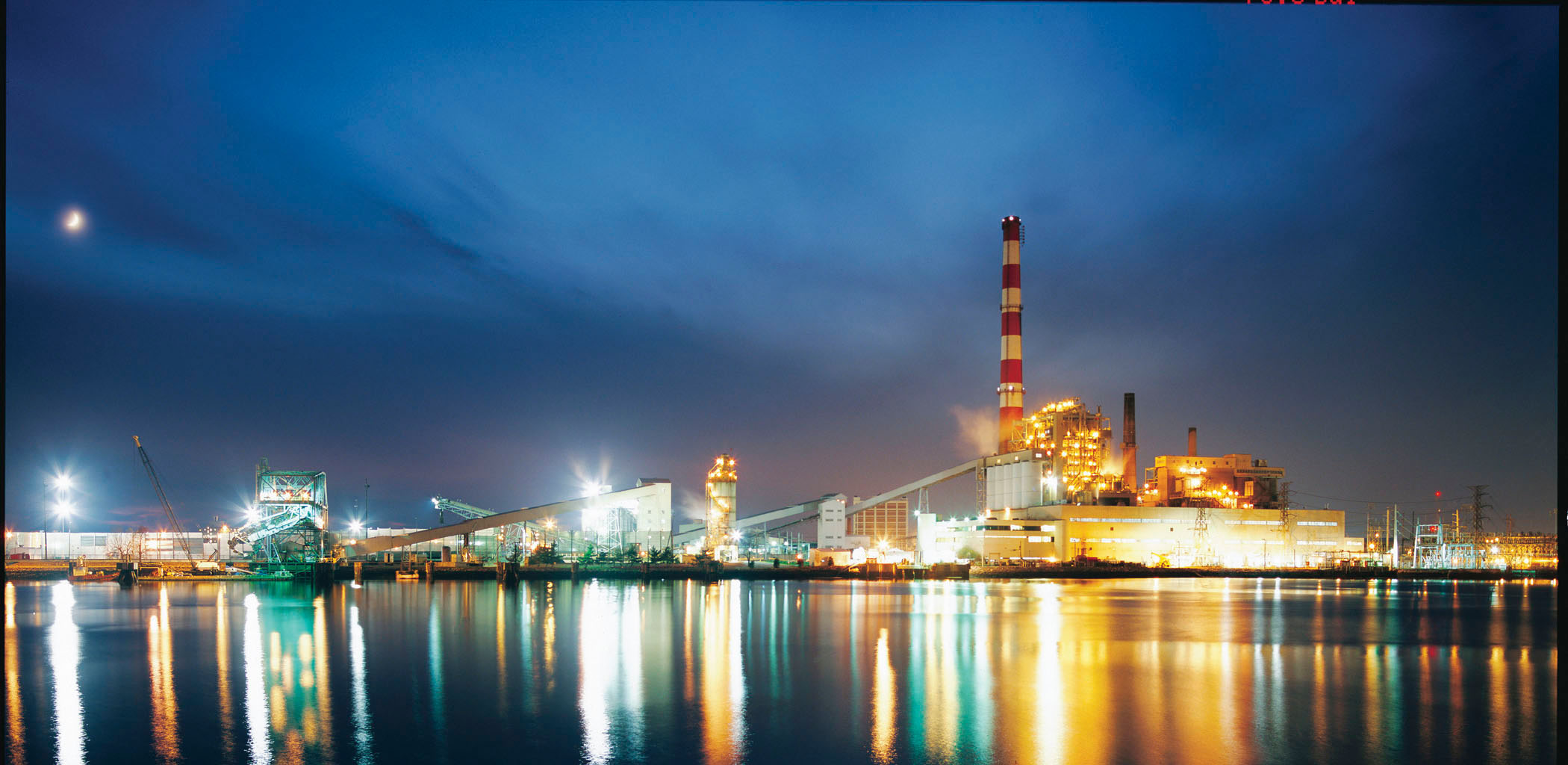

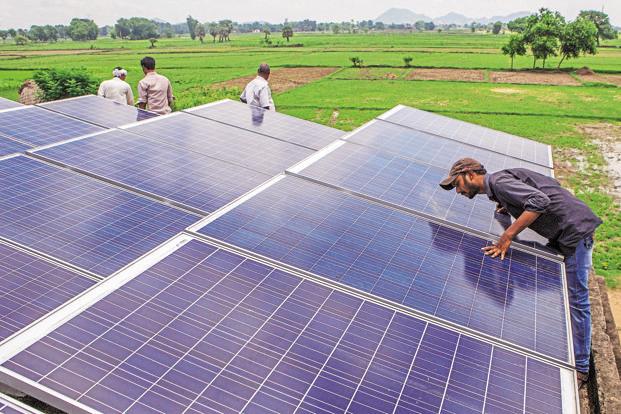
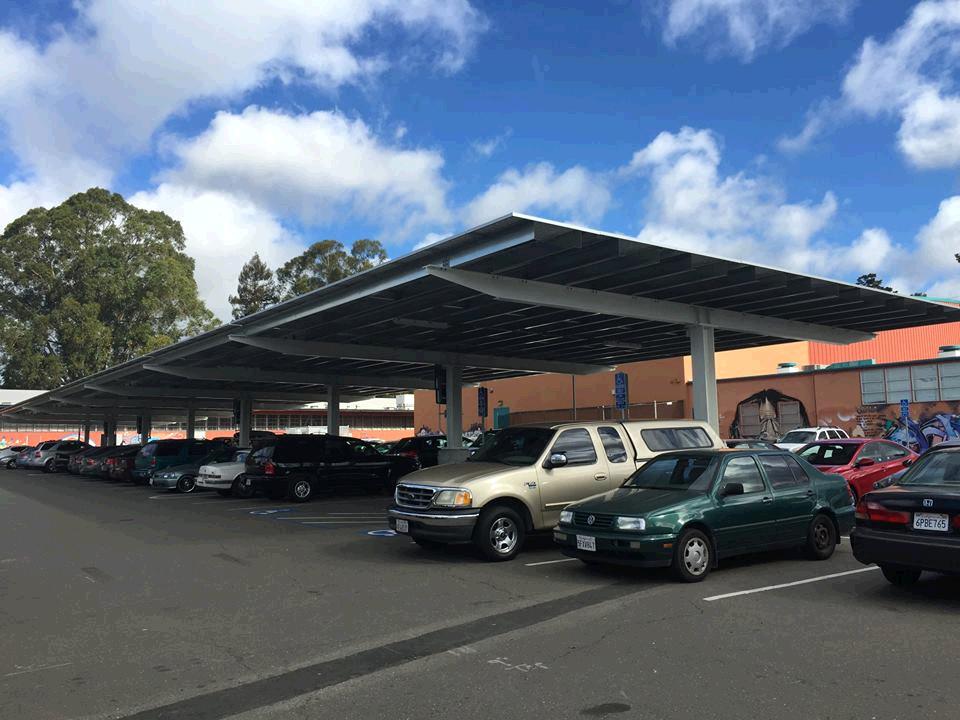
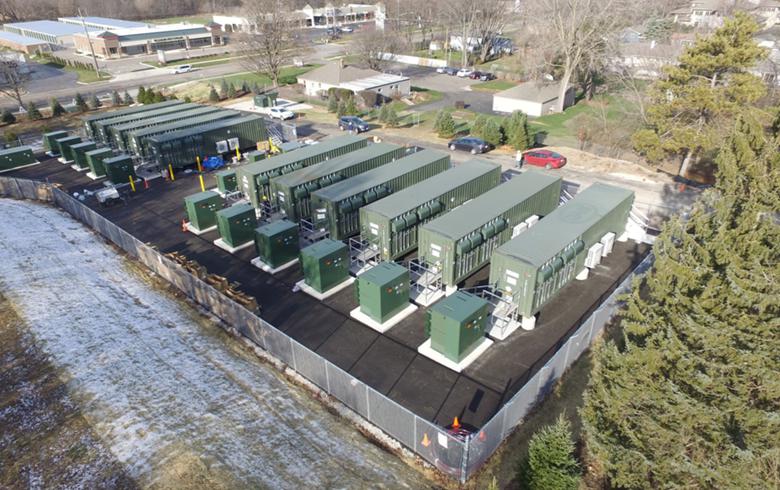
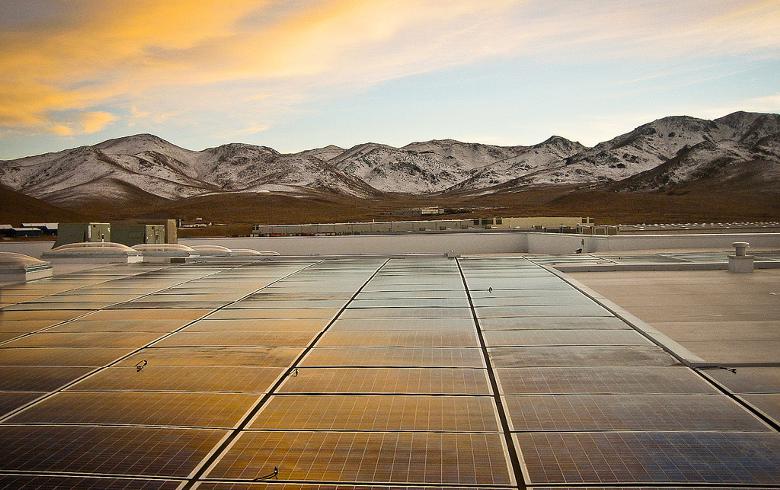
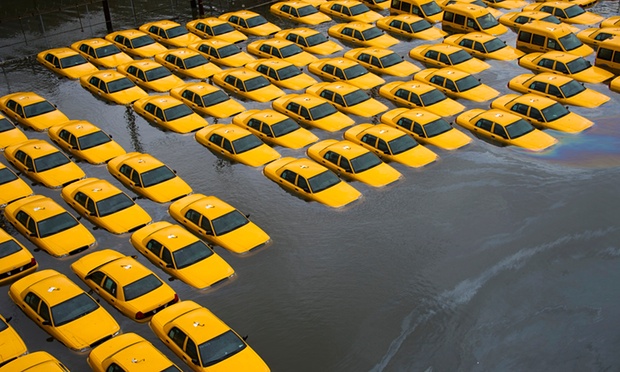
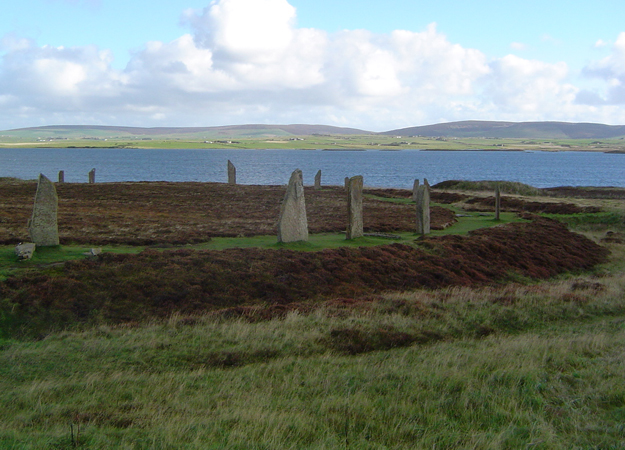
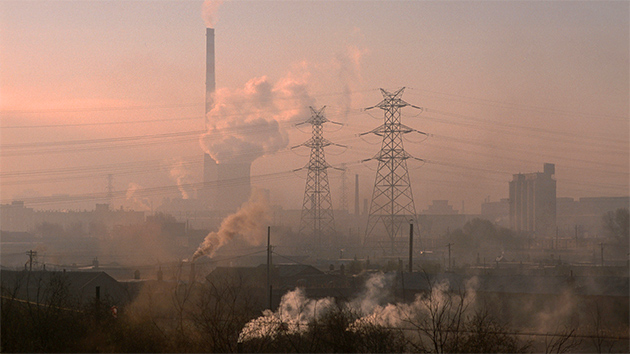
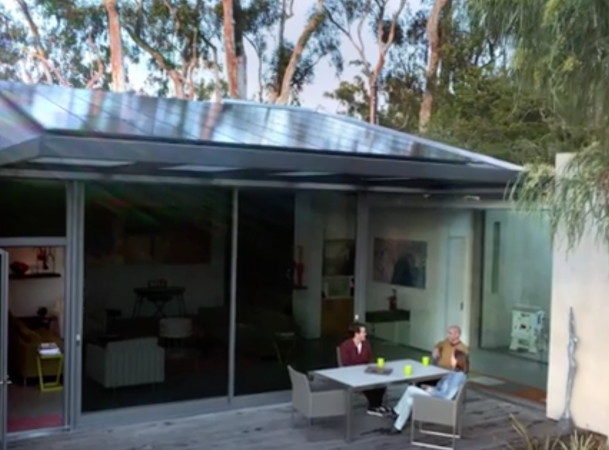
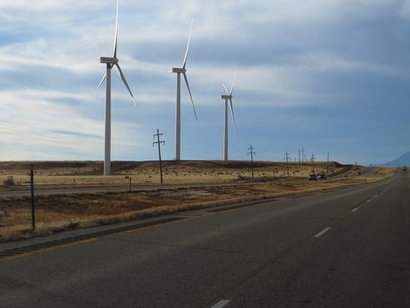
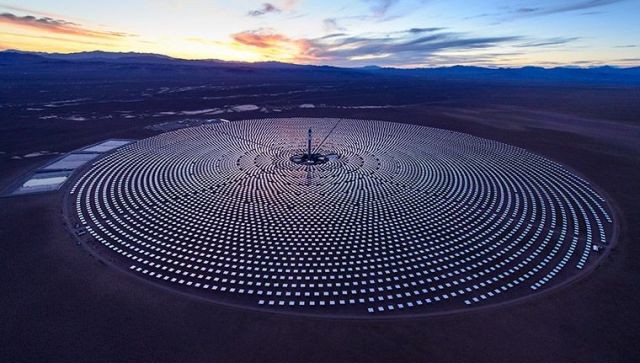

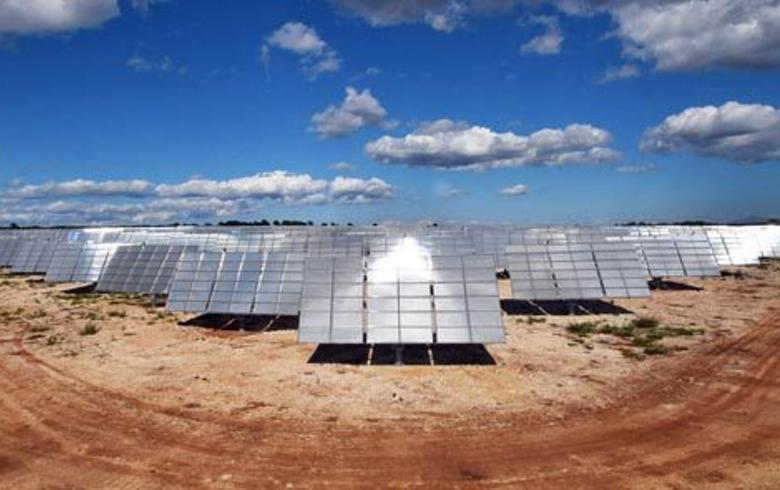
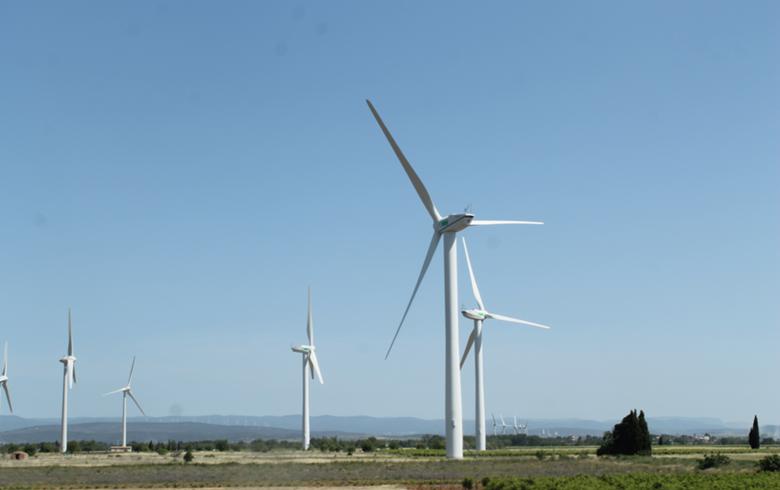

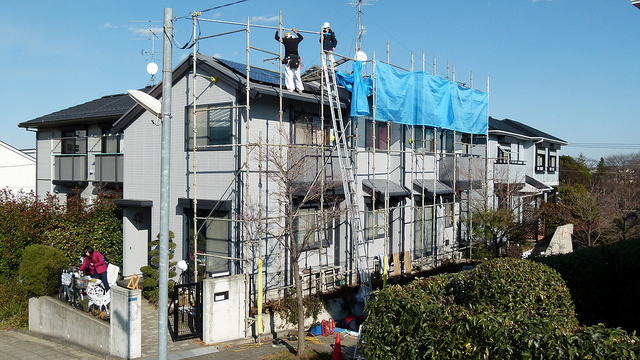
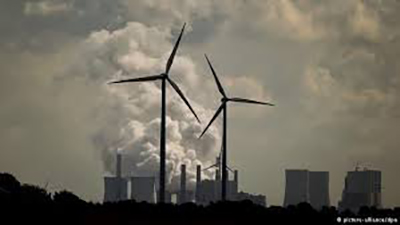
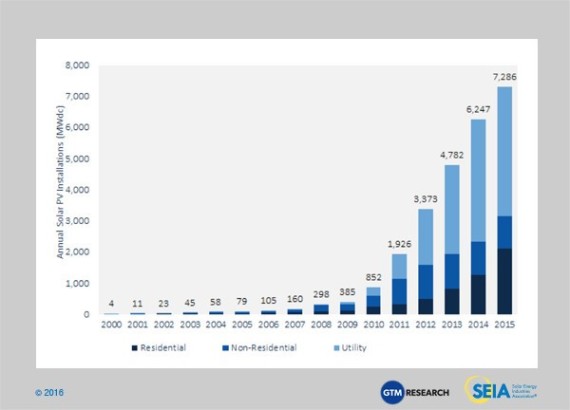
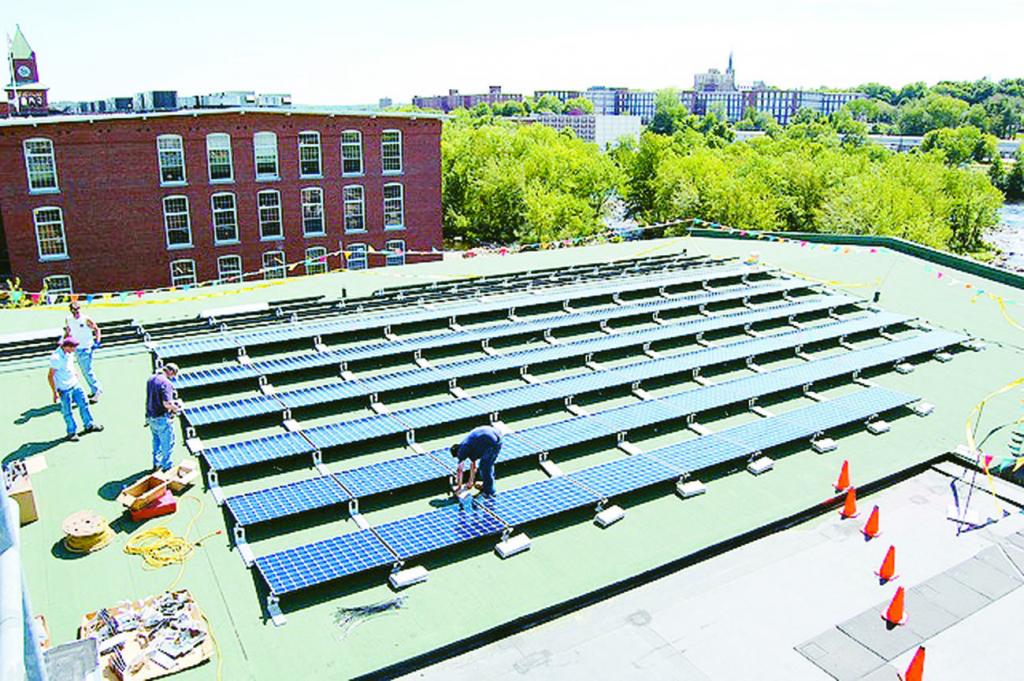

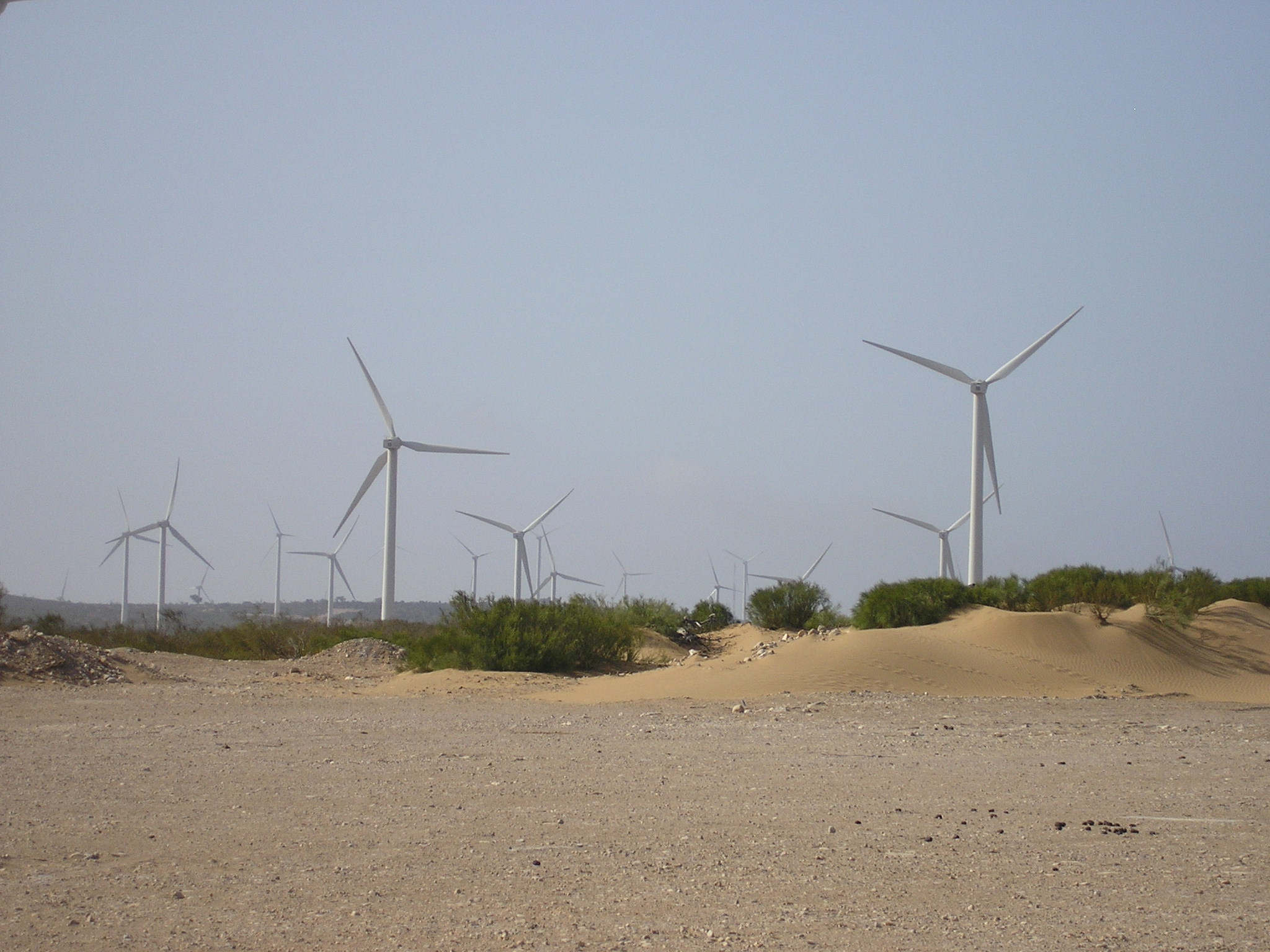
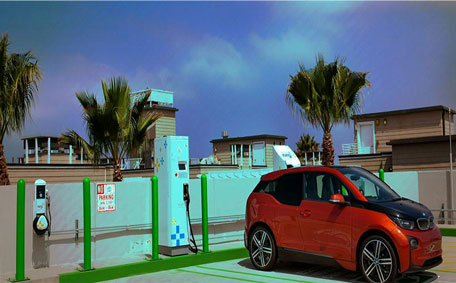

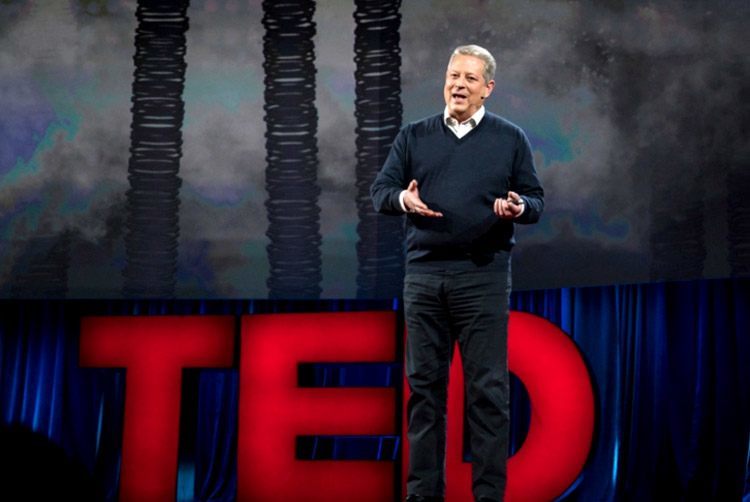
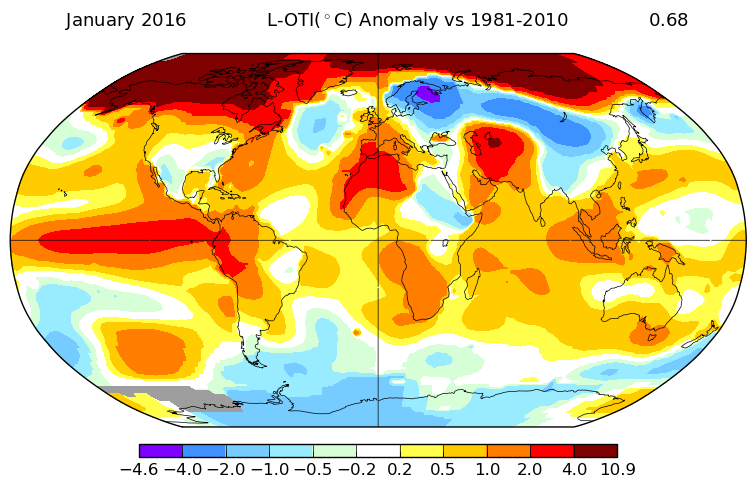
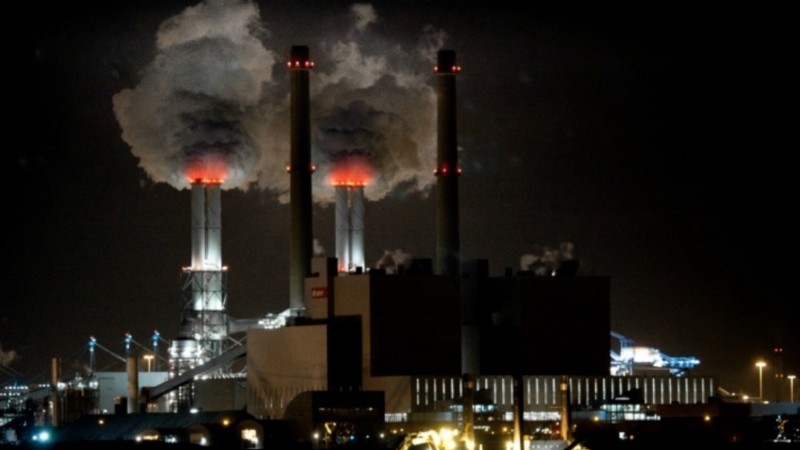

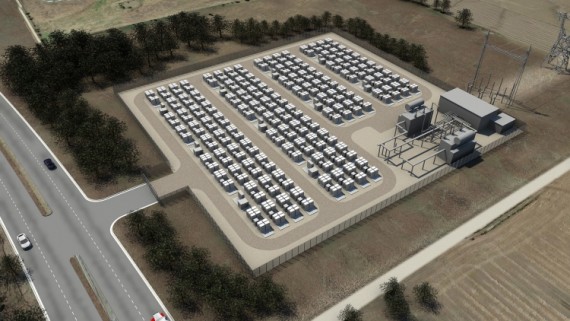

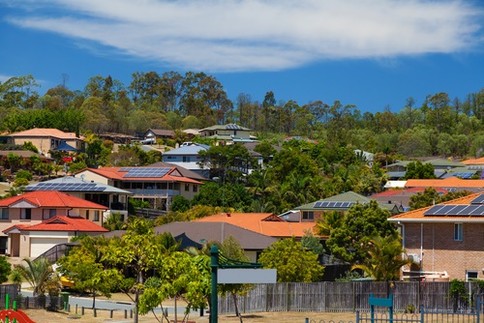
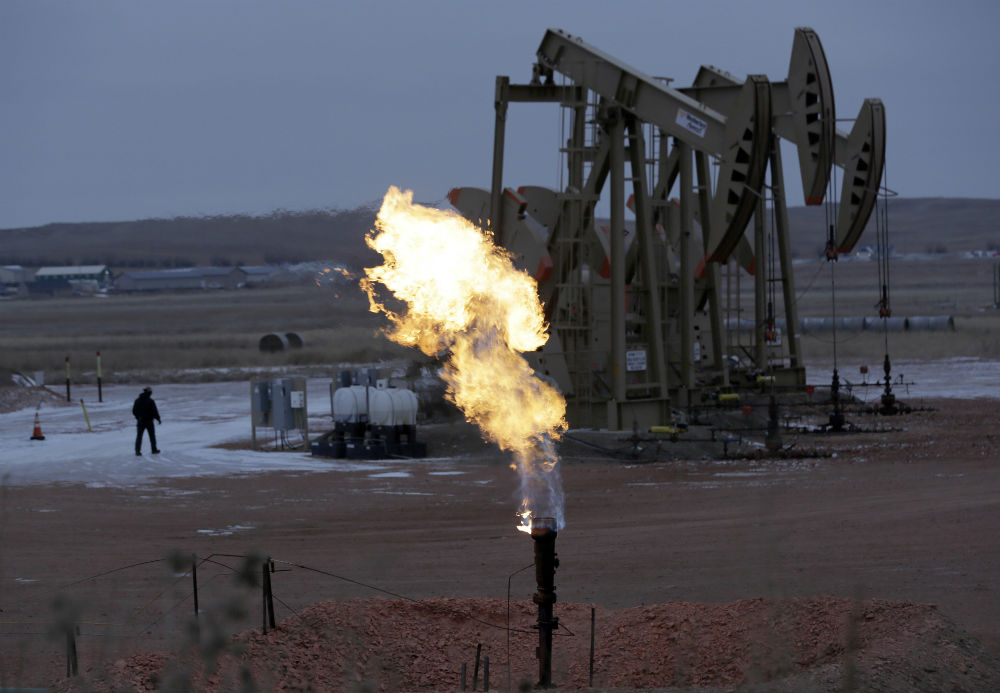

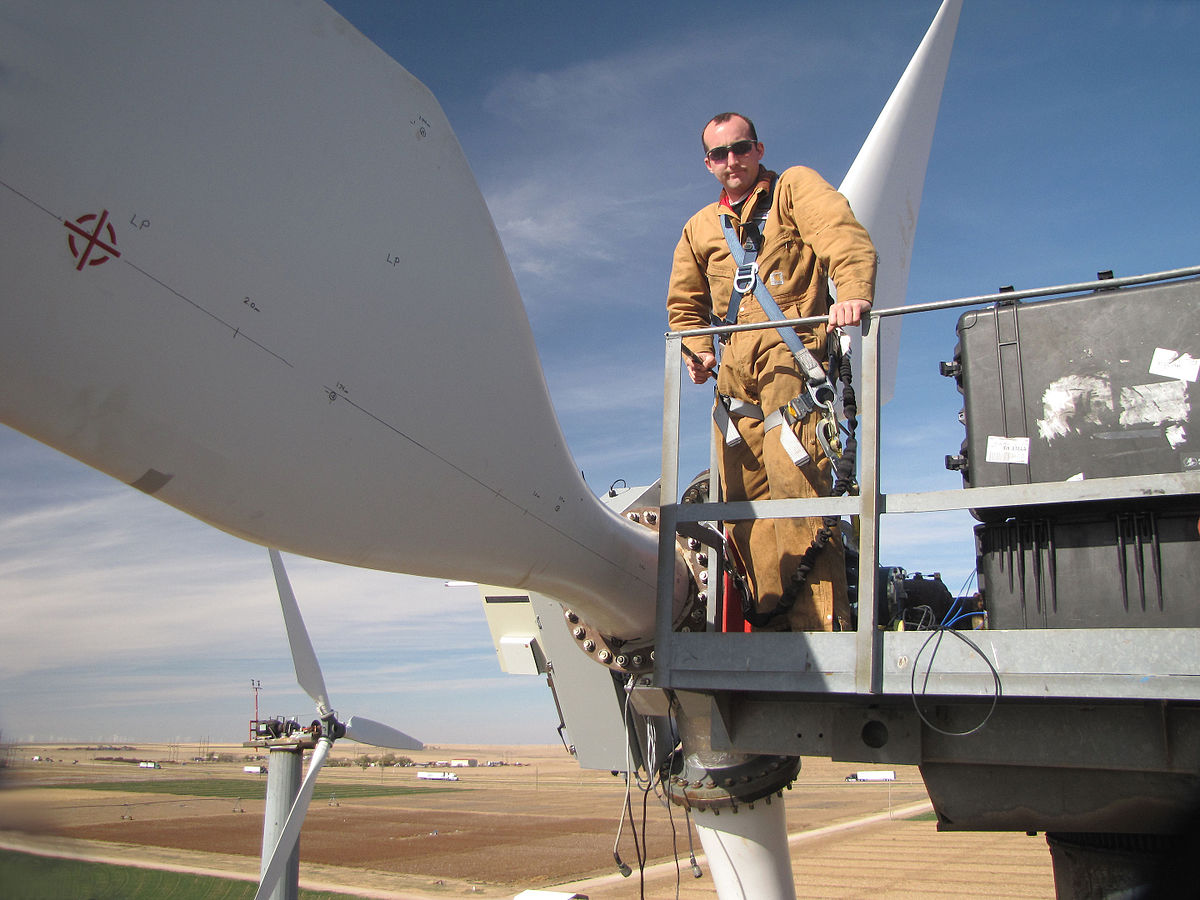
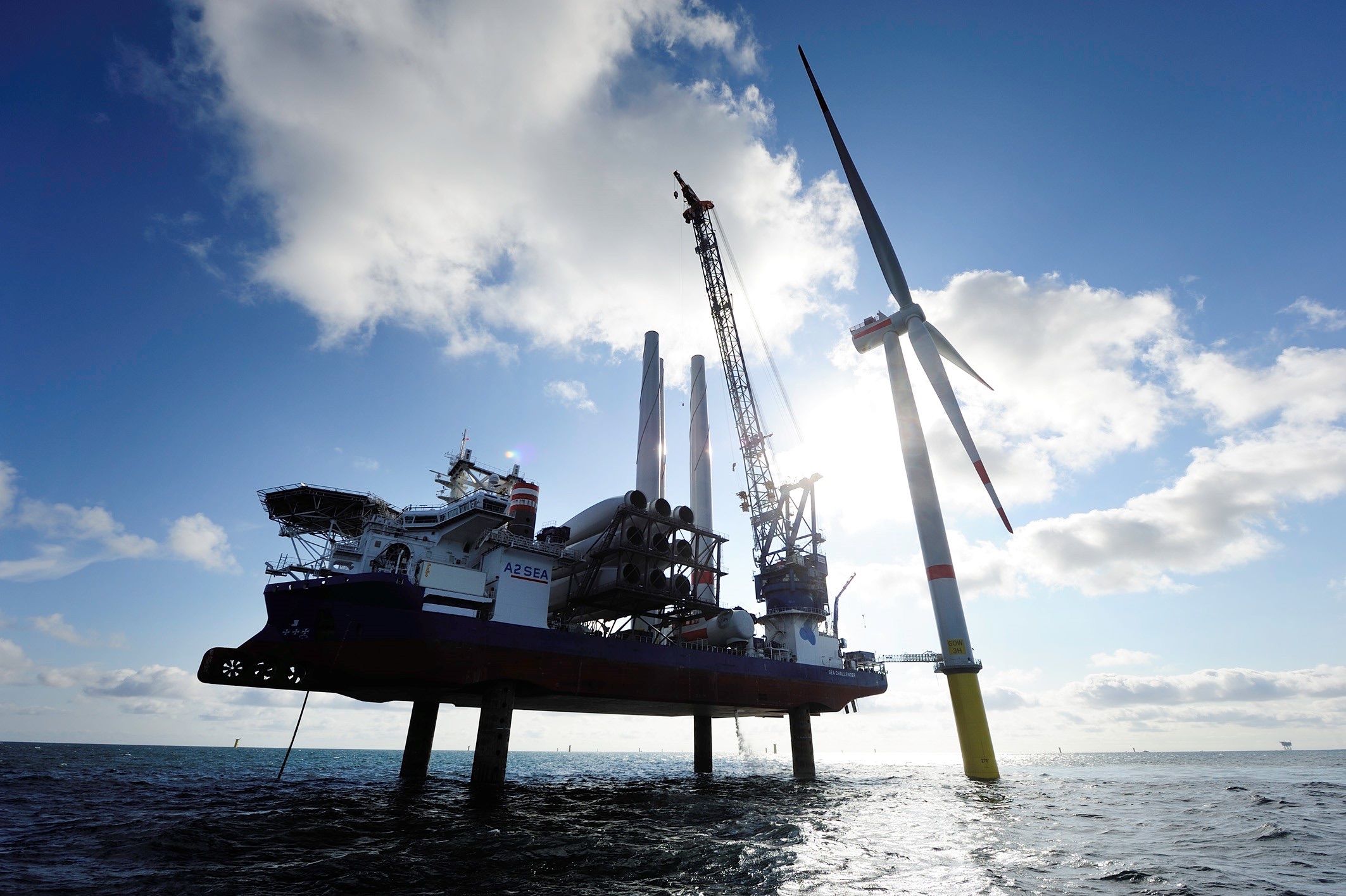
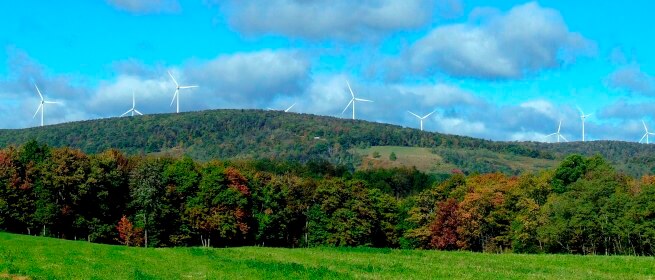
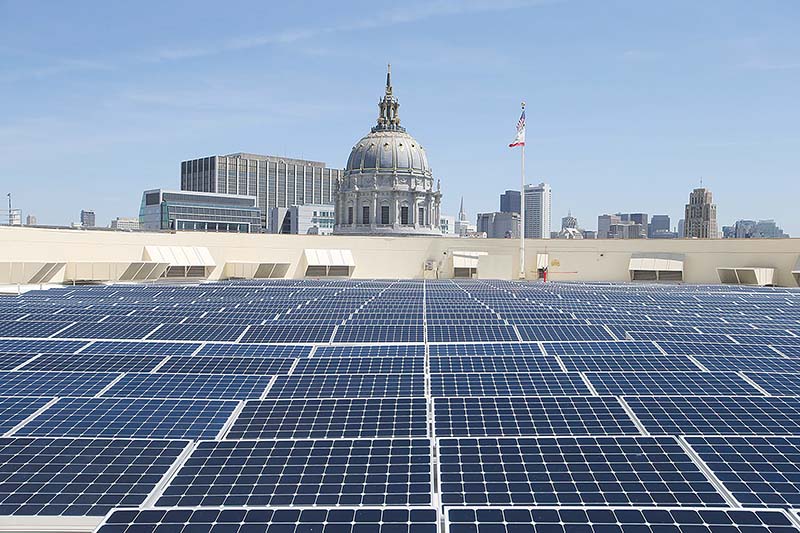
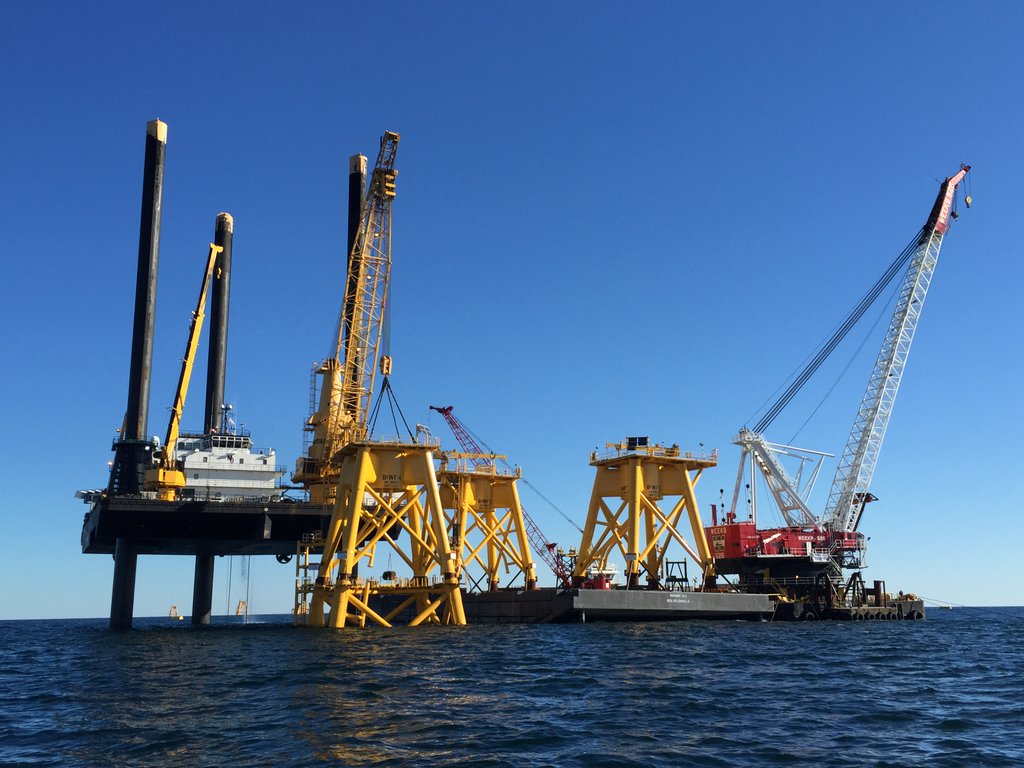
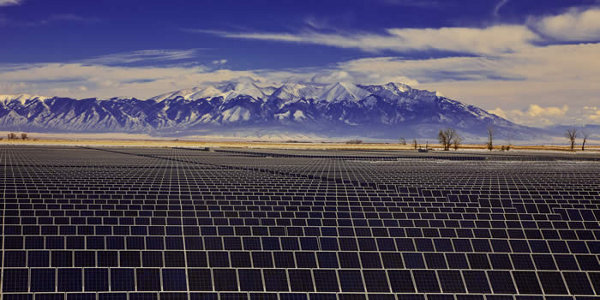
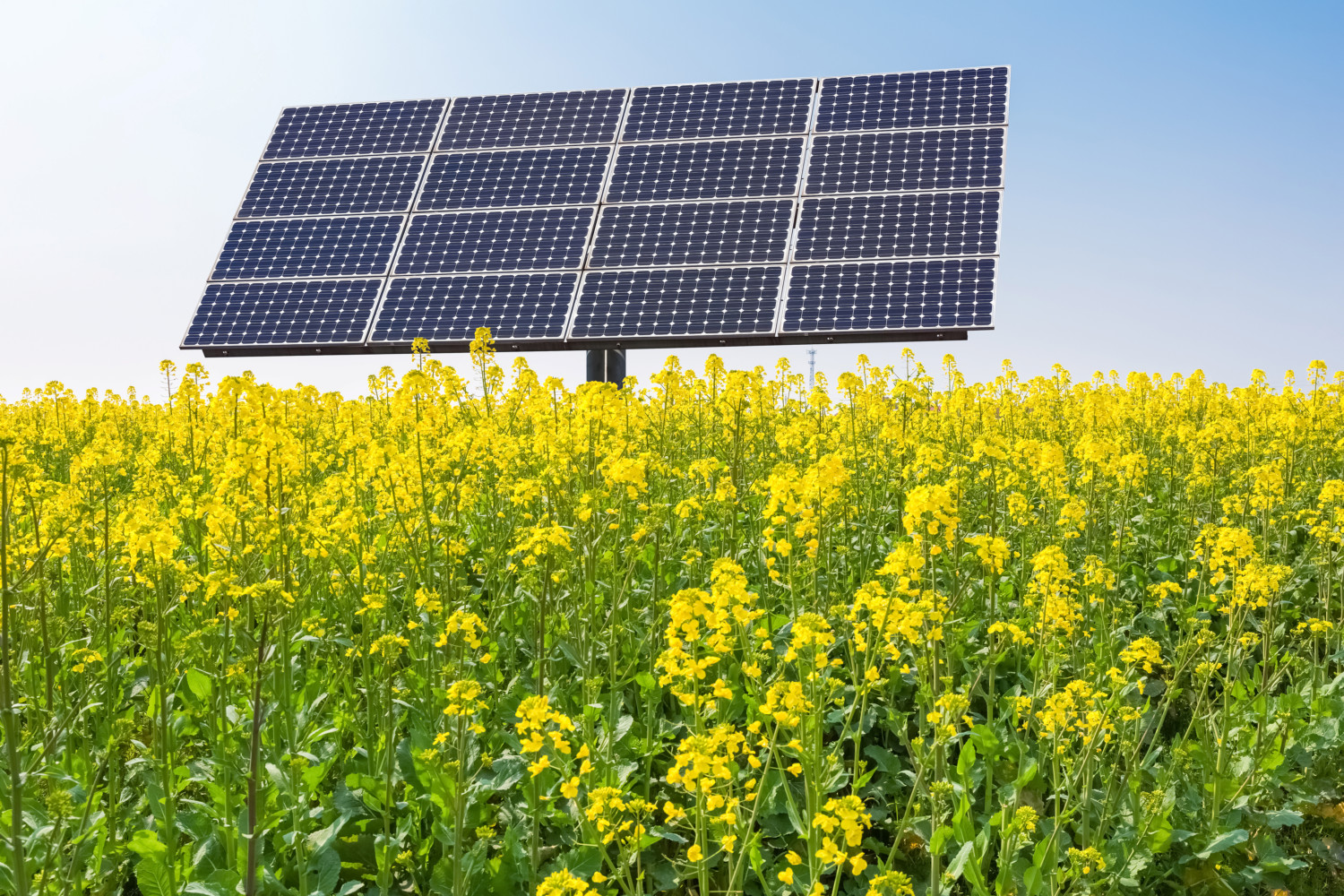
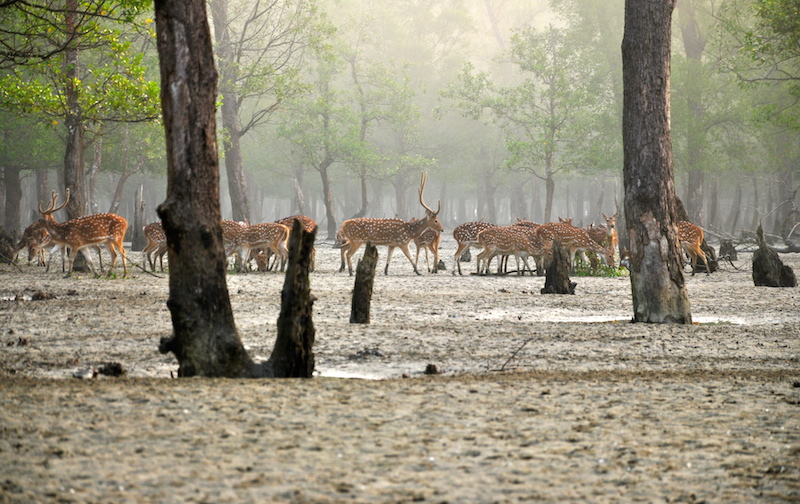
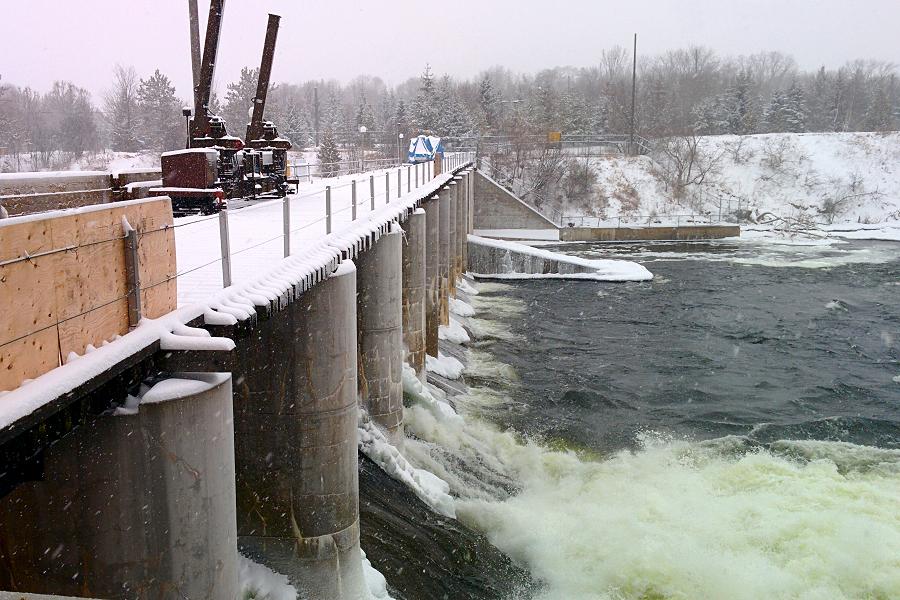
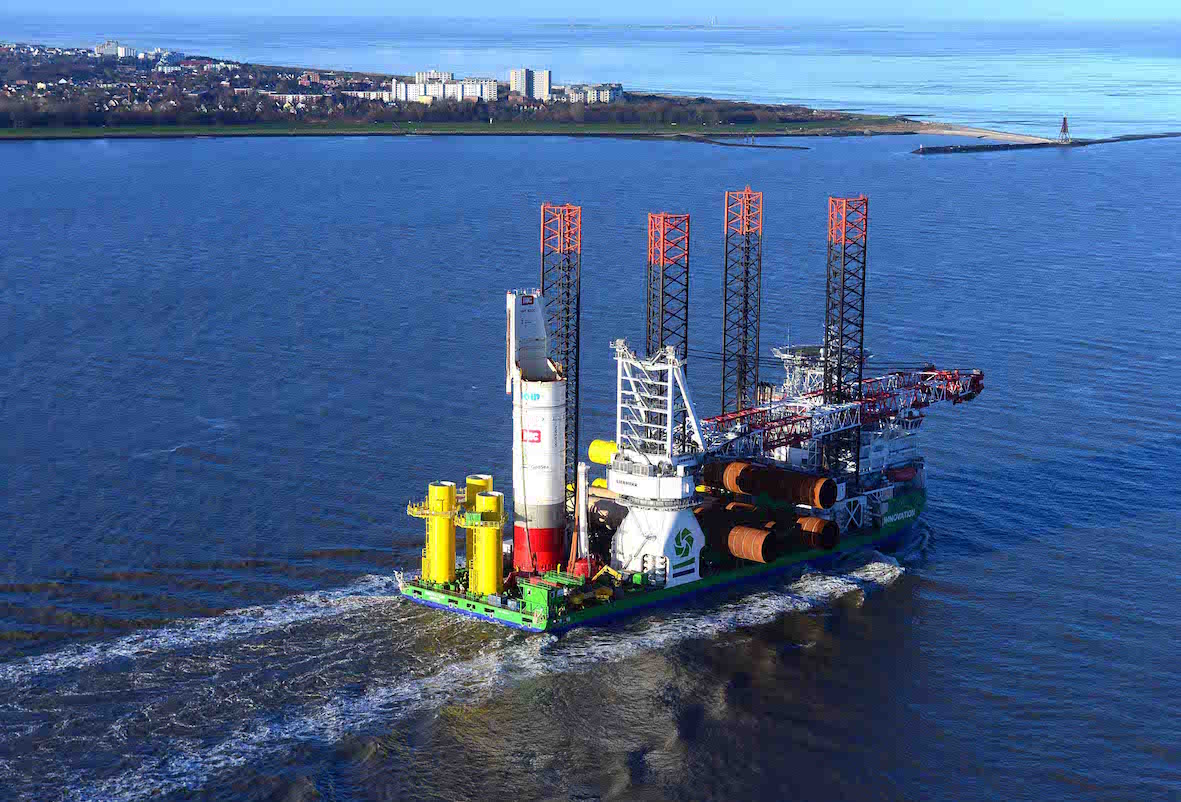


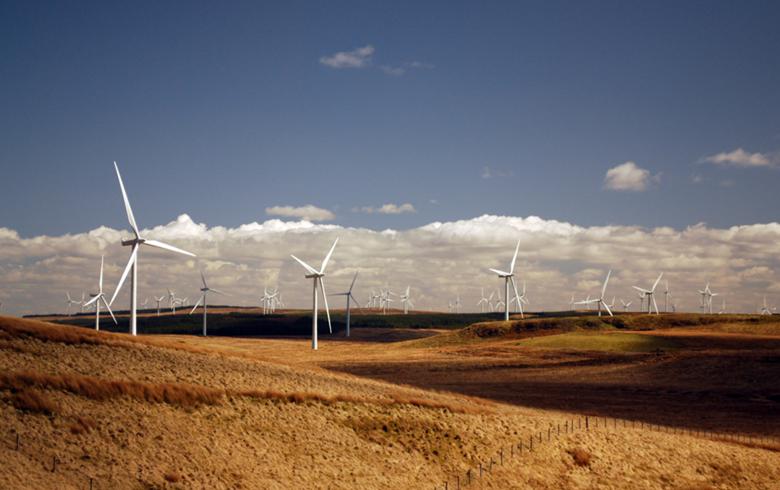
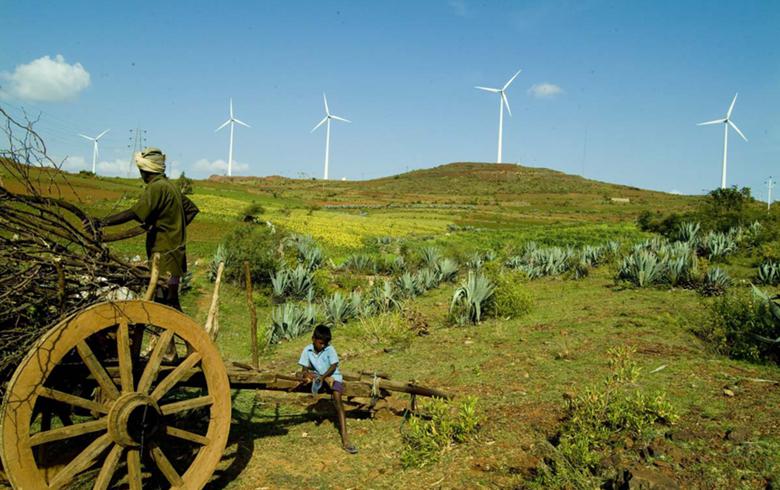
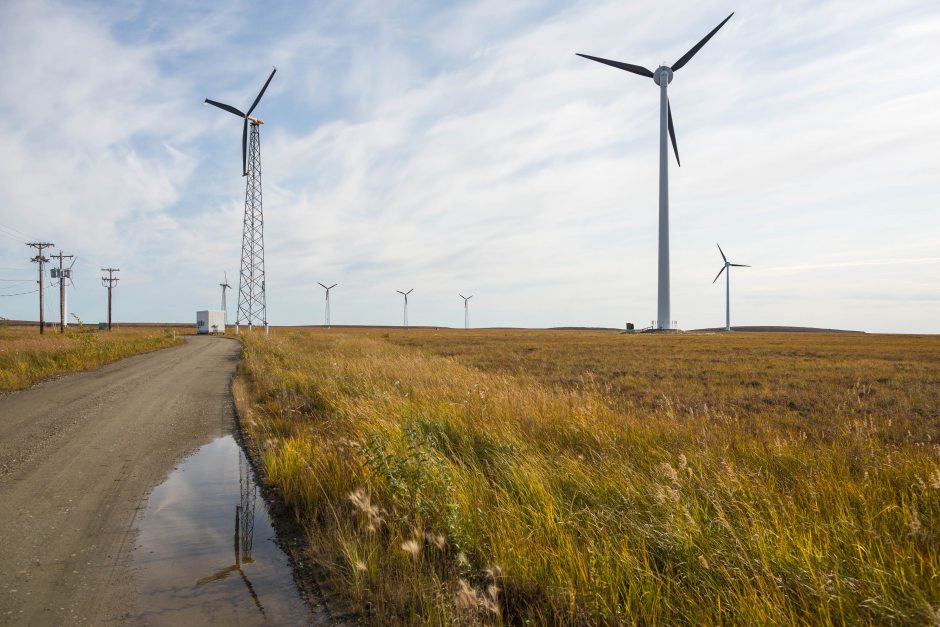
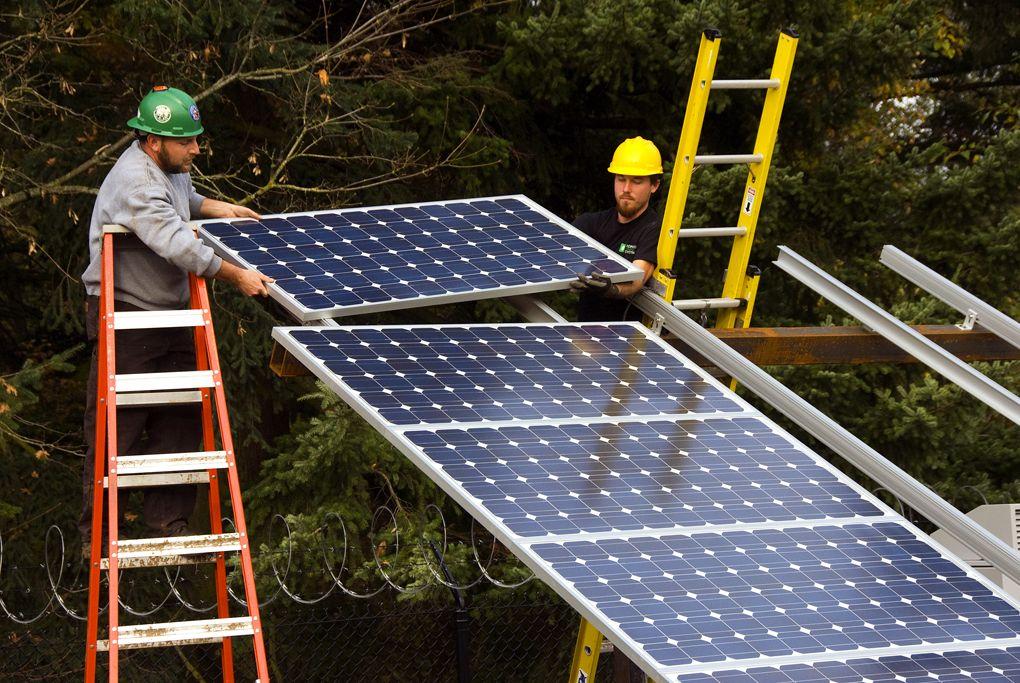
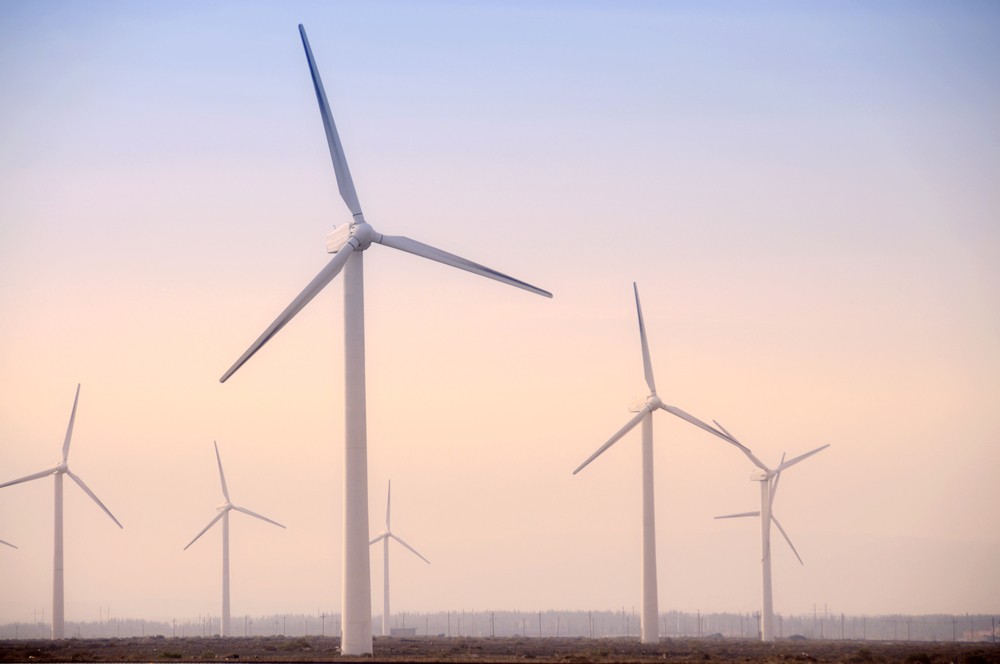
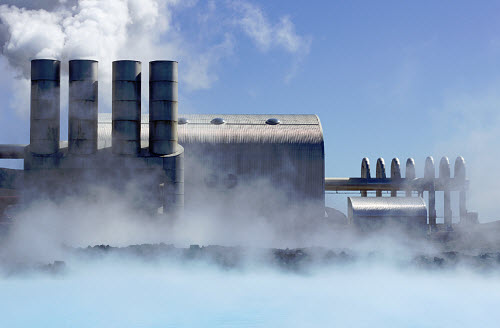
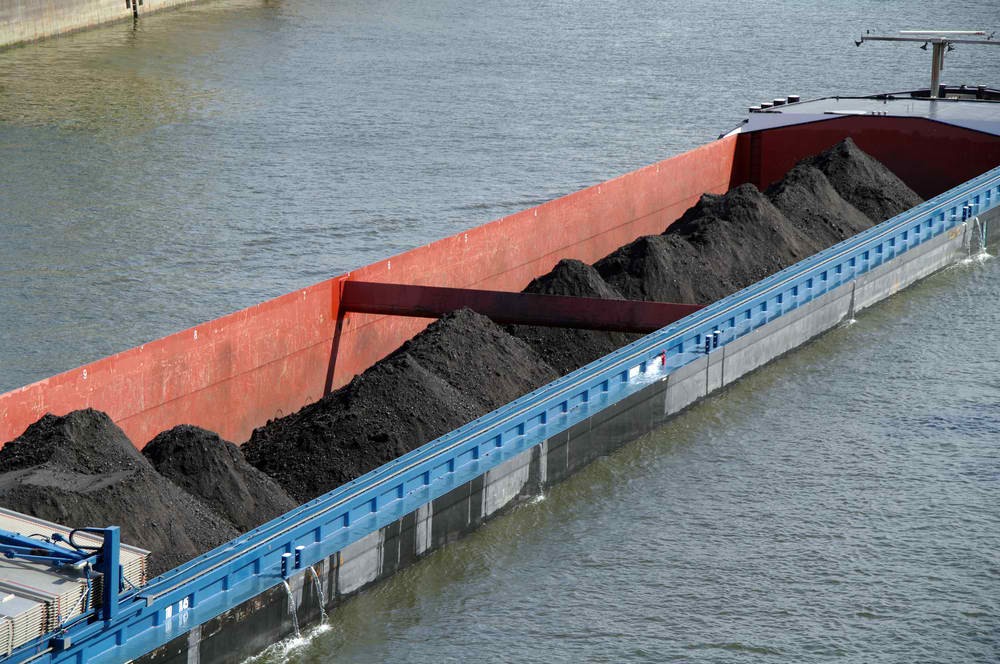


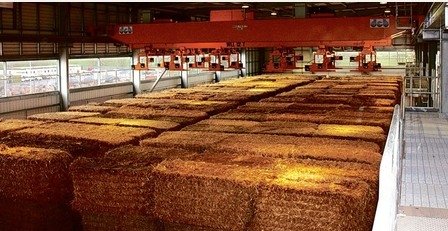
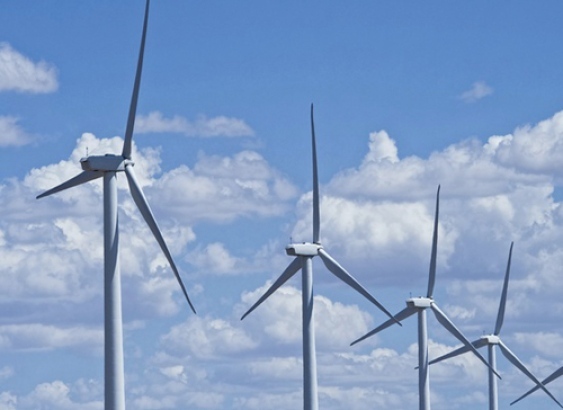
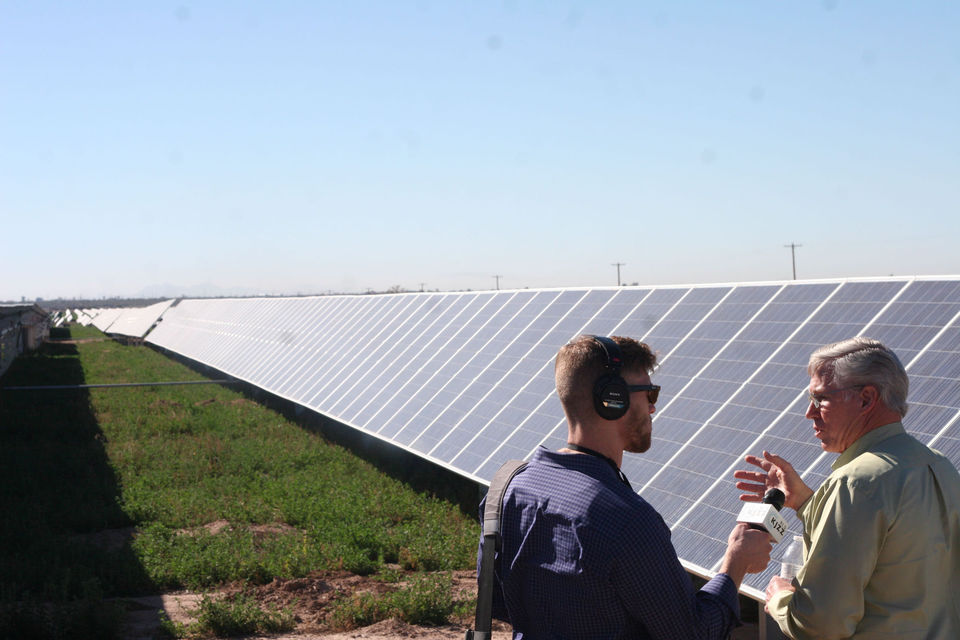
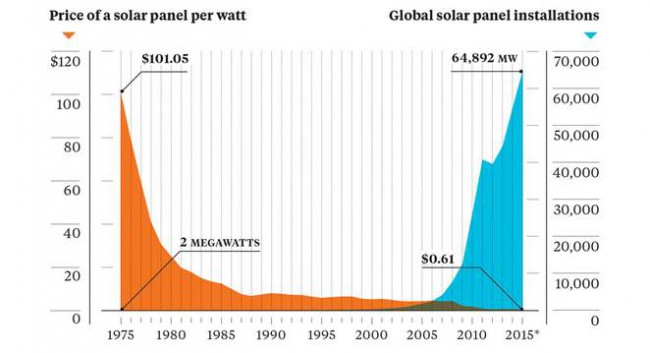

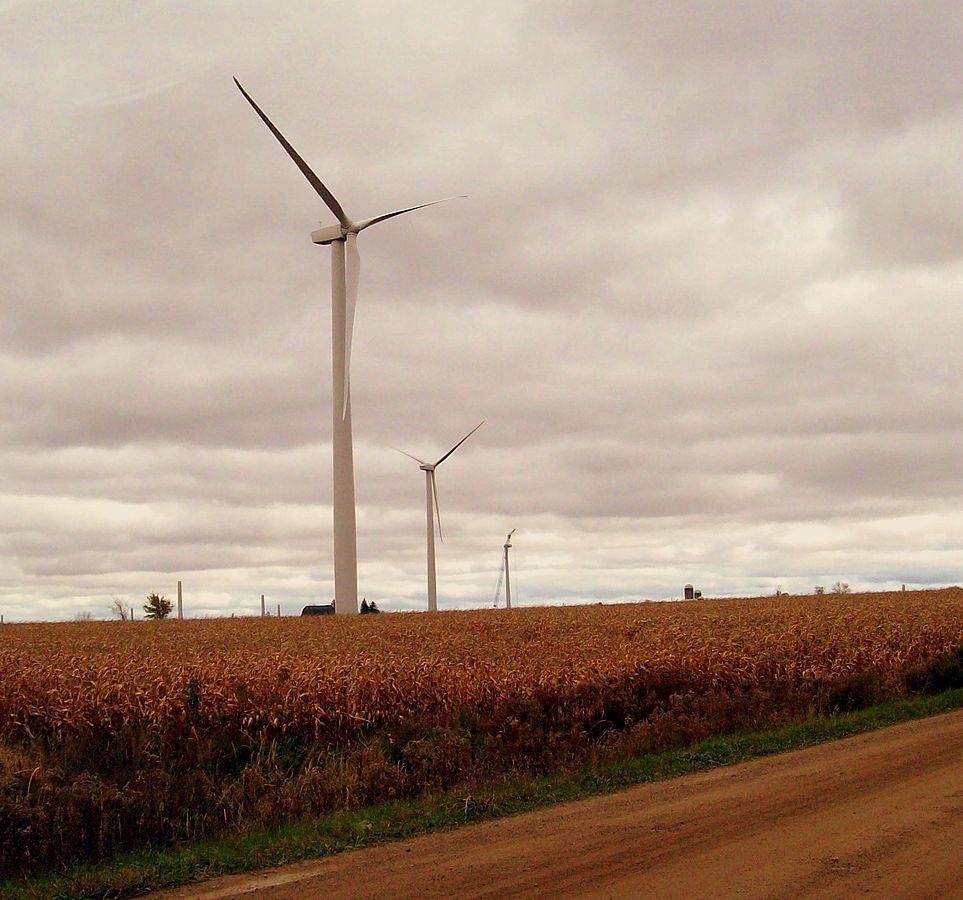


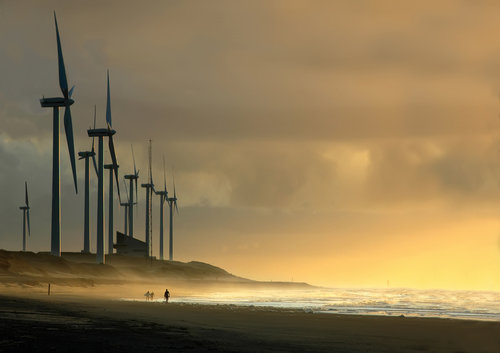
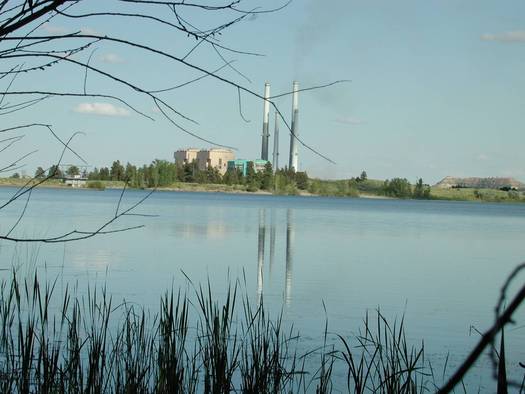

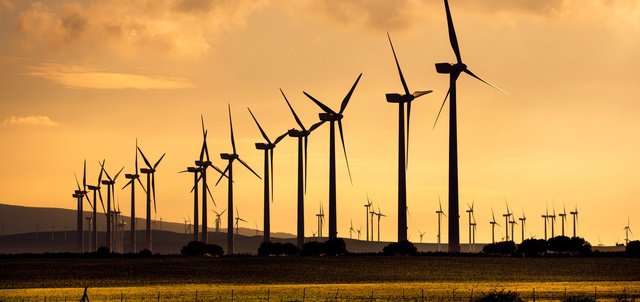
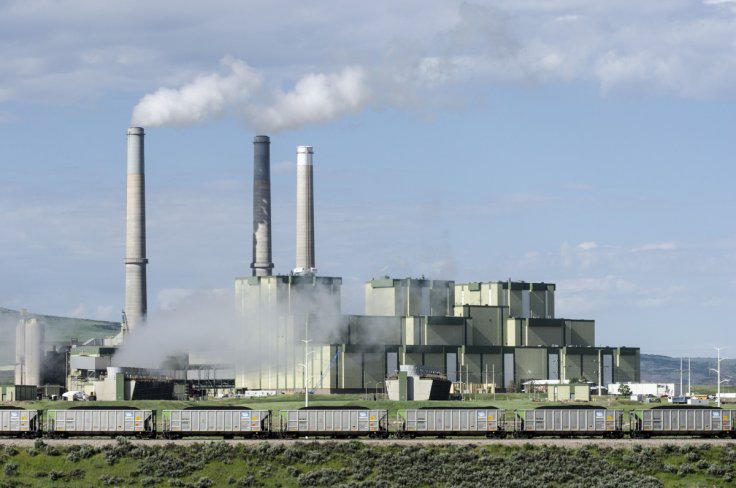



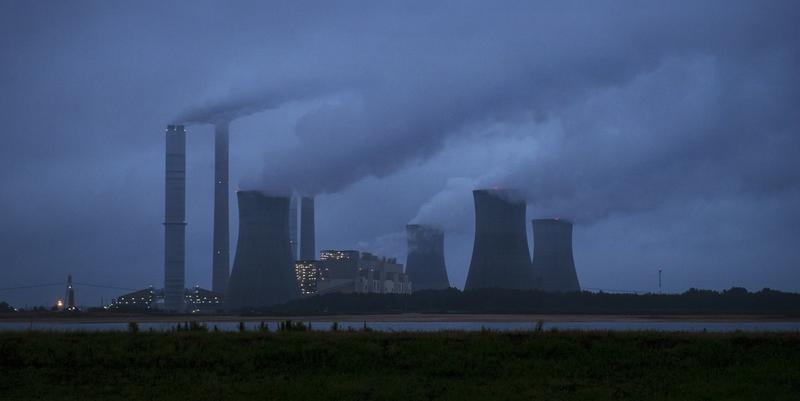
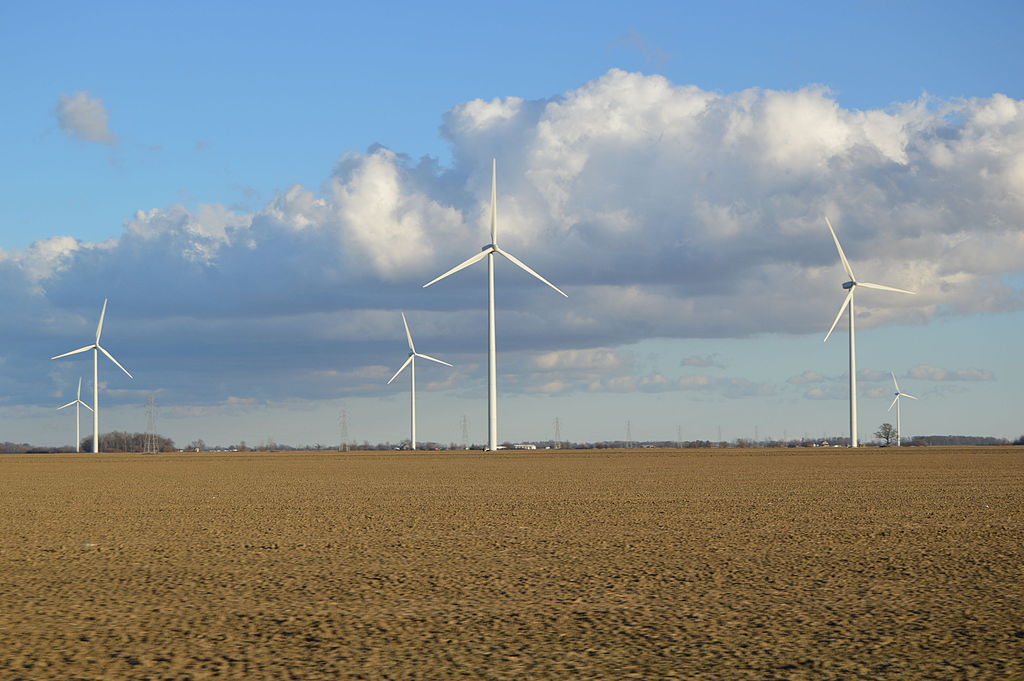


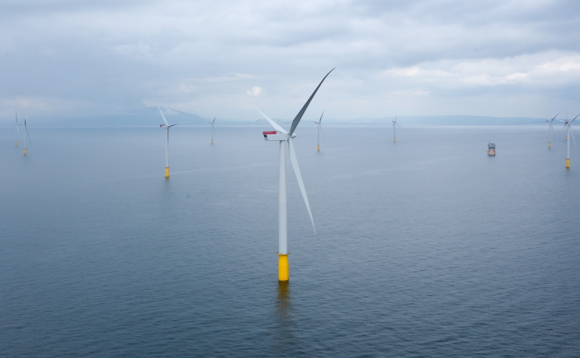

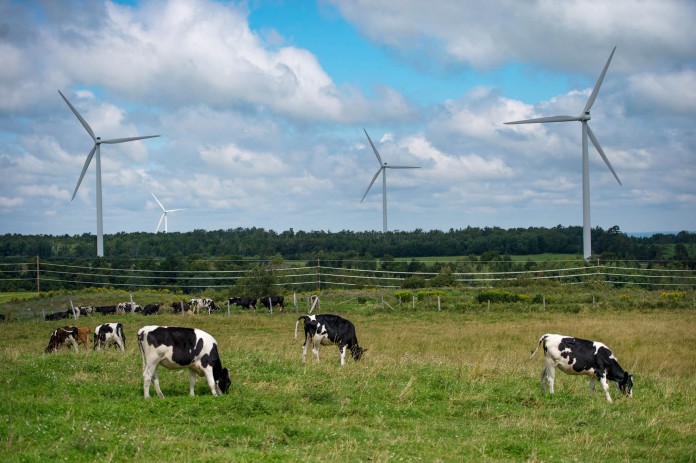

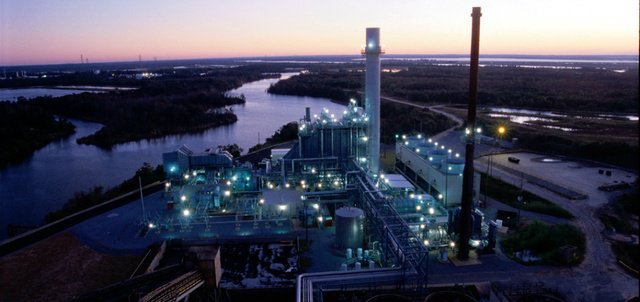


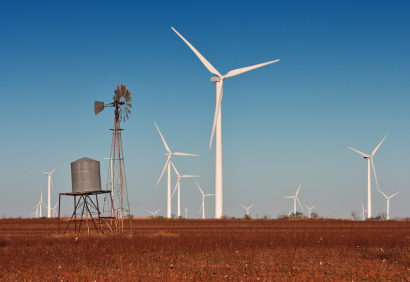

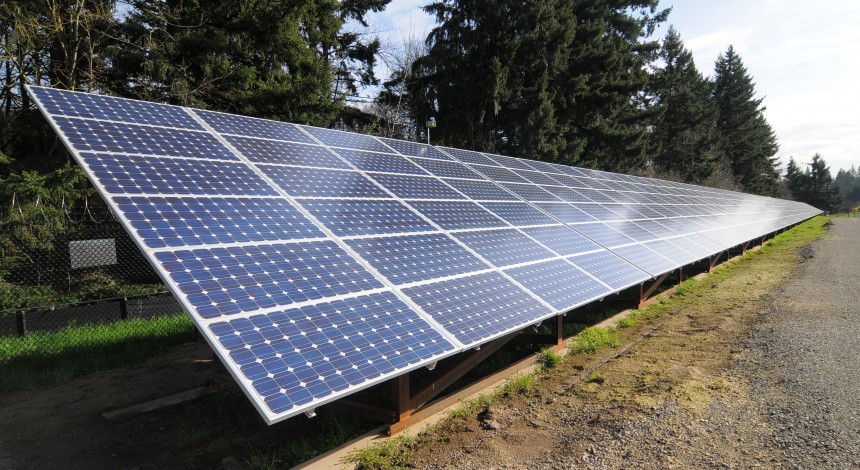
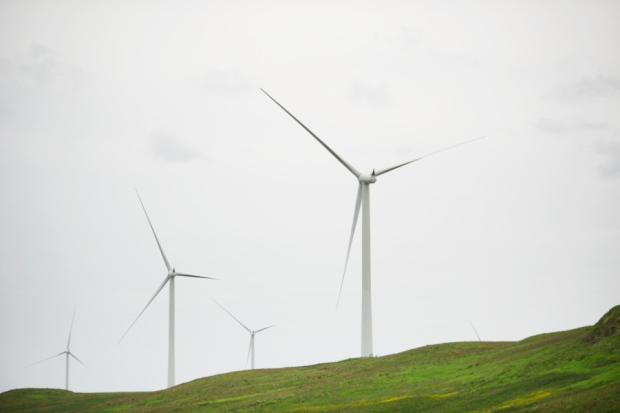

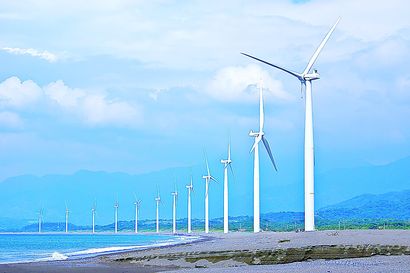

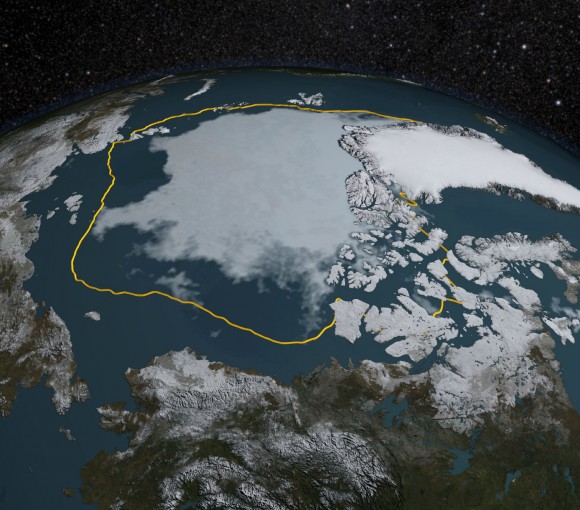

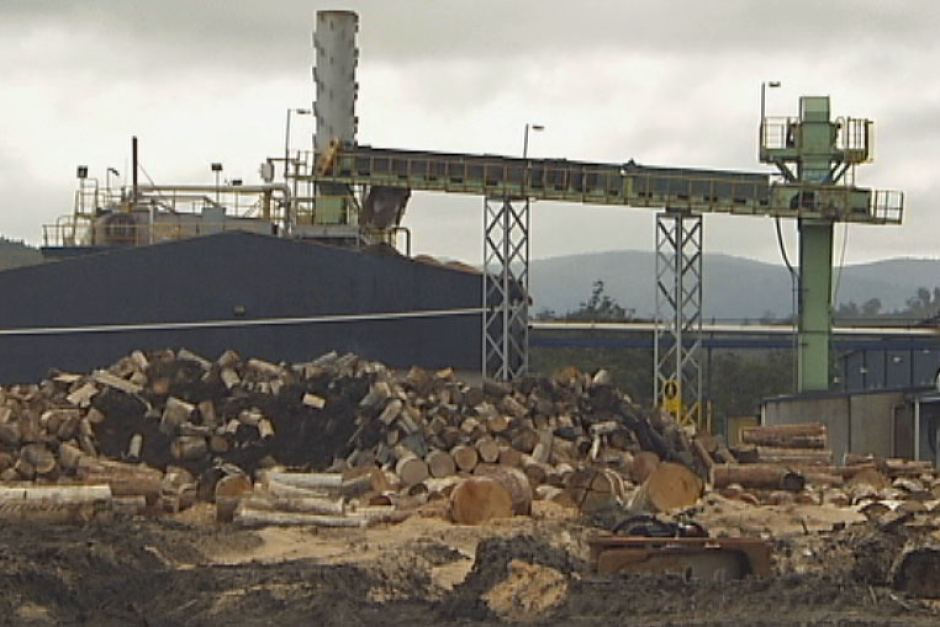
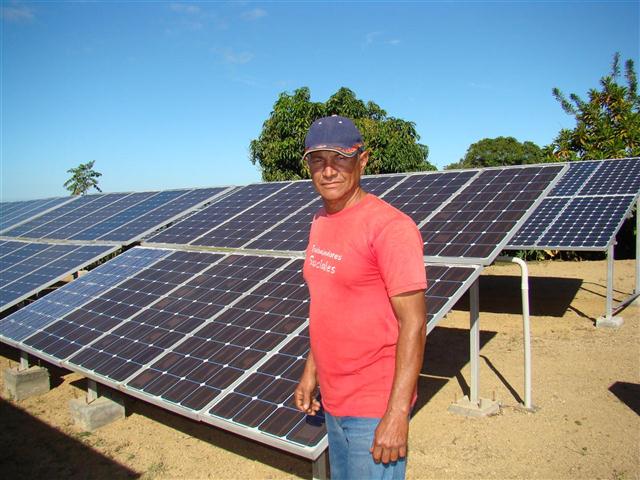
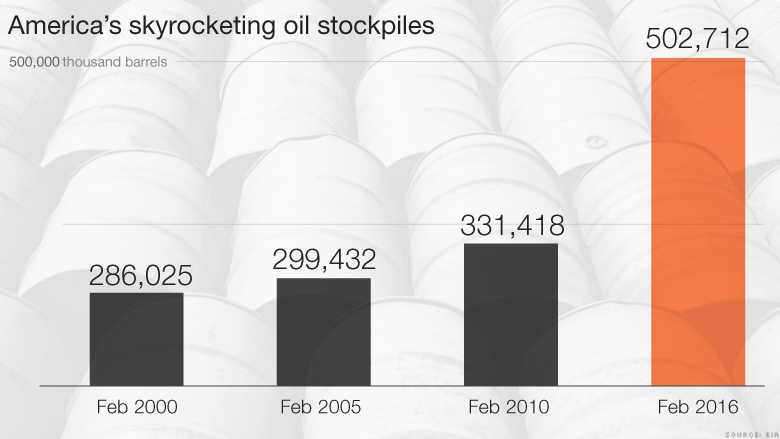
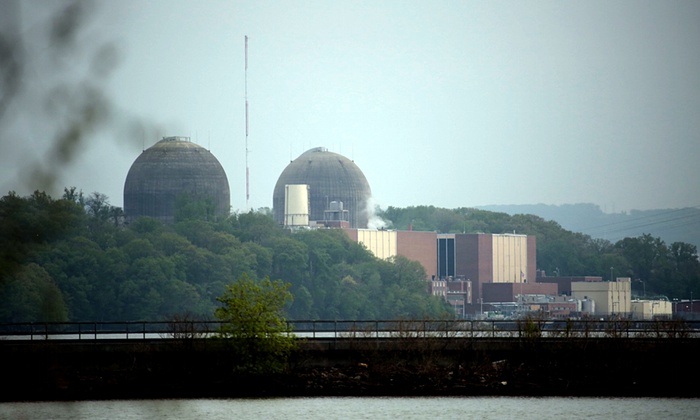

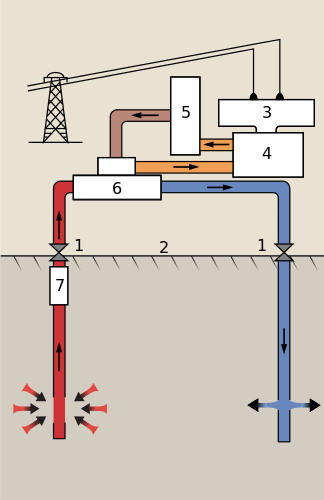
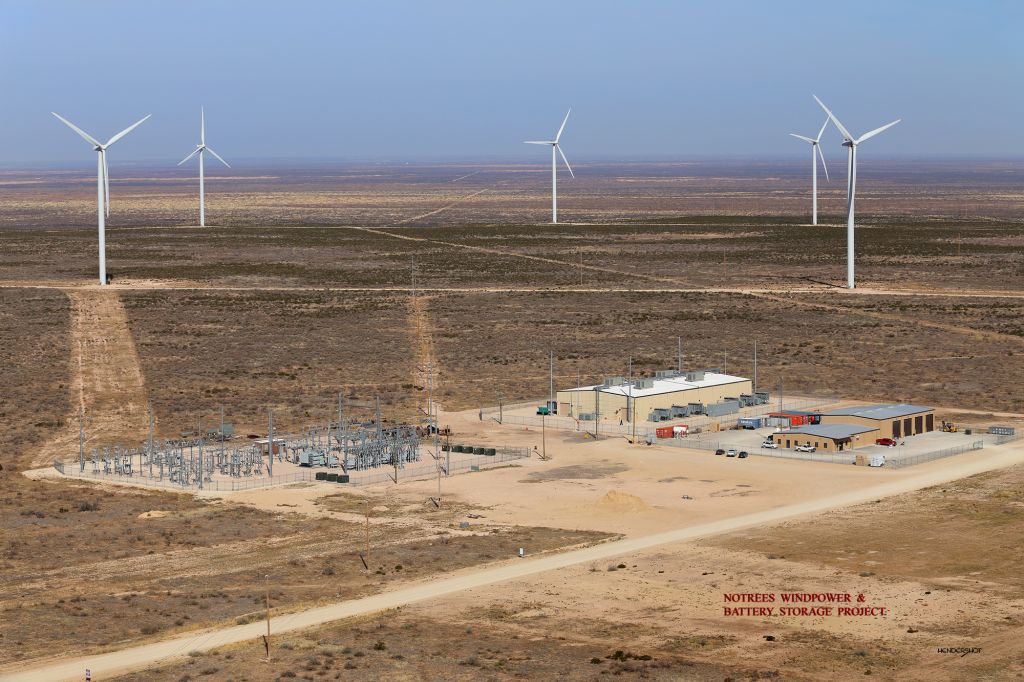

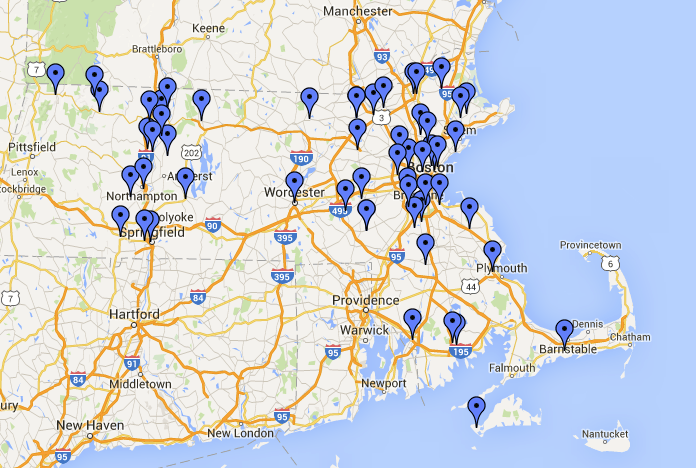
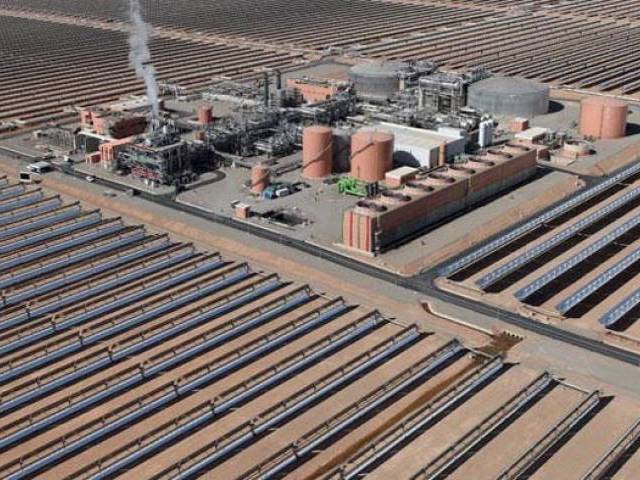
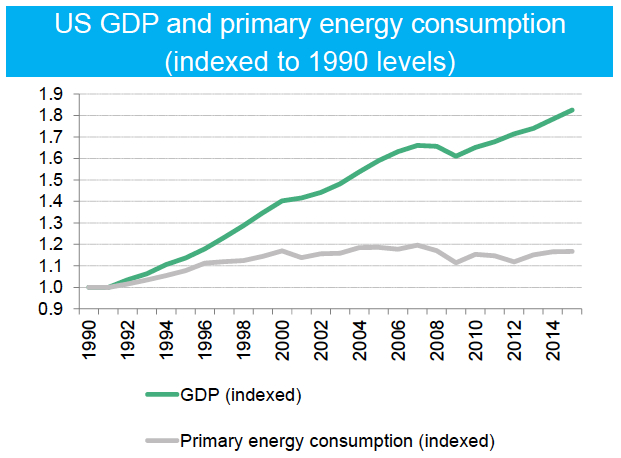
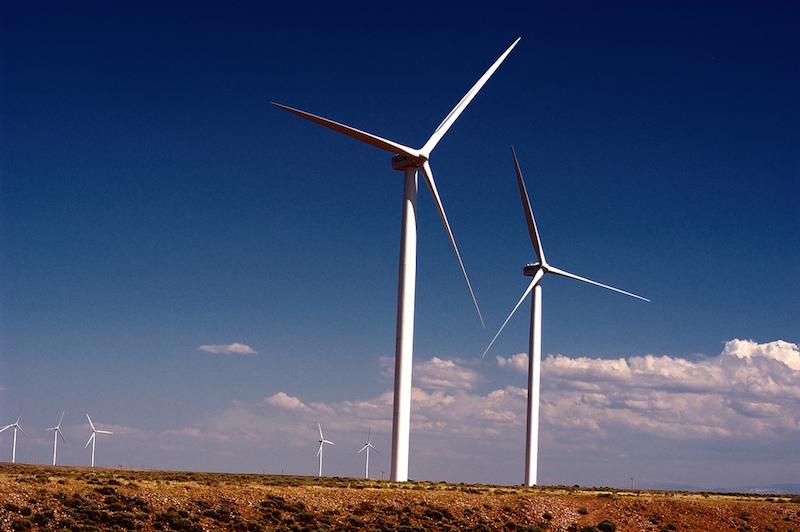

 geoharvey