Archive for the 'wind' Category
October 27, 2016
Science and Technology:
¶ Global wildlife populations have fallen by 58% since 1970, a report by the Zoological Society of London and WWF says. The Living Planet assessment, suggests that if the trend continues that decline could reach two-thirds among vertebrates by 2020. Habitat loss, wildlife trade, pollution, and climate change are among causes. [BBC]

Wildlife populations down by nearly 60% since 1970
(Photo by Roger Leguen / WWF)
World:
¶ Gamesa, India’s leading renewable energy company, has announced a new 130-MW solar project with Atria Power to be commissioned in Karnataka and Andhra Pradesh by March 2017. Gamesa will handle the complete value chain of the project including 96 units of Gamesa E-1.37MW hybrid cooled solar inverters. [Indiainfoline]
¶ Vattenfall has generated the first power from its 228-MW Pen y Cymoedd wind farm in Wales. The Swedish company said the 76-turbine project, which is the largest wind farm in Wales, is on schedule to be fully operational early next year. The company is motivated for decarbonization of the energy sector, a spokesman said. [reNews]
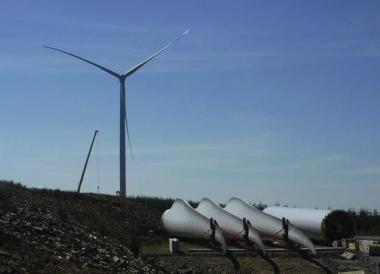
Turbines going up at Pen y Cymoedd (Vattenfall image)
¶ The Hungarian utility MVM and Munich-based clean-tech startup Electrochaea GmbH are building the world’s first grid-scale power-to-gas plant together in Hungary. The unit will have a power consumption of up to 10 MW of stranded electricity from renewable sources, and will make methane from carbon dioxide. [portfolio.hu]
¶ LS Industrial Systems Co, of South Korean, has won a license to establish a renewable energy-powered island in Singapore, along with global firms such as GE-Alstom and Schneider. The company signed a memorandum of understanding to set up the microgrid system on Semakau, an island in southern Singapore. [BusinessKorea]

Aerial view of Singapore’s southern island of Semakau
¶ Vietnam seeks financial support for its transition from ‘black
to green,’ but international partners say what’s needed is better policy. International development partners and donors have called on Vietnam to commit to bigger greenhouse gas emission reductions, warning that coal have high environmental costs in the future. [VnExpress International]
¶ Dutch companies, including Siemens Nederland, Van Oord, and Shell, are calling on their government to draw up climate legislation to implement the aims of the Paris agreement. The
39 businesses said they want the government to put higher priority on accelerating the energy transition to reach the country’s 2050 targets. [reNews]

Offshore wind installation (Van Oord image)
¶ UK public support for fracking has fallen to new lows, a Government survey has revealed. Just 17% of people backed the process of extracting shale gas, compared with a third who opposed it, and just under half (48%) who had no opinion, the latest figures from the Department for Business, Energy & Industrial Strategy show. [BT.com]
US:
¶ Houston has become a diversified energy capital, a center not only of oil and gas development, but increasingly green energy, such as wind and solar. Companies like Pattern Energy and even oil giant BP already run wind farms from operations centers in downtown Houston. And SolarCity is expanding into the region. [Houston Chronicle]

Control center at Pattern Energy’s Houston office
(Photo by Melissa Phillip, Houston Chronicle staff)
¶ The California Independent System Operator reported that benefits of the western Energy Imbalance Market for third quarter 2016 were $26.16 million. This brings the total benefits since the western regional market was launched in 2014 to $114.35 million. A similar trend was noted in the results for Q2 to Q3 in 2015. [PennEnergy]
¶ Regulators, decision makers and environmentalists will gather in Albany next week to discuss how to achieve New York’s ambitious goal for switching to renewable energy. According to the executive director of Alliance for Clean Energy, achieving 50% renewable energy in New York by 2030 will be challenging, but doable. [Public News Service]

Achievable goal (Windtech at English Wikipedia)
¶ Massachusetts state and federal officials released two marine wildlife studies on endangered whale, turtle, and bird species to inform offshore wind permitting processes. They found no significant conflicts between wildlife and offshore wind development in federally designated areas south of Martha’s Vineyard. [AltEnergyMag]
¶ Combining their buying power for the first time, Connecticut, Rhode Island, and Massachusetts have selected six proposals to develop more clean energy for the New England market. The projects include mostly wind and solar power projects, which are expected to generate 460 MW of electricity collectively. [Electric Light & Power]
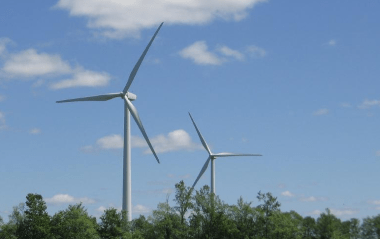
Wind turbines in New England
¶ Wind energy is climbing across the United States, with 11 states in 2015 getting at least 10% of their total electricity from wind farms, according to the Energy Information Administration, an arm of the DOE. Just five years ago, only three states had at least 10% of their electricity produced by wind farms, the EIA said. [Denver Business Journal]
¶ PG&E customers will see an increase in their electricity bills
if state regulators approve rate increases linked to the proposed closure of the Diablo Canyon nuclear power plant. Typical residential customers using 500 kWh of electricity a month would see an average bill rise 1.6%, a PG&E spokesman said. [Santa Cruz Sentinel]
geoharvey is free and without ads.
 geoharvey is not tax-deductible.
Posted in nuclear power, renewable power, solar, wind | 1 Comment »
Tags: nuclear, nuclear power, renewable power, solar power, wind power
October 26, 2016
Opinion:
¶ “Is clean coal a lost cause?” • After decades of research and billions of dollars of funding, it seems time could be running out for ‘clean coal.’ With the latest large project backed by the US DOE ready to fail, Dr Gareth Evans hears from the rising number of voices proclaiming clean coal to be a lost cause. [Power Technology]

Is clean coal a lost cause?
World:
¶ The Prince of Wales is joining an Anglo-French government initiative to improve the condition of global soils. Ministers from both governments are meeting the prince to discuss how to improve soil health and reduce greenhouse gas emissions from farming. Ministers will debate how to store more carbon in soils. [BBC]
¶ Edinburgh is celebrating the completion of what is thought to be the largest community-owned rooftop solar framework in the UK, after 1.4 MW of solar was deployed across the city’s public buildings. The project was funded by a community offer, which raised just under £1.5 million from local residents in six weeks. [Solar Power Portal]
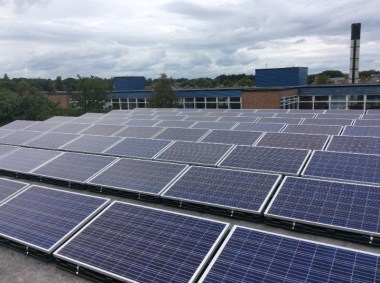
Rooftop solar system in Edinburgh (Image: Emtec Energy)
¶ In May, the Norwegian government announced its intention to release ten production licenses to drill for oil and gas in the Arctic Barents Sea. A group of young people filed suit this week against the Norwegian government, contending that drilling for oil and gas violates their constitutional right to a healthy environment. [CleanTechnica]
¶ European countries climbed in Ernst & Young’s Renewable energy country attractiveness index, though the UK bucking the trend. The rise was not easy, because European countries lack the flexibility of emerging markets and face challenges of integrating renewables with historically centralized conventional power generation. [SeeNews Renewables]

Solar farm in France. (Image: Mny-Jhee / Shutterstock.com)
¶ Entrade Energiesysteme AG will sell electricity from 400 of its container-sized biomass-to-power machines set up in Fukushima Prefecture, the company’s Chief Executive Officer said. The devices will generate 20 MW by next year, providing power that kicks in when the sun descends on the region’s solar panels. [Bloomberg]
¶ As it weans itself from nuclear power and embraces renewable generation, Germany’s power grid outage averaged 12.7 minutes last year, 41% less than in 2006, even though renewables have grown to account for as much as a third of power generation in the country, according to data released by the federal regulator last week. [RenewEconomy]

Powerlines
¶ For China’s nuclear industry, 2016 has been a frustrating year. So far, construction has started on only one new plant, and its target of bringing 58 GW of nuclear capacity in service by 2020 seems impossible to meet. At present, China has 19.3 GW of nuclear supply under construction and 31.4 GW in service, but progress is slow. [chinadialogue]
US:
¶ New York’s largest nonprofit nature preserve is growing greener thanks to a new partnership with electricity provider Green Mountain Energy Company. The 8,000-acre Mohonk Preserve in Gardiner, NY has signed an agreement with Green Mountain to provide clean electricity to power the site’s facilities. [3BL Media]

Autumn Morning at Mohonk Preserve
(photo by Kate Schoonmaker)
¶ Solar industry entrepreneur Danny Kennedy, co-founder of Sungevity, the nation’s largest privately held solar company, gave an upbeat assessment of the solar industry’s future at the 2016 Annual Bioneers Conference in Marin County, north of San Francisco. He said California could be 70% renewably powered by 2030. [Huffington Post]
¶ VSECU, a member-owned cooperative and not for profit credit union for everybody in Vermont, is going solar. VSECU entered into an innovative partnership with Soveren Solar, through which the credit union will purchase the solar net metering credits produced by a 500-kW solar array to offset its GMP power bill. [Vermont Biz]

Guilford solar array
¶ Dominion Virginia Power is set to add some major assets to its PV pipeline, as the company is currently constructing three large-scale solar projects in the Virginia counties of Isle of Wight, Louisa and Powhatan. The installations will generate 56 MW of PV generation at peak output, enough to power around 14,000 homes. [PV-Tech]
¶ Xcel Energy plans to build three new wind farms in Minnesota and one in North Dakota, part of a larger program to increase its wind generation capacity by 60% in the Upper Midwest. Together, the four projects total 750 MW, the company said, sufficient to provide enough energy to power nearly 400,000 homes. [Minneapolis Star Tribune]
geoharvey is free and without ads.
geoharvey is not tax-deductible.
Posted in nuclear power, renewable power, solar, wind | 1 Comment »
Tags: nuclear, nuclear power, renewable power, solar power, wind power
October 25, 2016
Science and Technology:
¶ While human emissions of CO2 remained fairly static between 2014 and 2015, the onset of strong El Niño weather phenomena caused a spike in levels of the gas in the atmosphere. The spike results from drought conditions in tropical regions produced by El Niño, which meant that vegetation was less able to absorb the CO2. [BBC]
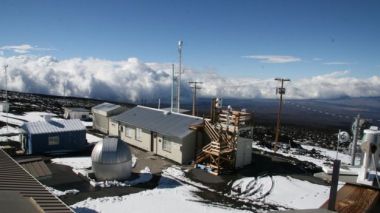
Air sampling station at Mauna Loa observatory (NOAA photo)
¶ Researchers from the UK’s Overseas Development Institute and India’s Vasudha Foundation warn that following through on plans to build more coal power would push global temperature increases beyond 2° C. This would plunge many millions into poverty as a result of climate change-driven effects on their regions. [pv magazine]
World:
¶ In Central Asia, a crisis is brewing over water and electricity. The Soviet-era system in which the five countries of the region shared their resources has broken down, leaving some facing water shortages and others chronic power cuts. Instances of small-scale unrest have already occurred, but this could be just the beginning. [BBC]
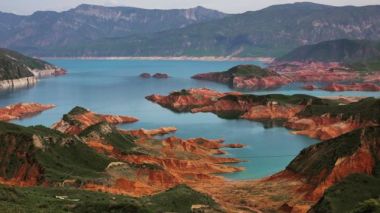
Tajikistan’s largest hydro-electric power station, Nurek
¶ New installations of renewable energy overtook conventional power for the first time in 2015, the International Energy Agency said in its Medium-Term Renewable Energy Market Report. Global green power rose by a record 153 GW. This was equivalent to 55% of newly installed capacity last year, exceeding coal for the first time. [Bloomberg]
¶ Spain is aiming to provide 100% of its energy needs using only renewable sources, and experts in the country believe it is an achievable target. The current average per day stands at 17.4%, according to ABC News, enough to power 29 million homes across the region. That is a 2.5% increase in the past two years. [Huffington Post UK]

Wind farm (Photo: Charlie Dean via Getty Images)
¶ Sweden is on track to produce all its energy from renewable sources by 2040, a top regulatory official from the country said late on Monday. Renewables accounted for 57% of the nation’s 159 TWh of power last year, with most of the rest coming from nuclear. Sweden does not plan to subsidize more nuclear energy because of costs. [Daily Mail]
¶ Senegal has become a regional player in renewables on a continent where the majority remain off-grid. The 20-MW Senergy 2 project, located close to the Mauritanian border, will serve 160,000 people with electricity and will contribute to Senegal’s target of having renewables provide 20% of its energy needs by the end of 2017. [africanews]
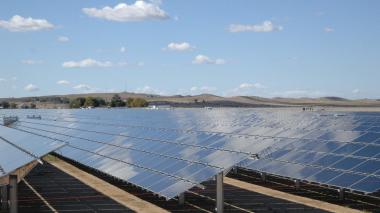
Senegal has a new 20-MW solar power plant.
¶ According to the International Renewable Energy Agency, 10% of the 600 million people living off-grid in Africa now use solar energy to power their homes. The decreasing prices of home solar systems in Africa have made this possible, as the cost for solar has dropped below the cost of diesel and kerosene. [Climate Action Programme]
¶ Dong Energy has installed its 1000th offshore wind turbine, the first company globally to reach the milestone. Dong’s first offshore wind turbine was installed in 1991 and had a capacity of 0.45 MW. The company said that between 2016 and 2020 it is set to build more offshore wind capacity than in the preceding 25 years. [reNews]
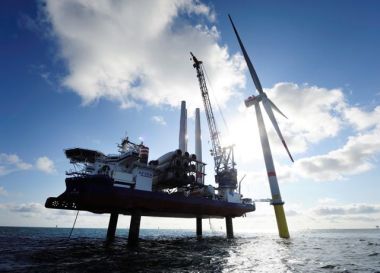
Turbine installation at Gode 1&2 (Siemens image)
¶ The cost of scrapping the damaged Fukushima Daiichi nuclear power plant is set to rise to hundreds of billions of yen annually over a 30-year time from, according to a new government projection disclosed by the Ministry of Economy, Trade and Industry. Previous projections had the figure at ¥80 billion a year. [The Japan Times]
US:
¶ In a groundbreaking precedent that will likely be felt for decades to come, a federal appeals court in the US has ruled that a species can be listed as “threatened” based on climate change projections. The decision reinstates Endangered Species Act protections for the bearded seals, but it also sets an important precedent. [Gizmodo India]
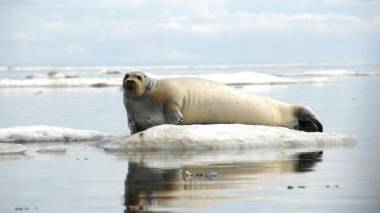
Alaskan seal (NOAA image)
¶ Gasoline deliveries in the US during September 2016 reached a new record high (for the month), with roughly 9.4 million barrels on average being delivered every day of the month, according to new figures from API. That represents a 1.1% year-on-year rise as compared to September 2015. Year-to-date figures were also up in 2016. [CleanTechnica]
¶ Duke Energy Carolinas has issued a request for proposals for 750 GWh of renewable energy located in its service territory. The aim is for the company meet a North Carolina energy portfolio standard requiring generation 12.5% of its in-state retail sales by renewable energy or energy efficiency by 2021. [North American Windpower]

Wind farm (iStock image)
¶ The New Hampshire environmental protection and public health agencies just finished installing a multi-million dollar, state-of-the-art biomass heating plant at its facility in Concord. While the broader EPA can’t seem to come to a consensus on biomass emissions, the technology has been chosen in at least some cases. [Biomass Magazine]
¶ Envision Solar International, Inc, a manufacturer of EV charging equipment, has announced that New York State has issued a purchase order for the Company’s EV ARC product. Envision Solar has previously delivered the EV ARC to New York City, but this is the first purchase order from New York State. [Renewable Energy Magazine]
geoharvey is free and without ads.
geoharvey is not tax-deductible.
Posted in nuclear power, renewable power, solar, wind | Leave a Comment »
Tags: nuclear, nuclear power, renewable power, solar power, wind power
October 24, 2016
Opinion:
¶ “‘The atmosphere is being radicalized’ by climate change” Climate change’s impacts on extreme weather and society are becoming increasingly clear and undeniable. While we are making progress in solving the problem, one of the two political parties governing the world’s strongest superpower continues to deny the science. [The Guardian]
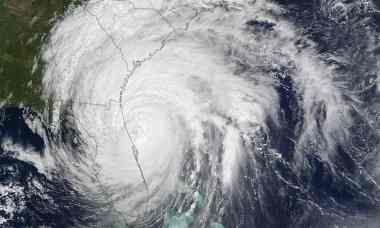
Hurricane Matthew (Photo: NASA / EPA)
¶ “Oil industry must back workable climate policies” • If the oil industry does not support sensible climate policies, it will suffer from stupid ones. Rex Tillerson, chief executive of ExxonMobil, last week complained about a “hodgepodge” of climate policies. But large oil companies have only themselves to blame for lack of clarity. [The National]
Science and Technology:
¶ SunCulture Solar is introducing an innovative patented all-in-one solar power unit: the SolPadTM, a panel that integrates a PV panel, battery, charge controller, and flexgridTM inverter. The modules are modular, so they can be installed individually to power stand-alone circuits, or they can be combined into larger systems. [ENGINEERING.com]

A SolPad Mobile unit
World:
¶ Greece will run its first renewable energy tender on December 12. It is a pilot tender for a total capacity of at least 40 MW which is reserved solely for solar PV projects. The country’s energy regulator said about 130 MW of PV projects had already received grid connection licenses before the approval process was suspended in 2012. [pv magazine]
¶ UK-based company Offshore Design Engineering has been selected to work on an offshore wind project in Taiwan, owned by Northland Power Inc and Enterprize Energy. Enterprize Energy announced the launch of the Hai Long Offshore Wind Farm Project, in which it holds a 40% stake through subsidiary Yushan Energy. [SeeNews Renewables]
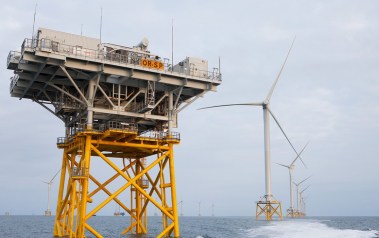
The Ormonde Wind Farm (Source: Vattenfall)
¶ Gods and the governments have always been the first and last refuge of the farmers in India’s northern plains when it comes to irrigating their fields. They hold the fate of the crops in the balance. But now, troubled with the unscheduled power cuts, the farmers are increasingly looking towards solar-powered water pumps. [ETEnergyworld.com]
US:
¶ Target has hit a solar energy bullseye. The Minneapolis-based retail giant topped all other American big businesses going solar, according to a new report from the Solar Energy Industries Association. In the 2016 Solar Means Business report, Target knocked out former champion Walmart. It was a close race, however. [CleanTechnica]

Target solar installation (Image via SEIA)
¶ About 18 weeks after the board of directors of the Omaha Public Power District voted unanimously to pull the plug on the Fort Calhoun nuclear plant, operators are powering down the reactor there for the final time. After reducing the output slowly since September 29, the final shutdown will happen at 1 pm on October 24. [Omaha World-Herald]
¶ With the Omaha Public Power District’s closure of its Fort Calhoun nuclear plant clearing the way, renewable generation will fill the void left by the 478-MW plant. OPPD will virtually double the portion of renewable energy it receives by the time the new year rolls around, as newly built sources come online. [Omaha World-Herald]
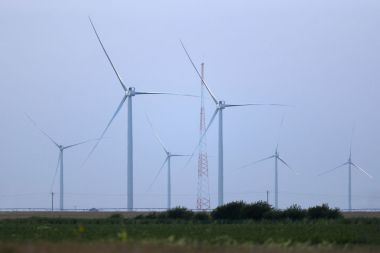
Grande Prairie wind farm
(Megan Farmer / The World Herald)
¶ A Chicago green-energy developer is proposing the largest infusion of renewable power yet for Long Island, a mix of wind and solar sources in disparate locations as far away as North Carolina and West Virginia. Invenergy already has LIPA approval for a large commercial solar array in Shoreham, New York. [Newsday]
¶ In order to comply with a new regional rule to cut another pollutant that often leaves Southern California blanketed in a layer of smog, the oxides of nitrogen, or NOx, a Riverside County landfill has decided to shut down its generators and will simply flare the methane, emitting the carbon dioxide alone. [Los Angeles Times]
geoharvey is free and without ads.
geoharvey is not tax-deductible.
Posted in nuclear power, renewable power, solar, wind | Leave a Comment »
Tags: nuclear, nuclear power, renewable power, solar power, wind power
October 23, 2016
Opinion:
¶ “India’s Solar Power Is Set to Outshine Coal” • India wants to provide its entire population with electricity and lift millions out of poverty, but in order to prevent the world overheating it also needs to switch away from fossil fuels. Different analysts disagree on the future of Indian power generation, but solar power costs are dropping. [Truthdig]

India One Solar Thermal Power Plant
(Brahma Kumaris via Flickr)
¶ “Coal will not recover” • As recently as 10 years ago, coal provided half of America’s electric power needs. Today that number is closer to 30% and falling. Coal is not likely to fade entirely from the scene any time soon, but informed analysts see its share of the US energy mix dropping to less than 20% in the near future. [Pittsburgh Post-Gazette]
World:
¶ Infinity Solar and the Egyptian Electricity Transmission Company have signed an agreement to purchase the former’s renewable energy. The Director of Infinity Solar said that the company has agreed with the German bank LP to finance the required foreign funding for the solar power plant by 85% of the total cost. [Daily News Egypt]
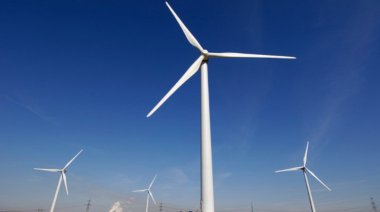
Renewable power in Egypt
¶ India’s premier technical institute, National Institute of Technology, Karnataka, will soon be equipped with one of the largest solar rooftops in a government academic institute in the region. The 1-MW rooftop solar plant will be inaugurated on November 12. The power grid is being installed across 11 academic buildings. [NYOOOZ]
¶ Taking a step towards renewable energy, the power department of New Delhi Municipal Council plans to install solar panels at 102 buildings within their jurisdiction. Under the Smart City project, one set of solar panels would be installed at 28 buildings to produce a total of 1.5 MW and another on 74 more buildings to generate 1 MW. [ETEnergyworld.com]
¶ Jordan signed an agreement Saturday with Masdar, a company in the United Arab Emirates, to build a 200-MW PV plant, the largest solar plant in Jordan, according to the country’s Ministry of Energy. The agreement marks the “forward progress of a significant investment in Jordan’s energy security,” said Jordan’s Energy Minister. [Global Times]
¶ In a rare move for power-hungry Asia, the government of Taiwan has decided to abolish nuclear power generation by 2025 to meet the public’s demand for a nuclear-free society following the Fukushima nuclear disaster. Taiwan’s Executive Yuan, which is equivalent to the Japanese Cabinet, has approved revisions to the law. [Asahi Shimbun]
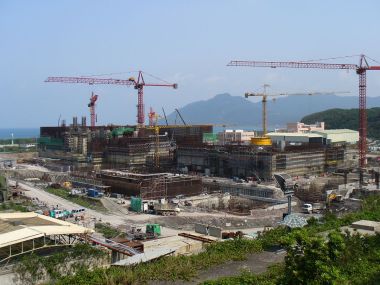
Lungmen nuclear plant, before construction halted (Photo by Mastehr, placed in the public domain, Wikimedia Commons)
¶ China’s first molten salt solar thermal power plant has started to send electricity to the grid, its developer said. The Tianjin Binhai Concentrating Solar Power Investment Co Ltd said its 50-MW molten salt trough project in northwest China’s Gansu Province shows the mature commercial development of solar thermal technology. [Global Times]
US:
¶ American Municipal Power dedicated West Virginia’s newest hydroelectric plant at the Willow Island Locks and Dam on the Ohio River in Pleasants County. At the ceremony, US Senator Shelley Moore Capito said the regulatory process required for a hydroelectric plant took too long and should be streamlined. [The Exponent Telegram]

Hydro project at Willow Island Locks and Dam
(Photo by Jim Foss / for the State Journal)
¶ The Bureau of Land Management will hold a competitive geothermal lease sale later this month in Sacramento, offering parcels in California, Nevada and Utah. For Utah, it will be the first time federal geothermal resources have been up for bid in six years, and a total of 15,782 acres of public lands will be offered. [KSL.com]
¶ A pending settlement between Xcel Energy and the Colorado Public Utilities Commission would give ratepayers a break based on time of use, so they can get lower rates by running a dryer at night, for example. It would also give them the option of buying power produced entirely by renewable sources such as wind and solar. [Pueblo Chieftain]
geoharvey is free and without ads.
geoharvey is not tax-deductible.
Posted in nuclear power, renewable power, solar, wind | 1 Comment »
Tags: nuclear, nuclear power, renewable power, solar power, wind power
October 22, 2016
Financial Woes:
¶ A Fitch Ratings and Bloomberg both warn of a meltdown in the oil industry. The Fitch report warns that this could begin in 2023, based on “an acceleration of the electrification of transport infrastructure,” which it says “would be resoundingly negative for the oil sector’s credit profile.” Bloomberg says it might be as late as 2028. [Gas 2.0]

BNEF oil crash chart (please click on image for a larger view)
¶ The Dutch cabinet is prepared to help energy company Delta overcome its financial problems, but not by putting money into the Borssele nuclear power plant. Closing the nuclear power plant is not an option because of the €1.3 billion price ticket, but keeping the plant open would only be profitable if electricity prices double. [DutchNews.nl]
World:
¶ A year ago, no one living in Môle-Saint-Nicolas, Haiti, had electricity. By the spring of 2016, the town had a brand new grid, and it will soon run completely on solar and wind energy. Sigora International plans to get electricity to 300,000 people in Haiti by the end of 2017. By the end of 2018, they hope to reach a million people. [Co.Exist]

Electric work in Môle-Saint-Nicolas, Haiti
¶ A rapid transit system coming up near India’s capital, New Delhi, is planning to be the greenest such transport system in the country. It will include several rooftop solar power projects with a total capacity of 12 MW. The planned solar power plants will supply electricity to all 21 stations and offices, as well as the train depot. [CleanTechnica]
¶ The Andaman & Nicobar Islands, long fabled among holiday travellers for legendary beaches, world-class diving and far-flung location in the middle of nowhere, will soon have something else to boast of. The country will have its first city-scale renewable grid system with a combination of solar power plants and battery storage. [Gulf Digital News]
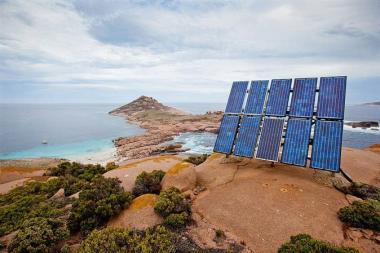
Solar panels on the Andaman & Nicobar Islands
¶ According to a World Bank report, the cost of climate change mitigation could be reduced 32% by 2030, by increasing global cooperation through carbon trading. There are 40 national jurisdictions and over 20 cities, states, and regions, that are already putting a price on carbon, covering 13% of global greenhouse gas emissions. [CleanTechnica]
¶ New Scientist reports on a fascinating new effort underway in Iceland to turn our planet’s gooey innards into a cheap and abundant source of power. If the drill can penetrate to a depth of 3 miles (5 kilometers), it will reach “supercritical steam,” water heated to 1,000° C by lava to have enormous energy potential. [Gizmodo Australia]

Emerging lava
¶ Plans to build the world’s longest power interconnector, from Iceland to Britain, could be delayed by Britain’s decision to leave the European Union. The two governments agreed last year to jointly study building the 1,000-km IceLink cable, with 1,000 MW of capacity, sufficient to power some 1.6 million homes in the UK. [Investing.com UK]
¶ In a bid to defuse anger over skyrocketing bills, Ontario has a new deal to buy more hydroelectric power from Quebec. The seven-year pact will save the province $70 million, but will also trim 1 million tonnes of greenhouse gas emissions annually by cutting use of natural gas while the Darlington nuclear station is refurbished. [Hamilton Spectator]
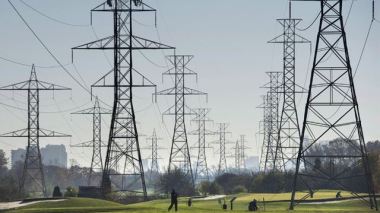
Transmission lines (Darren Calabrese, The Canadian Press)
US:
¶ Engineers from the NASA Glenn Research Center have begun testing new, electric aircraft technologies at a new facility. NASA’s Electric Aircraft Testbed facility will become “a world-class, reconfigurable testbed that will be used to assemble and test the power systems for large passenger airplanes with over 20 MW of power.” [CleanTechnica]
¶ Analysts think we could meet at least a quarter of US electricity needs by harnessing wave power around our coasts. There are technical and financial challenges, however, and advocates of wave energy say the federal government has done too little to encourage research and development in this promising energy sector niche. [The Bradenton Times]

Ocean Power Technologies’ PowerBuoy
¶ Solar power capacity in the US will have nearly tripled in size in less than three years by 2017, according to monthly data published by the US DOE. This is amid an energy shakeup that has seen natural gas solidify its position as the country’s chief source of electricity and coal power increasingly becoming obsolete. [The Guardian]
¶ The US Energy Information Administration says in its latest report that solar power is the fastest-growing renewable energy source in the United States, and it’s expected to keep growing. The report said the generating capacity of utility-scale solar, rose from 10 GW in 2014, to 27 GW in 2017, for an annual growth rate of 39%. [Inverse]

Installing solar panels
¶ The New York State Energy Research and Development Authority (NYSERDA) has announced $3.5 million in funding available for the private sector with solutions to make it easier, less costly and less time-consuming to connect renewable resources, such as solar and wind, to the electric grid. [North American Windpower]
¶ According to a recent Bloomberg report, May 2017 will be a moment of truth for at least four of the country’s nuclear power plants. That’s when PJM Interconnection, the US’ biggest power market operator, will hold a supply auction. Davis Besse, Beaver Valley, Byron, and Three Mile Island are all expected to submit bids. [Manufacturing.net]
geoharvey is free and without ads.
geoharvey is not tax-deductible.
Posted in nuclear power, renewable power, solar, wind | Leave a Comment »
Tags: nuclear, nuclear power, renewable power, solar power, wind power
October 21, 2016
Opinion:
¶ “A renewable fiction: Myths mainstream media refuses to let go” • For years now, many in mainstream media have been propagating myths about renewable energy in general, and wind and solar in particular. It’s unclear why this is so. Perhaps it is fear of new technologies and new ideas. But it remains an issue. [RenewEconomy]
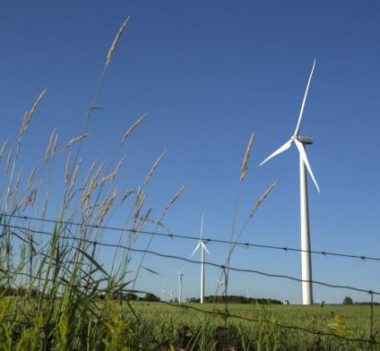
Wind farm
¶ “What would it mean for Los Angeles to go 100% renewable?” The Los Angeles City Council recently passed a unanimous resolution requiring Los Angeles Department of Water and Power, the largest municipally-owned utility in the country, to study how the city can achieve a 100% clean energy future. [Environmental Defense Fund]
¶ “‘Last Gasp of Dying Industry’: Nuclear Experts Decry First New US Reactor in 20 Years” • Watts Bar’s launch is “a symbolic gesture. It’s very sad that this is the last gasp of the industry because it looks like such an extraordinarily dumb one.” Experts on nuclear energy decried the reactors archaic technology and expense. [Common Dreams]
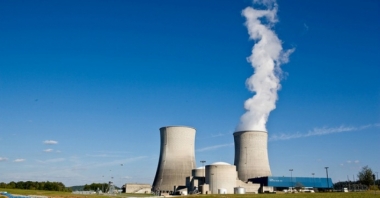
Watts Bar (Photo: Tennessee Valley Authority / flickr / cc)
World:
¶ Next Kraftwerke is delivering the Next Box to connect to its Virtual Power Plant in Northern Europe. The VPP is a distributed network of medium and small power-producing and power-consuming units, provided with Internet of Things connectivity to allow them to talk with and respond to the Next Kraftwerke control center. [CleanTechnica]
¶ Enel Green Power signed a 10-year power purchase agreement to supply wind power to HSBC’s offices in Mexico. The utility will start supplying 50-GWh of electricity each year, from the second half of next year, it said. The power will come from Enel’s 200-MW Dominica wind farm in the state of San Luis Potosi. [reNews]
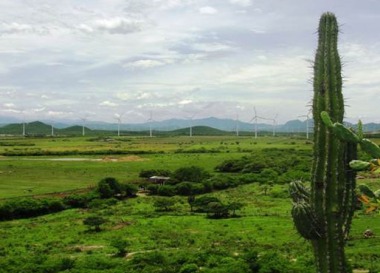
Wind farm in Mexico (Enel image)
¶ Turkey’s Energy and Natural Resources Minister said the tender for a 1,000-MW PV plant, which will be established in Konya’s Karapınar district, will be held in December. Poised to
be the largest of its kind in the world, the solar power plant will pave the way for a new period in Turkey’s use of renewable resources. [Daily Sabah]
¶ General Electric’s renewable energy arm has signed a turbine-supply agreement with German construction company Max
Bögl to develop the world’s first wind farm with an integrated hydropower plant capable of generating power even when there’s no breeze. The wind turbines act together with pumped storage. [EcoWatch]
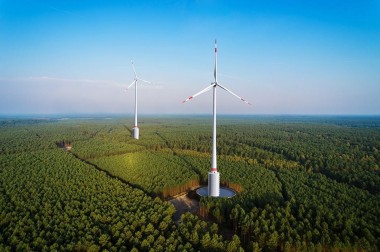
Project Gaildorf (Max Bögl image via Facebook)
¶ Mainland China’s wind farm developers and equipment suppliers face a substantial drop off in installation volume in 2018 when proposed cuts to wind power tariffs are expected to take effect, industry executives warned. Profitability will also be hampered by further power grid bottlenecks and competition. [South China Morning Post]
¶ As costs on offshore wind keep dropping, installations increase. Last year, almost every third new wind turbine went up offshore. That growth has helped boost the share of wind energy in the European Union’s electricity supply from 2% in the year 2000 to 12% today, according to WindEurope, a business advocacy group. [The Guardian]

Wind turbine installation at Dong Energy’s Burbo Bank
(Photograph: DONG Energy)
¶ China will further limit construction of coal-fired power plants by cancelling some projects that were approved this year, its National Energy Administration said. In a shift to cleaner fuels, the agency will also stop construction of any project that started this year and reassess the schedule for those that started in 2015. [ETEnergyworld.com]
US:
¶ E.On is committing to the renewables market in the US and strengthening its position in the region with new renewable energy projects, power purchase agreements and power plant services. The company began the construction of its Radford’s Run Wind Farm in Macon County, Illinois, with 278 MW of installed capacity. [Electric Light & Power]
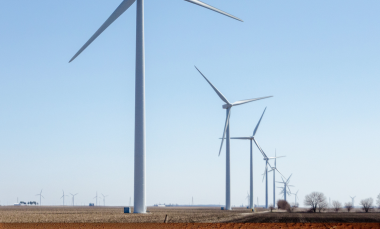
Illinois wind farm
¶ Michigan’s overall cost of compliance with the Environmental Protection Agency’s Clean Power Plan could be relatively low, according to two recent reports. Under the lowest-cost scenarios, a compliance plan in Michigan was projected to cost even less than a plan that did not factor in any CPP requirements at all. [The Peninsula]
¶ Construction has wrapped up on a $180 million solar farm in Minnesota that is billed as the largest single solar power facility in the Midwest and one of the largest in the US. The North Star Solar project just north of the Twin Cities has over 440,000 solar panels on 1½ square miles of land. It is expected to power more than 20,000 homes. [PennEnergy]
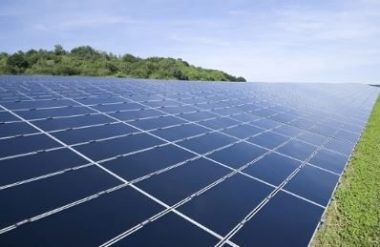
Solar Farm
¶ In a 5-2 decision, judges on Pennsylvania’s Commonwealth Court cast doubt on the ability of Pennsylvania’s Public Utility Commission to place limits not explicitly defined in state law on the types of alternative energy generators that qualify for above-market-rate reimbursements for electricity sent back to the grid. [PowerSource]
¶ Customers of electric cooperatives across Georgia can get some benefits of solar energy without rooftop solar panels through a new program, Cooperative Solar. Developed by the electric co-ops and renewable energy provider Green Power EMC, the program gives customers access to power generated by off-site solar facilities. [solarserver.com]
geoharvey is free and without ads.
geoharvey is not tax-deductible.
Posted in nuclear power, renewable power, solar, wind | 1 Comment »
Tags: nuclear, nuclear power, renewable power, solar power, wind power
October 20, 2016
Science and Technology:
¶ European researchers announced the development of an offshore wind turbine which can be completely assembled and commissioned in controlled harbor conditions before being towed to its offshore location. This process makes the costly and rare heavy-lift vessels currently used in offshore wind projects unnecessary. [CleanTechnica]
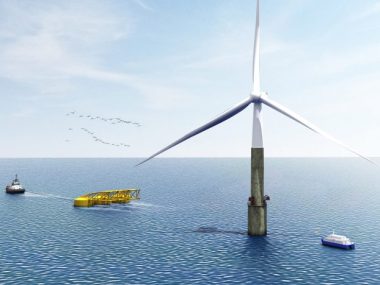
ELISA wind turbine
¶ Scientists have accidentally discovered a way to reverse the combustion process, turning carbon dioxide back into the fuel ethanol. Because the materials used are relatively cheap, they believe the process could be used in industrial processes, for example to store excess electricity generated by wind and solar power. [The Independent]
World:
¶ It’s certainly not a law yet, but a Polish newspaper has reported that the Ministry of Energy wants to introduce “low-emissions zones” in cities where only electric vehicles could enter. This would be an obvious solution to the dirty air that is altogether too common in Polish (and other European) cities, dirty air that kills people. [CleanTechnica]

Teslas in Poland
¶ A new study has concluded that moving to wind and solar power would be a cheaper option for the United Kingdom to replace its coal fleet than using biomass electricity generation. Among the costs analyzed are the technology costs, the costs associated with greenhouse gas emissions, and the costs of ensuring a fuel supply. [CleanTechnica]
¶ The Scottish government has granted planning consent for Community Wind Power’s 75.5-MW Aikengall 3 wind farm in the south of Scotland. The 19-turbine project Aikengall 3 will generate up to £9.4 million in community benefit, produce enough electricity to power almost 35,000 homes, and provide jobs. [reNews]

Community Wind Power in Scotland
¶ India’s total installed rooftop solar capacity reached 1,020 MW mark this year with 513 MW generation capacity added over the past 12 months. A Bridge to India report, “India Solar Rooftop Map,” shows India added 513 MW of rooftop solar capacity over the past 12 months, growing at 113% over previous 12 months. [ETEnergyworld.com]
¶ In Scotland, the volume of CO2 emissions displaced by the renewable energy sector has increased by almost 10% in one year, according to the industry group Scottish Renewables. The group said the most recent UK government figures show more than 13 million tonnes of CO2 were displaced by wind, hydro and solar in 2015. [reNews]

Farr wind farm in Scotland (Siemens image)
¶ French utility Engie inaugurated Thassalia, the first marine geothermal power station in France, in Marseille. Thassalia was designed to meet the needs of Marseille’s Euroméditerranée eco-city business centre. The project, costing €35 million ($38.5 million) has an overall heating/cooling capacity of 19 MW. [SeeNews Renewables]
¶ The Victorian Government has ruled out offering financial incentives to the French owner of Hazelwood power station to stave off the threat of the ageing coal-fired plant’s closure. The speculation has it that Hazelwood could permanently shut as early as March, with the loss of up to 1,000 Latrobe Valley jobs. [ABC Online]
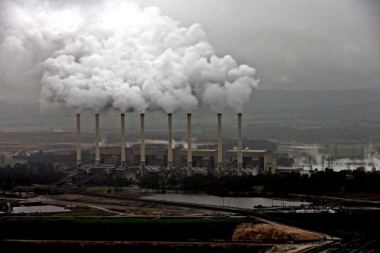
Hazelwood (AAP: Greenpeace)
¶ Some 80% of people in Scotland back onshore wind, with 73% in favor of the sector in the UK as a whole, according to a poll by ComRes for climate charity 10:10. The poll also found that UK people underestimate support for onshore wind, with only 11% thinking that 71% or more people in the UK support the use of the technology. [reNews]
¶ As the western Energy Imbalance Market continues to yield proven benefits, the California Independent System Operator and El Centro Nacional de Control de Energia have announced that the Mexican electric system operator has agreed to explore participation of its Baja California Norte grid in the real-time market. [North American Windpower]
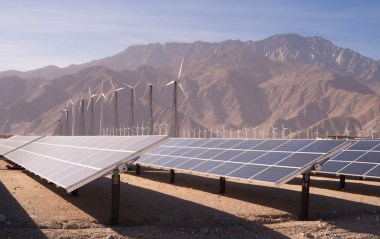
Mexican wind and solar energy (iStock image)
US:
¶ A newly unearthed audio tape gives credence to the idea that the solar amendment on Florida’s November ballot was designed to mislead voters and would “completely negate” future solar power initiatives. The Center for Media and Democracy released a talk with the James Madison Institute, a libertarian think-tank. [WMNF]
¶ A group of energy companies and power plants are challenging New York’s recently approved Clean Energy Standard, which aims to reduce harmful carbon dioxide emissions in the state by subsidizing financially distressed nuclear power plants, including the FitzPatrick and Nine Mile Point plants in Oswego county. [WRVO Public Media]
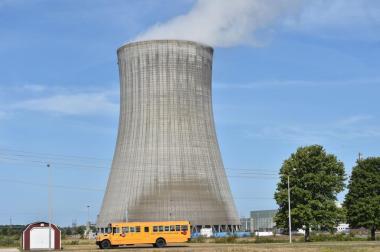
FitzPatrick Nuclear Power Plant
(Kevin P. Coughlin / Office of the Governor of New York)
¶ Minnesota Power announced it will close two small coal-fired generators within two years. The Minnesota Public Utilities Commission had required Minnesota Power to shut down the two small generators by 2022. But the utility decided to act earlier after analyzing customer needs and industry trends. [Minnesota Public Radio News]
¶ The US opened its first new nuclear power plant in 20 years amid growing uncertainty for the industry and the need for regulatory changes at both the state and federal level. The TVA declared the $4.7 billion Unit 2 reactor at the Watts Bar Nuclear Plant open for business, a project that has been decades in the making. [Washington Examiner]
geoharvey is free and without ads.
geoharvey is not tax-deductible.
Posted in nuclear power, renewable power, solar, wind | 1 Comment »
Tags: nuclear, nuclear power, renewable power, solar power, wind power
October 19, 2016
Science and Technology:
¶ Bristol University, as reported earlier this week, is pioneering a technology which aims to prevent coastal nuclear and coal-fired power plants from being disrupted by swarms of jellyfish. In one case, the 1200-MW Torness Nuclear Power Station was offline for a week because of a swarm of moon jellyfish. [Power Engineering International]

Jellyfish
World:
¶ The latest report into the South Australia blackout by the Australian Energy Market Operator has blown away two of the biggest myths about wind energy that its critics were using as reasons for the state-wide outage. Neither intermittent wind power nor excessive wind speed causing turbines to shut down was a factor. [RenewEconomy]
¶ The Mayor of London, Sadiq Khan, has launched the second phase of the city’s air quality consultation, which includes proposals to introduce the planned Ultra Low Emission Zone (ULEZ) a year earlier than planned, in 2019. The new proposals include a charge on heavily polluting vehicles that enter the city. [CleanTechnica]

London (Photo by barnyz via Foter.com / CC BY-NC-ND)
¶ Argentina has awarded a total 1.1 GW of renewable energy projects in its first auction round of the RenovAR program. Of this total, 400 MW are of solar electricity projects with a median price of around $59.75/MWh. The winning projects are expected to provide about 2.9% of Argentina’s electricity consumption. [PlanetSave]
¶ In remote rural areas in Africa, electrification through grid extensions is often not viable. The long distances involved and low electricity demand do not justify bringing the national grid to these places. Existing mini-grids based on diesel can be retrofitted to be powered by hybrid sets of renewables. [ESI Africa]
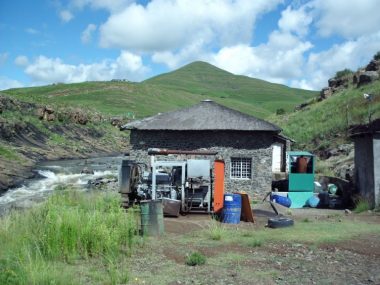
Remote African hydro facility
¶ Flexitricity, the UK’s largest demand response aggregator, has plans to harness the potential of combined heat and power plants to help drive a renewable revolution. There are 2,102 of these plants in the UK, with a total capacity of 19,900 GWh per year, enough to power over more than 4.8 million UK households. [Your Renewable News]
¶ The UN’s world heritage body made an urgent intervention to stop the construction of a coal power station in Bangladesh. A fact-finding mission found that the proposed site of the plant, which is 65 km north of the Sundarbans world heritage area, would expose the downriver forests to pollution and acid rain. [Climate Home]

Sundarbans mangroves, home to a quarter of all Bengal tigers
(Photo: MN Gaurav / Commons)
¶ Global investment in renewables rose to $285.9 billion in 2016, representing a five per cent increase from the previous year. According to United Nations Global Renewable Investment 2016 report released recently, investment in renewables has been running at more than $200 billion per year in the past six years. [Guardian]
US:
¶ Nevada is the latest battleground in a national political fight over whether consumers and businesses should be able to choose where they buy electricity. A November ballot measure backed by Las Vegas casinos and other firms would create a competitive retail power market in which customers could choose their providers. [Nasdaq]
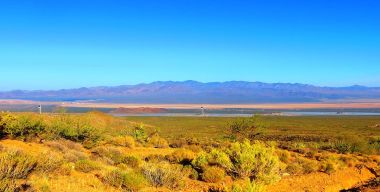
Ivanpah solar plant
(Photo by DiverDave, CC BY-SA, Wikimedia Commons)
¶ South Burlington, Vermont is planning to put a solar array on top of an old landfill to get renewable energy and financial savings out of a piece of land that cannot be used for much else, officials said Tuesday. It is estimated that the project will save the municipal and school districts $5 million over its lifetime. [Vermont Public Radio]
¶ Wind energy is changing the economy of the Midwest. Wind is the fastest growing source of electricity in the United States, and about 70% of wind power is located in low income counties. Farmers benefit directly from wind turbines to tune of between $7,000 and $10,000 per turbine in annual leasing fees. [OilPrice.com]

Midwest wind farm
¶ A 350-kilowatt, ground-mount photovoltaic solar array, owned by 36 families, has been completed by Renovus Solar in a field near Trumansburg, New York. The owners of panels receive power from New York State Electric & Gas Corp. and a credit on their bill equal to their share of the power generated by the solar farm. [Ithaca Journal]
¶ Airbnb and SolarCity Corp. are partnering to bring more solar power to the home-sharing community. In the collaboration, SolarCity will offer members of the Airbnb community a rebate – up to $1,000 cash back – on all solar panel systems through March 31, 2017. A smaller rebate will continue through the rest of 2017. [Solar Industry]
geoharvey is free and without ads.
geoharvey is not tax-deductible.
Posted in nuclear power, renewable power, solar, wind | 1 Comment »
Tags: nuclear, nuclear power, renewable power, solar power, wind power
October 18, 2016
Opinion:
¶ “Back candidates to promote renewable energy, repeal anti-environment law” • North Carolina, which was a renewable energy leader, has passed anti-renewable legislation. Voters should back candidates willing to protect the environment, increase energy efficiency, create jobs, and save us all some money. [WRAL.com]

Sun and wind
¶ “How Cuomo’s $7.6 Billion Nuclear Bailout Can Impede Wind and Solar” • Nuclear power is dirty, dangerous, and altogether too expensive. Nuclear power cannot compete economically. To combat climate change what’s needed is really green energy led by solar and wind, which create more jobs, and cost far less. [CounterPunch]
World:
¶ The Yealands Wine Group has put up New Zealand’s largest solar panel installation, reinforcing its claim to be the most sustainable winery in the world. Yealands is now capable of generating 411.12 kW of solar power, which is equivalent to powering 86 New Zealand homes, and will offset 82 tonnes of CO2 emissions. [The Drinks Business]

Yealands winery with 1,314 PV panels on the roof
¶ The Scottish government has given the green light to the 72.6-MW Creag Riabhach wind farm in the Highlands. A total of 22 wind turbines, each of up to 3.3 MW, will be installed on the Altnaharra Estate in Sutherland. The park is expected to produce enough power annually for about 36,000 local households. [SeeNews Renewables]
¶ Mitsubishi Hitachi Power Systems, Ltd has received an order for a 55-MW class steam turbine for Costa Rica’s state electricity and telecommunications utility. The turbine will be a core component of the Las Pailas II geothermal power plant, which will be built in Guanacaste Province in the northwest region of the country. [SYS-CON Media]
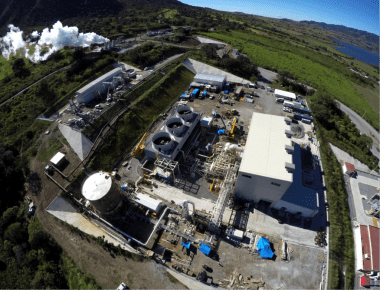
Domo de San Pedro Geothermal Power Plant
(Photo courtesy of Grupo Dragon)
¶ Sundrop Farms has set a task to show that healthy, organic food can be produced everywhere. Their aim is to bust the myth that genetically modified foods, toxic pesticides, and large sums of money are the only solution to the global food crisis. They grow food without using pesticides, fossil fuels or fresh water. [The Green Optimistic]
¶ Energy companies are on the cusp of “an epic battle” with technology companies thanks to the inexorable rise of renewable energy and smart home systems, says Citigroup’s global head of energy strategy. He said the challenge to the conventional oil and gas business “is only going one way,” with market changes. [The Australian Financial Review]
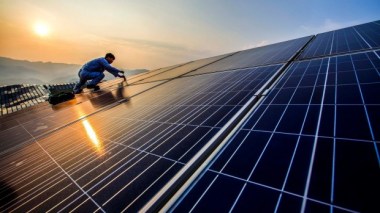
New paradigm, new business plan (AP photo)
¶ France produced the most power from fossil fuels for the month of September in 32 years to help meet demand as nuclear generation dropped. Output from coal and gas plants more than doubled as EDF had to keep reactors offline for inspections to rule out potential anomalies on steam generators at 18 of its 58 units. [Bloomberg]
¶ China’s economy could grow six-fold by 2050 with renewable energy accounting for 69% of national electricity supply if it transforms its energy system and increases efficiency across all sectors. The report “Reinventing Fire: China” claims that CO2 emissions could go 42% below the 2010 level at the same time. [ChinaFile]
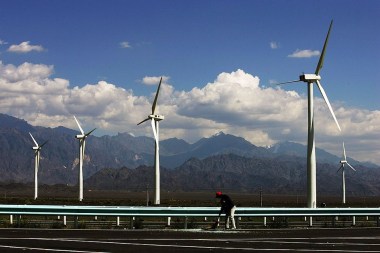
Dafancheng Wind Power Plant
(China Photos – Getty Images)
US:
¶ The US government launched the largest ever clean energy plant in Arizona, as part of the White House’s bid to drastically increase solar power on a national level. The 150-MW Mesquite 3 solar array will help power California’s electric grid and will contribute one-third of the energy used on 14 naval bases in the state. [Opposing Views]
¶ Park City, Utah is on the front lines of global warming as it grapples with decreasing snowfall and a shorter winter season that traditionally draws thousands of skiers and snowboarders from around the world. But the mountain community isn’t waiting to act. Park City just committed to 100% renewable energy by the year 2032. [Inhabitat]
¶ The Grain Belt Express Clean Line wind energy project has made significant steps towards getting the final green light from the Missouri Public Service Commission. The PSC gave the go-ahead to finalize a public hearing schedule, which means that a final order on construction of Clean Line could happen as early as next spring. [The Missouri Times]
¶ The debate over siting renewable energy projects has become one of the major policy contrasts between candidates in Vermont’s gubernatorial race. The Republican candidate, Phil Scott, says he would give communities power to stop wind development. Sue Minter, the Democrat, supports wind energy. [Rutland Herald]
geoharvey is free and without ads.
geoharvey is not tax-deductible.
Posted in nuclear power, renewable power, solar, wind | 1 Comment »
Tags: nuclear, nuclear power, renewable power, solar power, wind power
October 17, 2016
Science and Technology:
¶ The HY4, the world’s first four-seater hydrogen fuel cell
plane, took off for the first time at the Stuttgart airport in Germany. The plane was developed by researchers from the German Aerospace Center with help from Hydrogenics, Pipistrel, H2FLY, the University of Ulm and Stuttgart Airport. [Composites Manufacturing Magazine]

HY4 hydrogen fuel cell aircraft
World:
¶ On October 30, Vancouver will have its second Great Climate Race, which is a 10-km run and 2.5-km walk through Stanley Park to raise funds for renewable energy and a cleaner future. Last week, the Great Climate Race announced that organizations can raise money directly for their projects through its website. [Straight.com]
¶ The first generator at the Norochcholai Coal-fired Power Plant ceased operations after an explosion on October 15, on a pipeline that carries water vapour. After the explosion, a fire had erupted in the third generator. The second unit also ceased operations as a result. The plant is the largest generating station in Sri Lanka. [Newsfirst]

Norochcholai Coal-fired Power Plant
¶ A German battery maker said it has secured €76 million ($85 million) from venture capital investors, including Chinese wind turbine and energy management group Envision, to develop its systems. The start-up, called sonnen, said it plans to use the money to expand in Italy, Australia, the United States and Britain. [Business Insider]
¶ According to the UK’s Department of Energy and Climate Change report, biomass sourced from whole trees and other large-diameter wood is a high-carbon fuel, increasing carbon emissions compared to coal and natural gas for decades, well beyond timeframes relevant for solving climate change. [Natural Resources Defense Council]
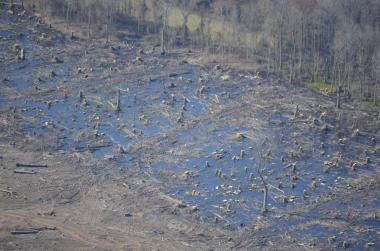
Clearcut forest (Dogwood Alliance photo)
¶ Acciona SA, a Spanish renewable energy developer worldwide, said it’s holding up further work in some states in India because local electric utilities aren’t paying their bills on time. Acciona, with 86 MW of installed wind power in India and another 78 MW under development, is the latest investor to complain on the issue. [Bloomberg]
¶ Tidal energy technology is being tested for the first time in Tasmania. A tidal energy turbine has been installed to investigate and optimize the device’s performance. Researchers from the Australian Maritime College will conduct field experiments with a prototype in partnership with developers MAKO Tidal Turbines. [PACE Today]

Tidal turbine (AMC image)
¶ An opposition candidate’s victory in Niigata Prefecture’s gubernatorial election threw the Abe administration into a state of shock over the possible consequences to its nuclear energy policy and its standing on the national level. Many believe the ruling Abe administration will have to review its energy policy. [Asahi Shimbun]
US:
¶ Ohio Senator Sherrod Brown (D-OH) proposed a bill that would offer up to $3,000 a year in pre-tax benefits to people who commute in electric vehicles. The intent behind the proposed “Electric Vehicle Credit Act” is to incentivize the use of electric vehicles by commuters, and thus potentially reducing air pollution emissions. [CleanTechnica]

Looking at a Nissan LEAF
(Image by Cynthia Shahan for CleanTechnica)
¶ With a capacity factor of 51.9%, the 2,000-MW Sandstone Energy facility is equivalent to a 1.15 GW Nuclear Power plant. Over a 25-year lifetime, it will produce 227 billion kWh. At an expected cost of $5 billion, with a 30% federal tax credit, the system can be expected to generate electricity at a cost of 2.8¢/kWh. [Electrek]
¶ According to the Energy Information Administration, roughly 15,000 MW per year, mostly coal, will be retired, with or without new regulations. This is one way to gauge the so-called “war on coal” proposed by the Obama Administration. But in reality those coal plants slated for somewhat premature retirement are old and uncompetitive. [OilPrice.com]

Coal in decline
¶ Community involvement in Hawaii’s goal of 100% renewable electric generation by 2045 has become tougher since Maui Electric Co’s net-metering program closed last October, and the customer-grid supply program hit its 5-MW capacity in June. Experts say now energy storage is “the way forward for the grid.” [Maui News]
¶ The food waste from a local supermarket, restaurant, or catering hall could end up being the fuel that serves a source of renewable energy for New Jersey. That’s the goal of a bill moving through the Legislature, which would require large generators of garbage to separate and recycle food waste with the aim of converting it to energy. [NJ Spotlight]

Food waste for fuel
¶ Natural gas generators are a dominant source of power, especially for peak electricity demand periods in New England, but natural gas supply methods haven’t kept up. As a result, most of the region is vulnerable to volatile electricity prices, said Tom Dunn, CEO of VELCO, which manages transmission lines for utilities. [vtdigger.org]
¶ The forecast for private solar power in Arkansas is cloudy, and may be slow to clear up. Decisions by the Arkansas Public Service Commission could promote solar generation at homes and businesses or even cripple it, advocates say, but the most critical rulings may not come for more than a year. [Arkansas Business Online]
geoharvey is free and without ads.
geoharvey is not tax-deductible.
Posted in nuclear power, renewable power, solar, wind | 1 Comment »
Tags: nuclear, nuclear power, renewable power, solar power, wind power
October 16, 2016
Opinion:
¶ “In Scotland, ray of hope for future of clean power” • For the first time ever, on August 7, the army of spinning white turbines that has sprouted across the lush countryside generated enough electricity to power all of Scotland. Scotland has joined Portugal, Denmark, and Costa Rica among those that have achieved this goal. [The Columbian]

Wind turbine, on Sanday, in the Orkney Islands
(Photo by hayley green, CC BY-SA, Wikimedia Commons)
¶ “400 ppm CO2: The Case For Renewable Energy” • Climate change is a ticking time bomb. If left unchecked, it will spare no one. But we can counter it successfully through the renewable energy revolution. And it can start with the single step of spreading climate change education and awareness in our communities. [CounterCurrents.org]
Science and Technology:
¶ Removing carbon dioxide emissions from the atmosphere to prevent global warming from becoming catastrophic may be a fool’s game amounting to a “moral hazard par excellence,” according to a paper published in the journal Science. No one knows if it will work, and the future is treated as a bet in a high-stakes gamble. [Grist]

San Juan generating station (Photo via WildEarth Guardians)
¶ According to a new study in the journal Science Advances, a geothermal hotspot softened the mantle rock beneath Greenland in a way that ultimately distorted their calculations for ice loss in the Greenland ice sheet. This caused them to underestimate the melting by about 20 gigatons (20 billion metric tons) per year. [Net Newsledger]
World:
¶ The first full week of the Yukon election campaign ended
with the three major parties making promises about renewable energy, and the Yukon Party again warning against the other parties’ plans for a burdensome carbon tax. The leader of the Yukon Party promised a “made-in-Yukon” approach to greenhouse gas emissions. [CBC.ca]

Solar panels at Yukon College (Philippe Morin/CBC)
¶ The Renewable Energy Future Iran, a conference connecting over 150 international and local stakeholders to discuss wind and solar opportunities is taking place in Tehran this month. With the lifting of the sanctions, the country is welcoming foreign financiers and the leading players of the renewable energy sector. [TechRasa]
¶ After introducing stringent penalties in the Mines and Minerals (Development and Regulation) Amendment Bill 2015, the Indian government has finally put in place a satellite based monitoring system that will help the nation get rid of illegal mining. They say that the Mining Surveillance System is a fool-proof monitor. [EnergyInfraPost]
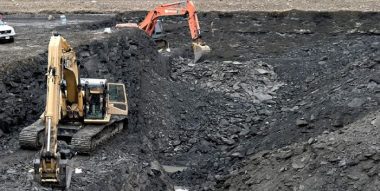
Mining in India
¶ After a hiatus spanning several years, commercial-scale renewable energy development in Oman is expected to make headway in 2017 with movement on tendering of the nation’s first large-scale solar project. The tendering process will be overseen by the Oman Power and Water Procurement Company. [Zawya]
¶ A joint statement issued after the bilateral meeting between Indian Prime Minister Narendra Modi and Russian President Vladimir Putin said that India is working on finding a second site for a Russian-designed nuclear power plant. They are also investigating ways to work together on developing natural gas in the Arctic. [Business Standard]
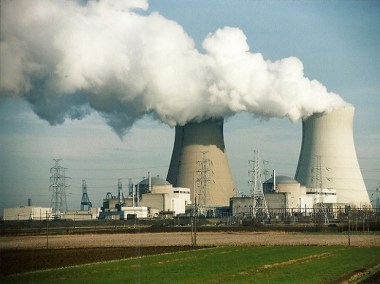
Nuclear power plant
US:
¶ Many Ohio residents believe the 2016 election has put the country at a crossroads on climate change. They see it almost as a referendum on anything from the state of Ohio’s coal industry to combating western Lake Erie’s algae-plagued water. While both major presidential candidates favor fracking, they differ on most of the rest. [Toledo Blade]
¶ Iowa is seeing heavier rains and more flooding as climate change takes its toll, yet the state has little idea how much it would cost to protect its homes, schools, factories and other infrastructure, let alone how to pay for it. Iowa communities have $1.4 billion in plans for flood protection, but it is not enough. [DesMoinesRegister.com]

Flooding in Iowa (Rachel Mummey / The Register)
¶ If there were some way to utilize all the energy being spent in this year’s Pennsylvania Senate campaign for electric power, everyone’s utility bills might be a lot cheaper. And few issues generate more heat than the energy policies of first-term Republican Pat Toomey and his Democratic rival, Katie McGinty. [Pittsburgh Post-Gazette]
¶ A lot of pieces will have to fall in place, but there’s still hope among those favoring nuclear power that the Clinton nuclear power plant can stay open. The plant faces demand that has slackened, other renewable energy sources have grown. and natural gas prices are still low. But special legislative action might yet save it. [Bloomington Pantagraph]
geoharvey is free and without ads.
geoharvey is not tax-deductible.
Posted in nuclear power, renewable power, solar, wind | 1 Comment »
Tags: nuclear, nuclear power, renewable power, solar power, wind power
October 15, 2016
World:
¶ Canadian non−hydro renewable power such as wind, solar and biomass grew more than sixfold in the time between 2005 and 2015, rising from 2,360 MW to 15,600 MW. National Electricity Board chief economist Shelley Milutinovic says Canada is now the fourth−largest generator in the world of renewable power. [Huddle Today]

Canadian Wind Farm (Image: The Canadian Press)
¶ Subsidies to reduce the risk of blackouts must focus on energy storage schemes and cutting demand instead of “dirty diesel,” according to a group of MPs in the UK. The Energy and Climate Change Committee said current policy favored diesel generators over smart technology that stores power and reduces demand. [BBC]
¶ More than 150 countries have reached a deal described as “monumental” to phase out gases that are making global warming worse. Hydroflurocarbons (HFCs) are widely used in fridges, air conditioning and aerosol sprays. Delegates meeting in Rwanda accepted a complex amendment to the Montreal Protocol. [BBC]

US Secretary of State John Kerry urging an ambitious deal
¶ The European Union has just approved regulations requiring that an electric car charger be included in every new and renovated home and all apartment buildings starting in 2019. Why is that important? Because charging infrastructure is vital to convincing mainstream buyers to switch to an electric car. [CleanTechnica]
¶ There are plans to limit onshore wind capacity additions in northern Germany, with a new proposal envisaging an annual cap of 902 MW. Germany has already set a limit of 2.8 GW through 2019 to annual wind installations across the country. Additional restrictions relate to limited capacity to carry power to the south. [SeeNews Renewables]

Wind farm. (Author: fantastklywell)
¶ National Grid expects the UK’s winter 2016/17 electricity capacity margin – the headroom between de-rated capacity and peak demand – to be 6.6%. The transmission system operator said the predicted margin has increased from an earlier forecast of 5.5%. Increasing solar capacity is factored into National Grid’s forecasts. [reNews]
¶ Germany utilities moved closer to fixing their financial obligations in dismantling the nation’s nuclear reactors and making safe equipment and fuel that may be radioactive for 100,000 years. A draft law says reactor owners will pay €23.6 billion ($26 billion) into a fund to free them from their nuclear waste liabilities. [Bloomberg]
US:
¶ The launch of a new hydroelectric system in Valdez, Alaska, means another power provider has joined the ranks of utilities that can operate fully on renewable power seasonally. Copper Valley Electric Association’s Allison Creek Hydroelectric Project, allows the utility to avoid using diesel fuel during summer months. [Alaska Dispatch News]
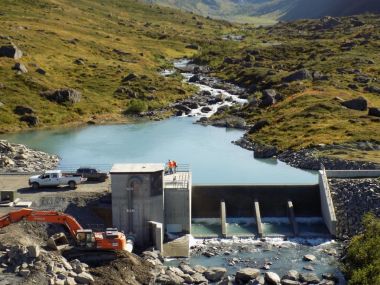
The Allison Creek Hydroelectric Project
(Courtesy Copper Valley Electric)
¶ The Conservation Law Foundation filed a lawsuit against ExxonMobil for endangering Massachusetts communities through activities at the Everett petroleum storage terminal. It is the first NGO lawsuit in the nation to take a petroleum company to task for its decades-long campaign to discredit climate science. [CleanTechnica]
¶ The Florida Public Service Commission has granted approval to Gulf Power, a US-based electric utility company, to add an additional 94 MW of wind energy from the Kingfisher Wind farm in Oklahoma. The addition will allow the company’s original 178-MW Kingfisher Wind project to produce a 272 MW. [Power Technology]
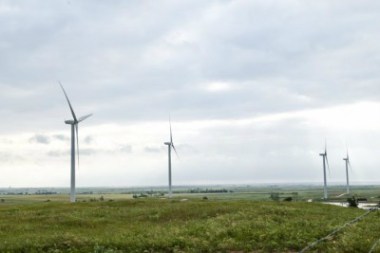
Gulf Power wind farm (Photo courtesy of Gulf Power)
¶ One of the largest solar projects in Massachusetts is being constructed on the property of a former coal-burning power plant in Holyoke. More than 17,000 solar panels are being installed where the smokestack of the former Mount Tom Power Station once cast its shadow. The nearly 6-MW solar farm should come online in January. [WAMC]
¶ The California Energy Commission and the US Navy have signed a memorandum of understanding to develop renewable energy projects. The partnership will develop three battery and solar projects, and the Navy and Marines will lease 205 new electric vehicles for use at California installations, curbing fossil fuel use. [Utility Dive]
¶ The Minnesota Public Utilities Commission unanimously approved Xcel Energy’s 15-year Integrated Resource Plan, with goals to more than double the utility’s renewable energy portfolio in the state and shut down two coal units. Xcel said the PUC supports plans to add 1.4 GW of solar and 1.8 GW of wind power by 2030. [Solar Industry]
geoharvey is free and without ads.
geoharvey is not tax-deductible.
Posted in nuclear power, renewable power, solar, wind | Leave a Comment »
Tags: nuclear, nuclear power, renewable power, solar power, wind power
October 14, 2016
Opinion:
¶ “Canadian Hydro: A Lifeline for Northeastern Clean Energy Goals?” • States in the US Northeast are looking for creative solutions to decarbonize their electricity system and maintain affordable, reliable electricity service. They have renewed interest in an old resource, imported Canadian hydroelectricity. [Greentech Media]
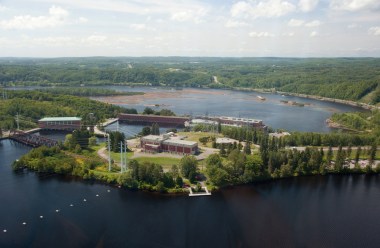
Canadian hydropower
¶ “Fossil Fuels Face More Competition from ‘Green’ Energy” • Bloomberg New Energy Finance found dramatic improvements in wind and solar technology is helping to boost the amount of power generated from each plant. That allowed installations to grow by almost 70% in the last five years even as investment flat lined. [agprofessional.com]
Science and Technology:
¶ Scientists and engineers at MIT’s Plasma Science and Fusion Center have made a new world record for plasma pressure in the Alcator C-Mod tokamak nuclear fusion reactor. The researchers said that the plasma, which lasted for two full seconds, achieved 2.05 atmospheres of pressure for the first time. [Energy Business Review]

Interior of the Alcator C-Mod (Photo courtesy of
Bob Mumgaard / Plasma Science and Fusion Center)
World:
¶ The UK government must consider reintroducing auctions for onshore wind if it is to meet 2030 carbon emission reduction targets, according to the Climate Change Committee. No Contract for Difference auction has taken place since 2015 and none are planned for onshore solar and wind, the cheapest renewable technologies. [reNews]
¶ Construction of the Kathu Solar Park in the South African province of Northern Cape began earlier this month with a ground breaking ceremony attended by project shareholders, and various other stakeholders, local officials and guests. The Kathu 100-MW Concentrated Solar Power project uses parabolic trough technology. [Bizcommunity.com]

Kathu site in Northern Cape
¶ ET Energy Fateh Jang is seeking a licence for a 50-MW solar power facility in Punjab costing $61 million. While two years of crashing prices for oil, natural gas, and coal triggered dramatic downsizing in those industries, renewables have been thriving. Clean energy investment broke new records in 2015. [The News International]
¶ The world’s most powerful tidal turbine, developed and built by Scotrenewables Tidal Power Limited, has been installed on its moorings for the first time. The 2-MW SR2000 tidal turbine was towed to the European Marine Energy Centre Orkney site, where it was installed for commissioning and testing. [Renewable Energy Magazine]

Tidal turbine (Scotrenewables image)
¶ The first shipment of turbine components for the 175-MW White Rock wind farm in New South Wales has arrived at the Port of Newcastle in Australia. The delivery will consist of eight Goldwind 2.5-MW units, including 59.5-meter blades made by Sinomatech Wind Power Blade Company. It will be completed in 2017. [reNews]
¶ A hybrid renewable energy project in Australia that will include wind, solar and energy storage has been backed by the Australian Renewable Energy Agency. The first phase of Kennedy Energy Park, developed by Australia’s Windlab Ltd and Japan’s Eurus Energy, will consist of 19.2 MW solar, 21.6 MW wind and 2 MW/4 MWh battery storage. [reNews]

Wind and solar power plant in the US.
(Featured Image: welcomia/Shutterstock.com)
US:
¶ Alliant Energy‘s Iowa utility has reached a settlement with customer groups on its proposed new wind project, expanding the Whispering Willow Wind Farm. If approved, will be up to 500 MW, significantly increasing the amount of wind energy that Alliant Energy supplies to customers. [North American Windpower]
¶ Landmark Infrastructure Partners has bought 4000 acres of land in California for $73 million on which Recurrent Energy is developing six solar plants which already have power purchase agreements. The acquisition, which is subject to customary closing conditions, is expected to close in the fourth quarter of 2016. [reNews]
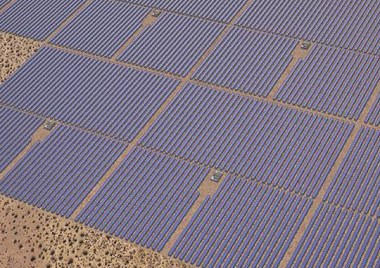
California solar power (Recurrent Energy image)
¶ The nation’s first offshore wind farm, which plans to launch commercial operations in November, has received investments from GE Energy Financial Services and the global bank Citi. The companies said they are acquiring some of the ownership of Deepwater Wind’s 30-MW project off Block Island. [Worcester Business Journal]
¶ The 110-MW Crescent Dunes Solar Energy Plant is the first utility-scale CSP of its kind on American soil, and the developer, California-based energy firm SolarReserve, now says they plan to build 10 more just like it elsewhere in the sunny desert state. The overall project, Sandstone, would power a million US homes. [Inhabitat]

Sandstone rendering (SolarReserve image)
¶ Energy Management Inc’s Cape Wind has dropped a court appeal, another setback in its long-running fight to build a 468-MW wind farm off the US east coast. The developer had asked the Massachusetts Supreme Judicial court to reverse an Energy Facilities Siting Board decision denying an extension of transmission line permits. [reNews]
¶ In Sterling, Massachusetts, a 2-MW/3.9-MWh lithium ion battery system at a Sterling Municipal Light Department substation will be able to isolate from the main power grid to provide up to 12 days of emergency back-up power to the police department and dispatch center in the event of a power outage. [Worcester Telegram]
geoharvey is free and without ads.
geoharvey is not tax-deductible.
Posted in nuclear power, renewable power, solar, wind | 1 Comment »
Tags: nuclear, nuclear power, renewable power, solar power, wind power
October 13, 2016
Opinion:
¶ “A price on carbon may be coming soon to the U.S.” • For years, US politicians have debated the question of imposing a price on carbon. The time may finally have come. That might seem hard for most people to understand, given the yearslong, seemingly intractable political deadlock on the issue in the US. But we may be at a tipping point. [Market Watch]

Time for a price on carbon in the US (Shutterstock image)
¶ “Here’s How To Build 100% Clean Renewable Energy In The US Before 2040” • There is a way for us to build our way out of the climate crisis in time to avoid the worst effects of global warming. We save money doing it, and side benefits include cleaner air, cleaner water, less disease, more jobs and a livable climate. [CleanTechnica]
World:
¶ Germany is inviting both local and Danish solar projects to participate in a 50-MW solar power capacity tender, the first cross-border auction in Europe. The winners will be selected based on the price they offered, regardless of the location of the solar PV park. Only projects no bigger than 10 MW may take part. [SeeNews Renewables]
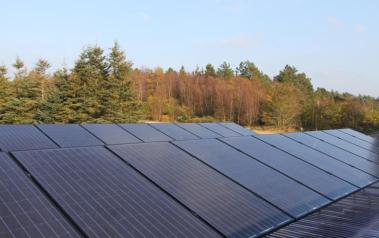
Solar system in Denmark. Author: Peter Leth.
License: Creative Commons, Attribution 2.0 Generic.
¶ The price of oil will not have much of an impact when it comes to the planet’s transition to new, cleaner, sources of energy, according to the CEO of the Carbon Trust. He argued that oil price, as a single factor, will not make any difference compared to increasing energy efficiency and decreasing costs for solar and wind power. [Yahoo7 News]
¶ According to a preliminary report from the Australian Energy Market Operator, the South Australia blackout began with storm damage to three major transmission lines. After this, wind farms had to disconnect from the energy grid to protect themselves, causing a massive load spike on the interconnector to Victoria. [Mozo.com.au]

Wind farm in South Australia
¶ China’s wind energy developers are flying high, a report shows. The study by Bank of China International is predicting wind power related companies to see profits soar between 25 and 64 per cent in the rest of this year, on the heels of eight newly commissioned ultra-high-voltage power lines across the country. [South China Morning Post]
¶ A report from Queensland says the state can reach a renewable energy target, which the governing Coalition dismisses as expensive and reckless, with little subsidy, and no impact on reliability. At the same time, renewables can reduce costs to consumers, create jobs, add new industries and add to economic growth. [RenewEconomy]
¶ A nuclear and environmental specialist at the University of Oxford, has accused the UK Government of backing the Hinkley nuclear power plant “at almost any price” as a means of “hiding the true costs” of Trident nuclear weapons renewal, concealing the cost of nuclear weapons development within a private venture. [CommonSpace]

Picture courtesy of Auz
¶ A huge 15 GW of embedded power generation capacity is awaiting direct connection to four of the six distribution networks across England, Scotland and Wales, figures gathered by ICIS show. The capacity bypasses the transmission network, depressing demand. It is a mix of renewable, thermal, and storage units. [ICIS]
US:
¶ Oklahoma Governor Mary Fallin wants God to help the state’s ailing oil and natural gas industry. Originally targeted at Christians, a new, interfaith version of the “Oilfield Prayer Day” proclamation calls on everyone to thank a deity, declaring that “people of faith acknowledge such natural resources are created by God.” [Huffington Post]
¶ Northern Power Systems Corp, a next generation renewable energy technology company based in Barre, Vermont, confirms the continued performance of its remote fleet with turbines performing through both Hurricane Matthew in the Caribbean, as well as Typhoon Chaba in the Jeju region of South Korea. [Your Renewable News]
¶ Despite the relatively slow uptake of renewable energy in the United States, replacement of fossil fuels with renewables is starting to have tangible results on emissions. According to the DOE’s Energy Information Administration in the first six months of 2016 fell to the lowest level for any first half of a year since 1991. [pv magazine USA]

Wyoming coal plant (Photo by Greg Goebel from Loveland CO, CC BY-SA, Wikimedia Commons)
¶ A panel of international wind power experts, in a study designed by the University of Massachusetts Amherst’s Erin D. Baker and others, says technology advancements are expected to continue to drive down the cost of wind energy. The survey anticipates cost reductions of 24% to 30% percent by 2030. [The Recorder]
¶ UK infrastructure company John Laing Group plc is investing in a 29.9-MW wind project in New Mexico in its first venture in the US renewable energy sector. The wind farm will feature 13 GE 2.3-116 turbines. It has a 15-year fixed-price power purchase agreement and is expected to be completed in the third quarter of 2017. [SeeNews Renewables]
geoharvey is free and without ads.
geoharvey is not tax-deductible.
Posted in nuclear power, renewable power, solar, wind | Leave a Comment »
Tags: nuclear, nuclear power, renewable power, solar power, wind power
October 12, 2016
Science and Technology:
¶ The electric vehicle wireless charging solutions firm Evatran has revealed that it expects to offer wireless charging systems compatible with 80% of the electric vehicles currently on the roads of North America by the end of 2017, according to recent reports. The receiving coil is attached to the underside of the vehicle. [CleanTechnica]

Image via Plugless
World:
¶ Australia’s national solar PV market appears to be slowly rebounding, with rooftop solar installs in September 2016 reaching 66 MW for the month, their highest level since July 2015. This is led by growth in the commercial market and particularly in South Australia. In Western Australia, growth “continued off a new base.” [CleanTechnica]
¶ UK smart grid outfit Reactive Technologies has successfully demonstrated transmission of data via the National Grid. For the first time, data was sent and received across the electricity network through subtle changes made to the grid frequency by modulating the power consumption of the transmitting devices. [reNews]

T-pylon (National Grid image)
¶ A study from the London School of Economics, examining 34 developed and developing countries for their carbon intensity, has found that low-carbon sectors are outpacing their less-productive, higher carbon-intensive sectors and the general economy in terms of growth, while increasing jobs and skill levels. [CleanTechnica]
¶ Siemens has been awarded a contract for the turbine supply
of the Zadar VI Extension onshore wind project in Croatia. The project will have 13 wind turbines of the type SWT-3.4-108, rated at 3.4 MW each, with a 108-meter rotor. Commissioning of the 44.2-MW facility is set for the summer of 2017. [Renewable Energy Magazine]

Onshore wind turbines (Siemens image)
¶ Queensland has three “credible” options to achieve a 50% renewable energy target by 2030, a panel of experts said. A draft report said “significant government policy action” would be needed for Australia’s biggest carbon polluting state to reach the target, but the impact on electricity prices would be “broadly cost neutral.” [The Guardian]
¶ According to leaked plans from the German federal network agency, and published on in the Süddeutsche Zeitung, the government has had to halve its original target for expanding its windfarms in the gale-beaten northern flatlands because it cannot extend its power grid quickly enough to the energy-hungry south. [The Guardian]

Windfarm in Germany (Photo: Bloomberg / Getty Images)
¶ At the end of June wind capacity worldwide reached 456,486 MW, which corresponds to 4.7 % of the global electricity demand. In the second half of 2016, an additional 40 GW are expected, for a total to approximately 500 GW. The announcement was made by the World Wind Energy Association in its half-year report. [Sun & Wind Energy]
¶ General Electric plans to buy a maker of wind-turbine blades for $1.65 billion (€1.5 billion), bolstering the renewable-energy business amid growing demand for clean power. The deal for LM Wind Power, based in Denmark, will enhance GE’s ability to serve customers in the wind power markets, the companies said. [Irish Times]

GE wind turbines (Photo: Danny Lawson / PA Wire)
¶ The International Atomic Energy Agency, which oversees United Nations nuclear operations, says a nuclear power plant was successfully hacked three or four years ago. The hackers also made an attempt to steal uranium which could have powered their dirty bombs. The information comes from the agency’s director. [Techworm]
US:
¶ Increased access to solar power will allow 65% of Stanford University’s electricity to come from renewable resources by the end of 2016, according to a Stanford News press release. Solar panels will also be added to 16 more buildings on campus by the end of this year. The university will supply 53% of its own power. [The Stanford Daily]

Solar panels on California grid (Courtesy of Sun Power)
¶ Arizona Public Service said it has become the first utility outside of California to reach 1 GW of solar energy capacity, counting both direct ownership and projects with which it holds power contracts. The figure includes 499 MW of utility-scale projects and 551 MW of rooftop PV, from investments of about $2 billion. [pv magazine USA]
¶ While Uber is currently used mainly as an alternative for taxis, the services it offers could be used in a number of other fashions as well. One example is the way Summit, New Jersey, is now using the service as part of a pilot program that aims to reduce congestion at the parking lots used by the town’s train station. [CleanTechnica]

Summit train station (Photo by Dougtone, CC BY-SA)
¶ Iron Mountain Incorporated, a global leader in storage and information management services, signed a power purchase agreement, under which the company will purchase 10% of the energy produced at the Amazon Wind Farm Texas. The PPA provides enough electricity for 30% of its North American electricity footprint. [CleanTechnica]
¶ Borrego Solar Systems has launched a new division focused on megawatt-scale energy storage solutions, both stand-alone and tied to solar installations. The new storage division will be based in Massachusetts and will serve customers nationally. Borrego will focus on long-duration energy storage for the power grid. [Utility Dive]
geoharvey is free and without ads.
geoharvey is not tax-deductible.
Posted in nuclear power, renewable power, solar, wind | 1 Comment »
Tags: nuclear, nuclear power, renewable power, solar power, wind power
October 11, 2016
Opinion:
¶ “Wind Turbines To The Rescue, Family Farm Edition” • An article from Bloomberg speaks to the impact that income from wind turbines can have on struggling family farms. The article describes how wind leases offer farmers significant new source of revenue, without the negative impacts of fossil fuel extraction. [CleanTechnica]

Illinois farm (Photo by Tom via
flickr.com, creative commons license.)
¶ “The Missing ‘Why’ in Vermont’s Energy Transition” • We have a responsibility and an opportunity to meet far more of our energy needs through resources carefully deployed in our own backyards. Act 174 creates a way to articulate how that happens. The oft-missing reason why is an essential part of the equation. [vtdigger.org]
Science and Technology:
¶ Celebrating the tallest wood-frame building of its kind anywhere in the world, Canada’s Minister of Natural Resources Jim Carr recently attended the “topping out” ceremony of the Brock Commons Residence. The new University of British Columbia student housing tower rises 18 stories to reach 178.8 feet (53 meters) tall. [CleanTechnica]

Brock Commons topping off celebration was on 15 Sept 2016.
(Credit: Acton Ostry Architects, Inc)
¶ Human-caused climate change caused twice as much forest to burn in the West over the past 32 years, researchers at the University of Idaho and Columbia University said. An additional 16,000 square miles of Western forests burned from 1984 to 2015 because of conditions caused by the rise of greenhouse gases. [Idaho Statesman]
World:
¶ ABB announced a modular and scalable plug-and-play microgrid solution to address the globally growing demand for flexible technology in the developing market for distributed power generation. The system can help maximize the use of renewable energy sources while reducing dependence on fossil fuels. [Windpower Engineering]
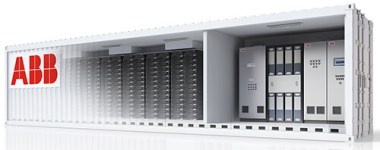
ABB’s Microgrid Plus control system
¶ Russia has said it will support a proposal by Opec to freeze oil production in order to reverse the slump in global prices. The move lifted the price of oil, with Brent crude hitting a one-year high. In late afternoon Brent Crude oil was trading up by 2.5% at $53.21 a barrel, just off the $53.73 high hit earlier in the day on Monday. [BBC]
¶ For almost 300 days, the country of Costa Rica has run on a combination of hydropower, geothermal, wind, and solar energy. It has not used fossil fuels at all. No other country of its size or larger has come close to this. For example, Portugal was recently praised in the news for running on 100% renewables for 4 days. [Q Costa Rica News]

Costa Rican wind farm
¶ Bolivia’s Minister of Hydrocarbons and Energy, Luis Alberto Sanchez, said the country will reach 545 MW of renewable power generation by 2020. Through Bolivia’s National Electricity Company, the ministry is also expected to invest around $1.05 billion (€941 million) in renewable energy by the same year. [SeeNews Renewables]
¶ Coal and oil are headed for a downward spiral in the next 20 years, when energy demand is projected to reach its peak due to government policies and renewable energy technologies, according to a major international report. Some experts who used to talk of “Peak Oil,” are now talking about “Peak Demand.” [Washington Examiner]
¶ A top research institute in mainland China is developing what is being called the world’s smallest nuclear power plant. The nuclear plant could fit inside a shipping container and might be installed on an island in the disputed South China Sea within five years. The reactor is said to be capable of supplying 10 MW of heat. [CNBC]
(The article has a clear miscalculation in it. It says 10 MW of heat could supply 50,000 households, which means 200 watts of heat, or about 70 watts of electricity, per household.)
US:
¶ Taking a small step into the energy future, the City of Sonoma, California, voted last week to become the first jurisdiction in Sonoma County, and perhaps the North Bay, to adopt the zero-emissions EverGreen plan from Sonoma Clean Power. The optional premium plan uses 100% local renewable power sources. [Sonoma Index-Tribune]
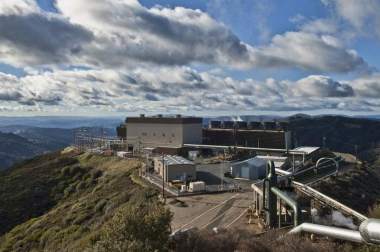
Sonoma U-3 geothermal power plant
(Photo courtesy of Calpine Corporation)
¶ Six biorefineries in Ohio and Indiana belonging to Poet, LLC, are installing a new energy generation system using combined-heat-and-power. These systems will reduce reliance on the electrical energy grid, recover waste energy for additional use in the plant and reduce greenhouse gas emissions. [Ethanol Producer Magazine]
¶ A $260 million solar project opening near Roswell, New Mexico, will have the capacity to provide enough power for more than 40,000 homes. The Carlsbad Current-Argus reports the 1,400-acre solar project is the biggest in the state. Xcel Energy will purchase power under a 25-year contract with project builder NextEra Energy. [KUNM]
geoharvey is free and without ads.
geoharvey is not tax-deductible.
Posted in nuclear power, renewable power, solar, wind | 1 Comment »
Tags: nuclear, nuclear power, renewable power, solar power, wind power
October 10, 2016
Science and Technology:
¶ Researchers from Cornell University, the Lamont-Doherty Earth Observatory of Columbia University, and the NASA Goddard Institute of Space Studies said that rising temperatures combined with decreased rainfall in the US Southwest will create droughts that could be much worse than the American Dust Bowl. [Nature World News]
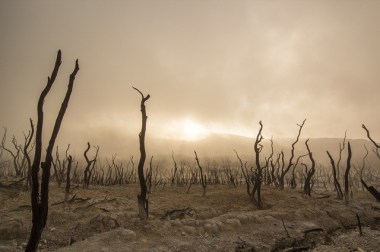
Worse than the dust bowl (Photo : Unsplash/Pixabay)
¶ SunToWater, based in Palo Alto, California, has a new way to collect water. Fans blow air over desiccant salts inside the module that looks like an outdoor air conditioner unit. Heat from solar thermal collectors bakes water out of those salts, which in turn creates steam that accumulates within a condenser and is then ready to use. [Triple Pundit]
World:
¶ In a bid to promote Sri Lanka’s economic growth, the Indian government plans to supply 500 MW of power to the country. The transmission will take place through a network sub-sea power cables. According to New York Times, the cost of putting a cable under water can be lower than burying cables on land. [Financial Express]
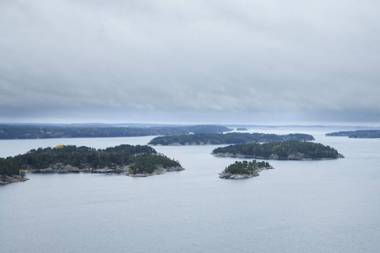
A less expensive path
¶ Germany’s Bundesrat approved a resolution calling for a ban on new internal combustion engine cars by 2030. The Bundesrat is a deliberative body composed of representatives from all 16 German states. It is sometimes wrongly called the upper house of parliament, but legislation does go through it on its way to the Bundestag. [CleanTechnica]
¶ Slowing down construction of coal-fired power stations will be vital to hit globally agreed climate change goals, the World Bank president, Jim Yong Kim said at a climate ministerial meeting in Washington. He said there is no prospect of keeping global warming at or below 2°C (3.6°F) if planned for coal-fired stations are built. [The Guardian]
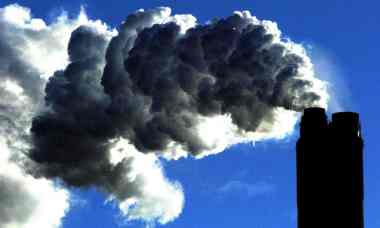
Stack of a coal-fired power plant. Photograph: John Giles/PA
¶ Scotland could realistically be expected to produce half of its energy needs using renewable technology by 2030, according to a report by WWF Scotland, Friends of the Earth Scotland, and RSPB Scotland. The report used analysis by Ricardo Energy and Environment to identify cost-effective ways of meeting climate targets. [STV News]
¶ First Solar has commissioned the 52.5-MW Shams Ma’an solar park in Jordan on schedule. The facility has 600,000 First Solar thin-film panels mounted on single-axis trackers, according to the company. It accounts for about 1% of Jordan’s generation capacity and provides power under a 20-year power purchase agreement. [reNews]
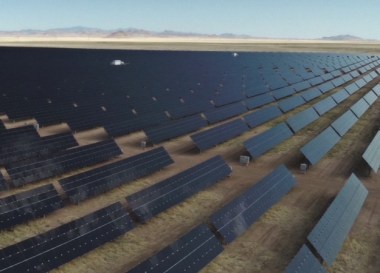
First Solar image
US:
¶ Clinton and Trump sparred over energy and climate for 243 seconds in the second presidential debate. The majority of Sunday’s presidential debate involved the two candidates trading blows on tax returns, Donald Trump’s so-called “locker room talk” about assaulting women, and Hillary Clinton’s email account. [Grist]
¶ Encore Renewable Energy has commissioned of two separate 1.4-MW solar arrays for the Town of Stowe Electric Department and Village of Hyde Park Electric Department, respectively. The two projects were financed with low interest debt under the US Treasury Department’s Clean Renewable Energy Bonds program. [Vermont Biz]
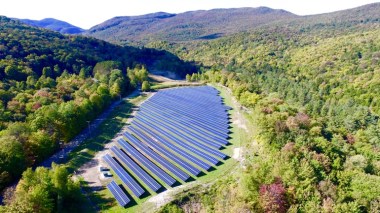
The Stowe project is sited on an abandoned portion
of the Town of Stowe gravel pit. (Encore photo)
¶ American Samoa is on track to remove diesel fuel generators, with the launch of a solar energy system in Manu’a. The Ta’u solar project will supply 1.4 MW of power. The system consists of solar PV panels, six hours of battery storage, and three back-up generators. The solar project will provide 100% of Ta’u’s power supply. [Radio New Zealand]
¶ Canadian Solar Inc. announced it began commercial operation of the 60-MW Barren Ridge solar project in Los Angeles. The facility, also known as the RE Cinco, supplies electricity and associated renewable energy credits to the city’s Department of Water and Power under a long-term power purchase agreement. [Commercial Property Executive]
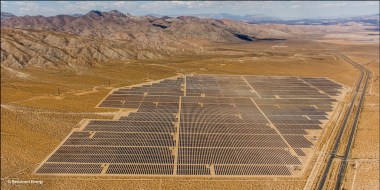
Barren Ridge Solar Project
¶ The winter months are when the New England region’s power grid is put to the test. When temperatures barely rose above zero, on the coldest days of 2013, demand nearly overwhelmed the system. The president and CEO of ISO New England said that the current state of the grid is even more precarious. [WMUR Manchester]
geoharvey is free and without ads.
geoharvey is not tax-deductible.
Posted in renewable power, solar, wind | Leave a Comment »
Tags: renewable power, solar power, wind power
October 9, 2016
Science and Technology:
¶ A team of researchers believes that world leaders need to change their policies regarding methane emissions. Their study, recently published in the journal Nature, found these emissions are 60% to 110% higher than previously estimated. They counted leaks coming from natural sources in addition to the oil and gas sector. [Pulse Headlines]

Oil pumps and natural gas flaring
(Photo credit: Associated Press / The Wall Street Journal)
¶ Declining costs and improving performance are fueling rapid growth of renewable energy mini-grids, particularly in rural and remote areas. Worldwide, the market for hybrid renewable mini-grids is potentially worth more than $200 billion, according to a study released by the International Renewable Energy Agency. [Microgrid Media]
World:
¶ Empowered Biofuels teaches small villages and individuals in Costa Rica how to use local renewable resources to produce and consume energy in a more sustainable way and shows them that they can earn a living from sustainable enterprises. For biofuel production, they use a Costa Rican native tree species called Jatropha. [Leisure Group Travel]

Empowered Biofuels teaching at the local level
¶ Nigerian power distribution firms will soon begin developing mini-grids to augment the electricity supply. The Nigerian Electricity Regulatory Commission said in a “Draft Mini-Grid Regulation 2016” that electricity distribution companies could now use mini-grids to accelerate their electrification activities. [Financial Watch]
¶ Alberta’s move to shift electricity production from coal plants to renewable energy will likely cost less than people expect, a specialist in the field says. The province plans by 2030 to phase out coal generation, which provides approximately 40% of the province’s power capacity, replacing it with renewables and natural gas. [Edmonton Journal]
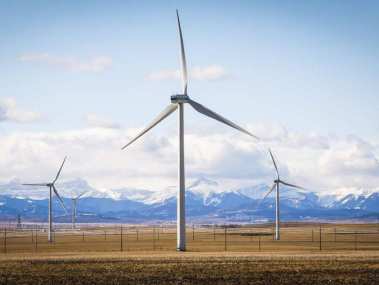
Wind farm near Pincher Creek, Alberta
(Jeff McIntosh / The Canadian Press)
¶ Indian government is planning a new policy to push stalled hydro power projects. The Power ministry is proposing that projects with capacities of up to 25 MW be categorized as small hydro-power so they can get the same benefits other renewable energy projects. Indian hydro power has a potential estimated at about 150 GW. [The Hindu]
¶ A renewable energy fund, created by the East Renfrewshire Council and Scottish Power Renewables, has over £180,000 is available at the end of its first year. The money is income from local wind farms. The fund targets projects with a potential for long term benefits for communities in East Renfrewshire. [Glasgow South and Eastwood Extra]
¶ TEPCO is still struggling to put the Fukushima nuclear disaster behind it, admitting this week that paying for decommissioning the plant in one go risks leaving it insolvent. The Fukushima Disaster and the issues arising from it will ultimately cost more than ¥11 trillion ($106 billion), according to one recent academic study. [Gulf Times]
US:
¶ Three pipelines are proposed to run through West Virginia, carrying natural gas to destinations in Virginia, including one on the coast. A Synapse Energy Economics report shows that with upgrades and improvements to the existing system of pipelines and infrastructure, the region’s natural gas needs could be met through 2030. [Roanoke Times]
¶ The US Energy Information Agency has been arguing that cheap shale gas is the main factor behind the collapse of the US coal industry, and a research team from Case Western Reserve University has just added a new study, published in The Electricity Journal, to a growing pile of evidence in support of that claim. [CleanTechnica]
¶ The CEO of Duke Energy recently said her company could stop generating electricity from coal between 2030 and 2040. Duke CEO Lynn Good said in an interview with Bloomberg that and the company’s current move away from coal will continue, no matter who occupies the White House at this time next year. [The Exponent Telegram]
geoharvey is free and without ads.
geoharvey is not tax-deductible.
Posted in nuclear power, renewable power, solar, wind | Leave a Comment »
Tags: nuclear, nuclear power, renewable power, solar power, wind power
October 8, 2016
Opinion:
¶ “How will we power the planet in 2050?” • A report from the World Energy Council found that renewable sources of power now represent around 30% of the world’s total capacity and 23% of electricity production. In the last 10 years, wind and solar power had seen rapid growth. CNBC spoke to the experts about what 2050 will look like. [CNBC]

A paddleboarder in the Irish (SeaPaul Ellis | AFP | Getty Images)
Science and Technology:
¶ According to the team from the Solar Energy Institute of the Universidad Politécnica de Madrid, up to 1 MWh of energy can be stored in just one cubic meter of molten silicon. Silicon is the most abundant element in the Earth’s crust. The technology holds a promise for dealing with the intermittency of renewable power generation. [E&T magazine]
World:
¶ German developer BayWa has secured power purchase agreements for five solar parks in the UK with a combined capacity of 83 MW. The five 15-year PPAs were signed with Neas Energy, a power trading unit of Centrica. The unnamed photovoltaic plants in southern England and Wales started operating in March 2016. [reNews]

Whitland solar in Wales (Credit: BayWa)
¶ More Scottish homes and businesses are seeing the benefit of renewable heat than ever before, according to new figures. Data published by the Energy Saving Trust estimate that last year saw the largest annual increase in renewable heat output since measurement began in 2008, up by over 1,100 GWh in a single year. [Scottish Construction Now]
¶ If the European Union is to meet the terms laid out in the Paris Agreement to reduce greenhouse gas emissions in 2050 by 80-95% compared to 1990 levels, the Member States have to act fast, and act now, beginning the process of decarbonizing, according to a report just published by the European Environment Agency. [pv magazine]

Coal power station (Credit: Flocko, via Wikimedia)
¶ A climate agreement struck among 191 countries would allow airlines to grow in the coming decades, but without growing their impact on the climate. The International Civil Aviation Organization will encourage airlines to purchase carbon credits in world markets to offset their emissions for many flights beginning in 2021. [Seeker]
¶ All lighthouses dotting India’s 7,517-km coast line will be fuelled by solar energy by December, helping reduce emissions of 6,000 kg of greenhouse gases per day, according to an announcement by the government. The Directorate General of Lighthouse & Lightships, maintains 193 Lighthouses in the coastal waters of India. [Financial Express]

Indian lighthouse
¶ The cost of resuming operations at Japan’s trouble-plagued Monju prototype fast-breeder nuclear reactor is estimated to top ¥540 billion ($5.2 billion), the science ministry says. More than ¥1 trillion ($9.7 billion) has been spent on Monju, but it has only operated for a total of 250 days in the past 20 years due to a series of problems. [The Japan Times]
¶ Dutch development bank FMO has provided a $14.7 million loan for a 10-MW solar project in Uganda. The Tororo Solar North PV plant will generate enough energy for about 36,200 residents. This is great news for the country, which not only has electricity consumption among the world’s the lowest per capita, but also chronic power shortages. [PV-Tech]

Tororo, Uganda (Source: Flickr / Jake Stimpson)
US:
¶ More than five years after a wind energy boom on the North Fork, vineyard owners say the turbines, which sprang up in the late 2000s thanks to the availability of federal grants and rebates from the Long Island Power Authority, have paid back their investments. North Fork is a peninsula on the north shore of Long Island. [Suffolk Times]
¶ State and local leaders joined executives from NextEra Energy Resources and Xcel Energy to celebrate commissioning the Roswell and Chaves County Solar Energy Centers, New Mexico’s largest solar energy projects. They feature about 600,000 solar panels on trackers with a total generating capacity of 140 MW. [Electric Light & Power]
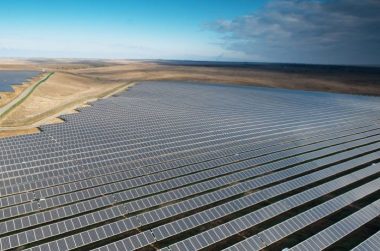
New Mexico has a pair of new solar arrays.
¶ Residential prices for electricity have dropped this year for the first time since 2002, according the US Energy Information Administration, despite worries that shutting down coal-fired power plants and relying more on wind and solar would ruin the economy. This it not what the defenders of burning coal said would happen. [Houston Chronicle]
¶ Alabama Power issued a request for proposals for renewable energy resources during the last week of September. Proposals must be either a renewable resource or an environmentally specialized generating resource. Among the eligible projects included in the RFP are “tidal or ocean current and low-impact hydropower.” [HydroWorld]
geoharvey is free and without ads.
geoharvey is not tax-deductible.
Posted in nuclear power, renewable power, solar, wind | 1 Comment »
Tags: nuclear, nuclear power, renewable power, solar power, wind power
October 7, 2016
Opinion:
¶ “UK fracking decision is nothing short of hypocrisy” • Climate-polluting fracking, which is unproven in the UK, gets “all-out” government backing, with ministers steamrolling whatever local opposition might arise. Meanwhile, low-cost and low-carbon onshore windfarms get undermined, with local opposition given power to block applications. [The Guardian]

Cuadrilla Resources drilling pumping equipment. (Photo: Alamy)
Science and Technology:
¶ As renewable energy accelerates its pace in electricity markets, wind power has seemingly hit stride. It is expected to see further price drops because of economies of scale and technological improvements. The cost of producing electricity via wind power is expected to fall 24%-30% by 2030, according to researchers at US DOE laboratories. [Environmental Leader]
¶ A commercial-scale, 500-kW kite-driven power station is set to be created in Scotland. The kites fly to heights of up to 450 meters in a figure-of-eight pattern, pulling tethers as they rise, which turn a turbine that produces electricity. Two kites work in tandem, one being blown upward as the other floats back down. [The Independent]

The kite to provide power (Kite Power Solutions Ltd)
World:
¶ A major new report published this week by the Global Commission on the Economy and Climate called on financial institutions and governments to scale up and shift investment for sustainable infrastructure in an effort to not only address climate issues, but also in an effort to reignite global growth and reduce poverty. [CleanTechnica]
¶ AGL Energy, the bigger coal generator in Australia and the biggest player in the South Australia market, said in a statement released late on Thursday that wind farms are not to blame for the September 28 blackout in South Australia, in contradiction to the claims of the federal government and many in mainstream media. [RenewEconomy]

AGL’s Hallett wind farms
¶ Cubico Sustainable Investments, with an installed capacity of 2 GW, says it has won power purchase agreements in Mexico’s second long-term electricity auction for the 250-MW Mezquite wind project and the 290-MW Solem solar PV project. The total investment for the two will come to approximately $700 million. [North American Windpower]
¶ Australian state and territory energy ministers are gathering in Melbourne to discuss the nation’s energy needs following last week’s massive South Australian blackout. The blackout was caused by a storm, with winds knocking down transmission towers in a number of places. Politicians are trying to put the blame on windpower. [SBS]

Wattle Point wind farm, South Australia Source
(Photo by Scott Davis, CC BY SA, Wikimedia Commons)
¶ Environmentalists have hailed the Scottish Government’s block on underground coal gasification as a “victory for people power.” Green charities urged ministers to take a similar decision when it comes to unconventional oil and gas, including fracking, which is subject to a separate moratorium. [Glasgow Evening Times]
¶ A major 3-day conference, the 4th International Workshop on Accelerator Driven Systems and Thorium, held in the UK at the University of Huddersfield, attracted engineers and scientists to discussions advanced concepts in nuclear technology. They are particularly highlighting the problems of spent nuclear fuel and its disposal. [Labmate Online]

Huddersfield Narrow canal, university in the background
(photo by David Stowell, CC BY SA, Wikimedia Commons)
US:
¶ A coalition of environmental and consumer activists warned that New York electricity customers will be jolted by a “huge tax” stemming from the governor’s plan to subsidize aging nuclear power plants. Over seventy groups – consumer, environmental, and conservative – are working in unison to derail the “bailout.” [Oneonta Daily Star]
¶ The utility firm Hoosier Energy, of Bloomington, Indiana, has started operations at its latest landfill methane generation facility in Rockford, Illinois. The 16-MW Orchard Hills Generation Station is sited at Advance Disposal’s landfill in Davis Junction, Illinois. The company expects to be sending power to the grid in November. [Renewable Energy from Waste]

Hoosier Energy site (courtesy of Hoosier Energy)
¶ Time is running out for those Ohio Republicans who want to change the state’s renewable energy standards, and a battle with Governor John Kasich could ensue. Legislation passed in 2014 put a two-year freeze on the standards while committee worked on modifications. Unchanged, the standards go back into effect at the beginning of 2017. [WCPO]
¶ Norwegian energy giant Statoil is mulling a floating wind farm in Hawaii, its first offshore foray in the US in three years. Statoil Wind US nominated its interest in the entire Oahu call area, which covers an area of about 485,000 acres and is split into two zones, after the Bureau of Ocean Energy Management issued a call to developers in June. [reNews]
geoharvey is free and without ads.
geoharvey is not tax-deductible.
Posted in nuclear power, renewable power, solar, wind | 1 Comment »
Tags: nuclear, nuclear power, renewable power, solar power, wind power
October 6, 2016
Opinion:
¶ “The future belongs to clean energy” • As we close out a summer marked by uncertainty in news and events, one trend for which analysts voice increasing certainty is the accelerating pace of the clean-energy transformation reshaping how the world generates electricity. One reason is that renewable energy is inexpensive. [The Guardian]
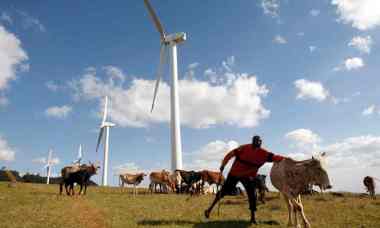
A Masaai herdsman looking after cattle
(Photo: Thomas Mukoya / Reuters/REUTERS)
¶ “ExxonMobil Says Its Shale Oil Assets Are Not Threatened, While COP21 Paris Agreement Ratified: Something Has To
Give” • The COP21 agreement is now law, and yet oil majors are still contending that the price of oil will recover. Peabody Energy has a similar view about its prospects for expanding production of coal. [Seeking Alpha]
Science and Technology:
¶ With the climate warming and the sea level rising, conditions are ripe for storms even deadlier and more devastating than Sandy, putting many more people at risk. That’s the outlook from David A. Robinson, a Rutgers geography professor who has served as the New Jersey state climatologist for 25 years. [News from Rutgers]

Superstorm Sandy created a massive inlet in Mantoloking.
(Photo: Greg Thompson/USFWS)
¶ We may soon have gasoline from forest waste. This week, the US EPA proposed some biofuel rule changes that would enable producers to add willow trees and poplar trees to the renewable fuel mix. Only last month, researchers at Washington State University announced a process to extract high-purity lignin as a source material. [CleanTechnica]
World:
¶ In Strasbourg, France, yesterday, United Nations Secretary General Ban Ki-moon, the President of the UN’s climate group (COP 21), Ségolène Royal, and European Commission President Jean-Claude Juncker witnessed the European parliament’s signed approval of the ratification of the Paris Agreement. [CleanTechnica]

European Union ratifies the Paris Agreement, making it international law (audiovisual.europar.europa.eu)
¶ The United Kingdom currently has 3.23 GW worth of energy storage operational, with at least another 453 MW planned or in development, according to new figures published by the UK’s Renewable Energy Association. There are 35 standalone grid-scale storage projects and at least 1,500 residential storage projects. [CleanTechnica]
¶ The energy storage software firm Younicos will be providing software and controls for Schwerin energy storage project expansion in Germany, which will see the utility company WEMAG’s energy storage resource triple its storage capacity to 14.5 MWh from 5 MWh, and double it power output to 10 MW from 5 MW. [CleanTechnica]

Younicos Sign (Image from a 2014 tour CleanTechnica
had of the Berlin Younicos headquarters.)
¶ New analysis from Carbon Brief shows UK solar panels generated more electricity over the past six months than all the nation’s coal-fired power stations combined. Solar output over the period was equivalent to 5.2% of the UK’s overall electricity demand; nearly 10% than that of coal, which totalled 4.7% of demand. [Energy Matters]
¶ German market and economy research company EuPD Research recently surveyed British home owners about energy matters and solar PVs. The poll shows that the British prefer renewables for their future energy supply. They also believe that renewable sources are already outcompeting fossil or nuclear sources on cost. [solarserver.com]
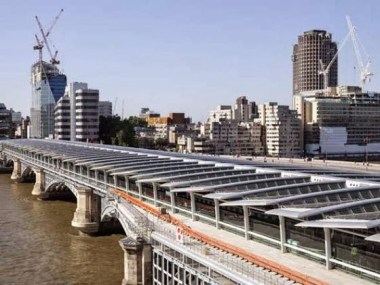
Solar PV system on London’s Blackfriars Bridge
¶ The 2.3-MW Mount Majura Solar Farm has been officially opened in the Australian Capital Territory, marking the launch of yet another contributor to the Territory’s 100% renewable energy target. The project features single-axis tracking technology, potentially improving the PV system’s output by up to 40%. [RenewEconomy]
¶ Starbucks reached a milestone with the opening of its 1,000th LEED-certified store on October 4. In 2008, Starbucks made a commitment to build all company-owned stores to meet LEED standards. The standards are intended for evaluating a building’s environmental performance and encouraging sustainable design. [EPR Retail News]

Starbucks announces the opening
of its 1,000th LEED-certified store.
US:
¶ Two new reports from the Federal Energy Regulatory Commission and the US Energy Information Administration confirm that nuclear power is rapidly losing the race with renewable energy sources. Renewable capacity is about double that of nuclear, and the output from renewables is passing that of nuclear power. [EcoWatch]
¶ New Jersey energy company PSEG announced it will close its two coal-fired power plants in Jersey City and Hamilton next June. Still at question is whether the company will replace them with lower-cost natural gas units. Some factors, including additional costs, may preclude that option for the two coal plants. [NJ Spotlight]
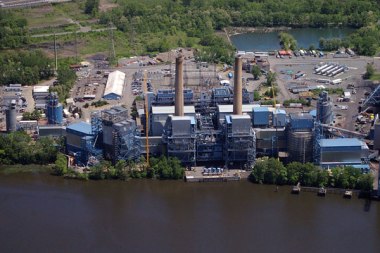
PSEG’s Mercer County plant
¶ OutBack Power Technologies, Inc is teaming up with altE Store of Boxborough, Massachusetts, to provide a class on October 11 that will help solar installers and interested homeowners learn about energy storage technologies and systems to better equip them for Massachusetts’ new law, H. 4568, signed on August 8th. [AltEnergyMag]
¶ The New York Public Interest Research Group and Food and Water Watch, based in Washington, DC, joined forces Wednesday to launch Stop The Cuomo Tax, a coalition of dozens of groups fighting a plan to infuse several billion dollars into the three aging nuclear power plants that have become uneconomical to operate. [WGRZ.com]
geoharvey is free and without ads.
geoharvey is not tax-deductible.
Posted in nuclear power, renewable power, solar, wind | 1 Comment »
Tags: nuclear, nuclear power, renewable power, solar power, wind power
October 5, 2016
Opinion:
¶ “New 600 MW Colorado Wind Farm Blows Past ALEC Roadblock” • The powerful lobbying organization ALEC has been trying to trip up the US wind industry for years. Even so, despite objections from at least one organization linked to ALEC, Colorado officials have just approved a massive new 600-MW wind farm. [CleanTechnica]

Rush Creek Wind Farm (Photo courtesy of Xcel Energy)
¶ “Coalition’s stunning hypocrisy – and ignorance – on renewable energy” • Australia’s Coalition Government, dropping all pretended support for renewable energy, contradicted the grid owner, the market operator, and the biggest generator, saying a coal plant would have kept the lights on when the power lines were blown down. [CleanTechnica]
World:
¶ The regions of Hamburg and Schleswig-Holstein, an area with over four million people, have created an initiative to get 70% of its energy from green sources by 2025, going fully green a decade later. NEW4.0 is a large scale scheme which combines business, science and politics from the two states. [Energy Live News – Energy Made Easy]

Hamburg (Shutterstock image)
¶ Canada will impose a federal price on emissions of carbon dioxide nationwide in 2018, Prime Minister Justin Trudeau has announced. The policy approach could push tougher limits on provinces that already use a carbon tax or a program for cap-and-trade, and could require major new programs for other parts of the country. [Bloomberg BNA]
¶ According to Energy Business Review, Mexico has selected 23 bidders for the development of $4 billion worth of photovoltaic solar, wind, and other clean energy projects. In total, the second tender round has awarded rights to build 8,909 GWh of capacity, of which 54% is for PV plants and 43% for wind farms. [CleanTechnica]

Mexican Pyramid (Image from Google Creative Commons)
¶ Work has begun on the east side of the Adriatic to lay a 100-MW undersea power cable linking Montenegro and Italy. The Italian side has already installed 136 km, starting in Pescara. The total planned length is 455 km. The project, expected to cost €800 million and should be completed by the end of 2018. [SeeNews]
¶ Scotland’s wind power output increased by more than a third in September compared to the same period last year. Wind turbines provided 766,116 MWh of electricity to the National Grid during the month, up 36% from 563,834 MWh in September 2015. The output was enough to power 87% of Scottish households or 2.1 million homes. [Scotsman]

Scottish wind farm (Photo: Ian Rutherford)
¶ The Australian state of Victoria has a program, the Advanced Lignite Demonstration Program, meant to find ways to reduce the greenhouse gas emissions associated with burning lignite for power generation. Companies in the program have pulled out one by one, and it seems the last one standing is behind on milestones. [Energy Matters]
¶ Oil and gas resources in Russia may run out by 2030, Sberbank CEO Herman Gref said on a popular TV show. The head of the country’s biggest bank stressed that by macroeconomic standards there is not much time to transform Russia’s economy, warning of dire consequences of avoiding the issue. [Hellenic Shipping News Worldwide]
¶ Local government officials in the Philippine province of Ilocos Norte have totally banned the use of coal with the passage of a provincial board resolution, making it the first province to phase out coal use to become a total renewable-energy consumer. One energy board member said it is a “clean, green and coal-free province.” [The Manila Times]
US:
¶ As seas continue to rise on Virginia’s coast, so too does action continue to stem this most visible impact of our changing climate. The state’s top environmental official just penned an op-ed cataloguing the positive past steps the governor has taken to help curb climate change and grow clean energy in Virginia. [Natural Resources Defense Council]

Live oak on the coast of Virginia
(photo by Wyatt Greene, CC BY SA, Wikimedia Commons)
¶ New York’s Attorney General issued a statement on arguments before the United States Court of Appeals for the District of Columbia Circuit in support of the EPA’s “Clean Power Plan,” a rule requiring fossil-fueled power plants to cut their emissions of greenhouse gases pursuant to the Clean Air Act. [Madison County Courier]
¶ It was 50 years ago today that Ohio was the site of the worst nuclear accident at a US commercial power plant, years before Three Mile Island captivated the nation. The incident occurred around 3 pm at the now-defunct Fermi 1 plant in Frenchtown Township and involved the partial meltdown of the reactor’s nuclear fuel. [Detroit Free Press]
¶ In a first for Texas electricity retailers, TXU Energy unveiled a new limited-time instant rebate for residential customers who buy a SunPower rooftop solar PV system through the firm. The rebate varies between $2,000 and $5,000, depending on the PV system wattage size, and is a per-watt discount at the time of purchase. [CleanTechnica]
¶ After 2015, with solar policy setbacks in key states, 2016 has seen multiple policy wins. Utilities continue filing requests to increase fixed charges, but reports show regulators have denied the majority of these requests. Policymakers have supported solar power in several states, as voters did powerfully in Florida. [Solar Industry]
geoharvey is free and without ads.
geoharvey is not tax-deductible.
Posted in nuclear power, renewable power, solar, wind | 1 Comment »
Tags: nuclear, nuclear power, renewable power, solar power, wind power
October 4, 2016
Opinion:
¶ “Quid Pro Quo In Environmental Politics” • Prime Minister Justin Trudeau wants British Columbia’s backing for a national carbon strategy. In return for her support, Trudeau is willing to endorse Premier Christy Clark’s plans for an LNG project that appears to be condemned by every scientist “not funded by the proponent.” [CleanTechnica]

Parliament (Photo by Alex Indigo, via Flickr, CC BY SA 2.0)
¶ “Off-grid renewables: the sustainable route to 100% global electricity access” • World households without electricity pay 60 to 80 times as much as people in New York or London for the same amount of light. Exposure to smoke from wood-fired cook stoves cause more than 4 million premature deaths each year. There is an off-grid solution. [The Ecologist]
World:
¶ At the beginning of the decade, Cape Verde authorities set a goal of getting 50% of its power from renewables by 2020. The country is already supplying 25% of the electricity consumed in Cape Verde from 30 wind turbines spread across its four largest islands. Now, it has moved its target of 100% renewable power up to 2020. [CleanTechnica]

Cape Verde (Photo by Hans Kreul, via Foter.com, CC BY-NC-SA)
¶ India’s largest power generation company, government-owned NTPC, is on track to complete one of the largest solar power parks in the country. NTPC is working on a 1-GW solar park in southern India. The company has already commissioned 250 MW at the solar park and is expected to commission the rest by March 2018. [CleanTechnica]
¶ The 88-MW Nojoli wind farm in South Africa’s Eastern Cape province has been connected to the grid. The project, developed by Enel Green Power South Africa is Enel’s first wind farm to start production in the country. Enel has nearly 1 GW of wind and solar PV projects currently in execution in South Africa. [Creamer Media’s Engineering News]

The Nojoli wind farm
¶ General Electric Company, through its GE Renewable Energy business, has signed a turbine supply agreement with Max Bögl Wind AG to deliver and commission both the world’s tallest wind turbine and first ever turbine integrated with pumped storage hydro-electric power to deliver power when demand is high. [Windpower Engineering]
¶ The Paris Agreement on climate change is expected to meet all criteria to enter into force when the European Union submits its ratification papers to the United Nations on Wednesday. The European Parliament is expected to endorse the deal formally, after which it will submit official papers to the United Nations. [Scientific American]

Once formally approved by the Parliament, the global
accord can go into effect. (Credit: Wikimedia Commons)
¶ A recent report claims radioactive contamination from the Fukushima Disaster accident has now spread across the entire Pacific Ocean, the massive body of water that covers nearly a third of Earth’s surface. Scientists now say the Pacific is at least five to 10 times more radioactive than it was when the U.S. began testing nuclear weapons there. [Triple Pundit]
¶ ABB has teamed up with Norwegian company Aibel to deliver high voltage grid links for the offshore wind sector. Under the tie-up, the Swiss engineering giant will focus on supplying HVDC technology while Aibel will take responsibility for the substation platforms. The deal is part of ABB’s ongoing Power Grids transformation. [reNews]
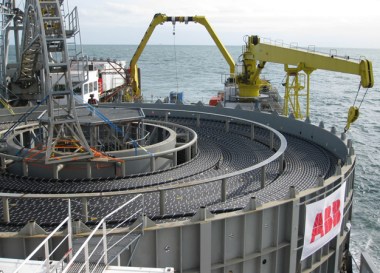
HVDC cable installation (Credit: ABB)
¶ Government support for the aging Borssele nuclear power station, the only nuclear power plant in the Netherlands, would have major financial risks attached, according to a report by consultancy Spring Associates. Keeping the plant open would only be profitable if electricity prices double, the report said. [DutchNews.nl]
US:
¶ There are 80,000 dams in the US, and 97% do not produce electricity. There are only 2,500 dams that are actually retrofitted with hydropower. Of those 80,000, 54,000 more could be retrofitted at one MW or greater capacity, according to Oak Ridge National Laboratory. Upgrading and modernization is a low-hanging fruit. [Manufacturing.net]

Diablo Dam, generating electric power for Seattle
(Image credit: Getty Images via GE Reports)
¶ There’s good news on the transit front from Atlanta. Atlanta travelers will enjoy one of the newest fleets nationwide, after using one of the oldest for years. Boosting ridership enhances urban development, and Atlanta is hoping that is the effect it will see. But that isn’t the only approach the transit authority is taking to achieve its goals. [CleanTechnica]
¶ South Carolina Electric & Gas and Santee Cooper have been unable to agree on payments with the contractor expanding their nuclear power plant. A resolution panel ordered them all to hash out the dispute. If they can’t reach a resolution by November 3, the board will review the case and issue its own decision later in November. [Charleston Post Courier]
geoharvey is free and without ads.
geoharvey is not tax-deductible.
Posted in nuclear power, renewable power, solar, wind | 1 Comment »
Tags: nuclear, nuclear power, renewable power, solar power, wind power
October 3, 2016
World:
¶ Tidal Lagoon Power has launched a £22 million tender for
the turbine manufacturing and pre-assembly plant for its up to 320-MW Swansea Bay project. The 100-meter-long hub will be located between the Kings and Queens Dock at Swansea Bay following a competitive tender of potential locations for the facility last year. [reNews]
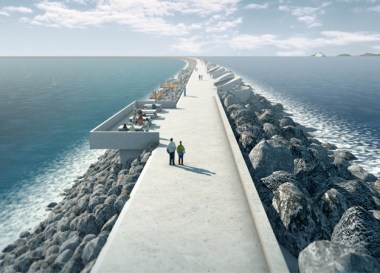
Artist’s impression of Swansea Bay tidal lagoon (TLP image)
¶ India ratified the landmark Paris climate pact Sunday. India’s formal agreement brings the accord closer to coming into force. It is to take effect after 55 countries producing 55% of the world’s emissions ratify it. With India onboard, 62 countries accounting for more than half the world’s emissions would have ratified the agreement. [Voice of America]
¶ The first review of economic bids in Argentina’s tender for one GW of renewable energy shows that wind and solar offers have fallen to as low as $49/MWh (€43.7/MWh) and $59/MWh, respectively. The average rate for wind power in the auction stood at $69.5/MWh, while the average for solar power was of $76.2/MWh. [SeeNews Renewables]
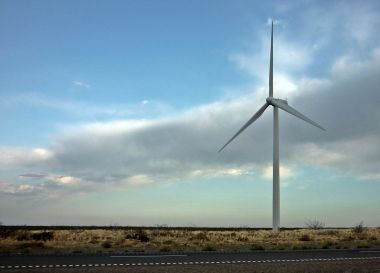
Wind turbine at Loma Blanca wind farm in Argentina
(Photo by Federico López, CC BY SA, Wikimedia Commons)
¶ The Australian energy industry urged political leaders to stop the point-scoring over the South Australian blackout. Experts said policymakers would be “fighting against economics” if they doubled down on the centralized grid instead of redesigning the market to meet the shift to decentralized energy. [The Australian Financial Review]
¶ Kenya’s government has an ambitious target of achieving universal access to power by 2020, with plans already underway. The Kenyan energy and petroleum ministry cabinet secretary said that the government was exploiting locally available energy sources, including off-grid renewables solutions, to achieve this goal. [ESI Africa]

Maasai men and tourists jumping in Kenya
(Photo by Christopher Michel, CC BY SA, Wikimedia Commons)
¶ As climate change affects weather patterns more, remote communities in Northwestern Ontario feel the impacts. With shorter and warmer winters and more variable temperatures, winter roads have become mostly unreliable. Communities are seeking renewable alternatives to their dependence on diesel generation. [The Chronicle Journal]
¶ South Africa, a country beset by frequent power outages, will have to wait a little longer before pressing ahead with a highly contentious and very costly expansion of its old nuclear power fleet. The energy ministry pulled the plug on new reactors, postponing the procurement process to allow for further consultations. [Independent Online]

The Koeberg power station outside Cape Town
(File picture: Bruce Sutherland. Credit: Supplied)
¶ Two new plants in South Wales and North London will increase the anaerobic digesters that Agrivert operate to a total of five, increasing the company’s total food waste recycling capacity to 250,000 tonnes per annum and its geographical coverage to span Hertfordshire, London and the South East, Oxfordshire and South Wales. [CIWM Journal Online]
US:
¶ Rural electric cooperatives once brought electricity to far-flung communities, transforming rural economies. One co-op in Western Colorado is trying to spur economic development again, partly by generating more of their electricity locally from renewable resources. But that requires legal action. [Harvest Public Media]

Intake for a micro-hydro plant in Colorado
(Cally Carswell for Inside Energy)
¶ With gambling, alcohol, general debauchery, or the sheer amount of electric wattage, Las Vegas doesn’t seem like a place that would be willing to go green. And yet it is. Several Las Vegas Strip Casinos are getting off the Nevada power grid. Both MGM Resorts International and Wynn Resorts Ltd have already left it. [The Inquisitr]
¶ Donald Trump has said he wants to abolish the EPA. That’s no small feat, given that the agency was created by law – one signed by President Nixon. Now, he has named a prominent climate science denier and longtime foe of regulation, Myron Ebell of the Competitive Enterprise Institute, to lead his EPA transition team. [InsideClimate News]
geoharvey is free and without ads.
geoharvey is not tax-deductible.
Posted in nuclear power, renewable power, solar, wind | 1 Comment »
Tags: nuclear, nuclear power, renewable power, solar power, wind power
October 2, 2016
Opinion:
¶ “Climate change deniers, listen up: your end is nigh” • Climate change deniers need to be singing from the same hymn sheet. For it is, of course, more urgent than ever now that science is crowding in, now that the climate is changing before the people’s very eyes, and denials are exposed as ever more ludicrous. [The Sydney Morning Herald]

Flooding in New South Wales (Photo: Nick Moir)
World:
¶ Vikram Solar, a solar module manufacturer based in India, has announced plans to expand its manufacturing capacity to 2 GW by 2019. The current manufacturing capacity of the company stands at 500 MW. The company signed a Memorandum of Understanding with the German company Teamtechnik to support its expansion plans. [CleanTechnica]
¶ India plans to have a renewable energy capacity of 175 GW by March 2022. The Central Electricity Authority reports that thermal power projects are operating at a plant load factor of 50%, and as renewable energy targets are achieved, the PLF could fall even further. This could spell doom for the thermal power sector. [CleanTechnica]

Ramagundam Super Thermal Power Station
(Photo by Getsuhas08, CC BY SA, Wikimedia Commons)
¶ The government of New South Wales will push for a high-voltage interconnector to be built between NSW and South Australia following South Australia’s blackout, convinced the incident has highlighted the need for national energy security. The $500 million proposal would involve constructing a 300-kilometer transmission route. [Eden Magnet]
¶ Facebook has a new technology center in northern Sweden, 70 miles south of the Arctic circle. The temperature is below 50° most days, so large fans can bring in air to naturally cool the center’s thousands of servers. The center uses nearly 40% less power than most others, and this is provided by hydro-electric plants. [MensXP.com]

Facebook’s new data center (© Facebook)
¶ Industry stakeholders said the government of Bangladesh should incentivize green energy schemes to achieve the goal of producing 10% of total power through renewable sources by 2021. To achieve the goal, the 200 MW of electricity currently generated from renewable sources has to grow by 1,800 MW in five years. [The Daily Star]
¶ Eneco, a Dutch utility, wants to use several hundred Tesla Powerwall batteries to create a “virtual power plant,” and they are willing to pay customers to participate. If Eneco can tap into just 30% of the storage capacity of hundreds of Powerwalls, it can avoid using peaking plants powered by fossil fuels to balance the grid. [Teslarati]

Tesla Powerwalls at an event at the Gigafactory
¶ A review of the safety of France’s nuclear power stations found that at least 18 of EDF’s units are “operating at risk of major accident due to carbon anomalies.” The review was carried out at the request of Greenpeace France following the discovery of serious metallurgical flaws in a reactor vessel at Flamanville. [Center for Research on Globalization]
US:
¶ The mayor of Elgin, David Kaptain, and his wife Sandy made their home part of the Illinois Solar Tour this year. The event comes about one month before Illinois energy providers are expected to introduce legislation that would that would end net metering and implementing mandatory demand charges on all residential customers. [Chicago Tribune]

The mayor’s family showing off solar panels on the garage roof
(Janelle Walker / The Courier-News)
¶ After years of adding wind power to its generating resources, Westar Energy will get half the power it sells from zero-emission sources by next year, a company official said. Westar is on track to get 33% of its power from wind and 17% from nuclear power plant near Burlington. Westar is one of the largest electric utilities in Kansas. [Wichita Eagle]
¶ Minnesota’s biodiesel mandate does not conflict with the federal Renewable Fuel Standard, a federal judge ruled Thursday in a lawsuit filed by petroleum interests and other groups. A judge in the US District Court for the District of Minnesota granted a plaintiff motion for summary judgement in the lawsuit. [KTIC]
geoharvey is free and without ads.
geoharvey is not tax-deductible.
Posted in nuclear power, renewable power, solar, wind | 1 Comment »
Tags: nuclear, nuclear power, renewable power, solar power, wind power
October 1, 2016
Opinion:
¶ “The lights go out in SA and Turnbull flicks the switch to peak stupid” • Malcolm Turnbull has encouraged using the South Australian blackout to slow the shift to clean energy. But the evidence says the state targets are exactly what Australia needs to meet the promises he made at COP21 last year to reduce carbon emissions. [The Guardian]
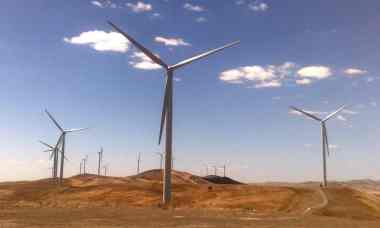
Australian wind farm (Photo: Angela Harper / AAP)
¶ “Nuclear power in the US: Not what it once was” • Nuclear plants are large and expensive assets facing closures for reasons expected to remain indefinitely: nuclear energy’s high fixed production costs, competitive gas prices, and heightened aims of renewables usage. The future of nuclear energy will remain uncertain. [Energy Voice]
Science and Technology:
¶ Siemens unveiled a new raft of wind turbine designs this week at the WindEnergy Hamburg trade show, including a low-noise wind turbine which the company explains was inspired by the silent flight of the owl. The new SWT-3.3-130LN wind turbine operates at a reduced rotor speed and has addons for reduced noise. [CleanTechnica]

Owl (Photo by Shutter Stock/Matt Gibson)
¶ Aircraft engineers in Germany have successfully tested the world’s first four-seater plane that uses emission-free hybrid fuel cells to fly. The twin-cabin plane, HY4, uses hydrogen to generate electricity in-flight, giving it a cruising speed of 165 km per hour (102.5 mph) and a range of up to 1,500 kilometers (932 miles).
[CanadianManufacturing.com]
World:
¶ Hamburg and Schleswig-Holstein have achieved Germany’s renewable target for 2025. They already get 40% of their energy from renewables on an annual basis. Though it will require some new technology, this region of 4.5 million people expects to get 70% of its energy from renewables by 2025, and to reach 100% by 2035. [CleanTechnica]

Container terminal and wind turbines at Hamburg
(photo by Christian Spahrbier courtesy mediaserver.hamburg.de)
¶ European Union ministers approved the ratification of the landmark Paris Agreement climate change deal Friday, bringing the treaty closer to coming into force. The European Parliament must record a vote on the decision next week – a formality – for the treaty to be formally ratified by the 28-member bloc, the European Commission said. [CNN]
¶ A quarter of hard coal-fired generation capacity in Germany may shut ahead of schedule if plant operators forgo spending on upgrades, according to Norwegian consulting firm Nena AS. Steag GmbH, the fifth-biggest power producer in Germany, is considering shuttering at least five of its 13 German coal stations. [Bloomberg]
¶ The Danish Foreign Ministry announced that Apple will
“fund and boost” biogas research at Aarhus University. Apple
will provide funding for the university research into how to using fuel cells with biogas. The university will use agricultural waste including straw and manure provided by local farmers. [The Local Denmark]
¶ Iberdrola has secured permits from the Mexican government to build two wind and two solar facilities totalling nearly 600 MW in Mexico. The wind farms total 305 MW in Guanajuato and Puebla, and the solar farms come to 285 MW, in Sonora and San Luis de Potosí. All are expected to be operational by the end of 2019. [reNews]
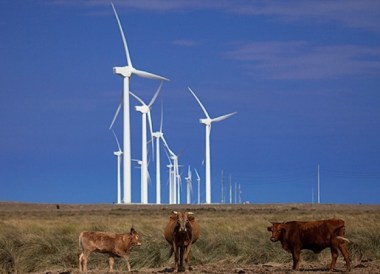
Wind farm in Mexico (Iberdrola image)
¶ The French and Chinese companies that are to build the £18-billion Hinkley Point C nuclear power station will have to pay up to £7.2 billion to dismantle and clean it up. Documents published yesterday reveal for the first time how much the developers will have to pay to decommission the plant, beginning in 2083. [The Guardian]
US:
¶ Duke Energy Florida’s newest solar power plant, located on
22 acres in Taylor County, is the size of 17 football fields and is producing 5 MW of carbon-free energy from its 22,000 panels. One MW of universal solar is equivalent to about 200 typical residential rooftop systems. The number varies by state and conditions. [WTSP.com]
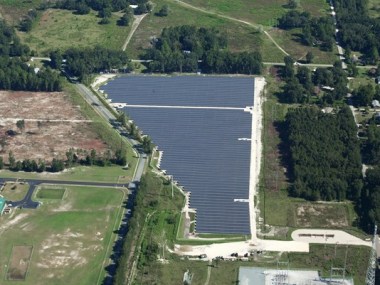
Duke Energy solar farm in Florida
¶ An Xcel Energy proposal for a massive, $1.1 billion 600-MW Rush Creek wind farm and 90-mile transmission line in eastern Colorado was approved Friday by the Colorado Public Utilities Commission. The Rush Creek wind farm will generate enough power to meet the needs of about average 180,000 homes in Colorado. [9NEWS.com]
¶ The future of Montana’s energy industry remains uncertain
in the face of federal regulations and the advancement of green energy such as the wind and solar. After seeing coal-burning plants close, the Montana Electric Cooperatives Association is working to figure out how they will meet the future needs of their customers. [KTVH]

Montana coal-burning plant
¶ Menlo Park, Atherton, Woodside, Portola Valley, and several other municipalities in California’s San Mateo County, have signed up as customers of the new Peninsula Clean Energy program to buy municipal electricity that is 100% sourced from renewable sources. The Peninsula Clean Energy program starts October 1. [The Almanac Online]
¶ Apex Clean Energy has acquired the Novus IV wind energy project from Novus Windpower, LLC. The project, in Hansford County and Sherman County, in the Texas Panhandle, has the potential to bring 360 MW of wind energy into the Southwest Power Pool market. It is expected to begin construction in 2017. [Windpower Engineering]
geoharvey is free and without ads.
geoharvey is not tax-deductible.
Posted in nuclear power, renewable power, solar, wind | 1 Comment »
Tags: nuclear, nuclear power, renewable power, solar power, wind power
September 30, 2016
World:
¶ India is one of the largest producers of coal in the world. But unregulated mining has led to environmental issues we might not even imagine, one of which is increasing conflicts between elephants and humans. As forests are being cleared for coal mining, wild elephants are entering villages in search of food and attacking people. [BBC]

A wild elephant in a village in Chhattisgarh (Subrata Biswas)
¶ GE Renewable Energy has received a contract from Max Boegl Wind AG to supply four 3.4-137 wind turbines that are planned to be integrated with a 16-MW pumped storage hydropower plant in Germany’s Swabian-Franconian Forest. The hydropower equipment will be delivered by local company Voith. [SeeNews Renewables]
¶ Vestas has broken into a fresh market with a deal to build the 50-MW Tsetsii wind farm in Mongolia. The Danish wind manufacturer will deliver unidentified hardware to Clean Energy Asia in the first quarter of next year with full operations expected before end-2017. Vestas opened an office in Mongolia earlier this year. [reNews]

Wind farm with Vestas wind turbines (Vestas)
¶ Algeria plans to start a program to add 4 GW of solar PV power capacity by the end of the year, the country’s energy minister said. About 300 MW of PV power plants have entered service so far in 2016. As part of a program announced earlier, Algeria aims to have 22 GW of renewable energy capacity by 2035. [SeeNews Renewables]
¶ Coal generated a record low 6% of the UK’s electricity this spring, official figures show. The share of coal in the power mix fell from 20% in the same period last year. Ferrybridge C, in West Yorkshire, and Longannet, in Scotland, have both closed, and Drax, in North Yorkshire, has switched from the fossil fuel to burning biomass. [The Guardian]
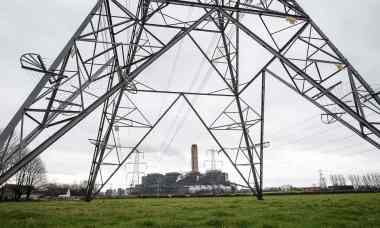
Longannet station (Photo: Deadline News / REX / Shutterstock)
¶ The UK has signed its £18 billion contract with France and China to build the Hinkley Point C nuclear power station, giving the final go-ahead for construction at the site in Somerset. The deal was finalized at a low-key ceremony in London, just two months after Theresa May put the entire project under review.
[The Guardian]
¶ Despite unprecedented policy uncertainty across the region, Europe is expected to install more than 140 GW of wind capacity over the next ten years, according to new analysis from MAKE Consulting. According to the Europe Power Outlook 2016, about 60% of the new installations will be erected in Northern Europe. [CleanTechnica]
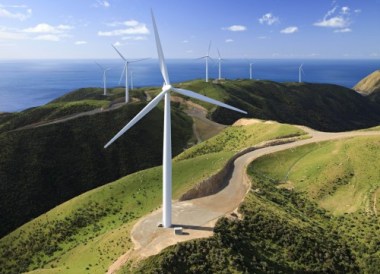
Siemens wind turbines
¶ The Australian Labor states have reacted angrily to suggestions by Malcolm Turnbull that they should abandon their own state-based renewable energy targets, accusing the prime minister of launching a scare campaign over wind and solar, and especially of peddling “ignorant rubbish” about renewables in the wake of the South Australian blackout. [RenewEconomy]
¶ Wind farms off the coast of Germany have exported some 5.8 TWh of electricity in the first half of 2016, according to transmission operator TenneT. Projects in the German North Sea delivered 5.18 TWh in the first six months of the year – up 230% on the 2.26 TWh in the same period in 2015, with 0.61 TWh more from the Baltic Sea. [reNews]
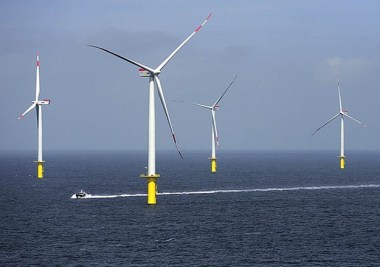
Riffgat offshore wind farm in waters off Germany (EWE image)
US:
¶ PSEG Solar Source, Platte River Power Authority, and Juwi, a renewables developer, dedicated the PSEG Rawhide Flats Solar Center. The 36.3 MW-dc (30 MW-ac) Rawhide Energy Station is on a 190-acre site 25 miles north of Fort Collins, Colorado. It will generate enough electricity to meet the needs of 8,000 Colorado homes. [Your Renewable News]
¶ San Diego-based Solar Alliance Energy plans to build a 500-kW community solar generation and battery storage project in Southern Illinois. The company says the project will include a workforce redevelopment program to provide skills training and jobs to 30 unemployed or underemployed coal industry workers.[CleanTechnica]

Small solar project in Illinois (Credit: The Southern Illinoisan)
¶ Grassroots Solar of Dorset, Vermont, announced an exclusive partnership with industry leader sonnenBatterie, Inc, an energy storage company based in Germany. The sonnenBatterie system works with new or existing solar systems to store excess power, and will feed the household’s electrical needs when the power is out. [Vermont Biz]
¶ New York Governor Andrew M Cuomo announced the completion of Long Island’s 35,000th residential solar project, marking a 320% growth in solar over the last four years. The Governor’s Clean Energy Standard would supply 50% of the state’s electricity from renewable energy resources by 2030. [LongIsland.com]
geoharvey is free and without ads.
geoharvey is not tax-deductible.
Posted in nuclear power, renewable power, solar, wind | 2 Comments »
Tags: nuclear, nuclear power, renewable power, solar power, wind power
September 29, 2016
Science and Technology:
¶ The findings of a twenty year-long research project shows that golden eagles in proximity to the Beinn an Tuirc windfarm in Scotland are thriving. The wind farm has long-term resident birds successfully raising chicks, throwing a spanner in the works for anyone who claims wind farms and wind turbines are inherently dangerous to birds. [CleanTechnica]
World:
¶ The price of oil surged and slipped back in trading as traders questioned whether the output cut agreed by Opec would be binding. Prices had jumped by 6% on Wednesday’s news that Opec had voted for the first production cut in eight years. Oil ministers said full details of the agreement would be finalized in November. [BBC]
¶ Ontario’s renewable energy industry will continue growing despite the suspension of plans for another round of wind, solar and hydroelectric projects, according to Energy Minister Glenn Thibeault. The Canadian Wind Energy Association noted 16 procurement contracts signed earlier this year for 455 MW will proceed across Ontario. [Toronto Star]
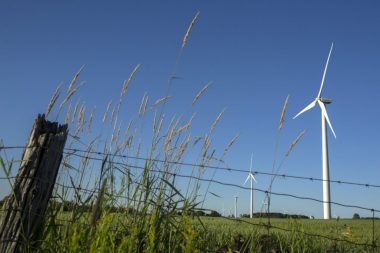
Wind turbines near Shelburne, Ontario.
(Marcus Oleniuk / Toronto Star File Photo)
¶ General Electric is teaming up with Mainstream Renewable Power Ltd, based in Ireland, to construct large-scale wind power plants in Vietnam with a total investment of $1.5 billion. They will work together to develop 1,000 MW of wind power capacity for the Vietnamese grid, according to the Wall Street Journal. [VnExpress International]
¶ Australian Prime Minister Malcolm Turnbull has put the country’s renewable energy mix up for discussion, unleashing a political storm over the blackout in South Australia. Experts insisted the statewide electricity failure had “absolutely nothing” to do with that state’s heavy reliance on wind power. [North Queensland Register]

Damaged transmission towers that brought the grid down
(Photo: Twitter / Vic_Rollison)
¶ China’s largest private investor group, China Minsheng New Energy Investment Co, is developing a 2-GW solar farm in the Ningxia region which will be made up of some 6 million solar panels. According to Bloomberg, it will be the largest solar farm the world has ever seen, requiring an investment of up to $2.34 billion. [Bloomberg]
¶ Copenhagen Infrastructure Partners is working with Canada’s Beothuk Energy to develop wind farms in waters off the coast of Newfoundland. They will start with the 180-MW St Georges Bay project. CIP said Beothuk will continue to lead the development of St Georges Bay until a power purchase agreement has been obtained. [reNews]

Offshore wind (reNEWS image)
¶ Dams surrounding the stricken Fukushima Daiichi Nuclear Power Plant operated by TEPCO have become de facto storage facilities for increasingly high concentrations of radioactive cesium. Though no effective countermeasures are in sight, the government insists that water from the dams is safe. [Center for Research on Globalization]
¶ At least one chief executive hopes to be out of a job within five years. If Stephen Nolan succeeds at his job, he will lose it, and will be seeking new employment in 2021. Sustainable Nation will end in 2021, and if it achieves its goals, sustainability should simply be taken for granted at that point, ending any need for its work. [Irish Independent]

Stephen Nolan, ceo of Sustainable Nation Ireland.
Picture credit. Photo: Damien Eagers
US:
¶ Alabama Power Company posted a request for proposals this week for renewable energy projects, including, but not limited to, solar, wind, and geothermal. The utility has announced more than 90 MW of solar power projects since late last year and wants to weigh its options for additional renewable energy projects. [AL.com]
¶ The US Court of Appeals for the DC Circuit, sitting en banc, heard oral argument in West Virginia v EPA, the legal challenge to the EPA’s Clean Power Plan. Ten judges participated, and arguments lasted seven hours, spanning a wide range of constitutional, statutory and procedural arguments about the validity of the rule. [Washington Post]

Closed coal-fired plant in Utah (George Frey / Reuters)
¶ Over the last eight years, renewable power deployment has “increased really dramatically,” Energy Secretary Earnest Moniz commented, after his department released a new report detailing green energy costs and generation. Since 2008, the costs of five clean energy technologies have had declines ranging from 40% to 94%. [The Hill]
¶ The City of Burlington, Vermont, wants to use waste heat from several major sources around town, which otherwise would be vented into the atmosphere, and use it to heat buildings and create hot water. A partnership of the city, businesses, advocates, and organizations will explore the potential of creating a district energy system. [Vermont Biz]
geoharvey is free and without ads.
geoharvey is not tax-deductible.
Posted in nuclear power, renewable power, solar, wind | 1 Comment »
Tags: nuclear, nuclear power, renewable power, solar power, wind power
September 28, 2016
Opinion:
¶ “China: Six little known facts about the country’s solar and wind boom” • China is installing one wind turbine an hour. This year is likely to be the third in a row in which its use of coal declined. About 370,000 people died from air pollution in 2013. Possibly we all knew those things, but here are a few more items worth knowing. [RenewEconomy]

A 100-kW stand-alone PV plant at 14,500 feet in the Himalaya
powers a clinic, a school, and 347 houses, for five hours daily.
¶ “AWEA: Clean Power Plan stands on firm legal ground, would continue trend of clean energy cutting carbon pollution reliably and cost-effectively” • As the US Court of Appeals for the DC Circuit hears oral arguments today about the merits of the Clean Power Plan, the American Wind Energy Association published its position. [AltEnergyMag]
Science and Technology:
¶ Siemens and two partners are developing a thermal storage system for wind energy that involves a rock-filled insulated container. The so-called Future Energy Solution converts excess wind energy into heat in insulated rocks. When it is needed, a steam turbine can be used to convert the heat energy back to power. [reNews]

Steam turbine (Siemens image)
¶ Almost all of us on Earth, 92% of the world’s people, now breathe polluted air, the World Health Organization says. An interactive map, based on global air pollution data, shows places where outdoor air quality fails to meet WHO guidelines. About 3 million deaths each year can be linked to exposure to outdoor air pollution. [CNN]
World:
¶ A controversial $36 billion liquefied natural gas project proposed for the northern coast of British Columbia just got a conditional green light from Prime Minister Justin Trudeau’s government. The shipping terminal and its associated pipeline will be one of the most carbon-intensive resource projects in Canada’s history. [CBC.ca]

Lax Kw’alaams (Photo via Flickr user A.Davey)
¶ A $7.5 million microgrid on Garden Island, in Western Australia will be the first in the world to include wave energy. It will involve the construction and integration of 2 MW of PV solar capacity and a 2-MW/0.5-MWh battery storage system, coupled with Carnegie’s CETO6 off-shore wave energy generation technology. [EcoGeneration]
¶ In October of 2015, representatives from the Association of Southeast Asian Nations agreed to a 2020 renewable energy target of 23%. Currently, however, the region is only on track to reach 17% renewable energy by 2020. Even so, the International Renewable Energy Agency believes the goal is still within reach. [CleanTechnica]

Solar panels in Thailand (Credit: IRENA)
¶ Ontario’s Liberal government took steps to take some pressure off of rising electricity rates, cancelling plans to sign contracts for up to 1,000 MW of power from solar, wind and other renewable energy sources. The move is expected to keep about $2.45 a month from being added to bills for homeowners and small businesses. [CTV News]
¶ The outlook for the UK offshore wind industry remains strong, despite uncertainties after the British vote to leave the European Union. The chief executive of WindEurope has said that the UK’s government remains committed to the offshore wind industry, with about 1 GW a year of offshore wind added over the coming years. [reNews]

Humber Gateway offshore wind farm in the UK (E.ON image)
¶ The International Atomic Energy Agency has released a study showing the upward trend in nuclear power capacity continues, though at a reduced rate. The sector, facing completion from low fossil fuel prices and renewable energy sources, will grow at a lesser rate than previous IAEA reports had projected. [Power Engineering International]
¶ Local fisheries are cleaning up debris near the Fukushima Daiichi nuclear plant for the first time since the tsunami-triggered nuclear disaster in 2011, in which three reactors melted down. However a plan to start trial fishing next year may face a setback as a nearly-completed ice wall is failing to contain contaminated water. [RT]

© Toru Yamanaka / AFP
US:
¶ US presidential candidate Donald Trump has trash-talked his own country’s up-and-coming wind energy industry all through the 2016 campaign, but it doesn’t look like the gigantic energy services company Xcel got the memo. Last week Xcel announced that it is looking for an additional 1,500 MW in new wind energy capacity. [CleanTechnica]
¶ New York City is set to be increasingly challenged by sea level rises caused by melting glaciers and thermal expansion of the ocean as the planet warms. By 2100, sea levels could be up to 50 inches higher than today in New York, a scenario that has prompted the city to pledge billions of dollars for flood defenses and adaptation. [The Guardian]

Solar panels on a Rockefeller Center rooftop in midtown
Manhattan in New York. (Photograph: Mark Lennihan / AP)
¶ Twelve minutes into the first face-to-face encounter between the candidates, Clinton raised the issue of climate change by pointing to Trump’s past claims that question the science behind rising temperatures and assertion that climate change was a hoax perpetrated by the Chinese. “I did not,” Trump said. “I do not say that.” [Scientific American]
¶ Vermont’s Department of Public Service released a public review draft of the energy planning determination standards and recommendations. The Department is due to issue final standards and recommendations by November 1. The public is encouraged to comment on the draft through October 20. [vtdigger.org]
geoharvey is free and without ads.
geoharvey is not tax-deductible.
Posted in nuclear power, renewable power, solar, wind | 1 Comment »
Tags: nuclear, nuclear power, renewable power, solar power, wind power
September 27, 2016
World:
¶ Statkraft has officially opened the 73-MW Banja hydropower plant in Albania, the first of two projects that will make up the 256-MW Devoll hydro scheme. The plant, which is located 65 kilometers southeast of the capital Tirana and is Statkraft’s first in the country, will generate about 255 GWh of electricity a year. [reNews]

Hydro dam (Statkraft image)
¶ The Moroccan Press Agency reported that King Mohammed VI presided over a working session on the energy sector, focussing mainly on the national program for development of renewable energy. The country is rather unusual among Arab nations. It is one of the few countries in the region without its own oil or gas resources. [Eurasia Review]
¶ A sugar miller in far north Queensland plans to build a $75 million green power station near Mareeba. The power station will use bagasse, a 100% renewable sugarcane fiber, to produce 24 MW of electricity – enough for every house in the Tablelands Region, it says. The electricity will be sold into the local power grid. [EcoGeneration]

Bagasse
¶ Partners Innogy and Northland Power are preparing combined bids of 900 MW for the Nordsee 2 and 3 projects in next year’s offshore wind tender in Germany. The layout of Nordsee 2 and 3 would allow for installation of up to 960 MW of electric capacity, Nordsee 1 executive Tim Kittelhake said at a visit to a Senvion factory. [reNews]
¶ Community Windpower has signed Vestas to supply turbines as it reached financial close on its 31-MW Sanquhar wind farm in southwest Scotland. The nine-turbine project will feature V112 3.45-MW turbines, and is due online in 2017. Nestle is buying up to 125 GWh per annum of power under a previously announced deal. [reNews]
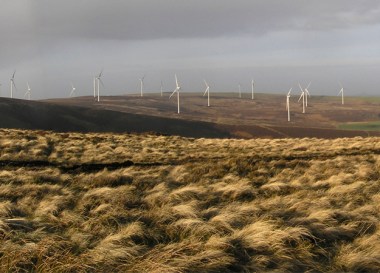
Aikengall wind farm in East Lothian (CWP image)
¶ In the UK, controversy over fracking has been reignited after a surprise announcement that a future Labour government would ban it. Shadow minister Barry Gardiner won loud applause at Labour’s annual conference in Liverpool when he attacked the Government’s policy on promoting shale gas. The Green Party supported the announcement. [BT.com]
US:
¶ Microsoft announced new targets for its renewable energy use, as it uses increasing amounts of power. It pledged to run 50% on green energy by 2018. Early in the next decade, the company hopes to be at 60%, then continue increasing each subsequent year. It is looking at a mix of solar, wind, and hydropower for its needs. [Futurism]

Microsoft’s data center (Microsoft Green)
¶ On September 27, the DC Circuit Court of Appeals is hearing challengers’ arguments against the Clean Power Plan, but many power companies are not waiting for the courts to resolve the legal challenges. Instead, they are cutting carbon emissions already and accelerating the shift to clean energy. [Natural Resources Defense Council]
¶ Southern Power and Recurrent Energy’s 200-MW Tranquillity solar plant has achieved commercial operation in California. Signal Energy Constructors provided engineering, procurement and construction services for the project. The solar farm is located on 1900 acres of retired agricultural land in Fresno County. [reNews]

Solar project (Canadian solar image)
¶ New York City is thinking big on energy storage, 100 MWh by 2020. In addition, Mayor Bill de Blasio has expanded solar power targets. He announced an expansion of targets to 1,000 MW of citywide solar capacity by 2030. That level of capacity could meet the power needs of more than 250,000 households. [Energy Matters]
¶ The owners of the Vermont Yankee nuclear plant had to keep a lot of spare parts around to keep the facility running. While the plant was open, the VY had a warehouse filled with equipment that workers might need in case something broke down. It closed in December 2014, and now the plant is auctioning off inventory. [Vermont Public Radio]

A box of signs up for auction (Howard Weiss-Tisman / VPR)
¶ The last section of a transmission line from South Dakota to Wisconsin, the CapX2020 project, has been finished its near the city of La Crosse. On Monday, Dairyland Power Cooperative, Xcel Energy, and nine other utility companies celebrated the completion of the line at a substation in Hampton, Minnesota. [Wisconsin Public Radio News]
¶ Pacific Ethanol, Inc, a leading producer and marketer of low-carbon renewable fuels, announced it is installing a 5-MW solar PV system at its Madera, California plant. The solar PV system, designed and built by Borrego Solar Systems, is expected to reduce Pacific Ethanol’s operating costs and improve its carbon score. [Benzinga]
geoharvey is free and without ads.
geoharvey is not tax-deductible.
Posted in nuclear power, renewable power, solar, wind | 1 Comment »
Tags: nuclear, nuclear power, renewable power, solar power, wind power
September 26, 2016
World:
¶ Oil producers in the Opec group of countries will make another attempt this week to reverse a slump in crude prices that is causing problems for the poorer Opec members, according to Algeria’s energy minister. He said there would be an informal gathering of Opec members on the sidelines of an energy conference in Algiers. [BBC]

Oil worker (Reuters image)
¶ Segolene Royal, president of COP21, presented a list of 240 renewable energy projects in Africa that will receive funding under the Africa Renewable Energy Initiative. The list includes about 20 GW of hydropower projects, 6 GW are solar, 5 GW of wind energy, 7 GW of geothermal, and 1 GW of hybrid projects. [SeeNews Renewables]
¶ With the decline in costs of wind and solar power, South Africa is changing rapidly. Nearly 100 utility-scale renewable energy plants at various stages of development. Meanwhile, two new coal power stations are five years behind schedule going online, and plans to build six to eight nuclear power stations are running into trouble. [CleanTechnica]
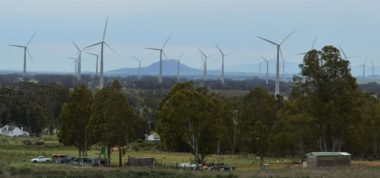
South African wind farm (Photo by Discott, edited, CC BY-SA 4.0)
¶ Gamesa has bagged an order for a 50-MW turnkey wind project from ReNew Power, one of India’s leading renewable energy companies. The order entails the supply of 25 units of G114–2.0MW T106 turbine for the 50 MW project in the state of Karnataka. This project is scheduled for commissioning in March 2017. [Business Standard]
¶ Renewable power purchaser Smartest Energy will issue the UK’s first labels that tell companies the source and carbon content of the clean electricity they buy. The labels trace every megawatt used to its source of origin, allowing companies to report an exact carbon footprint and their contribution to UK climate targets. [reNews]

Hill of Towie, Scotland (Credit: reNews)
¶ The Liberian government and project developer, Gigawatt Global Cooperatief UA, have signed a Memorandum of Understanding for the financing and construction of a 10-MW solar PV power plant in Monrovia. A company representative has hopes that additional projects would be pursued in the future. [Liberian Daily Observer]
¶ In Australia, the assault on climate policies and renewable energy initiatives has taken a new form: having obliterated almost all of the effective policies at federal level, the focus is now switching to state-based targets, using the old arguments of higher costs and little abatement as the basis for the attack. [RenewEconomy]

Solar and wind power in Australia
¶ In a major announcement, Prime Minister Narendra Modi said India will ratify the Paris Climate Change Agreement on Mahatma Gandhi’s birth anniversary on October 2. The date to ratify the COP21 protocol was chosen as Mahatma Gandhi’s life was an example of how to leave a minimum carbon footprint. [Daily Pioneer]
US:
¶ A new study from research scientists at Stanford University has linked a 4.8 magnitude earthquake recorded in East Texas in 2012 to the now common oil industry practice of hydraulic fracturing (“fracking”) and the accompanying wastewater injection wells. The study was done by use of satellite data. [CleanTechnica]

Fracking field (Image via Simon Fraser University)
¶ New York City and Brooklyn Navy Yard officials will unveil a 3,152-panel rooftop solar installation that will generate a significant portion of the industrial center’s power. The solar farm is one of the largest in the city and is expected to generate 1.1 million kWh of energy each year, enough to power 88 homes. [New York Daily News]
¶ A year ago, Nebraska got its largest solar energy “garden” in Central City. It belonged to local residents and six businesses, who invested in the $600,000 in the 200-kW project. This year, however, the state will be seeing a number of projects built, and the total capacity of solar systems it has will be multiplied by six. [Omaha World-Herald]
geoharvey is free and without ads.
geoharvey is not tax-deductible.
Posted in nuclear power, renewable power, solar, wind | Leave a Comment »
Tags: nuclear, nuclear power, renewable power, solar power, wind power


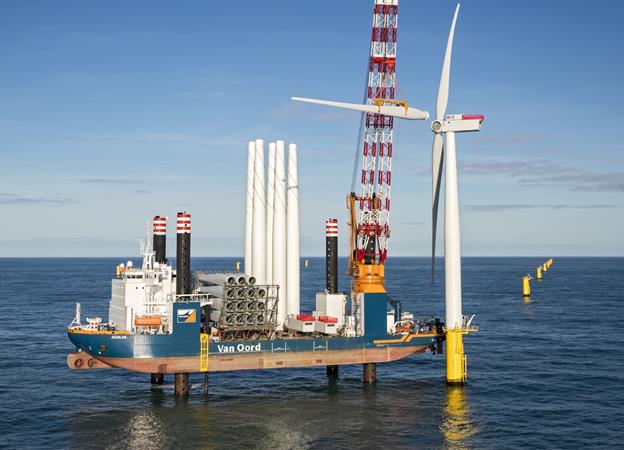
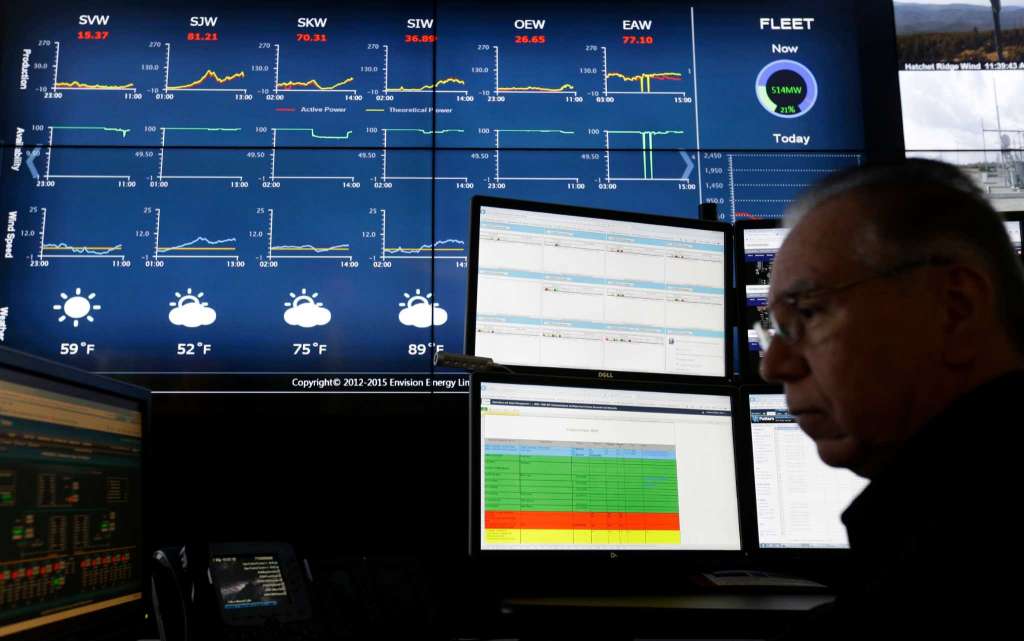
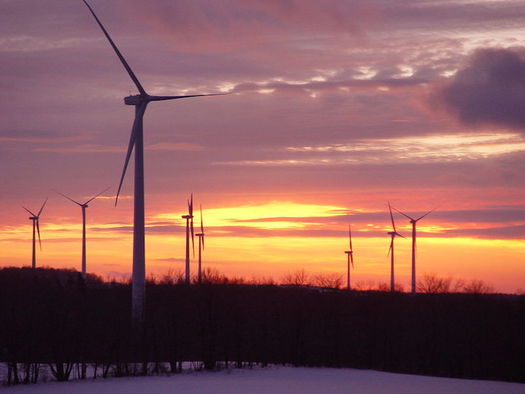


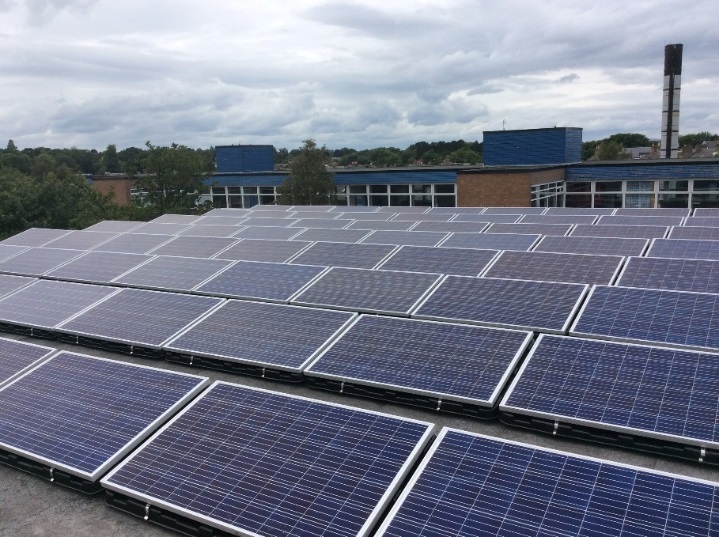


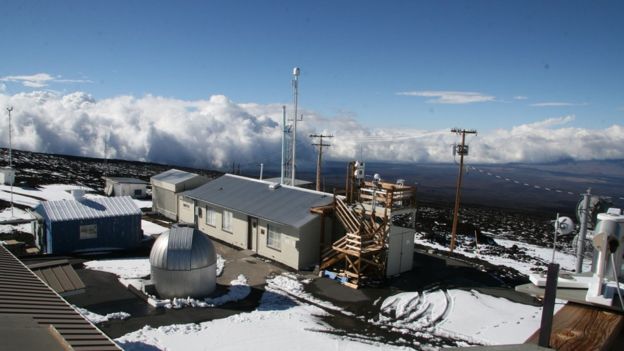
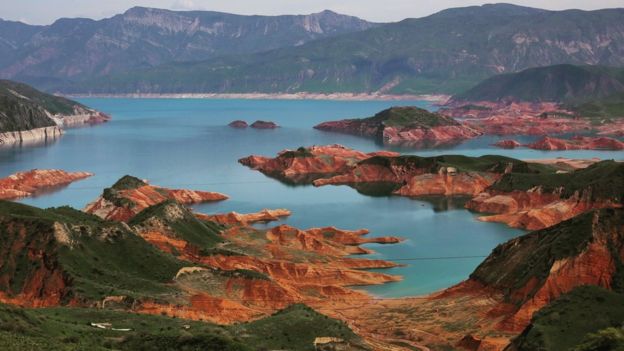
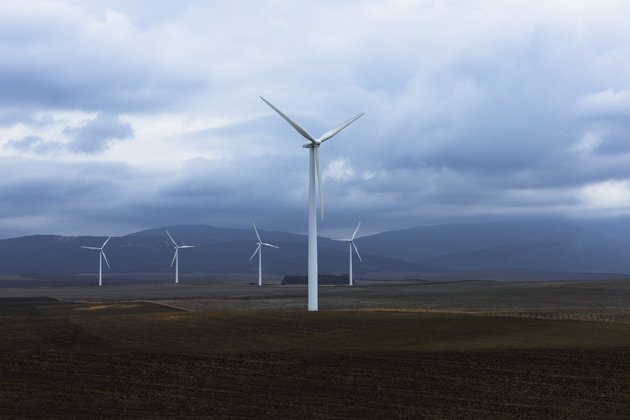
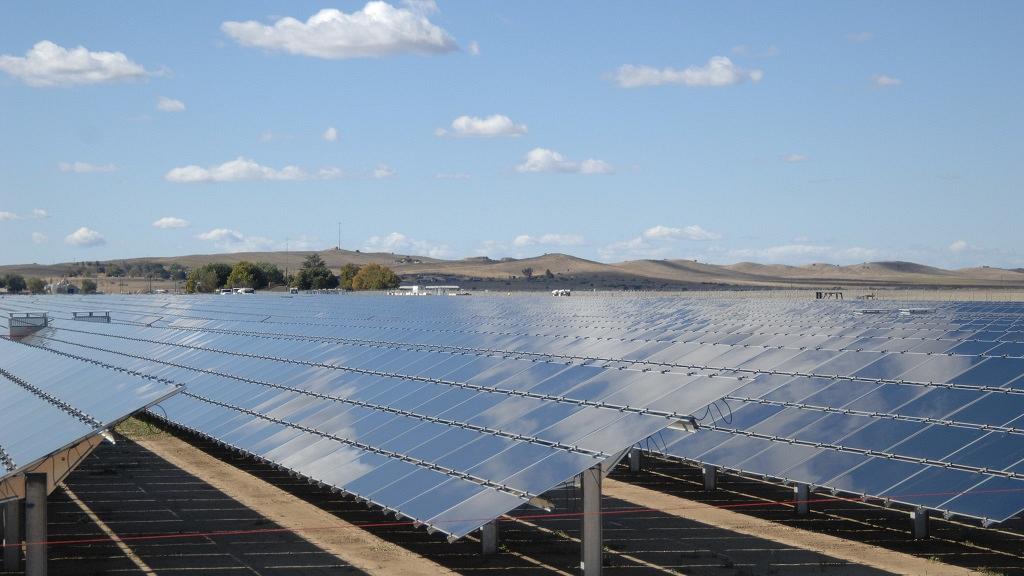


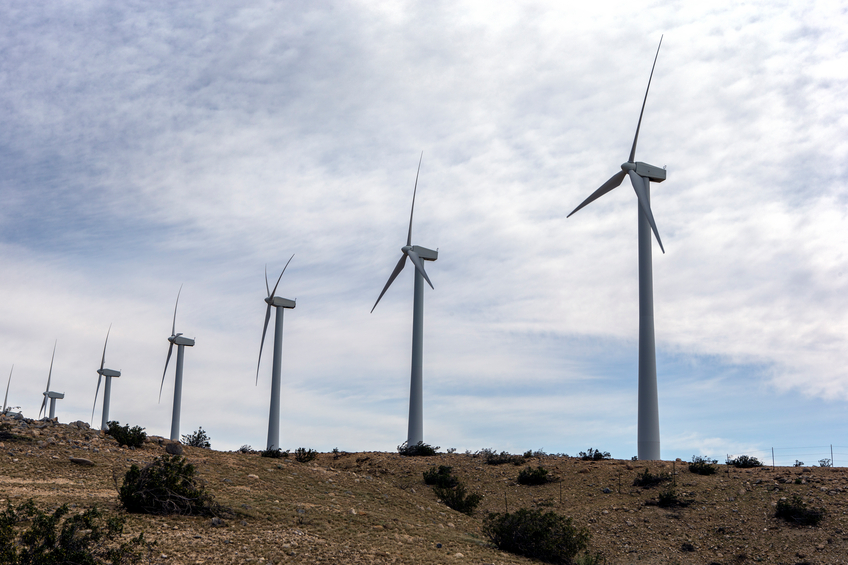


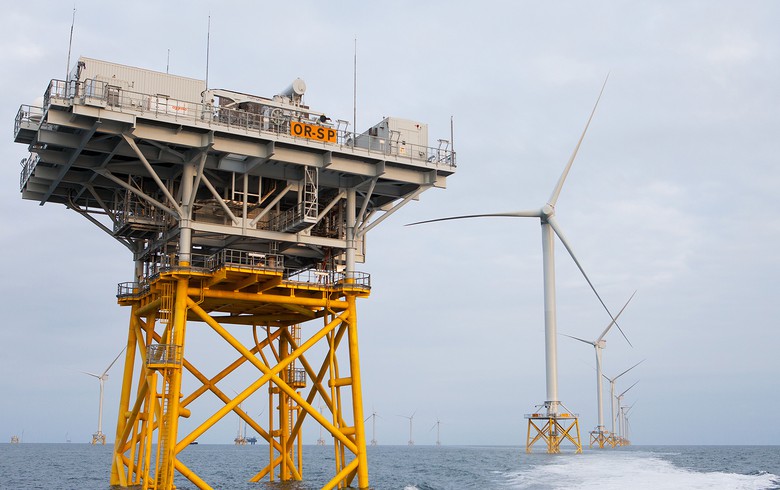
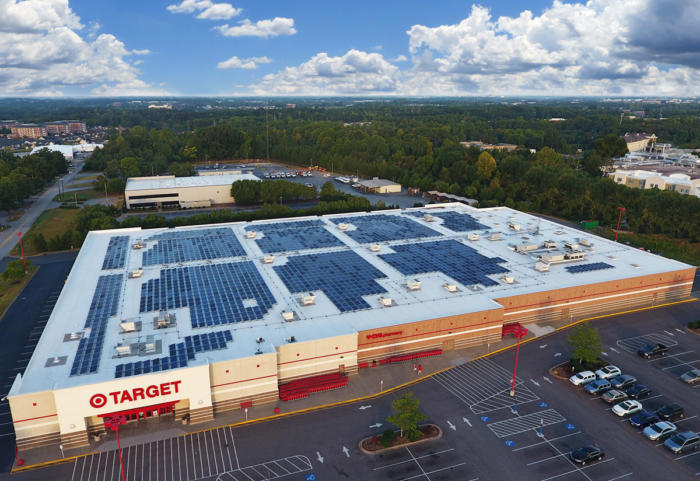
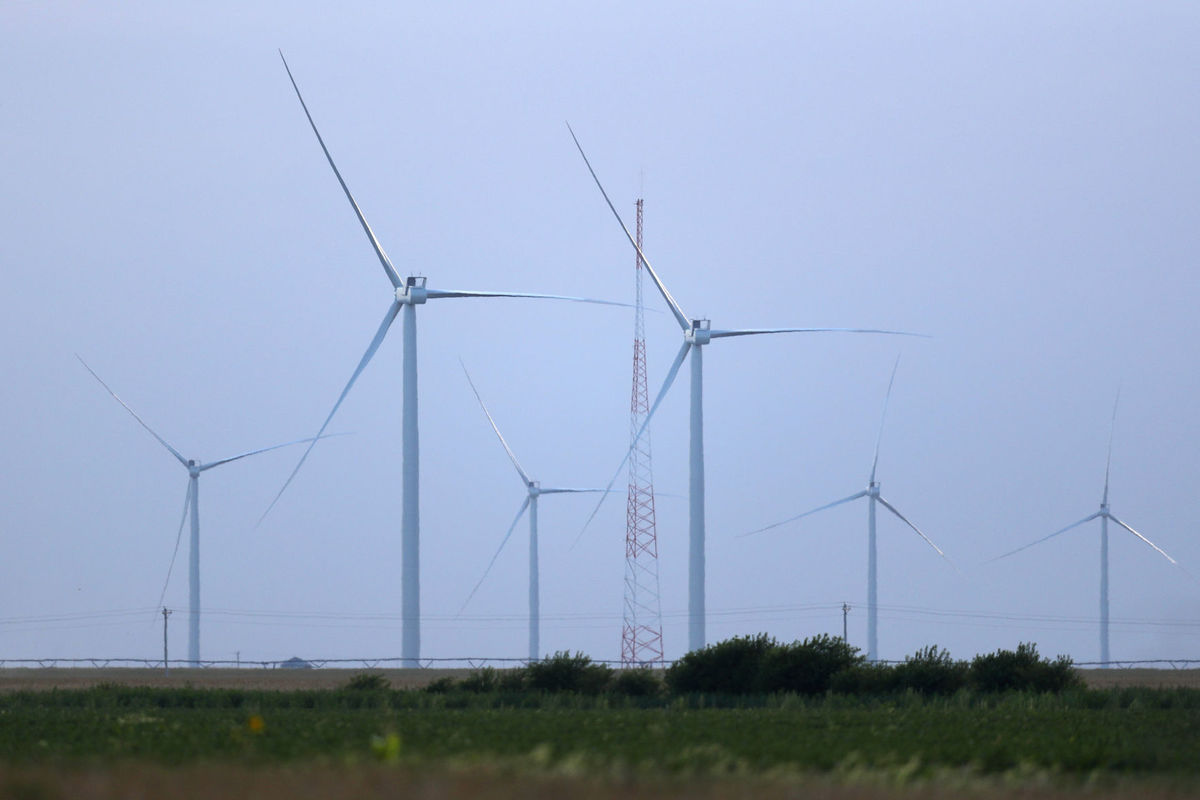
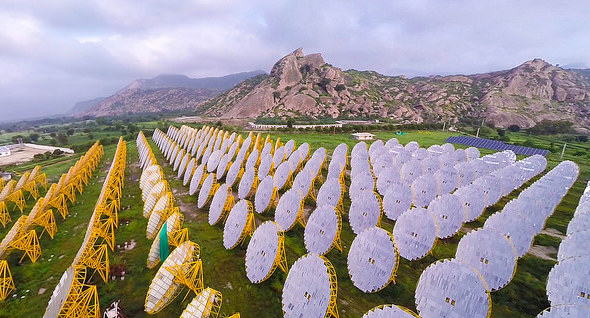
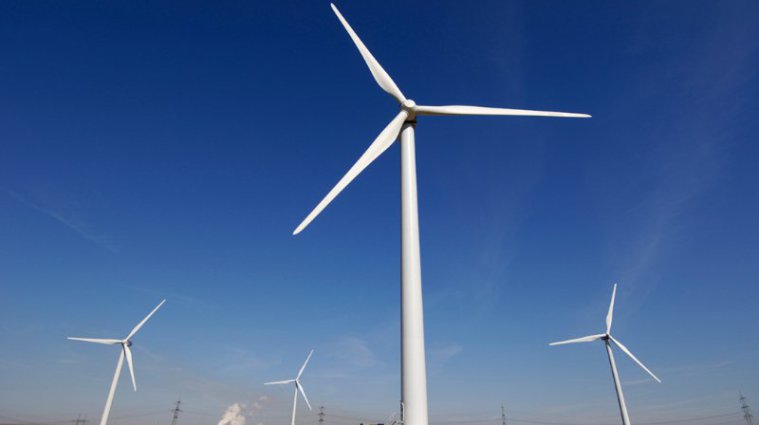


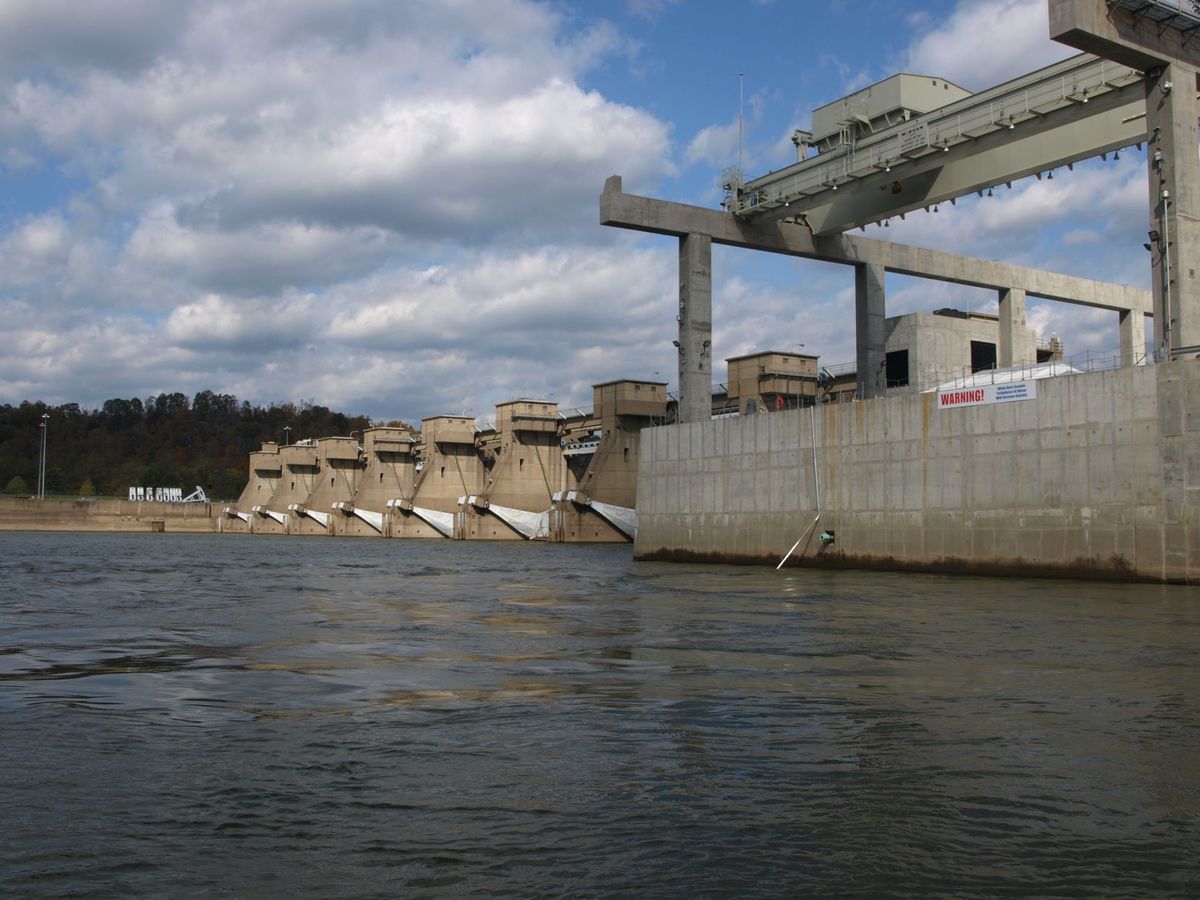


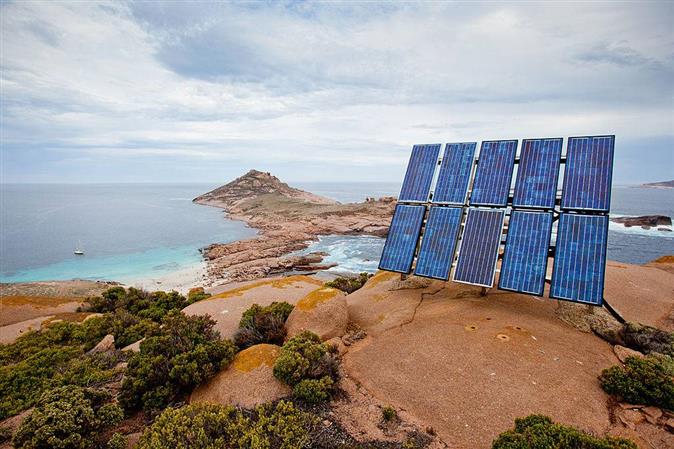



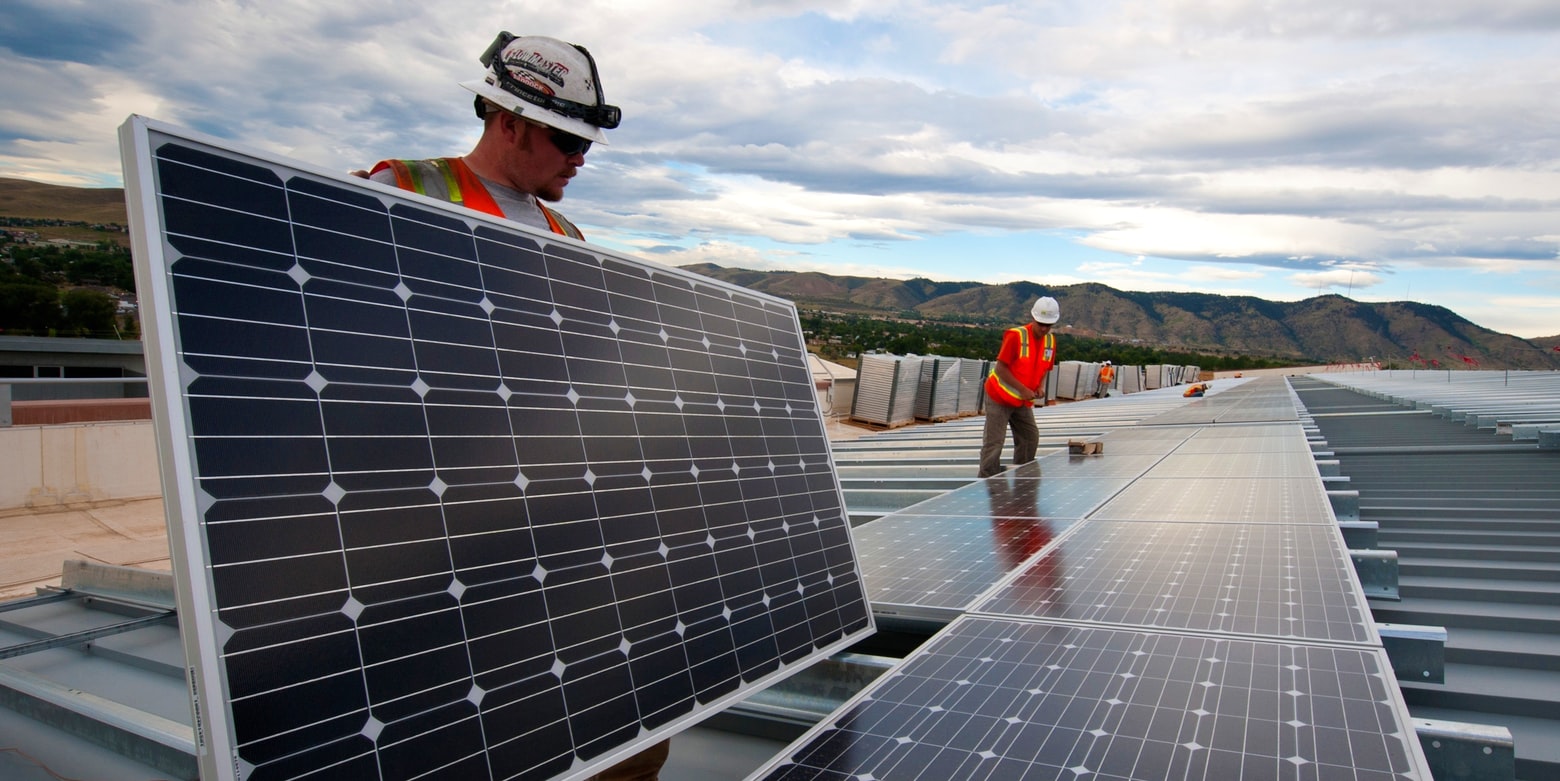
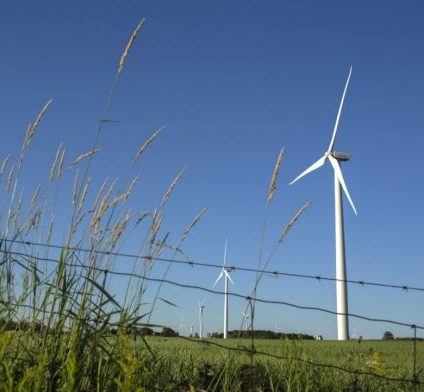


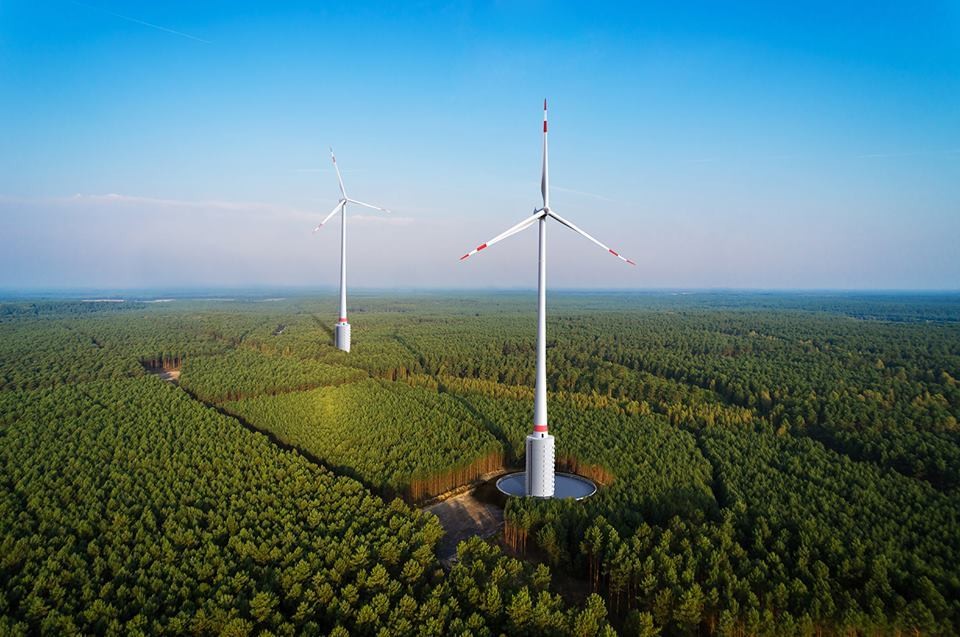
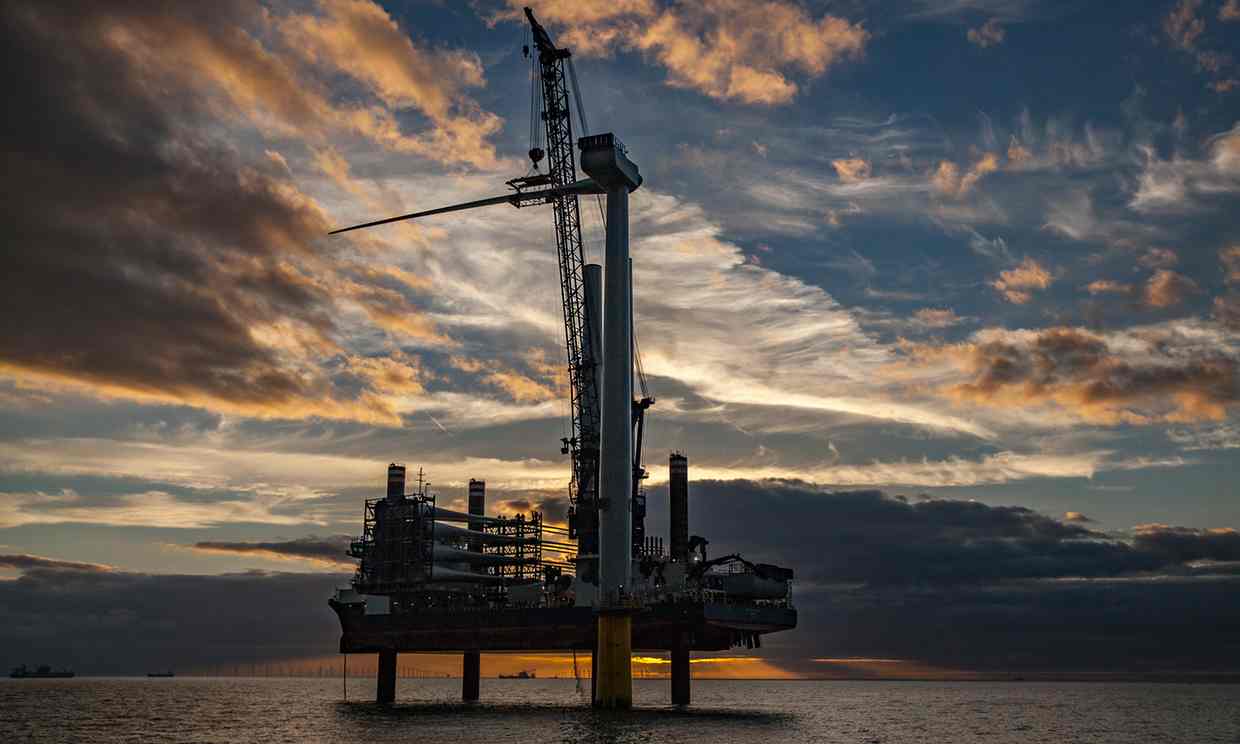
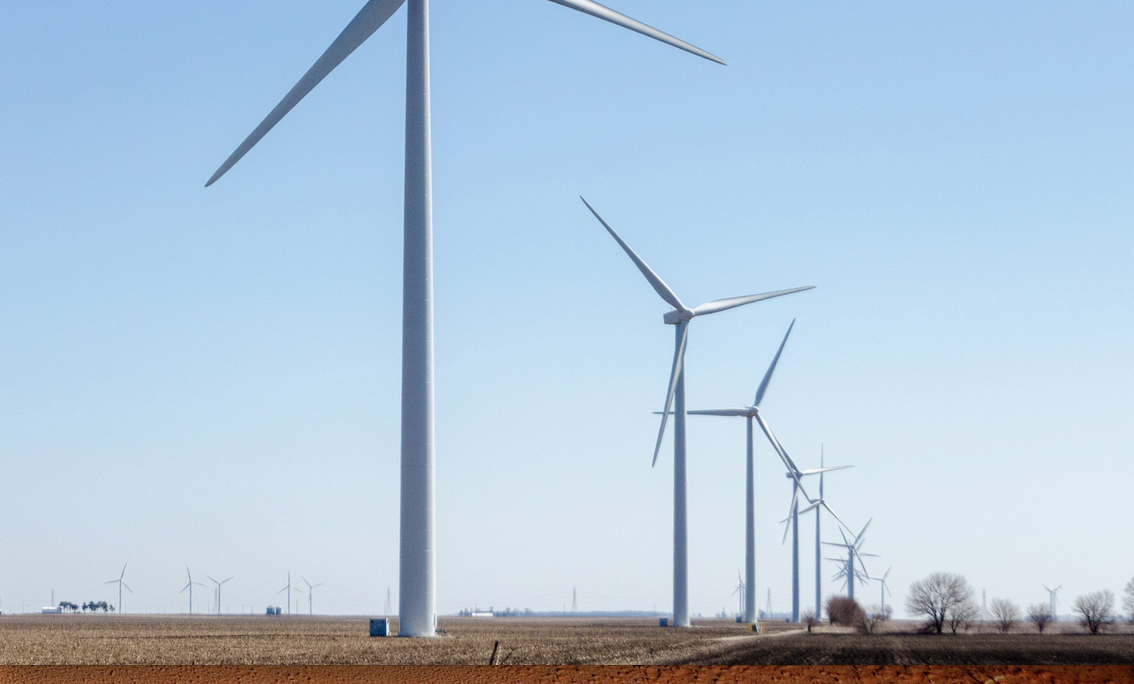


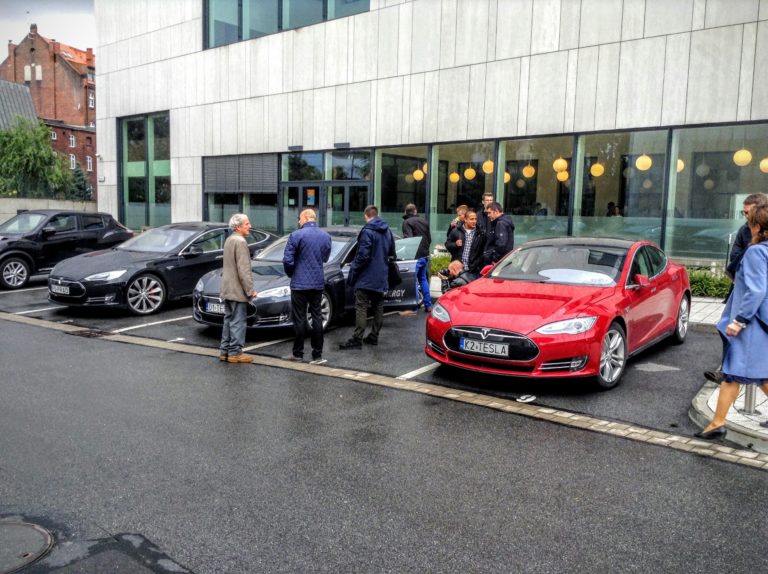


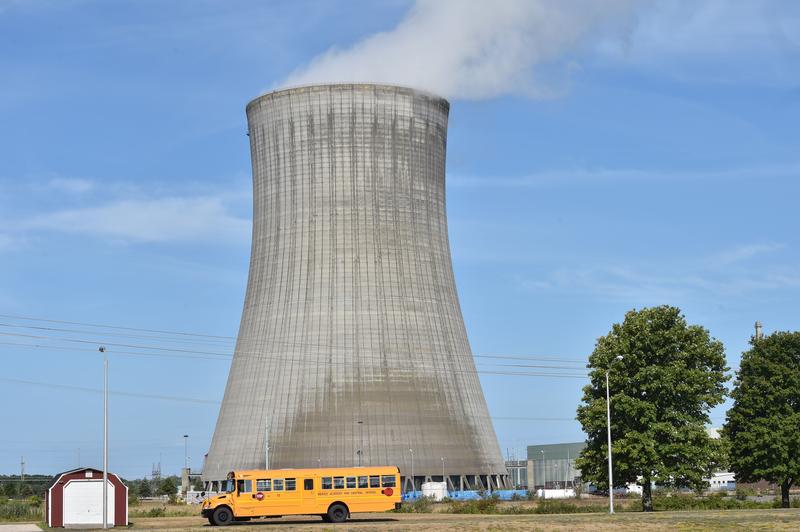


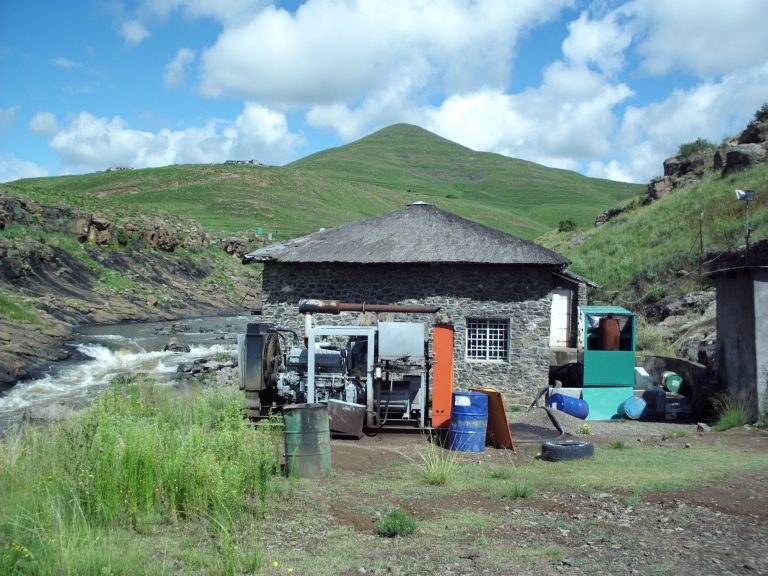

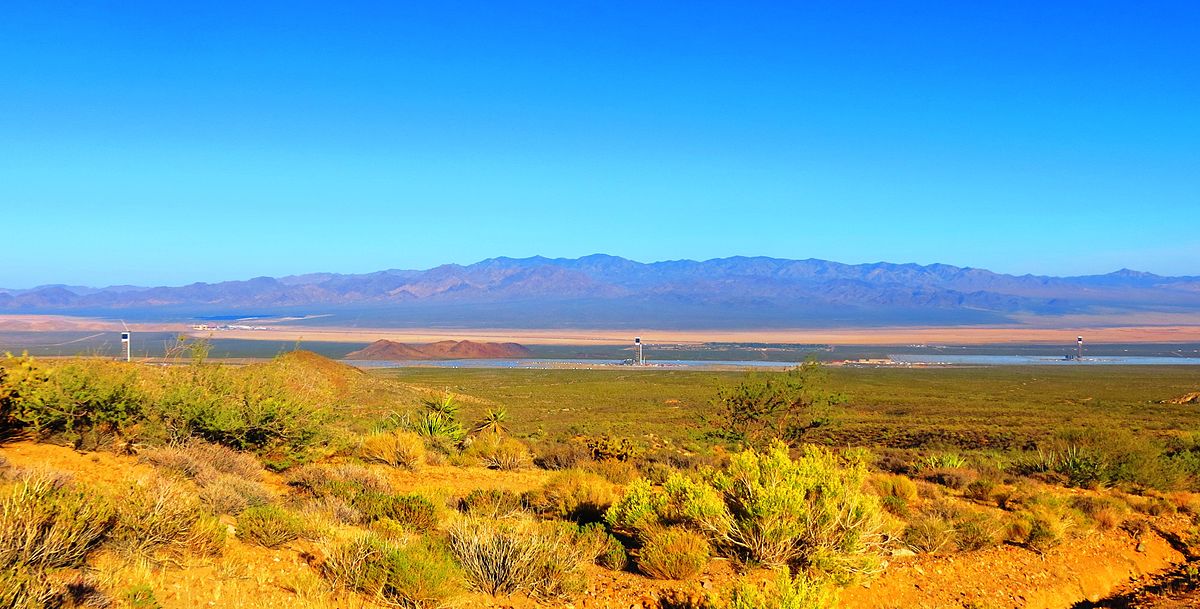
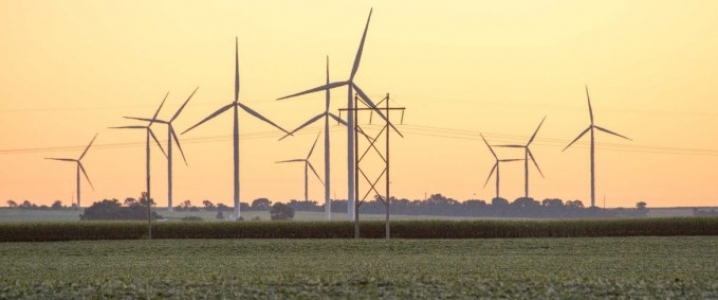


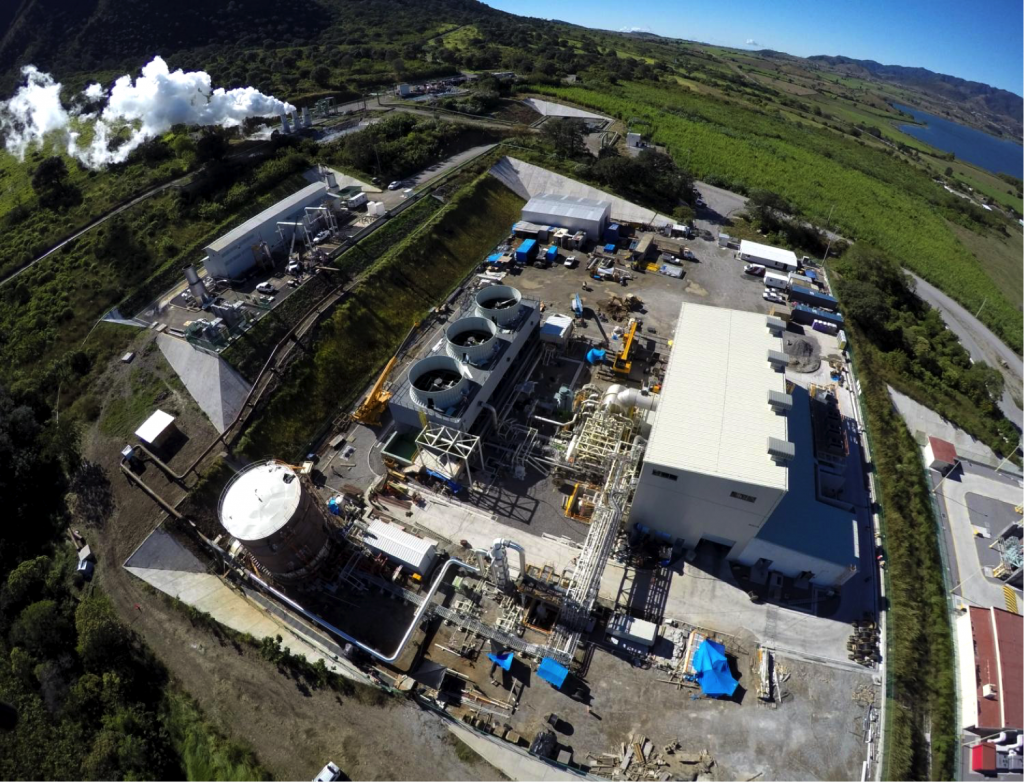





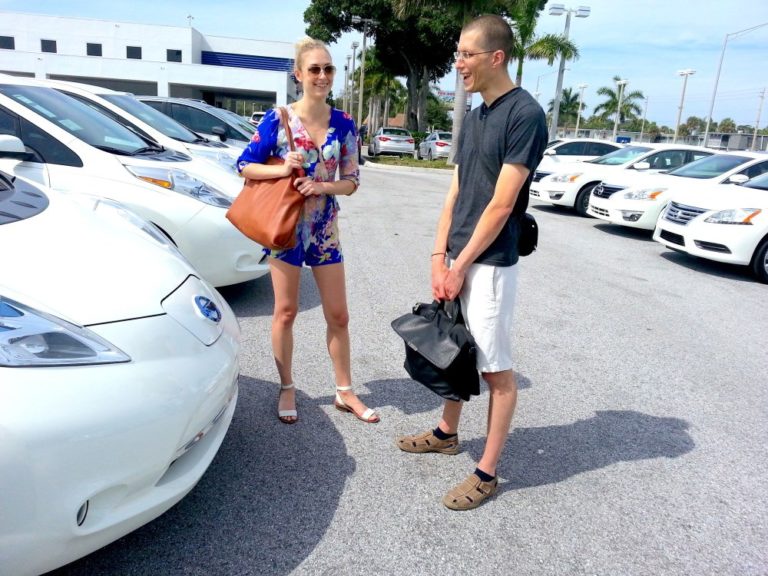
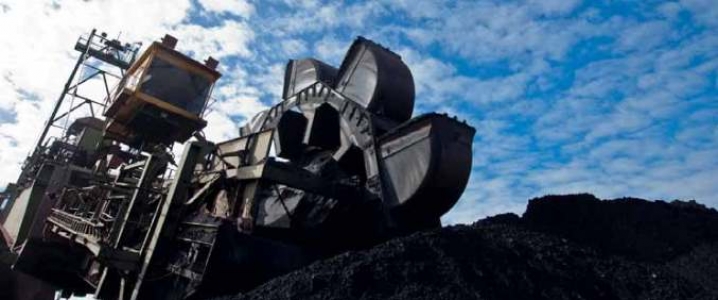


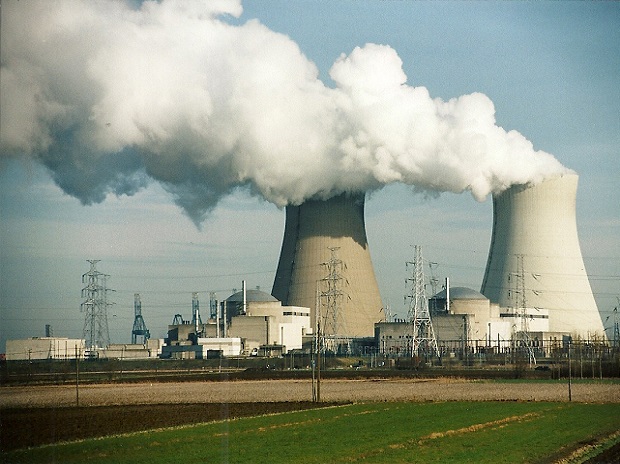


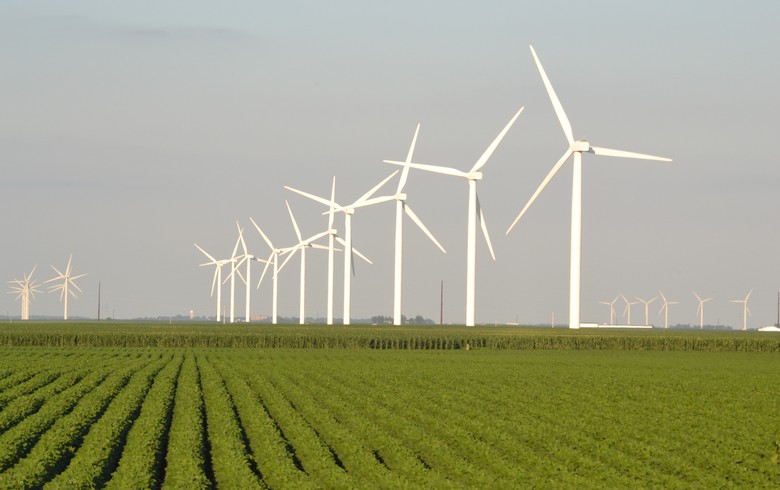


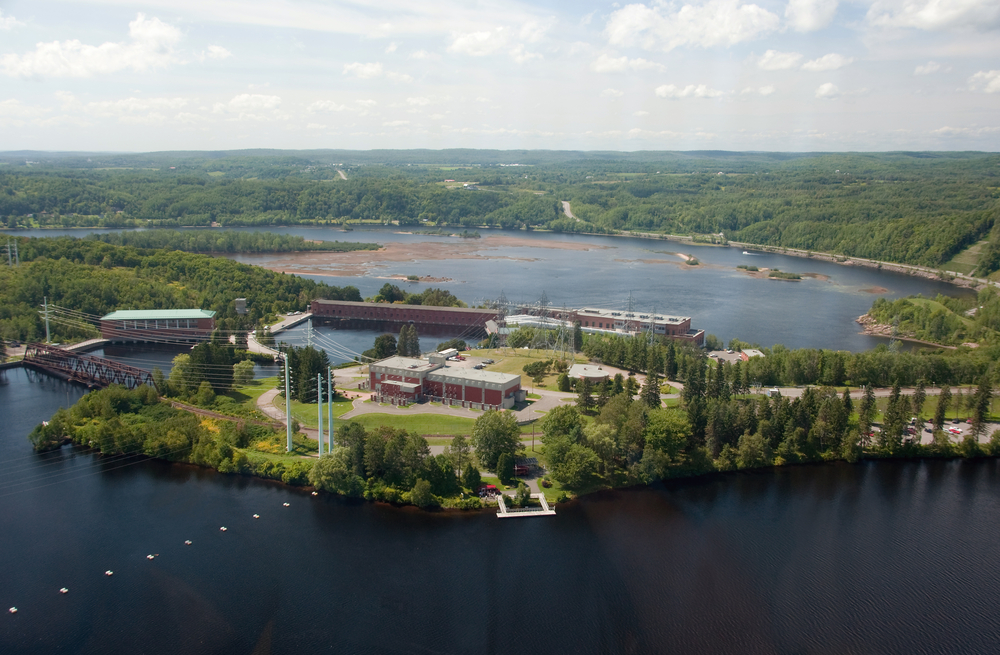
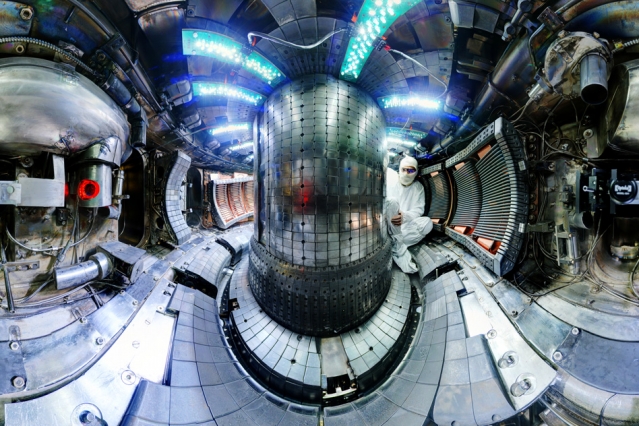
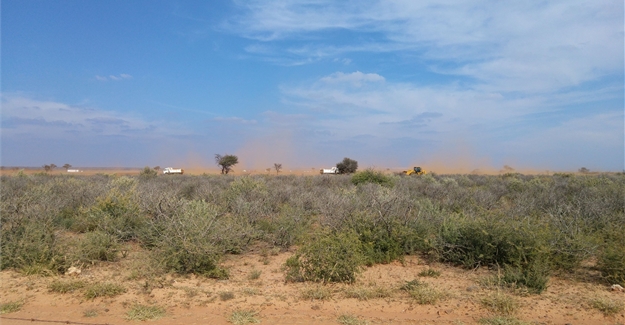
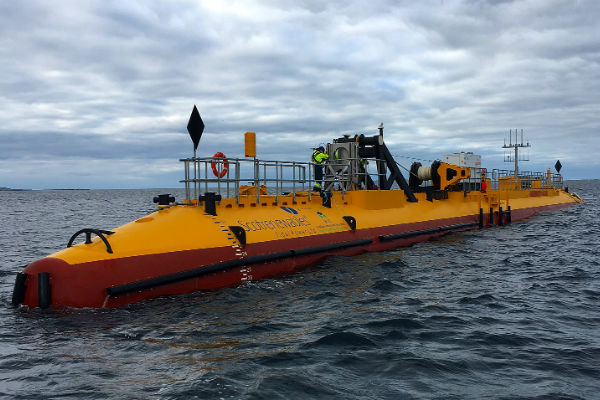
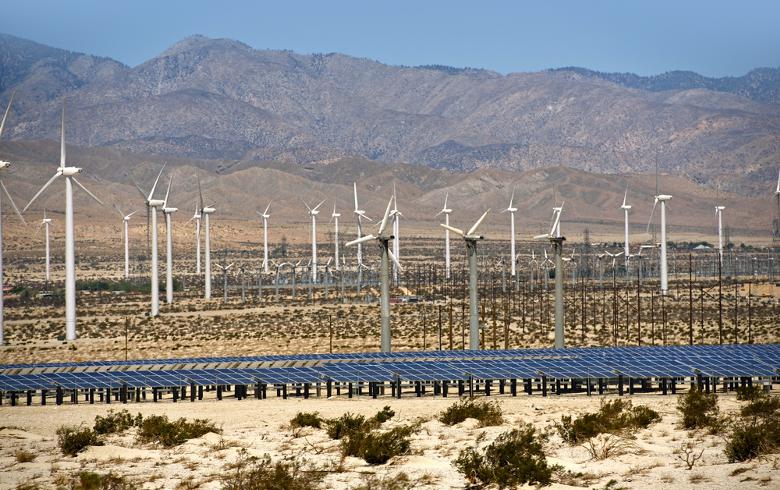






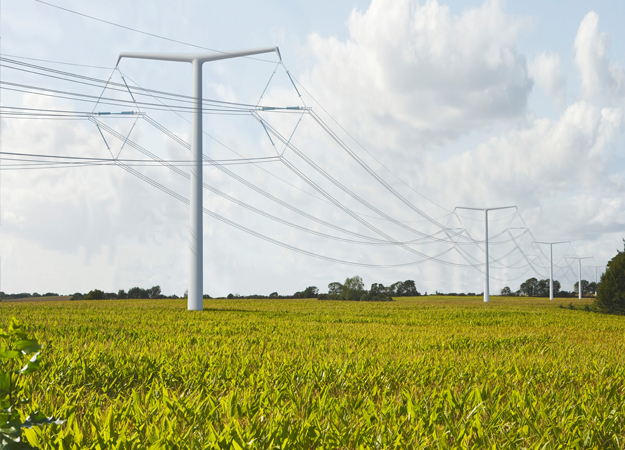
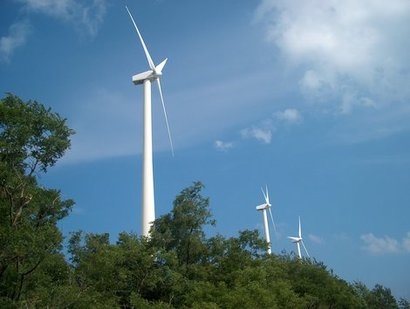
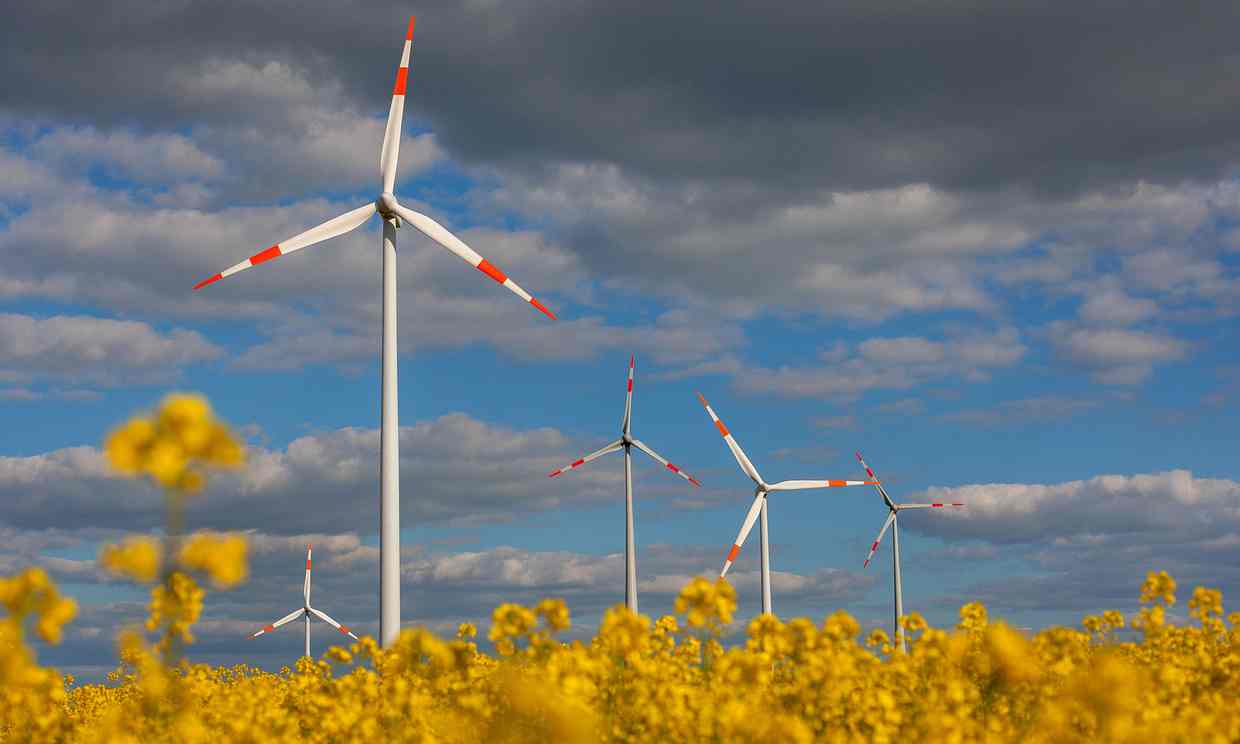
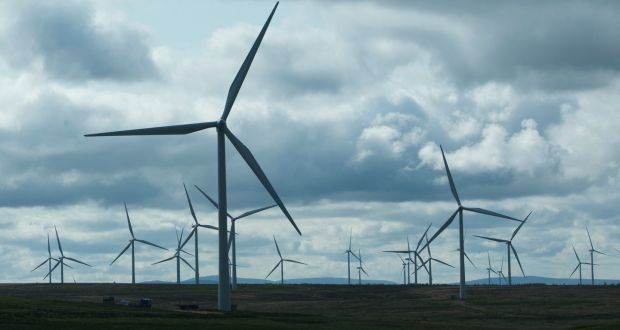
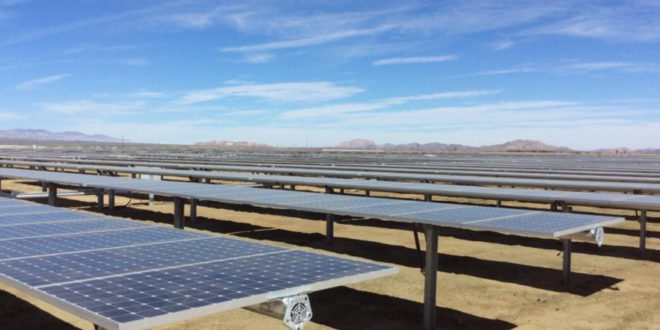


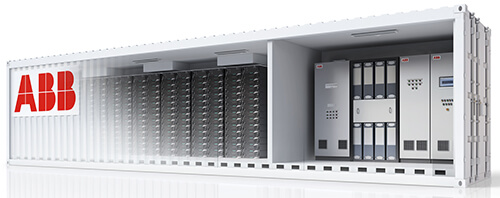


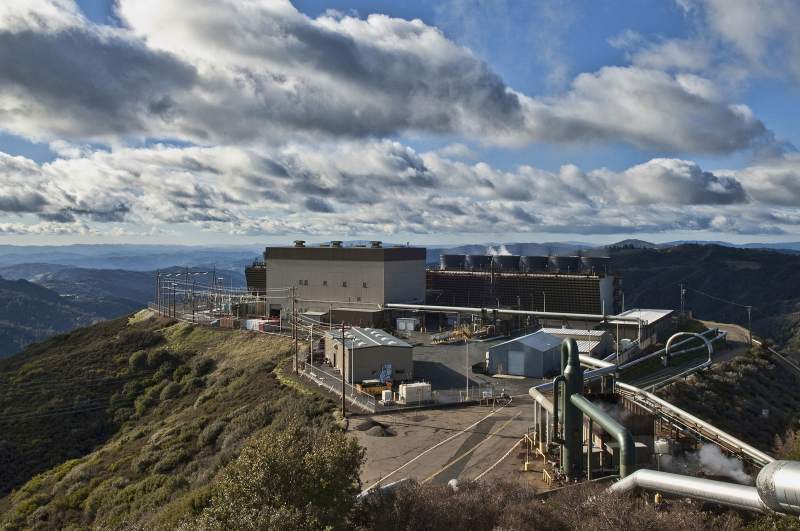
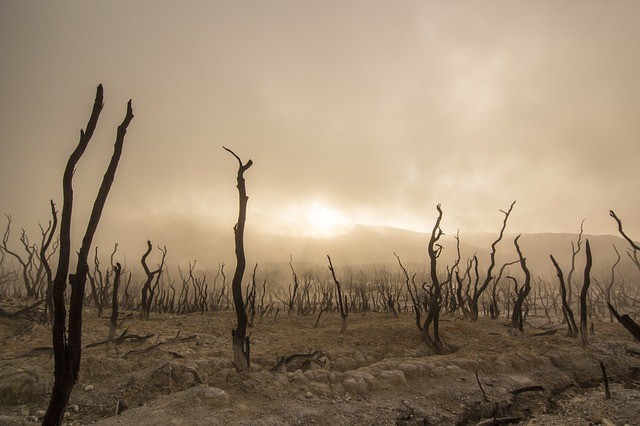
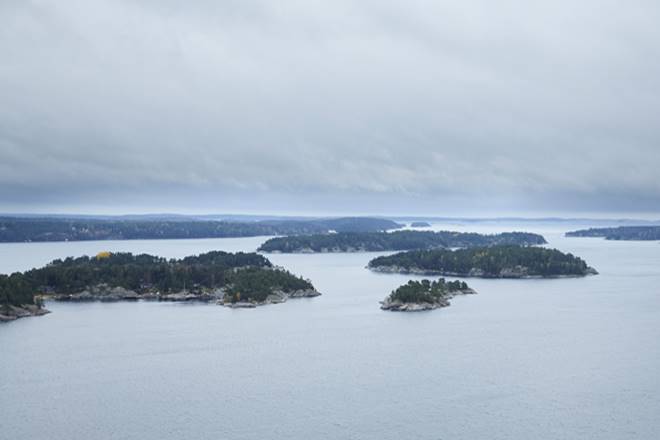
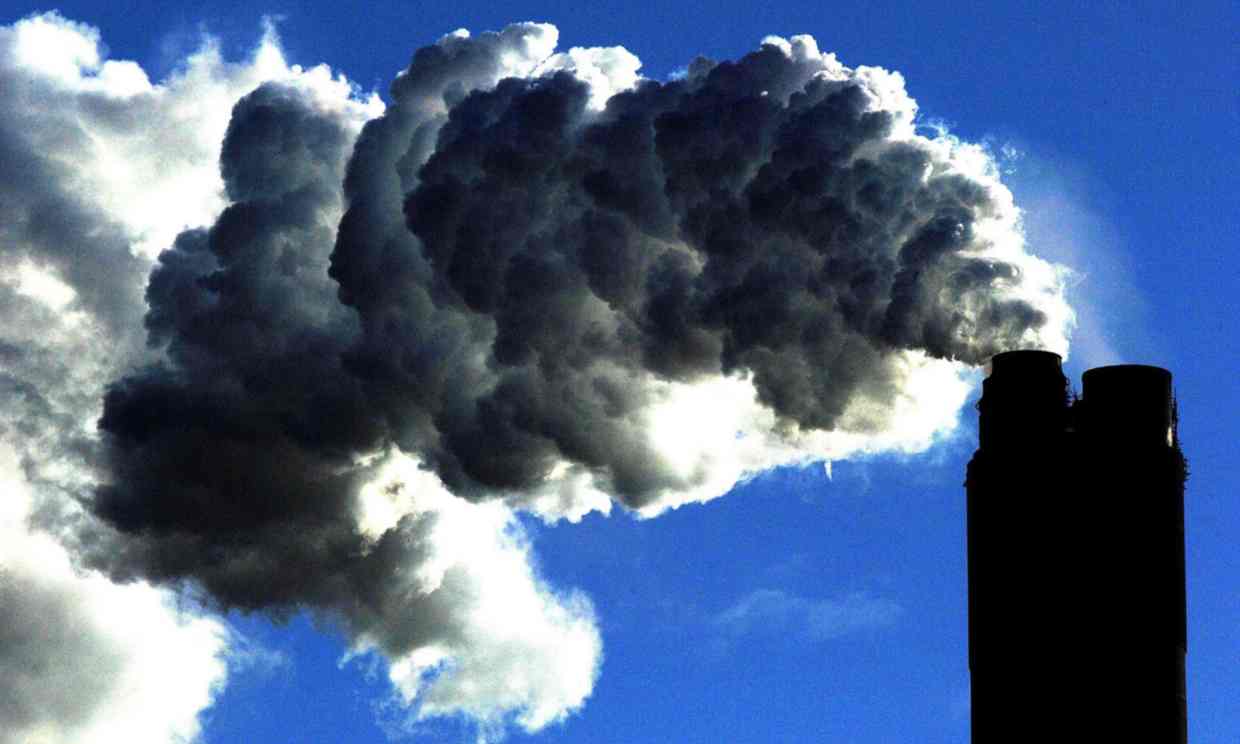
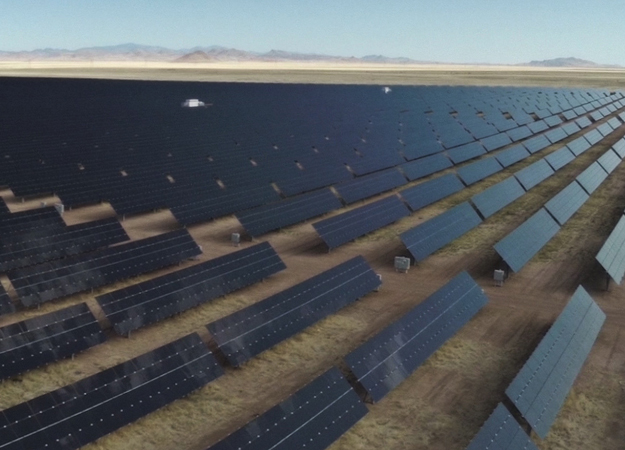
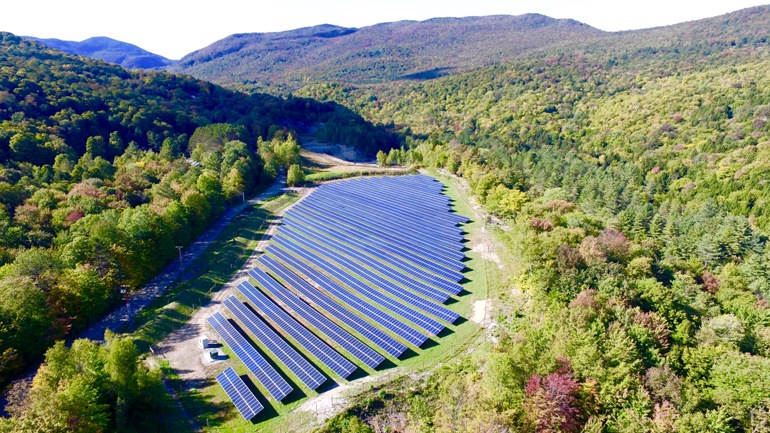
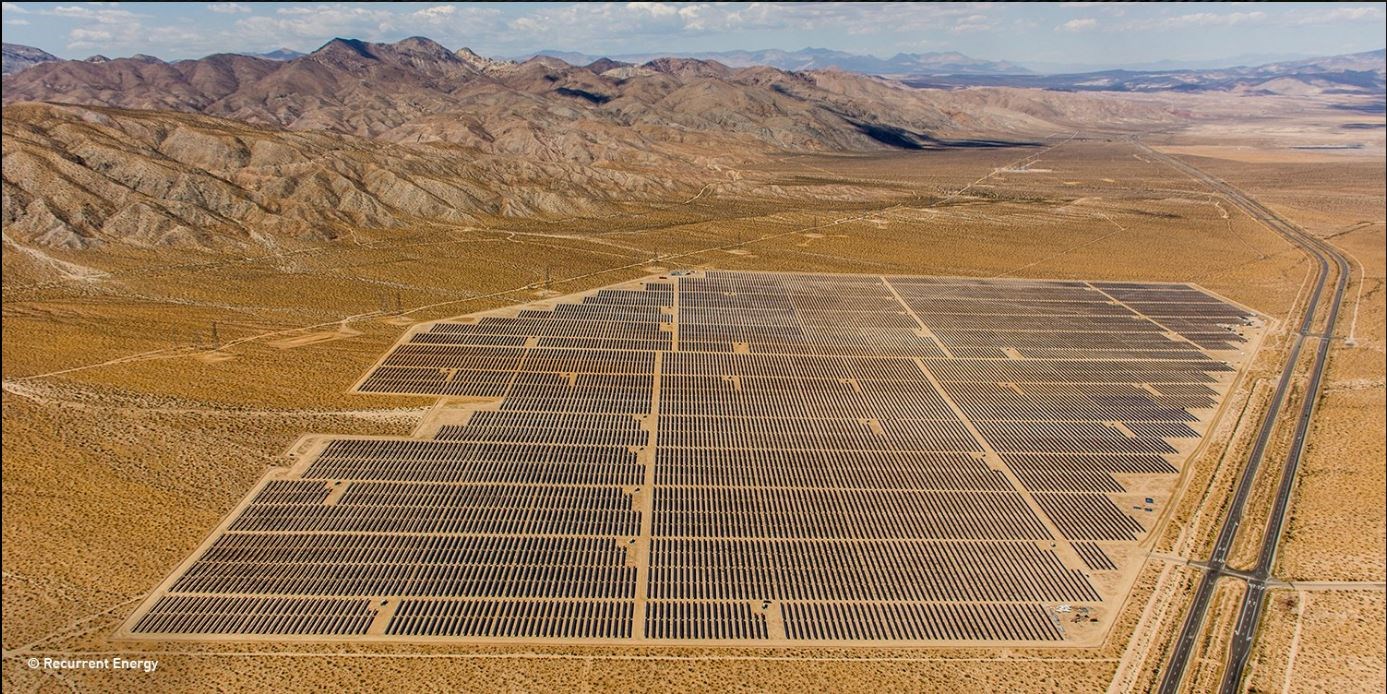



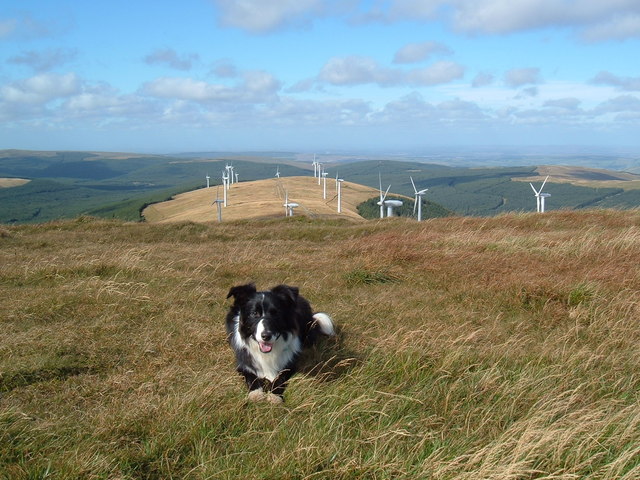




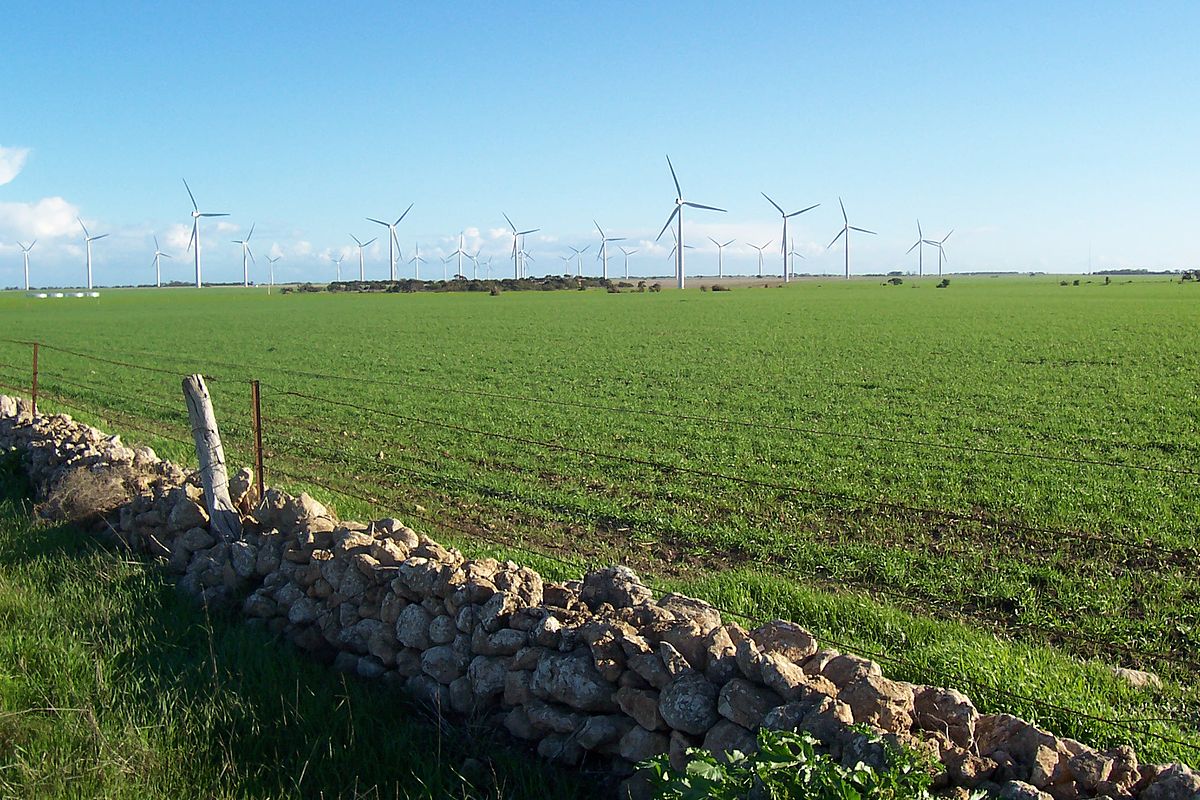


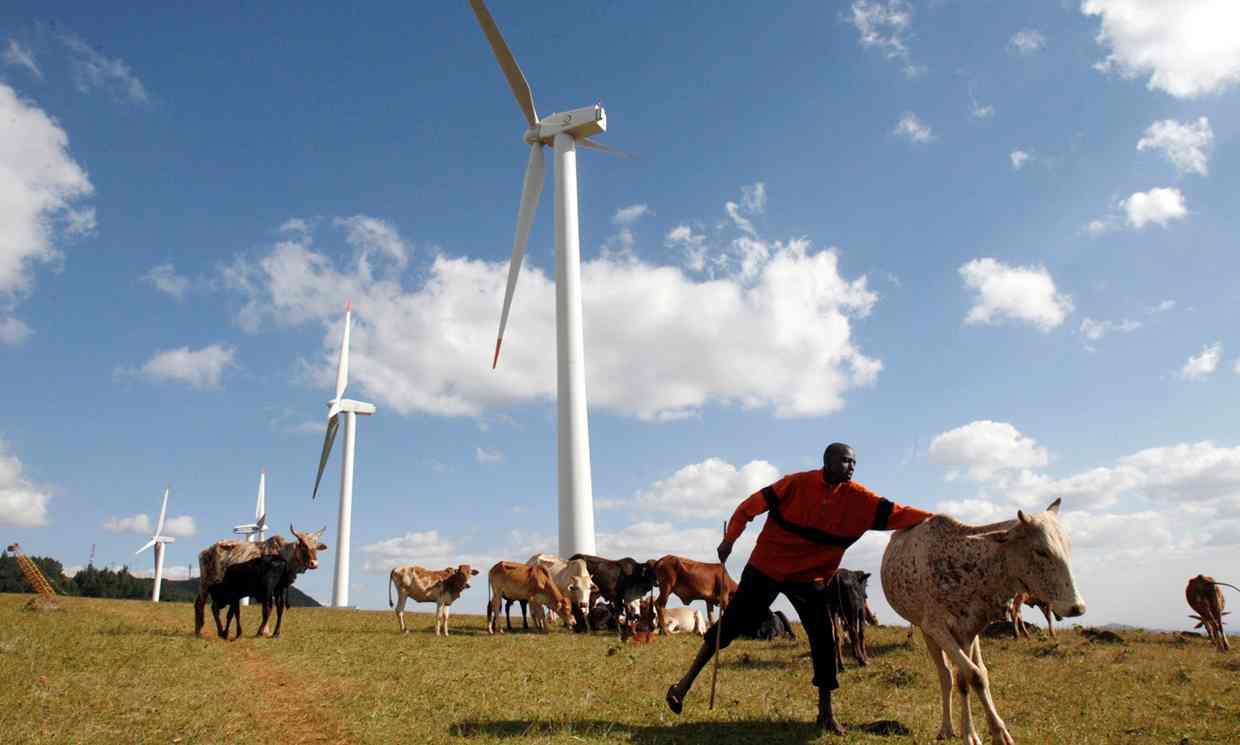
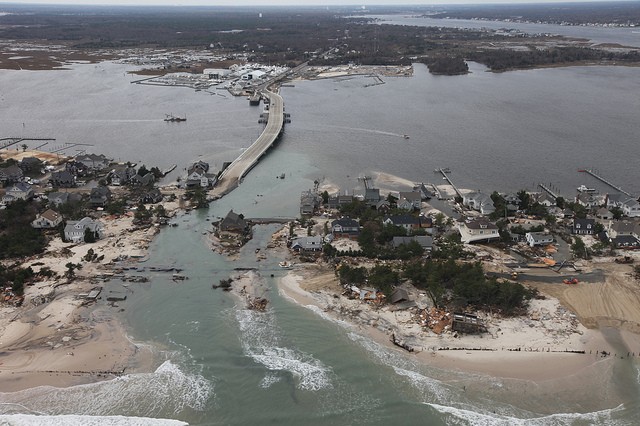

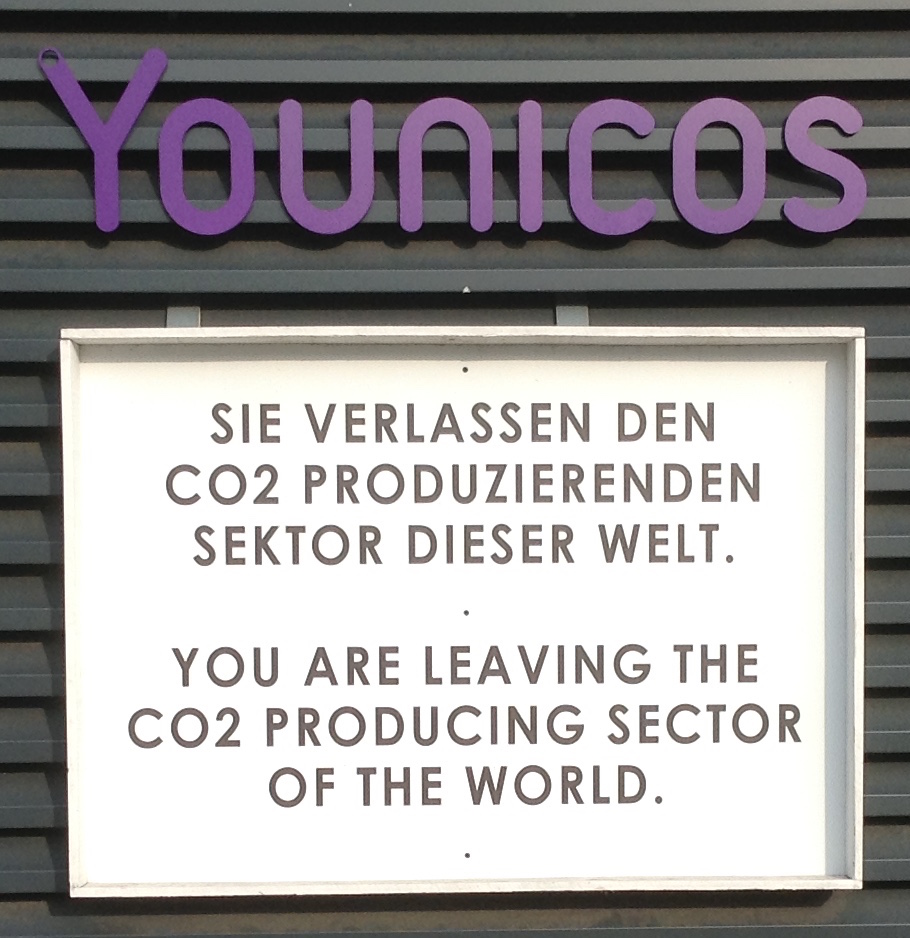


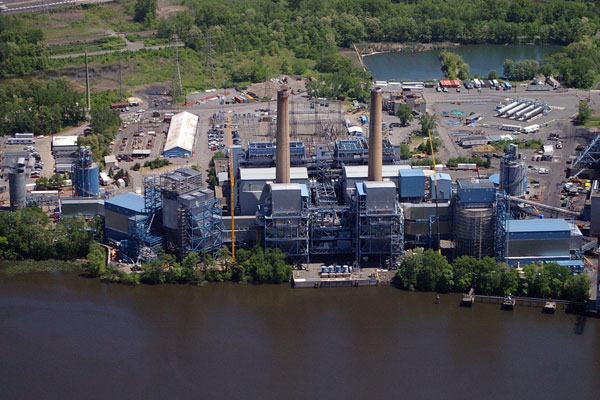



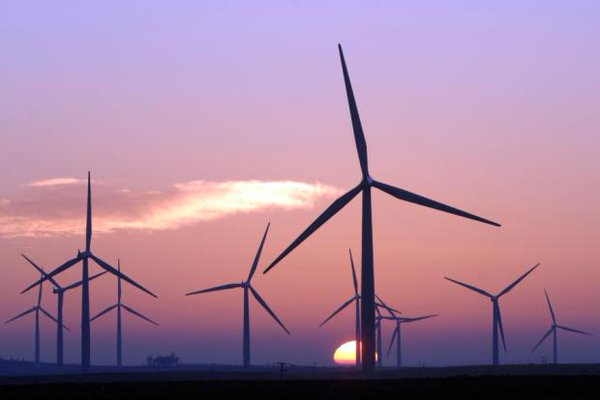
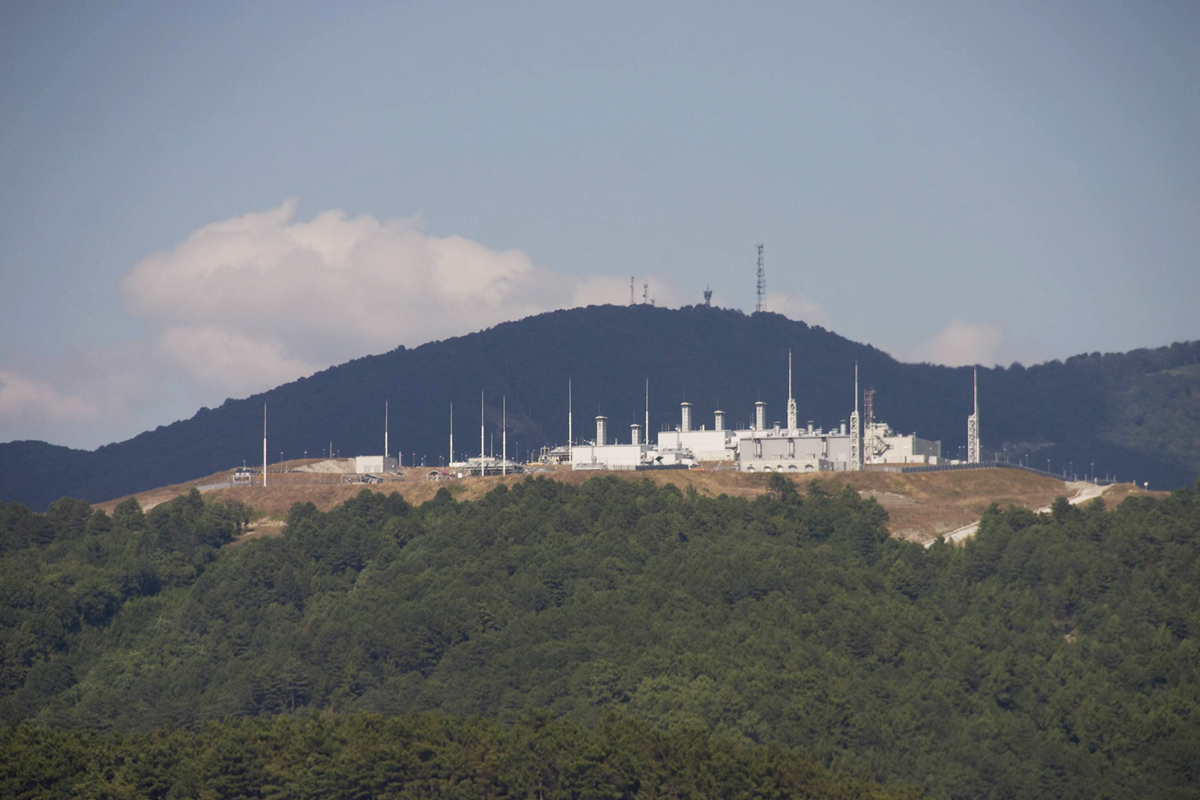




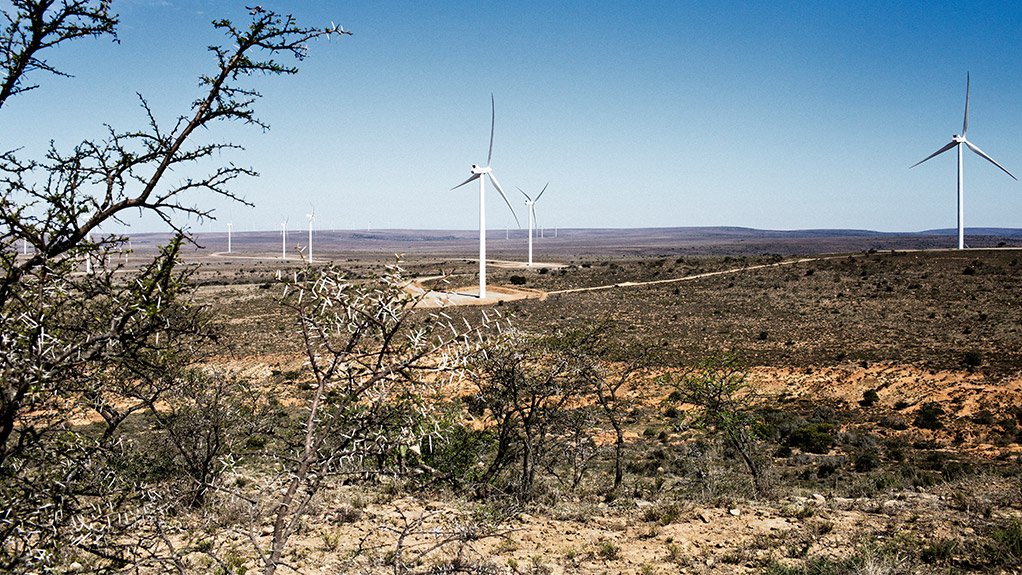


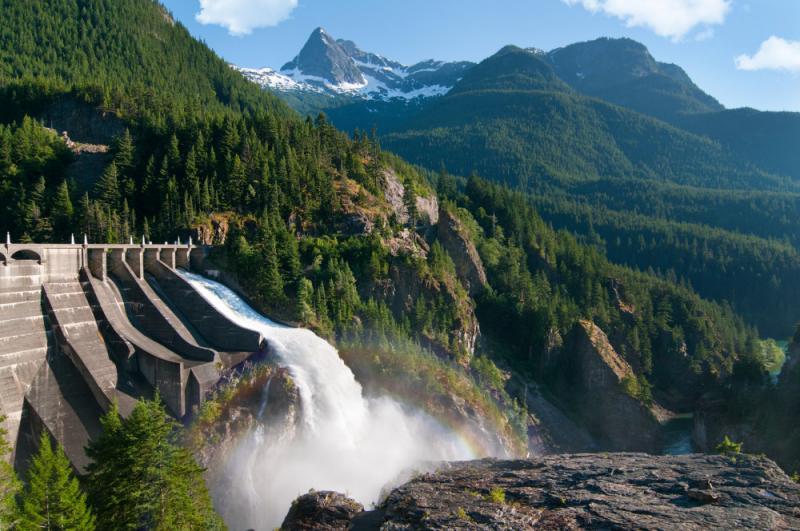



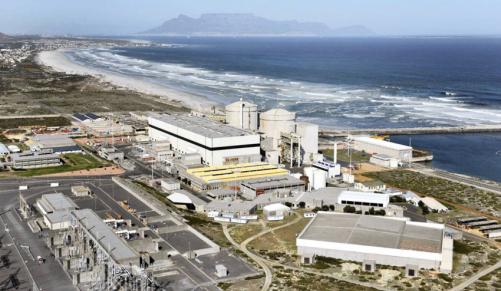

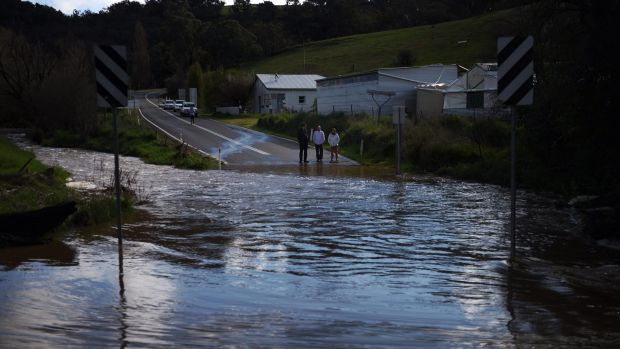

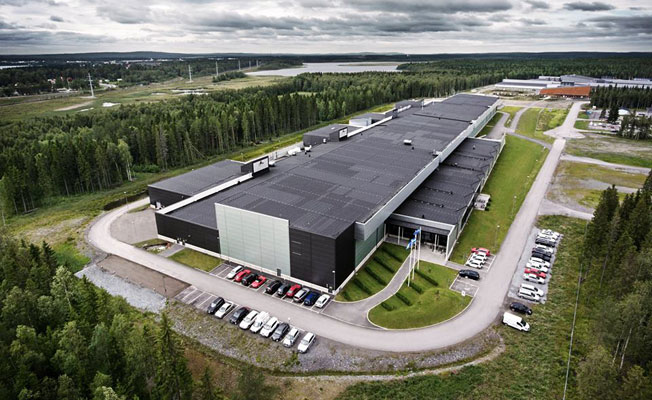
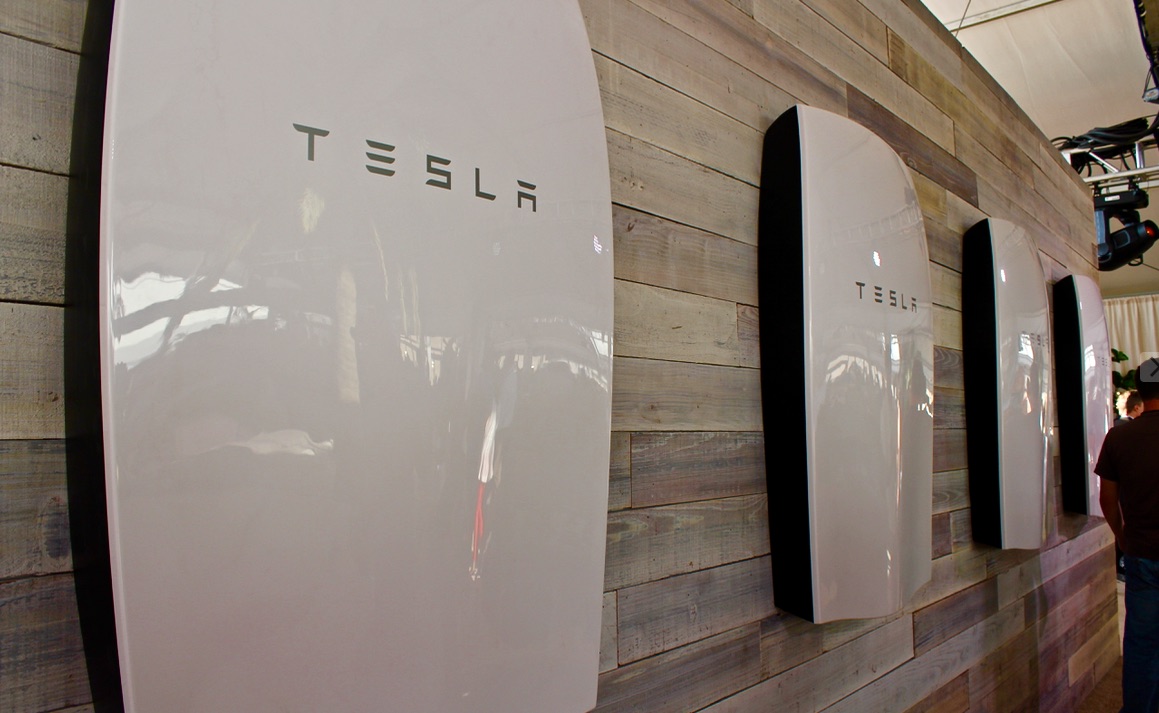

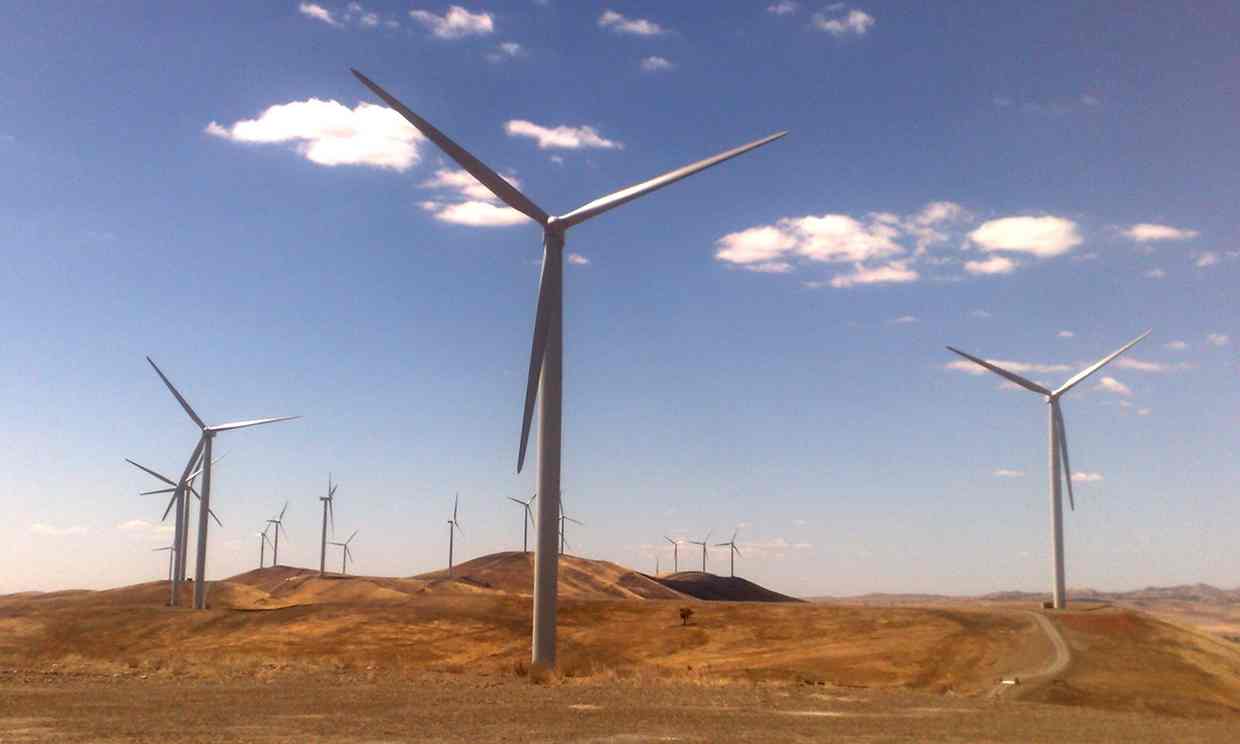


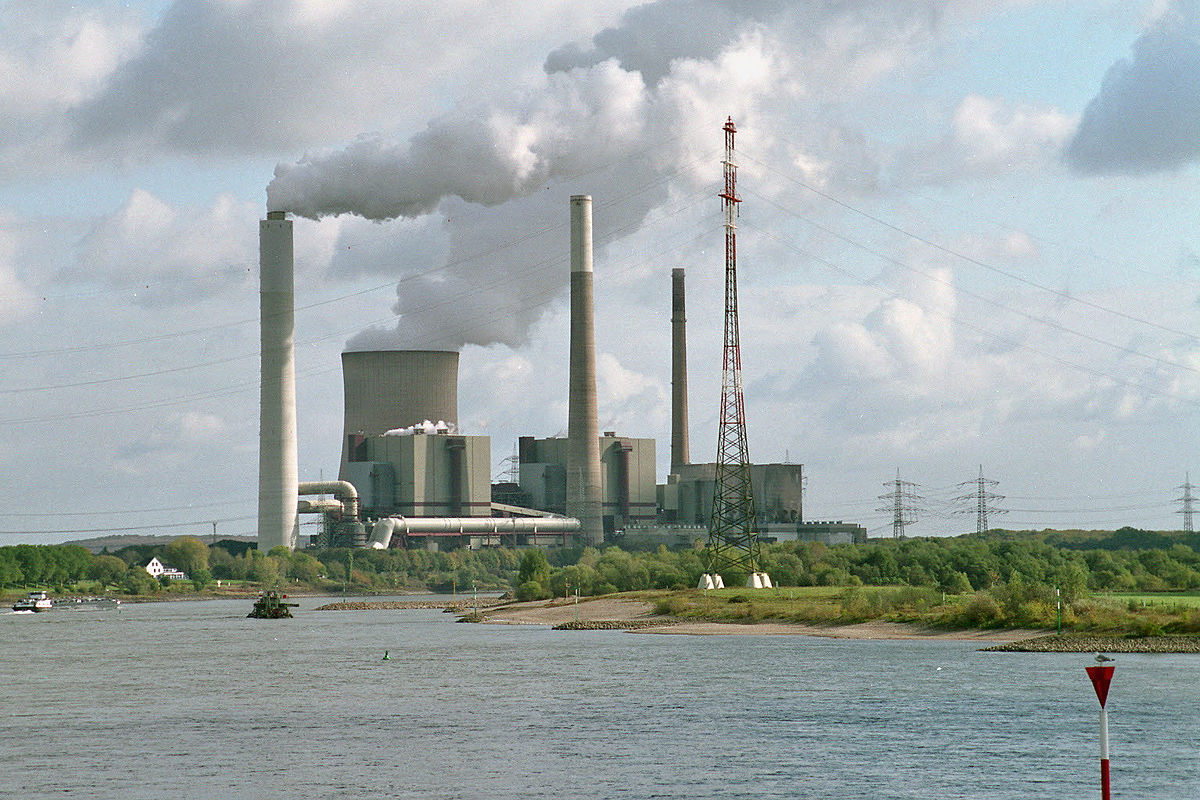








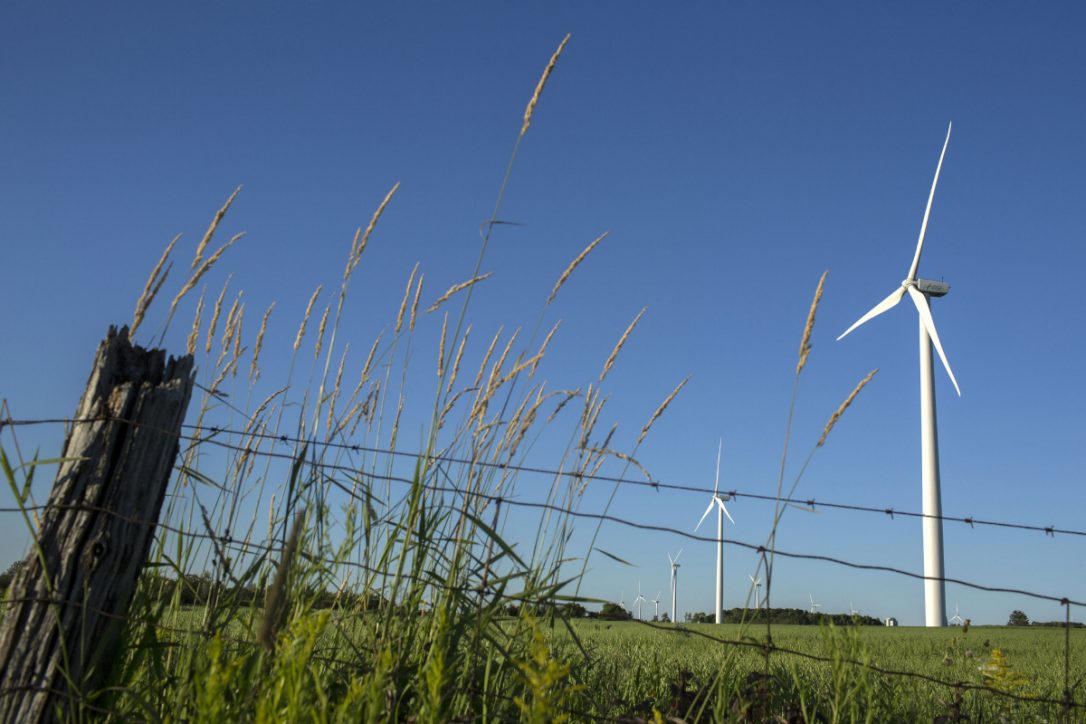

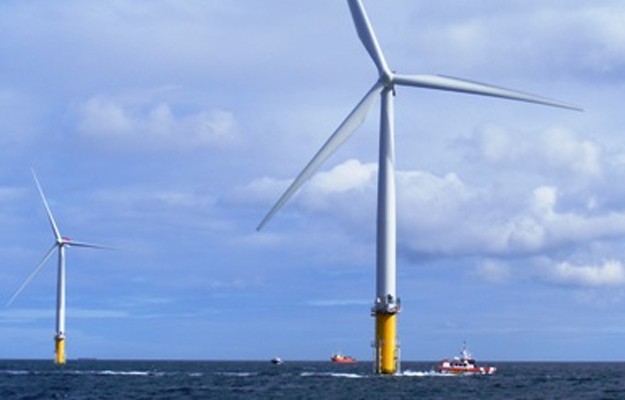


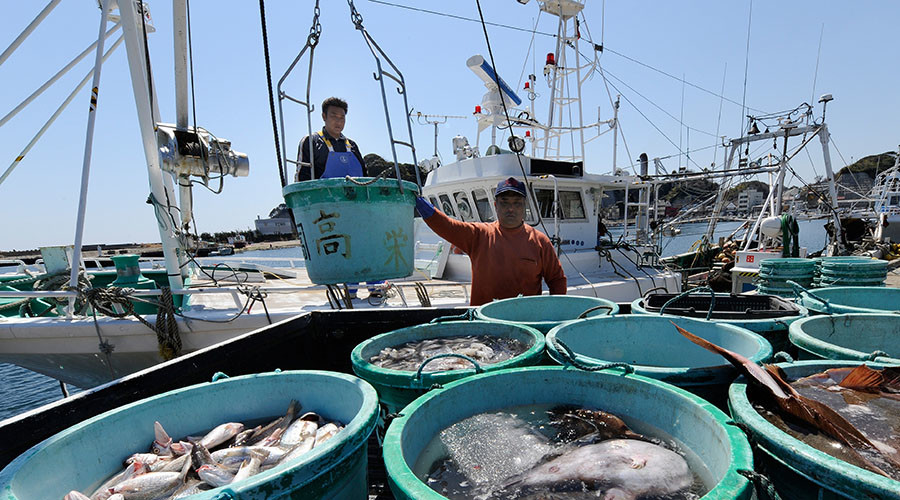

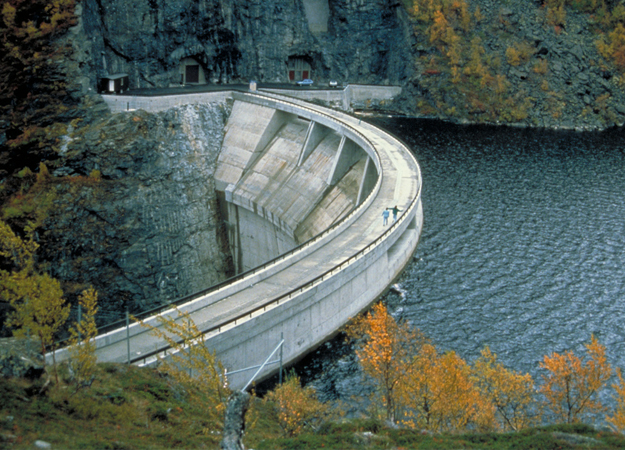
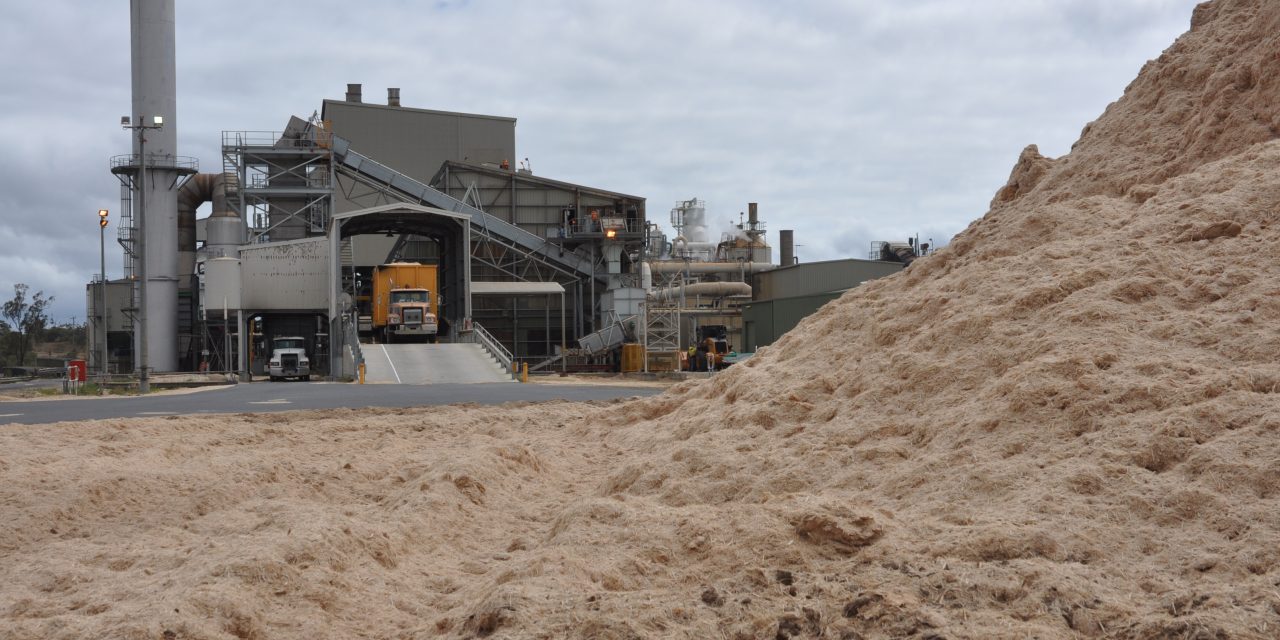


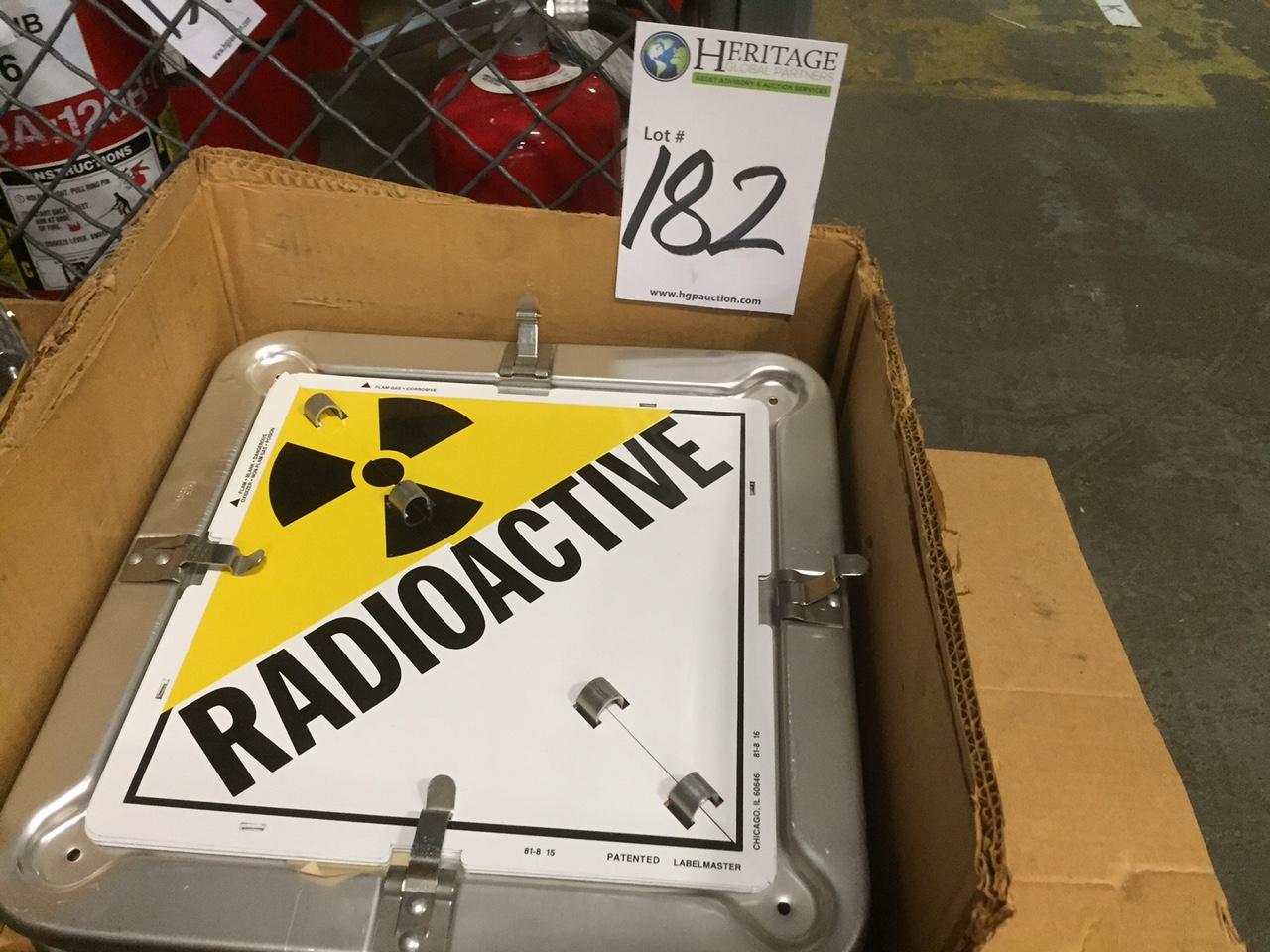


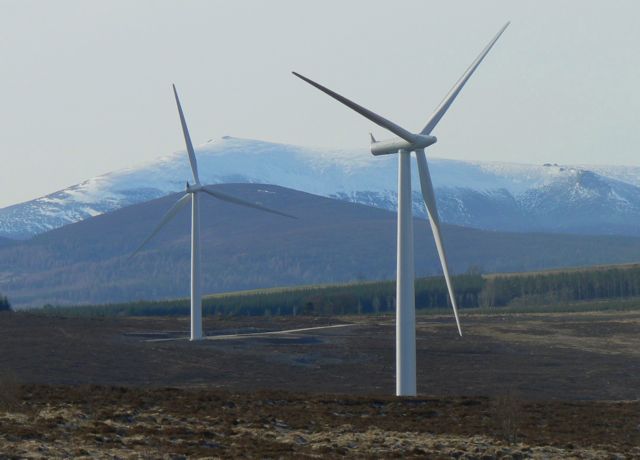
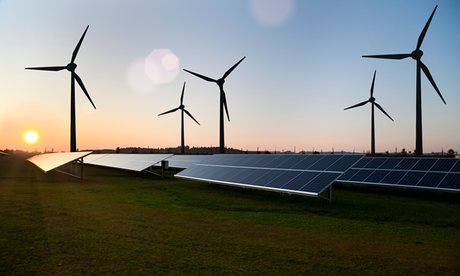

 geoharvey