Archive for the 'solar' Category
December 6, 2016
Opinion:
¶ “Going 100% renewable: An exciting new energy game” • An exciting new home energy game opened up for me this week when I made enquiries with my energy retailer. The average Australian emits 4.5 times the global average CO2, so the goal is to lower our household carbon emissions. It is an exciting game we play every day. [The Fifth Estate]
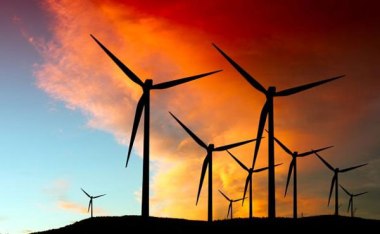
Wind turbines (Wind Data Centre)
¶ “Trump brings Koch network’s green-energy foes from the fringe to the center of power” • The head of the anti-renewable Institute for Energy Research is suddenly at the center of power. A former Koch Industries lobbyist who has led a coordinated national assault on renewable power is at the DOE, in charge of its transition. [Chicago Tribune]
¶ “Wind and Solar Are Better Together” • Building turbines and photovoltaics at the same location can reduce grid and battery costs and level out power supply. A handful of enterprising renewable energy developers are now exploring how solar and wind might better work together, developing hybrid solar-wind projects. [Scientific American]

Solar and wind together (Credit: Wikimedia Commons, CC0 1.0)
World:
¶ UK utility Centrica is launching a three-year trial in which batteries and other systems, such as combined heat and power units, will be installed in dozens of houses, businesses and hospitals in Cornwall. The £19 million project will evaluate the potential for a new independent power market in the southwest of England. [Decentralized Energy]
¶ In Scotland, the Royal Society for the Protection of Birds is in support of the Dounreay Tri floating wind demonstration project of Swedish engineering company Hexicon AB. The conservation charity said it has submitted a consultation response to Marine Scotland in support of the project west of the Pentland Firth. [SeeNews Renewables]

Multi-turbine floating platform (Image: Hexicon)
¶ Canadian Solar has closed financing of ¥14.9 billion ($141.5 million) to build and operate the 55-MW Yamaguchi Shin Mine solar plant in Japan. The loan facilities were arranged by Hanwha Asset Management, with a maturity of 17 years. The company considers Japan as a key growth market, having 597 MW in late development stages. [reNews]
¶ Five western Queensland councils, as reported by local media, have made steps toward utilising the Great Artesian Basin for local geothermal energy production. One project in Winton is actually already developing a plant, which is expected to come online in early 2017. The potential for geothermal power to save money is high. [ThinkGeoEnergy]

Winton, Queensland, Australia
(source: flickr / Chris Fithall, creative commons)
¶ Consumers using rooftop solar panels and batteries will produce between a third and half of Australia’s electricity by mid-century if the right policies are introduced, according to a roadmap from the CSIRO and Energy Networks Australia. It suggests it could help create a reliable electricity grid with zero emissions by 2050. [Queensland Country Life]
¶ The US is sponsoring India’s entry into the Nuclear Suppliers Group, which aims to stop nuclear proliferation by controlling exports of materials, equipment, and technology that can be used to assemble nuclear weapons. At the same time, the US is backing plans to construct six AP1000 nuclear power plants in India. [Power Technology]
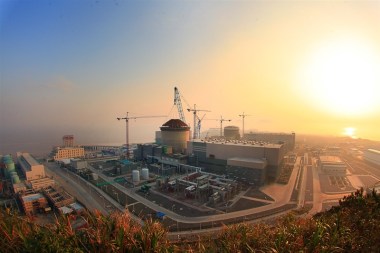
Westinghouse reactor under construction
¶ Japan’s greenhouse gas emissions fell 3% to a five-year low in the financial year through March owing to lower power demand, growing renewable energy and the restart of nuclear power plants, government figures showed. Emissions fell for a second straight year to 1.321 billion metric tonnes of CO2 equivalent. [Times of India]
US:
¶ The Omaha Public Power District’s four proposed generation portfolios show that wind power is at the forefront of its future plans for renewables. The utility’s ultimate direction, however, depends on the new administration’s stance on renewable resources and implications of the Clean Power Plan’s judicial review. [Blair Enterprise Publishing]
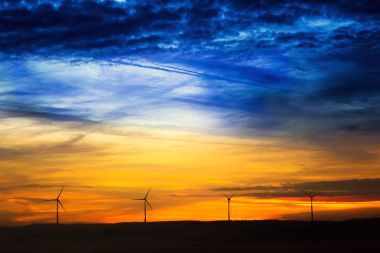
Wind farm (Courtesy: Pixabay)
¶ Former Vice President Al Gore has met President-elect Donald Trump and his daughter Ivanka Trump to discuss climate policy. The meeting “was a sincere search for areas of common ground,” according to Mr Gore, a climate change activist. Donald Trump’s daughter Ivanka reportedly wants to make the subject one of her signature issues. [BBC]
¶ Two Vermont towns, Stowe and Hyde Park, have recently commissioned municipally owned solar plants, making them the first towns in the state to do so. Together, the plants will produce 2.7 MW of solar electricity. This is enough to power 229 average residences of in the towns, about 7% of the total number of homes. [pv magazine USA]
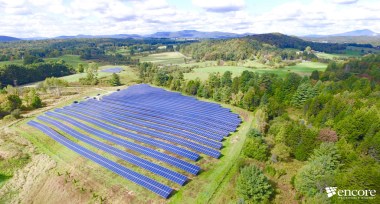
Hyde Park, Vermont solar array
¶ With two solar facilities moving toward completion and a third in the planning stages, Pownal, Vermont is becoming a leading community. The total countywide capacity from solar sources is approximately 3.7 MW, of which 2.2 MW are in Pownal, but a 2.2-MW array is under construction, and a smaller array is also planned. [vtdigger.org]
¶ A 20-year extension for the operating license of the Fermi 2 nuclear power plant in Michigan has been put on hold after an activist group encouraged a federal agency to look more closely into how potassium iodide pills would be given to area residents if the plant ever has a major release of radioactive steam. [Electric Light & Power]
geoharvey is free and without ads.
 geoharvey is not tax-deductible.
Posted in nuclear power, renewable power, solar, wind | 1 Comment »
Tags: nuclear, nuclear power, renewable power, solar power, wind power
December 5, 2016
Opinion:
¶ “Reliable renewable electricity is possible if we make smart decisions now” • Our recent research took a highly conservative approach to testing the cost question. With very conservative assumptions, we found that strategies to manage the variability of renewable resources were effective in a 100% renewable energy mix. [EconoTimes]

Wattle Point wind farm near Edithburgh, South Australia
(Photo: ScottDavis / Wikimedia)
¶ “Push towards renewable energy in India indicates coal is becoming yesterday’s fuel source” • Revelations that Labor has plans to progressively retire Australia’s coal-fired power stations put the cat among the energy pigeons. But, the fact is Australia is being buffeted by winds of change blowing far from our shores. [Courier Mail]
¶ “Through climate change denial, we’re ceding global leadership to China” • China was no more prepared for the results of the American election than the US. But it has been quick to size up the environmental implications of a Trump victory, and officials in Beijing are contriving to cast China in a fresh leadership role. [Los Angeles Times]

Shenzhen has won awards for its efforts to tackle climate change.
(Brent Ng / Associated Press)
World:
¶ As Liberians await the first 22-MW turbine at the Mt Coffee Hydro Power Plant to go online on December 15, the ‘Liberia Energy Access Practitioner’ group has been launched to help government decentralize energy to rural areas in the country. The program was organized by Mercy Corps with funding from the EU. [Liberian Daily Observer]
¶ About 20,000 passengers were stranded at an airport in Chengdu, China as flights were grounded because of heavy smog and a thick fog that left the city in a dark haze. The air quality index in Chengdu registered 280, a level considered “very unhealthy.” In some industrial cities south of Beijing, the air quality levels reach up to 875. [Digital Journal]

Pollution is a popular discussion topic on social media.
(File photo: Fred Dufour, AFP)
¶ The European Commission, the legislative arm of the EU, will publish a draft law allowing higher payment for surplus energy. Much of the money set aside by the law will be funneled to renewable energy companies, so they can provide electricity only when it is needed rather than simply generating as much as possible. [Hydrogen Fuel News]
¶ An initiative by youth organisations in Cameroon to turn human waste into biogas is reducing pollution and providing cheap, renewable energy. A non-governmental organisation run by young people, Bioenergy-Cameroon, installs equipment that converts waste from septic tanks and pit latrines into biogas. [New Straits Times Online]

Filling a bioreactor in Cameroon (Photo: Bioenergy-Cameroon)
US:
¶ Throngs of veterans from the group “Veterans Stand for Standing Rock” were arriving at the freezing Dakota Access Pipeline protest site on Sunday, one day before authorities are expected to remove protesters. The group said more than 2,000 veterans had signed up to support members of the Standing Rock Sioux tribe. [CNN]
¶ On Sunday afternoon, tribe members and their numerous allies celebrated, crying tears of joy, over the fact the pipeline project would be rerouted away from land that’s deemed sacred. Even so, the decision to re-route the Dakota Access Pipeline could be reversed once President Barack Obama leaves office next month. [CNN]
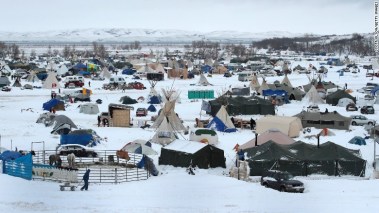
Snow covers the camp on November 30.
¶ The Solar Energy Industries Association reports that over 147 solar companies employ nearly 2000 people in Connecticut. The installed capacity of solar PVs in Connecticut is 265 MW, ranking it 17th in the US. The state’s 2015 solar installation ranks 14th nationally, growing 64% in 2015, with 91 MW installed for the year. [CleanTechnica]
¶ Comments from utility DTE Energy’s CEO Gerry Anderson provided may be the best assessment of the future of coal: “I don’t know anybody in the country who would build another coal plant.” He says coal is dying because of its cost, and that is the case “regardless of what Trump may or may not do with the Clean Power Plan.” [Madison.com]

Michigan coal plant (DTE Energy image)
¶ The environmental group Hudson River Sloop Clearwater sued New York regulators over their subsidies for upstate nuclear power plants. Clearwater wants the court to vacate a part of the state’s Clean Energy Standard that would pay zero-emission credits to three generators that could have closed as early as next year. [RTO Insider]
¶ Scientists recognize that a waterborne disease sickening tens of thousands of people each year is associated with warmer waters of the Gulf of Mexico moving northward, partly due to climate change. While it is rare in New Hampshire and Maine, scientists have seen cases elsewhere in New England and expect it to spread. [Torrington Register Citizen]
geoharvey is free and without ads.
geoharvey is not tax-deductible.
Posted in nuclear power, renewable power, solar, wind | 1 Comment »
Tags: nuclear, nuclear power, renewable power, solar power, wind power
December 4, 2016
Opinion:
¶ “EPA boss: Here’s the good news about climate change (yes, that exists)” • Climate change is happening now. We’re causing
it. And frankly, it can seem terrifying. But – and this is a critical “but” – there’s still room for hope. That’s the message we may take from an interview with the outgoing head of the EPA, Gina McCarthy. [CNN]

Dawn (US Fish and Wildlife Service photo)
World:
¶ Many Albertans have been left on edge, thanks to the federal and provincial plans to phase out coal power plants and mines by 2030. However, Kim Perrotta, executive director of the Canadian Association of Physicians for the Environment, believes phasing out coal will have many benefits for all Albertans, especially for their health. [660 News]
¶ The sun looks like it is setting on Japan’s clean energy boom, despite projects like a massive floating solar farm near Tokyo. Renewable energy investments have hit a plateau and are set to fall as Tokyo cuts back subsidies while fossil fuels remain cheap. Japan also has a shortage of land for new solar installations. [Taipei Times]
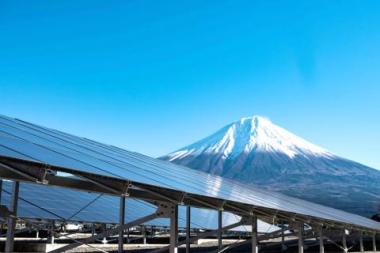
Solar panels with Mount Fuji in the background
(Photo: AFP / Solar Frontier Company)
¶ India is the world’s most attractive destination in the energy sector that has the potential to attract investments of a trillion dollars over the next few years, Union power minister Piyush Goyal said on Saturday. He said his optimism for the energy sector stemmed from the Narendra Modi government’s climate commitment. [Hindustan Times]
¶ As heavy rains pound some parts of Kenya, livestock are dying in other areas due to prolonged drought. The National Drought Management Authority says pastoralists in arid regions have suffered huge losses. Climate scientists say that pastoralists and livestock keepers are the people in the country most hurt by climate change. [Daily Nation]

Livestock in Kenya
US:
¶ Columbia, Missouri could more than double the amount of wind energy it uses with a proposed contract coming before the city council Monday. The Columbia City Council will take under consideration a contract with Iowa-based Crystal Lake Wind III LLC to purchase wind energy for $19.55/MWh (1.955¢/kWh). [Columbia Daily Tribune]
¶ Senator Diane Feinstein has urged the US Department of Agriculture to revisit her request for federal aid to help crews clear over 100 million dead trees posing hazards throughout California’s forests. Dried out, free-standing timber throughout the state threatens nearby structures and increases the risk of forest fires. [Asianjournal.com]
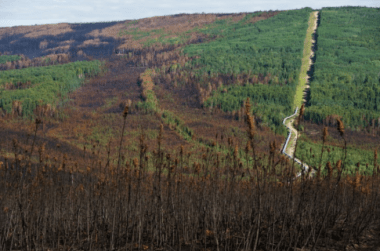
California forest in trouble
¶ The idea of deploying microgrids is gaining momentum throughout the US. A total of 124 microgrids with a combined capacity of 1,169 MW were operating across the nation as of July 2015, according to Pew Research. The group also predicted that microgrid capacity will grow to exceed 2,850 MW by 2020. [Satellite PR News]
¶ Rhode Island sits in the middle of one of the most wealthy and progressive regions of the world. But with 400 miles of coastline, it’s also one of the most susceptible areas to flooding and erosion. A committee, with a working name of the Civic Alliance for a Cooler Rhode Island is starting to meet to accelerate climate action. [The Westerly Sun]
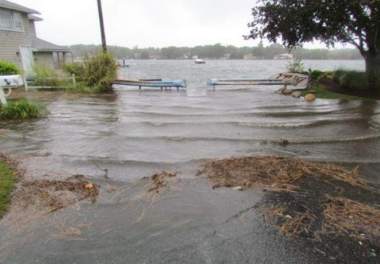
Uniquely susceptible Rhode Island (Courtesy of ecoRI)
¶ An energy overhaul pending in the Michigan legislature has Democrats focusing on solar net metering. It is only a small part of a big energy package, but it became a huge part of the debate when the Senate introduced bills that would require users to buy energy at a retail rate but sell it at what is essentially a wholesale rate. [MLive.com]
¶ About 360 people gathered at the State Capitol in Hartford, Connecticut to oppose natural gas pipelines like the Access Northeast Pipeline, and to demand a renewed commitment to renewable energy. The march was organized by the Connecticut Sierra Club, 350 Connecticut, and a broad coalition of other groups. [WTNH Connecticut News]
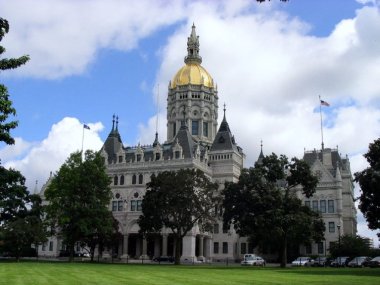
Connecticut State Capitol
¶ New Mexico’s Kit Carson Electric Cooperative says it wants to serve all of its customers on sunny summer days with locally generated solar power by 2022. To hit that target, Reyes said, the co-op wants outside investors to build dozens of small solar arrays, of about 1 MW each, across its service territory. [Santa Fe New Mexican]
¶ Marquette, Michigan is on track to have its own community solar garden by next summer, offering city residents the chance to get their energy from the sun. The best part? The program will pay for itself. The Marquette Board of Light and Power adopted, in a 4-1 vote, a plan for its new community solar garden. [Marquette Mining Journal]
geoharvey is free and without ads.
geoharvey is not tax-deductible.
Posted in nuclear power, renewable power, solar, wind | Leave a Comment »
Tags: nuclear, nuclear power, renewable power, solar power, wind power
December 3, 2016
Science and Technology:
¶ Batteries are not the cheapest way to store grid power. There are many different kinds of storage technologies, each with different characteristics. To be a sensible economic investment, the benefits have to outweigh the costs. Storage has to match the type of demand, considering how much power is needed, and for how long. [Gizmodo Australia]

Storage power ratings – Please click on the image to enlarge it.
World:
¶ China’s coal prices have soared this year due to domestic supply issues as the country tried to cut overcapacity. But new analysis suggests China’s coal demand will stabilize at around 4 billion tonnes, demand which will be able to be met easily with domestic supply, leading to the eventual phase-out of coal imports. [CleanTechnica]
¶ German wind turbine maker Senvion SA started operation of the 150-MW Mesgi’g Ugju’s’n wind farm in Quebec. The project is a 50/50 partnership between Canadian developer Innergex Renewable Energy Inc and the three Mi’gmaq communities located on the territory of Gespe’gewa’gi, namely Gesgapegiag, Gespeg and Listuguj. [SeeNews Renewables]
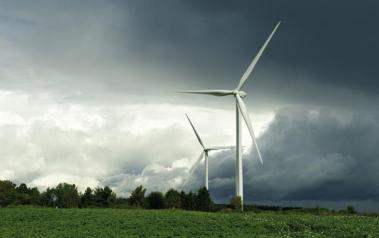
Senvion wind turbines (Source: Senvion, all rights reserved)
¶ According to a Greenpeace report, deaths from air pollution are underreported in India by 600,000 people per year. It kills over 1.6 million people in India, and the same number in China, every year. The main culprit is fossil fuels, particularly coal, and as use of these products increases, so do deaths caused by their pollution. [New Kerala]
¶ According to preliminary figures from the Power Trading Chamber, Brazil’s November wind power output rose by 57% on the year to 4,519 MW. Wind power’s share in total electricity generation grew to 7.3%. There was also growth in solar and biomass generation, though hydropower generation declined slightly. [SeeNews Renewables]

Wind farm in Brazil (Author: Otávio Nogueira, CC BY SA)
¶ An experimental Wave Hub renewable energy test site off the north coast of Cornwall is about to host its first commercial operation, after an Australian-based company announced plans to construct and operate a wave farm there. The annual output is due to rise to 15 MWh per year by 2020; enough to power 6000 homes. [Maritime Journal]
¶ The 23.1-MW Falcon Ma’an solar park in Jordan has been tied to the grid, according to an announcement by Enerray SpA. The facility is powered by JinkoSolar modules and uses SMA Solar Technology AG’s Medium Voltage Power Station. The solar park is expected to generate 147 million kWh of electricity per year. [SeeNews Renewables]

Solar array (Image by Enerray)
US:
¶ An official with the company seeking to buy the Vermont Yankee nuclear power plant says it can dismantle the power plant for the money currently in its decommissioning fund. The CEO of NorthStar says if his company can’t dismantle the plant for the $580 million in the fund, then his company would make up the difference. [Electric Light & Power]
¶ Wayland, Massachusetts is harnessing the power of the sun thanks to four new solar arrays. The town expects to save more than $100,000 per year through a partnership with Ameresco, based in Framingham. Ameresco will maintain and operate the arrays, which have over 4,200 panels, for the next two decades. [Wicked Local Wayland]

Wayland Middle School (Photo: Andrew Bakinowski, Ameresco)
¶ Massachusetts regulators are looking for an independent evaluator to help develop and run an upcoming call for offshore wind power. The state’s Department of Energy Resources has issued a request for quote, and responses are due by 9 December. Massachusetts is required by law to contract 1.6 GW of offshore wind by 2027. [reNews]
¶ When the Block Island Wind Farm officially goes online this month only four of its five offshore turbines will be operating. Turbine 2 broke down in early November during routine testing. It turned out that a 6-inch drill bit had been left behind between the turbine’s generator and direct-drive system during assembly of the 6-MW turbine. [ecoRI news]
geoharvey is free and without ads.
geoharvey is not tax-deductible.
Posted in nuclear power, renewable power, solar, wind | Leave a Comment »
Tags: nuclear, nuclear power, renewable power, solar power, wind power
December 2, 2016
Opinion:
¶ “Mayors could override Trump on the Paris climate accord – here’s how” • In a recent op-ed, former New York City mayor Michael Bloomberg wrote, “If the Trump administration does withdraw from the Paris accord, I will recommend that the 128 US mayors who are part of the Global Covenant of Mayors seek to join in its place.” [Business Insider]

Sunny day flooding now hits Miami regularly, thanks to rising
sea levels. (Photo by B137, CC BY SA, Wikimedia Commons)
World:
¶ Blueprint documents for the wind and hydro sector from China’s National Energy Administration showed that the country is set to spend at least ¥1.2 trillion ($174 billion) between 2016 and 2020, according to Reuters. Construction of new wind farms is expected to provide approximately 300,000 new jobs by 2020. [CleanTechnica]
¶ All new single-decker buses for use within the center of town
in London will be zero-emissions models from here on out, the Mayor of London, Sadiq Khan, announced. He was speaking at a public event unveiling of the “world’s first” hydrogen fuel cell double-decker bus, which will be trialled in London in 2017. [CleanTechnica]

London zero-emissions bus
¶ The Canadian province of Alberta, known for its notoriously dirty oil sands, has just made a symbolically significant about-face on energy policy, with potentially major implications for North American wind power. First up is a tender for 5 GW of wind power. Alberta will also pay its coal plants $1 billion to shut down. [CleanTechnica]
¶ Offshore wind projects have fewer delays and cost overruns than other large power and utility projects, according to a new report from EY. While offshore wind averaged about 15% over budget, with delays of less than six months, hydropower, water, coal and nuclear projects were over budget by 49% on average. [reNews]

London Array (Credit: reNews)
¶ The global solar PV market is set to increase nearly 70 GW in 2016, reaching 294.69 GW, according to research and consulting firm GlobalData. A new report from GlobalData investigating the global solar PV market concluded that capacity will increase from around 225 GW in 2015 to 294.69 GW by the end of 2016. [CleanTechnica]
¶ The mayors of Paris, Mexico City, Madrid, and Athens said their cities will stop the use of all diesel-powered cars and trucks by the middle of the next decade to improve air quality. They will give incentives for alternative vehicle use and promote walking and cycling. The commitments were made in Mexico at a biennial meeting of city leaders. [BBC]

Air quality in Paris (Getty Images)
¶ EU countries are on track to meet their 2020 targets for renewable energy and emissions cuts but could fall short of longer-term goals, according to the European Environment Agency. “The EU’s 2020 targets on energy and climate are now well within reach,” its executive director said in a statement. [ETEnergyworld.com]
¶ Gamesa won a contract to deliver 55 of its G114-2.1MW turbines for a wind farm in Chile. The company will install the machines at the first phase of the Cabo Leones 1 wind farm in the Comuna de Freirina, which is being developed by EDF EN and Ibereolica. The turbines will be delivered by the end of the first half of 2017. [reNews]

4.5 MW wind turbine (Gamesa image)
¶ A Senate inquiry has recommended closing all 24 of the coal-fired power stations in Australia over the next ten years and the creation of a comprehensive energy transition plan to help with the ordered closure of the plants. The Retirement of Coal Fired power Stations Inquiry made four energy recommendations. [Green Left Weekly]
US:
¶ Xcel Energy’s Courtenay Wind Farm, a 200-MW project in North Dakota, is now fully operational. The project is in an area ideal for wind development. The project comprises 100 Vestas turbines and is now delivering enough energy, on average, to power approximately 100,000 homes, according to Xcel. [North American Windpower]

Wind farm under construction
¶ The House of Representatives Committee on Science, Space, and Technology tweeted a misleading article at Breitbart about the state of the global climate. It read, “Global Temperatures Plunge. Icy Silence from Climate Alarmists.” Senator Bernie Sanders responded to the tweet, asking, “Where’d you get your PhD? Trump University?” [mySanAntonio.com]
¶ The green energy tariff that regulators approved for a $250 million Facebook data center under construction in New Mexico could trigger a “sea change” for renewable energy in the state, according to a public utilities attorney who had been retained by Facebook to negotiate with Public Service Company of New Mexico. [Albuquerque Journal]

Facebook data center for Los Lunas (Source: Facebook)
¶ A technology developed at the University of Chicago, and now being commercialized by a University startup, is addressing the intermittent nature of some renewable energy sources. It uses a selectively evolved, unicellular microorganism that helps convert electricity into bio-methane gas, a renewable replacement for natural gas. [Phys.Org]
¶ Two Illinois nuclear plants on life support got at least 10 more years after Exelon won a bid for ratepayer-financed subsidies. The governor and Democratic legislative leaders agreed on legislation requiring ratepayers statewide to finance hundreds
of millions annually in support for the nukes along with clean energy. [Crain’s Chicago Business]
geoharvey is free and without ads.
geoharvey is not tax-deductible.
Posted in nuclear power, renewable power, solar, wind | 1 Comment »
Tags: nuclear, nuclear power, renewable power, solar power, wind power
December 1, 2016
Science and Technology:
¶ New research from Ohio State University determined that a calving event creating an enormous iceberg in West Antarctica in 2015 was even more notable than first thought. It was the result of a deep, subsurface rift that formed approximately 20 miles inland. This implies that the glacier is deteriorating faster than thought. [CleanTechnica]

Rift in Antarctic glacier
World:
¶ The European Commission unveiled a reform of Europe’s power grid after 2020 on Wednesday. The draft law, which still needs to be approved by member states and the European Parliament, sets a binding target to cut energy use by 30% by 2030 and for renewable energy to make up at least 27% of the bloc’s power mix by 2030. [Zawya]
¶ The recently completed Kamuthi Solar Power Plant in Tamil Nadu is the largest solar power plant in the world. Since Delhi, Mumbai, and many other Indian cities have chronic pollution problems, this news brings the much-needed respite for India. The Kamuthi power plant is will supply enough power for over 150,000 homes. [Northbridge Times]
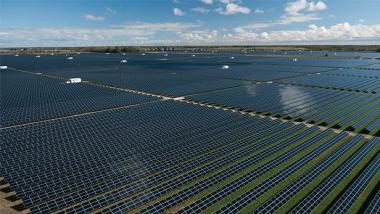
Kamuthi solar power plant
¶ Nuclear energy and wind power remained the top two sources of electricity generation in Spain for the first 11 months of 2016, with shares of 23.1% and 19.9%, respectively. According to the provisional figures released today by grid operator Red Electrica de Espana, renewables accounted for 42.2% of total generation.
[SeeNews Renewables]
¶ The oil cartel OPEC has agreed its first supply cut in eight years, after more than two years of depressed oil prices because of a supply glut on the market. OPEC’s president said that a cut of 1.2 million barrels a day would start from January. The price of Brent crude jumped 10% to $51.94 a barrel, and US crude rose 9% to $49.53. [BBC News]
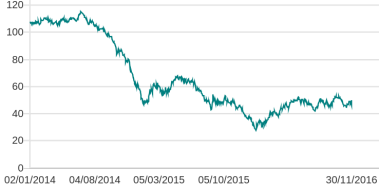
Oil prices since 2014
US:
¶ The frigid North Dakota cold hasn’t stopped thousands of protesters from camping outside, trying to halt construction of the Dakota Access Pipeline. Now, leaders of “Veterans Stand for Standing Rock” said they’re ready to go to North Dakota to join them, even though it was 29° Fahrenheit there on Wednesday afternoon. [CNN]
¶ A survey by Republican polling firm Public Opinion Strategies, conducted for the Conservative Energy Network, found that strong majorities supported increasing their states’ use of wind, solar, and hydropower, while a plurality supported the increased use of natural gas, and a majority opposed the increased use of coal. [Morning Consult]
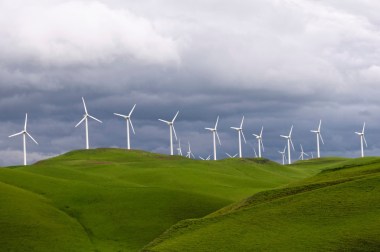
Wind turbines (toddarbini iStock.com)
¶ Michigan’s largest utility, DTE Energy, is moving ahead with efforts to phase out its use of coal and will not be swayed by any potential changes to federal energy policy. DTE Energy intends to embrace renewable energy more aggressively in the coming years regardless of what changes come from the recent election. [Hydrogen Fuel News]
¶ American Electric Power is asking regulators for $52 million to build eight to ten microgrids in Columbus, Ohio. The microgrids are to be installed at critical facilities, such as hospitals, shelters, water plants, grocery stores and gas stations. AEP intends to let other nearby customers to connect to the on-site generation for a fee. [Greentech Media]

Columbus, Ohio (American Electric Power)
¶ Active Energy Group plc developed CoalSwitch, a biomass fuel that can be mixed at any ratio with coal as a drop-in fuel, or replace it altogether, in existing coal-burning powered plants. The company is building its first production facility in North America following recent testing and endorsement by Rocky Mountain Power. [Renewable Energy Magazine]
¶ The New York State Energy Research and Development Authority may become the first US state entity to participate in a federal auction for an offshore wind site. NYSERDA submitted documentation and a bid deposit to take part in an auction for a 79,350-acre Wind Energy Area 12 miles off the Long Island coast. [Windpower Engineering]
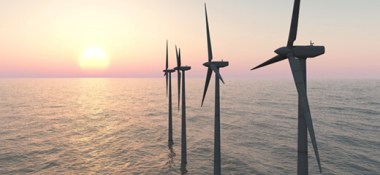
Offshore wind power
¶ The US EPA has published a proposed decision on the CAFE (Corporate Average Fuel Economy) fuel efficiency standards. The CAFE standards were set by the current Obama Administration back in 2012. The proposed decision simply maintains the current standards for vehicles in model years 2012 through 2025. [CleanTechnica]
¶ A Texan under consideration to lead the EPA wants to end subsidies for renewable energy and said it’s not clear how much human activity contributes to global warming. Kathleen Hartnett White, the head of a conservative Texas think tank, confirmed that she is being considered to lead the EPA after meeting with Donald Trump. [Sacramento Bee]
geoharvey is free and without ads.
geoharvey is not tax-deductible.
Posted in nuclear power, renewable power, solar, wind | 1 Comment »
Tags: nuclear, nuclear power, renewable power, solar power, wind power
November 30, 2016
World:
¶ The Egyptian government has signed an umbrella agreement with European Development Partners to secure €267 million ($296 million) funding for implementation of a new large-scale windfarm in the Gulf of Suez area in Egypt. The Gulf of Suez windfarm will generate 650 GWh per year, enough for 370,000 Egyptians. [Al-Bawaba]
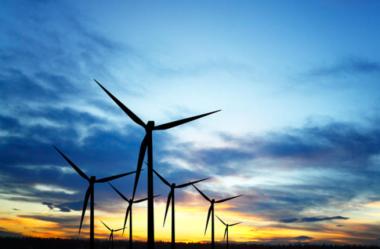
Wind power (Shutterstock image)
¶ Details of a production cut agreement are due to be finalized
at a formal OPEC meeting in Vienna. But key OPEC members appear to disagree over the plan, and some analysts believe there might not be a deal. With analysts speculating, Brent crude oil was down $1.76 per barrel at $46.48, and US crude was down $1.80 at $45.28. [BBC]
¶ A question mark hangs over a world-leading laboratory that has pioneered research into nuclear fusion for nearly 40 years. The Culham Centre for Fusion Energy near Oxford is largely funded by the EU and dozens of its scientists come from outside the UK. They are getting nervous, and the lab’s future looks uncertain. [BBC]

Brexit has cast a shadow of uncertainty (Kate Stephens)
¶ A new joint venture has formed to develop a fast-charging network for European electric vehicles has been signed by Ford, BMW, Daimler, and Volkswagen Group (including Audi and Porsche). The DC electric vehicle fast-charging stations will reportedly offer up to 350 kW in power, while Tesla’s max out
at 120–135 kW. [CleanTechnica]
¶ Brazilian developer Casa dos Ventos has started commercial operations at its 359-MW Ventos do Araripe 3 wind power complex in the northeast of the country. The R$1.8 billion ($520 million) scheme, located on the Araripe plateau between Piauí and Pernambuco states, comprises 14 wind farms with 156 turbines. [reNews]
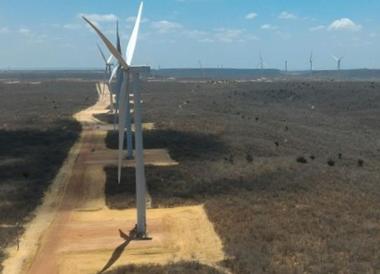
Wind farm in Brazil (Image: Casa dos Ventos)
¶ A pumped storage hydro energy scheme at an opencast coal mine site in southern Scotland has been approved, as a project at Glenmuckloch got the all-clear by the Scottish government. Dumfries and Galloway Council gave its backing to the project earlier this year. It has an operational capacity of up to 400 MW. [BBC News]
¶ China Guangdong Nuclear Power Group has approval from the Fujian Province Development and Reform Commission for a 300-MW offshore wind farm. It had already been approved by the National Energy Administration and is part of the national offshore wind development and construction program (2014-2016). [SeeNews Renewables]

Offshore wind park (Photo: Tim Collin, CC BY SA)
¶ In Nigeria, Nineteen Northern governors have signed a Memorandum of Understanding with General Electric for five solar plants to generate 500 MW of electricity. Based on the MoU, General Electric would build five 100-MW solar power plants, one in each of Borno, Kebbi, Nassarawa, Niger, and Taraba states. [Bella Naija]
¶ Three Dutch coal plants opened in 2015 are already threatened with early closure. Their owners failed to foresee a rapid rise in renewable power generation, falling demand, and calls to phase out coal. It was a costly error that other countries could learn from, the Institute for Energy Economics and Financial Analysis says. [Climate Home]
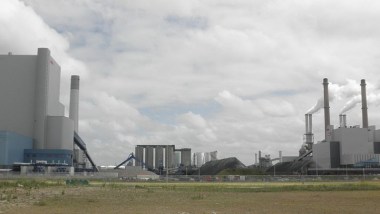
New Dutch coal plant (Photo: Wikimedia Commons / Zandcee)
US:
¶ Texas grid operator ERCOT announced a new record for wind on Monday, as wind provided more than 15,000 MW to the state. It is not the hour-by-hour records that are impressive, however. Wind power will provide at least 14.7% of the state’s electricity in 2016, according to ERCOT, up from 11.7% in 2015. [Greentech Media]
¶ EDP Renovaveis SA signed a 20-year power purchase agreement for the output of a 75-MW wind farm project in Indiana, starting in 2018. The Meadow Lake VI the wind project will supply power for the Wabash Valley Power Association. EDPR is targeting 1.8 GW of projects in the US by the end of the decade. [SeeNews Renewables]

Wind farm in Indiana (Photo by Ben Husmann, CC BY SA)
¶ NRG Energy said it has closed on the 1.5-GW utility-scale solar and wind developments from SunEdison. The largest elements of the purchase include a partnership interest in a 530-MW portfolio of seven solar developments in Utah and a 154-MW solar project in Texas. Operations in other states were purchased, as well. [Power Engineering Magazine]
¶ US Wind, a subsidiary of Italy’s Toto Holding SpA based in Maryland, has revealed some details about its application to build an offshore wind farm off the state’s coast. The company is proposing to build a 750-MW wind park containing up to 187 turbines. It would be the first large-scale offshore wind farm for the US. [SeeNews Renewables]

Wind turbines at sea (Photo: Harvey Barrison, CC BY SA)
¶ Some of Illinois’ largest manufacturers are staunch opponents of an Exelon proposal to keep the financially struggling Clinton and Quad Cities nuclear power plants open. Exelon says it will initiate steps to shut down the Clinton plant if the General Assembly doesn’t pass a bill before in the veto session wraps up on Thursday. [MDJOnline.com]
¶ A team of 20 federal inspectors is spending two weeks now, and one more in January, on a top-to-bottom review of the Pilgrim Nuclear Power Station, as part of the Nuclear Regulatory Commission’s heightened scrutiny over the Plymouth plant. The team will focus on the plant’s procedures and its corrective action plan. [Wicked Local Carver]
geoharvey is free and without ads.
geoharvey is not tax-deductible.
Posted in nuclear power, renewable power, solar, wind | 1 Comment »
Tags: nuclear, nuclear power, renewable power, solar power, wind power
November 29, 2016
Opinion:
¶ “Want to know why Trump will struggle to save the coal industry? Look at Michigan.” • All year, Donald Trump has been promising to rescue the US coal industry by repealing various Obama-era pollution rules and ending the “war on coal.” And all year, analysts have pointed out that he probably cannot deliver on that promise. [Vox]
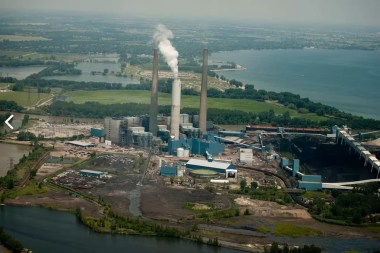
Monroe Power Plant in Michegan (Port of Monroe)
¶ “Trump’s Election Is No Death Knell For Climate Progress”
The US can meet the climate action commitments made in Paris last year, even if Mr Trump decides to withdraw. It is the US cities, communities, and businesses who are ultimately getting on with the massive job of reducing greenhouse gas emissions. [Huffington Post Australia]
Science and Technology:
¶ If it feels like it hasn’t rained in months in the South, you’re right. The region is experiencing an extreme drought. But just a few months earlier, we were talking about record-breaking floods in the South. These shocking extremes are happening more often, and it is all part of an unfortunate new normal in a world with climate change. [CNN]

Drought in the Southeast
¶ Coral across Australia’s Great Barrier Reef suffered its most devastating die-off on record, a new report says. In just nine months, bleaching caused by warmer water has killed around 67% of the coral in a previously pristine part of the reef. While there were major coral bleaching events in 1998 and 2002, this year’s is more devastating. [CNN]
World:
¶ Portugal’s Council of Ministers have approved the 25-MW Windfloat Atlantic floating offshore wind project which will be sited off the country’s northern coast. The project, in waters near Viana do Castelo, is scheduled to be built in late 2018 or 2019. The project will feature technology developed by Principle Power. [reNews]
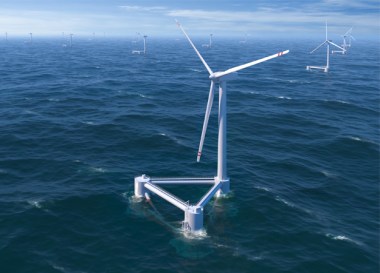
Floating wind turbines (Principle Power image)
¶ India’s latest electricity sector report provides some clear insights on the electricity sector transformation. Thermal power plant utilization rates are collapsing to below 50%, the growth rate in new builds has halved, and renewable power generation is up 26% year-on-year. India’s renewables goal is 16 GW in 2016. [RenewEconomy]
¶ Chile’s government announced a new auction for almost 7,945 hectares (19,770 acres) of state-owned land for wind projects. The land is located in the area of Taltal in the region of Antofagasta and could host up to 400 MW of wind capacity. Proposals will be for development of wind farms of at least 100 MW. [SeeNews Renewables]

Wind farm in Chile (Author: Diego Correa)
¶ Saskatchewan and the Canadian federal government are working on an agreement on coal. If finalized, it “will provide Saskatchewan more flexibility in transitioning to additional renewable energy, including evaluating future opportunities for carbon capture and storage to trap carbon dioxide and store it.” [Saskatoon StarPhoenix]
¶ The global market for boilers, turbines, and generators is set to decline thanks to the growing focus on renewable energy sources and awareness about the environmental issues, according a study by GlobalData. The market is expected to decrease from $318 billion for the full period of 2010-2015, to $241 billion for 2016-2020. [Greentech Lead]

Cooling towers at a conventional thermal power plant
¶ Europe will be able to meet higher-than-normal electricity demand this winter even if nuclear safety checks tighten France’s power supply further, the European power grid lobby said. France faces its lowest level of nuclear power availability in 10 years because several reactors have been take offline for safety checks. [Reuters UK]
¶ Global solar installations are expected to jump 48% year-on-year to 76 GW in 2016 and then decline by 8% to 70 GW next year, sector consultancy Mercom Capital Group LLC said. This year’s growth can be attributed to “an unprecedented level of activity in China” before incentives were reduced at the end of June. [SeeNews Renewables]

Global Solar Demand Forecast (Mercom Capital Group, LLC)
US:
¶ The National Academy of Sciences released a study, which said New Orleans could see nearly 14.5 inches of sea level rise by 2040, and 6.5 feet by 2100. Scientists believe that metro areas outside of New Orleans’ protective levee system may have to be relocated because of rising sea levels within the next two decades. [WWLTV.com]
¶ The Interior Department’s Climate Science Centers, managed by USGS, are helping the National Park Service identify the impacts of climate change on parks. This will help answer a critical question: Which resources need human intervention to ensure their continued existence while the climate changes? [United States Geological Survey]

The construction of James Fort
(Artist: Sidney E. King, Permission by National Park Service)
¶ Ohio lawmakers are continuing their race to a showdown with Governor John Kasich over renewable energy. They want to delay state rules requiring renewable energy until he after he leaves office. But lawmakers appear to have put off until early next year the even bigger question of protecting old coal and nuclear power plants. [cleveland.com]
¶ Pacific Gas & Electric agreed to pay $85 million to neighboring cities and a school district affected by the closure of the Diablo Canyon nuclear power plant, the California utility announced. When the Central Coast plant shuts down in 2025, it will deprive the area of property taxes and potentially affect local businesses negatively. [Modesto Bee]
geoharvey is free and without ads.
geoharvey is not tax-deductible.
Posted in nuclear power, renewable power, solar, wind | 1 Comment »
Tags: nuclear, nuclear power, renewable power, solar power, wind power
November 28, 2016
World:
¶ The government of Bolivia, a landlocked country in the heart of South America, has had to declare a state of emergency as it faces its worst drought for at least 25 years. Much of the water supply to La Paz and El Alto comes from the glaciers in the surrounding Andean mountains. The glaciers, however, are disappearing. [Truthdig]

No snow at a once-thriving ski resort in the Bolivian Andes
(Ville Miettinen via Wikimedia Commons)
¶ Abu Dhabi’s Masdar has completed its second solar power project in Mauritania, doubling the amount of power the UAE provides to the African nation, the clean company said. Masdar, working with the national utility provider, will meet up to 30% of the demand for rural communities with eight individual solar PV plants. [The National]
¶ Southwestern England’s Gloucester Cathedral is now home to
a 38-kW solar PV system. It is expected to reduce the facility’s costs for energy by around 25%. The Church of England has a goal of cutting carbon emissions 80% by 2050. English churches are oriented east-west by tradition, so many have south-facing roofs. [CleanTechnica]

Blessing the PVs (Photo via GloucestershireLive)
¶ The Lego Group has inaugurated a new factory in Jiaxing, China. The factory, as large as 20 football fields, currently employs more than 1,200 people and is expected to produce up to 80% of all Lego products sold in Asia. Lego has placed a special focus on sustainability at the factory, and it will be powered by the sun. [Energy Matters]
¶ A $10 million renewable energy-powered microgrid, possibly the largest in the country, will be developed in Western Australia. The coastal town of Kalbarri currently gets power through a 140-km transmission line, which can be unreliable. The microgrid will combine wind and solar power with a large-scale battery. [The Sydney Morning Herald]
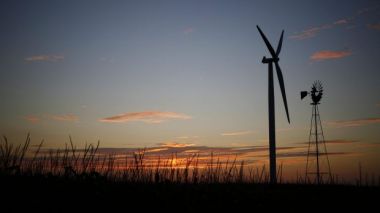
Wind to combine with solar and battery (Photo: Luke Sharrett)
¶ Singapore will commission the world’s largest floating solar panel testbed by end of 2016 as part of its plan to harness clean or renewable energy. The one-hectare testbed at a reservoir at Tengah is slated to produce 1 MW of energy. If its efficacy is proven, it will supplement land-based solar panels as land is at
a premium. [Blasting News]
¶ Nepal should be energy rich. It has 2% of the world’s water resources and more than 300 days of sunshine in a year. But more than 30% of Nepalese have never used electricity, and the rest live with blackouts that can extend up to 16 hours a day during the winter. The government hopes to be able to power the country renewably. [Online Khabar]

Studying in winter in Nepal (Photo: Nabin Baral)
¶ People in Switzerland voting in a referendum have rejected a proposal to introduce a strict timetable for phasing out nuclear power, with the last nuclear plant closing in 2029. A projection for SRF public television showed the initiative failing by 55% to 45%. A majority of cantons (Swiss states) voted against the initiative. [Energy Bangla]
¶ Taiwan is set to kick-start the promotion of renewable energy as part of President Tsai Ing-wen’s denuclearization policy. The government aims to raise the percentage of renewable energy in the island’s power supply to 20%, or five times the current level, by 2025. It estimates the total investment at $56.6 billion. [Nikkei Asian Review]
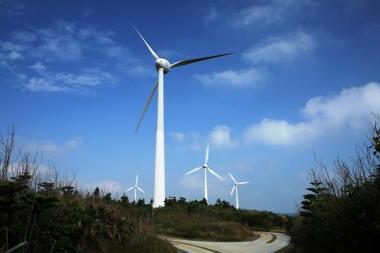
Wind power facility in Taiwan’s Penghu Islands
(Courtesy of Taiwan Power)
¶ Japan’s Ministry of Economy, Trade and Industry now expects the total cost of dealing with the aftermath of the Fukushima nuclear disaster to total more than ¥20 trillion (US$178.8 billion), nearly double the previous estimate, sources familiar with the matter said. The previous estimate was ¥11 trillion. [South China Morning Post]
US:
¶ Water isn’t a commodity that most southerners usually worry about. But lately, the drought has become a hot topic as more and more communities begin dealing with declining water resources. The drought, already exceptionally severe, continues to deepen. Even worse, these conditions may become the new norm. [Digital Journal]

Lake Hartwell, near Anderson, South Carolina, in drought
(Photo: Alan Raflo, Virginia Water Resources Research Center)
¶ Energized by a $500,000 grant from the US DOE, Plug In America will partner with the University of Rhode Island to promote the electric car revolution in Vermont, Massachusetts, Connecticut, and Rhode Island. Funds from the award will be used for public, workplace, and fleet events starting next year. [CleanTechnica]
¶ President-elect Donald Trump is set on stripping off funding from NASA’s Earth Science division. He wants the agency to concentrate more on deep space exploration. Trump would eliminate all climate change research conducted by NASA, according to the Guardian, shifting the focus to exploring the solar system. [Science World Report]
geoharvey is free and without ads.
geoharvey is not tax-deductible.
Posted in nuclear power, renewable power, solar, wind | Leave a Comment »
Tags: nuclear, nuclear power, renewable power, solar power, wind power
November 27, 2016
Opinion:
¶ “Science under threat in Trump’s ‘post-truth’ world” • The ‘post-truth’ world is fertile land for science sceptics from climate change deniers, anti-vaccine groups to evolution sceptics. Given the rise of fake social media news, standards of truth are even more important. Deborah Blum is a Pulitzer Prize winner, and a trained scientist. [Irish Independent]

Floody hell: Climate change is a concern, but so is
everyday regulation in the US. (Photo: Lorraine Teevan)
Science and Technology:
¶ Scientists are creating a biodiversity map identifying thousands of aquatic species in rivers and streams in the Western United States. The map eventually will include everything from insects to salmon to river otters. It’s possible because of new technology that can identify stream inhabitants by analyzing DNA in water samples. [The Register-Guard]
World:
¶ Following the removal of sanctions, Iranian energy demands are starting to increase, particularly from heavy industry, and this means output from renewables is expected to grow. The country’s renewables body is looking to attract $10 billion of direct private investment by 2018 and $60 billion by 2025. [Renewable Energy Focus]

Wind turbines in northwestern Iran (Shutterstock image)
¶ Swiss citizens are voting in a referendum to determine whether their country shuts down its nuclear power plants by 2029. Polls suggest a tight race. Switzerland gets about 33% of its electricity from nuclear power, around 60% from hydroelectric power and little more than 4% from renewable sources like wind and solar. [Deutsche Welle]
¶ As the Christmas festive season approaches, Finland’s chemical industry is urging people to support a campaign to turn left-over cooking fat into fuel. The campaign, called “Kinkkutemppu,” which means “ham trick,” will collect leftover cooking fat from Finnish households and convert it into renewable diesel fuel. [Market Business News]

Roasting a turkey produces enough grease to power an
average family car through 2 miles. (Image: pixabay-23178)
¶ COP22 lacked the glamour of the achievements of last year’s Paris agreement. National governments seemed most concerned with fast-tracking rules. But businesses, regional governments, and cities have stepped up with plans and initiatives to address climate change, moving to a low carbon and climate resilient future. [ETEnergyworld.com]
¶ In Vietnam, many investors have been ready to take part in the solar power industry but they are waiting for specific regulations from the Government to set prices. The relevant agencies have suggested a solar power price of 11.2¢/kWh to 13.2¢/kWh, which is attractive enough to attract investors to renewable energy. [VietNamNet Bridge]
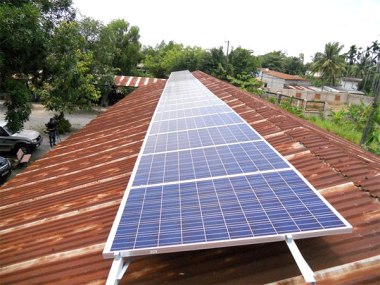
Solar array at a primary school (Photo: Van Nam)
¶ Awareness of climate change and how to help sustain the environment will soon be taught in classrooms across the UAE, authorities announced. Curricula may include learning about sustainability, and school children will be shown how to take energy-saving measures. The program will include children of all ages. [gulfnews.com]
US:
¶ Recently, researchers from Carnegie Mellon University calculated the carbon footprint of Thanksgiving dinners, had every year on November 24, and published their findings for different states in the US. The meal-footprint is lowest in Vermont (0.09 kg of carbon dioxide released) and highest in West Virginia (36. 3 kg). [The Wire]

Food has its own carbon footprint
(Credit: diametrik/Flickr, CC BY 2.0)
¶ Two former Indiana mayors are pressing the state to move to cleaner energy and emerging energy technologies that have not been favorably received so far by Indiana lawmakers. More than three-fourths of Indiana’s electricity generation is fueled by coal, and nine of the state’s 10 largest power plants are coal-fired. [Fort Wayne Journal Gazette]
¶ President-elect Donald Trump may want to cut environmental regulations, but the Tennessee Valley Authority is still moving away from coal. The federal utility got more than two-thirds of its electricity from burning coal two decades ago, but it expects to get a bit less than a quarter of its power from coal next year. [Chattanooga Times Free Press]
geoharvey is free and without ads.
geoharvey is not tax-deductible.
Posted in nuclear power, renewable power, solar, wind | 1 Comment »
Tags: nuclear, nuclear power, renewable power, solar power, wind power
November 26, 2016
Science and Technology:
¶ The people of Lusatia, an area on the eastern side of Germany scarred by years of lignite mining, have come up with a novel plan for what to do with them. Since 1990, with the reunification of Germany, 12 out of the 17 mines shut down, leaving huge open pits across the landscape. Now, many of the pits have become lakes. [BBC]

Tourists visit an old open-pit mine (Freya Najada)
¶ WWF-Canada has developed a tool to build habitat protection into the renewable-energy development process, so conflicts with wildlife can be prevented before significant investments are considered. The digital tool helps identify areas where renewable potential is high and conflict with nature is comparatively low. [WWF-Canada Blog]
World:
¶ A collaboration between two Dutch co-operatives and four international companies has entered into a power purchase agreement to buy 350 GWh of electricity per year from the Windpark Krammer development for 15 years. So, they ensure the wind park’s viability while reaching their sustainability goals. [The Guardian]
Basis of a circular economy (Photo: Portland General Electric)
¶ The Asian Development Bank approved a $325 million loan to help enhance Pakistan install clean energy sources and improve access to electricity for people in Khyber-Pakhtunkhwa and Punjab. The ADB will also provide a $750,000 grant for technical assistance to support capacity development and improvement of performance monitoring. [The Nation]
¶ An additional £390 million in funding for the support of electric vehicle and self-driving tech adoption in the UK has been announced by Chancellor Philip Hammond, as part of the Autumn Statement. It also revealed that the government would be extending the current tax breaks for electric vehicle charge points. [CleanTechnica]

EV charging (POD Point image)
¶ Pakistan can save up to $3 billion per year if it taps into the full potential of alternative energy resources and implements energy reforms programs, a provincial minister said. He said that net metering will allow for savings and reduction in the load on the grid while reducing dependency on coal and natural gas. [The News International]
¶ South America faces some challenges with curbing energy emissions, including increased car ownership. But the region now manages to utilize its renewable energy sources, thanks to its partnership with Chinese energy firms, as reported by the Fifth Column News. Uruguay, for example, now is powered 100% by renewable energy. [Latin Post]

Eco power wind turbines (Photo: Maria Wachala)
¶ Swiss voters will head to the polls on Sunday to decide whether to speed up phasing out Switzerland’s nuclear power plants. The Swiss have already vowed to close them, but a “yes” vote would force three of its five reactors to close next year. The Swiss Green Party wants to limit reactor lifetime to no more than 45 years. [The Local Switzerland]
US:
¶ In a quest to push development of up to 60 MW in power generation development, the Power Authority of Guam, a US island territory in the Philippine Sea, has narrowed down its list of bidders to seven that are considered qualified. One of the bidders proposed the development of a 10 MW geothermal project. [ThinkGeoEnergy]

Island coast at Yona, Guam in Micronesia
(Photo: flickr / Jonathan Miske, creative commons)
¶ A new confrontation is brewing over the Dakota Access Pipeline. Protesters fighting pipeline construction must vacate federal property near the Cannonball River in North Dakota by December 5 or face arrest, the Army Corps of Engineers said. The demonstrators must a large campsite where they have been staying. [CNN]
¶ When the city of Georgetown, Texas had decided to go all green, it had little to do with the environment. It had a lot to do with the money. “We wanted the least risk, most cost effective option we could get for the community,” Georgetown’s utility chief said. Wind is now competitive with fossil fuels, and its costs don’t fluctuate. [KPBS]
¶ The Kentucky Public Service Commission has allowed East Kentucky Power Cooperative, Inc to offer its customers the opportunity to use solar power without putting solar panels on their roofs, filling an unmet demand for renewable energy. The facility is just the second community solar project approved by the PSC. [KyForward.com]
¶ If all goes according to plan, construction will begin next year on one of the longest power transmission projects in the nation’s history, a 700-mile line from wind farms around the Oklahoma panhandle to Atlanta and other cities in the Southeast. Getting to this point has been a struggle requiring federal government action. [Houston Chronicle]

Wind power (Photo: esoxx – Fotolia)
¶ While the world waits to see the political implications of the Trump presidency, S&P Global Ratings has released a new report exploring possible meanings for the energy sector and related project finance. The report covers its impacts on domestic energy regulation, renewables investment, and long-term credit quality. [Blue & Green Tomorrow]
¶ President-elect Donald Trump has vowed to end the “war on coal,” but one Michigan utility’s said his company plans to phase out the fuel, regardless. The company has already shuttered three coal-fired units, and has plans to shelve another eight by 2030. Its CEO said the company is on the path to phasing out coal completely. [MLive.com]
geoharvey is free and without ads.
geoharvey is not tax-deductible.
Posted in nuclear power, renewable power, solar, wind | 1 Comment »
Tags: nuclear, nuclear power, renewable power, solar power, wind power
November 25, 2016
World:
¶ Nearly 70% of the Kenyan population relies on costly and polluting energy sources. But a green transition is underway, as ever more Kenyans turn to solar power to meet their daily energy needs. A small solar system can cost about the same as a diesel generator, and it is as reliable, but there is no fuel and no pollution. [Deutsche Welle]

Solar panel on a roof in Kenya
¶ Canadian developer Power Renewable Energy proposes to install Senvion turbines at a 122.4-MW wind project in southeast Alberta. PRE, a subsidiary of giant diversified holding company Power Corp of Canada, plans to erect 36 3.4MW-140 machines on 110-metre towers at the Jenner wind farm, according to regulatory filings. [reNews]
¶ Finland is widely expected to become the first country in the world to actually ban the use of coal-burning power stations. Coal currently provides around 8% of the country’s energy needs. At the present time it is only regional states that have outright banned coal such as Oregon in the United States and Ontario in Canada. [Huffington Post UK]

Cooling towers and steam at a coal-burning plant
(Pawel Kopczynski / Reuters)
¶ ReNew PowerVentures, a renewable energy development company, has bagged the highest number of projects under a 500 MW mega-tender of rooftop solar capacity floated by Solar Energy Corporation of India Ltd. The tender targets especially rooftop solar on schools, colleges, universities, and residential buildings. [ETEnergyworld.com]
¶ EDF and Stornetic have launched a joint project on advanced smart grid storage solutions to assess performance of flywheel energy storage technology. Stornetic will deliver a DuraStor energy storage device by June 2017. It will be installed and assessed at the EDF Concept Grid site in Moret-sur-Loing near Paris. [Renewable Energy Magazine]

Stornetic storage system
¶ K-Water, South Korea’s state water resources company, said it is raising about 100 billion won ($84 million) to build the world’s largest floating power-generating facilities. The company said it plans to sign deals with institutional investors by March of next year to build and manage the 40-MW solar power plant. [The Korea Bizwire]
¶ Researchers at the Australian National University (ANU) in Canberra say the cost of a 100% renewable energy future is very low. They designed an optimization model of their national electricity market (NEM) using solar, wind, pumped hydro, and high-voltage transmission lines. The model said the cost would be $90/MWh. [EcoGeneration]

Goldisthal pumped storage plant (Source: Vattenfall)
¶ Countries all over the world are embracing renewables as a source of affordable clean energy – even countries many associate directly with the oil, coal, and gas industries. Thanks in large part to the Paris Agreement, more world leaders than ever see economic benefits of renewables. Here are six that stand out. [CleanTechnica]
¶ Italian utility Enel SpA has set a target of adding 6.7 GW of renewable energy capacity in its 2017-2019 strategic plan. A less capital-intensive build, sell, and operate business model will allow it to capitalize on its renewables pipeline more quickly, reduce the overall risk profile and crystallise value creation earlier. [SeeNews Renewables]
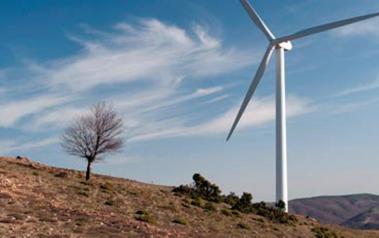
Enel wind farm (Photo by Enel Green Power, all rights reserved)
¶ The Alberta government will pay three coal power producers more than $1 billion over the next 14 years to compensate them for shutting down their plants early as part of its climate change agenda, and negotiations over power contract disputes are drawing to an end. Talks with a fourth producer are ongoing. [Calgary Herald]
US:
¶ A solar project in Cohasset, if approved and completed, will join the ranks of 87 other approved renewable energy projects on closed landfills across Massachusetts, according to data from the Massachusetts Department of Environmental Protection. At a cost of $1.7 million, the project would deliver about 735,000 MWh per year. [Wicked Local Cohasset]
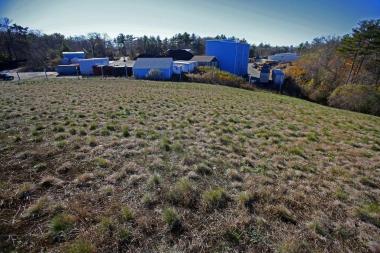
Landfill in Cohasset, where PVs would be installed
(Greg Derr / The Patriot Ledger)
¶ GlobalData’s latest analysis shows clean energy investors fear that Donald Trump will jeopardize renewable energy sources by moving away from Obama’s Clean Power Plan and leaving the Paris agreement. Stock values have declined for a number of US solar companies, and coal stocks have been boosted. [Blue & Green Tomorrow]
¶ San Luis Obispo County could potentially get more money out of PG&E’s plan to close Diablo Canyon nuclear power plant than previously proposed. An administrative law judge has ruled that the economic impact of closing the plant on the county and its residents can be considered in hearings and testimony. [The San Luis Obispo Tribune]
geoharvey is free and without ads.
geoharvey is not tax-deductible.
Posted in nuclear power, renewable power, solar | 1 Comment »
Tags: nuclear, nuclear power, renewable power, solar power, wind power
November 24, 2016
Opinion:
¶ “Can Trump undo Obama’s policies?” • The environmental achievements under Obama are considerable, and Trump can’t vanquish them with a snap of his fingers. Many power plants have already taken steps to rein in toxic pollutants. Obama’s clean car rules have already stood up in court. But Trump has many options. [The Colorado Independent]

US wind farm (Credit: Mathias Appel, Creative Commons, Flickr)
¶ “Smart Energy Storage Gives Building Owners Control of Electricity Expenses” • In the past, we’ve traditionally overbuilt supply to maintain electric system reliability. We are supporting trillions of dollars of infrastructure that is not normally used. Getting past this with energy storage will bring financial benefits. [cre.tech]
World:
¶ The town of Newstead, Victoria is seeking proposals from potential project partners who could help refine its plan to reach 100% renewable energy in 5 years. The town, with a population of about 500, looks to build up its renewable energy capacity and tie it into the local grid with battery storage and new “energy market” ideas. [CleanTechnica]
¶ German companies are making efforts to protect the climate. The latest trend study from E.ON shows that a majority of the companies take the issue of energy conservation seriously. About 75% of the CEOs surveyed indicated they had made investments relating to climate protection over the past three years. [Your Renewable News]
¶ The World Wide Fund for Nature South Africa has lauded the release of the long-awaited draft Integrated Resource Plan and the proposed delay on building up nuclear power in South Africa. WWF says proposals for nuclear power should be taken off the table and more renewable energy should be added into the mix. [Independent Online]
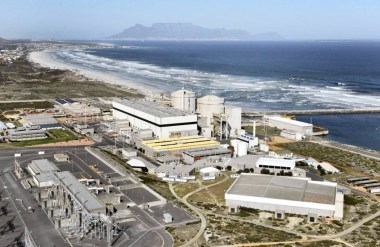
Koeberg, South Africa’s only nuclear power station
(Credit: Bruce Sutherland, City of Cape Town)
¶ Sri Lanka’s will call open tenders for private investors to set up 60 solar power plants of with a capacity of one megawatt each, following a successful tender for wind power which slashed costs. Sri Lanka’s state-run Ceylon Electricity Board has been paying a feed-in tariff for solar power as high as Rs23/kWh (15¢/kWh). [EconomyNext]
¶ Egyptian New and Renewable Energy Authority is currently executing two wind power projects in Ras Gharib, Red Sea with investments estimated at around $400 million. Ehab Ismail, General Manager of Planning Department at NREA, said that the combined capacity of the two projects is estimated to be about 340 MW. [Zawya]

Zafarana Wind Farm in Suez (Reuters / Amr Dalsh)
¶ The renewable energy unit of French state-owned utility EDF is in talks with Chinese companies about a possible partnership to build offshore wind parks in China. EDF’s CEO said last year the firm wants to nearly double its renewable energy capacity worldwide to more than 50 GW by 2030 from about 28 GW. [The Maritime Executive]
¶ In Canada, governments at various levels are now working with indigenous leaders and energy companies to find new solutions to end that energy poverty. Federal, provincial and territorial ministers are due to meet in January with the various partners to come up with a joint plan to provide reliable electricity. [The Globe and Mail]

Town of Fort McPherson, NWT
(Fred Lum / The Globe and Mail)
US:
¶ Green Mountain Power has been looking to purchase 14 hydroelectric plants in Vermont and other New England states. The company says the deal would build its low-cost renewable energy portfolio and benefit ratepayers, but a solar developer says investments outside the state will slow down renewable energy development in it. [Vermont Public Radio]
¶ Legislative support is showing up for an extension of Oregon’s sunsetting Residential Energy Tax Credit, a top priority of the state’s solar energy industry. Included in draft recommendations of the Joint Interim Committee on Department of Energy Oversight was a call to continue RETC for another two years. [Portland Business Journal]

Installing a residential solar system in Oregon (Legend Solar)
¶ St. Petersburg Florida has joined the likes of Los Angeles and San Diego in approving a commitment to transitioning to 100% renewable energy. It is the first city in Florida and the 20th city in the US to make such a mandate. In a unanimous vote, the City Council Committee allocated $800,000 in funds to implement the plan. [PV-Tech]
¶ The National Renewable Energy Lab released the first ever technical and economic analysis of the potential of distributed wind power, from smaller turbines at home or business sites. The key finding is that distributed wind installed at millions of locations could technically power the entire country. [Renewable Energy Magazine]

Pika Energy wind turbine on a farm in Maine
(Photo courtesy of Pika Energy)
¶ In Vermont, the Bennington County Regional Commission is rolling out an energy plan that includes data on current usage and sources, projections of future use, and strategies to support the state’s goals for cutting consumption and shifting more toward renewable energy production. A key goal is to produce more energy locally. [vtdigger.org]
¶ Hawaiian Electric Co will move forward with its clean-energy goals, despite having a climate change denier as the nation’s incoming president. Alan Oshima, the utility’s president and CEO, said he is concerned about President-elect Donald Trump’s victory but that the utility is committed to 100% renewable energy. [Government Technology]
geoharvey is free and without ads.
geoharvey is not tax-deductible.
Posted in nuclear power, renewable power, solar, wind | 1 Comment »
Tags: nuclear, nuclear power, renewable power, solar power, wind power
November 23, 2016
Science and Technology:
¶ Many species will not be able to adapt fast enough to survive climate change, say scientists. A study of more than 250 plants and animals suggests their ability to adapt to changes in rainfall and temperature will be vastly outpaced. Amphibians, reptiles and plants are particularly vulnerable. And tropical species are at higher risk. [BBC]

Tropical species may be particularly vulnerable.
(Thinkstock image)
World:
¶ Morgan Stanley has released a new report estimating that electric car sales will increase become 10 to 15% of the global new car market by 2025. Though the US may look to abandon its rules, every other civilized country has its own in place, and they require auto manufacturers to lower the emissions dramatically within a few years. [CleanTechnica]
¶ There has been a significant advancement in tidal energy this month with a single massive tidal turbine being deployed on the coast of Nova Scotia in the Cape Sharp Tidal project. Earlier this month, OpenHydro and Emera, the developers, deployed the first of a series of massive turbines. Now, they have connected it to the grid. [Electrek]

Tidal turbine being installed and used (Electrek)
¶ According to new data from EV Volumes, one million purely electric vehicles are now on roads worldwide! And that is largely made up of models that have been on the market for the past several years. The new electric car models hitting the market right now and in the coming year are a huge leap ahead, with even more customer appeal. [CleanTechnica]
¶ German tidal energy company Schottel Hydro has installed a SIT 250 turbine at Bintuni Bay in Indonesia. The turbine is suspended below a floating barge and supplies power to a wood chip factory that had previously received all its power from diesel generators. The project took 12 months to complete, Schottel said. [reNews]

Readying a tidal turbine in Indonesia (Schottel image)
¶ Alberta Premier Rachel Notley says the province’s electricity market is broken and it is capping electricity prices as part of a broader plan to move towards a more regulated industry. The cap will come into effect by June and will ensure Albertans pay no more than 6.8¢/kWh, but that is about twice what most Albertans pay now. [Prince George Citizen]
¶ Vietnam’s legislature has formally endorsed the government’s decision to scrap plans to build the country’s first two nuclear power plants. A statement from the government announcing the vote said renewable energy and power imports were available less expensively and investment should be made in more urgent needs. [The Chosun Ilbo]
US:
¶ President-elect Donald Trump has confirmed his intentions
to cancel the Clean Power Plan. During his election campaign, Trump made several references to his intent to dismantle not only Obama’s Clean Power Plan, but also US involvement with the Paris Climate Agreement and the solar investment tax credit. [PV-Tech]
¶ US renewable electricity has grown to 16.7% of total installed capacity and 13.8% of total power generation in 2015, according to the National Renewable Energy Laboratory’s latest data book. Last year, renewable electricity accounted for 64% of the power capacity additions in the country, compared to 52% a year back. [SeeNews Renewables]

Wind and solar power plant in the US
(Featured Image: welcomia/Shutterstock.com)
¶ President-elect Donald Trump conceded there is “some connectivity” between human activity and climate change and wavered on whether he would pull the United States out of international accords. Asked if he would withdraw the US from international climate change agreements, Trump said he is “looking at it very closely.” [CNN]
¶ In the past, Ta’u, a 17-square-mile island in American Samoa with about 785 residents, was powered by diesel generators and struggled with regular power rationing and outages. Now the island has 1.4 MW of solar power. Its 60 Tesla Powerpacks can run the island for three days, and are charged by seven hours of sunlight. [MIS Asia]
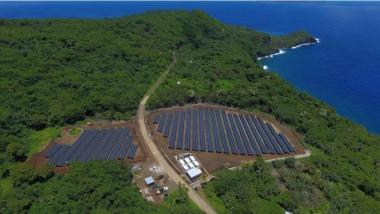
Ta’u solar field (Image: Tesla / Solar City)
¶ Next summer, the town of Bedford, Virginia could see a brand new solar farm installed on town property, which is a first for any municipality in the state. The Town Council voted unanimously to approve the solar farm, to be located on 20 acres next to an old town landfill. The array’s power will cost the town 6.19¢/kWh. [Lynchburg News and Advance]
¶ Vermont utility companies are accustomed to sharing the cost of power, but a new rule that went into effect in September says utilities closest to the power source to pay for its output. Utilities in northern Vermont are trying to figure out what to do with Swanton Wind, a controversial wind farm proposed for Franklin County. [Watchdog.org]
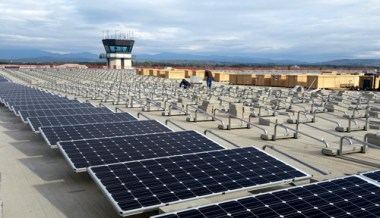
Solar array in Burlington (Burlington Electric Department photo)
¶ In Ohio, a new community solar program called “OurSolar” from Paulding Putnam Electric Co-op will make renewable energy easy and affordable for its members. A groundbreaking ceremony was held on November 15. A subscription to a single panel costs $3 to $5. The co-op plans informational meetings. [The Paulding County Progress]
¶ In a last-minute bid to gain support for saving nuclear plants in Illinois, a massive piece of energy legislation is being scaled back. Exelon says unless lawmakers pass the bill next week, it will close plants in Clinton and the Quad Cities. Critics say this is just a case of a profitable corporation seeking a bailout on the backs of consumers. [Peoria Public Radio]
geoharvey is free and without ads.
geoharvey is not tax-deductible.
Posted in nuclear power, renewable power, solar, wind | 1 Comment »
Tags: nuclear, nuclear power, renewable power, solar power, wind power
November 22, 2016
Opinion:
¶ “Everything I Learned About Renewable Energy Contracts By Talking To Developers” – Utilities put together their portfolio of renewable energy contracts so that they will be able to deliver the capacity needed for each time of day, combining wind and solar with baseload renewables: geothermal, hydro, and landfill gas. [CleanTechnica]

Renewable energy (Image Credit: Chauncey Davis)
¶ “With Trump, China Emerges As Global Leader on Climate” How has China, the country that had been seen as the bad boy of climate policy, transformed itself into a potential global climate leader? And why do China’s leaders see their efforts on climate change as the key to the next phase of China’s growth? [Yale Environment 360]
Science and Technology:
¶ In recent years researchers have shown a correlation between oil and gas fracking and seismic activity, but not a direct causal link. Now, a study published in the journal Science, called “Fault activation by hydraulic fracturing in western Canada,” identifies and describes the mechanism of causality the first time. [CleanTechnica]

Illustration of fault
(cropped screenshot, University of Calgary)
¶ Researchers of Karlsruhe Institute of Technology are working on an efficient and inexpensive method for the production of organic plastics. The “BioElectroPlast” process of microbial electro-synthesis opens up paths not only for the production of biofuel from CO2 and electricity, but also for such chemical products as plastics. [Nanowerk]
World:
¶ Gujarat was the first state in India to have a cooperative for solar pump irrigators, through which farmers sell surplus power to the distributor by connecting solar pumps to the grid. The farmers’ co-op provides irrigation as service at half the previous rate, so even small farmers without wells save on irrigation costs. [India Climate Dialogue]

Solar power for irrigation
(Photo by International Water Management Institute)
¶ Research released by the International Council on Clean Transportation shows an average discrepancy between official vehicle fuel consumption figures and actual vehicle fuel use in the EU has risen to 42%. Most of the difference is explained by vehicle manufacturers exploiting loopholes in the current regulation. [CleanTechnica]
¶ SaskPower, the electric utility in Saskatchewan, plans to raise its renewable power supply to up to 50% by 2030. To do so, it needs to double the percentage of renewables in its supply mix. Wind power’s share is expected to reach 30% by 2030, and SaskPower intends to issue a request for proposals for wind power capacity early in 2017. [reNews]

Wind turbine (Author: Ville-Matti Kaartinen,
License: Creative Commons, Attribution-NoDerivs 2.0 Generic)
¶ Sweden is set to ditch taxes on production of solar energy in 2017 in a bid to run entirely on renewable energy by 2040, the government said. Solar energy is currently marginal in the nation, accounting for less than 0.1% of electricity production. Sweden relies mostly on hydropower (39%) and nuclear power (36%). [ETEnergyworld.com]
¶ South Africa’s government has delayed long-term nuclear power expansion plans, according to a draft energy blueprint. The plan would increase nuclear output 1,359 MW by 2037. Energy analysts said the previous 9.6-GW plan was overly ambitious and expensive. Utility Eskom has not changed its nuclear power plans. [Yahoo News]

Pylons near the Koeberg nuclear power plant
(Reuters / Mike Hutchings / File Photo)
US:
¶ In a unanimous decision, the New York State Court of Appeals Monday upheld a state agency’s right to review applications for renewal of federal licenses to operate two Indian Point nuclear power plants for another 20 years. This delivers a serious setback to the facilities’ owner, Mississippi-based Entergy Nuclear. [EcoWatch]
¶ EPA Administrator Gina McCarthy joined a chorus of voices saying the country is inevitably shifting from fossil fuels to renewables, regardless of what President-elect Donald Trump does with the Clean Power Plan. She also said that developing countries are “wondering if the US will turn its back on science and be left behind.” [Morning Consult]

Gina McCarthy (Rob Kunzig / Morning Consult)
¶ The head of E.ON, Germany’s largest power utility, believes investment in renewable energy in the US may be arrested by the Trump presidency. However, he pointed out that most jobs in the renewables industry were located in states dominated by the Republicans, and thought any change in legislation would happen very slowly. [PennEnergy]
¶ The clean energy economy is taking off, bringing opportunities for US businesses, entrepreneurs, investors, and consumers. Clean energy is putting Americans to work, and if President-elect Trump is serious about his promise to create tens of thousands of good-paying jobs, he would push America toward a clean energy future. [Huffington Post]
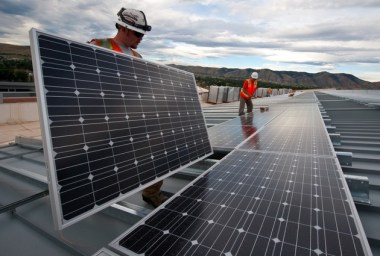
Installing solar panels (Wikimedia Commons)
¶ The Louisiana Public Service Commission has rejected utility restrictions on solar power and sided with customers who want to install solar panels and get credit for the solar power they generate that goes to the grid. The state’s utility companies had used loopholes in regulations to put fees on or restrict customer solar installations. [KATC Lafayette News]
¶ November set a record as the greatest month for wind energy in Texas and the Plain states, according to the American Wind Energy Association. The main Texas grid operator, ERCOT, recorded an instantaneous peak wind output of 14.122 GW on November 17, up from a previous high of 14.023 GW set in February. [reNews]
geoharvey is free and without ads.
geoharvey is not tax-deductible.
Posted in nuclear power, renewable power, solar, wind | 1 Comment »
Tags: nuclear, nuclear power, renewable power, solar power, wind power
November 21, 2016
Opinion:
¶ “Solar And Wind Versus Nuclear: Is Baseload Power Obsolete?” Renewables coupled with efficient, cost effective energy storage make grids virtually obsolete. Utility companies are petrified they may become irrelevant and the trillions of dollars invested in building grids throughout the world will no longer produce income. [PlanetSave.com]

Solar installation (via Quora)
World:
¶ S&P Global Platts reports that European power prices spiked
in early November as unscheduled nuclear outages in France continued to squeeze supply margins across Northwest Europe. Doubts continued to assail the market in mid-November, holding baseload prices for next January at up to €140/MWh ($149/kWh). [ScandOil]
¶ Between November 1 and November 15, Brazil’s wind power output rose by 53.6% on the year to an average of 4,817 MW, according to preliminary figures released by the Power Trading Chamber. Wind power’s share of Brazilian power generation grew to 7.8%. Biomass and solar have also shown growth in the period. [SeeNews Renewables]

Wind farm in Brazil. (Author: Otávio Nogueira,
License: Creative Commons, Attribution 2.0 Generic)
¶ So far, renewables have played little part in Indonesia’s power sector. Now, an Indonesian marine renewable energy company and a unit of a French state-owned naval defence company aim to be the first to plug into the vast, and as yet untapped, tidal energy potential of the world’s biggest archipelago. [Thomson Reuters Foundation]
¶ A 90-MW battery energy storage system project was officially put into operation in Germany last week. To date, it is the largest implementation of its kind in the country. Six 15-MW lithium-ion battery-based systems have been deployed; one each in Bexbach, Fenne and Weiher and another three in North Rhine-Westphalia. [Energy Matters]

German battery-based system
¶ Two Chinese firms plan to build a solar power plant in the exclusion zone around the Chernobyl nuclear reactor, which has been off limits since 1986. GCL System Integration Technology and China National Complete Engineering Corp work on the project in Ukraine, with construction expected to start next year. [The Indian Express]
¶ Dong Energy has generated electricity for the first time from its 258-MW Burbo Bank 2 offshore wind farm in Liverpool Bay. The Danish company said the energization of the initial MHI Vestas 8-MW turbines is an “important step in the project.” All 32 turbines are expected to be in place by the first quarter of 2017. [reNews]

Turbine at Burbo 2 (Dong Energy photo)
US:
¶ President-elect Donald Trump promised get rid of the Clean Power Plan, and that, he says, would give a boost to the declining US coal industry. But even without the plan, he would probably not reverse a years-long movement away from coal in the US electric power industry, according to the head of one leading electric utility. [Tribune-Review]
¶ The Dakota Access Pipeline protest is turning violent. About 400 protesters clashed with police as demonstrators lit cars on fire and police launched tear gas and water at the crowds. Police said that the protesters “attempted to flank and attack the law enforcement line from the west,” and described their actions as “very aggressive.” [CNN]
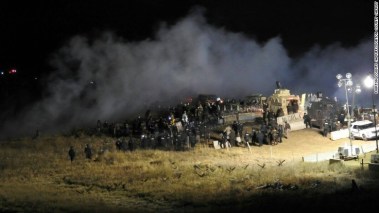
Dakota Access Pipeline protest
¶ Internal carbon pricing is just starting to catch on in the global business community. Microsoft began what might be described as an internal carbon tax back in 2012. Now, some results are in. During the COP22 climate talks, the company released a white paper that makes a strong business case for an internal carbon fee. [Triple Pundit]
¶ Storms obviously aren’t new at the Norfolk Naval Station, but they are worse than ever – and the Pentagon blames climate change. Legislators have made denial of the effects of carbon emissions into policy, so Pentagon planners sometimes list upgrades to infrastructure as maintenance or repairs to avoid scrutiny from lawmakers. [The Recorder]

Fort Irwin, California (Gina Ferazzi / Los Angeles Times / TNS)
¶ AWS announced six new solar projects across Virginia. They will help it meet its target of generating 50% of its power using renewable energy sources by the end of 2017. The company hopes one day to be 100% reliable on renewable energy, and the new solar-powered plants are also a significant step towards its short-term goals. [Cloud Pro]
¶ Rawhide Energy Station, 23 miles north of Fort Collins, was once synonymous with coal. Environmental concerns over the burning of coal has prompted the Platte River Power Authority station to broadening its energy portfolio, which took a major diversification step when the Rawhide Flats Solar Project went online. [The Coloradoan]
geoharvey is free and without ads.
geoharvey is not tax-deductible.
Posted in nuclear power, renewable power, solar, wind | 1 Comment »
Tags: nuclear, nuclear power, renewable power, solar power, wind power
November 20, 2016
Opinion:
¶ “What Trump really means for global climate-change progress” • Maybe it just won’t get that bad. Yes, United States president-elect Donald Trump is threatening to pull the world’s second-largest emitter out of a major international deal to ratchet down greenhouse gases. But, no, it will not scuttle progress. [Christian Science Monitor]

Participants at the COP22 climate conference
(David Keyton / AP)
Science and Technology:
¶ Pioneering techniques that use satellites to monitor ocean acidification are set to revolutionize ocean study. This new approach, published in the journal Environmental Science and Technology, offer a way to monitor of large swathes of inaccessible ocean from satellites that orbit the Earth some 700 km above our heads. [Satellite PR News]
World:
¶ Fruit producer Del Monte Philippines Inc is now able to save 25% of its annual power costs, thanks to a waste-to-energy project developed by GE. Del Monte’s 2.8-MW waste-to-energy project is powered by GE’s Jenbacher gas engines. Wastewater is treated in an anaerobic digester, powering two Jenbacher J420 engines. [The Standard]
Del Monte’s pineapple plantation
¶ The next head of the UN global climate talks appealed for the US to “save” Pacific islands from the impacts of global warming. Fijian Prime Minister Frank Bainimarama said that the islands needed the US now as much as they did during World War Two. He called on to the next US president to step away from climate scepticism. [BBC]
¶ African consumers are opting for off-grid solar solutions. According to International Energy Agency projections, almost one billion people in sub-Saharan Africa will gain access to the grid by 2040, but by that time 530 million will remain off-grid, almost comparable with the 600 million who cannot access power today. [TODAY.ng]

Solar farm in Africa (AFP image)
¶ The Institute for Energy Economics and Financial Analysis, based in the US, prepared the report suggesting Bangladesh re-evaluate its “exceptionally grand but entirely subsidised plans for ever more imported thermal power capacity.” The report says solar energy and imported electricity would be commercially viable alternatives. [The Daily Star]
¶ PEPS, a Moroccan company has signed an agreement with Siemens and French-based renewable energy firm NST aimed at converting waste to electricity in a bid to fight climate change, a report said. The deal was signed as part of the COP22 climate change conference in Marrakech, according to Morocco World News. [Trade Arabia]

Waste to electricity
¶ Donald Trump’s sweeping election victory has not translated into a receptive international response. Instead, delegates at the COP22 climate conference in Marrakesh have expressed their renewed determination to meet the agreement’s goal to cut fossil fuel pollution enough to curb global warming. [The Australian Financial Review]
¶ Adani Enterprises announced that it proposes to commence construction of two major solar projects in Australia next year, each with an output of 100-200 MW. Land agreements are in place for the projects in South Australia and Queensland, and Adani has commenced the design and tendering phases for both projects. [ETEnergyworld.com]
¶ After discussing details during the past week on how to meet the Paris Agreement’s goals successfully, some diplomats have suggested that the US should be punished with measures like a carbon-pollution tax on imports of American-made goods, if it withdraws from the agreement as president-elect Donald Trump has promised. [PerfScience]
¶ An earthquake in September forced South Korea to suspend operations at four nuclear reactors. To compensate for the energy gap, the country is procuring more liquified natural gas, according to S&P Global Platts. Now, East Asian spot prices for LNG have soared by more than 70% from the low reached this April. [Nikkei Asian Review]

An LNG carrier operated by Mitsui OSK Lines
US:
¶ Amazon is building Amazon Wind Farm Texas, a new 253-MW wind farm in Scurry County, Texas, that will generate 1,000,000 MWh of wind energy annually, enough to power almost 90,000 US homes, a press release says. The wind farm will include more than 100 turbines, and is scheduled to open in late 2017. [Proud Green Building]
¶ Western fires are getting bigger and hotter. When researchers from Penn State’s Earth and Environmental Systems Institute studied the history of western fires, they found that the changes in land management had trumped climate in much of the 20th century, but stronger fire-climate relationships have developed since the mid-1980s. [Arizona Daily Star]

Prescribed burn in California (CN Skinner / US Forest Service)
¶ The US Department of Agriculture is providing $3.6 billion in loans to fund 82 electric projects in 31 states. The funding will build or improve 12,500 miles of transmission lines. It includes $216 million for smart grids, $35 million for renewable energy, and nearly $28 million for environmental improvements and efficiency. [High Plains Journal]
¶ In a recent study out of Texas, researchers predicted that the state could reduce its coal-generated electricity to 6% in under
20 years. If the study’s proposals are even partly accurate, they would represent a turning of the tide in electricity generation, one that is not welcome in places like Wyoming, where coal is produced. [Billings Gazette]
geoharvey is free and without ads.
geoharvey is not tax-deductible.
Posted in nuclear power, renewable power, solar, wind | 1 Comment »
Tags: nuclear, nuclear power, renewable power, solar power, wind power
November 19, 2016
Opinion:
¶ “Environmentalists search for silver linings” • On November 15, the temperature in Salt Lake City reached 73°, the hottest temperature ever recorded for that date or later in the year. Park City Mountain Resort had already postponed its opening date from to November 26. Climate change, anyone? And yet, there is hope. [The Park Record]
No snow at Park City on November 18
¶ “How Trump Climate Denial Is Catalyzing the World” • During two weeks of meetings in Marrakech, top officials from almost 200 countries responded to climate science denial by reinforcing the December Paris Agreement to cut greenhouse gas emissions. They warned that president-elect Trump could isolate the US. [Bloomberg]
¶ “China Takes the Climate Spotlight as U.S. Heads for Exit” • The election of Donald Trump as president of the United States has the world holding out for a climate hero, and parties at Marrakech are determined that it will be China. China is backing away from neither the challenge nor the Paris Agreement, as Trump vowed to do. [Scientific American]

In a photograph taken in Yokosuka, Japan in 2000, sailors
of the Peoples Republic of China march past USS Blueridge,
(Photo by Jiang, CC BY SA, Wikimedia Commons)
Science and Technology:
¶ For what appears to be the first time since scientists began keeping track, sea ice in the Arctic and the Antarctic are hitting their record lows in mid-November. Temperatures in the Arctic have soared recently, and scientists are struggling to explain the implications. Air temperatures have been 35° F (20° C) above average. [CNN]
¶ Tesla officially became an energy company this week after a vote in favor of the automaker acquiring Solar City. But CEO Elon Musk had more to announce. Musk said that the brand’s new solar roof product will somehow cost less than a traditional shingled roof, and that’s even before factoring in the energy savings. [Huffington Post Canada]

Tuscan Glass Tile solar roof (Tesla photo)
World:
¶ NTPC Ltd said the Delhi Pollution Control Committee has given directions to keep all its units in Badarpur Thermal Power Station closed untill January 31, 2017. NTPC has not disclosed the reason for the committee’s direction. However, the reason is likely to be concerns around poor air quality in Delhi. [Real Time News, India]
¶ Latin America has been making headlines over the last 18-months due to the huge solar PV projects that are being developed on the continent. The most recent one to get underway is Enel’s 180-MW plant in Peru, with construction starting on the site this week. The construction is expected to take more than a year. [pv magazine]
¶ The Quebec government has approved the 147.2MW Mont Sainte Marguerite wind farm, clearing the way for construction to begin on 1 December. Pattern Energy and RES Canada have partnered with the municipalities of St Sylvester, St Severin and Le Sacré-Coeur-de-Jesus in the project, about 50 miles south of Quebec City. [reNews]
¶ At UN climate talks in Marrakech, 47 countries of the Climate Vulnerable Forum set out an intention to go 100% renewable and carbon neutral. Members promised to update their national climate plans and produce mid-century strategies before 2020, in line with the aspirational 1.5° C global warming limit agreed last year in Paris. [Climate Home]

Homes in Bangladesh (Flickr / Nasif Ahmed / Bangladesh)
¶ A panel discussing reforms for TEPCO is increasingly seeing a need for the utility to merge the utility’s nuclear and power grid operations with those of other companies. Commissioned by the industry ministry, the panel has been discussing streamlining TEPCO’s operations to raise money for decommissioning the Fukushima Daiichi plant. [The Japan Times]
US:
¶ The Obama administration has introduced a ban on offshore oil drilling in the Arctic for at least five years. The move is a significant victory for environmentalists who have campaigned for years against drilling in the ecologically fragile region. But Donald Trump, who pledged to increase offshore drilling, could overturn the ban. [BBC]
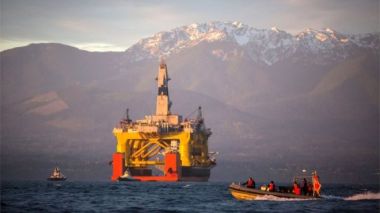
Nearly 400 scientists signed a letter urging President
Obama to eliminate Arctic offshore drilling. (AP photo)
¶ US power company NRG Energy Inc has commissioned a 14.7-MW community solar farm in Spencer, Massachusetts. Featuring more than 61,000 PV panels, the project is NRG’s largest community solar facility in the US. The installation is 100% subscribed and will serve the electricity needs of more than 1,500 customers. [SeeNews Renewables]
¶ EDF Renewable Energy and Otter Tail Power Company have announced an asset purchase agreement by which EDF RE will construct the 150-MW Merricourt Wind Project. In 2019, when the project is finished, it will provide electric power to about 65,000 homes in the Otter Tail Power Company service area. [Windpower Engineering]

North Dakota wind farm
¶ The Tennessee Valley Authority has completed Alabama’s biggest solar farm. NextEra Energy Resources, an affiliate company of Florida Power and Light, installed more than 300,000 solar panels on 645 acres of Alabama farmland to generate 75 MW of power, enough to supply 15,000 homes. [Chattanooga Times Free Press]
¶ Last year Portland, Oregon passed a resolution to oppose expansion of fossil fuel infrastructure. The next step was to develop draft rules that are legally enforceable. This has been done, and Council members have voted 3-0 to pass the resulting amendments. On December 8, the city council will make its final decision. [CleanTechnica]
geoharvey is free and without ads.
geoharvey is not tax-deductible.
Posted in nuclear power, renewable power, solar, wind | Leave a Comment »
Tags: nuclear, nuclear power, renewable power, solar power, wind power
November 18, 2016
World:
¶ China’s JinkoSolar lifted its guidance for shipments of PV modules in 2016, anticipating 6.6 GW to 6.7 GW, after third-quarter volumes rose 41.6% year-on-year. The company had previously expected 6 GW to 6.5 GW of PV module shipments for the year. The quarter’s revenue was down by 4.4% due to lower PV prices. [SeeNews Renewables]

Birds on a solar module (Author: Don McCullough, CC BY-SA)
¶ The European Commission has given the go-ahead for Greece’s support mechanism for renewable electricity after saying it aligns with EU state aid rules. The government plans for state aid through a feed-in tariff scheme for small projects and would have a price premium for those with capacities of above 500 kW. [Energy Voice]
¶ Saudi Arabia has reiterated its commitment to working toward mitigating the effects of global climate change at the 22nd UN Climate Change Conference in Marrakech. Saudi Arabia is the only Arab country included on a list of the top 10 biggest CO2 emitters globally. It experienced a sharp rise between 2014 and 2015. [PV-Tech]

Saudi Arabia (Source: Flickr / Pixabay)
¶ India has reached a major milestone for its solar capacity. The cumulative solar power capacity, including rooftop and off-grid segments, has crossed 10 GW in the country. India is expected to become the world’s third biggest solar market next year, after China and the US, with additions in the range of 8 GW to 10 GW per annum. [Hindu Business Line]
¶ Vattenfall is to build the 350-MW Vesterhav North and South offshore wind farms in Denmark after the parliament approved supports for the projects. The Swedish utility said it will move on the plans for the nearshore installations off Jutland’s coast following the vote in the Folketing. First power is expected in 2020. [reNews]
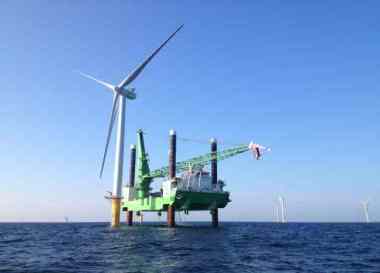
Vattenfall offshore wind farm (Vattenfall image)
¶ China will accelerate its development of geothermal power to help meet targets set for renewable fuels consumption and tackle air pollution, Chinese officials said at a geothermal conference. The country’s current five-year plan has the non-fossil fuel portion of primary energy consumption to rise to 15% in 2020. [ETEnergyworld.com]
US:
¶ Geologists say a new survey shows an oilfield in west Texas dwarfs others found so far in the United States, according to the US Geological Survey. The Midland Basin of the Wolfcamp Shale area in the Permian Basin in west Texas is now estimated to have 20 billion barrels of oil and 1.6 billion barrels of natural gas. [CNN]

Pumpjack at dawn
¶ The DOE’s SunShot Initiative was launched in 2011 “with the goal of making solar electricity cost-competitive with traditional energy sources without subsidies by 2020.” In just five years the Initiative has achieved more than 90% of its goal to cut the cost of utility-scale solar electricity in the US down to 6¢/kWh. [CleanTechnica]
¶ Minnesota Power’s Great Northern Transmission Line between Canada and northeastern Minnesota received federal approval as the DOE issued a Presidential Permit for the project. This is the final regulatory approval needed before construction begins. The 224-mile line will deliver hydro power from Manitoba to Grand Rapids. [KDAL]
Transmission lines
¶ The nation’s energy infrastructure will undergo a significant transformation over the next 10 years, according to a study by Mortenson, a recognized leader in energy and transmission infrastructure. This is due largely to declining costs of energy storage. Of professionals answering a survey, 96% believe the technology is a major key. [AltEnergyMag]
¶ Nearly 50,000 Hoosiers worked in advanced energy industries in 2015, according to a report. The advanced energy category is broad and includes renewable energy, energy efficiency, and grid modernization. Its employees include engineers, computer scientists, data scientists, and construction workers. [Northeast Indiana Public Radio]

Wind power in Indiana (Tony Krabill / WVPE)
¶ Amazon’s cloud computing unit, Amazon Web Services, is supporting the development of five new solar parks in Virginia with a combined capacity of 180 MW. The facilities are being developed in partnership with utility Dominion Resources, which will own and operate them. They are expected to start operating in late 2017. [reNews]
¶ A group of 365 companies, including General Mills, Nike, and Starbucks, has urged President-elect Donald Trump to abide by the Paris climate deal. In addition to sticking with the Paris deal, the group urged the US government to have a “Continuation of low-carbon policies,” and to invest “in the low carbon economy.” [Opposing Views]

Somers Solar Center (Image: Dominion Resources)
¶ The New York Public Service Commission voted unanimously to approve the sale of the FitzPatrick Nuclear Power Plant. Its owner, Entergy, had been planning to shut it down because of financial losses. But Exelon agreed to purchase it for $110 million after the PSC passed a massive nuclear power subsidy program. [WRVO Public Media]
¶ The US Justice Department filed a lawsuit to block a merger involving one of the key players in the proposed sale of Vermont Yankee. Federal officials say EnergySolutions’ acquisition of Waste Control Specialists, which has agreed to buy the nuclear plant, would create a “near monopoly” in low-level radioactive waste disposal. [vtdigger.org]
geoharvey is free and without ads.
geoharvey is not tax-deductible.
Posted in nuclear power, renewable power, solar, wind | 1 Comment »
Tags: nuclear, nuclear power, renewable power, solar power, wind power
November 17, 2016
Opinion:
¶ “Is Renewable Energy Trump-Proof? ” • Donald Trump vowed to “save $100 billion that the United States is spending on climate policies.” His rhetoric on the campaign trail was xenophobic, racist, and misogynistic, Now he’s been elected president. And yet, some renewable energy industry insiders say they’re not too worried. [TakePart]
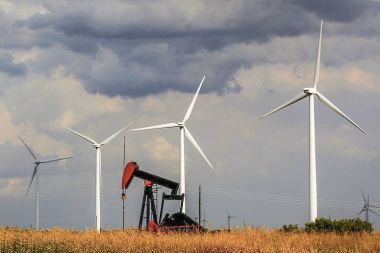
A wind farm in Sweetwater, Texas.
(Photo: Orjan F Ellingvag / Corbis via Getty Images)
¶ “Clean Power Is Too Hot for Even Trump to Cool” • Donald Trump was elected president, in part by calling climate change a hoax, vowing to gut most of Obama’s clean-energy policies, and promising to revive coal mining. If recent corporate actions are any indication, a Trump administration won’t slow investments in renewables much. [Bloomberg]
World:
¶ The International Energy Agency, which represents 29 energy-producing countries, says unless more money is spent exploring for and developing new oil fields, demand may outstrip supply early in the next decade. That could see oil prices surging again. Investment in new oil supplies last year was at its lowest since the 1950s. [BBC]

Oil well and camels
¶ US Secretary of State John Kerry gave an important speech at the Major Economies Forum of COP22, the UN’s climate change conference in Marrakesh, Morocco. Kerry drew the attention of listeners to melting glaciers, more powerful storms, and record-breaking droughts as incontrovertible evidence of the dangers of climate change. [CleanTechnica]
¶ Morocco is retrofitting 600 of its mosques with renewable energy, switching to efficient LED lighting, electricity from PVs, and solar water heating. The initial plan will be completed by early 2019, with the rest of the country’s 15,000 mosques to follow. The mosques are considered a starting point to raise awareness. [CNN]

Hassan II Mosque in Casablanca
¶ Renewable energy business Gaelectric is officially opening its County Antrim wind farm. Known as Cloonty, the £13.4-million plant will be Gaelectric’s fourth operating wind farm in Northern Ireland. Its four Enercon wind turbines will generate enough power to meet the annual electricity demand of over 5,000 homes. [Insider Media]
¶ Chile’s central power system saw the share of renewables rise to 17.7% in October 2016, with 778.2 GWh of green power generated, up from 13.4% a year ago. Wind power contributed 5.5% of grid power. Solar stood at 4.4%. Thermal renewable power supplied 4.37% of demand, and hydropower had a 3.4% share. [SeeNews Renewables]
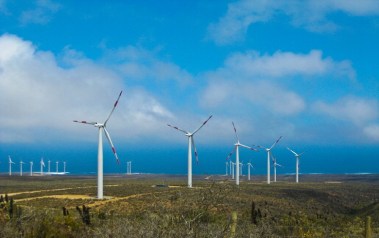
Wind farm in Chile (Author: Diego Correa)
¶ Renewable energy will keep growing in the next few years as costs drop and coal use continues to fall, despite US President-elect Donald Trump’s pledge to revive the fossil fuel, according to investors and analysts. They said possible policy changes under Trump should not dampen current investment in clean energy. [ETEnergyworld.com]
¶ The International Energy Agency released its annual report, which takes into account economic, technological, and policy developments, and it tries to project the trends that will drive our energy use for decades. This year’s IEA report suggests that a combination of economics and policy will drive an explosion in renewables. [Ars Technica]
Silhouette of wind power stations over the sea at sunset
(Photo: Bureau of Ocean Energy Management)
¶ Egypt’s minister of electricity and renewable energy said the country is focusing largely on improving the transmission and distribution network to meet the electricity demand. Egypt is also installing coal plants and trying to finalize a contract to build a nuclear power plant with Russian company Rosatom by the end of this year. [Zawya]
¶ China has responded to Trump’s claim that climate change was a Chinese hoax. “If you look at the history of climate change negotiations, actually it was initiated by the IPCC with the support of the Republicans during the Reagan and senior Bush administration during the late 1980s,” the Vice Foreign Minister pointed out. [Science World Report]

In danger of melting due to climate change
(Photo : Frances M. Ginter / Getty Images)
US:
¶ More people in the US are deciding to buy outright their residential solar systems rather than lease solar panels from a third party. Figures from GTM Research suggest that direct ownership will overtake solar leasing for the first time since 2011 next year, with 55% of all new US residential solar capacity owned by customers. [CleanTechnica]
¶ Vasari Energy has expanded its utility-scale solar power project in Maricopa County and Gild Bend, Arizona, doubling the solar generating projects the company has in the state, with a capacity increase from 68 MW to 140 MW. The solar facility sits on a 900-acre development site. It will be connected to the Arizona grid. [Electric Light & Power]
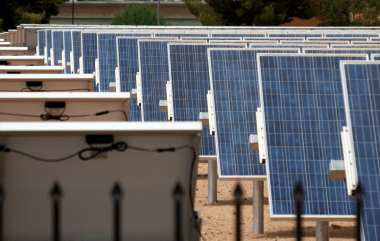
Solar array in Arizona
¶ The US brewing industry is taking on a leadership position in sustainability. Breweries of all sizes have been investing in high efficiency equipment that cuts down their wastewater while producing usable products including methane gas, potable water and biosolids. That trend is not likely to change at any time in the near future. [CleanTechnica]
¶ General Motors made its largest procurement to date of renewable energy, purchasing enough wind power to provide for the electricity needs of 16 of its US facilities, including a major assembly and stamping complex in Arlington, Texas, offices in Fort Worth and Austin, and 13 parts warehouses east of the Mississippi River. [Justmeans]
geoharvey is free and without ads.
geoharvey is not tax-deductible.
Posted in nuclear power, renewable power, solar, wind | Leave a Comment »
Tags: nuclear, nuclear power, renewable power, solar power, wind power
November 16, 2016
Opinion:
¶ “What President Trump Means for the Future of Energy and Climate” • After a stunning election, the first impulse may be to describe the future in apocalyptic phrases. Game over for the climate! Game over for NATO! Game over for the Clean Power Plan! Game over for Planned Parenthood! But Trump likes to be unpredictable. [DeSmog]

Open pit mine in Wyoming (Bureau of Land Management photo)
¶ “Trump may dismantle the EPA Clean Power Plan but its targets look resilient” • Tied up in the courts, the Clean Power Plan has not yet come into force. But even though its future is
at risk, one thing is clear: Market forces are, to a large degree, already achieving the CO2 emissions cuts targeted with the regulation. [The Conversation US]
World:
¶ Japanese companies are developing a plant that, when it is completed, will be the world’s largest single geothermal power station. All together, the three facilities at the Sarulla plant will be able to generate 320 MW of electricity. The No 1 unit is already generating power, ahead of its official launch by the end of the year. [Nikkei Asian Review]

Geothermal plant releasing steam
¶ French president Francois Hollande has said that the US must respect their commitments made under the COP21 Agreement in Paris. Speaking at climate talks in Marrakech, Mr Hollande said that the pact was irreversible “in law and in fact.” President Hollande said France would defend the deal in talks with the new US leader. [BBC]
¶ ESB and Coillte yesterday announced financial closure on the 33.1-MW Castlepook Wind Farm, near Doneraile, County Cork, Ireland. The €64 million wind farm is due to be commercially operational by May 2018 and will supply enough power for about 17,000 homes. Construction had already begun last April. [Irish Examiner]

The Castlepook wind farm
¶ French oil giant Total has earmarked an investment of $300 million for the installation of 5,000 rooftop solar PV systems atop its service stations over the next five years. The move came just a few days after the company’s CEO signed a $1 billion investment pledge for clean energy technology development. [RenewEconomy]
¶ ORPC Ireland Ltd, a subsidiary of Ocean Renewable Power Co, based on Portland, Maine, announced launching a €3.2-million technology development project. The centerpiece of the project will be ORPC Ireland’s lab that will perform tests to validate system improvements to a full-scale ORPC hydrokinetic turbine. [Mainebiz]

ORPC President and CEO Chris Sauer in Ireland.
(Photo courtesy Ocean Renewable Power Co)
¶ According to the International Energy Agency, a radical shift in the energy sector, cutting emissions to zero by around 2040, is needed to limit the global rise in temperature at 1.5° C (2.7° F). The IEA’s first report on meeting the climate target of the Paris agreement comes as more than 190 nations meet in Marrakesh. [Thomson Reuters Foundation]
¶ Spanish infrastructure group Acciona SA said it would spend some €2 billion ($2.1 billion) on renewable energy over the next five years. The company aims to reach 10,500 MW of installed renewable energy capacity by 2020, with approximately 80% of the planned investment for projects in developing countries. [SeeNews Renewables]

Wind farm (Source: Acciona SA)
US:
¶ The US Army Corps of Engineers delayed construction of the controversial Dakota Access Pipeline to hold further “discussion and analysis” with the Standing Rock Sioux Tribe, which has strongly opposed the project. Protests have gone on for months over the oil pipeline, which would go 1,172 miles from North Dakota to Illinois. [CNN]
¶ Duke Energy has proposed installing a solar-powered microgrid to power a communications tower in Great Smoky Mountains National Park. The system would combine a 10-kW solar installation with a Fluidic 95 kWh zinc-air battery. It is Duke Energy’s first microgrid that is not built for entirely research purposes. [Energy Storage News]
Great Smoky Mountains National Park
¶ General Electric Corp on Tuesday unveiled a number of services and solutions for its cloud-based Predix Industrial Internet of Things platform, designed to bring “visibility, control and analytic insights to every part of industrial infrastructure and operations.” GE said they can run on a range of operating systems and devices. [SiliconANGLE]
¶ An Alaska Airlines jet has made the first renewably fueled commercial flight. Tree limbs and branches, the byproducts of the timber harvest that typically would have been burned as waste, made up some of the fuel that powered the Boeing 737 along its journey from Seattle’s Sea-Tac Airport to Washington DC’s Reagan National. [Newser]

Fueling in Seattle (AP Photo/Elaine Thompson)
¶ Rooftops in Los Angeles working-class neighborhoods bypassed by the solar power boom could soon sprout hundreds of new power panels under a pilot project approved by the Los Angeles Department of Water and Power. Homeowners chosen for the project would receive $360 a year for leasing their roof space. [89.3 KPCC]
¶ The Chicago area’s biggest electric utility wants another rate increase. Unless it gets a bailout from ratepayers, ComEd/Exelon says it will shut one Downstate nuclear power plant next June, and another in 2018. Critics, however, say it is a mistake to force ratepayers to protect utilities from market forces. [Fox 32 Chicago]
geoharvey is free and without ads.
geoharvey is not tax-deductible.
Posted in nuclear power, renewable power, solar, wind | 1 Comment »
Tags: nuclear, nuclear power, renewable power, solar power, wind power
November 15, 2016
Science and Technology:
¶ The World Meteorological Organization said that 2016 will “very likely” be the hottest year on record and blamed climate change for the growing frequency of extreme weather events. The WMO’s report blamed climate change for melting Arctic glaciers and rising seas, just as the US’ president elect threatens to abandon climate efforts. [CNN]
Climate change, worsening droughts, increasing wildfire risks
Marrakesh:
¶ The top US negotiator told a packed COP22 news briefing that the passion and dedication displayed in the effort to deliver the Paris treaty was strong enough to withstand whatever impacts may come of a Trump presidency. He said, however, that he had no news on who might lead on climate change issues in a Trump administration. [BBC]
¶ Businesses reported $14 billion of losses in 2015 due to water scarcity, droughts, and tightening environmental regulations, a report released at the climate summit in Marrakech said. Of over 1,200 of the largest listed companies exposed to water risk, just about half responded, so the loss figure is clearly underreported badly. [The Guardian]

Typhoon waves breaking on anti-tsunami barriers near
Fukushima Daiichi (Photograph: Damir Sagolj/Reuters)
¶ Civil societies from across the globe converged at the UN’s COP22 conference, demanding that world leaders halt fossil fuel extraction and make an urgent just transition to a clean energy future to slow climate change. Experts say the reductions needed to limit warming to 1.5° C will require more reductions than have been pledged. [NorthEast Today]
World:
¶ It took “one of the most significant severe thunderstorm outbreaks in recent decades”, with seven tornadoes and wind speeds of 260 km/h (160 mph), to cause last September’s severe blackout in South Australia. Conservatives were quick to blame renewable energy, but it’s now clear that the entire network was at risk. [Gizmodo Australia]

Transmission lines (iStock image)
¶ Atlantis, a global leader in the tidal power sector, announced that first power has been produced from the MeyGen project site in the Pentland Firth, Scotland. The turbine, supplied by Andritz Hydro Hammerfest, has been successfully installed and plugged into the pre-laid cable that connects it to the electric power grid. [Your Renewable News]
¶ A full 30% of the world’s electricity generation comes under the umbrella of just nine energy companies. They have just joined forces to ramp up technology investments for decarbonization. The global effort was announced by the companies’ nonprofit organization, the Global Sustainable Electricity Partnership. [Triple Pundit]

Decarbonization (Photo via gsep-ppp.org)
¶ The UK produced more than 50% of its electricity from low-carbon sources in the third quarter of 2016, a new report from Imperial College London and power firm Drax said. For the quarter, the contribution of nuclear, biomass, hydro, wind, solar and low-carbon electricity imports from France stood at 50.2%. [Bioenergy Insight Magazine]
¶ ExxonMobil’s Production Vice President said Norway should provide companies with fiscal incentives to continue producing at declining oil fields in the North Sea, to offset falling private investment funding. ExxonMobil seems to be requesting that the Norwegian government give tax incentives to some very wealthy oil corporations. [CleanTechnica]
US:
¶ President-elect Trump has pledged to boost the oil and gas sector and bring back coal, reversing President Obama’s efforts to encourage renewable energy and cut dependence on fossil fuels. But analysts say Trump’s policies could serve to worsen the global energy glut, reducing prices and doing little to save “Big Coal.” [Channel NewsAsia]
¶ Microsoft said its Cheyenne data center in Wyoming will now be powered entirely by 237 MW of wind energy. The company is buying 178 MW from the Bloom Wind Project in Kansas to help bring this new project online, along with an additional 59 MW from the Happy Jack and Silver Sage wind farms in Wyoming. [News18]
¶ In Vermont, the $80 million Searsburg wind project is now under way. The project will have 15 wind turbines, which will produce enough energy to power about 14,000 average Vermont households. It is expected to deliver at least $400,000 per year in local economic benefits and $300,000 per year for the state of Vermont. [Construction Equipment Guide]
¶ The dozens of buildings on the campus of St Olaf College, in Northfield, Minnesota, are now being powered entirely by wind energy, the liberal arts school and Xcel Energy announced. By choosing Xcel’s Windsource program for its electrical service, St Olaf has become the largest Windsource customer in the state. [Minneapolis Star Tribune]
¶ Microsoft, Walmart, Best Buy, Ikea, Staples, and Mars Inc are among a group of eighteen major corporations that have sent a letter to Virginia lawmakers and the Virginia State Corporation Commission calling for “an explicit legal framework” to expand access to renewable energy from utilities and third-party sellers. [Richmond.com]
¶ Four decades after construction began at the Bellefonte nuclear plant, Nuclear Development LLC offered to buy the unfinished plant from the Tennessee Valley Authority for $111 million. The company plans to invest up to $13 billion to complete the plant. Nuclear plants are struggling, however, and five have closed in five years. [BloombergQuint]
geoharvey is free and without ads.
geoharvey is not tax-deductible.
Posted in nuclear power, renewable power, solar | 1 Comment »
Tags: nuclear, nuclear power, renewable power, solar power, wind power
November 14, 2016
Opinion:
¶ “The next big hacking threat is already happening – you just can’t see it” • As hackers increasingly target operational systems over corporate suites, security researchers and intelligence officials alike are worried that power plants, factories, and utility stations could be at risk. Nuclear plants can be invaded through the internet. [Quartz]
A huge potential for harm (Reuters / Mike Hutchings)
¶ “Trump victory won’t halt the U.S. clean energy boom” • Clean energy has been booming in the United States for reasons that don’t have much to do with climate change. Issues including health, security, and innovation all lead to high levels of support among even Republicans for getting power from water, wind and sun. [The Globe and Mail]
World:
¶ Philippine President Duterte announced he has decided to sign the 2015 Paris Agreement on climate-change, which earlier he had said he would “not honor” for fear that reducing carbon emissions would limit the country’s industrialization. This is a welcome development for environmental and climate advocates. [Business Mirror]

Using a bamboo raft to save goats trapped by a typhoon
¶ Declining consumption of coal in the US last year played a significant role in keeping down global CO2 emissions, a report says. The Global Carbon Project’s annual analysis shows that CO2 emissions were almost flat for the third year in a row, despite a rise in economic growth. It is too early to say if they have peaked. [BBC]
¶ Moroccan energy group Nareva, a subsidiary of the royal holding company Société Nationale d’Investissement, has confirmed ambitions to grow its renewable energy business internationally as well as domestically. The company’s Pan-African ambitions in clean power were made clear at the COP22 meeting in Morocco. [SeeNews Renewables]

The Tarfaya wind farm on Morocco’s southern Atlantic coast
¶ Last month, Tesla launched its Powerwall 2.0 residential battery storage system, a little less than a year after Powerwall 1.0. Peak power has increased by 40%, continuous power by 50%, storage capacity by 100% (to 14 kWh), and an inverter is included. And all this is for about the same price as Powerwall 1.0, $5,500 ($AUS8,800). [CleanTechnica]
¶ Australia’s renewable energy sector hit a record in October, with 21.7% of electricity in the national electricity market coming from renewables, according to the latest Cedex report. The high proportion of renewables contributed to a drop in emissions from the national electricity market, 0.8% less than a year earlier. [The Guardian]

Australian wind farm (Photo: Angela Harper / AAP)
¶ Energy analysts at Deutsche Bank predict the state of South Australia could easily beat its target of 50% renewables by 2025, reaching 85% mark by 2020 and possibly as much as 95% by 2025. South Australia has already reached around 40% of its electricity from wind energy, and another 6% from rooftop solar. [CleanTechnica]
¶ Impact investment firm Wermuth Asset Management, has said that regardless of whether oil prices rise around potential OPEC production-capping news, there is no long-term future for the hydrocarbon sector. Solar power is now available at 3¢/kWh, which is equivalent to oil at $5 per barrel. Demand for oil is slowing down. [Emirates 24|7]
Oil infrastructure
US:
¶ President-elect Donald Trump is seeking quick ways to withdraw the United States from a global accord to combat climate change, a source on his transition team said, defying broad international backing for the plan to cut greenhouse gas emissions. Trump called global warming a hoax and promised to quit the Paris Agreement. [Fortune]
¶ Cattle at the Headley Ranch near the central South Dakota town of White Lake graze in the shadow of towering wind turbines. They don’t seem bothered by having to share their grazing land. Farmers are finding that when cattle prices are low, those pasture partners are a way to supplement his ranch income. [Tri-State Neighbor]
Wind towers among baled corn stalks (Submitted photo)
¶ Since May, San Francisco has enrolled tens of thousands of power customers in a renewable energy program in competition with PG&E, but the big question now is how fast the city will enroll the remaining hundreds of thousands of such customers. The city is looking to grow a 60-MW system to over 413 MW. [San Francisco Examiner]
¶ Boulder, Colorado is assured of beating its modern-day record for its latest first snow, with no wintry weather in the near-term forecast and certainly none by November 15. That date is usually thought the latest on record of Boulder’s latest first snow of 0.1 inch or more. The issue is important locally because of the skiing industry. [Boulder Daily Camera]
geoharvey is free and without ads.
geoharvey is not tax-deductible.
Posted in nuclear power, renewable power, solar, wind | 1 Comment »
Tags: nuclear, nuclear power, renewable power, solar power, wind power
November 13, 2016
Opinion:
¶ “Trump Won’t Stop Global Climate Action, Might Accidentally Help” • Donald Trump disputed the existence of anthropogenic climate change. However, a Trump presidency isn’t the disaster one might think for climate action globally or in the US. In fact, he might actually reduce US emissions, however unintentionally. [CleanTechnica]

King Canute, trying to stop the tide
Nature has a way of ignoring our most ardent wishes.
¶ “Trump’s influence on the future of clean energy is less clear than you think” • Like almost every president since Richard Nixon, Donald Trump promised US energy independence. But the Trump energy plan doesn’t account for the economic reality of coal and renewable energy. In fact, it doesn’t even add up to a coherent policy. [The Guardian]
COP22:
¶ Amid concerns over the threat by US President-elect Donald Trump, who has earlier vowed to cancel last year’s Paris climate agreement, the COP22 President, Salaheddine Mezouar said that one country walking out of the deal will not mean anything. The Paris agreement is already in force and the rest of the world is moving on. [Web India 123]
¶ China will continue to be an active player in climate talks and its policies will be unaffected by any external changes, according to a Chinese negotiator at the 22nd Conference of the Parties to the United Nations Framework Convention on Climate Change (COP22). He remarked on the issue on the sidelines of the conference in Marrakesh. [The Nation]
World:
¶ The Indian government is looking at promoting solar powered charkhas (spinning wheels) as well as rickshaws in the country. It has invited views from stakeholders on designs and prices of the products. Charkhas are used mostly in rural areas without an assured electric supply, so solar energy is an important potential power source. [ETEnergyworld.com]

Lady spinning yarn in a Charkha in Bangalore
¶ Another top auto-manufacturer, Renault, is facing a criminal investigation in France related to possible diesel emissions test manipulation, according to recent reports. French prosecutors were sent findings of an inquiry into the matter by a consumer fraud watchdog. The same organization is also looking into other companies. [CleanTechnica]
¶ While many nations are thinking about energy independence, Aruba is diving in. In 2012, the island nation pledged to go to 100% renewable energy within eight years. Today, nearly 40% of its energy is from clean sources, and more solar and wind farms, plants to convert waste to energy, and energy efficiency, are coming. [EcoWatch]
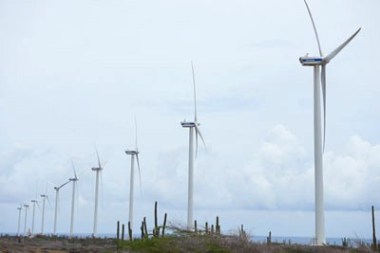
The Vader Piet wind farm in Aruba (Justin Locke)
¶ Yamanashi Prefecture, Toray Industries Inc, Tokyo Electric Power Company Holdings Inc, and Takaoka Toko Co Ltd have concluded an agreement to jointly promote the technological development and experimental study of a “P2G system” (power to gas system) for realizing a fully CO2-free “hydrogen energy society.” [Japan Today]
¶ Spain will quickly ratify a global pact aimed at taming climate change, a step which had been delayed for months by politics, the Environment Minister said. The newly installed Conservative government, which was sworn in last week, has introduced the agreement in parliament already, so it can be ratified “as soon as possible.” [The Local Spain]

Wind farm in Catalonia, Spain
(Photo by Maria Rosa Ferre, CC BY SA, Wikimedia Commons)
US:
¶ In Colorado, low-cost, reliable wind power has been an important driver of the state’s growing and diversified energy sector, and the state is already on track to meet the Clean Power Plan’s targets. Today, wind energy already supplies over 14% of Colorado’s electricity, and wind supports 7,000 jobs in the state. [Pueblo Chieftain]
¶ California is a step closer to achieving its renewable energy goals with the commissioning of the Blythe and McCoy Solar Energy Centers. The projects took $1.2 billion of investment and have over four million solar panels with trackers. Together, they have a generating capacity of 485 MW, enough for 181,000 homes. [Desert Independent]
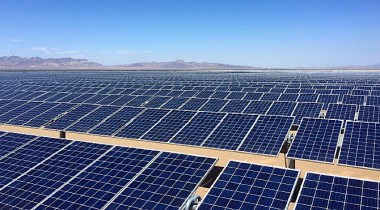
Blythe and McCoy
¶ Florida’s utility industry steered more than $20 million of their profits into a failed constitutional amendment to impose new barriers to the expansion of rooftop solar energy generation. The Florida Solar Energy Industry Association estimates that 2,315 MW of solar electric capacity will be installed in the next five years. [Miami Herald]
¶ Crippled by blows from a historic, game-changing fracking revolution that imploded energy markets across the world, the US nuclear industry is trying harder than ever to market itself as an irreplaceable ally in the war against climate change. But half of the current fleet of nuclear plants could be uneconomical as early as 2020. [Toledo Blade]
geoharvey is free and without ads.
geoharvey is not tax-deductible.
Posted in nuclear power, renewable power, solar, wind | 1 Comment »
Tags: nuclear, nuclear power, renewable power, solar power, wind power
November 12, 2016
Opinion:
¶ “The Fortune 500 Can’t Go Along with a Rollback on Climate Policy” • Nearly every firm in the Fortune 500 has acknowledged the reality of climate change, along with thousands of smaller companies. Most of the business world sees climate change’s tremendous threat – they need to make that perspective heard. [Harvard Business Review]

Flooding stops a film crew in Miami Beach
(Photo by maxstrz, CC BY SA, Wikimedia Commons)
¶ “Experts: Trump’s Climate Policies Could Shift US Jobs to China” • Wind power is 60% cheaper than it was just seven years ago. Large-scale solar is 80% cheaper. Renewable power is now often cheaper than natural gas. The big leadership opportunity for energy growth is for wind and solar in the developing world. [Big News Network.com]
World:
¶ The Solar Impulse Foundation launched the World Alliance for Clean Technologies at COP22, as a legacy to the first solar flight around the world. Its goal is to federate the main actors in the field of clean technologies, creating synergies and promoting profitable solutions to some of the world’s most pressing energy needs. [PennEnergy]

Solar Impulse
¶ Fears that the UK power system would not be able to cope with intermittent technologies, such as wind and solar, have been “overblown”, according to the Secretary of the Department for Business, Energy and Industrial Strategy. Speaking at the annual Energy UK conference, he said “doubters have been proven wrong.” [reNews]
¶ Spanish clean energy company Acciona Energía has connected the 246-MW El Romero solar plant in Atacama desert, Chile to the county’s Interconnected Central System. The $343-million plant features 776,000 polycrystalline silicon PV modules, spread across 280 hectares. It was completed “in record time.” [Energy Business Review]

The El Romero Solar plant (Photo courtesy of Acciona)
¶ Last year set a record for global PV installations, according
to a International Energy Agency’s report, Trends in Photovoltaic Applications, with 51 GW installed in 2015, up from around 40 GW in the two preceding years. At least 227 GW of PV are now installed worldwide, supplying over 1.2% of global electricity. [Greentech Media]
¶ Having already signed two renewable energy purchase deals in the US and Scotland in just over a year, confectionery company Mars Inc announced a new wind power partnership, this time in Mexico. The company urged global leaders to adopt ambitious goals; its own objective is to become carbon neutral by 2040. [SeeNews Renewables]

Wind farm in Mexico. (Author: Presidencia
de la República Mexicana. CC BY SA 2.0)
¶ The renewable energy projects operating and being developed in the Dominican Republic could produce 27% of its electricity by 2018. Generation is being developed from solid waste and wind. Hydroelectric plants already produce 15% of the electricity. The country could easily exceed its promised 25% for COP21. [Dominican Today]
¶ The nuclear agreement reached by Japan and India was greeted with protests from survivors of the 1945 atomic bombs dropped on Hiroshima and Nagasaki and evacuees from the Fukushima Disaster. Some are incensed about the accord because India has nuclear weapons but has not joined the Nuclear Nonproliferation Treaty. [Asahi Shimbun]

Protest against the nuclear agreement (Tetsuro Takehana)
¶ Guleslettene Vindkraft AS has been granted concession to
build and operate a wind farm of up to 160 MW in Bremanger and Flora, Norway’s Ministry of Petroleum and Energy said. The ministry ordered bird studies in the area, the results of which will help make sure the turbines do not have a significant impact. [SeeNews Renewables]
US:
¶ ExxonMobil has just dropped a tweet in support of putting the Paris climate agreement into force. Connect the dots, and that may mean the Trump Administration may be poised to throw coal under the bus. The company has clearly been positioning itself to be able to continue extracting fossil fuels in a changing world. [CleanTechnica]

Coal trains (Photo: Kimon Berlin via
flickr.com, creative commons license)
¶ Indiana Michigan Power has finished building a new solar PV facility in Watervliet Township, Michigan. The 35-acre site has more than 50,000 solar panels to generate up to 4.6 MW of electricity, enough to power 650 homes. It is the company’s fourth solar generating facility to become operational in the
past year. [Herald Palladium]
¶ The nation’s three major coal-producing regions experienced the sharpest declines in production in 29 years for 2015 and are on pace this year to hit declines even more severe. Employment numbers show a 12% drop in one year. Coal consumption saw a 23% decrease in the first seven months of 2016, compared with 2015. [Deseret News]
geoharvey is free and without ads.
geoharvey is not tax-deductible.
Posted in nuclear power, renewable power, solar, wind | 1 Comment »
Tags: nuclear, nuclear power, renewable power, solar power, wind power
November 11, 2016
Science and Technology:
¶ Fish being caught for our tables are shrinking according a survey of studies published in the journal Science. There has been a 23% decrease in commercial catches because of smaller body size, caused by rising ocean temperatures. This is particularly concerning because fish provide 17% of our protein. [The Sydney Morning Herald]

Smaller catches (Photo: Andrew Quilty)
¶ Climate change has already touched almost all life on the planet, even under moderate rates of global warming, according to a report published in the journal Science. An international team of researchers found 82% of key biological processes necessary for healthy ecosystems had been impacted by the phenomenon. [Huffington Post]
¶ Lappeenranta University of Technology’s global Internet of Energy Model uses a 100% renewable energy system for the electricity sector by 2030. Sych a system appears to be possible worldwide, as the total electricity cost would be around roughly €55/MWh to €70/MWh for all nine major regions of the world. [sciencefocus.com]

Energy for the future (Photo: Christopher Furlong / Getty Images)
¶ A new analysis of the global climate from 2011 to 2015 by the World Meteorological Organization has highlighted the increasing link between human-induced climate change and extreme weather events. The new report, The Global Climate 2011-2015, investigated the warmest five-year period on record, 2011 to 2015. [CleanTechnica]
World:
¶ Politicians across Scotland’s islands have bitterly condemned the UK Government’s decision not to support renewable energy in the islands. The Government has not included the islands in the next round of Contract for Difference, a form of support that is required to make island renewable energy projects viable. [Island News & Advertiser]

South Uist community wind turbines
¶ India and Japan today signed the civil nuclear agreement during Prime Minister Modi’s visit to Tokyo. The deal would allow Japan to export nuclear technology to India, making it the first country to have such a deal with Tokyo that has not signed the Nuclear Non-Proliferation Treaty. But it would help counter an assertive China. [India TV]
¶ A Nuclear Cooperation Agreement between Japan and India will not save Westinghouse or Toshiba’s failing nuclear programs, nor will it deliver safe energy to India’s people, Greenpeace Japan and Greenpeace India warned in a joint statement. They say it will increase the risk of nuclear weapons proliferation in Asia. [ETEnergyworld.com]

Kudankulam Nuclear Plant (Photo via
indiawaterportal.org, CC BY SA, Wikimedia Commons)
US:
¶ A federal judge denied the federal government’s motion to dismiss the “climate kids” case, meaning their lawsuit over climate change will go to trial in federal court in Oregon, likely next year. The plaintiffs, ages 9 to 20, allege the federal government is doing far too little to keep dangerous global warming in check. [CNN]
¶ In 2017, non-hydro renewable-energy generating capacity should account for 9% of the country’s electricity-generation capacity, according to the US DOE’s most recent Short-Term Energy Outlook. That’s up from 8% this year, the agency says. Solar power is expected to account for most of the anticipated growth. [Green Car Reports]

Solar field at a VW plant in Chattanooga
¶ President-elect Donald Trump has selected Myron Ebell, a climate skeptic, to lead his Environmental Protection Agency transition team, a man whose beliefs are distinctly at odds with President Obama’s environmental policies. Ebell is also viewed by many as a top candidate to become the next head of the EPA. [WDEF News 12]
¶ Opposition from environmental groups and coal plant operators has kept bill that would bail out two nuclear plants from passing in the Illinois legislature. But Exelon is reportedly in negotiations with Texas-based coal power company Dynegy, and a compromise could benefit both the failing nuclear plants and coal. [Illinois Times]

Clinton nuclear power plant.
¶ Federal regulators made final a rule on how wind and solar power companies lease public land. The rule from the Interior Department’s Bureau of Land Management creates a competitive bidding process for the first time for renewable energy on federal land, similar to the process gas and coal companies use. [The Hill]
¶ President-elect Donald Trump’s pledge to roll back federal environmental regulations will likely have little effect on New York’s efforts to combat climate change, according to the state’s top energy official. New York’s various clean-energy programs are independent of the federal programs such as Clean Power Plan. [WGRZ.com]
geoharvey is free and without ads.
geoharvey is not tax-deductible.
Posted in nuclear power, renewable power, solar, wind | 1 Comment »
Tags: nuclear, nuclear power, renewable power, solar power, wind power
November 10, 2016
Opinion:
¶ “Managing climate risk in Trump’s America” • The world will forge ahead on reducing emissions without US leadership. The Paris Agreement has already taken effect. While the federal government may not try to meet the US commitment to reduce its greenhouse gas emissions, states’ policies and market forces will continue. [The Conversation US]

Street flooded by Hurricane Sandy, Lindenhurst, Long Island
(Photo by Jason DeCrow, CC BY SA, Wikimedia Commons)
¶ “Trump Can’t Stop the Energy Revolution” • The planet is warming, dangerously so, and burning more coal will make it worse. President-elect Donald Trump thinks man-made climate change is a hoax and he’s promised to revive the US coal industry by cutting regulation. So renewables are dead in the water, right? Maybe not. [Bloomberg]
Science and Technology:
¶ Researchers from the US and the UK found evidence that the White Cliffs of Dover are undergoing rapid erosion. Erosion has been 10 times quicker in the last 150 years because of climate change and poor management of beaches. The findings of the study were published in the Proceedings of the National Academy of Sciences. [Science World Report]

White Cliffs of Dover (Photo : Ben Pruchnie / YouTube)
World:
¶ Australian Prime Minister Malcolm Turnbull told Parliament that Australia had become the hundred-and-fortieth country to ratify the agreement which was decided upon at the UN climate meeting in Paris last December. In April, the accord was signed by 196 nations in New York to limit warming to 2° C (3.6° F).
[Deutsche Welle]
¶ A huge tidal turbine was lowered into place on the seabed at a test site off the shore of Nova Scotia in the Bay of Fundy. Cape Sharp Tidal’s 1,000 ton turbine was set in place during an ebb tide that lasted four hours. The Bay of Fundy, with the highest and lowest tidal flow in the world, is a perfect place to harness tidal energy. [Digital Journal]

Tidal turbine being deployed (Cape Sharp Tidal image)
¶ Mainstream Renewable Power has signed an agreement for three wind farms in Vietnam which have a combined capacity of 940 MW. Mainstream had already announced an 800-MW project, but the agreement also covers two smaller projects. Mainstream has 10,000 MW of clean-powered projects under development. [CleanTechnica]
¶ The UK Government is seeking views on proposals to put into effect the closure of unabated coal-fired power stations by 2025. It has launched a consultation to test its plans for a constraint on coal generation “to manage closures in an orderly way,” as it moves on a low carbon economy. [Energy Live News – Energy Made Easy]

Coal plant (Image: Shutterstock)
¶ The UK government reaffirmed its commitment to spend £730 million of annual support on renewable electricity projects over this parliament, and set out details for the next contracts for difference auction where companies will compete for the first £290 million worth of contracts for renewable electricity projects. [Offshore Wind Journal]
¶ A million Australians are expected to connect batteries to their home solar power units in the next few years, creating a whole new source of base load power for the network. And according to Bloomfield’s energy expert Peter Littlewood, Australia is ideally placed when it comes to renewable resources, such as solar and wind power. [ABC Online]

A 7-kW solar array supplying a 13-kWh battery
(Image supplied by Repositpower.)
¶ Vietnam’s government is scrapping plans to construct the country’s first two nuclear power plants, citing slowing demand for electricity and declining prices of other sources of energy, state media reported The state-controlled Tuoi Tre newspaper said the lawmaking National Assembly will ratify the decision later this month. [Khaosod English]
¶ Germany’s Karlsruhe Institute of Technology has developed a microstructured, chemical reactor providing a technology that is key for a plant planned in Finland to produce renewable fuels using solar power. The reactor can produce gasoline, diesel, and kerosene from regenerative hydrogen and CO2. [Energy Business Review]

KIT-Ineratec reactor (Photo courtesy of INERATEC/KIT)
US:
¶ The result of the US election may further aggravate the oversupply situation in the global PV market, according to an analyst for EnergyTrend. The federal Investment Tax Credit for solar power, which the congress has extend to the end of December 2022 will maintain PV demand in the US at a level over 8 GW per year to 2019. [CTIMES]
¶ The shares of companies in the renewable energy business plunged after Donald J. Trump’s victory, and shares of coal companies soared on anticipation the president-elect would make good on vows to revive the industry’s fortunes. By midday, however, renewable energy stocks had recovered some of their lost ground. [Washington Post]
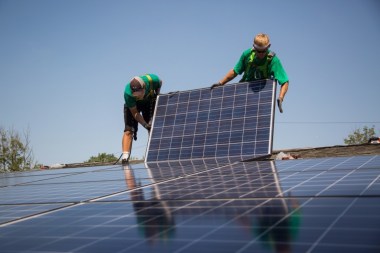
SolarCity employees install solar panels
(Michael Nagle / Bloomberg)
¶ The effect of Donald Trump’s victory in the US presidential election on future wind turbine installations in the US would be modest, according to the head of the Danish Wind Industry Association. He said Trump could see wind energy is good business, and current development supports would be hard to remove. [SeeNews Renewables]
¶ Environmentalists hail the Colorado state regulators’ approval of a landmark, far-reaching Xcel Energy deal with implications not just for that industry but for how all of the utility’s residents in Colorado may someday be charged for their electricity. Xcel calls it the largest agreement of its kind ever in Colorado. [Grand Junction Daily Sentinel]
geoharvey is free and without ads.
geoharvey is not tax-deductible.
Posted in nuclear power, renewable power, solar, wind | 1 Comment »
Tags: nuclear, nuclear power, renewable power, solar power, wind power
November 9, 2016
Science and Technology:

Artist: Azmaa Omassou / ZME Science / COP22.
¶ Scientists are dismayed at the election of science denier Donald Trump, calling it a huge blow. Alden Meyer of the Union of Concerned Scientists, a veteran US observer of the UN climate talks, in Marrakech, Morocco, said he hopes Donald Trump will adopt a more “responsible” view of climate change once he takes office. [Hong Kong Standard]
¶ The World Meteorological Organization has just submitted a detailed climate analysis in a report “The Global Climate in 2011-2015,” the hottest years on record, and it doesn’t look very good. The WMO shows that humanity’s footprint on extreme weather and climate events is becoming more pronounced, dangerous, and costly. [ZME Science]
World:
¶ The smog smothering millions in New Delhi is so thick, it’s plainly visible from space. Visible satellite imagery posted by NASA’s Worldview tool shows persistent smog across northern India since late October. This coincides with the advent of winter weather patterns that often bring more stagnant air masses to the region. [Mashable]
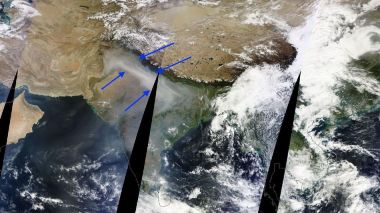
Smog in India delineated by blue arrows (NASA Worldview image)
¶ Spanish energy giant Gamesa reached a new milestone in its development of offgrid electricity generation, with a lithium power storage battery system at its prototype installation in La Muela, Spain. The prototype combines solar power, wind power, diesel generation, and battery storage in a single offgrid solution. [CleanTechnica]
¶ Punjab’s Deputy Chief Minister inaugurated the state’s largest solar power plant, which was set up at an investment of around ₹640 crore ($137 million). He said the 100-MW plant is India’s largest horizontal single axis tracking plant at a single location and would be instrumental in changing the face of the state’s economy. [News18]

Solar plant like that in Punjab (Reuters)
¶ DP Energy and Floating Power Plant have formed a joint venture to evaluate and potentially develop two sites in Scotland and Wales for floating offshore demonstration projects. Danish outfit Floating Power Plant developed the platform, which combines a 5-MW to 8-MW wind turbine with a 2-MW to 3.6-MW wave device. [reNews]
¶ Vattenfall has won the rights to build the 600-MW Kriegers Flak offshore wind farm in Denmark with a record-low bid price of 37.2 ore/kWh (€50/MWh ($55/MWh). The Swedish utility beat competition from DONG, Statoil, EnBW, and Eon to win the Danish government tender. It will invest up to €1.3 billion in the project. [reNews]

Kentish Flats offshore wind farm (Credit: Vattenfall)
¶ Commissioning is underway at Dong Energy’s REnescience facility in Cheshire with the first waste due to arrive in February 2017. It can treat up to 120,000 tonnes a year. Once operational, the site will generate approximately 5 MW of renewable power and deliver clean plastic and metals for recycling. [Materials Recycling World]
¶ Wind turbines could soon supply most of the UK’s electricity, the boss of the country’s largest windfarm operator said. He confirmed plans to sell DONG Energy’s oil and gas division, to help DONG be a “global leader in renewables.” DONG was set up 44 years ago to exploit Denmark’s North Sea oilfields. [The Guardian]

Dong Energy’s London Array windfarm
(Photo: Bloomberg via Getty Images)
¶ Novo Nordisk, a healthcare company with more than 90 years of innovation and leadership in diabetes care, is an industry pioneer in sustainability. All of the company’s production facilities worldwide will be run on renewable power by 2020. The production site in Tianjin realized this goal four years early. [Global Times]
¶ Fracking in Scotland is “doomed”, according to one MSP, while another said it was clear the Scottish Government “is on a long journey to saying no”, to the controversial process. The comments came after Energy Minister Paul Wheelhouse published a series of reports on the technique, with MSPs expected to vote this year. [The National]
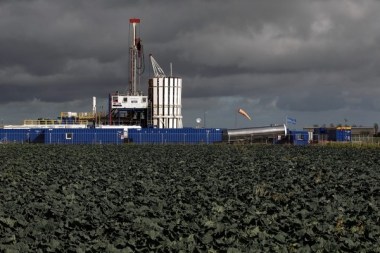
Fracking, on balance without much benefit
US:
¶ The Energy Information Administration expects US crude oil production for 2016 and 2017 to fall by less than previously expected, according to its November Short-Term Energy Outlook. The agency said 2016 oil production will fall by 580,000 barrels per day to 8.84 million bpd. It also predicted a decline in 2017 production. [Reuters]
¶ Entergy Corp announced today an agreement to sell the closed Vermont Yankee nuclear plant, which would shorten the time to dismantle and decontaminate the site by 45 years. Entergy plans to transfer its federal licenses to subsidiaries of NorthStar Group Services to accelerate decommissioning and site restoration. [The Recorder]

Vermont Yankee Nuclear Power Plant
¶ ExxonMobil Corp is misleading investors about the drop in its oil and gas reserves resulting from climate change risks and the decline in oil prices, according to a class action lawsuit filed in federal court. The company is charged with posting positive projections about oil reserves it knew it wouldn’t be able to extract. [Bloomberg BNA]
¶ Through October, 2016 was the second hottest year on record for the contiguous United States with an average temperature of 57.8 degrees Fahrenheit or 2.8 degrees warmer than average, scientists with NOAA’s National Centers for Environmental Information said. The only year that was warmer during this period was 2012. [The Weather Channel]
geoharvey is free and without ads.
geoharvey is not tax-deductible.
Posted in nuclear power, renewable power, solar, wind | 1 Comment »
Tags: nuclear, nuclear power, renewable power, solar power, wind power
November 8, 2016
Opinion:
¶ “Public power: An industry in flux” • The power industry is in the midst of tectonic-level shifts, the heads of Nebraska’s three largest electric utilities said Monday. One of the most visible is the closing of the Fort Calhoun Station, the fifth US nuclear power plant to begin the process of closing in the past five years. [Lincoln Journal Star]

Wind turbine in a field near Lincoln, Nebraska
(Photo by Urban, CC BY SA, Wikimedia Commons)
¶ “Here’s How You Know the Coal Industry Is All but Dead” • Considering the number of bankruptcies to hit the coal industry over the past few years, there’s irony in the crazy rally that has seen coal prices triple in 2016. Yet despite what looks to be good news, Caterpillar is looking to exit an important equipment market. [Motley Fool]
Science and Technology:
¶ An emerging option for grid stability, which will get a hearing next week at the 15th International Workshop on Large-Scale Integration of Wind Power in Vienna, is synthetic inertia. It is achieved by programming power inverters at wind turbines so that they emulate the behavior of synchronized spinning masses. [IEEE Spectrum]

Quebec wind farm (Photo: iStockphoto)
World:
¶ Extended outages at some of Electricite de France SA nuclear reactors have sent European power prices to records. The world’s biggest operator of atomic plants has cut its 2016 output target for a third time after the regulator asked for more information on the first five units to have completed required safety checks. [BloombergQuint]
¶ According to a report released by Oxfam, members of ISIS have torched more than a dozen oil wells as they retreat towards Mosul ahead of a massive Iraqi offensive. The situation was made worse after ISIS set fire to a sulfur plant in the area. ISIS fighters are leaving behind a toxic cloud causing breathing-related illnesses. [The Weather Channel]

Iraqi oil wells burning (NASA satellite image)
¶ Dulas, a leading British solar refrigeration manufacturer and renewable energy specialist, has won a contract to supply a total of 345 VC200 Solar Direct Drive fridges, used to safely store vaccines, to agencies working in Yemen, Sierra Leone, and Nigeria. The fridges will be used to help fight AIDS, tuberculosis, and malaria. [PennEnergy]
¶ A smarter power system using clean technologies could save UK households £90 per year by 2030 according to a new report by think tank Policy Exchange. It identifies important ways to remove regulatory and policy barriers facing new technologies such as demand response and storage, to create a level playing field. [The Actuary]

System overhaul needed (©Shutterstock)
¶ China, the world’s biggest clean-energy investor, lowered its solar and wind power targets for 2020, a reflection of how record installations of renewables have overwhelmed the ability of the nation’s grid to absorb the new electricity. China is now aiming for 110 GW of solar power by 2020, a 27% reduction in the target capacity. [Bloomberg]
¶ China Renewable Energy Investment Ltd said its 74-MW wind power project in Henan province has been given a final approval by the Luoyang Development and Reform Commission. The wind farm is expected to be able to generate approximately 153 GWh of electricity annually, enough to power some 63,000 local households. [SeeNews Renewables]
Wind turbine. (Author: Susanne Nilsson.
License: CC BY SA 2.0 Generic.)
¶ China Guangdong Nuclear Power Research Institute officials announced signing a vessel purchase agreement, marking the official start of construction of their first offshore nuclear power plant. The reactor, with a capacity of 60 MW, was developed for the supply of electricity, heat, and desalination, according to CGN. [Next Big Future]
¶ China aims to cap coal-fired power capacity at 1,100 GW in 2020, higher than the current ceiling but accounting for less of the country’s total power supply, as the top global energy market seeks to increase the use of cleaner renewable fuels. China aims to have 2,000 GW of generating capacity by 2020. [Hellenic Shipping News Worldwide]
US:
¶ Ameresco has completed a 16-MW landfill-gas-to-energy project in Illinois. The facility, at the Orchard Hills Generating Station near Rockford, Illinois is powered by six 620 GE Jenbacher engines. Municipal solid waste landfills accounts for 20% of methane emissions in 2014, according to the EPA. [Environmental Leader]
¶ Boulder, Colorado has long contemplated kicking out Xcel Energy Inc and creating its own electric utility. The city said the new utility would include more renewable energy in its portfolio than Xcel can provide. Boulder’s proposed city-owned electric utility, “would be cost effective over a 20-year period.” [Denver Business Journal]

The Pearl Street Mall in Boulder
(Mark Harden | Denver Business Journal)
¶ Last week, the EPA took a big step in its Clean Power Plan campaign, finalizing a voluntary carbon trading model for states and sending it to Office of Management and Budget for review. The model, ClimateWire notes, could form the foundation of federal compliance plans issued to states that do not write their own. [Utility Dive]
¶ Wal-Mart is laying out its environmental map for the next several years as it tries to satisfy customers who want green products at affordable prices. The world’s largest retailer said it will seek to reduce emissions in its own operations by 18% by 2025. It will also work to add no waste to landfills in Canada and the United States. [Lowell Sun]
geoharvey is free and without ads.
geoharvey is not tax-deductible.
Posted in nuclear power, renewable power, solar, wind | 1 Comment »
Tags: nuclear, nuclear power, renewable power, solar power, wind power
November 7, 2016
Opinion:
¶ “Swansea tidal lagoon: The environmental arguments” • The prospect of securing the world’s first tidal power station off the shores of Swansea Bay is seen by many green organisations as pretty momentous. It could supply Wales with 11% of its power, and similar projects are in the wings. The WWF urges caution for migrating birds. [BBC News]

Migrating birds that depend on the Severn Estuary
Science and Technology:
¶ The hottest year on record globally in 2015 could be just another average year by 2025 if carbon emissions continue to rise at their current rate, according to new research published in the Bulletin of American Meteorological Society. And that “new normal” for global average temperatures is already locked in for no later than 2040. [Phys.Org]
¶ The UN Environment Program says the door will close on the 1.5° C warming limit unless countries raise their ambition before 2020. The Emissions Gap report was published one day before the Paris Agreement on climate change enters into force. It is the first to explicitly measure the so-called “ambition gap” for 1.5° C. [Carbon Brief]

Pollution in the wind (Credit: Zhan Tian)
World:
¶ Africa produces just 3.5% of the world’s fossil fuel emissions, despite having 16% of the population. The continent’s energy infrastructure is far less developed than that of other regions. The International Energy Agency says around 600 million people in Africa do not have access to electricity. But green energy is growing in Africa. [Deutsche Welle]
¶ Currently 40% of the energy generated in Finland comes from renewable sources, and power plants use waste as raw material in order to produce heat and electricity. Mexico could follow this lead because of its interest in energy reform and commitment to promote the use of clean energy. Finland has solutions to offer. [The Yucatan Times]
Wind power in Mexico
¶ Residents in a village in northern Scotland have launched an ambitious £400,000 green energy project, aimed at saving the tiny settlement. The Knockando Community Trust wants to sell electricity generated by a water turbine in the Knockando Burn, and use the cash to rescue the crumbling village hall they consider vital. [Press and Journal]
¶ Fresh air doesn’t exist in New Delhi at the moment. India’s capital is choking under heavy smog, with some parts of the city reporting levels almost five times the minimum level considered “unhealthy” by the US EPA. Measurements of the Air Quality Index taken at the US Embassy in Delhi were literally off the standard chart. [CNN]

Smog at the Jama Masjid Mosque
¶ South Africa’s cabinet is to consider a proposal that a mooted nuclear power deal for the country be financed through the state-owned power utility Eskom. This is the latest twist in South Africa’s controversial efforts to expand its nuclear power capacity with a total of up to 9.6 GW of energy at six nuclear power stations. [eNCA]
¶ Mainstream will develop and operate the 800-MW Phu Cuong wind farm in Vietnam’s Soc Trang Province in partnership with GE Energy Financial Services and local company Phu Cuong Group. The wind project, Vietnam’s largest to date, will be developed in five phases for about $2 billion, according to Mainstream. [reNews]

A Mainstream wind farm (Credit Jeffreys Bay Wind farm)
¶ Vietnam may postpone the construction of nuclear power plants with the participation of Russia and Japan because of financial problems. The government is reconsidering plans for nuclear power plants, as allocating sufficient funding it would be “extremely difficult,” Japan’s Kyodo news agency said. [Russia Beyond the Headlines]
¶ Wind turbines in Scotland provided enough electricity to supply the average needs of 87% of all Scotland’s homes last month, according to a WWF report. Data from WeatherEnergy showed turbines generated 792,717 MWh of electricity to the National Grid in October, up more than a quarter on the same month last year. [Herald Scotland]

Wind turbines providing power in Scotland
US:
¶ An earthquake of magnitude 5.0 shook central Oklahoma on Sunday, causing damage to a number of buildings. The epicenter of the quake struck the city of Cushing, about 50 miles (80 km) northeast of Oklahoma City. Tremors were felt as far away as Texas. The earthquake was one of 19 that have hit Oklahoma in the past week. [BBC]
¶ The Colorado River Research Group released a concise four-page paper explaining how climate change is affecting the river. It is a remarkably accessible summation of lots of complicated science. The conclusion is that we simply need to adapt to a future in which water scarcity is the norm. “Climate change is water change.” [News Deeply]
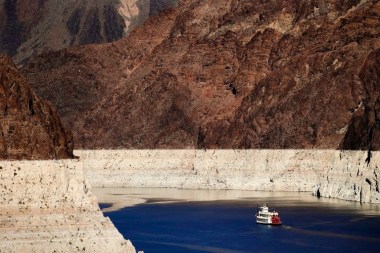
Steamboat on Lake Mead (Jae C. Hong, AP)
¶ The California Air Resources Board found another cheat device in Volkswagen Group cars. Like the earlier device the new one lowers a car’s CO2 emissions if the software detected that the car was on a test machine. However, the new cheat device was used on cars with automatic transmissions, both gasoline and diesel. [CleanTechnica]
¶ Arcadia Power has launched first nationwide community solar program. Available in all 50 states, Arcadia’s community solar product is for those who live in apartments, have shaded roofs, or don’t want to be locked down in a contract. Customers can purchase enough panels to bring their electricity bills to $0. [Your Renewable News]
geoharvey is free and without ads.
geoharvey is not tax-deductible.
Posted in nuclear power, renewable power, solar, wind | 1 Comment »
Tags: nuclear, nuclear power, renewable power, solar power, wind power
November 6, 2016
Opinion:
¶ “Climate change: What does it mean for Canada and how can we respond?” • Climate change is the biggest health threat of the 21st century, the World Health Organization says. Canada has already seen health impacts from increased air pollution from wildfires, the spread of Lyme disease, and other health issues. [Canada News]

Climate change in the North
Science and Technology:
¶ For every tonne of C02 a person produces (the amount of CO2 from burning 100 gallons of gasoline), three square meters of Arctic sea ice melts, according to researchers at the Max Planck Institute for Meteorology in Germany, the National Snow and Ice Data Center in Colorado, and the University College London in the UK. [DailyQuint]
¶ Burning fossil fuels and emissions of other greenhouse gases mean more of the earth’s heat that would have been radiated back to space is trapped at lower levels of the atmosphere. Cooling in the stratosphere is causing it to shrink, lowering that layer by “a number of kilometres”, according to NASA. [The Sydney Morning Herald]

The Paris climate agreement, in effect on November 4 (Photo: AP)
World:
¶ Western Queensland is becoming a major hub for solar energy, with the state’s largest solar power farm soon to go online and construction of another major project about to get underway. Six solar projects partially funded by the Australian Renewable Energy Agency were either recently completed or being built. [ABC Online]
¶ Sir Ed Davey, the UK’s Secretary of State for Energy and Climate Change from 2012 to 2015, has actually had to resort to a Freedom of Information request for a report he commissioned himself. And his request has been turned down, an act he calls “an abuse of power.” It is on the true costs of different electricity sources. [Telegraph.co.uk]

The true cost of wind power – a state secret?
(Photo: Graham / Rex Shutterstock)
¶ In Papua New Guinea, the Chief Executive Officer of PNG Power Limited says the government power company received an unsolicited proposal from Australian company, Mayur, to build coal-fired power plants in Lae, the second largest city, and other centers. The government has environmental concerns and is being cautious. [EMTV Online]
¶ The 2016 Vendee Globe, a non-stop round-the-world single-handed sailing race, starts on Sunday, November 6. One skipper is planning to become the first to race around the world using only 100% natural energy, with no fossil fuels. The sails have flexible solar cells on them, and the boat’s forward motion drives a generator. [sail-world.com]

Foresight Natural Energy (© Jean Marie Liot / DPPI)
¶ Japan and India are set to sign a controversial civil nuclear deal this week, reports said on Sunday, as the two Asian allies look to boost economic and security ties to counter China. India will be the first non-signatory to the Treaty on the Non-Proliferation of Nuclear Weapons to reach such a nuclear deal with Japan. [South China Morning Post]
¶ African countries are adopting renewable energy strategies at a national levels to meet growing demand, according to a new report, “Renewable Energy and Energy Efficiency in Developing Countries: Contributions to Reducing Global Emissions.” The report notes that these efforts could inspire similar efforts on a worldwide basis. [Face 2 Face]

The Noor solar plant in Morocco (Photo Credit: NPR)
US:
¶ New Hampshire Senator Kelly Ayotte is the only Republican senator in a competitive race who admits humans are behind climate change and who backs President Obama’s plan to cut greenhouse gas emissions. Her stance cost millions of dollars in lost funding from the climate-denial-backing oil billionaire Koch brothers. [The Intercept]
¶ Alpha Omega, a winery in Rutherford, California, has placed into operation a new solar system featuring a “fully integrated” solar and battery facility back-up power system. The multi-million dollar microgrid system has already drastically reduced Alpha Omega’s average monthly PG&E bill from $15,000 to $1,000. [Napa Valley Register]

Alpha Omega’s solar awnings (Photo: Bob McClenahan)
¶ FuelCell Energy, Inc, a leader in the design, manufacture, operation, and service of fuel cell power plants, announced the completion of construction and commercial operation of a previously announced 5.6-MW fuel cell project on the Pfizer research and development facility in Groton, Connecticut. [DirectorsTalk Interviews]
¶ The Red Lake Band of Chippewa in northern Minnesota intends to build enough solar energy capability on tribal lands over the next few years to free itself from electricity generated from fossil fuels. Given outside investors who can tap of tax credits, depreciation and deductions, it will cost the tribe very little. [Minneapolis Star Tribune]
geoharvey is free and without ads.
geoharvey is not tax-deductible.
Posted in nuclear power, renewable power, solar, wind | 1 Comment »
Tags: nuclear, nuclear power, renewable power, solar power, wind power
November 5, 2016
Science and Technology:
¶ On a March evening in 1933, the Newport-Inglewood fault ruptured violently along the Huntington Beach coast. The Long Beach quake was the deadliest in Southern California history. But a new study suggests that the quake may have been caused by an unexpected factor: Deep drilling in a Huntington Beach
oil field. [ktla.com]

Home lost in the San Clemente earthquake
(Credit: Lt Charles A Pierce / US Geological Survey)
World:
¶ The Paris Agreement on climate change became international law on Friday, November 4, 2016, after about 20 years of global wrangling. Exactly 30 days ago, it crossed both national and emissions thresholds needed to enter into force. The agreement now has 98 parties representing nearly 70% of global carbon emissions. [CleanTechnica]
¶ The Okikendawt Hydro project, a “run-of-the-river” facility in north central Ontario, now has two turbines online, generating renewable power that the Dokis First Nation sells back to the province’s electricity grid through government clean energy programs. The 10-MW facility produces enough power for about 3,000 local homes. [CBC.ca]
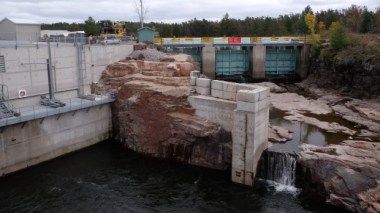
Okikendawt Hydro Project (Credit: Nicole Ireland / CBC )
¶ Researchers from the Lappeenranta University of Technology in Finland have modeled a global 100% renewable energy system, structured into 145 separate regions as part of 9 major world regions. The Internet of Energy Model puts into effect the targets set by the Paris Agreement using only renewable generating sources. [CleanTechnica]
¶ Enel, through a Mexican renewable energy subsidiary, has connected the two wind farms to the national electricity grid. The 129-MW Palo Alto wind farm is in the State of Jalisco and the 100-MW Vientos del Altiplano wind farm in Zacatecas State bring Enel’s installed capacity in Mexico to 729 MW. [Energy Business Review]

Wind energy in Mexico
¶ Ten major oil and gas companies have confirmed they are to invest $1 billion over the next decade in an attempt to drastically cut their emissions. They have formed the Oil & Gas Climate Initiative, which will seek to reduce emissions through efficiency. However, have left renewable power development off the table. [Clean Energy News]
¶ China’s Cabinet issued a new climate plan targeting an 18% cut in carbon emissions by 2020 compared with 2015 levels, on the same day that the Paris Agreement involving nearly 200 countries took effect. Under the new State Council plan announced Friday, coal consumption must be capped at about 4.2 billion tons in 2020. [The Japan Times]
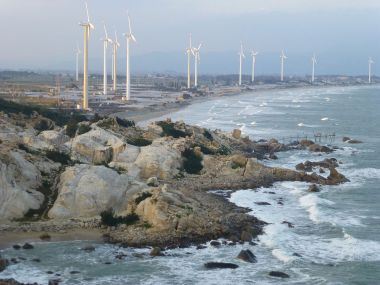
Wind turbines on the Liu’ao Peninsula, Fujian Province, China
(Photo by Vmenkov, CC BY SA, Wikimedia Commons)
¶ An anti-nuclear stance taken by Japanese opposition parties could lift them from their doldrums and defeat the ruling coalition, former Prime Minister Junichiro Koizumi said. He pointed to the recent election of Niigata governor, who ran on a plank urging caution on restarting the Kashiwazaki-Kariwa nuclear plant. [Asahi Shimbun]
US:
¶ Goldwind Americas, a subsidiary of Xinjiang Goldwind Science & Technology, announced an agreement with Viridis Eolia to supply 1,870 MW of Goldwind Permanent Magnet Direct Drive wind turbines to the company’s Wyoming wind facility. The first phase, consisting of 32.5 MW, should be operational by 2017. [PennEnergy]

Goldwind turbine
¶ Dairyland Power Cooperative has finalized agreements for three additional utility-scale solar generation projects. Two of these, with a total capacity of 3.5 MW, will be built in Wisconsin. The third site, with 1.3 MW, will be in Iowa. The projects will increase the utility’s total solar generation from 15 MW to 20 MW. [Wisconsin Ag Connection]
¶ Tucson Electric Power Co is vetting proposals for big new renewable-energy projects, including a community-scale solar array, that could power more than 21,000 homes by 2019. TEP has issued a request for proposals to buy power from a solar farm with up to 100 megawatts of capacity under a 20-year agreement. [Arizona Daily Star]

Tucson Electric solar (David Sanders / Tucson Electric)
¶ Wrightspeed, a manufacturer of range-extended heavy-duty electric vehicle powertrains that was founded by a Tesla Motors co-founder, and The Ratto Group, a refuse, yard waste, and recycling firm based in Santa Rosa, California, have launched the “first commercial application of a range-extended electric refuse truck.” [CleanTechnica]
¶ A solar array of 18.15 kW capacity is being installed at Cross Roads House, a Portsmouth, New Hampshire homeless shelter. The project results largely from efforts of solar professional Chris Pamboukes and his cycling partner Josh Andrews. ReVision Energy is providing materials at cost, with installation by volunteer employees. [NH1 News]
geoharvey is free and without ads.
geoharvey is not tax-deductible.
Posted in nuclear power, renewable power, solar, wind | Leave a Comment »
Tags: nuclear, nuclear power, renewable power, solar power, wind power
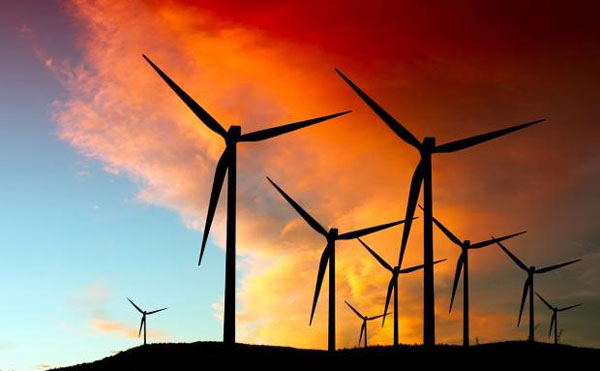
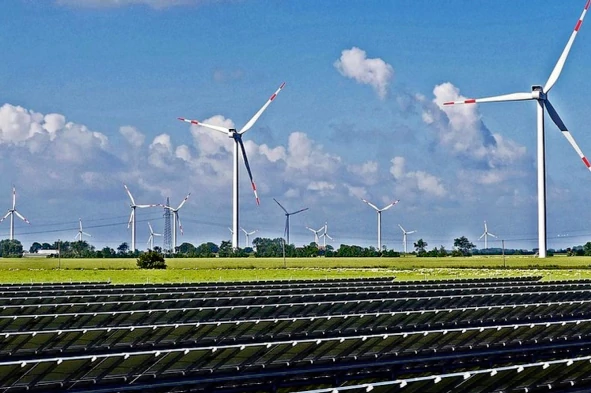


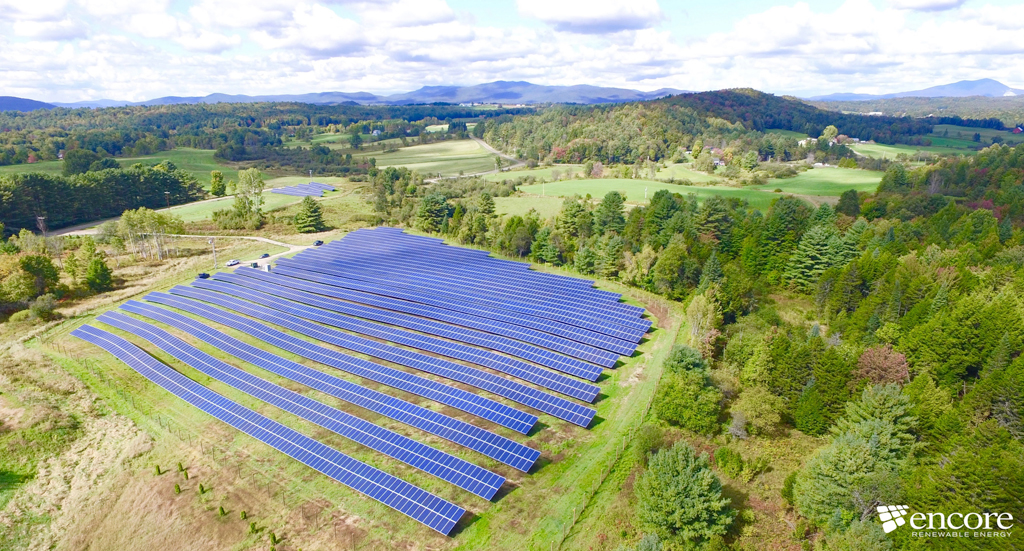




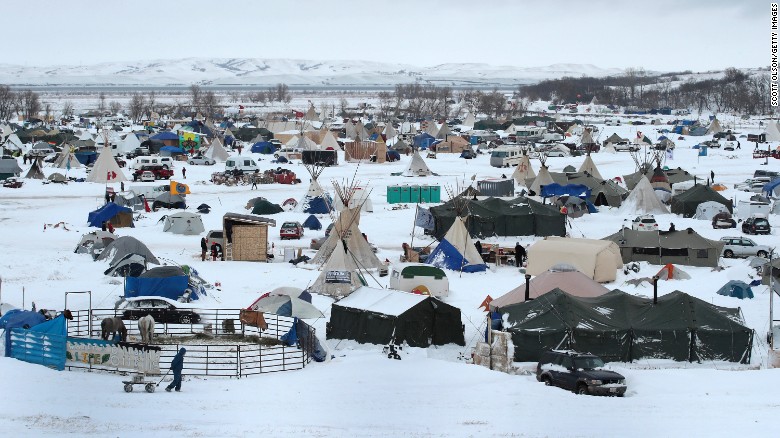


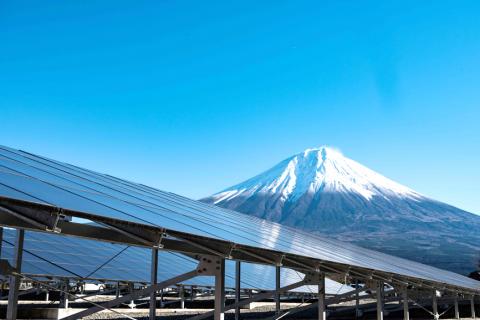

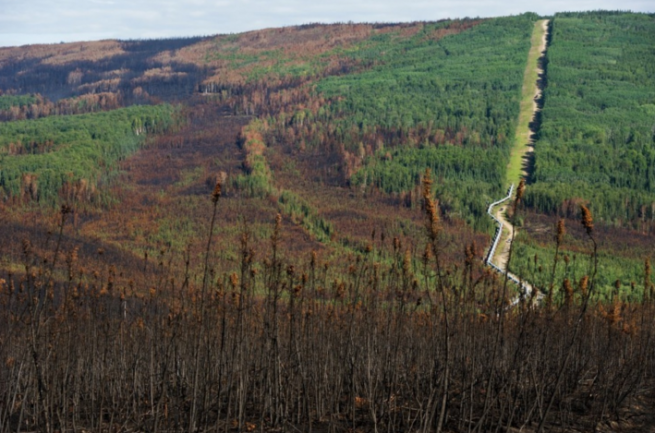


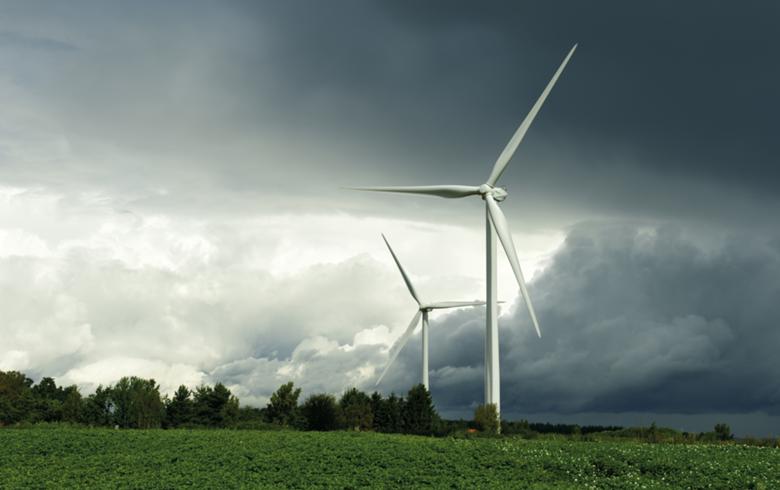


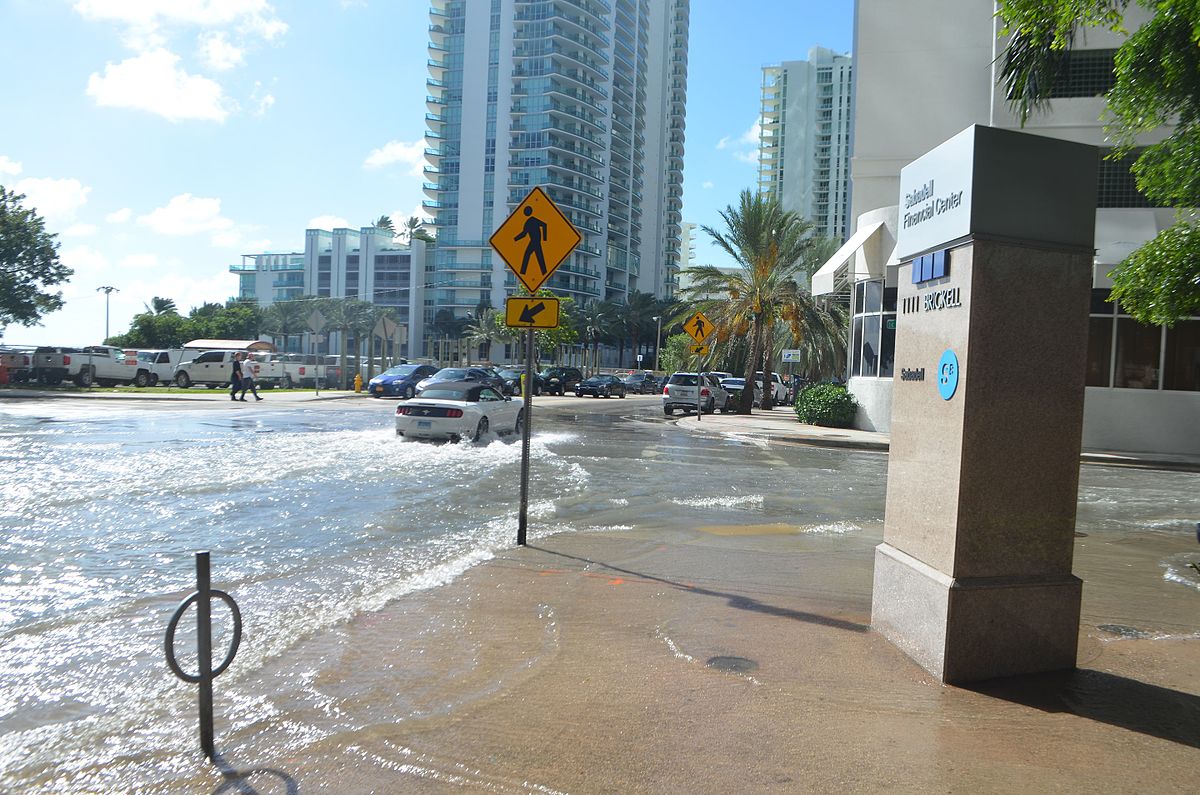

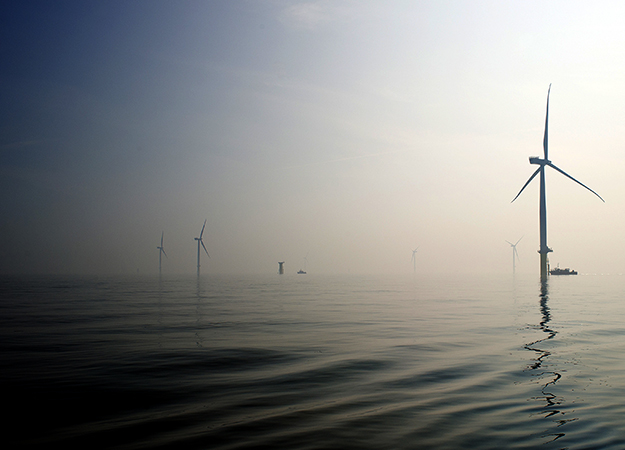
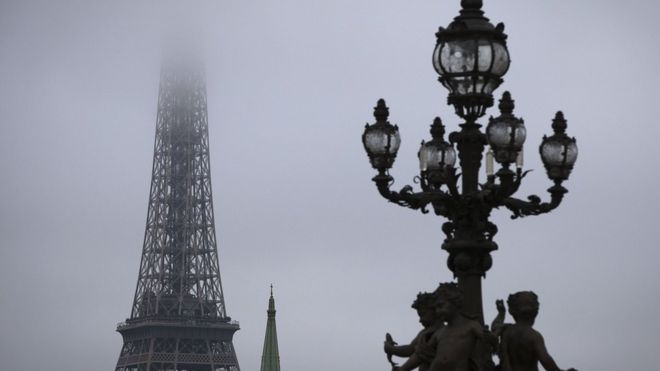



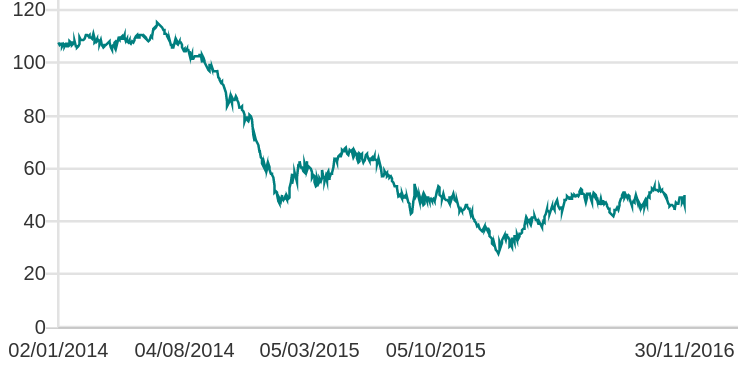


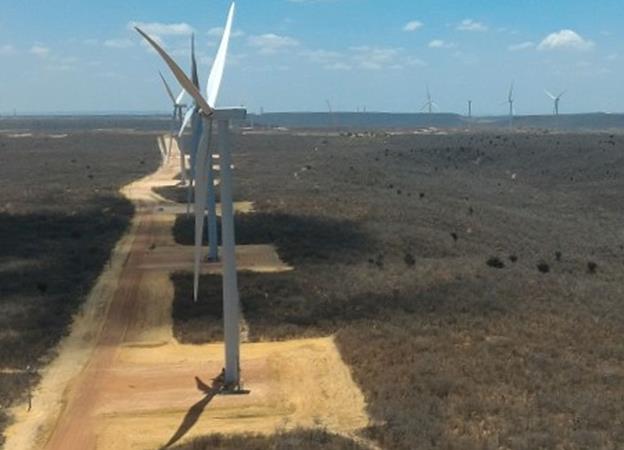


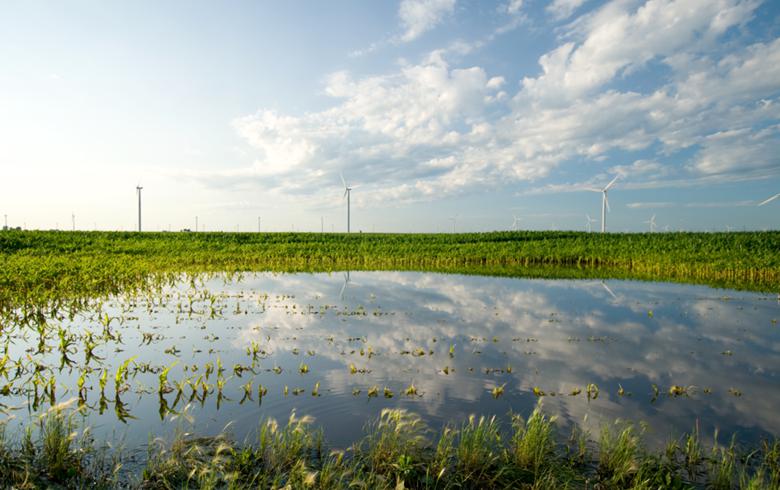


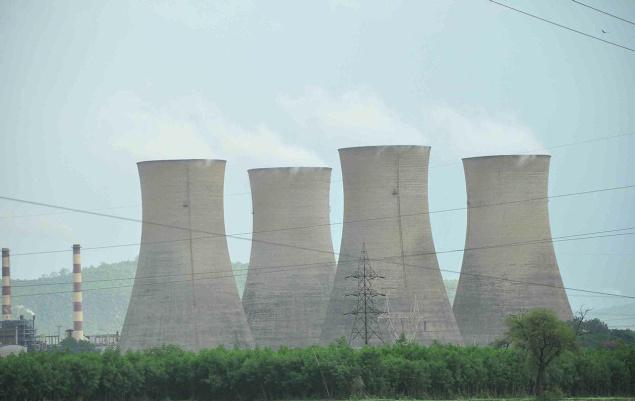


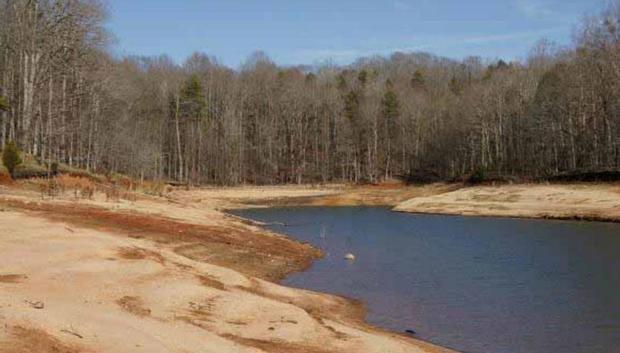



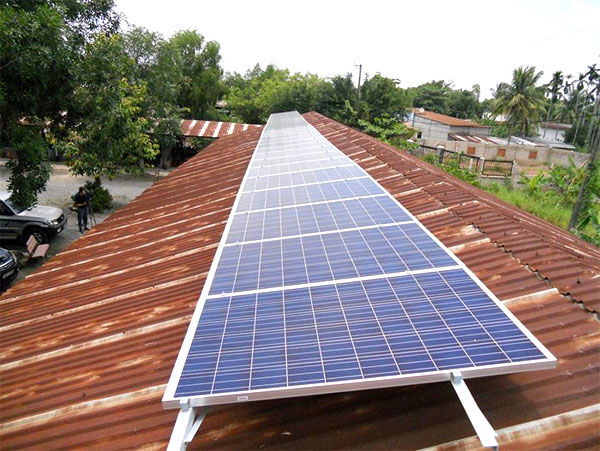


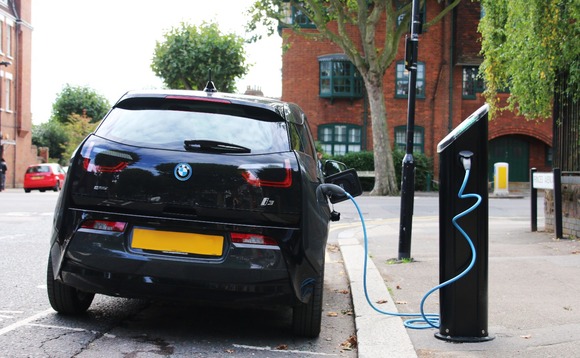



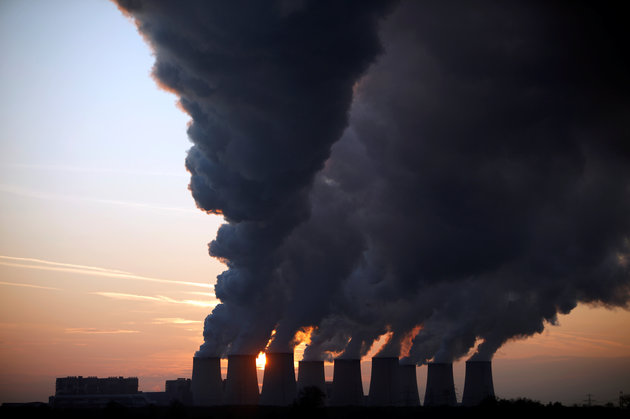


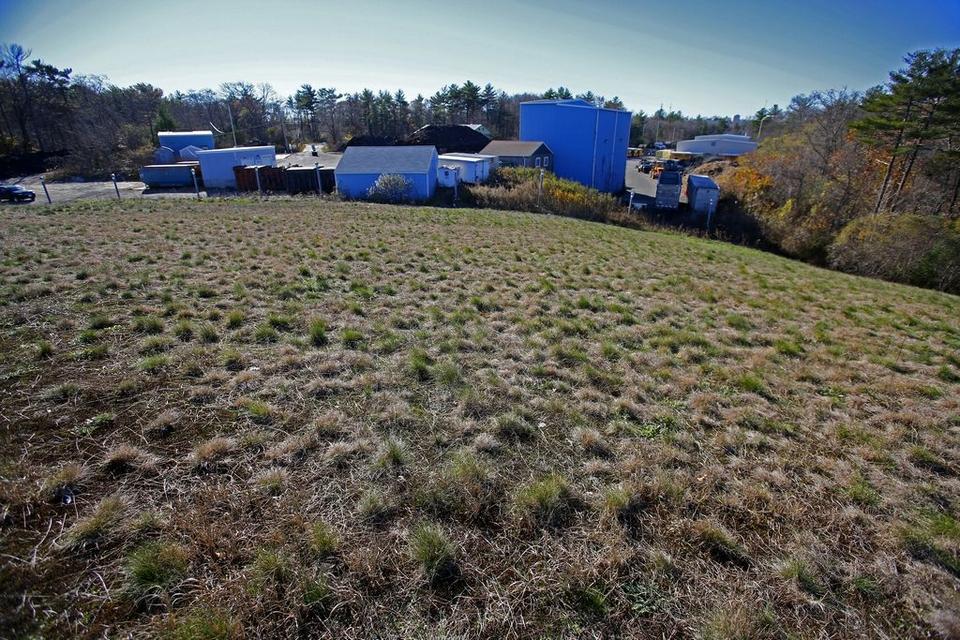


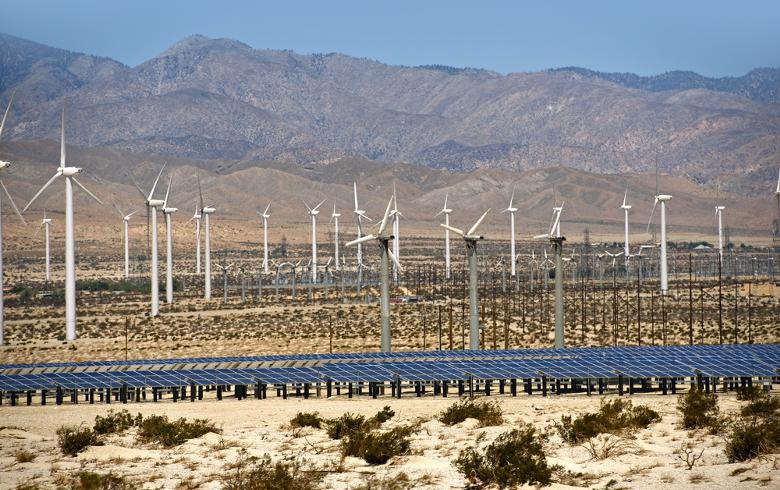

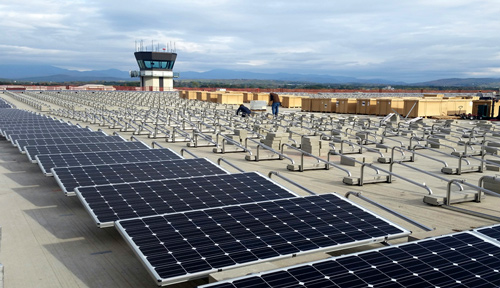


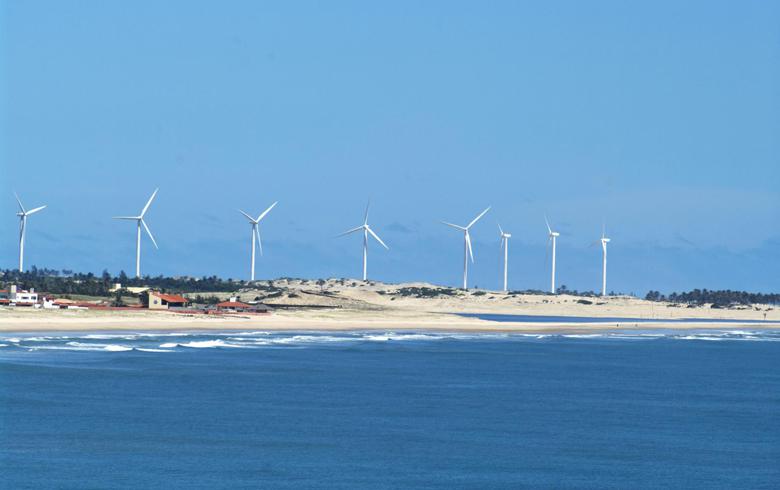

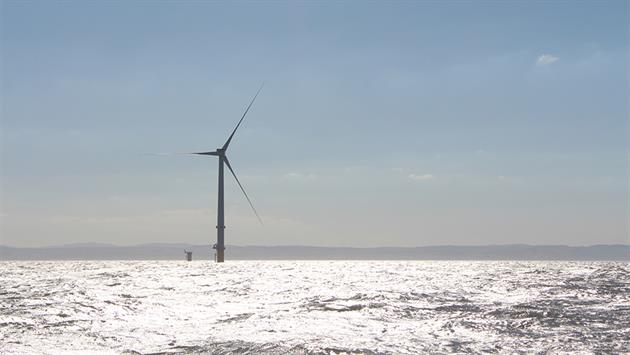




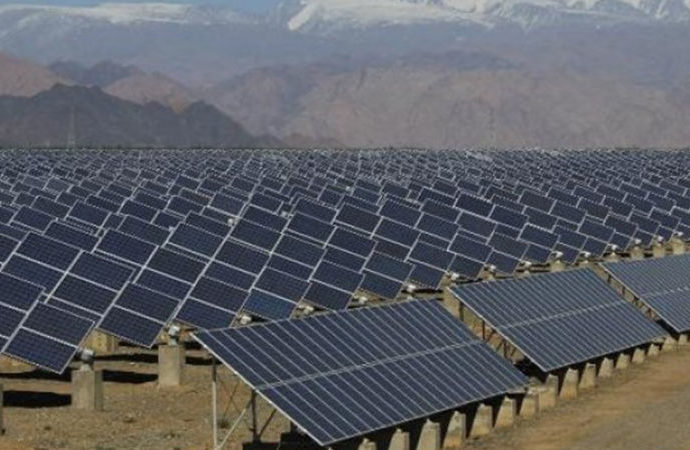


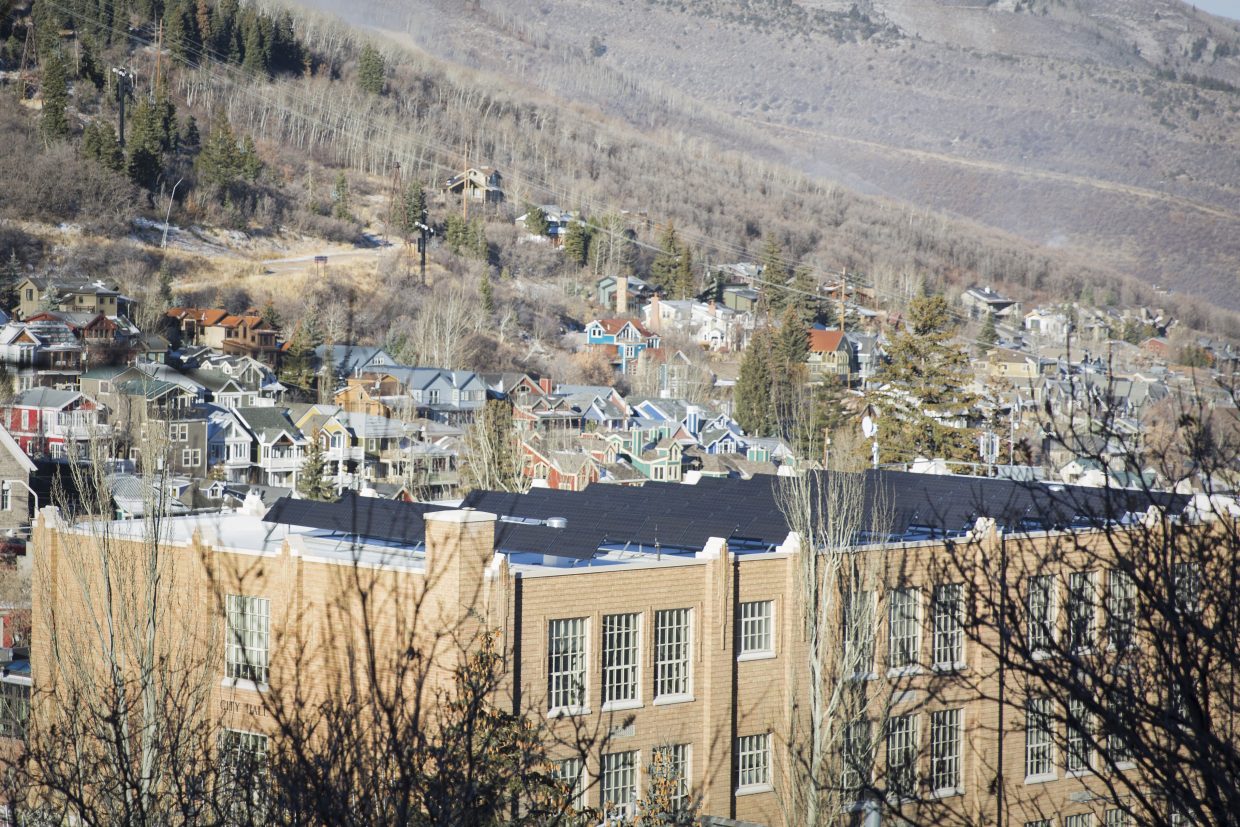


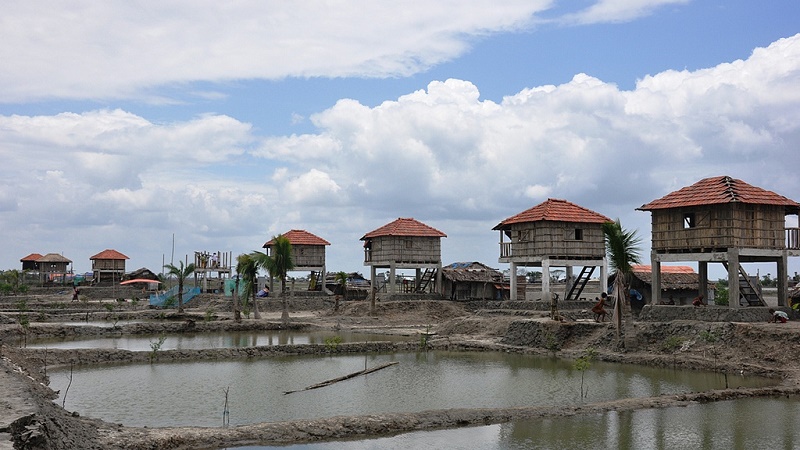
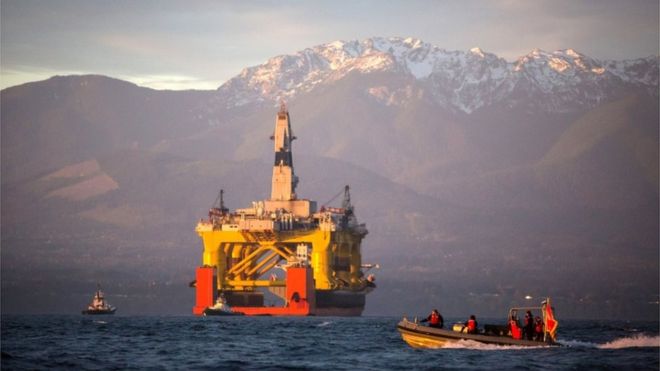
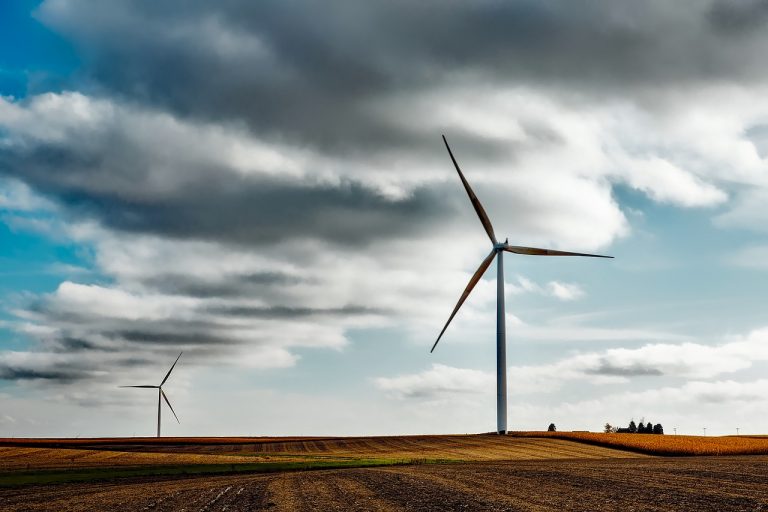



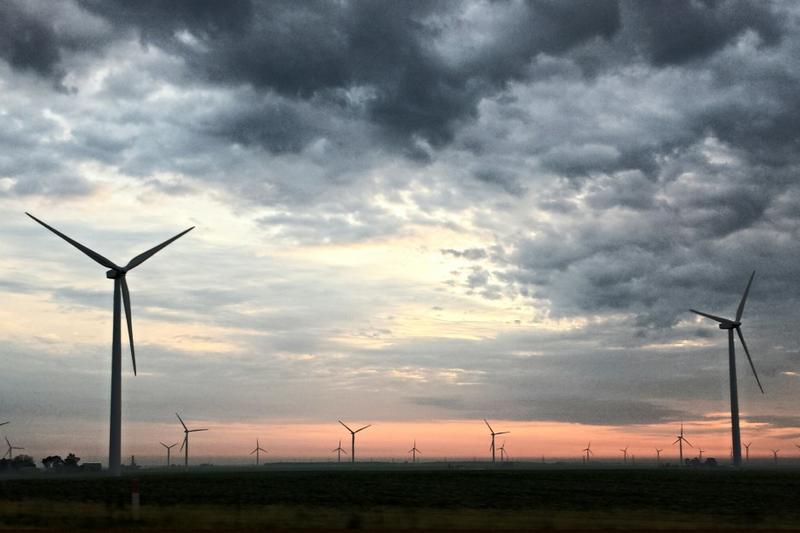


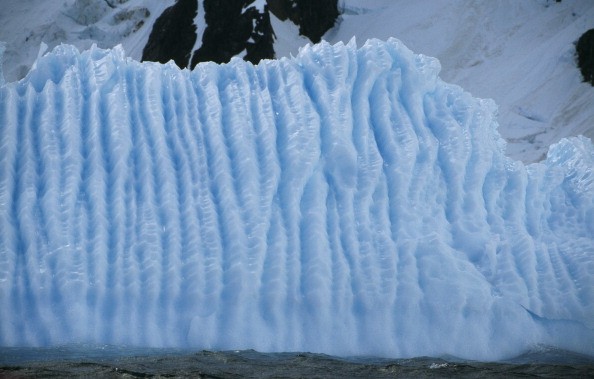
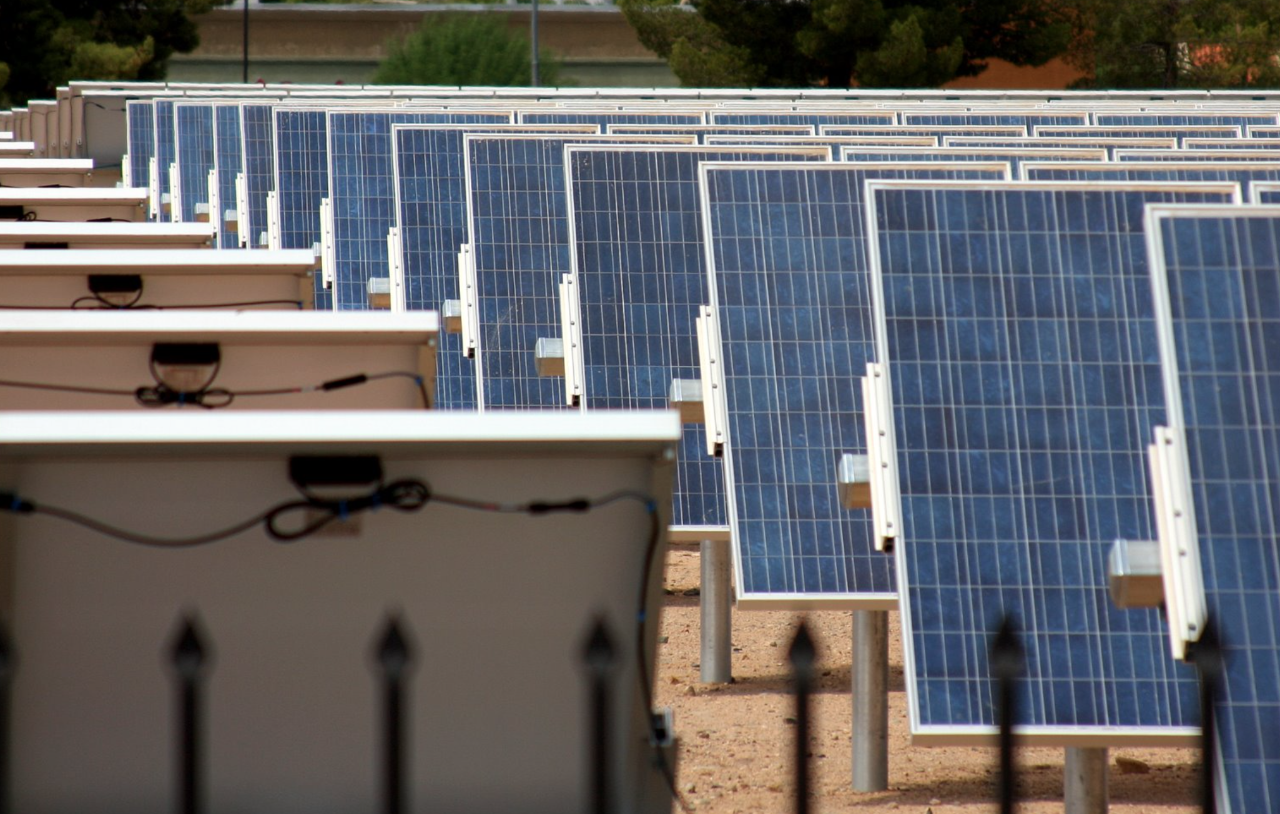
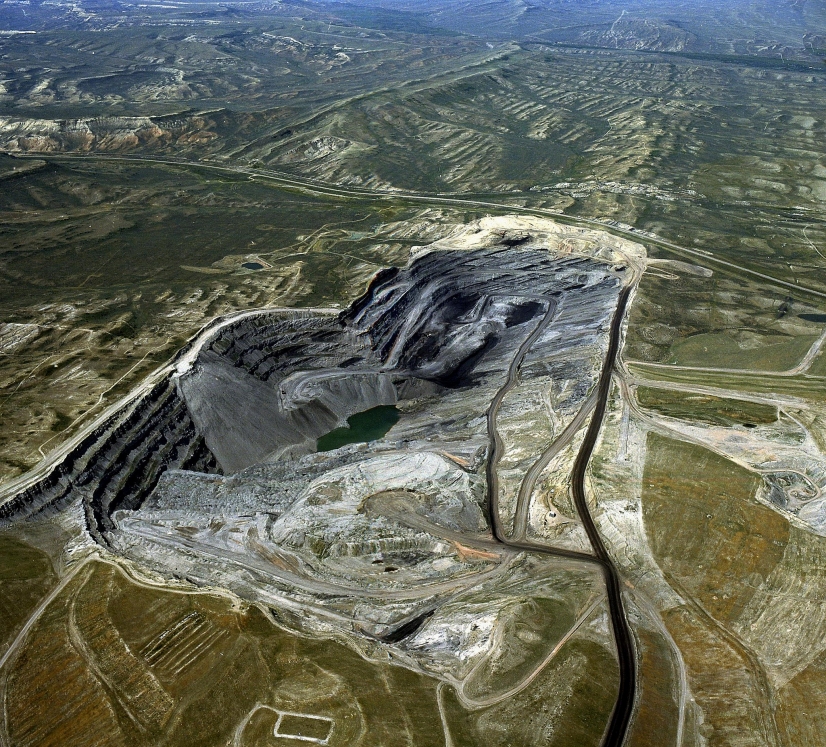
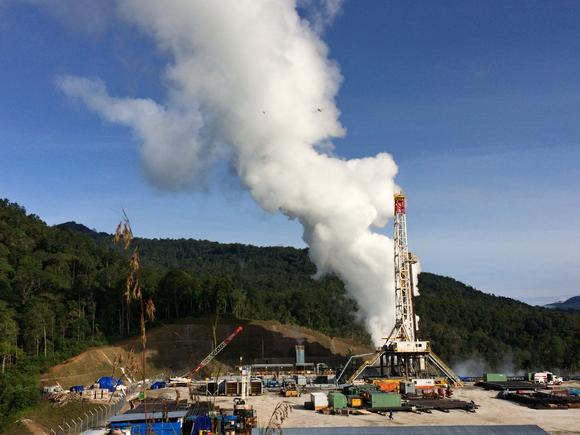


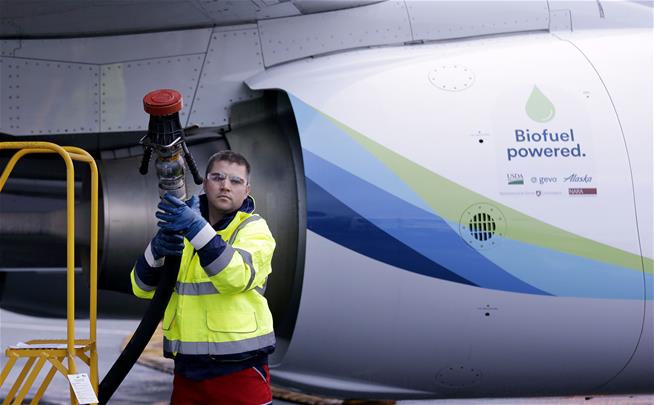
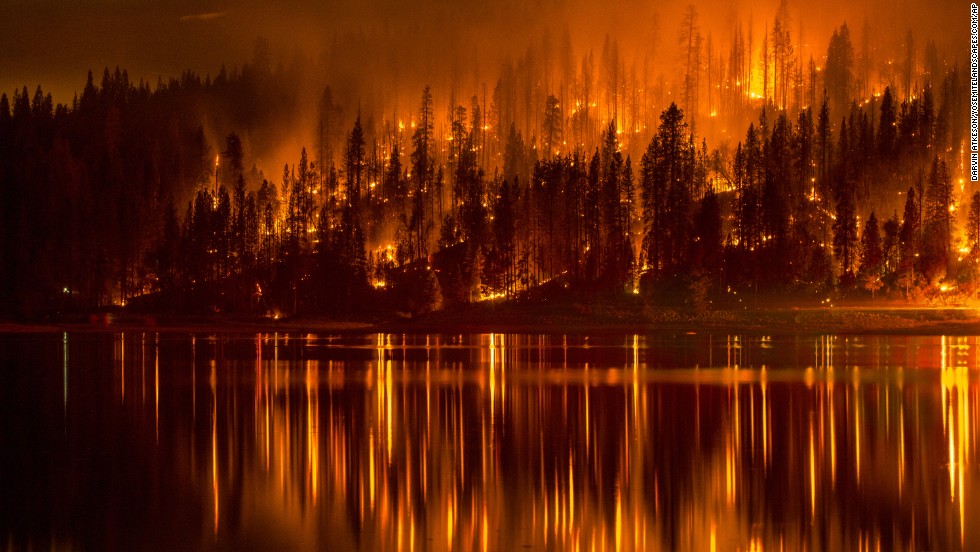


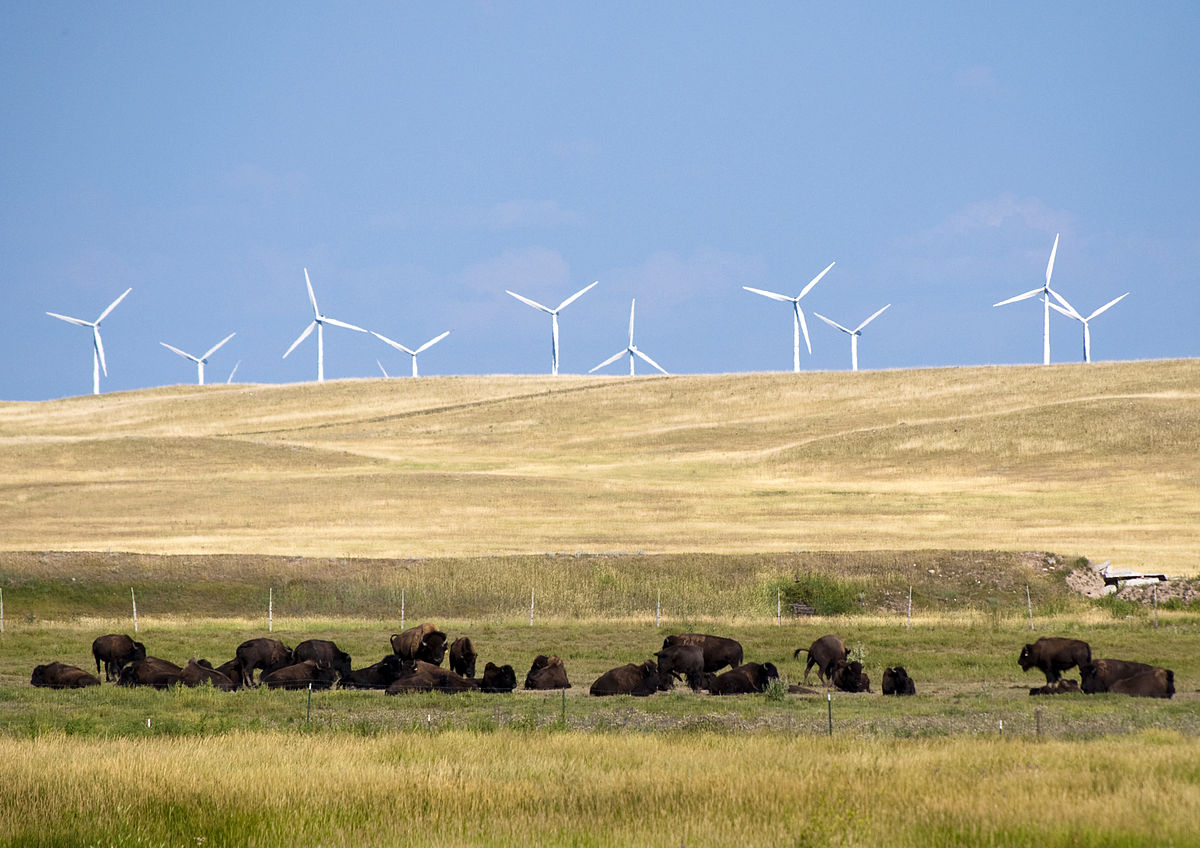


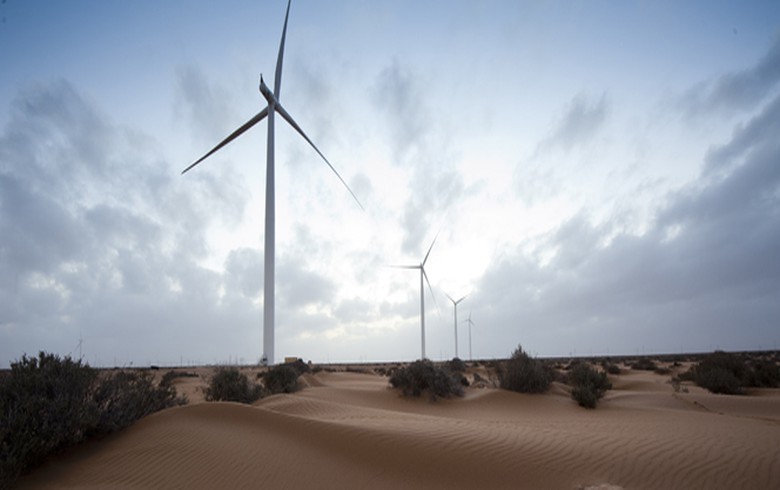



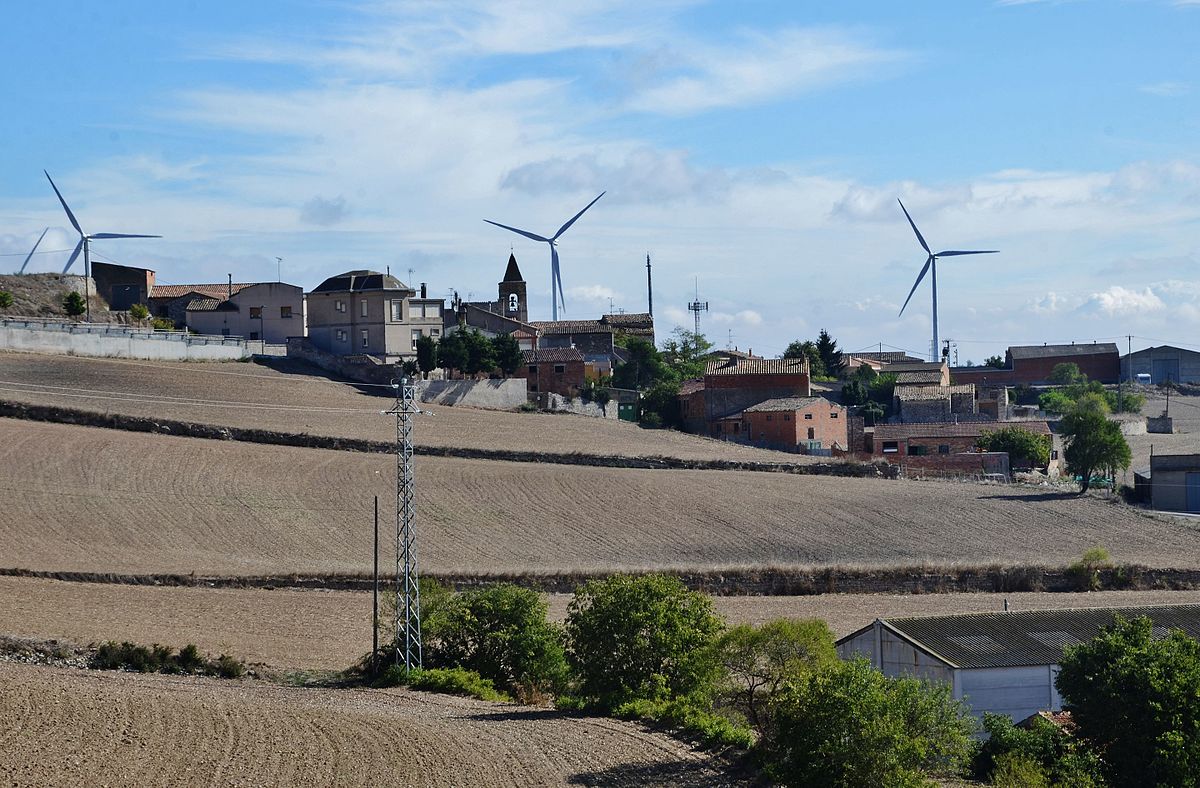





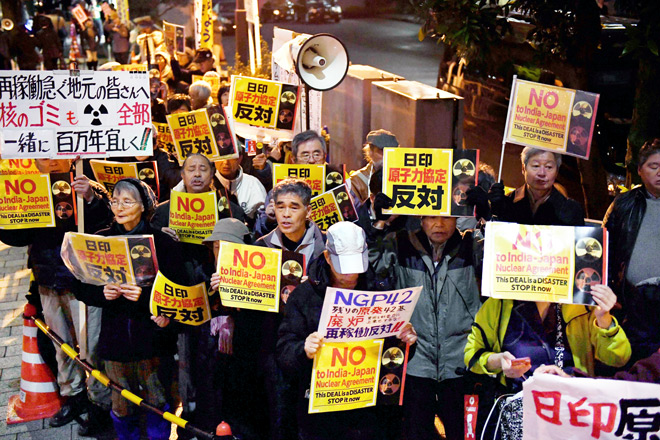
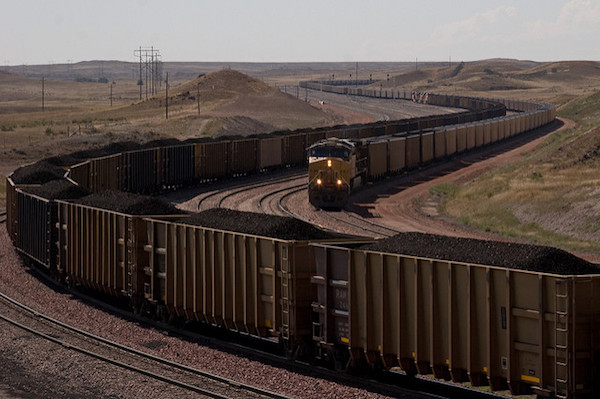

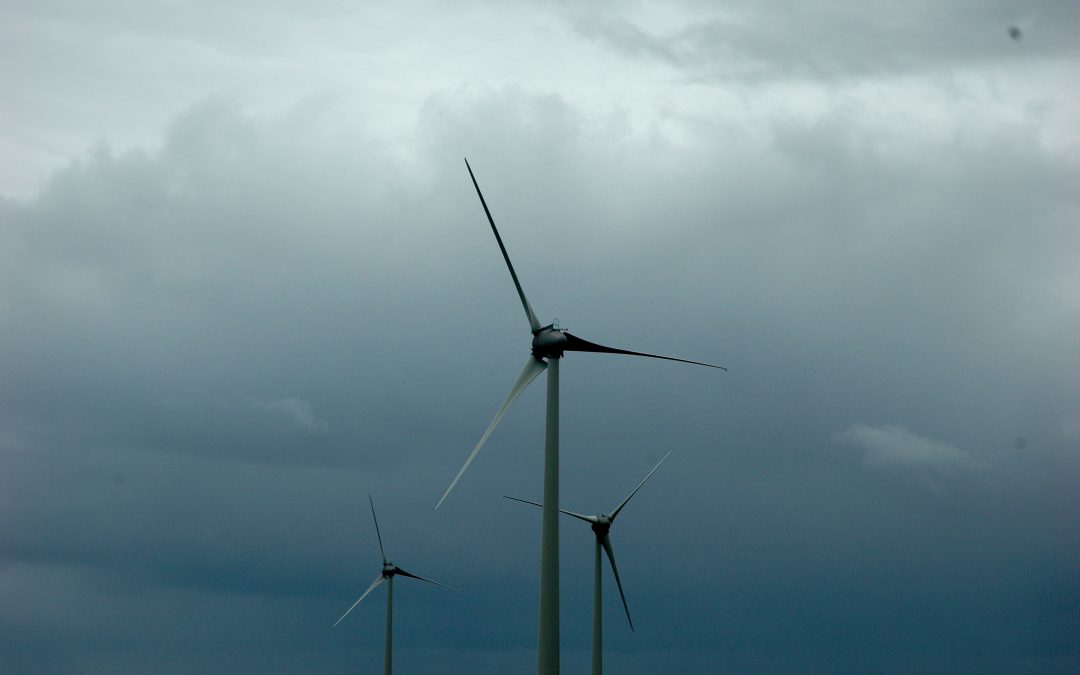


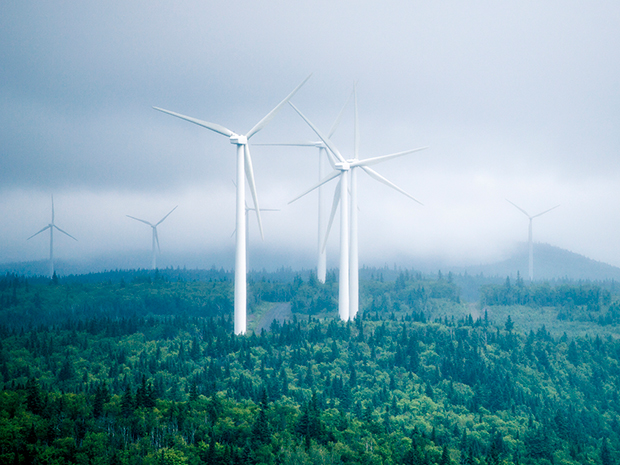




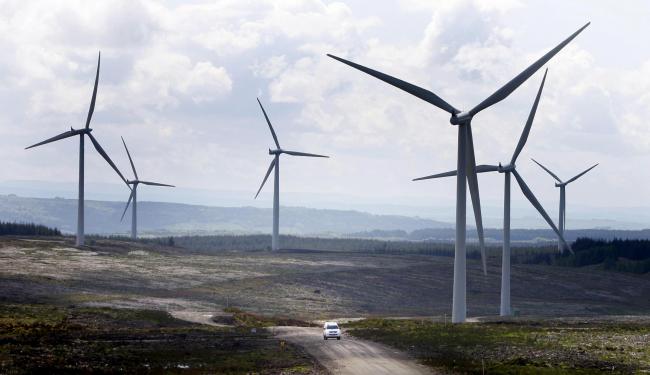

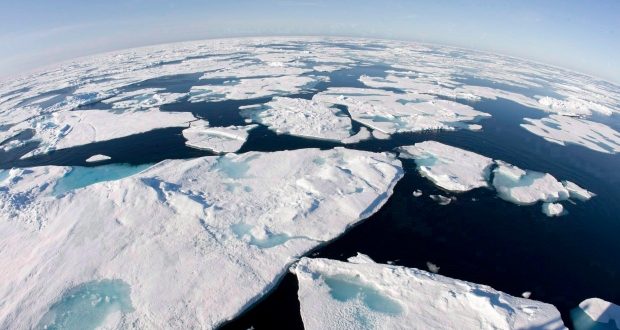

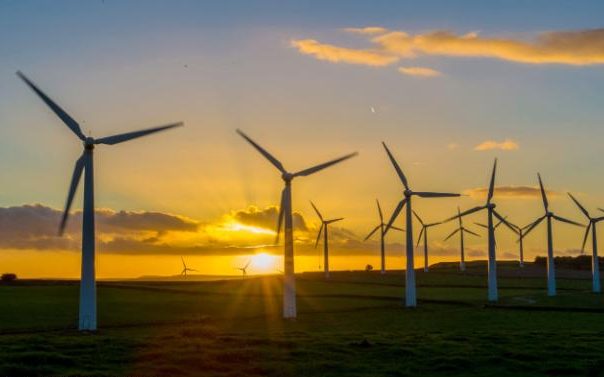

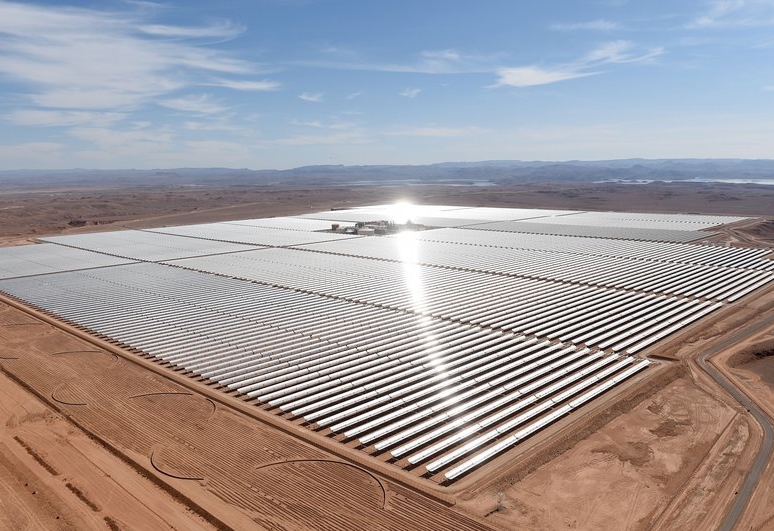


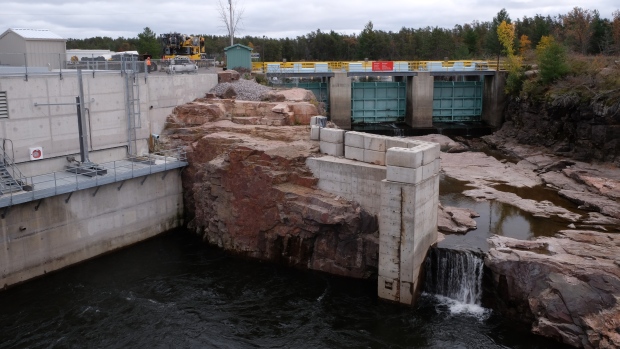


 geoharvey