Posts Tagged ‘wind power’
March 13, 2018
Opinion:
¶ “Clean Energy Is Key to New England’s Fuel Security” • ISO New England, which operates the New England power grid, filed comments with the Federal Energy Regulatory Commission, raising concerns that reliance on natural gas could undermine grid security due to potential wintertime shortfalls in gas supply. [Natural Resources Defense Council]
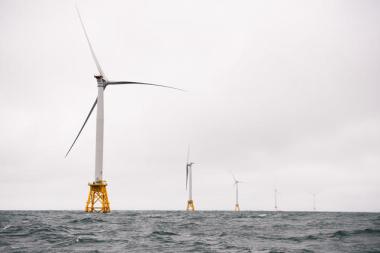
Block Island Wind Farm (National Renewable Energy Lab | flickr)
World:
¶ Late last month, the Solar Energy Corporation of India launched a Request for Proposal for what will be the single largest solar power auction in the country’s history. This tender for 3 GW of capacity will overtake a 2 GW tender launched by the state of Telangana in 2015 to become India’s largest solar power tender ever. [CleanTechnica]
¶ A new analysis from the C40 Cities Climate Leadership Group has revealed that cities are actually generating up to 60% more greenhouse gasses than currently estimated due to the impact of trade in goods and services, but this means cities now have even greater opportunities to deliver on the Paris Climate Agreement goals. [CleanTechnica]

Mexico City
¶ Norway has just two fully operational electric-powered ferries, but more are coming. By 2023 the country’s entire ferry fleet will be all-electric or hybrid technology, experts say. Electric cruise liners are also coming there, and elsewhere in Europe, the electrification of maritime travel is gradually beginning to take off. [Hellenic Shipping News Worldwide]
¶ Thirty ore trucks at Sweden’s Aitik mine work 24 hours per day, each hauling 310 ton loads of rocks up steep inclines. Each consumes 100 gallons of diesel oil per hour. Now, with a grant from the Swedish Energy Agency, Caterpillar is converting some of the trucks to run exclusively on electric power taken from overhead wires. [CleanTechnica]

Caterpillar 795F mining truck
¶ A South African court granted an order to stop the state-owned utility from signing deals for renewable power projects worth $4.7 billion, the applicants in the case said. They had argued that the utility already has excess capacity and signing the deals would force coal-fired power plants to shut down, resulting in job losses. [Bloomberg]
¶ The City of Sydney is supporting a $2.25 million Ausgrid program that could boost apartment solar uptake in the area. Ausgrid has the second lowest rate of solar uptake in Australia due to its large number of apartments and commercial buildings, but the project could increase the number of PV installations on such properties. [Energy Matters]

Sydney (Image: Pixabay)
¶ Media reports say Diu (2001 pop 21,576) has become the first union territory in India to be fully powered by solar power. The power department of Diu has set up a total solar power capacity of 13 MW. Of this, 10 MW is in ground-based systems and 3 MW in rooftop systems. The excess power generation is used to offset nighttime needs from the grid. [CleanTechnica]
¶ AGL, the biggest coal generator in Australia, says there will still be too much baseload power in New South Wales, even after the ageing Liddell coal plant is closed in 2022. AGL vowed to replace Liddell with a mixture of wind, solar, battery storage, demand management, a new generator, and an upgrade of the Bayswater coal-fired power station. [RenewEconomy]

Liddell Power Station
US:
¶ Each year, the Institute for Local Self-Reliance rates each state’s energy policies based on how they help or hinder local clean energy action. In 2018, 21 states had a failing grade, 17 were mediocre, 11 had a passing grade, and just 2 excelled at enabling residents to act individually and collectively to take charge of their energy future. [CleanTechnica]
¶ The three largest California electric utilities are well on their way to meeting the state’s mandate of sourcing 33% of energy from renewable sources by 2020. But they did not procure any new renewable energy capacity last year, and the California Public Utilities Commission has proposed they procure nearly none in 2018. [Inhabitat]
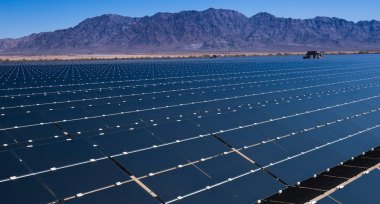
California solar array
¶ The Union of Concerned Scientists has updated its information on vehicle emissions and finds that a conventional car in America today needs an average fuel economy of 80 mpg to have the same carbon footprint as a typical EV. Last year, that number was 73 mpg. The reason for the change is that the electric utility grid is getting greener. [CleanTechnica]
¶ Kentucky sunshine captured from about a dozen solar panels will be used to spin the carousel at the Louisville Zoo. The new project, which should be complete by the end of the week, will be among the most highly visible solar installations in the city. And organizers say that visibility is important to help inform the public about solar energy. [89.3 WFPL]

Carousel at the Louisville Zoo (Photo: Ryan Van Velzer)
¶ Calpine Corp wants to suspend its application to build a gas-fired plant near Santa Paula, California. Citing the recent request for offers on renewable energy projects by Southern California Edison, Calpine stated last week that there does not appear to be an opportunity for the Mission Rock Energy Center power plant project. [Ventura County Star]
¶ A three-judge federal appeals court panel heard arguments in a case regarding New York’s zero-emissions credit program for the state’s economically struggling nuclear plants. The legal battle highlights friction of state policy with federal jurisdiction and market integrity. The plaintiffs argue New York’s nuclear subsidy program oversteps its legal authority. [Platts]
geoharvey is free and without ads.
 geoharvey is not tax-deductible.
Posted in nuclear power, renewable power, solar, wind | Leave a Comment »
Tags: nuclear, nuclear power, renewable power, solar power, wind power
March 12, 2018
Opinion:
¶ “14 Experts Share Their 2018 Electric Vehicle Predictions & Developments” • 2017 was the year the question around the future of EVs went from “If?” to “When?” And so far, 2018 sees continuing momentum. Not a week goes by without some announcement about a new EV, fast charging networks, and battery technology. [CleanTechnica]

2017 electric vehicle news headlines
Science and Technology:
¶ Utilities can increase their efficiency by using more artificial intelligence technology, such as software to predict demand swings in the power grid or control home appliances, according to consultancy Roland Berger. European utilities could achieve efficiency gains of up to a fifth over the next five years using such technology, it said. [Reuters]
¶ In a shocking melting event, half of the ice in the Bering Sea disappeared during a two-week period in February, according to Rick Thoman, a climate scientist with the National Weather Service in Alaska. Brian Brettschneider, a climatologist based in Alaska, posted “overall sea ice extent on February 20 was the lowest on record.” [DesMoinesRegister.com]
World:
¶ Heads of the states from 23 nations hailed the efforts of the International Solar Alliance at its founding summit for providing a common platform to work for clean energy. They underlined the importance of clean energy, particularly for developing countries who want to save huge fuel costs and give the planet a cleaner future. [Economic Times]
¶ German energy giant EON plans to take over Innogy, the renewables subsidiary of competitor RWE, in a €20 billion deal, the companies said. The in-principle agreement involving asset swaps is part of a major restructuring of Germany’s energy market, as Europe’s top economy switches from conventional to renewable power. [The Local Germany]
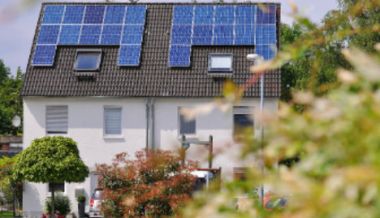
German house with solar PVs (Photo: Andre Laaks | innogy SE)
¶ Forty years after the last streetlight was turned off at Kiritimati Island, a renewable energy company based in South Canterbury, New Zealand, is turning them on again. The 66 lights have been installed as part of the Kiritimati Renewable Energy Project, which includes a 150-kW solar PV plant, reducing dependence on diesel. [Timaru Herald]
¶ Italy’s Ministry of Development submitted to the country’s State-Regions Conference and the Italian Regulatory Authority for Energy, Networks and Environment a draft decree for the introduction of a new incentive scheme. It includes a mixed wind-solar auction mechanism for about 4.8 GW of projects over 1 MW. [pv magazine International]
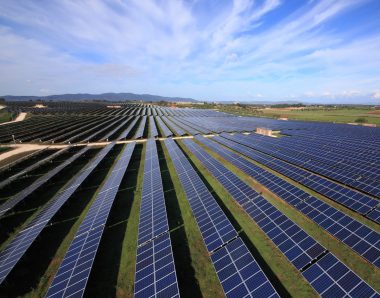
Italian solar array (Image: Meeco)
¶ Carnegie Clean Energy has revealed plans to develop a 10-MW solar farm, with up to 10 MWh of battery storage, in an industrial area of Western Australia. The developer said it had secured in-principle approval to negotiate a lease to build, own, and operate a battery equipped solar farm at a heavy industry hub north-east of Bunbury. [RenewEconomy]
¶ Turkey’s first nuclear power plant is unlikely to be ready in 2023, as planned. Rosatom is looking for Turkish partners for 49% of the power plant, but has had difficulties in finding partners at a local level. Rosatom is negotiating with four Turkish companies the join financing of the project, but little progress has been made so far. [Finance Appraise]
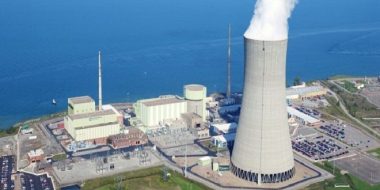
Nuclear power plant
¶ After seven years, most of the nuclear refugees from Futaba, where the March 2011 Fukushima nuclear meltdown took place, have resigned themselves to the fact that they must build new lives elsewhere and will never be able to return home. They cling to memories of the past, while officials maintain optimism about a future for the town. [Kyodo News Plus]
US:
¶ For the Winnebago Tribe and people, the battle for sovereignty is taking place in a field and on roofs across their reservation. It is a battle for energy independence that can best be seen in the black solar panels that the tribe has installed on rooftops and at its solar farm. Since 2008, the tribe has installed nearly 1,000 of the panels. [Sioux City Journal]

Solar array of the Winnebago Tribe (Photo: Ho-Chunk Inc)
¶ Cherryland Electric Cooperative, a utility in Michigan’s northern Lower Peninsula, is taking part in a pilot program to help low-income customers cut their power bills through renewable energy and energy waste reduction efforts. Officials say the coop expects to help lower energy bills for 50 low-income households. [Petoskey News-Review]
¶ SCANA Corp knew its contractors were mismanaging millions of dollars in construction materials soon after work at the VC Summer Nuclear Station began in 2013, but the company was unable to stop the waste before it had to abandon the $9 billion project. Records suggest SCANA never got its contractors to correct the problems. [Charleston Post Courier]
geoharvey is free and without ads.
geoharvey is not tax-deductible.
Posted in nuclear power, renewable power, solar, wind | Leave a Comment »
Tags: nuclear, nuclear power, renewable power, solar power, wind power
March 9, 2018
Opinion:
¶ “Offshore wind firms up the ante in Europe” • Offshore wind used to be portrayed as the costly renewable energy option that only got developed if onshore wind was too difficult to build or sell to the public. But, with the industry sinking money into ever more efficient technology, the sector is starting to stand on its own two feet. [Petroleum Economist]
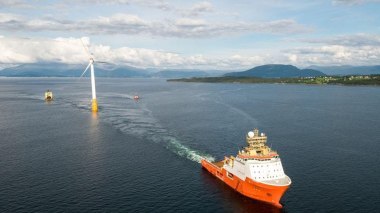
Towing a floating wind turbine
Science and Technology:
¶ Software Motor Company claims its switched reluctance motors will cut energy use by 20–50% compared to Nema Premium motors in the 1-5 hp (0.75-3.7 kW) range, and will typically pay for themselves within 6 to 36 months. SMC and the US DOE’s National Renewable Energy Labs are presenting a webinar on March 12 2018. [CleanTechnica]
World:
¶ The city of Katowice in Poland has begun using drones outfitted with various air quality sensors to locate illegal emissions sources and otherwise hard-to-find offenders. Poland reportedly has something of a problem with regard to the burning of illegal fuel materials in households and buildings, leading to air pollution problems. [CleanTechnica]

Emissions
¶ The companies currently committed to the RE100 campaign will need to procure an estimated 172 TWh (172,000 GWh) more clean energy generation by 2030 to meet their renewable energy targets, according to a new report by Bloomberg New Energy Finance, “RE100 Signatories to Spur $94 billion Investment Opportunity.” [Windpower Engineering]
¶ The right-wing Polish government seems to be making a 180-degree turnaround on sustainable energy in the country, and investors look eagerly forward to new renewable energy auctions later this year. The winners of the 2017 renewable capacity sell-off are set to erect the first PV plants under the scheme as early as this summer. [Renewables Now]

Wind turbines in Poland (Author: Karolina Kabat)
US:
¶ Fracking will make the US the largest supplier of oil and gas in the world by 2023, Fatih Birol, head of the International Energy Agency told the press at the CERAWeek energy conference. At the event, which was hosted by IHS Markit in Houston last week, he said, “About 80% of the global oil production growth comes from the US.” [CleanTechnica]
¶ The US will supply much of the world’s additional oil for the next few years, according to a new report from the International Energy Agency. Over the next three years, the US will cover 80% of the world’s demand growth, the IEA says. Canada, Brazil, and Norway will cover the remainder, leaving no room for more OPEC supply. [CleanTechnica]
¶ Ohio-based Fifth Third Bank has become the first Fortune 500 company, the first bank, and the first RE100 member to achieve its goal of securing 100% of its power with renewables in a single Power Purchase Agreement from a single project. The project is an 80-MW solar project in North Carolina being developed by SunEnergy1. [CleanTechnica]
¶ While California and other solar-heavy states are leading on energy storage targets, experts say Maryland, Massachusetts, New Jersey and New York, with political support, could quickly close the gap. A senior Union of Concerned Scientists analyst said we are “going there” because costs of storage and renewable technology are falling. [Energy News Network]

A 2-MW battery near Sterling, Massachusetts
¶ General Motors is powering its operations in Flint, Michigan, with clean energy from Consumer Energy’s 44-MW Cross Winds 2 wind farm. Electricity from the project located in Tuscola County is being supplied to GM’s metal center and engine operations in Flint. The wind farm has been operational since coming on line in January. [reNews]
¶ Last year, the Trump administration announced it would withdraw the US from the Paris climate agreement and repeal the Clean Power Plan. But a study from a group of researchers at Carnegie Mellon University found that the US can meet its commitment to the international climate agreement without the Clean Power Plan. [Michigan Radio]

Wind turbine (cwwycoff1 | Flickr)
¶ David Blittersdorf, president and CEO of AllEarth Renewables, Inc, announced that the proposed Kidder Hill Community Wind installation in Lowell, Vermont has been suspended. Citing a turbulent climate for renewable wind energy in Vermont and the urgent need for renewables to be built, he said resources will go elsewhere. [AltEnergyMag]
¶ A report by Synapse Energy Economics and Food & Water Watch shows that with new wind and solar sources, investments in storage, energy efficiency, and smart grid management, the Los Angeles Department of Power and Water can achieve a 100% clean energy system by the 2030 without raising costs for its ratepayers. [Windpower Engineering]

Los Angeles
¶ Oklahoma Gas & Electric and SunPower Corp have completed a 10-MW solar PV power plant in Covington, Oklahoma. The Covington solar plant is expected to generate enough electricity to serve the needs of over 1,000 average Oklahoma homes. OG&E owns the renewable energy credits associated with the system. [Solar Industry]
¶ By a 107-1 vote, South Carolina lawmakers advanced a measure addressing utility bills in the wake of failure of the VC Summer nuclear plant construction. Now the state’s Senate will consider the measure. That chamber has yet to agree to previous House measures that included cutting customers’ payments for the shuttered project. [Utility Products]
geoharvey is free and without ads.
geoharvey is not tax-deductible.
Posted in nuclear power, renewable power, solar, wind | Leave a Comment »
Tags: nuclear, nuclear power, renewable power, solar power, wind power
March 8, 2018
Opinion:
¶ “China’s Power Move” • Over the past decade, Beijing has undeniably dealt a blow to the United States in the clean energy technology market. China is now the world’s dominant producer of solar panels, wind turbines, and batteries as it continues to capture strategic, advanced technology markets. Beijing has its eye on power lines next. [Scientific American]
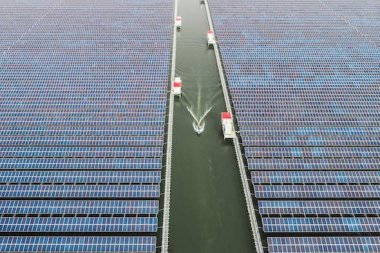
Solar power at a fish pond (China News Service, Getty Images)
¶ “FirstEnergy lobbying seeks to thwart the public’s interest in lower electricity rates” • Federal Energy Regulatory Commission rejection of the US DOE proposal to prop up coal and nuclear was a big win for American families, competitive markets, and the environment. But it was a setback for two politically powerful Ohio companies. [cleveland.com]
Science and Technology:
¶ In a paper in energy-related journal Joule, researchers said that some studies and models used to predict how whole energy systems may run on near-100% renewable energy by 2050 may fail to take into account “real-world challenges” or to consider power transmission, energy storage, and requirements for system operability. [Clean Energy News]

Renewable energy
¶ A major report released this week by the US National Oceanic and Atmospheric Administration highlights a growing threat facing coastal communities in all parts of the United States. As sea levels rise due to global warming, the kind of flooding currently experienced only in storms will happen during normal high tides. [CNN]
World:
¶ Finnish consultancy Poyry has been chosen by Clic Innovation to manage an energy storage project on the Aland archipelago in the Baltic Sea. The storage system is part of six pilot schemes backed by the Finnish government to supply the 30,000 inhabitants of the 6500 islands that make up Aland with renewable energy. [reNews]
Wind turbine (Pixabay image)
¶ UN Secretary-General António Guterres has announced the appointment of US businessman and philanthropist Michael Bloomberg as his Special Envoy for Climate Action. Bloomberg was a promoted from a position as Special Envoy for Cities and Climate Change. In the new position, he will engage leaders on a worldwide basis. [CleanTechnica]
¶ The UK has continued to reduce carbon emissions. Driving that decarbonization was a further 19% decline in coal use, marking the continuation of a trend that has seen emissions from UK electricity cut in half since 2012. (There are, it should be noted, legitimate questions to be had about biomass replacing coal in this transition.) [Treehugger]
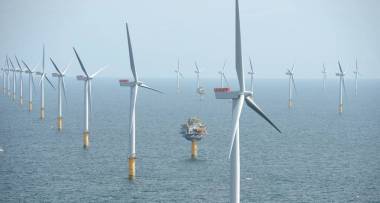
Offshore windpower (Some rights reserved by NHD-INFO)
¶ The Climate Council has released its latest report, Clean & Reliable Energy: Roadmap To A Renewable Future. The report features 12 key policy principles for any national energy and climate policy framework, including calls for the rollout of a minimum 50%-70% renewable energy target across Australia by 2030. [EcoGeneration]
¶ Energy groups risk wasting $1.6 trillion, about a third of their investments to 2025, by assuming that current emissions-cutting policies will not be tightened up in the light of the latest science and international climate change goals, according to the think tank Carbon Tracker, in a report, Mind the gap: the $1.6 trillion energy transition risk. [Forbes]
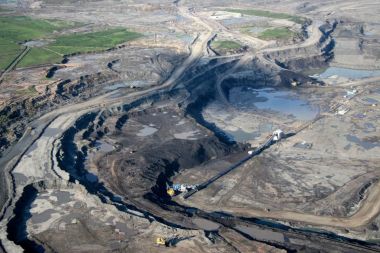
Oil sands project in Alberta (AP | Eamon Mac Mahon)
US:
¶ Groups of Republican college students, “Students For Carbon Dividends,” are organizing support for a plan put forth by James Baker, and George Schultz, Secretaries of State under George W. H. Bush and Ronald Reagan, respectively. The Baker/Schultz plan is simple. It would impose a tax of $40 a ton on all carbon emissions. [CleanTechnica]
¶ The US is making economic and energy efficiency gains as renewable and sustainable energy projects continue to get built, and Oklahoma is doing its part and then some, according to Ethan Zindler, the head of US research at Bloomberg’s New Energy Finance. He discussed Oklahoma’s role with legislators and state-based reporters. [NewsOK.com]
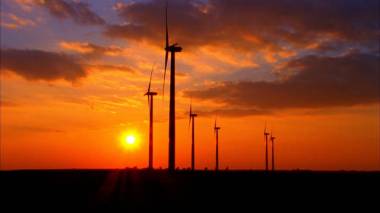
Oklahoma wind turbines
¶ The US energy storage market is officially growing up. GTM Research’s US Energy Storage Monitor 2017 Year in Review says it installed 431 MWh of grid-connected energy storage in 2017, surpassing 1 GWh of cumulative capacity installed between 2013 and 2017. Its forecasts predict that figure will nearly double re in 2018 alone. [CleanTechnica]
¶ ABB is to provide microgrids to the Alaskan communities of Deering and Buckland, which are both north of the Arctic Circle, to boost supplies of electricity generated by wind power and reduce costs associated with diesel power. The technology includes the ABB Ability Microgrid Plus automation system and PowerStore storage technology. [reNews]

Alaskan village of Buckland (NANA Archives)
¶ President Trump’s plans to slap a 25% tariff on imported steel and a 10% levy on non-American aluminum, if enacted, would likely trigger a rapid increase in prices that could force GE to re-value its $134 billion backlog across its power, renewable energy, and oil & gas businesses, a move its customers would likely resist. [TheStreet.com]
¶ The CEO of city-owned San Antonio utility CPS Energy said it wants to generate at least 50% of its power from renewable sources by 2040, part of a plan that includes 550 MW of battery storage, as it reduces its dependence on fossil fuels. But the utility will continue to operate its coal and natural gas-fired power plants. [POWER magazine]
geoharvey is free and without ads.
geoharvey is not tax-deductible.
Posted in nuclear power, renewable power, solar, wind | Leave a Comment »
Tags: nuclear, nuclear power, renewable power, solar power, wind power
March 7, 2018
Opinion:
¶ “Michigan farmers, residents praise wind power” • Research from the University of Michigan found that farmers with wind turbines on their property are more likely to pass their farm lands on to their children and twice as likely to continue investing in their homes and property as farmers lacking wind energy resources. [Yale Climate Connections]

Michigan wind turbines
Science and Technology:
¶ Research from International Institute for Applied Systems Analysis, “Scenarios towards limiting global mean temperature increase below 1.5 °C“, published in the journal Nature Climate Change, says there are several ways to limit global warming to the Paris Agreement’s goal of 1.5° C by 2100, but the circumstances must be right. [CleanTechnica]
World:
¶ In December 2017, Gujarat had 5,526 MW of wind power generation capacity, the second highest state in India after Tamil Nadu, with a little over 7,800 MW. While the southern state is likely to remain at the top, Gujarat will see significant addition in wind power capacity over the next five years, and it is likely to cross 10,000 MW. [SteelGuru]

Gujarat wind power
¶ The European Commission said it approved the acquisition of sole control over Westinghouse Electric UK Holdings Limited of the UK and TSB Nuclear Energy Services Inc of the US (together Westinghouse), by asset manager Brookfield of Canada, under the EU Merger Regulation. Westinghouse is a supplier for the nuclear industry. [New Europe]
¶ France’s Secretary of State for the Ecological and Inclusive Transition, Sébastien Lecornu, announced that the government will launch a preliminary study into the feasibility of harnessing energy from tidal zones in Brittany and Normandy. The plan aligns with France’s commitment to developing a low-carbon economy. [South UE Summit]

Tidal Brittany (Massimo Shanti | Shutterstock.com)
¶ The South African Department of Energy said “very urgent attention” is being put on getting outstanding power purchase agreements signed with renewable energy independent power producers. The DoE director-general said agreement was needed on how to ensure that the program’s financial modelling was sustainable. [Creamer Media’s Engineering News]
¶ The South Australian government announced plans to help renewable energy developer Neoen build a 50-MW hydrogen “electrolyser.” It is to be powered by a new complex combining 300 MW of wind and solar with battery storage, enabling the manufacture of large quantities of “renewable hydrogen,” a green alternative to LNG. [RenewEconomy]
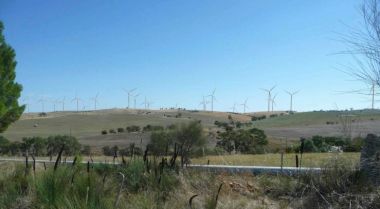
Proposed Crystal Brook wind farm (Source: Neoen)
¶ An auction to award 500 MW of windpower contracts in the Indian state of Maharashtra saw tariffs firming up, breaking a streak of plummeting prices for electricity generated from the wind. Adani Green Energy and KCT Renewable Energy offered to supply electricity at ₹2.85 per unit (4.39¢/kWh) in their bids for 75 MW each. [Economic Times]
US:
¶ The Supreme Court for New Mexico affirmed a final order by state regulators to allow Public Service Company of New Mexico to replace lost generation from two shuttered units at its 1,800-MW coal-fired San Juan Regional Generation Station with coal and nuclear resources. The replacement is planned to be from existing plants. [POWER magazine]
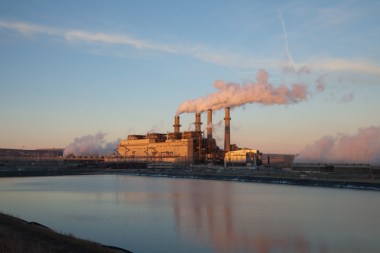
San Juan Generating Station (Courtesy: Kip Malone | PNM)
¶ Electricity in California would all come from sources like wind and solar if a bill in the Assembly becomes law. Senate Bill 100 boosts the state’s renewable electricity requirement to 60% by 2030. The bill also sets a goal of getting 100% of electricity from non-carbon emitting sources by 2045, Democratic state Senator Nancy Skinner said. [Capital Public Radio News]
¶ Solar power generation in Crook County, Oregon, took a big step forward this past fall and is poised to continue growing in the years ahead. SunPower Corp, which is headquartered in California’s Silicon Valley, announced construction of the Gala Solar Power Plant. By late October, the 56-MW facility was completed and operational. [OPB News]

Gala Solar Power Plant in Crook County (Courtesy: Avangrid)
¶ A federal judge in San Francisco ordered parties in a landmark global warming lawsuit to hold what may be the first-ever US court hearing on the climate science. The preceding, scheduled for March 21, will feature lawyers for Exxon, BP, Chevron, and other oil companies pitted against those for San Francisco and Oakland. [McClatchy Washington Bureau]
¶ On March 4, the California Independent System Operator saw a record percentage of demand served by solar, at 49.95%. The previous record was 47.2 %, set in May, 2017. On March 5, CAISO set another solar record, hitting a new peak for solar production of 10,411 MW. The previous record was 9,913 MW set in June, 2017. [Greentech Media]

Solar in the Golden State (Photo: Shutterstock)
¶ Kohler Co announced a 15-year agreement to purchase 100 MW of wind power per year from the Diamond Vista wind farm located near Salina, Kansas. Enel Green Power North America will construct the project this year and will be the long-term owner and operator of the nearly 300 MW wind project. The project is under construction. [EnerCom Inc.]
¶ A utility industry watchdog group claims that emails between Georgia Public Service Commissioner Tim Echols and Georgia Power suggest Echols is too “cozy” with the company that he regulates. The decisions of Georgia PSC, the state agency that regulates natural gas and telecommunications, have a big impact on Georgians’ wallets. [WABE 90.1 FM]
geoharvey is free and without ads.
geoharvey is not tax-deductible.
Posted in nuclear power, renewable power, solar, wind | Leave a Comment »
Tags: nuclear, nuclear power, renewable power, solar power, wind power
March 6, 2018
Opinion:
¶ “How Lies, Greed, & Mismanagement Blew Up The ‘Clean Coal’ Myth” • The clean coal and carbon capture process was promised to make electricity with the lowest carbon footprint of any fossil fuel. The problem is, they lied. Despite investments of hundreds of millions of dollars by the federal government, the technology does not work. [CleanTechnica]
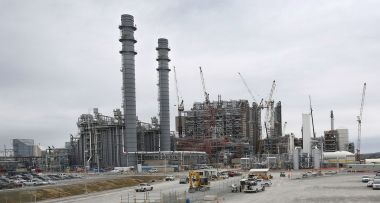
Kemper “clean coal” plant
World:
¶ It has been more than 40 years since Mazda licensed Wankel engine technology, and since then the company has used it in many applications. Now, Mazda says it may use a small version of its rotary power plant as a range extender engine for plug-in hybrid vehicles. Once again, its compact dimensions and low weight could make it ideal. [CleanTechnica]
¶ Costs have fallen in the latest French onshore wind tender. There were 22 projects awarded with a total capacity of 508.4 MW. The average winning price was €65/MWh (8.0¢/kWh), according to published results. Earlier auctions produced awards of over €72/MWh. Altogether, 900 MW of bids were submitted to the auction. [CleanTechnica]

Wind turbine in France
¶ Tech giant Microsoft said it signed its first renewable energy deal in India for powering its new facility in Bengaluru. Microsoft will purchase 3 MW of solar-powered electricity from Atria Power for its new office building in the city, meeting 80% of the projected electricity needs at the facility, a statement from the company said. [India Today]
¶ Swedish power company Vattenfall announced that it plans to invest €100 million in large-scale solar energy generation over the next two years, as part of the company’s plans to become fossil free within a generation. Vattenfall plans to develop in areas where existing infrastructure can be used to reduce the overall cost of a project. [CleanTechnica]
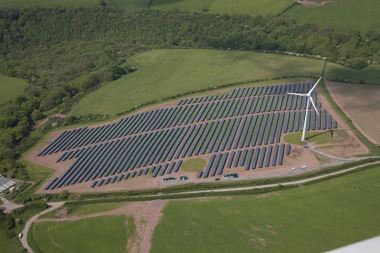
Vattenfall’s Parc Cynog project in Wales
¶ In Australia, 3.5 million solar panels were installed on rooftops last year, surpassing the previous record, which had been set in 2012. Their total capacity of 1,057 MW will produce power equivalent to a medium-sized coal-fired power station. In Australia, a fully installed 5-KW system has an average price of A$5,930 ($4,610). [The Guardian]
¶ Australia’s top gas distribution network operator, Australian Gas Infrastructure Group, plans to mix hydrogen into its supplies to take advantage of excess renewable generation. The company announced plans for an A$11.4 million ($8.9 million) hydrogen power-to-gas demonstration plant, to be built in Adelaide, South Australia. [Greentech Media]
Gas infrastructure in Australia
¶ In a study published in the journal Environmental Science & Technology based on research conducted by an international team of scientists, explicit evidence of uranium and other radioactive materials has been found in the surrounding environment of the Fukushima Daiichi nuclear reactors. Clearly, it was released from the damaged reactor. [CleanTechnica]
¶ Albany, Western Australia, could be completely energy self-sufficient by 2028, Mayor Dennis Wellington says, with the city to take the first step in the green dream next week. Speaking to the Albany Advertiser, Mr Wellington said works to remove the city from the State power grid must start now, to be certain of future energy supplies. [The West Australian]

Albany Wind Farm (Photo: Ashvij Puta Photography)
US:
¶ Despite last week’s heavy snowfall, Tahoe ski resorts know they cannot predict how strong each winter will be. After they have suffered through drought years, out of nowhere, last year, Tahoe was deluged with so much precipitation that avalanches are now a regular concern. As the climate changes, business is becoming unpredictable. [Modesto Bee]
¶ A survey from SoonerPoll has revealed that Oklahomans are overwhelmingly in support of the 2-GW Wind Catcher Energy Connection set to be developed Invenergy and GE Renewable Energy. The $4.5 billion project will be the world’s second largest wind farm when it is finished. It will consist of 800 GE 2.5-MW wind turbines. [CleanTechnica]

Wind farm
¶ The Illinois Commerce Commission issued its draft order of the Illinois Power Agency’s Long Term Renewable Resources Procurement Plan. Included are renewable energy programs and mechanisms to finance and regulate projects, such as community solar and assistance for lower-income households and non-profit organizations. [pv magazine USA]
¶ The Internal Revenue Service released a private letter ruling determining that a residential energy storage facility may qualify for federal solar tax credits, as it is charged completely by an onsite solar array. The ruling only applies to a single case, but it indicates how agency staff views application of tax law in a specific situation. [Utility Dive]

Installing a rooftop solar system
¶ There is only one member of Congress who currently holds a PhD in science, but Bill Foster (D-IL), a physicist who formerly worked at Fermi National Accelerator Laboratory, may soon have some company. More than 60 candidates running for federal office in 2018 have backgrounds in science and technology, according to HuffPost. [The Scientist]
¶ Newly-released communications highlight the high level of angst just months into construction of the VC Summer Nuclear Station. Westinghouse even asked that disagreements not be made public. But the problems that plagued the reactors from the start led to Westinghouse going bankrupt and doomed the $9 billion project. [Charleston Post Courier]
geoharvey is free and without ads.
geoharvey is not tax-deductible.
Posted in nuclear power, renewable power, solar, wind | Leave a Comment »
Tags: nuclear, nuclear power, renewable power, solar power, wind power
March 5, 2018
Opinion:
¶ “300 Electric Buses Make No News In Poland” • I was amazed to learn that one of the Polish cities, Katowice, is planning to purchase 300 electric buses and very little is said about it in the press or social media. This is a really big story for any city that is outside China. So, why was there no media frenzy in the local news? [CleanTechnica]
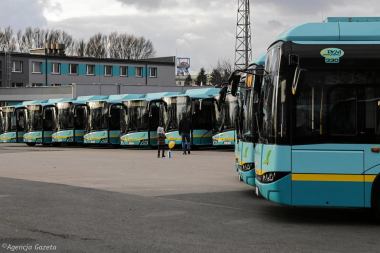
Polish electric buses (Source: Agencja Gazeta)
¶ “Climate Action Makes (Business) Sense for US Utilities” • DTE Energy, Consumers Energy, Duke Energy, and many other utilities are committing to cutting emissions, at just the time the Trump administration is working to roll back climate and clean energy action. Why? Because it just makes good business sense. [Natural Resources Defense Council]
Video:
¶ “Notre-Dame: Cracks in the Cathedral” • The Catholic Church in France has launched an urgent appeal for funds to save the Cathedral of Notre-Dame in Paris. Parts of the 850-year-old Gothic masterpiece are starting to crumble, because of pollution that is eating the stone. There are fears the structure itself could become unstable. [BBC]
World:
¶ The Chilean energy regulatory agency, the Comisión Nacional de Energía de Chile, has announced that the country will use Blockchain technology for national energy grid. The CNE will use Blockchain to authenticate information, such as marginal costs, average market prices, fuel prices, and compliance with the renewable energy law. [TOINNOV]
¶ The Oman Power and Water Procurement Company received 28 requests for qualifications for a 500-MW tendered solar plant, to be located in Ibri, 300 km west of Muscat. The project will be the country’s first large utility-scale PV independent power project. It will be built at an estimated cost of around $500 million. [pv magazine International]

Oman (Image: Flickr, Jeffrey Zabinski)
¶ Sembcorp Energy India Ltd said it has been awarded a 300-MW project, in a wind power auction. With this order, SEIL has bagged a combined capacity of 800 MW from the three auctions, by far the largest combined capacity that has been won by an independent power producer. The Solar Energy Corporation of India confirmed the award. [Livemint]
¶ Jamaica Public Service Company announced the start of construction of a new hybrid storage facility set to provide reserve power to the country’s grid. The project will cost of $21.6 million and will feature a combination of lithium-ion batteries and flywheel technology, for a total energy storage capacity of 24.5 MW. [pv magazine International]

Jamaica (Image: James Willamor)
¶ The Australian government-owned Snowy Hydro 2.0 could flood the market with cheap energy, curbing investment in dispatchable capacity or storage in a few years’ time, analysts say. Energy analysts and generators are concerned that changes in price may be driven more by political issues rather than the market. [The Sydney Morning Herald]
¶ Roving jellyfish and seaweed are unwanted guests at nuclear power stations. Now the marine algae have hit again, forcing one plant in Scotland to partially power down just as freezing temperatures were pushing up demand for electricity. During the cold weather, excessive amounts of seaweed shut one reactor at the Torness station down. [The Guardian]
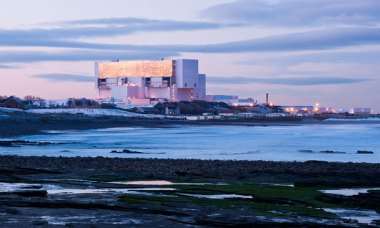
Torness nuclear power station (Photo: Alamy)
US:
¶ Onyx Renewable Partners, LLC, is installing 1,260 home solar systems at Fort Riley, in Kansas, at no cost to the military. The systems will reduce electric consumption at the homes by 37%. Corvias, a private company managing the post’s housing, will use the savings from reduced electricity costs to pay the energy company for its work. [Manhattan Mercury]
¶ New projections from the Energy Information Administration estimate that Americans will be less dependent on coal, that coal production will fall, and that coal capacity in the nation’s power plants is likely to decline in coming years, according to an annual report released last month. The war on coal, in short, is over. And coal lost. [The Hill]

Beautiful, clean coal (Getty Images)
¶ The first community solar garden on the Near North Side of Minneapolis will rise this spring on a church rooftop, thanks to a coalition of faith partners, clean-energy advocates, industry experts, job trainers, and community members. It will provide enough electricity for the church, a mosque, and 26 households. [Minneapolis Star Tribune]
¶ Cities in California are suing ExxonMobil and other companies over climate damage, saying they hid risks they knew were real. Exxon responded with a novel legal tactic. Exxon alleges the local government officials are defrauding buyers of municipal bonds by not disclosing to lenders the climate risks they have claimed in their lawsuits. [McClatchy Washington Bureau]
geoharvey is free and without ads.
geoharvey is not tax-deductible.
Posted in nuclear power, renewable power, solar, wind | Leave a Comment »
Tags: nuclear, nuclear power, renewable power, solar power, wind power
March 4, 2018
Science and Technology:
¶ Scientists have installed ocean acidity sensors in Alaska, in the Kachemak Bay. Ocean water acidification is due to high levels of carbon dioxide that are absorbed by the water and this leads to lowering the pH levels in addition to climate change. Lower pH levels of the seawater have been proved to negatively impact marine animals. [Health Thoroughfare]

Kachemak Bay
¶ Researchers at Concordia University in Montreal have found a way to significantly reduce carbon emissions produced by both residential and non-residential buildings, while also cutting costs. They found that by prioritizing reducing carbon emissions rather than costs, they could cut costs by 75% while also reducing emissions by 59%. [Infosurhoy]
World:
¶ In four burglaries, 600 bitcoin mining computers, valued at nearly $2 million, were stolen in Iceland. Authorities have already arrested 11 people, but have not recovered the machines. Reportedly, police are monitoring electric usage throughout the country, as the computers will use a lot of electricity when they are turned on. [CryptoGlobe]

Bitcoin miners (Shutterstock image)
¶ The CEO of Volkswagen reportedly said that while company execs are not “against” the retrofitting of old diesel car exhaust systems to make them cleaner, the company cannot afford to pay for such a course of action. The comment follows court ruling to allow German city authorities to ban diesel cars due to air pollution concerns. [CleanTechnica]
¶ The government of Egypt has revised up its 2018 economic growth forecast to between 5.3% and 5.5%, and nowhere is investor enthusiasm more evident than in the energy sector. Egypt’s Zohr gas field, the largest in the Mediterranean, will make it a net exporter. But renewables are the latest interest of the Egyptian government. [Arab News]

Zohr gas field (AFP image)
¶ The Islamic Republic of Iran and Italy have clinched a contract on the construction of a solar power station. The agreement was signed between Iran’s Industrial Development and Renovation Organization and the Italian Carlo Mascar Company in Tehran. The 100-MW plant is to be built about 90 km east of Tehran, the Iranian capital. [IFP News]
¶ A geothermal energy park, about 50 miles from Nairobi, sits over the East African Rift, a huge fracture in the earth’s crust that also cuts through Tanzania, Uganda, Ethiopia, and other countries. Steam from the area helped generate 47% of Kenya’s electricity in 2015, with hydropower, at nearly 35%, generating much of the rest. [The Independent]

KenGen Olkaria power plant (Getty Images)
¶ BBVA, a major bank based in Spain, pledged to help mobilize $122.7 billion (€100 billion) in sustainable infrastructures, green finance, social entrepreneurship, and financial inclusion through 2025 under its Pledge 2025 program. BBVA also promised that 70% of its energy consumption will be from renewable sources by 2025. [OilPrice.com]
US:
¶ More than $200 million worth of materials are expected to arrive in Puerto Rico this month to help the Army Corps of Engineers hit its goal of 95% power restoration goal by the end of the month. Over 7,000 poles and nearly 400 miles of conductor wire are expected in the next two weeks, the Corps district commander said. [CNN]
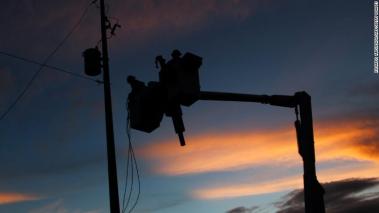
Linemen at work in Puerto Rico
¶ The Lawai Solar and Energy Project will install a 28-MW solar PV system and a 100 MWh, five-hour duration energy storage system on the Hawaiian island of Kauai. Samsung SDI will be providing about 13,000 battery modules for the system. Energy storage systems combined with solar and wind power can reduce dependency on fossil fuels. [The Korea Herald]
¶ While large-scale commercial solar projects have been controversial in Kittitas County, Washington, residential solar is a different story. A county moratorium on commercial solar facilities does not apply to residential solar, and there is lots of interest in solar power among people who want to install solar panels on their homes. [Daily Record-News]
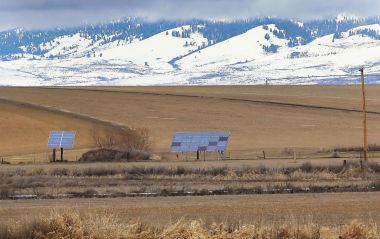
Kittitas County solar power (Brian Myrick | Daily Record)
¶ Scientists have found dramatically declining snowpack across the American West over the past six decades that will likely cause water shortages in the region that cannot be managed by building new reservoirs, according to a study led by researchers from Oregon State University and the University of California, Los Angeles. [The Register-Guard]
¶ The CEO of Utah Associated Municipal Power Systems said his company partnered with NuScale Power to create what he called the county’s first nuclear production company. The company plans to create a small modular nuclear reactor at Idaho National Laboratory in Idaho Falls, with an expected completion date of January 2026. [The Herald Journal]
geoharvey is free and without ads.
geoharvey is not tax-deductible.
Posted in nuclear power, renewable power, solar, wind | Leave a Comment »
Tags: nuclear, nuclear power, renewable power, solar power, wind power
March 3, 2018
Opinion:
¶ “The Koch Brothers Have Been Waging A War On America For 50 Years. This Is How They Are Winning.” • The Koch Brothers stand as a symbol of everything that is wrong with America today. If they have their way, America will still be using coal and fossil fuels to power its economy – what’s left of it – far into the future. [CleanTechnica]

Mt Rushmore reacts
World:
¶ The world’s largest solar park, set up at an investment of ₹16,500 crore ($2.48 billion) in Karnataka, was launched by the state’s Chief Minister. The 2,000 MW park, called “Shakti Sthala,” covers 13,000 acres spread over five villages and is a benchmark in the unique people’s participation in power model put on ground, according to officials. [NYOOOZ]
¶ A recent decision by the Supreme Court of Brazil upholds earlier changes to laws that were intended to weaken protections for the Amazon and other natural environments. To be more specific, the Supreme Court has upheld legal changes that greatly reduce the penalties for past illegal deforestation in the region, among other things. [CleanTechnica]

Amazon forest destruction
¶ Tunisia will invest about $5 billion in electricity and energy projects, between 2018 and 2020, according to its government. The electrical projects include the construction of a submarine power-transmission line to Italy, with a capacity of 600 MW. The infrastructure to link the country to Italy is expected to cost over $ 735 million. [The North Africa Post]
¶ Australia’s federal government announced it will acquire stakes in Snowy Hydro Ltd owned by New South Wales and Victoria. The deal may lead to the Snowy 2.0 pumped hydro project, increasing its size from 5 GW to 7.5 GW. The two state governments will get a total of A$6 billion ($4.6 billion, €3.8 billion) for their stakes. [Renewables Now]
US:
¶ Oregon utility Portland General Electric Co unveiled a draft request for proposals looking to add 100 MW of renewable power generation. The bids should be of at least 10 MW and can involve geothermal, biomass, biogas, solar, wind, and hydropower technologies. The utility’s timeframe for portfolio additions is 2020-2021. [Renewables Now]
¶ SunPower introduced Helix Storage, a new storage solution that utilizes intelligent software to manage electricity costs for commercial solar customers. The storage solution’s intelligent software control system predicts energy consumption from the grid and automatically dispatches stored solar electricity from the battery. [Renewable Energy Magazine]
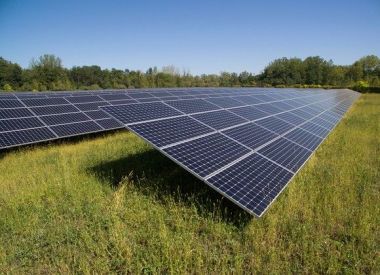
SunPower solar array (SunPower image)
¶ Florida Power & Light Company has unveiled plans for four more solar plants in the state. They will have a combined capacity of 298 MW. All four plants, each of which will have a capacity of 74.5 MW, are scheduled to be up and running by mid-2019, FPL said. Construction on the plants will begin during this year. [reNews]
¶ Utilities on three Hawaiian islands have put out a request for proposals to build wind and solar projects, with an option of energy storage.Three of the four utilities that comprise HECO participated in the RFP, representing service areas on O’ahu, Maui and the big island. These seek 220 MW, 60 MW and 20 MW, respectively. [pv magazine USA]
¶ The Electric Reliability Council of Texas said it expects to see record-breaking prices and demand for power this summer that could require it to take emergency measures, possibly forcing customers to curb power usage. Factors it cited include delayed power supply projects and the closure of three major coal-fired power plants. [Denton Record Chronicle]
¶ In Oklahoma, the long-simmering tensions between the fossil fuel and renewable power industries have broken out into a statehouse policy war over windpower. It has eliminated the state’s renewable energy tax-credit program and threatens to further undermine financial support for the burgeoning wind industry. [Longview News-Journal]
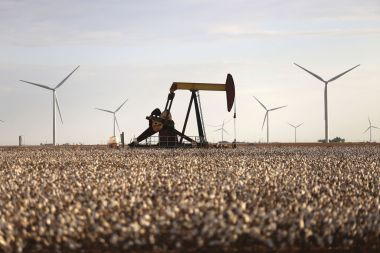
Oklahoma (Edyta Blaszczyk | Odessa American File Photo)
¶ Significant energy legislation in Virginia awaits the governor’s signature. It could produce investments in efficiency of over $1 billion during the next decade, paving the way for the state to lower its rising electric bills, create jobs for a sound economy, and reduce costly climate change pollution from power plants. [Natural Resources Defense Council]
¶ Facing the risks of earthquakes, rising heat, and increasing energy demands, Los Angeles is kicking off a strategy to make itself more resilient, city officials said. The plans to strengthen infrastructure and promote renewable energy aim to combine preparations for earthquakes and wildfires with chronic stresses such as climate change. [Reuters]
¶ M&T Bank has provided $22.4 million in equipment lease financing for Cianbro Corporation to complete the construction and commissioning of the largest solar producing energy facility in Maine. The Pittsfield Solar Project will be the largest solar array in New England. It will have a capacity of 9.9 MW-AC. [Renewable Energy Magazine]
¶ A South Carolina judge has refused to dismiss five lawsuits alleging wrongful acts by SCE&G cost its ratepayers almost $2 billion in connection with the VC Summer debacle. A state law had allowed SCE&G to increase its ratepayers’ electric bills nine times to pay for two nuclear reactors, but construction of the reactors has been abandoned. [The State]
geoharvey is free and without ads.
geoharvey is not tax-deductible.
Posted in nuclear power, renewable power, solar, wind | Leave a Comment »
Tags: nuclear, nuclear power, renewable power, solar power, wind power
March 2, 2018
Opinion:
¶ “Bending to the water’s will” • In flood-prone Bangladesh, resilience can mean letting water have its way. As climate change brings threats of rising seas and stronger storms, people who have spent years building barricades are considering what was once unthinkable: letting the water in and be resilient by bending, not resisting. [Science Magazine]

Artificial island in Bangladesh
¶ “Trump’s attack on booming clean energy sector hurts American workers” • A rapidly growing US clean energy sector means good jobs across the country. The fastest growing jobs are in solar and wind power. But despite all the rhetoric about supporting American jobs, the Trump Administration keeps trying to downshift. [The Hill]
Science and Technology:
¶ A report published in the journal Environmental Research Letters employed radiocarbon dating to examine the content of river and lake waters in Canada’s Northwest Territories in 2014. It found an increasing prevalence of older dissolved carbon and carbon dioxide in the waters as the summer advanced. This is not good news. [ScienceAlert]
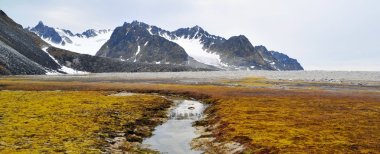
Land in the Arctic (Kingrobby | iStock)
¶ The rate at which sea level rise is occurring is continuing to increase every year, according to a study that was published in the journal the Proceedings of the National Academy of Sciences. What the new research suggests is that at current rates of increase, sea levels will rise by more than 65 centimeters (26 inches) by 2100. [CleanTechnica]
World:
¶ The air pollution mitigation plans currently in place in the UK are not enough on their own, and they need to be improved, the union’s High Court has ruled, recent reports said. The ruling follows from a legal complaint issued by lawyers working for Client Earth, which was intended to spur the government to action on the growing problem. [CleanTechnica]

Air pollution in London
¶ Toy manufacturer Lego has announced it is to make some of its pieces, including leaves, bushes and trees, from sustainable, plant-based plastic. The material will be sourced from sugarcane and production of the pieces, or “elements,” has already started. They will be launched this year, the Danish business said in a statement. [CNBC]
¶ Switzerland’s ABB is supplying a microgrid and storage system to help Jamaica integrate renewable solar and wind energy into its power supply. ABB says the installation of its ABB Ability system, a 24.5-MW microgrid facility, will help the large tropical island reduce its use of fossil fuels and lower its carbon footprint. [Renewable Energy Magazine]
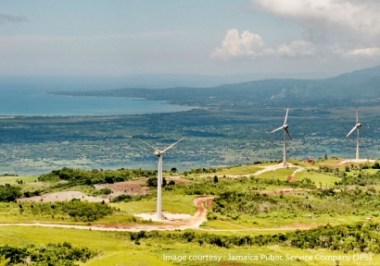
Munro Wind Farm (© Jamaica Public Service Company)
¶ The “frozen soil wall” erected around the crippled reactor buildings at the Fukushima Daiichi nuclear power plant at huge taxpayer expense appears limited in keeping groundwater from flowing in. TEPCO, the plant’s owner, said that the flow of radioactive water has been reduced by half because of the underground barrier. [Asahi Shimbun]
¶ Canadian Solar has secured finance totalling $149 million from Shinsei Bank for the 53.4-MW Oita Hijimachi PV plant in Japan. Construction of the project, located on Kyushu Island in southern Japan, started in November last year. Oita Hijimachi, which will consist of 160,000 solar panels, is expected to come online in May 2019. [reNews]
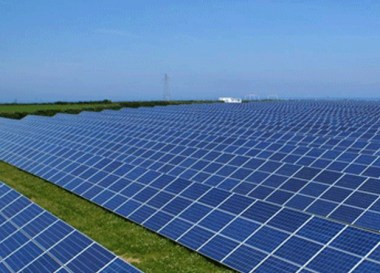
Solar farm (Credit: Canadian Solar)
US:
¶ In a move with far-reaching implications for electric grids, Illinois regulators approved Commonwealth Edison’s cutting-edge microgrid cluster in Chicago. As the nation’s first utility-scale microgrid cluster, the $25 million project is expected to demonstrate what some believe will eventually become a grid-of-microgrids. [Microgrid Knowledge]
¶ US Independent power producer sPower is to sell electricity from its 220-MW Prevailing wind farm in South Dakota to an unnamed utility under a 30-year agreement. Construction of the project is scheduled to start later this year, sPower said. The wind farm is expected to generate over $56 million in tax revenue over the life of the project. [reNews]

sPower wind farm
¶ Florida Power & Light Company has completed construction of four solar plants in the state, totalling 298 MW. Each of the four projects has a capacity of 74.5 MW. They are added to four other facilities with the same capacity that came online in January. FPL said it now operates solar installations totalling 930 MW in the state of Florida. [reNews]
¶ GE Renewable Energy has unveiled a 12-MW offshore wind turbine, named the Haliade-X, that it claims will produce 45% more power than any machine currently on the market. The direct drive machine will feature a 220-meter rotor with blades of 107 metres, made by LM Wind Power. It will offer a gross capacity factor of 63%. [reNews]

GE Haliade-X wind turbine (GE image)
¶ L’Oréal USA announced its plans to achieve carbon neutrality in 2019 for all 21 of its US manufacturing and distribution facilities with a financially sustainable approach that could potentially serve as a model to support new renewable natural gas projects in the future. L’Oréal USA will buy landfill gas from a facility in Kentucky. [User-generated content]
¶ The NRC accepted a nuclear power plant part manufacturer’s proposal to build a high-level, underground nuclear waste facility in southeast New Mexico. Holtec International plans tostore up to 8,680 metric tons of waste at the site, initially. The 1,045-acre facility, if it is approved, would store spent nuclear fuel rods, according to the NRC. [Los Alamos Monitor]
geoharvey is free and without ads.
geoharvey is not tax-deductible.
Posted in nuclear power, renewable power, solar, wind | Leave a Comment »
Tags: nuclear, nuclear power, renewable power, solar power, wind power
March 1, 2018
Opinion:
¶ “Is Bitcoin a Waste of Electricity, or Something Worse?” • Money is supposed to be a means of buying things. Now, the nation’s hottest investment is buying money. And while Bitcoin mining may not be labor intensive, it diverts time, energy and capital from other, more productive activities that economists say could fuel faster growth. [New York Times]

Computer to mine Bitcoin (Jacob Hannah | The New York Times)
World:
¶ Environmental Action Germany sued authorities in Stuttgart and Düsseldorf last year to make them ban diesel-powered vehicles. The group argued that bans were needed to keep air quality in those cities within EU pollution limits. The court agreed with the environmentalists, opening the door to diesel bans in many German cities. [CleanTechnica]
¶ The sun has not shone on Cape Morris Jesup, Greenland’s northernmost point, since October 11. These should be among the coldest weeks of the year for the cape. But over the weekend, the weather station there recorded an air temperature of 43° F, more than 50° above normal for this time of year. Meanwhile, Europe is freezing cold. [The Atlantic]

Snow in Rome (Alessandra Tarantino | AP)
¶ The CEO of Hydro-Québec said it has “received hundreds of applications” from cryptocurrency miners in the past few weeks, for a total of over 9,000 MW of energy. That is about one-quarter of the utility’s total generating capacity of 37,000 MW. Hydro-Québec said last month it was in talks with more than 30 such companies. [Montreal Gazette]
¶ Microsoft Corp said it will buy solar power from the Sunseap Group in Singapore. It is Microsoft’s first renewable energy deal in Asia. Microsoft will purchase 100% of the electricity generated from Sunseap’s 60-MW solar power project for 20 years. The project consists of hundreds of rooftop solar arrays across the city-state. [ETEnergyworld.com]
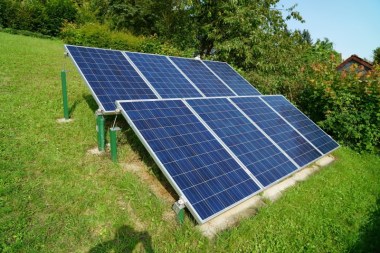
Small solar system
¶ SENER, an engineering and technology group, and ACCIONA Industrial connected a 100-MW Concentrated Solar Power plant to 132-kV ESKOM Distribution line in South Africa. The Kathu Solar Park CSP Plant will supply enough clean energy for about 179,000 homes, according to an estimate by the South African Department of Energy. [BizNis Africa]
¶ Victorian customers of electricity retailer Powershop can expect to pay around $70 less a year for their electricity costs starting this month, after the company announced a price cut it said was “all thanks to renewable energy.” The upstart retailer announced the price reductions of around 5% would begin on March 1. [RenewEconomy]
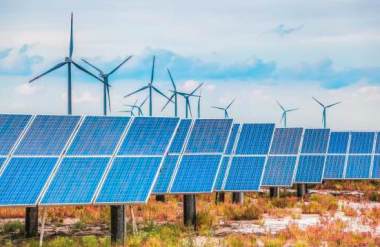
Kennedy wind and solar farm
¶ Nick Xenophon’s newly formed SA Best party says that having 90% renewable energy in South Australia by 2030 is perfectly feasible. But it stresses that this is not a target, unlike Labor’s 75% ambition for 2025. The debate in South Australia is very unlike that in the country as a whole, but then, SA is far ahead of the rest of the country. [RenewEconomy]
¶ The Ukrainian-German project Solar Chernobyl is preparing to launch a solar farm next to the Chernobyl nuclear reactors. Due to go online early in 2018, the 1-MW installation features 3,800 photovoltaic panels and will be capable of powering as many as 2,000 homes. A further 99 MW are planned for a future development. [Atlas Obscura]
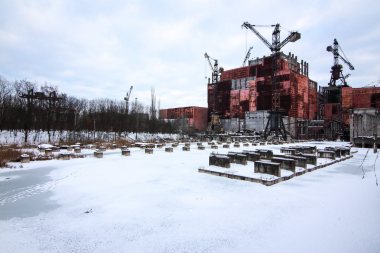
Unfinished Reactor 5 building, now long abandoned
US:
¶ Visa has pledged to use 100% renewable electricity across global operations by the end of 2019. The payments giant has also joined the RE100, a global initiative of some of the world’s biggest businesses, all committed to renewable power.Other members of the RE100 include Apple, HSBC, Microsoft and Tetra Pak. [CNBC]
¶ The Students for Carbon Dividends, a new coalition of student groups, includes 23 College Republican clubs, 6 Democratic clubs, and 5 environmental groups from schools across the country. The inclusion of Republican voices in the climate-change discussion offers some hope of future bipartisan cooperation on the issue. [Curbed]
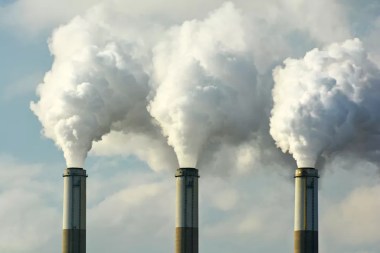
Smokestacks (Shutterstock image)
¶ California officials, schoolchildren and at least one billionaire denounced the Trump administration’s plan to scrap Obama-era limits on power plant emissions in blistering comments to US officials visiting a state leading the fight against climate change. Officials from Pacific coast states turned out to make clear the extent of their opposition. [The Japan Times]
¶ Massachusetts Gov Charlie Baker and all eleven members of the state’s congressional delegation urged that the Trump administration back away from its plan to open new areas off the US East Coast to oil and gas drilling. They note that the North Atlantic has largely not been eligible for oil and gas drilling for over 30 years. [MassLive.com]

Pelicans and an offshore oil rig (AP Photo | Mark J Terrill, File)
¶ Eversource is asking New Hampshire regulators to reconsider rejection of the Northern Pass project. The utility filed a motion with the state Site Evaluation Committee. Eversource says the SEC should rehear the case because it did not do required diligence in discussing all the criteria the project had to meet to get a permit. [New Hampshire Public Radio]
¶ The New Jersey Board of Public Utilities approved an order to put into effect Gov Phil Murphy’s executive order calling for full implementation of the Offshore Wind Economic Development Act. It is moving the state toward a 1.1-GW offshore wind solicitation. The BPU is starting with an offshore wind energy taskforce. [North American Windpower]
geoharvey is free and without ads.
geoharvey is not tax-deductible.
Posted in nuclear power, renewable power, solar, wind | Leave a Comment »
Tags: nuclear, nuclear power, renewable power, solar power, wind power
February 28, 2018
Science and Technology:
¶ Temperatures in the Arctic have soared well above freezing this week, marking the highest temperatures recorded in the region during winter, scientists from the Danish Meteorological Institute said. Temperatures from February in eastern Greenland and the central Arctic are averaging about 15°C (27°F) warmer than seasonal norms. [CNN]

Sun pillar forming as the sun rises over the Arctic (Rear Admiral Harley D Nygren, NOAA Corps, ret, Wikimedia Commons)
World:
¶ Energy Efficiency Services Limited, which is owned by the government of India, announced that it will procure 10,000 electric cars through a global tender to supply them to the government of Andhra Pradesh. EESL has already given orders for 500 electric sedans last year and is planning to float additional tenders. [CleanTechnica]
¶ A report from Coal India, a state-owned coal mining company that supplies 84% of the country’s coal, said, “With the increasing threat of climate change impacting humanity (irrespective of the US position) and the global funding focus on renewables, it is a matter of time when alternative clean energy would displace coal.” [CleanTechnica]

India
¶ Sharp Corporation and Vietnam’s Gia Lai Electricity JSC agreed to build a 48-MW solar plant in Thua Thien Hue Province on Vietnam’s central coast, the Japanese JCN Newswire said. The plant is expected to start operations in September 2018, to generate enough power for 32,628 average households in Vietnam. [VnExpress International]
¶ Siemens Gamesa announced that it had signed an agreement securing the right to implement up to 1 GW of onshore wind capacity in Turkey. Siemens Gamesa will supply, install, and commission up to 1 GW of wind turbines. The agreement also includes the possibility of at least 700 MW worth of extra wind projects by 2022. [CleanTechnica]

Siemens Gamesa wind farm
¶ Indian Railways will soon launch tenders to set up large-scale solar power projects working towards its overall solar power target of 5 GW. Railway Minister Piyush Goyal has announced that Indian Railways will soon float solar power tenders to set up 3 GW of capacity, to be set up over surplus land that the Railways owns. [CleanTechnica]
¶ A 90 hectare solar farm capable of powering 15,000 households has been proposed for Gregadoo, New South Wales. Solar energy company Green Switch Australia’s commercial director Simon Grasby said the farm would be made up of about 122,000 solar panels. It would have a capacity of 47 MW and would be on what is now grazing land. [Daily Advertiser]
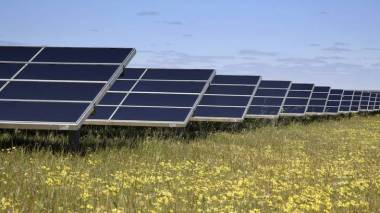
Solar farm in Australia
¶ In Tokyo District Court, a TEPCO employee testified that in 2008 he was in charge of estimating the height of a tsunami that might hit the Fukushima Daiichi nuclear plant. He estimated that it could be as high as 15.7 meters. He testified that he was asked to decrease his estimate. The tsunami that wrecked the plant was nearly that size. [NHK WORLD]
US:
¶ A Rocky Mountain Institute report says the community-scale solar segment in the US has shown itself to be the fastest growing part of the industry, thanks to a 40% decline in the levelized cost of energy for these systems over the last two years. The report is careful to highlight that remaining institutional barriers are inhibiting growth. [CleanTechnica]
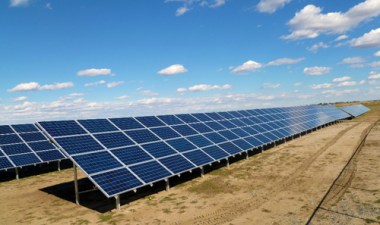
Community solar garden in Colorado
¶ Shaun O’Rourke, director of stormwater management and climate resiliency at the Rhode Island Infrastructure Bank, said that the financing agency is halfway through writing a state resiliency plan, which will be sent to Gov Gina Raimondo on behalf of the Executive Climate Change Coordination Council by July 1. [ecoRI news]
¶ Wind and solar power could meet 80% of US demand for electricity, as long as improvements are made in transmission and storage, researchers said. Until a few years ago, these energy sources were thought to be capable of supplying only about 20% to 30% of US needs, the report in Energy and Environmental Science said. [ETEnergyworld.com]
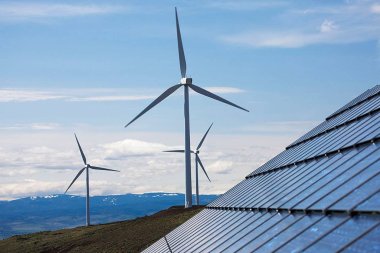
Hybrid power plant
¶ The University of California launched its Carbon Neutrality Initiative in 2013, aiming for carbon neutrality by 2025. Now, a 27-member team of researchers, students, facilities managers, and sustainability officers has released a feasible strategy showing how to replace its fossil-fuel natural gas with climate-friendlier options. [University of California]
¶ North Carolina has had remarkable growth in solar power. Now, a report by Southern Alliance Clean Energy shows that solar power is growing in other southeastern states. Neighboring South Carolina is also on a path for ambitious solar deployment, with Florida and Georgia also emerging as significant state markets. [pv magazine USA]

South Carolina solar array (South Carolina Electricity & Gas)
¶ Xcel Energy has reached an agreement with rural electric cooperatives and others as it looks for regulatory approval to build two massive wind farms along the Texas-New Mexico border. Proposed deals with a number of parties would guarantee that customers see a positive net benefit from the wind farms for the first 10 years of operation. [KVIA El Paso]
¶ Lightsource BP has signed a 25-year power purchase and asset acquisition agreement with Mid-Kansas Electric Company. The 20-MW project will be built starting in 2019, and will be owned and operated by Lightsource BP. Mid-Kansas will purchase all of the energy from the facility. It will be the largest solar facility in the state. [Solar Power World]
geoharvey is free and without ads.
geoharvey is not tax-deductible.
Posted in nuclear power, renewable power, solar, wind | Leave a Comment »
Tags: nuclear, nuclear power, renewable power, solar power, wind power
February 27, 2018
Opinion:
¶ “China Will Lead In Autonomous Cars Despite Advances In US Testing & Technology” • The technology that makes it possible for cars to drive themselves is getting better all the time. As with electric cars, much of the push for autonomous vehicles comes from China, and odds are that China will be where AVs will gain widespread popularity first. [CleanTechnica]

Waymo AV arriving in Michigan
World:
¶ The Generali Group, a leading European insurers, announced that their Board of Directors approved a new climate change strategy of divesting from coal-related activities and investments while ramping up involvement in “green” sectors. By 2020, they will divest €2 billion worth of coal assets and put €3.5 billion into green investments. [CleanTechnica]
¶ Danish tech news magazine Ingeniøren reports today that 18 years of hard work has resulted in the startup infinityPV finally commercializing products with printed solar PV foil. The polymer solar cells are non-toxic and at the end of their useful life they can be burned without creating any contaminating byproducts. [CleanTechnica]

Organic solar cell production (Credit: infinitypv.com)
¶ Philippine power generating company Phinma Energy Corp will next year start building a 40-MW wind park in Guimaras province, aiming to switch on the facility by 2020, according to a report in BusinessMirror. The proposed facility will use 16 turbines. Each of those machines will have a capacity of between 2.3 MW and 2.5 MW. [Renewables Now]
¶ Ontario is partnering with Toronto Hydro and Renewable Energy Systems Canada Inc to design and build a battery energy storage facility for the Eglinton Crosstown light rail transit line at a new station in Toronto. Energy-Storage News reported the energy storage system will be 10-MW/30-MWh, using lithium-ion batteries. [Renewable Energy Magazine]

Artist’s rendering of Light Rail Transit car (Ontario.ca)
¶ A fast-growing pipeline of large-scale PV projects is creating thousands of jobs in Australia. In Renewable Energy Index, Green Energy Markets reported that 2,273 MW of solar farms are being built in the country. Combined with the rooftop solar segment, there are over 10,000 Australians working in the solar installation and construction. [pv magazine International]
¶ The number of cities reporting they are mainly powered by clean energy has more than doubled since 2015. Data published by the not-for-profit environmental impact researcher CDP found that 101 of the more than 570 cities on its books sourced at least 70% of their electricity from renewable sources in 2017, compared to 42 in 2015. [The Guardian]
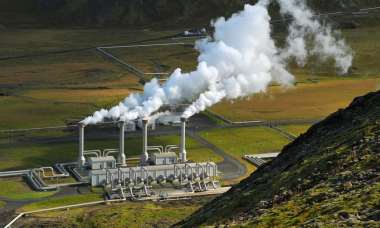
The Nesjavellir geothermal plant in Iceland (Photo: Alamy)
¶ India had a 22% growth in power generation from renewable energy sources in the first ten months of the current financial year (April-December 2017), thanks largely to the recent massive ramp up in solar capacity, data from Central Electricity Authority indicated. Renewable energy’s share in total generation stood at 8%. [ETEnergyworld.com]
¶ After becoming the world’s first airport to be fully powered by solar energy, Cochin International Airport Limited in India is set to help counterparts in Ghana take this clean energy path as well. According to reports published earlier this month, CIAL will help set up 1.5 MW of solar power projects at three airports in the country. [CleanTechnica]

New terminal at Cochin International Airport
¶ The Turkish Energy and Natural Resources Minister Berat Albayrak announced that the ministry will hold a tender for Turkey’s first offshore wind power plant, and that the wind farm will be the largest of its kind in the world. The wind power farm will be built in the Aegean Sea. Turkey has potential for 32,000 MW in offshore wind power. [Daily Sabah]
US:
¶ The New York Public Service Commission last week approved two measures that will to help the state achieve its target of 1,500 MW of energy storage target by 2025. One was a Consolidated Edison Co plan to expand the use of battery storage systems in its service territory by simplifying the process for private owners. [Utility Dive]

New York
¶ American solar manufacturer SunPower has announced plans to restructure in the wake of Donald Trump’s imposition of a 30% tariff on solar modules and cells following a Section 201 trade case. The plans will see the company cut up to 250 jobs, and it will incur restructuring costs of between $20 million and $30 million. [CleanTechnica]
¶ Limiting fossil fuel production on federal lands would reduce both global oil consumption and overall carbon emissions, according to a study by the Stockholm Environment Institute, a research organization focused on sustainable development. The study specifically examined the policies proposed in the “Keep It in the Ground Act.” [DeSmog]

Arctic National Wildlife Refuge (Credit: Alaska
Region US Fish & Wildlife Service, CC BY-NC-ND 2.0)
¶ Two new lawsuits have been filed by groups of residents of St Louis living near radioactive waste sites, according to recent reports. Named as the defendants are Exelon Corp, Republic Services, Cotter Corp, and 7 others. The nuclear waste materials have come from a number of sources, some dating all the way to the Manhattan Project. [CleanTechnica]
¶ Energy Secretary Rick Perry will travel to London to discuss nuclear energy with officials from Saudi Arabia, as the Trump administration pursues a deal to build reactors in the kingdom, according to two people familiar with the plans. Perry scrapped a trip to New Delhi to create an opening for him to lead an inter-agency delegation. [Bloomberg]
geoharvey is free and without ads.
geoharvey is not tax-deductible.
Posted in nuclear power, renewable power, solar, wind | Leave a Comment »
Tags: nuclear, nuclear power, renewable power, solar power, wind power
February 26, 2018
Science and Technology:
¶ Temperatures in the Arctic are increasing twice as fast as the global average and sea ice is retreating quicker than predicted. While humans react slowly to the problem at hand, evidence suggests that animals are on the move. In the cold Arctic, invasive species are drawn to regions where they could not previously have survived. [ScienceNordic]
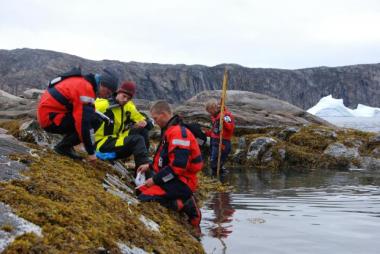
Researchers in the Arctic (Photo: Kristine Engel Arendt)
World:
¶ The Asia Pacific region is expected to add more than 500 GW of non-hydro renewables capacity by 2027. This is almost twice the 290 GW addition expected in Western Europe and North America combined. The Asia Pacific share of total global renewables capacity is likely to increase from 45% in 2017 to 51% in 2027. [Singapore Business Review]
¶ Last week, 16 Volkswagen e-Golf sedans began patrolling the streets of Paris. They are part of a one-year test to determine the suitability of electric cars for the demands of police work, according to New Mobility. The electric patrol cars will be used in all districts of Paris except three without adequate charging infrastructure. [CleanTechnica]

Paris electric police car
¶ Iran plans to build a new solar power plant in the Zarandieh town of Markazi Province as part of a project mainly funded by a South Korean company. The company will provide 70% ($44 million) of the money needed to build the plant. The solar power plant will be built within the next 15 months with a production capacity of 17 MW. [IFP News]
¶ Vestas topped the wind turbine supplier charts in 2017, boosted by a wide geographic diversification strategy, according to preliminary data from consultancy FTI Intelligence. Siemens Gamesa came in second, mainly due to the merger between Siemens Wind Power and Gamesa. Chinese supplier Goldwind ranked third. [reNews]
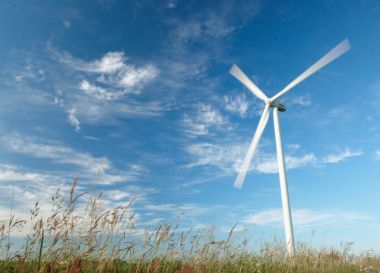
Vestas V112 turbine (Credit: Vestas)
¶ Clean energy player Avaada Power plans to invest ₹25,000 crore ($3.76 billion) in the sector and develop 5,000 MW capacity in largely solar and wind projects in the next four years, a senior company executive said. The plan is to add 1,000 MW to 1,500 MW of new power capacity each year, with aggressive rooftop solar investment. [Economic Times]
¶ A city awash with electric vehicles driven by workers on their way home from high-tech, cutting edge digital businesses powered by renewable energy – it sounds like San Francisco but if Adelaide’s Lord Mayor has his way, it could be South Australia’s capital. The city has quickly become Australia’s green leader. [The Sydney Morning Herald]

San Francisco, an image to emulate
¶ ReNew Power, a leading Indian clean energy company, signed a Memorandum of Understanding at the CII Partnership Summit to invest ₹13,000 crore ($1.95 billion) in renewable energy projects. The MoU envisages developing 1,000 MW of installed capacity for solar power and another 1,000 MW of windpower over the next five years. [The Hindu]
¶ Groupe Renault has announced a program where it will show how re-employing second-life batteries can support a local “smart island” ecosystem. Renault announced the small Portuguese island of Porto Santo is getting a pilot program, teaming up with Empresa de Electricitade da Madeira and the Madeira Regional Government. [Tech Xplore]
¶ Saudi Arabia is in talks with American nuclear firms to enter the nuclear power business and erect as many as 16 nuclear reactors, purportedly only to generate electricity over 25 years, a New York Times report said. But the report also said there are growing signs that the Saudis want to have the option of building nuclear weapons. [Tasnim News Agency]
¶ The head of TEPCO said the Japanese company remains committed to renewables development, and he vowed to expand the company’s business beyond its home market. The future of the company has been in question since its nuclear fleet was shut down in the wake of the March 2011 meltdown at Fukushima Daiichi. [pv magazine International]
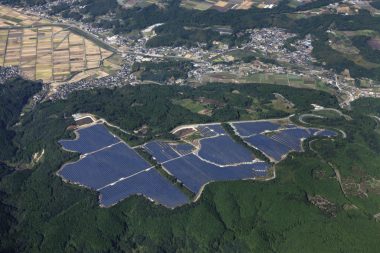
Japanese solar installation (Image: Canadian Solar)
US:
¶ All across America, states and utility companies are including energy storage options in their planning. GTM Research sees battery storage growing nearly tenfold in the next 5 years, from 295 MW in 2017 to 2.5 GW in 2022, of which almost half is projected to be “behind the meter,” operating as part of microgrids. [CleanTechnica]
¶ Beech trees are dominating the woodlands of the northeastern United States as the climate changes, and that could be bad news for the forests and people who work in them, according to a group of scientists. The scientists say the move toward beech-heavy forests is associated with higher temperatures and precipitation. [Maine Public]

Some are unhealthy. (Brian E Roth | University of Maine | via AP)
¶ A large swath of the utility industry, including 2,000 public utilities represented by the American Public Power Association, is facing a familiar fight with the federal government over the Trump administration’s proposed sell-off and privatization of federally owned utility companies such as the massive Tennessee Valley Authority. [Washington Examiner]
¶ Natural gas will continue to replace coal due to its competitive edge in prices, according to energy experts on Sunday. As the price of natural gas maintains a competitive edge over coal for fueling power plants, three coal-fueled power plants have retired in the Texas so far this year. The retirements are not expected to lead to shortages. [Xinhua]
geoharvey is free and without ads.
geoharvey is not tax-deductible.
Posted in nuclear power, renewable power, solar, wind | Leave a Comment »
Tags: nuclear, nuclear power, renewable power, solar power, wind power
February 25, 2018
Opinion:
¶ “Higher power bills? How a SCANA bankruptcy could affect ratepayers, South Carolinians” • A SCANA bankruptcy resulting from the failure of the VC Summer nuclear plant’s expansion, could take years to resolve, drive up rates, destroy the value of investments, and cost hundreds of millions of dollars in legal fees alone. [The State]
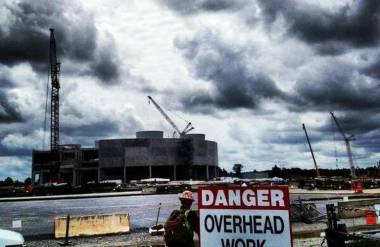
SCANA nuclear expansion project (Sammy Fretwell | The State)
Science and Technology:
¶ Untangling the causes of mass mortality events is difficult. In some cases, there is a clear connection to climate change. In other cases, there might be no connection, or a masked connection might exist. Nevertheless, climate change will cause the events to become more common, and scientists worry that they may lead to extinctions. [The Guardian]
¶ The commercial proliferation of organic polymer solar cells has been halted by expensive raw materials, longevity issues, and lower efficiency compared to inorganic solar cells. However, their light weight, transparency, flexibility and roll-to-roll production capability suggest they may find potential niche market opportunities. [pv magazine India]

Organic solar cells (Image: Phys.org)
¶ The Amazon rainforest is undoubtedly a significant part of the Earth. Its health is directly linked to the health of the planet as well, as it holds huge amounts of carbon. Sadly, it has been adulterated by deforestation and the effects of climate change, and some scientists wonder if there is still a chance to save our biggest tropical rainforest. [Tech Times]
¶ University of Colorado researchers found that drier summers and a decline in average snowpack over the past four decades have hindered the establishment of spruce and fir trees in subalpine regions of the Front Range. The study, published by the journal Ecology, suggests that climate warming is taking its toll on forest health. [Boulder Daily Camera]

Colorado forest (Courtesy of the University of Colorado)
World:
¶ An exec at DHL (Deutsche Post) is quoted as saying that the payback period on the Tesla Semi, the period of time that it takes to pay off the difference in initial costs as compared to a conventional diesel semi truck, would be under 1.5 years. So after only 1.5 years, the company is already experiencing net savings … while using cleaner trucks. [CleanTechnica]
¶ The Argentine people can now generate their own energy through clean and unconventional sources, incorporating surpluses into the public grid, thanks to a new law. This is an important novelty in a country embarked on a slow and difficult process, with a still uncertain end, to replace fossil fuels with cleaner power generation. [Inter Press Service]

Bus stop in Buenos Aires (Courtesy of Sustentator)
¶ The Philippine province of Guimaras has been bent on leading the country away from burning coal. On February 24, during the visit of Greenpeace flagship Rainbow Warrior, Guimaras Governor Samuel Gumarin and the municipal mayors of the island made a brave declaration: Guimaras is the first coal-free province in Visayas. [Rappler]
¶ The Benban Solar Park near Aswan, Egypt, aims to reach 1.6 GW to 2.0 GW of solar power capacity by the middle of 2019. The projects will receive no incentives, however, it will be given a 25 year contract to sell its electricity at 7.8¢/kWh to the state-owned Egyptian Electricity Transmission Company, with the cost pegged to the US dollar. [Electrek]

Solar array in Egypt
¶ This year the University of Newcastle will switch on what may be one of the largest projects of rooftop solar PV installations at any Australian university. The 2.0-MW system will see more than 6000 panels installed across about 25 buildings at the Callaghan campus with additional panels being installed at the Ourimbah campus. [Newcastle Herald]
US:
¶ Yuri Horwitz, co-founder and CEO of Sol Systems, says he and his company expect solar power to be the dominant form of new electricity generation by 2022. A report dated February 15, 2018 lists three reasons why we might believe solar will be ascendant in the US market over the next 4 years in spite of new tariffs on imported solar products. [CleanTechnica]
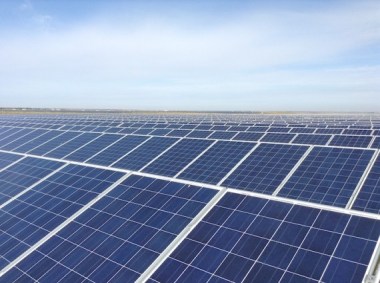
Solar farm
¶ Electric power is expensive in Hawaii, and with high humidity and temperatures, classrooms need air conditioning. Together, sets of solar panels and 300 Tesla Powerwall batteries will provide 1,000 Hawaiian classrooms with affordable AC, so students can focus on lessons, instead of dreaming about class trips to Alaska. [Digital Trends]
¶ Virginia lawmakers are set to vote on a major overhaul of how the state regulates Dominion Energy. The legislation makes it easier to get approval for renewable energy projects and grid upgrades. It also gives Dominion new ways to account for various costs, and this could ultimately cost customers an average of $120 per year. [The Charlottesville Newsplex]
geoharvey is free and without ads.
geoharvey is not tax-deductible.
Posted in nuclear power, renewable power, solar, wind | Leave a Comment »
Tags: nuclear, nuclear power, renewable power, solar power, wind power
February 24, 2018
World:
¶ Germany’s Federal Network Agency announced the winners from its first onshore wind and solar auctions for 2018, awarding more than 900 MW to over 100 separate projects. The successful wind energy bids were up slightly from those of a similar auction in November, but solar power prices have fallen below those of windpower. [CleanTechnica]

Solar power in Germany
¶ A new report published this week by GTM Research, Global Solar PV Tracker Market Shares and Shipments 2018, shows that the amount of solar PV trackers shipped in 2017 has increased 32% year-over-year, to 14.5 GW. The California-based company NEXTracker retains its top spot and accounted for a third of all trackers sold last year. [CleanTechnica]
¶ The Asian Development Bank signed a loan equivalent of up with $235 million to B Grimm Power Public Company Limited, one of the largest power producers in Thailand, to develop and enhance renewable energy capacity in Cambodia, Indonesia, Lao People’s Democratic Republic, Myanmar, the Philippines, and Viet Nam. [Modern Diplomacy]
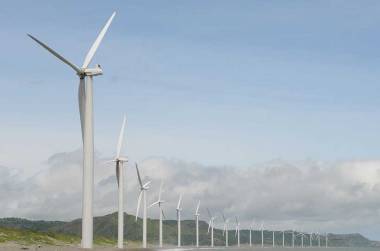
Wind turbines along a shore
¶ The Irish Government has announced plans to spend €22 billion over the next four years to aid the country’s journey to a low-carbon and climate resilient economy. Energy efficiency, renewables, agriculture, transport, and climate adaptation are all covered under the scheme, which has an initial target date of 2021. [Climate Action Programme]
¶ Austria filed a legal complaint with the European Court of Justice against the European Union’s approval for the expansion of the Paks Nuclear Power Plant in Hungary. Nuclear power already currently meets 40% of the country’s electricity needs. Paks 2 would add two more nuclear units with a capacity of 1.2 GW each. [CleanTechnica]
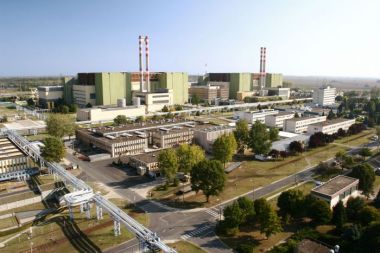
Paks Nuclear Plant
¶ A paradigm shift from depleting conventional to sustainable resources for electricity generation will drive the global solar PV module market size, MarketStudyReport.com said in its research report, Solar PV Module Market. The report projects that the solar PV module market size will exceed $30 billion worldwide by 2024. [The Financial]
US:
¶ A study by the Environmental Defense Fund finds that methane escaping from fracking operations in Pennsylvania “causes the same near term climate pollution as 11 coal-fired power plants” and is “five times higher than what oil and gas companies report” to the state. An earlier assessment found similar results for New Mexico. [CleanTechnica]
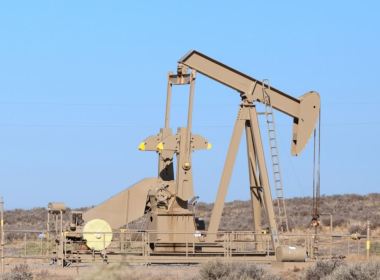
Gas Well (via EDF)
¶ BlackRock has almost $5 billion invested in the renewable power sector, according to Jim Barry, the global head of BlackRock Infrastructure Investment Group. Barry offered an insight into why this shift was taking place. “What’s driving it now, is not that people want to be green, it’s not about climate – it’s cost,” he said. [CNBC]
¶ Residents of the Alaskan island of Unalaska know the island’s wind is strong. It can blow over 100 miles per hour. In 2005, a study funded by the city council to look at the potential of windpower found that there was no technology strong enough to withstand Unalaska’s wind. Now, the technology has changed, and they are looking again. [KUCB]

Unalaska (Credit: Berett Wilber | KUCB)
¶ The mayors of Honolulu, Hawaii, Maui, and Kauai counties joined 236 mayors from 47 US states and territories in signing a joint letter opposing the Trump Administration’s proposed repeal of the Clean Power Plan. Together, they represent over 51 million Americans, according to a press release sent jointly by all four mayors’ offices. [Honolulu Star-Advertiser]
¶ For the third time in three years, California energy officials are working to expand governance of the electric power grid to become a regional function covering up to 14 states. Opponents of the plan, which would fundamentally rewrite how electricity is managed across most of the West, are steeling for another fight. [The San Diego Union-Tribune]

CAISO control center (David Butow | For The Times)
¶ Despite robust growth in earnings, the head of New Jersey’s largest power utility told Wall Street analysts he would make good on his pledge to close the state’s remaining nuclear power plants unless lawmakers agree to a surcharge to keep them profitable. That surcharge would come in the form of higher utility bills for customers. [NorthJersey.com]
¶ In Washington state, the Snohomish County Public Utility District plans to locate a microgrid and technology center, a new local office and training center, a vehicle-to-grid charging station for the utility’s electric fleet, battery storage, a substation, and a backup data center on 25 acres east of the Arlington Municipal Airport. [Arlington Times]
¶ The Rhode Island Convention Center Authority will buy more than half of its power from a local renewable energy company by the end of this year. They made an agreement with Green Development, LLC to buy up to 8.3 million kWh of wind energy each year at a discounted rate. They use about 11 million kWh annually. [Rhode Island Public Radio]
¶ South Carolina’s electric cooperatives plan to sue Santee Cooper to stop the public utility from charging customers for VC Summer. The two business groups had a long-held relationship, but an economic crisis is consuming the state. The decision to file a legal claim comes half a year after the nuclear project was abandoned. [Charleston Post Courier]
geoharvey is free and without ads.
geoharvey is not tax-deductible.
Posted in nuclear power, renewable power, solar, wind | Leave a Comment »
Tags: nuclear, nuclear power, renewable power, solar power, wind power
February 23, 2018
Opinion:
¶ “How General Electric gambled on fossil fuel power, and lost” • Last March, executives at GE’s power-plant business gave Wall Street a surprisingly bullish forecast for the year. Despite flat demand for new natural gas power plants, they said, GE Power’s revenue and profit would rise. But GE’s forecast turned out to be a mirage. [Daily Times]

Nodding donkey
¶ “The new power generation” • The way nations power themselves is changing, and Britain is no exception. Advances in technology and the continued fall in the cost of renewable power mean that the potential for new, green power systems in Britain is much greater than even a decade ago. And now, batteries open a whole new potential. [Prospect]
Science and Technology:
¶ Conservationists say two iconic New Hampshire animals, moose and loons, show how climate change will reshape the region. On the same day they talked about their research at the Audubon Society in Concord, New Hampshire set new records for winter warmth. It was 48° on the snowless Mount Washington summit. [New Hampshire Public Radio]

Loons (Credit: AcrylicArtist | Morguefile)
¶ Siberia’s permafrost is melting, with huge holes appearing in it. One of the biggest craters, known by the local Yakutian people as the “doorway to the underworld,” is growing so rapidly that it’s uncovering long-buried forests, carcasses, and 200,000 years of historical climate records. The Batagaika crater is what is termed a megaslump or thermokarst. [ScienceAlert]
World:
¶ Solar storage batteries are projected to grow at a rate of up to 300%. The news is that a battery manufacturing plant will be built in South Australia, and a residential battery power rebate will also kick off in that state. German battery maker Sonnen will have its new manufacturing plant near Adelaide, creating hundreds of jobs. [Tech Guide]
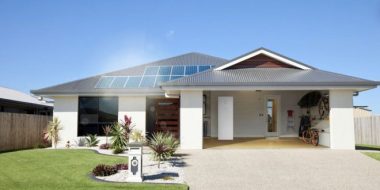
House with rooftop solar power
¶ Aiming to reduce the dependence on coal and gas for power generation, the government of Gujarat will begun working on a new hybrid energy policy. Under the new policy it will provide greater focus on solar and wind-based power, and promote wind and solar power based units that share the same land and transmission grid. [EnergyInfraPost]
¶ Southeast Asian countries are on course to meet their aspirational renewable energy target of a 23% share of total primary energy supply by 2025, according to analysis from the International Renewable Energy Agency. Achieving this target would also significantly improve the access to affordable clean energy in the region. [Modern Diplomacy]

Wind turbines along the shore
¶ Coal power plants are likely to end up as underutilized or stranded assets in 10 years or less, given the rapid pace of renewables, a top official of First Philippine Holdings said. As more renewables come onto the grid, the shape of demand changes, and renewable-energy technology, though intermittent, can adapt better than coal. [Business Mirror]
US:
¶ UPS been evaluating 50 Workhorse vans. They are up to four times more efficient than the diesel-powered vehicles they replace and have far lower tailpipe emissions. Importantly, those 50 trucks have acquisition costs comparable to conventional vehicles without subsidies, according to a joint press release from Workhorse and UPS. [CleanTechnica]

Workhorse UPS prototype
¶ Numerous organizations have filed lawsuits against Exxon in recent times in relation to anthropogenic climate change. Now, the oil giant has filed lawsuits against a large collection of people associated with these suits, alleging conspiracy. Among those being sued are the New York and Massachusetts attorneys general. [CleanTechnica]
¶ Grape grower Sun World International, LLC, published its first corporate social responsibility report. It details the goals that The Better Future Project, Sun World’s CSR program, aims to achieve by 2022 and progress made to date. Sun World’s environmental initiatives focus on renewable energy, water conservation and soil and bee health. [FreshPlaza]

Sun World CEO Merrill Dibble
¶ Altus Power America, Inc and Reservoir Road Holdings LLC completed two 648 kW DC solar systems in Highgate, Vermont. Converting unusable land into renewable energy, the two arrays are built over old gravel pits. Altus funded the construction and development of the projects and will serve as the long-term owner and operator. [Solar Industry]
¶ The Kauai Island Utility Cooperative and AES Distributed Energy held a groundbreaking for the Lawai solar and energy storage project on the Garden Isle’s south shore. The project will consist of a 28-MW solar system and a 100 MWh energy storage component, which will be able to deliver peak power for up to five hours. [Pacific Business News (Honolulu)]

Preparing for site blessing and dedication (Courtesy of KIUC)
¶ In a win for solar power in New York, the state’s Public Service Commission released an order expected to encourage more communities to pursue shared solar projects. It increases the maximum size of community solar projects eligible for credits from 2 MW to 5 MW. This is expected to reduce soft costs of solar power. [Natural Resources Defense Council]
¶ A plan to subsidize now-profitable New Jersey nuclear plants with higher rates for customers moved forward and is now part of a larger piece of legislation that includes additional ratepayer-funded incentives for renewable power and energy efficiency. Democratic leaders in both houses wanted renewable energy subsidies in a separate bill. [NorthJersey.com]
geoharvey is free and without ads.
geoharvey is not tax-deductible.
Posted in nuclear power, renewable power, solar, wind | Leave a Comment »
Tags: nuclear, nuclear power, renewable power, solar power, wind power
February 22, 2018
Science and Technology:
¶ A study found that the methane escaping from oil and gas industry sites in Pennsylvania “causes the same near-term climate pollution as 11 coal-fired power plants.” And that is “five times higher than what oil and gas companies report” to the state, according to Environmental Defense Fund analysis based on 16 peer-reviewed studies. [ThinkProgress]
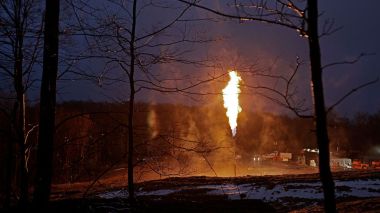
Flaring gas (Photo: Carolyn Cole | LA Times via Getty Images)
World:
¶ The High Court in London ruled the UK government’s current stance on air pollution is “unlawful.” It is the third court case the UK government has lost to ClientEarth, an organization of environmental activist lawyers. According to the Royal College of Physicians, air pollution contributes to nearly 40,000 deaths in the UK each year. [Futurism]
¶ The British government pushed to weaken EU controls on biomass energy, even though the technology will undermine efforts to contain global warming, researchers found. The UK successfully rewrote a proposal to almost quadruple the potential size of wood burning plants before they had to meet efficiency criteria. [DeSmog UK]

Drax and Eggborough power stations (Photo: Alan Murray Rust)
¶ According to Autocar, Porsche has stopped installing diesel engines in any of its vehicles, effective immediately. The move is certainly tied to recent developments that have tarnished the once glittering reputation of diesel. German regulators ordered Audi to recall 127,000 cars fitted with the latest Euro 6 spec diesel engines last month. [CleanTechnica]
¶ Indian renewable energy company Avaada Power Pvt Ltd said it signed a memorandum of understanding with the government of Uttar Pradesh to develop 1.6 GW of solar projects in the state. The company will invest $1.55 billion (€1.26 billion) to develop the projects, which will be located across four of the state’s districts. [Renewables Now]
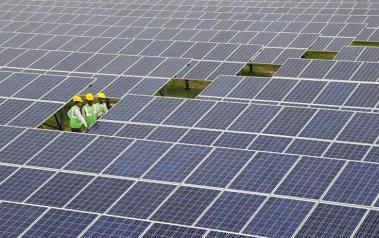
Welspun solar park (Photo: Welspun Renewables)
¶ Germany’s Senvion has been awarded a 101.2-MW project from India’s ReNew Power to deliver the Bhuwad Wind Project in Gujarat. The project will comprise 44 Senvion 2.3M120 turbines. They are expected to produce enough clean energy to supply the power needs of almost 100,000 Indian homes. [Renewable Energy Magazine]
¶ The Scottish Government has awarded a development team funding to carry out a feasibility study into developing a hydrogen-powered ferry service to some of Scotland’s remote island communities. Point and Sandwick Trust is leading the project. The hydrogen would be manufactured using local community-owned wind power. [reNews]
Wind power (Pixabay image)
¶ ReNew Power Ventures said it has signed a memorandum of understanding with the Uttar Pradesh government to invest ₹8,000 crore ($1.2 billion) for 1,200 MW of renewable energy capacity, a move which can create 12,000 jobs in the state. The projects include 1,000 MW of solar and 200 MW of waste-to-energy projects. [ETEnergyworld.com]
US:
¶ A high estimate of the number of birds killed by collisions with US wind turbines and their towers each year is 573,000, though researchers said the actual number is probably between 140,000 and 328,000. Even the highest of those numbers is very small compared to the number killed generating the same amount of power from fossil fuels. [CleanTechnica]
Wind turbines
¶ First Solar has planned an enormous 200-MW solar project, using its new Series 6 modules, for Central Georgia. A 30-year power contract for the project has been approved by Georgia regulators. It is one of several projects awarded under Georgia Power’s latest solicitation through its Renewable Energy Development Initiative. [pv magazine USA]
¶ A new solar farm is to be constructed to provide Walt Disney World in Florida with more renewable energy. Disney World already receives 5 MW of energy from the 9-hectare Hidden Mickey solar farm. The new solar complex will be made up of 518,000 solar panel modules across 110 hectares, providing a much greater energy output. [Blooloop]

Solar array
¶ A group looking to promote solar in Arizona will seek to amend the state’s constitution to get a huge uptick in the amount of renewable energy required to be produced by state utilities. They are promoting a ballot initiative so the voters could decide to have the state get 50% of its power from renewable sources by 2030. [Phoenix Business Journal]
¶ California utility Pacific Gas and Electric Co, part of PG&E Corporation, announced that it has achieved its home state’s 2020 renewable energy goal three years ahead of schedule. The company said that 33% of its electricity in 2017 came from renewables such as solar, wind, geothermal, biomass and small hydroelectric sources. [Renewables Now]
Solar panels in California (Photo: Walmart Corp)
¶ The New Orleans City Council’s utility committee approved a proposal on February 21 to build a $210 million gas-fired peaking power plant in the city. This is over the objections of opponents that included affordable energy advocates and environmental and social justice groups. Entergy New Orleans has long pushed for the plant. [NOLA.com]
¶ The NRC proposed a $145,000 fine for safety violations at Plant Vogtle, saying investigators found at least 13 system operators at the plant who on multiple occasions neglected to perform required rounds, then made false log entries saying the checks were completed. The civil penalty was filed against Southern Nuclear Co. [Chattanooga Times Free Press]
geoharvey is free and without ads.
geoharvey is not tax-deductible.
Posted in nuclear power, renewable power, solar, wind | Leave a Comment »
Tags: nuclear, nuclear power, renewable power, solar power, wind power
February 21, 2018
Opinion:
¶ “Why 2018 Is The Year That Divestment Is Finally Going Mainstream” • Counterintuitively, divestment need not harm portfolio performance. Multiple studies found that portfolios that divest from fossil fuels and utilities and invest in clean energy instead perform better than those with conventional investment strategies. [CleanTechnica]

Smoke stacks rising in the countryside
¶ “If Climate Change Wrecks Your City, Can It Sue Exxon?” • Though scientists still warn that it is inaccurate to speak of weather events being “caused” by climate change, better technologies now allow researchers to quantify the severity of climate change’s impacts on weather, drawing a link between emissions and damage costs. [The Verge]
World:
¶ The amount of renewable power produced in 2017 could have powered Britain for the whole of 1958, a report shows. Britain’s output from wind, biomass, solar and hydro grew by more than a quarter to 96 TWh of power, according to the latest Electric Insights report, from researchers at Imperial College London in collaboration with Drax. [The Independent]
UK renewables (Getty image)
¶ Swedish furniture giant Ikea has partnered with the Big Clean Switch to encourage households to sign-up to a 100% renewable tariff. Big Clean Switch is a ‘profit for purpose’ firm that helps people move to renewable energy providers. The pair say that switching to a tariff with them could save households around £300 a year. [This is Money]
¶ The South Australian Premier has signalled to voters that Labor will continue its world-leading push into renewable energy, by committing his government to a 75% Renewable Energy Target by 2025 and, for the first time, a Renewable Storage Target. The state is already close to eclipsing its current 50% Renewable Energy Target, set in 2014. [ABC Online]
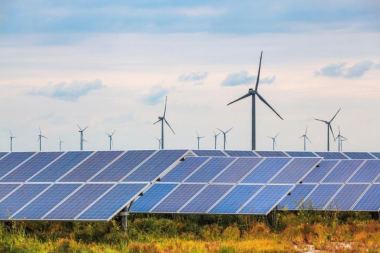
Wind and solar power (Photo: Tadgh Cullen | DP Energy)
¶ Globally, PV capacity will expand more over the next five years than any other renewable-energy technology, according to projections from accounting and financial services firm KPMG in its latest report, Great expectations: Deal making in the renewable energy sector. KPMG drew its findings from a survey of 200 renewable-energy investors. [pv magazine USA]
¶ South Australia is set to host its second hydrogen production and distribution facility, with the construction of a 1.25-MW Siemens electrolyser that will produce hydrogen using grid electricity potentially combined with on-site solar. The $11.4 million project will be built at the Tonsely Innovation District in Adelaide. [RenewEconomy]

Tonsely Innovation District
¶ In its benchmark annual Energy Outlook, BP forecast a 100-fold growth in electric vehicles by 2040. Its chief economist Spencer Dale painted a world in which we travel much more, but instead of using private cars, we increasingly share trips in autonomous vehicles. It is the first report in which BP forecast a peak in fossil fuel demand. [The Star Online]
US:
¶ California-based Sunpin Holdings LLC said it was selected to develop a 5-MW solar power plant in Blandford, Massachusetts, as part of the state’s SMART program. Eversource Energy has awarded the company a 20-year feed-in-tariff incentive contract. The SMART program is designed to support 1.6 GW of new solar power. [Renewables Now]
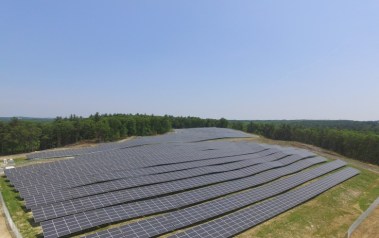
Massachusetts community solar project (Photo: 38 Degrees North)
¶ Rocky Mountain Power selected four new wind projects to fulfill plans to expand the amount of wind energy it provides by 2020. The four projects will expand Rocky Mountain Power’s owned and contracted wind power by more than 60% and add enough new wind energy to power about 450,000 average homes. [Renewable Energy Magazine]
¶ A bipartisan group of city leader known as the Climate Mayors released a joint letter today imploring the EPA not to repeal the Clean Power Plan, a move they warn would damage public health, clean air initiatives, and efforts to combat climate change. The group’s 233 mayors represent 51 million Americans in 46 states and territories. [Curbed]

Solar power on a green rooftop (Shutterstock image)
¶ The New Hampshire House narrowly voted last week to “tap the brakes” on the state’s policy to expand use of renewable energy, though critics might say it could bring the policy to a screeching halt. The action would be a major pullback from requiring utilities to get 25% of their energy from renewable sources by 2025. [New Hampshire Business Review]
¶ The Maine Renewable Energy Association is asking the Kennebec County Superior Court to nullify an executive order by Governor LePage. The order, issued on January 24, halted the issuance of new wind power permits and created a secretive advisory commission to explore potential changes to the permitting process. [Press Herald]
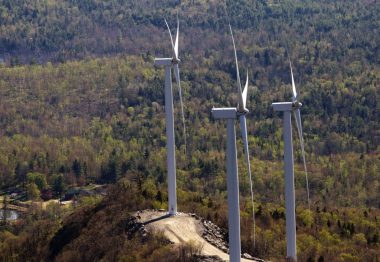
Wind turbines in Dixfield (Staff file photo by Gabe Souza)
¶ Legislation filed in the California Legislature would make it easier for businesses, schools, nonprofits and municipalities to access solar energy. In turn, this will help generate thousands of new jobs and millions of dollars of investment in the state. The legislation expands access to offsite solar projects for non-residential customers. [YubaNet]
¶ A DOE official said the agency was conducting research and working with utilities seeking permission from the NRC to allow nuclear reactors built in the 1970s to keep operating to 2050 and beyond. The official asked not to be named to discuss its decision-making process. Some utilities are already planning to ask for 80-year licenses. [Bloomberg]
geoharvey is free and without ads.
geoharvey is not tax-deductible.
Posted in nuclear power, renewable power, solar, wind | Leave a Comment »
Tags: nuclear, nuclear power, renewable power, solar power, wind power
February 20, 2018
Science and Technology:
¶ The Commonwealth Scientific and Industrial Research Organization, Australia’s premier research organization, announced a new form of graphene it says can filter polluted water and make it drinkable in one step. It is a combination of graphene film and nanometer-size channels that allow water to pass but block pollutants. [CleanTechnica]
From Sydney Harbor to drinkable in one step (Credit: CSIRO)
¶ Researchers at the University of Warwick in the UK say they have developed a device that can be inserted directly into a lithium-ion cell that will give instantaneous information about internal temperatures. The information from the cell can help chargers maintain the highest charging rates without danger of overheating. [CleanTechnica]
¶ Scientists at the University of Sheffield in the UK released a study that suggests using granulated basaltic rocks from volcanic eruptions could provide several positive benefits for agriculture and the climate. The benefits include improving soil fertility, cutting amounts of pesticides needed, and increasing carbon sequestration. [CleanTechnica]

Spreading basaltic rock
World:
¶ A new report by the Institute for Energy Economics and Financial Analysis shows that major power systems can be able to cope well with increasing shares of intermittent renewables. The study says that increased generation of renewable resources does not make the grid less reliable or compromise the security of supply. [Business News Americas]
¶ The energy taxes that are currently in place in the world’s top economies are not extensive enough to aid in the mitigation of anthropogenic climate change to a large degree, a study said. The study from the Organization for Economic Co-operation and Development looked at energy taxes in 42 different OECD and G20 economies. [CleanTechnica]

Pollution from a coal-burning power plant
¶ The southern Indian state of Tamil Nadu is, yet again, making headlines for its advances in clean energy. Since the Indian government began holding auctions for energy companies to bid for the lowest price per unit of wind energy, Tamil Nadu has risen to the world’s top fifteen markets in renewable energy production. [progrss]
¶ German grid regulator BNetzA has kicked off the first 200-MW combined wind and solar tender in the country. The auction, with a 3 April deadline, has a maximum price of €0.0884/kWh (10.9¢/kWh). BNetzA defined 98 administrative districts where bids will incur an additional charge. This is to reduce the need for reinforcing the distribution grid. [reNews]
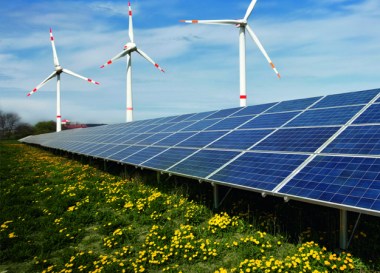
Wind and solar together (Credit: Solarpraxis)
¶ There are 5.2 million properties in England at risk of flooding due to changes in the country’s climate, the UK’s Environment Agency warned. The agency launched its Flood Action Campaign after warning that intense bouts of flooding are set to become more frequent across England after changes to the country’s climate. [CleanTechnica]
¶ Spanish infrastructure group Acciona SA said it has signed an agreement to supply renewable power to the main facilities in Chile of local water and wastewater company Aguas Chanar. Through Acciona Energia, the company will deliver enough power to cover more than 70% of Aguas Chanar’s needs in the Atacama region. [Renewables Now]
Wind turbines (Photo: Acciona SA)
US:
¶ Solar manufacturer SunPower, based in California, reported tepid results in its Fourth Quarter and Full Year 2017 results last week. Revenues were down 35% year-over-year and First Quarter and Full Year 2018 revenues well below expectations. SunPower is still in the early days of looking to make the best of the solar tariff ruling. [CleanTechnica]
¶ Michigan generates 2.7% of US electricity, ranking 11th among states. But only 0.1% of its electricity comes directly from the sun, according to the Solar Energy Industries Association, and Michigan’s 107 MW of PV capacity in 2017 ranks it 31st in the US. But SEIA expects the Michigan market to grow by 668 MW in the next five years. [pv magazine USA]
Lapeer Solar Park in Michigan (DTE Energy)
¶ The Ohio Power Siting Board has approved construction of two large solar facilities. Hillcrest Solar I is authorised to build the 125-MW Hillcrest Solar Farm in Brown County. Invenergy Solar Development North America’s subsidiary Hardin Solar Energy has approval for the 150-MW Hardin Solar Centre in Hardin County on. [Power Technology]
¶ Michigan utility Consumers Energy will phase out electric generation from coal by 2040 to reduce greenhouse gases, its president and CEO told the Associated Press. The utility plans to generate 40% of its power from renewable sources such as wind and solar, alongside natural gas, hydropower, and improved efficiency. [Jefferson City News Tribune]

BC Cobb Plant, which was closed in 2016
(Joel Bissell | Muskegon Chronicle via AP, File)
¶ The Illinois Clean Jobs Coalition announced the launch of a new statewide effort aimed at encouraging Illinois to embrace renewable energy and carbon-free power. ICJC members said their policy goals include cutting carbon pollution from the Illinois power sector by 2030 and moving the state to 100% renewable energy by 2050. [CBS Chicago]
¶ The New Jersey legislature will try to advance a controversial nuclear subsidy bill again this week, the fourth version of the measure drafted this year, at least. Designed primarily to prop up Public Service Enterprise Group’s nuclear plants, the legislation has gone through drastic revisions to win backing. So far, it has not worked. [NJ Spotlight]
geoharvey is free and without ads.
geoharvey is not tax-deductible.
Posted in nuclear power, renewable power, solar, wind | Leave a Comment »
Tags: nuclear, nuclear power, renewable power, solar power, wind power
February 19, 2018
Opinion:
¶ “Meet the new ‘renewable superpowers'” • A world powered by renewable energy will prize a very different set of resources than we do today. Which countries hold the key to unlocking wind and solar energy, and how will this shake up the world order? University of Swansea’s Andrew Barron discusses some of the issues. [eco-business.com]
Child looking at wind turbines (Image: Ben Paulos, CC BY 2.0)
¶ “La Plata Electric Association grapples with era of change” • Texas utility LPEA is locked into a contract for the next 30 years with its electricity provider, Tri-State. Tri-State generates most of its electricity by burning coal and only promises to increase prices. Expensive and dirty power is not what most LPEA members want. [The Durango Herald]
¶ “Why Electrification of Everything Can Combat GHG Emissions” • About 80% of the world’s GHG emissions relate to fossil fuels. Aggressive electrification of the ways we drive, power up our personal energy devices, and regulate the temperatures in our homes can make the difference we need to decarbonize our world. [CleanTechnica]

Rooftop solar systems
¶ “Tell the EPA: The economic cost of repealing the Clean Power Plan is just too high” • Repealing the CPP would deny Americans the opportunity to create 560,000 jobs and add $52 billion in economic value. That is in addition to the more than 3 million clean energy jobs in the US already, a nonpartisan environmental business group’s report says. [Kansas City Star]
¶ “Pushing the Limit: How demand flexibility can grow the market for renewable energy” • As coal’s share of US electricity generation continues its steady decline, there is still a question about what will end up supplying energy. Driven by technology and innovative business models, wind and solar give natural gas strong competition. [RenewEconomy]
Transmission infrastructure (istock image)
Science and Technology:
¶ A new thermoelectric device developed at MIT draws power from the daily cycle of temperature swings. In trials, the device reacted to a 10° C temperature difference, such as would happen between night and day, generating 350 millivolts of potential and 1.3 milliwatts of power. This can power communications systems and sensors. [Digital Journal]
World:
¶ Thailand has emerged as South-East Asia’s leading developer of renewable electricity, with providers obliged to guarantee minimum levels of supply. The country’s biggest wind power generator, Wind Energy Holdings, plans to invest in other power sources to back up its capacity, including solar, biomass, and hydro, its CEO told Reuters. [Star2.com]

Solar array (Photo: Filepic)
¶ Japan is falling behind other leading countries in renewable energy use, while its promotion of coal-fired plants risks hindering the competitiveness of domestic firms in a global market increasingly concerned about carbon emissions. Those were conclusions of a report to the Foreign Minister released by an expert panel. [The Japan Times]
¶ The government of the Netherlands plans to turn an offshore seaweed farm in the North Sea into a huge solar power farm that aims to supply energy to the Dutch mainland. They plan to finish the project in a span of three years. A pilot project costing €1.2 million ($2.48 million) will test environmental impacts and equipment performance. [GineersNow]
Solar array (Source: Lawyer Issue)
¶ Canada’s minister of Natural Resources, Jim Carr, announced a call for proposals for the Clean Energy for Rural and Remote Communities Program. The program will provide approximately $220 million in funding for initiatives to reduce reliance on diesel fuel in rural and remote communities, most of which are Indigenous. [EP Magazine]
¶ The Lakeland project in far north Queensland, Australia’s first large-scale solar and big battery storage installation, has been officially connected to the grid. The 10.8-MW solar facility, combined with a 1.4-MW/5.3-MWh battery storage facility is located near the very edge of the grid and could be a model for similar projects. [RenewEconomy]
Lakeland project (Screen shot)
¶ For over a decade an energy revolution has been underway in Japan, spurred on by the 2011 Great East Japan Earthquake and the nuclear disaster that followed at Fukushima. Since then, microgrids have sprung up by the dozens around the country, in a number of different guises to help Japan meet its energy needs and build resilience. [Power Technology]
US:
¶ President Donald Trump’s 2019 budget request would slash funding for farm bill conservation programs by about $13 billion over 10 years, on top of cuts already sustained in the 2014 farm bill. In a study, we found that it is highly uncertain whether the benefits these programs have produced can maintained with such cuts. [The Conversation]

Black-necked stilts
¶ A planned community solar project could allow for Omaha Public Power District customers to power homes and businesses mostly with renewable energy. The district expects more than 50% of its retail electricity sales to be from renewable resources by 2020. Most of the energy would be generated by solar panels and wind turbines. [Lincoln Journal Star]
¶ While the rest of the world is warming, one part of the US is getting colder. The Corn Belt has seen summer temperatures drop 1°C (1.8°F) while rainfall increased by 35%. According to research published in the journal Geophysical Research Letters, this time it is agricultural production, not greenhouse gases, that is to blame. [IFLScience]
geoharvey is free and without ads.
geoharvey is not tax-deductible.
Posted in nuclear power, renewable power, solar, wind | Leave a Comment »
Tags: nuclear, nuclear power, renewable power, solar power, wind power
February 17, 2018
Opinion:
¶ “Clean energy – not natural gas – drove decarbonization in 2017” • Last year, for the first time, power sector emissions were reduced more by energy conservation and renewable energy than switching from coal to natural gas. This happened despite all Trump administration and fossil fuels industry attempts to limit clean energy. [Environmental Defense Fund]
US wind farm
Book Review:
¶ Peter Carter and Elizabeth Woodworth’s, “Unprecedented Crime: Climate Science Denial and Game Changers for Survival” is a fascinating exposé of the climate crisis. It looks at the climate crisis comprehensively from a legal perspective, with a focus on the perpetrators of the climate emergency that confronts us all. [Center for Research on Globalization]
Science and Technology:
¶ Researchers hope to discover how solar and plant life interact and find effective ways for solar arrays and agricultural lands to co-exist. One special aim of a new partnership between Enel Green Power North American and the US DOE’s National Renewable Energy Laboratory is to develop pollinator-friendly practices. [pv magazine USA]

Poppy (Pixabay image)
¶ Critics of renewable energy, lobbyists for fossil fuels, and those promoting nuclear power, often use solar and wind fluctuations as their major argument to hold on to the old system. A study by the Lappeenranta University of Technology, in Finnland, and the Energy Watch Group, based in Berlin, refutes this argument once and for all. [CleanTechnica]
World:
¶ Powershop Australia signed a huge deal for the output of a 200-MW solar farm and two big wind farms, after being “stunned” by the low prices offered in market proposals. Exact figures were not disclosed, but Powershop’s CEO said, “If you said two and a half years ago that this is where solar will be, we would not have believed it.” [CleanTechnica]

Windpower in Australia
¶ Australia’s first large-scale solar farm co-located with a wind farm was formally opened this month. The 10-MW Gullen Range solar farm south of Crookwell in NSW is the first large-scale solar farm on Australia’s main grid to be co-located with a major wind farm. It shares facilities with the 165-MW Gullen Range wind farm. [CleanTechnica]
¶ The renewables division of Italian energy company Enel SpA announced that it commissioned the 103-MW Horizonte PV power plant in the northeastern Brazilian state of Bahia. Plant construction started last September, after Enel won the project together with two other large PV plants in a public tender, held in August 2015. [Renewables Now]
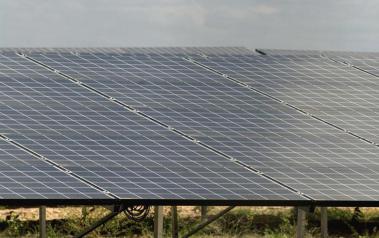
Solar farm in Brazil (Otávio Nogueira, CC-BY-SA 2.0 Generic)
¶ According to project developer Statoil, the world’s first floating wind farm, Hywind Scotland, has been generating electricity at a level that surpasses expectations through its first three full months of production. Where bottom-fixed offshore wind farms operate at 45% to 60% of rated capacity, Hywind Scotland has averaged 65%. [CleanTechnica]
¶ EDF pledged to step up its renewable energy efforts as its sliding nuclear business sees revenues fall. The French energy giant’s annual results for 2017 show a 16% drop in earnings before interest and tax. Earnings in the UK fell by around a third as the company received lower prices than it expected for its nuclear power output. [Energy Live News]
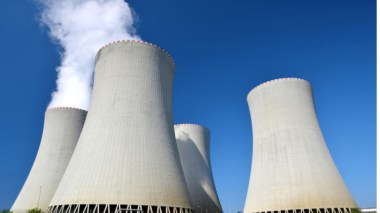
Cooling towers (Shutterstock image)
¶ The Australian Capital Territory is expected to commission enough wind and solar farms by 2020 to reach the equivalent of 100% renewable energy for its electricity supply. Now it is turning attention to eliminating gas. A major development will start with 350 homes with efficient electric heating, cooling, and cooking. [CleanTechnica]
US:
¶ As US president Donald Trump throws his support behind “beautiful clean coal,” the state of Arizona, a Republican Party stronghold, is poised to take the lead on energy storage. A proposed clean energy overhaul would impose an 80% clean energy target by 2050, including 3 GW of energy storage to be installed by 2030. [CleanTechnica]

Nestle Purina’s solar farm in Arizona
¶ Despite the current Presidential regime’s attempts to defend the coal industry, the US is home to a utility breaking world records for renewable energy development. With 47 GW of renewable capacity already built, NextEra plans to double its rate of install in the next few years, aiming for a total of 10.1 to 16.5 GW for the 2017-2020 period. [CleanTechnica]
¶ During a Board of Light & Power trustee meeting, the Grand Haven, Michigan, utility’s staff recommended that the coal-fired JB Sims power plant be closed June 1, 2020. The staff also recommended to the board that the municipal utility transition to a more “economical, sustainable and diversified” selection of energy sources. [Grand Haven Tribune]
¶ Massachusetts regulators said that Central Maine Power’s New England Clean Energy Connect will bring power from Canada to the Bay State if Eversource does not resolve its Northern Pass permitting problems in New Hampshire by March 27. The 1,200-MW New England Clean Energy Connect would run through 145 miles of western Maine. [MassLive.com]
¶ FirstEnergy Corp announced that its Allegheny Energy Supply subsidiary notified the regional transmission organization, PJM Interconnection, of its plan to deactivate the coal-fired Pleasants Power Station in West Virginia. The 1,300-MW plant will be sold or closed on January 1, 2019, subject to a PJM review for impacts on reliability. [Parkersburg News]
geoharvey is free and without ads.
geoharvey is not tax-deductible.
Posted in nuclear power, renewable power, solar, wind | Leave a Comment »
Tags: nuclear, nuclear power, renewable power, solar power, wind power
February 16, 2018
Opinion:
¶ “The Trump Budget Is Full of Giveaways to Coal and Oil Companies” • The Trump administration’s proposed budget for funding the federal government in 2019 has extensive cuts to health care, schools, scientific research, and nutrition assistance, but it would benefit clear winners in the fossil fuel industry. [Center For American Progress]
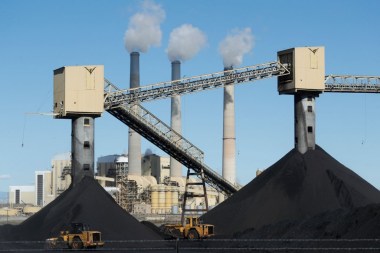
Coal at a Pacificorp power plant (Photo: George Frey | Getty)
¶ “Heartland Institute’s pro-coal lobbying isn’t working in Missouri” • The Heartland Institute, a free market think tank known for its efforts to promote climate science denial, is lobbying to keep one of the country’s oldest coal-fired power plants alive. But it doesn’t seem to be working. Not even the owner wants to keep the plant open. [ThinkProgress]
World:
¶ Eviation Aircraft is now aiming to bring its 9-seat electric aircraft to market by 2021 after it closed a battery supply agreement with South Korea’s Kokam, the company’s CEO has revealed. The Israel-based firm went with Kokam because it could expect a relatively high degree of flexibility and access to customization. [CleanTechnica]

Eviation Aircraft prototype
¶ The EU is to provide a record amount of funding to build a renewable power link between Spain and France. The submarine cable, costing €578 million, will run for 230 miles across the Bay of Biscay, easing a transmission bottleneck. Carrying renewable energy between the two countries, it hopes to double current power capacity to 5,000 MW. [Olive Press]
¶ Blasting the Spanish Government for its lack of renewables action, the Balearic Government has today issued an ambitious Climate Change Law designed to kick-start a renewable energy transition on the four islands of Mallorca, Menorca, Ibiza and Formentera. It aims to cover 100% of energy demand with renewables by 2050. [pv magazine International]
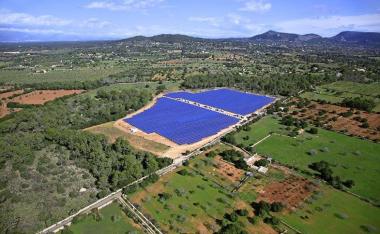
Solar PV array (G-Ener Soluciones)
¶ The northern New South Wales city of Lismore has formally opened the country’s largest floating solar installation, and flagged plans to increase its size five-fold or more and to add battery storage. The 100-kW floating solar farm is a key part of the local council’s plan to source 100% of its electricity needs from renewable energy by 2023. [CleanTechnica]
¶ The Tasmanian Labor Party pledged to take the state to “120% renewables,” aiming to lock in lower electricity prices and secure the island’s status as a clean power exporter. Labor leader Rebecca White said if her party wins in the March 3 election, it will “restore” and capitalise on Tasmania’s renewable energy advantage. [RenewEconomy]

Tasmanian Wind Farm
¶ Egypt has officially awarded electricity generation licences to four wind farms with a combined capacity of 1,420 MW, the Daily News Egypt reports. One of the wind farms receiving a 20-year power generating license is the Gulf of Suez project, to be located in the municipality of Ras Ghareb, in Cairo’s Red Sea Governorate. [Renewables Now]
US:
¶ Southern California Edison, which serves customers in the greater Los Angeles area, has just announced it is cooperating with BMW to offer a $10,000 rebate to customers who purchase a BMW i3 electric car between now and April 30. To qualify, customers must prove they are an SCE customer and the car must be purchased, not leased. [CleanTechnica]
BMW i3 electric car
¶ The top US intelligence official warned Congress about the threat of “abrupt” climate change, despite Trump administration efforts to drive climate out of national security discussions. The Director of National Intelligence submitted written testimony to the Senate Intelligence Committee identifying climate change as a significant concern. [Vox]
¶ Federal regulators are allowing Anbaric Development Partners to move ahead with a shared transmission system for offshore wind off the coast of Massachusetts. The US company plans to solicit customers and sell transmission rights to the 2-GW to 2.4-GW Massachusetts Ocean Grid. Three developers already hold leases off the coast. [reNews]
Offshore wind substation (Credit: Statkraft)
¶ A subsidiary of NextEra Energy Resources, LLC, announced that during the previous four months, five new community solar gardens have been brought online in southeastern Minnesota. The solar-gardens are part of a larger Minnesota community solar-gardens portfolio totaling 66 MW including projects in development. [Markets Insider]
¶ US regulators have removed all market barriers to electric storage, so operators can dispatch power from multiple storage systems, including batteries. The Federal Energy Regulatory Commission has completed a ruling that allows energy storage companies to directly compete against power plants in wholesale power markets. [Digital Journal]

Offshore wind installation
¶ Maryland, an early adopter for solar electricity, opened a energy-storage tax credit program. The program is now taking applications for $750,000 in tax credits to support energy storage systems for existing renewable energy systems, with $225,000 reserved for residential solar customers and $525,000 reserved for commercial taxpayers. [pv magazine USA]
¶ Florida-based power behemoth NextEra Energy is floating a $15.9 billion proposal to buy Santee Cooper to South Carolina lawmakers. The state-owned utility went on the auction block after it and Cayce-based SCANA abandoned a decade-long, $9 billion effort to build two new nuclear reactors in Fairfield County. [The State]
geoharvey is free and without ads.
geoharvey is not tax-deductible.
Posted in nuclear power, renewable power, solar, wind | Leave a Comment »
Tags: nuclear, nuclear power, renewable power, solar power, wind power
February 15, 2018
Opinion:
¶ “Stalling Clean Energy – American Silence in the Green Revolution” • “You’re all going to be a part of this exciting new future,” Donald Trump told us. As China reconfirmed its $367 billion investment in renewable energy, the US has been content to promote the 1,200 coal mining jobs it’s scrapped back together. [Intelligencer Post]
Panda Solar Power Plant in Shanxi province, China
(Photo: Roman Pilipey | EPA | REX | Shutterstock)
Science and Technology:
¶ Lawrence Berkeley National Laboratory published preliminary analyses from a three-year study using survey data from 1,705 randomly selected individuals within five miles of modern wind turbines, reflecting distance and attitudes. The findings highlight a generally positive attitude, regardless of how closely they live to a wind turbine. [CleanTechnica]
World:
¶ The government of Germany is currently mulling the idea of making public transportation system use in heavily polluted cities free as a means of reducing emissions and thus improving air quality, Reuters has reported. Several cities in Germany are persistently home to levels of air pollution that exceed legal limits in the European Union. [CleanTechnica]

Interior of a German bus
¶ InfraCo Asia Development Private Limited, a developer of infrastructure is Southeast Asia, and Sunseap International have reportedly entered a deal to build a 168 MWp solar power project in the Ninh Thuan province of Vietnam. The power generated will help fill the demand for electricity of nearly 200,000 homes in the country. [AlgosOnline]
¶ Petroleum Development Oman and GlassPoint Solar this week inaugurated and officially opened the 1-GW Miraah solar plant. It is located atop the Amal oilfield in the south of Oman. The first four of 36 blocks have been completed, and they are currently delivering 100 MWt of steam, which is used to extract heavy oil from the oilfield. [CleanTechnica]
Miraah solar power
¶ Siemens Gamesa Renewable Energy has been awarded exclusivity by Danish energy group Ørsted for supply and service of wind turbines for the Hornsea Project Two offshore wind power project, which is being developed in British waters. SGRE will install its SG 8.0-167 DD turbines with total capacity of 1,386 MW. [PennEnergy]
¶ Renewables firm Equis Energy has achieved financial close on the 127-MW Tailem Bend Solar Project in South Australia, which has a reserved area to hold a battery storage installation of up to 100 MWh in the future. Construction of the $200 million (US) project is due to start in February 2018, with completion due in early 2019. [PV-Tech]

Solar power plant (Credit: Equis Energy)
¶ Australians are in love with batteries and the bond of storage is only expected to grow stronger over coming years. A report from the Climate Council finds the market for household batteries tripled in 2017, with more than 20,000 installations. The year before, there were just 6,750 households that put in battery systems. [Echonetdaily]
¶ NUI Galway has officially launched the SEAFUEL project. It aims to use hydrogen as a renewable resource across the Atlantic area to power the local transport fleet of cars and support the shift towards a low-carbon economy. The project will be piloted in the Canary Islands, Madeira in Portugal and the Aran Islands, off western Ireland. [Irish Tech News]
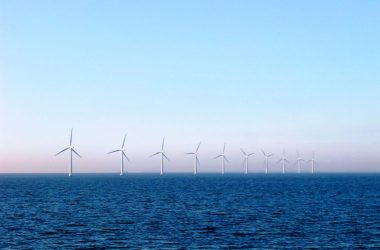
Offshore wind power
US:
¶ The Rocky Mountain Institute released a report on the demand flexibility equation, modeled on the grid in Texas, America’s version of an islanded energy market. The results indicate that the investment in demand flexibility would more than pay for itself in reduced curtailment, flattened peaks, and power plants never built. [Greentech Media]
¶ The board of county commissioners of Summit County, Colorado, unanimously approved a resolution committing the county to shift away from fossil fuels and to transition to 100% clean, renewable electricity by 2035. According to the Sierra Club, 58 cities and towns have committed to 100% renewable energy. [North American Windpower]

Colorado
¶ In a case of strange political bedfellows, a conservative lawmaker from San Juan County and the leader of a Santa Fe environmental group not known for compromising came together to back a bill aimed at easing the economic woes of New Mexico communities hit by the closing of large coal-burning power plants. [Los Alamos Monitor]
¶ Coal once dominated Michigan. But in 2016, coal-fired plants provided just 36% of the state’s electricity, down from about 50% two years before. Since 2010, Michigan utilities have retired 26 coal generators at 15 power plants. At least 17 generators at six plants are set to retire there by 2025, and no new coal-burning plants are being built. [Bridge Michigan]
The 1,429-MW St Clair coal-fired power plant,
built in 1953 (Bridge photo by Jim Malewitz)
¶ A Kansas-based solar company officially announced it is going to build its second 75-MW solar farm in Orangeburg County. Tradewind Energy said that it will build an $89 million solar production facility on about 1,000 acres south of the town of Bowman. The solar farm will generate enough power for 15,000 homes. [TheTandD.com]
¶ While US clean energy installations lagged in 2017, they did increase the amount of renewably generated electricity to its highest level ever, at 18% of the overall energy mix. Rachel Luo, senior analyst for US utilities and market reform at BNEF, said 18% brings clean energy “within striking distance” of nuclear’s 20% generation contribution. [Greentech Media]
geoharvey is free and without ads.
geoharvey is not tax-deductible.
Posted in nuclear power, renewable power, solar, wind | Leave a Comment »
Tags: nuclear, nuclear power, renewable power, solar power, wind power
February 14, 2018
Opinion:
¶ “Why Cooperatives and Municipal-owned Electric Systems Should Embrace Distributed Change” • Many big businesses are embracing change. And member-owned cooperatives, as well as many municipal-owned electric systems, stand to benefit by leveraging the trend toward distributed generation, instead of resisting or denying it. [Electric Light & Power]
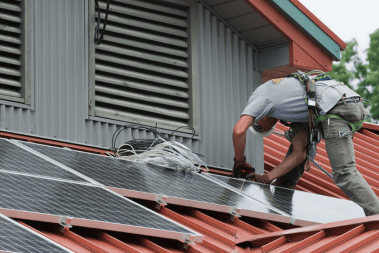
Rooftop solar installation
World:
¶ Three Canadian solar manufacturers, Silfab Solar, Heliene, and Canadian Solar, filed a lawsuit with the US Court of International Trade in New York against Donald Trump’s imposition of 30% tariffs on all imported solar cells and modules. They have cited “immediate, severe, and irreversible injuries” for the Canadian solar industry. [CleanTechnica]
¶ Following on the successful electrification of three earlier bus routes in the region of London in partnership with China’s BYD, London’s Route 153 has now gone all-electric following the deployment of eleven new BYD ADL Enviro200EV single-decker buses (10.8 meters each), according to an email sent to CleanTechnica. [CleanTechnica]

BYD electric bus in London
¶ The Canarian island of El Hierro has met its electricity needs with 100% renewable energy for 18 consecutive days, Spain’s grid operator Red Electrica de Espana announced. Between January 25 and February 12 the island has used 100% renewable energy thanks to the Gorona del Viento pumped hydro energy storage plant. [Renewables Now]
¶ Tesla, fresh from the success of its newly opened big battery in South Australia, has joined 18 other groups competing for the right to build another big battery. This time, the battery will be in the Northern Territory. The big battery in the Darwin-Katherine network will have a nominal capacity of between 25 MW and 45 MW. [CleanTechnica]
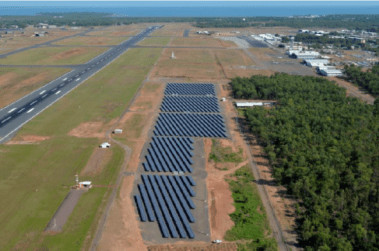
Solar project at Darwin Airport
¶ Innogy is laying the groundwork to start onshore construction at its 860-MW Triton Knoll wind farm off Lincolnshire this summer. Site preparation along the project’s onshore cable route includes removal of hedgerows, trees and vegetation, and this will happen before the spring to reduce the impact on breeding birds. [reNews]
¶ Indian Coal-based power plants are feeling the heat of spikes in thermal grade coal prices and railway freight costs. Prices of thermal grade coal have moved up by 15% to 18% this year. Also, the levy of evacuation charge of ₹50 per tonne may increase the cost of generation for coal-based power plants by up to ₹0.15 per unit (0.23¢/kWh). [EnergyInfraPost]
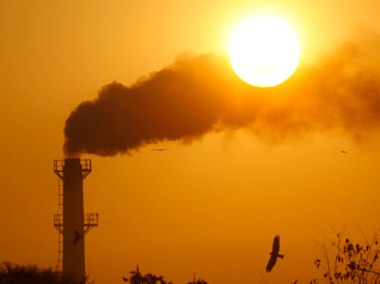
Thermal plant under stress
US:
¶ The US Chamber of Commerce is proposing that the federal government raise the gasoline tax by 25¢ per gallon, in 5¢ increments over 5 years. In theory, the tax hike would go to pay for rebuilding America’s crumbling infrastructure, the thousands of roads, bridges, and tunnels that are so substandard they are increasingly unsafe. [CleanTechnica]
¶ MidAmerican Energy announced that it had completed two wind farms in Iowa and that both projects are now generating electricity. Together, the 170-MW Beaver Creek wind farm and the 168-MW Prairie wind farm are expected to generate enough electricity to meet the power needs of more than 140,000 Iowa homes. [CleanTechnica]
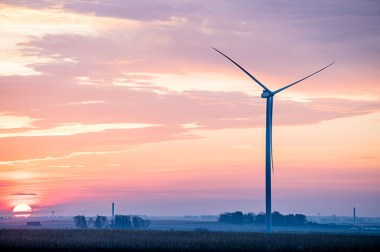
Beaver Creek Wind Farm (Credit: Mortenson Construction)
¶ The tourism hotspot of Catalina Island, off the California coast, will soon be home to its first all-electric bus fleet. This follows the recent closing of a deal between the Catalina Island Company and BYD, which will see 3 BYD C6 electric buses deployed as tourist shuttles, according to an email sent to CleanTechnica. [CleanTechnica]
¶ Tenaska, an independent US power producer, signed a long-term power purchase agreement with Associated Electric Cooperative Inc that will result in competitive renewable energy prices for co-op members. The PPA has a capacity of about 236 MW of renewable power from a wind project in northwest Missouri. [Energy Manager Today]
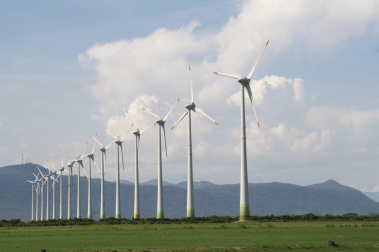
Wind farm
¶ A pro-renewable energy coalition received the green light to gather signatures in pursuit of a November ballot measure that would mandate Michigan energy companies get at least 30% of their power from wind, solar, or other renewable sources by 2030. Officials with the state’s two biggest utilities are already pushing back. [Detroit Free Press]
¶ Vineyard Wind completed the first step of a multi-phase approval process for a proposed 800-MW offshore wind farm to be connected to the grid with a subsea transmission system. Massachusetts regulators issued a preliminary certificate outlining potential impacts and issues and can move ahead with a draft environmental impact report. [reNews]
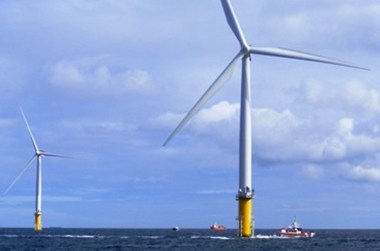
Offshore wind turbine (reNews image)
¶ Clean energy groups are among those speaking out in opposition to President Donald Trump’s proposed fiscal year 2019 budget, which includes cuts to programs at the DOE and EPA. For the DOE, the budget requests $2.5 billion specifically for “energy and related programs,” which is $1.9 billion below that of FY 2017. [North American Windpower]
¶ Two nonprofits filed a petition to reverse a Georgia Public Service Commission decision to allow the continued expansion of Georgia’s Vogtle nuclear power. The nonprofits claim the commission violated its own rules and state law by allowing Georgia Power to continue its $25 billion nuclear expansion project at Plant Vogtle. [Courthouse News Service]
geoharvey is free and without ads.
geoharvey is not tax-deductible.
Posted in nuclear power, renewable power, solar, wind | Leave a Comment »
Tags: nuclear, nuclear power, renewable power, solar power, wind power
February 13, 2018
Science and Technology:
¶ Researchers in Australia and the US have discovered a new class of materials called metal-organic frameworks, which have the largest internal surface area of any known substance. They can capture, store, and release chemical compounds. One potential use is removing the dissolved minerals in sea water to make it drinkable. [CleanTechnica]
“Not a drop to drink”
¶ Sea level rise is happening at rate that is rising is increasing every year, according to a study released Monday in the Proceedings of the National Academy of Sciences. A professor of aerospace engineering sciences from the University of Colorado-Boulder led researchers, who used satellite data dating to 1993 to observe ocean levels. [CNN]
World:
¶ Following a Memorandum of Understanding signed in December with the Taiwan International Ports Corporation, Siemens Gamesa Renewable Energy has signed another MoU in Taiwan with the express purpose of helping to develop the Taichung Harbor for offshore wind activities. Other facilities are planned. [CleanTechnica]

Port of Taichung Harbor
¶ In 2017, 20% of all new cars in Norway were EVs. The country’s ambition is that only electric cars will be sold from the year 2025. A survey reveals that almost half of Norwegians expect their next new car to be electric. But is the electric grid ready for this? One expert says it probably is, but it might be best not to charge on Thursday nights. [CleanTechnica]
¶ Siemens Gamesa, the world’s second-largest manufacturer of wind turbines, announced this week that it is expanding its solar business, after successfully securing an order to provide a turnkey EPC solution for 160 MW of solar in India. Like some other technology-specific renewable energy companies, it is diversifying. [CleanTechnica]
Siemens Gamesa solar array (Siemens Gamesa image)
¶ Additions of 52.6 GW in 2017 took the total capacity of global installed wind turbines to 539 GW by the end of December, according to figures published by the World Wind Energy Association. The statistics reveal that last year’s installations were the third annual largest ever, after the record years of 2015 and 2014. [Power Engineering International]
¶ Marine Renewables Canada is a national association for wave, tidal and river current energy. It represents technology and project developers, utilities, researchers, and the energy and marine supply chain. It has made a strategic decision to grow its focus by officially including offshore wind energy in its mandate. [North American Windpower]

Offshore wind turbine
¶ Fuel loading at the world’s first Westinghouse-designed AP1000 nuclear reactor on China’s east coast has been delayed due to “safety concerns.” It is the latest in a long line of setbacks for the project, the China Daily reported. The third-generation reactor, located in Zhejiang province, was originally expected to make its debut in 2014. [CNBC]
US:
¶ On the outskirts of Denver, not far from Denver International Airport, a grand experiment is underway. Panasonic has partnered with a consortium of local partners to transform a 400-acre patch of greenfield land into a smart district. One goal of the project is that the smart district be built as a carbon-neutral microgrid. [Power Technology]

Solar canopies in a Denver car park (Panasonic image)
¶ The Solar Foundation’s National Solar Jobs Census shows that Vermont lost 232 full-time solar jobs between November 2016 and November 2017. Vermont’s solar sector was the most affected by the changes to net metering, and the organization says that the federal tariff on most imported solar panels will make matters worse. [pv magazine USA]
¶ First Solar and Arizona Public Service are collaborating on a 50-MW battery storage project linked to a 65-MW PV plant in Arizona. The project will be built by First Solar, while APS will buy the power generated and stored under a 15-year agreement. The project is expected to be operational in 2021, the partners said. [reNews]
Installing a solar system (First Solar image)
¶ Florida Power & Light has integrated a 4-MW battery storage system with its Citrus solar energy center. The battery system will increase the PV plant’s overall output. The Citrus center in DeSoto County has been operational since 2016, and FPL said the DC-coupled battery storage facility should increase output by 500,000 kWh a year. [reNews]
¶ EDP Renewables is to supply Nestle with 50 MW of wind power from the Meadow Lake 6 project in Indiana. The 15-year agreement will provide electricity to cover 80% of the energy needs of five Nestle facilities in Pennsylvania. EDPR will expand Meadow Lake 6 to 200 MW from the existing 150 MW as a result of the deal. [reNews]
Meadow Lake wind farm Indiana (Chris Light)
¶ A group of Massachusetts lawmakers unveiled a bill that aims to increase the state’s use of renewable energy. The bill released by the Senate Committee on Global Warming and Climate Change sets a goal of making the state 100% reliant on renewable energy by 2050, expanding renewable generation and electric transportation. [New Haven Register]
¶ With 85% of votes cast, it appeared Boulder’s quest to control its energy future was ending. But in overnight counting, the tally reversed. Measure 2L passed with 51.7% of the vote, keeping Boulder on course to be the first city to municipalize its electric company in years, and the only one ever to do it with clean, local power. [CleanTechnica]
geoharvey is free and without ads.
geoharvey is not tax-deductible.
Posted in nuclear power, renewable power, solar, wind | Leave a Comment »
Tags: nuclear, nuclear power, renewable power, solar power, wind power
February 12, 2018
Opinion:
¶ “The New Age of Renewable Energy” • Renewable energy is moving from niche to mainstream markets. One of the clearest signs yet: the Middle East is embracing it. Renewable energy is undergoing a revolution. It is surging in scale and plummeting in price, and in the process it is reshaping global energy markets. [The Cairo Review of Global Affairs]
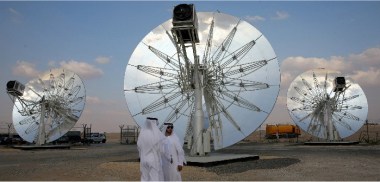
Solar park in Dubai (Ashraf Alamra | Reuters)
¶ “Fight Climate Change, While Earning Up To 7.5% Annually?” • Bloomberg New Energy Finance estimates that the solar energy market through 2040 will be worth about $2.8 trillion. Governments and institutions are supporting small systems and large, but Wunder Capital supports a middle market they have failed to see. [CleanTechnica]
¶ “How a Tasmanian community is taking the power back” • A proposed project would see $150,000 worth of solar panels and battery storage installed across six residential aged-care units in Nubeena, Tasmania. The reason is pretty straight forward: to deliver more reliable electricity in a way that will benefit the whole community. [One Step Off The Grid]
Nubeena, Tasmania
World:
¶ After successfully completing bidding to source 500 MW solar power last year, Gujarat Urja Vikas Nigam Limited has floated another tender to procure 500 MW from grid-connected solar PV power projects through competitive bidding. There is also a greenshoe option for the purchase of an additional 500 MW of solar power. [EnergyInfraPost]
¶ Five major pumped hydro energy storage projects and another big battery have received government support in South Australia as the state moves to advance its position as a global renewable energy leader. The projects, mainly in the state’s Mid North, would provide more than 1 GW of generating capacity to the South Australian grid. [PACE Today]

Australian windpower (Photo: Tony Lewis | InDaily)
¶ South Australian energy storage company 1414 Degrees spent almost a decade developing its Thermal Energy Storage System technology to store electricity as thermal energy by heating and melting containers full of silicon at a cost estimated to be up to 10 times cheaper than lithium batteries. It is now building a plant near Adelaide. [Climate Control News]
¶ Greenpeace’s Unearthed website reported on a confidential Cabinet Office report that suggests the medium term prospects for fracking in the UK could be far less bullish than previously admitted. The report suggests that the government expects just 17 shale gas and oil sites to be up and running by the end of the decade. [www.businessgreen.com]
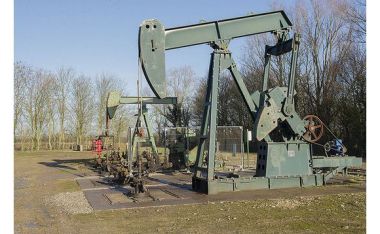
Pumping jacks
¶ With massive amounts of electricity needed to run the computers that create bitcoins, large virtual currency mining companies have established a base in Iceland, which blessed with abundant renewable energy. Iceland is expected to use more energy mining bitcoins and other virtual currencies this year than it uses to power its homes. [Independent.ie]
¶ AGL will spend about A$900 million ($705 million) to buy wind farms to replace some of the power lost when it closes the Liddell coal-fired power plant. The company is to announce an expression of interest to replace the 8,000 GWh hours of power from its plant every year. It is also bringing more renewable energy on board. [The Sydney Morning Herald]

Liddell Power Station (Photo: Janie Barrett)
¶ South Australia’s first green hydrogen plant, one of the biggest of its kind worldwide, will be built near Port Lincoln. The plant will use solar and wind energy from Eyre Peninsula to create hydrogen to be used for fuel for electricity. Proponents say the industry could eventually surpass the value of Australia’s multi-billion-dollar gas exports. [InDaily]
¶ State-run South Korean energy firm Korea Hydro & Nuclear Power has today signed a memorandum of understanding with local renewable energy company Hwaseong Solar Energy to develop a 100-MW floating solar PV plant near the western coastline of the country. It would be nation’s largest floating solar farm. [pv magazine International]

South Korean floating solar PV plants (Image: Ciel & Terre)
¶ More grid-aches plagued Australia’s National Electricity Market over the weekend – none of them anything to do with renewables – as extreme weather flattened power lines in Queensland, faults in the poles and wires caused blackouts in Victoria, and ageing Latrobe Valley coal power generators proved once again that they are unreliable. [RenewEconomy]
US:
¶ Solar power prices have been dropping faster than people expected, even faster than experts expected, and even faster than bullish experts expected. A leading expert at Bloomberg New Energy Finance said that their expectations have dropped to about 37¢/watt. At this price, the cost of electricity from new solar PVs can be disruptive. [CleanTechnica]
¶ As expected, half of the power output from the proposed Burrillville, Rhode Island, fossil-fuel power plant was excluded from the recent power-purchase auction held by the operator of the New England power grid, ISO New England. The exclusion from the bidding was ultimately because of construction and permit delays. [ecoRI news]
¶ Spirits and wine producer Brown-Forman signed a 15-year deal with energy developer Infinity Renewables for 30 MW of power from a wind project that is now under construction in Kansas. The firm expects the power from the 474-MW Solomon Forks wind farm will provide for more than 90% of its US electricity needs. [www.businessgreen.com]
geoharvey is free and without ads.
geoharvey is not tax-deductible.
Posted in nuclear power, renewable power, solar, wind | 1 Comment »
Tags: nuclear, nuclear power, renewable power, solar power, wind power
February 11, 2018
Opinion:
¶ “Climate Change Threatens Neighborhoods of the Port of Providence” • In Providence, Rhode Island, rising seas, flood waters, and storm surge have potential to unleash buried and stored toxins along the working waterfront. Concerns about climate change have been met with reassurances that ignore the most important issues. [ecoRI news]
Science and Technology:
¶ Cape Town is in the unenviable situation of being the first major city in the modern era to face the threat of running out of drinking water. But there will soon be others. A 2014 survey of the world’s 500 largest cities estimates that one in four are in a situation of “water stress.” Here is a list of 11 cities likely to run out of water. [BBC]
World:
¶ The DBS bank will stop financing ‘dirty-coal’ or low-grade coal projects by the end of this year, though it will continue to support ventures in emerging markets that uses higher-quality coal, a top bank official said. The Singapore bank, which is rated among the largest in Asia, will also focus on funding renewable energy projects. [ETEnergyworld.com]
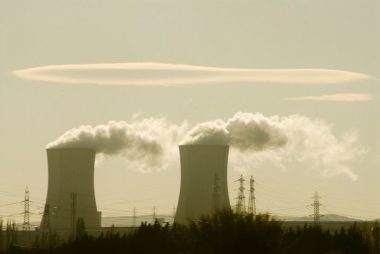
Cooling towers
¶ The CEO of Saudi Arabian utility developer ACWA Power said it expects to submit tenders for projects this year worth $4.5 billion in Saudi Arabia and will also target projects in Morocco and the United Arab Emirates. The company is looking to sell a 30% stake to investors and list in Riyadh, banking sources have told Reuters. [ArabianBusiness.com]
¶ Indian State-run power giant NTPC may borrow about ₹16,000 crore ($2.5 billion) next financial year for adding 6,900 MW of fresh electricity generation capacity by March 2019. NTPC is ramping up the share of renewables, especially solar, in its energy mix. Currently, renewables account for roughly 2% of its total energy portfolio. [Moneycontrol.com]

NTPC power plant
¶ Aker Solutions ASA, a Norwegian oil services company, invested in floating wind power technology company Principle Power. Their alliance expands Aker Solutions’ position in offshore oil and gas field engineering into the fast-growing market for windpower in sites where water had been too deep for development. [The Maritime Executive]
¶ Construction started on the 453-MW Adani Mine wind farm, which is due to be completed in 2019. The wind turbine project will produce 1.5 million MWh of renewable energy annually – enough to provide power for 260,000 homes. The Queensland Labour government is committed to a 50 % renewable energy target by 2030. [The Urban Developer]
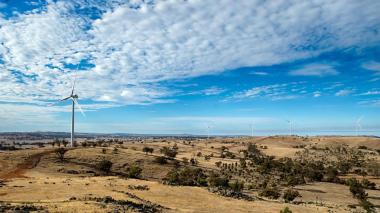
Wind farm in Australia
¶ President Hassan Rouhani ordered Iran’s military forces to divest themselves of assets related to oil, gas, and energy. This could mean a direct confrontation between ‘liberal’ forces under Rouhani and the ultra-conservative Ayatollah Khamenei forces, of which the Islamic Revolutionary Guard Corps is the most battle hardened. [Oilprice.com]
¶ Westinghouse will extend nuclear fuel deliveries to seven of Ukraine’s fifteen nuclear power units to 2021–2025, in line with a contract signed between this firm and Ukraine’s state-owned nuclear power company Energoatom. Deliveries to Ukraine under the new deal are to begin immediately after the current contract expires in 2020. [OilPrice.com]
Crimea
US:
¶ President Donald Trump said in the State of the Union address that the administration has “ended the war on beautiful, clean coal,” but in Texas, that seems to be a losing battle. Texas said goodbye to 455 coal-mining jobs last year, and the new year began with the shut down of yet another coal-fired Texas power plant. [Jacksonville Daily Progress]
¶ When a tariff was applied to most imported solar panels, most installers worried about the future of their industry. Growth in the solar industry, which was robust before the tariff, may see decline, but for small-scale installers and homeowners, the impacts of the tariff may not be as dire as predicted. Connecticut provides examples. [theday.com]

The Mountain Ash Solar Farm (Sean D Elliot | The Day)
¶ Dandelion is trying to expand the market for geothermal heating by lowering the price, and it just got a big boost from the federal government. Congress voted to extend a 30% federal tax credit for geothermal heat pump installations. With the state incentives included, a $26,000 system in New York would be more competitive. [InsideClimate News]
¶ With the addition of a large wind power contract in January 2017, Columbia, Missouri, surpassed its 2017 year-end target for renewable energy use, according to a recently released draft of the city’s 2018 Renewable Energy Report. Last year, about 15.7% of the city’s electricity came from renewable sources, surpassing the 2018 goal. [Columbia Daily Tribune]
Ronnie Tennill inspecting a Jenbacher J320 engine at the City
of Columbia Biogas Energy Plant. (Don Shrubshell | Tribune)
¶ Utilities in Massachusetts have been given more time to decide whether to continue with the Northern Pass transmission project after New Hampshire regulators rejected it last week. The Boston Globe reports that Massachusetts officials have extended a deadline for the state’s three big electric utilities to decide on their course of action. [Press Herald]
¶ A strong market, improving technology and expiring federal incentives have brought a renewable energy boom to McLean County, Illinois. After nearly a decade of dormancy, wind development has returned to the county in force in 2018, and a solar market is emerging as well. But that burst of activity might be short-lived. [Bloomington Pantagraph]
geoharvey is free and without ads.
geoharvey is not tax-deductible.
Posted in nuclear power, renewable power, solar, wind | Leave a Comment »
Tags: nuclear, nuclear power, renewable power, solar power, wind power
February 10, 2018
Science and Technology:
¶ A research team at the University of Maryland has developed a wood-based material that can compete with steel in the strength category. The secret is compressing the wood after removing the lignin (the tough part that “glues” wood cells together). The remaining material is packed in so closely that it forms strong hydrogen bonds. [CleanTechnica]

Researchers Liangbing Hu and Teng Li (University of Maryland)
¶ Ionic Materials is focused on making a polymer it says will replace the liquid electrolyte in lithium-ion batteries. Ionic raised $65 million in investment, which it will use to create a polymer production facility at its headquarters in Woburn, Massachusetts. Rather than making batteries itself, it will sell the polymer to battery manufacturers. [CleanTechnica]
World:
¶ Thailand’s largest solar energy company, Superblock Pcl, plans to invest 56 billion baht ($1.76 billion) to install 700 MW of wind farms in Vietnam, the company’s Chairman Jormsup Lochaya told Reuters. The first phase of the investment will consist of three near-shore wind farms with a combined capacity of 330 MW in southern Vietnam. [DealStreetAsia]
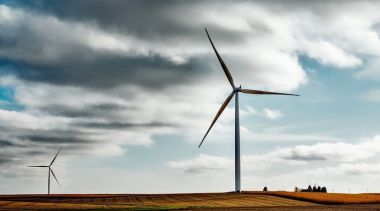
Wind energy (Pixabay image)
¶ The Solar Energy Corporation of India floated a tender for the allocation of 2 GW of solar PV capacity. Prospective project developers are free to chose the location for the development of the projects. The maximum tariff allowed for bids is ₹2.93/kWh (¢4.6/kWh). The lowest current solar power tariff in India is ₹2.44/kWh (3.8¢/kWh). [CleanTechnica]
¶ Ørsted received environmental approval from the Taiwanese authorities for four offshore wind farms totalling 2.4 GW off the Asian island’s Changhua coast. With Environmental Protection Administration approval, the Danish company has secured exclusivity over the development of the four sites between 35 km and 60 km from shore. [reNews]
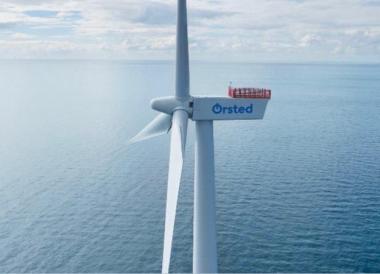
Ørsted offshore turbine (Ørsted image)
¶ According to Allied Market Research, the Global Renewable Energy Market was valued at $ 1,405,646 million in 2016, and is projected to reach at $2,152,903 million by 2025, growing at a CAGR of 4.9% from 2017 to 2025. The report indicates that in recent years, the share of renewable energy in the global energy mix is on a continuous rise. [Broadway World]
¶ India-headquartered solar EPC company Sterling and Wilson is to build a 54.3-MW solar PV plant in Zambia under the International Finance Corporation’s Scaling Solar program. The project will be the first utility-scale solar farm in Zambia, and the first under the Scaling Solar program to be built exclusively for grid connection. [pv magazine India]

Zambia’s Kafue District (Image: Dz217 | Wikipedia)
¶ New electricity cables across the Channel to France and Belgium will be a key part of keeping Britain’s lights on during winter in the early 2020s, after their owners won backup power subsidies in a government auction this week. Three new interconnectors are currently being built to Europe, almost doubling existing capacity. [The Guardian]
¶ At the Intercontinental Hotel in Zambian capital Lusaka, the GET FiT Zambian program today hosted its official launch. The program is to implement a renewables feed in tariff strategy, REFiT, in Zambia. REFiT provides an allocation of 200 MW to small and medium renewable energy projects up to a maximum size of 20 MW. [pv magazine International]

More Zambian landscape (Image: Harvey Barrison | Flickr)
US:
¶ The budget bill passed by Congress and signed by President Trump in the early hours of February 9 extends a host of tax credits for energy technologies, including provisions to help the Vogtle nuclear expansion in Georgia as well as US carbon-capture projects. The legislation also provides support for renewable energy. [POWER magazine]
¶ The makeup of the future electric generation mix will depend largely on the price of natural gas, according to new findings from the Energy Information Administration. The mix of fuels used to generate electricity changes in response to differences in the relative costs of electricity-generating technologies, including the cost of fuel. [Solar Industry]

Please click on the image to enlarge it.
¶ Dartmouth College is engaging consultants at the investment bank Goldman Sachs to explore ways in which a private firm might finance, and even build, a new power plant to help meet the school’s renewable energy goals. Dartmouth College is committed to reducing its greenhouse gas emissions by 80% by 2050. [Valley News]
¶ Hawaiian Electric Cos said it will ask state regulators for approval to issue requests for proposals for development and construction of new renewable energy projects across its service territory. The utility seeks to procure 220 MW of renewable generation on Oahu, 60 MW on Maui, and 20 MW on the Big Island. [Pacific Business News (Honolulu)]
Renewable energy in Hawaii (YangPhoto)
¶ Overall US energy consumption decreased slightly to 97.4 quadrillion BTU in 2016, a 0.3% decline from 2015. Compared to 2015, energy consumption increased in 2016 for renewables (+7.3%), natural gas (+3.8%), nuclear (+1.0%), and petroleum (+1.2%). Consumption from coal continued to decline, dropping by 8.5%. [Windpower Engineering]
¶ The latest software release from Sunverge Energy makes it easier for electric utilities to use real-time data to better enable more comprehensive demand management while offering and co-optimizing both consumer and grid services. The additional features and enhancements to the company’s Virtual Power Plant platform. [AltEnergyMag]
geoharvey is free and without ads.
geoharvey is not tax-deductible.
Posted in nuclear power, renewable power, solar, wind | Leave a Comment »
Tags: nuclear, nuclear power, renewable power, solar power, wind power
February 9, 2018
Opinion:
¶ “Economic collapse: The real message of the fall of Troy” • The fall and sack of the city of Troy at the hands of an avenging Greek army is one that has been told for some 3,000 years, but within that story are some clues to a much wider collapse of multiple civilizations. The events of that time have lessons for our own 21st Century. [BBC]

Fall of Troy (BBC | Wild Mercury)
¶ “Could plant-based plastics help tackle waste pollution?” • One company trying to eliminate plastics pollution is Biome Bioplastics. It developed a fully compostable and recyclable plastic using natural materials such as potato starch, corn starch, and cellulose, the main constituent of plant cell walls, instead of materials from oil. [BBC]
Science and Technology:
¶ Damless hydropower plants divert a section of the running body of water into a pipe that runs through a turbine. People at the Belgian company Turbulent believe that micro-hydropower plants could be important in the future of electric generation. Last year they built a 15-kW system that could be a model for distributed power generation [AZoCleantech]

Running river (Image: InnaVar | shutterstock)
¶ Last August, a team led by Mark Jacobson published a roadmap to a world powered by 100% renewable energy. That report got some pushback from a number of scientists who questioned its assumptions. Now, Jacobson and his colleagues have published a new report they believe thoroughly addresses the skeptics’ concerns. [CleanTechnica]
World:
¶ France added a record of almost 2.8 GW of new renewables capacity to the mainland grid in 2017, according to a report. It said 2,763 MW of new capacity was installed last year, with wind and solar representing 65% and 32% respectively. Total installed capacity of 48,685 MW takes France 94% of the way its 2018 target. [reNews]
French countryside
¶ China filed complaints with the World Trade Organization this week, seeking talks on compensation with the United States for the recent tariffs that President Donald Trump signed off on for imported solar cells and modules and washing machines. China claims the tariffs are inconsistent with two international trade agreements. [CleanTechnica]
¶ Latest quarterly data confirms continued strong performance for UK renewables sector. The renewables sector continued to perform strongly during the third quarter of last year, according to new official data, which shows that increased capacity and availability helped push its share of the electricity mix to 30%. [www.businessgreen.com]
UK onshore windpower (Credit: SSE)
¶ Wind overtook nuclear to become the UK’s second biggest power generator in January. Independent energy market monitoring specialists, EnAppSys, released data showing high wind generation has recently propelled wind energy to second from the top in the UK’s energy pecking order, after gas-fired power. [Power Engineering International]
¶ Renewables developers are celebrating after South Africa’s Minister of Public Enterprises unexpectedly signed off on power-purchase agreements, ending years of uncertainty for winners in the country’s renewable energy procurement program. The uncertainty had been made worse recently by financial troubles of state-owned utility Eskom. [Greentech Media]
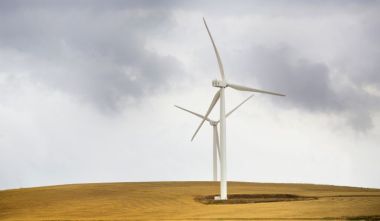
Wind turbines in South Africa
¶ Germany’s coalition government partners have concluded an agreement that may set a final deadline for coal-fired power production in Germany, a report in Clean Energy Wire say. A commission will decide the timeline for phasing out coal, under a coalition deal agreed between the social democrats and Angela Merkel’s conservatives. [Energy Collective]
US:
¶ A Finnish company, Taaleri Energia, acquired its first US wind project, the 277-MW Truscott-Gilliland East Wind Project in Knox County, Texas. This represents approximately $350 million of investment in the North American renewable power sector. The project is planned to reach commercial operations by the end of 2019. [Windpower Engineering]
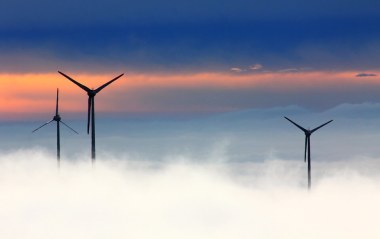
Wind turbines above the fog
¶ AT&T announced that it is buying a large amount of wind power from two wind farms with a combined capacity of 520 MW. The projects, in Texas and Oklahoma, will be operated by subsidiaries of Florida-based NextEra Energy Resources. The electricity they will generate is roughly the amount needed for a quarter-million homes. [Dallas News]
¶ The American Wind Energy Association and the Mid-Atlantic Renewable Energy Coalition submitted comments to the Ohio Power Siting Board to oppose changes to a wind farm setback waiver process proposed by State Rep Bill Seitz, R-Cincinnati, saying they would be detrimental to the state’s wind industry. [North American Windpower]

Storm at a windfarm
¶ ISO New England, the non-profit organization that operates the region’s six-state power grid, announced that it had secured 34,828 MW of capacity to meet peak demand in the 2021-2022 season. The target was 33,725, leaving a 1,103-MW surplus. The forward capacity auction produced the lowest clearing price in five years. [MassLive.com]
¶ Scott Pruitt, the head of the EPA, who has previously denied that carbon dioxide is a key driver of climate change, suggested that global warming may be beneficial to humans. It is another departure from mainstream climate science, and his suggestion that warming temperatures could benefit civilization caused consternation among scientists. [Grist]
geoharvey is free and without ads.
geoharvey is not tax-deductible.
Posted in nuclear power, renewable power, solar, wind | Leave a Comment »
Tags: nuclear, nuclear power, renewable power, solar power, wind power
February 8, 2018
World:
¶ Yingli Green Energy (also known as Yingli Solar) announced that it had secured an agreement from Latin American-focused independent power producer Jenner Renewables to provide Engineering, Procurement, and Construction services for 12 ground-mounted PV plants in Chile. On completion, their total capacity will be 146 MW. [CleanTechnica]

Solar array
¶ Edinburgh start-up Gravitricity secured a £650,000 grant from Innovate UK to help with plans for energy storage projects at the sites of disused mines in Scotland. The technology would use weights of up to 2000 tonnes suspended in mine shafts by cables attached to winches. Energy is stored by raising the weights and released by lowering them. [reNews]
¶ Navigant Research has published new figures that show a total of 3.3 GW of new offshore wind energy capacity was installed worldwide in 2017, bringing the cumulative capacity up to almost 17 GW. There is an additional 7.9 GW in the pipeline. The figures appeared in the report, Offshore Wind Market and Project Assessment 2017. [CleanTechnica]

Ship at an offshore windfarm
¶ According to Mercom India Research, a record 9.5 GW of Indian solar power capacity was likely added in 2017, taking the total solar power capacity operational in India to over 20 GW. The figures do not match those of the Ministry of New and Renewable Energy, and Mercom attributes the figures to its “India Solar Project tracker.” [CleanTechnica]
¶ A community of Queensland farmers hopes a wind farm being built, the Coopers Gap project, will drought-proof their futures. Ten years in the making, it is set to be the southern hemisphere’s largest. A total of 123 turbines will be built across a dozen farm properties, and the landowners will benefit from leasing arrangements. [ABC Online]
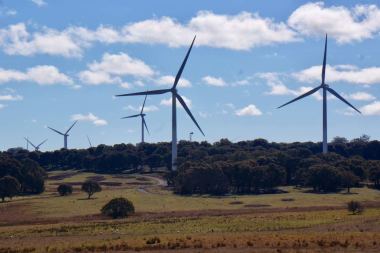
Gullen Range wind farm (Photo: Gavin Coote | ABC Central West)
¶ Australia’s multi-billion dollar tourism industry is under increasing threat from climate change, a study warned. Some of the nation’s top natural wonders are in danger as temperatures and sea levels rise. The Climate Council report said carbon emissions are harming Australia’s beaches, national parks, and the Great Barrier Reef. [ETEnergyworld.com]
¶ AC Energy Holdings, Inc expects the investments for its solar power venture in Vietnam to reach around $300 million as the Ayala-led company ramps up spending for power generation projects this year. AC Energy had said the target capacity in Vietnam could increase by 300 MW, as it expects a cost of about $1 per watt. [InterAksyon]
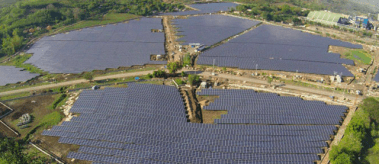
An AC Energy solar farm
US:
¶ The National Solar Job Census 2017, published this week by The Solar Foundation found that the US solar industry employed 250,271 people in 2017. This is a 3.8% decline on 2016 figures, or around 9,800 fewer jobs. It was the first year that jobs have decreased since the Solar Foundation began publishing its census in 2010. [CleanTechnica]
¶ One of the most important reservoirs in the southwestern US will likely collect less than half its normal amount of spring runoff this year because of a warm, dry winter across much of the region, forecasters said. Lake Powell, which straddles Utah and Arizona, is expected to get 47% of its average inflow because of scant snow. [KDWN]

Drought in the American West
¶ For the fourth year in a row, new US electricity capacity from renewable sources surpassed those from natural gas. They accounted for nearly half of all new capacity additions, according to recent figures published by the Federal Energy Regulatory Commission. Out of 24,614 MW of new capacity, 12,270 MW was renewable. [CleanTechnica]
¶ Moving toward renewable power, American Electric Power is planning to add 8.36 GW of new renewable capacity by 2030. Of this, 5,295 MW is wind power, including the 2 GW Wind Catcher project planned for Oklahoma, which will feature 800 GE 2.5-MW turbines. AEP also aims to develop 3,065 MW of new solar capacity. [reNews]

Farm with wind turbines (Pixabay image)
¶ Cash-strapped NRG Energy is selling its stakes in power generation and renewable divisions nationwide to raise $2.7 billion, the New Jersey utility company reported. Global Infrastructure Partners will buy NRG’s ownership in NRG Yield and its renewables platform for $1.375 billion in cash, according to reports. [Electric Light & Power]
¶ Data center company Switch will help create a 1-GW solar energy project in Nevada. It will be the largest solar array in the US, the company said. The huge project underscores both Switch’s commitment to 100% clean energy. It also showcases how the data center industry has taken a leadership role in sustainable energy. [Data Center Frontier]
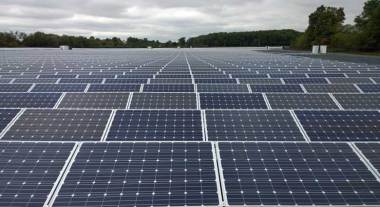
Solar array supporting a data center (Photo: Rich Miller)
¶ Sierra Club San Diego launched a partnership with a local solar installer in what they say is a declaration of “war” against San Diego Gas & Electric’s use of non-renewable energy sources. For each Sierra Club member or supporter who signs up for an energy project, Sullivan Solar Power will donate $500 to the local chapter. [CBS 8 San Diego]
¶ NextEra Energy, parent of Florida Power and Light and owner of several US nuclear power stations, launched a lawsuit against the Nuclear Energy Institute, the nuclear industry’s trade group, claiming extortion. Among other things, NextEra accused the NEI of trying to instill a false panic about the reliability of renewable energy sources. [OilPrice.com]
geoharvey is free and without ads.
geoharvey is not tax-deductible.
Posted in nuclear power, renewable power, solar, wind | Leave a Comment »
Tags: nuclear, nuclear power, renewable power, solar power, wind power
February 7, 2018
Opinion:
¶ “Why a Big Utility Is Embracing Wind and Solar” • Imagine that first-class airline seats sell for less than the cramped seats in economy. So you fly first class to New York, where you discover that every dish in the best French restaurant is cheaper than the burger and fries down the street. Something rather like that is happening with electricity. [New York Times]
Spring Canyon Wind Farm outside Peetz, Colorado
(Credit: Ryan David Brown | The New York Times)
¶ “Healing with solar in Puerto Rico” • More than four months after Hurricane Maria tore across Puerto Rico, over 450,000 people are still without power. For critical facilities like hospitals, the lack of electricity has meant cutting services and relying on generators until power is restored. Solar power has an important role in healing. [One Step Off The Grid]
World:
¶ Last month, Brazil announced its intention to begin the process of becoming a full Member of the International Renewable Energy Agency, and this month the Agency has welcomed the country’s intentions, saying Brazil’s decision “reflects the country’s strong commitment to multilateralism and sustainable energy.” [CleanTechnica]
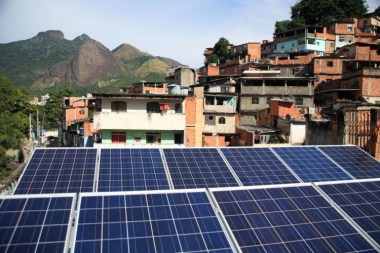
Rooftop solar system in Brazil
¶ ACWA Power announced that it had been awarded the rights to develop the 300-MW Skaka IPP PV solar project. The project is to be built in the Al Jouf region of Saudi Arabia and cover a site with an area of over 6 square kilometres. ACWA Power was awarded the project at a record-low tariff of 8.782 halala per kWh, or around 2.34¢/kWh. [CleanTechnica]
¶ European wind power enjoyed a record year in 2017, as more offshore capacity was installed than ever before. Europe’s wind power generation had a bumper 12 months last year, after 3,148 MW was installed at sea and connected to the grid, twice the total for 2016 and 4% higher than 2015, the year with the previous record high. [publics.bg]

Wind turbine in the mountains
¶ Tilt Renewables will build a 300-MW pumped-hydro plant at a quarry near Adelaide, South Australia. The site was picked because of its existing reservoir and road infrastructure, the company’s CEO said. The company also announced plans for a $90 million solar farm and 21-MW battery near Snowtown in the state’s mid-north. [Yahoo7 News]
¶ Underlying operating profit at Vattenfall’s wind power division more than doubled to Skr2.1 billion ($260 million) in 2017, from Skr0.9 billion in 2016. The Swedish company’s annual results reveal net sales from the segment also increased to Skr9.4 billion ($1.18 billion), from Skr6.7 billion. Much of the growth was from wind assets. [reNews]
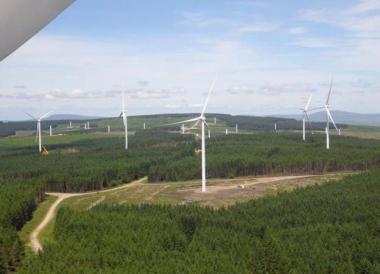
Pen y Cymoedd wind farm in Wales (Vattenfall image)
¶ One of China’s biggest makers of solar panels, Longi Solar Technology Ltd, said it will invest $309 million to expand manufacturing in India in a move to guard against a rising threat of import controls in the US and other markets. New US tariffs are to be applied against solar panels from most producing countries, but not India’s. [PennEnergy]
¶ As debate rages in Queensland over Adani’s controversial coal mine, the state is seeing a quiet start of construction of Australia’s largest wind farm. Due to be completed in 2019, the 453-MW wind project will produce 1.5 million MWh annually, as the state government moves towards a 50% renewable energy target by 2030. [Bendigo Advertiser]
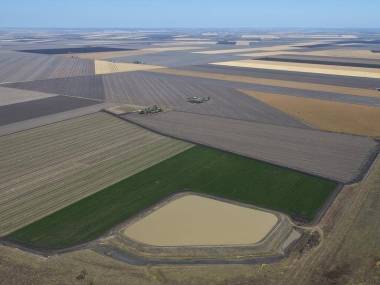
Site of wind farm to be built in Queensland
¶ The Tokyo District Court ordered TEPCO, the operator of the crippled Fukushima Daiichi nuclear power plant to pay ¥1.1 billion ($10.1 million) to 321 plaintiffs who claimed they had suffered psychological damage from losing their livelihoods in the Kodaka district of the city of Minamisoma. They had sought ¥11 billion. [The Japan Times]
¶ Far North Queensland is set to get another wind farm, after a 100-MW project got the green light from the state government for construction on the Cape York Peninsula. The project will include up to 30 wind turbines as well as electrical infrastructure. It will generate enough power to supply more than 50,000 homes. [RenewEconomy]
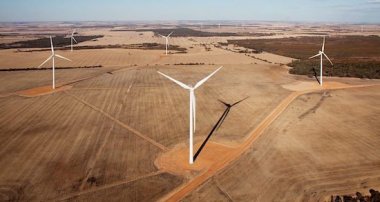
Collgar Wind Farm in Western Australia (Windlab image)
US:
¶ The Narragansett Bay Commission, operator of two wastewater treatment plants in Rhode Island, decided to turn the byproducts of wastewater treatment into energy, according to Jamie Samons, public affairs manager of the Bay Commission. Within the next month, a biogas generation facility will begin to convert waste into power. [The Brown Daily Herald]
¶ SpaceX’s big new rocket has blasted off on its first test flight, carrying a red Tesla sports car which it released into orbit. The Falcon Heavy rocket rose from the same Florida launch pad used by NASA to send men to the moon. Falcon Heavy cut costs by returning the three main-stage boosters back to Earth to be reused. [The Sydney Morning Herald]

Two booster rockets returning to Earth for reuse (Photo: SpaceX)
¶ Rhode Island Gov Gina Raimondo wants to ramp up the amount of renewable energy flowing to electric customers. Raimondo set a state target of 400 MW of new wind, solar, biomass, and small-scale hydropower by the end of summer. Rhode Island has promised to meet the carbon-reduction goals of the Paris Accord. [ecoRI news]
¶ Standard Solar, Inc announced it will finance a 9.8-MW solar project to provide power to the City of Gallup, one of the largest municipally-owned utilities in New Mexico. The single-axis tracker array is expected to generate more than 20 million kWh of power annually providing nearly 10% of the city’s energy use. [pv magazine USA]
geoharvey is free and without ads.
geoharvey is not tax-deductible.
Posted in nuclear power, renewable power, solar, wind | Leave a Comment »
Tags: nuclear, nuclear power, renewable power, solar power, wind power
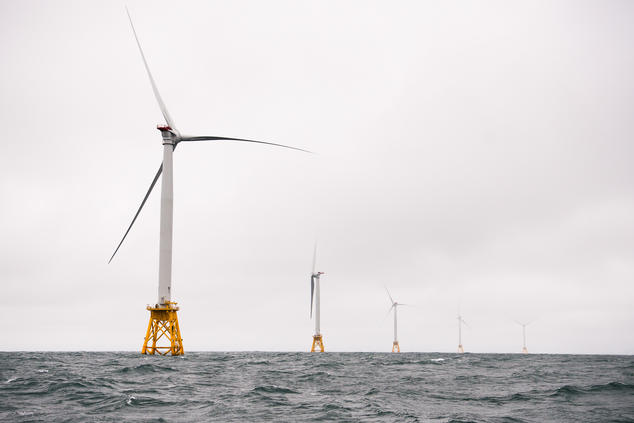


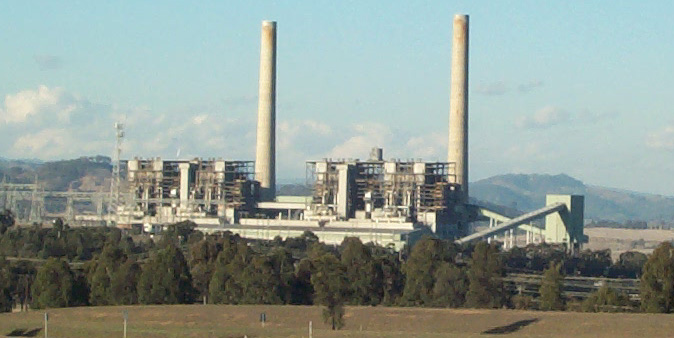


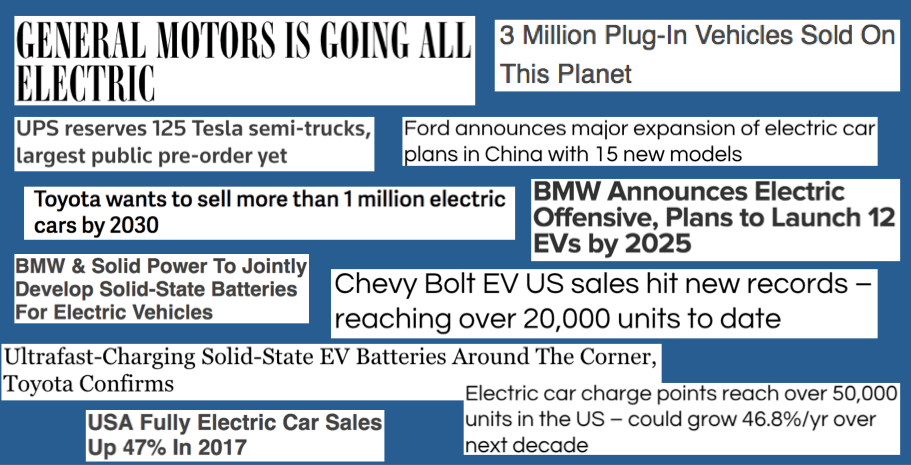


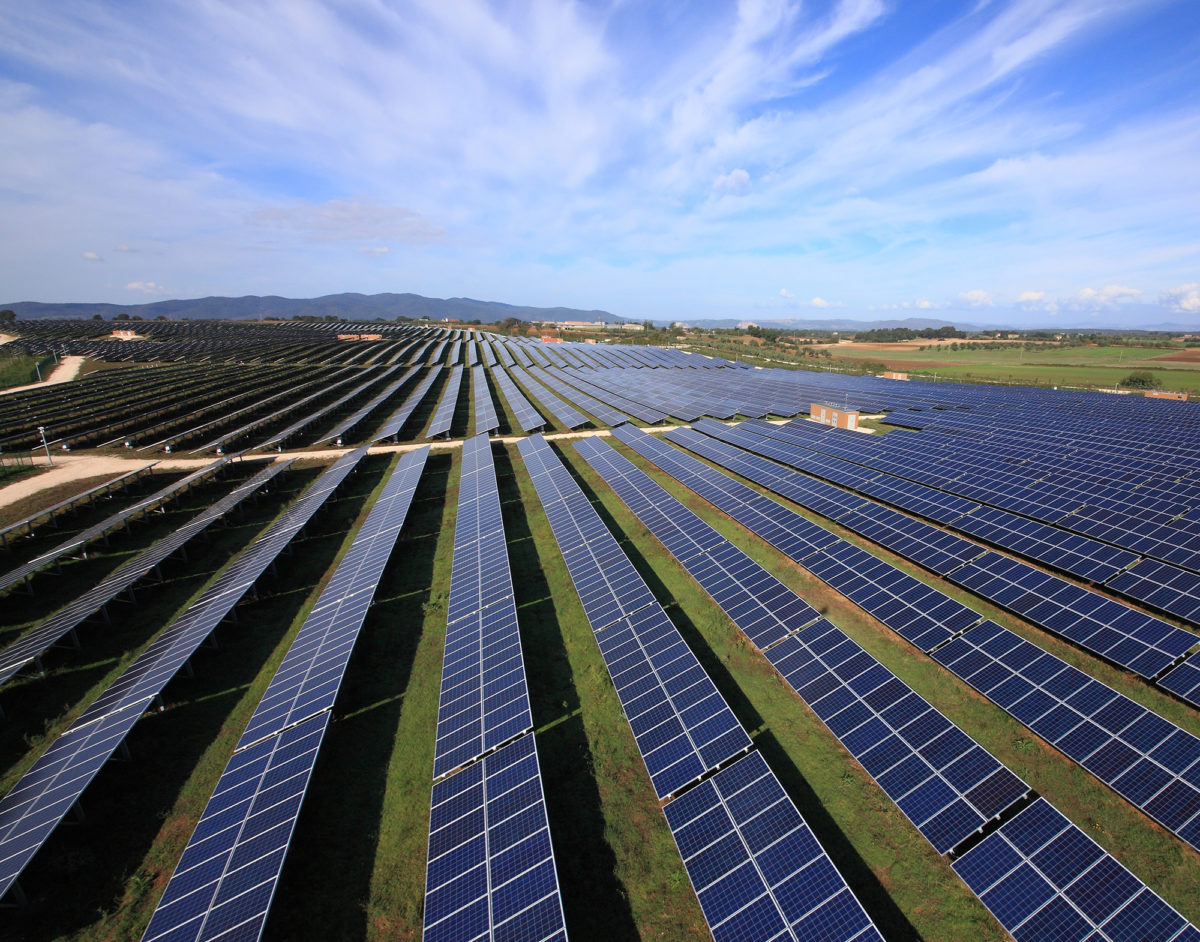
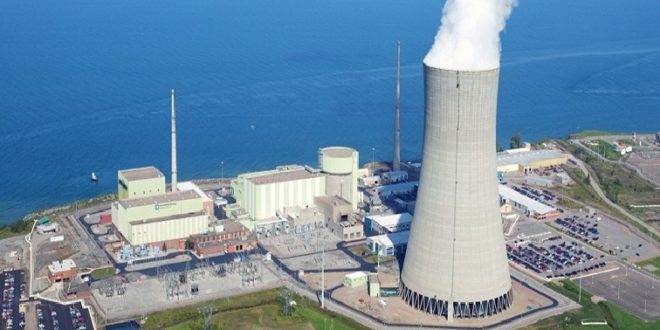

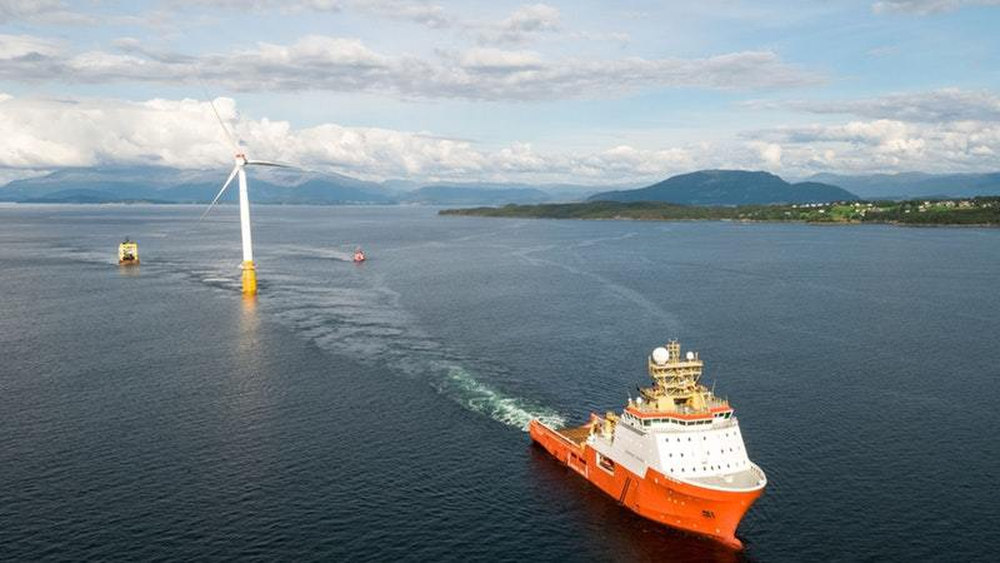

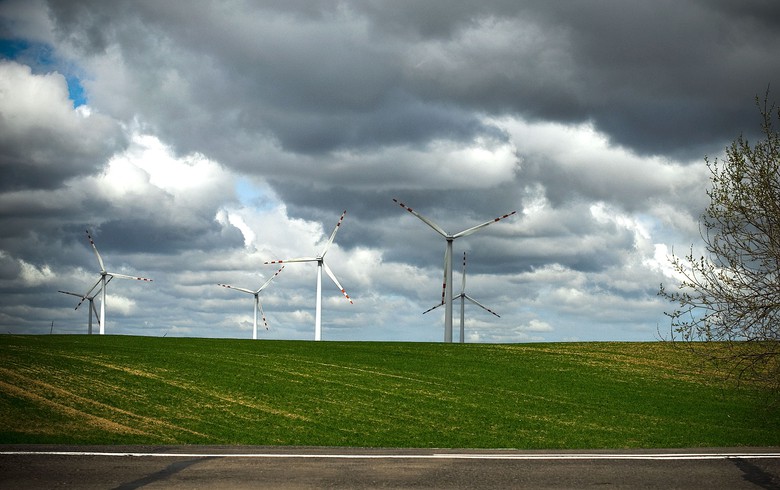

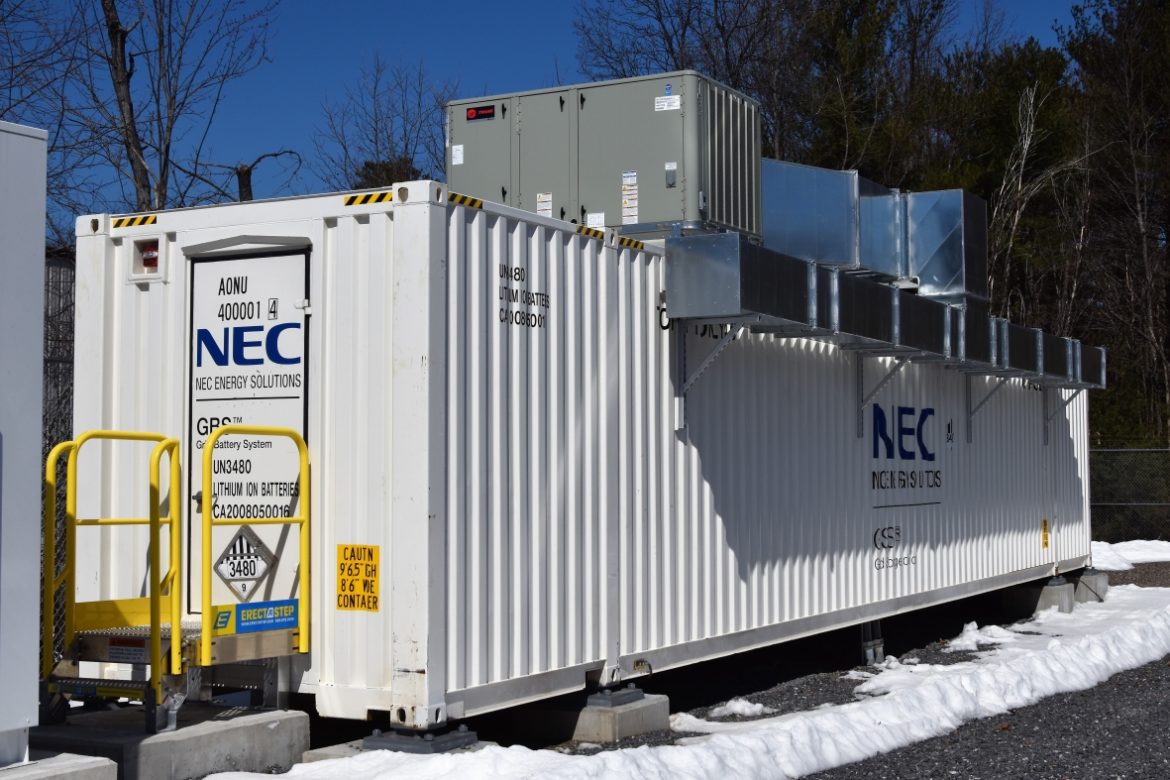


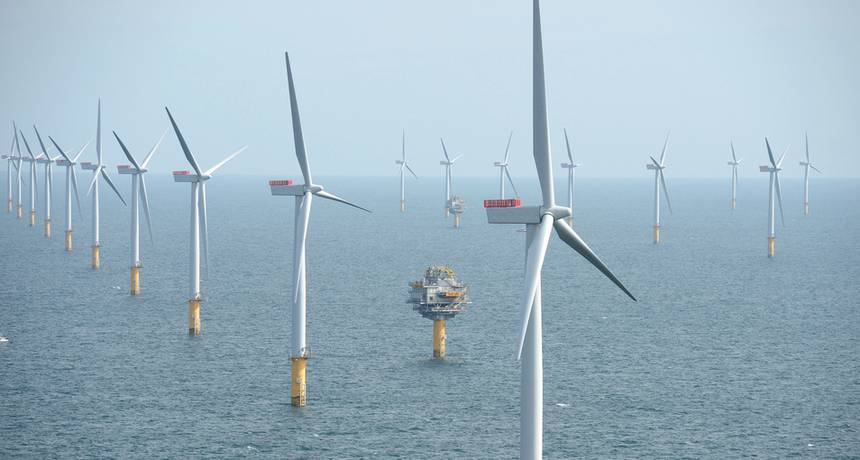


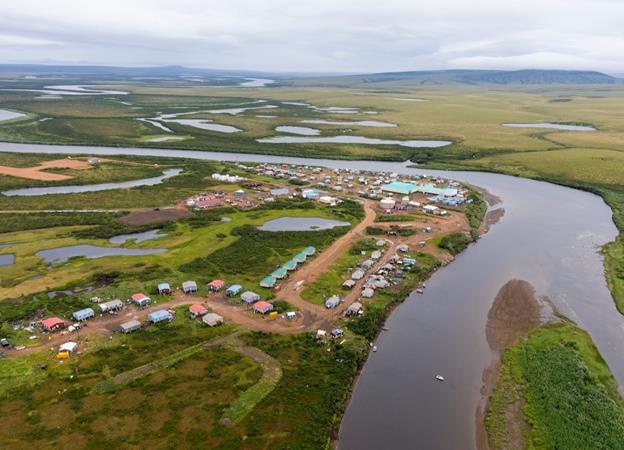
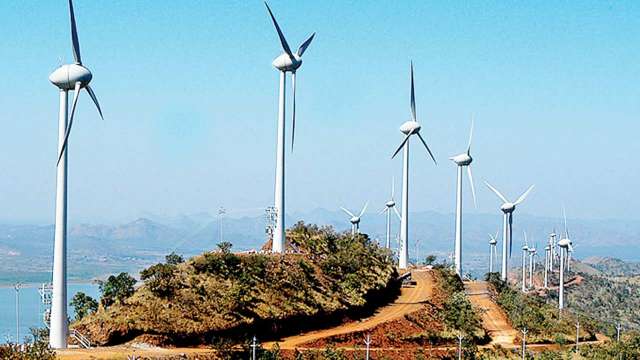


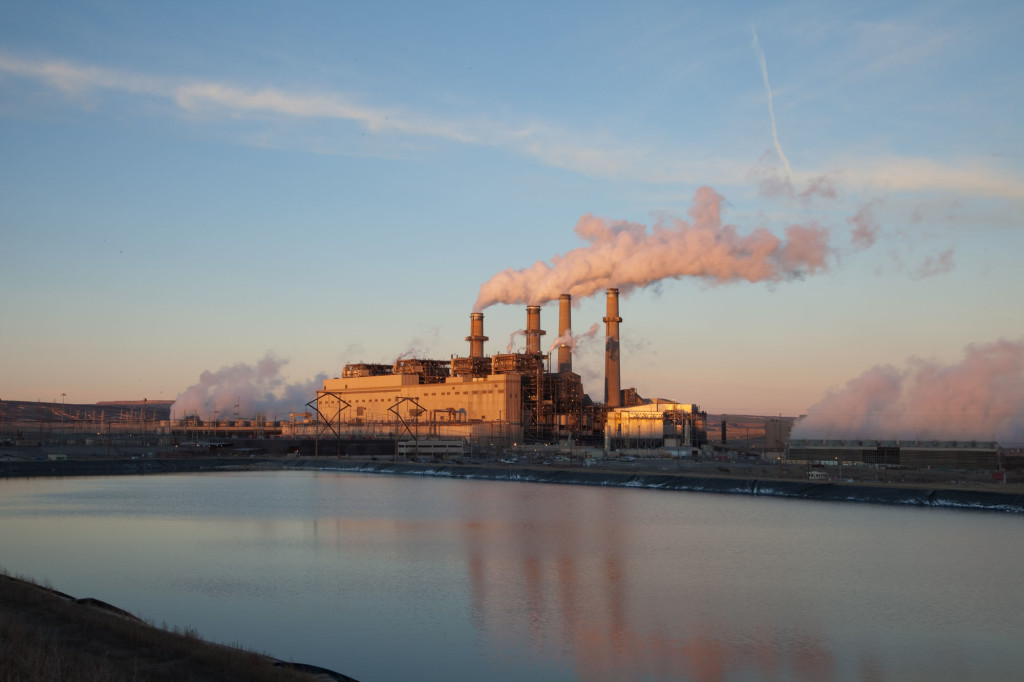
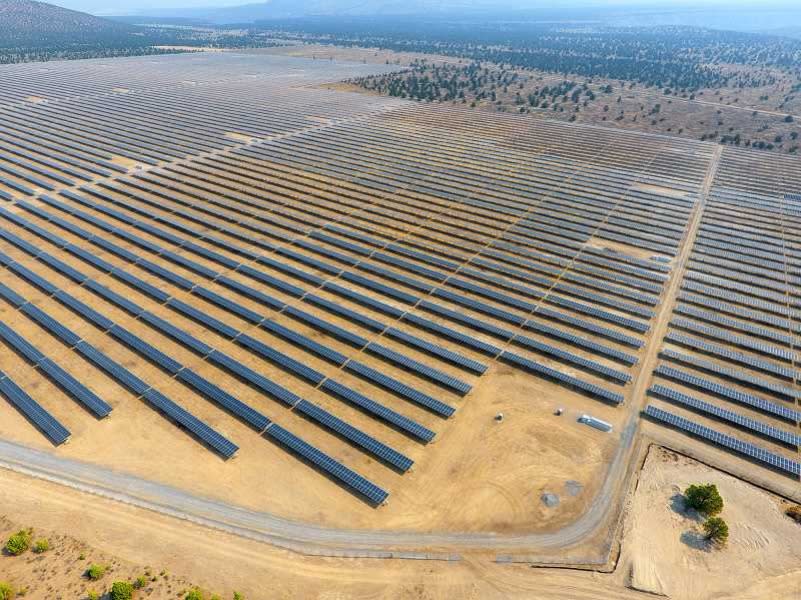



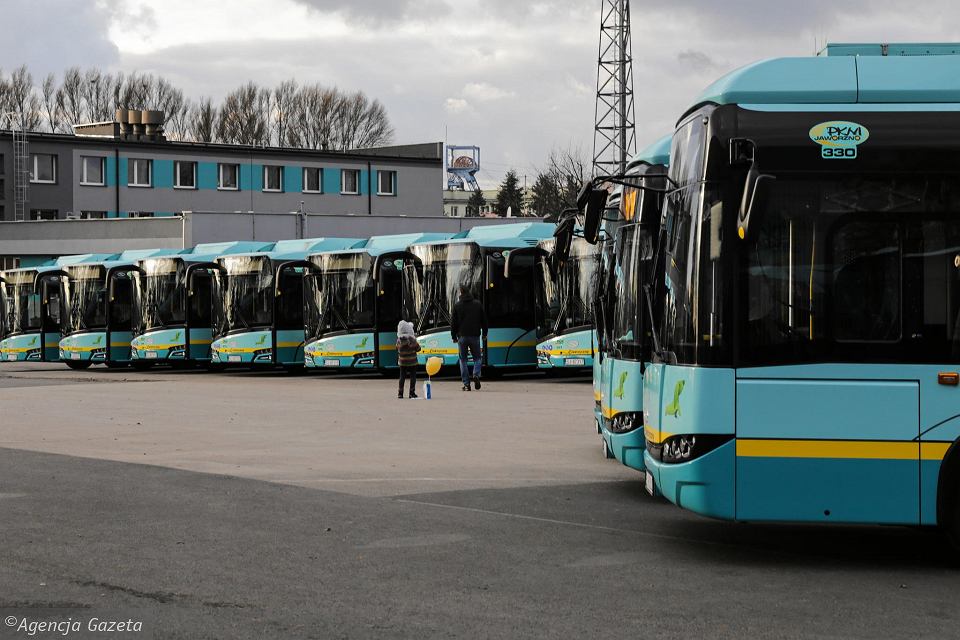


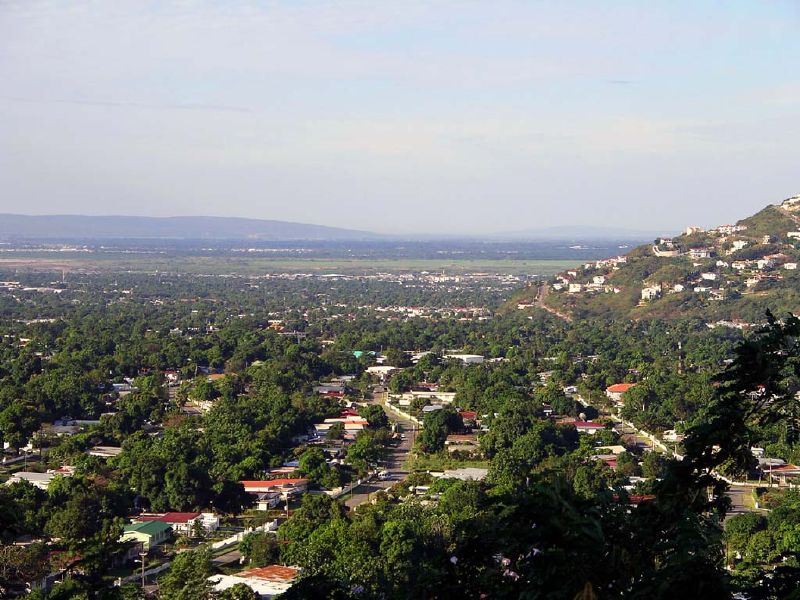

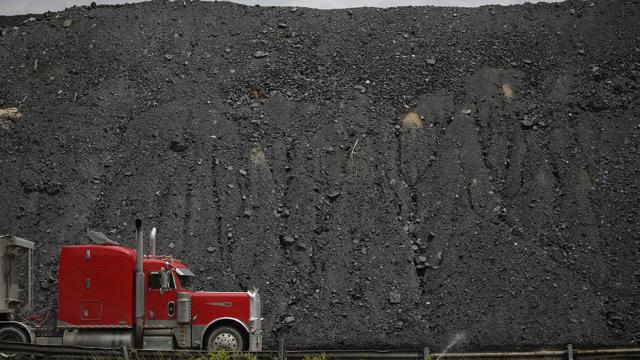
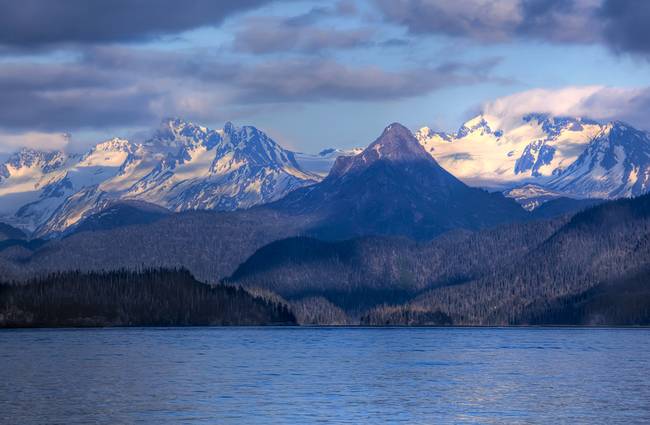


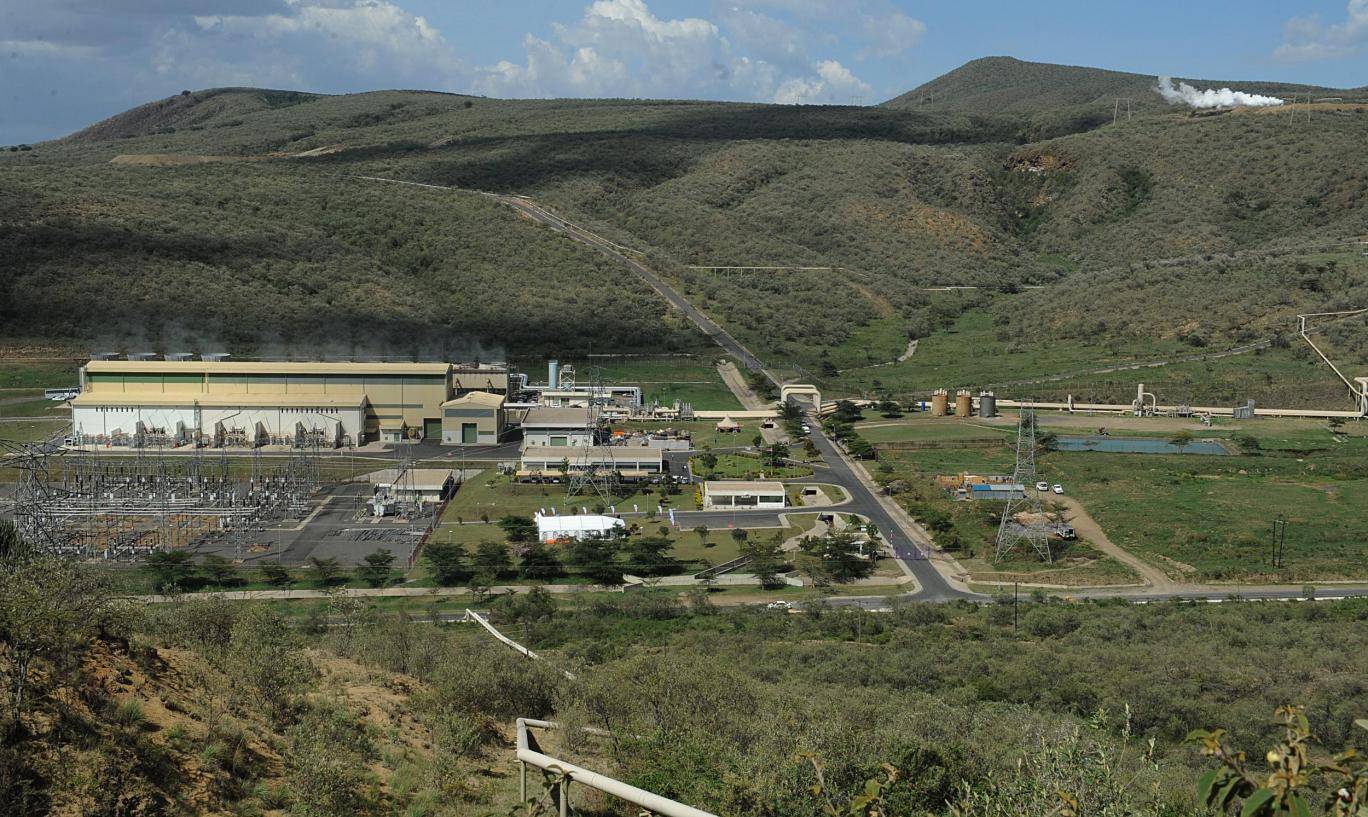

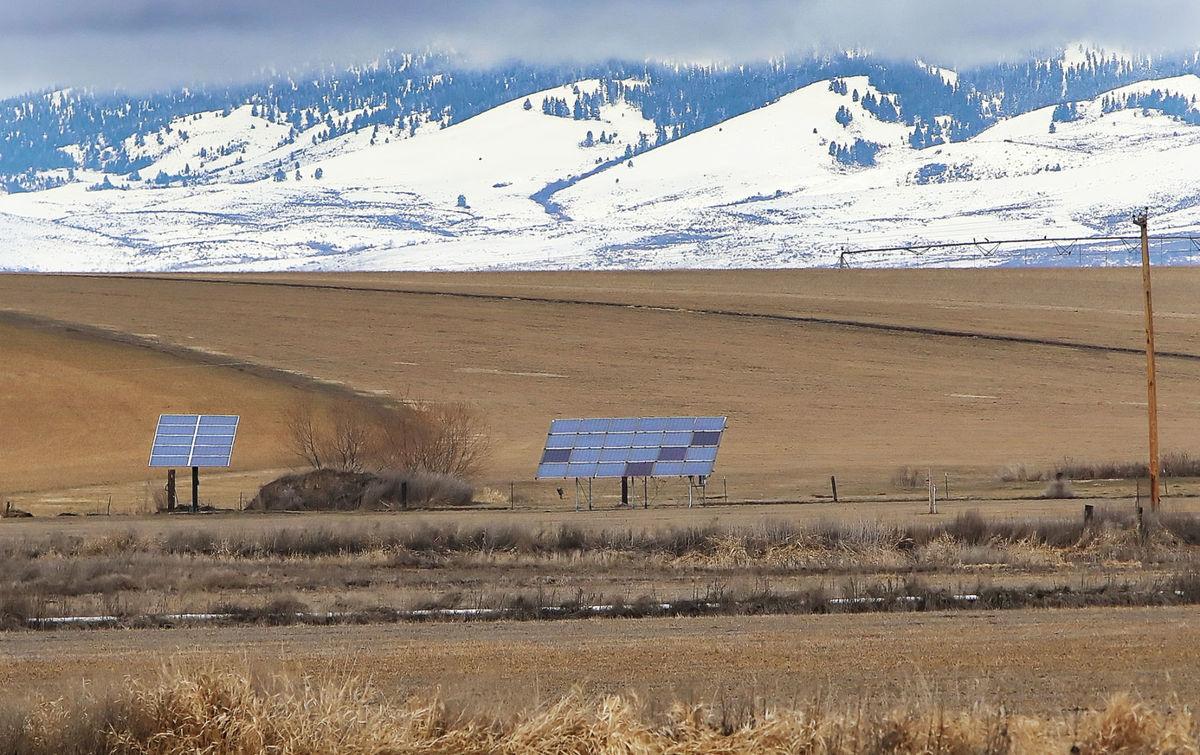


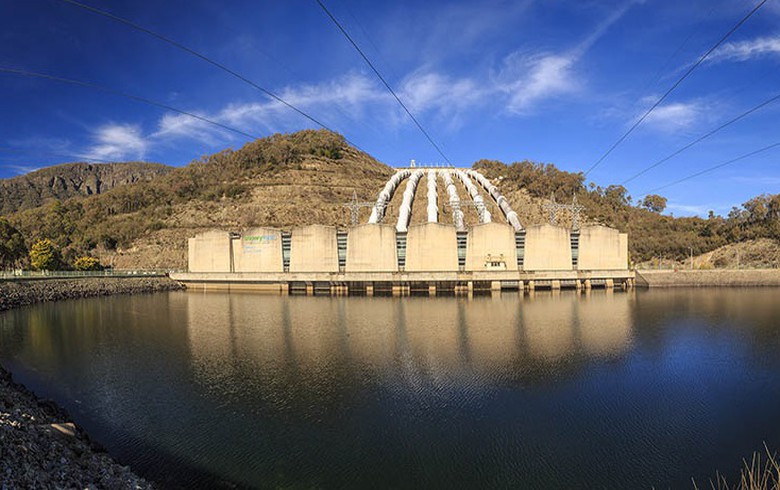
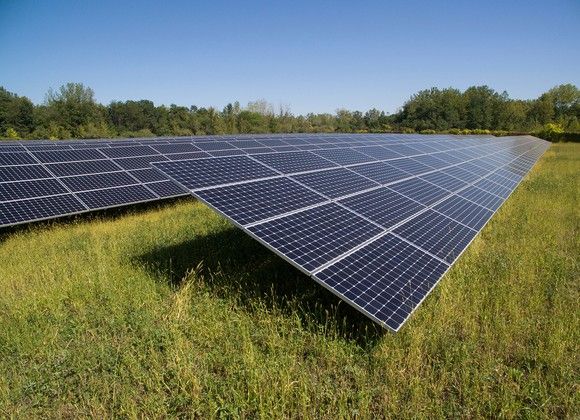

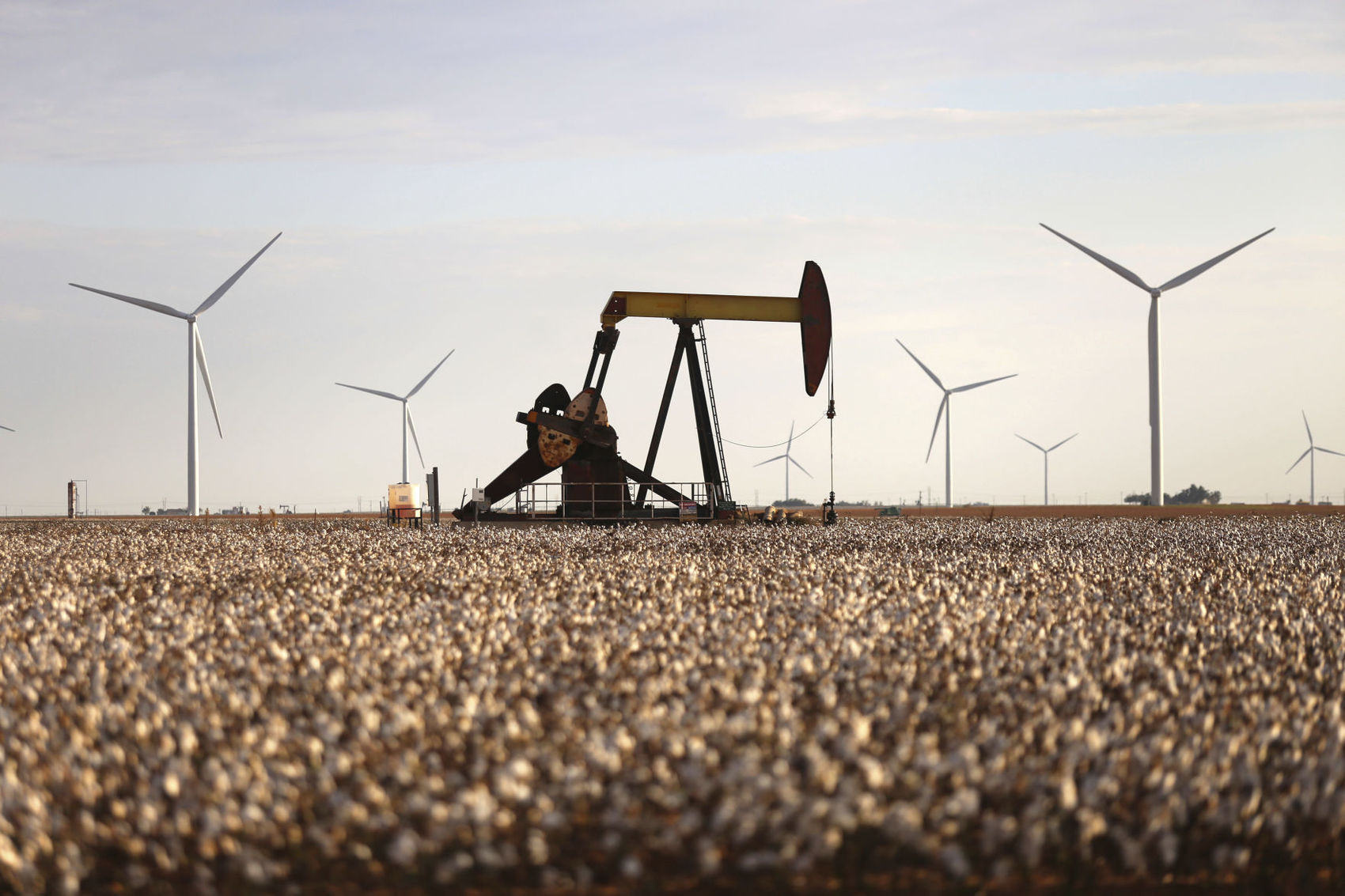




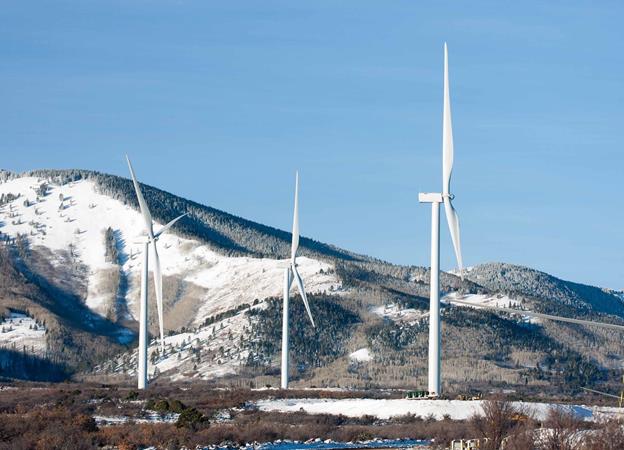





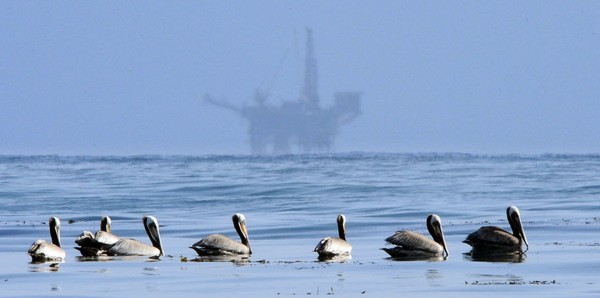



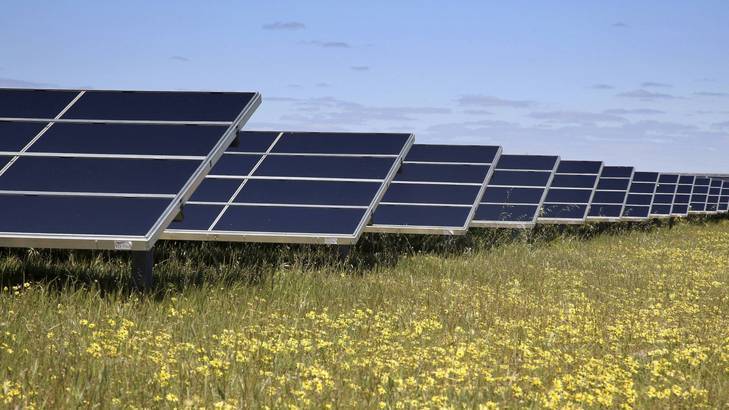

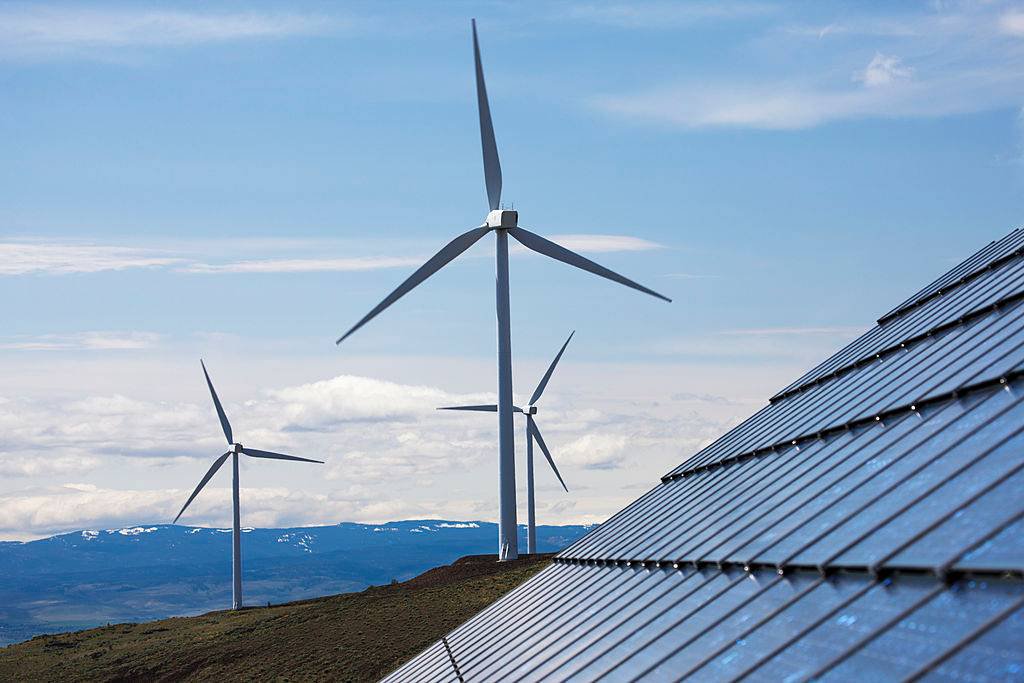
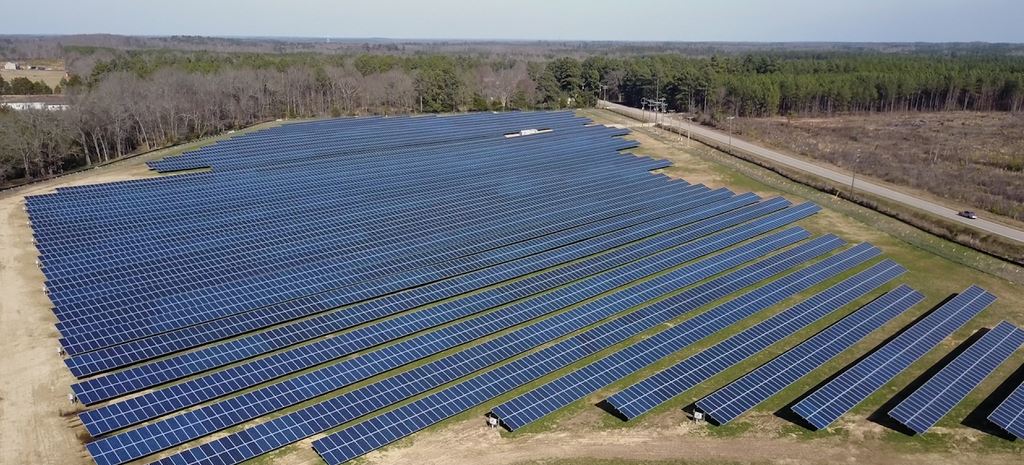





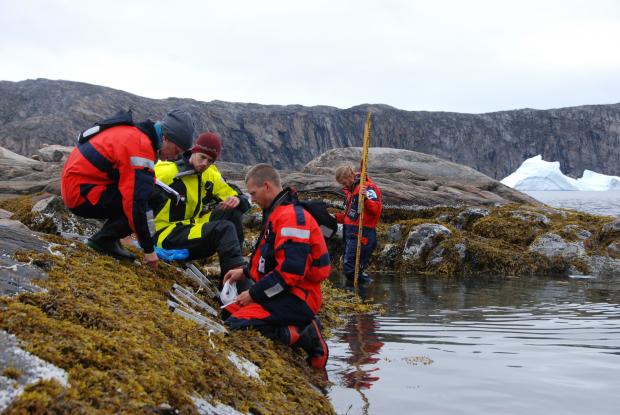



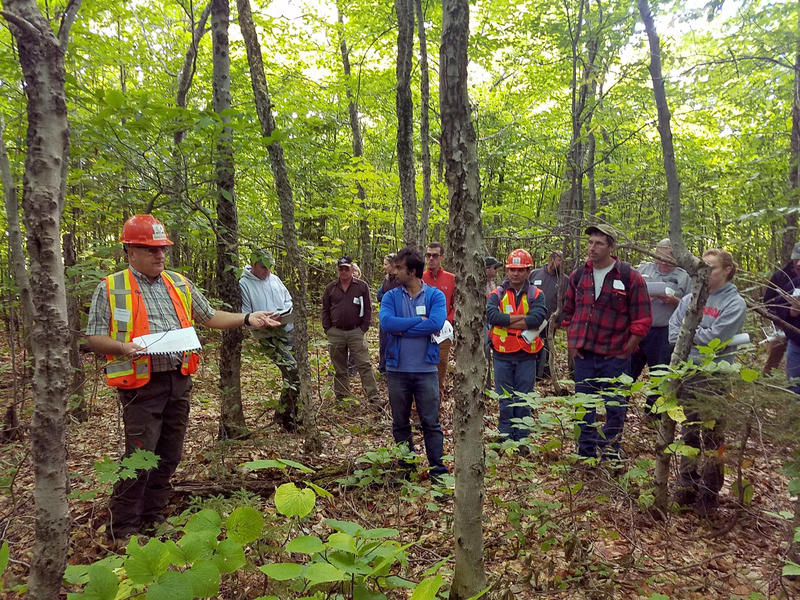


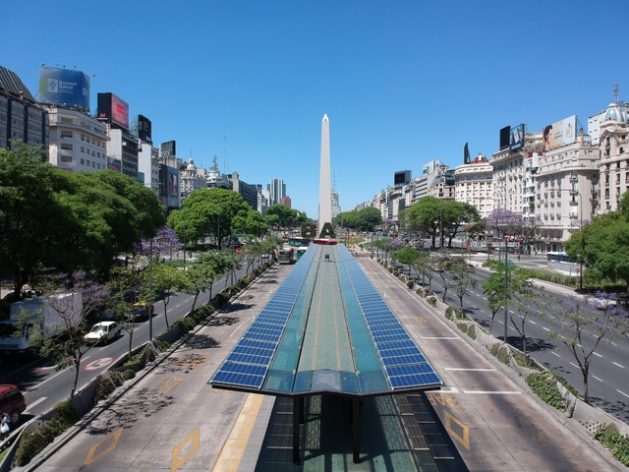

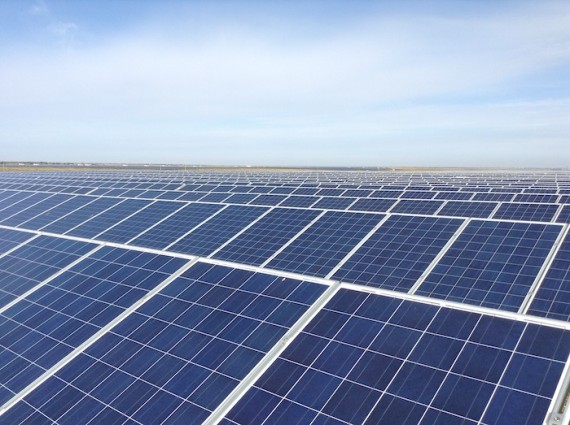

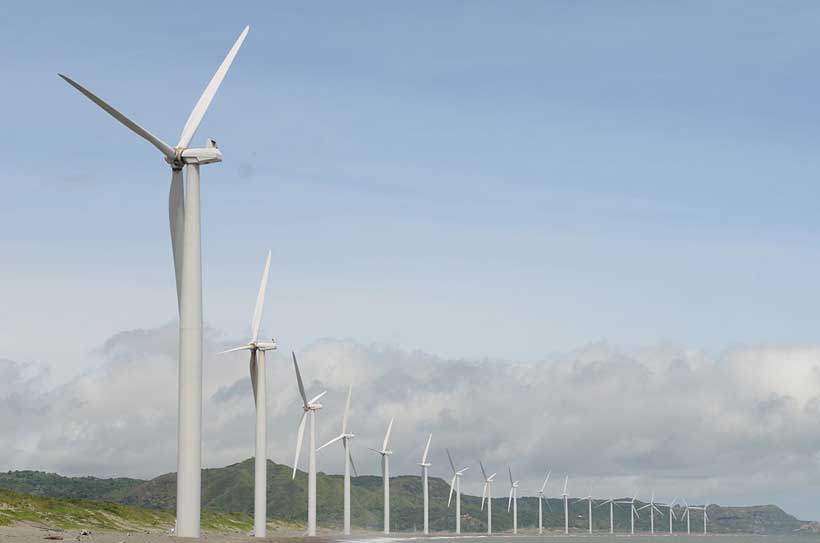


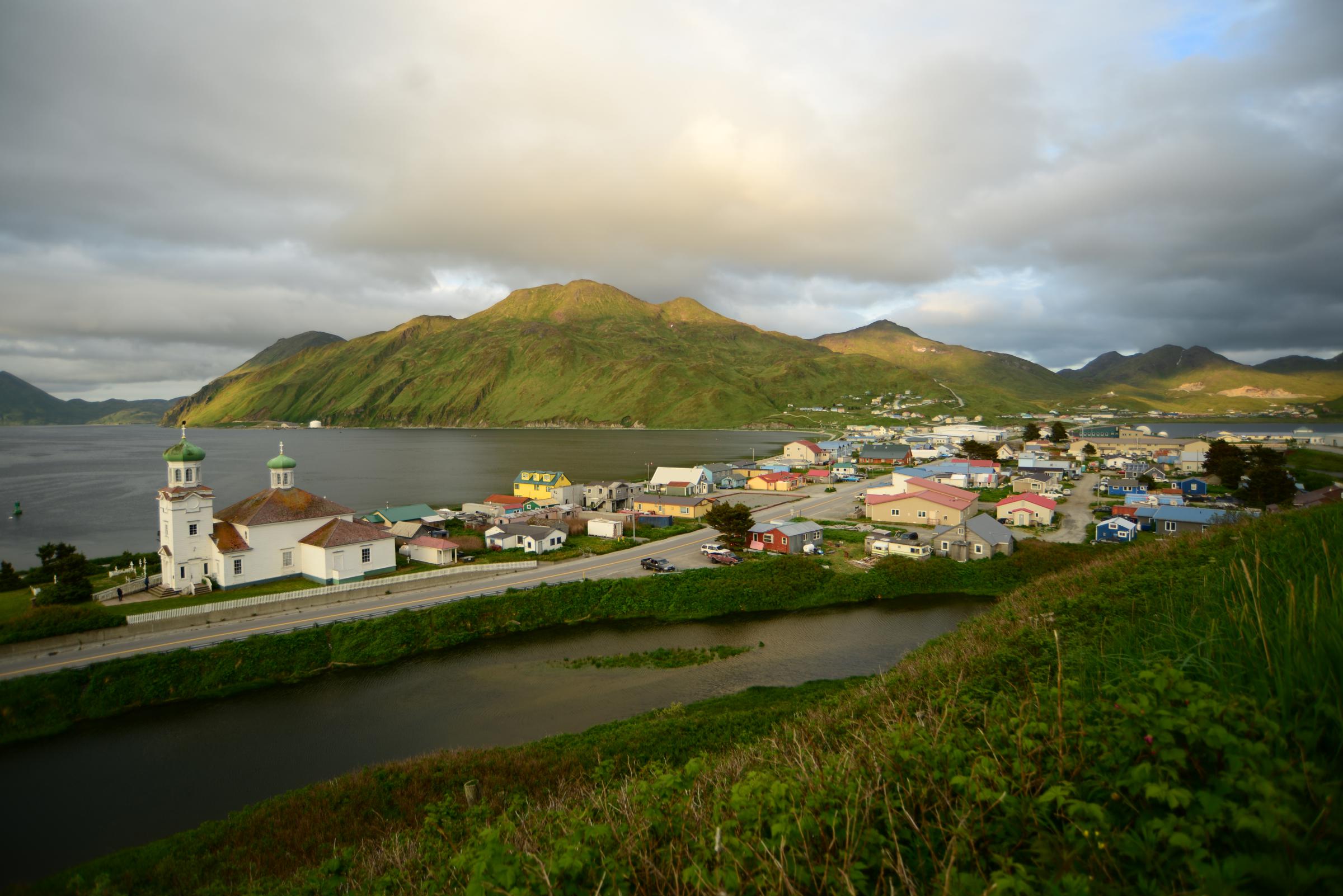
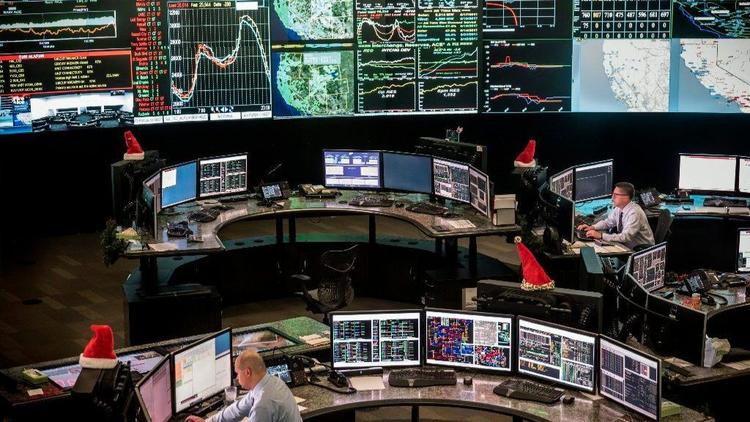


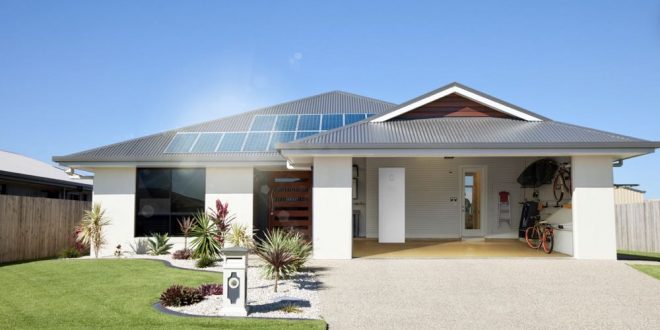


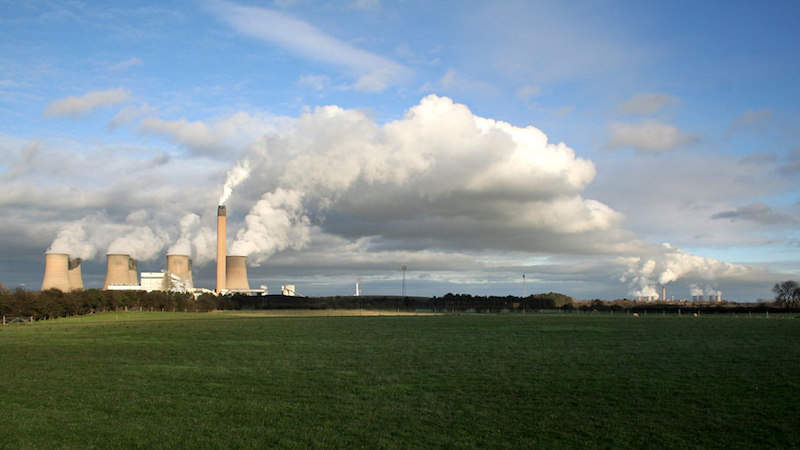


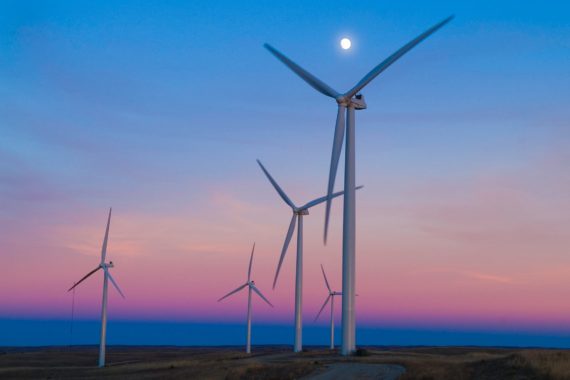
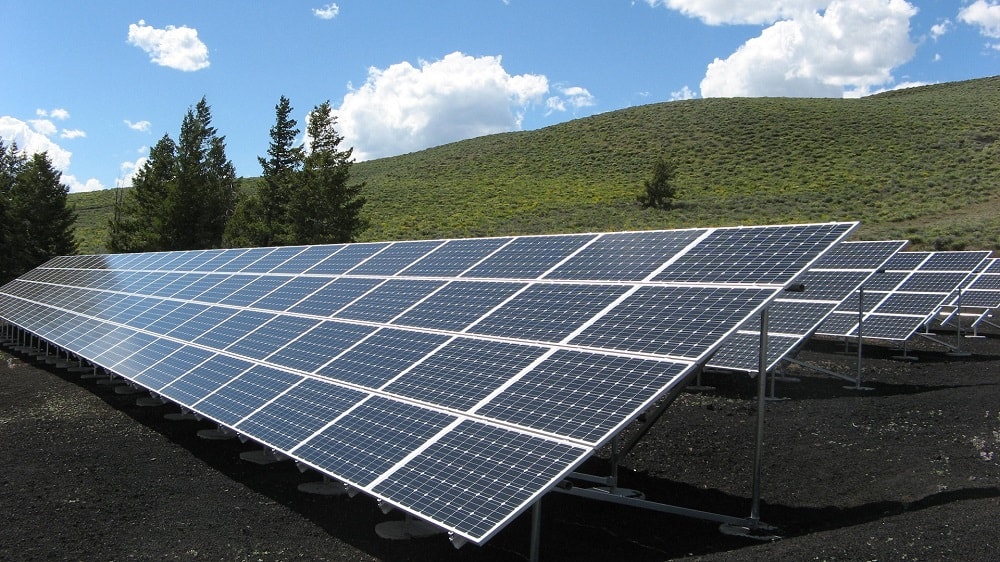


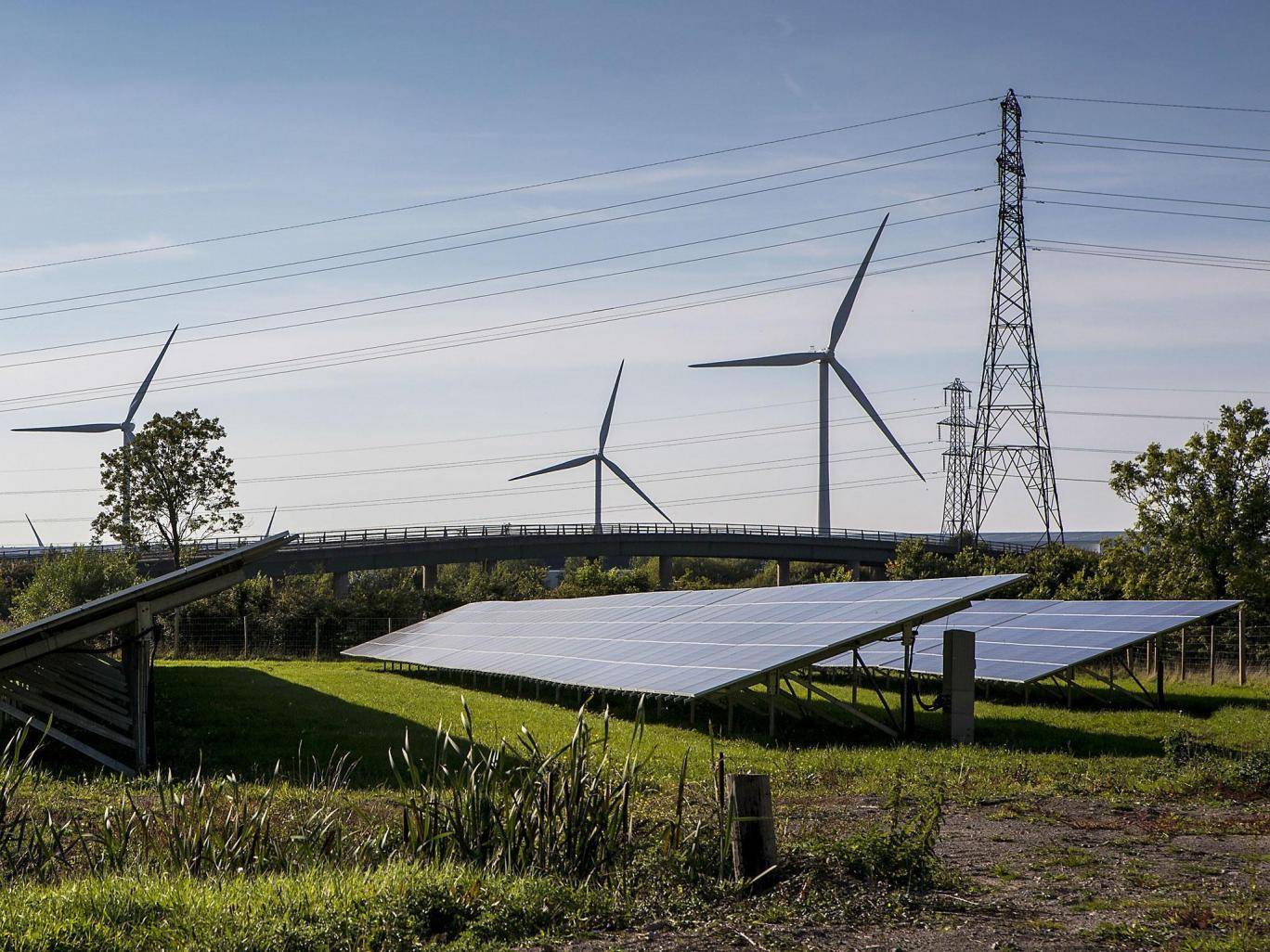
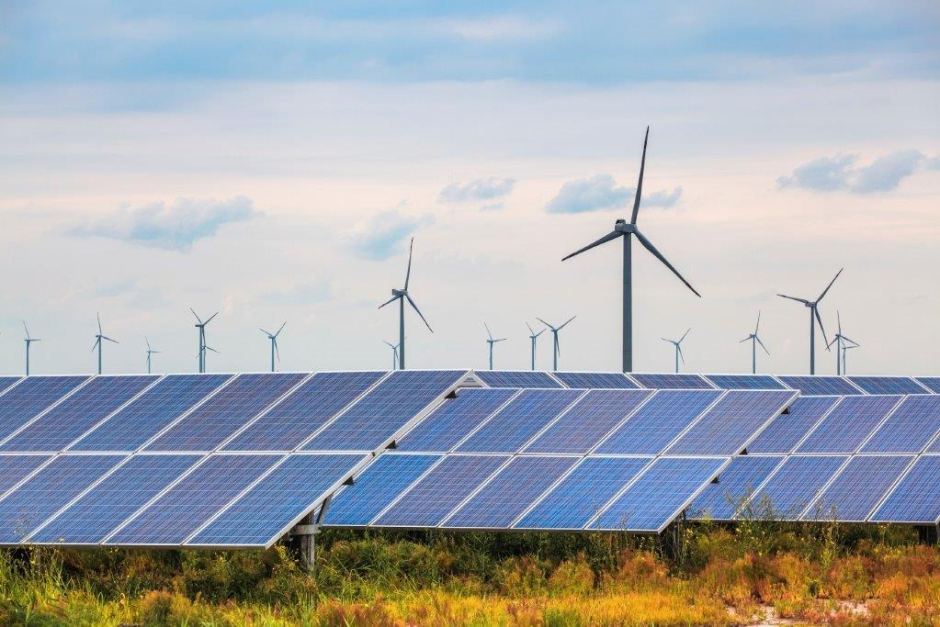

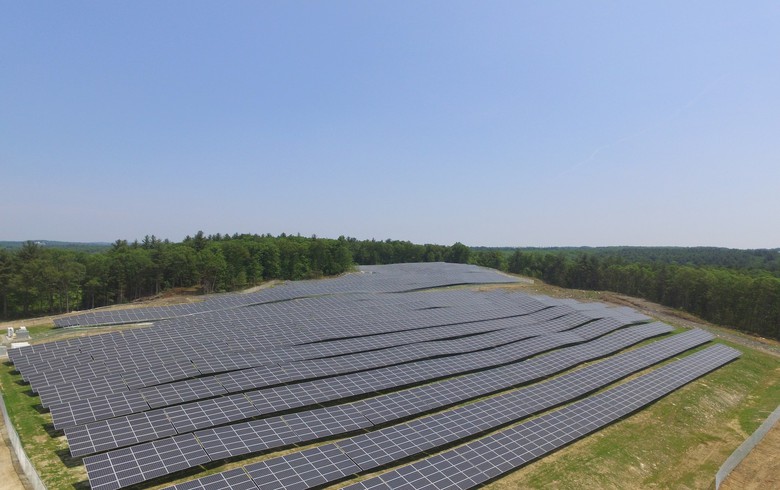
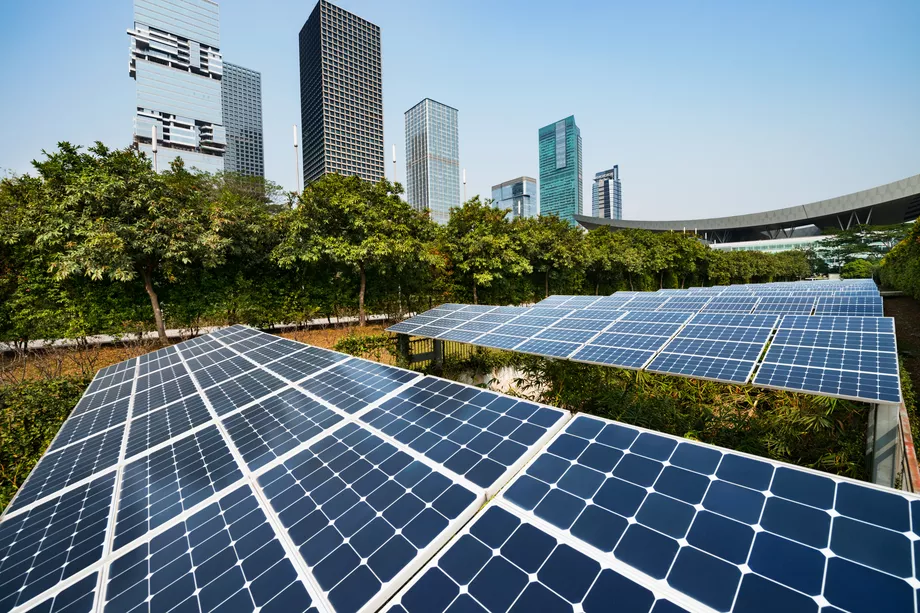


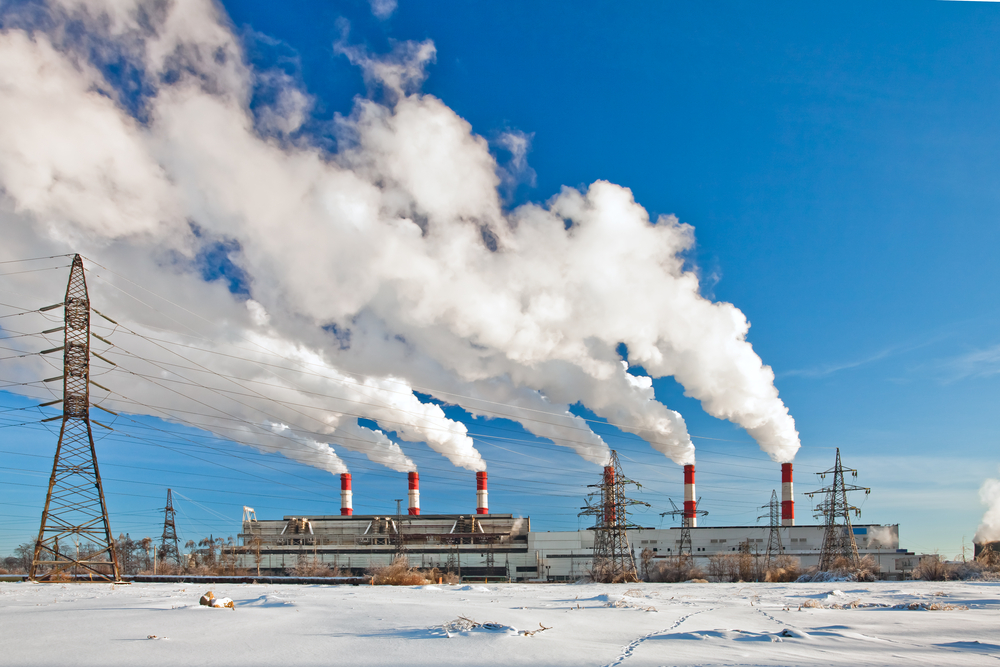

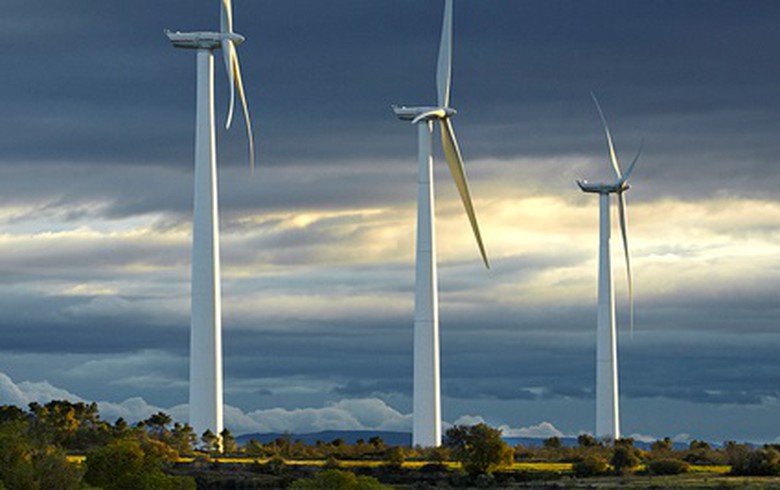
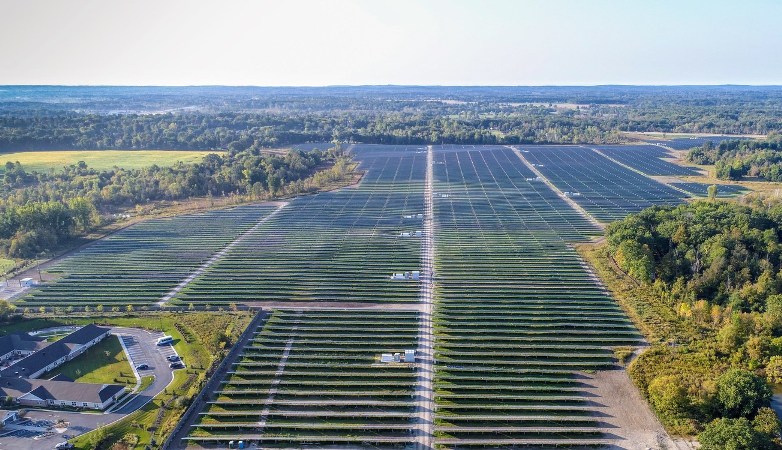


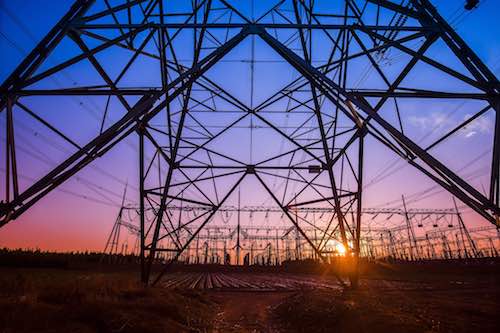
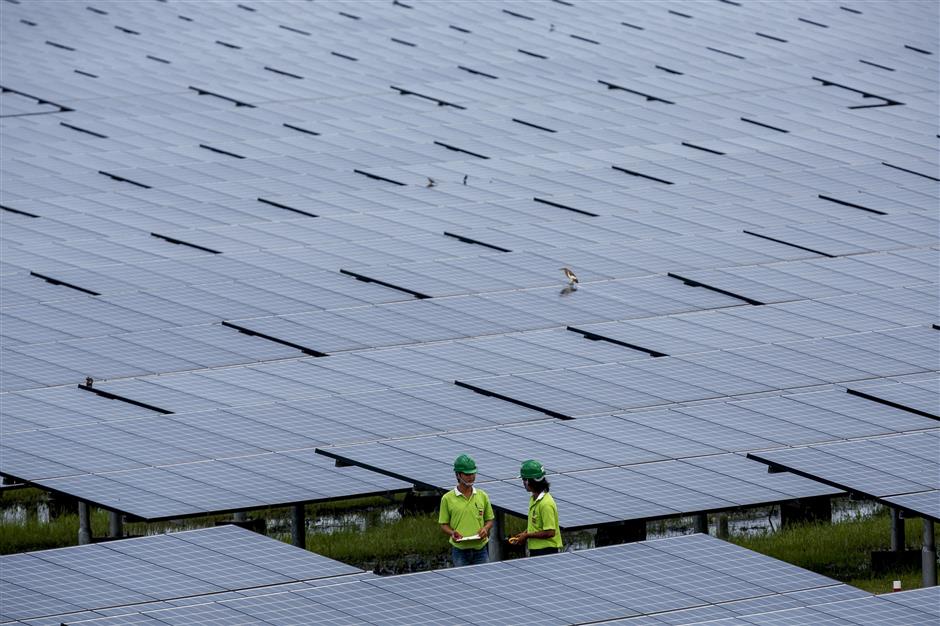

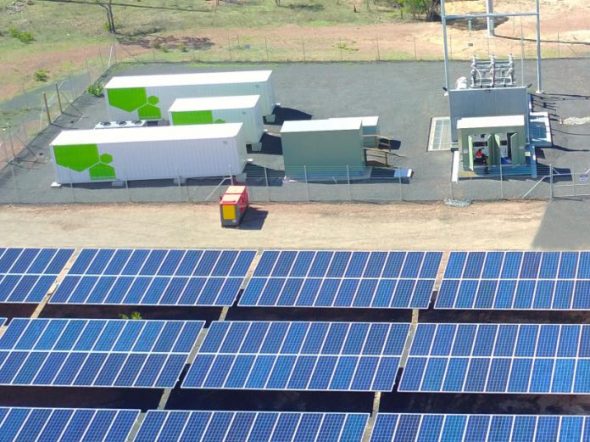

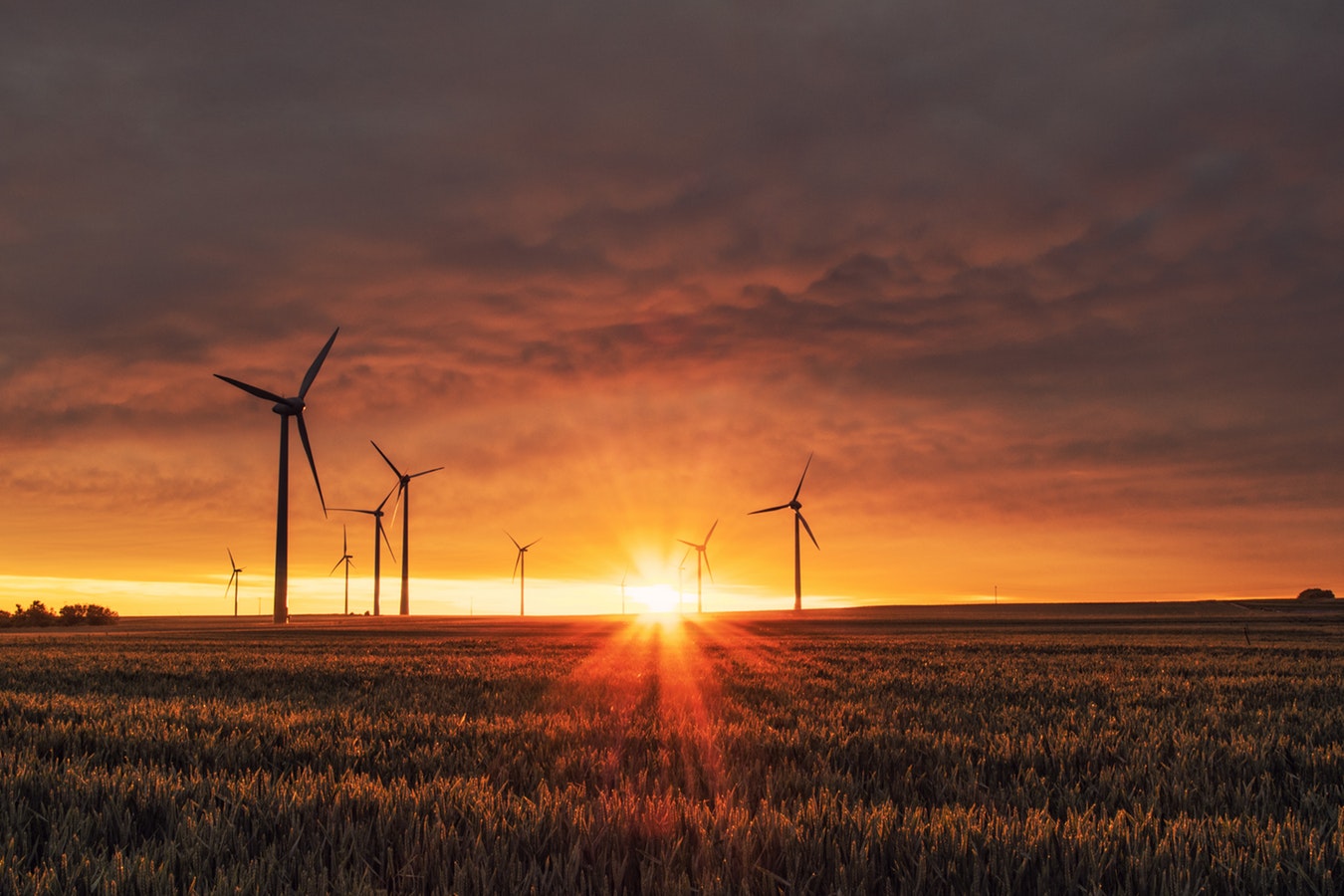

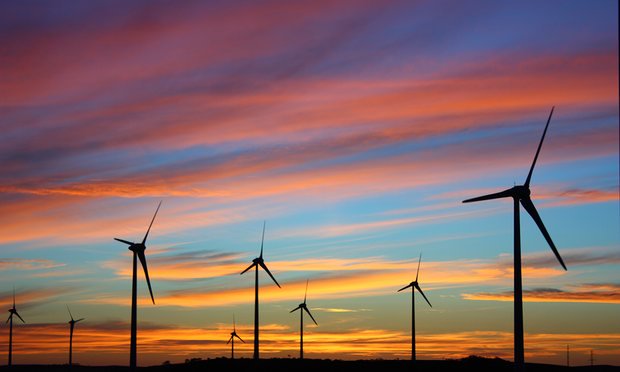

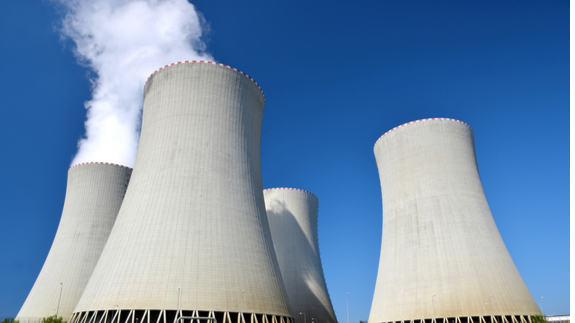
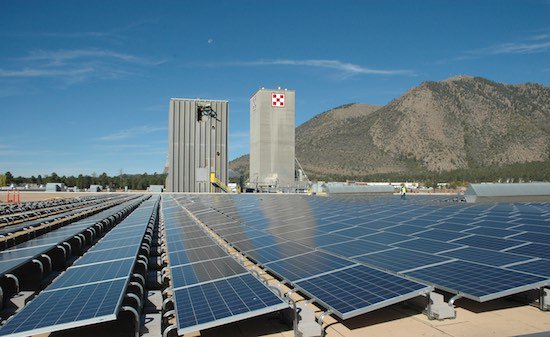



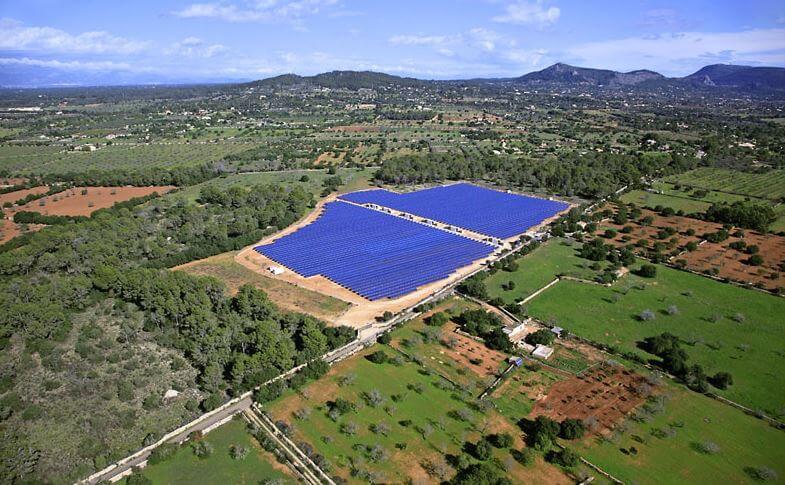
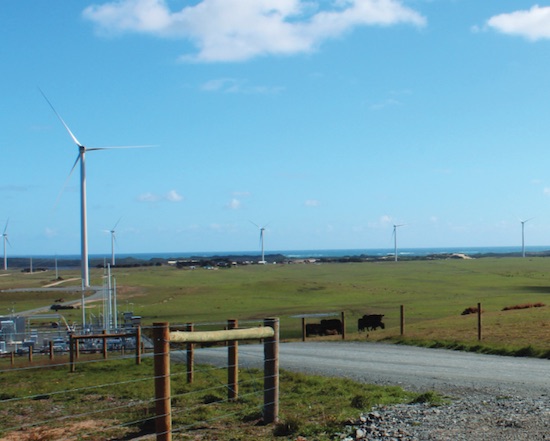


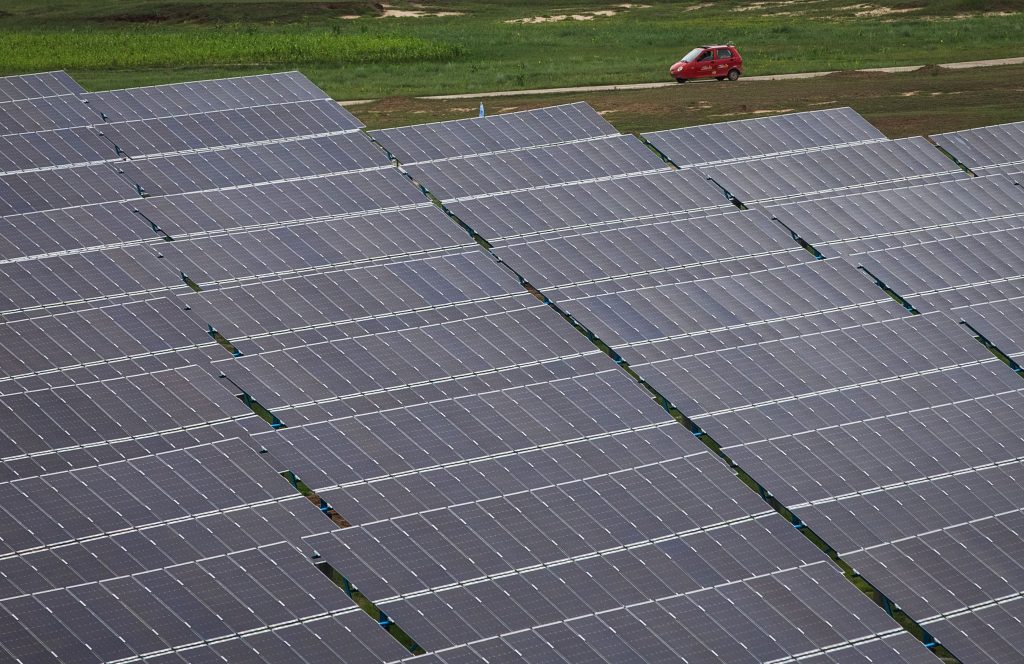

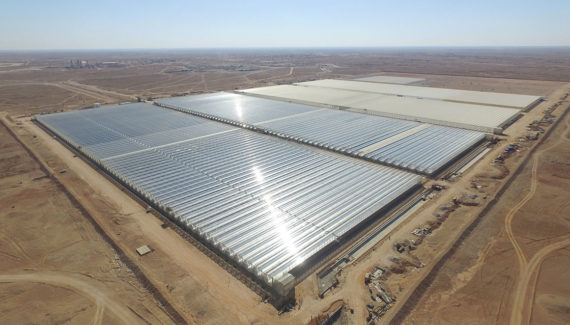
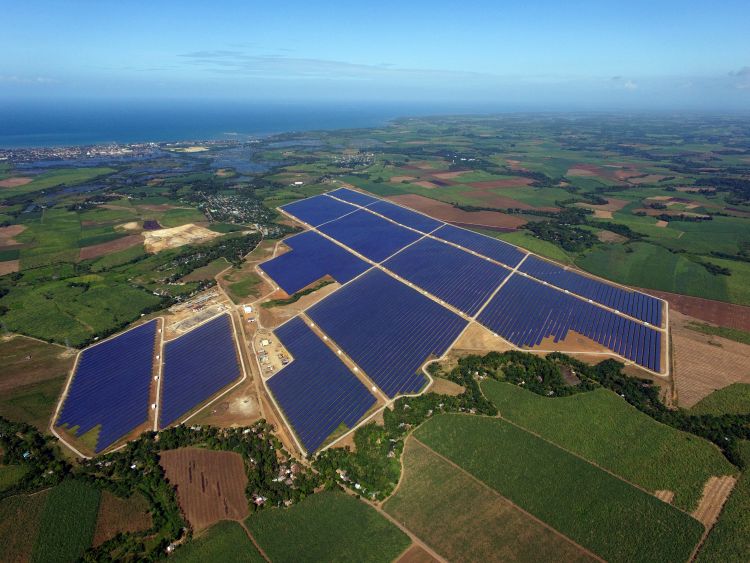


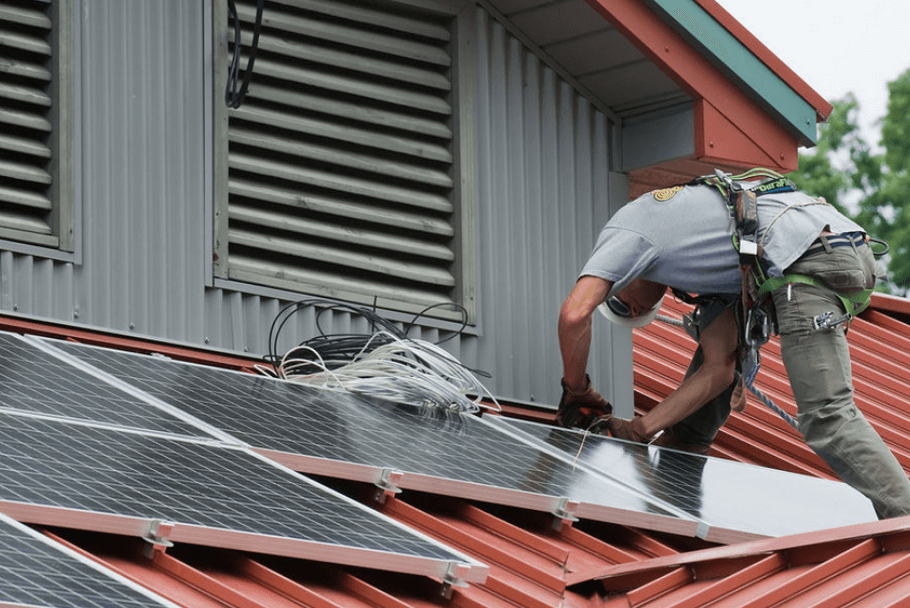
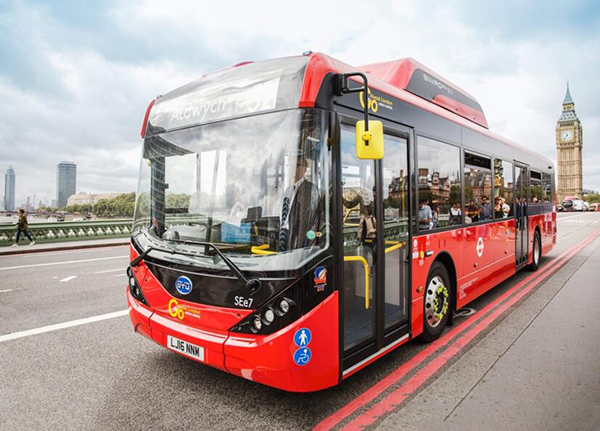
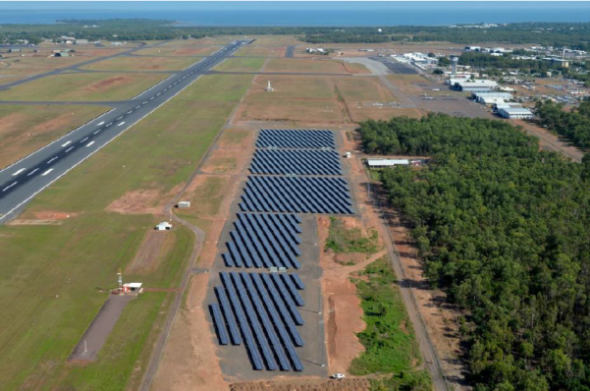
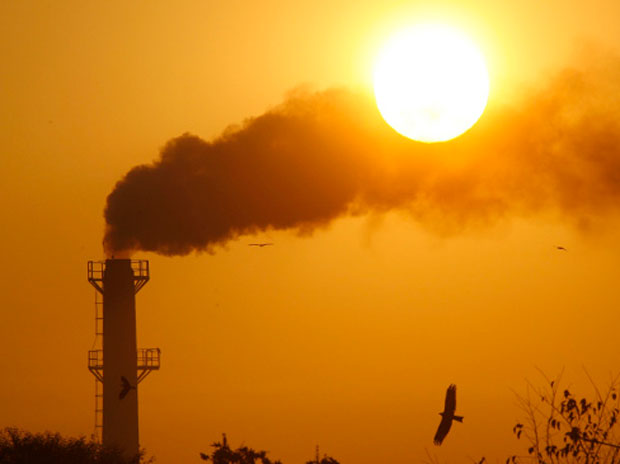


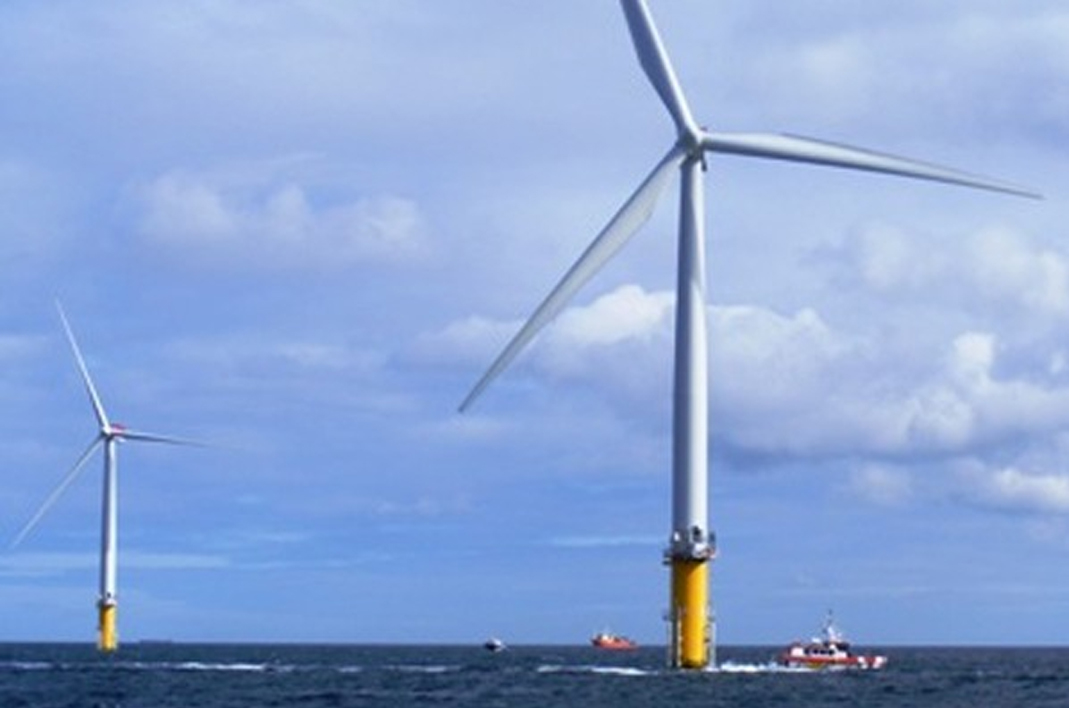


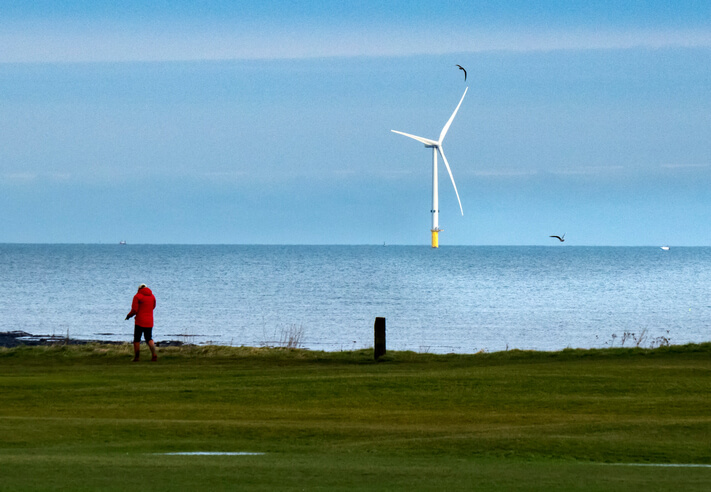
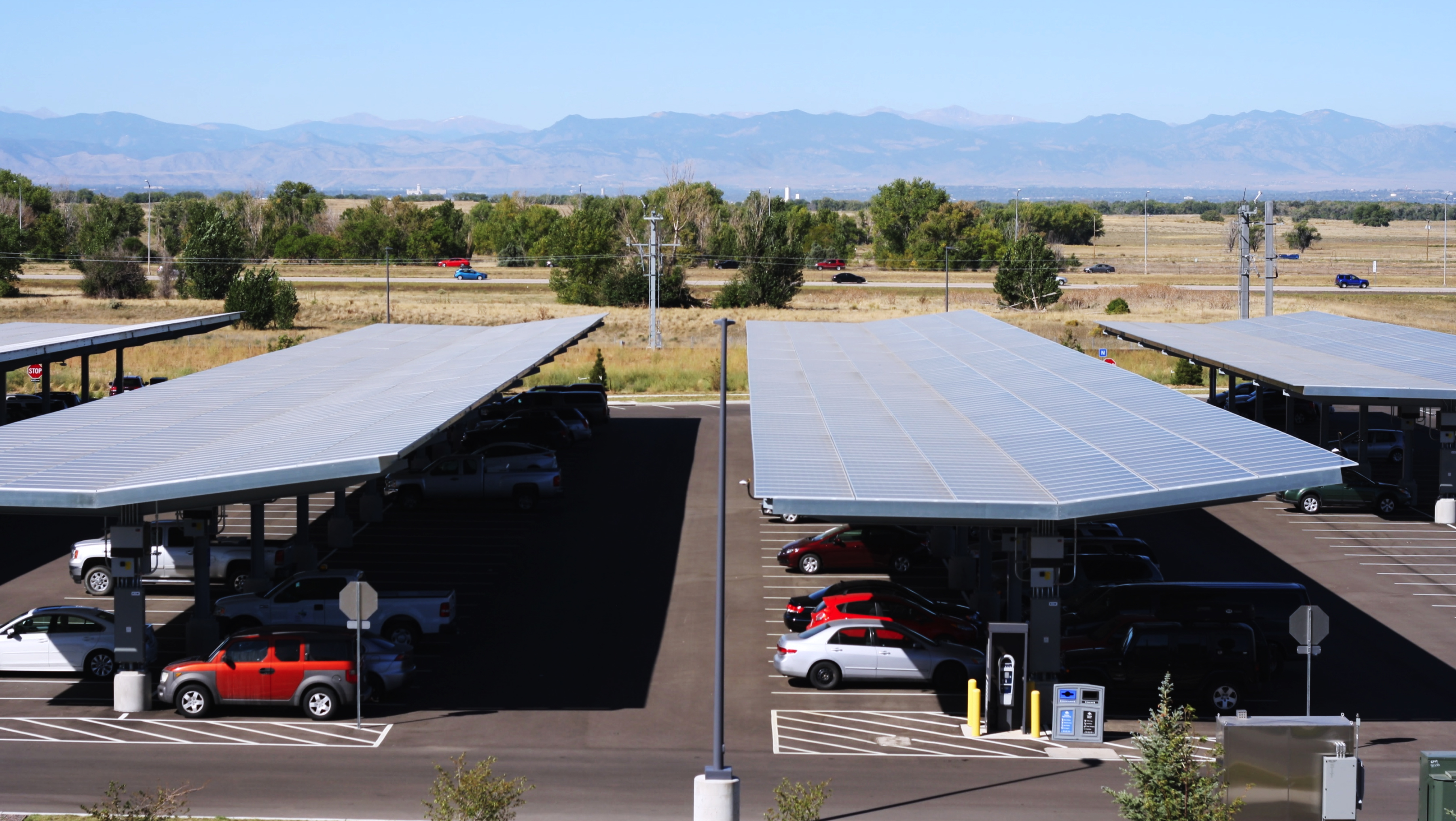
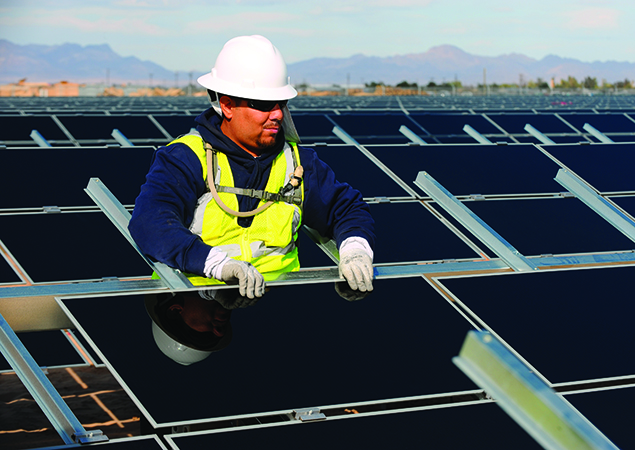
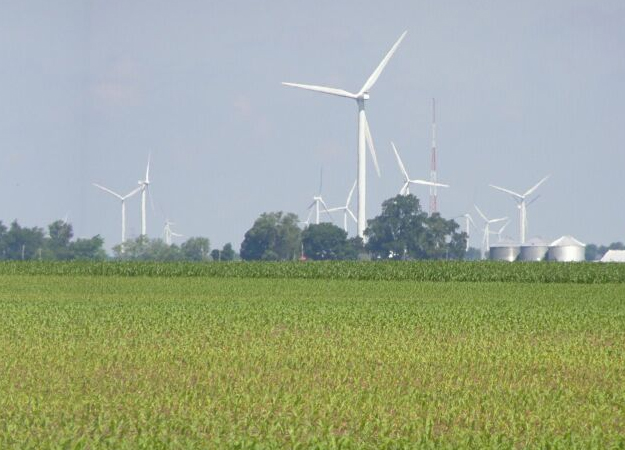
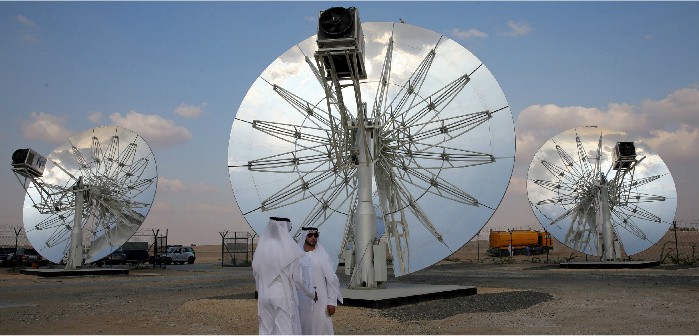
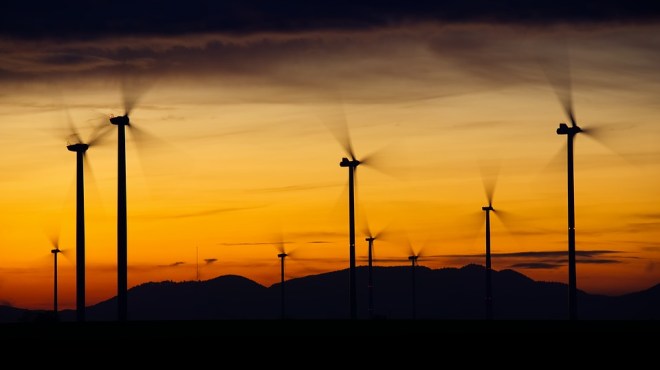
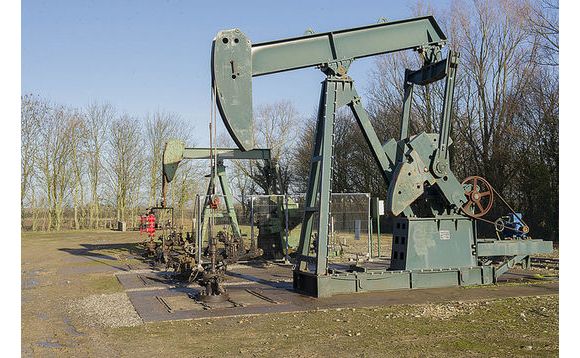
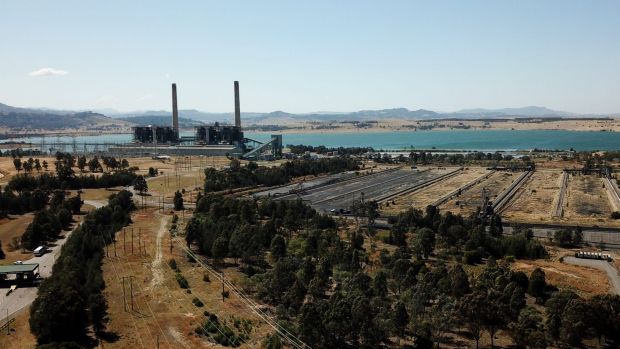



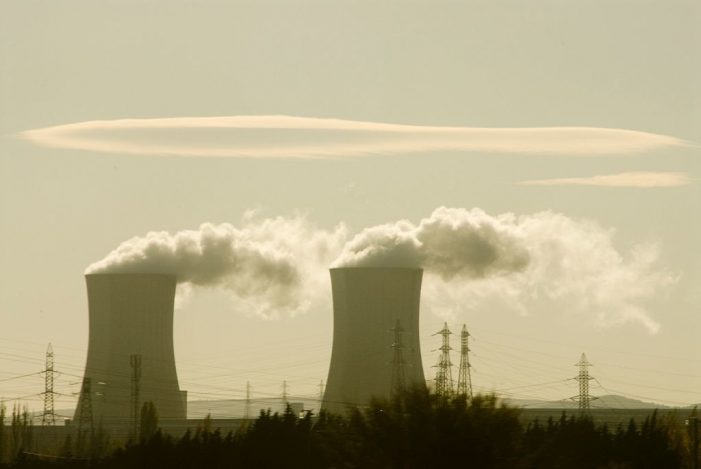
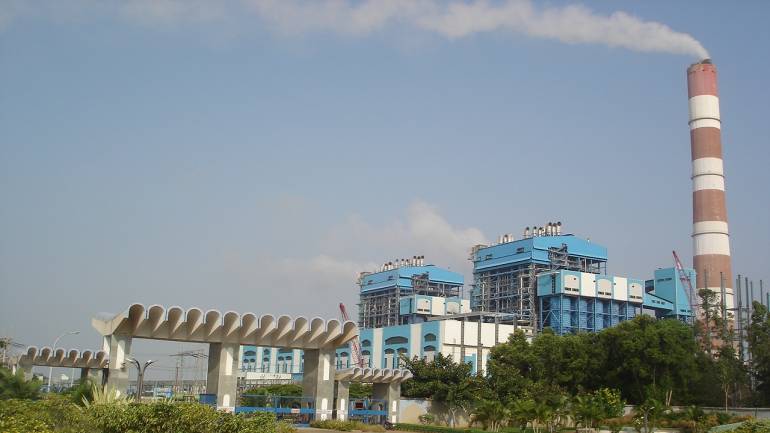
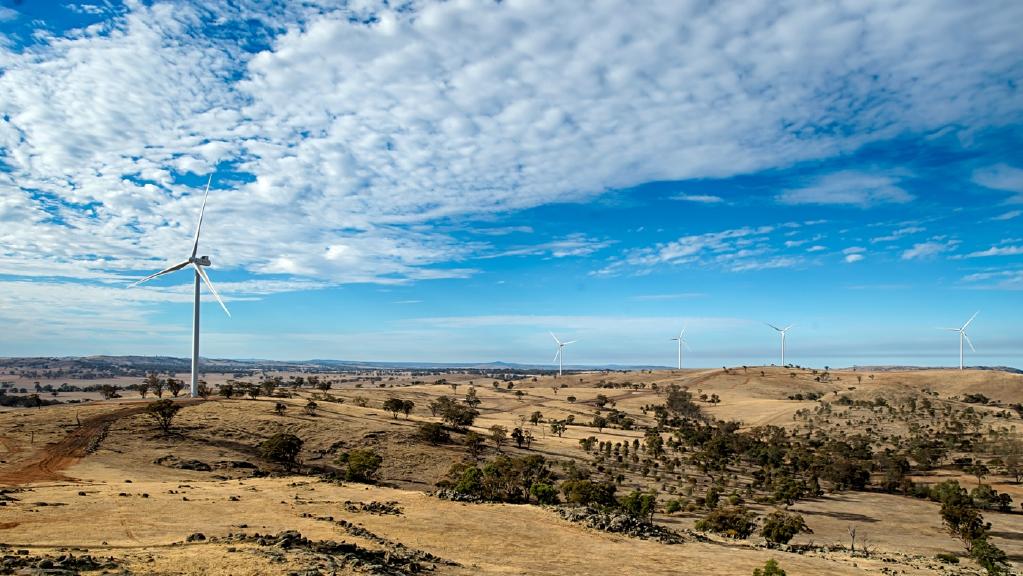



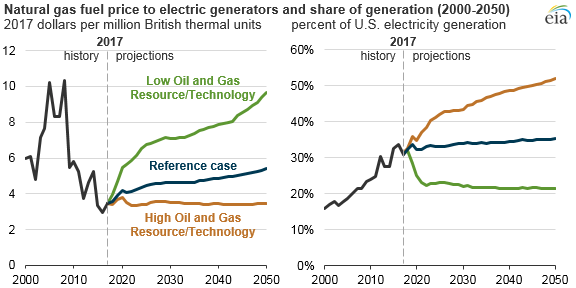



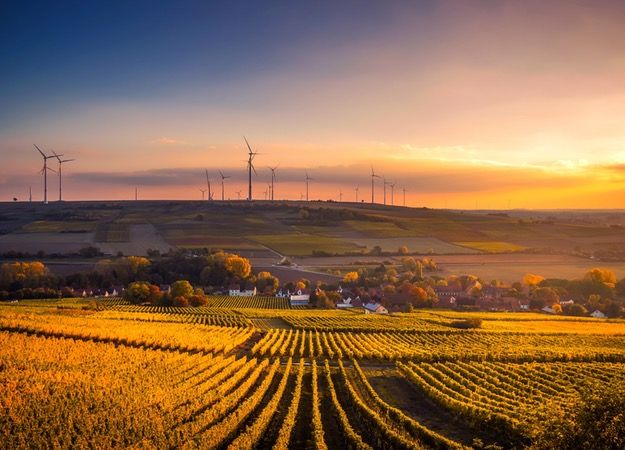
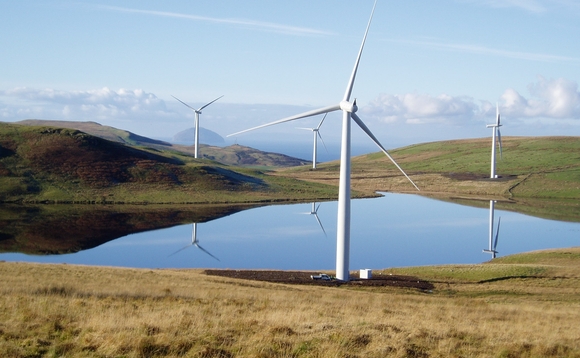
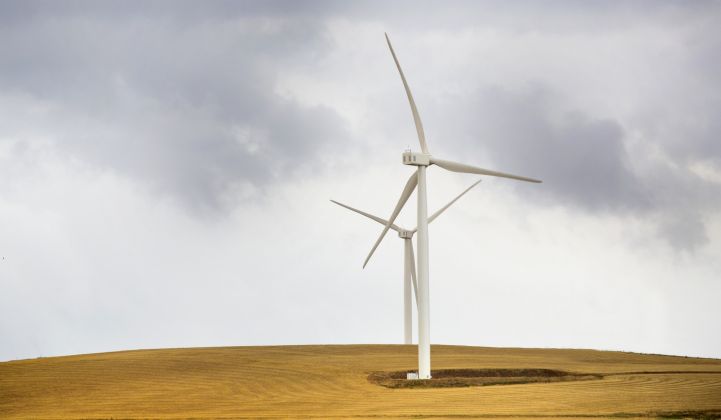

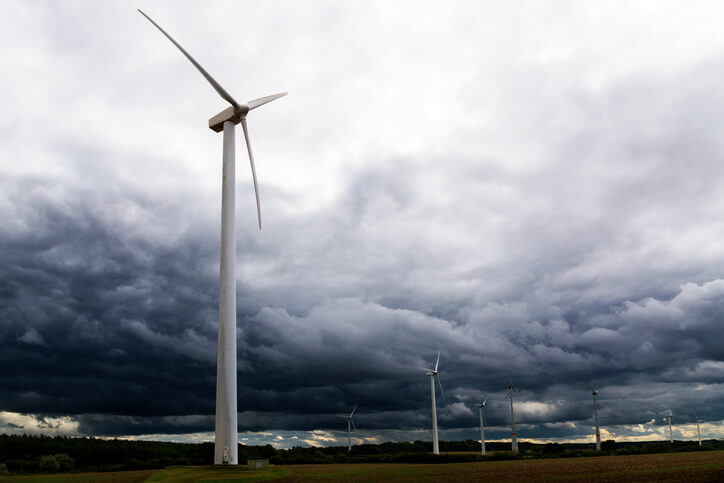
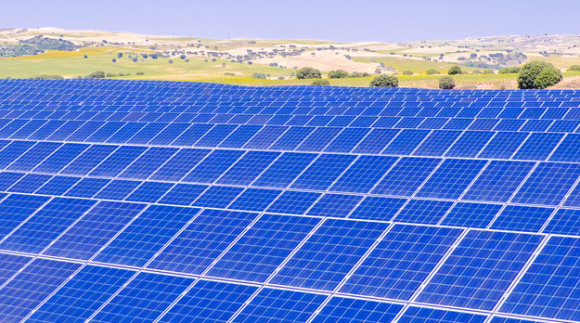
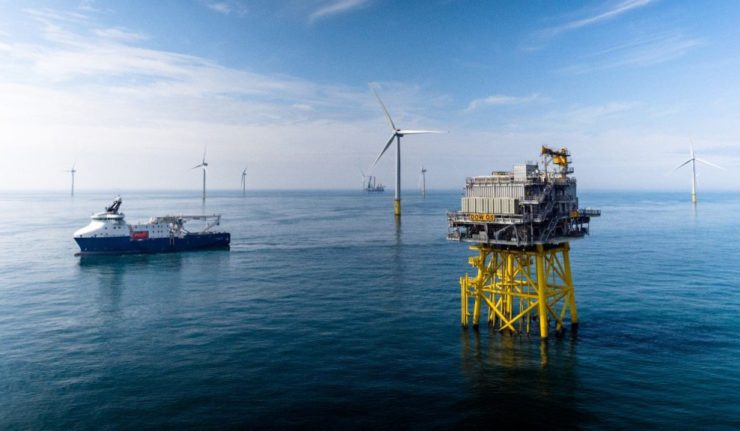
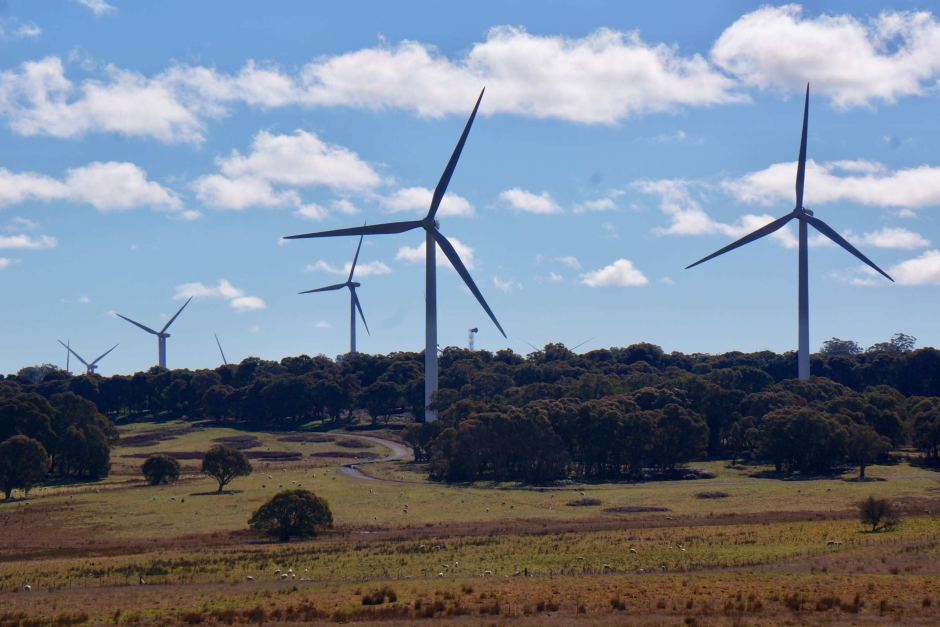


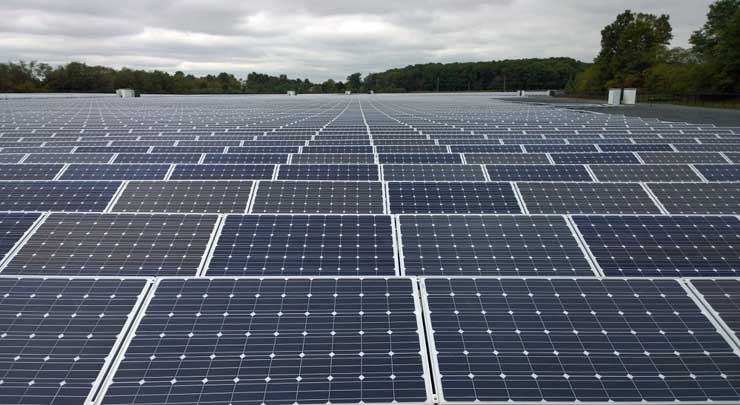
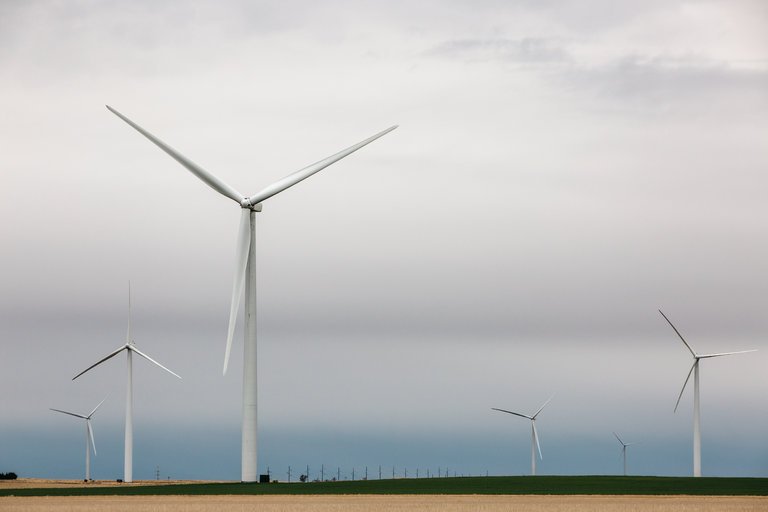

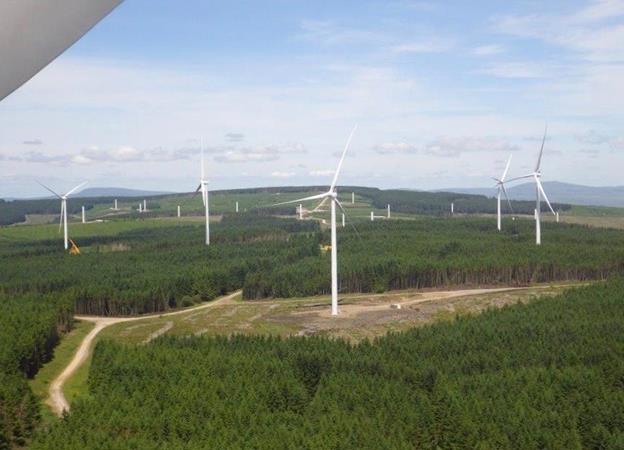
 geoharvey