Posts Tagged ‘photovoltaic’
January 13, 2016
Opinion:
¶ America’s gathering offshore revolution • An article in Nature asserts that if the US were to exploit all its offshore resources, including in more difficult deep-water sites, it would be able to generate more than 4,000 GW of electricity, about four times more than it needs to power the country. [GCR]
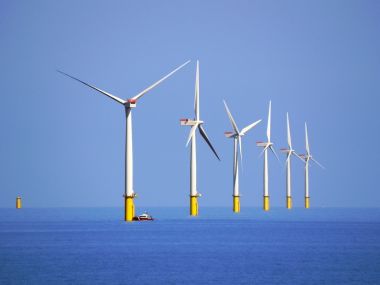
The Walney wind farm, in the Irish Sea. The US wants to follow Europe’s lead on offshore wind. (Wikimedia Commons)
¶ Nuclear no match for renewables • South Africa is in an electric supply crisis. The government’s curiously oblique solution: eight new nuclear reactors, costing about R1 trillion ($60.6 billion). But renewable power costs a third as much and goes in six times as fast. [BDlive]
World:
¶ Avantha Group company CG has won a contract by Energinet.dk to provide power transformers and gas insulated switchgear for the 600-MW Kriegers Flak wind farm in the Baltic Sea. The order includes of two onshore autotransformers and four offshore substation transformers. [reNews]
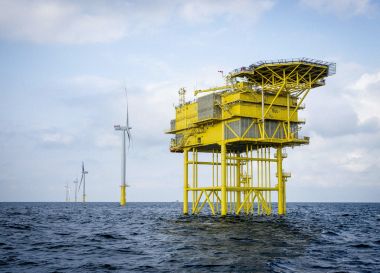
CG’s technology is already been used on other wind farms. (CG)
¶ The Development Bank of Japan and Japan Wind Development Co will create the nation’s first fund for wind power, the companies announced on Wednesday. The companies aim to introduce the ¥50 billion ($423 million) joint fund in April, according to a statement. [Bloomberg]
¶ The Australian Renewable Energy Agency said Wednesday it will help finance Bombora Wave Power’s detailed cost of energy study for its Wave Energy Converter. ARENA is contributing as much as A$181,000 ($127,100/€117,300) towards the completion of the assessment. [SeeNews Renewables]
¶ Ormat Technologies Inc said it has started construction work on the 35-MW Geotermica Platanares geothermal project in Honduras. Commercial operation is expected by the end of 2017. The plant is seen to generate an average of $33 million (€30.5 million) in annual revenue. [SeeNews Renewables]
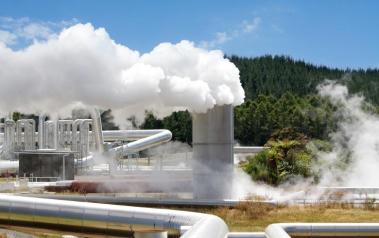
Geothermal power station. (That’s steam, not smoke.)
Image: N.Minton/Shutterstock.com
¶ China was the world’s leading market in 2015, bringing its renewable installed capacity to over 900 GW, says research and consulting firm GlobalData. China led the world for annual capacity additions in solar, biopower, small hydropower, and onshore wind in 2015. [Today’s Energy Solutions]
US:
¶ Hundreds of rooftop solar panels are going up on Fort Carson’s base housing, helping the post reach its goal to get 25% of its energy from renewables by 2025. The panels will generate enough power for 615 homes. They add to an exiting 5 MW of renewables. [Colorado Springs Independent]
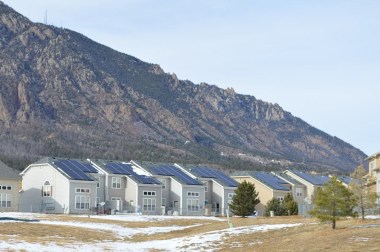
Balfour Beatty has installed solar units at the Army post.
Courtesy Fort Carson
¶ According to Utility Dive, renewable electricity accounted for 61% of 2015 electricity capacity additions in 2015 across the United States, while natural gas contributed 35% of the total. This is encouraging news for clean energy proponents concerning climate change. [CleanTechnica]
¶ Vermont is reaffirming its commitment to get 90% of the state’s energy from renewable sources by 2050, and on Tuesday Governor Peter Shumlin, administration officials and lawmakers outlined some of the states plans that are being proposed to help achieve that goal. [Rutland Herald]
¶ Montana’s coal-fired power plants at Colstrip are facing another hit, as utilities and environmental groups in Oregon back a proposal to ban use of coal power there by 2035. The proposal would prohibit Oregon’s two largest electric utilities from using coal-fired power. [KBZK Bozeman News]

Colstrip power plants (MTN News file photo)
(A lot of smoke, with a little steam.)
¶ American Electric Power is turning away from coal, favoring instead wind, solar, and natural gas. The company recommended that West Virginia enact policy to comply with the Clean Power Plan rather than invite the Environmental Protection Agency to devise a plan for the state. [Beckley Register-Herald]
¶ Legislators moved closer toward lifting Wisconsin’s ban on new nuclear power plants, with the Assembly passing a bill that would end the moratorium despite Democrats’ warnings about dangerous nuclear power. The measure now goes to the state Senate. [TwinCities.com-Pioneer Press]
Posted in nuclear power, renewable power, solar, wind | Leave a Comment »
Tags: nuclear, nuclear power, photovoltaic, renewable power, solar power, wind power
January 12, 2016
Opinion:
¶ What does solar have to do with the bankruptcy of the second-largest US coal miner? • There is a relationship between both solar and wind and the decline of fossil fuels. As there is no fuel cost for solar or wind, both can bid into competitive electricity systems with no marginal cost. [pv magazine]

Coal power is on its way out in the United States,
and solar can benefit. Wikimedia/Flocko
Science and Technology:
¶ The methane and other pollutants spewing from a gas well in California is invisible to the naked eye, making it hard to comprehend just how large the leak is. Fortunately, the California Air Resources Board has been taking periodic measurements, which we can use to make some comparisons. [BBC]
World:
¶ Lloyd’s Register’s consulting business will be working with Denmark’s transmission system operator to measure underwater sound propagation for the Horns Rev 3 wind-farm substation development. The collaboration will help safeguard marine life and ensure a sustainability. [Windpower Engineering]
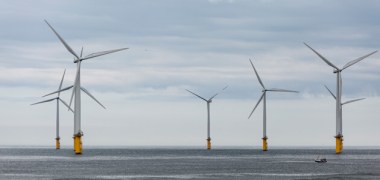
The 400-MW Horns Rev 3 wind farm, off the west coast of Denmark, is expected to generate power for some 450,000 households.
¶ The Moroccan Agency for Solar Energy has invited bids from prospective project developers to set up a hybrid solar power project. The project will have a total installed capacity of 400 MW and will include both solar PV and solar thermal power generation technology. [CleanTechnica]
¶ Nigeria’s Kainji renewable power plant serves to demonstrate a small-scale electricity solution that combines PV and wind technology, and is able to operate both off-grid and on-grid. Hybrid power systems are especially effective for remote and isolated areas far from grid connections. [Vanguard]
¶ Later this month Vattenfall will start installing the 4.99-MW Parc Cynog solar farm in Wales. The site already has 11 wind turbines, which have operated for 14 years. The solar array and the wind farm will share an existing connection to the grid. The site also has sheep grazing. [reNews]

Entrance of the Parc Cynog wind farm. Photo by lizzie.
CC BY-SA 2.0. Wikimedia Commons.
¶ Latin America is changing. Uruguay gets 94.5% of its energy from renewable sources, including solar. Costa Rica’s numbers are even higher. Brazil and Paraguay source most of their electricity needs from renewables, mostly hydroelectric power. But it is Chile that is the solar leader. [Latin Correspondent]
¶ Ontario Power Generation has announced its plan upgrade the 3,512-MW Darlington nuclear power station located in Clarington, with an investment of C$12.8 billion (US$9 billion). Work on the project planned to commence in fourth quarter of 2016, to be completed by 2026. [Energy Business Review]
¶ A study says that Russia and the countries of Central Asia could become a highly energy-competitive region by getting all their electricity from renewable sources within the next 15 years. So far, most of the region’s governments appear not to have found the will to realise this huge potential. [The Ecologist]
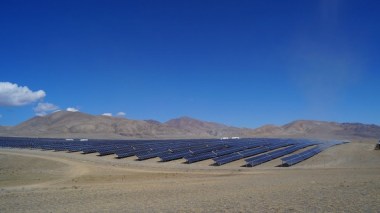
Photovoltaic power station Kosh-Agachsky District, Russia.
Photo: Darya Ashanina via Wikimedia (CC-BY-SA)
US:
¶ Panasonic Corporation of North America and the city of Denver, Colorado (and some other local private entities) will be partnering in order to bring various “smart” city technologies and expertise to area residents and visitors, according to a recent press release from Panasonic. [CleanTechnica]
¶ The Solar Foundation, an independent nonprofit solar research organization, released its sixth annual National Solar Jobs Census. The new report found that the solar industry employed 208,859 Americans in 2015, up 35,052 solar workers over the previous year, for a 20.2% increase. [solarserver.com]
¶ Siemens has been awarded an order from Westar Energy, Inc. to supply, support install and provide service for 122 wind turbines for the Western Plains Wind Farm project to be located near Spearville, Kansas, approximately 100 miles west of Hutchinson. Operations should start in early 2017. [Power Online]
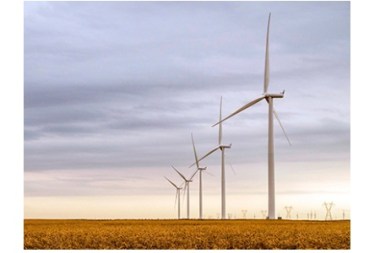
Siemens wind turbines.
¶ FuelCell Energy Inc has announced plans for the installation of a 5.6-MW fuel cell power generation system for Pfizer Inc, a biopharmaceutical company, to provide low-carbon electricity and steam for its 160 acre R&D facility in Groton, Connecticut, according to reports. [RenewablesBiz]
¶ The renewable-energy industry is one of the fastest-growing sectors of Vermont’s economy. But as siting of solar and wind projects generates public outcry in the state’s communities, some lawmakers want to give municipalities more control over the fate of projects. [Vermont Public Radio]
¶ SunEdison has signed a 20-year power purchase agreement with Watervliet, New York for close to 1 MW DC of solar power. The energy will be used in all city-owned buildings, including the City Hall, fire station and library, for an expected saving of about $1 million over 20 years. [PennEnergy]
Posted in nuclear power, renewable power, solar, wind | 1 Comment »
Tags: nuclear, nuclear power, photovoltaic, renewable power, solar power, wind power
January 11, 2016
Opinion:
¶ Nuclear power might be safe or cheap, but never safe and cheap • In spite of the problems of corrosive, hot, cancer-causing, deadly waste, the Wisconsin Legislature has been captured by industry lobbyists who love a good yarn like the one about clean, safe, cheap nuclear power. [Madison.com]

Point Beach nuclear power plant on Lake Michigan.
¶ 8 reasons why building new nuclear power plants is a bad idea • The South African government seems intent on pushing through its plans to build a fleet of new nuclear power stations regardless of mounting public criticism and opposition. Alas, atomic energy remains a poor option. [News24]
World:
¶ Egypt’s feed-in tariff renewable energy program is seen to provide a debt and equity investment opportunity of between $6 billion (€5.5 billion) and $7 billion through 2018, according to investment bank EFG Hermes. The country has a renewables goal of 20% by 2020. [SeeNews Renewables]
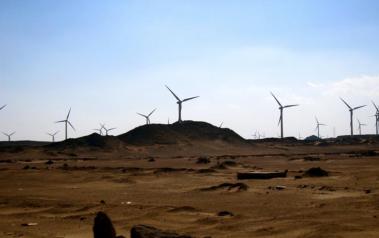
Wind farm in Egypt. Author: Gigi Ibrahim. License: Creative Commons, Attribution 2.0 Generic
¶ Wind turbine manufacturer Suzlon said it has received a 197.40-MW repeat order from a leading Indian renewable energy independent power producer. The order is for 94 wind turbines with rated capacity of 2.1 MW each and will be executed in Andhra Pradesh by February 2017. [BW Businessworld]
¶ Lightsource Renewable Energy connected 23 new sites in the UK in December, totalling more than 100 MW of new capacity. Lightsource plans to connect a further 14 ground-mount sites totalling 92 MW by March 31, bringing its total installed capacity in the UK to 1.3 GW. [Your Renewable News]
¶ Power output from Scottish wind turbines rose to record levels in 2015, producing enough electricity to power 97% of the country’s homes, a report from WWF Scotland suggests. In six out of 12 months, wind supplied more than 100% of Scottish household needs. [Scottish Daily Record]
Pic: PA
¶ A £1 million project will see the construction of one of the first industrial-scale battery storage facilities in the UK. The joint venture project seeks to demonstrate the technical and commercial feasibility of connecting an energy storage facility at a solar farm to the mains grid. [Energy Matters]
¶ The aging nuclear power plant that provides much of Toronto’s electricity is set to get a new lease on life today. The provincial government and Ontario Power Generation are expected to announce plans Monday afternoon for refurbishing the Darlington nuclear generating station. [CBC.ca]
US:
¶ TXU Energy will soon launch the first electricity plan in Texas backed 100% by solar-generated electricity from within the state, according to a press release from the company. The plan comes soon after the company’s decision to offer high-efficiency rooftop solar options. [CleanTechnica]
Photo by TXU Energy
¶ Data compiled from daily reports by California’s major grid manager indicate that in 2015, solar became the No 1 source of renewable energy in the state. Not only did solar beat wind power for the first time, but it also topped drought-depleted hydropower, the long-standing leader. [KQED]
¶ IHS Research updated its solar installation outlook based on the US federal investment tax credit extension. The update increases the projected US solar growth for 2017 from 6-7 GW to 15 GW, but actually decreases the outlook for 2016 to 13 GW, from 17 GW. [CleanTechnica]
Image by SolarCity
¶ An Iowa State University agronomy assistant professor, says perennial grasses can reduce the carbon pollution that causes climate change and can be harvested to provide fuel. The plants’ deep roots help hold fertilizers, slow rainfall that causes flooding and feed the soil. [DesMoinesRegister.com]
Posted in nuclear power, renewable power, solar, wind | 1 Comment »
Tags: nuclear, nuclear power, photovoltaic, renewable power, solar power, wind power
January 10, 2016
Opinion:
¶ Vermont power line approval big step for Canadian power • The $1.2 billion, privately funded TDI project faced no significant opposition, something unusual for the state. One difference is the entire TDI project, which would power for about 1 million homes, would be invisible. [Rutland Herald]
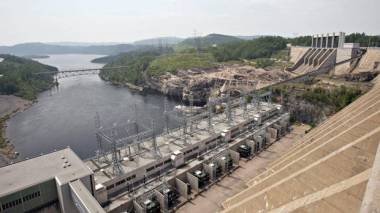
The Jean-Lesage hydro-electric dam generates power along the Manicouagan River, north of Baie-Comeau, Quebec. AP file photo
Science and Technology:
¶ One researcher from Portsmouth University in England claims that properly implemented artificial “power islands” could solve the world’s energy crisis. An artificial archipelago of power islands could provide a place for energy to be secured from wind, tides, and the sun. [The Inquisitr]
World:
¶ Scientists and conservationists fear China’s ever-increasing pressure to expand the nuclear power sector means not enough attention is being paid to safety. Within a couple of decades, Hong Kong could be in close proximity to as many as 39 reactors. [South China Morning Post]

The dome of a containment structure is hoisted into position
at the Taishan Unit 2 nuclear power plant. Photos: Corbis
¶ Deputy Prime Minister Hoang Trung Hai urged Electricity of Viet Nam to develop renewable energy sources including wind and solar power. He made his request at a conference held by EVN to review last year’s electricity sector performance and set goals for this year. [VietNamNet Bridge]
¶ India has taken up a massive energy efficiency mission under which it will switch over to LED bulbs by the end of 2018, which would result in a saving $ 6 billion per annum, says the Union Minister for Power, Coal, New & Renewable Energy. The plan is to replace 710 million light bulbs. [Indiainfoline]
US:
¶ When the Hoke County commissioners approved plans for a 200-acre solar farm last week, a signal was sent out across the state: North Carolina’s solar boom isn’t over despite the termination of a generous tax credit that sparked rapid growth over the last decade. [Fayetteville Observer]
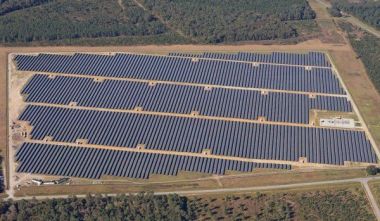
Solar farm construction in North Carolina. Duke Energy photo
¶ California Governor Jerry Brown is back with his plan to cut petroleum use in California in half by 2030, despite its legislative defeat last year by a faction of pro-oil Assembly Democrats heavily influenced by a big money industry campaign. This year things may be different. [Huffington Post]
¶ Two low-income communities will benefit from new solar power projects due to the efforts of Boston Community Capital, with financing from Eastern Bank. They will almost double the solar capacity associated with the Solar Carve-Out II program for affordable housing in Massachusetts. [CleanTechnic]
¶ West Virginia’s four largest electric utilities revealed plans for what the state’s power production might look like over the next 10 years. All four plan to continue reliance on coal, though Appalachian Power would diversify its energy portfolio with more solar and wind energy. [Charleston Gazette-Mail]

The John Amos Power Plant near St. Albans, West Virginia.
Chris Dorst | Gazette-Mail file photo
¶ The recent Annual Auto Survey from Consumer Reports saw electric cars in the top three positions for owner satisfaction. The Tesla Model S was the most satisfying car for commuting in the survey. It was following closely by the Chevy Volt plug-in hybrid and the Nissan LEAF. [CleanTechnica]
¶ Michigan-based NOVI Energy is moving forward with plans to build two anaerobic digester power plants in Sampson County, North Carolina, after county commissioners approved incentives for the facilities. The performance-based incentives would total $522,348 per plant. [BlueRidgeNow.com]
Posted in nuclear power, renewable power, solar, wind | 1 Comment »
Tags: nuclear, nuclear power, photovoltaic, renewable power, solar power, wind power
January 9, 2016
Opinion:
¶ Gas Leaks, the Clean Power Plan & Fracking • California Governor Jerry Brown declared a stage of emergency in the affluent Porter Ranch neighborhood in Los Angeles due to a gas leak spewing about 1200 tons of methane per day. The leak began in October. The LA gas leak provides another cautionary tale on fracking. [Huffington Post]
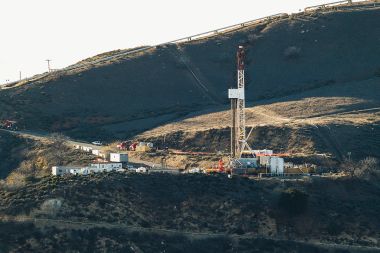
Equipment on a ridge in Southern California Gas Company’s vast Aliso Canyon facility, site of the gas leak. Photo by Scott L from Los Angeles, USA. CC BY-SA 2.0. Wikimedia Commons.
World:
¶ Tesla global communications director said Tesla Powerwalls are already being made and shipped. Two models, 7-kWh and 10-kWh are for residential homeowners, to store extra solar electricity or for backup. The cost for Tesla’s 7-kWh Powerwall is $3,000, while the 10-kWh model is priced at $3500. [CleanTechnica]
¶ Indonesian state-utility firm Perusahaan Listrik Negara is again bumping heads with the government over the country’s renewable energy development, as it holds back $783 million in micro-hydro projects. It has yet to agree to purchasing deals for 114 proposals, which typically produce less than 100 kW. [Jakarta Globe]
¶ The world’s largest operational offshore wind farm, London Array, has set a new record for power generated by an offshore wind farm. December 2015 saw its 175 turbines generate 369,000 MWh of electricity, beating a previous record of 317,000 MWh set last November. The capacity factor for the month was 78.9%. [Windpower Engineering]
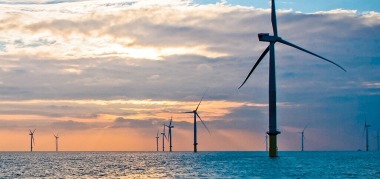
The London Array set records. Image from londonarray.com.
¶ Swedish utility Vattenfall said low electricity prices and the country’s nuclear output tax mean its nuclear reactors are operating at a loss. It warns of serious consequences to Sweden’s electricity supply should it be forced to shut down its remaining reactors early. It is already closing two reactors five years ahead of schedule. [World Nuclear News]
US:
¶ Add Sunrun to the list of solar companies ending their Nevada operations in response to a net metering ruling by the Nevada Public Utilities Commission. The San Francisco-based company today said it ceased all operations in Nevada, a move resulting in hundreds of job losses. SolarCity is also leaving the state. [CleanTechnica]
¶ Nearly 100,000 solar panels in western Weld County, Colorado, on land equivalent to the size of 48 football fields, have been activated and are generating renewable energy for Poudre Valley Rural Electric Association customers in Northern Colorado. The solar farms will generate enough power annually for 1,300 homes. [BizWest Media]
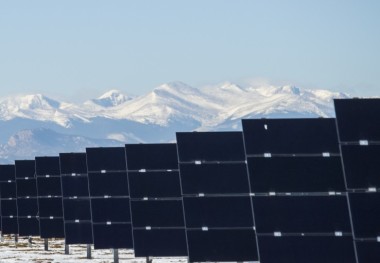
Poudre Valley Rural Electric Association has brought two new solar farms online. (Courtesy PVREA)
¶ Minnesota Power’s Great Transmission Line has cleared an important hurdle. An administrative law judge recommended approval of a route permit for the line, which would bring renewable hydroelectricity from Canada to northeastern Minnesota. The 500-kV, 220-mile line would run to a substation east of Grand Rapids. [Mesabi Daily News]
¶ Tom Vilsack, secretary of the US Department of Agriculture, went to Vermont to announce a $46 million program funded by his agency to support energy efficiency investments in the state. The Vermont Energy Investment Corp will administer the loans to homeowners, small businesses, and towns. [BurlingtonFreePress.com]
¶ The partnership between Panasonic Corporation and Tesla is set to continue for the foreseeable future, based on comments recently made by the Panasonic’s president Kazuhiro Tsuga. The company will reportedly be putting up to $1.6 billion into the Gigafactory being developed with the noted EV manufacturer. [CleanTechnica]
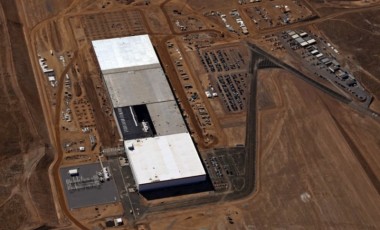
Gigafactory by Tesla.
¶ A report by the US government’s NREL and Berkeley Lab finds a 3.6% reduction in fossil fuel generation and up to $3.9 billion in net savings for electricity customers in 2013, as well as reduced water use and the creation of 200,000 jobs. State-level Renewable Portfolio Standards are important for the benefits. [pv magazine]
¶ EDF Renewable Energy announced that the 150 MW Slate Creek Wind Project in Kansas reached commercial operation on December 29, 2015. The Project, about 50 miles south of Wichita, has 75 Vestas 2-MW wind turbines. The facility will generate enough electricity to power the equivalent of 55,000 average homes. [PennEnergy]
Posted in nuclear power, renewable power, solar, wind | 1 Comment »
Tags: nuclear, nuclear power, photovoltaic, renewable power, solar power, wind power
January 8, 2016
Opinion:
¶ Will we ever see a White Christmas again? • Climate change is like Santa Claus – not everyone believes. Nevertheless, last month wasn’t just the wettest and warmest December on record in the UK, it was the wettest of any month since records began in 1910. Experts say the trend could now be the norm. [Plymouth Herald]

Will we ever see a White Christmas again?
World:
¶ India is likely to have an operational solar power capacity of close to 20 GW by March 2017 if projects under the states’ and central solar power policies go ahead as planned. The solar energy capacity is expected increase four-fold from the current 5 GW during the next fiscal year, which ends in March 2017. [CleanTechnica]
¶ UK Energy secretary Amber Rudd has admitted new policies will have to be put in place during this Parliament if the UK is to meet its renewables and climate targets. She said she would be working “across government” to deliver new policies for meeting the UK’s 2020 renewables target and fourth carbon budget. [reNews]
¶ German wind power generation jumped from 57.3 TWh in 2014 to 86 TWh in 2015. Renewables met 32.5% of Germany’s power needs last year, up by more than 5 percentage points on 2014. Onshore wind farms produced 39% more year-on-year, while offshore generation surged nearly fivefold. [SeeNews Renewables]

German renewable generation by type. Agora Energiewende image
¶ The vision for energy storage technologies took another step towards becoming reality this week, as AES UK & Ireland announced the UK’s largest battery array is now online. The Kilroot Advancion Energy Storage Array in Northern Ireland was now offering 10 MW of energy storage capacity to the grid. [Business Green]
¶ 2015 was a record year for UK wind power, with both onshore and offshore wind farms supplying enough electricity to meet the needs of 8.25 million homes. National Grid statistics show wind generated a whopping 11% of the UK’s electricity annual demand last year, up from 9.5 percent in 2014. [Energy Matters]
¶ Solar PV electricity generation has surpassed hydro in the UK for the first time in 2015. EnAppSys has revealed the impressive result in a report this week. In the report, it concluded that renewables growth in Britain is causing, “the continued fall in power supply from coal-fired power stations.” [pv magazine]
¶ The program to build nine nuclear plants across South Africa has raised a storm of controversy, as environmentalists object to the dangers, and economists decry the costs. And a study published in 2013 by the University of Cape Town’s Energy Research Center says that they are not even needed. [Fulton News]
US:
¶ A massive report suggests a framework on how the US can get to 100% renewable energy sources by 2050. 100% Clean and Renewable Wind, Water and Sunlight all-sector Roadmaps for the 50 United States suggests this is possible even within 35 years and what 100% renewable energy in the US could consist of. [CleanTechnica]
¶ Duke Energy is to build a 17-MW AC solar plant at Naval Support Activity Crane base, 40 miles southwest of Bloomington in Indiana, if granted a certificate of public convenience and necessity from the Indiana Utility Regulatory Commission. It will feature approximately 76,000 solar panels on 145 acres. [reNews]

Image: Duke Energy
¶ Utah utility regulators rejected PacifiCorp’s bid to shorten contracts with renewable-energy generators from 20 to just three years. The Utah Public Service Commission decided to make the terms 15 years, finding that the balance of policy interests favors a more gradual reduction in contract duration. [Salt Lake Tribune]
¶ Johns Hopkins today announced a new solar project that will produce affordable and reliable solar energy to power to its facilities. The solar project, Johns Hopkins’ first, is located in Queen Anne’s County, Maryland and is expected to offset about 18% of the total energy Johns Hopkins facilities use. [Your Renewable News]
Posted in nuclear power, renewable power, solar, wind | 1 Comment »
Tags: nuclear power, photovoltaic, renewable power, solar power, wind power
January 6, 2016
World:
¶ If Spain had no wind parks, the average annual price on the electricity market would have been 23.8% higher in 2015, according to the Spanish wind energy association. Wind farms offered the lowest wholesale electricity prices in Spain, at about €46.14 ($49.60) per MWh. [SeeNews Renewables]
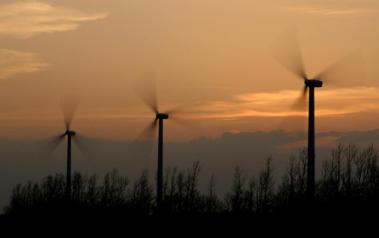
Wind turbines at work. Author: Nick Cross. License: Creative Commons, Attribution-NoDerivs 2.0 Generic.
¶ The Solar Energy Corporation of India and Russian Energy Agency have recently signed a memorandum of understanding to set up large scale solar PV projects in India between 2016 to 2022. Under the terms of the agreement, initially a 500 MW pilot solar PV project will be developed. [CleanTechnica]
¶ Earnings of utilities in central and northern Europe will fall about 7% in 2016, hampered by a reliance on coal, gas and nuclear generation. Spanish, Italian and Portuguese power companies, accounting for about 60% of Europe’s total renewable production in 2014, will do better. [Bloomberg]
¶ On January 1, strict rules for construction came into effect in Germany. Heating new buildings without using renewable energy is no longer permitted. Oil heaters cannot be used at all anymore. A new primary energy requirement that is 25% lower than the previous threshold. [Sun & Wind Energy]

Heating systems that use fossil fuels will have a hard time complying to new regulations in Germany. (Photo: dpa)
¶ French renewable power plants operator Voltalia is developing a wind power cluster in Brazil with an anticipated capacity of around 1.2 GW. A 52-km transmission line with a 400-MVA capacity will be used to transfer the power generated at the cluster to the national grid. [CleanTechnology News]
¶ Western Australia would not be able to privatize its electricity assets even if they were given away, because the popularity of rooftop solar panels has made state-owned power stations unprofitable, a renewable energy expert has said. The grid is over capacity and solar power is growing. [The Guardian]
¶ Last month, journalist Adrian Levy, working for the Centre for Public Integrity in Washington, reported that a “secret nuclear facility” was being created at Challakere amid concerns over safety from some of the local population. Now, scientists have confirmed the report. [The Indian Express]
US:
¶ EDF Renewable Energy said on Tuesday that its 250-MW Roosevelt wind farm in New Mexico has reached commercial operation in mid-December. The plant is now selling electricity to a subsidiary of Xcel Energy, under a 20-year fixed-price power purchase agreement. [SeeNews Renewables]
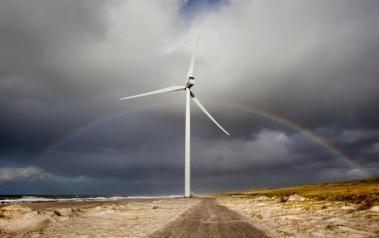
Author: MK Group. License: All rights reserved.
¶ Tesla just busted through the 50,000/year sales barrier, as it projected it would; Model X production is ramping up exponentially; and the company is now bringing in well over $1 billion a quarter in revenue. Everything seems to be moving along as planned at Tesla Motors. [CleanTechnica]
¶ SolarCity is no longer selling renewable energy in Nevada, after the Public Utilities Commissions decision on December 22 to increase rates for solar energy. Those rates took effect on January 1, and SolarCity announced it would close its Nevada training center on January 5. [KTNV Las Vegas]
¶ The Long Island Offshore Wind Project is designed to generate 350 MW with the possibility to expand to 700 MW. This wind facility operating at half its capacity would generate enough energy for about 112,000 homes. Its developers continue to move it through the permitting process. [Long Island Report]
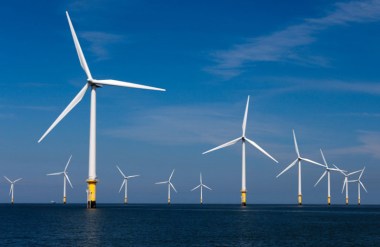
Offshore wind farm
¶ Vermont regulators granted permission for a 154-mile power transmission line, known as the New England Clean Power Link, designed to bring hydroelectric power from Canada to southern New England. The power line, which has not yet received federal approval, uses Vermont as a corridor. [Vermont Public Radio]
¶ Silicon Valley Power, the municipal electric utility in Santa Clara, California, will become a coal-free utility on December 31, 2017, when it ends electricity imports from a New Mexico coal-fired power plant. SVP will replace the power with cleaner energy from renewable and natural gas. [Solar Industry]
¶ The 300-MW Kingfisher wind project in central Oklahoma has started commercial operations, according to Florida-based Gulf Power. Apex Clean Energy oversaw construction and will operate the $452 million wind farm. Vestas supplied 149 V100 2-MW turbines and will provide service for 10 years. [reNews]
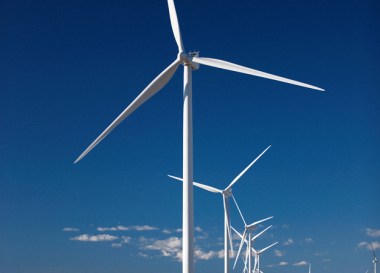
Vestas V100 wind turbines. Credit: Vestas
¶ Environmentalists are expressing disappointment in the new Clean Power Plan Advisory Council that Montana Governor Steve Bullock announced on January 5. The 27-member body includes 17 people either directly tied to the coal-fired energy sector or supportive of it. [MTPR]
Posted in nuclear power, renewable power, solar, wind | 1 Comment »
Tags: nuclear, nuclear power, photovoltaic, renewable power, solar power, wind power
January 5, 2016
Science and Technology:
¶ Thousands of power plants around the world may face severe reductions in their ability to generate electricity by mid-century due to water shortages, new research published in Nature says. Hydro-electric, nuclear, coal, gas, and biomass-fueled power plants are vulnerable to dwindling water supplies. [The Guardian]
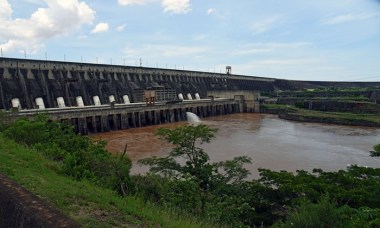
The Itaipu hydroelectric dam on the Parana River, Brazil border. Most hydro-plants are in regions forecast to see water shortages. Photograph: Norberto Duarte / AFP / Getty Images
World:
¶ Russia is touting nuclear power as a way to cut carbon emissions, but a study from Finland’s Lappeenranta University of Technology says Eurasia as a whole would be better served by a less expensive, less risky renewable energy “super-grid,” that relies on wind power even over battery storage. [CleanTechnica]
¶ The UK’s government has repeatedly cited official forecasts of rising energy costs to justify cuts to subsidies for renewables, saying consumer bills need to be kept under control. But government emails show a different story. Energy bills would be nearly £100 lower in 2020, despite higher subsidies. [Carbon Brief]
¶ Carnegie Wave Energy has turned on a wave power station it developed in Western Australia and it has been feeding electricity into the local grid. The technology uses underwater buoys that power pumps as waves move them, to push water through a pipeline. This drives a turbine to generate electricity. [CleanTechnica]
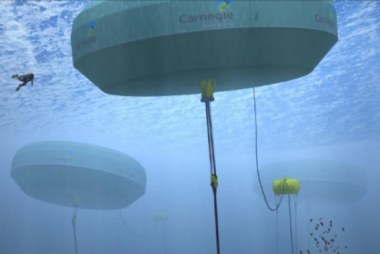
Image Credit: Carnegie Wave Technology
¶ Since a specialized recycling facility was opened in 2010 near Cumbernauld, Scotland, food waste from many sources has been processed and converted into energy for the National Grid. In less than five years 15.5 GWh have been generated, producing for annual needs of 2,000 homes. [Engineer Live]
¶ German energy giant E·ON has separated its fossil fuel assets into a new company, dubbed Uniper. The move became effective on January 1st. The energy company focus on renewables, energy networks, and energy efficiency services, as the independent Uniper will assume fossil fuel and hydro assets. [EurActiv]
¶ LWP Property Group, an Australian property developer, has commissioned an $1.1 million (Aus) study to see if 7,500 new homes can run entirely off-grid. Huntlee, a new township planned in the Hunter Region of New South Wales, could soon become Australia’s first off-grid town. [Greentech Media]

Photo Credit: LWP Property Group
¶ Rooftop solar is now Western Australia’s “biggest power station,” consisting of many thousands of households and businesses with solar panels installed. Figures published by Australia’s Clean Energy Regulator current show more than 192,000 solar power systems installed throughout the state. [Energy Matters]
¶ Enel Green Power has connected to the grid the first 20 MW of its 97-MW Carrera Pinto solar plant in Atacama in Chile. The remaining 77 MW are expected to be completed and enter into service by the second half of 2016. EGP is investing approximately $180 million in the construction of Carrera Pinto. [reNews]
US:
¶ A natural gas leak in California is a problem for the industry, and so is the latest news from Oklahoma, which has been dealing with its own natural gas issues in the form of unprecedented swarms of earthquakes. Just last Tuesday a big one hit the town of Edmund, measuring 4.3 on the Richter scale. [CleanTechnica]
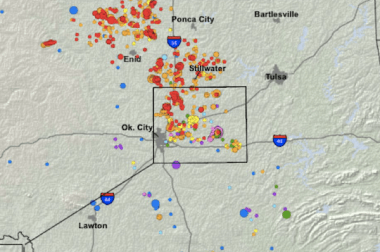
Image: via US Geological Survey.
¶ The US justice department is suing Volkswagen over the emissions scandal that saw the German car giant fit software in millions of cars to cheat emissions tests. VW has set aside €6.7 billion to cover costs worldwide, but experts say the final costs are likely to be much higher than that. [BBC]
Posted in nuclear power, renewable power, solar, wind | 1 Comment »
Tags: nuclear, nuclear power, photovoltaic, renewable power, solar power, wind power
January 4, 2016
World:
¶ The development of wind energy projects in Lennox and Addington County could move forward in 2016 as Ontario seeks to bolster its supply of renewable energy. Proposals from three different companies could see major wind energy projects built at both ends of the county. [The Kingston Whig-Standard]

Wind energy projects in Lennox and Addington County could move forward in 2016. (Whig-Standard file photo)
¶ Qinghai Electric Power, the sub-company of China’s State Grid Corporation, aims to install 7.1 GW of renewable energy in 2016. The majority of the new capacity will be solar PV. Qinghai province’s cumulative capacity of 6 GW, 5.6 GW of which is ground-mounted solar PV, the rest being wind. [pv magazine]
¶ The Irish wind industry launched a publicity campaign to highlight its potential to replace fossil fuels. The Irish Wind Energy Association worked with Rothco to created “Power To Power Ourselves,” a campaign showcasing Ireland’s natural resources for reducing its 85% reliance on energy imports. [reNews]
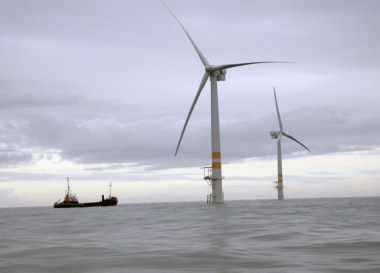
Image: a 3.6MW GE turbine at Arklow Bank in Ireland (NREL)
¶ Battery storage for domestic applications is relatively common in Germany as a result of government incentives. The rationale was not to encourage PV take-up but to smooth out the spikes in electricity flooding its national grid; on some days, the grid can be stressed by excess power from renewables. [CM]
¶ While renewable energy includes wind, biofuels and hydropower, the main winner for this year has been solar energy. And the main regional winner has been the UAE. After a consortium submitted bids for 100 MW, Dewa announced that it would award the consortium 200 MW at 5.84¢/kWh (US). [The National]
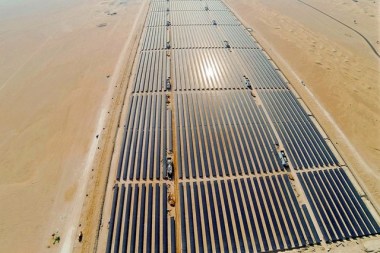
Dewa has ramped up the capacity of Dubai’s Sheikh Mohammed Bin Rashid Al Maktoum Solar Park to 5,000 MW. Courtesy Dewa
¶ Zimbabwe’s main hydroelectric power plant at Kariba is failing, forcing the nation to turn to dirtier fossil fuel-based energies to make up for the deficit. The Kariba Hydropower Station has operated at just 63% percent of capacity since early October when the Kariba dam began to dry up. [AllAfrica.com]
¶ Dong Energy, the biggest operator of offshore windfarms in Britain, has said it plans to spend a further £6 billion in the UK by 2020, convinced that the government is serious about supporting wind power. Vattenfall, another significant UK windfarm operator, says it too is optimistic about conditions in 2016. [The Guardian]
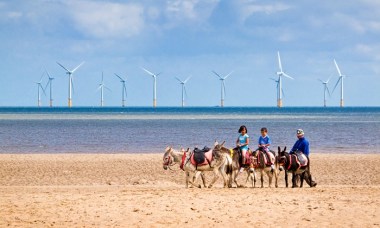
Offshore wind turbines off Skegness in Lincolnshire, UK. Photograph: Alamy
US:
¶ Discarded Christmas trees are being collected at trash centers across Beaufort County, South Carolina, and when the bins are full, crews from a local logging company haul them away. The trees are ground up and burned to make steam for industrial purposes or to create electricity at power plants. [Island Packet]
¶ Wärtsilä will supply a 47-MW Smart Power Generation power plant to Rochester Public Utilities in Minnesota. Five Wärtsilä 34SG natural gas engines will replace aged coal and gas turbine-based capacity. Efficiency will be nearly doubled, and hourly carbon emissions are reduced by 50%. [Industrial PRIME]
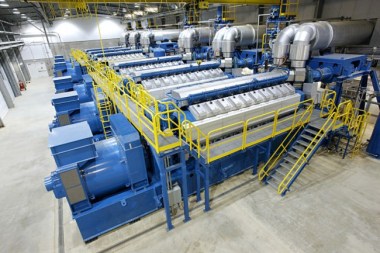
Wärtsilä 34SG engines at Pearsall Power Plant, located in Texas (Image: Wärtsilä)
¶ Leases the Diablo Canyon need to get cooling water expire in 2018 and 2019. They asked the State Lands Commission, chaired by Lieutenant Governor Newsom, to have the leases renewed, casting the move as a simple administrative step. But he wants a full environmental impact review. [San Francisco Chronicle]
Posted in nuclear power, renewable power, solar, wind | 1 Comment »
Tags: nuclear, nuclear power, photovoltaic, renewable power, solar power, wind power
January 3, 2016
Opinion:
¶ What’s Ahead for Climate Change in 2016? • This year will kick off with a sense of optimism about climate change after the success of the Paris climate talks in December. Here is a set of projections for what lies ahead in 2016, including the possibility of both low oil prices and declining emissions. [Discovery News]
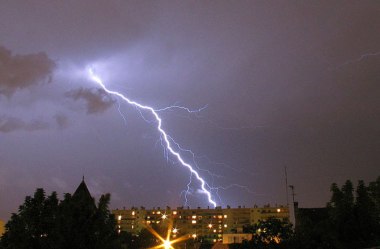
Lightning strikes may increase by about 12% for every degree Celsius gained. Axel Rouvin via Wikimedia Commons
World:
¶ In 2014, the government of India upped the 2022 target of the national solar mission to 100 GW, from the earlier 20 GW. And at COP21, Prime Minister Modi said that India will produce 175 GW from non-fossil sources by 2022. By 2030, 40% of India’s electricity will be renewably generated. [DEALSTREETASIA]
¶ A major EU-funded home-energy project called RealValue has been set up by an Irish consortium led by billion-euro business Glen Dimplex.Exactly 1,250 homes in Ireland, Germany and Latvia will have cutting-edge Glen Dimplex electrical storage systems installed in them as part of the project. [Irish Independent]
¶ WindStream Energy Technologies (India) Private limited, in collaboration with the US company, has started assembling small vertical turbines with imported parts in Hyderabad. The silent turbines can be installed on any rooftop along with solar panels, to produce a hybrid home energy system. [The Hindu]
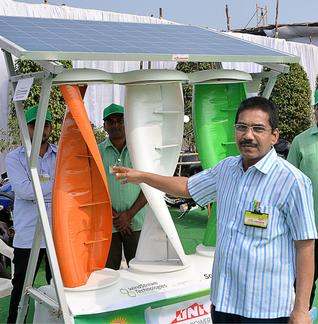
Hybrid renewable home power generation using solar panels and wind turbines. Photo: C.V. Subrahmanyam
¶ Tamil Nadu, is India’s leader in energy production using biomass fuel, with 200 MW capacity, mostly from sugar molasses as fuel. The state now houses a unique 400-kW plant on a quarter-acre spread at Mahindra World City that runs on food waste.The bio-CNG plant can process 10 tonnes of food waste every day. [Times of India]
¶ India’s Prime Minister Narendra Modi, in his Independence Day speech, said that around 18,500 villages would be electrified in 1,000 days. Now, the Minister of State for Power, Coal, New and Renewable Energy, Piyush Goyal, has said he is confident of achieving the target in around 730 days. [CanIndia News]
¶ A City financier supporting a proposed power cable between Iceland and Britain is launching a new venture to build several more links to electricity sources across Europe. Global Interconnection Group is set up to explore trading electricity among the UK and the Channel Islands, Ireland and France. [Telegraph.co.uk]

Nacelle in an Irish wind farm. Photo by Peter Giesbrecht. CC BY-SA 3.0 Wikimedia Commons
¶ Uranium prices are expected to outperform other commodities in 2016 and beyond as a global climate change deal and growing demand from Asia bolster the prospects of the nuclear industry. The metal has been gradually recovering from a sharp decline in the wake of Japan’s Fukushima Disaster. [Business Recorder]
US:
¶ Renewables were up to 13.6% of US electricity generation in October, and 13.2% for the year through November. Unfortunately, that’s slightly down from 13.3% in 2014 for the same period, due to a significant drop in hydroelectric generation and a significant rise in natural gas electricity generation. [CleanTechnica]
¶ The Maine Public Utilities Commission is refusing to release a set of energy-pricing forecasts that are at the center of allegations that it improperly scuttled a wind power contract. The PUC said it considers the forecasts a “trade secret” of the firm that generated them and will not release them. [Press Herald]
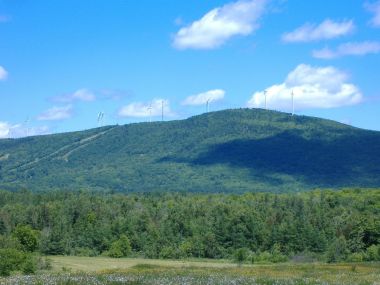
The Mars Hill Wind Farm in Maine has 28 GE 1.5-MW wind turbines. Photo by Michael Surran. CC BY-SA 2.0 Wikimedia Commons.
¶ Five proposed 20-MW solar projects would boost the amount of renewable power generated in Vermont, but the credit for the solar power is worth far more in other states, a recent analysis found. That means the renewable energy credits will most likely be sold elsewhere. [Barre Montpelier Times Argus]
¶ Mary Powell has guided Green Mountain Power as president and CEO, while its industry undergoes massive disruption. For her impact on the power industry and Vermont’s energy future, and for courageously promoting breast cancer awareness, she is the 2015 Vermonter of the Year. [BurlingtonFreePress.com]
Posted in nuclear power, renewable power, solar, wind | 1 Comment »
Tags: nuclear, nuclear power, photovoltaic, renewable power, solar power, wind power
January 2, 2016
Opinion:
¶ A Green Revolution Starts with Partnerships • A lot of proposals have been put forth on how to jump-start a green world economy. And history has proved that public-private partnerships don’t just increase access to funding for startups, but they also incentivize dialogue, cooperation and new ideas. [Triple Pundit]

Image: Floris Oosterveld
¶ Renewables riding momentum into 2016 • The worldwide move toward cleaner energy continued to gain momentum in 2015. Actions at the state, national and international level are all sending an undeniable message that the rise of clean energy is here to stay. Montana is an exception. [The Bozeman Daily Chronicle]
¶ Government takes backward view over renewable energy • In the aftermath of the UN Paris Climate Conference, it is extraordinarily sad that, in the face of the threat of significant climate change, the UK’s Government is showing such poverty of ambition about renewable energy sources. [shropshirestar.com]
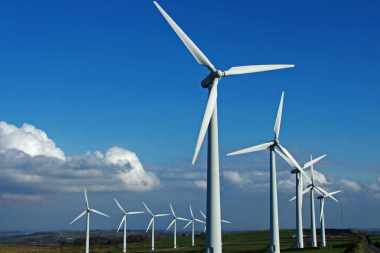
Turbines in a windfarm
World:
¶ The electricity provision of Sri Lanka will reach 100% by January 31, Power and Renewable Energy Ministry sources said. The target would be achieved through a program bringing electricity to 200,000 households of low income earners who cannot afford electricity. [The Official Government News Portal of Sri Lanka]
¶ Wind and solar power are set for a construction boom in spite of a glut of cheap fossil fuels. Orders for 2016 solar and wind are up sharply, from the United States to China to the developing economies of Africa and Latin America, all in defiance of stubbornly low prices for coal and natural gas. [Dallas Morning News]
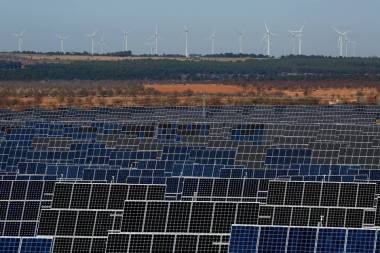
Photovoltaic power panels stand at Abaste’s El Bonillo Solar Plant while wind turbines spin at a wind farm on the background.
¶ The past year has been a good one for renewable microgrids. There has been significant growth in the deployment, implementation and interest in renewable microgrids globally. Importantly, this growth seems set to continue into 2016.The regions with the fastest growth are North America and Asia. [Energy Collective]
¶ This month, the government of the Indian state of Madhya Pradesh government will float global tenders to select a developer for a 750-MW solar power station. Spread over nearly 1,500 hectares and start generating power by 2017, it will be the world’s largest solar power plant at a single location. [Hindustan Times]
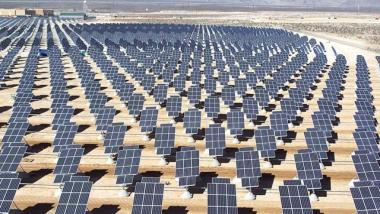
Photo for representation
US:
¶ In Oregon, the Eugene Water & Electric Board, preparing for a major shift in how it will serve customers, is developing small microgrids as a two-year test project. The project will test how electricity from solar panels and stored in large batteries can keep vital systems operating in emergencies. [The Register-Guard]
¶ Pacific Gas & Electric’s Diablo Canyon plant, located in California on the Pacific coastline in San Luis Obispo County, will have its original 40-year federal licenses for the plant’s two units expire in 2024 and 2025. PG&E has been dithering over whether to pursue license extensions for the plant. [Los Angeles Times]
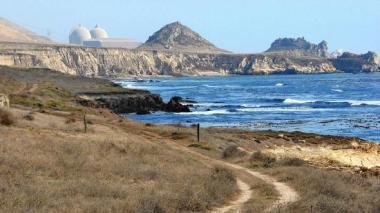
PG&E’S Diablo Canyon nuclear plant on the San Luis Obispo County coast is three miles from a quake fault. (Michael A. Mariant / AP)
¶ Pennsylvania is widely considered to have one of the most advanced markets for electric retailers, with a nationwide retail market study in July ranking the Commonwealth second only to Texas. Pennsylvania deregulated power generation in the 1990s, but there are still hiccups in the system. [PowerSource]
¶ In Colorado, Boulder County’s government mandated that licensed cannabis growers use 100% renewable energy starting in 2015. Most growers were unable to meet that requirement, so the county created an alternative, a fund growers pay into, largely used to educate growers on energy usage. [Al Jazeera America]
Posted in nuclear power, renewable power, solar, wind | 1 Comment »
Tags: nuclear power, photovoltaic, renewable power, solar power, wind power
January 1, 2016
Opinion:
¶ Paris Fails to Revive the Nuclear Dream • At COP21, nuclear advocates made pitches on climate change, but analysis of the plans of 195 governments that signed the Paris agreement, each with its own plans to reduce national carbon emissions, show that nearly all of them exclude nuclear power. [EcoWatch]
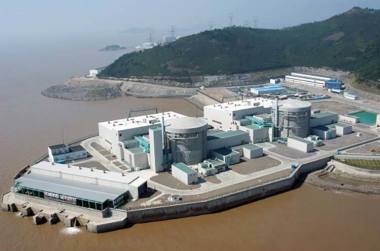
Reactor at Qinshan: Many experts doubt that China can go far to meeting its needs with nuclear power. Photo credit: Atomic Energy of Canada Limited
Science and Technology:
¶ Dr Gavin Schmidt, director of NASA’s Goddard Institute of Space Studies, recently tweeted some charts about CO2 and global temperatures. They tell a compelling story. Climate change has not slowed down; it has been unrelenting. The result, unless we act vigorously, is disaster on many fronts. [CleanTechnica]
World:
¶ In normal times, a months-long slide in energy prices would be enough to rattle a man who makes wind turbines for a living. Yet amid a worldwide glut of cheap fossil fuels, Vestas Wind Systems posted record gains and inked major deals to build wind farms in the United States, Europe, Africa and Asia. [WatertownDailyTimes.com]
¶ More than 200 winning solar power projects, with 800 MW of total capacity, have been announced by the French Ministry of Ecology, Sustainable Development and Energy. The tariff for large rooftop solar projects is €129/MWh with €124/MWh for ground-mounted solar installations. [CleanTechnica]

Image: Laurent Joffre, Wiki Commons
¶ There are plans for nearly 10 GW of capacity to be added in the UAE by 2021. At least 7% of the nation’s total power generation will come from renewable sources by 2020. Some coal-fired generation is also being added. The largest addition to the mix is expected to be four APR 1400 nuclear units. [POWER magazine]
¶ In China, the ruling Communist party is now taking air quality measures very seriously in the wake of the Paris climate talks and growing public awareness. This is a big business opportunity for IBM and Microsoft, both of which have contracts to develop systems for predicting smog problems. [Hexa News]
US:
¶ Developers say solar technology has finally come of age in Idaho, resulting in a shift away from wind turbines in their renewable-energy project applications. This is thanks to a roughly 200% decline in the price of the technology during the past five years and a demand-based change in state policy. [Capital Press]
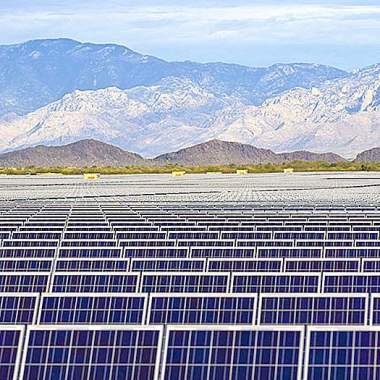
Courtesy of SunEdison, a 25-MW solar power project near Tucson.
¶ The need for new business models is a pressing issue on the minds of utility industry stakeholders. In DNV GL’s second annual Utility of the Future Survey, a third of respondents cited the need to find new business models as the most significant challenge facing the industry over the next five years. [POWER magazine]
¶ In December, the New Jersey Senate passed legislation to require an increase in the percentage of the state’s energy coming from renewables, such as solar and wind, every five years. The portion would reach 80% by 2050. The bill must be posted by January 11, however, or the effort will be for naught. [NJ.com]
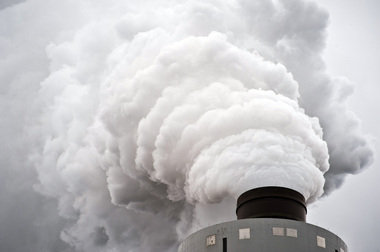
A bill has cleared the N.J. Senate that mandates 80% of the state’s energy comes from renewable sources by 2050. (Andre Chung/MCT)
¶ Hawaii’s State Energy Office has released a report on the state’s progress on clean energy. Hawaii Clean Energy Initiative was established in 2008, the state has surpassed all RPS mandates well ahead of time. The target for 2015, 15%, was reached in 2013. In 2014, renewables provided 21.1%. [Biomass Magazine]
¶ An NRC investigation found contractors at Waterford 3 nuclear power plant failed to perform fire inspections and falsified records for at least 10 months to show the inspections occurred. One contract worker admitted to sleeping instead of performing an inspection, but records say it was done. [St. Charles Herald Guide]
Posted in nuclear power, renewable power, solar, wind | 1 Comment »
Tags: nuclear, nuclear power, photovoltaic, renewable power, solar power, wind power
December 31, 2015
World:
¶ The new energy policy of Chile targets 70% of power to come from renewable sources by 2050. The new national plan Energy 2050 is aimed at reducing energy blackouts. It will allow Chileans access to electricity and ensure that 70% of Chile’s energy supply comes from renewable sources by 2050. [Greentech Lead]
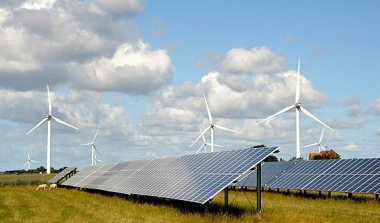
Solar, wind, sheep
¶ A fully renewable energy system is achievable and economically viable in Russia and Central Asia in 2030. Researchers from Lappeenranta University of Technology modelled a renewable energy system for Russia and Central Asia. Results show that renewable energy is the cheapest local option. [Eurasia Review]
¶ Nova Scotia Power is stabilizing electricity prices at the same time it performs the most rapid transition to renewable energy in Canada. It has gone from generating nine per cent of electricity from renewable sources in 2007 to more than 25% in 2015, and will reach or exceed 40% by 2020. [The News]
¶ India’s Union cabinet has decided to provide ₹5,000 crore ($756 million) for solar rooftops in the next five years. The new scheme, providing capital subsidies of 30% to 70% depending on which state the installation is in, could potentially revolutionize decentralised energy generation in India. [Hindustan Times]
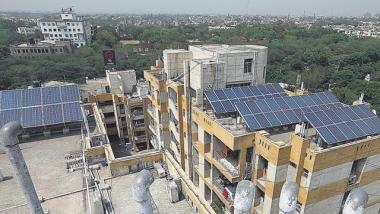
The decision to approve a new subsidy for rooftop solar power generation is a major leap towards a clean energy future. (HT File Photo)
¶ More than a thousand Chinese coal mines will be shut down next year, removing 60 million metric tons of capacity, as the country fights air pollution from coal. China is on track to produce 3.58 billion tons of coal this year, down 0.5% from 2014, according to the National Environmental Agency. [Waltonian]
¶ Peak wind power production in Portugal hit 4,211 MW at 0215 local time on Monday, surpassing for the first time national electricity consumption, according to figures by power utility Redes Energeticas Nacionais. This was 80 MW more than the record set in January, 2015. [SeeNews Renewables]
US:
¶ Battery storage is already showing itself as a hotly contested race in the US, even before the 2016 expected retail launch of the Tesla Powerwall. This storage race has been fueled by German-based Sonnenbatterie launching its plug-and-play home battery system in the US prior to Christmas. [CleanTechnica]
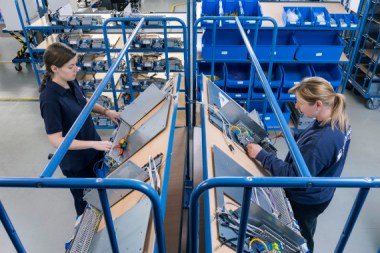
Image via Sonnenbatterie
¶ The Federal Energy Regulatory Commission has granted an application from Energy Resources USA Inc for a three-year preliminary permit to study the feasibility of the proposed Lock and Dam No. 22 Hydroelectric Project, on the Mississippi River, near the City of Hannibal, Missouri. [HydroWorld]
¶ Millions of dead trees in California create a risks of wildfire. Governor Jerry Brown declared a state of emergency that will require utilities, power plants and state agencies to work together. Nevertheless, several biomass plants have been idled because they cannot compete with solar and wind. [Capital Public Radio News]
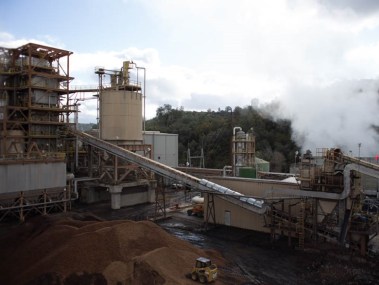
The 18 MW Buena Vista Biomass Power facility in Ione, CA turns forest debris into energy. Andrew Nixon / Capital Public Radio
¶ GOP leaders in the Wisconsin Legislature are moving to eliminate restrictions on nuclear power that were enacted after the 1979 meltdown at the Three Mile Island plant in Pennsylvania focused public attention on the potentially dire consequences of accidental releases of radioactive material. [Chippewa Herald]
Posted in nuclear power, renewable power, solar | 1 Comment »
Tags: nuclear, nuclear power, photovoltaic, renewable power, solar power, wind power
December 30, 2015
Opinion:
¶ Should we solar panel the Sahara desert? • Could one solution to climate change be to harvest the power of sunlight where it shines brightest on the planet? Should we solar panel the Sahara desert? Four experts with four points of view discuss the radical proposal with the BBC World Service Inquiry program. [BBC News]
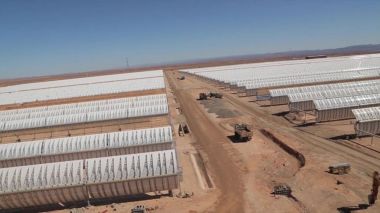
Rows of curved mirrors capture solar energy at the Ouarzazate plant in Morocco
¶ Martin Luther King III: How the polluter-backed National Black Chamber misleads minorities • The National Black Chamber of Commerce has been warning communities of color that the Obama administration’s Clean Power Plan will cause job losses and generate higher energy bills. Neither is true. [Washington Post]
World:
¶ Wind will be the energy source for two of Volkswagen’s factories in Mexico. That is, if all goes through as planned. Spanish turbine maker Gamesa agreed last week to build a 130 MW wind farm to power these two VW sites. Is this part of Volkswagen’s comeback after the diesel scandal? [CleanTechnica]
¶ Propelling a global boost in renewable energy, Australia’s Clean Energy Regulator has reported small-scale rooftop solar totaled 4.59 GW in 2015. As reported by pv-magazine, data released by the Clean Energy Regulator shows 119,000 new small-scale PV installations have been built in 2015. [CleanTechnica]
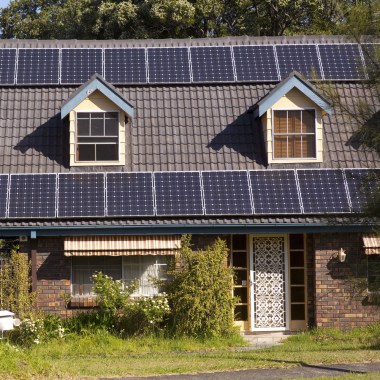
Rooftop solar panels via Shutterstock
¶ As 2015 draws to a close, an academic from Berlin’s Hochschule für Technik und Wirtschaft compiled data showing that around one-third of Germany’s electricity was supplied by renewable sources in 2015. It shows they supplied 194 TWh of electricity, 32.5% of a total gross consumption. [pv magazine]
¶ Record-low coal prices and increased wind and solar generation that pushed European power prices to their lowest in a decade may cause further declines in 2016. Average day-ahead electricity prices in Germany, Europe’s biggest market, fell 3.2% to €31.70 ($34.65) per MWh in 2015 [Energy Voice]
¶ The total installed capacity of solar PV in Scotland reached 179 MW in 2015, a rise of 28% since last year. Analysis of updated feed-in tariff installation figures from Ofgem for December 2015 showed over 40,000 homes and 850 business premises in Scotland now have solar PV arrays fitted. [reNews]
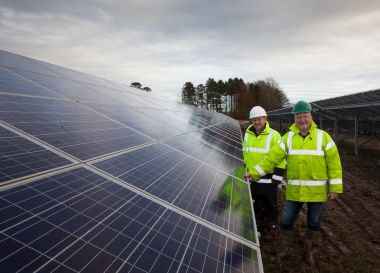
Scottish PV array near Arbroath (British Solar Renewables)
¶ China, the world’s biggest clean energy investor, plans to increase wind and solar power capacity by more than 21% next year as it works to reduce greenhouse gas emissions by cutting its reliance on coal. The nation is targeting at least 20 GW of new wind power installations and 15 GW of solar. [Bloomberg]
¶ According to the director of the Energy Initiative at the University of Queensland, developing countries are looking at nuclear energy for base-load power with low carbon emissions. Professor Chris Greig says nuclear is a zero emissions power source despite its being supplied by fossil fuels. [ABC Online]
¶ Siemens has been awarded orders for three onshore wind projects in Scotland, supplying up to 50,000 households in South and North Ayrshire and Lockerbie. Siemens will install 57 wind turbines in total, with the contracts also including long-term service and maintenance. [Renewable Energy Focus]

Siemens SWT-3.2-101 model (Image courtesy of Siemens AG).
¶ The Roman Catholic Church in South Africa urged the government Tuesday to suspend its nuclear power procurement plans until a referendum on the issue is held., saying in a statement the risks of adding nuclear energy to the national grid outweigh any economic benefits. [International Business Times]
¶ After 44 years of generating electricity reactor one at Wylfa power station on Anglesey shuts down today. It is the world’s biggest Magnox nuclear power station. Originally scheduled for shutdown in 2010 the reactor continued to produce energy for an additional five years but now its term has ended. [WalesOnline]
US:
¶ The State of California Natural Resources Agency funded a report examining renewable energy development and restoration strategies for the drought-threatened Salton Sea, a saline lake in the Imperial Valley. The report estimates the area has more than 1,800 MW of geothermal potential. [Utility Dive]
¶ The US installed 4.378 GW of wind power and 1.495 GW of solar power capacity in January-November 2015, boosting its cumulative non-hydro renewables capacity to 104.3 GW. Renewable power plants in the US, excluding hydroelectric, account for 8.95% of the total power mix. [SeeNews Renewables]
¶ Utility-scale solar is reaching “grid parity” (ie, cost equivalency) with traditional generation in more areas across the country. And solar received a major boost when the federal tax incentive was recently extended through 2021. The result is that utility-scale solar can expect a sunny future. [Energy Collective]
Posted in nuclear power, renewable power, solar, wind | 1 Comment »
Tags: nuclear, nuclear power, photovoltaic, renewable power, solar power, wind power
December 26, 2015
Opinion:
¶ Fossil fuels are all but finished: Renewable energies are the future, whether the GOP acknowledges it or not • 2015 can be viewed as the year in which an epochal transition in energy took off. With renewables making significant strides, the beginning of the end of the Fossil Fuel Era has come into sight. [Salon]

All but finished. Shutterstock
¶ Bigger than Keystone – Lawmakers need to take up the cause of the Grain Belt transmission project • Build the Grain Belt Express! That should be the new rallying cry for members of Congress from Kansas and the message from Kansas lawmakers to their counterparts in neighboring Missouri. [Hutchinson News]
Book Review:
¶ Book Review by Ralph Nader • In January of 2016, David Freeman and Leah Y Parks will publish an important book about energy and climate change: All-Electric America: A Climate Solution and the Hopeful Future. The book is scathing but optimistic, and manages to be bold while remaining pragmatic. [Eurasia Review]
World:
¶ Lack of clarity on policy governing privately-owned renewable energy-based mini-grids is preventing investors from expanding their network in the hinterlands of north India. One company that is unsure about its investment operates over 70 minigrids, each with a 25 kW biomass power plant. [Financial Express]

Husk Power Systems’ investment could suffer if the state government decides to install centralized grids in the areas of its operations. (Reuters)
¶ Fortum is starting a wind farm project in Ulyanovsk, Russia with a total capacity of 35 MW. Its investment is approximately €65 million. The wind farm should start production in 2017. The generation capacity receives guaranteed payments for 15 years in order to ensure sufficient return on investment. [Windtech International]
¶ Airports around the world have been installing renewable energy systems, some of which are very innovative. While one airport is running entirely on solar energy, floor tile tech may one day power all of Heathrow just by being walked upon. Airplanes are being filled up on with biofuel, and there is more. [Road Warrior Voices]

Screenshot: PaveGen, YouTube
¶ Tokyo Electric Power Co has unexpectedly been forced to deal with an increasingly large amount radioactive water accumulating at the crippled Fukushima Daiichi nuclear power plant after seaside walls to block the flow of contaminated groundwater from flowing into sea were constructed in October. [Asahi Shimbun]
US:
¶ Hydropower plants have operated on five of the 23 locks and dams on the three major rivers in the Army Corps of Engineers’ Pittsburgh District since the 1980s. Right now, 13 hydropower projects at some stage of federal permitting review. If all are built, they would have a combined capacity of 212 MW. [PowerSource]

Locks and dams on the Monongahela River. Bill Wade / Post-Gazette
¶ New York climbed the solar charts and witnessed the largest wind power purchase agreement in its history. It has put in place nation-leading policies, creating good jobs, saving consumers money on energy, helping our kids breathe cleaner air, and mitigating the serious impacts of climate change. [Energy Collective]
¶ Already among the two-dozen states suing to overturn new power plant emission rules, North Carolina is picking a separate fight with the Environmental Protection Agency by adopting a plan for compliance the agency is likely to reject.State officials hope that will create a shortcut to a federal appeals court. [WTVD-TV]
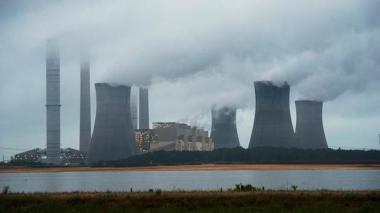
The coal-fired Plant Scherer in Juliette, Ga. AP
¶ The NRC is still reviewing plans for addressing concrete degradation at the Seabrook nuclear power plant in New Hampshire. It has said it will not act on the license extension until it is convinced the power plant’s owner has developed a satisfactory long-term plan for the problem. [The Daily News of Newburyport]
Posted in nuclear power, renewable power, solar, wind | 1 Comment »
Tags: nuclear, nuclear power, photovoltaic, renewable power, solar power, wind power
December 25, 2015
Opinion:
¶ Africa’s Cities of Tomorrow Won’t Need Power Stations • Despite renewable energy reducing power cuts by half in South Africa, the government is adamant about its nuclear power program. But successful businessmen are talking about cities that generate their own power. [CNBCAfrica.com]
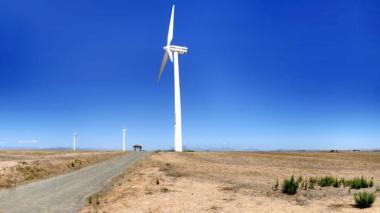
Every three days a wind turbine is being installed in South Africa. Photo: Wikipedia
¶ Our Energy Transformation in 2015 • Like 1973, the year 2015 marked a decisive shift in the world’s energy economy. 2015 saw what may be profound shifts, even turning points, in the energy sector. The price of oil tanked. Fossil fuels are barely growing, while renewables expand. [MIT Technology Review]
¶ WOW! UK power stations slash CO2 emissions 23% in just two years • There have been lots of interesting energy-related headlines coming out of Britain recently: Renewables beat coal for an entire quarter, Britain pledged to end coal use by 2025, and most major cities are going to 100% renewable energy. [Treehugger]
World:
¶ With climate change now a major global issue, the Indian government has fixed a target to quadruple its renewable capacity to 175 GW by 2022 while supplying electricity to every household. It goal is 100 GW of solar capacity, 60 GW of wind power, and 10 GW of biomass and 5 GW of hydro. [Jagran Post]
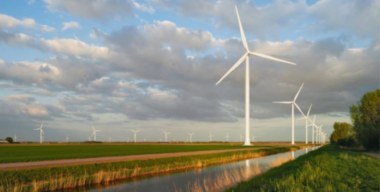
Indian wind turbines
¶ SunEdison has signed a 10-year agreement with Ontario’s Independent Electricity System Operator to supply 5-MW/20-MWh of battery storage to the province. Vanadium redox flow battery technology will be provided by Imergy Power Systems. The IESO will use data on the system for grid planning. [CleanTechnica]
¶ China realized universal power access when power was brought to a remote group of 39,800 people without electricity. The light came on Wednesday in the last two villages in the country without power. Two thirds of households are connected to the national grid while the rest use PV devices. [ecns]
¶ The small Alpine town of Albertville, which is best known for having hosted the 1992 Winter Olympics, has recently become home to a new type of power plant. Bacteria bred in whey are hard at work generating biogas, a clean, renewable energy source that can also be used to produce electricity. [VICE News]
¶ Chinese investments in coal-burning power plants have increased this year. The power market changed dramatically in 2015, an energy expert from the China Electricity Council said, but the central government has not adjusted the five-year investment targets, which it set in 2011, to suit demand. [Caixin Media]
US:
¶ The Narragansett Bay Commission saves $1.1 million a year thanks to three wind turbines, which provide over 40% of the power at the agency’s Field’s Point wastewater treatment facility in Providence, Rhode Island. The agency now wants to get up to 80% of its power from renewable sources. [Rhode Island Public Radio]
¶ EDF Renewable Energy is working closely with wildlife biologists to reduce the ecological impact of turbines at the Altamont wind farm in California. New turbines so efficient that each one replaces thirty old machines are being installed. They are taller, with blades far above where most birds fly. [EarthTechling]
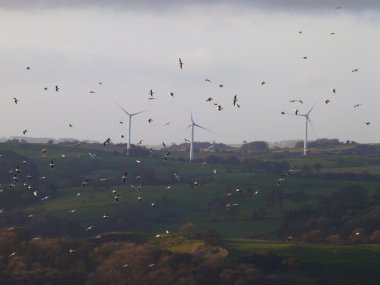
Image credit via Flickr under creative commons license
¶ Demand for electricity on the South Fork peninsula has far outpaced the rest of Long Island, with highest usage in the summer. Residential air conditioning is the primary culprit. Over the last decade, the number of residential accounts has grown by 4%, while peak use has risen 44%. [East Hampton Star]
¶ Tennessee Governor Bill Haslam announced Tuesday that Google will invest $600 million to bring the company’s eighth US data center to Clarksville and create 70 new jobs.Google acquired the former Hemlock Semiconductor site in Clarksville, which it will transform into the data center. [PennEnergy]
Posted in nuclear power, renewable power, solar, wind | 1 Comment »
Tags: nuclear, nuclear power, photovoltaic, renewable power, solar power, wind power
December 24, 2015
Opinion:
¶ Did Woodland, North Carolina really ban solar farms because they “suck up the sun?” • A closer look shows rational reasons why Woodland residents opposed a solar farm. But there are also kooky beliefs, misinformation, and opposition to anything that weans us off fossil fuels. [Treehugger]
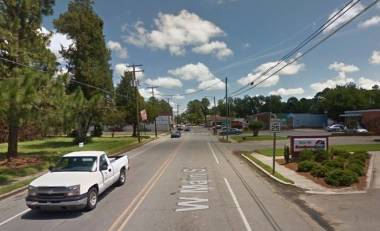
Screen capture Google Street View/ Woodland
World:
¶ In a major step towards setting up renewable energy targets, a legislative body in Israel approved a renewable energy bill. It should to help Israel achieve the emissions reduction target it submitted to the United Nations, cutting GHG emissions by 26% from 2005 levels by 2030. [CleanTechnica]
¶ The Brazilian government launched a national incentive program for distributed electricity generation. The ProGD program will have a special focus on solar and will offer measures to boost the availability of distributed electricity, including tax incentives and credit. [CleanTechnica]
¶ Europe imported more than 4 million tons of wood pellets from US forests last year, classifying it as renewable. A report from Climate Central says 4.4 million tons of wood pellets were cut from American forests last year, and 98% of it was shipped to Europe to be burnt for energy. [Tech Insider]
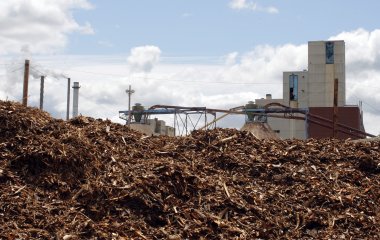
Biomass, the unused portions of logged trees such a branches and the tree tops, sit at the Old Town Fuel and Fiber mill in Maine.
¶ Taking into account the continuous decline in construction costs for both wind and solar farms, China has decided to cut its on-grid tariffs and narrow the gap between electricity bill surcharges and actual payments for renewable power. The reductions will vary regionally. [SeeNews Renewables]
¶ According to Global Village Energy Partnership’s chief executive, 11.7 million people in sub-Saharan Africa now have improved access to renewable energy technologies. This cut carbon emissions by 8.6 million tonnes so far and leveraged $59 million to support business development. [AllAfrica.com]
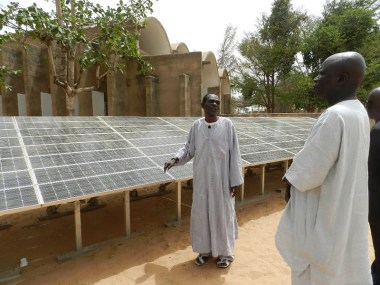
Solar system in Dakar, Senegal. Photo by Fratelli dell’Uomo Onlus, Elena Pisano. CC BY-SA 3.0. Wikimedia Commons.
¶ A decision in an Australian Federal Court to prevent a “solar tax” being applied in South Australia has implications nationally. A federal justice upheld an earlier decision that would prevent SA Power Networks from introducing a higher tariff, $100 per year, for solar households. [Energy Matters]
¶ The Fukui District Court on Dec. 24 nullified an injunction against restarting two nuclear reactors, paving the way for Kansai Electric Power Co. to resume its nuclear energy operations. A group of residents plans to appeal Hayashi’s decision to the Nagoya High Court. [Asahi Shimbun]
US:
¶ SunPower Corp has started commercial operations at the 50-MW Hooper solar power plant in Colorado’s San Luis Valley. SunPower designed and constructed the plant, which covers 320 acres and includes a SunPower Oasis power plant system. It is also operating the project. [reNews]

SunPower’s Phoenix Lake Pleasant PV plant (SunPower)
¶ Westar Energy said it plans to add 480 MW of wind power to its portfolio from two wind parks that could be operational by early 2017, bringing its renewable capacity to over 1.5 GW. It will partner with Infinity Wind Power to install a 280-MW wind farm in Kansas. [SeeNews Renewables]
¶ Michigan can comply with the Clean Power Plan to reduce carbon emissions without changing anything until 2025, the Michigan Agency for Energy and Michigan Department of Environmental Quality announced. Michigan has to cut its 2012 emissions 31% by 2030. [MLive.com]
Posted in nuclear power, renewable power, solar, wind | Leave a Comment »
Tags: nuclear, nuclear power, photovoltaic, renewable power, solar power, wind power
December 19, 2015
Science and Technology:
¶ The United States and Europe are among the world’s largest emitters of nitrogen dioxide, but both have also shown the most dramatic reductions in these emissions between 2005 and 2014, according to new global NASA satellite maps. Nitrogen dioxide is a major respiratory pollutant in urban smog. [CNN]
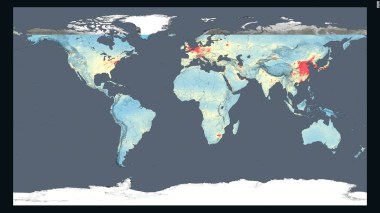
This map shows the average concentration of nitrogen dioxide in the lowest parts of the atmosphere in 2014. NASA image.
World:
¶ Australian households and businesses added another 60 MW of rooftop solar in November, taking the overall figure for the year to date to 654 MW. Businesses added 143 MW of rooftop solar capacity. About 510 MW of rooftop solar capacity has been added at households in the year to date. [CleanTechnica]
¶ Cars were forced off the road and factories closed in Beijing on Saturday after the city was again blanketed by hazardous smog. The government issued a level-four red alert, the most serious, on Friday. The alert, the second in as many weeks, means schools have to close and half the vehicles banned. [BBC]
¶ On Friday, workers at Britain’s last operating deep coal mine finished their final shift, emerging, soot-blackened and live on television news channels, to cheers, applause and tears. The last haul of coal from the pit is destined for a mining museum as a once-mighty industry fades into history. [Tampabay.com]
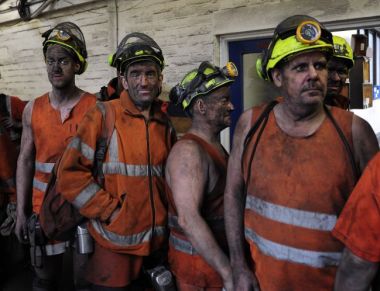
Britain’s last coal miners. Photo by John Giles / PA via AP.
¶ Energy analysts from the UK-based investment bank Barclays gave quick analysis of the results of COP21. Lead analyst Mark Lewis says the implications for the fossil fuel industry are profound, and will likely cause it to suffer a loss in revenue of around $33 trillion (US) out to 2040 over business as usual. [CleanTechnica]
¶ You would think after convening in Paris for a week that the world’s leaders could have reached some sort of consensus about whether nuclear would be part of the climate future. But the issue now seems as murky as ever. Each of the countries is free to choose its own route to lowering carbon emissions. [RealClearEnergy]
¶ The Costa Rican Electricity Institute said it used renewable resources for 99% of its electricity this year and for 285 days renewables covered 100% of energy needs. The small Central American country is aspirational for other countries wanting to cut their fossil-fuel use and reduce global warming. [The West Australian]

Costa Rica boasts 99% renewable energy in 2015
US:
¶ According to the Institute for Energy Economics and Financial Analysis, wind turbines in Texas set a state-record for wind generated electricity of 12.97 GW on the day before Thanksgiving. On Thanksgiving Day itself, wind power in Texas provided 43.55% of the state’s total electricity demand. [CleanTechnica]
¶ Enel Green Power North America has brought online the 74-MW Little Elk wind farm in Oklahoma. The $130 million Little Elk project, which is located in Kiowa and Washita Counties adjacent to EGP’s existing 150-MW Rocky Ridge wind farm, is able to generate more than 330 GWh a year. [reNews]
Image: sxc5
¶ Vermont’s climate advocates and members of the renewable energy industry are celebrating a move by Congress to renew tax credits for wind and solar projects. Congress reached an agreement this week for a five-year extension of tax credits for installing solar projects and the operation of wind projects. [Rutland Herald]
¶ Looking to cut greenhouse-gas emissions and reduce fuel costs in one blow, UPS Inc will power two of its regional truck fleets with renewable natural gas captured from decomposing landfills, the company said. Trucks in Memphis, Tennessee, and Jackson, Mississippi, will burn the landfill gas. [DC Velocity]
¶ The US lifted a 40-year-old ban on the export of oil, paving the way for energy deficient countries to import oil. The ban was lifted when President Barack Obama on Saturday signed into law the Omnibus US$1.8 trillion spending package and tax bill for the current fiscal ending September 30, 2016. [The Malaysian Insider]
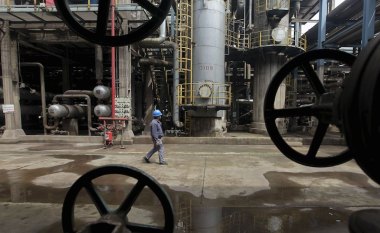
A worker walks past oil pipes at a refinery in China. Reuters / Stringer / Files The Asia File – Nov 11 2015
¶ The plunging price of oil has hurt the stock price of some solar and wind investments, but industry experts say it is having surprisingly little impact on renewable energy industries in the US. The Solar Energy Industries Association reports that 2015 is on track to show record growth for solar power. [Big News Network.com]
¶ Vermont Technical College in Randolph, Vermont, will use more renewable energy to reduce its operating costs while providing new educational opportunities with the installation of a 500-kW solar farm. The solar farm has its Certificate of Public Good and may be complete by February. [Solar Novus Today]
Posted in nuclear power, renewable power, solar, wind | 1 Comment »
Tags: nuclear, nuclear power, photovoltaic, renewable power, solar power, wind power
December 18, 2015
Opinion:
¶ Where in the world have we achieved 100% renewable power? • In a few places around the world, humans have achieved a feat that seemed impossible just a few years ago, and still seems inconceivable nearly everywhere else: They’ve stopped burning fossil fuels for electricity. There are even entire countries. [Quartz]
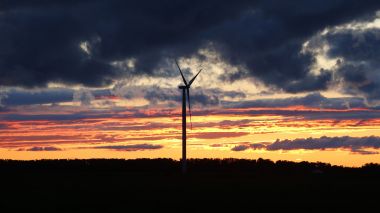
Bright forecast. AP Photo/Paul Sancya
¶ Can we really generate most of our power from renewables in a few decades? In a word, yes. But to understand further, we must understand how we produce and distribute power today. Part of the difficulty lies in the concepts we use to understand the electrical power system. A simple model is insufficient. [CleanTechnica]
World:
¶ The Department of Energy and Climate Change, Government of the UK, decided to cut solar domestic tariff by 64% to 4.39p/kWh instead of the original proposal of cuts of up to 87% to 1.63p/kWh. The rate cut is not as severe as the government proposed, but is still bound to result in significant job losses. [Greentech Lead]
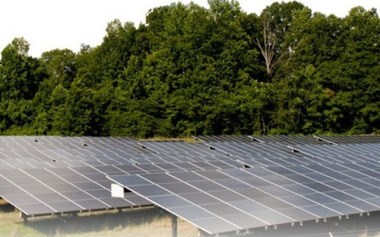
Kencot Hill Solar Power Plant
¶ The historic developments in Paris have highlighted green alliances such as RE100, which was formed by 53 companies (to date) with a target of using 100% of renewable electricity in their day-to-day operations. The RE100 alliance includes corporate giants such as Google, Nike, Microsoft and Coca Cola. [OilPrice.com]
¶ German wind power is at record levels. Its production tied with lignite-burning power plants in the month of November. Both were reported to have generated 11.4 TWh, though the final official stats won’t be published until 2016. For the month, wind generated about 23% of Germany’s electricity. [CleanTechnica]
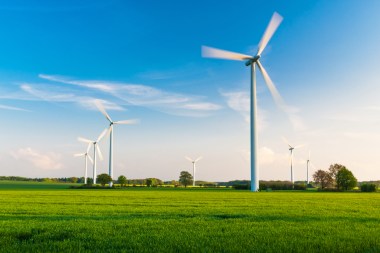
German wind farm via Shutterstock
¶ The government of the Australian Capital Territory will subsidize battery storage for 5000 Canberra homes over five years in its latest push towards a target of 90% renewable energy by 2020. The $20 million program will subsidize 36 MW of battery storage, and will allow them also to sell power back into the grid. [The Canberra Times]
¶ A Welsh tidal stream technology company has installed the country’s first tidal energy generator in Ramsey Sound, Pembrokeshire. Developed by Tidal Energy Ltd, the DeltaStream device will become one of the first grid-connected demonstration devices of its type to generate green tidal power. [Renewable Energy Focus]
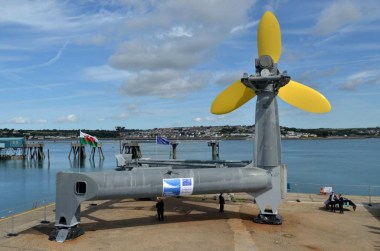
The DeltaStream is the first tidal energy generator to be deployed in Wales. Tidal Energy photo.
¶ Tokyo Electric Power Co, operator of the Fukushima Daiichi nuclear power plant, expects to post a profit next year even if unable to restart any reactors, according to a plan given to its creditor banks. TEPCO will likely turn a profit for the fourth straight year due to cost-cutting efforts and reduced fuel costs. [The Japan Times]
US:
¶ After many long months of deliberations and lobbying, the US Congress has approved five-year extensions to the hugely successful Investment Tax Credit, which has given incentives for solar power projects, and to the Production Tax Credit, which has similarly supported for the country’s wind energy industry. [CleanTechnica]
¶ US renewables developer Sustainable Power Group (sPower) is on track to start commercial operation on 31 December at a 62.1-MW wind project in Utah. GE supplied 27 2.3-MW turbines and will handle operations and maintenance for the first five years. The project employed up 100 workers for construction. [reNews]
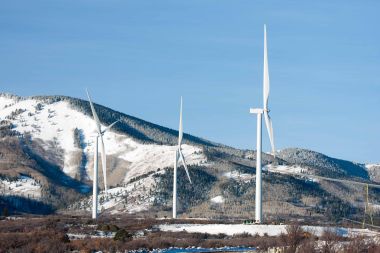
Latigo wind farm (sPower)
¶ New York state regulators approved upgrades to 156 miles of high-voltage transmission lines running from Utica to New York City via the Capital Region, part of the governor’s Energy Highway program. Bidding for contracts will be overseen by the New York Independent System Operator. [Albany Times Union]
¶ Twenty-nine states and the District of Columbia have requirements that utilities get a certain amount of their electricity from renewable sources. Nine additional states have goals for renewable energy, while a dozen others have no targets. Here is a state-by-state look at renewable energy policies. [EagleFordTexas.com]
Posted in nuclear power, renewable power, solar, wind | 1 Comment »
Tags: nuclear, nuclear power, photovoltaic, renewable power, solar power, wind power
December 15, 2015
World:
¶ There was no gnashing of teeth in the Canadian energy sector as details of the Paris agreement came out. Shares in energy companies were down on the TSX, but that had more to do with the sliding price of crude than concerns about climate change policy. The sector had already digested Alberta’s carbon tax. [CBC.ca]

Even with the Paris Agreement on climate change, the oilpatch expects the sun will not set on it. (Matthew Brown/Associated Press)
¶ Suzlon Energy, a dominant company in the Indian wind energy market, is now in the solar power market. It has signed a landmark agreement with independent power producer Axis Energy Limited, under which it will develop 4 GW of solar and wind energy capacity for Axis Energy in the state of Andhra Pradesh. [CleanTechnica]
¶ India’s Minister of New & Renewable Energy has reported progress on the ambitious program of setting up ultra mega solar power projects across the country. He said the government has given in-principle approval to 27 ultra mega solar power projects across 21 states with a cumulative capacity of 18,418 MW. [CleanTechnica]
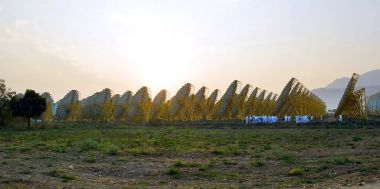
India One Solar Thermal Power Plant. Photo by Bkwcreator. CC BY-SA 3.0 Wikimedia Commons.
¶ Russia’s planning accounts for oil prices to drop to $30 per barrel in 2016. The country’s top finance official said the government must be prepared for prices to fall further in 2016 as the global glut grows and new supply – for example from Iran – enters the market. He said the country must prepare for difficult times. [CNN]
¶ The man leading the daunting task of dealing with the Fukushima nuclear plant that sank into meltdowns in northeastern Japan warns with surprising candor: Nothing can be promised. “This is something that has never been experienced. A textbook doesn’t exist for something like this,” he told the Associated Press. [Asahi Shimbun]
US:
¶ Invenergy LLC held a ribbon-cutting ceremony to mark the opening of its 200-MW Buckeye Wind Energy Center in Kansas. The wind complex is located in Ellis County and consists of 112 General Electric turbines of 1.79 MW each. It has a power purchase agreement for much of its output with a Nebraska utility. [SeeNews Renewables]
GE turbine of the type 1.6/1.7-100. Source: General Electric Company. License: All Rights Reserved.
¶ A town council in North Carolina rejected plans to rezone land for a solar farm after residents voiced fears it would cause cancer, stop plants from growing, and suck up all the energy from the sun. The council later voted to put a moratorium on future solar farms in the area, according to the local newspaper. [Huffington Post]
¶ US technology materials company Corning Inc on Monday said it has signed a 25-year power purchase agreement for solar electricity with Duke Energy Renewables. Corning said it will buy 62.5% of the output of a 80-MW solar farm Duke Energy Renewables is building in Conetoe, North Carolina. [SeeNews Renewables]

Yeah!
¶ The Detroit Zoological Society says it will power the Detroit Zoo with 100% renewable electricity from wind farms. The organization says its commitment to sustainable electricity with the purchase of renewable energy certificates is through the support of ITC Holdings Corp until the end of 2018. [North American Windpower]
¶ Lifting the 40-year ban on oil exports is the top priority in a $1.15 trillion spending bill for many Republicans, including Senate Majority Leader Mitch McConnell of Kentucky, because it would offer new markets to drillers suffering from a glut of crude. A trade to extend renewable support may be in the works. [Dickinson Press]
¶ Electricity generated from renewable sources accounted for more than 50% of all new US energy capacity installations in 2014, growing to 15.5% of total installed capacity and 13.5% of total electricity generation, according to a report from an annual report by the National Renewable Energy Laboratory. [MIS Asia]
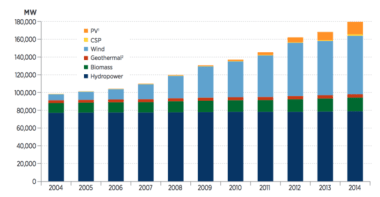
Renewable energy capacity growth from 2004 through 2014. Click on image to enlarge. Credit: NREL
¶ Marylanders who rent apartments or have shaded roofs will be able to buy solar energy under rules being finalized this week by the Maryland Public Service Commission. Under the program, any business, utility, individual, organization or nonprofit can install solar panels on its property and sell the energy. [Baltimore Sun]
¶ A New York microgrid demonstration project will use an energy storage system from Eos Energy that the company describes as the lowest-cost battery storage on the market. The microgrid battery will be 250-kW, 1000-kWh. Eos Energy says that the battery can be manufactured in quantity at a cost of $91-$116/kWh. [Microgrid Knowledge]
¶ Southern Power, a subsidiary of Southern Co, has announced that its first wind project, the 299-MW Kay Wind facility in Oklahoma, is now fully operational. The project has 130 Siemens turbines and is will generating enough electricity for the energy needs of about 100,000 average homes. [North American Windpower]
Posted in nuclear power, renewable power, solar, wind | 1 Comment »
Tags: nuclear, nuclear power, photovoltaic, renewable power, solar power, wind power
December 13, 2015
COP21:
¶ A draft of the COP21 agreement was released in the afternoon for delegates to review. Following a break for last-minute corrections from the legal and linguistic group and the Deputy Executive Secretary of the UNFCCC, the body adopted it “with legal force” by acclamation. [CleanTechnica]

Laurence Tubiana, Christiana Figueres, and Laurent Fabius applaud the Paris Agreement
¶ The climate deal reached in Paris is “the best chance we have to save the one planet we have”, US President Barack Obama has said. He said it could be a “turning point” for the world to take on the challenge of a low-carbon future. China, the world’s biggest polluter, also hailed the deal. [BBC]
¶ Scientists point out that the Paris accord must be stepped up if it is to curb dangerous climate change. Pledges thus far could see global temperatures rise by as much as 2.7° C, but the agreement lays out a roadmap for speeding up progress. This article lists its key points. [BBC]
¶ “This is the end of fossil fuels” • For Selina Leem, an 18-year-old from a tiny part of the Marshall Islands in the middle of the Pacific, the adoption of Saturday’s “Paris Agreement” on climate change wasn’t about wonky diplomacy. It was about the survival of her country. [CNN]
Most of the land in the Marshall Islands is no more than three feet above the high tide mark. Photo by the Department of Foreign Affairs and Trade. CC BY-SA 2.0. Wikimedia Commons
¶ Earlier UN climate summits tried to impose targets on countries. This conference was different because it used “bottom-up” systems that allowed nations to volunteer their targets, reducing the chance any one country would walking out of the process. [The Australian Financial Review]
World:
¶ In a major shift in government policy, Australia’s prime minister lifted a ban on investing public funds in wind power. The sails of the Clean Energy Finance Corporation are back in motion as a new mandate reversed Tony Abbot’s restrictive practices. [9news.com.au]
¶ Plans for a 1.2-GW wind farm have been submitted by ScottishPower Renewables. The project is called East Anglia Three, and it is proposed for a location in the North Sea off the coast of Suffolk. It would have up to 172 turbines with capacities ranging from 7 MW to 12 MW. [CleanTechnica]
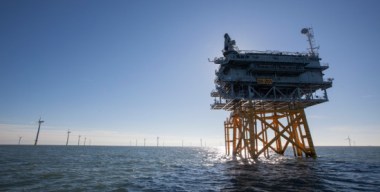
Image Credit: ScottishPower Renewables
¶ Several Asian nations announced independent measures to curb climate change as 195 countries signed a deal in Paris this weekend that will change the world’s energy policies in a bid to limit fossil-fuel production. Governments in China and India are also taking local action. [Bloomberg]
¶ The chief executive of the Minerals Council of Australia says the COP21 agreement will increase demand for Australian coal, as Australia’s “high energy, low impurity coal” will be considered more desirable, even the renewables sector advances. [The Australian Financial Review]
¶ In India, the energy deficient state of Uttar Pradesh has drafted a solar mini-grid policy to provide electricity to rural areas while reducing burden on the main grid. It has also initiated deliberations on electrification of remote villages through solar-powered mini grids. [Business Standard]
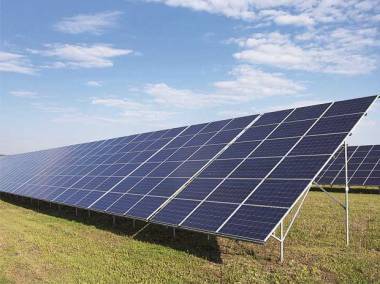
Solar array in India
¶ Capping years of negotiations, the prime ministers of India and Japan on Saturday sealed a broad agreement for cooperation in civil nuclear energy with the final deal to be signed after certain technical and legal issues are thrashed out. [Financial Express Bangladesh]
US:
¶ With the approval by Illinois regulators for its part of a 780-mile transmission line to carry wind power from the Kansas high plains to Eastern power grids, Missouri farmers are the only ones standing in the way of the $2.2 billion project. The farmers vow to remain steadfast. [Salina Post]
¶ SunEdison announced that it has signed a 20-year power-purchase agreement with the city of San Diego that will see 6.6 MW of solar installed across 25 city-owned sites. The city estimates that over the life of the agreement the solar systems will save its taxpayers $22 million. [AltEnergyMag]
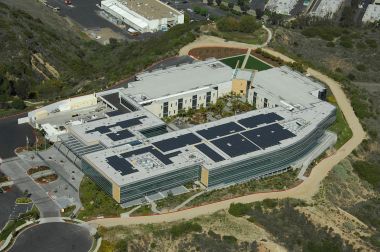
Johnson & Johnson Pharmaceutical Research & Development building in San Diego. Photo by SolarWriter. CC BY-SA 3.0. Wikimedia Commons.
¶ A large number of residents from Porter Ranch and surrounding areas of Los Angeles staged a major protest Saturday. They are angered by a continuing gas leak at Aliso Canyon that has forced many from their homes. The protesters called on SoCal Gas to shut the facility down. [CBS Local]
¶ The DOE’s Advanced Research Projects Agency-Energy today announced $33 million in funding for 12 innovative projects as part of its Network Optimized Distributed Energy Systems program. Teams will develop technologies to match grid generating with demand. [Imperial Valley News]
Posted in nuclear power, renewable power, solar, wind | 1 Comment »
Tags: nuclear, nuclear power, photovoltaic, renewable power, solar power, wind power
December 12, 2015
COP21: Agreement!

Adieu Fossil Fuels

Eiffel Tower light show
¶ The world now has its first universally accepted plan to limit climate change! The agreement will reduce greenhouse gas emissions from human activities to curtail dangerous atmospheric warming and related climate changes, BBC News reported at 3:40 am. [CleanTechnica]
¶ Organizers of COP21 say a final draft text has been reached after two weeks of intensive negotiations. An official in the office of French Foreign Minister Laurent Fabius said the draft would be presented to ministers at 10:30 GMT. No details of the draft have been released so far. [BBC]
¶ Campaigning organization Friends of the Earth Scotland has launched Fossil Free Scotland, a campaign to end the use of fossil fuels, in Paris during the final days of COP21, with a tagline to ensure “A just transition to a 100% renewable, nuclear-free, zero-fossil-fuel Scotland.” [CleanTechnica]
¶ Greenpeace activists poured yellow paint on the Arc de Triomphe’s famous roundabout to turn it into the sun when seen from the sky. At the top of the Champs Elysees, activists used bikes to pour the paint on the cobblestone street. Paris traffic spread it around the monument. [CNN]

Arc de Triomphe
¶ The Philippines announced at COP21 that it will launch an investigation into whether fossil fuel companies are to be held responsible for the impacts of climate change. This follows a petition was made by Greenpeace Southeast Asia, which had over 100,000 signatures. [CleanTechnica]
World:
¶ The Silicon Valley Toxic Coalition has been grading the solar industry since 2009, and SolarWorld aside, they started with very little disclosure. A lot has changed and the newly released sixth annual solar scorecard shows a marked improvement over last year. [CleanTechnica]
SolarWorld Recycling solar panels in 2009 from Spot Us via Flickr (CC BY SA, 2.0 License)
¶ SunEdison Inc has signed a 10-year agreement with Ontario’s Independent Electricity System Operator to supply 5-MW/20-MWh of battery storage to the province. In addition to leveraging the battery’s storage capability, the IESO will learn from the project. [North American Windpower]
¶ China’s central government wants to transition away from coal, but local officials are resisting. That’s one reason why heavy smog frequently blankets major cities despite talk of building an “eco-civilization.” This week saw Beijing issue its first-ever red alert for air pollution. [Deutsche Welle]
¶ Already battered by plunging oil prices, Western Canada has another big problem: the collapse of coal. Alberta and British Columbia are suffering from the fallout of a severe downturn in global coal markets, brought on partly by China’s rapidly cooling industrial demand. [The Globe and Mail]
Coal terminal in Delta, BC. Jeff Vinnick / for the Globe and Mail
US:
¶ Hundreds of members of the Young Conservatives for Energy Reform and the Christian Coalition brought a pro-environmental message to Washington, DC at a summit co-sponsored by the American Wind Energy Association, saying renewable energy resources strengthen US. [CleanTechnica]
Ford Focus charging in Germany. © CEphoto, Uwe Aranas / CC-BY-SA-3.0. Wikimedia Commons.
¶ Just in time to undercut the threat of an “affordable” Tesla EV, the Ford Motor Company has pledged a massive five year, $4.5 billion investment including 13 new EVs and plugin hybrids, bringing its electrified vehicle portfolio up to more than 40% of its global nameplates. [CleanTechnica]
¶ A former coal-burning power plant in western Massachusetts, is being considered as a site to produce renewable energy. A year-long study into redeveloping the Mount Tom Power Station has come up with three reuse options for the 128-acre property. Each includes solar power. [WAMC]
¶ The US Nuclear Regulatory Commission has granted Entergy Corp’s request to change Vermont Yankee’s emergency planning requirements, allowing for the discontinuance of the 10-mile emergency planning zone required of operating nuclear plants. [The Keene Sentinel]
Posted in nuclear power, renewable power, solar, wind | 1 Comment »
Tags: nuclear, nuclear power, photovoltaic, renewable power, solar power, wind power
December 4, 2015
COP21:
¶ Following three days of hectic parleys over a complex 54-page draft pact, negotiators released a draft document, though there was reportedly no agreement on about 250 undecided options across the text. India has expressed satisfaction with the first draft, saying progress had been made. [Daily News & Analysis]
¶ A new report, Transformational INDCs: how new renewables pledges could transform the economics of wind and solar, says national climate change plans submitted prior to COP21 have placed the world on the brink of a renewable energy revolution. INDCs are Intended Nationally Determined Contributions. [CleanTechnica]
¶ The once black-and-white world of climate negotiations for poorer countries has shifted at talks this week in Paris. For years, many have said richer countries created the global warming, so it is up to them to clean it up, but it is clear that developing nations have to be part of the solution. [San Angelo Standard Times]
¶ COP21 is expected to draw 750 stakeholders to Paris this week to address critical climate change issues. And hundreds of charged activists are taking to the streets to ensure that their voices and concerns are also heard. As the World Health Organization pointed out, the “stakes are high.” [Huffington Post]

Hundreds of pairs of shoes are displayed at the place de la Republique, in Paris, as part of a rally. Laurent Cipriani/AP
¶ Former US Vice President Al Gore took to the stage at COP21 in a side-event focused on stranded fossil fuel assets. The crowd expected the longtime climate activist to come prepared with a compelling narrative that made the case for strong action coming out of the conference, and Gore did not disappoint. [Triple Pundit]
World:
¶ The Egyptian Ministry of Electricity this week took a major step towards the development of one of the largest solar power parks in the world. A total of 11 project developers have signed agreements to develop projects that will form a part of the 1.8 GW solar power park planned for Benban, Aswan. [CleanTechnica]
¶ China has started construction on the country’s biggest wind power project on an island off Fujian Province. The wind farm on Nanri Island, Putian City, will have a capacity of 400 MW. The project should yield 1400 GWh of electricity each year, replacing energy from burning 450,000 tonnes of coal. [CRIENGLISH.com]
Nanri Island Wind Farm in Putian City, south China’s Fujian Province. Photo: xjny.ts.cn
¶ Google has purchased the output of renewable energy generation facilities around the world totalling 841 MW. The company has to date invested in more than 2 GW of renewable energy facilities and claimed the 841 MW of deals is the “biggest ever non-utility purchase” of renewable energy. [PV-Tech]
¶ Privately owned Bruce Power will invest $13 billion to refurbish the world’s largest nuclear station on Lake Huron. The company will assume all financial risk of cost overruns from the overhaul of six of Bruce’s eight reactors that is to begin in 2020. The work was to begin in 2016, but has been delayed. [Hamilton Spectator]
¶ The sustained rise in power bills over the past several years has prompted a surge in Australian households wanting to “do-it-yourself” by unplugging from the power grid, which may result in further declines in carbon emissions. As much as 90% of households are looking to renewable energy. [Sydney Morning Herald]
Ninety percent of households are looking to solar panels. Photo: Matt Bedford
US:
¶ US solar manufacturer and developer SunPower Corp announced the start of construction on its 100-MW Boulder Solar project in Nevada. Utility NV Energy will buy the power generated at the plant under a 20-year power purchase agreement. The solar park is expected to be operational in 2016. [SeeNews Renewables]
¶ Carbon pollution equal to 384,097 cars could be eliminated by 2020 with a moderate growth in wind power off the Rhode Island coast, a report from Environment Rhode Island Research and Policy Center says. Enough wind power for 344,566 homes could be built there over the next five years. [GoLocalProv]
¶ In the first 10 months of 2015 the US installed 4.18 GW of wind and 1.4 GW of solar power generation capacity. Renewables accounted for 63% of all the new power capacity. In October, 200 MW of wind, 33 MW of solar and 10 MW of biomass power generation capacity went online. [SeeNews Renewables]
Wind farm in New Jersey, US. Author: nosha. License: Creative Commons, Attribution-ShareAlike 2.0 Generic.
¶ A unit of a North Carolina utility and Google Inc. announced separate deals Thursday for more than 600 MW of electricity from three new wind farms to be built in Oklahoma. Duke Energy Renewables said it will build a 200-MW wind farm in Kay County and sell the power to a utility in Missouri. [NewsOK.com]
¶ Exelon said Thursday it has embraced New York Governor Andrew Cuomo’s plan to support three upstate nuclear units to make them economically viable enough to continue operating. Entergy, however, has rejected the plan. The governor’s plan does not count nuclear power toward the 50% clean power goal. [Platts]
Posted in nuclear power, renewable power, solar, wind | 1 Comment »
Tags: nuclear power, Nuclear Regulatory Commission, photovoltaic, solar power, wind power
November 29, 2015
COP21:
¶ Can we avoid climate apocalypse? • Nearly every country in the world has agreed that an increase of 2° C in global average temperature since the Industrial Revolution, is too much. World leaders will meet in Paris starting on November 30 at the COP21 meeting of the UN Framework Convention on Climate Change. [CNN]

A view of Durban, South Africa, if temperatures rise as much as 4° C, according to Climate Central.
¶ COP21: Beginner’s guide to the UN Paris climate summit • World governments have already committed to curbing human activities such as burning fossil fuels that release the gases that interfere with the climate. The difficulty comes when you try to get 195 countries to agree on how to deal with the issue of climate change. [BBC]
Science and Technology:
¶ New onshore wind turbines are coming to market. Senvion’s 3.4M140 is a 3.4-MW example with 140 meter rotor blades. The turbine should be able to generate 12.2 GWh of electricity annually in locations with wind velocities of 6.5 meters per second at hub height, making capacity factor around 41%. [www.renewablesinternational.net]
World:
¶ The Wachau, a picture-postcard river valley in Austria, makes a lot of wine. Soon it could be producing its own electricity too, and in a way that will not spoil the stunning views. People in the valley have found a way to contribute to the fight against global warming by using what is called “river current power.” [CTV News]
¶ In 2010, a farmer in St. David’s, Newfoundland, installed an anaerobic digester that turns the waste from his 1,200 cows into electricity. His farm uses only 24% of the power, and the excess is enough to keep the lights on in 400 homes all year long. He wants to sell the power, but red tape has been holding him up for years. [CBC.ca]
¶ Australian Environment Minister Greg Hunt said new low-emissions coal power plants were unlikely to be built in Australia, despite experts saying they could help coal remain the dominant global fuel. He expects renewable energy, such as wind and solar, would take up the slack as old coal plant close. [The Australian Financial Review]
¶ Israel hopes to highlight its green technology expertise, with an emphasis on solar energy, as a major solution to global warming at the COP21 talks in Paris on November 30, according to a member of the delegation. Israeli innovation is being highlighted for its potential to help countries achieve climate goals. [The Times of Israel]
An aerial view of the 40 megawatt solar field recently built at Kibbutz Ketura, which provides the one third of the daytime electricity for the city of Eilat. (courtesy Gigawatt Global)
¶ When forest fires roared through Siberia this summer, so vast that the smoke blocked vast Lake Baikal from satellite view, Russian officials blamed the blazes on arsonists and disorganized fire crews. There may be another culprit: global warming, but Russia has little interest in reducing greenhouse gases. [The Journal]
US:
¶ Arizona could meet the requirements of the Clean Power Plan with large-scale solar and wind projects already under review in the state, according to a recent analysis released by Arizona State University’s Energy Policy Innovation Council and the Sonoran Institute, a sustainability group based in Tucson. [azcentral.com]
¶ The California birthplace of a machine that could bring clean power to the developing world and knock a tiny dent in global warming looks like a junkyard. But the Power Pallet, which generates electricity from corn cobs, wood chips, coconut shells and other kinds of cheap, dense biomass is “carbon negative.” [San Francisco Chronicle]

Tom Price, director of strategic initiatives, looks over a PP20 Power Pallet while giving a tour at All Power Labs. Photo: Lea Suzuki, The Chronicle
¶ A new solar plant being built near Florence, Arizona, will reduce carbon emissions equal to removing almost 20,000 vehicles from the road each year, company officials say. The Sandstone Solar ranch, currently under construction, will use 182,000 Jinko Solar photovoltaic modules, mounted on trackers. [TriValley Central]
¶ Research has found that an earthquake fault near California’s Diablo Canyon nuclear power plant is linked to another fault farther north, potentially making it capable of stronger shaking. A US Geological Survey scientist says it is not yet known what the implications are for the possibility of earthquake. [KSBY San Luis Obispo News]
Posted in nuclear power, renewable power, solar, wind | 1 Comment »
Tags: nuclear, nuclear power, photovoltaic, renewable power, solar power, wind power
November 28, 2015
Science and Technology:
¶ Rising levels of carbon dioxide in the oceans are changing the makeup of plankton. While the shift in numbers could certainly be fortunate for animals that eat one type with a burgeoning population, researchers are unsure exactly which animals those are. That is worrisome because it shows just how little is known about the ecosystems. [Science Recorder]

Recent research shows that higher levels of carbon dioxide may be leading to a rise in the numbers of tiny phytoplankton known as coccolithophores.
¶ Canadian researchers say they have developed a power cell that generates electrical energy using the photosynthesis of blue-green algae, generating renewable energy while removing carbon from the atmosphere. During photosynthesis, electrons are released and can be drawn off into an external circuit, producing an electric current. [ABC Online]
World:
¶ The prestigious London School of Economics announced this week that it would divest from its £97.2 million in investments in coal and tar sands companies. Research published by magazine Corporate Knights concluded that the LSE endowment had lost $3 million due to not having divested 3 years ago. [CleanTechnica]
¶ Recently, the US released analysis of the country’s 2014 carbon emissions. It showed that growth in carbon emissions is declining even as economic activity expands. A new report indicates the same held true globally. Even though the global economy expanded by 3% last year, carbon emissions only rose by 0.5%. [Ars Technica]

Emissions trends: China flattening, US flat, and EU dropping. But be very afraid of India’s growth. Netherlands Environmental Assessment Agency
¶ Quenching India’s energy demand will take $140 billion a year in new investments, and while India has deregulated much of its energy sector and has recently issued a “historic climate pledge”, growing demand could prompt policymakers to usher in a broader swath of energy investments, especially in renewables. [Rapid News Network]
¶ In the next five years, China would invest 200 billion yuan ($31 billion) in building power grids in its northwest province of Xinjiang to connect the region to the country’s east, Pakistan and central Asian countries. Resources-rich Xinjiang Uygur autonomous region would create “Power Silk Road” transmission lines by 2020. [Daily Times]
¶ Latin America is one of the fastest-growing solar markets worldwide, spurred on by high solar resources and surging electricity demand, resulting in 280% installation growth in 2015 compared to 2014. The Latin American solar market may dip slightly in 2016, but is expected to rebound strongly between 2017–2020. [CleanTechnica]

Visita Planta Abengoa in Chile. Image by Ministerio Bienes Nacionales. CC BY-SA 2.0. Wikimedia Commons.
¶ BP’s CEO Bob Dudley talked about climate change and the role oil and gas companies can play in the transition to a low carbon future. BP management believes the best course of action would be for the parties at the UN conference to reach an agreement on carbon pricing, either with taxes or by cap-and-trade. [Business Finance News]
¶ Japan’s Nuclear Regulation Authority said that it has confirmed active faults at the site of the No 1 reactor at Tohoku Electric Power Co’s Higashidori nuclear plant and will base discussions on the restart of the idled reactor on the assumption that the faults will move. Tohoku Electric denies the existence of such faults. [The Japan Times]
US:
¶ Texas has by far the most potential for solar and wind generation in the United States, which means the Lone Star state might be even more energy-rich in the 21st century than it has been in the past. In addition, the state’s energy sector is trending cleaner due to market forces for a number of important reasons. [Breaking Energy]
Nodding donkey and housing under construction in Texas.
¶ With climate negotiators gathering in Paris, calls are intensifying to make all polluters pay a price for carbon dioxide and other planet-warming emissions. Many economists back the approach as a market-friendly way to cut greenhouse gasses. The US Congress is hostile to the idea, but it’s gaining traction elsewhere. [Voice of America]
¶ For more than three decades, people from the Marshall islands have moved in the thousands to the landlocked Ozark Mountains for better education, jobs and health care, thanks to an agreement that lets them live and work in the US. The connection makes it an obvious destination for those facing a new threat: global warming. [Fox News]
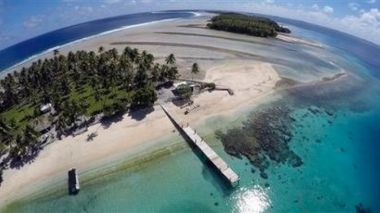
Climate change poses an existential threat to places like the Marshall Islands, which protrude only 6 feet (2 meters) above sea level in most places. (AP Photo/Rob Griffith)
¶ Six years ago, the owner California’s last operating nuclear power plant announced it would seek an extended license for its aging reactors. Now, with a much changed power landscape, it is evaluating whether to meet the costly state environmental requirements it needs. If it decides not to, California’s nuclear power age would end. [Manteca Bulletin]
¶ Officials in Vernon, Vermont, are shooting for a Town Meeting day referendum on the possibility of building a 600-MW, gas-fired power plant somewhere near the Vermont Yankee site. Officials also are asking the project’s lead advocate, a resident of Winhall, Vermont, to narrow in on a site for the plant by early 2016. [The Keene Sentinel]
Posted in nuclear power, renewable power, solar, wind | Leave a Comment »
Tags: nuclear, nuclear power, photovoltaic, renewable power, solar power, wind power
November 27, 2015
World:
¶ China’s emissions tied directly to burning fossil fuels may rise only 0.24% in 2015, the slowest pace in at least 15 years, according to a Bloomberg New Energy Finance preliminary estimate based on coal consumption data drawn from government customs reports, company production filings and port inventories. [Macau Daily Times]
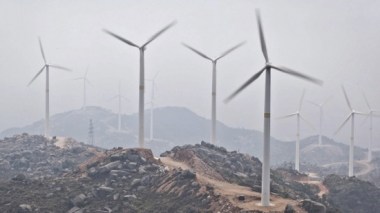
China is boosting renewable energy at a time its coal consumption is dropping.
¶ Pakistan is looking to increase the share of renewable energy in its overall energy mix substantially and has announced a roadmap that will see around 3.5 GW wind energy capacity operational by 2018. Over 40 wind energy projects in various stages of development should contribute around 2,050 MW capacity by 2017-18. [CleanTechnica]
¶ The Government of Bangladesh approved construction of a solar power project that is expected to play a critical role for the country to meet its renewable energy targets. A 200-MW solar power project in the Teknaf sub-district has been given the go ahead by the government to be developed by a SunEdison subsidiary. [CleanTechnica]
¶ CitiPower, via funding provided by the Australian Energy Regulator, is paying for battery storage to be installed in selected houses in Melbourne as a test. Properties with particular characteristics and in specific locations are being selected to see how those households’ reliance on the power grid changes with batteries in place. [The Age]
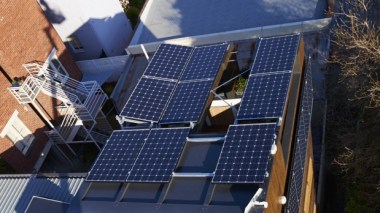
A solar-powered unit in East Melbourne. Councils are looking for ways to share solar power between residents. Photo: supplied
¶ South Australia has committed to a new target of zero net emissions by 2050, the state’s Premier has revealed. The announcement was made following the release of the recommendations of the South Australian Low Carbon Economy Expert Panel. The panel said 100% renewables could be achieved relatively quickly. [RenewEconomy]
¶ Unilever announced that it would stop using coal energy by 2020, and planned to use only renewable energy by 2030. Paul Polman, Unilever’s CEO, said, “If we don’t tackle climate change we won’t achieve economic growth. This is an issue for all businesses, not just Unilever. We all have to act.” [International Business Times]
¶ Completed only last month and designed to keep contaminated groundwater from seeping into the sea, a 780-meter protective wall built alongside Fukushima Daiichi is already “slightly leaning,” plant operator TEPCO has announced. Pressure from the flow of groundwater has tilted the wall some 20cm towards the sea. [RT]
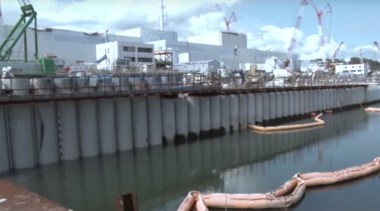
Fukushima protective wall. © The Japan Times / YouTube
¶ Africa is quickly adapting to modern renewable energy sources, and could more than quadruple renewable energy use to 22% by 2030, up from 5% in 2013, according to a new report. International Renewable Energy Agency says Africa is currently among the leading markets for modern renewable energy sources. [SciDev.Net]
¶ Australia’s Federal Environment Minister has approved a $380 million wind farm on the Atherton Tablelands in far north Queensland, subject to conditions aimed at protecting native species. Developers RATCH Australia and Port Bajool hope to start building the 63-turbine Mt Emerald wind farm, near Walkamin, mid-next year. [ABC Online]
¶ A trial of project of large-scale water-source heat pump technology has been launched in the UK. The Neatpump, by Star Renewable Energy, uses ammonia as a working fluid. The trial will supply heat and hot water to 300 new homes in a project near Exeter for utility E·On. [Cogeneration & On-Site Power Production Magazine]
US:
¶ Enbridge says it has purchased a 103-MW wind farm under development in West Virginia for about $200 million from EverPower Wind Holdings. The Calgary-based pipeline operator, which has been increasing its stake in the clean energy sector, said it is aiming to have the New Wind Creek project in operation by December 2016. [CBC.ca]
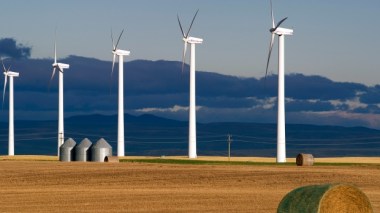
Enbridge has been increasingly investing in renewable energy, including two major wind-power purchases in November 2015. (Reuters)
¶ In a report, the National Renewable Energy Laboratory says, “In just four years, thanks to falling renewable energy technology costs, economic potential has more than tripled.” Economic potential is a metric that quantifies the amount of economically viable renewable generation that is available at a specific location. [pv magazine]
¶ The Vermont Yankee nuclear plant stopped producing power last year, but security measures, including heavily armed guards in bulletproof towers, will remain in place for decades to protect hundreds of tons of radioactive waste. The spent fuel will stay here until the federal government can determine where to store it. [The Boston Globe]
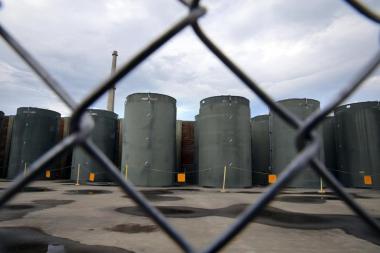
Dry cask storage was used to store spent fuel at the Entergy Vermont Yankee nuclear power plant. Craig F. Walker/Globe Staff
¶ Democratic presidential candidate Bernie Sanders calls climate change the greatest threat to national security. Hillary Rodham Clinton promises to install more than 500 million solar panels across the country. Republican Jeb Bush would phase out tax credits for solar power. Rival Marco Rubio wants to cut the federal gas tax by 80%. [ABC News]
¶ Google said it would offset the huge amounts of electricity it needed to run its North Carolina server farm with solar power under a new program that allows corporations to voluntarily pay more for renewable energy. Duke Energy will supply electricity it buys from a new Rutherford County solar farm under a new program. [domain-B]
Posted in nuclear power, renewable power, solar | 1 Comment »
Tags: nuclear, nuclear power, photovoltaic, renewable power, solar power, wind power
November 26, 2015
Science and Technology:
¶ This year will be the hottest on record and 2016 could be even hotter due to the El Niño weather pattern, the World Meteorological Organization said. WMO director-general Michel Jarraud rejected climate sceptics’ arguments, saying, “It’s not about believing or not. It’s a matter of seeing the facts. The facts are there.” [Free Malaysia Today]

How long will it last?
¶ One significant challenge to lithium-ion EV battery technology is coming from the lithium-sulfur field. A lithium-sulfur battery research project at Oak Ridge National Laboratory has had sufficient success that Oak Ridge announced that it has signed an exclusive lithium-sulfur battery agreement with a startup called Solid Power. [CleanTechnica]
¶ Stanford researcher Mark Jacobson has analyzed what it would take for each of the 50 states to go fully renewable. Normally, intermittency issues are expected to be handled by fossil fuel power and batteries. But the new analysis suggests we don’t need any of that, and we don’t need biofuels or nuclear, either. [Ars Technica UK]
World:
¶ German household-scale battery maker Sonnenbatterie will soon provide buyers of the company’s household-scale electricity storage batteries, most of whom also have solar photovoltaic panels mounted on their rooftops, to automatically buy and sell energy from each other directly through a shared online platform. [Deutsche Welle]

German rooftops.
¶ According to a recent report, soon to be released by Dodge Data & Analytics, green building continues to double every three years, with strongest acceleration in emerging economies, and clients and tenants worldwide are increasingly demanding sustainability, for both energy efficiency and occupant benefit. [CleanTechnica]
¶ Early this year, France’s state energy and environment agency was set to publish a study showing the country could actually abandon nuclear power and rely entirely on renewable power in decades to come. But the presentation was scrapped under political pressure, illustrating tensions surrounding French energy policy. [Reuters]
¶ The UK Department of Energy issued a new analysis of energy and emissions projections in 2015. An analysis of the projections by Carbon Brief, shows that the government now expects 22 GW of new renewable capacity to be installed by 2025, down by more than a third from the 34 GW forecast last year. [SeeNews Renewables]

Wind farm in England. Author: stephen jones. License: Creative Commons, Attribution 2.0 Generic
¶ Renewable energy is rapidly becoming the world’s preferred choice for new electricity generation, according to a Climate Council report. “A Whole New World: Tracking the renewables boom from Copenhagen to Paris” reveals how the world is in the midst of a dramatic energy revolution which could still accelerate. [Climate Control News]
¶ A competition to identify the “best value small modular reactor design for the UK” will be launched next year, to “pave the way towards building one of the world’s first small modular reactors in the UK in the 2020s,” the Treasury said. Support for the technology will come through a £250 million research package. [Yahoo Finance UK]
US:
¶ New rules could make it possible to develop more renewable energy in Alaska, by making it easier for independent projects to sell their power to the grid. After two years of hearings, the Regulatory Commission of Alaska issued new rules saying utilities should buy renewable power if it is least expensive. [Alaska Public Radio Network]
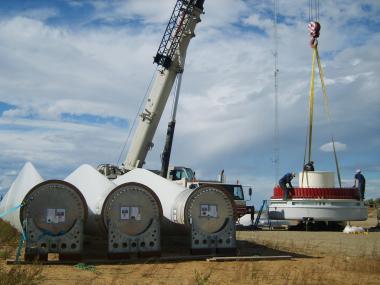
Alaska Environmental Power workers and contractors prepare to hoist the hub of a rotor and the three large blades to a hub. Photo: Tim Ellis/KUAC
¶ The energy storage market is rapidly becoming one of the most exciting spaces in all of renewables. Two major developments highlight this. First, even that the most dysfunctional of American institutions, the Congress, is getting interested in energy storage. Second, Wall Street is putting money into energy storage. [OilPrice.com]
¶ Fred Costello, a free-market Republican member of Florida’s House of Representatives, filed a bill last week to open the state’s energy market to solar energy competition by allowing homeowners and businesses to lease their rooftops to companies that generate solar power and sell it back to the grid. [Government Technology]
¶ North Dakota regulators have approved a 100.4-MW community-initiated wind project in Rolette County. The Public Service Commission voted unanimously to grant a certificate of site compatibility authorizing construction of up to 59 turbines. The project is located on a 14,000-acre site in north-central North Dakota [reNews]
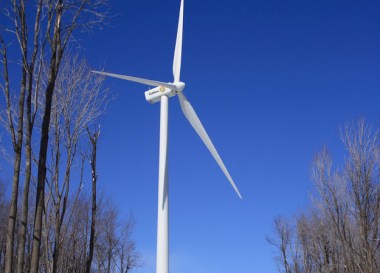
Image: G114 (Gamesa)
¶ Developer Cape Wind has urged a US court to dismiss opponents’ appeal of its 468-MW offshore wind project in Nantucket Sound. The appeal is the latest in the plaintiffs “14-year crusade” against the project, which includes more than 30 administrative and court challenges, Cape Wind told a federal Court of Appeals. [reNews]
¶ Biodico announced its new facility in California’s San Joaquin Valley. The plant is purportedly the world’s first biofuel production facility operating entirely on renewable heat and power generated on-site. It will go online the first week of December, to produce 20 million gallons of biodiesel fuel each year. [Renewable Energy Magazine]
Posted in nuclear power, renewable power, solar, wind | 1 Comment »
Tags: nuclear, nuclear power, photovoltaic, renewable power, solar power, wind power
November 25, 2015
Opinion:
¶ Australia should back calls to end coal and save its drowning neighbours While all of us of will experience the effects of climate change most are not facing the inevitable disappearance of our country. Yet that is the case for the 92,000 inhabitants of Kiribati, as well as other low-lying island states across the planet. [eco-business.com]

Kiribati, with about 92,000 inhabitants, recently bought land in Fiji to relocate its inhabitants as the sea level rises. Image: Shutterstock
¶ The Climate Talks in Paris Might Actually Work This Time • UN climate talks set to begin in Paris next week promise to produce a landmark deal that has eluded diplomats for more than two decades. All of the G20 nations, including the biggest developing countries, China, India and Brazil, have prepared to limit pollution. [Bloomberg]
Science and Technology:
¶ An accelerated transition to renewable energy could limit the global temperature rise to below 2° C, says an International Renewable Energy Agency report. It says if renewable energy accounted for 36% of the world energy mix by 2030, half the emission reductions needed to limit warming to 2° C would already be met. [CleanTechnica]
World:
¶ US-based Envirofit was one of the first social enterprises to provide clean cookstoves, and it’s just recently sold its millionth unit. Rocket stoves are wonders of sustainability. They address dangers to human health posed by open-fire cooking; they also burn very small amounts of wood fuel, with low emissions. [CleanTechnica]

Image credit: Envirofit International via Picasa. CC BY-NC-ND 3.0
¶ Ireland could install nearly 4 GW of solar by 2030, adding more than €2 billion to its economy and creating more than 7,000 jobs, with modest policy support, a new report produced by KPMG has claimed. The report was produced on behalf of the Irish Solar Energy Association and says the technology should be supported. [Solar Power Portal]
¶ The government of South Australia released the final report from its Low Carbon Economy Expert Panel, which recommends the state’s greenhouse gas emissions be cut by more than half by 2030 and the state be a net zero emitter by 2050. The panel also recommends an emissions trading scheme linked to California’s. [InDaily]
¶ The 300-MW Cestas solar photovoltaic project, located in the Bordeaux region of France, has now been fully connected to the electric grid, according to recent reports. Full grid connection was achieved with the connection of the last 12-MW portion of the project, which has a total of 25 different 12 MW project portions. [CleanTechnica]
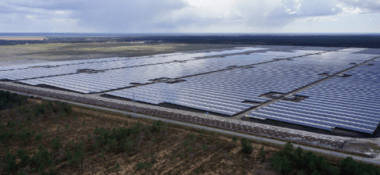
Cestas solar project
US:
¶ The US DOE announced that a company called Dioxide Materials is getting a slice of the agency’s new $125 million round of funding for “transformational” energy projects. Among its areas of expertise, Dioxide Materials is developing a low cost system that uses renewable energy to produce hydrogen fuel from water. [CleanTechnica]
¶ Vestas is to supply an unnamed client with 200 MW of turbines for a wind farm in Oklahoma. The manufacturer will deliver 61 of its V126 3.3-MW units; it is the first order from the US for that model. Delivery will start in the second quarter of 2016, with completion in the second half of year. Oklahoma has been 2-MW territory. [reNews]
¶ Duke Energy, the largest electric power holding company in the US, has repurposed a retired coal-powered operation in New Richmond, Ohio, in a development partnership with LG Chem, Greensmith, and Parker Hannifin, which provided the 2-MW power conversion inverter. The storage capacity of the unit was not disclosed. [CleanTechnica]
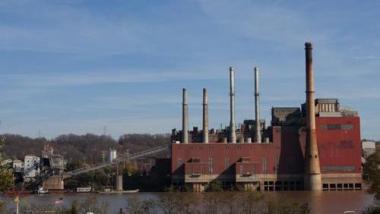
Duke Energy’s Walter C. Beckjord retired coal-powered generating station. Image via Cincinnati Business Courier
¶ Las Vegas is planning to run municipal buildings, fire stations, parks, streetlights and other facilities exclusively with renewable energy, under a deal announced Tuesday with the NV Energy, a utility owned by Berkshire Hathaway. The agreement doesn’t cover the famously bright casinos on the Las Vegas Strip. [Pittsburgh Post-Gazette]
¶ According to the Environmental Defense Fund, 70% of Hoboken’s population lives in flood zones. The city also has a plan to manage flooding and other disasters. Working with EDF’s Climate Corps program, Hoboken is moving toward building a microgrid to keep the power on at 55 buildings during disasters. [Government Technology]
¶ Alaska is a vast wilderness of natural beauty. But it also holds more coal than all the other US states put together. As world leaders prepare to gather for a major climate change summit, plans to build an open coal mine that would cover 78 sq km (30 sq miles) surrounding a valued Alaskan river could be coming to a head. [BBC]

Photo by Pete Niesen
¶ According to the California Air Resources Board, a leak that started October 23 at a Southern California Gas Company well accounted for a quarter of all the methane released by the state since it started. Estimates are that up to 50 metric tons of the potent greenhouse gas leaked into the atmosphere each hour since the leak started. [KCET]
¶ The US is set to become the first nation to decide whether it’s safe to operate nuclear power plants for 80 years, twice as long as initially allowed. The majority of the nation’s 99 reactors already have 20-year extensions to their 40-year operating licenses. Now, operators led by Dominion Resources want even more time. [Bloomberg]
Posted in nuclear power, renewable power, solar, wind | 1 Comment »
Tags: nuclear, nuclear power, photovoltaic, renewable power, solar power, wind power
November 24, 2015
Opinion:
¶ How Renewable Energy Could Make Climate Treaties Moot • Creating an international agreement is an admirable goal, but notably, countries are not racing to zero emissions on their own. It is amazing that no country has performed a study on the benefits and costs of going to 100% clean, renewable energy. [Scientific American]
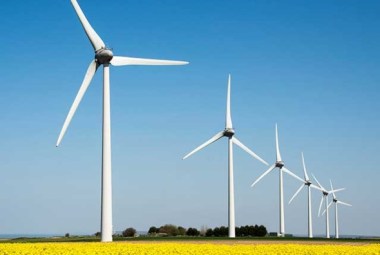
©iStock.com
¶ How Virtual Power Plants Can Help Replace Dirty Peaker Plants • A recent Wall Street Journal article highlighted a common problem: How to pay for aging, mostly coal-fired power plants whose only function is as backup for peak demand? One way is to combine distributed power and loads sources in a “virtual” power plant. [CleanTechnica]
Science and Technology:
¶ Sooner than it takes to build a nuclear power station, lithium-air batteries could be helping wind and solar to make coal, oil and nuclear obsolete, according to researchers from the Cambridge University. Five times lighter and five times cheaper than current lithium batteries, Li-air would open the way to our 100% renewable future. [The Ecologist]
World:
¶ A developing country dubbed one of the most vulnerable to climate change has confirmed controversial plans for more coal-fired power stations. The president of the Philippines has told the BBC the new coal plants are needed to meet demands for energy. This comes despite coal’s huge contributions to global warming. [BBC]

The Philippines is regarded as one of the most vulnerable countries to climate change. Kate Stephens/BBC
¶ Richard Branson and other notable business leaders were signatories of a definitive letter of climate action directed to heads of state. Specifically, the letter calls for the Paris (COP21) deal to include a long-term climate goal of net-zero emissions by 2050. Their aim in the process is “the end of business as usual.” [CleanTechnica]
¶ Allianz CEO Oliver Baete said the company will no longer invest in companies if more than 30% of sales come from coal mining or if they generate more than 30% of electricity from the fossil fuel. Allianz manages about €1.8 trillion in assets, focusing on the U.S., Germany, France, Italy, Britain and the Asia-Pacific region. [Newser]
¶ A study concludes that long-term ocean warming worsened deadly floods that hit Australia in 2010/11. During that summer, a series of floods hit Queensland, affecting at least 90 towns, over 200,000 people, killing at least 38 people, causing damage of $2.38 billion (Aus), and reducing Australia’s GDP about $40 billion. [CleanTechnica]
Image Credit: Markus Gebauer / Shutterstock.com
¶ LG Chem has announced it will supply Steag with six 15 MW Li-ion battery systems, while Nidec ASI will provide the necessary PCS and EMS solutions. “With 140 megawatt hours of power, the storage systems will deliver enough energy to supply 10,000 households per day with electricity,” said LG Chem. [pv magazine]
¶ Jordan is set to add 1,600 MW of solar and wind power to the national energy mix by 2016. The renewable energy sector needs an investment of $2.4 billion by 2025, in order to increase the contribution of clean energy sources to the Kingdom’s overall power capacity, says Ibrahim Saif, minister of energy and mineral resources. [AMEinfo]
¶ Investment in renewable sources of energy in Latin America and the Caribbean grew by nearly 50% last year to $23 billion, according to a study released by the Inter-American Development Bank and Bloomberg New Energy Finance. Brazil accounted for $14 billion of that total; Mexico and Chile followed with $2 billion each. [La prensa]
US:
¶ The EU’s renewable energy requirements are forcing coal-based power plants to use biomass fuel. Swaths of woodlands in Southeastern United States are being cut down to fuel the biomass boom across the Atlantic. A report by the Natural Resources Defense Council points out that 15 million acres of unprotected forests are at risk. [Digital Journal]

Europe’s biomass boom is putting American forests at risk. Photo by cuellar.
¶ To bring the benefits of solar energy to more of people, especially those who are not wealthy and who otherwise lack easy access to solar power, the Obama administration rolled out a national solar initiative last July. One of its key components, a private-public community solar partnership, is now starting to really come together. [CleanTechnica]
¶ Nuclear power plant owners are welcoming reports that Gov. Andrew Cuomo wants state regulators to mandate that half of the state’s energy come from renewable energy sources by 2030 while creating incentives for nuclear to remain viable in the interim. The governor wants to keep the Ginna and Fitzpatrick nuclear plants going. [RTO Insider]
¶ Builders seeking a net-zero energy home showcase can look to BuiltGreen’s zHome townhome complex in Issaquah, Washington. Several year’s later, the country’s first Net-Zero Energy townhome complex, meets expectations on reducing energy and water consumption, according this newly released white paper. [CleanTechnica]

zHome townhome complex
¶ A research study has found that using more solar power in Arizona could save 15 billion gallons of water annually. Most of the water used in Arizona is for agriculture, but another common usage is for cooling natural gas, coal, and nuclear power plants. Obviously, operating rooftop solar power does not require such water use. [CleanTechnica]
Posted in nuclear power, renewable power, solar, wind | 1 Comment »
Tags: nuclear, nuclear power, photovoltaic, renewable power, solar power, wind power
November 23, 2015
World:
¶ Most people know global oil prices have crashed this year. This was caused by a massive supply glut created by ferocious production from OPEC and near-record US output. The oversupply problem is so bad that oil tankers waiting to be offloaded are piling up off the US Gulf Coast because there’s nowhere to put the crude. [CNN]

Tanker loading oil. US Navy photo by Photographer’s Mate 2nd Class Andrew M. Meyers. Public Domain. Wikimedia Commons.
¶ UK-based project developer Lightsource has announced its expansion into the rapidly growing solar power market of India, as it has signed an agreement to invest $3 billion to develop 3 GW solar power capacity in the country. The agreement was signed during Indian Prime Minister Modi’s visit to the United Kingdom. [CleanTechnica]
¶ Wind turbine blade manufacturer LM Wind Power is setting up a blade factory in Vadodara in the Indian state of Gujarat in response to increased domestic demand, the Danish company said. The plant is scheduled to start operations in March 2016 and will supply blades to wind projects in the northern part of India and beyond. [SeeNews Renewables]
¶ An 8.5-MW solar power plant in Rwanda is designed so that, from a bird’s-eye view, it resembles the shape of the African continent. The $23.7 million (£15.6 million) solar field went from contract signing to construction to connection in just a year, defying sceptics of Africa’s ability to realise projects fast. [The Guardian]
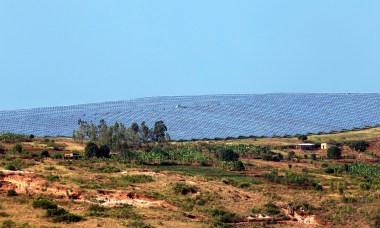
The 8.5-MW solar power plant in Rwanda’s famed green hills. Photograph: Cyril Ndegeya / AFP for the Guardian
¶ Battery costs are falling to the point that they are becoming increasingly viable as an option for uses such as supporting the stability of power grids. New electricity storage installed on to the grid to support renewables is likely to grow more than 60-fold from 196 MW of capacity now to 12,700 MW in 2025, according to Navigant. [Irish Times]
¶ For the first time ever, over half of all new annual investment into clean energy power generating projects globally went toward projects in emerging markets, rather than toward wealthier countries. Emerging market investments in renewables hit a record annual high of $126 billion in 2014, up $35.5 billion from 2013 levels. [Jakarta Post]
¶ Alberta will speed up the phase out of coal-fired power and move to more renewable energy by 2030, according to its newly released climate change strategy. The plan suggests that two-thirds of coal-generated electricity will be replaced by renewables, mainly wind power, with natural gas generation for load reliability. [Calgary Herald]
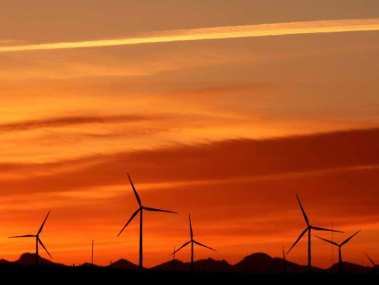
A wind farm near Fort MacLeod, Alberta. Leah Hennel / Calgary Hearald Archives
¶ Just a few weeks after the UK’s Prime Minister announced a deal with the Chinese to build the Hinkley Point nuclear plant, Baroness Jones, a Green party London Assembly member, asked London’s mayor, Boris Johnson, whether he supported it despite the cost. In reply, he said, “It’s a disgrace.” [The London Economic]
US:
¶ In Climate Science, two of the three Democratic presidential candidates are ‘A’ students, while most of the Republican contenders are flunking, according to a panel of scientists who reviewed candidates’ comments. The climate and biological scientists did the rating at the request of The Associated Press. [Watertown Public Opinion]
¶ In the face of growing safety problems, cheap natural gas and the rising use of renewable energy sources, aging nuclear power plants are closing down across the US, raising questions about the future viability of nuclear energy production. Pilgrim and Fitzpatrick are both old and expensive to run, but they typify nuclear problems. [Jefferson Public Radio]
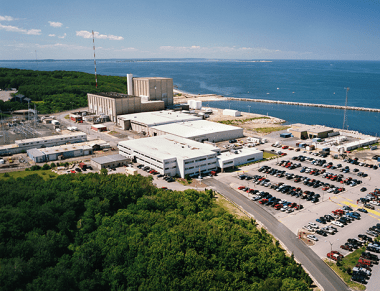
The Entergy Corporation will close Pilgrim Nuclear Generating Station, on Cape Cod Bay, within four years. Entergy Nuclear / Flickr
¶ Danish wind turbine blade maker LM Wind Power is increasing the number of employees at a North Dakota plant by 100 to almost 700 in coming months. The company wants to be competitive in the labor market and lifted its starting wage for production employees. The plant has been retooling for longer blades. [SeeNews Renewables]
Posted in nuclear power, renewable power, solar, wind | Leave a Comment »
Tags: nuclear, nuclear power, photovoltaic, renewable power, solar power, wind power
November 22, 2015
Opinion:
¶ Good news: Big companies are using a record amount of clean energy • In the United States, clean energy is already a booming business. Solar is the fastest-growing energy source in the country, and in 2015, total investment in renewable energy projects here reached nearly $40 billion. And big companies are getting involved. [Grist]
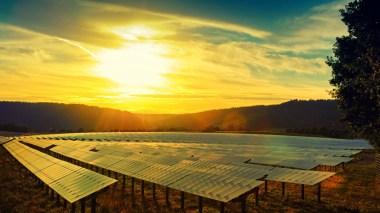
Shutterstock image.
¶ The broken promises, politics of corn ethanol • The federal corn ethanol mandate, also known as the Renewable Fuel Standard, exemplifies how national politics play into an issue that makes absolutely no sense. The case against it is so strong that groups ranging from the Sierra Club to Americans for Tax Reform agree on it. [Modesto Bee]
World:
¶ With just a week to go until a crucial global warming summit begins, 170 countries have submitted pledges for greenhouse gas curbs to underpin a 195-nation climate pact. Those countries account for about 93% of the world population and produce roughly 93% of emissions driving dangerous levels of climate change. [The Japan Times]
¶ Two years ago, a global energy company abandoned plans to build a $120 million pilot wind farm off Maine’s coast following opposition from the Governor Paul LePage. Now it is moving ahead with a similar project in Scotland. The decision is inviting an examination of what Maine may be losing in terms of jobs and investment. [Press Herald]
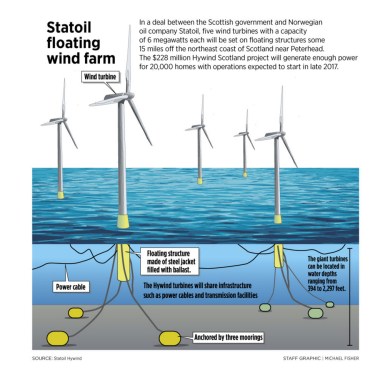
Floating wind turbines.
¶ Electricity coming to Crimea from Ukraine was cut shortly after midnight on Sunday, local time, according to the Crimean branch of Russia’s Emergency Situations Ministry. The ministry said 1,896,000 people were without power, and that emergency supplies had been turned on for hospitals and other important facilities. [Deutsche Welle]
¶ The government of Bangladesh approved construction of a large-scale solar park in an effort to increase the share of power from renewable sources in this electricity-starved country. The new solar park, which is due to begin generating within the next 18 months, will supply up to 200 MW of electricity to the national grid. [DhakaTribune]
¶ The Greens will seek to build momentum for more ambitious action on climate change by calling for the creation of a new government authority to help Australia reach a 90% target for renewable energy by 2030. The party has already adopted the goal, but the new policy document spells out how this could be achieved. [The Guardian]
Wind farm near Merredin, Western Australia. Photograph: Calla Wahlquist for the Guardian
¶ Residents of rural China have fears about the proposed expansion of the country’s nuclear program. Ask villagers in the Chinese village of Hubin what they think of proposed nuclear plant, and talk quickly turns to the Communist government’s dismal record of industrial accidents, as well as the Fukushima Disaster of 2011. [New York Times]
US:
¶ Republicans are taking aim at a new “Green Climate Fund,” as they look to weaken President Obama’s hand in global climate talks later this month. The pot of money, a $3 billion climate change pledge the administration made last year, is something officials hope to bring to the negotiating table at United Nations summit in Paris. [The Hill]
¶ A proposed solar energy project in Bethel, Connecticut, that has been entangled in bureaucracy for years could finally get underway early in 2016. Officials expect that a proposal to build a 954-kW solar farm on the site of the town’s old landfill will finally come to a vote soon, allowing construction to begin in the spring. [Danbury News Times]
Posted in nuclear power, renewable power, solar, wind | 1 Comment »
Tags: nuclear, nuclear power, photovoltaic, renewable power, solar power, wind power
November 21, 2015
Opinion:
¶ Nuking Clean Energy: How Nuclear Power Makes Wind and Solar Harder • Nuclear is a barrier to a clean-energy future, not a piece of it. Nuclear is so expensive that there’s little room left in a utility budget to build wind and solar, but more importantly, it makes high levels of wind and solar become harder to achieve. [Energy Collective]
Science and Technology:
¶ By adopting bicycles and electric bikes for just 10% of urban trips, we would save some $24 trillion between now and 2050, as well as reducing GHG emissions from motor vehicles by about 11%, according to a report from the Institute for Transportation & Development Policy. About 6% of urban trips are already on bicycles. [CleanTechnica]
Commuter bikes at Alewife Station, near Boston, Massachusetts. Photo by agr. CC BY-SA 3.0. Wikimedia Commons.
¶ Though many believe the lifetime of a solar panel is twenty-five years, a number of older models have exceeded this. When Kyocera tested a 30-year-old module last year, it discovered it was still operating at 90.4% of capacity. There are 37-year-old Arco Solar (now SolarWorld USA) panels in operation. [CleanTechnica]
¶ After a staggering 90% decline, it is hoped that the population of the iconic monarch butterfly will recover following coordinated efforts of North American governments. The insects have been damaged by illegal logging and pesticide use that have destroyed the milkweed plants they depend on for food and to lay their eggs. [Columbus Dispatch]
World:
¶ Spain has made renewable energy a top priority, and the investment has paid off: 42% of Spain’s electricity came from renewable sources in 2013. The majority comes from wind power, but solar provided 13% of the country’s energy and is growing. Spain is also home to the largest solar farm in the world, Andasol. (Photos) [Tech Insider]
International Energy Agency photo
¶ South African utility Eskom, which is known for regular power outages, has gone 104 days without any load shedding, leading observers to comment that it is now relatively stable. Important among the leading causes of the new stability are various renewable sources of electricity, which have recently gone online. [The Citizen]
¶ Thanks to the abundance of hydropower in Quebec, Manitoba, and British Columbia, Canada already obtains 65% of its electricity from clean energy sources. But a report from the Canadian Council on Renewable Electricity concludes that to meet its climate targets, Canada needs to double its renewable capacity. [CleanTechnica]
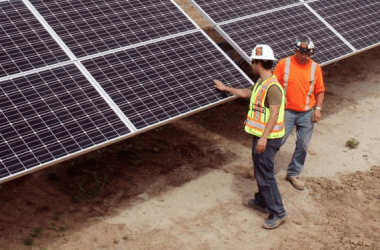
Image from Powering Climate Prosperity: Canada’s Renewable Electricity Advantage
¶ Coal plants in Thailand cause an estimated 1,550 premature deaths every year, according to new research by Harvard University and Greenpeace Southeast Asia. That number of could climb to 5,300 per year if plans to expand electricity production by building new coal-fired plants go ahead, the study found. [ThaiVisa News]
¶ Luxembourg will join Austria’s legal challenge to the UK’s support package for the Hinkley C nuclear power station, which totals €108 billion. Meanwhile EDF has laid off 65 engineers working on the project in Paris, and the EU Commission has initiated proceedings against Hungary over its Paks II nuclear project with Rosatom. [The Ecologist]
¶ Irish wind hit a new peak output earlier this week with favourable weather conditions helping wind farms to supply almost 50% of electricity demand. Wind output hit some 2035 MW or enough to meet 46% of the country’s electricity demand. It is the first time that the country has broken the 2-GW barrier. [reNews]
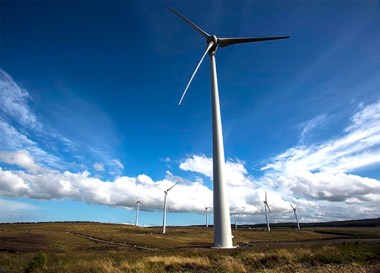
Gaelectric wind farm (Gaelectric)
US:
¶ A smart home service, OhmConnect, launched an online store offering California customers cash back rebates on such products as smart thermostats, smart plugs, home automation, and EV charging brands. OhmConnect can sync with all these products, sending users cash back rebates for automatically using less energy. [CleanTechnica]
¶ The city of Portland, Oregon, has unanimously passed a new resolution to block the expansion of new fossil fuel storage and transport activities in the city. The resolution is the first of its kind to be passed in the US, and represents a pretty big victory for activists concerned about climate change. It can serve as an example. [EV Obsession]
¶ It appears the wind industry is not at a complete standstill in northwestern Ohio. Amazon Web Services announced Thursday it is partnering with EDP Renewables to build and operate a 100-M wind farm in Paulding County. The power would be enough to provide electricity for 29,000 homes in the US in a year. [Times Bulletin]
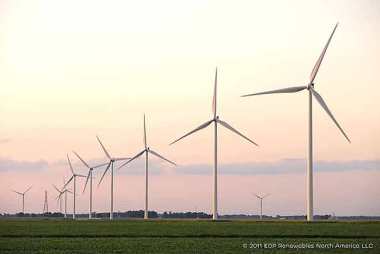
Ohio wind farm.
¶ Cheaper Canadian power is a myth, according to two former Maine public utilities commissioners who spoke about Maine’s energy future at the University of Southern Maine. The panelists agree that Maine should take another approach for its energy future: invest in energy efficiency and foster offshore wind development. [Maine Public Broadcasting]
¶ The Massachusetts legislature recessed formal sessions for the year earlier this week without renewing a solar power incentive program. It leaves many solar power projects across the state in limbo. Lawmakers were torn between arguments from environmental activists and solar developers and lobbying by utility companies. [WAMC]
Posted in nuclear power, renewable power, solar, wind | Leave a Comment »
Tags: nuclear, nuclear power, photovoltaic, renewable power, solar power, wind power
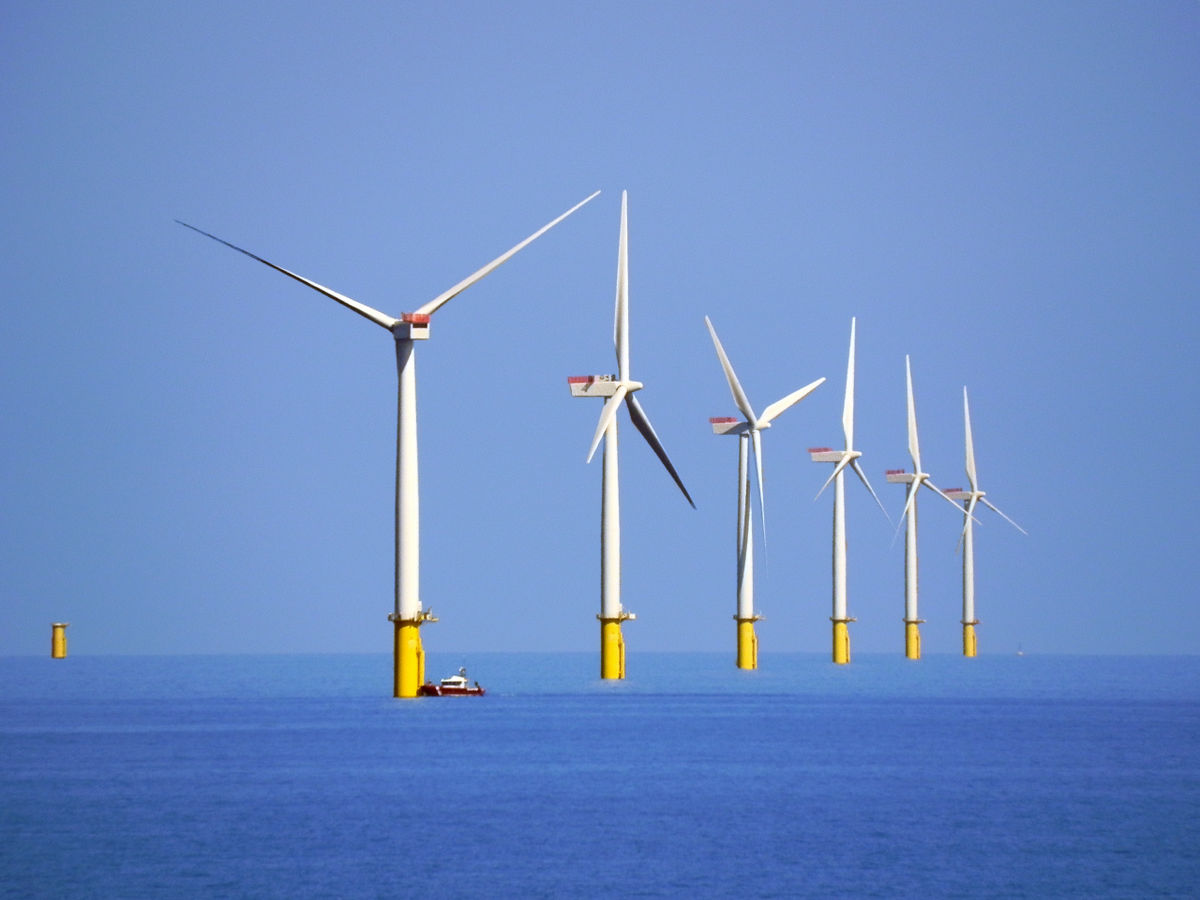
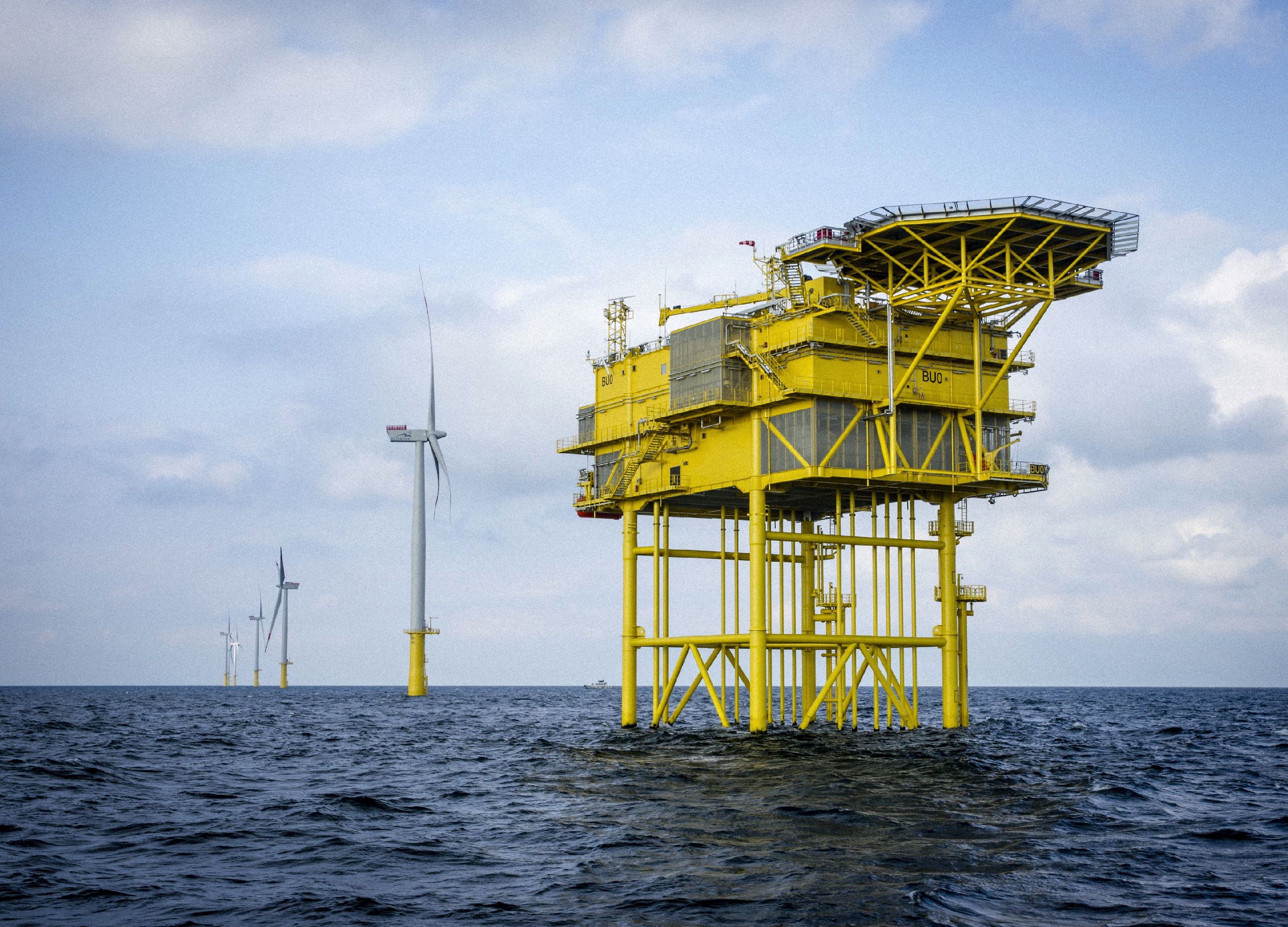
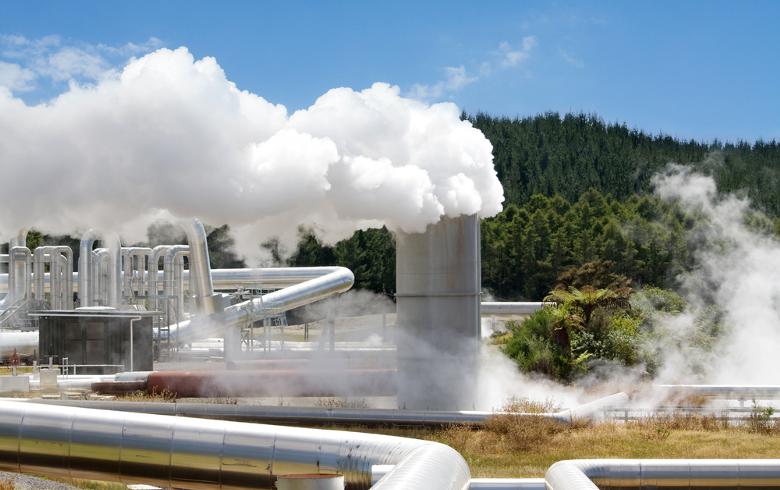
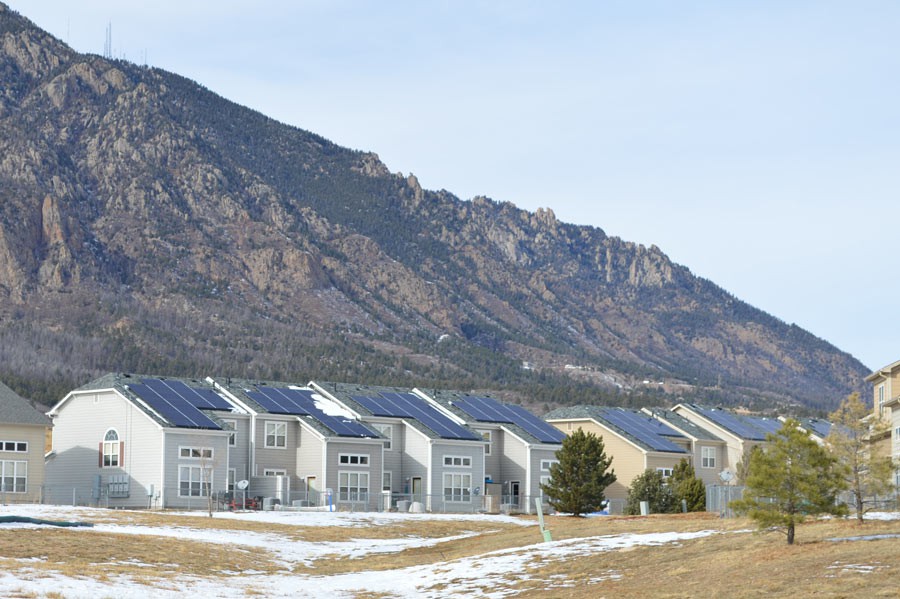
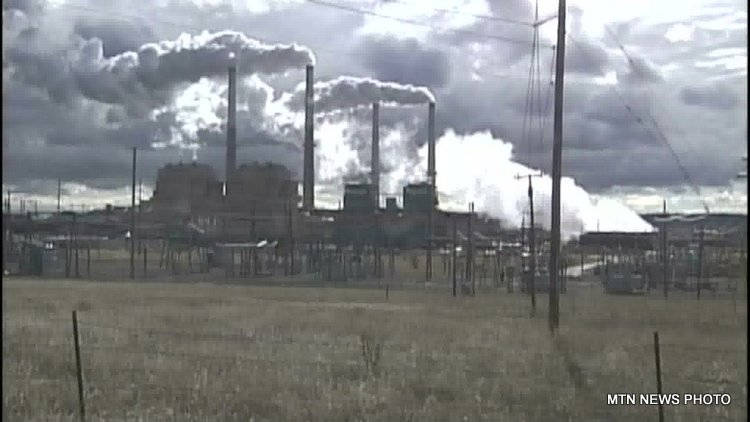
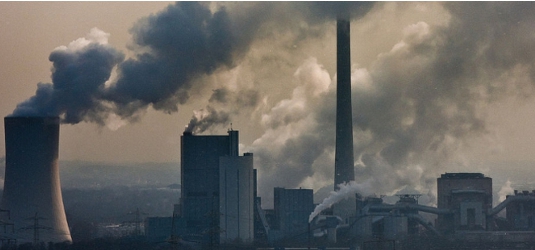
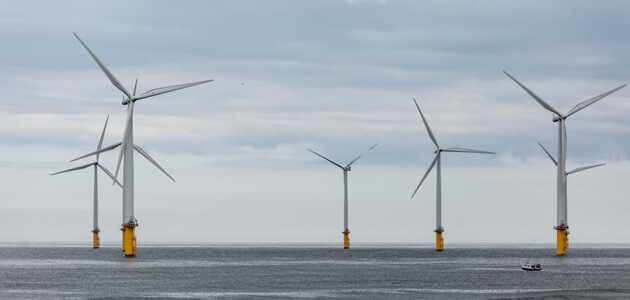

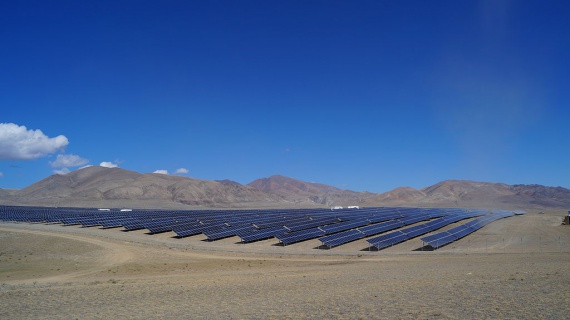

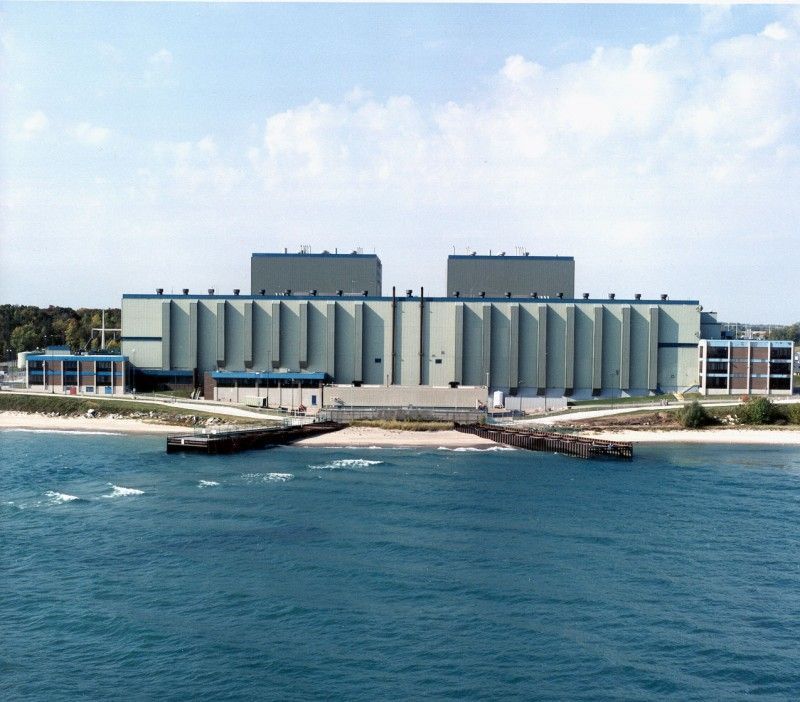
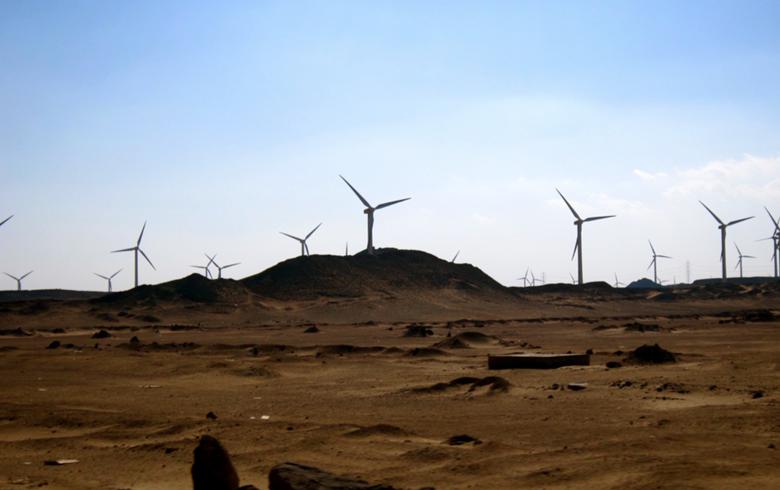
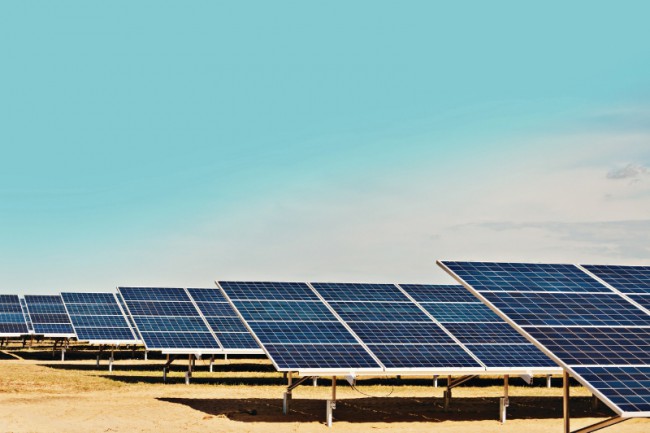

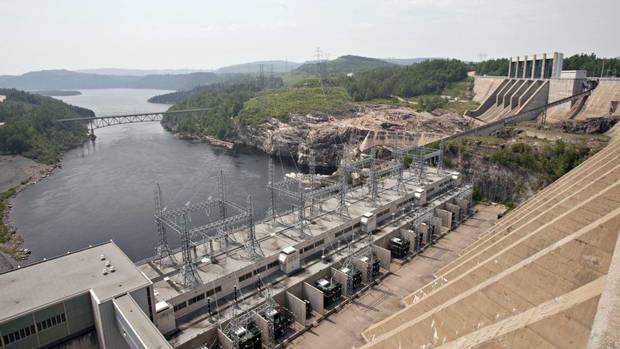

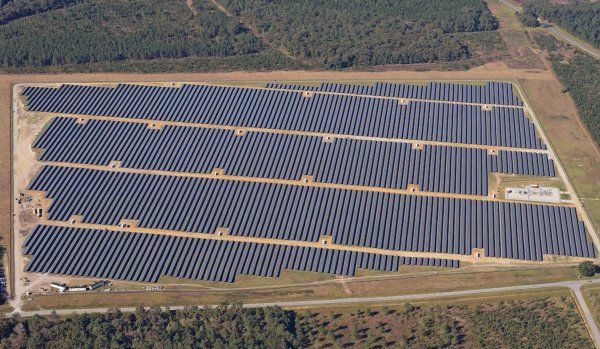
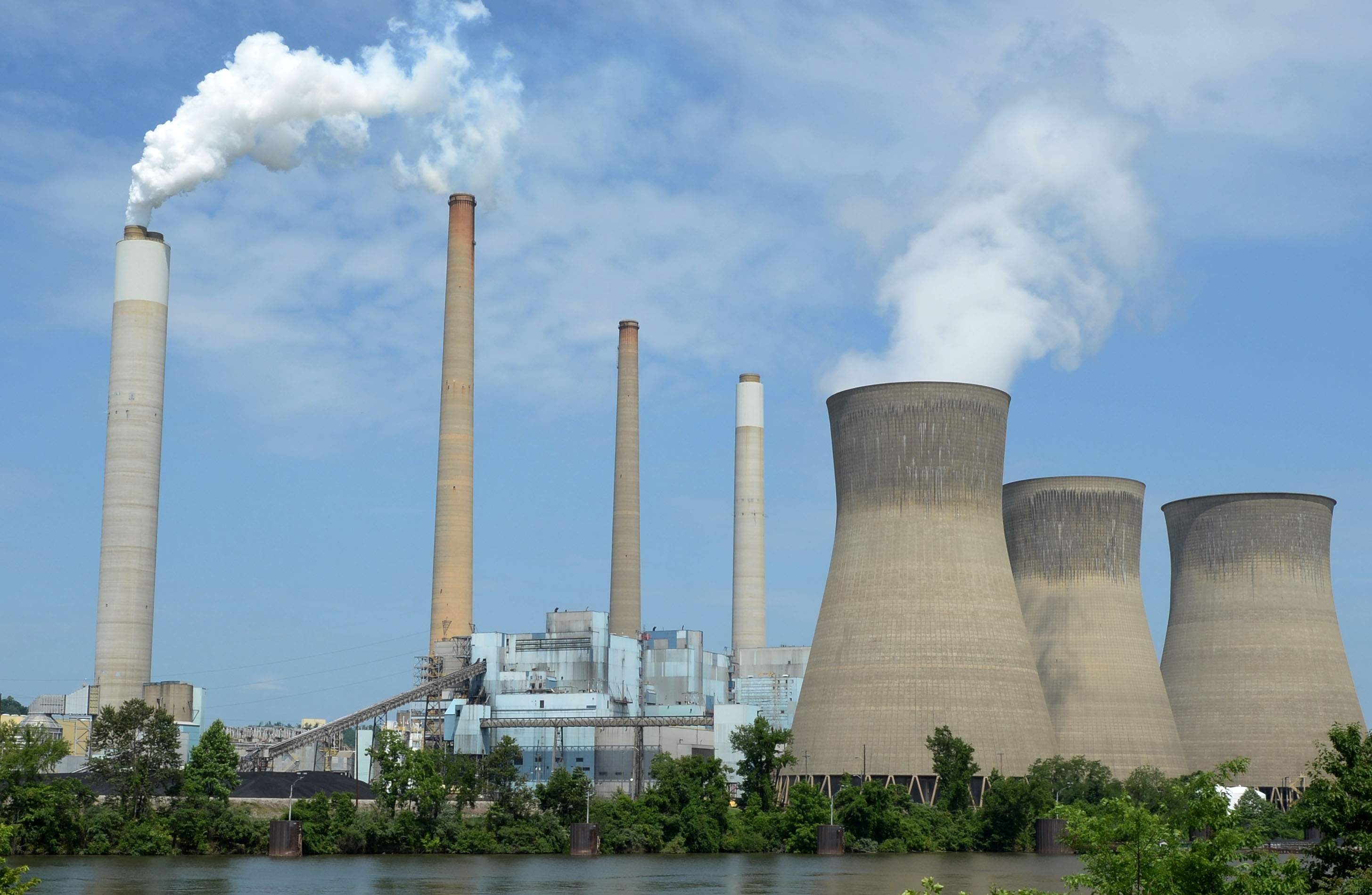
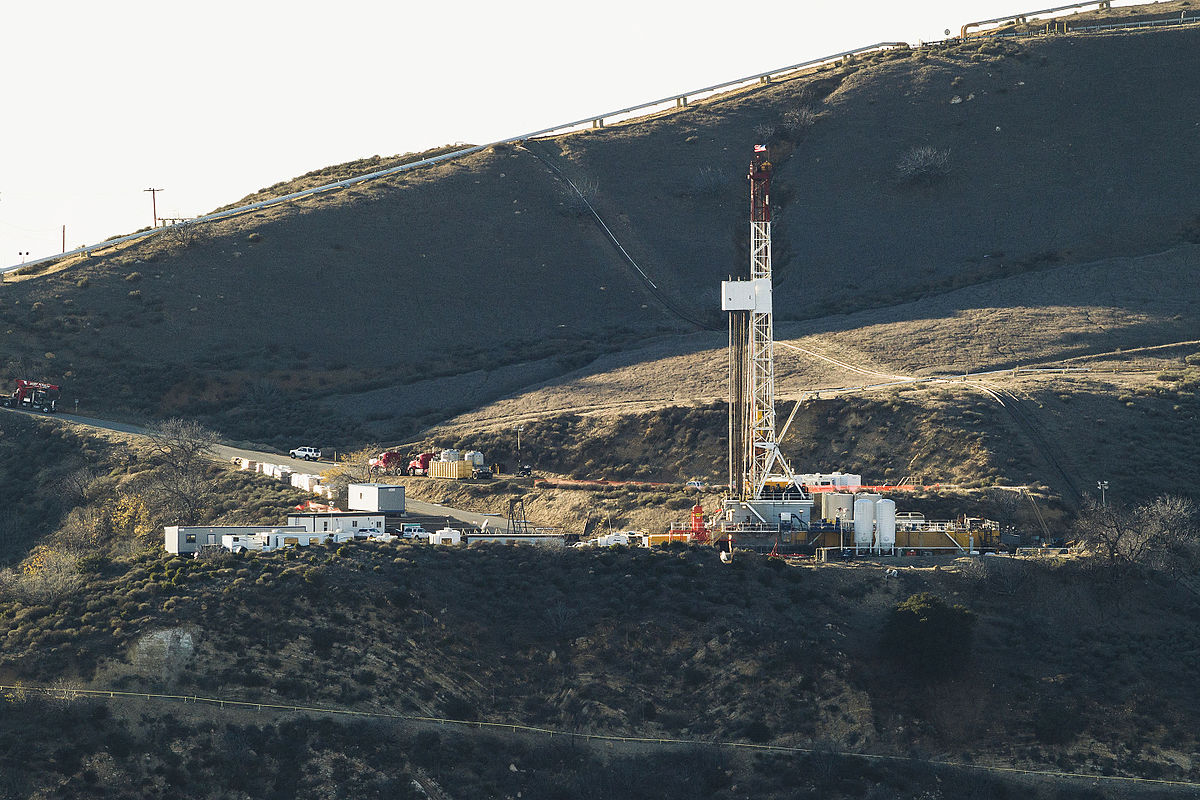

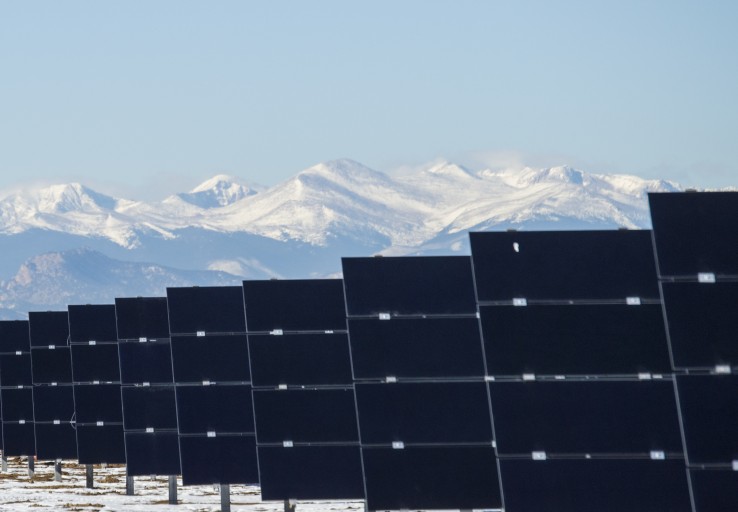
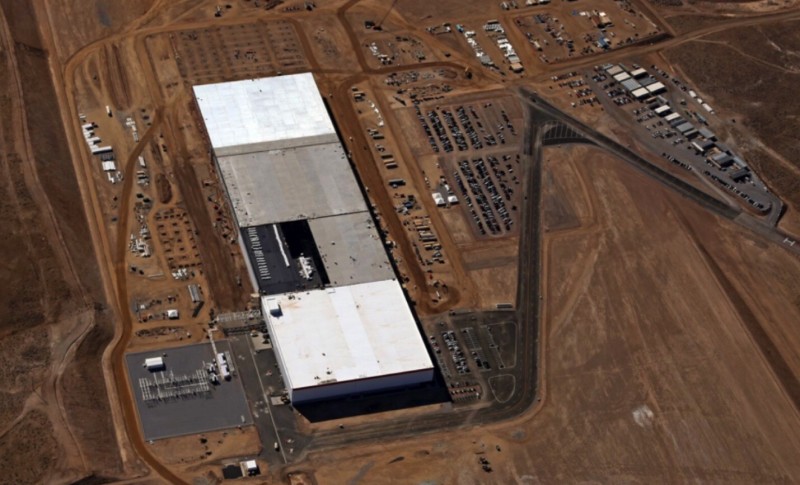

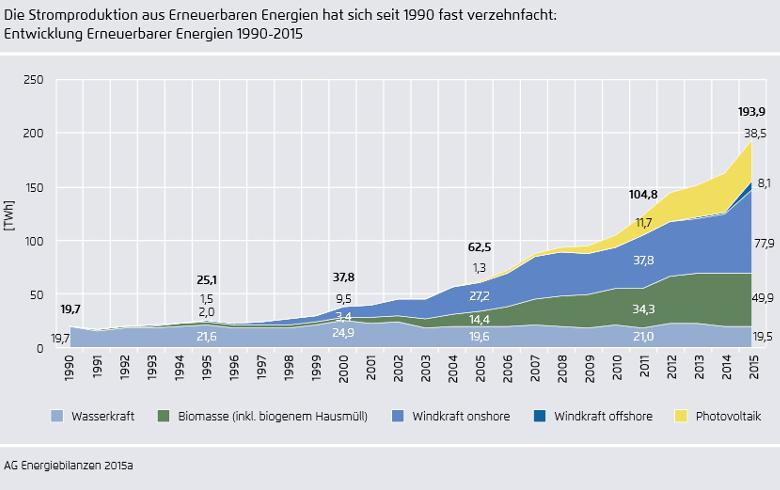
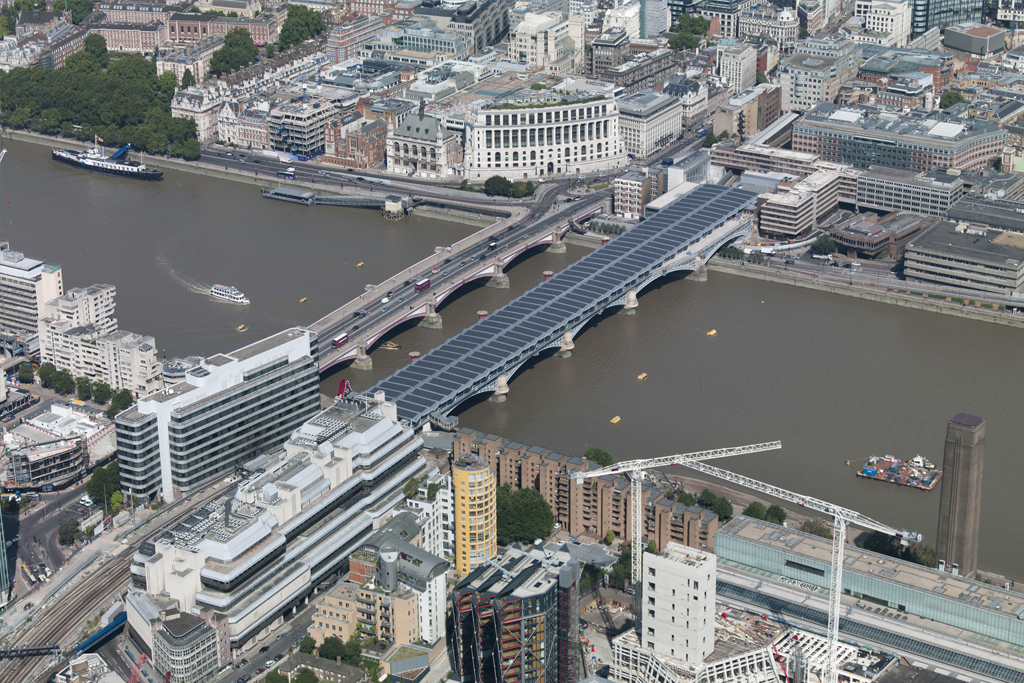
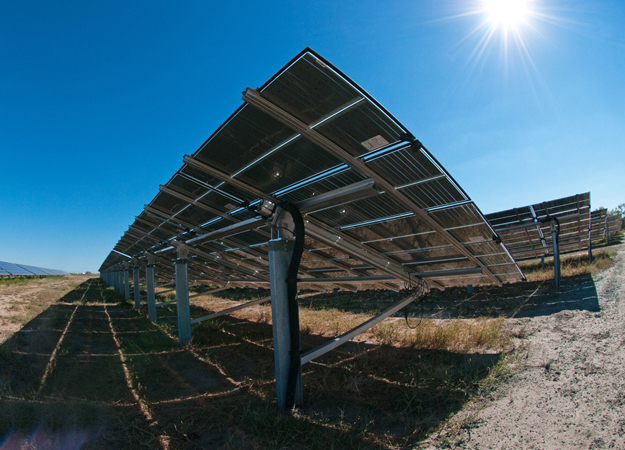
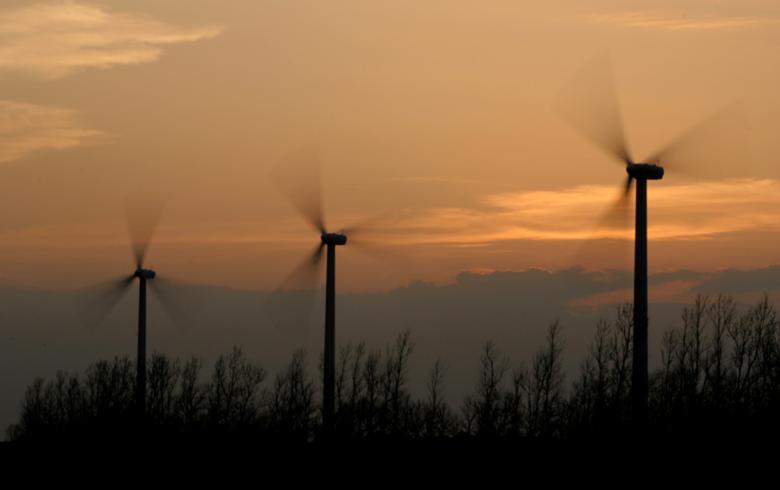
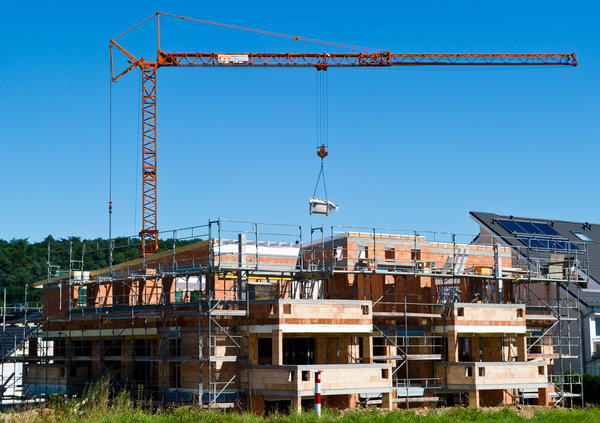
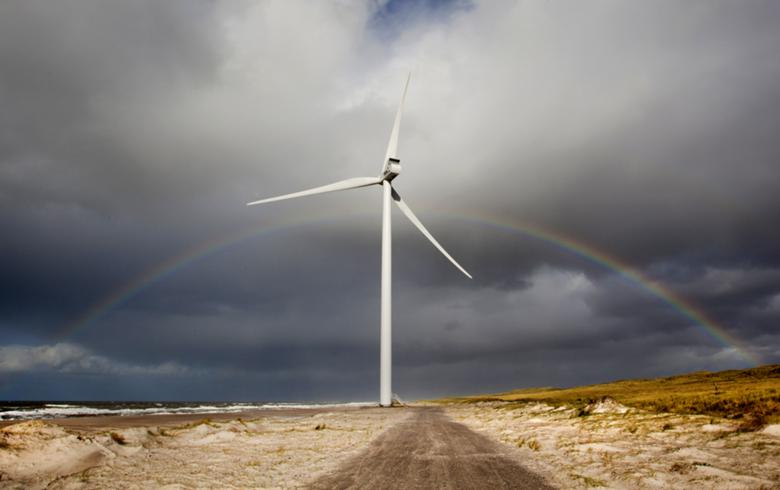

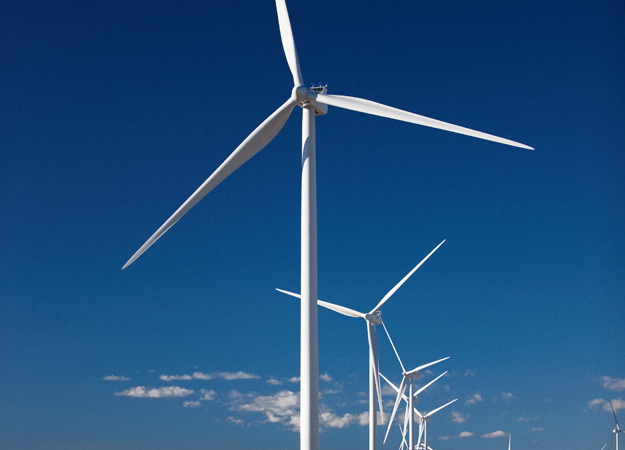
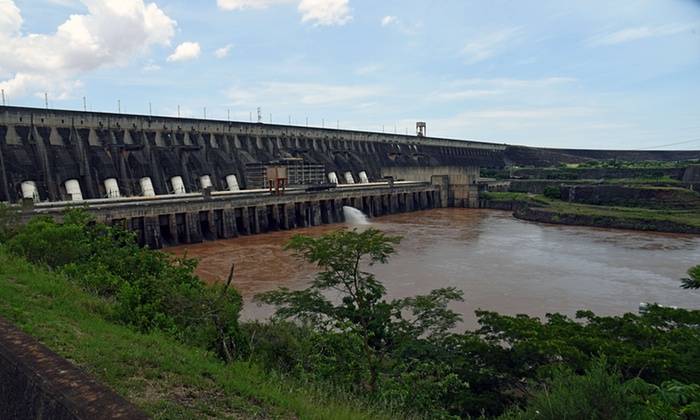
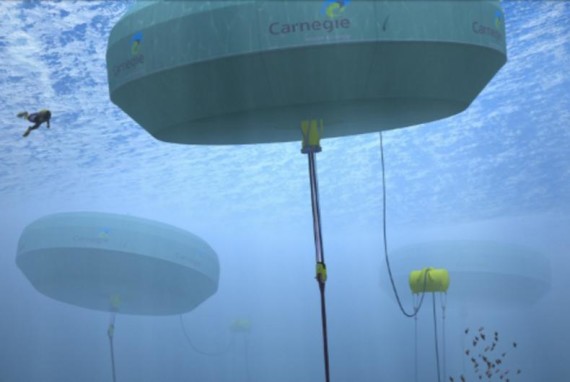

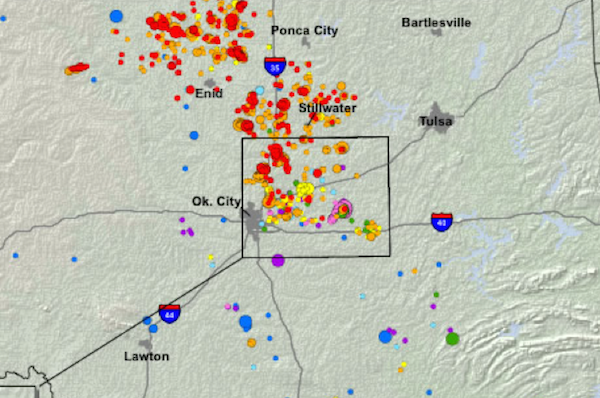
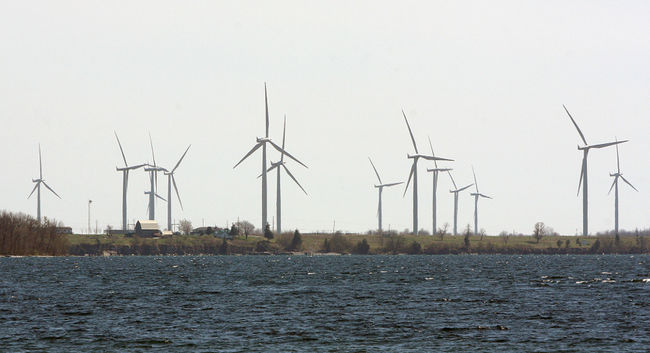
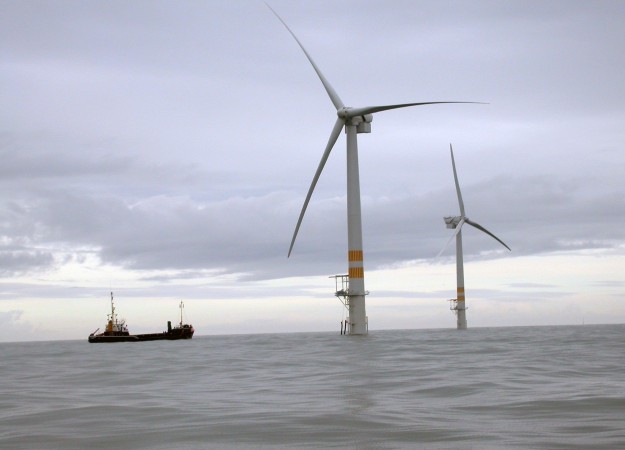

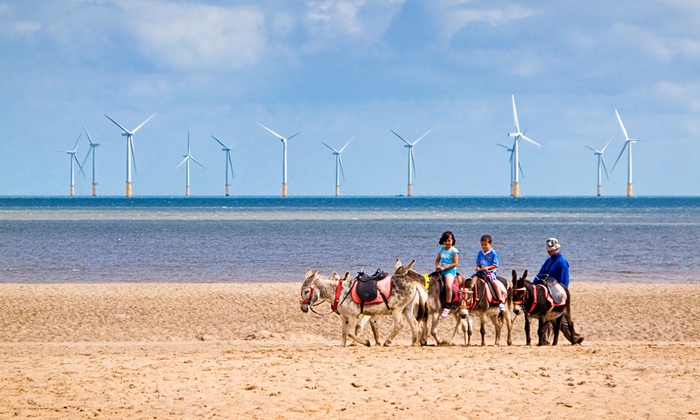
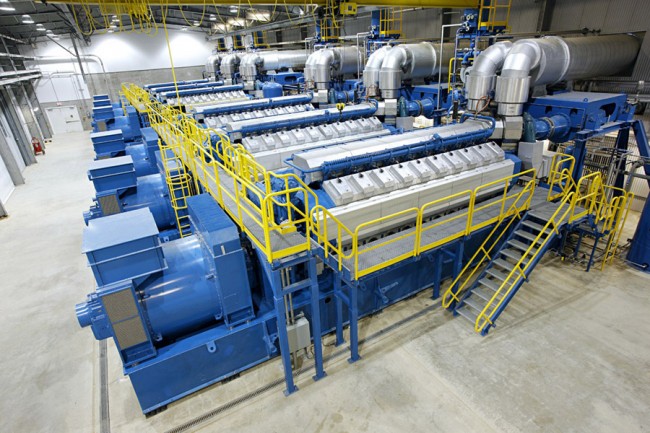
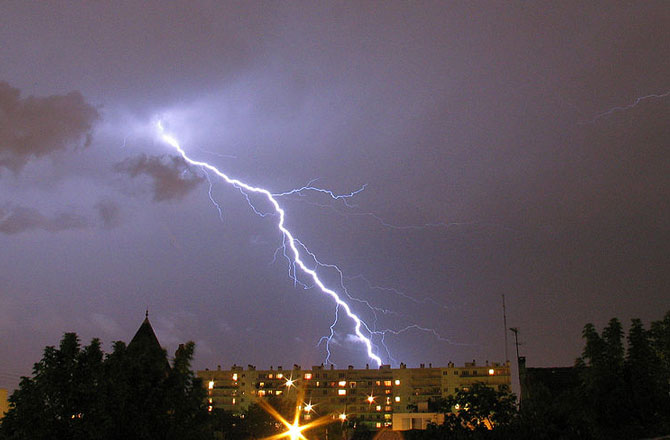
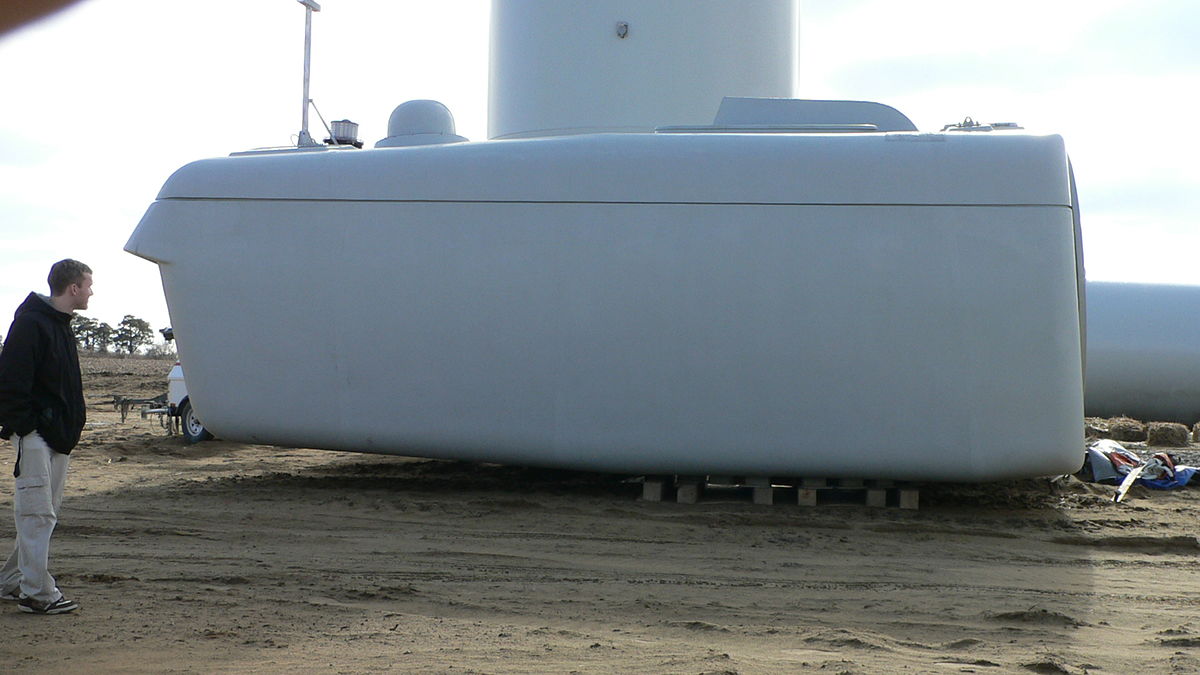
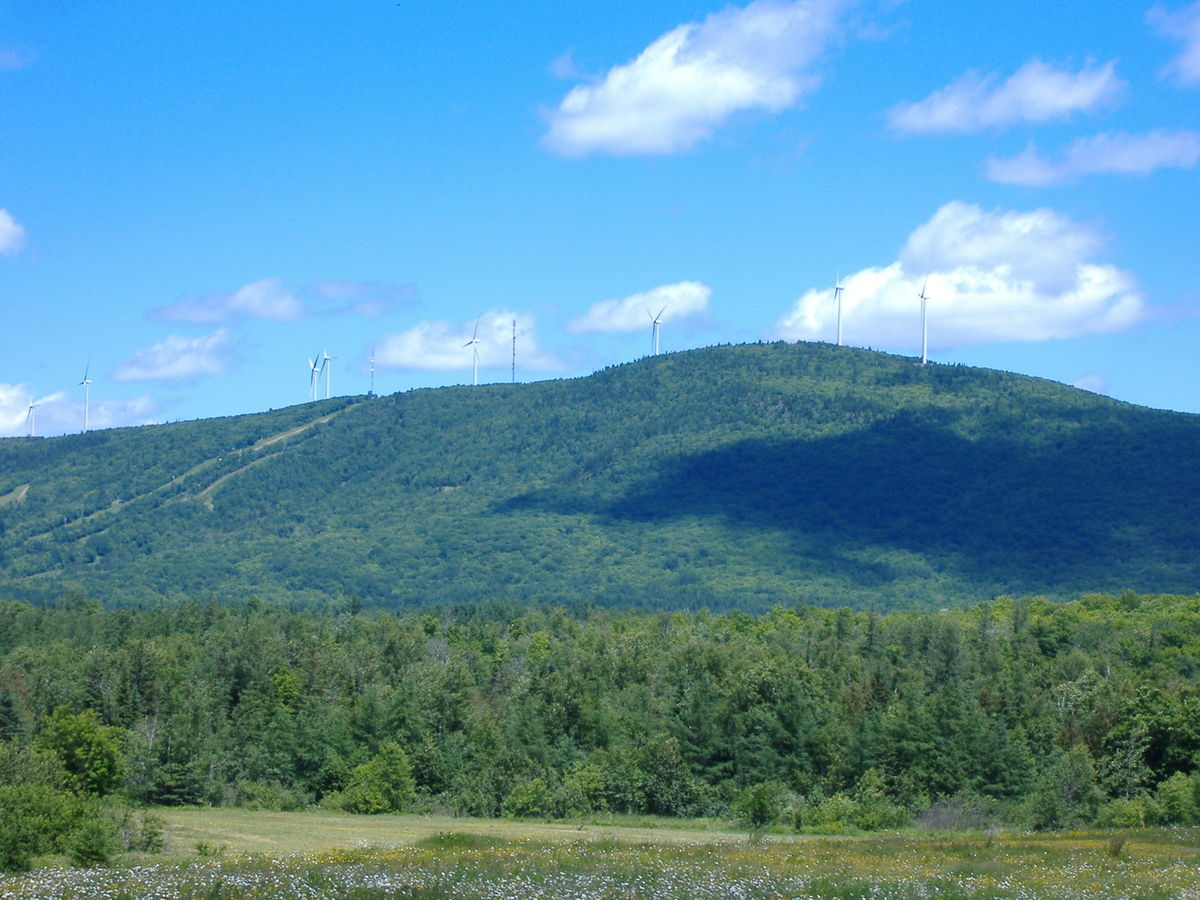
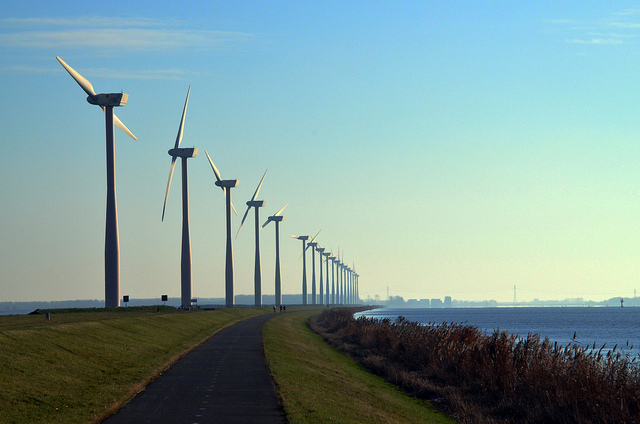
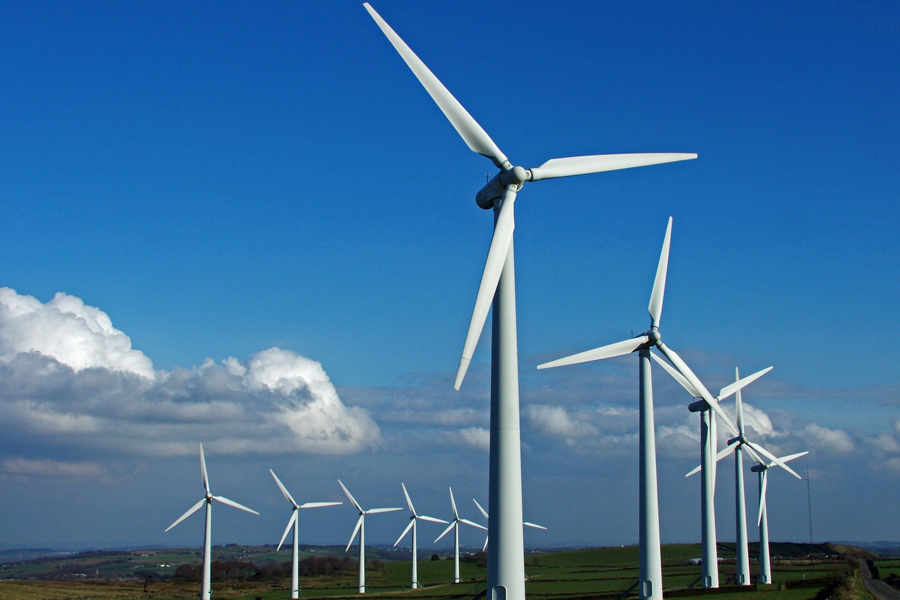
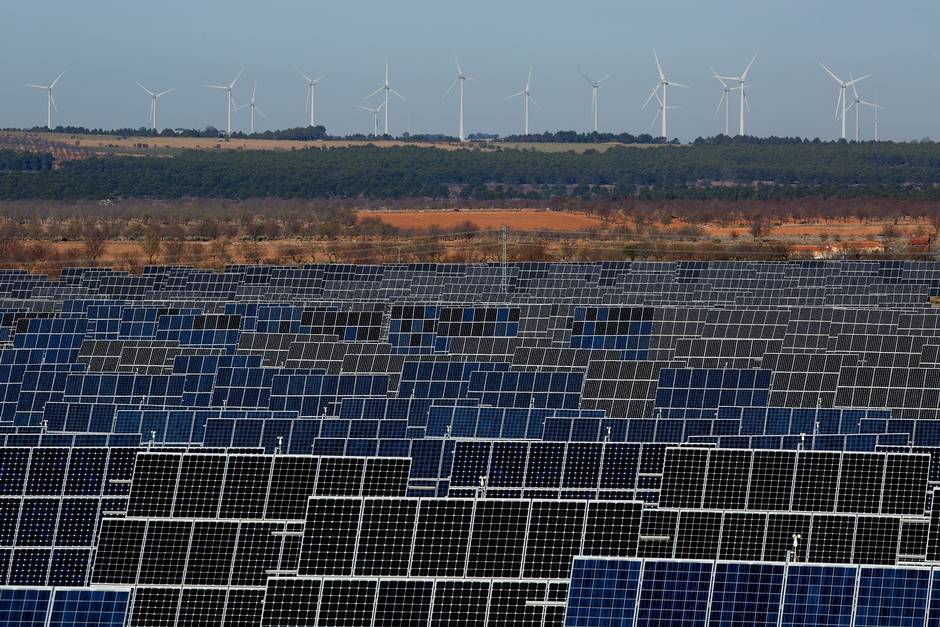
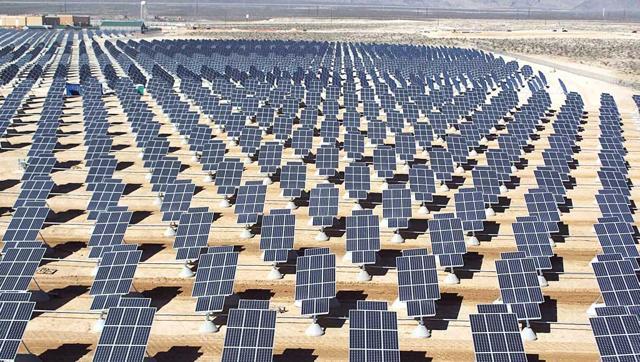

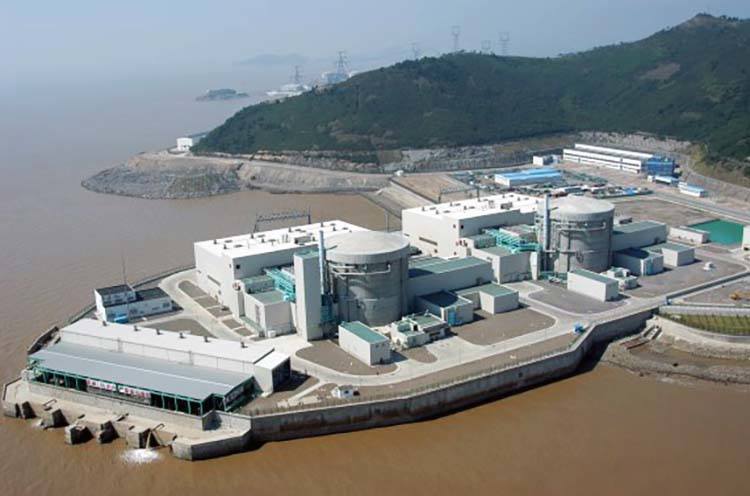

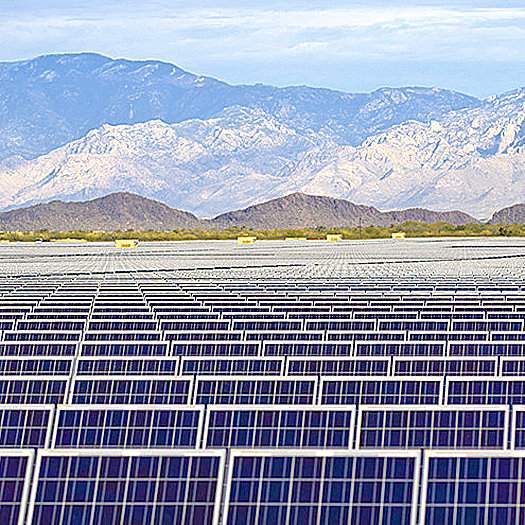

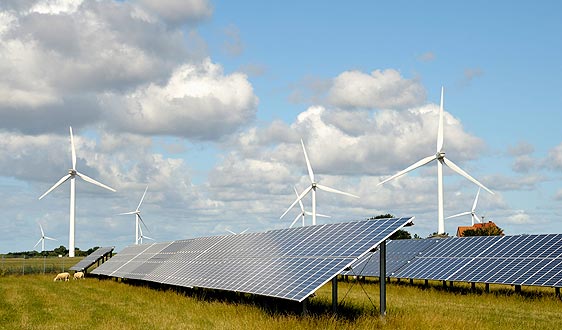
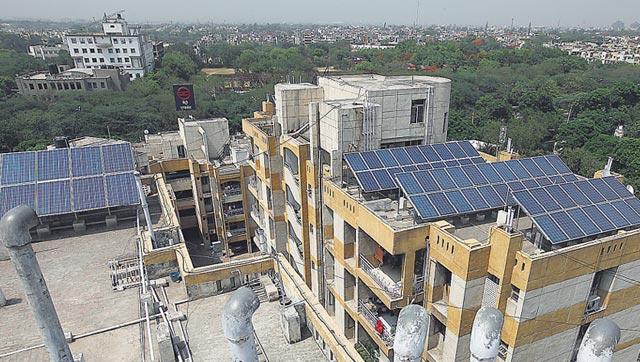
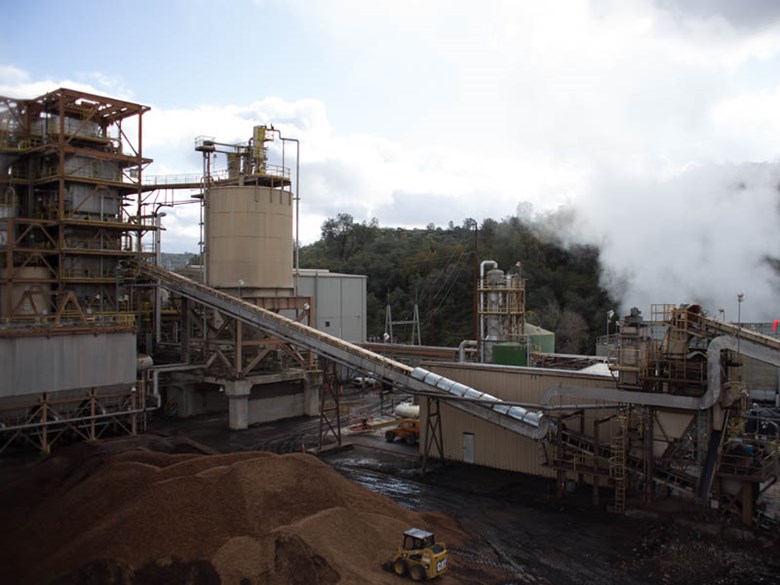
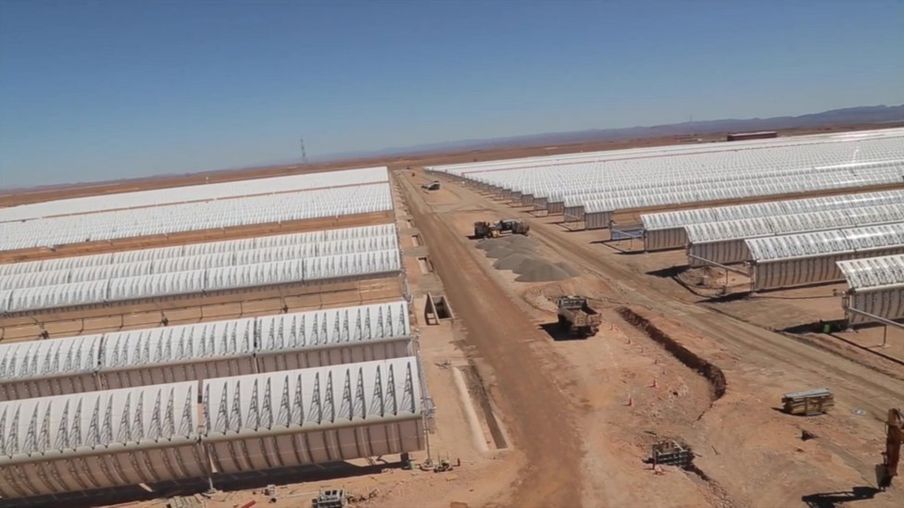
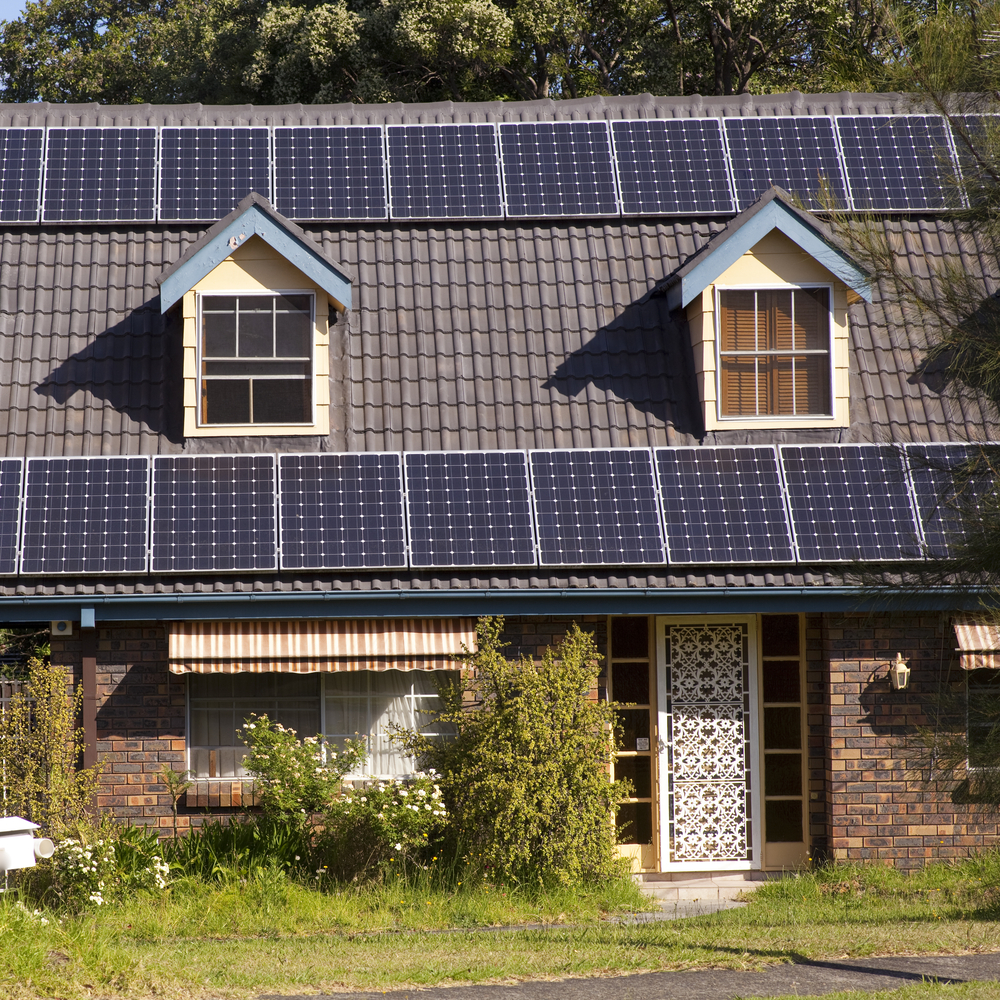
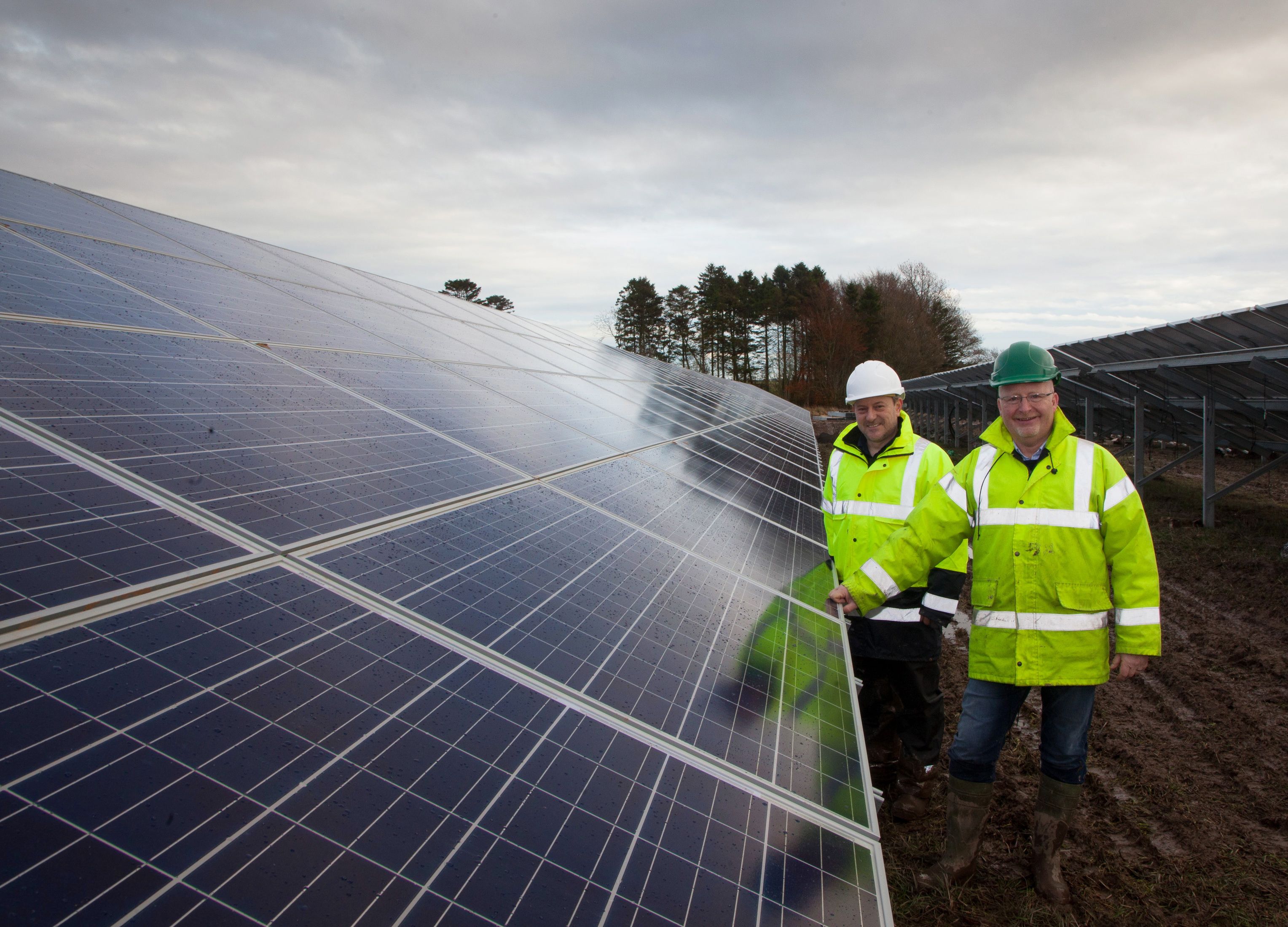



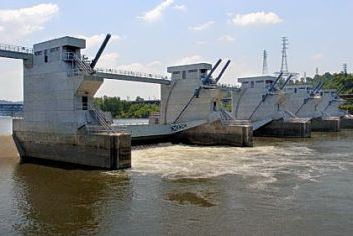
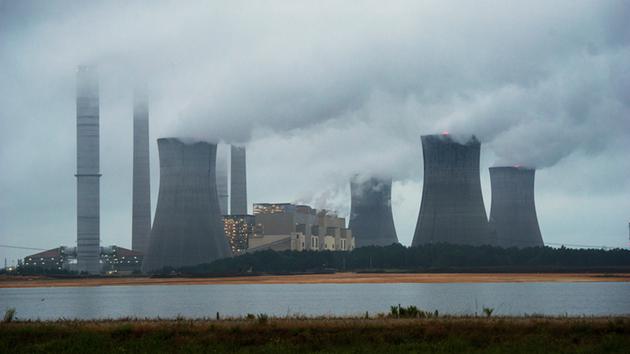

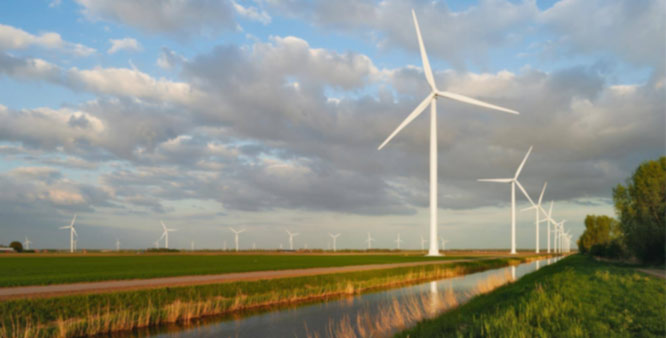
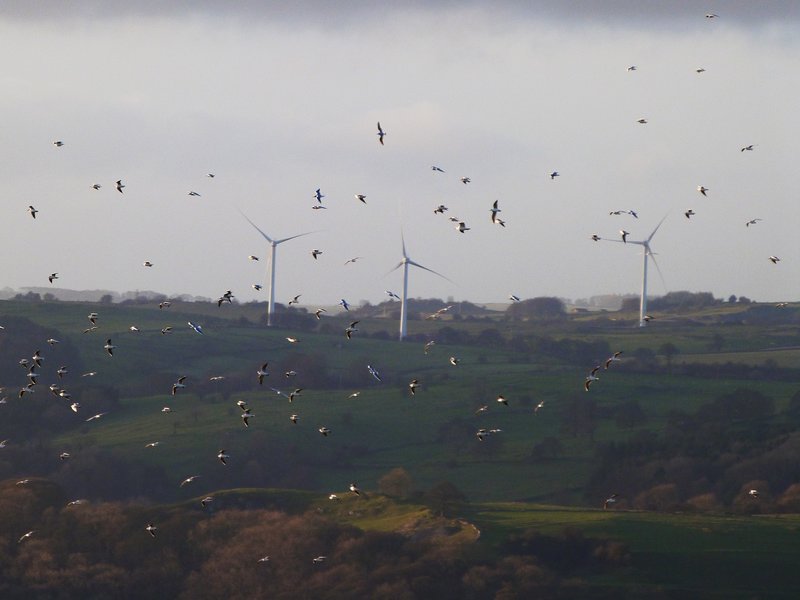
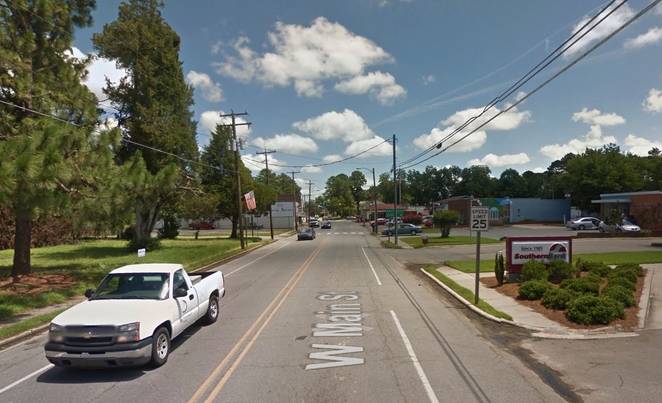
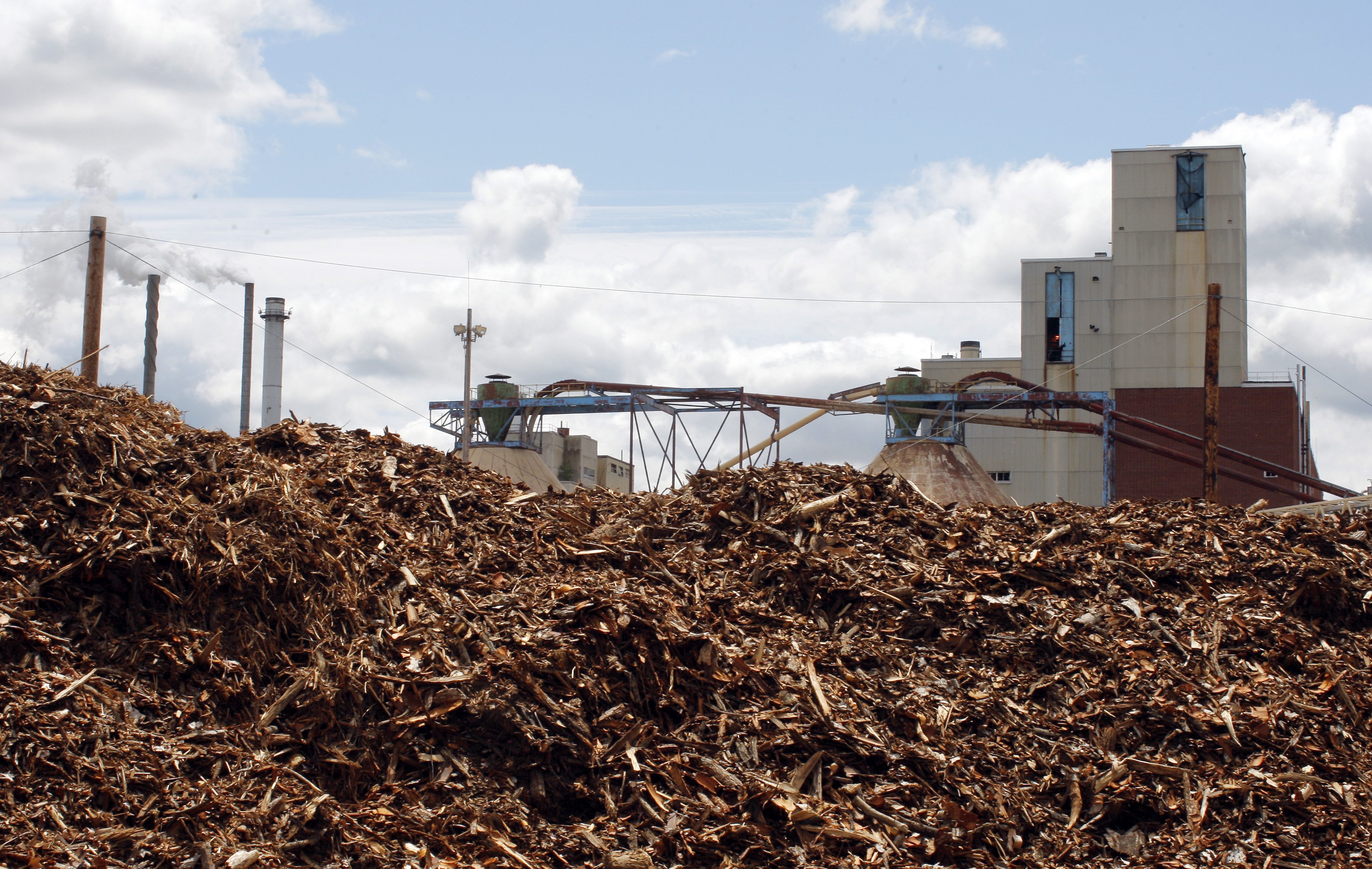
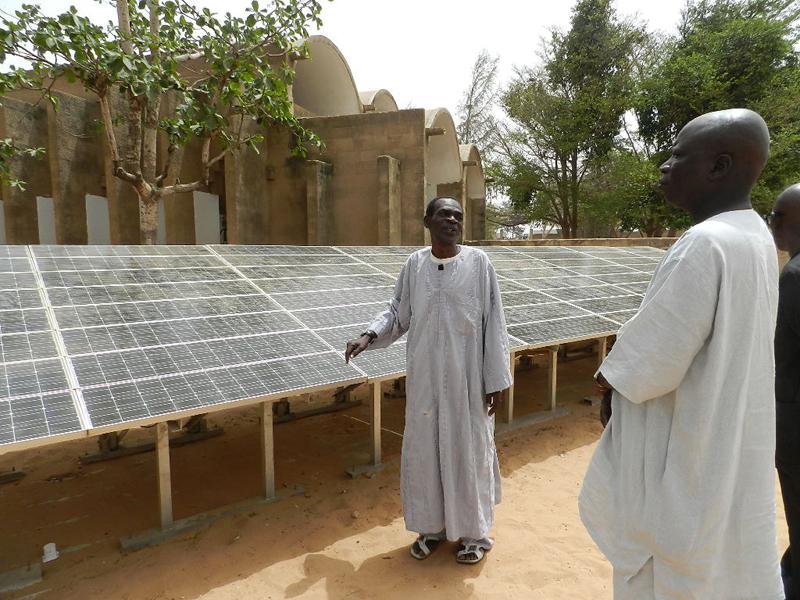
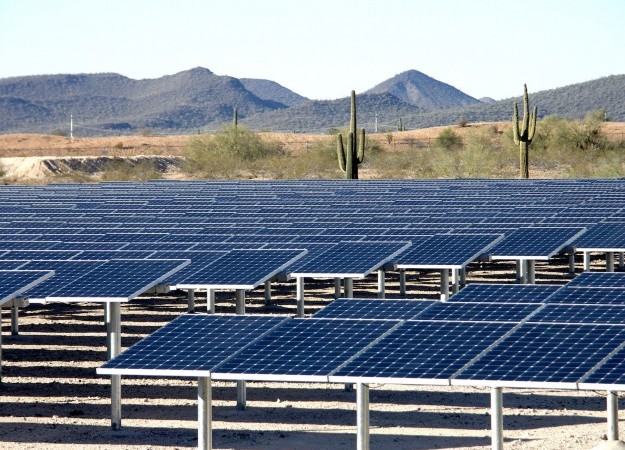
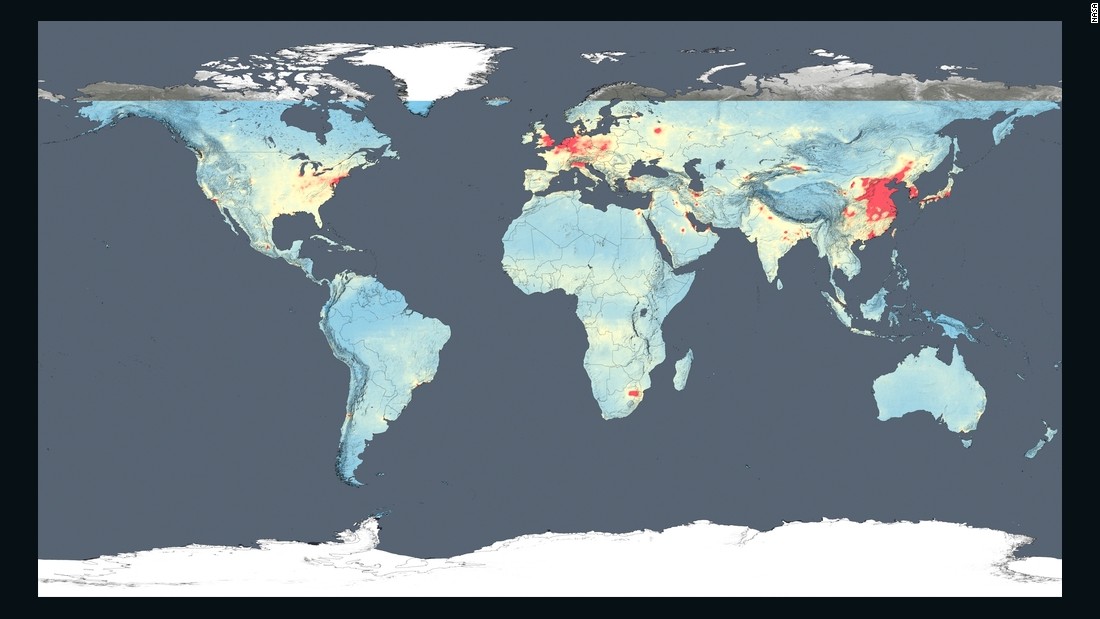
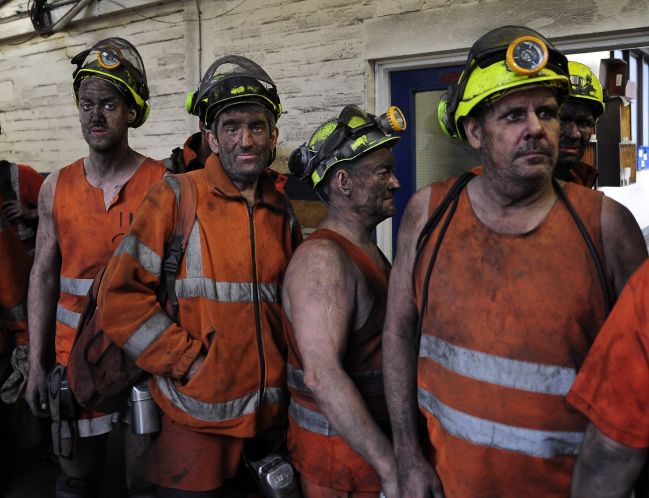
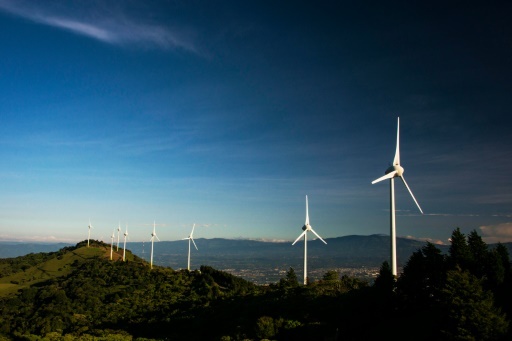
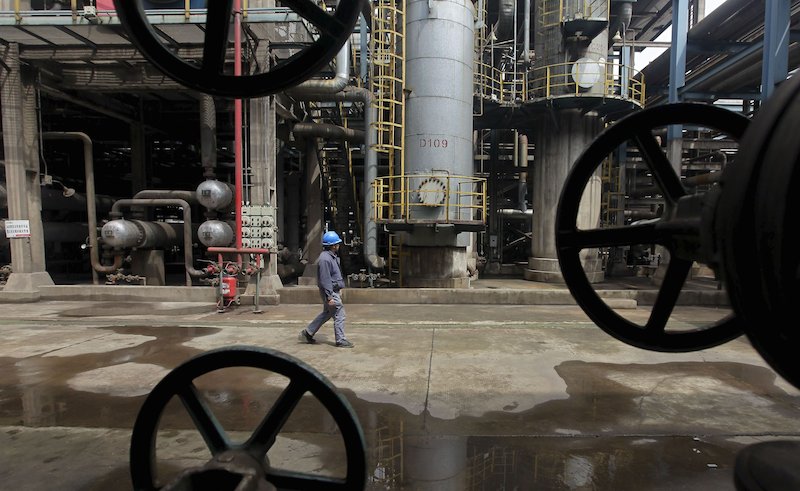
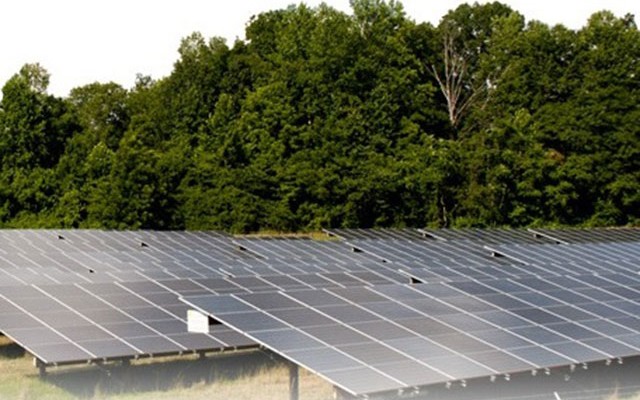
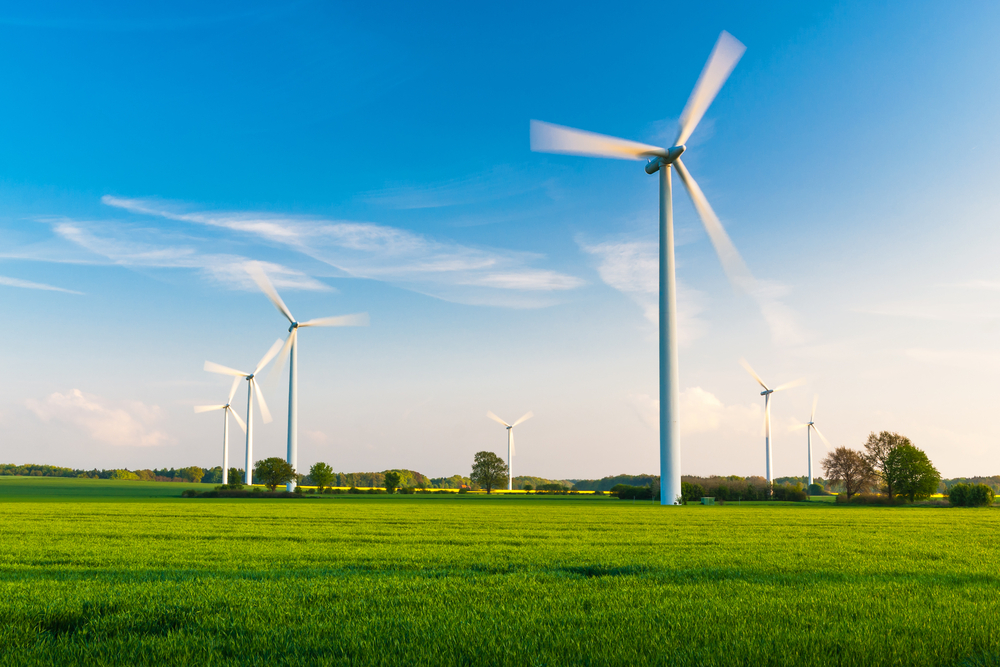
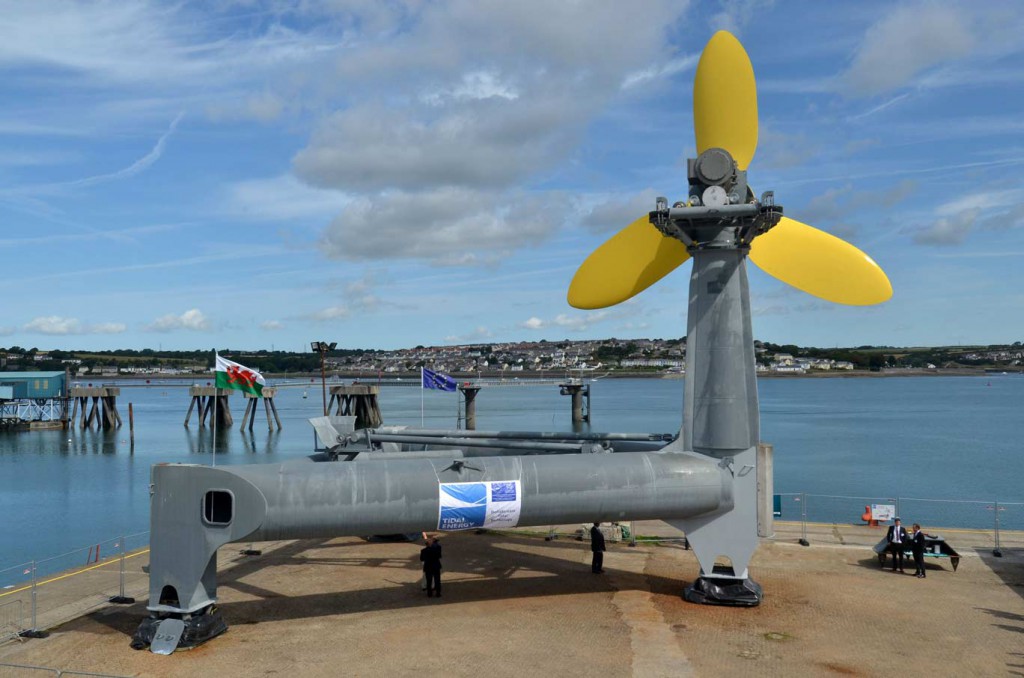


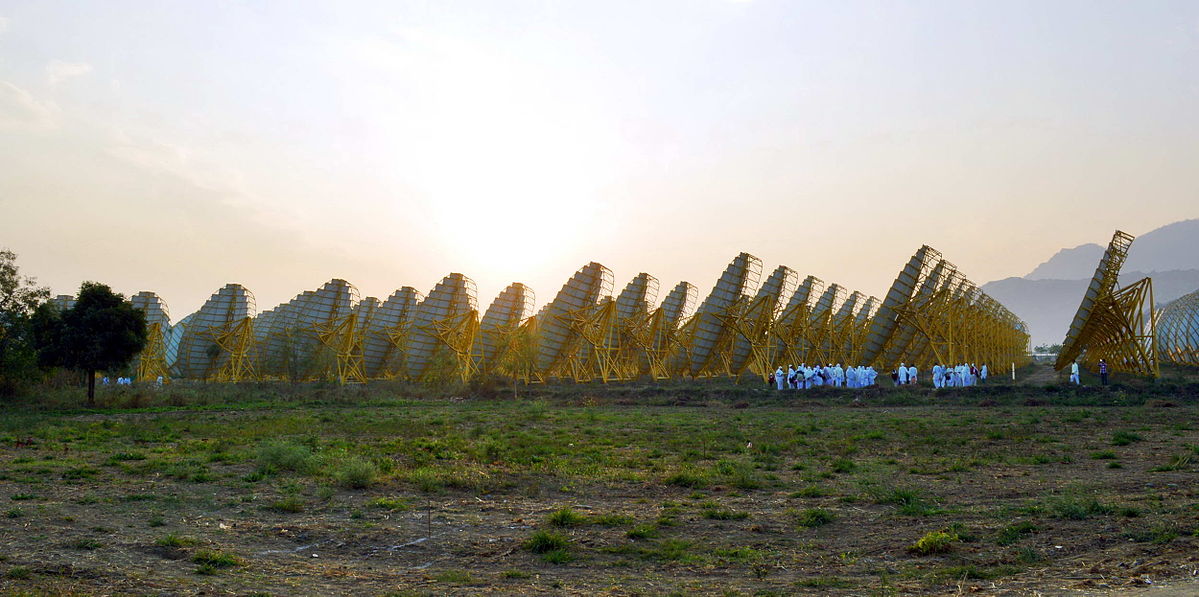
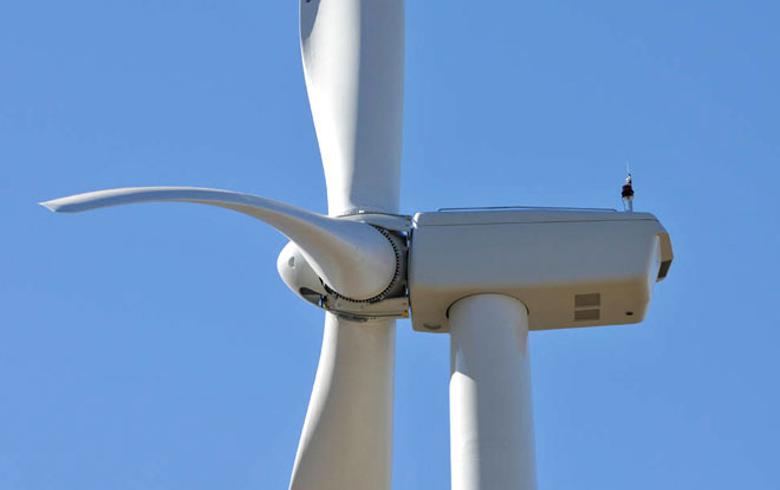

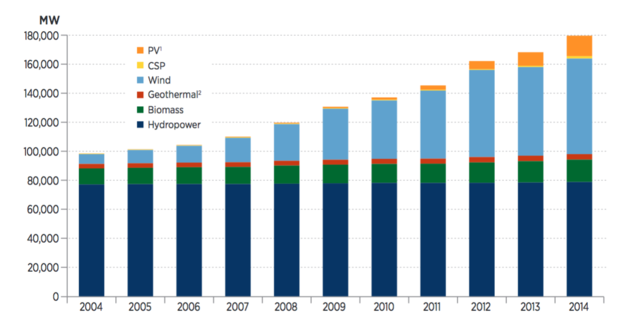
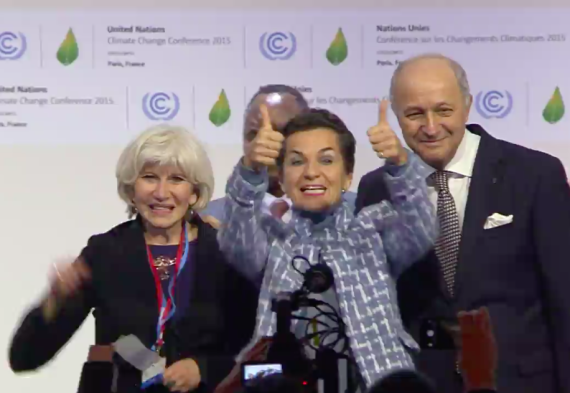
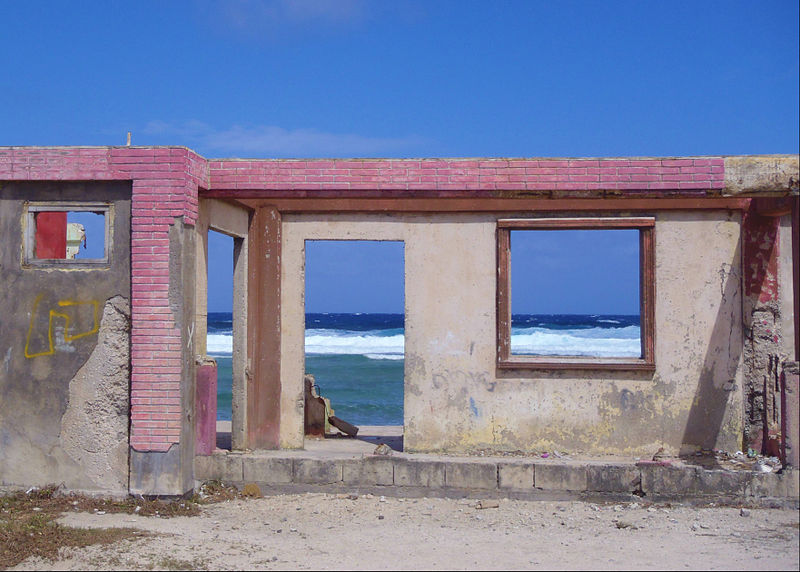
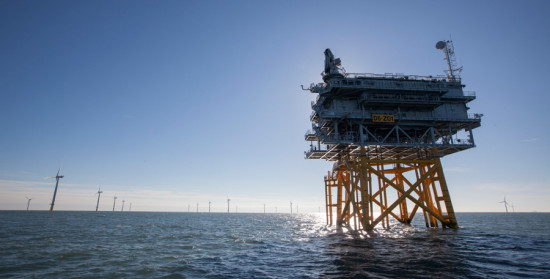

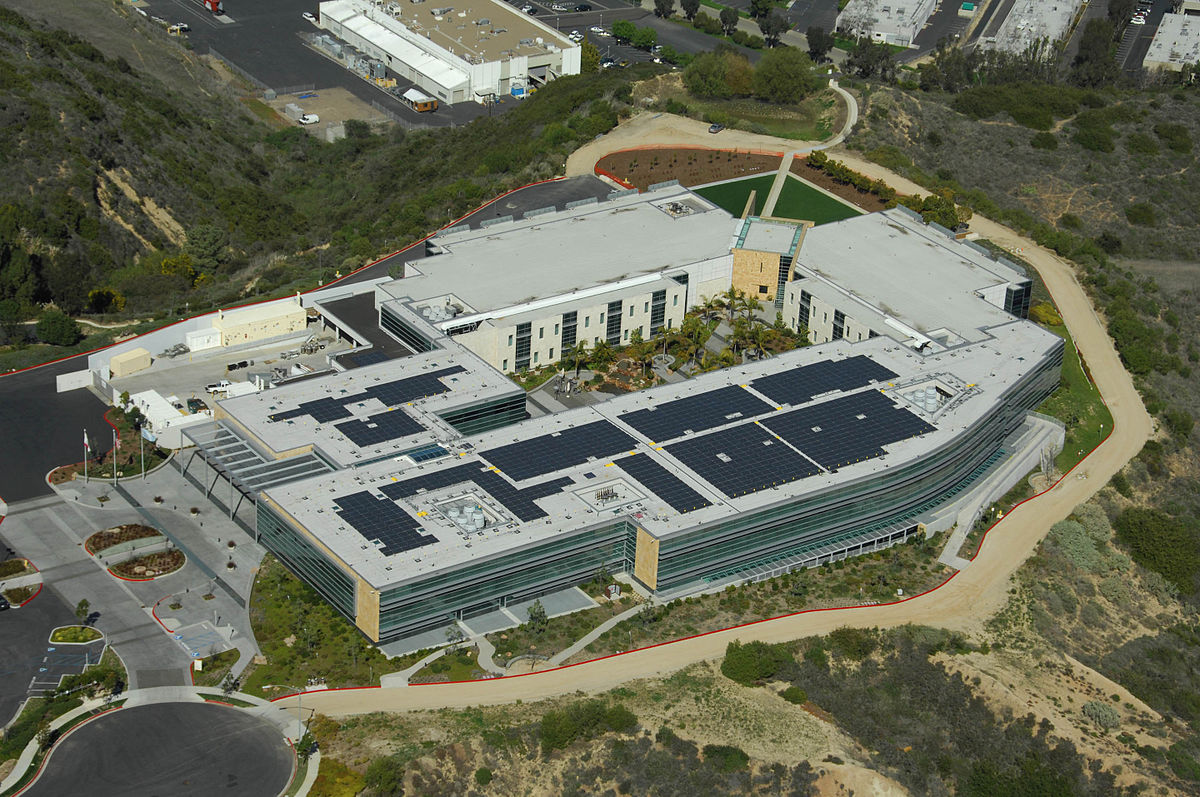
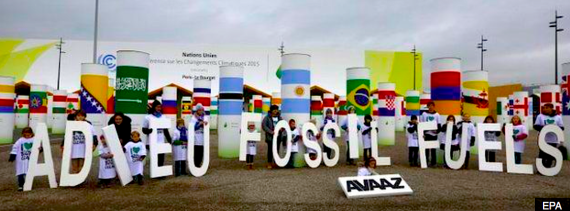


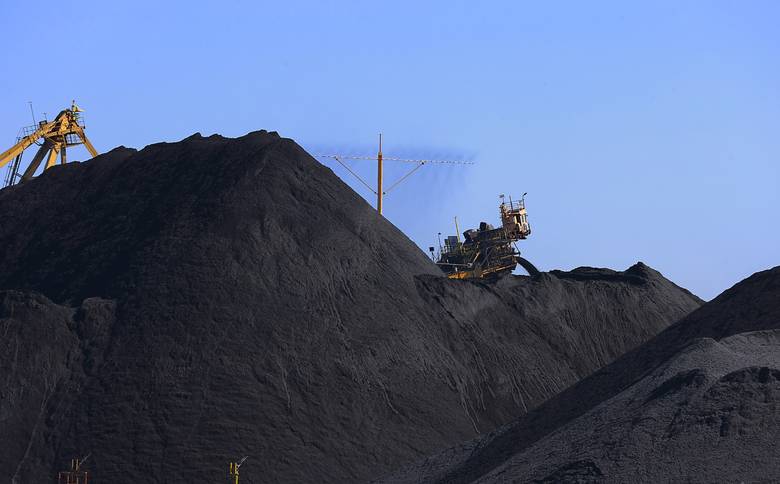
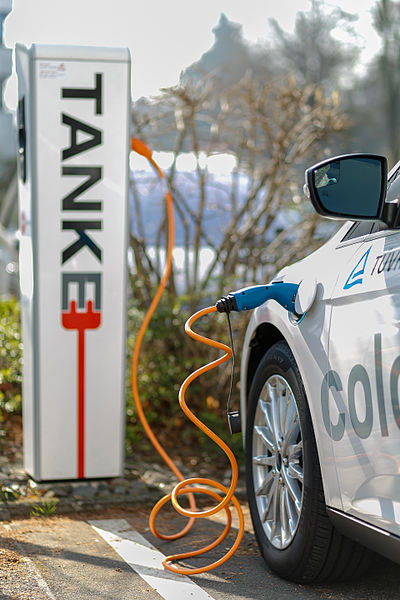



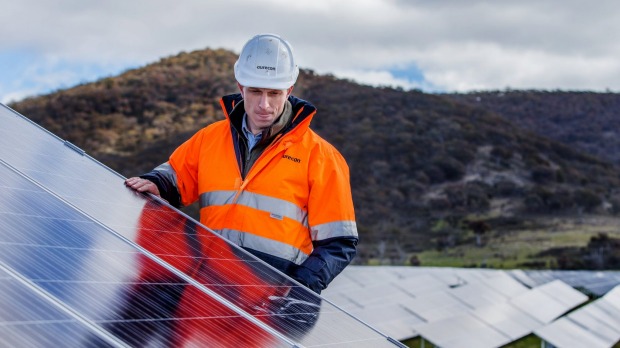

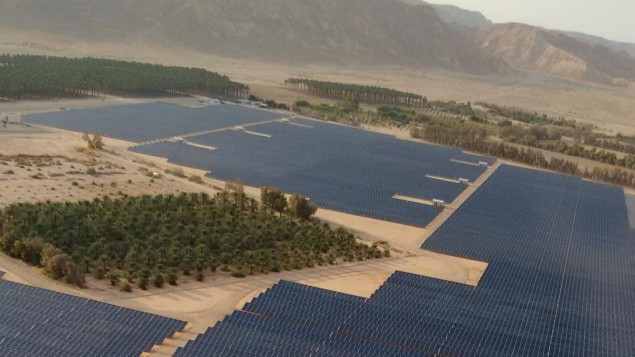
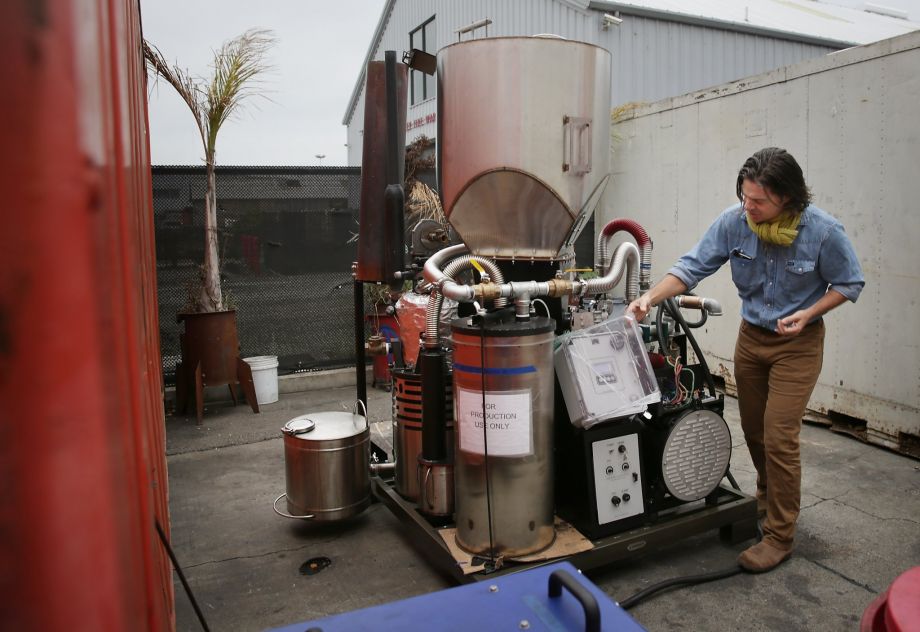

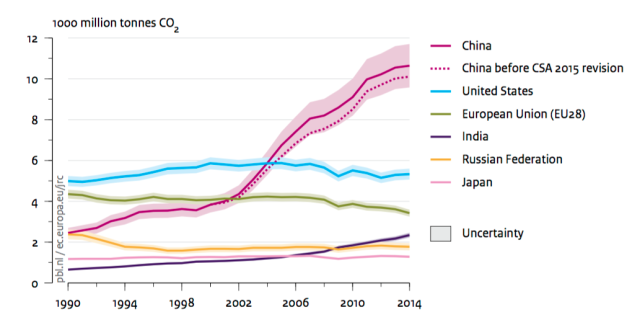
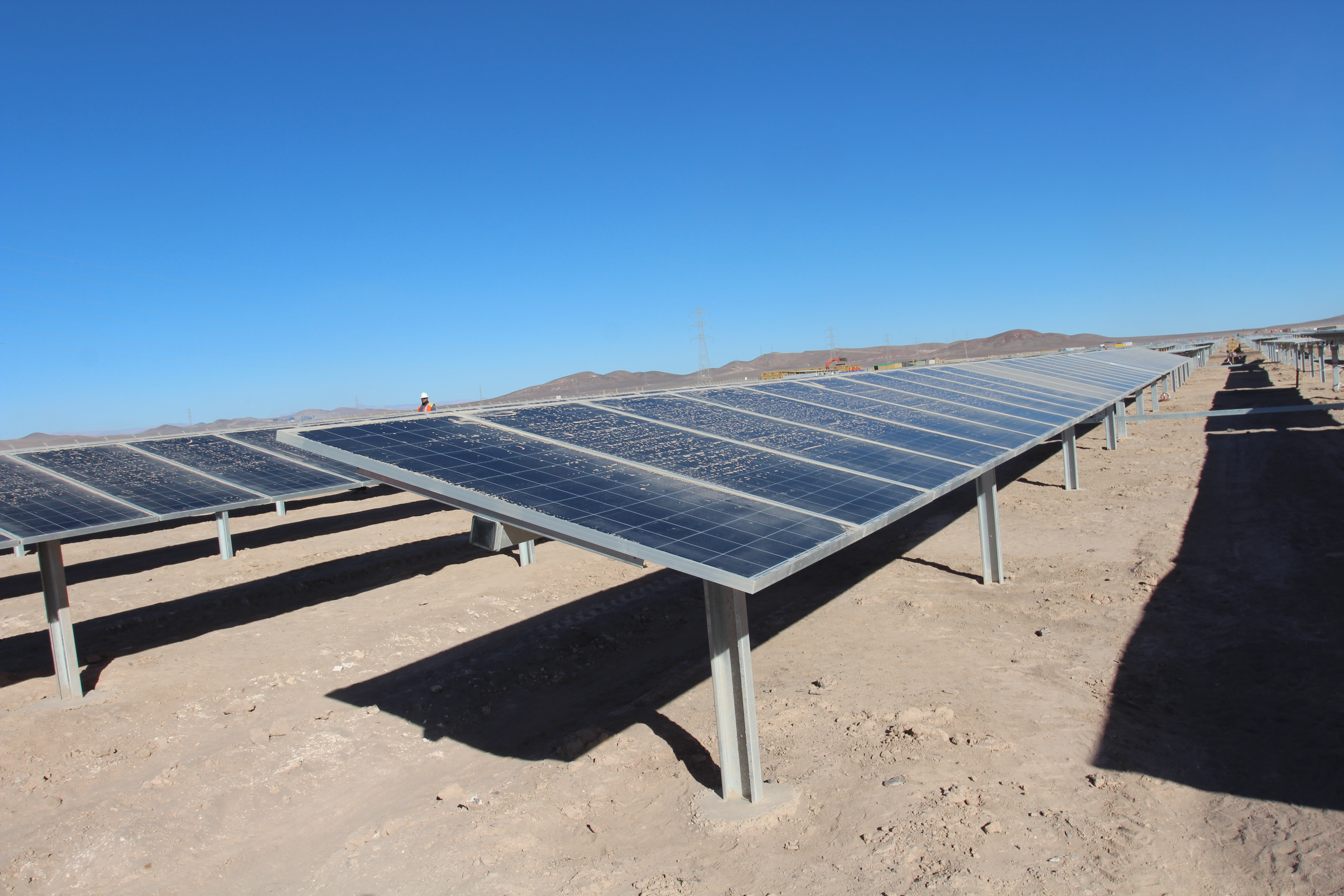
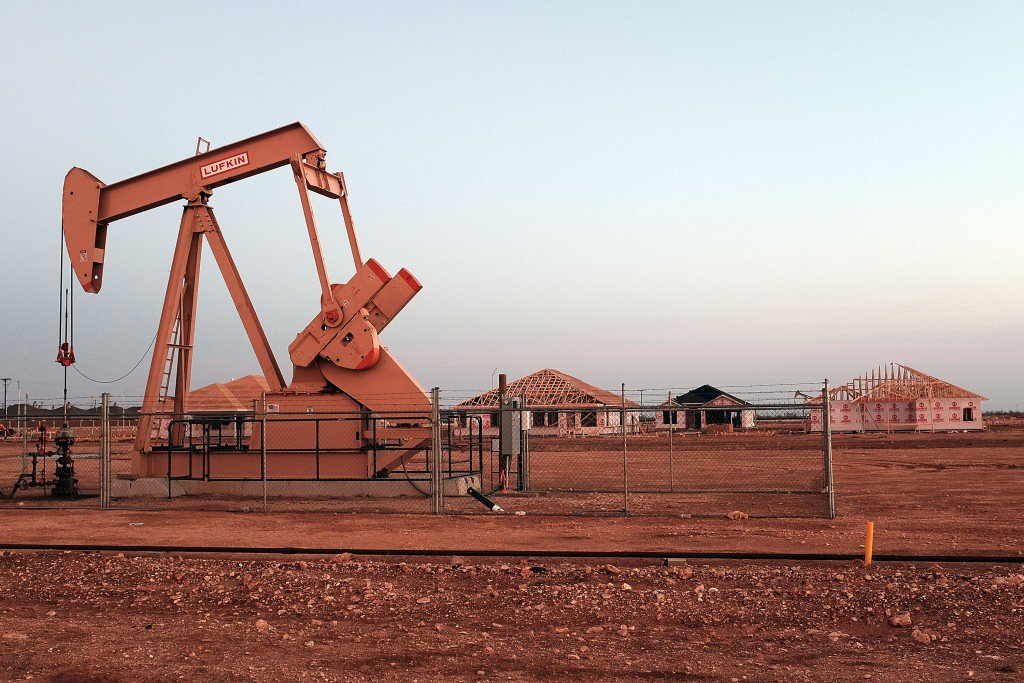
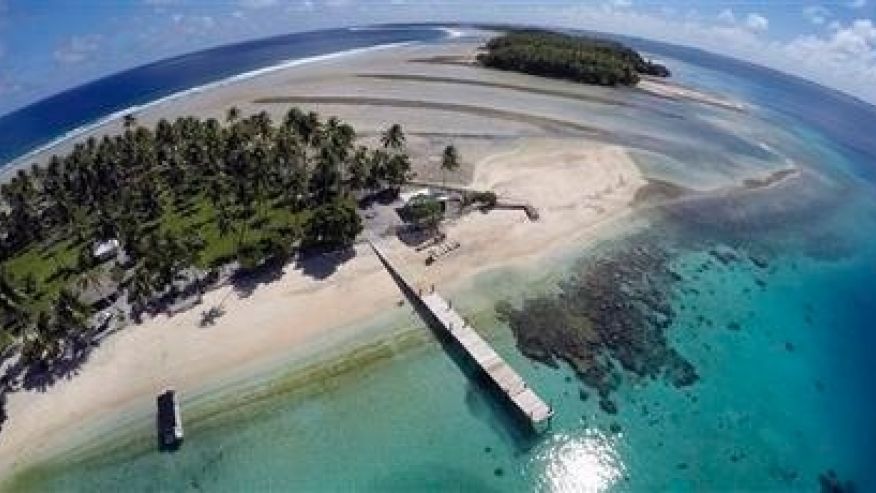
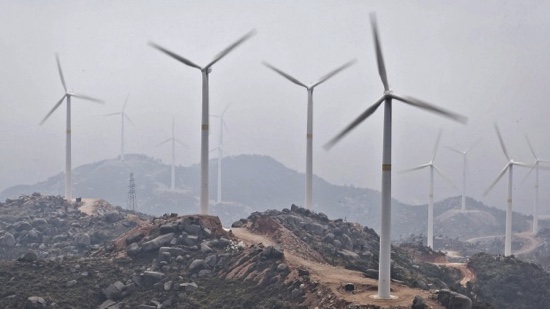
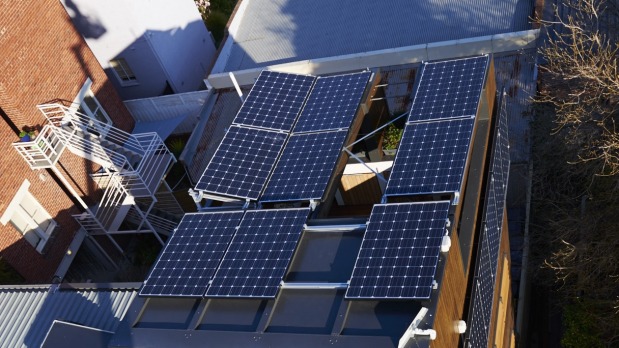

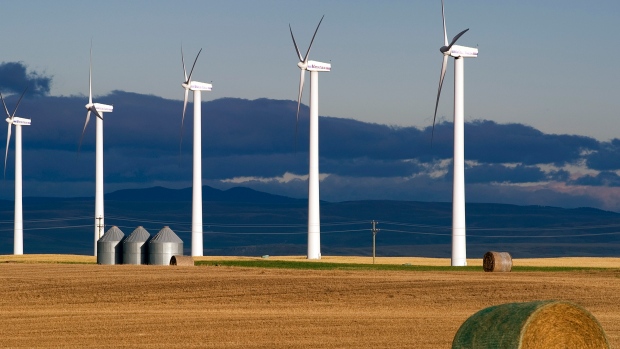
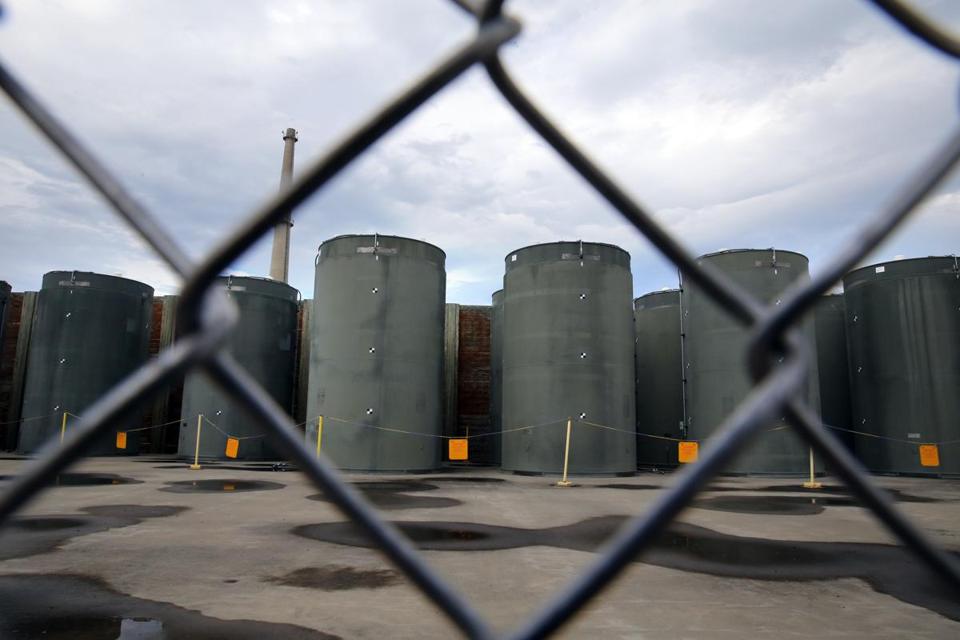

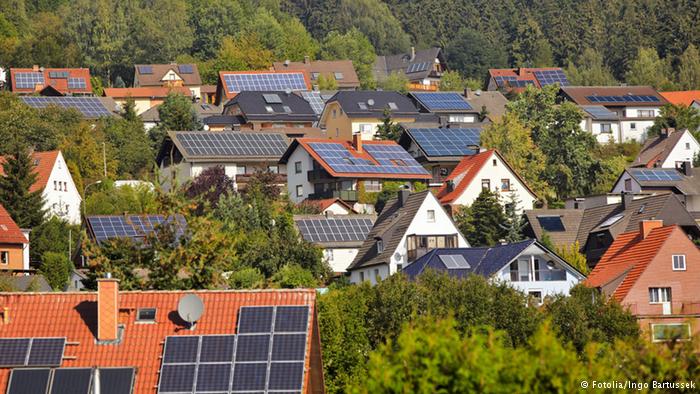
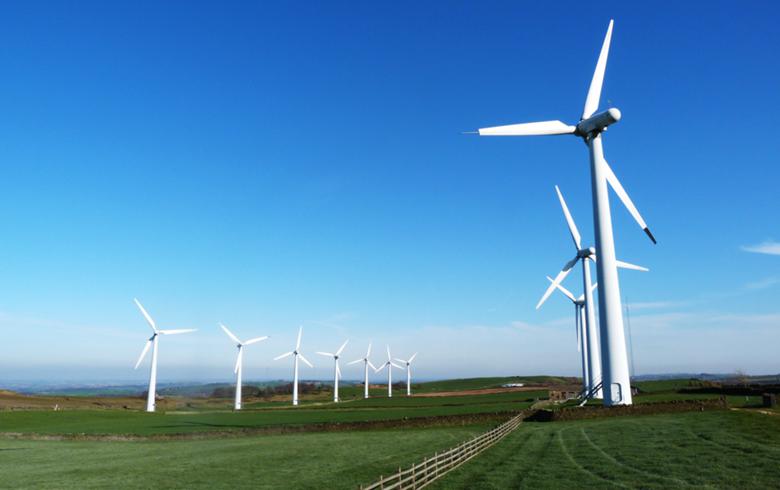

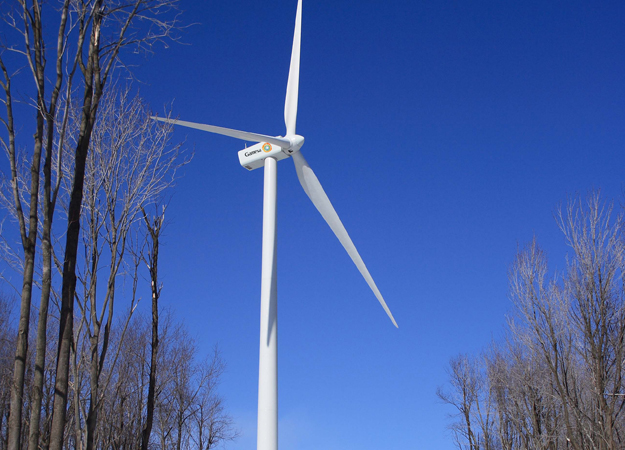



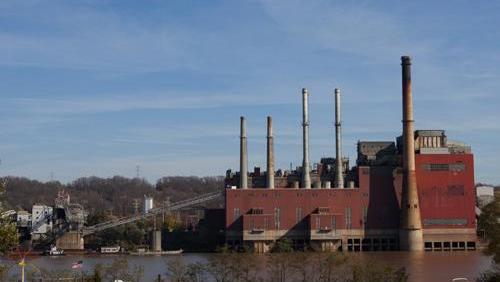

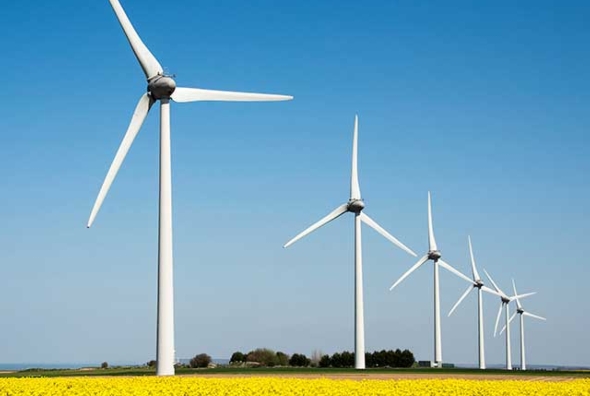
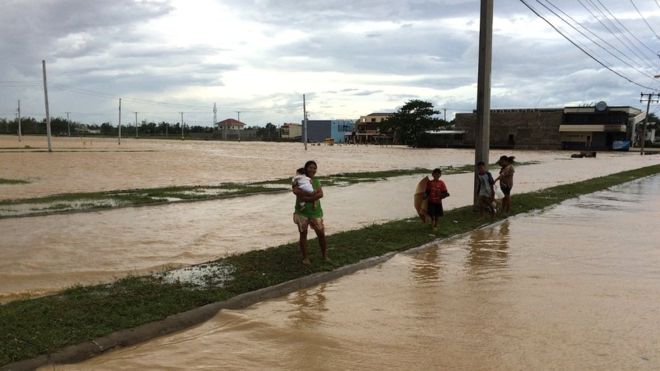
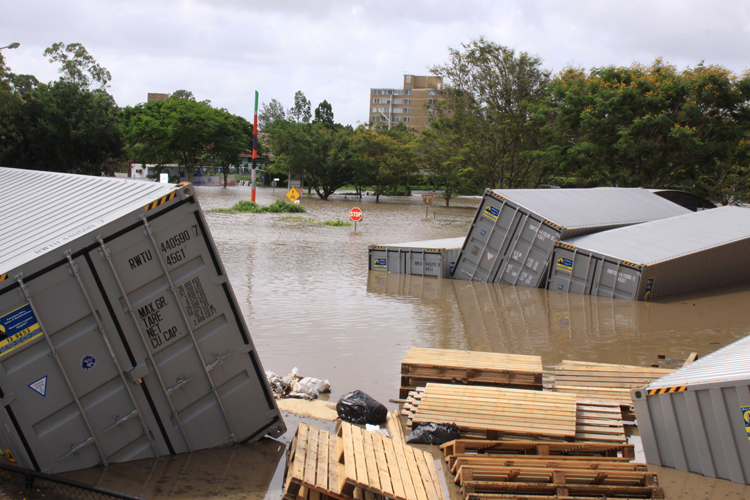
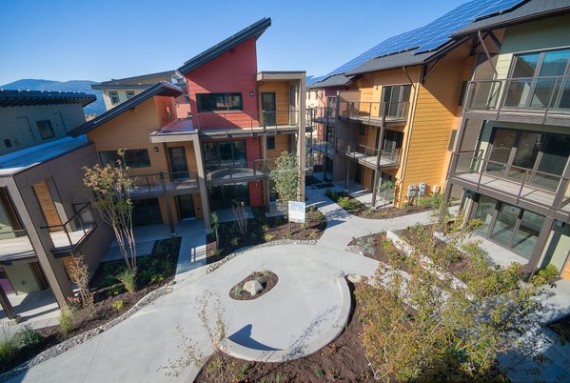

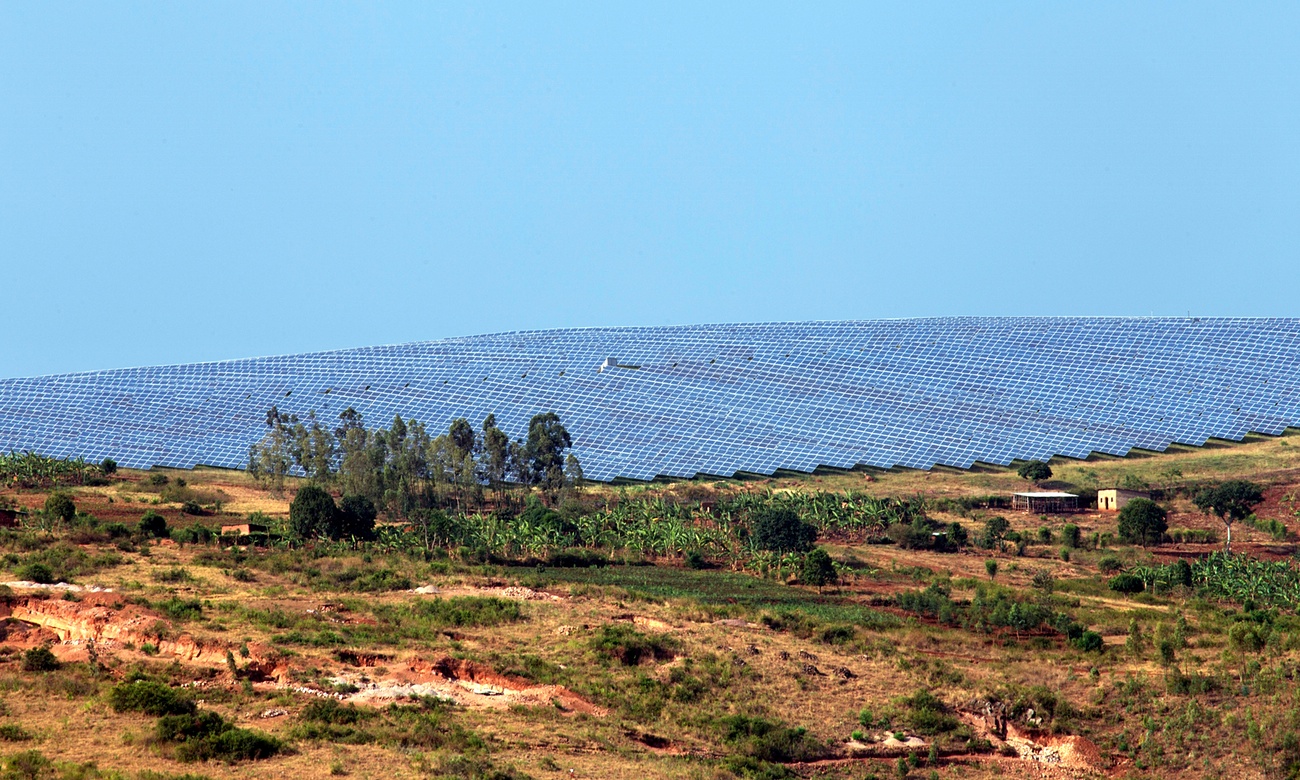

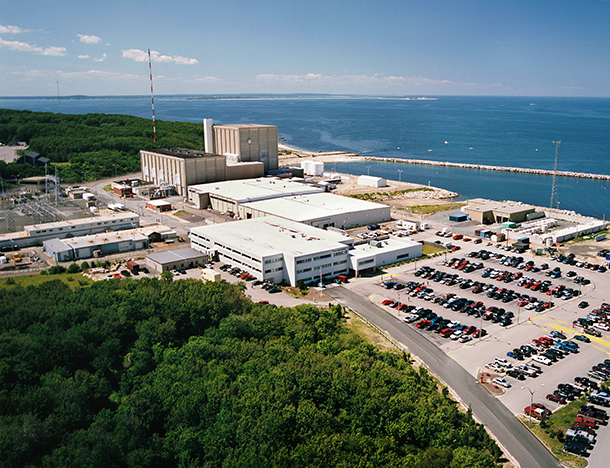
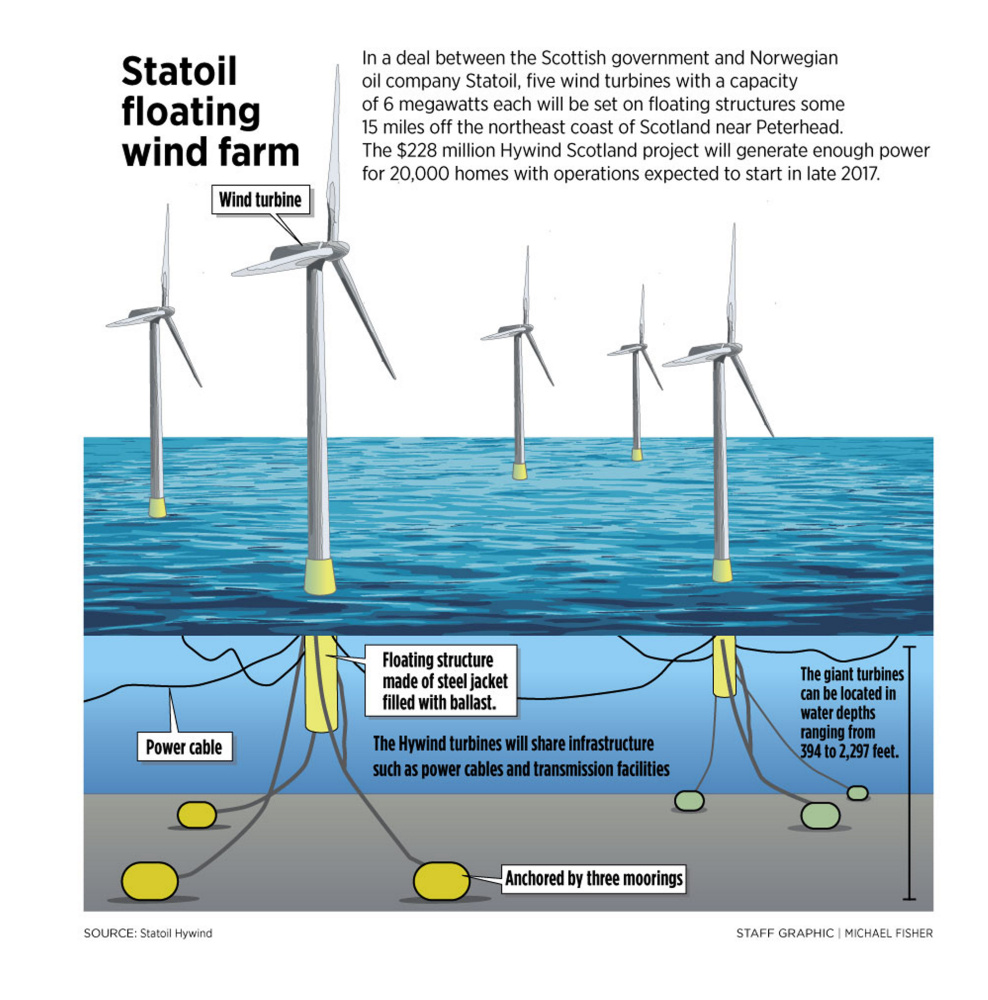

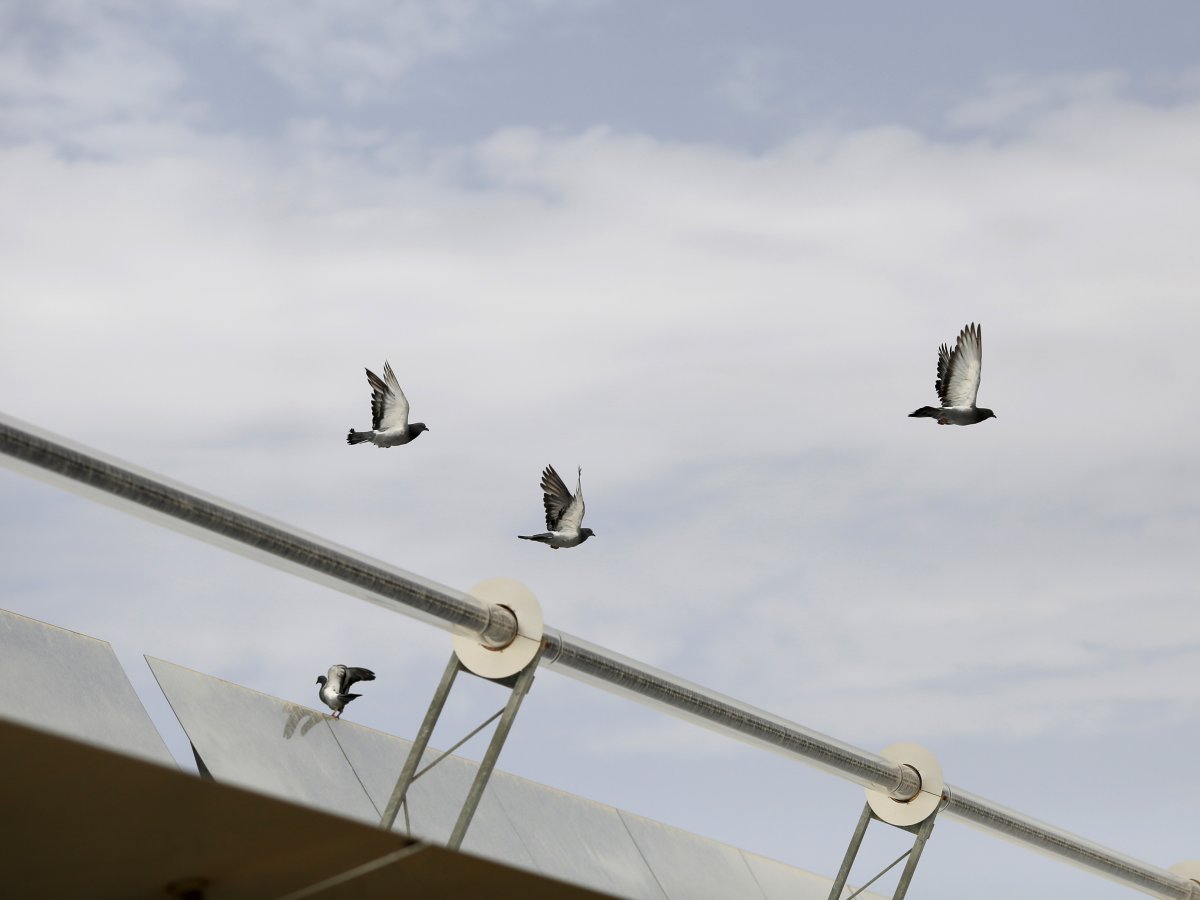

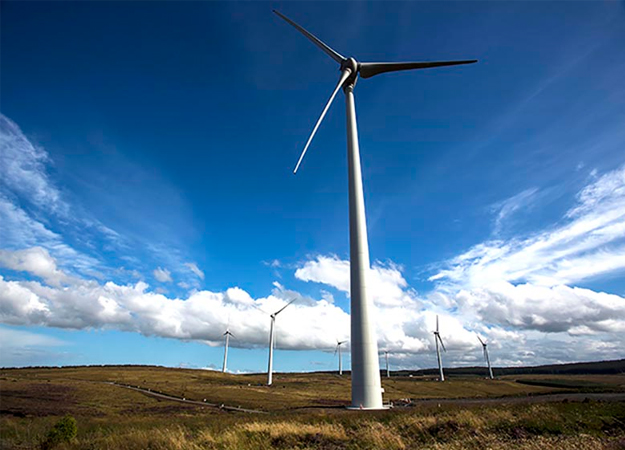
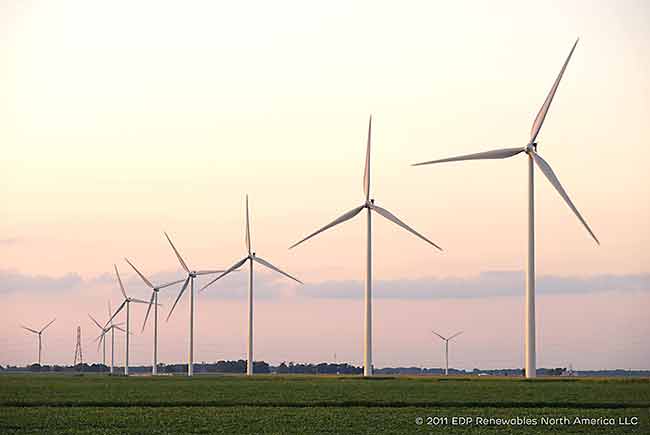

 geoharvey