January 13, 2018
Science and Technology:
¶ Researchers at the Juelich Research Center and the Max Planck Institute for Dynamics and Self-Organization in Germany studied major electrical grids, and came up with surprising findings. The frequency and voltage variations caused by wind and solar power turn out not to be as great as those caused by the power trading system. [CleanTechnica]
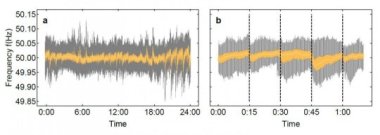
Frequency fluctuations on the European power grid showing
regular variation every fifteen minutes due to the market trading system (Credit: Benjamin Schäfer, Max Planck Institute)
World:
¶ The International Renewable Energy Association (IRENA) says the cost of power from onshore wind has fallen by around 23% and that for solar PV has fallen by 73% since 2010. With further price falls expected for green energy options, IRENA says that all renewable energy technologies should be competitive on price with fossil fuels by 2020. [Forbes]
¶ The cost of generating electricity from renewable energies is set to reach new lows worldwide, according to projections by IRENA. But along with the projections came a warning that much of the expected growth in renewable power such as solar and windpower could happen outside of Europe, because of stalling policies there. [EURACTIV]
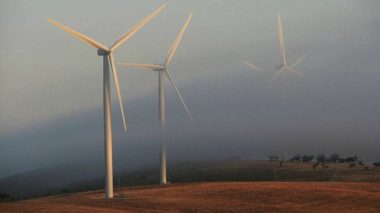
Windpower and mist (David Clarke | Flickr)
¶ A target for English soil to be managed sustainably by 2030 was welcomed by the Anaerobic Digestion & Bioresources Association, which said AD can help achieve this objective with support from government. AD plants recycling biological waste can potentially meet 30% of the UK’s domestic gas or electricity demand. [Renewable Energy Magazine]
¶ A report published by the Institute for Energy Economics & Financial Analysis said that with the US pulling out of the Paris Climate Change Agreement, China has solidified its position as the dominant global clean energy powerhouse. China is set to lead the way in global power capacity additions for at least the next two decades. [CleanTechnica]

Wind turbines
¶ The Subsecretary of Renewable Energy of the Ministry of Energy and Mining of Argentina has launched a tender to supply solar PV kits to 120,000 rural households. The supply includes acquisition of both low-power solar home kits and rechargeable solar lamps, and operation of the facilities for a period of at least three years. [pv magazine International]
¶ South Africa may still get most of its energy from coal, but in the country’s sunny Northern Cape province, solar steam power plants are being built. Plants that use sun-heated salt to drive turbines will produce enough electricity for nearly a million people, or almost the province’s entire population, the operators say. [Thomson Reuters Foundation]

Solar plant (Pranab Ghosh | International Finance Corporation)
US:
¶ E.ON has started building the Stella wind farm in Texas. It will have a capacity of 201 MW, powered by 67 Nordex turbines. E.ON also started operation of two wind farms: Bruenning’s Breeze in Willacy County, Texas, with a capacity of 228 MW, and Radford’s Run in Macon County, Illinois, with a capacity of 306 MW. [Your Renewable News]
¶ Citing several concerns, Rhode Island Attorney General Peter F Kilmartin today announced his opposition to construction of the gas-fired Invenergy power plant in Burrillville. He said that he intends to seek permission from the Court to file an amicus brief in Rhode Island Superior Court challenging the plant’s water-supply plan. [STL.News]

Rhode Island Capitol
¶ A report released by Oil Change International says that the greenhouse gas emissions associated with the proposed Jordan Cove liquefied natural gas project would be much greater than those of Oregon’s remaining coal-fired power plant, when such problems as methane leaks associated with production are considered. [The Grand Junction Daily Sentinel]
¶ Obsidian Renewables, a solar developer based near Portland, Oregon, is eyeing the prospects of developing a 600-MW utility-scale solar project that would help replace power lost from looming coal-fired retirements in the Northwest and which would be near the three 500-kV lines that make up the California Oregon Intertie. [Platts]
¶ Sammons Renewable Energy has purchased the 162.9-MW Midway Wind from Apex Clean Energy. Planned for the Texas Gulf Coast in San Patricio County, Midway Wind will incorporate 47 Siemens Gamesa G132 turbines. The project is expected to be in commercial operation as early as December of this year. [Power Engineering Magazine]
¶ Earlier this month, Delaware announced it intends to sue the EPA over its lack of action to help curb emissions at power plants in Pennsylvania and West Virginia, which it says are responsible for 90% of the ozone in Delaware. Now it is reducing its own emissions by introducing electric and propane-powered buses into its transportation fleet. [Delaware First Media]

Proterra bus (James Dawson | Delaware Public Media)
¶ Groups including Vote Solar, Union of Concerned Scientists, and the Environmental Law and Policy Center are urging Michigan regulators to require DTE Energy to evaluate renewable energy sources before building a proposed billion-dollar natural gas power plant. Their analyses shows renewable energy would save money. [Solar Power World]
¶ A little more than five years after the Omaha Public Power District and Exelon Corp agreed to a 20-year, $400 million deal for Exelon to manage day-to-day operations of the now-closed Fort Calhoun nuclear plant, the Omaha utility is nearly off the hook. OPPD expects to pay a final $83,333.33 to Exelon this month. [Omaha World-Herald]
geoharvey is free and without ads.
 geoharvey is not tax-deductible.
Posted in nuclear power, renewable power, solar, wind | Leave a Comment »
Tags: nuclear, nuclear power, renewable power, solar power, wind power
January 12, 2018
Opinion:
¶ “Diversity! Diversity! Diversity! What Bomb Cyclones Teach Us About Our Fuel Sources” • Extreme cold hammered almost half of America’s power plants, but most of those hardest hit were fossil fuel plants. Coal stacks froze, and diesel generators failed in the low temperatures. Gas choked up, as pipelines could not keep up with demand. [Forbes]
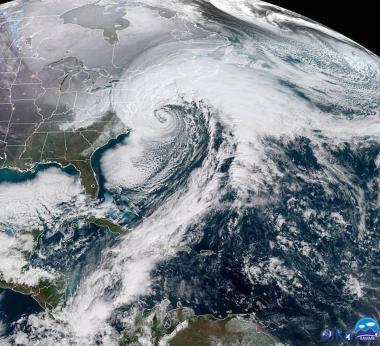
Bomb cyclone (NOAA-CIRA image)
¶ “Denmark Positions Itself as the Flag Bearer for Wind Power” • Denmark just set a world record for using wind power to drive its economy, and its government predicts that anyone betting against the technology is on the wrong side of history. Denmark has made a point of bypassing Washington in talks with state leaders to promote wind. Bloomberg]
Science and Technology:
¶ Climate change has made severe cold spells like the one that recently gripped the US Northeast far less common than they used to be, a team of researchers has found. The Arctic has warmed, and cold snaps are warmer. So a spell of extremely cold weather like the recent one is rare, about 15 times rarer than a century ago, the scientists said. [The Straits Times]

Cold snap (AFP image)
World:
¶ Siemens Gamesa Renewable Energy announced this week that it will supply 62 of its new 8-MW direct-drive offshore wind turbines to the 500-MW Saint Brieuc project in France, bringing the company’s total supplied capacity in French waters up over 1.5 GW. The SG 8.0-167 DD turbine has blades nearly 82 meters long. [CleanTechnica]
¶ Renewable power met about 44% of Portugal’s electricity demand in 2017, data from the Portuguese Association of Renewable Energy shows. In 2017, thanks to renewable power plants, the average price of electricity in the wholesale market fell to €18.3/MWh (US 2.18¢/kWh), for savings to the consumer of €727 million. [Renewables Now]
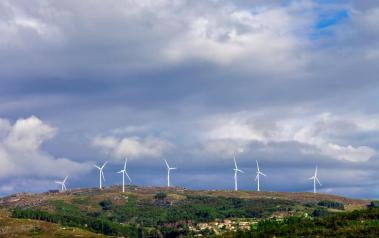
Wind farm in Portugal (StockPhotosArt | Shutterstock.com)
¶ Prime minister Theresa May and environment secretary Michael Gove have unveiled a “green Brexit” strategy that aims to significantly reduce pollution and aid natural resources over the next 25 years. The strategy includes a crackdown on some disposable plastic goods, with target to “eliminate all avoidable plastic waste by 2042.” [Civil Service World]
¶ More than 40% of Victoria’s energy needs during last Saturday’s heat wave were met by renewables, an energy expert has found. Dylan McConnell, from the Climate and Energy College at the University of Melbourne, used Australian Energy Market Operator data to show renewable power set a record during the heat wave. [The Weekly Times]
US:
¶ The Trump administration’s proposal to open vast portions of US coastline to oil drilling was met with ferocious opposition from a number of the coastal governors it would affect. At least one governor, Florida’s Rick Scott, a Republican, asked for and received a waiver from the administration. The waiver drew accusations of favoritism. [CNN]
¶ Climate change in Alaska has the potential to create serious physical and mental health problems for Alaskans, according to a report from the Alaska Division of Public Health. Melting permafrost damages infrastructure, increases wildfire smoke, disturbances harvests of wild fish and game, and spreads disease, the report said. [Huron Daily Tribune]

Damage from melting permafrost (Photo: Diana Haecker, AP)
¶ Superstorm Sandy caused more than $71 billion in economic damage, according to the National Hurricane Center. New York City has spent billions on repairs. Now, the city wants the five largest oil companies to reimburse it for its losses and pay for the infrastructure improvements needed to protect the city for the future. [CleanTechnica]
¶ With the federal government promoting fossil fuels, cities and towns in New Hampshire are among the leaders in boosting renewable energy. Hanover became the first municipality in the country to commit to achieving 100% renewable energy by community vote. The movement is spreading in New Hampshire and beyond. [Public News Service]

Large scale solar farm (Photo: mrganso | Pixabay)
¶ In the early days of the Trump administration, the head of one of America’s largest coal companies sent a four-page “action plan” to the White House calling for rollbacks of Obama-era environmental and mine safety regulations. A copy of his four-page plan has become public. Much of the action plan has been put into effect. [Power Engineering Magazine]
¶ Renewable energy, primarily derived from wind whistling across the Nebraska plains, accounted for 30% of the Omaha Public Power District’s retail energy sales in 2017. That is a significant milestone for the traditionally coal-heavy utility, especially considering that renewables accounted for just 13% of its retail sales in 2016. [Omaha World-Herald]
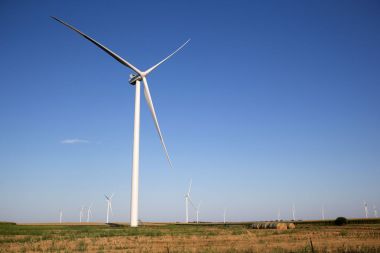
Grande Prairie wind farm (Megan Farmer | The World-Herald)
¶ A report released by the National Institute of Building Sciences, found that every $1 the federal government spends on so-called mitigation projects, such as elevating homes at risk of flooding, improving stormwater management systems, or strengthening buildings against earthquakes, reduces future costs by an average of $6. [Insurance Journal]
¶ Diablo Canyon, the last nuclear plant in California, will begin shutting down operations in six years. State regulators approved a plan outlining details of the closure unanimously. The decision comes after the nuclear plant’s operator made an agreement with a collection of environmental and labor groups to shutter the plant. [Thegardenisland.com]
geoharvey is free and without ads.
geoharvey is not tax-deductible.
Posted in nuclear power, renewable power, solar, wind | Leave a Comment »
Tags: nuclear, nuclear power, renewable power, solar power, wind power
January 11, 2018
Opinion:
¶ “This is How Wind and Solar Energy Will Crush Fossil Fuels” • Newly leaked bids for energy contracts for Xcel Energy’s 2017 All-Source Solicitation show that wind and solar are not only competitive, they’re dominant when combined with energy storage. This is a game-changer for utilities, and may spell the end for fossil fuels. [Motley Fool]
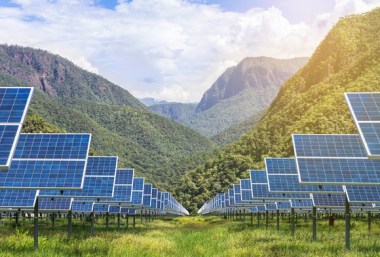
Solar power in the mountains (Getty Images)
¶ “Get ready for a lot of coal-plant shutdowns” • President Trump has promised to revive the coal industry, but objective market analysis indicates that is not likely. Roughly 13 GW of coal electricity at more than a dozen different units across the country are set to retire this year. That amount is second only to 2015 when nearly 15 GW shut down. [Axios]
Science and Technology:
¶ Thanks to fast falling solar, wind, and battery costs, renewable charged batteries are becoming advantageous. And, as Elon Musk showed with his now famous 100-day Australian bet, batteries go in fast and once in place can feed power instantaneously into the grid as needed. Once used on islands, they are now attractive to mainland utilities. [Seeking Alpha]
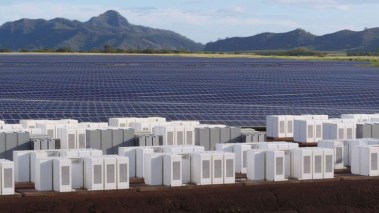
Tesla batteries and solar array on Kauai
¶ Scientist at the National University of Singapore report they have discovered a new way to cool air to as low as 65° F without using any chemical refrigerants or compressors. The system depends on a membrane that removes water from the air, which it then cools by evaporation. It could reduce the amount of average global warming appreciably. [CleanTechnica]
World:
¶ Part of an oil tanker that has been ablaze for days off the coast of Shanghai exploded on January 10, forcing the rescue boats searching for 31 missing sailors to retreat, Chinese authorities said. The Sanchi was carrying about 1 million barrels of oil from Iran to South Korea when it collided with the a freighter in the East China Sea on January 6. [CNN]

The Koshiki helping to extinguish the flames
¶ China is the largest force developing clean energy globally, by far. Its companies are increasingly looking abroad to expand opportunities, according to a report by the US-based Institute for Energy Economics and Financial Analysis. Chinese companies and investors for low-carbon projects outside the country are rapidly growing important. [eco-business.com]
¶ China is seeing signs of success in its fight against smog as pollution levels slump dramatically in the capital region Beijing. Concentrations of PM2.5 plunged 33% from a year earlier in the fourth quarter in 26 cities around Beijing, according to a Greenpeace East Asia report. Levels in the capital alone tumbled 54%. [Bloomberg]
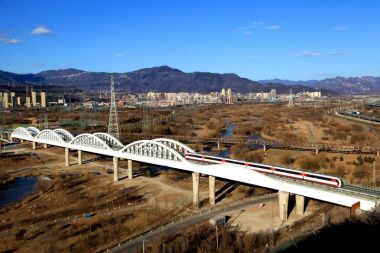
Beijing region, December 4, 2017 (Photo: VCG via Getty Images)
¶ The Japanese government plans for nuclear power to provide around 21% of the nation’s electricity once more by 2030. But it also stipulates that 22-24% should come from renewable energy sources. Two prefectural governments, Fukushima and Nagano, pledged that all of their electricity will come from renewables by 2050. [The Conversation UK]
US:
¶ Renewable energy accounted for half of the utility-scale power sources installed in 2017, according to analysis by the DOE. As renewable energy sources contribute more energy to the grid, fossil fuel power plants continue to shut down, and nearly all of the utility-scale power sources retired in the past decade were powered by fossil fuels. [Chron.com]
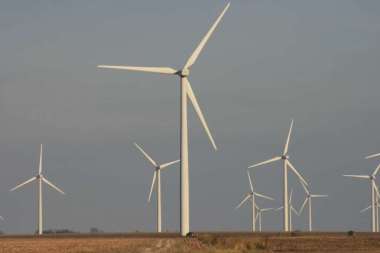
Texas wind turbines (Bill Montgomery, Houston Chronicle)
¶ In a short press conference after meeting with Norway’s Prime Minister Erna Solberg for just over an hour, President Trump said the US could consider reentering the Paris Climate Accord that he pulled out of last summer, and spoke wistfully about Norway’s hydroelectric capacity. “So, we can conceivably go back in,” Trump said. [Quartz]
¶ The DOE’s National Renewable Energy Laboratory will be heading the Electrification Futures Study over the next two years. It is a large research collaboration to explore the impacts of widespread electrification in all US economic sectors, including commercial and residential buildings, transportation, and industry. [Phys.Org]

Electrification in all sectors (NREL image)
¶ Backed by an ongoing $1 billion investment, Dominion Energy has grown its solar fleet in Virginia and North Carolina over the last two years from near zero to approximately 1,350 MW in service, in construction or under development. That is enough clean energy to power nearly 340,000 homes during peak sunshine. [Electric Light & Power]
¶ Nevada’s NV Energy issued a request for proposals that could add up to 330-MW of new renewable energy projects to be built in Nevada. The RFP includes the potential integration of battery energy storage systems. It will provide enough carbon-free electricity to power approximately 200,000 Nevada homes. [Renewable Energy Magazine]
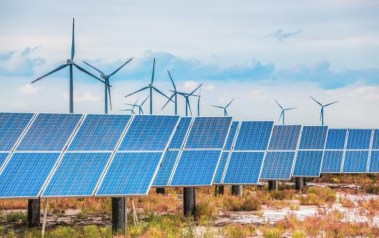
Solar and wind power
¶ A $46 million solar project in California’s Imperial Valley will be built by Boston-based nonprofit Citizens Energy Corporation following the unanimous vote of the local utility’s board of directors. Under the Imperial Irrigation District’s eGreen program, it will yield savings to 15,000 low-income households. [Solar Power World]
¶ The Trump administration is ruling out plans to sell new drilling rights off the coast of Florida after pressure came from Republican Governor Rick Scott. The about-face came just five days after the Interior Department said it was considering selling oil and gas leases in more than 90% of US coastal waters. [Bloomberg]
geoharvey is free and without ads.
geoharvey is not tax-deductible.
Posted in nuclear power, renewable power, solar, wind | Leave a Comment »
Tags: nuclear, nuclear power, renewable power, solar power, wind power
January 10, 2018
Opinion:
¶ “How Much Longer Does South Florida Have Until The Real Estate Apocalypse Begins?” • At some point the reality that the region is not long for this world will have to sink in, and when it does, demand for homes in the region will crater to a degree that not many living there now probably fully comprehend … so, when will that be? [CleanTechnica]

Miami
¶ “How Blockchain Can Democratize Green Power” • The certification process for Renewable Energy Credits is expensive and cumbersome, and Power Purchase Agreements can only be negotiated by large green generators. But mom-and-pop green generators can enter the market effectively by using blockchain. [EcoWatch]
¶ “On Trump’s Watch, FERC Deals a Death Blow to US Coal Industry” • President Trump rolled into the Oval Office with an emotional appeal to coal miners and all those whose interests depended on the US coal industry. The president’s promises rang hollow throughout his first year in office. His second year offers no relief. [Triple Pundit]

Transmission lines (US DOE photo)
World:
¶ The UK government announced that it expects the 8 remaining coal powered generating stations in the country to be closed by 2025, mostly because of increased economic pressure on coal as the UK carbon tax makes coal more expensive than other fuels. Nevertheless, some climate activists fear the government’s plan is too timid. [CleanTechnica]
¶ The Inter-America Development Bank’s IDB Invest signed a $1 billion senior, unsecured A/B loan package to Columbian utility, Empresas Públicas de Medellín, to build a 2,400-MW hydro-power facility in the northern region of Antioquia, Colombia. Ituango will be the largest hydropower project in the country. [Renewable Energy Magazine]

Hydropower tunnel
¶ Eastern Europe’s largest biogas plant has opened in Teofipol, a farming town in the Ukraine’s Khmelnytskiy region. Fermenting cow manure, corn silage and sugar beet pulp, the plant is capable of generating 15.6 MW, enough electricity to power 16,000 households in the region. It uses four engines by GE Jenbacher of Austria. [Ukraine Business Journal]
¶ A giant solar-thermal power plant to be built in the mid-north of South Australia has received development approval from the state government. Construction will begin at Port Augusta this year on SolarReserve’s $650 million Aurora plant, creating 650 construction jobs and 50 ongoing positions, acting Energy Minister Chris Picton says. [SBS]

Solar thermal power plant (AAP)
¶ Two former Japanese prime ministers have jointly unveiled a plan for legislation to immediately scrap all nuclear power plants in the country, and to shift completely to renewable energy sources by 2050. The plan drawn up by the group says the 2011 accident at the Fukushima Daiichi plant exposed the risks of nuclear power generation. [NHK WORLD]
¶ One of Australia’s largest coal-fired power stations has had six failures of one of its units in the past three weeks, straining the power grid and prompting a call for fossil fuel plants to be set the same reliability standards being considered for renewable energy suppliers. Two trips in two hours shed 230 MW and 161 MW respectively. [The Sydney Morning Herald]

Loy Yang coal-fired power station (Photo: Paul Harris)
US:
¶ An Xcel Energy solicitation for 238 projects of renewable energy resources with battery storage drew 430 proposals with record low median prices. Wind with storage drew 5,700 MW of bids priced at 2.1¢/kWh ($21/MWh). Wind and solar with storage drew 4,048 MW at 3.06¢/kWh. Solar with storage drew 16,725 MW, at 3.6¢/kWh. [Energy Storage News]
(The least expensive fossil fuel listed in Lazard’s LCOE analysis, combined cycle natural gas, produces electricity at 4.2¢/kWh to 7.8¢/kWh. Coal, nuclear, and other listed sources are higher than that.)
¶ Over 116 GW of new wind and solar capacity is expected to be installed in the US through the end of 2020, according to a Federal Energy Regulatory Commission projection. That total includes 72.5 GW of wind in 465 units and 43.5 GW of solar in 1,913 units. However, coal is expected to keep shrinking, losing 20.7 GW. [Power Engineering Magazine]
¶ In Michigan, Wolverine Power Cooperative’s seven members and 268,000 member-consumers rang in the new year by cutting their carbon footprint from electricity by 25%. Now, more than half of their energy is carbon-free. The new carbon-free energy comes in addition to Wolverine’s current solar, wind, and hydro energy assets. [Broadway World]
¶ New York will be the first major city to be remapped by FEMA with climate change in mind, according to a report in the New York Times. Cartographers will take into account the new normal of rising sea levels and increasingly frequent 100-year (and 500-year) storms. FEMA’s maps represent the agency’s flood plain estimates. [Next City]

An empty lot in Queens where a house damaged
by Hurricane Sandy was demolished (Photo by AP)
¶ In January of 2018, the aging coal-fired St. Johns River Power Park in Jacksonville, Florida, was officially retired by co-owners Florida Power & Light and JEA, the municipal electric provider for the City of Jacksonville. FPL also announced it has opened four new large solar power plants, and four more are on the way. [Renewable Energy Magazine]
¶ Opponents and supporters of a request by the owner of the Millstone Nuclear Power Station to gain access to Connecticut’s renewable energy marketplace are making last-ditch efforts to sway the opinion of state utility regulators. The regulators’ preliminary decision was to keep the plant open through 2035. [New Haven Register]
geoharvey is free and without ads.
geoharvey is not tax-deductible.
Posted in nuclear power, renewable power, solar, wind | 1 Comment »
Tags: nuclear, nuclear power, renewable power, solar power, wind power
January 9, 2018
Opinion:
¶ “What an integrated Western grid means for California” • All renewables are on the rise in the US, especially wind and solar. But only some electricity grids are well positioned to capture the benefits low-cost renewable power offers. The electricity grids of the Western US are home to both major electricity and major grid challenges. [GreenBiz]
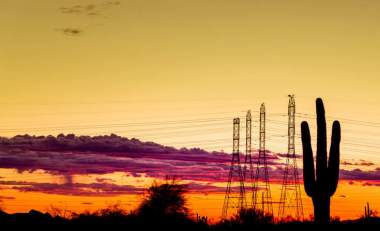
The wild West (Shutterstock | BCFC)
¶ “Clean Line: A TVA Failure of Clean Energy and Environmental Leadership” • It has become increasingly clear that the Tennessee Valley Authority is taking a hostile position towards renewable energy. TVA is woefully behind peer utilities in the US Southeast in procuring significant resources of both solar and wind energy resources. [Clean Energy News]
Science and Technology:
¶ NASA wants you to head for the mountains with a smartphone and a measuring stick. The space agency’s earth science arm is funding research that recruits citizen scientists on snowmobiles, skis, and snowshoes to measure snow depth in backcountry areas of the Pacific Northwest and Alaska. Early results have been promising. [The Cordova Times]

Backcountry skiing in Alaska
¶ Since the sexes of sea turtles are determined by the heat of sand incubating their eggs, scientists doing a survey expected that with climate change there would be slightly more females. But instead, they found female sea turtles from the Pacific Ocean’s largest green sea turtle rookery now outnumber males by at least 116 to 1. [National Geographic]
World:
¶ Giving an overview of what to expected over the next few months, the Solar Energy Corporation of India announced three tenders for solar power projects, totalling 1.2 GW, within the first week of this year. The announcements are part of an accelerated program to auction at least 77 GW of solar power capacity by March of 2020. [CleanTechnica]
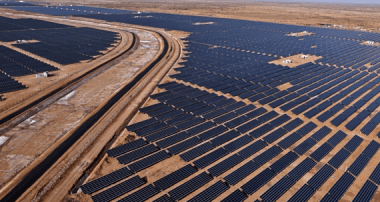
Solar Park in Gujarat
¶ Wind power developers are building new onshore projects in the UK, despite the cancellation of government subsidies in 2015. This is highlighted by the news that renewables developer Dulas has won agreements for British met mast installations from four major firms: SSE, Innogy, E.ON, and Brookfield Renewable UK. [Power Engineering International]
¶ Philippine Energy Secretary Alfonso Cusi announced that for the third consecutive year, the country ranked first among 125 countries in the World Energy Council’s World Energy Trilemma Index. The WETI ratings are based on three criteria: energy security, energy equity, and environmental sustainability. [Philippine Canadian Inquirer]
¶ According to statistics released by ABSOLAR, the Brazilian solar association, the country has reached a cumulative installed solar power of around 1,099.6 MW. This makes Brazil the second Latin American country to have over 1 GW of solar power, after Chile. Of Brazil’s capacity, 935.3 MW is in large-scale solar plants. [pv magazine International]
¶ The UK’s trade body for anaerobic digestion said on-farm anaerobic energy plants can make a “key contribution” toward meeting the goals set out in Scotland’s first Energy Strategy. The Scottish Government’s Energy Strategy’ target is for at least 50% of all heat, transportation, and electricity to be supplied from renewable sources by 2030. [FarmingUK]

Biogas facility
US:
¶ The Federal Energy Regulatory Commission unanimously rejected Energy Secretary Rick Perry’s plan to subsidize coal and nuclear power plants by raising consumer energy bills. This was a major blow to the Trump administration’s effort to bring back coal power, especially since 3 of the 5 commissioners are Trump appointees. [ThinkProgress]
¶ 2017 was the costliest year ever for weather and climate disasters in the United States, NOAA announced, totaling $306 billion. The previous record year, 2005, saw $215 billion in disasters. Last year saw 16 weather events that each topped a billion dollars in damage, including three record-breaking hurricanes. [CNN]

Minnesota storm (David Joles | Minneapolis Star Tribune | TNS)
¶ Attorneys seeking customer refunds from SCE&G for its failed multi-billion-dollar nuclear power plant accused the utility of breaking its promises to its ratepayers. They maintained that the utility had promised its customers that if they paid higher rates while two nuclear reactors were being built, they would get lower rates later. [The State]
¶ President Trump renominated Kathleen Hartnett White to lead the Council on Environmental Quality in the White House. The Senate had declined to consider her nomination during the congressional session that expired last month. Democrats object that White’s views on climate change are contrary to established science. [Washington Examiner]
geoharvey is free and without ads.
geoharvey is not tax-deductible.
Posted in nuclear power, renewable power, solar, wind | Leave a Comment »
Tags: nuclear, nuclear power, renewable power, solar power, wind power
January 8, 2018
Science and Technology:
¶ 2017 was the second hottest year on record with regard to global average temperatures, after only 2016, according to a report from the Copernicus Climate Change Service. It was a year of extremes, with many wildfires, very low sea ice extent, and lots of drought. Now, of the 17 hottest years on record, 16 were in this century. [CleanTechnica]

Hot spot
¶ The air pollution a mother is exposed to around the time of conception is linked with the risk of her baby being born with birth defects, according to a new study published in the Journal of Pediatrics. Babies born to women who breathe heavily polluted air in the month before and after conception are much more likely to have birth defects. [CleanTechnica]
World:
¶ There are fears of an environmental disaster in the East China Sea as a tanker continues to leak oil two days after colliding with a cargo ship. Chinese officials have told state media the Sanchi is in danger of exploding and sinking. Rescuers attempting to reach the site were being beaten back by toxic clouds, according to the transportation ministry. [BBC]

Burning tanker (Reuters image)
¶ If the UK is to meet its climate change goals, then it will need to invest more in so-called clean energy and cleantech. That’s the takeaway of a new analysis and report from Carbon Brief, which was based on data provided by Imperial College London. This is despite the fact that most of the UK’s electricity came from “low carbon” sources. [CleanTechnica]
¶ The North Sea Wind Power Hub, an artificial island in the North Sea that could supply renewable energy to 80 million people in six European countries, is set to open in 2027. TenneT thinks the project could handle windfarms with a capacity of 30 GW, more than twice the amount of offshore wind power Europe currently has installed. [Digital Journal]

Offshore hub – click on the image to enlarge it. (TenneT image)
¶ China’s top economic planner said the country is planning several major coal-group mergers and acquisitions by 2020. The efforts aim for reducing excess coal capacity, improving resource allocation, upgrading technology, and improving production safety. There were 10,800 coal mines in China in 2015; now there are about 7,000. [China Economic Net]
¶ Indonesia’s Energy and Mineral Resources Ministry has announced that in December 2017 renewable energy provided 12.62% of the total national electricity supply, exceeding the 2017 state budget target of 11.96%. Hydropower produced the greatest share of the renewable energy, at 7.27%, followed by geothermal, which stood at 5%. [Jakarta Post]
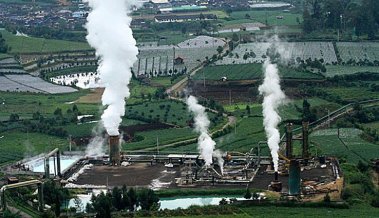
Steam rising from geothermal plant (Tempo | Aris Andrianto)
¶ ACWA Power has reached financial close of the three solar PV projects worth $190 million under Round 2 of Egypt Feed-in-Tariff program II. They have a total capacity of 165.5 MWp. After starting operations in Q4 2018, the combined output of the projects is expected to power 80,000 houses and save of 156,000 tonnes of CO2 per year. [African Review]
¶ Orkney, a sparsely-populated archipelago 10 miles off the northern tip of mainland Scotland, is not an obvious place to go looking for the future. Yet the windswept islands have become a foremost center for innovation in renewable energy, including the use of hydrogen generated from wind and sea power as an alternative to fossil fuels. [Financial Times]
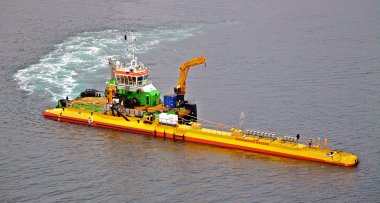
Scottrenewables energy converter (Scottrenewables image)
¶ The US State Department is taking steps toward signing a US-Saudi nuclear umbrella agreement required by United States law as a preliminary to selling the country nuclear power reactors. The White House is hinting it would not insist that Saudi Arabia promise not to reprocess irradiated fuel to extract plutonium or enrich uranium. [The Hill]
¶ French renewable energy company Neoen has a support agreement with the Victorian Government for an integrated wind farm and battery storage facility, the Bulgana Green Power Hub. The project includes a 204.4-MW wind farm with Siemens-Gamesa wind turbines and a 20-MW/34-MWh lithium-ion battery provided by Tesla. [EcoGeneration]
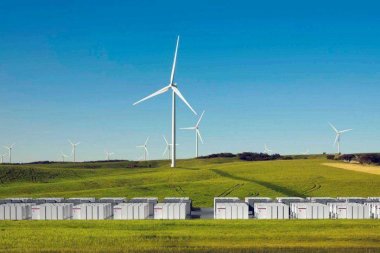
Neoen wind farm with Tesla batteries
US:
¶ In Colorado, Longmont’s City Council would establish a citywide goal of having all of its residents’ and businesses’ electricity generated by carbon-free methods in the near future, under a resolution up for consideration Tuesday night. The resolution’s final goal is to have “a 100% clean, renewable energy supply by the year 2030.” [Longmont Times-Call]
¶ Anchorage has yet to see an official temperature below zero for this winter; this makes it the fourth latest date for that to occur. In the winter of 2000-2001, no below zero temperatures were recorded at all. Including that year, all of the five latest dates for sub-zero temperatures in Anchorage have happened since 2000. [KTUU.com]

Springtime Anchorage (Wikipedia)
¶ Some time ago, Ohio froze its renewable energy requirements and eased restrictions on the oil and gas industry. But the state has also closed coal-burning power plants, and its electric power sector cut its carbon pollution by 50 million metric tons a year from 2005 to 2015, the US Energy Information Administration said. [Crain’s Cleveland Business]
¶ In Maine, the Midcoast Regional Redevelopment Authority and Diversified Communications are ready to dedicate a project that will produce 1.5 MW of solar energy. Officials say the system is designed to provide 13.3% of the electricity at Brunswick Landing business park from on-site renewable energy while cutting carbon emissions. [WMTW Portland]
geoharvey is free and without ads.
geoharvey is not tax-deductible.
Posted in nuclear power, renewable power, solar, wind | Leave a Comment »
Tags: nuclear, nuclear power, renewable power, solar power, wind power
January 7, 2018
Opinion:
¶ “The future of our technology and our planet depends on one thing: the battery” • With the coming era of the electric car and more advanced robotics, a need to swap to renewable energy, and an ever-increasing (and more mobile gadget-hungry) global population, humanity’s capability of storing energy is going to become critical. [TechRadar]
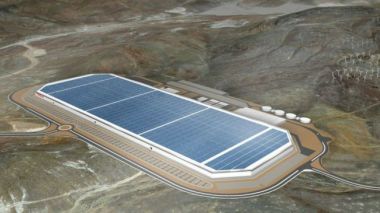
Tesla’s Gigafactory is in Nevada (Credit: Tesla)
¶ “Justice for Puerto Rico” • A good new year’s resolution for the US government would be to do justice to Puerto Rico and its three million American citizens as they suffer with the aftermath of two powerful hurricanes. In addition to facing rebuilding homes, businesses, and infrastructure, they are burdened with $74 billion debt. [Commonweal]
¶ “It will require concerted effort to achieve a sustainable future” • Concerted global efforts are needed to protect our planet from the impacts of global warming for a sustainable future. The UAE effectively contributes to achieving the UN Sustainable Development Goals for 2030 and is at the forefront of support for sustainability. [The National]

Mohammed bin Rashid Al Maktoum Solar Park
(Photo: Pawan Singh | The National)
¶ “‘Bomb cyclone’ appears to stymie Perry’s argument for coal” • The winter storm was just the type of scenario Energy Secretary Rick Perry cited as a reason to subsidize coal and nuclear power plants. But so far, the region’s electricity grid has responded with little disruption, aside from a shutdown of the Pilgrim nuclear plant. [The Keene Sentinel]
Science and Technology:
¶ Global warming is making the world’s oceans sicker, depleting them of oxygen and harming delicate coral reefs more often. In coastal water bodies, including estuaries and seas, low-oxygen sites have increased more than 10-fold since 1950. Scientists expect oxygen to continue dropping even outside these zones as Earth warms. [India Today]

Ocean
World:
¶ Solar modules worth more than $150 million are stuck at various Indian ports due to a dispute over their classification and the import tax. Customs officials want to classify some of them as “electric motors and generators”, attracting a 7.5% duty, not as “diodes, transistors and similar semi-conductor devices” with no duty. [The Daily Star]
¶ Electric vehicles are not all sexy next-generation roadsters or Chinese AI-linked car startups. The mundane backbone of the economy of logistics vehicles is also undergoing electrification. Tesla brought much rightful attention to its electric semi, but in China a large shift in medium- and short-range logistics vehicles is also happening. [CleanTechnica]

Electric delivery van
¶ Petroleum Development Oman has invited expressions of interest from companies to take part in a competitive tender for a 100-MW utility-scale solar PV project in southern Oman, a report said. The project is set to be PDO’s first renewable energy venture being developed as an independent power project, reported the Oman Observer. [Trade Arabia]
¶ It’s fair to say that China is putting its money where its mouth is when it comes to pollution and climate change. Now China has announced a reforestation program that will plant enough trees in 2018 to cover an area the size of Ireland. Forests already cover 21.7% of the country. That figure is set to increase to 23% by 2020 and 26% by 2035. [CleanTechnica]
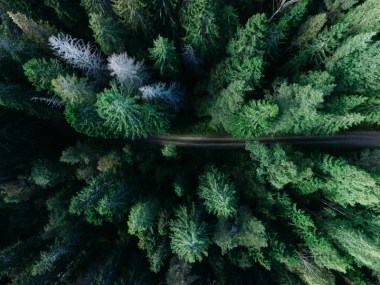
Forest (via Foter 1)
¶ A new cooperative is fighting back in the face of surging power prices and actively address Queensland’s energy crisis. The idea is a clean, community-owned solution using technology known as a central tower power plant to generate from between 100 and 200 MW of electricity to meet the energy demands of up to 50,000 homes. [Whitsunday Times]
¶ Three solar power plants started operations recently under the first round of Egypt’s feed-in tariff system. And 17 companies signed power purchase agreements with the Ministry of Electricity and Renewable Energy under the second phase. The solar PV and wind projects will add 4,300 MW in capacity to the system by 2018. [Ahram Online]
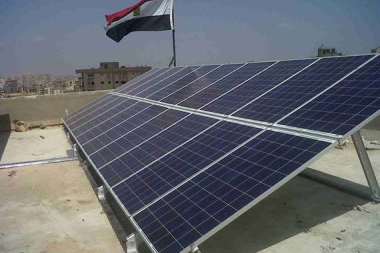
Solar system in Egypt
US:
¶ Duke Energy is sending more than 200 of its employees along with trucks, equipment and supplies to Puerto Rico to support the effort to rebuild the power grid and restore electric service to areas hit hard by storms. Personnel from Duke Energy operations in the Midwest, Carolinas and Florida will take part in the effort. [satPRnews]
¶ For Georgia Power customers, plugging into solar power no longer means having to add panels to your roof. The company is launching a community solar program that would allow customers to lease part of a large array. It is among the efforts that make Georgia one of the fastest growing states in adding solar power. [The Augusta Chronicle]

A 20-MW solar array in Hazelhurst, Georgia
¶ The news has been increasingly bleak for US nuclear power, with its failed projects and proposed bailouts. But in Minnesota nuclear power looks like it will be part of the state’s electric production until the 2030s. Xcel Energy believes nuclear energy is critical to meeting its carbon reduction goals as closes coal generators. [St. Cloud Times]
¶ If Dominion Energy buys South Carolina Electric & Gas, its customers will get a one-time shot of cash to make up for some of the years they spent financing an abandoned nuclear power plant. Then over the next two decades, SCE&G customers would pay about $2.2 billion for the project, plus a 10.3% return for investors. [Charleston Post Courier]
geoharvey is free and without ads.
geoharvey is not tax-deductible.
Posted in nuclear power, renewable power, solar, wind | 1 Comment »
Tags: nuclear, nuclear power, renewable power, solar power, wind power
January 6, 2018
Opinion:
¶ “Climate change may lead to a rise in floating architecture” • A serious question is posed by climate change: How will our cities cope with rising sea levels? Some architects believe that floating buildings offer the answer, and have come up with a wide variety of designs to prove it, from simple prefab homes to entirely amphibious neighborhoods. [CNN]

Prototype floating school in Nigeria (Design Museum image)
¶ “Is the White House declaring a policy war on California?” • It is Washington versus California on marijuana, climate change, offshore oil drilling, and immigration this week as bubbling disagreements between California and President Donald Trump’s administration all seemed to spill over at once. But the timing in Washington might be intentional. [CNN]
¶ “3 Questions Worth Answering in the Wake of Winter Storm Grayson” • My colleagues and I think about coastal flooding a lot, but the footage from yesterday had our brains buzzing with new unknowns and threats never considered. It is not simply how do we prepare for storms like this. It’s how do we prepare for a future. [Union of Concerned Scientists]

Satellite image of Grayson
World:
¶ A new partnership between UK nonprofits aims to help local communities buy existing solar PV farms. Community business trust Power to Change and social investment firm Big Society Capital have joined forces to form Community-Owned Renewable Energy Partners, which aims to acquire six to eight solar farms. [Decentralized Energy]
¶ CleanTechnica has published a couple of articles recently on Shenzhen’s 16,000 electric buses. But those stories should not be taken to imply that this is an isolated case of Chinese electric bus leadership. To do so would miss the much bigger and broader story. Here is a roundup of two months of electric bus stories from China. [CleanTechnica]

Consignment of electric buses going to a customer
¶ Finnish development financier Finnfund has provided $15 million in loan funding for the construction of ten solar plants in El Salvador, expected to become operational in 2019. The power plants are now under development and will have a total capacity of 100 MW. The total funding for the projects is about $160 million. [Renewable Energy Magazine]
¶ The UK Government confirmed that its 2015 pledge to phase out coal-fired power within a decade would move ahead under a new rule that limits the “carbon-intensity” of power plants. The limit will allow gas to act as back-up generation, but coal plants will be forced to close unless they are fitted with carbon capture technology. [Telegraph.co.uk]

Thermal power plant (Photo: Phil Noble | Reuters)
¶ Following Tesla’s successful deployment of the world’s largest battery in South Australia, another state in the land down under has lined up as Tesla Energy’s next customer. As noted in a recent report from the Sydney Morning Herald, Victoria has joined South Australia in its push towards a large-scale renewable energy system. [Teslarati]
¶ Germany crossed a symbolic milestone in its energy transition by briefly covering about 100% of electricity use with renewable energy sources for the first time ever on 1 January. In the whole of last year, the world’s fourth largest economy produced a record 36.1% of its total power needs with renewable energy sources. [Clean Energy Wire]

Wind turbine and the moon (Pixabay image)
US:
¶ In the latest issue of its “Energy Infrastructure Update,” with data through November 30, 2017, the Federal Energy Regulatory Commission notes that proposed net additions to generating capacity by utility-scale wind and solar could total 115,984 MW by December 2020, effectively doubling their current installed capacity. [Solar Power World]
¶ The winter storm moved out from the Northeast, and the winter cold moved in. A combination of winds, high tide, and a super moon produced the highest tide the area around Boston has ever seen. But the Boston area wasn’t alone in the misery. Up and down the East Coast, tens of thousands spent a frigid night without power. [CBS News]

Wave crashing over a home in Scituate, Massachusetts
(Photo: Scott Eisen | Getty Images)
¶ Three months and 17 days after Hurricane Maria devastated the US territory of Puerto Rico, 45% of its residents, about 1.7 million people, are still without power. So Sunnova Energy Corporation, the island’s second largest residential solar installer, begged Congress yesterday to do something to help those people get power restored. [pv magazine USA]
¶ California Independent System Operator and the California Energy Commission separately released reports on renewable energy. The data from CAISO show that local renewables, including hydro power, met 38% of demand. The CEC report shows that California is already very close to reaching its RPS mandate for 2020. [pv magazine USA]

Solar Frontier Midway1 solar project
¶ If President Donald Trump is actually serious about bringing coal back, he has his work cut out for him. The President’s first year in office was marked by a slew of coal power plant closings, and his second year is already off to a bad start. Mepco Inc announced that it will close a Pennsylvania mine, eliminating 370 coal jobs. [Triple Pundit]
¶ Proposed legislation that would have provided $300 million per year to New Jersey nuclear plants facing premature closure has stalled in the state Assembly. Assembly Speaker Vincent Prieto decided not to post the Assembly bill for a vote in the chamber, effectively preventing action on the proposal before the legislative session ends. [Platts]
geoharvey is free and without ads.
geoharvey is not tax-deductible.
Posted in nuclear power, renewable power, solar, wind | Leave a Comment »
Tags: nuclear, nuclear power, renewable power, solar power, wind power
January 5, 2018
Opinion:
¶ “Clean Energy Soared in the US in 2017 Due to Economics, Policy, and Technology” • President Trump rolled out the antiquated arguments that clean energy cost too much and threatened the grid. But markets and policies mostly ignored him. All he did was to abandon the race for global leadership in slowing global warming. [InsideClimate News]

Solar panels in Los Angeles (Photo: David McNew/Getty Images)
¶ “We are in trouble” • From an environment point of view, we are in serious trouble. Most people are entirely unaware of how bad things are. We cannot continue things as they are – nature will prevent that. We will have to provide for carbon-free power in the near future, including utility-scale solar and wind power. [Green Energy Times]
¶ “Waking up to clean energy in 2018” • Ten years ago, Canada was asleep, if not intentionally tranquilized, when it comes to energy. Then Ontario was jolted awake by a failing and massively over-budget nuclear industry and one of dirtiest coal power plants in North America. Now, Canada is is investing in renewable energy. [Alaska Highway News]

Bear Mountain Wind Park
World:
¶ The Greek government’s plans for an auction-based scheme for renewables and high-efficiency cogeneration is getting support from the European Commission. The EC said the scheme will be instrumental in helping the country reach its 2020 climate goals. Greece has set a target of producing 18% of its energy from renewables by 2020. [Renewables Now]
¶ Offshore and onshore wind turbines provided 43.6% of Denmark’s total energy requirement for 2017. The new data on Danish renewable energy consumption in 2017 showed that wind turbines provided a record amount of energy to the grid last year. Danish wind turbines reached a total output of 14,700 GWh in 2017. [Energy Voice]

Offshore wind power
¶ A subsidiary of Canada’s Brookfield Asset Management Inc plans to buy Westinghouse, the bankrupt nuclear services company, from Toshiba Corp, for $4.6 billion. Brookfield Business Partners LP and institutional partners plan to use $1 billion of equity and $3 billion of long-term debt financing to buy Westinghouse. [The Japan News]
¶ EnBW has generated first power to the grid from its 19.8-MW Freckenfeld wind farm in Rhineland-Palatinate, Germany. Two Nordex N131 3.3-MW machines are expected to enter full commercial operations this month, and four more turbines, will be erected and commissioned during the next few weeks, EnBW said. [reNews]

Wind turbines stand above fog (Image: EnBW)
US:
¶ The Trump administration announced plans to end a ban on new offshore drilling off the coasts of Florida and California and is considering over 40 sites for leases. Interior had just issued a stop-work order on a National Academy of Sciences study reviewing the offshore oil and gas operations inspection program to enhance safety. [CNN]
¶ Assemblyman Phil Ting, who represents the city of San Francisco in the California legislature, has filed a bill that would allow only zero-emissions cars to be sold in the Golden State beginning in 2040. Though the bill may seem radical, several countries have similar initiatives in the works, including China, France, the UK, and India. [CleanTechnica]

Los Angeles
¶ Two wind farms in Texas totalling 352 MW have kicked off commercial operations, Copenhagen Infrastructure Partners announced on Thursday. The Danish fund manager is an equity owner in the 196.7-MW Bearkat I and 155.4-MW Fluvanna I projects. Both facilities were constructed on time and on budget, CIP said. [Renewables Now]
¶ The latest Energy Infrastructure Update from the Federal Energy Regulatory Commission is packed full of good news for natural gas and renewables, but not for coal. FERC anticipates 20,650 MW of retirements of coal-fired power plants, with only 1,927 MW of new units planned. But natural gas and renewables are still growing fast. [CleanTechnica]

Crescent Dunes CSP (Image: US DOE)
¶ After months of construction, one of Alabama’s largest solar energy facilities, built in partnership with utility Alabama Power, is up and running in Chambers County. The 72 MW Alabama Solar A project sits on 1,400 rolling acres, just south of LaFayette. The new solar farm has a long-term contract with Walmart for most of the power. [Solar Industry]
¶ Enel Green Power North America, Inc, a subsidiary of Enel SpA, started operations of two new wind farms in Oklahoma: the Thunder Ranch wind farm, which has a capacity of around 298 MW, and of the Red Dirt wind facility, which has a capacity of around 300 MW. They are Oklahoma’s first incentive-free wind farms. [Windpower Engineering]

Red Dirt wind farm
¶ Consumers Energy announced that Cross Winds Energy Park II in Tuscola County began serving customers and contributing 44 MW of renewable energy in Michigan. The $90 million Cross Winds Phase II employed 250 workers during construction phase. Its 44-MW capacity is enough to serve about 17,000 residents. [Windpower Engineering]
¶ As the New Hampshire legislature gears up for the 2018 session, over 50 New Hampshire businesses are calling for lawmakers to support clean energy policies. Dartmouth Hitchcock, Hannaford Supermarkets, Hypertherm, Velcro Cos., Timberland, Worthen Industries, and Wire Belt Co of America are among them. [North American Windpower]
geoharvey is free and without ads.
geoharvey is not tax-deductible.
Posted in nuclear power, renewable power, solar, wind | Leave a Comment »
Tags: nuclear, nuclear power, renewable power, solar power, wind power
January 4, 2018
Opinion:
¶ “Why 2018 will be a make or break year for renewables” • The coming year will make or break US renewable energy markets, as state and regional governments defend their 21st century policies against a Trump administration plan to end competition in the nation’s power markets and begin new subsidies for old coal and nuclear plants. [GreenBiz]

Solar installers (Shutterstock)
Science and Technology:
¶ In November, 1959, the well-known physicist Edward Teller was the guest of honor at an American Petroleum Institute celebration to mark the 100th anniversary of the oil industry in America. In his remarks, he warned that climate change caused by carbon dioxide emissions would cause rising sea levels and destroy coastal cities. [CleanTechnica]
¶ A NOAA study said cacao plants, which are the source of chocolate, face the threat of extinction as a result of climate change. The cacao plants require specific conditions including uniform temperatures, abundant rain, high humidity and a nitrogen-rich soil to thrive. But scientists at UC Berkeley hope to save them through genetic modification. [inUth.com]

Cacao plant (Photo: Wikimedia)
World:
¶ In 2012, Norway set a goal for transportation-related emissions. The country decided that 85 grams of carbon dioxide per kilometer would be the official target for the year 2020. The latest figures reported by Norwegian news channel NA 24 show that goal was achieved and even exceeded in 2017, 3 years ahead of schedule. [CleanTechnica]
¶ Biomass surpassed petroleum in Uruguay’s energy supply mix, reaching 41% versus 40%, according to the country’s 2016 National Energy Balance. And it has been four years since the country has imported any electricity, due to the diversification of the energy mix, according to the country’s Ministry of Industry, Mines and Energy. [Renewables Now]

Cassava (Author: Chad Skeers, CC BY-SA 2.0 Generic)
¶ The 350-MW Wikinger wind farm, whose name means Viking in German, has fed electricity to the grid for the first time. The farm consists of 70 Adewen turbines, and is the result of a €1.4 billion ($1.68 billion) investment. Wikinger is in the Baltic Sea, and is expected to supply 350,000 homes with renewable energy. [Energy Digital]
¶ A proposed $130 million solar farm with 400,000 panels proposed on the outskirts of Mulwala, New South Wales, is before Federation Council. It will have a 140-MW capacity, may include battery storage, and is to be constructed on 270 hectares of farmland. The site is generally on a five-year rotation of cropping and sheep grazing. [Riverine Herald]
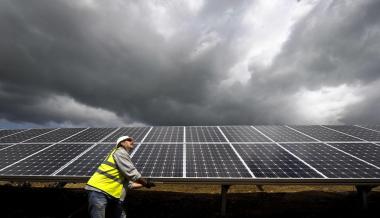
Farming energy from the sun
¶ Denmark is set to support 13 large heat pump projects with DKK23 million ($3.7 million) in funding, the country’s energy agency announced last week. The 13 projects will be installed at 11 combined heat and power (CHP)-based district heating plants across Denmark. The plants have a combined capacity of 29.7 MWe. [Decentralized Energy]
US:
¶ Climate change is causing the sea to rise. Mismanagement of water resources and pumping water and oil causes some land to subside. Now, the state of Louisiana is coming up with a plan that declare much of coast to be uninhabitable and aggressively force the abandonment of the region by offering buyouts and raising taxes on those who remain. [CleanTechnica]

Louisiana flood of 2016 (USDA photo)
¶ Due to a forecast snowstorm for Jan 4, the three-member Vermont Public Utility Commission postponed a public hearing on the petition to allow Entergy to sell the dormant Vermont Yankee nuclear plant to NorthStar for decommissioning. The PUC says it plans to reschedule the meeting to either Jan 16 or Jan 17, at 7 pm. [Commons]
¶ Ann Arbor is to power 100% of the city’s municipal government operations with clean and renewable energy sources such as wind and solar by 2035. The City Council unanimously approved the resolution in December, directing the city administrator to provide a multi-year action plan by September 2018 with five-year target objectives. [MLive.com]

Solar panels (Ryan Stanton | The Ann Arbor News)
¶ New York state confirmed a procurement for at least 800 MW of offshore wind power in two solicitations in 2018 and 2019. The proposal is included in governor Andrew Cuomo’s 2018 State of the State address. The state has plans to develop 2.4 GW of offshore wind by 2030. New York is also seeking to develop 1.5 GW of energy storage by 2025. [reNews]
¶ Colorado utilities are planning to add a lot more renewable energy over the next few years. One trend driving this is the emergence of demands for 100% renewable energy from the utilities’ major customers. But perhaps more importantly, the low costs of wind and solar energy have continued to fall, so they are cheaper than coal. [Clean Cooperative]
¶ Bitterly cold weather is causing a spike in natural gas prices that is rekindling debate over expanding pipelines to New England. Last week, wholesale prices for natural gas more than tripled to their highest level in three years, rising to $35.35 per million BTUs on the spot energy market that supplies much of the region. [Gloucester Daily Times]
¶ Dominion Energy Inc has struck a $7.43 billion all-stock deal to buy troubled energy company Scana Corp, ushering in the final chapter for Scana’s major South Carolina abandoned nuclear project. The deal requires a number of state and federal approvals and could face a tough time from South Carolina lawmakers. [Fox Business]
geoharvey is free and without ads.
geoharvey is not tax-deductible.
Posted in nuclear power, renewable power, solar, wind | 1 Comment »
Tags: nuclear, nuclear power, renewable power, solar power, wind power
January 3, 2018
World:
¶ The Department of Economy, Enterprises and Employment of the Spanish region of Castilla-La Mancha approved a 50-MW solar project that Spain’s power and gas utility, Gas Natural Fenosa plans to develop in the province of Toledo. The project will require an investment exceeding €49 million, the local government said. [pv magazine International]

Castilla-La Mancha countryside (Image: Victor Martín | Flickr)
¶ In an effort to boost renewable energy in Egypt, the Ministry of Electricity and Renewable Energy initiated a E£ 5 billion ($282 million) project to build the largest wind farm in the Middle East. It is located in the Suez Bay and funded through investments of several international entities, according to the Al-Ahram Arabic website. [Egypt Independent]
¶ RES was granted planning approval for Murra Warra Wind Farm, 25 km north of Horsham, Victoria. When completed it will be one of the largest wind farms in the southern hemisphere, with 116 state-of-the-art wind turbines providing up to 420 MW of generation capacity, enough to power about 248,000 households. [Renewable Energy Magazine]
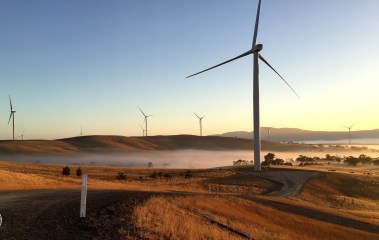
RES’ Ararat Wind Farm in Victoria (Courtesy photo)
¶ The New Year saw TransAlta retire one of its Alberta coal power generating units and mothball another as it begins the transition to cleaner sources of energy. The company will say goodbye to three more units over the next year and a half to prepare them for conversion to natural gas as part of a move to eliminate coal. [Globalnews.ca]
¶ The Australian microgrid market is forecast to increase to more than $20 billion annually, with around half of all Australian homes expected to have rooftop solar panels installed, by 2024. This will put the country at the forefront of movements that are transforming electric generation and transmission worldwide. [The Sydney Morning Herald]

Solving bill woes with solar power (Photo: AAP)
¶ The Indian state of Haryana is making solar power mandatory for new buildings. Within limits of municipalities, all new residential buildings built on a plot size of 500 square yards and above will have to install solar PV Power plants. Houses with have to install at least 1 kW or 5% of the sanctioned load, whichever is higher. [The Indian Express]
US:
¶ The attorneys general of California and New York filed suits in federal court that seek to block the new so-call tax reform act from taking effect and force the federal government to enforce the methane capture rules of the Obama administration. The federal administration is unacceptably pitting profits against people’s lives. [CleanTechnica]

US Constitution
¶ A flurry of state regulatory activity takes place this month in two companies’ request for approval of the sale of the Vermont Yankee nuclear power plant. On Thursday, Jan 4, the three-member Vermont Public Utility Commission will host a public hearing on the petition to allow Entergy to sell the dormant plant to NorthStar for decommissioning. [Commons]
¶ A data center in Nevada is now using power from two massive new solar farms thanks to an Obama-era program that set aside federal land for solar energy development. The two solar farms, Switch Station 1 and Switch Station 2, have a combined capacity of 179 MW. They are located in Clark County, at the southern end of Nevada. [Triple Pundit]
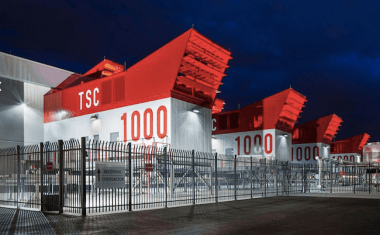
Solar-powered data center in Nevada
¶ EDP Renewables North America has closed two financing deals totalling $507 million for four wind farms and three solar plants with a combined capacity of 423 MW. Bank of New York Mellon is providing tax equity funding of $439.6 million in exchange for an interest in four wind farms in Indiana, Oklahoma, Wisconsin, and Ohio. [reNews]
¶ In his 2018 State of the State address, New York Governor Andrew M Cuomo proposed an agenda to combat climate change by reducing greenhouse gas emissions and growing the clean energy economy. New York aims to reduce emissions from existing fossil-fuel power plants and advance clean energy technologies. [Windpower Engineering]

New York City
¶ According to the Electric Power Research Institute, US electric utilities have a $1.3 trillion opportunity to cut operating costs over the next decade by adopting technologies and processes enabled by the internet of things. We heard similar estimates at the Energy Information Administration’s annual conference last summer. [Capitalist Times]
¶ New York City will soon weigh the possibility of powering its ferries with renewable fuel as part of a bill passed through the City Council. The bill, which the city council unanimously passed on Dec 19, includes a two-year study on the feasibility of city ferries using alternative fuels like biodiesel, and hybrid or fuel-cell electric. [Patch.com]

East River Ferry (AP Photo | Mark Lennihan)
¶ The state of Michigan says more utility customers produced their own electricity in 2016 than the previous year. Michigan’s Public Service Commission says 2,582 residential, commercial and industrial customers participated in the state’s net metering program, an increase of 427 from 2015. Solar power was most popular. [PennEnergy]
¶ Greek renewable power producer Terna Energy said it has launched commercial operations of a 155.4-MW wind park in Texas. The Fluvanna I plant, powered by 74 Siemens Gamesa turbines, is the first stage of a 380-MW project, which Dallas-based wind developer Tri Global Energy LLC sold to Terna Energy in 2016. [Renewables Now]
geoharvey is free and without ads.
geoharvey is not tax-deductible.
Posted in nuclear power, renewable power, solar, wind | Leave a Comment »
Tags: nuclear, nuclear power, renewable power, solar power, wind power
January 2, 2018
Opinion:
¶ “Despite Efforts To Trip It Up, New Energy Economy Remains On Sound Footing” • A decade into the New Energy Economy, the country is not turning back. Falling electricity costs and continually improving technologies mean that the prospects for both solar and wind energy continue to brighten at the expense of coal. [Forbes]
Science and Technology:
¶ Over a quarter of the world’s land could become significantly drier if global warming reaches 2° C, according to new research from an international team including the University of East Anglia. But limiting global warming to under 1.5° C would dramatically reduce the fraction of the Earth’s surface that undergoes such changes. [Science Codex]
World:
¶ Shenzhen, just north of Hong Kong, has a population of a bit less than 12 million. Shenzhen also has a lot of buses, 16,359 of them, to be precise. And as of this moment, every one of them is electric. Next, the city intends to make all of its more than 17,000 taxis electric. That may not be too hard, as 12,518 of them already are. [CleanTechnica]
(Last month, there were not quite 300 electric buses in the US.)

Electric buses in Shenzhen
¶ The UK’s recycling industry says it doesn’t know how to cope with a Chinese ban on imports of plastic waste. Britain has been shipping up to 500,000 tonnes of plastic for recycling in China every year, but now the trade has been stopped. At the moment the UK cannot deal with much of that waste, the UK Recycling Association says. [BBC]
¶ Chinese authorities stopped production of 553 passenger vehicle models on January 1st, 2018 because they fail to meet government fuel consumption standards, according to Xinhua, the state news agency. Beijing Benz Automotive, Chery, FAW-Volkswagen, and Dongfeng Motor Corp are among those with models banned. [CleanTechnica]
Chinese road
¶ As existing plants fail to sell all the electricity they can produce, Indian power producers have cancelled some coal-fired projects. In fact, nearly 40% of the country’s coal-based capacity is going unused. A rapid increase in renewable power following Modi’s pledge to provide clean energy is exacerbating the glut of electric power. [The Business Times]
¶ For the first time in 150 years, more of the global middle class will be in Asia rather than the West. This is largely due to China taking a lead in lifting people out of extreme poverty. As the Chinese people expect increased economic well-being, their government is turning to renewable power sources to supply their power. [The National]
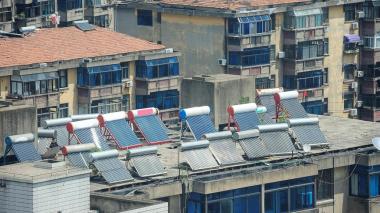
Solar water heaters in China
¶ State-owned gas utility GAIL India Ltd has commissioned the country’s second largest rooftop solar power plant, it announced. The firm has installed a 5.76 MW solar plant at its petrochemical complex at Pata in Uttar Pradesh. The plant was installed over the roofs of warehouses and covers a total area of 65,000 square meters (16 acres). [ELE Times]
¶ Oakey in the Darling Downs will be the site of the next solar farm in Queensland. The 80-MW farm will receive a further A$55 million from the Clean Energy Finance Corporation. CEFC Large-Scale Solar lead Gloria Chan said that the project should deliver enough renewable energy to power around 24,000 of the state’s homes. Energy Matters]

Solar farm
¶ Tata Power Renewable Energy Ltd, a wholly-owned subsidiary of Tata Power, has commissioned a 50-MW solar plant at the Pavagada Solar Park in Karnataka. The 50-MW solar plant has been built over an area of 253 acres. With this development, TPREL’s total installed operating capacity now stands at 1,664 MW. [Hindu Business Line]
US:
¶ New England is leading the East in a transition to renewable energy. Old fossil fuel plants are being retired, and in some cases are being given severance pay to retire early. A number of proposals are on the table for renewable power and energy storage coming from within New England or to be imported from other areas. [RTO Insider]

National Grid Transmission Proposals | National Grid
¶ Massachusetts is expected to decide on a major renewable electric supply project in late January. Several entrepreneurs are touting their projects in the run-up to that decision. Some of the proposals would carry electricity produced by wind or hydro power plants in Canada across Vermont, New Hampshire or Maine. [The Recorder]
¶ Garvan Donegan, an economic development specialist for the Central Maine Growth Council, said 2017 was a “great year” for solar projects in the region. A number of large arrays came on line in the central Maine region this year while others are in the planning stage. The projects lead to job creation and further development. [Press Herald]

ReVision Energy solar array installation
¶ The Trump administration has a plan to subsidize coal and nuclear power plants, but analysts are skeptical it will do enough to prevent more of the facilities from closing down. In vowing to revive the coal industry and stop the decline of nuclear energy, President is fighting against a tide of coal and nuclear plant closures. [Kaplan Herald]
¶ This year had the second warmest December on record for Fairbanks, Alaska, and the warmest in 104 years, according to an Alaska climate science and services manager with the National Weather Service in Fairbanks. For the month of December, 2017, the average temperature in Fairbanks was close to 13° F above normal. [Fairbanks Daily News-Miner]
geoharvey is free and without ads.
geoharvey is not tax-deductible.
Posted in nuclear power, renewable power, solar, wind | 1 Comment »
Tags: nuclear, nuclear power, renewable power, solar power, wind power
January 1, 2018
Opinion:
¶ “New GOP Tax Bill Is A Huge Win For Oil & Gas Companies” • Trump’s allies in the GOP Congress gave an incredible end-of-the-year gift to energy companies, especially to fossil fuel companies. Critics say it will lessen renewable energy at the expense of the environment by unleashing further fossil fuel exploration. [ETF Daily News]

Oil Well
¶ “Trump Or No Trump, “Capitalist Tool” Shares Love For Renewables, Lumps For Coal & Natural Gas” • Renewables are making big moves into US electricity generation, and Forbes, the self-described “capitalist tool,” is not shy about toting up the damages. One piece describes how solar is gunning for both coal and natural gas. [CleanTechnica]
¶ “How Alberta achieved Canada’s lowest renewable-electricity prices” • Alberta has the lowest priced renewable electricity in Canada, according to Premier Rachel Notley. The province achieved rock-bottom prices by establishing a competitive auction process to award renewable electricity contracts to low bidders. [The Globe and Mail]
¶ “Denying climate science” • After spreading misinformation about greenhouse gas emissions’ role as a driver of climate change for decades, the deceptive tactics of the fossil fuel industry are slowly beginning to backfire. General Electric’s major cuts to its fossil-fuel-heavy power department is just one example. [The News International]
¶ “The Fukushima Nuclear Meltdown Continues Unabated” • Dr Helen Caldicott explains recent photos of Fukushima’s Daiichi nuclear reactors: radiation levels have not peaked, but have continued to spill toxic waste into the Pacific Ocean. It is only now that robots have been able to photograph the damage. [Center for Research on Globalization]
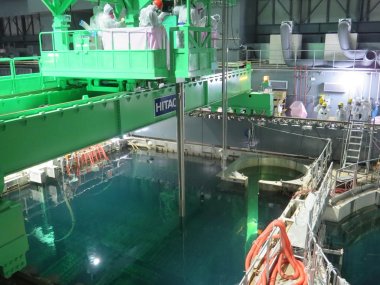
Fukushima Daiichi, co clean before the meltdown (Twitter)
World:
¶ More Indian states are switching to solar power from thermal power due to the cost benefits. The state of Punjab is considering setting up a huge solar power project at the land where currently a 460-MW coal-based power plant stands. The power plant, spread over an area of 2,000 acres, is set to be retired on the first of January 2018. [CleanTechnica]
¶ When 13-year-old Autumn Peltier came face-to-face with Justin Trudeau, she scolded him. She said, “I am very unhappy with the choices you’ve made,” referring to his support for pipeline projects. Next spring, Autumn Peltier will address the UN for the declaration of the International Decade for Action on Water for Sustainable Development. [BBC]

Autumn Peltier meeting Prime Minister Justin Trudeau
¶ The Indian government is planning to revamp its incentive program for rooftop solar power systems in an attempt to expedite implementation of the capacity across various segments of power consumers. The Ministry of New & Renewable Energy has proposed financial support worth ₹23,450 crore ($3.7 billion) from the government. [CleanTechnica]
¶ Pakistan will begin 2018 with expensive energy prices and breakeven supplies. While the year is estimated to conclude with a bit of electricity surplus after 13 years, gas shortages are unlikely to end by December 2018. The decade of darkness is likely to come to an end during the year, though at a cost in higher prices. [DAWN.com]

Feeding the pot
¶ Bowing to pressure from shareholders and the 2015 Paris Climate Accord, Royal Dutch Shell pledged to increase its investment in renewable fuels and to cut its carbon emissions in half by 2050. Shell and other oil companies have moved sporadically over the last decade toward greater production of wind and solar energy. [Luxora Leader]
¶ The Cyprus government has repeatedly stated that it has a national energy plan that guides the development of its energy sector. So far, however, the plan is shrouded in mystery as it has not gone through any public consultation, despite the fact that the European Commission expected such draft plans to be submitted by January 1, 2018. [Cyprus Mail]
¶ In the UK, electricity from offshore wind is cheaper to generate than energy from nuclear power stations. For contracts to generate power in 2021–22, the price has fallen to £74.75 per MWh. Contracts to produce power in 2022–23 rates are as low as £57.60. To contrast, EDF Energy got contracts to build Hinkley C at £92.50. [OilPrice.com]
US:
¶ One of America’s biggest wind energy projects is now stuck. Environmentalists blame the Tennessee Valley Authority for the failure of Clean Energy Partners’ $2.5 billion effort to bring more renewable energy into the Tennessee Valley. The TVA was not moved by its offer of cheaper and cleaner power. [Chattanooga Times Free Press]

Wind farm (Photo: Clean Energy Partners)
¶ The News-Gazette reports that the University of Illinois South Farms has been idle since October with electrical system issues, but it is scheduled to resume operations soon. University officials are considering expanding the 21-acre solar farm to help meet renewable-energy goals outlined in the Illinois Climate Action Plan. [WJBD Online]
¶ In his Senate confirmation hearing, Barry Myers, President Trump’s choice to run the National Oceanic and Atmospheric Administration, said he agrees humans are the primary driver of recent climate change. Myers’ unambiguous acceptance of the human role in climate change marks a clean break from the Trump administration. [Kaplan Herald]
geoharvey is free and without ads.
geoharvey is not tax-deductible.
Posted in nuclear power, renewable power, solar, wind | 1 Comment »
Tags: nuclear, nuclear power, renewable power, solar power, wind power
December 31, 2017
Opinion:
¶ “Macro Grids May Be the Future of Renewable Energy” • Increasing numbers of countries are employing DC lines to move energy across continents. Since the sun and wind are always producing energy somewhere, they could deliver clean energy where it’s most needed at any time, helping solve the problem of intermittent supply. [Futurism]

Electric power grid
¶ “5 major changes to US environmental policy in 2017” • It has been a noteworthy year for US environmental policy. Obama-era rules and regulations governing the US approach to climate change and its natural resources have been the target of President Donald Trump’s deregulatory fervor. Here is a look at some of the most notable changes. [CNN]
¶ “Burning wood for power is ‘misguided’ say climate experts” • Policies aimed at limiting climate change by boosting the burning of biomass contain critical flaws that could actually damage attempts to avert dangerous levels of global warming in the future. That is the stark view of one of Britain’s chief climate experts. [The Guardian]

Burning wood pellets (Photo: Alamy)
¶ “A great year for clean energy in Australia ends, while bad news for coal continues” • The coal building spree is fast winding down in China and India. The head of infrastructure investment at BlackRock, the world’s largest investment manager, announced in May, “coal is dead.” Meanwhile renewable energy was setting records. [The Guardian]
World:
¶ Nissan has begun offering some Japanese buyers of the new, refreshed Leaf free installation of home solar PV systems, if they sign up for specific retail electricity plans with Ecosystem Japan. The joint PR campaign aims to offer adopters of the new long-range Nissan Leaf in the Kanto region the chance to power their new cars with solar energy. [CleanTechnica]

Nissan Leaf
¶ As year 2017 nears to an end, India’s power woes are slowly cooling off, thanks to large capacity addition in renewables, improved coal availability for conventional plants and increasing demand for electricity. The peak hour power deficit has also come down from a -12.7% in 2009-2010 to -2% in 2017-2018. [EnergyInfraPost]
¶ Considering the future of offshore windpower for the next decade, TenneT proposes a man-made island on Dogger Bank in the middle of the North Sea to provide for a distribution hub for electricity. At the island, AC current from the wind turbines would be converted to DC, which would then be sent to shore via undersea cables. [CleanTechnica]
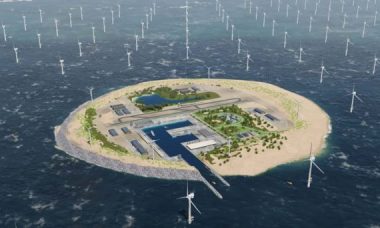
Proposed TenneT island
¶ Construction of China’s 600-MWe demonstration fast nuclear reactor at Xiapu, Fujian province, has officially begun with the pouring of the first concrete for the reactor’s basemat. The reactor is scheduled to begin commercial operation by 2023. It will be a demonstration of its sodium-cooled pool-type fast reactor design. [Next Big Future]
¶ China has joined France and the Netherlands in testing solar expressways, opening a one kilometer (0.6 miles) stretch of photovoltaic roadway in Jinan, the capital city of Shandong province.The biggest objection to solar highways has been the cost, as naysayers point out the energy requirement of making the thick glass needed. [
Digital Journal]
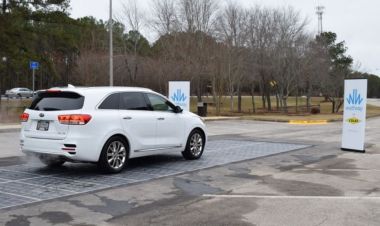
France’s Wattway project (Colas)
US:
¶ Wyoming is one of the epicenters of coal production in the US, but it is also blessed with rich wind resources. Wind farms have plenty of room to blossom in Wyoming. And though the state’s population is low, power-thirsty California is not too far away to use its energy. Now, a new transmission line is being developed. [CleanTechnica]
¶ US renewables developer SunEdison Inc announced on Friday that it has emerged from Chapter 11 as a privately held company after offloading more than $2.3 billion (€1.9 billion) worth of assets during the process. The assets sold include two of its most valuable, interest in TerraForm Power Inc and TerraForm Global Inc. [Renewables Now]
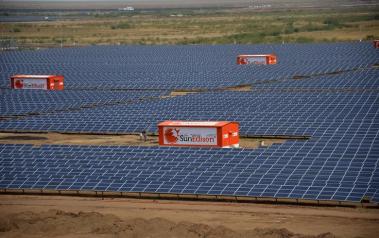
SunEdison PV park in India (See article for rights)
¶ Around 5 billion trips were made by transit rail services in the US during 2016, according to data published by the American Public Transportation Association. The number of transit rails trips in the US in 2016 was nearly twice the number for 1992. The increase is despite the decrepit condition of US public rail systems. [CleanTechnica]
¶ The projected 3.2 feet of sea-level rise by 2100 could submerge or destroy 300 structures, 11 miles of coastal highway, and 3,130 acres of land on the Hawaiian island of Maui. It would cause $3.2 billion in economic losses on the island and threaten its tourism industry. The projections are in a report commissioned for the state Legislature. [Maui News]
geoharvey is free and without ads.
geoharvey is not tax-deductible.
Posted in nuclear power, renewable power, solar, wind | Leave a Comment »
Tags: nuclear, nuclear power, renewable power, solar power, wind power
December 30, 2017
Opinion:
¶ “Is climate change making hurricanes worse?” • The past year has been a busy one for hurricanes. There were 17 named storms in 2017, 10 hurricanes and six major hurricanes (category 3 or higher). It was an above average year in each respect. But are these storms getting worse? And does climate change have anything to do with it? [BBC ]

Climate Extremes Index (NOAA graph)
¶ “How Corporations ‘Bypassed the Politics’ to Lead on Clean Energy in 2017” • When President Trump announced plans to withdraw from the Paris climate accord attention quickly turned to corporate America. Would business leaders forge ahead in the fight against climate change without federal backing? In 2017, the answer is yes. [Greentech Media]
Science and Technology:
¶ Rising humidity levels will greatly worsen the effects of rising temperatures in many parts of the world. The rise may preclude the possibility for survival in the southeastern US, Amazon, northern India, eastern China, and parts of Africa and the Middle East, according to a study from the Earth Institute at Columbia University. [CleanTechnica]

Problem areas (Map by Ethan Coffel)
¶ As much of the country braced for the cold snap, President Trump weighed in on Twitter, seeming to dismiss the effects of climate change and conflate the the latest weather with the broader issues around climate. What are the differences? What are the facts? John Yang learns more from Michael Oppenheimer of Princeton University. [PBS NewsHour]
World:
¶ Shanghai is a port city on the edge of the ocean. Vulnerable to flooding from both sea and rain, it is to become one of the Chinese “sponge cities.” It will be able to absorb large quantities of water quickly then slowly release it. The concept involves green roofs, wetlands, natural vegetation, and, especially notably, permeable concrete. [CleanTechnica]

Sponge city concept rendering
¶ Ehang, based in Guangzhou, China, is a maker of video-flying drones that is entering the autonomous aerial vehicle market. It says its Ehang 184 AAV is “the safest, smartest, and eco-friendly low altitude autonomous aerial vehicle, aiming on providing medium-short distance communication and transportation solution.” [CleanTechnica]
¶ Alberta’s economy was so invested in fossil fuel production that to suggest that wind, solar, geothermal, or hydro could be used for generating electricity instead of coal and natural gas was tantamount to treason. But times have changed, and renewable energy developers are lining up to get in on Alberta’s electricity markets. [Toronto Star]

Wind farm in Pincher Creek, Alberta (Photo: David Dodge)
¶ South Korea has finalized a power supply plan that aims to make renewables the country’s fuel of choice for power generation for the next 15 years, its energy ministry said. The plan is largely unchanged from an earlier draft that outlined the gradual reduction in use of coal and nuclear fuel in favor of gas and renewables through 2031. [ETEnergyworld.com]
¶ In 2017, about 33.7% of the power generated in Spain came from renewable energy sources, mainly wind turbines, according to provisional figures. Nuclear power plants produced 22.6% of the country’s electricity, ranking first. Then came wind farms with a share of 19.2%, ahead of Coal at 17.4%. Hydro had 7.3%, and solar had 5.4%. [Renewables Now]

Alstom ECO 110 wind turbines in Spain (Photo: © Alstom)
¶ National Grid said electricity is flowing through a cable taking renewable energy from Scotland to England and Wales. It said, however, that further work would be required to get the £1 billion Western Link project up to full capacity. The cable runs from Hunterston, where a converter station is based, to Flintshire Bridge in Wales. [Energy Voice]
US:
¶ The US DOE’s proposed rulemaking on power grid resiliency may have been directly influenced by Murray Energy executive Robert Murray, a major figure within the coal industry, news media reported. Murray denied any influence peddling and slammed “green groups” for making the allegations, The Hill website said. [Electric Light & Power]
Coal train
¶ A subsidiary of National Grid is seeking a presidential permit to bring Canadian wind power into the US at a border crossing between Quebec and Norton, Vermont. The Granite State Power Link would bring 1,200 MW of electricity to southern New England through transmission lines to be built alongside existing power lines. [New Delhi Times]
¶ A wind farm in Oregon’s Columbia River Gorge that will serve as Apple Inc’s single biggest source of renewable energy will use 51 turbines made by Vestas Wind Systems. Apple says the Montague project will provide it 560,000 MWh of electricity annually. That is equal to the electricity use of about 52,000 Oregon households. [9news.com]

Vestas wind turbine construction (Vestas Wind Systems image)
¶ Avangrid Renewables started commercial operations at the Deerfield Wind Farm. Readsboro and Searsburg will receive direct annual payments expected to total $6.8 million over the life of the project, and the wind farm will generate an estimated $6 million in tax payments to the state to support education funding. [Windpower Engineering]
¶ Santee Cooper board Chairman Leighton Lord, the executive who led South Carolina’s state-owned utility during the scuttled multibillion-dollar project to build two nuclear reactors, is stepping down after fighting the governor’s efforts to fire him. Ratepayers have already paid nearly $2 billion for the failed nuclear plant. [The Times and Democrat]
geoharvey is free and without ads.
geoharvey is not tax-deductible.
Posted in nuclear power, renewable power, solar, wind | Leave a Comment »
Tags: nuclear, nuclear power, renewable power, solar power, wind power
December 29, 2017
Opinion:
¶ “The Power of Water, Wind, and Solar (and Nothing Else)” • From more frequent wildfires to devastating hurricanes to persistent droughts, we are already seeing the effects of climate change. It is not just the planet that is at risk. Air pollution causes 4–7 million human deaths each year, and energy security is a concern. [Eos]
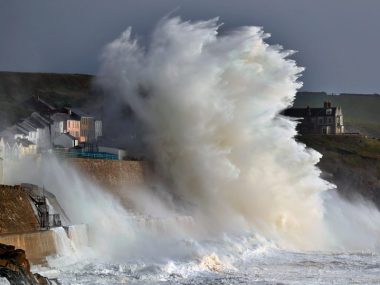
Storm at Porthleven, England (Photo: Tony Armstrong, flickr)
Science and Technology:
¶ Brad Smith, president and chief legal officer of Microsoft, announced that his company will invest $50 million over the next 5 years to democratize access to the data available about the environment available from the thousands of land, sea, and atmospheric sensors in place around the world using AI or artificial intelligence. [CleanTechnica]
¶ The International Energy Agency published “Getting Wind and Sun onto the Grid – A Manual for Policy Makers.” It lays out two theses for integrating PV and wind power into the grid. Twenty countries’ grids were used as references, from Mexico, with a low percentage of PV and wind in its grid, to Denmark, with its high percentage. [pv magazine USA]
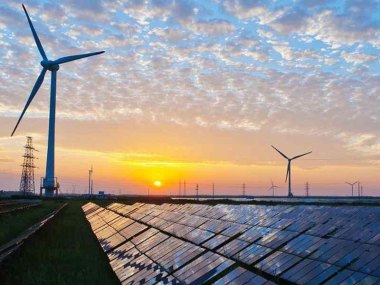
PV and wind power (Public domain image)
World:
¶ Britain’s effort to scrap coal as a power generation fuel and spur renewables means its electricity industry is on track for its greenest year ever. Renewable-energy production broke 13 records this year in the UK, including the first day with zero coal power, according to data compiled by National Grid Plc and WWF. [Bloomberg]
¶ The government of China has elected to extend the current tax rebate program for so-called “new energy vehicles,” including all-electric vehicles, plug-in hybrids, hydrogen fuel cell vehicles, etc. A tax exemption will not be phased out at the turn of the new year as had been planned. Instead, it will be extended until December 31st 2020. [CleanTechnica]
BAIC EV200
¶ The fissures in the Canada-U.S. relationship will be more apparent than ever this week during the United Nations climate change talks in Germany. Canadian Environment Minister Catherine McKenna, ahead of her trip, said, “If the US is going to step back, we’ve said we‘re going to step up, and that’s exactly what we’ll be doing.” [Oakwood Herald]
¶ Element Power will identify a route to market early next year for its 41-MW Windy Rig and 27-MW Twentyshilling wind farms in south-west Scotland. Local authority councillors approved the larger project earlier this month after a positive planning recommendation while the smaller scheme was permitted in 2014. [reNews]

Wind farm built by Element Power (Kevin Arkins)
¶ The government of the state of Victoria is ready to build a major new wind farm with battery storage at Bulgana that will power the expansion of Stawell’s Nectar Farms. The project would make the advanced agriculture facility the world’s first ever crop farm to be completely powered by renewable energy. [The Stawell Times-News]
¶ Siemens Gamesa Renewable Energy received orders for two new onshore wind projects in southern Italy. The company will deliver 13 SWT-3.0-113 direct-drive units to European Energy’s 39 MW project in Tolve and 10 G97-2.0 MW turbines to a further 20 MW project near Capoiazzo. Both wind farms are located in the Basilicata Region. [Trade Arabia]
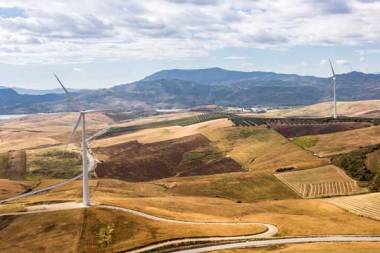
Siemens wind farm in Italy
US:
¶ Air pollution originating in the US Midwest region is being blown into the Northeast region, leading to harmful effects on the region’s population, according to a lawsuit filed against the US EPA by 8 Northeastern states. The lawsuit seeks to impose stricter controls on emissions in the Midwestern states in question. [CleanTechnica]
¶ Puget Sound Energy announced plans to reduce its carbon emissions in half by 2040. The utility, which serves energy to more than 1.5 million customers, said it will accomplish this through a variety of different initiatives. However, the Sierra Club, an environmental group with a Seattle chapter, objects to the plans. [Mercer Island Reporter]
Snoqualmie Falls plant, built in 1898 (Photo: Puget Sound Energy)
¶ The Vermont Public Utility Commission approved a 5% rate increase for Green Mountain Power. The approval ratified an agreement between GMP and the Department of Public Service, the state agency that represents the public interest in utility rate cases. GlobalFoundries, GMP’s largest customer, unsuccessfully disputed the increase. [vtdigger.org]

Block Island wind farm
¶ Avangrid Renewables is pursuing two new wind projects, one in the heart of New Mexico, and another off the coast of Massachusetts. Avangrid Renewables is working with Copenhagen Infrastructure Partners on a bid to build an offshore wind farm in waters of the Bay State. That partnership is known as Vineyard Wind. [CleanTechnica]
¶ Duke Energy Florida filed a petition with the Florida Public Service Commission to recover from customers an estimated $381 million in costs associated with the company’s response to Hurricane Irma in Florida. The company also is seeking $132 million to replenish its storm reserve fund for use in responding to future storms. [BOE Report]
¶ South Carolina Electric & Gas Co has formally asked federal authorities to let it withdraw its operating licenses for a failed nuclear reactor construction project in the state. The move was expected as the power company seeks to show it has given up on the unfinished reactors and is eligible for a $2 billion tax write-off. [WSPA.com]
geoharvey is free and without ads.
geoharvey is not tax-deductible.
Posted in nuclear power, renewable power, solar, wind | Leave a Comment »
Tags: nuclear, nuclear power, renewable power, solar power, wind power
December 28, 2017
Opinion:
¶ “2017: The year climate change hit” • “Crazy” weather has been a hot topic for elevator conversations this year, as extremes are becoming the new normal. No continent was spared by 2017’s extreme weather. From droughts to hurricanes, from smog to forest fires, events killing thousands of people have been directly linked to climate change. [Deutsche Welle]

Flooding in the Philippines
¶ “Green tech will be everywhere in 2018” • With climate change problems mounting, national and local governments are pushing for more renewable energy and an end to fossil-fueled cars, despite hostility from President Donald Trump. People want fewer gas-powered vehicles and coal plants, and more EVs, solar panels and wind turbines. [Yahoo Finance UK]
World:
¶ The Loeriesfontein and Khobab wind farms in South Africa are operational, with 280 MW of capacity. Lekela Power said the commercial operations were achieved “on schedule, on budget, and without a single incident of lost-time over the two million man-hours expended on construction that began on 1 September 2015.” [Farmers Weekly]
Wind Turbines (Lekela Power | Mainstream Renewable Power)
¶ With cheap shale gas, petrochemical companies have invested about $186 billion in 318 new facilities to turn shale gas into feedstocks for plastics since 2010, according to the American Chemistry Council. Half have already been completed. As a result, production of plastics is set to rise 40% from today’s levels over the next 10 years. [CleanTechnica]
¶ Five years ago, an electric-utility think tank issued a dire warning to its members: Your century-old business model is ending. The falling costs of renewable energy generation, especially solar panels, would begin to erode revenues. Now, in Germany, hardly known for its sunshine, utilities are starting to see the impact. [Green Car Reports]
PV installation at a VW plant in Tennessee
¶ European charging company Allego announced that it now has four ultra-high-speed EV charging stations operational near Frankfurt am Main. Each can service 4 cars at once and is rated at 175 kW, with a plan to boost that to 350 kW. The new chargers are capable of adding enough energy to drive an additional 60 miles in just 5 minutes. [CleanTechnica]
¶ The Ashalim Solar Thermal Power Station, located in Israel’s Negev desert, is one of the largest projects of its type in the world. The generator will sit on top of the central tower, which, at 787 feet, will be the tallest in the world. Construction is currently underway and the project is expected to be completed in early 2018. [Renewable Energy Magazine]

Ashalim Solar Thermal Power Station
¶ The Indian state of Bihar has 39,073 villages, and now all of them are electrified. Every household in the state would have a free power connection by the end of the next calendar year, its Chief Minister Nitish Kumar said. The efforts in this regard were a part of Kumar’s seven resolutions (“saat nischay”) of good governance. [Doordarshan]
¶ Armenia has long relied on Russia for its energy needs, but the government is hoping to reduce that dependence by tapping a resource that is plentiful in the region: the sun. With few fossil fuel resources of its own and its sole nuclear power plant nearing the end of its working life, Armenia is banking on renewable energy. [Daily Times]
Looking to the sun for power
¶ Chinese vertically integrated solar power company Canadian Solar has this week connected to the Japanese grid a 19.1 MW solar PV installation on the island of Honshu, Japan. The Gunma Aramaki solar plant lies some 100km northwest of Tokyo and is comprised of 59,544 CS6X MaxPower Canadian Solar panels. [pv magazine International]
¶ On 75% of days this year, British wind farms generated more electricity than coal plants, the analysis website MyGridGB said. It also said that over the year solar power outperformed coal more than half the time. Overall, renewables provided more power than coal plants on 315 days in 2017, or more than 90% of the year so far. [Metro]
Wind farm (Photo: Gareth Fuller | PA Wire)
US:
¶ Solar power is growing in Pennsylvania, as individuals, businesses, and communities take action to reduce carbon emissions. Since the US withdrawal from the Paris Climate Agreement, local and state efforts to combat climate change have increased. One clean energy company director also pointed to returns on investment. [Public News Service]
¶ A study from the University of California system found that developing solar energy arrays on alternative sites like buildings, lakes, and contaminated land would allow the state to meet its 2025 electricity demands without sacrificing farmland. The study’s authors focused their analysis on California’s Central Valley. [Yale Environment 360]

Floating solar panels on an irrigation pond in Oakville
(Photo: Far Niente Winery | UC Riverside)
¶ Numerous for-rofit, non-profit, and public sector organizations have filed objections to the Illinois Power Agency Long-Term Renewable Resource Procurement Plan, which has been filed with the Illinois Commerce Commission. There were fifteen specific objections, but the petitioners supported the overall plan. [pv magazine USA]
¶ Missouri is the latest state where rules around clean energy are being reevaluated. Regulators are assessing outdated rules about customer-owned solar energy along with various distributed energy sources. The experiences of two neighboring states show that the effort will not necessarily be favorable for renewable power. [Edition Truth]
geoharvey is free and without ads.
geoharvey is not tax-deductible.
Posted in nuclear power, renewable power, solar, wind | 1 Comment »
Tags: nuclear, nuclear power, renewable power, solar power, wind power
December 27, 2017
Opinion:
¶ “Mark Kelly: This year has been an unequivocal disaster for the future of the planet” • As an astronaut, I’m often asked about the climate, our environment, and how we are destroying the Earth. My response often surprises people. “Don’t worry about the planet, the Earth will be just fine,” I tell them. “What you need to worry about is us – all of us.” [CNN]

Earth (Photo: NASA’s Earth Observatory)
Science and Technology:
¶ For years, scientists have known that 4% of the global methane budget consists of methane that is released from the Earth’s oceans into the atmosphere, but not its exact source. A team of researchers from the University of Illinois and the Massachusetts Institute of Technology may have found the answer to that question. [Champaign/Urbana News-Gazette]
World:
¶ Wärtsilä will retrofit the world’s first energy storage solution on board a large offshore supply vessel. The North Sea Giant, one of the world’s most advanced subsea construction vessels, will be fitted with an energy storage system to reduce the vessel’s energy consumption, operating costs, and exhaust emissions. [Renewable Energy Magazine]

North Sea Giant
¶ A US-trained Kenyan engineer came up with a new way to deal with plastic: Pay locals to gather up plastic debris and pollution, and then repurpose them as a binder in composite construction materials (fence poles, roof tiles, road signs, flooring, containers, etc). He explained, “Basically we are substituting plastic for cement.” [CleanTechnica]
¶ As wind farms are being built in the Thar Desert, a very rare bird, the great Indian bustard, is under increased threat. The birds are not being killed by wind turbines, but by collisions with the much lower power lines. The bustards have poor frontal vision, and do not notice the power lines until it is too late to avoid hitting them. [Mongabay.com]

Great Indian bustard in Naliya grasslands, Kutch, India
(Photo: Prajwalkm via Wikimedia Commons, CC BY-SA 3.0)
¶ State-run Rural Electrification Corporation said a scheme was launched in Madhya Pradesh to provide additional electrical connections for about 45 lakh (4.5 million) families that are not now electrified. All states and Union territories of India are required to complete household electrification by March 31, 2019. [Moneycontrol.com]
¶ Pattern Energy and the Henvey Inlet First Nation broke ground on a 300-MW wind farm on the northeast shore of Georgian Bay in Ontario, Canada. The milestone follows completion of a C$1 billion ($791 million) financing deal for the Henvey Inlet project, which will feature 87 Vestas V136-3.45MW turbines with 132-meter hubs. [reNews]

Vestas turbine reaching for the skies (Vestas image)
US:
¶ Elon Musk sent out some tweets that more or less confirm that Tesla has plans for a pickup truck in the foreseeable future. At the same time, he offered information on Tesla’s growth goals for clean and sustainable energy. Though he offered no hard dates or financial estimates, he provided a rather bullish outlook on the projects. [CleanTechnica]
¶ Solar power will soon be an option for many Hawaii residents and businesses, regardless of whether they rent, live in a condo, or lack a rooftop to install their own solar panels. The Public Utilities Commission issued a decision directing Hawaii’s electric utilities to implement a community-based renewable energy program. [Maui Now]
MACC Solar project (Photo: Wendy Osher)
¶ Masonic Village at Elizabethtown, Pennsylvania, is in the midst of constructing a 2-MW solar PV system, which is being added to an existing 1-MW solar array. The system will be one of the largest solar arrays of any retirement community in the US, once it is complete in February, and it is expected to save Masonic Village $250,000 annually. [Quebec Daily Examiner]
¶ Remote villages in Alaska provide an example of how safeguards could build resilience into a larger electrical grid. Nine articles in the recent issue of the Journal of Renewable and Sustainable Energy, from AIP Publishing, provide the first reviews of energy technologies and costs for microgrids in Alaska. [Science Daily]
Wind turbines supplying power to a microgrid in Alaska
(Photo: Chris Pike, University of Alaska Fairbanks)
¶ Throughout 2017 the City of Fremont, Nebraska, focused on harnessing the power of the sun, with concept becoming reality as a new Community Solar Farm broke ground in October. A survey of residents in 2017 indicated that 70% of them were interested in participating in a community solar farm. Now, that solar farm is a reality. [Fremont Tribune]
¶ In South Carolina, Santee Cooper and SCE&G customers could be stuck paying as much as $9 billion thanks to a 2007 law. A similar law was passed in Florida, but no one has applied for permission to build a nuclear power plant there since it was altered with the addition of two words, “reasonable” and “feasible.” [Charleston Post Courier]
geoharvey is free and without ads.
geoharvey is not tax-deductible.
Posted in nuclear power, renewable power, solar, wind | Leave a Comment »
Tags: nuclear, nuclear power, renewable power, solar power, wind power
December 26, 2017
Opinion:
¶ “Wind Power Means Jobs in Texas, and Partisan Politics Isn’t Going to Stop It” • As discussions around climate change in America have become partisan, so have those around kilowatts, but not in Texas. There is money to be made with windpower, and Texans are not going to miss out on the chance to make it.[InsideClimate News]

Kaitlin Sullivan on a turbine (Photo: Meera Subramanian)
¶ “Annus mirabilis: all the things that went right in 2017” • This was a year of Trump, Twitter, terrorism, Yemen, Libya, and environmental degradation. But the big, bold headlines tell only part of the story. Away from the news hysteria, it is possible to discern progress, joy, breakthroughs and that rarest commodity of all: optimism. [The Guardian]
World:
¶ India auctioned 750 MW of utility-scale solar power capacity at the Bhadla solar power park over the last few days to wrap up a highly eventful 2017. An auction of 500 MW had 3.1 GW of bids between ₹2.47/kWh (3.80¢/kWh) and ₹3.29/kWh (5.07¢/kWh). There was also a smaller auction of 250 MW that had similar results. [CleanTechnica]
Azure Power solar park in Rajasthan
¶ Most Australians believe that human activity contributes to climate change. One in two believe it is already damaging the Great Barrier Reef and causing more extreme storms, floods and droughts. But only 18% think the Turnbull government is doing a good job tackling global warming, a new poll by Ipsos has found. [The Sydney Morning Herald]
¶ Karnataka Renewable Energy Development Limited, a state government agency, recently issued tender documents for 860 MW of solar PV power capacity. The capacity will be allocated in blocks of 20 MW each across 43 locations in the Indian state. The state plans for 6,000 MW of operational solar power capacity by March 2022. [CleanTechnica]

Charanka Solar Park
¶ India’s civil aviation minister Ashok Gajapathi Raju recently told media outlets that 200 MW of solar power capacity is planned for airports across the country over the next few years. He was speaking at the inauguration of the 15-MW solar power project at the Netaji Subhas Chandra Bose International Airport at Kolkata, West Bengal. [CleanTechnica]
¶ A total of 2,130 MW of wind power capacity will be auctioned over four days for plants to be built in 32 different places in Turkey. On the first day of tenders, bids for 430 MW of wind power were collected for eight regions. There were 110 energy firms participating in the tender. The auction will run through Dec 29. [Daily Sabah]
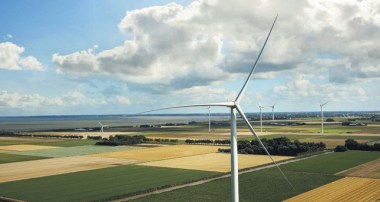
Wind turbines
¶ The biggest solar power park in the world today is of 850 MW in Longyangxia Dam, China. But Madhya Pradesh is aiming to pip China by setting up a new record largest solar power park with an installed capacity of 1050 MW. Half the power will be supplied to Delhi Metro, with the remainder going to boost Indian Railways. [NYOOOZ]
¶ Officials from Cambodia’s Ministry of Mines and Energy have announced a new project that will provide a boost to the local renewable energy sector by electrifying three key provinces with the use of small-scale solar and wind power devices. The Khmer government has a goal to provide electricity to every village in the country by 2020. [Khmer Times]
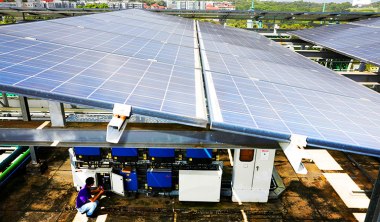
Solar system on the roof of a building
¶ The government of South Korea unveiled plans for the country to boost its solar energy generation 5 times over by 2030, as revealed by the Minister of Trade, Industry and Energy. The president, Moon Jae-in had promised in electoral campaigns to cease support for new nuclear energy projects and to embrace “eco friendly” energy modalities. [CleanTechnica]
US:
¶ Sonoma Clean Power and Marin Clean Energy are both clean-energy suppliers. Both have agreements with PG&E to purchase electricity from sources like solar, wind, geothermal, and hydropower from alternative sources, and feed it through PG&E’s wires to customers. Both are increasing wind and biogas capacities. [North Bay Business Journal]
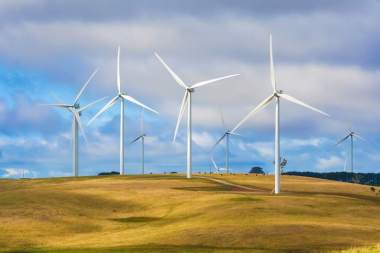
Wind farm
¶ Interest in solar energy development is being generated throughout Illinois, and having an ordinance in place is like having the infrastructure built out for attracting a new business, according to Lee County Assessor Wendy Ryerson. There are a number of solar projects under development in the county, providing a needed economic boost. [SaukValley.com]
¶ Since the crash of the steel industry in the early 1980s, the city of Pueblo, Colorado, has been searching for an economic identity to help restore prosperity. In recent years, the city has seen a steady building of momentum behind a sector of industry that’s become increasingly promising. And that sector is renewable energy. [Pueblo Chieftain]
geoharvey is free and without ads.
geoharvey is not tax-deductible.
Posted in nuclear power, renewable power, solar, wind | 2 Comments »
Tags: nuclear, nuclear power, renewable power, solar power, wind power
December 25, 2017
Science and Technology:
¶ The Arctic saw its smallest winter sea ice coverage on record in 2017. Drawing attention to this fact, NOAA’s annual report has the interesting subtitle, “Arctic shows no sign of returning to reliably frozen region of recent past decades.” In fact, NOAA even has a new name for the area at the top of the world, which it calls “New Arctic.” [CleanTechnica]
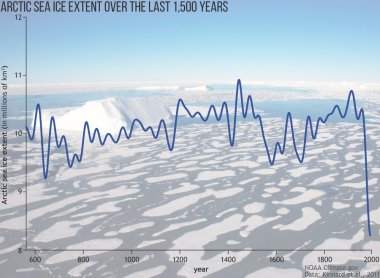
Sea ice plunging
World:
¶ In 2016, non-hydro electric generation in Canada grew by 8%. Canada’s electricity generation was 66% renewable, with non hydro renewables accounting for 7.2% and hydro accounting for 58.8%. When nuclear power generation is added, a total of 80.6% of Canada’s electricity was non-emitting in terms of greenhouse gases. [SteelGuru]
¶ Another 500 MW of onshore wind and solar power will be in the portfolio of a French joint venture, energy company ENGIE said. The company said its joint venture with insurance company Crédit Agricole Assurances would work to increase its energy holdings with around 500 MW of onshore renewables by the end of next year. [Infosurhoy]

Wind turbines
¶ Saudi Arabia’s Alfanar Energy is to build a solar power plant in Bangladesh with a capacity to generate 40 to 100 MW of electricity, Saudi-based Arab News reported. The plant will be located near Chittagong and require an investment of $51 million, a commercial officer at the Bangladeshi embassy in Riyadh, told the Saudi daily. [SteelGuru]
¶ A hydro-electric plant in the UK’s Lake District finished its first year of operation. The Hayeswater micro hydro plant, which is owned by the National Trust, generated more than one million kWh of electricity, enough to meet the power needs of more than 300 properties. The plant sells power to provide income for a conservation charity. [The Westmorland Gazette]

Hayeswater micro hydro plant
¶ Next year, a solar panel scheme in Oman will target residential customers with the promise of subsidized installations and huge savings on current energy bills. Residents who opt to install panels will be able to sell excess power back to the national grid, all the while enjoying cheaper electricity, with some saving as much as 42%. [Times of Oman]
¶ German spot power prices plunged below zero for much of Sunday and the early hours of Christmas Day. Thanks to the country’s effort to encourage investment in green power generation, German electricity prices have dipped below zero more than 100 times this year, according to the EPEX Spot trading exchange. [The New York Times]
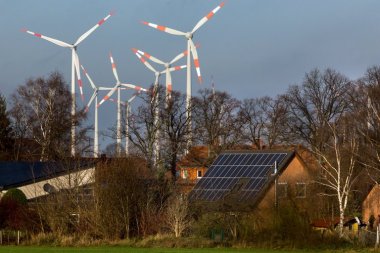
Renewables (Photo: Gordon Welters for The New York Times)
¶ The energy division of Toshiba Corp has just showcased a telescopic pipe that holds a pan-tilt camera designed to gather important information from inside the chambers of nuclear reactors that melted down in Fukushima. The 13-meter-long device is designed to give better insight into the full extent of the damage. [Interesting Engineering]
US:
¶ California still gets a small part of its electricity from three out-of-state coal plants in Oregon, New Mexico, and Utah. For the last 24 years, some of that highly polluting coal-fired electricity has powered parts of the Coachella Valley. But the shutdown of a unit at the San Juan coal plant in New Mexico makes Coachella Valley coal-free. [The Desert Sun]

Desert Sunlight solar farm (Photo: Jay Calderon | The Desert Sun)
¶ Southern California Edison proposed to meet energy needs in Ventura County with a new transmission and power storage. The plan, submitted to a division of the California Public Utilities Commission, is seen as a significant road block or even a dead end to fossil fuel power plants proposed in Oxnard and Santa Paula. [Ventura County Star]
¶ After the Trump administration ordered a halt to work on a study of the health effects of mountaintop removal coal mining, the prestigious National Academy of Sciences is pursuing private funding to complete the work. A spokesperson for the National Academies said private donors have expressed interest in paying to complete the study. [WKU Public Radio]
geoharvey is free and without ads.
geoharvey is not tax-deductible.
Posted in nuclear power, renewable power, solar, wind | Leave a Comment »
Tags: nuclear, nuclear power, renewable power, solar power, wind power
December 24, 2017
Opinion:
¶ “Year of reckoning for climate change” • The Thomas Fire has demonstrated to Southern Californians how climate change can be consequent for us. One event is not typically attributable to climate change, but it is just the latest in a series of $1 billion weather events and climate disasters that has made 2017 the worst year on record. [Ventura County Star]

Thomas fire, just another $1 billion weather event in 2017
(Mike Eliason | Santa Barbara County Fire Department via AP
Science and Technology:
¶ Earlier this month, the director-general of the International Thermonuclear Experimental Reactor (ITER) announced that construction of the project had reached the halfway point. It is an important milestone for the multi-billion-dollar nuclear fusion facility being constructed in southern France. The goal is to begin generating plasma by 2025. [Digital Trends]
¶ Energy startups have been using blockchain for sharing electricity in microgrid trials from Texas to Tasmania for a year or so. But now companies are moving from trials to commercial projects, leveraging the distributed ledger technology for trading and payments on scales ranging from neighborhoods to city-wide and even national. [Daily Times]
PowerPod used to record data for blockchain transactions
World:
¶ The first all-electric e-Crafter vans have now been delivered to customers by Volkswagen Commercial Vehicles. Initial deliveries in Germany, the Netherlands, the UK, and Sweden will be used as test vehicles until the middle of 2018, when a widespread rollout may follow with design changes based on test fleet operator feedback. [CleanTechnica]
¶ Egypt’s Ministry of Electricity will offer tenders in the first quarter of 2018 to establish 500 MW of solar power plants. The Egyptian Electricity Transmission Company has set a cap on the price for purchasing electrical power at 3.8¢/kWh, the same price agreed upon with Sky Power to establish 600 MW of solar power. [MENAFN.COM]

Keeping solar panels clean in Egypt
¶ The world’s largest spark plug manufacturer, Japan’s NGK Spark Plug Co, has now revealed that it is shifting its focus towards solid-state battery tech. Apparently, execs at NGK Spark Plug had seen the writing on the wall in 2010, following the launch of the Nissan LEAF and right as the Tesla Roadster was making waves. [CleanTechnica]
¶ RES Australia and Macquarie Capital are to supply power to a Telstra-led consortium from the 226-MW first phase of the Murra Warra wind farm near Horsham in western Victoria. The consortium also includes ANZ, Coca-Cola Amatil and the University of Melbourne. The wind farm is expected to be operational by mid-2019. [reNews]
Wind farm (Pixabay image)
¶ Kuujjuaq, the largest Inuit community of the Nunavik territory, is leading the way on solar energy for the region with a project that saved more than 400 liters (105.67 gallons) of diesel between September and October, by providing 1,100 kWh from solar panels. This follows successful use of solar power in Alaska as a model. [Futurism]
¶ State-owned Swedish utility Vattenfall expects to be carbon neutral sooner than planned, its Chief Executive Magnus Hall told German weekly Welt am Sonntag. “Believe that 2050 is not enough. We can manage that sooner,” the paper quoted him as saying. “Whether it will be 2040 or 2045, we can’t and won’t define that exactly.” [ETEnergyworld.com]

Thermal power plant
¶ Sri Lanka on its drive to meet its current and future electricity demand by use of renewable energy has planned to set up several solar and wind power plants in the country’s northern areas. A 300-MW wind energy park is expected to be built in Mannar Island. And solar arrays totaling 220 MW are under construction. [Colombo Page]
US:
¶ Alliant Energy Corp’s Iowa utility company is adding a wind farm in central Iowa to serve its customers in that state. The wind farm will have 69 turbines with a capacity 170 MW. Output is expected to be enough to provide for the annual needs of about 50,000 homes. Construction will start in 2018 at a cost expected to be $300 million. [Madison.com]
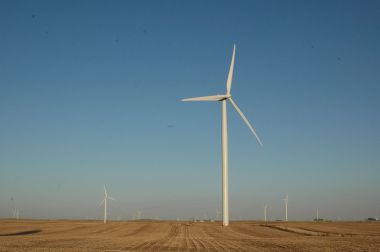
Alliant Energy wind farm (Photo: Alliant Energy Corp)
¶ Kit Carson Electric Cooperative and its electric energy supplier, Guzman Energy Partners, announced a land-lease agreement and 30-year solar Power Purchase Agreement to build up to a 4-MW solar array at the Taos Regional Waste Water Treatment Plant. It will be the largest solar array built in KCEC’s service area to date. [Los Alamos Daily Post]
¶ California’s freakish, “rainy-season” Thomas Fire is only 65% contained. It is expected to burn into the new year, during what is normally the area’s wettest season. The Los Angeles Times reports that the Thomas Fire has done that despite a record number of firefighters (8,500) and amount of money spent ($175 million). [National Observer]
geoharvey is free and without ads.
geoharvey is not tax-deductible.
Posted in nuclear power, renewable power, solar, wind | Leave a Comment »
Tags: nuclear, nuclear power, renewable power, solar power, wind power
December 23, 2017
Opinion:
¶ “Under Trump’s Nose, US Offshore Wind Energy ‘Revolution’ Stirs Like A Mighty Beast” • US President Donald Trump is famously not a fan of renewable energy. Nevertheless, under his watch the US offshore wind industry is beginning to realize its potential for killing off the nation’s dwindling stock of coal and nuclear power plants. [CleanTechnica]

Fishing near the Block Island wind farm
¶ “Meet the Lawyer Trying to Make Big Oil Pay for Climate Change” • Steve Berman won a $200 billion settlement from tobacco companies in the ’90s. Now he represents Oakland and San Francisco in a lawsuit demanding that Exxon, Shell, Chevron, ConocoPhillips, and BP pay billions for sea walls and other defenses against ocean rise. [VICE]
¶ “The Future Of American Jobs Is Renewable Energy” • The Trump administration has promised to bring back coal jobs, but the future of work won’t be fossil fuels. No, renewable energy is where it’s at, if you’re looking for a job in the energy industry; just look for a job where state and local governments are already renewable-friendly. [PayScale Career News]
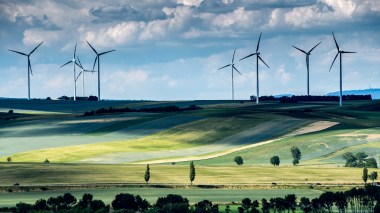
Renewable Power (Photo: Dimitry Anikin)
Science and Technology:
¶ New research published this week in Geophysical Research Letters finds that an algae-ice melt feedback loop is a considerably bigger deal than scientists previously realized: On the Greenland ice sheet, the second-largest in the world, “algal darkening” is responsible for 5% to 10% of the total ice-sheet melt each summer. [Quartz]
¶ Beavers are accelerating climate change, according research presented at the American Geophysical Union’s annual meeting. Warmer temperatures enable the rodents to take up residence farther and farther north, and as they settle into their new digs and build dams, the floods thaw once permanently frozen ground. [Science Magazine]

Beaver
World:
¶ Driven by a historic low solar and wind power tariff, India is lining up green project auctions to the tune of about ₹2.7 lakh crore ($15 billion) in 2018. The government has drawn up a plan to auction 30 GW of solar, 10 GW of wind and 5 GW of offshore wind projects next fiscal, with an average equipment cost of ₹6 crore/MW ($0.90/watt). [Millennium Post]
¶ The Turkish wind energy sector attracted $12.3 billion over the past 11 years, according to Turkish Wind Energy Association data. Installed windpower capacity in the country was around 146 MW in 2007 and has now reached a capacity of approximately 6,500 MW. Turkey’s investment will reach around $5 billion in 2017 alone. [Brinkwire]

Wind power in Turkey
¶ Russia has agreed a deal to build a nuclear power station in Sudan, weeks after President al-Bashir, who is wanted by the International Criminal Court, visited President Putin. The deal comes despite Mr Bashir facing charges of genocide and war crimes at the court in the Hague, and the US accusing Sudan of being a sponsor of terrorism. [The Times]
¶ In what could be a significant development for both Russia and India, two VVER-1200 reactors of Russian design will be built near Rooppur in Bangladesh. Signalling the start of construction, the first pour of concrete for the foundation of the first unit took place on November 30, 2017, at Ishwardi village, near Rooppur, about 160 km from Dhaka. [Frontline]

The first pour of concrete (Photo: Rosatom)
US:
¶ More than three months after Hurricane Maria devastated Puerto Rico and destroyed much of its rickety utility grid, a third of the island is still without electricity. The new tax plan passed by congress adds insult to that injury by making Puerto Rican companies pay a 12.5% tax on intellectual property as foreign corporations. [CleanTechnica]
One way to one help the people of Puerto Rico is to
donate at [Sunnyside Solar’s crowdfunding website].
¶ California’s Thomas fire, now the largest in the state’s history, has burned more than 1000 square kilometers, an area greater than New York City, Brussels and Paris combined. Most of California’s largest wildfires have been recorded this century. Scientists say the warming climate and spread of buildings into wilderness areas have been factors. [BBC]

Satellite view of the Thomas Fire (Image: NASA, EPA)
¶ Hundreds of Environmental Protection Agency employees have exited their posts at the agency over the course of President Donald Trump’s first year in office, a report by the New York Times and ProPublica said. An internal memo obtained by CNN in April revealed a buyout program that was aimed at curbing employment. [CNN]
¶ A bill that would recognize the environmental and fuel diversity attributes of New Jersey’s nuclear power plants has been approved by House and Senate utility committees. The bill will now go forward to the full legislative bodies. The two state legislative committees approved the legislation unanimously. [World Nuclear News]
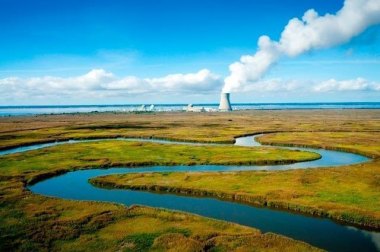
The Salem-Hope Creek nuclear complex (Image: @PSEGNews)
¶ Communities throughout New Hampshire may have warrant articles on their spring ballots urging the governor to create a task force to study the feasibility of developing offshore wind power. Three communities, Portsmouth, Dover and Durham, have already signed resolutions asking the governor to form the task force. [The Union Leader]
¶ A study published in the Journal of Environmental Economics and Management and reported by Lehigh University, showed that shutting down eastern Pennsylvania’s Portland Generating Plant reduced the likelihood of a low birth weight baby by about 15% and reduced the likelihood of a preterm birth by about 28% among those near the plant. [CleanTechnica]
geoharvey is free and without ads.
geoharvey is not tax-deductible.
Posted in nuclear power, renewable power, solar, wind | 1 Comment »
Tags: nuclear, nuclear power, renewable power, solar power, wind power
December 22, 2017
World:
¶ The new extended-range electric taxi model being made by the London Electric Vehicle Company will be exported to various parties in Norway beginning in 2018, the company announced. This follows an earlier agreement for the LEVC to supply the electric taxis to a transportation service for elderly and disabled persons in Amsterdam. [CleanTechnica]

London Electric Vehicle Company taxi (Screen shot)
¶ Transitioning the world to 100% renewable electricity is not just some environmentalist pipe dream, a study from Finland’s Lappeenranta University of Technology asserts. It is “feasible at every hour throughout the year” and is more cost-effective than the current system, which largely relies on fossil fuels and nuclear energy. [AlterNet]
¶ Enel has won the rights to develop wind farms totalling 718 MW in Brazil and Argentina, in the Latin American countries’ latest renewables auctions. In Brazil, Enel will develop three projects totalling 618 MW, after securing 20-year power supply contracts in the tender organised by the country’s energy regulator ANEE. [reNews]

Wind farm in Brazil (Image: Enel Green Power)
¶ Saskatchewan’s power generation by coal is decreasing, though it still remains the largest source, according to the National Energy Board’s Renewable Power Landscape report. In 2005, coal accounted for 67% of energy production in the province. It is now down to 49%. In one year alone, from 2015 to 2016, it fell by 6.5 per cent. [CBC.ca]
¶ German developer Innogy has completed turbine installation at its 353-MW Galloper wind farm off the Suffolk coast of the UK. The project’s final Siemens Gamesa 6.3-MW turbine was installed by Fred Olsen jack-up Bold Tern. Galloper exported first power on 5 November and 12 of the project’s 56 turbines are already sending power to the grid. [reNews]

Final turbine at Galloper (Innogy image)
¶ Wind is now the cheapest source of renewable energy in India. Auctions conducted in Gujarat on Dec. 21 revealed a record-low tariff of ₹2.43 a unit (3.8¢/kWh). That is nearly 8% cheaper than the previous low of ₹2.64 that the industry saw in October. This tariff is also less than the lowest solar power tariff of ₹Rs2.44 recorded in May. [Quartz]
¶ The Brooks project, which launched last week off the Trans-Canada Highway in southeast Alberta, is the first utility-scale solar facility in Western Canada, far surpassing any other solar project currently operating. This is the first of several renewable energy projects to be constructed in Alberta as the province shifts away from coal power. [CBC.ca]

Brooks solar project and a pump jack (Photo: Kyle Bakx | CBC)
¶ More than half of the UK’s electricity came from renewable resources and nuclear power stations between July and September, official figures show. The record high share of 54.4% of power from low carbon sources was a result of the rapid growth in solar and wind power, according to the Office for National Statistics. [The Guardian]
US:
¶ The California Public Utilities Commission was scheduled to make a decision on PG&E’s application to decommission Diablo Canyon, the last nuclear power plant in the state, on Dec 14 vote, but put the vote off to a Jan 11 meeting. The commissioners made the decision to delay the vote without explaining their reasons. [New Times SLO]

Diablo Canyon Power Plant (Photo: New Times SLO)
¶ PNM Resources has shuttered two of four coal-fired units at its San Juan Generating Station near Farmington, New Mexico, in order to comply with federal visibility regulations, Kallanish Energy reports. The company’s Public Service Co of New Mexico, the state’s largest utility, made the announcement on December 20. [Kallanish Energy]
¶ Swedish heat power technology company Climeon announced an order for a small-scale geothermal power plant in California. The market for small-scale geothermal plants has seen a surge in interest. It is expected to provide opportunities for development and investment with an estimated market volume of billions of dollars. [ThinkGeoEnergy]

Susanville, California (flickr | David Prasad, creative commons)
¶ Deepwater Wind, the developer of the nation’s first offshore wind farm, proposed to the state of Massachusetts a multi-phase wind project in conjunction with the owner of Northfield Mountain Pumped Storage Project and National Grid. The state had called for companies to supply at least 400 MW of offshore wind power. [The Recorder]
¶ Staff of the Georgia Public Service Commission asked Georgia Power whether it had considered a microgrid “for such a critical customer” as the Atlanta airport before this week’s 11-hour electrical outage. The airport lost power after a fire broke out in a service tunnel under the airport, and over 1,000 flights had to be cancelled. [Microgrid Knowledge]

Atlanta airport power outage
¶ Southern Company subsidiary Georgia Power has received permission to complete the first new nuclear units in the US in 30 years. A press release said the Georgia Public Service Commission has given the company unanimous approval to finish work on Vogtle 3 and 4, which are near Waynesboro, Georgia. [Investing News Network]
¶ The “Clean Energy Industry Report” from the Massachusetts Clean Energy Center said that the Massachusetts clean energy sector grew by 4% between 2016 and 2017. According to figures from MassCEC, the number of clean energy jobs in the state has increased by a whopping 81% since 2010, and it now employs 109,226 workers. [North American Windpower]
geoharvey is free and without ads.
geoharvey is not tax-deductible.
Posted in nuclear power, renewable power, solar, wind | 1 Comment »
Tags: nuclear, nuclear power, renewable power, solar power, wind power
December 21, 2017
Opinion:
¶ “Hinkley Point: the ‘dreadful deal’ behind the world’s most expensive power plant” • Many British observers agree that the deal to build the Hinkley Point nuclear plant is ludicrously favourable to EDF – “a dreadful deal, laughable,” said one expert. But the irony is that by the time it eventually starts working, it may have become obsolete. [The Guardian]

A view toward the Hinkley Point site in Somerset
(Photo: Deeplyvibed | Alamy Stock Photo)
¶ “Tesla’s big Powerpack battery just propped up a coal power station in another state” • Tesla’s giant battery is already proving its worth, bailing out a 560-MW coal power station nearly 620 miles (1,000 kilometres) away. The battery is powered by a wind farm. Ironic, isn’t it, that wind power bailed out a coal-burning plant? [Mashable]
World:
¶ Germany’s renewable electricity production is set to reach a record 36% in 2017, according to the country’s Federal Energy and Water Industry Association. By the end of the year, 217 billion kWh of electricity will be produced by renewable energy sources in the country. In 2016, renewables produced 188 billion kWh, a 31.6% share. [reNews]

German sunset (Pixabay image)
¶ Queensland’s new Energy Minister Anthony Lynham backed the Turnbull government’s National Energy Guarantee to end the impasse over climate policy between the federal Coalition and state Labor governments. But he said the state’s Labor government will not back down from its 50% renewable energy target. [The Australian Financial Review]
¶ Australia’s Renewable Energy Target, a source of division in Australian politics, has already been met from wind, solar and hydro energy projects under construction or in the pipeline, new research shows. The clean energy projects that are proposed and in the pipeline could supply over half of Australia’s needs by 2030. [The Australian Financial Review]
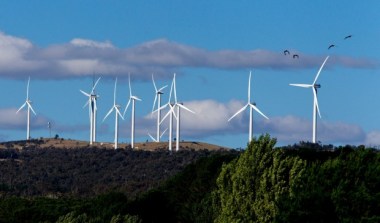
Capital Wind Farm (Photo: Ian Waldie)
¶ The cause of the December 2015 failure of the Basslink cable, which transmitted power between Tasmania and the Australian mainland, has finally been identified; two experts said it failed because Basslink Pty Ltd exceeded its design limit. The cable had been allowed to run at 630 MW; the recommended maximum is now 500 MW. [iTWire]
¶ South Korea’s plan to triple its renewable energy share by 2030 requires investments of about KRW 110 trillion ($101.7 billion, €85.8 billion), Yonhap news agency reported. The government’s plan is to get more solar and wind farms nationwide and add total of 48.7 GW of new green power capacity, growing from 7% now to 20% of capacity. [Renewables Now]

Wind farm in South Korea (Author: Carmine.shot)
¶ The Department of Energy and Infrastructure for the Spanish southern region of Extremadura has signed a memorandum of understanding with an international consortium formed by Solarcentury, Genia Global Energy, and Canopy Energies for the development of a 300-MW solar power plant in the province of Cáceres. [pv magazine International]
¶ The first biogas plant under a framework agreement between the government of Belarus and the European Bank for Reconstruction and Development has started operation in the city of Baranovichi. The facility which will generate 4,380 MWh of electricity and 3,880 Gcal of heat per year from wastewater sludge. [Renewable Energy Magazine]
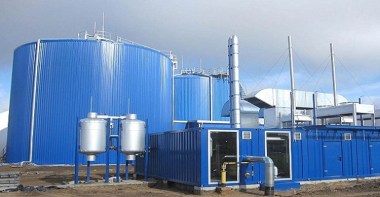
Baranovichi biogas plant
¶ Corbetti Geothermal plc, the Government of Ethiopia, and Ethiopian Electric Power have signed an implementation agreement and a power purchase agreement for Corbetti geothermal power project. The project is planned to deliver up to 520 MW of baseload renewable power to Ethiopia’s national electricity grid. [cce online news]
¶ Figures released by the UK Government today reveal the growth in Scottish renewables, which accounted for 42.9% of total Scottish energy generation in 2016. Scotland generated 24% of the total renewable power used in the UK. The government of Scotland will doubtless welcome the figures; they just released the country’s first Energy Strategy. [Energy Voice]

Windpower and deer
US:
¶ As this year comes to a close, 2017 is on track to set the all-time record for the most billion-dollar weather and climate disasters in any single year in US history. There were 15 in the first nine months, equal to all of 2011, which set the record. Remarkably, the five costliest billion-dollar disaster years have all been in the past 15 years. [CNN]
¶ Three developers have submitted bids to authorities in Massachusetts to develop up to 800 MW of offshore wind capacity off the state’s coast. The Bay State Wind partnership between Orsted and Eversource has submitted a bid including a 55-MW battery storage project. The state plans to install 1.6 GW of offshore windpower by 2027. [reNews]
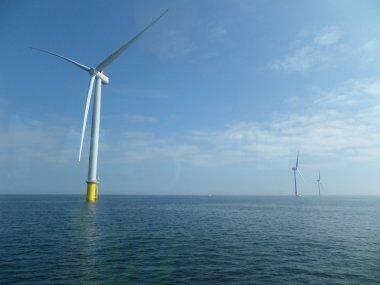
Westermost offshore wind farm (Image: Orsted)
¶ Cows are now powering one of New England’s most popular ski resorts. The green mountains of Vermont, dressed in winter white, are home to Killington Resort, visited by hundreds of thousands of skiers each season. Now, Killington is making renewable energy a priority and it all starts, not at a mountain, but on the farm. [My Fox Boston]
¶ South Carolina’s utility regulators refused to throw out two cases against SCANA Corp, as the utility owner and state officials continue to argue over who should pay for two abandoned nuclear reactors at VC Summer station. The commission will consider whether the utility or its customers must take up the losses. [Charleston Post Courier]
geoharvey is free and without ads.
geoharvey is not tax-deductible.
Posted in nuclear power, renewable power, solar, wind | 1 Comment »
Tags: nuclear, nuclear power, renewable power, solar power, wind power
December 20, 2017
Opinion:
¶ “Utility regulators call for changes to PURPA” • We have seen the Clean Power Plan abandoned, a proposed coal and nuclear bailout, the tax overhaul and trade action under Section 201. Now we have to worry about reform of the Public Utilities Regulatory Power Act of 1978, a big driver of utility-scale solar in the US. [pv magazine USA]
Science and Technology:
¶ This year will almost certainly rank as one of the planet’s top five warmest years on record, according to new data from the NOAA and NASA. In fact, the top NASA climate scientist reported that 2017 is likely to be the second-warmest year on record, behind 2016, which in turn displaced 2015 from the top spot. [Mashable]
¶ Fierce hurricanes, heatwaves, floods and wildfires ravaged the planet in 2017, as scientists said the role of climate change in causing or worsening certain natural disasters has grown increasingly clear. It was also the year the world’s second largest polluter, the US, turned its back on the 196-nation Paris climate deal. [The National]
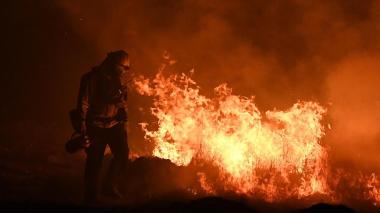
Lighting a backfire in California (Mark Ralston | AFP)
World:
¶ China’s Tus-Wind, TusPark Newcastle, and the UK’s Offshore Renewable Energy Catapult have made a deal to work together to accelerate technology growth in the UK and China. The deal could lead to benefits for UK-based businesses and universities worth £220 million ($294 million) with access to the Chinese offshore wind market. [Energy Digital]
¶ The Germany luxury auto manufacturer BMW has achieved its goal of selling at least 100,000 plug-in electric vehicles in 2017, the company revealed in an email sent to CleanTechnica. That means that BMW experienced year-on-year plug-in electric vehicle sales growth of over 60%, as compared to 62,255 sold worldwide in 2016. [CleanTechnica]
BMW 740Le
¶ China announced it is officially beginning its nationwide carbon trading scheme, to meet its obligations specified by the Paris Agreement. Under the new system, firms involved in the scheme need either to cut their emissions using green technology or to offset their carbon emissions by buying spare quotas from other companies. [GBTIMES]
¶ Dutch power provider Nuon has a 200-MW PV project pipeline in the Netherlands, according to a press release from its parent company, Swedish electric utility Vattenfall. Nuon, which has specialized in the developing wind power projects, said that co-location of solar and wind technologies is “many times a great idea.” [pv magazine International]
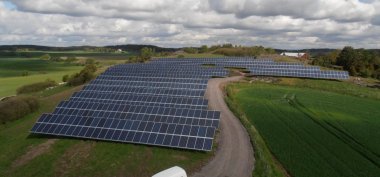
Solar array (Vattenfall image)
¶ South Korea said it plans to increase its solar-generated power five-fold from the current level by 2030 to boost renewable sources in the nation’s energy mix. South Korea is reducing reliance on nuclear power, and this year the government has torn up plans to build six more reactors in favour of “eco-friendly” energy sources. [ETEnergyworld.com]
¶ Kansai Electric Power Co is set to decommission the first large-scale reactors outside of Fukushima Prefecture since the 2011 nuclear disaster, a move that could affect the government’s Basic Energy Plan. The utility apparently decided that it would not be worth the effort and money to upgrade two reactors at the Oi nuclear plant. [Asahi Shimbun]
US:
¶ The EPA issued a formal proposal on December 18 asking stakeholders how they would change the Clean Power Plan, which currently would require industry to reduce CO2 emissions by 32% by 2030. This is the Trump administration’s first official act to find an alternative to the rule. It is now being held up in the federal court system. [Environmental Leader]
¶ Great River Energy, a Minnesota cooperative, is offering a commercial green tariff program in response to growing demand from business customers. The program was requested by the Dakota Electric Association, which will offset all of the electricity use at its Minneapolis headquarters with wind energy credits. [Midwest Energy News]
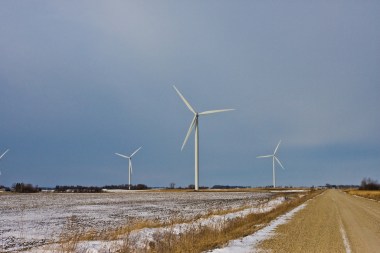
Midwest wind farm
¶ The Trump administration has dropped climate change from a list of global threats in a new national security strategy President Trump unveiled on Monday. The exclusion of climate change as a national security threat appears, however, to conflict with views previously expressed by the defense secretary, James Mattis. [The Guardian]
¶ In New Mexico, the Otero County Electric Cooperative signed a 25-year power purchase agreement with SoCore Energy for electricity from the 3-MW Carrizozo solar project. The Rocky Mountain Institute said the price was the lowest for distributed energy in the country, at 4.5¢/kWh. The project is expected to come online in March. [pv magazine USA]
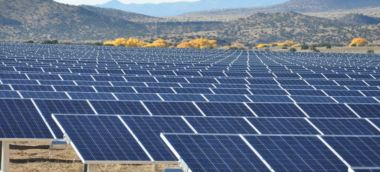
Solar array (Public Service Company of New Mexico image)
¶ UPS announced that it has placed a pre-order for 125 Tesla Semi electric trucks, beating PepsiCo’s record for a pre-order of 100 units. The Tesla trucks are expected to sell for $200,000 each, $75,000 more than UPS pays for a typical diesel-powered tractor, but the electric trucks will save them money because of low maintenance costs. [CleanTechnica]
¶ A small eastern Aleutian community is now getting nearly all of its electricity from renewable sources. With a second hydro facility that began producing power late this spring, the city of King Cove has dramatically reduced its dependence on diesel. Electricity costs 30¢/kWh in King Cove, one of the lowest rates in rural Alaska. [KDLG]
geoharvey is free and without ads.
geoharvey is not tax-deductible.
Posted in nuclear power, renewable power, solar, wind | Leave a Comment »
Tags: nuclear, nuclear power, renewable power, solar power, wind power
December 19, 2017
(This post was prepared on a Raspberry Pi computer. It draws 2 watts.)
Opinion:
¶ “Why Tax Overhaul Can’t Kill The Renewable Energy Surge” • The tax credits renewable energy advocates worried over were restored in the reconciliation version of the bill now in front of Congress. Could this president kill off renewable energy by pulling the plug on tax rules that favor renewables down the road? Think batteries. [Forbes]

Wind turbine (Photo: Patrik Stollarz | AFP | Getty Images)
Science and Technology:
¶ Solid Power, a developer of solid-state rechargeable batteries, announced that the BMW Group is partnering with it to develop its solid-state batteries for use in BMW’s future electric vehicle models. BMW will assist Solid Power to advance its technology to achieve performance levels demanded by its customers. [CleanTechnica]
¶ Researchers at the University of York in the UK are putting forward an idea they say could capture almost a billion tons of carbon dioxide a year at relatively low cost and turn it into the mineral Dawsonite, which is chemically sodium aluminium carbonate hydroxide. Unfortunately, Dawsonite has no known practical uses. [CleanTechnica]
World:
¶ Seemingly in anticipation of surging demand for electric light-duty commercial vehicles as stricter regulations go into effect, Renault has formed a new joint venture in China with the firm Brilliance China Automotive Holdings Ltd. The plan is for the new joint venture to sell 150,000 vehicles a year by 2022, according to reports. [CleanTechnica]
¶ One of the top mining firms in the world, Rio Tinto, has been operating a fleet of autonomous trucks in various parts of Australia. Building on these earlier and current deployments, the company is now planning a large increase of the size of the autonomous truck fleet in Australia’s Pilbara iron-ore region, as part of a cost-cutting program. [CleanTechnica]
Rio Tinto autonomous trucks
¶ The EEA report, “Renewable energy in Europe – 2017 update,” provides an overview of progress in renewable energy in Europe, based on official statistics until 2015 and preliminary estimates for 2016. An updated report confirms that the EU and most Member States remain on track to reach their renewable energy targets. [MilTech]
¶ Brazil has awarded more than 674.5 MW of renewable power supply contracts, the Power Trading Chamber announced. Solar power was the biggest seller with 574 MW contracted across 20 projects. Wind and hydropower each won contracts for two projects, representing a total capacity of 64 MW and 11.5 MW, respectively. [Renewables Now]

Solar panels (Image: pornvit_v | Shutterstock.com)
¶ BP will put $200 million into solar energy firm Lightsource, thereby acquiring a 43% stake in it, the company has revealed. Lightsource is the largest solar energy project developer in Europe. It aims to quadruple its project capacity to around 8 GW over the coming years in Europe, the US, the Middle Ease, and India. [CleanTechnica]
¶ European Union environment and energy ministers agreed on renewable energy targets for 2030. This is ahead of negotiations next year with the European Parliament, which has called for more ambitious green energy goals. Ministers said they would aim to source at least 27% of the bloc’s energy from renewables by 2030. [ETEnergyworld.com]
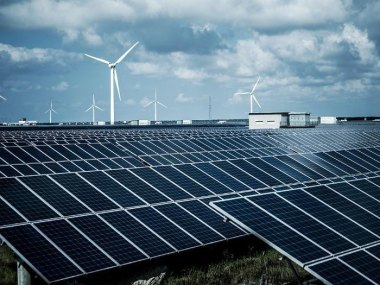
Solar and windpower
¶ The South Korea Ministry of Trade, Industry and Energy has announced its 8th long-term plan for electricity supply and demand. The plan’s target is to generate 20% of electricity from renewable energy sources by 2030. The aim for natural gas’ share is 18.8%, with coal’s expected to be at 36.1% and nuclear power’s at 23.9%. [PV-Tech]
US:
¶ Plans for Alliant Energy’s latest wind project would add another 170-MW wind farm to Iowa’s growing population of turbines. This is on the back of Alliant’s 2016 pledge to spend $1 billion on 500 MW of wind power. The Poweshiek County project is expected to receive final approval this week and be completed in 2020. [The Gazette]
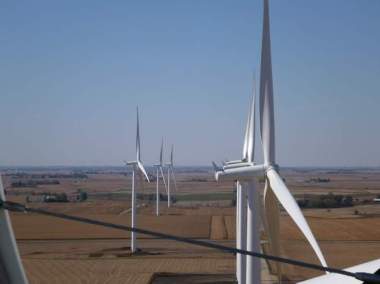
MidAmerican wind project (MidAmerican Energy photo)
¶ The Wisconsin Conservative Energy Forum was unveiled last week. Its director said its sole purpose is to educate Republicans that “renewable” and “clean” are not dirty words that should make right-thinking people recoil in horror. The chairman of the group is Tommy Thompson, Wisconsin’s longest serving governor. [CleanTechnica]
¶ A solar company plans to invest $115 million in construction of a 75-MW solar farm in Orangeburg County, South Carolina. Cypress Creek Renewables’ facility will be located on 550 acres near Bowman. No new jobs are promised with the investment, but there will be employment related to the ongoing operation of the facility. [The Tand D.com]
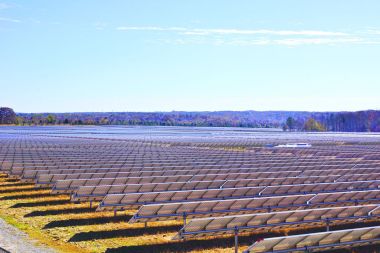
Solar power (see article for rights)
¶ Susquehanna University entered into an agreement with WGL Energy Systems to develop a 3.9-MW DC ground-mounted solar array that will supply 30% of the university’s electricity needs. Construction has already begun on the 12,000-panel, 14-acre project. It will be the largest university-sponsored solar array in Pennsylvania. [Newsroom]
¶ Puerto Rico’s electric utility company has appointed two Hawaii energy leaders to the newly created advisory council Transformation Advisory Council. The council is set to assist in rebuilding and strengthening the island’s power grid following the devastation of Hurricane Maria, according to a press release. [Pacific Business News]
One way to one help the people of Puerto Rico is to
donate at [Sunnyside Solar’s crowdfunding website].
geoharvey is free and without ads.
geoharvey is not tax-deductible.
Posted in nuclear power, renewable power, solar, wind | Leave a Comment »
Tags: nuclear, nuclear power, renewable power, solar power, wind power
December 18, 2017
Opinion:
¶ “Why Truck Fleet Buyers Are Keen On The Tesla Semi (Calculations)” • An increasing number of companies have shown interest in Tesla Semi with pre-orders. That includes large corporations like Sysco, Anheuser-Busch, Walmart, Loblaw, Deutsche Post / DHL, and PepsiCo. Recognize any of those names? [CleanTechnica]
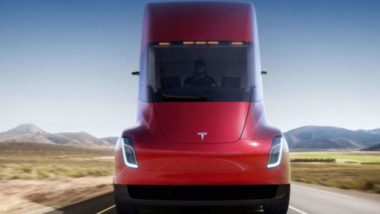
Tesla Semi (Tesla image)
Science and Technology:
¶ Systems design and energy technology company Faraday Grid launched its prototype Faraday Exchanger, which it says can be used to integrate significantly high levels of renewable energy onto the grid. The technology is intended to be integrated into existing electricity networks, smoothing out the volatility of intermittent renewables. [Clean Energy News]
World:
¶ Power prices in Australia rose almost 11% during 2017, but a new forecast says they will fall over the next two years because of the entry of 5,300 MW of new generation capacity into the national electricity market, most of it renewable. The Australian Energy Market Commission predicts a fall in power prices beginning in mid-2018. [The Guardian]

New South Wales (Photo: Jonny Weeks | Guardian)
¶ Venezuela awarded licences to Russian energy giant Rosneft to develop two offshore gas fields in the Caribbean Sea. The deal, which allows a subsidiary to export gas from the fields for the next 30 years, still needs final official approval before production begins. Russia is a close ally of Venezuela and seeks to expand its influence in Latin America. [BBC]
¶ Wales generated 43% of its electricity through renewables in 2016. That’s according to a new government report, which says this was up nearly a third from the previous year. There are 62,420 projects of renewable energy under local ownership in Wales. They generate 575-MW, with solar making up 81% of the total installations. [Energy Live News]

Y Ddraig Goch (Shutterstock image)
¶ The Jamaican Ministry of Science, Energy and Technology announced that work has begun on what will be the country’s largest PV plant. The 37-MW project is being developed by French independent power producer Neoen. It owns a 50% stake in the plant, and is building it through its unit Eight Rivers Energy Company. [pv magazine International]
¶ The Assam Energy Development Agency under the state’s science and technology department aims to provide solar energy to around 7,000 families. The project will be implemented to reduce dependence for power on other sources. It is now waiting for a no-objection certificate from the Assam Power Distribution Company Ltd. [EnergyInfraPost]

Solar power for Assam
¶ The International Energy Agency has once again forecast that world coal demand will rise, despite halving its outlook for growth in India. The report says the increase will be small. Since 2011, the IEA has consistently forecast rising coal demand, even as it has repeatedly adjusted its figures downwards in light of lower-than-expected growth. [Carbon Brief]
¶ For all the new wind parks, solar farms, and hydro plants that will help Germany generate yet another renewable energy record this year, the world’s dirtiest power fuel still sets the price for how much factories are paying for electricity. The average German day-ahead power price is expected to rise this year for the first time since 2011. [BloombergQuint]
¶ South Korea aims to lift the share of renewables in its total power mix to 20% by 2030 under a new plan to cut dependence on coal and nuclear power. The country will bet on liquefied natural gas and renewable energy, mainly by investing in wind and solar projects, and will fight to lower greenhouse its gas emissions 26% by 2030. [Renewables Now]
US:

Wind turbine
¶ A proposed Montana wind farm moved one step closer toward breaking ground after receiving the go-ahead from the state regulators. The Public Service Commission voted unanimously to approve the sale of electricity from the facility to Northwestern Energy under the terms of a 15-year power purchase agreement. [Windpower Engineering]
¶ Energy Secretary Rick Perry’s proposal to subsidize coal and nuclear power plants to insure grid reliability got a response from the North American Electric Reliability Corp. NERC’s 2017 Long-Term Reliability Assessment said renewable power and natural gas could match conventional generators for important metrics of reliability. [Kallanish Energy]
¶ US Wind has contracted Oceaneering International to carry out geophysical marine surveys of the site of the up to 750-MW Maryland offshore wind project. The work is scheduled to start in the second half of 2018 at the lease area about 40 km off the coast of Ocean City. The wind farm is planned to be built in stages, the first will be 248 MW. [reNews]
geoharvey is free and without ads.
geoharvey is not tax-deductible.
Posted in nuclear power, renewable power, solar, wind | Leave a Comment »
Tags: nuclear, nuclear power, renewable power, solar power, wind power
December 17, 2017
Opinion:
¶ “Tesla vs. Tesla: The Juice In Your Car Will Increasingly Come Through HVDC, Edison’s Preferred Current” • This is partially a Thomas Edison vs Nikola Tesla story. Edison was committed to direct current, but Tesla liked alternating current. Edison did some ugly things to try to win the fight, but lost. Now the world is moving his way. [CleanTechnica]
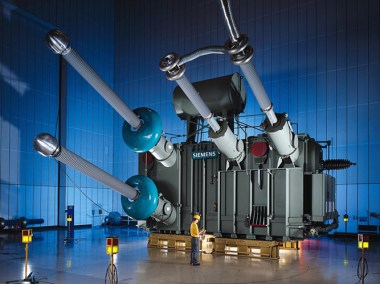
Converter Transformers
¶ “The year is 2037. This is what happens when the hurricane hits Miami” • After the hurricane hit Miami in 2037, hotel lobby floors in Miami Beach are covered by a foot of sand. A dead manatee floats in a pool where Elvis had swum. Most damage came not from the hurricane’s 175-mile-an-hour winds, but from the twenty-foot storm surge. [The Guardian]
¶ “Canada’s Oil Capital Making Leap to Renewable Energy” • The government of Alberta, home to the world’s third-largest oil reserves, auctioned off 595 MW of renewable energy capacity, exceeding its target of 400 MW. The government billed moving toward renewables as a continuation of the province’s leading position in energy. [Financial Tribune]

Sunset with wind turbines and solar panels
World:
¶ India plans to boost solar module manufacturing by providing ₹11,000 crore ($1,653 million) of direct support together with concessions to cut reliance on imports from China. The Ministry of New and Renewable Energy aims to provide a 30% subsidy for setting up new plants and expanding the existing ones, according to its website. [BloombergQuint]
¶ In an attempt to revive aging farming communities and put clean energy on the local electric grid, two farms in northeastern Japan are growing cloud-ear mushrooms underneath arrays of solar panels. Together, the farms will produce a combined 4,000 kW of solar power and 40 tons of cloud-ear mushrooms every year. [GOOD Magazine]

Installing solar panels
¶ As part of its campaign to promote green energy, the Central Railway has installed 28 solar power plants with a capacity of 924 KW on its five divisions and at a workshop. In addition, LED lights, which save energy as compared to conventional lights, have already been provided at 250 railway stations on Central Railway. [Times of India]
¶ The South Australia government decided to fast-track its switch to 100% renewable energy through a contract with Adelaide-based SIMEC ZEN Energy. The company plans to build 1 GW of solar, storage, and demand management to power the Whyalla Steelworks, which expects to cut its costs by 40% with a switch to renewables. [RenewEconomy]
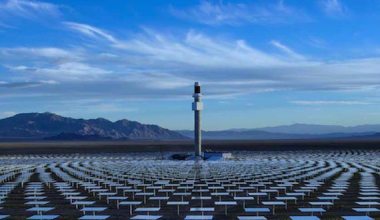
Solar thermal system in Nevada
¶ Siemens Gamesa is set to add 380 MW to the Egyptian national electricity grid with the Gabal Al-Zayt wind farms during the first quarter of 2018. Sources at the New and Renewable Energy Authority said that Gab al Al-Zayt project implementation rate stood at 80%, surpassing the time schedule set for the project by Gamesa. [Daily News Egypt]
¶ Tasmanian residential energy prices could drop up to 6.5% over the next two years, the Australian Electrical Market Commission said. The AEMC’s annual report on price trends indicated a national fall in prices from mid 2018 as variable wind and solar generation comes online. Australia has seen an 11% price rise in the past year. [Tasmania Examiner]
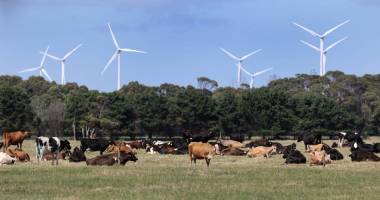
Wind farm (Tasmania Examiner file photo)
US:
¶ The US renewable energy industry expressed relief after a compromise Republican tax bill released late on Friday preserved key tax credits that had been at risk of being removed, but it raised concerns about a provision that may threaten investment in the sector. Solar industry group SEIA called the tax bill a “great victory” for the sector. [The Japan Times]
¶ Batteries plus solar energy could topple natural gas peaker plants. A GTM Research senior adviser said 10 GW of the 20 GW of the plants projected to be constructed between 2018 and 2017 could be taken over by energy storage. More aggressive estimates suggest the gas peaker plants may not even have a place after 2020. [Inhabitat]

Tesla battery storage at a solar array
¶ Health leaders say they are alarmed about a report that officials at the CDC are being told not to use certain terms in official budget documents, including “fetus,” ”transgender,” and “science-based.” Climate change is just one of several topics on which federal agencies have downscaled data collection since President Trump took office. [Press of Atlantic City]
¶ Hundreds of US colleges and universities are taking action to combat global warming, but so far just one residential college has turned 100% to renewable energy: Hampshire College, in Amherst, Massachusetts. The college has installed a 19-acre solar farm, with 15,000 panels and a capacity of about 4.7 MW of power. [Jefferson Public Radio]

The Harold F Johnson library at Hampshire College
¶ The rate of new thyroid cancer cases in the four counties just north of New York City, which was 22% below the US rate in the late 1970s, is now 53% above the US rate, a study said. The Indian Point nuclear plant may be to blame. A study co-author said, “The only known cause of thyroid cancer is exposure to radioactivity.” [San Francisco Bay View]
¶ It’s a question few in the Atlanta area want to think about: What happens if state regulators pull the plug on Plant Vogtle’s units 3 and 4? The first thing to empty would be the 42-acre lot where Vogtle’s 6,000 construction workers park. Then there would be an exodus of RVs, travel trailers, and campers the workers called home. [The Augusta Chronicle]
geoharvey is free and without ads.
geoharvey is not tax-deductible.
Posted in nuclear power, renewable power, solar, wind | 2 Comments »
Tags: nuclear, nuclear power, renewable power, solar power, wind power
December 16, 2017
Science and Technology:
¶ In a paper published Friday in Diversity and Distributions, a professional journal, researchers in the College of Forestry at Oregon State University reported that the more sensitive a bird species is to rising temperatures during the breeding season, the more likely it is to be affected positively by being near old-growth forest. [KTVZ]
¶ Europe’s new Sentinel-5P satellite has captured a dramatic image of the smoke billowing away from the devastating California wildfires. It is a powerful demonstration of 5P’s ability to sense the atmosphere. The plume is seen to sweep westwards out over the Pacific Ocean near Los Angeles and then turn north towards the State of Oregon. [BBC]
World:
¶ Canada is close to approving the first Pipistrel e-plane, Alpha Electro, for legal flights in the country. After the final phase of approval in the advanced ultra-light category, the e-plane will be able to roam the Canadian skies. This was made easier due to Canada having already allowed the Alpha Trainer to operate as an ultra-light category aircraft. [CleanTechnica]
Charging the Pipistrel Alpha Electro
¶ The National Australia Bank, one of the country’s leading banks, announced this week that it will cease financing new thermal coal mining projects, becoming the first major bank in the country to make such a decision. This is in a country that is historically and globally renowned as utterly reliant on coal production. [CleanTechnica]
¶ The Netherlands has launched the world’s first “zero subsidy” tender to build 700 MW of offshore wind. Shortly after the announcement, the country already had its first bidder. Zero subsidy tenders have been labeled as a “game-changer” because potential bidders would rely entirely on the market, without government incentives. [EcoWatch]
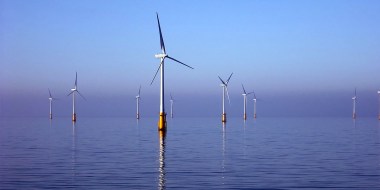
Offshore wind farm (Wikimedia Commons)
¶ BP announced acquisition of a 43% interest in solar power company Lighthouse for $200 million. This follows in the footsteps of peers Shell and Total, which have been very active in the renewables sector recently. Lighthouse is the largest utility-scale solar developer in Europe. BP already has investments in other renewables. [OilPrice.com]
¶ The UK government opened a consultation on proposals to allow remote island wind projects to apply for a Contract for Difference in the next auction for less established renewable technologies in 2019. The consultation proposes definitions for remote island wind, includes impact assessment, and seeks views on effects on island communities. [reNews]

Orkney (Image: Heriot Watt University)
¶ Northvolt, a battery manufacturer, and sustainable energy company Vestas announced a technology collaboration on the development of a lithium-ion battery platform for Vestas power plants. As an initial phase of the partnership, Vestas is investing €10 million. Both providers are looking for ways to accelerate product integration. [Windpower Engineering]
US:
¶ The journal Science Advances released a report, “Discriminating between natural versus induced seismicity from long-term deformation history of intraplate faults,” which addresses the causes of an unnatural number of earthquakes that hit Texas in the past decade. The authors suggest activities associated with fracking as a cause. [CleanTechnica]
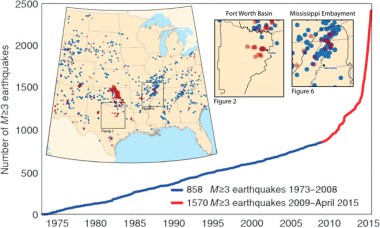
Post-2008 seismicity rate change in the CUS
¶ The US solar industry installed 2,031 MW in the third quarter of 2017, in its eighth consecutive quarter in excess of 2 GW, but its smallest quarter for two years, as political uncertainty and increasing prices shuttered the industry’s recent success. The figures are from GTM Research and the Solar Energy Industries Association. [CleanTechnica]
¶ The Hawaii Supreme Court ruled on Thursday in favor of an appeal brought by Earthjustice on behalf of the Sierra Club. The court held that Sierra Club had a due process right to be heard to protect its environmental interests. The Hawaii Constitution declares, “Each person has the right to a clean and healthful environment.” [Maui Now]

Central Maui plain (Photo: Wendy Osher | Maui Now)
¶ The city of Tacoma wants to turn sewage poop into fuel. The city’s Environmental Services Department also is hoping to make a little money from the endeavor. A project they proposed would convert methane, a byproduct of the solid waste processed at the city’s wastewater treatment plant, into renewable natural gas. [The News Tribune]
¶ Congressional Republicans released the text of a tax proposal that includes incentives for electric vehicles and wind power, as well as a fix to the so-called BEAT provision critical to renewable energy. Nuclear tax credits, however, were excluded from the bill. The legislation combines of bills passed by the House and Senate. [Utility Dive]

US Capitol
¶ Austin Energy will buy the solar power produced by a 150-MW facility to be built by Intersect Power. Austin Energy would pay $150 million over the life of the 15-year contract. When this solar array comes online in 2020, Austin Energy estimates that more than half of the city’s power needs will be covered by renewable energy. [MyStatesman.com]
¶ Three state senators in New Jersey sponsored a bill that could cost electric ratepayers about $320 million a year to subsidize nuclear reactors that could otherwise be closed. Last week, the CEO of Public Service Enterprise Group Inc, which operates three reactors in the state, said he may be forced to shut the units if there are no subsidies. [Reuters]
geoharvey is free and without ads.
geoharvey is not tax-deductible.
Posted in nuclear power, renewable power, solar, wind | 1 Comment »
Tags: nuclear, nuclear power, renewable power, solar power, wind power
December 15, 2017
Science and Technology:
¶ Data processing machines often have algorithms judging whether data is sufficiently outside the normal range that it will contaminate a study. Because of climate change, a weather recording site in Utqiaġvik, Alaska, rejected all of the data it received for the entire month of November because it was made up of nothing but outliers. [CNN]

Retreating glacier in Greenland (Mario Tama | Getty Images)
World:
¶ Battery storage and smart technologies are to be rolled out to homes in the Irish town of Dingle as part of a new trial to test their potential for a virtual power plant on the Irish electricity grid. Twenty homes will be selected to take part in the €1.12 million ($1.32 million) StoreNet project, which will last up to two years. [Energy Storage News]
¶ The Ministry of New & Renewable Energy in India chosen the district of Anantapur in the state of Andhra Pradesh for a solar-wind hybrid project that will be the world’s largest. The mega project will have a capacity of 160 MW and will cover 1000 acres. The project is expected to entail an investment of approximately ₹1000 crores ($155 million). [CleanTechnica]
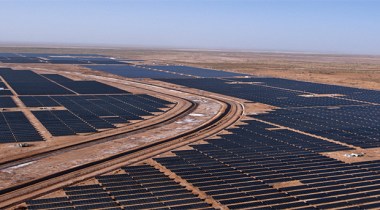
Indian solar array
¶ Hungary will relax rules on the construction of small solar power plants and subsidize loans to landowners as part of efforts to promote renewable energy, a government official said. Over half of Hungary’s electricity comes from its sole nuclear power plant, and 29% of its electricity is imported. The government wants to change this. [ETEnergyworld.com]
¶ Between January 2014 and September 2017, big banks provided $630 billion in financing to the 120 top coal plant developers studies say. And major institutional investors, many of which are members of groups that warn about investing in companies whose products cause climate change, have put $140 billion into the same companies. [CleanTechnica]

Coal trains
¶ Dozens of Australian businesses are actively seeking alternative ways to source energy that is much cheaper and cleaner than what they are currently getting from the grid, a new report from a major Australian bank has claimed. This includes power purchase agreements for the procurement of renewable energy generation. [RenewEconomy]
¶ A report published by the UK Department for Business, Energy and Industrial Strategy said that UK onshore windpower showed a 50% increase in energy generation between 2016 and 2017. The 2.0 TWh increase is due to increased windpower capacity, the most significant increase of all renewable technologies, over the time period. [Energy Voice]
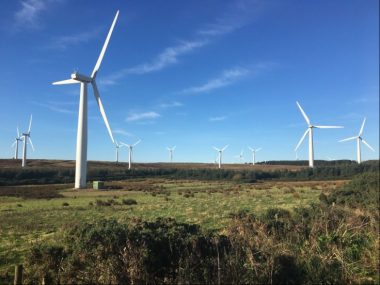
Drone Hill wind farm in the Scottish Borders
¶ The Clean Energy Finance Corporation reached 1 GW of big solar investment in Australia, after committing $207 million to two new projects being developed in Victoria and Queensland. The CEFC announced investments in the 110-MW Wemen Sun Farm in Victoria, and the 90-MW Clermont Solar Farm in Queensland. [RenewEconomy]
¶ Boskalis’ Asian Hercules 3 giant floating crane has arrived in its port in Peterhead ahead of foundation installation at Vattenfall’s 92.4-MW Aberdeen Bay offshore wind farm off the coast of Scotland. The 25,000-tonne crane will be used to transport and install the 77-metre-high, 1800-tonne steel suction bucket jacket foundations. [reNews]

Asian Hercules 3 (EOWDC image)
¶ The former energy secretary who signed off on the Hinkley Point C nuclear power plant has told Unearthed he doubts the project will ever get built. Sir Edward Davey said the lower cost of renewables today means “the economics have clearly gone away” from the project. Only a year ago, he said it was a “good deal.” [Unearthed]
US:
¶ A trash incinerator in Southwest Baltimore is the city’s largest single source of air pollution. But a state law has nonetheless allowed it to collect roughly $10 million in subsidies over the past six years through a program intended to promote green energy. The subsidies exist because lawmakers classified trash as a renewable power source. [Baltimore Sun]

Incinerator in Baltimore (Jerry Jackson | Baltimore Sun)
¶ According to Deloitte’s annual “Resources 2017 Study – Energy Management: Sustainability & Progress,” cost declines and technology advancements have made renewables competitive with conventional energy, giving consumers and businesses more clean energy options and pushing utilities to offer smarter, high-tech offerings. [Energy Manager Today]
¶ Idaho officials have reached a tentative agreement approving a utility company’s $216.5 million in relicensing expenses for a three-dam hydroelectric project on the Snake River on the Idaho-Oregon border. The Idaho Public Utilities Commission will take public comments through January 5 on the proposed agreement. [McClatchy Washington Bureau]
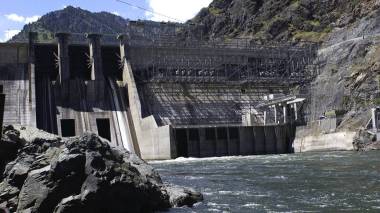
Hells Canyon Dam (Idaho Power image)
¶ EDF Renewable Energy announced commercial operations at its 154-MW Rock Falls Wind Project in northern Oklahoma have begun. Kimberly-Clark Corporation has agreed to purchase 120 MW of the power generated at the facility. Rock Falls is EDF’s second wind project in Oklahoma, following the Great Western Wind Project. [Power Engineering Magazine]
¶ If the controversial Millstone nuclear plant were to close within a few years, its many highly-skilled employees would have no trouble finding new jobs, according to a new draft report commissioned by Connecticut’s Department of Energy and Environmental Protection and the Public Utilities Regulatory Authority. [CT Post]
geoharvey is free and without ads.
geoharvey is not tax-deductible.
Posted in nuclear power, renewable power, solar, wind | Leave a Comment »
Tags: nuclear, nuclear power, renewable power, solar power, wind power
December 14, 2017
Science and Technology:
¶ Arctic temperatures are continuing to rise while sea ice declines, a NOAA-sponsored report has found, with the region showing no sign of returning to its “reliably frozen” state. The report shows that a warming trend continued in the Arctic in 2017, resulting in higher surface and water temperatures and melting sea ice. [CNN]

Helheim Glacier, eastern Greenland
¶ Climate change is partly to blame for the record rainfall that fell over Texas and Louisiana after Hurricane Harvey’s landfall, according to new scientific analysis. Air can hold about 7% more moisture per degree Celsius of warming, so there is more water vapor to be squeezed out of the air as rainfall in a world warmed by climate change. [CNN]
World:
¶ The UK and Canada announced that membership to their Powering Past Coal Alliance, which was only launched last month at COP2, has blown past 50 countries, regions, and businesses. Members include the State of California, Sweden, New Zealand, Italy, and France, as well as high-profile corporations such as Unilever, Virgin Group, and EDF. [CleanTechnica]

Coal train
¶ This week, on the sidelines of the One Planet Summit being held in France and hosted by French President Emmanuel Macron, three of the world’s leading financial institutions announced their own fossil fuel divestment targets. The World Bank, ING, and AXA all announced plans to divest from fossil fuels, including coal, oil, and gas. [CleanTechnica]
¶ Norway plans to offer one or two sites for the development of floating offshore wind projects. The ministry of petroleum said it will ask the Norwegian Water Resources and Energy Directorate to reassess five areas identified in 2013 as having potential for offshore windpower. The government intends to act quickly on the projects. [reNews]

Floating wind turbine (Statoil image)
¶ The government of Alberta, home to the world’s third-largest oil reserves, auctioned off 595 MW of renewable energy capacity to be built in the province. That exceeded the government’s target of 400 MW. The weighted average bid was 3.7 Canadian cents per kWh (3¢/kWh), the lowest price for wind power ever in Canada. [Bloomberg]
¶ Liquified natural gas is running out of steam. Natural gas demand in Europe is 12% lower than it was 10 years ago. Chinese and Indian demand continues to grow, but the dramatic gains by solar power and wind, where costs have fallen 85% since 2009, have severely limited the prospects for natural gas as a power source. [MetalMiner]

Liquefied natural gas ship (Photo: donvictori0 | Adobe Stock)
¶ Canada and the World Bank Group announced at the One Planet Summit in Paris on December 12 that they are teaming up in partnership to support effective climate action in developing countries and small island developing states and spurring the acceleration away from coal-fired electricity toward clean energy. [CleanTechnica]
¶ IFA2, a high-voltage direct current electrical interconnector project, is set to proceed after receiving all required consents in the UK. The UK’s Marine Management Organisation issued a comprehensive decision for the 1,000-MW link project. IFA2 will run between the transmission systems in Hampshire, UK, and Normandy, France. [Power Technology]
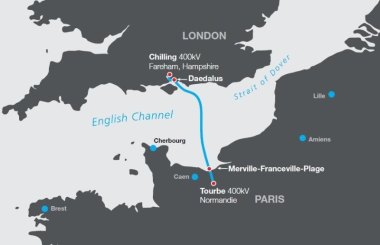
Power link (Photo: © Crown copyright)
¶ The landmark Hiroshima High Court ruling ordering a suspension of operations at the Ikata nuclear power plant focused the possibility of a nuclear calamity occurring due to a massive eruption at a volcano that is 130 km (80 miles) away. This may put the future of nuclear power in doubt, because Japan has 111 active volcanoes. [Asahi Shimbun]
US:
¶ Southern California Gas Co is partnering with the University of California-Irvine’s Advanced Power & Energy Program to design an “Advanced Energy Community.” The community is being planned to provide replicable model that optimizes a variety of energy options, including solar, wind, and renewable natural gas. [North American Windpower]

Southern California
¶ Multinational oil and gas megalith ExxonMobil has this week agreed to increase its level of climate disclosure. This follows shareholders voting to instruct the company to produce an annual report on the risks of climate change and government policies. The vote for disclosure took place at the annual meeting earlier this year. [CleanTechnica]
¶ The Energy Information Administration’s “Short Term Energy Outlook” projects that renewable energy resources, excluding hydropower, will gain about two percentage points, reaching 10% of the US electricity generation market in 2018. The EIA expects generation from gas-fired power plants to drop to 32% in 2017 from 34% in 2016. [Utility Dive]
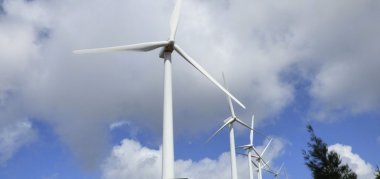
Wind turbines
¶ Tax provisions critical to the electric power sector remain in flux as Republicans try to reconcile competing House and Senate versions of tax reform, Sen Lisa Murkowski (R-AK) said. The status of production tax credits for wind and nuclear energy, incentives for electric vehicles and a host of other “orphan” energy resources remain “in flux.” [Utility Dive]
¶ Moody’s Investors Service is telling cities that they must prepare for increasingly worse storms due to climate change or their credit ratings could suffer. Lower credit ratings mean a city has to pay more to borrow money. The warning comes after studies showed climate change worsened damage from Hurricane Harvey. [Houston Public Media]
geoharvey is free and without ads.
geoharvey is not tax-deductible.
Posted in nuclear power, renewable power, solar, wind | Leave a Comment »
Tags: nuclear, nuclear power, renewable power, solar power, wind power
December 13, 2017
Opinion:
¶ “A Hand Writing on the Wall for Natural Gas” • September of 2016 was the last month in which US natural gas generation exceeded what it had been for the same month of the previous year. Since September 2016, every single month has seen a decline for electricity generation from natural gas, which has dropped 10% overall. [CleanTechnica]

Belshazzar’s Feast (Rembrandt, 1635)
World:
¶ A day before French Presidents Emmanuel Macron’s One Planet Summit launches, two French multinationals, Schneider Electric and EDF Group, signed up to The Climate Group’s corporate leadership campaigns RE100, EP100, and EV100, sending a strong signal that businesses are stepping up to fight climate change. [CleanTechnica]
¶ Nepal’s largest wind-solar hybrid power system was installed at a village of 85 families in the Sindhuli district. The system has 20 kW of wind turbines and 15 kW of solar PV panels. The system produces 110 kWh of electric energy per day. This will easily meet the electricity demand of 87 kWh per day of the village. [Himalayan Times]
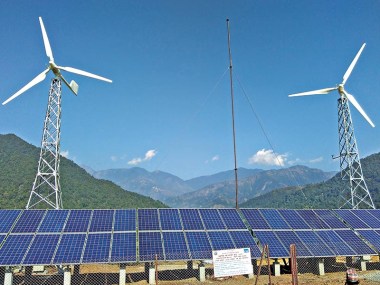
Largest wind-solar hybrid power system in Nepal (Photo: THT)
¶ Vestas secured an order for 54 MW of turbines from BKW Energie for a wind farm at Marker in Norway. The contract covers the supply, installation and commissioning of 15 V136-3.6MW machines. Delivery is expected to start in the third quarter of 2018. BKW Energie also owns a stake in the 1-GW Fosen Vind project. [reNews]
¶ The world is quickly abandoning coal. But that’s not the end of the road for coal mines. In many countries they’re coming back to life as solar farms. The world’s biggest floating solar project began operating in the eastern Chinese city of Huainan, which accounted for nearly 20% of the country’s coal reserves in a 2008 estimate. [Quartz]
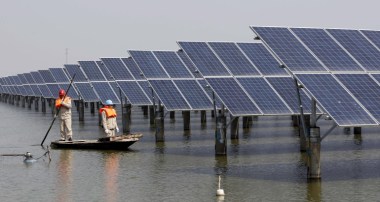
World’s biggest floating solar project
¶ A Japanese high court for the first time has banned operations at a nuclear power plant. The high court concluded there was a chance the Ikata plant could be affected by a pyroclastic flow from Mount Aso if an eruption occurred similar in scale to a massive one 90,000 years ago on the southern island of Kyushu. [Asahi Shimbun]
¶ Thai renewables developer Wind Energy Holdings Co Ltd raised $1.1 billion to finance five new onshore wind farms in what may be Southeast Asia’s biggest wind energy project yet. Located in Thailand’s northeastern provinces, the wind farms will add up to 450 MW of energy to the grid on completion, slated for early 2019. [eco-business.com]
Chaiyaphum Wind Farm (Image: © Asian Development Bank)
US:
¶ In what amounts to the largest order yet for the Tesla Semi Truck, PepsiCo has placed a pre-order for 100 units. The order is twice as exactly large as the previous largest order, in which Sysco ordered 50 units. The number of reservations taken to date, according to a tally that Reuters is maintaining, is now at least 276. [CleanTechnica]
¶ Chautauqua County, New York, has deployed its first all-electric terminal truck at the North County Transfer Station in Fredonia, as it works to meet goals of the its Comprehensive Plan. Chautauqua County is the first county government in the US to deploy an all-electric Class 8 truck in its commercial fleet operations. [CleanTechnica]

Orange EV T-Series truck
¶ Duke Energy Florida customers are now benefiting from an additional 8.8 MW of solar, a carbon-free renewable resource in the Sunshine State. The company’s newest solar power plant contains nearly 44,000 solar panels on 70 acres in Suwannee County. The facility is in Live Oak, Florida, near the existing Suwannee power plant. [Solar Power World]
¶ Solar is becoming an increasingly important part of the US electric mix, and the most recentt data from the DOE’s Energy Information Administration shows that the solar leaders are still Western states. During the first nine months of 2017, Hawaii and Nevada joined California among the states that get more than 10% of their power from solar. [pv magazine USA]

Wind, solar, sun, and clouds (Pixabay image)
¶ New York Gov Andrew Cuomo and Puerto Rico Gov Ricardo Rosselló are calling for a new, modern electrical system for Puerto Rico following devastation and widespread outages caused by Hurricane Maria. Cuomo has created a working group to assist the island on its electrical repairs, which proposed a significant overhaul of the system. [WGRZ-TV]
¶ NextEra Energy Resources and American Electric Power marked the official commissioning of the 120-MW Bluff Point Wind Energy Center in Indiana. The $200 million project features 57 GE wind turbines, and will provide electric power to Appalachian Power customers in Virginia, West Virginia and Tennessee. [Power Engineering Magazine]
Wind farm
¶ Appalachian Power, a subsidiary of American Electric Power, announced its first solar PV generation project will be built in Rustburg, Virginia. The 15-MW Depot Solar Center will be built and operated by Coronal Energy, a provider of renewable energy with a large portfolio of existing US solar and battery storage projects. [Solar Power World]
¶ Hawaii was the first state in the nation to commit to a 100% renewable transportation future. Now Hawaii’s four mayors have come together to sign proclamations committing to an all renewable transportation system by 2045. And three county governments pledged to transition all fleet vehicles to 100% renewable power by 2035. [KITV Honolulu]
geoharvey is free and without ads.
geoharvey is not tax-deductible.
Posted in nuclear power, renewable power, solar, wind | Leave a Comment »
Tags: nuclear, nuclear power, renewable power, solar power, wind power
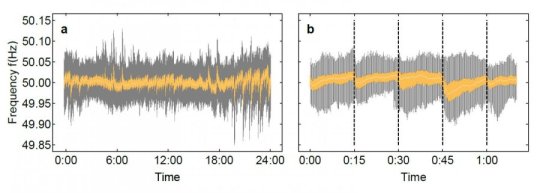
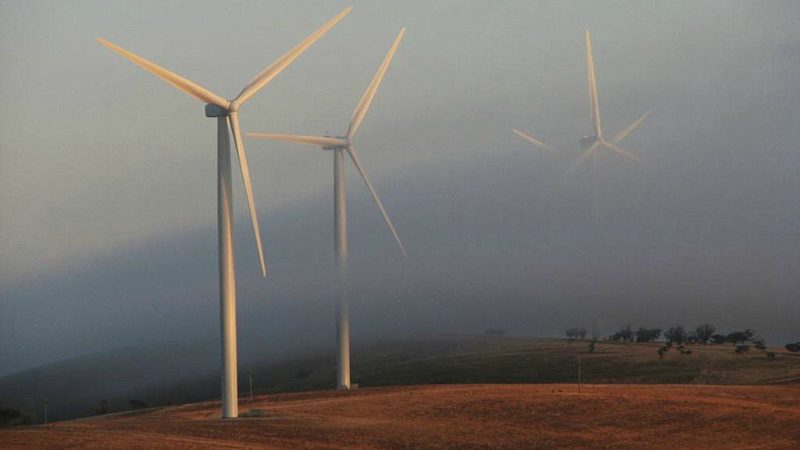
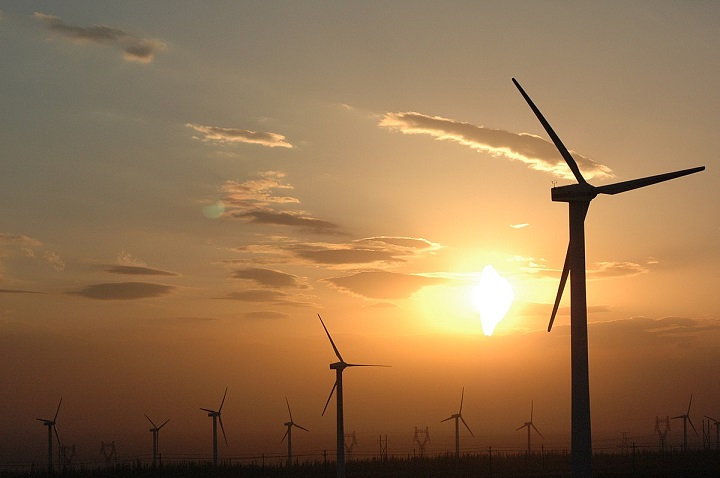
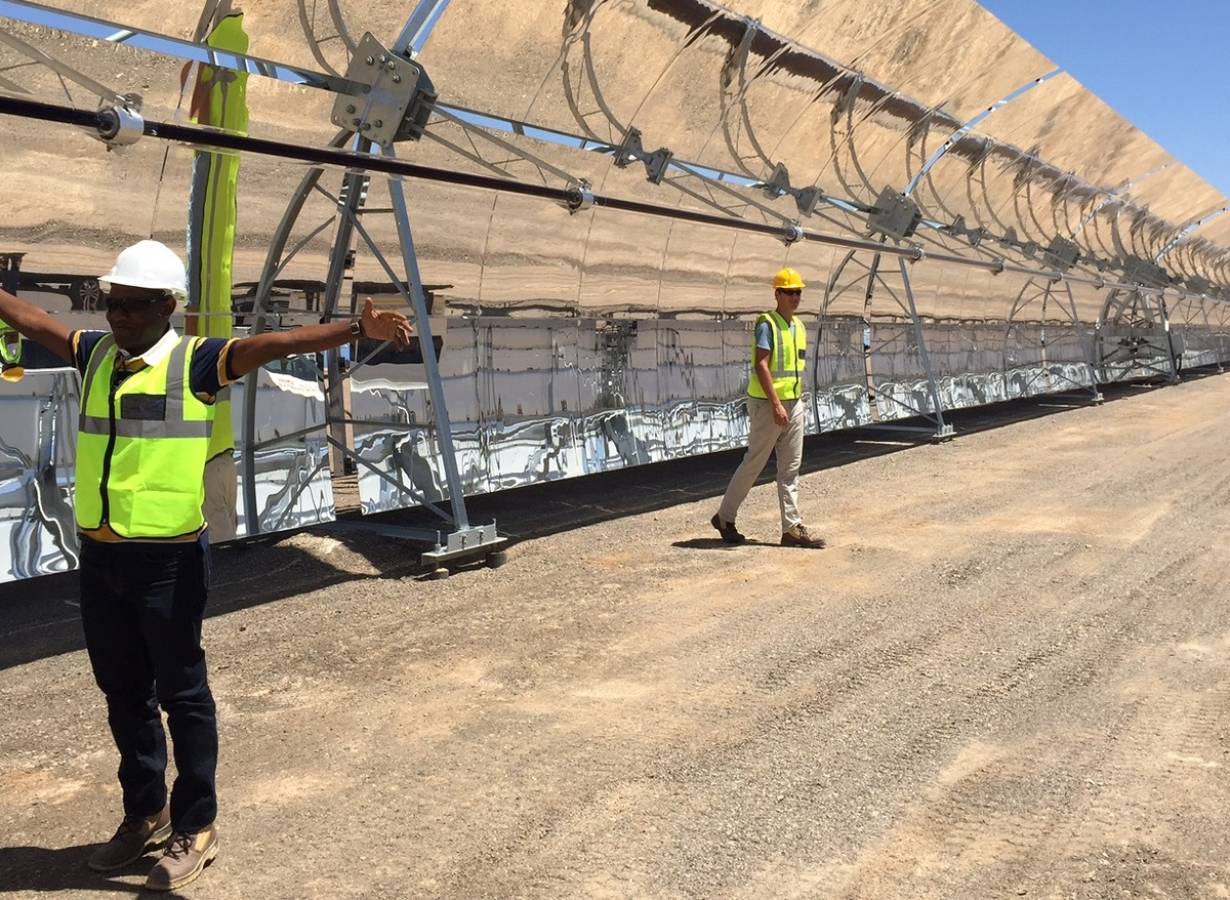

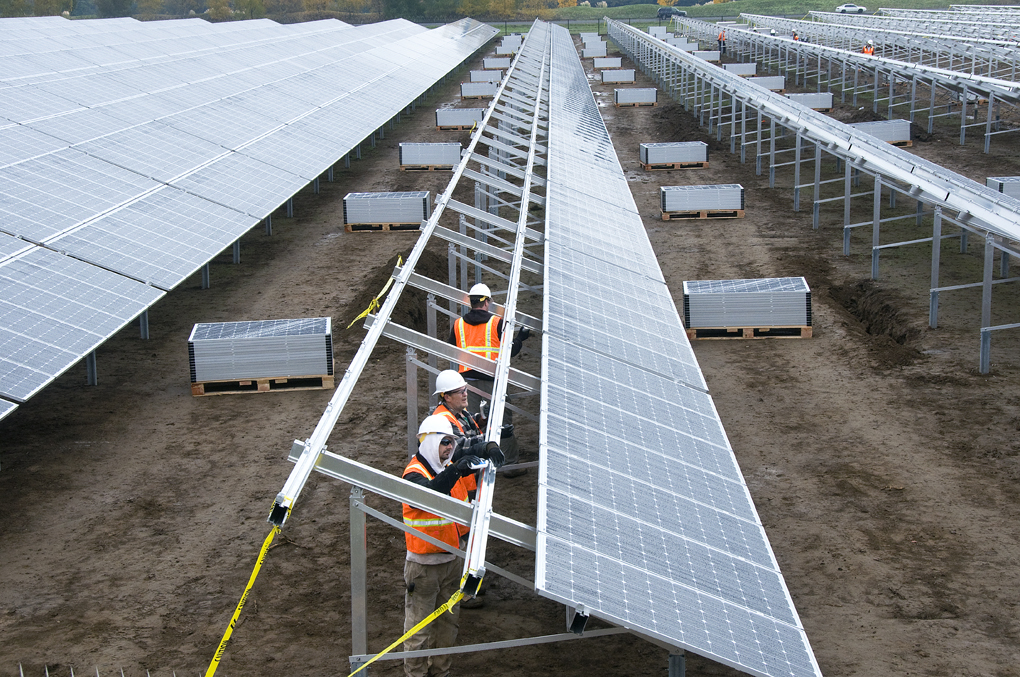



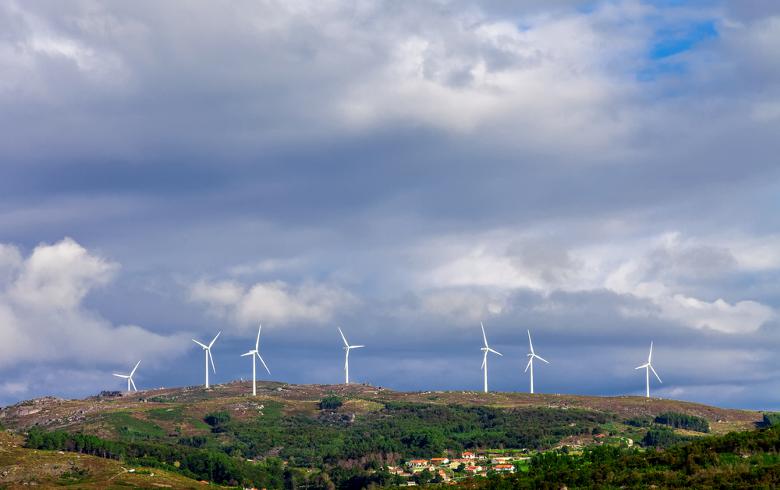


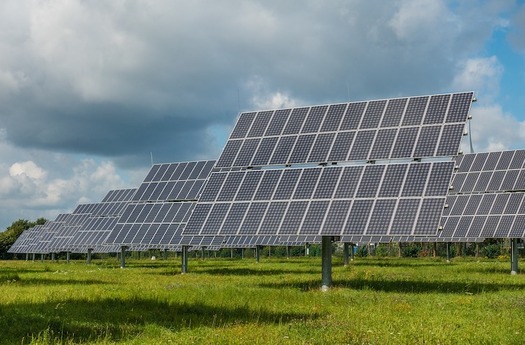
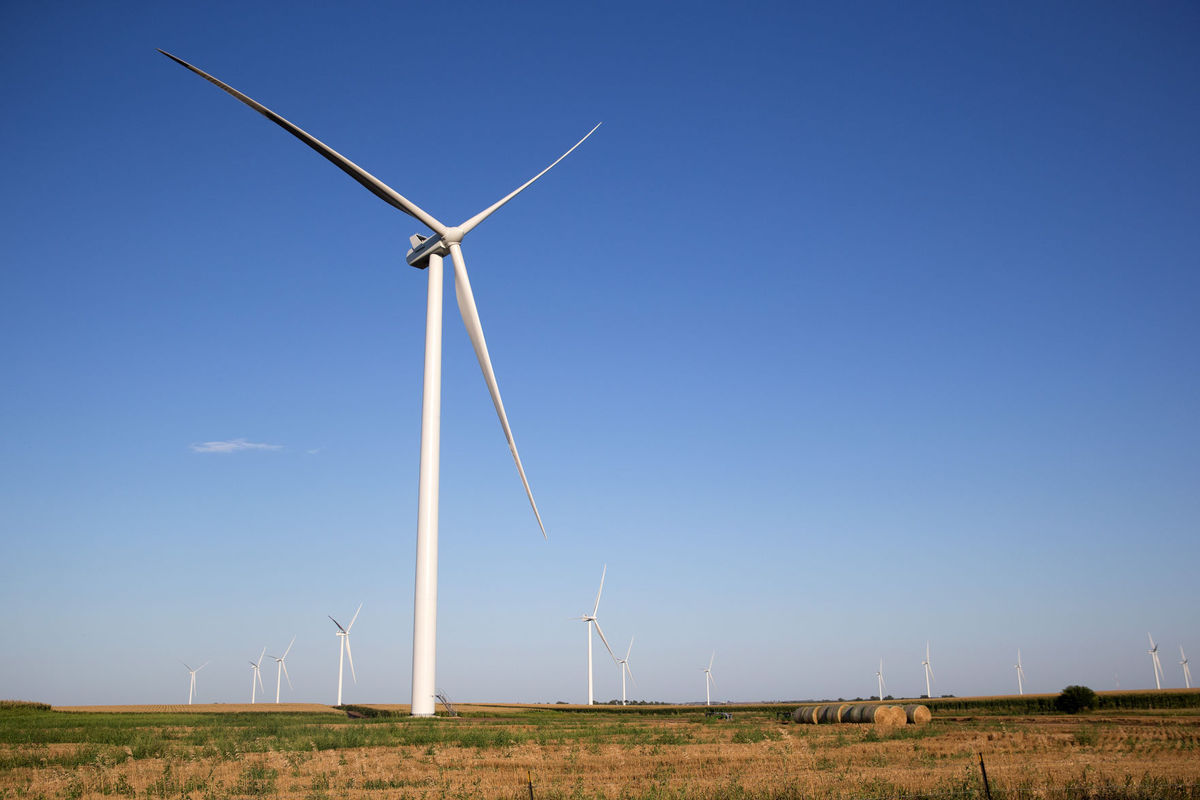
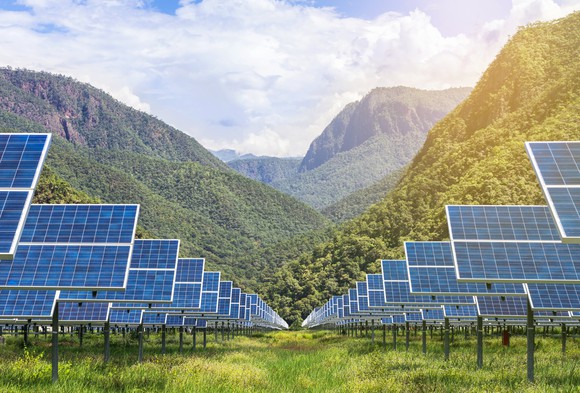
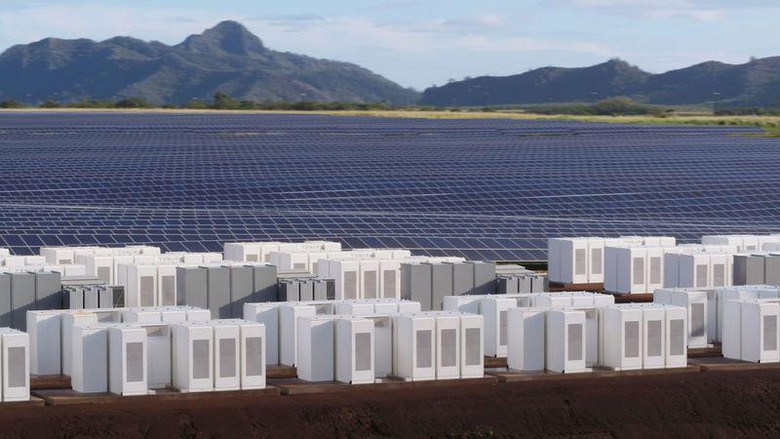







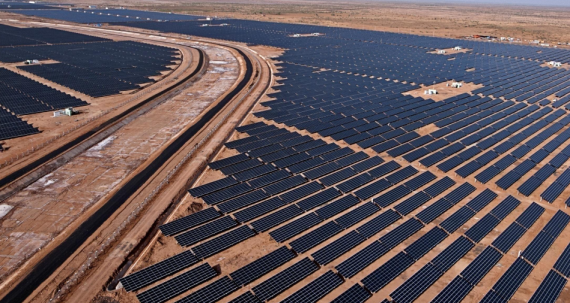


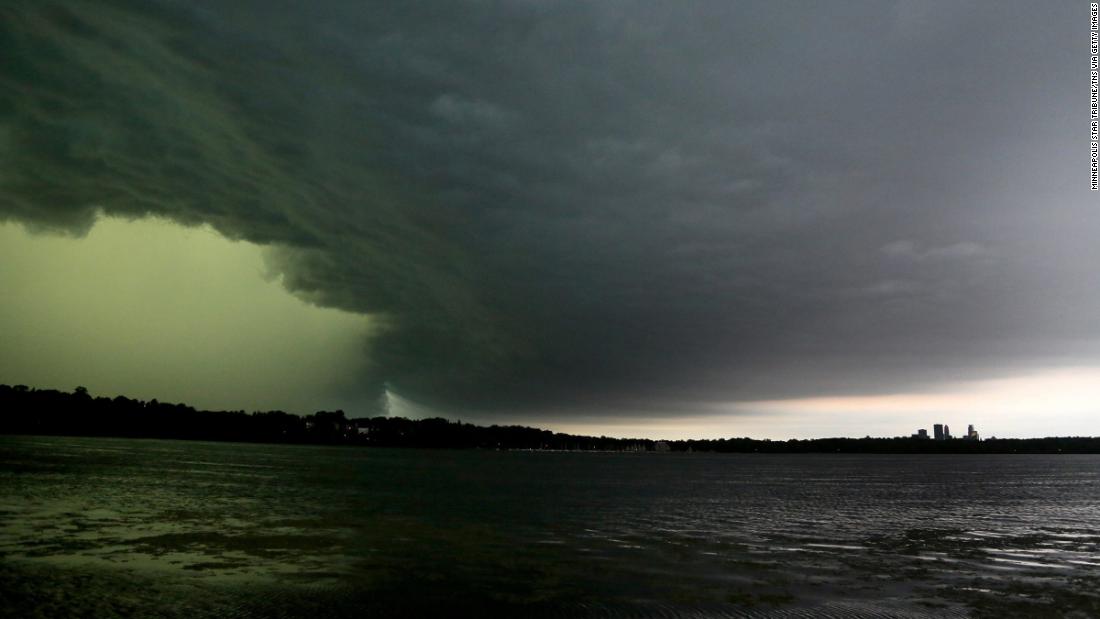



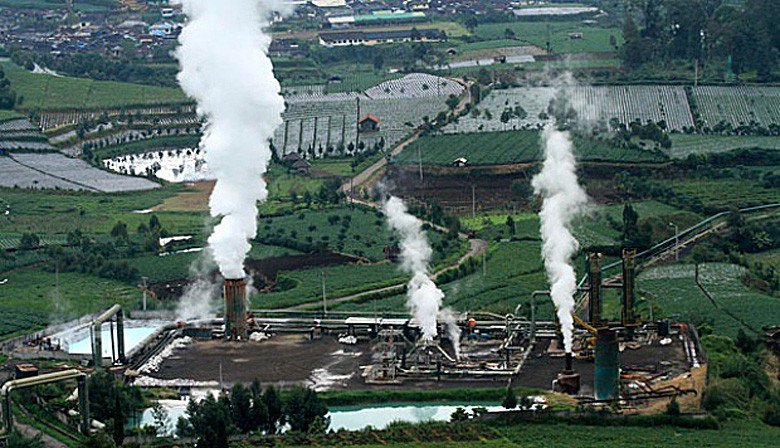


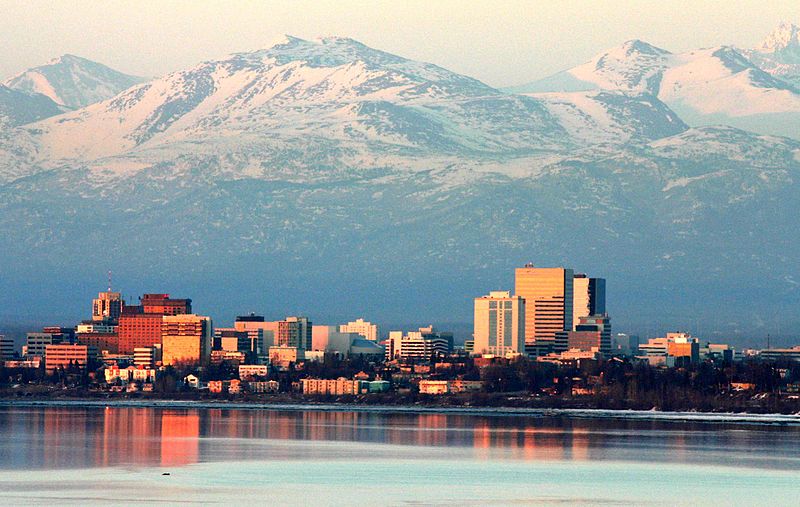
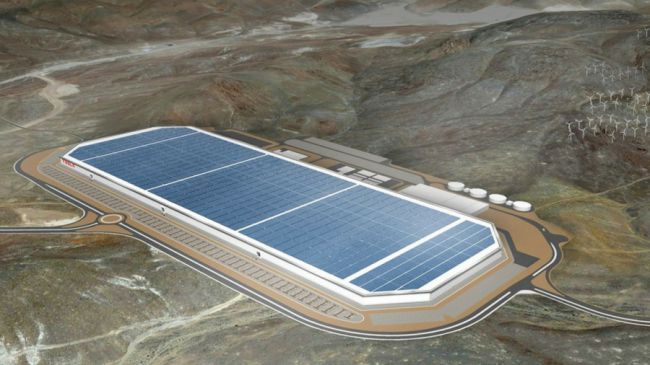
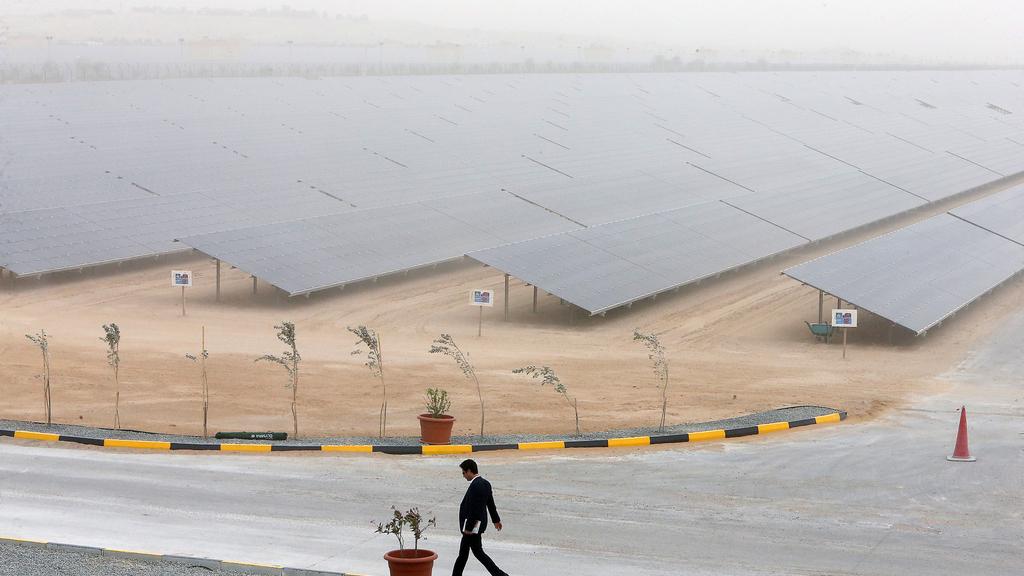



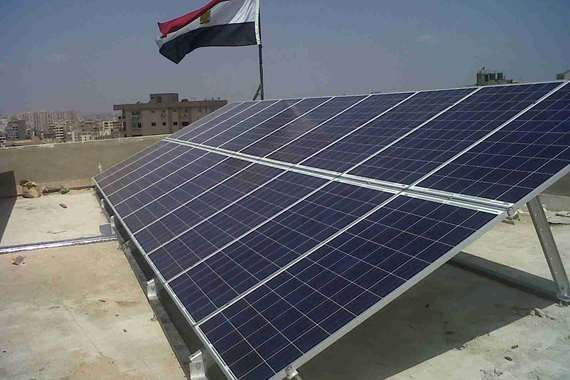
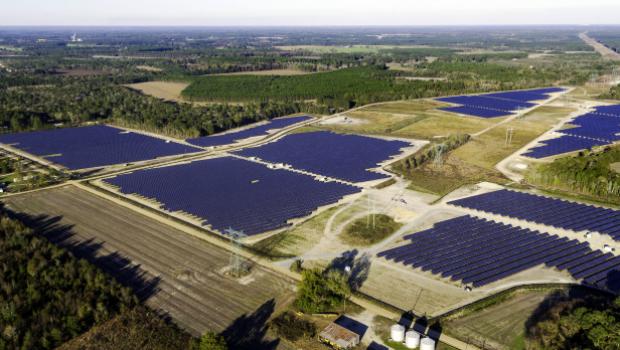

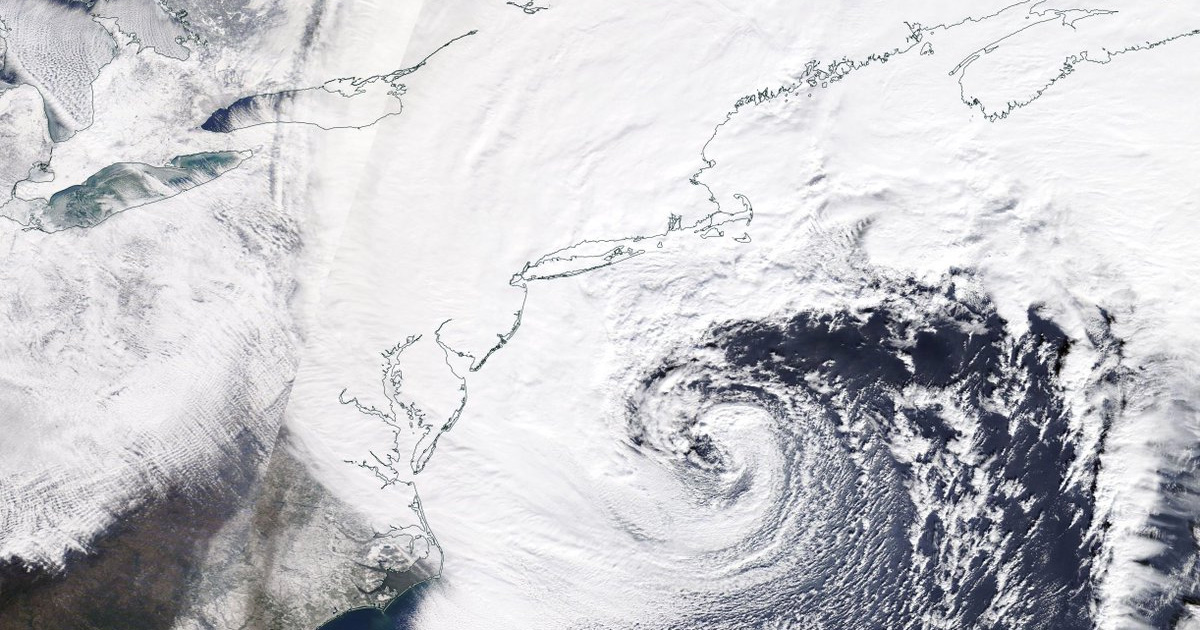

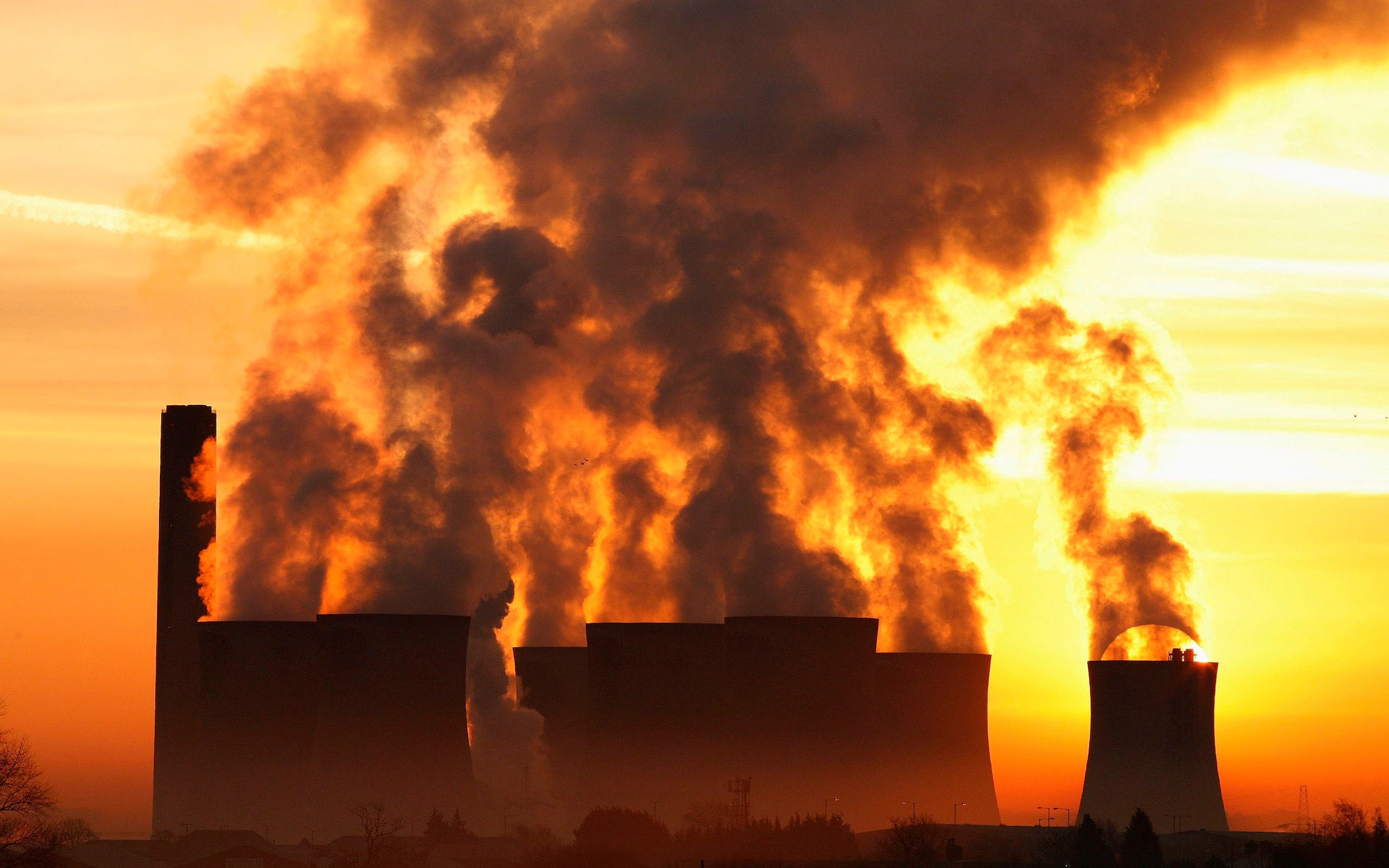

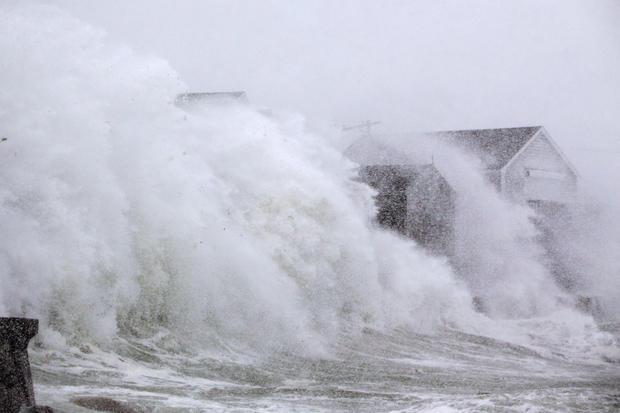


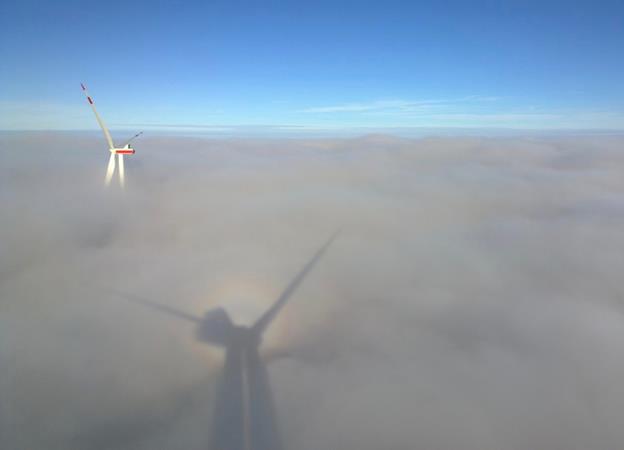



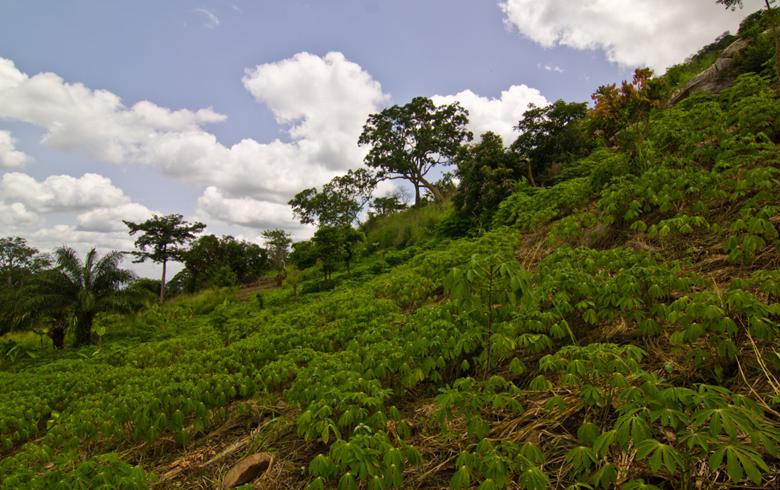


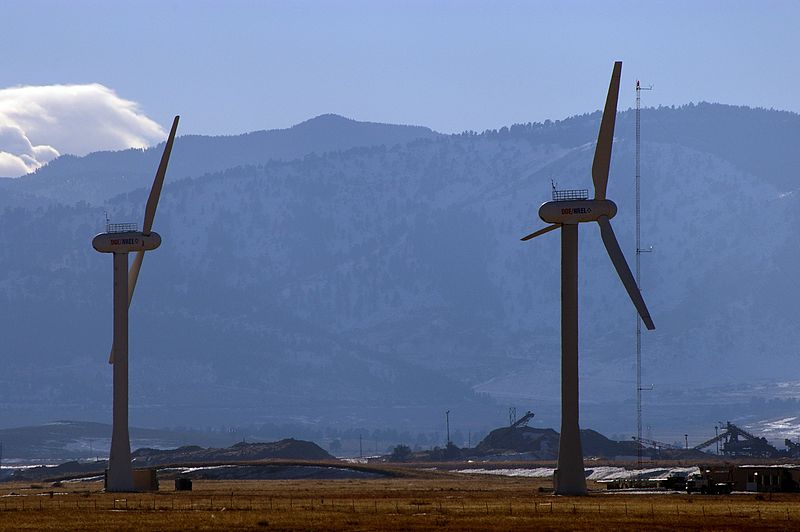



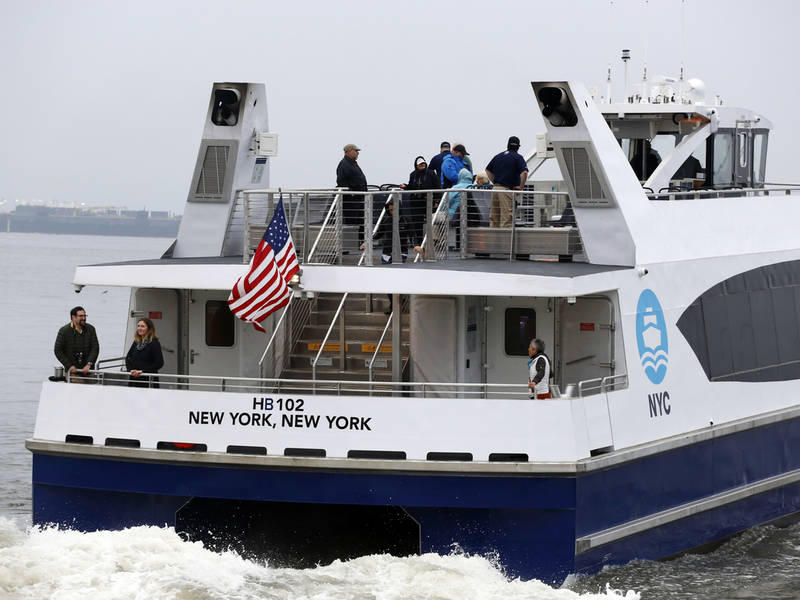

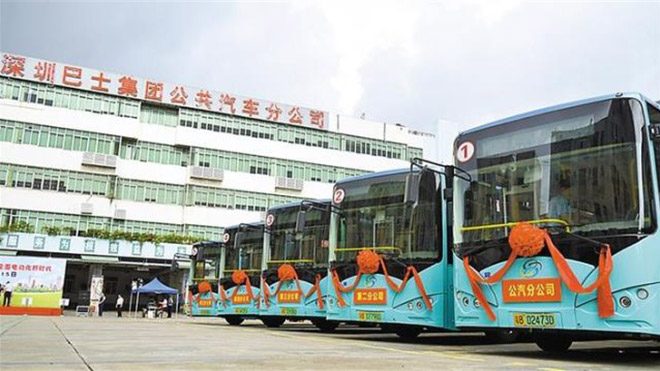








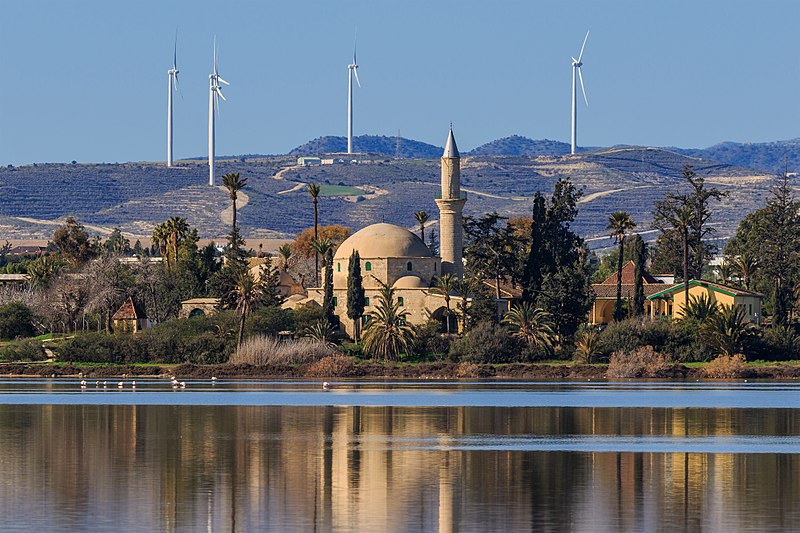
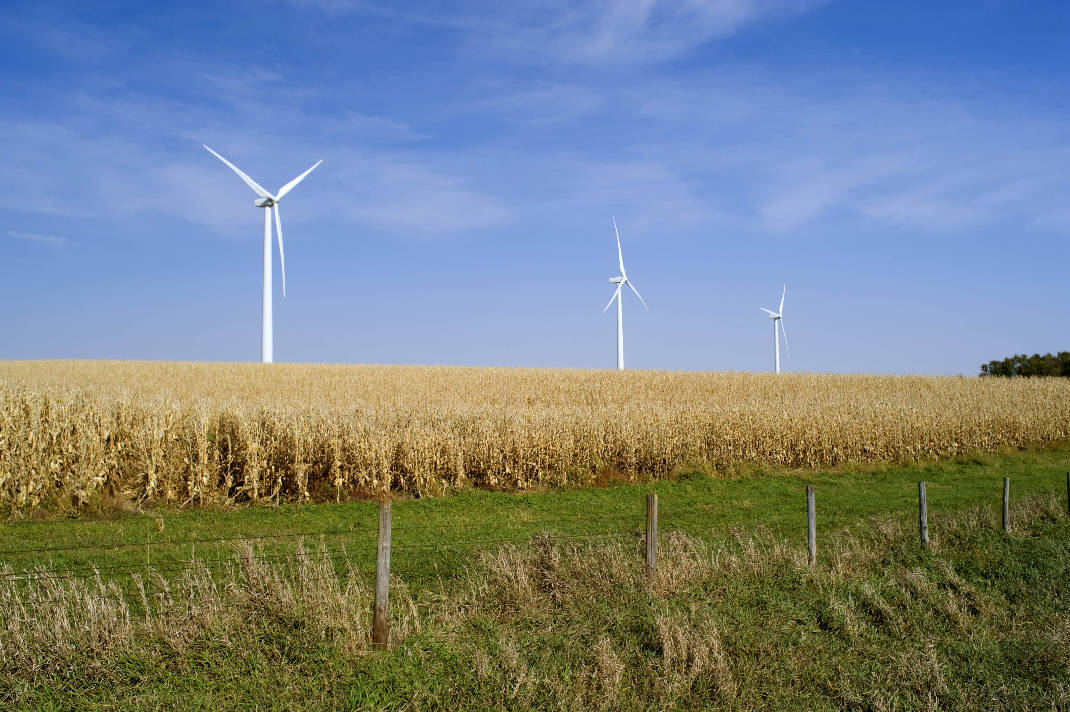
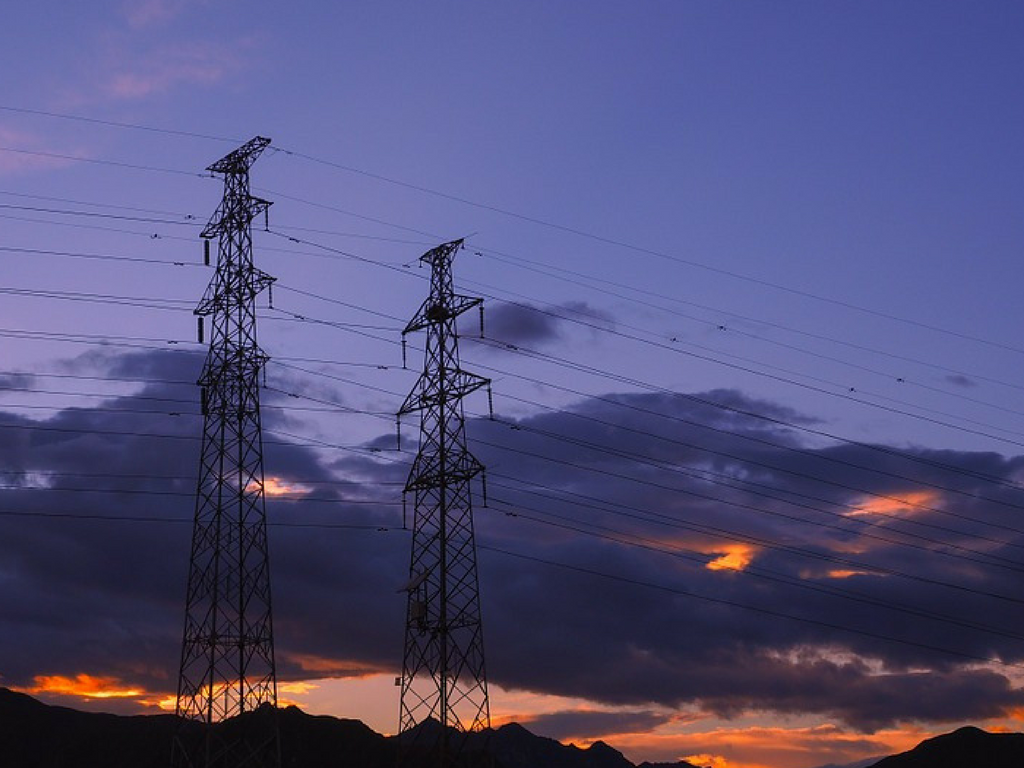


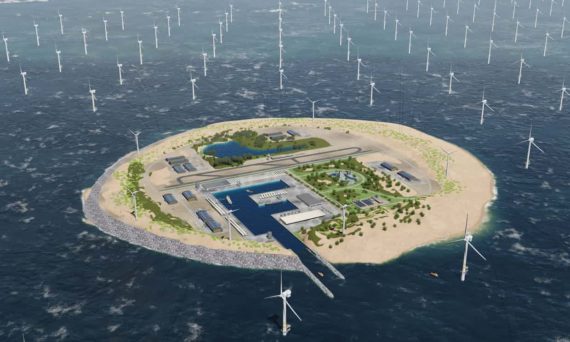

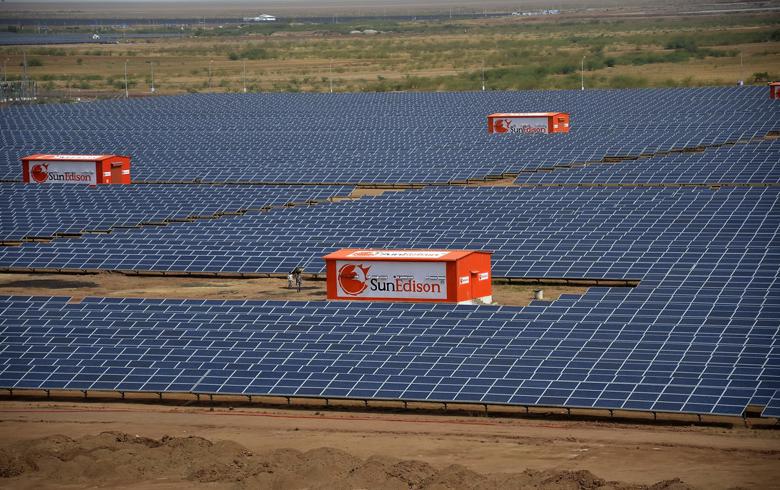


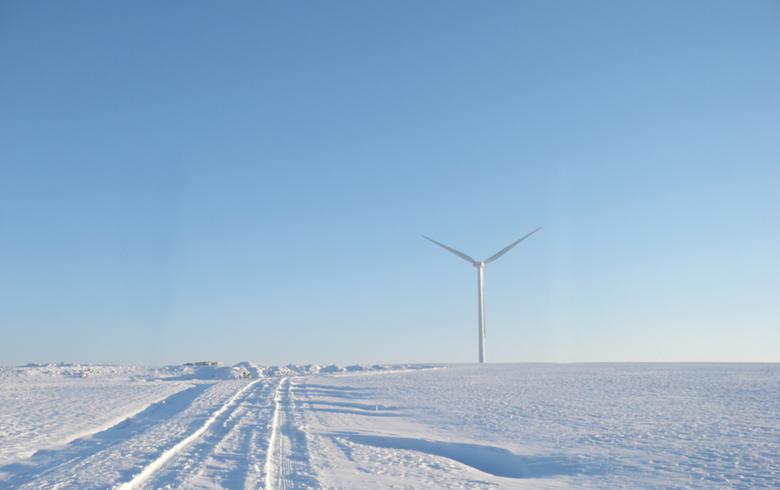


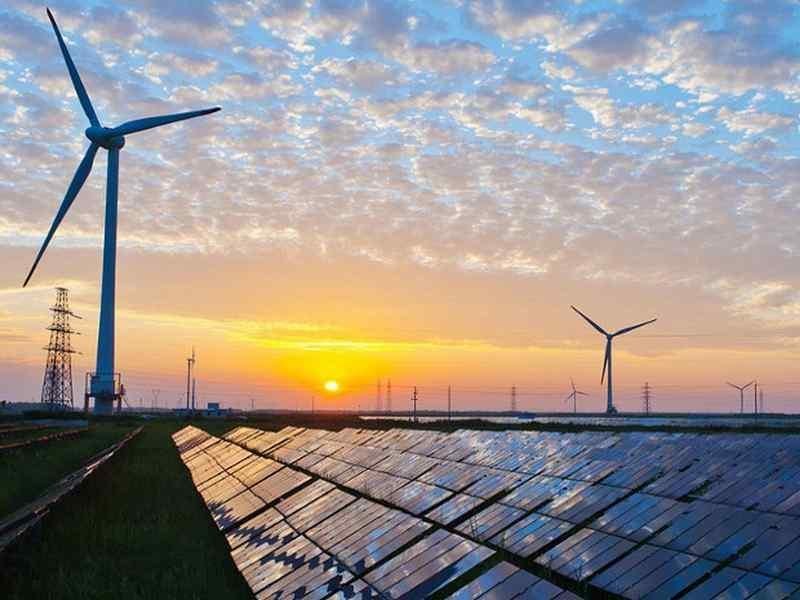


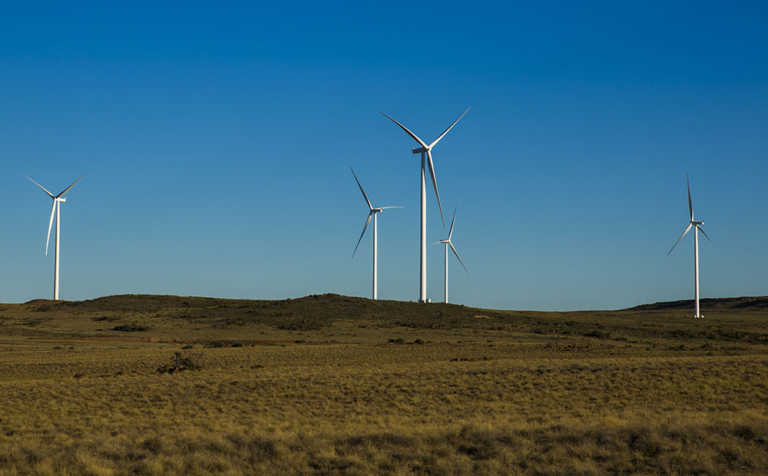


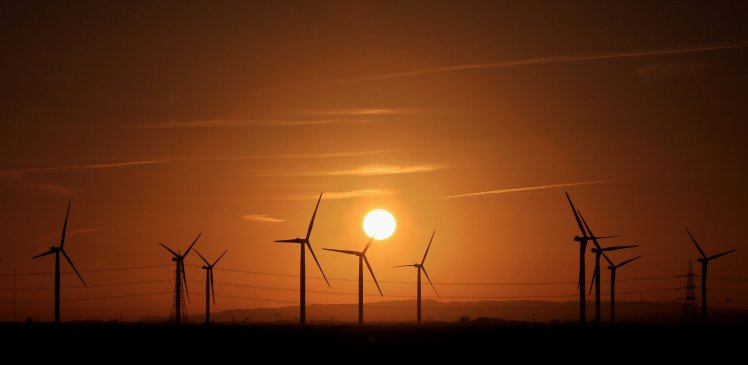


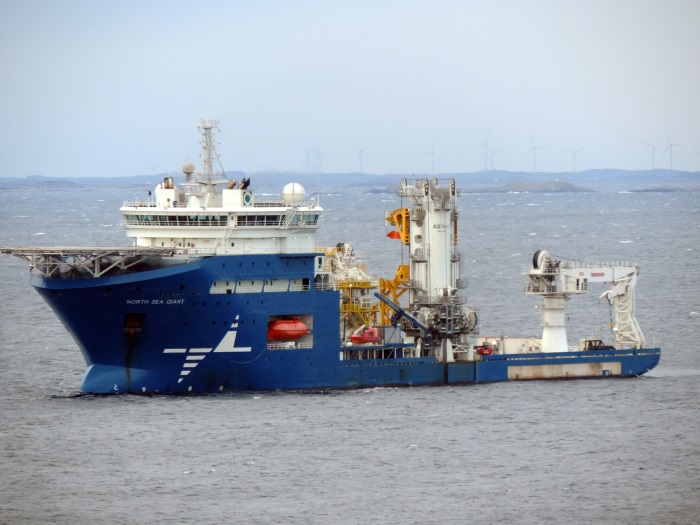

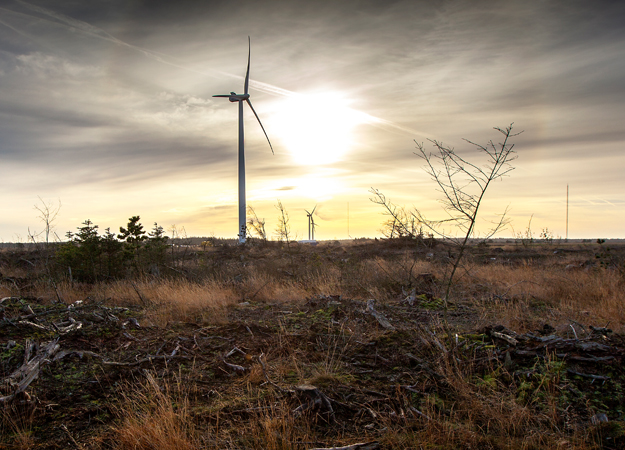
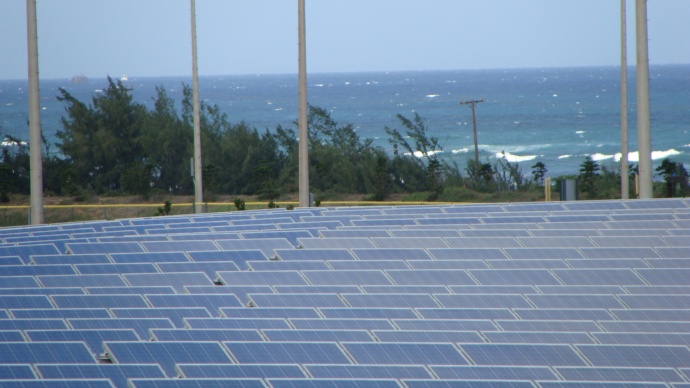



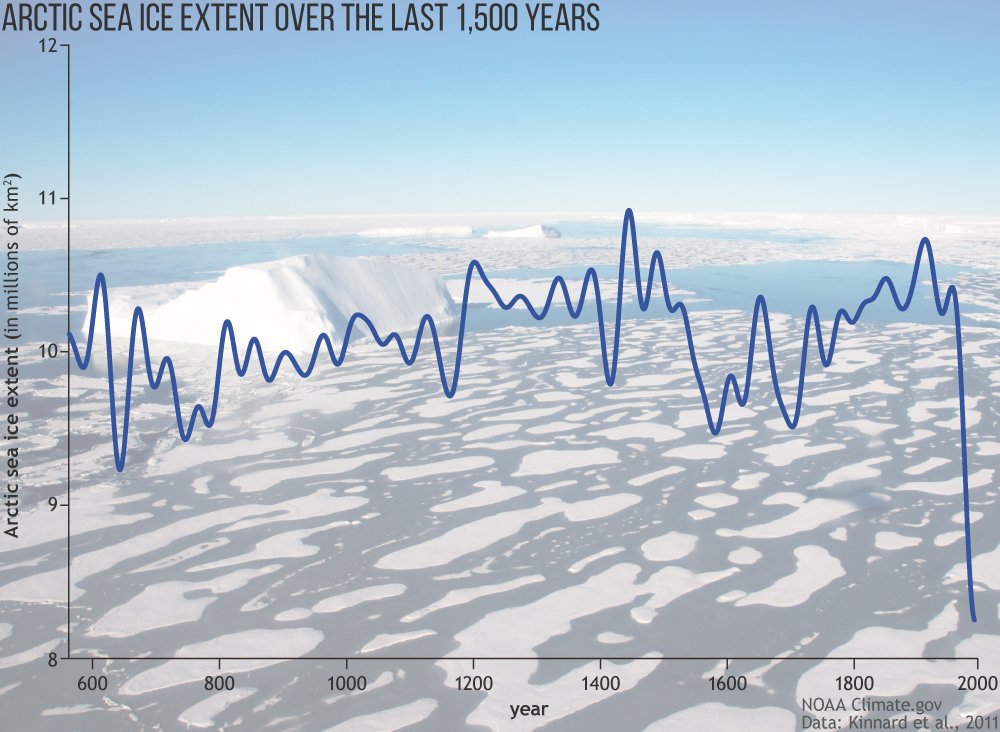
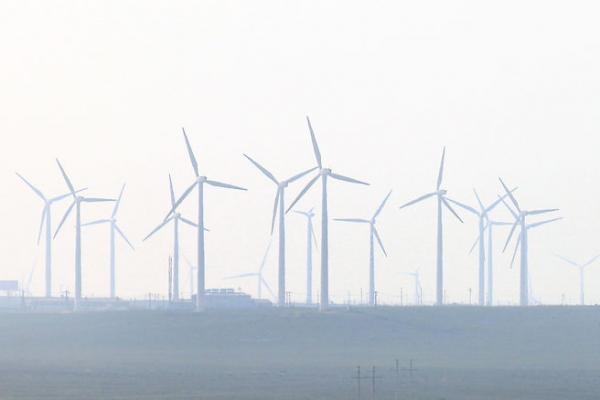

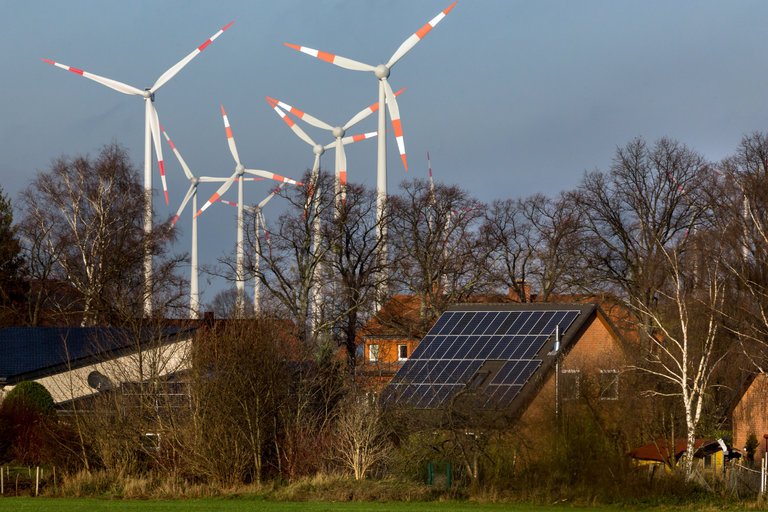
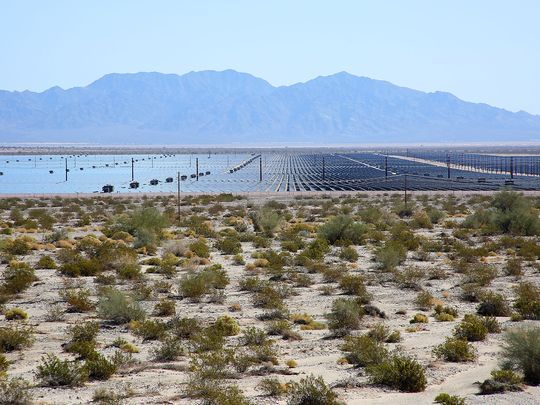


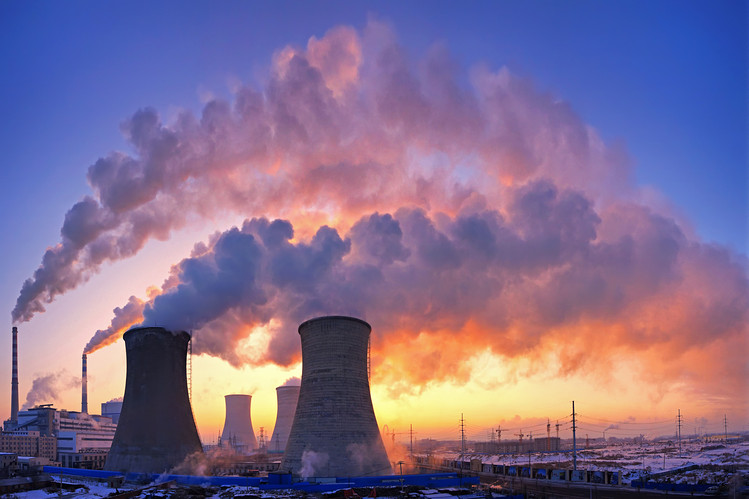

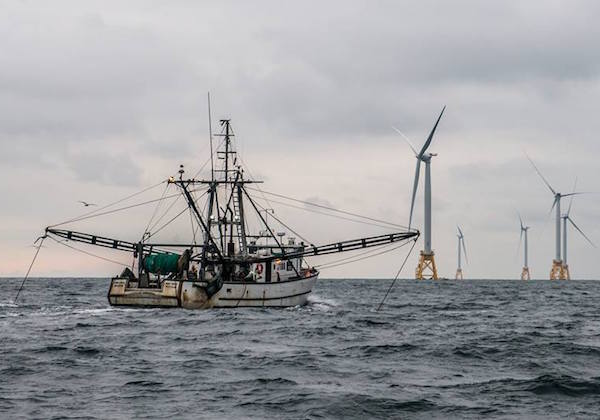


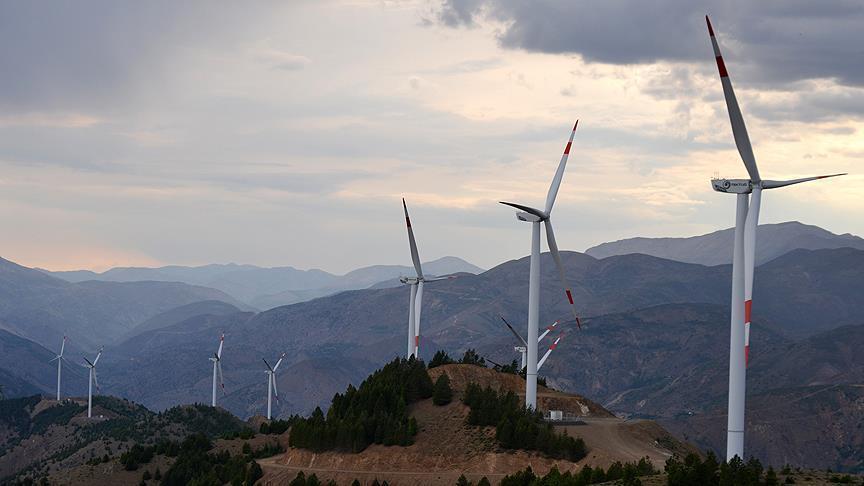




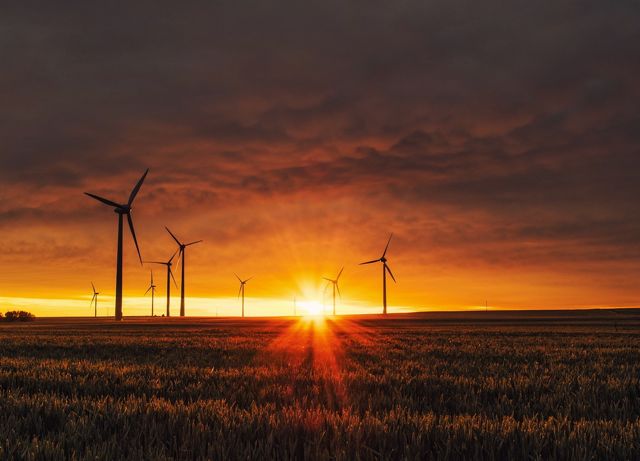

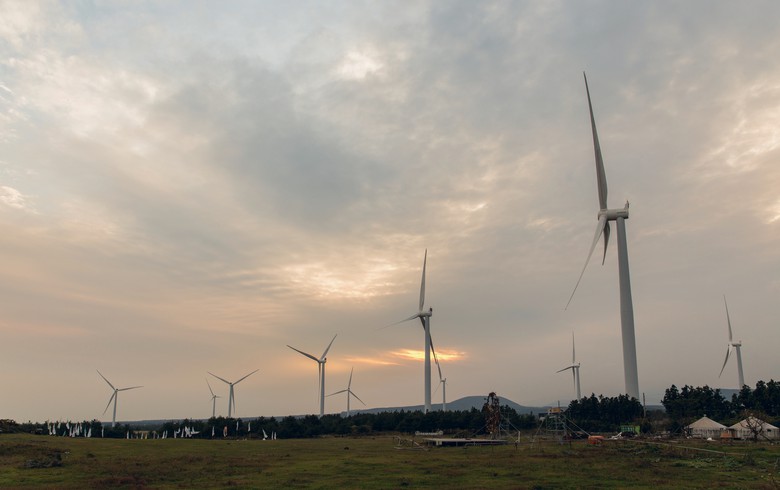


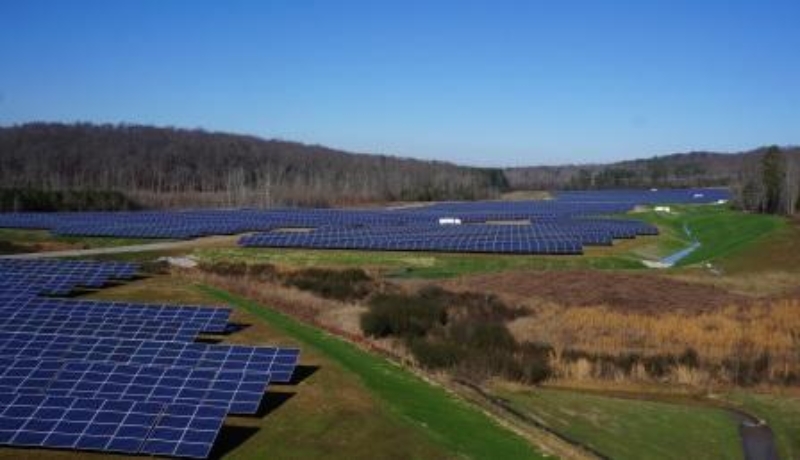


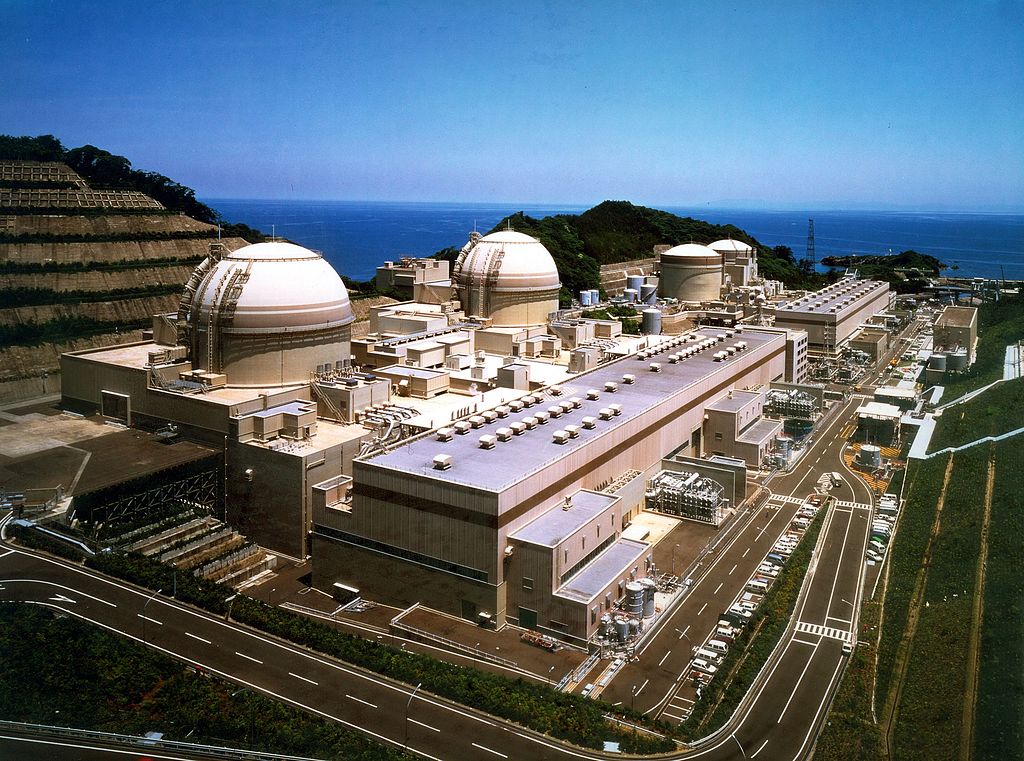


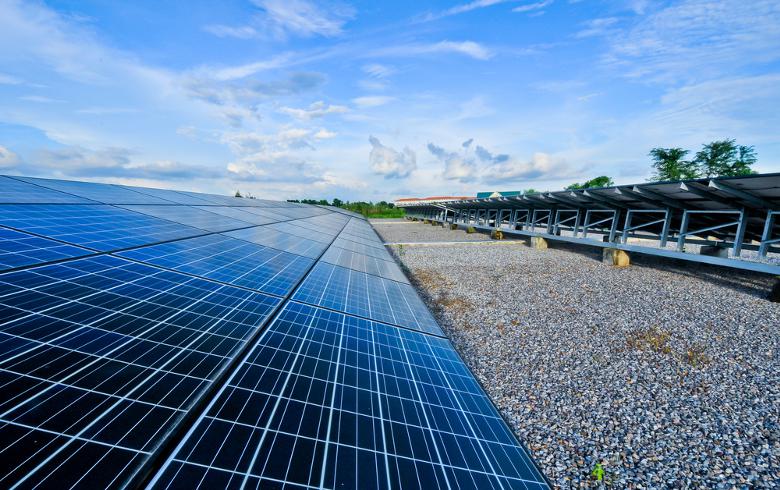


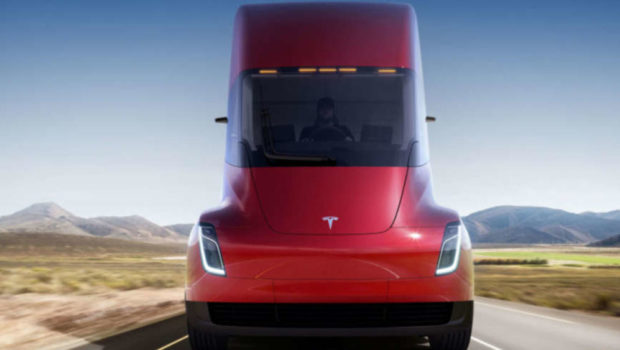
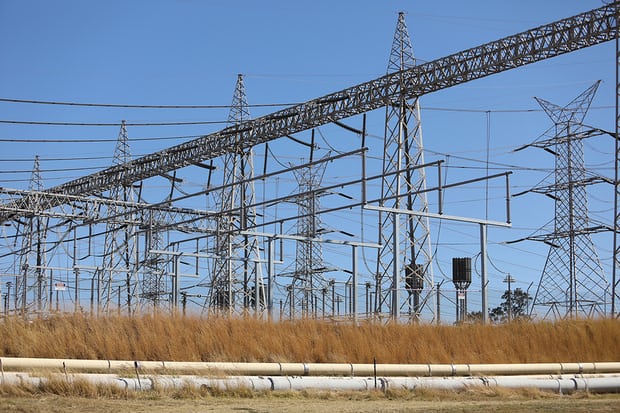


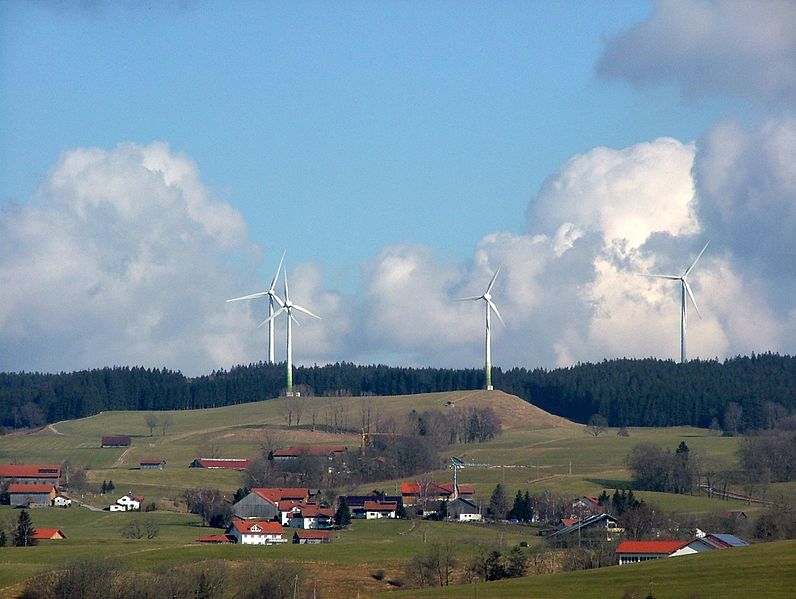


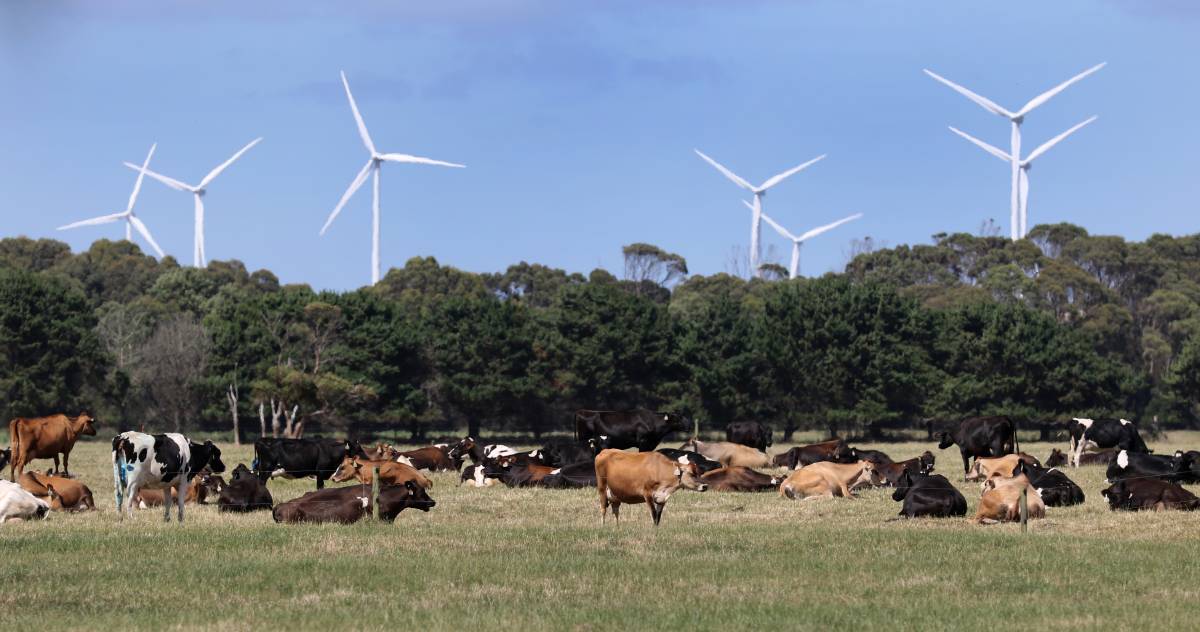
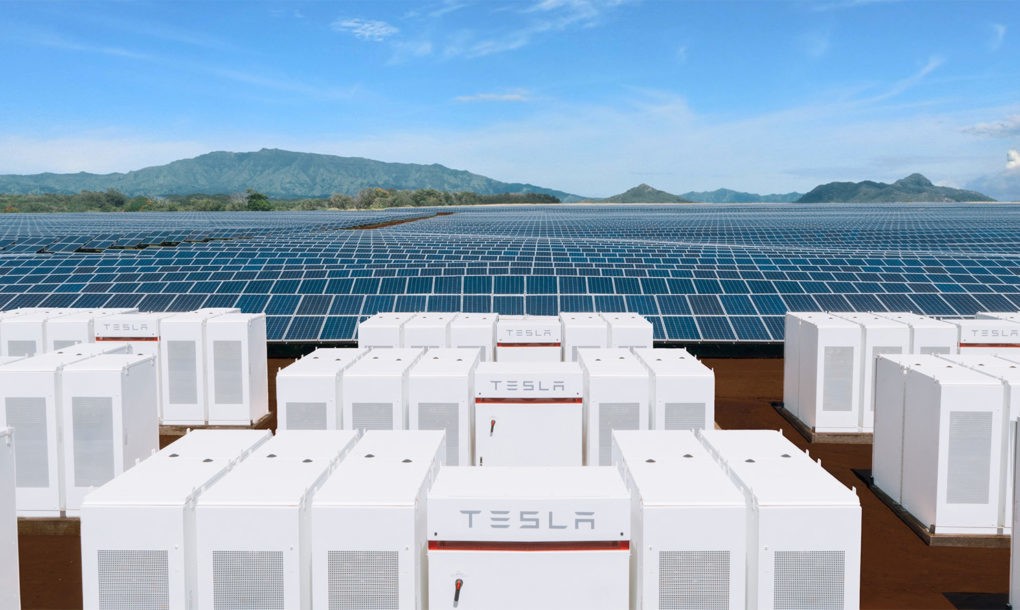

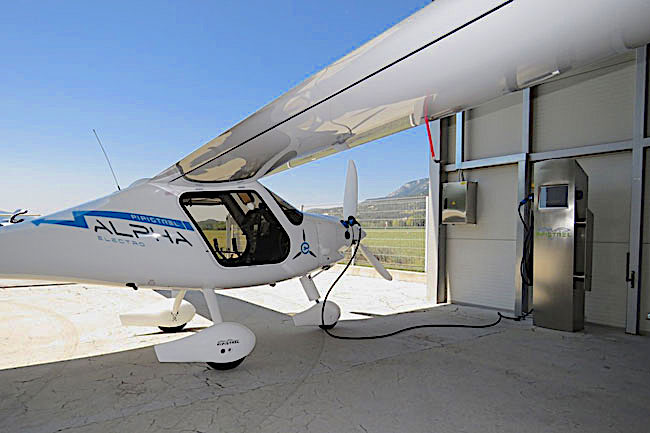
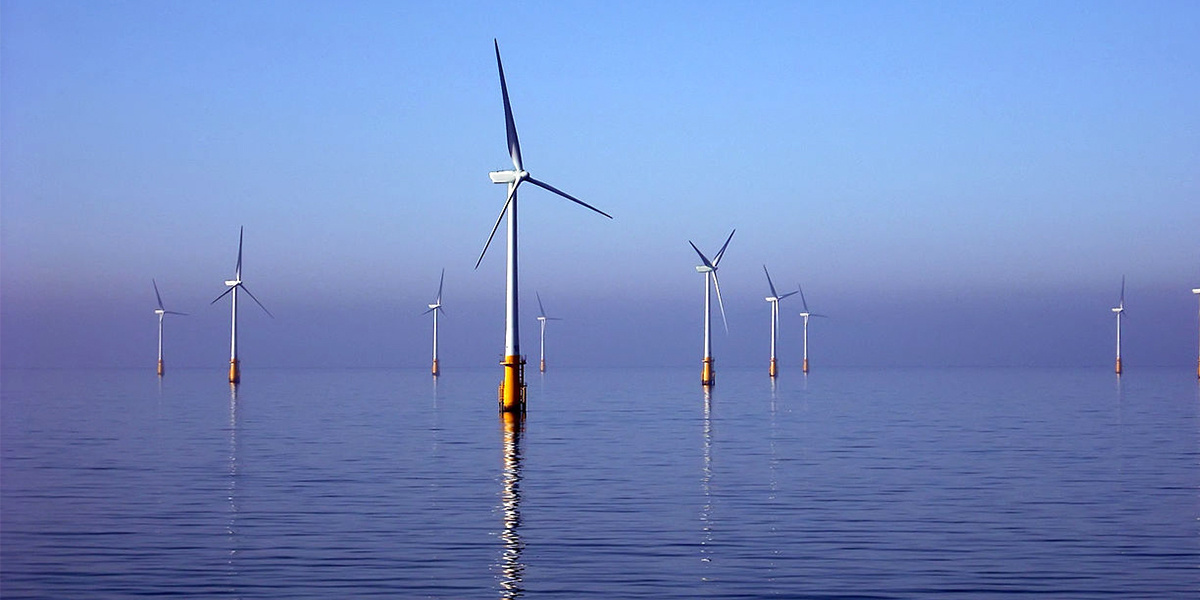

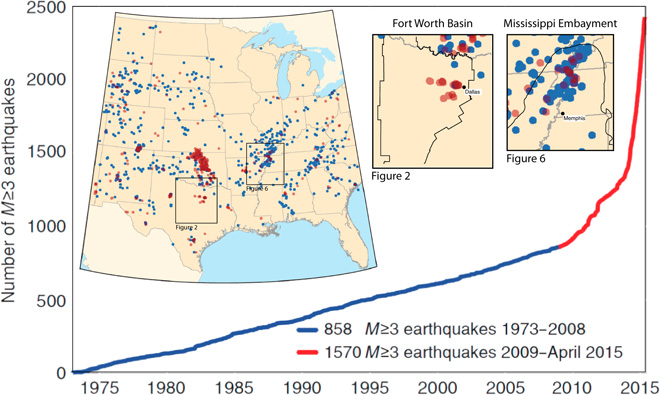


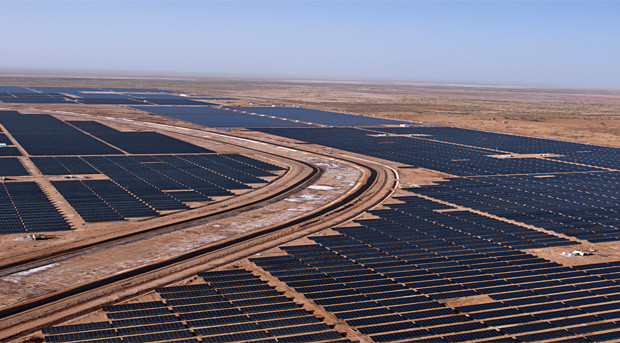

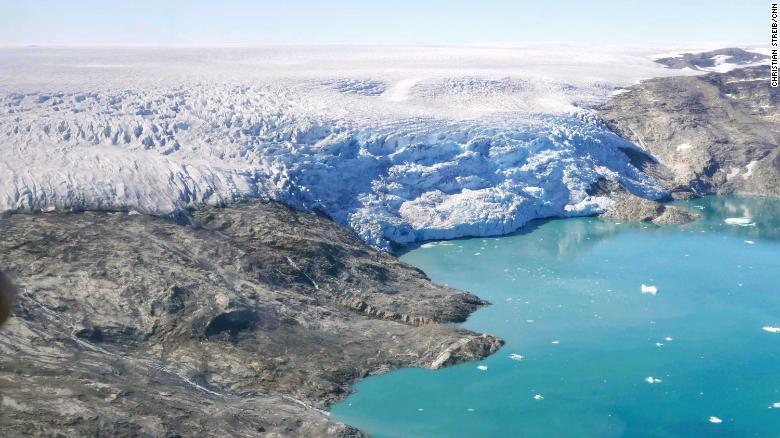

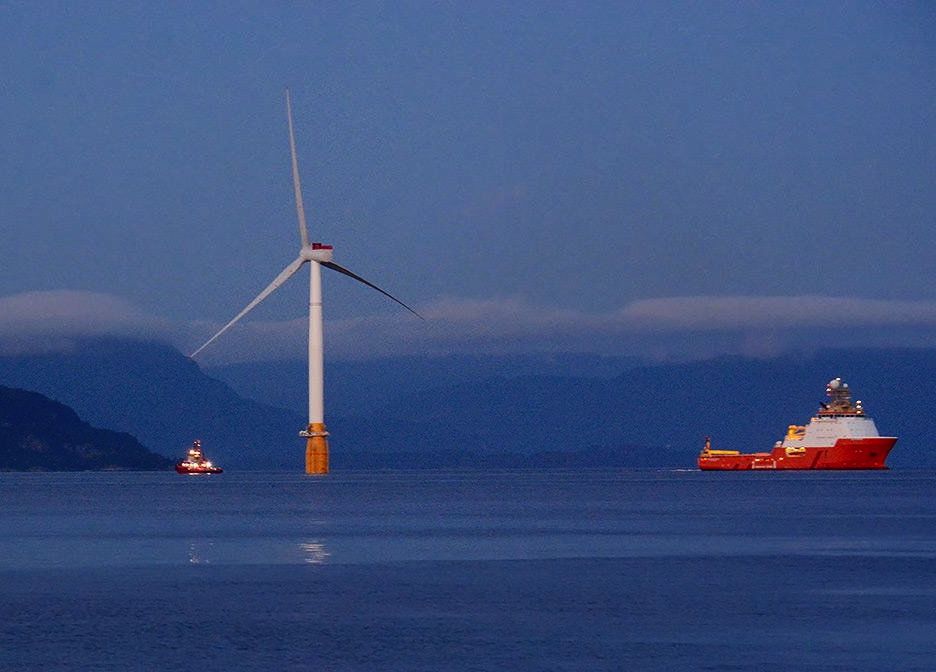





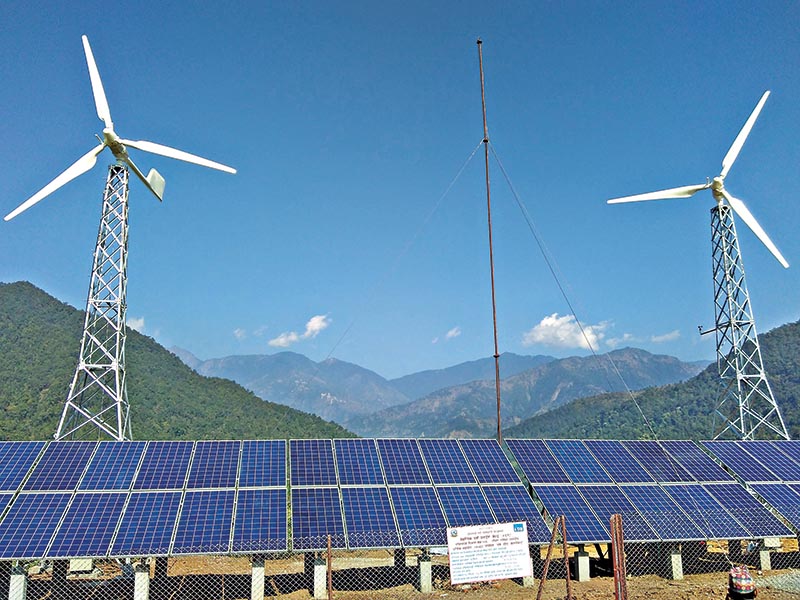
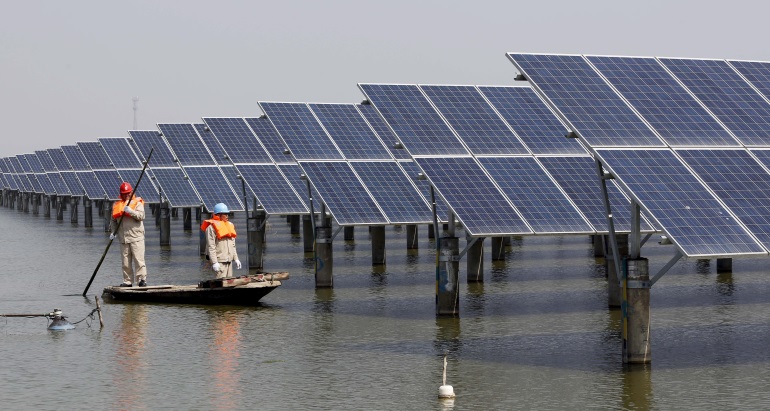
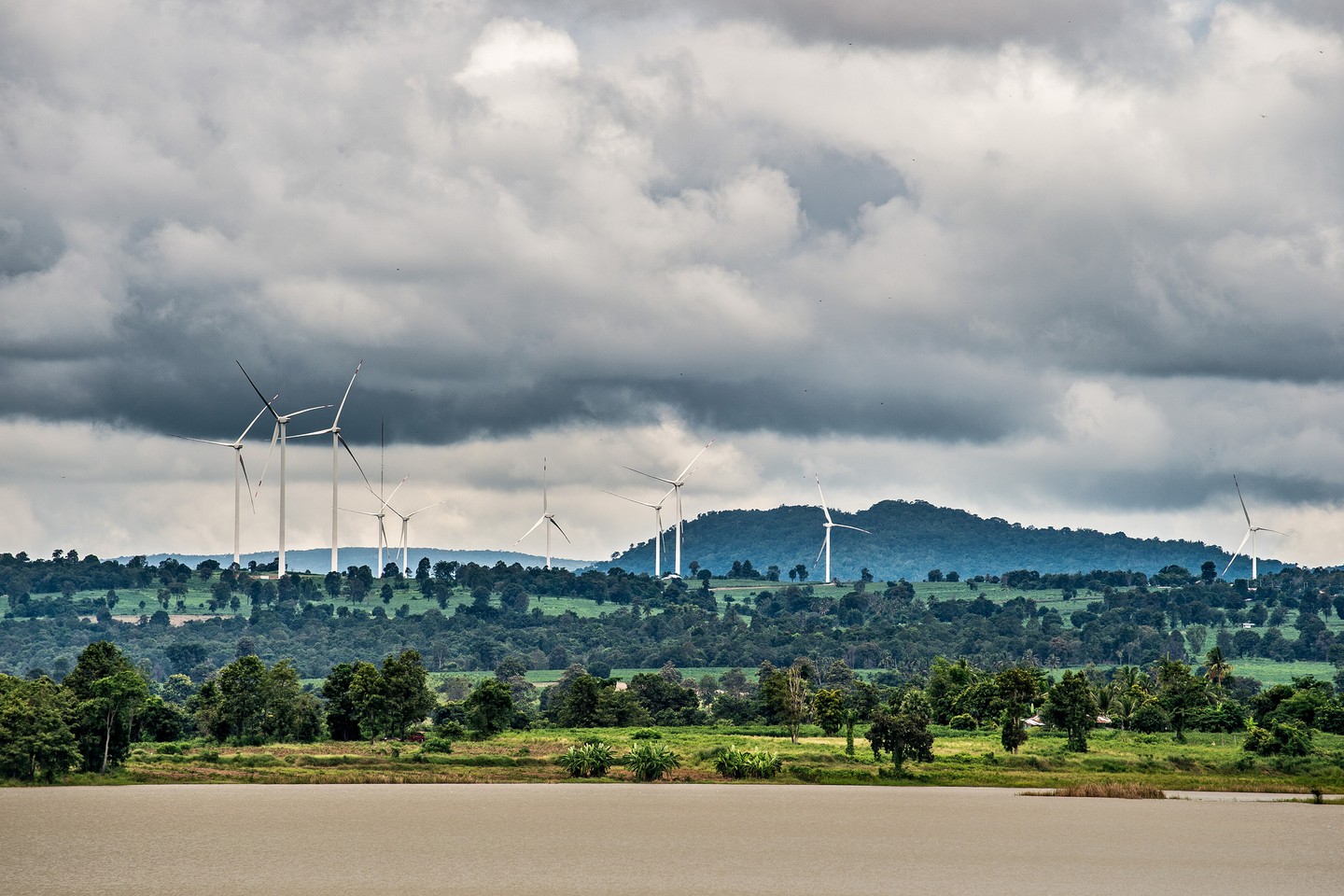


 geoharvey