July 12, 2018
Opinion:
¶ “World’s only carbon-negative country Bhutan is giving us renewable energy goals” • Bhutan’s Prime Minister had the goal of making his country carbon neutral to make sure Bhutan does not contribute to the releasing carbon dioxide into the atmosphere. Now he has added a new policy of maintaining a minimum of 60% forest coverage. [India Today]

Paro Taktsang, Bhutan
¶ “Germany Is Nobody’s ‘Captive,’ Mr Trump” • At the NATO summit, Trump said Germany was “totally controlled” by Russia. “Germany is a captive of Russia because they got rid of their coal plants, they got rid of their nuclear plants. They’re getting so much of the oil and gas from Russia. I think it’s something NATO has to look at.” [Bloomberg]
¶ “Top Renewable Energy Financiers Reveal Pathway To $1 Trillion In US Investment” • A new financial sector survey shows confidence that renewable energy projects in the US will continue to be more attractive than other investments. Cumulative private investment in US renewable energy could reach up to $1 trillion between 2018 and 2030. [Forbes]
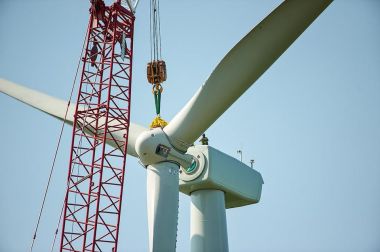
Wind park in Michigan (Consumers Energy via Flickr)
World:
¶ Independent solar power producer based Azure Power has announced that it won a 160-MW solar power project in Uttar Pradesh. It will sign a 25-year power purchase agreement with Uttar Pradesh Power Corporation Limited at a tariff of ₹3.55/kWh (5.2¢/kWh), around 45% higher than the lowest tariff bid for a solar project in India. [ETEnergyworld.com]
¶ Delhi-based private power transmission firm Sterlite Power has announced that it bagged six new electricity line projects worth $1 billion in a recently concluded auction in Brazil. The projects include setting up 23 sub-stations; 2,000 circuit Kilometer of transmission lines and 5,500 Mega Volt Ampere of transformation capacity, the company said. [ETEnergyworld.com]

Aerial view of a transmission tower and lines
(A Google image search says this is a hardwood floor.)
¶ The Australian Competition and Consumer Commission recommended the government give financial certainty to new power plants, guaranteeing energy will be bought at a cheap price if it can’t be sold. Prime Minister Malcolm Turnbull said the finance proposal had merit, but he ruled out directly funding specific types of power generation. [SBS]
¶ Siemens Gamesa Renewable Energy is to supply 109 turbines to two wind farms in South Africa. They are the 140-MW Kangnas wind farm in the Northern Cape, and the 110-MW Perdekraal East wind farm in the Western Cape. When they are done Siemens Gamesa will have installed over 850 MW of wind capacity in the country. [Power Engineering International]
UK:
¶ UK renewable energy developer British Solar Renewables has announced that it had completed construction of the 49.99-MW Stocking Pelham battery storage project in England, the largest such facility in the UK. It is made up of seven of SMA’s E-houses, 27 inverters, 12 kilometers of cable, and 150,000 lithium-ion battery cells. [CleanTechnica]
¶ UK tidal power company Tidal Lagoon Power struck back at the UK Department for Business, Energy and Industrial Strategy and its recent decision not to support the 320-MW Swansea Tidal Lagoon project in Wales. TLP said the department’s statement on tidal lagoons as a whole was “designed to mislead” and was “a manifest distortion of the truth.” [CleanTechnica]
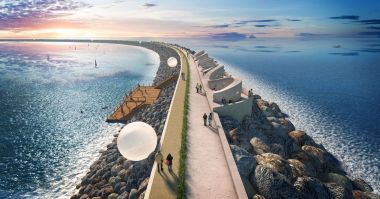
Swansea Tidal Lagoon power plant
¶ The General Synod of the Church of England voted almost unanimously in favor of divesting from companies that fail to align themselves with the Paris Climate Agreement. The Church will “assess companies’ progress by 2023” to evaluate performance on climate goals and divest from oil and gas companies deemed to be failing. [CleanTechnica]
US:
¶ California greenhouse gas emissions fell below 1990 levels, meeting an early target years ahead of schedule and putting the state well on its way toward reaching long-term goals to fight climate change, officials said. The California Air Resources Board announced pollution levels were down 13% since their 2004 peak, while the economy grew 26%. [The Japan Times]

San Gabriel Mountains and Los Angeles (AP photo)
¶ Napa County might generate as well as take green energy from the power grid if proposed solar farms in rural Coombsville east of the city of Napa and near American Canyon become realities. Renewable Properties has applied to Napa County to build two rural arrays. Each of the solar systems would have a capacity of about three MW. [Napa Valley Register]
¶ BYD has delivered five electric buses to Martha’s Vineyard Transit Authority. The new buses will give residents and visitors alike the opportunity to ride in fully electric buses that generate zero emissions and make far less noise than those with internal combustion engines. And each bus will save the transit authority tens of thousands of dollars per year. [CleanTechnica]

VTA electric bus in a Fourth of July parade
¶ Westar Energy is creating a new opportunity for businesses to access wind-generated power. The utility company announced it has received approval from the Kansas Corporation Commission for a renewable energy program that will allow companies to purchase wind energy from a wind farm to be developed near Manhattan, Kansas. [Wichita Business Journal]
¶ A federal appeals court backed Florida Power & Light and Duke Energy Florida in a class-action lawsuit that sought to recover $2 billion in money paid by utility customers under a controversial 2006 nuclear-power law. The law, allowing utilities to collect money for nuclear projects that might never be built, was argued to be unconstitutional. [Citrus County Chronicle]
geoharvey is free and without ads.
 geoharvey is not tax-deductible.
Posted in nuclear power, renewable power, solar, wind | Leave a Comment »
Tags: nuclear, nuclear power, renewable power, solar power, wind power
July 11, 2018
Opinion:
¶ “ACCC wants federal rooftop solar subsidy abolished by 2021” • The Australian Competition and Consumer Commission, in a report on how electricity consumers have been ripped off by networks, generators, and retailers, targeted the technology with the least impact, and probably biggest benefit – rooftop solar – to have its subsidies abolished. [RenewEconomy]
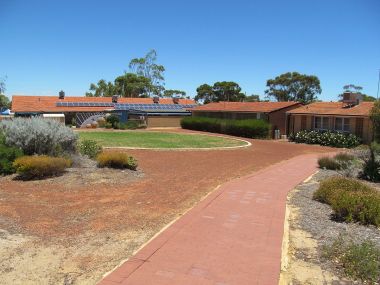
Rooftop solar system on a School in Western Australia
(Photo: Orderinchaos, Wikimedia Commons)
¶ “Kavanaugh Could Usher In Even More Business-Friendly Era on Supreme Court” • Brett Kavanaugh could add a powerful new voice on the Supreme Court. His record on the US appeals court reveals views closely aligned with conservatives who seek to rein in agencies on issues from climate change to net neutrality and financial oversight. [BloombergQuint]
World:
¶ The Volkswagen Group signed the initial letters of intent with the FAW Group and the Connected Vehicles Research Institute during a visit of Chinese Premier Li Keqiang to Berlin. VW plans to invest €15 billion for new ventures in the lucrative country through 2022 for both local investments and new research and development efforts. [CleanTechnica]

Volkswagen ID
¶ With a string of new investments and acquisitions in the past year, Shell has quietly stepped up the pace of its transition from an oil and gas company into an energy company. “We are further along than people realize,” says Mark Gainsborough, Executive Vice-President of Shell New Energies, in an exclusive interview with Energy Post. [CleanTechnica]
¶ Investment in clean technologies is closely tracking last year and has already hit $138.2 billion, analysis by Bloomberg New Energy Finance shows. This is just 1% lower than for the first half of 2017, though the direction of investment is changing. Both windpower and smart technologies (including batteries) have seen increased investment. [Climate Action Programme]

Wind farm
¶ German prime minister Angela Merkel and Chinese Prime Minister Li Keqiang signed an agreement that will bring a CATL battery factory to the German city of Erfurt. CATL is China’s largest battery manufacturer. BMW has already signed up to buy over $1.7 billion worth of CATL batteries for electric cars it builds for the European market. [CleanTechnica]
¶ Scottish developer Sustainable Marine Energy’s Plat-I floating tidal device has departed the UK and is on its way to Canada for deployment off Nova Scotia. The trimaran platform left Liverpool on a container ship. SME is to deploy the device in the Grand Passage in the Bay of Fundy for a project at the Fundy Ocean Research Centre for Energy. [reNews]

Container ship Atlantic Sky carrying the floating
tidal device (UK Maritime and Coastguard Agency)
¶ The Indian state of Maharashtra has banned plastic packaging along with such other plastic items as drinking straws and cutlery. The goal is for all of India to do the same by 2022. Maharashtra’s ban is more far-reaching than those of other places. Even colorful plastic garlands that often adorn Hindu temples will no longer be legal. [WBHM]
¶ Irish renewables company DP Energy has been given the green light to expand a hybrid renewable energy park in South Australia to a total of 1.1 GW of wind, solar and storage. The company announced that it had won state government approval for the proposed second stage of its Port Augusta Renewable Energy Park in June. [RenewEconomy]

DP Energy hybrid power station
¶ According to data released by the German Association of Energy and Water Industries, wind, solar, hydropower, and biogas met 36.3% of Germany’s electricity needs between January and June 2018, while coal provided just 35.1%. This is the first time coal has fallen behind renewable power over such a long period of time in Germany. [EURACTIV]
US:
¶ The city council of Concord, New Hampshire, voted to establish a goal of transitioning the city to 100% renewable energy, the Sierra Club announced. The vote was unanimous. The resolution adopts a goal of using 100% renewable energy for electricity by 2030 and for all sectors including heat and transportation by 2050. [North American Windpower]
Wind turbine
¶ BYD and Generate Capital announced a new electric bus leasing program. The new program is seeded with an initial $200 million investment that is geared towards lowering the barrier to adoption for electric vehicles for public and private-sector buses. The move allows customers to shift some upfront costs to a monthly expense. [CleanTechnica]
¶ Duke Energy introduced a solar rebate program for North Carolina and announced a request for proposals for adding 680 MW of renewable energy capacity in both North and South Carolina. The competitive selection is targeting new solar or other renewable energy facilities. Each project has to have a capacity of between 1 MW and 80 MW. [Renewables Now]

Worker at a Duke Energy solar park (Photo: Duke ENergy)
¶ As of April 2018, more than 99% of the hydro and fossil-fueled (petroleum, natural gas, and coal) power capacity in Puerto Rico was operating, an update from the DOE’s Energy Information Administration said. About a hundred power plants were still not operating as of April, but they are expected to return to service by the end of 2018. [Daily Energy Insider]
¶ EVs could drive a 38% rise in US electricity demand, according to the DOE’s National Renewable Energy Laboratory. The NREL study indicates that rising electricity demand could lead to sustained absolute growth of 80,000 GWh per year over the next thirty years. This could add a growth of 1.6% per year over that period for utility companies. [Utility Dive]
geoharvey is free and without ads.
geoharvey is not tax-deductible.
Posted in nuclear power, renewable power, solar, wind | Leave a Comment »
Tags: nuclear, nuclear power, renewable power, solar power, wind power
July 10, 2018
Opinion:
¶ “China and EU can lead on climate action” • When Donald Trump announced that the US would withdraw from the Paris Climate Agreement, he surrendered its influence. The upcoming EU-China summit in Beijing will be yet another moment when the world leaders can emphasise the successes in decarbonizing their respective economies. [Climate Home]
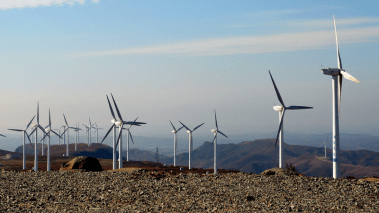
Mulan wind farm, China (Photo: Creative Commons)
¶ “New utility settlement highlights how Ohio utilities are leaving FirstEnergy behind on clean energy” • Dayton Power & Light and environmental groups have reached a settlement that limits cost increases while promoting efficiency, electric vehicles, and clean energy. But FirstEnergy is doubling down on clunky old power plants. [Environmental Defense Fund]
Science and Technology:
¶ Since records began in the early 1900s, hurricanes have only reached a maximum strength of category five during six seasons: 1932, 1933, 1961, 2005, 2007, and 2017. But some scientists now warn that as the Earth gets warmer as a result of climate change, hurricanes will produce more wind and rain, and we may see some of Category Six. [Express.co.uk]

Hurricane
World:
¶ The UK’s first independent infrastructure review poured cold water on plans to invest billions of pounds in a string of new nuclear power stations. It was in favor of cheaper wind and solar power. The National Infrastructure Commission warned ministers against deals for more than one follow-up to the Hinkley Point C project before 2025. [Telegraph.co.uk]
¶ The world’s largest vertical farm is to be built in Dubai. It is a joint venture between agri-tech firm Crop One Holdings and Emirates Flight Catering, which supplies 225,000 meals daily from its base at Dubai International Airport. Construction of the 130,000-square foot farm will begin in November. It will provide 6,000 pounds of produce daily. [CNN]

Vertical farm
¶ The 750-MW Rewa solar power project, one of the world’s largest single-site solar power plants, has started operations. Located in the central Indian state of Madhya Pradesh, it is the first solar project in the country to supply power to an inter-state open access customer. It will supply electricity to the Delhi Metro Rail Corporation. [pv magazine India]
¶ Morocco is moving towards achieving its renewable energy production goals. It inaugurated the 120-MW Khalladi wind farm in the city of Tangier. Built at a cost of $170 million, the farm was developed by ACWA Power, a firm headquartered in Riyadh. The launch of the wind farm could fast track Morocco’s ambitions for energy independence. [Forbes Middle East]
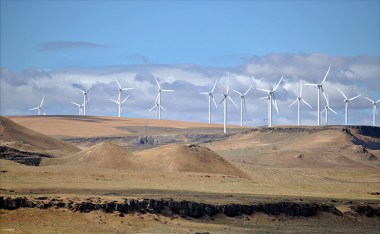
Wind farm (ShutterStock image)
¶ Renewable energy provided a record 28.1% of the UK’s electricity in the second quarter of 2018, according to a report by EnAppSys. The figure was boosted by high winds and a sunny start to the summer. Wind farms provided the largest share, at 9,500 GWh. The next share came from solar, at 5,200 GWh, with the help of a June heat wave. [reNews]
¶ With Japan saying for the first time that renewable energy will be a “major” source of its electricity supply, international windpower companies are gearing up to get into the potentially lucrative market. Such foreign players have mostly stayed away thus far, deterred by high installation costs and red tape, but they are now rethinking the situation. [Nikkei Asian Review]
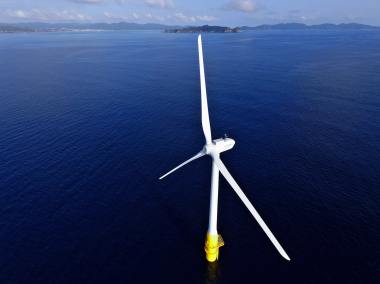
Offshore wind turbine operated by Toda (Courtesy of Toda)
US:
¶ Wind turbines standing on 22,000 acres of North Carolina farmland do not interfere with a Navy radar system in Virginia, according to a study by researchers at MIT. But the Virginian-Pilot of Norfolk reports that the study also said a developer should not expand the 104-tower Amazon Wind Farm to 150 turbines as originally planned. [WHSV]
¶ On his last day in office, former EPA Administrator Scott Pruitt managed to cement a massive loophole for some of the dirtiest, most polluting trucks on the road, allowing manufacturers to build even more them. Pruitt’s last policy decision benefits a small number of truck manufacturers, including one that hosted a campaign event for Donald Trump. [Vox]

Not a “green” machine (Image: Fitzgerald Glider Kits)
¶ NET Power completed a demonstration plant outside Houston for a technology that it claims will capture 100% of the carbon dioxide produced as it burns natural gas to generate electricity. It uses carbon dioxide as part of its process. It says the excess CO2 can be sold for industrial uses, the most important of which is for oil recovery. [CleanTechnica]
¶ All residential buildings in Keene, New Hampshire, could get their electricity from solar installations by 2030, a group of Keene State College environmental studies students found. They said all residential heating and transportation in the city could be solar powered by 2045. The local Ready for 100 campaign helped them to study the question. [The Keene Sentinel]
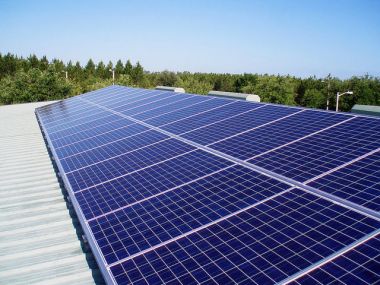
Rooftop solar system (Flickr image)
¶ Dwindling populations of bees, butterflies, and hummingbirds could be the winners in the push to add more solar power to New York’s energy grid. A three-year project will identify the ecological and economic benefits of adding so-called pollinator friendly wildflowers and habitat on solar farms in Central New York and the Hudson Valley. [The Journal News]
¶ A growing number of Massachusetts and New Hampshire communities are raising concerns about the evacuation plans for Seabrook Nuclear Power Station, especially during summer months when roadways are clogged by visitors. NextEra Energy, Seabrook’s owner, has applied for a 20-year license extension to operate until 2050. [Wicked Local]
geoharvey is free and without ads.
geoharvey is not tax-deductible.
Posted in nuclear power, renewable power, solar, wind | Leave a Comment »
Tags: nuclear, nuclear power, renewable power, solar power, wind power
July 9, 2018
Opinion:
¶ “The World’s ‘New Oil’ – Batteries” • Could batteries become the world’s new oil? According to Bloomberg, “the rise of electric vehicles and renewable-energy sources may mean that some crude may stay in the ground. BP last year said battery-powered vehicles could flatten projected oil-demand growth from cars in the next 20 years.” [CleanTechnica]

Tesla’s Model S (Image: Tesla)
World:
¶ The Garissa Solar Plant will bring down the cost of electricity in Kenya to 5.4¢/kWh. The plant consists of about 210,210 PV panels of 260 watts each, sitting on 85 hectares, and will be able to generate power capable of lighting around 625,000 homes. Originally, it was to be completed in December, but the date has been revised to September. [Daily Nation]
¶ Pakistan overcame a crippling power crisis, and over 95% of its population have access to electricity, the Spectator Index reported, citing World Bank Data. Earlier this year, a report from the International Renewable Energy Agency said that Pakistan needs to fully exploit indigenous renewable energy resources to improve energy security. [Daily Pakistan]

Electric transmission lines
¶ Sinosteel Corp, a Chinese company, signed a memorandum of understanding with Denikon, based in Italy, to jointly build a solar park in Iran with a capacity of up to 1,000 MW, the Islamic Republic News Agency reports. The agreement envisages the construction of a solar park, 20,000 residential PV systems, and a PV manufacturing facility. [Renewables Now]
¶ The solar industry has developed rapidly in recent years, with global capacity increasing from just 1.5 GW in 2005 to 98 GW in 2017. GTM Research’s recent report, Top 15 Global Utility Solar PV Developers, details the world’s largest solar PV developers. Together, they account for 20% of installed utility-scale solar capacity worldwide. [Power Technology]
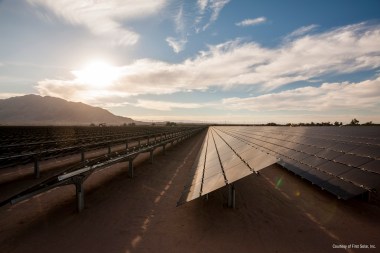
Solar array (First Solar image)
¶ China’s State Council released the full text of a three-year action plan to curb air pollution by 2020. Air pollution in China is now affecting 37% of China’s population, and measures taken so far are falling short of government goals and public expectations. The new plan offers tougher limits and proposes a quicker shift to cleaner energy. [The Maritime Executive]
Australia:
¶ The Australian Renewable Energy Agency and the Victoria government are leading a new program to establish standards for household and commercial battery storage to make it easier for residential and business customers to compare different storage options. Over 2 million Australian homes and businesses that already have rooftop solar. [RenewEconomy]
Battery
¶ Australian rooftop solar panel installations soared by almost half in the first six months of 2018 as businesses eclipse residential take-up for the first time. In the January-June half, rooftop PV installations reached 701.9 MW, up 48.1% from the same time a year earlier, according to Green Energy Markets, a consultancy. [The Sydney Morning Herald]
¶ The Australian Capital Territory has declared any coal deal to placate conservative Liberals and Nationals would be “entirely unhelpful” to a successful resolution of the national energy guarantee in early August. The territory’s climate change minister, Shane Rattenbury, has warned the commonwealth a side deal on coal could kill the NEG. [The Guardian]
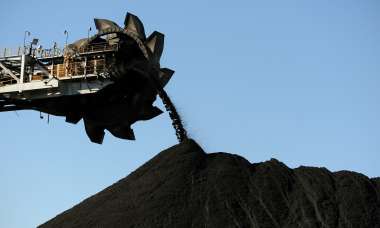
Coal (Greg Wood | AFP | Getty Images)
US:
¶ Western states are running into critical water issues because of climate change. Desalination plants can address the issue, but they are expensive and use a lot of power. So the US DOE is putting $21 million toward fourteen projects aimed at developing technology to cut the cost of using solar energy to power thermal desalination. [CleanTechnica]
¶ A US judge ordered Chinese wind turbine maker Sinovel Wind Group to pay a $1.5 million fine after the company was convicted of stealing key technology from the Massachusetts-based AMSC. The US Justice Department said Sinovel has already paid AMSC, formerly known as American Superconductor Corp, $32.5 million. [The Epoch Times]
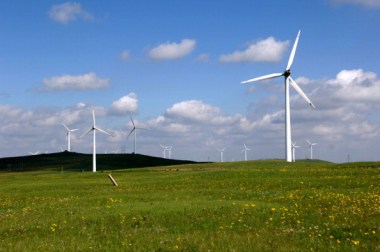
Wind turbines in China (STR | AFP | Getty Images)
¶ City officials in St Paul, Minnesota, have set a goal to get the city’s carbon footprint to net zero by 2050. “The high-level goal is we want city buildings operating as carbon neutral by 2030, and all buildings by 2050,” said Russ Stark, a former president of the St Paul City Council who is now the city’s chief resilience officer. [TwinCities.com-Pioneer Press]
¶ Researchers at University of California at San Diego, Harvard, and Carnegie Mellon published a paper in Proceedings of the National Academy of Sciences showing the nuclear industry is on the verge of collapse just when we need to limit carbon emissions. Some advocacy groups would rather focus on supporting renewable sources. [South China Morning Post]
geoharvey is free and without ads.
geoharvey is not tax-deductible.
Posted in nuclear power, renewable power, solar, wind | Leave a Comment »
Tags: nuclear, nuclear power, renewable power, solar power, wind power
July 8, 2018
Opinion:
¶ “For Effective Natural Disaster Recovery, Long-Term & Holistic Solutions Are Needed” • As areas of the world are ravaged by extreme events, many fueled by climate change, it is important that reconstruction policies take into account the human factors of well-being and contentment. Acting to help people should not impair their lives. [CleanTechnica]

Port Arthur, Texas, after Hurricane Harvey
¶ “Clean energy has big economic impact on Colorado” • In two decades, I’ve seen wind energy costs plummet, municipalities cut power bills by building energy-efficient schools, and the solar market explode from a few renegades to a technology favored by America’s most profitable corporations. But the most dramatic shift I’ve seen? Jobs. [Pueblo Chieftain]
¶ “The roiled solar power market shows how Trump’s tariffs can disrupt an industry” • A 30% US tariff on imported solar panels should have caused prices here to jump. But when tariffs are unleashed, as businesses are learning, things don’t always go as expected. In the US, prices have not changed, but worldwide solar prices declined 35%. [Los Angeles Times]
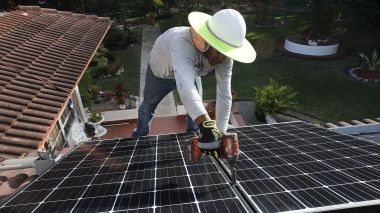
Installing a solar system (Joe Raedle | Getty Images)
World:
¶ The UK has already decided to ban the sale of new cars and vans with internal combustion engines by 2040 but some are calling for that ban to happen sooner to improve air quality near many roads and highways. The CEO of Royal Dutch Shell, told The Guardian he supports the calls to move up the effective date of the ban. [CleanTechnica]
¶ China had 53% of the global new solar capacity in 2017, up from 45% in 2016. But its new solar policy reduces the amount of solar to be installed in China. Most forecasters project a downturn in PV production, but IHS Markit predicts that the global solar market will increase by around 11% to 105 GW in 2018 in spite of Chinese policy. [CleanTechnica]

Floating solar array
¶ The benchmark seaborne thermal coal prices have jumped to $120.10 per tonne, its highest level since November 2012, thanks to tight supply in key Asian export regions. Measured from lows hit end-2015, the cost of coal used in power generation has gained 140%. China has continued to buy coal, despite actions to discourage its use. [OilPrice.com]
¶ Madagascar has announced plans to develop more solar power projects in a bid to reduce the cost of electricity. Its government will implement the Madagascar Electricity Sector Operations and Governance Improvement Project, which has been approved by the World Bank for a $40 million credit from the International Development Association. [Energy Digital]

Madagascar (Getty Images)
¶ Total’s main business today may be oil and gas, but it is making aggressive moves to become a leader in renewable energy also. CEO Patrick Pouyanne said Total was ready to build 10,000 MW of solar power plants in France, enough to power 1.64 million homes, over the next 10 years. The government of France has set goals for solar power. [Motley Fool]
US:
¶ In New Jersey, 25,000 homes – worth nearly $10 billion – will be at risk of chronic flooding by 2035. Those properties could flood 26 times or more annually, according to a recent study by the Union of Concerned Scientists, making New Jersey the state that will be hit the hardest in the contiguous US in terms of value of property at risk by 2035. [NJ.com]

Flooding in Sea Bright
¶ Incoming EPA chief Andrew Wheeler said in a new interview that he believes humans have played a role in climate change, but the EPA will likely not change much under his leadership. He said that he will continue to pursue alternatives to the Clean Power Plan, which he has criticized for going “outside the four corners of the Clean Air Act.” [The Hill]
¶ Duke Energy Carolinas plans to sell five small hydro power plants to Northbrook Energy at a $40 million loss and says the sale is in the best interest of customers. The companies asked the North Carolina Utilities Commission to approve the sale and also asked for a declaratory ruling to qualify the small plants as new renewable energy facilities. [WSOC Charlotte]

Hydro dam
¶ Arizona regulator Andy Tobin filed a set of proposed rules that would implement his Arizona Energy Modernization Plan to put utilities on a course to supply 80% renewable or nuclear power by 2050. Tobin’s proposal would require utilities to roll out 3 GW of energy storage by 2030 and to grow the use of energy efficiency and electric vehicles. [Utility Dive]
¶ The Bonneville Power Administration, which produces power in the Northwest, could save money and help fish by walking away from costly future upgrades to the four lower Snake River dams, according to some environmentalists. Cheap renewable electricity from solar and wind farms has made it uneconomical to operate the dams. [Lewiston Morning Tribune]
geoharvey is free and without ads.
geoharvey is not tax-deductible.
Posted in nuclear power, renewable power, solar, wind | Leave a Comment »
Tags: nuclear, nuclear power, renewable power, solar power, wind power
July 7, 2018
Opinion:
¶ “3 Ways Cities Can Protect Low-Income Residents From Climate Change” • Climate impacts often fall disproportionately and unfairly on society’s most vulnerable, but cities are uniquely well-positioned to do something about these inequities by taking innovative climate action. And local leaders are ready right now to take climate action. [CleanTechnica]

Protecting low-income citizens
¶ “This Is The 16-Year-Old Leading The Next Climate March” • At 16 years old, Climate Reality Leader Jamie Margolin is one of 13 plaintiffs suing Washington State for failing to take adequate steps to fight climate change. On July 21, she will lead a mass youth climate march in Washington, DC, led by her organization, Zero Hour. [CleanTechnica]
World:
¶ Swiss Re is one of the world’s leading providers of reinsurance, insurance, and other forms of insurance-based risk transfer. It announced it will not provide reinsurance to businesses with more than 30% exposure to thermal coal across all business lines. It is just the latest company to tighten the screws on the future of thermal coal. [CleanTechnica]
¶ Six Uttar Pradesh cities alone can generate 11.4 GW of solar energy using 11% of their built-up area, a report by the Centre for Environment and Energy Development said. The report said that installing solar rooftops in Lucknow, Kanpur, Allahabad, Meerut, Agra, and Gorakhpur can also generate 3 lakh (300,000) jobs in the Indian state. [ETEnergyworld.com]
¶ Poland, Europe’s second-biggest consumer of coal, is cautiously embracing renewables to improve energy supply security and meet its EU targets. The country’s upper house of parliament approved removing clean power investment roadblocks within a law that is aimed to put Poland on track to 15% renewables by 2020. [Greentech Media]

Warsaw (Shutterstock image)
¶ A coalition of seven Dutch political parties, with 113 out of 150 seats in parliament, unveiled a climate policy proposal that is breathtaking in its ambition. If it becomes law, it will codify the most stringent targets for greenhouse gas reductions of any country in the world, requiring the country to reduce carbon emissions by 95% by 2050. [Vox]
¶ Time is running out for the world’s forests, warns a report by the UN agriculture agency. It urges fostering an all-inclusive approach to benefit both trees and those who rely on them. Halting deforestation, managing sustainably, restoring degraded forests, and adding tree cover all need action to avoid damaging consequences. [UN News]
US:
¶ The Trump administration drafted a new proposal to regulate carbon dioxide emissions from power plants, but it is far less stringent than the climate plan formalized in 2015 by the Obama administration. The new proposal accepts, for now, the idea that CO2 is a pollutant, but it is likely to spur only small tweaks to the nation’s energy system. [The New York Times]
¶ The US government announced plans to boost the nation’s offshore wind industry by streamlining, permitting, and offering leases in coastal waters. The plans form part of the “America First” initiative that aims to increase local energy production and employment, Reuters reported. The news sparked interest in European energy firms. [Energy Digital]
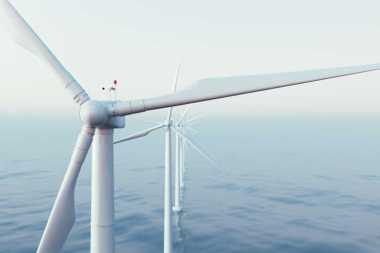
Offshore wind farm (Getty Images)
¶ In addition to its wind farms, Texas has seen a sharp increase in the number of new solar arrays. The largest of those projects so far is a 150-MW solar farm on 1,600 acres in Upton County. That array may soon be overtaken by a 250-MW solar project in West Texas, as Canadian company Innergex has acquired the rights to develop it. [Climate Action Programme]
¶ The American Geophysical Union is a nonprofit professional scientific organization whose members come from different fields of Earth and space sciences. They could see that systems in its ageing Washington, DC headquarters needed major repair. They also saw this as an opportunity to design an entirely new “green” workplace. [CleanTechnica]

AGU headquarters with a new solar array
¶ An EIA study examines the role of high-voltage direct current lines in integrating renewables resources into the electric grid. The review shows that there are limited applications in the current electric transmission network, but properly configured HVDC lines could help mitigate some of the operational issues of renewable generation. [Solar Power World]
¶ Last year had the lowest share of total US energy consumption by fossil fuels in more than 100 years, but they still have an 80% market share. The Energy Information Administration found petroleum, natural gas, and coal use have been decreasing for the last three years. Coal especially has taken hits, the others are both down. [Daily Energy Insider]

Old technology and new (©Shutterstock)
¶ “We want microgrids everywhere,” Puerto Rico Gov Ricardo Rosselló said in a recent discussion of his Energy 2.0 plan. The remark, part of his “New Vision for Puerto Rico” speech at the Aspen Ideas Festival, signaled a push to modernize the island’s electric grid with microgrids, renewable energy, and energy storage. [Microgrid Knowledge]
¶ The Millstone nuclear plant is renewing threats to close its reactors after state regulators proposed delaying the company from bidding on clean energy contracts. A draft request for proposals by the Department of Energy and Environmental Protection would delay Millstone’s ability to bid for zero carbon electric contracts for five years. [CT Post]
geoharvey is free and without ads.
geoharvey is not tax-deductible.
Posted in nuclear power, renewable power, solar, wind | Leave a Comment »
Tags: nuclear, nuclear power, renewable power, solar power, wind power
July 6, 2018
Opinion:
¶ “Syrian seeds could save US wheat from climate menace” • A Kansas greenhouse has in it a buzzing horde of flies laying waste to 20,000 wheat seedlings. But as researchers watched, there was one species of growth that remained untouched. That species, grown from Syrian seeds, could end up saving US wheat from climate change. [The Guardian]

Syrian wheat harvest (Amer Almohibany | AFP | Getty Images)
World:
¶ US tariffs on $34 billion (£25.7 billion) of Chinese goods have gone into effect, signalling the start of a trade war between the world’s two largest economies. China has retaliated by imposing a similar 25% tariff on 545 US products, also worth a total of $34 billion. Beijing accused the US of starting the “largest trade war in economic history.” [BBC]
¶ GeoSea jack-up A2Sea Sea Challenger installed the first turbine at E.ON’s 385-MW Arkona offshore wind farm in the German Baltic Sea. The project will feature 60 Siemens Gamesa 6.45-MW machines, with tip heights of 180 metres. E.ON said that directly after installation the project team is preparing the turbines for power generation. [reNews]

Turbine installation (Image: 2018 ds Xpress GmbH)
¶ Greece completed its first renewable energy auction, awarding about 277 MW of capacity. The auction, which was conducted by the Regulatory Authority for Energy, had three categories: PV power plants of up to 1 MW (18.9%); PV plants of between 1 MW and 20 MW (18.9%) ; and wind power plants of between 3 MW and 50 MW (62.2%). [Renewables Now]
¶ UK renewable energy developer Ecotricity announced the launch of a “vegan electricity tariff” in response to the use of animal by-products from the meat and dairy industries to produce power and gas. The anaerobic digestion sector responded that it is important to deal with waste effectively, regardless of its source. [Renewables Now]

Anaerobic digestion facility
¶ Victoria has enough large-scale renewables in the pipeline to supply the annual needs of all of the state’s households, new data shows. According to Environment Victoria, the state’s utility-scale wind and solar farms could soon power about 2.5 million homes. That includes both projects already built and those now under construction. [Energy Matters]
¶ The second generation of Germany’s SINN Power wave energy technology, has been successfully put into operation in Heraklion, Greece. By implementing the new generation of prototypes, SINN Power is now one of the first wave energy companies to be able to generate controlled and stable electrical energy from ocean wave action. [Renewable Energy Magazine]
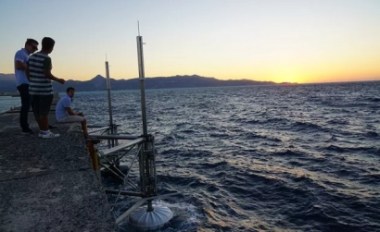
Getting power from waves
¶ A French parliamentary inquiry flagged up “failings” in the defenses of the country’s nuclear power plants, days after activists crashed a drone into a facility to underscore safety concerns. France is the world’s most nuclear-dependent country, with 58 reactors providing 75% of its electricity. Greenpeace has repeatedly challenged their security. [Free Malaysia Today]
US:
¶ A newly published study projects that a Trump administration proposal for propping up struggling coal and nuclear plants could lead to premature deaths from pollution. Resources for the Future found that for every 2 to 4.5 coal mining jobs the plan protects, there would be 1 human death due to emissions of sulfur dioxide and nitrogen oxides. [The Hill]
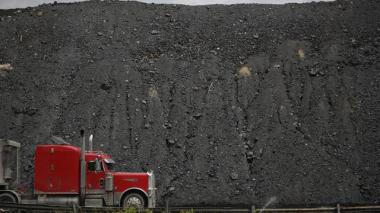
Coal (Getty Images)
¶ EPA Administrator Scott Pruitt resigned. Now, a former coal lobbyist will be the EPA’s new acting head. Andrew Wheeler was confirmed by the Senate in April to be the Deputy Administrator, though he was criticized by Democrats for his past ties to energy lobbyists. One client of the law firm where he worked was coal mining company Murray Energy. [CNN]
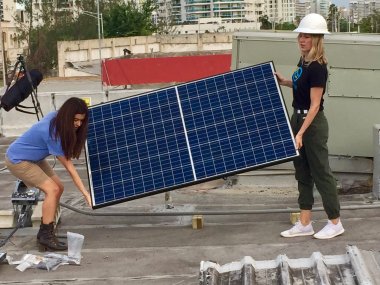
Sunrun CEO Lynn Jurich installing solar panels on a
fire station in Puerto Rico (Image: Sunrun, via Twitter)
¶ Sunrun, the leading residential solar, storage, and energy services company in the US, has announced it is now offering its Brightbox solar-as-a-service and home battery combination to households in storm-ravaged Puerto Rico. Sunrun was one of the first US national solar companies to send aid to Puerto Rico after Hurricane Maria. [CleanTechnica]
¶ To better understand attitudes and choices around renewables and clean energy trends, Swytch commissioned a survey of over 1,000 consumers across the United States. Nearly 73% of the respondents in red states and 74% of the respondents in blue states are worried that there isn’t enough being done to reduce climate change. [Solar Power World]
¶ Pushing ahead where utility regulators so far will not, advocates of more renewable energy filed more than 480,000 signatures to put the question on the November ballot in Arizona. Their ballot initiative would require electric utilities to get at least half their power from solar, wind, biomass, and other renewable sources by 2030. [Arizona Capitol Times]

Power lines
¶ With solar PV as the most popular renewable choice, customer-owned renewable generation increased 51% in 2017 in Florida, according to new electric utility reports filed with the Florida Public Service Commission. The commission says renewable system interconnections totaled 24,157 last year, compared to 15,994 in 2016. [Solar Industry]
¶ The heads of ten Massachusetts local chambers of commerce sent a letter to House Speaker Robert DeLeo and Senate President Harriette Chandler, asking them to support an increase in the renewable portfolio standard as they pass bills during the final months of the two-year legislative session. They cited potential economic benefits. [Worcester Telegram]
geoharvey is free and without ads.
geoharvey is not tax-deductible.
Posted in nuclear power, renewable power, solar, wind | Leave a Comment »
Tags: nuclear, nuclear power, renewable power, solar power, wind power
July 5, 2018
Science and Technology:
¶ Global warming may eventually be twice what is projected by climate models, and sea levels may rise six metres or more even if the world meets the 2°C target, according to an international team of researchers from 17 countries. The findings are based on observational evidence from three warm periods over the past 3.5 million years. [UNSW Newsroom]

Sunset (Photo: Patrik Linderstam, Unsplash)
¶ A study published by the UK National Oceanographic Centre warned that rising sea levels could cost the world economy £10 trillion ($14 trillion) a year by 2100. It argued that failure to meet the UN’s 2° C warming limits could have catastrophic effects. The findings were published in the science journal Environmental Research Letters. [Express.co.uk]
World:
¶ The Indian state governments have resolved to electrify every household in the country by December. The Minister of State for Power and Renewable Energy, addressing a conference of power and renewable energy ministers of states and union territories, said states have given written assurances to meet the household electrification deadlines. [Business Line]
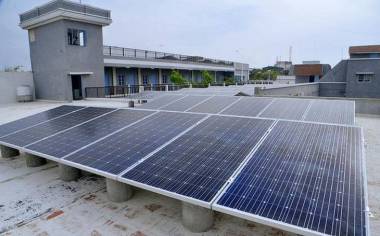
Indian rooftop solar system
¶ GE won a contract to supply variable speed equipment for the massive new $1.87 billion Fengning hydropower and pumped storage project in China’s Hebei Province. The Fengning power plant is billed as the biggest facility of its kind in the world. It has a capacity of 3.6 GW. The pumped storage will add another 1.8 GW of capacity. [CleanTechnica]
¶ Ideol’s 2-MW Floatgen floating wind turbine at the SEM-REV test center in France is ready to supply its first power after the replacement of a defective connection box. Marine consultancy Mojo Maritime carried out the operation. Final validation checks on the connection revealed an insulation defect in the 25 km long underwater cable. [reNews]
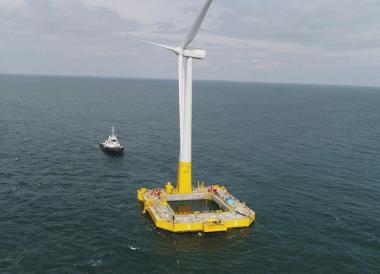
Floatgen (Image: Ideol BYTP Centrale Nantes)
¶ NKT has secured a €145 million ($169.5 million) contract from Ørsted to supply export cabling for the 1386-MW Hornsea 2 offshore wind farm off the east coast of Yorkshire. The deal is for delivery of three far-shore wires totalling over 190 km in length. They will transmit power for about 50% of the whole offshore wind project. [reNews]
¶ Swedish utilities and power generators have already installed so many wind turbines that the nation is on course to reach its 2030 renewable energy target this year. By December, Sweden will have 3,681 wind turbines installed, lobby group Swedish Wind Energy Association estimated. The turbines will supply enough power to meet the 2030 goal. [Business Day]

Wind turbines in Sweden (Supplied image)
¶ The renewable energy sector created 47,000 new jobs in India in 2017, employing 432,000 people, according to a recent report by the inter-governmental International Renewable Energy Agency. In all, India had 20% of the more than 500,000 new green jobs created globally in 2017. There are now 721,000 green sector jobs in India. [Business Standard]
¶ British solar power firm Proinso said it has partnered with Joules Power Ltd, based in Bangladesh, on a 28-MW solar project in the Asian country. The PV park is the first utility-scale facility of its kind in Bangladesh and will be commissioned this month. The plant’s annual output is expected to be 43,000 MWh, when it is working at peak capacity. [Renewables Now]
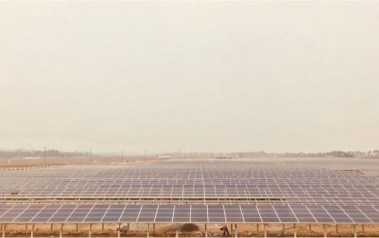
Solar park in Bangladesh (Proinso image)
Australia:
¶ A Queensland-led coal push is intensifying as the Turnbull government pushes for the national energy guarantee. At the state Liberal and National Parties coalition conference there are several motions expected calling for a new coal-fired power station and an end to renewable subsidies. Nuclear power will also be on the agenda. [The Guardian]
¶ Monash University has committed to buying green energy from the Murra Warra Wind Farm in western Victoria, in a new deal that brings the university closer to its target of 100% renewables. The long-term power purchase agreement is part of the 226-MW first stage of the wind farm. It is expected to be fully operational in 2019. [RenewEconomy]

Australian wind farm
¶ June was a big month for the Danish wind turbine maker Vestas. In the last six days of the month alone, the company secured and announced receiving nine orders for a total of 803 MW of wind turbine capacity. These add to the 1,354 MW announced through the first three weeks of the month, bringing the total orders for June to 2,157 MW. [CleanTechnica]
US:
¶ The cost of burning coal is rising, while the cost of renewable forms of energy is going down, according to a recent study commissioned by the Sierra Club. An independent company, Energy Strategies, was contracted for the study. Its analysis showed that wind and solar power tend to be less expensive for consumers than coal. [Utah Public Radio]

Coal plant in Utah (Photo: Arbryreed | Flickr.com)
¶ EDP Renewables North America is to sell electricity from two wind farms in Illinois and Indiana, totalling 405 MW, to three commercial and industrial companies. The power is covered by four 15-year power purchase agreements. The Illinois wind farm is expected to start operations next year, and the Indiana project is to come online in 2020. [reNews]
¶ A report by the Bonneville Power Administration and the state of Montana says Montana can now provide 360 MW of renewable energy to the Northwest, and more capacity will be available after the partial shutdown of the Colstrip power plant by 2022. One person commented that Colstrip’s power can be replaced with renewables at minimal cost. [Chem.Info]
geoharvey is free and without ads.
geoharvey is not tax-deductible.
Posted in nuclear power, renewable power, solar, wind | Leave a Comment »
Tags: nuclear, nuclear power, renewable power, solar power, wind power
July 4, 2018
Opinion:
¶ “Fossil Fuels Are Likely To Go Bust Regardless Of Climate Action” • Wind turbines, solar panels, and electric vehicles get cheaper and more abundant by the day, hurting demand for coal, oil and natural gas. As demand falls for fossil fuels, so will prices. Companies with coal mines or oil wells, will be unable to turn a profit digging up fuel. [CleanTechnica]
World:
¶ Acme Solar and Azure Power managed to secure the rights to develop 600 megawatts of capacity each in the largest solar power tender issued by the Solar Energy Corporation of India to date. The Acme Solar bid of ₹2.44/kWh (3.55¢/kWh) matches a price at one earlier Acme Solar site as at the lowest ever in the Indian solar power market. [CleanTechnica]
¶ The new energy company and electric vehicle titan BYD, based in China, has signed the largest bus deal it has ever had in the Americas, with a new order for 100 fully electric BYD buses in Santiago, Chile. The new buses will start operations in November of this year, when BYD hands them over to the transit operator, Transantiago. [CleanTechnica]

BYD buses for Santiago
¶ French utility ENGIE and the sustainable investments firm SUSI Partners signed financing agreements to develop a 208-MW wind farm in Norway. The 51 Siemens Gamesa turbines in Project Tonstad will be located in the provinces of Sirdal and Flekkefjord. The wind farm will be one of the largest in the country. [Energy Digital]
¶ Nestle officially opened a nine turbine wind farm that can produce enough power for half of its factories, warehouses, and offices in the UK and Ireland. The food and beverage powerhouse said the facility generates 125 GWh of power annually, so enough electricity for 30,000 homes will be sent directly to the network each year. [CNBC]

Nestle wind farm (Nestle image)
¶ On the occasion of Global Wind Day, Indian Minister for New and Renewable Energy RK Singh announced that the country will auction 40 GW of solar and wind energy capacity every year until 2028. The government plans to auction 30 GW of solar and 10 GW of wind capacity every year until the end of fiscal year 2019-20. [CleanTechnica]
¶ A new 2.4-GWh hydro pump storage plant in Scotland’s Loch Ness will increase the country’s ability to deliver renewable energy. Plans for the huge facility were revealed last week. Technical, practical, ecological and all other plans for Red John will go to the government this September. It is exptected that the review will take a year. [Wired.co.uk]

Urquhart Castle on Loch Ness (DeAgostini | Getty Images)
¶ Greenpeace France crashed a drone dressed as Superman into the Bugey nuclear energy plant to expose how vulnerable that facility is to a terrorist attack and highlight the broader dangers of nuclear power. The activists said the drone struck “a storage pool for spent nuclear fuel next to a reactor, one of the most radioactive areas at the site.” [Citizen Truth]
¶ Japan approved an energy plan that sets ambitious targets for nuclear energy use and sustains a struggling program for spent-fuel recycling despite setbacks after the 2011 Fukushima disaster. The Cabinet plan noted for the first time the need to draw down the plutonium stockpile, especially given international security concerns. [Electric Light & Power]

Monju nuclear power plant
US:
¶ The Michigan Conservative Energy Forum commissioned a study of the economic impacts of increased renewable energy on the state’s economy. They were shocked to find that if renewable energy is increased 30% by 2027, it will create more than 68,000 new jobs and have a gross economic impact on the state of over $10 billion. [CleanTechnica]
¶ Innergex Renewable Energy Inc will build the 250-MW Phoebe solar farm in Winkler County, Texas, which is on the border of New Mexico. The company bought the project from Longroad Energy Partners. Innergex said the solar farm will cost nearly $400 million and is expected to be completed by the third quarter of 2019. [mySanAntonio.com]
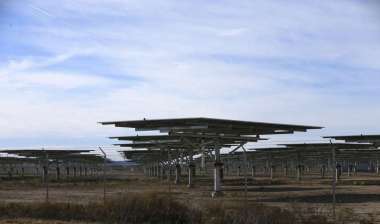
Solar farm (John Davenport | San Antonio Express-News)
¶ One year ago, President Trump announced the US would exit the Paris Climate Agreement. Now, the 17 Democratic and Republican governors belonging to the US Climate Alliance have announced a slate of new initiatives to fulfill their share of the US commitment to the agreement, cutting carbon pollution by more than 26% by 2025. [CleanTechnica]
¶ The Ohio Power Siting Board has given conditional approval for the 21-MW Icebreaker offshore wind farm on Lake Erie, according to local news reports. The wind farm will not be allowed to operate at night from 1 March until 1 January unless the developers have an adequate monitoring plan for birds and bats in place, the reports said. [reNews]
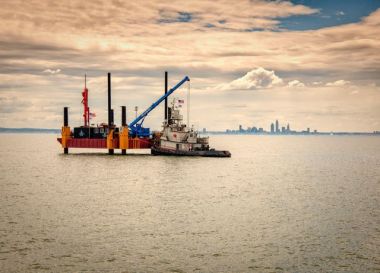
Icebreaker test site
¶ California took another step to mandate that utilities move towards sourcing 100% of their electricity from sources that do not emit CO2. On a 10-5 vote, the Assembly Utilities and Energy Committee approved SB100. The bill now goes to the full Assembly, and if approved will go to Governor Jerry Brown, who is expected to sign it. [pv magazine USA]
¶ America’s oldest nuclear power plant will shut down on September 17, but the Oyster Creek plant near the New Jersey shore will stay right where it is for the next 60 years. All told, it will cost $1.4 billion to shut down the plant; Exelon currently has $982.1 million of that set aside in a decommissioning account, NRC officials said. [Power Engineering Magazine]
geoharvey is free and without ads.
geoharvey is not tax-deductible.
Posted in nuclear power, renewable power, solar, wind | Leave a Comment »
Tags: nuclear, nuclear power, renewable power, solar power, wind power
July 3, 2018
Opinion:
¶ “Trump Has Done More Than Pull Out of Paris” • Since taking office, Trump has done something worse for the climate than pull the US out of the Paris Agreement on climate change: He has cut a large body of climate-focused rules issued by President Obama. With rules no longer in place, corporate plans will increase carbon emissions. [The Atlantic]
Science and Technology:
¶ Researchers at Penn State University created a self-heating battery. Cold temperatures slow down the charging rate of conventional lithium-ion batteries, so they have to be plugged in longer to be charged fully when it is cold. Charging when it is below 50º F can also lead to faster battery degradation, the researchers say. [CleanTechnica]
¶ Alta Devices, a California-based subsidiary of Hanergy Thin Film Power Group, set a record for conversion efficiency of 28.9% for a single-junction solar module, it announced. The US National Renewable Energy Laboratory rated Alta Devices’ single junction GaAs module as the world’s most efficient single-junction solar module. [Renewables Now]

Alta Devices solar cell. (Photo: Business Wire)
World:
¶ Tata Power Renewable Energy Ltd, an arm of Mumbai-based private power producer Tata Power, said it has commissioned a 100-MW solar power project at Anthapuramu Solar Park in Andhra Pradesh. The overall operating renewable energy capacity of the company now stands at 2,215 MW in India, the firm said in a statement. [ETEnergyworld.com]
¶ The largest nuclear power company in China, China General Nuclear Power Group, aims to expand its UK operations. The firm is targeting clean energy projects, specifically wind power and liquefied natural gas opportunities. CGN already owns over 300 MW of wind capacity in the UK and a 33.5% stake in the 3.3-GW Hinkley Point C farm. [Energy Digital]
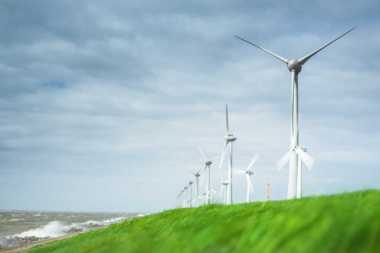
Wind farm on the shore (Getty Images)
¶ Britain’s heatwave has helped break several records for solar power generation, and over the weekend the renewable energy source briefly eclipsed gas power stations as the UK’s top source of electricity. Solar broke the record for weekly output, producing 533 GWh of power. In a first, solar output was over GW for eight consecutive days. [The Guardian]
¶ The Danish renewable energy specialist, Aalborg CSP, has collaborated with Smørum Kraftvarme AmbA on a new solar district heating facility in the capital area of Denmark. The plant consists of flat panels that can jointly produce 5,568 MWh heat annually, contributing to 2,583 consumers’ heat and hot water demands. [Renewable Energy Magazine]

Solar heating plant in Denmark (Courtesy of Aalborg CSP)
¶ Bosnia’s autonomous Serb Republic has launched a tender for the construction of a 65-MW solar power plant in southeastern Bosnia, the country’s largest so far, an Energy Ministry official told Reuters. Investors have until July 27 to submit bids. The project is expected to cost around 150 million Bosnian marka ($89.4 million). [ETEnergyworld.com]
¶ Wind turbines or solar panels with batteries will be able to provide on-demand power cheaper than old coal plants in China by 2028, analysts at Bloomberg New Energy Finance predict. In the US, the combo can outcompete gas generation by 2027, according to the same New Energy Outlook report, presented in London. [Climate Home]

¶ In New South Wales, the Independent Pricing and Regulatory Tribunal has released its final report on solar feed-in tariffs. It recommended that the voluntary payments be cut from 11¢/kWh to 15¢/kWh to 6.9¢-8.4¢, from the start of this month. Such a decision on rooftop solar power will “sabotage” the solar industry, critics warn. [The Sydney Morning Herald]
¶ The production of renewable energy in Germany has hit a new record, providing 41.5% of the country’s power supply in the first half of 2018. Politics are becoming embroiled in migration issues, but the launch of a commission to find a path to end coal-fired power generation has fuelled hopes that the country will be able to reduce emissions more. [RenewEconomy]
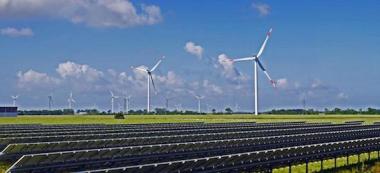
Wind and solar power (Photo: Pixabay)
US:
¶ The TransAlta power plant contributes 10% of the of the total greenhouse gas emmissions of Washington state. Its three units will shut down, one at a time, from 2020 to 2025. The plant’s coal comes from a terraced, open-to-the-sky strip mine, and TransAlta will replace its generating capacity by repurposing 1,000 acres of the mine site to a solar farm. [CleanTechnica]
¶ Rhode Island has become the first state to sue oil companies over the effects of climate change. It filed a complaint seeking damages for the costs associated with protecting the state from rising seas and severe weather. The state’s attorney general said Rhode Island would hold the companies accountable for harm they have caused. [InsideClimate News]
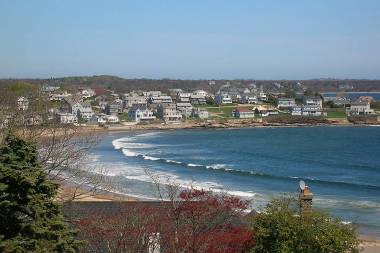
Rhode Island (Photo: Marc Choquette | CC-BY-2.0)
¶ An administrative law judge has recommended that plans for a proposed natural gas power plant in Minnesota come to an end. Judge Jeanne M Cochran said Minnesota Power’s proposed Nemadji Trail Energy Center is neither needed nor in the public interest, and should be rejected by the Minnesota Public Utilities Commission. [Duluth News Tribune]
¶ At a June 28 meeting, New Orleans regulators put the city’s public utility Entergy in the hot seat over slow progress on clean energy goals and increasing power outages. City council members showed little patience for the company, which currently is under investigation for its role in paying actors to show support for a proposed natural gas power plant. [DeSmog]
geoharvey is free and without ads.
geoharvey is not tax-deductible.
Posted in nuclear power, renewable power, solar, wind | Leave a Comment »
Tags: nuclear, nuclear power, renewable power, solar power, wind power
July 2, 2018
Opinion:
¶ “No Industry Immune To Blockchain Technology, Not Even The Electricity World” • What the blockchain technology does is to digitize generation and consumption data to permit peer-to-peer sales, allowing power to be monitored and traded without a utility middleman. A person whose solar panels produce excess electricity can sell to a stranger nearby. [Forbes]

Blockchain (Shutterstock image)
Science and Technology:
¶ A team of researchers working tirelessly to develop a new glass to store nuclear waste have found significant leads. One research scientist said, “Borosilicate glasses have high durability and are the chosen form to immobilize high-level nuclear waste. The key is to maintain durability in the very long term: thousands to hundreds of thousands of years.” [ecns]
¶ UK wave technology development company Marine Power Systems has successfully installed its prototype WaveSub wave energy converter at marine test centre FaBTest, marking the start of a new phase of sea-based testing. Wave energy could become a significant player in the UK power market, offering a competitive price for energy. [Renewable Energy Magazine]
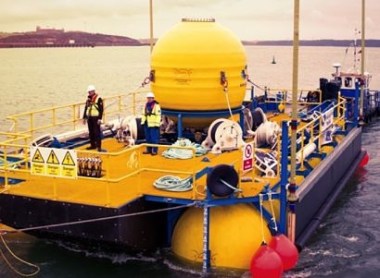
WaveSub (MPS image)
World:
¶ German power production from renewable energy sources in the first half of 2018 totalled 104 billion kWh, 9.5% more than in the same period of 2017 and was above 100 billion kWh for the first time, according to utility E.ON. The company’s data showed the increase for the half of the year has been 33% over the past three years. [Reuters India]
¶ The Chinese plug-in electric vehicle market is at full charge, with some 94,000 units registered in May, up 127% from last year and just 8,000 units less than the current record of 102,000 units set last December. PEVs took a 5% market share in May, well above the 2.1% of 2017. If sales keep progressing this fast, expect a new all-time record in June. [CleanTechnica]

BAIC EC-180
¶ A report from the Grattan Institute says Australian federal and state governments must tell voters that government intervention to keep coal-fired power stations and other ageing assets working is a poor long-term solution. The problem of high power rates can only be fixed with credible climate policy that encourages investment. [The Guardian]
¶ Vattenfall has delivered power for the first time from the 93.2-MW Aberdeen Bay offshore wind farm. The project delivered electricity to the UK National Grid on 1 July from the first two of the 11 MHI Vestas turbines to go live, according to the Swedish company. Aberdeen Bay will feature two 8.8-MW machines and nine 8.4-MW units. [reNews]
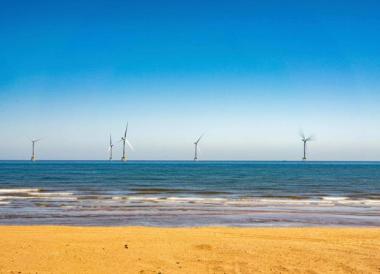
Aberdeen Bay wind farm (Vattenfall image)
¶ First power has been generated from the 90-MW Nangang offshore wind farm in China, turbine manufacturer Siemens Gamesa Renewable Energy SA said. The wind park in Tianjin is owned by a subsidiary of PowerChina. Located off the coast of Tianjin, northeastern China, the plant uses 18 turbines of the G132-5MW model. [Renewables Now]
US:
¶ In the US, EV sales have been hovering in the neighborhood of 1% for the last two years. But EV sales in April 2018 were 1.74% of total light vehicle sales and could end up close to 2% by the end of 2018. This is primarily because of deliveries of Tesla’s Model 3. California’s EV market share reached a record 7.77% in April and could go much higher. [CleanTechnica]

Ford F-150
¶ Irish solar company BNRG Renewables has begun construction of a portfolio of ten solar PV projects totalling 35 MW in Oregon. The projects have secured a 20-year power purchase agreement with local utility Portland General Electric. Construction started in early June on the first three projects. All are expected to be completed by mid-2019. [Irish Times]
¶ To address the threat of rising seas and subsiding land, during the recent primary elections Foster City, California proposed a ballot measure: $90 million worth of property tax increases to fund raising the levees by 2½ metres. Foster City residents voted yes, by more than 80%. The levees should protect them for a little over thirty years. [CBC.ca]
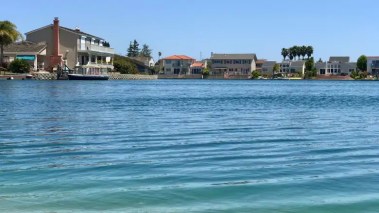
Foster City (Kim Brunhuber | CBC)
¶ Tesla teamed up with the Pacific Gas and Electric Company, one of the largest electric utilities in the US, to produce a massive battery system with a capacity of up to 1.1 GWh. The battery packs for this project will be provided by Tesla with an output capacity of 182.5 MW of power for 4 hours. PG&E can choose to increase the time to 6 hours. [TNW]
¶ During visits from energy assistance agencies, low-income households in Colorado are getting a new question: Have you considered solar panels? It is an innovative approach to solving two challenges: reducing greenhouse gas emissions as the effects of climate change appear across the state, and reducing electric bills for low-income families. [InsideClimate News]
geoharvey is free and without ads.
geoharvey is not tax-deductible.
Posted in nuclear power, renewable power, solar, wind | Leave a Comment »
Tags: nuclear, nuclear power, renewable power, solar power, wind power
July 1, 2018
Opinion:
¶ “India’s huge solar ambitions could push coal further into shade” • India says it intends to launch a tender for 100 GW of solar power, 10 times the size of the current largest solar tender in the world, which is also Indian. These and other green power promises from Delhi have serious implications for the coal industry. [The Guardian]

Solar array (Adani | Supplied)
Science and Technology:
¶ A study from the University of California in Santa Cruz, shows that we might have a powerful tool at our disposal to scrub carbon dioxide from the air. We can do this by splitting seawater atoms and producing hydrogen gas for fuel at the same time. The carbon dioxide is turned into a bicarbonate. [India Times]
World:
¶ Leading Saudi electricity producer and desalter, Acwa power, officially switched on a 120-MW wind farm in northern Morocco, as it continues to diversify its portfolio in the north African country. It is the first wind farm by Acwa power, a group that operates solar and desalination plants in 10 countries. [The North Africa Post]
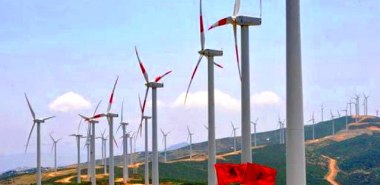
Wind farm in Morocco
¶ US President Donald Trump has urged Saudi Arabia to sharply increase its oil production to combat the rising cost of fuel. Mr Trump tweeted that he had asked Saudi ruler King Salman to raise oil output by up to two million barrels a day. “Prices to [sic] high! He has agreed!” the president added. [BBC]
¶ The Swansea tidal lagoon energy project could go ahead without UK government backing. The Welsh government said it does not have the resources to back the project, but a Swansea council leader told the BBC’s Sunday Politics Wales it could be viable under different ways of paying for it and selling the energy. [BBC News]
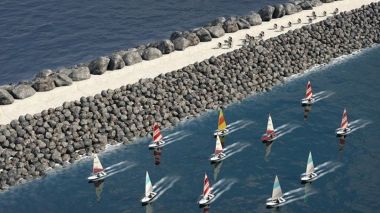
Swansea tidal lagoon energy project (TLP)
¶ Kosovo aims to generate a quarter of its energy from renewable sources by 2020 to meet the standards of the EU, which it aspires to join. To achieve that goal it has to attract more investment and shift away from coal. Nine turbines at Kosovo’s first wind farm will cover 3% of the country’s demand. [ETEnergyworld.com]
¶ In an effort to become a ‘green’ city by 2025, Da Nang cut 12,000 tons of carbon emissions with solar-powered home water heaters and environmentally-friendly electric cars. Vietnam’s central region is sunny almost all year, so solar power systems are seen as among the most effective power solutions. [Inquirer.net]

Rooftop solar system (Viet Nam News | Asia News Network)
¶ A Chinese firm, Shenzhen Kang Ming Sheng Technology Industry Incorporation said it is planning to invest in a renewable energy manufacturing plant in Nigeria to help address the country’s power situation. The plant would produce affordable solar panels, energy-saving lights, and other clean energy products. [Today.ng]
US:
¶ The Federal Energy Regulatory Commission rejected both of PJM Interconnection’s proposals to address failures in its 13-state capacity markets due to state subsidies supporting preferred generation resources. The decision came on a 3-2 vote. States supporting nuclear and renewable power is an issue for FERC commissioners. [Utility Dive]

Nuclear power plant
¶ Colorado farmers are turning to a resource bringing new economic life into eastern Colorado: wind turbines. One family has thirty turbines going up on its land, part of the largest wind farm ever put up in the state. The Xcel project will have a capacity of 300 MW, and is to be in operation in October. [Colorado Springs Gazette]
¶ The US cut its contribution to the Global Environment Facility for the first time in nearly 30 years, India Climate Dialogue reported. In 2014, the US gave $546 million to the GEF, which convenes an assembly once every four years. Reportedly, the Trump administration’s 2018 contribution will be only $273 million. [ThinkProgress]
geoharvey is free and without ads.
geoharvey is not tax-deductible.
Posted in nuclear power, renewable power, solar, wind | Leave a Comment »
Tags: nuclear, nuclear power, renewable power, solar power, wind power
June 30, 2018
Opinion:
¶ “3 Oil Companies Getting Serious About Renewable Energy – and 2 That Aren’t” • The good news is that some of the world’s largest oil and gas producers are investing billions in renewable energy assets, from offshore wind farms to solar energy to next-generation batteries. Unfortunately, other oil majors are all talk with no action. [Motley Fool]
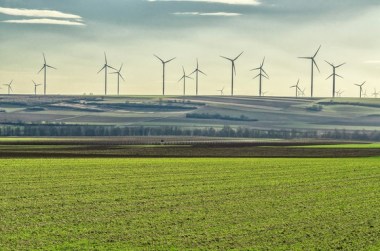
Wind turbines
¶ “‘We’ve turned a corner’: farmers shift on climate change and want a say on energy” • Out in the Australian bush, far from the political jousting in Canberra, attitudes are changing. National Farmers’ Federation head Fiona Simson says people on the land cannot ignore what is right before their eyes. They have turned a corner on climate change. [The Guardian]
Science and Technology:
¶ Levels of air pollution well below what is considered safe by the US EPA and the World Health Organization are causing an increased risk of diabetes worldwide, a study published in Lancet Planetary Health said. In 2016, air pollution contributed to 3.2 million new diabetes cases, worldwide. It is linked to 150,000 new cases per year in the US. [CNN]
World:
¶ Offshore wind turbine manufacturer and developer MHI Vestas announced that its flagship V164 9.5-MW offshore wind turbine, the world’s most powerful wind turbine, was awarded an S class type certificate, paving the way for installations to begin in late 2019. MHI Vestas also held the previous record, which was 8.8 MW. [CleanTechnica]
¶ Following an agreement with Danish energy group Ørsted in February, Siemens Gamesa Renewable Energy confirmed that it will provide 165 of its SG 8.0-167 DD wind turbines to the 1,386 MW Hornsea Project Two offshore wind farm. The project is set to be built in the Hornsea Offshore Wind Zone off the west coast of England. [CleanTechnica]

Siemens Gamesa SG 8.0-167 DD turbine
¶ Poland’s upper house of parliament approved an amendment to the renewable sources of energy law to remove obstacles to green energy investment and help meet EU renewable energy targets. Poland’s conservative Law and Justice party won the 2015 election partly with promises to sustain the coal industry, but its direction has changed. [ETEnergyworld.com]
¶ New figures published by the UK’s Department for Business, Energy & Industrial Strategy showed that renewable energy accounted for 30.1% of the country’s total electricity generation in the first quarter, up 3% from last year. There was record wind generation that accounted for over half of the total renewable energy generation. [CleanTechnica]

Hywind offshore wind farm in Scotland
¶ Three utilities announced a collaboration aimed to advance the research and development of renewable natural gas, including such technologies as power-to-gas, which uses renewable power to synthesize fuel. One of the utilities, Énergir (formerly Gaz Metro), is the parent company of Vermont Gas Systems and Green Mountain Power. [Vermont Biz]
¶ Denmark will build three new offshore wind farms with a total capacity of at least 2,400 MW by 2030, a unanimous Danish parliament agreed. In 2017, 43% of Denmark’s total electricity consumption was supplied by wind turbines, one of the largest shares in the world. Denmark has also increased its renewable energy goals. [ETEnergyworld.com]

Wind energy
US:
¶ According to a report produced by the National Association of State Energy Officials and the Energy Futures Initiative, there are more than twice as many solar power jobs in the US as jobs in the coal industry. Solar was also the fastest growing sector in US employment, before the Trump administration’s policies started to go into effect. [CleanTechnica]
¶ The US Energy Information Administration summarized the true coal power trends very concisely, saying, “At least 25 GW of coal-fired capacity will retire within the next three years (2018–2020), according to planned retirements reported to the EIA.” It also pointed out that natural gas now produces more power than coal. [CleanTechnica]

Coal-fired power plant
¶ A PacifiCorp study concluded that coal plants owned by Wyoming’s largest utility are not always the cheapest power source for customers, particularly compared to renewables. That finding runs counter to assumptions that proximity to coal mines always drives down the cost of coal power, compared with other options. [Casper Star-Tribune Online]
¶ Chinese company GCL New Energy completed construction of the first phase of its 50-MW GCL Oregon solar project, and the facility is already selling power to local utilities. GCL Oregon, located in Jefferson County, consists of four single sub-projects. Two additional sub-projects will reach commercial operation in July and November. [reNews]

GCL solar project (GCL image)
¶ Land O’Lakes, Inc and California Bioenergy have launched a collaboration to support financing, installation, and management of on-farm methane digesters to generate compressed natural gas fuel from renewable resources in California. State law requires that farms reduce methane emissions 40% from 2013 levels by 2030. [Renewable Energy Magazine]
¶ The 11th Circuit shot down a novel request for NextEra Energy to get a tax refund on the $97 million it paid to dispose of nuclear waste. Citing the net operating losses from fees it had paid pursuant to the Nuclear Waste Policy Act, NextEra had sought a refund in from tax payments made between 1969 and 1995. [Courthouse News Service]
geoharvey is free and without ads.
geoharvey is not tax-deductible.
Posted in nuclear power, renewable power, solar, wind | 1 Comment »
Tags: nuclear, nuclear power, renewable power, solar power, wind power
June 29, 2018
Opinion:
¶ “These Are the Toughest Emissions to Cut, and a Big Chunk of the Climate Problem” • Efforts to tackle climate change typically focus on renewable energy or cleaner cars. Without improving shipping, cement, and steel, however, major greenhouse gas pollution sources will be locked in for generations, new research shows. [InsideClimate News]

Ocean shipping (Photo: Sean Gallup | Getty Images)
¶ “How to convince a country to end their reliance on coal” • In a victory for all of us campaigning for a renewable future, Israel’s Minister of Energy, Yuval Steinitz, recently announced that Israel will be free of coal and oil by 2030. We focused on three issues: Coal is bad for public health, bad for public finances, and bad for our climate. [Greenpeace International]
Science and Technology:
¶ A paper by University of Southern Mississippi researchers, published in the journal Scientific Reports, says oil residue from the Deepwater Horizon fire and spill of 2010 caused fundamental changes in microbes playing an important role in marine carbon dioxide absorption. They are also essential building blocks in the food chain for marine life. [CleanTechnica]

Deepwater Horizon (US Coastguard photo)
World:
¶ BYD opened a 24 GWh battery factory in Western China’s Qinghai province, with plans to ramp up to a total production capacity of 60 GWh by 2020. The new factory joins BYD’s two other existing battery factories in Shenzhen and Huizhou. At full capacity, the factory’s 60 GWh of batteries can supply 1.2 million of BYD’s popular Tang EV. [CleanTechnica]
¶ BYD announced that it was releasing the technology for 341 sensors and 66 controllers for its DiLink system “on an open platform” to encourage other companies to adopt a standard platform for the developing EVs. BYD’s DiLink Intelligent Network System is a critical part of its e-Platform, the foundation for its EV technology. [CleanTechnica]

BYD production line in Shenzhen
¶ Canadian Solar has started commercial operations at the 56.3-MW Yamaguchi Shin Mine solar farm in Japan. The project comprises 173,000 Canadian Solar CS6U modules and is expected to generate approximately 66,000 MWh of electricity a year. Chugoku Electric Power will buy the electricity under a 20-year feed-in-tariff contract. [reNews]
¶ The Snowy 2.0 pumped hydro project would have to double or triple in size for Australia to meet its Paris climate change agreements, says Snowy Hydro chief executive Paul Broad. GE’s regional head of hydropower for Europe, the Middle East and Africa, Bill Armstrong, agreed, saying the single project was not enough. [The Sydney Morning Herald]
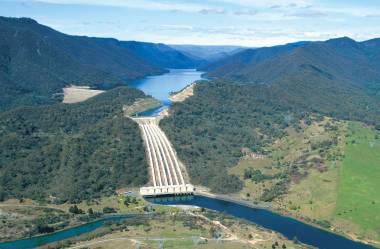
Snowy 2.0 pumped hydro project (Photo supplied)
¶ Blackrock, the world’s largest investment company, bought a 197.4-MW wind farm in Norway through one of its funds, and it will cover its construction cost. The seller, Zephyr, will continue to manage the farm’s construction, which will cost about €200 million ($231.76 million) and is expected to be completed by the end of 2020. [ETEnergyworld.com]
¶ Seaway Heavy Lifting crane vessel Stanislav Yudin installed the first monopile foundation for Trianel’s 200-MW Borkum West 2.2 offshore wind farm in the German North Sea. The project is 45 km off the coast of Borkum island. The wind farm will feature 32 Senvion 6.3MW turbines and is scheduled to be operational before the end of 2019. [reNews]

First monopile installation (Image: Trianel | TWB II)
¶ Jan De Nul Group has completed export cable installation at Trianel’s 203-MW Borkum West 2.2 and Orsted 450-MW Borkum Riffgrund 2 offshore wind farms in the German North Sea. Cable laying vessel Willem de Vlamingh and trenching support vessel Adhemar de Saint-Venant were mobilised for both jobs, according to Jan De Nul. [reNews]
US:
¶ For the month of April, coal generated a total of 73,489 MWh, or 24.3% of the country’s total net generation. Natural gas is still dominant with 100,004 MWh, or 33% of production. Meanwhile, nuclear and renewables continued to battle it out, with nuclear having 19.5% and renewables (all sources, including hydroelectric) at 22% of total electricity. [CleanTechnica]

Renewable Energy
¶ Energy Secretary Rick Perry told reporters that bailing out struggling coal and nuclear power plants is as important to national security as keeping the military strong. “You cannot put a dollar figure on the cost to keep America free,” he said. When asked about the cost of a potential bailout, he said he did not yet know. [ETEnergyworld.com]
¶ Hydro-Québec and Central Maine Power Company jointly announced the successful conclusion of contract negotiations with Massachusetts electric distribution companies for the New England Clean Energy Connect 100% hydropower project. The deal will provide enough renewable electricity to power over 3 million electrical vehicles. [CleanTechnica]
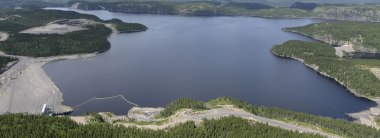
Hydro-Québec reservoir
¶ At the World Gas Conference in Washington this week, the world’s biggest energy companies championed natural gas as the fuel of the future, rather than one that simply bridges the gap toward renewables. Their message was that to reduce emissions and provide affordable electricity, the world needs to burn more fossils, not less. [Bloomberg]
¶ South Carolina state lawmakers have overridden Governor Henry McMaster’s veto of a bill that gives SCE&G customers a rate cut of 15%. The governor had felt the cut did not go far enough in giving customers a break for footing the cost of a disastrous project. He had been hoping for a reduction of 18% for electricity customers. [WLTX.com]
geoharvey is free and without ads.
geoharvey is not tax-deductible.
Posted in nuclear power, renewable power, solar, wind | Leave a Comment »
Tags: nuclear, nuclear power, renewable power, solar power, wind power
June 28, 2018
Opinion:
¶ “Can Wind Turbines Make You Sick?” • Whether the sound, audible or inaudible, actually impacts human health remains a deeply contested issue. Scientific consensus suggests it does not. Twenty-five peer-reviewed studies looking at a range of health effects have found that living near wind turbines does not pose a risk on human health. [NOVA Next]

Wind turbines
¶ “The single sentence that sums up the government’s latest betrayal of our future” • Just as the UK’s government decided to increase defence spending from 2% to 3% of GDP, it dropped support for “the world’s first tidal power lagoon” in Swansea. The Green Party observed, “The Government’s energy policy is in chaos.” [The Canary]
¶ “New coal doesn’t stack up – just look at Queensland’s renewable energy numbers” • Is all the pro-coal jockeying within the federal government actually necessary for the future of our energy or our economy? There is a reason why virtually all new generation being built in Australia is solar or wind energy. It is because PVs and wind are inexpensive. [Phys.Org]

Windy Hill (Credit: Leonard Low | Flickr | Wikimedia Commons)
World:
¶ Siemens Gamesa Renewable Energy announced that it would supply 136 wind turbines to Brazil’s Santa Luzia wind complex, which consists of 15 wind farms with a total capacity of 471 MW. Brazil’s installed wind energy capacity sits at 13 GW, including about 3 GW installed by Siemens Gamesa, and has another 5 GW in its pipeline. [CleanTechnica]
¶ Chinese solar PV maker JinkoSolar confirmed that it intends to ship between 11.5 and 12 GW of solar modules in 2018. It shipped 2,015 MW of solar modules in the first quarter. This is a decrease of 18.8% from the 2,481 MW shipped in the fourth quarter of 2017 and a 2.6% decrease on the 2,068 MW shipped in the first quarter of 2017. [CleanTechnica]
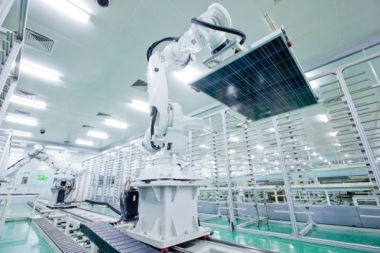
Inside the JinkoSolar factory
¶ Britain must set out policies and incentives to cut greenhouse gas emissions more, or the taxpayer will face higher costs to meet legally-binding targets for reductions, the government’s climate advisers said. Britain has cut greenhouse gas emissions by 43% from 1990 levels, but three quarters of that came from the power sector. [Reuters]
¶ Lord mayor Clover Moore’s plan to make half of Sydney’s power come from renewable energy has been supercharged by the launch of an industrial-sized Tesla Powerpack battery and solar installation. The Alexandra Canal transport depot is powered by about 1600 solar panels and supported by a 500-kWh battery. [The Sydney Morning Herald]

Alexandra Canal Depot (Photo supplied)
¶ One of Scotland’s best known landscapes could become home to a transformational development to provide energy storage capable of meeting the country’s renewable ambitions. Red John, in Loch Ness, would follow the example of existing pumped-storage schemes by making use of two water sources connected by a pressure tunnel. [The Scotsman]
US:
¶ In Oregon, Eagle Point solar farm has a “solar apiary” that has agriculture with PVs. The owners believe the installation is the largest of its kind in the country. Utility-scale solar is sited with 48 beehives, covering 41 acres of land and providing pollination services to surrounding farms, while also producing electricity for the local grid. [Treehugger]

Bee visiting a flower (supersum, CC BY 2.0)
¶ For the first time, large-scale solar is coming to Wyoming. The US Department of the Interior’s Bureau of Land Management gave the final environmental approval for Wyoming’s first utility-scale solar project located on roughly 700 acres of land in Sweetwater County. The Sweetwater Solar plant is a project of 174 Power Global. [pv magazine USA]
¶ The City of Albuquerque is installing 12 solar power systems using a bond that will be paid back with electricity savings. Along with this, the local police and fire facilities are increasing their resilience with onsite energy generation. Along the way, the city moves closer to 25% renewable electricity and local jobs are being created. [pv magazine USA]
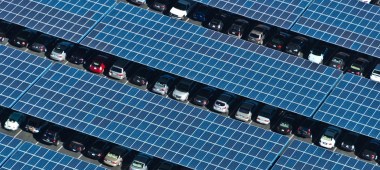
SunEdison carport (SunEdison photo)
¶ Renewable energy sources accounted for more than one-fifth (20.05%) of net domestic electrical generation during the first third of 2018, according to a SUN DAY Campaign analysis of data released by the US Energy Information Administration. And solar power alone is now providing 2.07% of the nation’s electrical production. [Solar Power World]
¶ In Hawaii, the Kauai Island Utility Cooperative signed a power purchase agreement with project developer and constructor AES Distributed Energy for 25 years, set at a price of 10.85¢/kWh. The utility said the facility will be one of its “lowest-cost power sources.” It has 19.3 MW of solar and 70 MWh of battery storage capacity. [Energy Storage News]

The coast of Kaua’i (Image: Flickr user Paul Bica)
¶ On June 22, Puerto Rico quietly asked the world to deliver one of the biggest battery systems ever built. The proposal, which was posted on a government website, calls for the island to add at least 200 MWh of batteries as it rebuilds in the aftermath of Hurricane Maria. That is enough to supply 5% of the island’s peak electricity demand. [Quartz]
¶ The South Carolina House and Senate passed a proposal to cut temporarily SCE&G’s electric rates by almost 15%, almost wiping out the portion of the utility’s power bills that customers now pay for two abandoned nuclear reactors. Gov Henry McMaster threatened to veto the rate-cut bill, saying it does not protect customers well enough. [The State]
geoharvey is free and without ads.
geoharvey is not tax-deductible.
Posted in nuclear power, renewable power, solar, wind | Leave a Comment »
Tags: nuclear, nuclear power, renewable power, solar power, wind power
June 27, 2018
Science and Technology:
¶ Around the world, coral reefs are being wiped out by rising sea temperatures, a consequence of climate change. But in some places, there are corals that are able to withstand the heat. Marine biologists are trying to learn what gives these corals their ability to survive warming seas and whether genetic technology could be used to save dying coral reefs. [CNN]

Grouper and coral
¶ John Goodenough invented the lithium-ion battery. Now aged 95, he claims to have invented a new solid state battery with remarkable features. He and his fellow researchers claim their batteries can last for more than 23,000 charge/discharge cycles and have the highest known relative dielectric constant. But the numbers raise some red flags. [CleanTechnica]
¶ Swedish company Azelio says it has developed new technology that could make concentrated solar power suitable for projects as small as 500 kW or as large as 20 MW, according to a report in Renewable Energy Magazine. The key to the Azelio system is that is uses molten aluminum to store heat and a Stirling engine to generate electricity. [CleanTechnica]
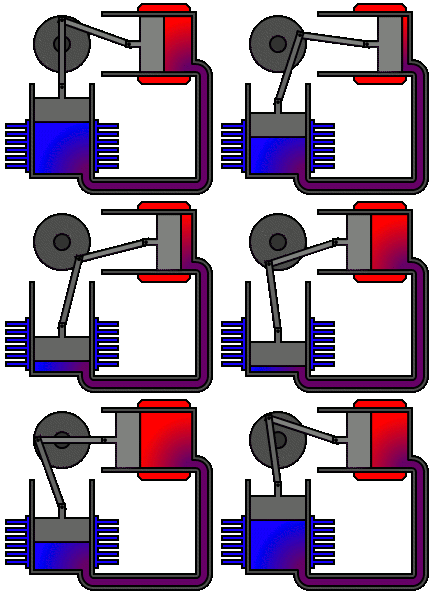
Stirling engine
World:
¶ The ongoing renewables surge in Australia is making it harder for the Tony Abbott coal lobby push to gain traction against the National Energy Guarantee. Green Energy Markets predicts clean energy will supply 33.3% of market generation in the eastern states by 2020, rising to 40% by 2030. The NEG goes for 32% to 36% by 2030. [Energy Matters]
¶ Environmental impact non-profit CDP announced that the 115 of the world’s largest purchasers it works with, which together represent annual spend of over $3.3 trillion, are requesting environmental data from over 11,500 suppliers. The list of 115 companies includes behemoths like Walmart, CVS Health, Target Corporation, and Tesco. [CleanTechnica]
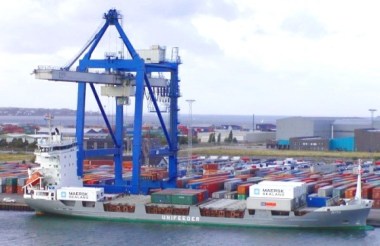
Loading containers on a ship
¶ India’s Ministry of New and Renewable Energy reiterated an offshore windpower capacity target of 5 MW by 2022. It also set a new capacity target of 30 GW by 2030. The announcement came about 18 months after Suzlon Energy started measurements of wind quality off the coast of Gujarat. India’s target for onshore windpower is 60 GW. [CleanTechnica]
¶ Norwegian developer Equinor has installed and officially launched the batwind storage system at the 30-MW Hywind Scotland floating offshore wind farm. The 1-MW battery is located at the project’s onshore substation. Hywind features five Siemens Gamesa 6-MW turbines atop spar foundations and entered commercial operations last year. [reNews]
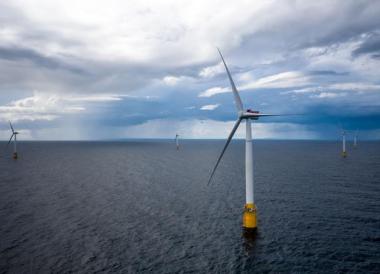
Offshore wind turbines (Image: Oyvind Gravas | Equinor)
¶ Xavier Ursat, Group senior executive vice president of EDF in charge of new nuclear projects and engineering, and Andreas Lusch, President and CEO of GE’s Steam Power business, announced signing of a strategic cooperation agreement between GE and EDF for the planned construction of 6 EPR reactors in Maharashtra, India. [New Kerala]
US:
¶ Dickinson College, in Carlisle, Pennsylvania, has taken a step towards taking control of its electricity usage with the installation of 12,456 solar panels on a 12-acre plot adjacent to the school. The system represents about 5 solar panels per student and will offset 25% of the usage of the electricity used by the school each year. [CleanTechnica]

Dickinson College solar farm
¶ BP Plc, Exxon Mobil Corp. and Chevron Corp escaped blame for the public costs of global warming when a US judge ruled that lawsuits by cities against oil companies are not the answer to climate change. The court did accept the reality of human caused climate change, and the cities are reviewing whether they should appeal. [Los Angeles Times]
¶ Golden Gate Zero Emission Marine, a San Francisco Bay Area company, announced it received a $3 million grant by the California Air Resources Board to build the first hydrogen fuel-cell ferry in the US. If hydrogen fuel cells become more widely adopted, the demand could also provide California with support to store renewable energy. [San Francisco Examiner]

Fuel-cell ferry (Courtesy rendering)
¶ In Irvine, California, the Irvine Water District and Michelson Capital announced the completion of the nation’s largest behind-the-meter energy storage project at the Irvine Ranch Water District’s Michelson Water Recycling Plant. The new 2.5-MW/15-MWh installation is a part of a distributed network of 11 energy storage installations. [CleanTechnica]
¶ Ohio lawmakers are considering a bill that would relax the state’s strict wind turbine setbacks rules but again weaken renewable and energy efficiency standards. House Bill 114 would roll back the state’s on-again, off-again clean energy standards, which resumed 18 months ago after a 2014 law suspended them for two years. [Energy News Network]

Wind turbines
¶ Following a strategic review, GE has announced a focus on aviation, power and renewable energy. GE says its energy strategy, driven by GE Power and GE Renewable Energy, is based on offering a range of energy solutions across the electricity value chain. GE is shedding positions in oil services, healthcare, and transportation. [North American Windpower]
¶ Warming waters have reduced the harvest of Alaska’s prized Copper River salmon to a fraction of last year’s harvest, Alaska biologists say. The runs of Copper River salmon were so low that the Alaska Department of Fish and Game shut down commercial harvests last month, cutting a season that usually lasts three months to less than two weeks. [The Japan Times]
geoharvey is free and without ads.
geoharvey is not tax-deductible.
Posted in nuclear power, renewable power, solar, wind | Leave a Comment »
Tags: nuclear, nuclear power, renewable power, solar power, wind power
June 26, 2018
Opinion:
¶ “Microgrids are the future of U.S. energy security” • Puerto Rico serves as an alarming reminder of the increasing threat of disasters capable causing grid failure anywhere in the country. US Army Corps of Engineers officials are exploring the use of microgrids to reduce the risk of regional, state, or nation-wide power outages. [United States Army]
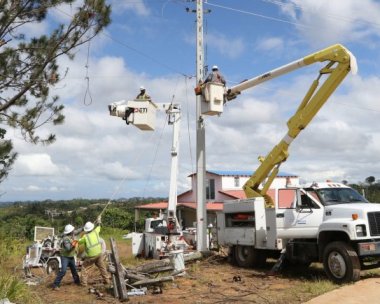
Puerto Rico (Photo: US Army photo by Preston Chasteen)
Science and Technology:
¶ A Danish company, Ecobotix, is developing solutions that may eliminate the use of chemical pesticides. It uses drones to deliver biological predators that can attack and eliminate agricultural pests. The drones also provide farmers with visual and infrared imagery recorded at fixed intervals so the farmer can see how crops are developing. [CleanTechnica]
¶ Polymetalic nodules containing cobalt, manganese, nickel, and copper can be found lying exposed on the ocean floor in some parts of the Earth. DeepGreen and Nauru Ocean Resources, Inc are developing technology to collect the polymetallic nodules, bring them to the surface, and process them with the objective of producing zero waste. [CleanTechnica]
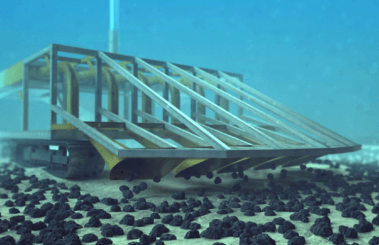
DeepGreen nodule harvesting
¶ Perovskite solar panels cost much less than silicon-based solar panels, but they are easily damaged by moisture and are harder to manufacture commercially. Researchers at the New York University School of Engineering, working with colleagues at other universities in China and the US, think they have an answer for easier manufacturing. [CleanTechnica]
¶ On June 24, a purpose-built Volkswagen electric race car took its turn racing in the annual Pikes Peak Hill Climb. When it finished, not only had it beat the existing electric car record, it had set the fastest time ever recorded for the event. Its time was just a tick over 7 minutes, 57 seconds, beating the old record by almost 17 seconds. [CleanTechnica]

VW racer on Pikes Peak
World:
¶ The UK government has pulled support for the Swansea Bay Tidal Lagoon Project. MP Gregory Clark, who is also the Britain’s secretary of Business, Energy and Industrial Strategy, said in the end, the £1.3 billion ($1.7 billion) project was not a value for the money. Ocean Energy Europe was among those that panned the decision. [Renewable Energy Magazine]
¶ Investment in low-carbon energy sources must be at least double the current level to ensure temperature targets are attained, according to a paper published last week in Nature Times. The paper showed that, globally, an extra $460 billion investment into clean energy is needed each year over the next 12 years to meet the 1.5°C limit. [Power Technology]

Wind farm (Wikimedia image)
¶ Egypt’s Ministry of Electricity and Renewable Energy said it will inaugurate one of the largest wind power farms in the world, a state-run newspaper said. The wind farm, in Egypt’s Red Sea governorate, has 300 wind turbines and a capacity of 580 MW. Construction started in 2015 and cost 12 billion Egyptian pounds (about $625 million). [Arab News]
¶ According to Polish industry bodies, the nation’s government is creating a bill to enable development of offshore wind projects. The news was announced in the Offshore Wind Journal. Polish MP Zbigniew Gryglas confirmed that the country is targeting 6 GW of new offshore capacity by 2030, with the potential of reaching 10 GW by 2040. [Energy Digital]

Offshore wind farm (Getty Images)
¶ The government of South Australia has approved the first phase of a huge renewable energy project that eventually will add 400 MW of PV capacity and 270 MWh of battery storage. The approval was for Solar River Project Stage 1, which will include a 200-MW solar park and a 120-MWh lithium-ion energy storage facility. [Renewables Now]
¶ BYD, known for electric buses and SkyRail, has been working to develope stationary energy storage solutions. BYD brought its two new energy storage offerings to Intersolar Europe in Munich this week as falling battery prices continue to make stationary energy storage a cost-effective option for both businesses and homeowners around the world. [CleanTechnica]
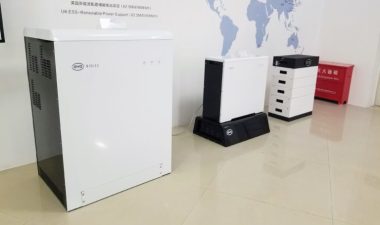
BYD energy storage
US:
¶ The Senate passed a $145 billion spending bill 86-5, with provisions to fund the DOE for 2019. It keeps spending level or slightly increases funds for programs offered through the Office of Energy Efficiency and Renewable Energy as well as the Energy Information Agency. It includes $1.2 billion for nuclear energy research and development. [Greentech Media]
¶ Michigan’s CMS Energy announced the addition of two new planned wind farms to its portfolio. They will have a combined capacity of 250 MW. CMS Energy subsidiary Consumers Energy has entered into an agreement to own, construct and operate the Gratiot Farms Wind Project now being developed by Tradewind Energy. [Windpower Engineering]

Wind turbines
¶ The Hawaiian island of Kauai will become home to a 19.3-MW solar park with a 70-MWh energy storage system, which will help it move closer to reaching a 70% renewables generation target earlier than planned. The Kauai Island Utility Cooperative announced that the project had been approved by the state’s Public Utilities Commission. [Renewables Now]
¶ Santee Cooper asked the South Carolina Supreme Court to rule that twenty electric co-ops – and their almost two million customers – must continue to pay the costs of the state-owned utility’s failed effort to build two nuclear reactors. The petition was a reaction to lawsuits filed against Santee Cooper by some of the co-ops. [The State]
geoharvey is free and without ads.
geoharvey is not tax-deductible.
Posted in nuclear power, renewable power, solar, wind | Leave a Comment »
Tags: nuclear, nuclear power, renewable power, solar power, wind power
June 25, 2018
Opinion:
¶ “Why solar is suddenly so sexy for Indian companies” • A few months ago, a few firms were experimenting with renewable energy. Now, solar and wind energy tariffs are below grid costs and the government pushing for renewables, so companies are going big on them. Some are even working towards meeting all their needs with clean power. [Quartz]
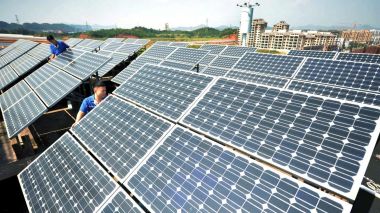
Solar power (Stringer | Reuters)
¶ “30 years later, deniers are still lying about Hansen’s amazing global warming prediction” • The incredible accuracy of James Hansen’s climate model predictions can debunk a number of climate denier myths. It shows that climate models are accurate and global warming is proceeding as predicted. But some people purposely distort Hanson’s work. [The Guardian]
World:
¶ India’s Directorate General of Trade Remedies is set to hold a public hearing in the national capital with regard to imposition of 70% safeguard duty on imported solar equipment. Solar power developers have expressed concerns that such a duty on solar equipment may jeopardize India’s target of installing 100 GW capacity by 2022. [Moneycontrol.com]

Solar array on water
¶ The roll-out of large-scale solar power in Queensland – and the ongoing rapid uptake of rooftop solar by homes and businesses – is starting to have an impact on electricity prices in the state, even sending prices into negative territory in the middle of the day. On June 19, wholesale electricity prices in the state dipped below zero. [RenewEconomy]
¶ China’s decision to cap deployment and reduce feed-in-tariffs for solar projects may lead to a further drop in module prices, and this is likely to result in further reduction in solar bid tariffs, experts say. Chinese module prices are expected to decline to 29¢/W or lower from the current average of 33¢/W, following this announcement. [ETEnergyworld.com]
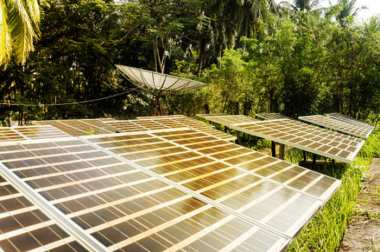
Indian solar array
¶ Sembcorp Solar Singapore Pte Ltd won a 50-MW project from the Housing & Development Board and the Singapore Economic Development Board. Sembcorp will build, own, operate, and maintain grid-tied rooftop solar systems in the West Coast and Choa Chu Kang Town Councils along wtih 27 other government sites in Singapore. [The Straits Times]
¶ World leaders and officials from over 100 nations, top heads of UN agencies and multilateral financial institutions, scientists, and activists gathered in the Vietnamese city of Da Nang for the Global Environment Facility’s Assembly to tackle global climate change challenges. The GEF Assembly reviews policy every three to four years. [ETEnergyworld.com]

Air pollution
¶ A windpower boom is underway in Finland. Hundreds of new wind farms are in the pipeline, despite the state’s intention to curb subsidies for the energy source. A renewable energy expert at the Lappeenranta University of Technology, explains that today wind energy is €5 to €7 cheaper per megawatt hour to produce than nuclear power. [YLE News]
¶ Residents of five German cities, including Berlin and Hamburg, took it to the streets on Sunday to protest against the country’s reliance on coal for power production. The Associated Press reported that about 22% of Germany’s electricity comes from burning lignite or brown coal, 12% from hard coal, and 33% from renewable energy. [MINING.com]

Germans protesting against coal (Photo: WWF Twitter page)
¶ London’s first “virtual power station” is to be created using only electricity produced by solar panels fitted on the roofs of houses. Batteries will be installed at about 40 homes already fitted with solar panels within the borough of Barnet. The virtual power station will mean they can both save and earn money from excess energy. [Compelo]
US:
¶ Tippy Dam in Brethren, Michigan, has become Consumers Energy’s latest hydroelectric facility to mark 100 years. The company celebrated the milestone by opening the dam to public tours. A company spokesman said Consumers Energy anticipates that the dam will be vital part of its energy portfolio for years to come. [Manistee News Advocate]
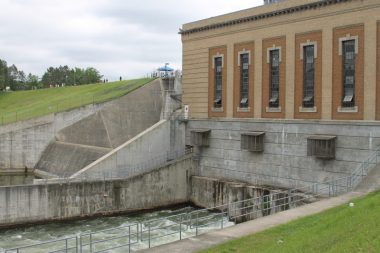
Tippy Dam (Michelle Graves | News Advocate)
¶ Thirty years after many Americans first heard the term climate change, Skagit County, Washington – like the rest of the world – is warmer on average. The North Cascades now has less glacial ice and the Sauk River has more intense winter floods. The changes NASA scientist James Hansen warned Congress about in June 1988 are now real. [goskagit.com]
¶ Michigan energy suppliers say that the Trump administration proposal to declare an energy state of emergency is unnecessary and could lead to higher electric bills for customers. One nuclear and four more coal plants are to retire in Michigan by 2025. The closures would nearly eliminate grid-supporting coal generation in the state. [The Detroit News]
geoharvey is free and without ads.
geoharvey is not tax-deductible.
Posted in nuclear power, renewable power, solar, wind | Leave a Comment »
Tags: nuclear, nuclear power, renewable power, solar power, wind power
June 24, 2018
Opinion:
¶ “Thirty Years Ago Today, Global Warming First Made Headline News” • On June 23, 1988, amid a host of environmental issues, global warming jumped from an esoteric news item to the front page. That day, NASA climate scientist James Hansen told a US Senate committee that human-produced greenhouse gases were measurably heating the climate. [NOVA Next]

Fire at Yellowstone National Park in 1988
¶ “How big corporations are – and aren’t – fighting global warming” • Major companies in the US and worldwide are increasingly acting to lower the carbon footprint of what they produce, how they ship goods, and the energy they buy. They are driven by market signals, government mandates, reputational interests, investor pressure, and other factors. [Axios]
¶ “Green energy feels the heat as subsidies go to fossil fuels” • The “big six” energy companies have raised their prices so that the average British household is paying £1,150 to £1,200 a year. Grassroots schemes can cut electricity bills in half, but with subsidy changes, the number that succeed dropped from 30 in 2016 to one last year. [The Guardian]

Bavarian village of Grossbardorf, fuelled by biogas from
its farms (Photo: Martin Siepmann | Rex | Shutterstock)
Science and Technology:
¶ North Dakota-based Weather Modification International uses planes to target clouds and draw out more rain from them. The concept, called cloud seeding, has been around for decades. But now, there is new urgency due to climate change and a rapidly growing global population, which have disrupted global water supplies. [CNN]
World:
¶ Talks over a 1,000 km (620 mile), 1,000-MW cable to carry electric power from geothermal plants in Iceland to the UK have been on the cards for decades. Iceland’s finance minister has called on the UK Government to offer a fixed energy price to enable plans for an undersea electricity cable between the two countries to move ahead. [Telegraph.co.uk]

Steam rising from a geothermal power plant in
Iceland (Photo: Daniel Bosma | Moment Open)
¶ The Gujarat government announced a scheme under which farmers would be encouraged to generate electricity and sell their surplus to power distribution companies. The first phase of the ₹870 crore ($130.8 million) project would provide financial assistance to 12,400 farmers to generate an estimated 175 MW of power. [ETEnergyworld.com]
¶ Four renewable energy power plants with a total capacity of 120 MW will be put into operation in Mongolia’s southeast province of Dornogovi this year, the governor’s office said. They include three solar arrays with a combined capacity of 65 MW and a 55-MW wind farm. The country has more than 250 days of sunshine a year. [Pakistan Observer]
¶ One of WWF Zimbabwe’s strategic objectives is to support renewable energy access and investments in the country. As part of achieving this objective, WWF Zimbabwe promoted biogas as a possible solution for reducing over-reliance on wood energy by households in two districts. Biogas makes people’s lives easier in a number of ways. [sundaymail.co.zw]
¶ While Japan’s government clings to atomic power even after the Fukushima nuclear crisis, its private sector is moving ahead with more use of renewables to power their operations amid growing international awareness of global warming. In parts of Japan, renewable power developers would supply much more than the grid can accept. [Japan Today]

Experimental turbine being towed in Japan (Kyodo image)
¶ India and Cuba have agreed to enhance cooperation in biotechnology, renewable energy, and medicine as President Ram Nath Kovind held wide-ranging talks with his Cuban counterpart Miguel Diaz-Canel to further cement their strong bilateral ties. Kovind arrived on the last leg of a tour including Greece and Suriname. [ETEnergyworld.com]
US:
¶ A freight train from Alberta derailed in northwest Iowa, leaking crude oil into the flooded fields flanking the tracks and raising concerns about the possible contamination of residential water supplies downstream, according to officials. No information was immediately available on how much oil each of the tankers was carrying. [CBC.ca]

Derailed cars (Sioux County Sheriff’s Office via Associated Press)
¶ Between 2016 and 2017 the amount of solar power produced in Minnesota jumped from almost nothing to 1.2% of the state’s electricity, the Minnesota Department of Commerce said. Now, with falling costs and environmental concerns, several cities, including Minneapolis, are setting bold goals for 100% renewable power. [Minneapolis Star Tribune]
¶ After months of furious rhetoric from lawmakers, time for action is running out as legislators return to Columbia for a special, two-day session. They plan to finalize the state’s 2018-19 budget and pass bills aimed at protecting SC residents who pay higher power bills because of the VC Summer nuclear plant fiasco. But success is not guaranteed. [The State]
geoharvey is free and without ads.
geoharvey is not tax-deductible.
Posted in nuclear power, renewable power, solar, wind | 1 Comment »
Tags: nuclear, nuclear power, renewable power, solar power, wind power
June 23, 2018
Opinion:
¶ “Cleveland can lead in switch to clean energy” • On June 22, 1969, an oil slick in the Cuyahoga River caught fire, one of several such fires in the river’s history. Historically, the river was fed by pollution from Cleveland’s industry. The Cleveland of 2018 looks dramatically different – it’s a healthier city ecologically, and it’s working to diversify economically. [cleveland.com]

The Farrell, a crane and drilling barge, getting soil samples
for a pilot wind farm (John Funk, The Plain Dealer, File, 2015)
¶ “Indonesia poised to benefit as China’s Belt and Road turns green” • The Belt and Road Initiative, was unveiled by President Xi Jinping of China in September 2013 to reawaken and extend the old Silk Road for enhanced international trade, development, and cooperation. It is exected account for 30% of global gross domestic product. [Jakarta Post]
World:
¶ Global annual wind power capacity additions are now expected to average over 67 GW between 2018 and 2027 according to an updated forecast from MAKE Consulting, which had to upgrade its own forecasts made just last quarter. The organization projects that windpower will grow at a compound annual growth rate of 8%. [CleanTechnica]

Lake Turkana Wind Farm in Kenya
¶ Major players in the offshore wind market are eyeing India’s first 1-GW offshore wind farm, according to a list of interested parties released by the National Institute of Wind Energy. The list covers 35 companies that responded to an April call for expressions of interest to develop a project off the coast of the state of Gujarat. Three of them are Indian. [reNews]
¶ Turkey’s Ministry of Energy and Natural Resources is accepting applications for a 1,200-MW offshore wind plant, which will be the biggest in the world and Turkey’s first. The ceiling price for one MWh has been set as $8 and applicants will compete for the lowest bid in a reverse auction. Applications are due no later than October 23. [Daily Sabah]

Offshore wind farm
¶ Taiwan awarded Ørsted and a Northland Power-led consortium a total of 1664 MW of offshore wind capacity it is latest auction. Ørsted won 920 MW, taking its total Changhua pipeline to 1.82 GW. The Danish developer made successful bids of $84.06/MWh (€72.23). The Northland Power consortium won 744 MW with a bid of $73.40/MWh. [reNews]
¶ The first vessel powered by renewables and hydrogen, “Energy Observer”, moored at Flisvos Marina in Athens as part of its world tour to raise awareness on energy transition. Since it left France last June, Energy Observer has traveled more than 7,000 nautical miles, without emitting any greenhouse gases or fine particles. [Xinhua]
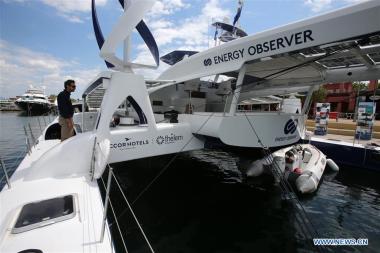
Energy Observer (Marios Lolos | Xinhua)
¶ The start of power generation by two AP1000 reactors under construction in China moved a step closer with first criticality being achieved at Sanmen 1 and the loading of fuel beginning at Haiyang 1. Both units are expected to begin operations by the end of this year. If they do so, they will be the first operating AP1000 reactors. [World Nuclear News]
US:
¶ Cobb EMC, an electric cooperative utility based in Georgia, announced an expansion of its solar energy portfolio through a 30-year power purchase agreement with Green Power EMC. This, along with other recent solar initiatives, increased the cooperative’s solar portfolio by 360% since 2016. Cobb EMC can now supply power at below 3¢/kWh. [Patch.com]

Solar array (Cobb EMC image)
¶ Former Senators Trent Lott of Mississippi and John Breaux of Louisiana, longtime lobbyists for big oil, formed a new political action committee. It is dedicated to the passage of a carbon tax. The plan would impose a carbon tax starting at $40, “rising gradually” at an as-yet-unspecified rate, with all the revenue returned as per-capita dividends. [Vox]
¶ This summer, Team Sunergy’s 2018 crew is taking Appalachian State University’s Cruiser Class solar car ROSE to race in two international competitions. The crew includes 15 team members, four faculty advisors, and a university photographer. They are setting off to Nebraska for the Formula Sun Grand Prix , held July 6–12. [Appalachian State University]

ROSE (Racing on Solar Energy)
¶ The IRS is extending incentives for solar power and other clean energy sources by as long as four years. Developers can claim a 30% tax credit for solar projects as long as they prove they’ve started construction by the end of 2019, an IRS notice said. That means breaking ground or investing at least 5% of the total expected costs of the installation. [Bloomberg]
¶ Two reports provide new details about Xcel Energy’s Colorado Energy Plan. The plan’s low bid prices for new renewable energy projects in the state include $35/MWh for solar with battery backup. The analysis of the impacts of the plan indicate boosts in employment and tax revenue for both Colorado and Pueblo County. [Clean Cooperative]
¶ The California Public Utilities Commission approved a 12-year solar rebate program for low-income homeowners living in disadvantaged communities, extending California’s Single-Family Affordable Solar Homes program. A law passed in 2013 required the CPUC to seek ways to enable solar power in disadvantaged areas. [Solar Power World]
¶ A California renewable energy company is working to create the first wind farm in Knox County, Illinois. Orion Renewable Energy Group plans to bring the farm to the land north of Galesburg but south of the Henry County line. The project would include a maximum of 150 wind towers generating up to 300 MW of power. [Galesburg Register-Mail]
geoharvey is free and without ads.
geoharvey is not tax-deductible.
Posted in nuclear power, renewable power, solar, wind | Leave a Comment »
Tags: nuclear, nuclear power, renewable power, solar power, wind power
June 22, 2018
Science and Technology:
¶ The results from the first experimental agrophotovoltaic program by the Fraunhofer Institute For Solar Energy Systems near Lake Constance in Germany found combining agriculture and farming increased the output of the land by 60% over what it would be if the same land was devoted 100% to farming or 100% to solar panels. [CleanTechnica]

Agrophotovoltaic system (©Fraunhofer ISE)
World:
¶ Mainstream Renewable Power has installed first of 50 turbines at the 170-MW Sarco wind farm in northern Chile. The Aela Energia-owned project, developed and built by Mainstream, features 3.4-MW Senvion turbines. The components were brought 160 km from the Port of Las Losas to the project site in Chile’s Atacama region. [reNews]
¶ Hybrit, which plans to make steel without using any fossil fuels, has broken ground in Sweden for its first pilot plant. Its CEO said that if the new process were applied to all of Sweden’s steel-making industry, the nation’s carbon emissions could be reduced by 10%. Hybrit is a consortium of Vattenfall, steel maker SSAB, iron ore producer LKAB. [CleanTechnica]
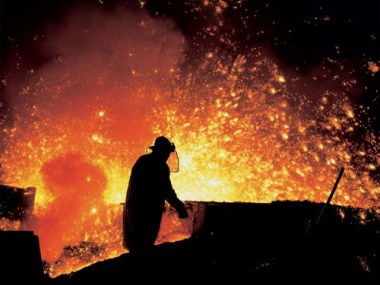
Making steel
¶ The world’s first sea-going car and passenger ferry fuelled by renewable energy is to be developed in Scotland. The vessel’s fuel will be produced from renewable electricity marking a paradigm shift towards entirely emissions-free marine transport. The supported development is expected to cost around €12.6 million. [Scottish Construction Now]
¶ BYD and its local partner Alexander Dennis Ltd have won London’s first order for fully-electric double-decker buses. The deal will see 37 BYD ADL Enviro400EV buses serving London’s transit passengers in the spring of 2019. London currently has five electric double-decker buses. It still has more than 6,800 double-decker buses to replace. [CleanTechnica]

London electric double-decker bus
¶ Backbenchers in Australia’s Coalition government are speaking in favor of its energy plan after complaints from former prime minister Tony Abbott. An unlikely alliance could kill the policy; Greens MP and Australia Capital Territory Climate Change Minister Shane Rattenbury joined Mr Abbott in dismissing the plan. [The Sydney Morning Herald]
¶ NEC Energy Solutions announced that they have completed and commissioned the largest energy storage system in Europe for EnspireME. The 48-MW energy storage system, located in Germany, has over 50 MWh of storage capacity and will generate revenue from the primary reserve market by providing reactive power for grid stabilization. [Business Wire]

Energy storage system in Jardelund, Germany
¶ As in other Latin American countries, China has become a strong investor in Argentina. But the environmental impact and economic benefits of this are subjects of discussion among local stakeholders. Energy is a key interest. One Argentine NGO’s study focuses on China’s financing of hydroelectric, nuclear, and hydrocarbon projects. [eco-business.com]
¶ The organizing committee for the 2020 Tokyo Olympic and Paralympic games aims to power them with renewable energy. All electricity will be derived from renewable energy sources. The committee also plans to use rental and lease services so that 99% of the goods procured for the Tokyo games will be reused or recycled. [The Japan Times]

Solar panels (Getty Images)
US:
¶ Hawaii has the country’s most aggressive Renewable Portfolio Standard, a plan to double renewable energy penetration by 2021, and multiple counties committed to a 100% renewable public transportation system. And Maui College just announced that it will become the first school in the country to be powered by 100% solar energy. [pv magazine USA]
¶ The Advanced Energy Research and Technology Center of Stony Brook University will play a key role in a nationwide research and development consortium for the offshore wind industry. Support will come from a public-private partnership of state governments, the offshore wind industry, utilities, and research laboratories. [Windpower Engineering]
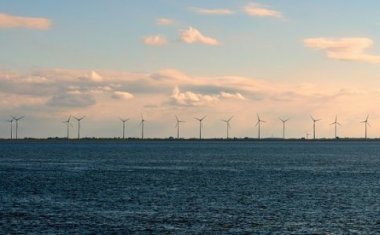
Offshore wind farm
¶ Texas has some innovative microgrid projects as developers leverage its many opportunities. Electrical Midstream is a case in point. It is among 12 microgrid developers chosen to participate in the Microgrid Financing Connection program, which was launched at the Microgrid 2018 conference to match projects with financing. [Microgrid Knowledge]
¶ US oil and gas operations release far more methane into the atmosphere than the federal government estimates, causing much more harm to the environment and undermining the case for cleaner-burning natural gas as a bridge fuel to a carbon-free future, according to a study published in the prestigious journal Science. [Houston Chronicle]
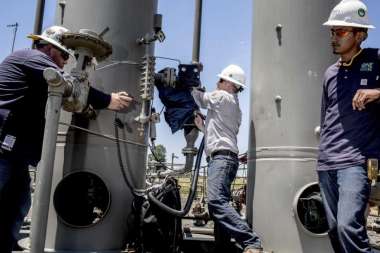
Searching for a gas leak (Photo: Andrea Morales, STR | NYT)
¶ New York Governor Andrew Cuomo unveiled an energy storage roadmap to guide the state to a 1.5-GW target by 2025. The plan offers guidance on how storage can provide value to consumers, meet grid demands, and accelerate deployment. It also highlighted ways to deal with permitting and siting issues and to cut indirect costs. [reNews]
¶ Connecticut Gov Dannel P Malloy signed two bills related to climate change and renewable energy. The Democratic state executive said he signed the bills because climate change “poses a threat” to the state’s residents. One bill contains provisions to reduce greenhouse gas emissions and looks ahead to sea level rise. [Electric Light & Power]
geoharvey is free and without ads.
geoharvey is not tax-deductible.
Posted in nuclear power, renewable power, solar, wind | Leave a Comment »
Tags: nuclear, nuclear power, renewable power, solar power, wind power
June 21, 2018
World:
¶ Global law firm Hogan Lovells published a report showing the challenges posed by producing and accessing renewable energy in Africa, and how these can be overcome to achieve potential and scale. The analysis also highlights the potential for renewable energy production to revolutionize access to energy throughout the continent. [ESI Africa]

Renewable power in Africa
¶ Exhibitors at the Solar Canada conference in Calgary say the decision by Ontario premier-designate Doug Ford to axe Ontario’s cap-and-trade system and the Green Ontario Fund consumer rebate program means they may do less solar energy-related business in Ontario. They expect more investment to flow to Alberta and the US. [The Record]
¶ India’s Ministry of New and Renewable Energy has clipped the wings of state energy bodies by abolishing the requirement that renewable energy projects receive state approval. Three solar projects that have been slowed down, with a total 7,750 MW of grid-connected PV capacity, are among those that will now move ahead more quickly. [pv magazine India]
¶ The French government approved six long-delayed offshore wind projects but sharply cut their subsidies. The six projects to French and foreign utilities had contracts to sell electricity at feed-in tariffs of around €200/MWh for 20 years guaranteed by the government, but after long delays for approval, that is being reduced to €150/MWh. [Reuters]
¶ South Korea’s energy ministry said it will compensate the state-run nuclear operator for the financial loss incurred by the early closure of an aged reactor. The Korea Hydro & Nuclear Power Co has decided to shutter Wolsong-1 before the end of its operational life cycle. The company had spent $536.2 million on improvements. [Yonhap News]

Wolsong-1 reactor (Yonhap)
Australia:
¶ A year’s worth of greenhouse gas savings of Australia’s solar panels could be wiped out because of technical problems at a single oil and gas project in Western Australia. Chevron promised its new Gorgon gas plant would capture and store 40% of its emissions through geo-sequestration. But the scheme has not worked yet. [ABC News]
¶ The Australian Capital Territory has warned it will be “very difficult” to sign on to the national energy guarantee in early August if the federal government fails to give any ground in the coming weeks. The ACT climate change minister said he has seen no willingness at the Commonwealth level to make any concessions. [The Guardian]

Factory emissions in New South Wales (Dave Hunt | AAP)
¶ Construction has started on Stockyard Hill Wind Farm project in Victoria. The project is being developed by Goldwind, a Chinese wind turbine manufacturer. The 530-MW wind farm will feature 149 wind turbines and will have enough generating capacity to power more than 340,000 households across Victoria and beyond. [Power Technology]
US:
¶ A California Senate panel has narrowly advanced a contentious proposal to link oversight of California’s power grid with other western states. The committee’s vote keeps alive a plan that has divided environmentalists and sparked passionate debate about the best way to expand renewable energy in the state and its neighbors. [Electric Light & Power]

San Francisco at night
¶ Southwestern Electric Power Co announced that the Louisiana Public Service Commission has approved the proposed Wind Catcher Energy Connection project. The $4.5 billion WCEC is a major wind farm and a dedicated power line that will bring low-cost, clean, reliable energy to AEP customers in Louisiana, Texas, Arkansas, and Oklahoma. [Benzinga]
¶ MidAmerican Energy Co, based in Des Moines, provided its Iowa customers with more than half of their electricity from renewable sources last year. The Iowa Utilities Board verified that MidAmerican Energy served 50.8% of its retail electric load using renewable generation and expects this percentage to grow each year. [North American Windpower]

Iowa wind farm
¶ Puerto Rico’s governor signed a historic bill to privatize the territory’s troubled power company in a move many hope will help minimize power outages that have followed Hurricane Maria and stabilize the production and distribution of energy. The Puerto Rico Electric Power Authority faces more than $9 billion in public debt. [Seattle Times]
¶ Chicago, which has committed to power its 900 municipal buildings with 100% renewable electricity by 2025, has joined a seven-city collaboration to request price estimates for renewable electricity. The collaboration, led by Boston Mayor Marty Walsh, also includes Los Angeles; Houston; Orlando; Portland, Oregon; and Evanston, Illinois. [pv magazine USA]

Chicago
¶ Colorado Governor John Hickenlooper issued an executive order that the Colorado Department of Public Health and Environment develop a rule to establish a low-emissions vehicle program for the state which incorporates the requirements of the California LEV program. His order has specific deadlines to be met this year. [CleanTechnica]
¶ The United States imposed an additional 25% tariff on imported Chinese solar cells and modules last week in America’s steadily escalating trade war with one of the world’s most dominant economies and international powers. The newly imposed tariffs will impact $50 billion worth of Chinese products, including solar cells and modules. [CleanTechnica]
geoharvey is free and without ads.
geoharvey is not tax-deductible.
Posted in nuclear power, renewable power, solar, wind | Leave a Comment »
Tags: nuclear, nuclear power, renewable power, solar power, wind power
June 20, 2018
Opinion:
¶ “The Lifesaving Benefits of Offshore Wind Power” • As an environmental health and climate researcher, I’m intrigued by how offshore wind power may improve public health. Replacing fossil fuels with wind and solar energy, research shows, can reduce risks of asthma, hospitalizations and heart attacks. In turn, that can save lives. [US News & World Report]
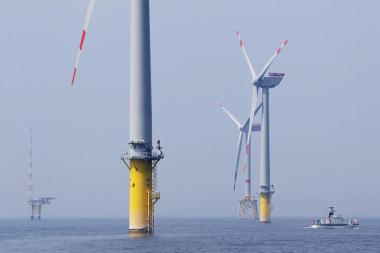
Offshore wind farm (Sean Gallup | Getty Images)
Science and Technology:
¶ A nuclear experiment that borrows elements from existing designs to create a stable fusion reactor could make never-ending energy a reality within decades. A Washington startup, Agni Energym, says its ‘beam-target’ reactor focuses and controls the elements needed to achieve nuclear fusion more efficiently than other designs. [Infosurhoy]
¶ Cost reductions of up to 30% have been realised on elements of the 28-MW Nissum Bredning offshore wind farm demonstration project off the coast of Jutland in Denmark, according to Siemens Gamesa. The project showcases a several different engineering innovations that reduce costs of installation and the efficiency of electricity transmission. [reNews]

Turbine at Nissum Bredning (Siemens Gamesa image)
World:
¶ Finnish technology company Wärtsilä has unveiled a solar and energy storage hybrid system that it says will enable companies to deliver renewable electricity as “baseload” power. The system includes a software and control platform, which optimizes performance as it monitors changes in market conditions and rate structures. [reNews]
¶ Canada’s Magna builds cars for other companies, most notably BMW and Jaguar Land Rover. It builds the new Jaguar I-PACE at its Magna Steyer facility in Austria. It announced it has formed a joint venture with Beijing Electric Vehicle Company, a BAIC subsidiary, to engineer and build two new premium electric cars for the Chinese market. [CleanTechnica]

Zhenjiang car factory
¶ The number of offshore wind farms in operation, under construction, or in development has grown 10% in the last 12 months to 104 GW from 95 GW, RenewableUK data shows. The UK leads the list with 35.2 GW, followed by Germany with 23.4 GW, then Taiwan with 8.3 GW, China with 7.7 GW, and the US at 7.5 GW. [reNews]
¶ New solar power installations halved in the UK last year for the second year in a row, as fallout from government subsidy cuts continues. They declined from 4.1 GW in 2015 to 1.97 GW in 2016, and 0.95 GW last year. Labour said the figures showed the government’s commitment to green energy was “nothing but an empty PR move.” [The Guardian]

Solar installer (Ashley Cooper | Global Warming Images | Alamy)
Australia:
¶ Australia’s coal-fired generation could provide as little as 8% of its power as early as 2050, as it is replaced by cheap renewables and battery storage, along with household energy investments. The latest National Energy Outlook from Bloomberg New Energy sees technology and economics as more important than government policies. [RenewEconomy]
¶ The annual Bloomberg New Energy Finance energy outlook forecasts renewable power investment in Australia will reach more than A$186 billion ($138 billion) by 2050 as the rate of new wind and solar entering the market increases to account for 92% of all generation. BNEF projected further declines in the costs of renewable power. [The Sydney Morning Herald]

Rooftop solar panels in Australia (Photo: Jason South)
¶ Genex Power’s Queensland-based Kidston pumped hydro storage and solar project received more than $500 million from a government infrastructure fund that has previously drawn flak as a facility to prop up coal projects. The project is the first funded by the Northern Australia Infrastructure Facility fund since it was overhauled. [The Sidney Morning Herald]
¶ The 2018 Lowy Institute’s annual poll on Australian attitudes found massive support for renewables. Asked if the government should focus on renewables “even if this means we may need to invest more” or traditional energy “even if this means the environment may suffer to some extent,” 84% of respondents chose renewables. [The Sidney Morning Herald]

Liddell power station (Photo: Janie Barrett)
US:
¶ The American Council on Renewable Energy, a national business group made up of companies that finance, develop, manufacture, and use all forms of renewable energy, announced the launch of a new campaign that aims to reach $1 trillion in new US private sector investment in renewable energy and enabling grid technologies by 2030. [Business Wire]
¶ Hydro-Québec and Central Maine Power Company have successfully concluded contract negotiations with the electric distribution companies in Massachusetts for the New England Clean Energy Connect, 100% hydropower project. Now, the agreement will go to the Massachusetts Department of Public Utilities. [Renewable Energy Magazine]

Hydropower (Courtesy of Hydro-Québec)
¶ Nashville-based solar developer and operator Silicon Ranch Corp will build another 194 MW of solar capacity as part of a partnership with Georgia renewable energy provider Green Power EMC, the two said in separate statements. The capacity will come from four single-axis tracking solar parks in middle and south Georgia. [Renewables Now]
¶ New Hampshire Republican Gov Chris Sununu vetoed two energy-related bills that he says would have cost ratepayers about $110 million over three years. But key members of his party are bristling at the move, calling one bill a vital lifeline for the biomass and timber industry. And they say they have the votes to override a veto. [Concord Monitor]
geoharvey is free and without ads.
geoharvey is not tax-deductible.
Posted in nuclear power, renewable power, solar, wind | Leave a Comment »
Tags: nuclear, nuclear power, renewable power, solar power, wind power
June 19, 2018
Opinion:
¶ “US Offshore Wind Upends Plans For Saving Coal & Nuclear Power Plants” • If the latest news out of the US DOE is any indication, the Trump Administration’s newest stratagem for keeping old coal and nuclear power plants in operation – make the taxpayers pay extra to keep uneconomical power plants running – is going nowhere fast. [CleanTechnica]

Sea Installer at work
¶ “Could the U.S. Retire Most of Its Coal-Fired Power Plants by 2040?” • The Energy Information Administration said coal could still generate 22% of US electricity in 2050, but there is a reason why it may be wrong. Utilities and electricity generators are far more eager to get away from coal than market outlooks seem to take into account. [Motley Fool]
World:
¶ China suddenly announced late last month that it would cap its solar additions in 2018 to curtail oversupply. Shortly after that, market research firm EnergyTrend, based in Taiwan, revised its forecast for the country’s solar capacity additions this year, and it lowered its global forecast from 106 GW to between 92 GW and 95 GW. [CleanTechnica]

Solar panels in China (Shutterstock image)
¶ The Solar Trade Association and Solar Power Europe are celebrating big wins for solar under the EU’s revised Renewable Energy Directive, which be in effect in 18 months. Its measures include the recognition of the role and rights of prosumers, local Government, and community energy. It also would reduce red tape. [Renewable Energy Magazine]
¶ The world’s six largest multilateral development banks committed $35.2 billion to climate financing for developing economies in 2017, a seven-year high and up 28% on 2016. Of the $35.2 billion, $27.9 billion is focused on projects that aim to slow down the pace of global warming, with the rest for climate adaptation projects. [CleanTechnica]

Please click on the image to enlarge it
¶ A majority of state-owned banks and financial institutions in India continued to fund coal projects in 2017, according to a report prepared by the Delhi-based Centre for Financial Accountability. It found that coal received ₹60,767 crore ($9.35 billion) in lending whereas renewable energy received ₹22,913 crore ($3.50 billion) [ETEnergyworld.com]
¶ Israeli renewable energy company Ellomay Capital Ltd has awarded the engineering, procurement and construction contract for its 300-MW DC Talasol PV project in Spain to METKA EGN Ltd. Ellomay’s chief executive said the Talasol project is expected to be one of Europe’s largest PV projects and one of its first to work without subsidies. [Renewables Now]
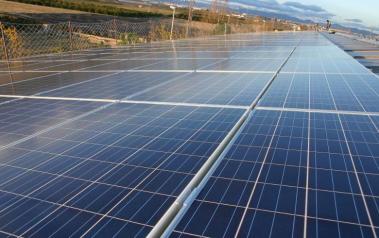
Spanish solar park (Som Energia Cooperativa, CC-BY-SA)
¶ The technology group Wärtsilä is leading the way to the power industry’s transformation towards a future that utilises 100% renewable energy. Wärtsilä is making a call to action since the technologies required to achieve this vision are already available. In a changing energy sector, Wärtsilä is harnessing its extensive capabilities to lead that change. [SteelGuru]
¶ Britain is throwing away its opportunity to rule the global wave and tidal energy sector due to lack of government support, a series of leading developers have told the Guardian. The nation is currently seen as a world leader in capturing renewable energy from the oceans but some companies are already heading for new shores. [The Guardian]

Tidal turbine (Photo: Jeff J Mitchell | Getty Images)
¶ Bloomberg NEF published its annual analysis of the future of the global electricity system. For the first time, it highlights the impacts of falling battery costs. BNEF predicts that lithium-ion battery prices, already down by nearly 80%, will continue to tumble as electric vehicle manufacturing builds up through the 2020s. [Renewable Energy Magazine]
US:
¶ Pennsylvania conservation officials released a plan to confront climate change on public land as flooding, wildfires and warmer bodies of water threaten wildlife, landscapes and recreation. The state will identify the most resilient microclimates, then try to physically connect them by acquiring the land or developing easements. [StateImpact Pennsylvania]
¶ Electricity and natural gas distributor National Grid released “Northeast 80×50 Pathway,” outlining various measures to reduce greenhouse gas emissions 80% by 2050. The program includes in-depth modelling and analysis addressing the three most carbon-intensive sectors in the Northeast: power generation, heating, and transportation. [Power Technology]
¶ A large energy storage system is being added to Texas’ largest solar power plant. Vistra Energy showed plans for the energy storage project to investors. The facility will have a 10-MW/42-MWh lithium-ion battery. The solar power plant has a peak output of “nearly 200 MW,” even though its interconnection application is only 180 MW. [pv magazine USA]
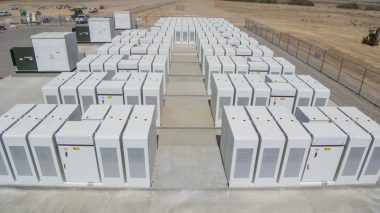
Salt River project
¶ An energy storage company in Wilton, Connecticut, is working to reduce energy costs through use of its batteries, which are about the size of an egg carton. Cadenza Innovation was founded in 2012 and is headed by Swedish-born chemist Dr Christina Lampe-Önnerud. The technology will be rolled out in New York in the next year. [WTNH.com]
¶ The final tab for South Carolina’s failed nuclear power project could increase by $421 million after a state audit found the two utilities behind it owe sales tax on the materials they bought for the unfinished plant. The bill, obtained by The Post and Courier, includes $11 million of interest on a $410 million claim for back taxes. [Charleston Post Courier]
geoharvey is free and without ads.
geoharvey is not tax-deductible.
Posted in nuclear power, renewable power, solar, wind | Leave a Comment »
Tags: nuclear, nuclear power, renewable power, solar power, wind power
June 18, 2018
Opinion:
¶ “Global warming cooks up ‘a different world’ over 3 decades” • We were warned. On June 23, 1988, a sultry day in Washington, Dr James Hansen told Congress that global warming was not approaching – it had already arrived. Thirty years later, it’s clear that Hansen and other doomsayers were right. And the change has been sweeping. [The Denver Post]

James Hansen (Marshall Ritzel, The Associated Press)
Science and Technology:
¶ In a world first, Siemens is opening a £1.5-million pilot project in Oxfordshire employing ammonia as a form of energy storage. The proof-of-concept facility will turn electricity, water, and air into ammonia without releasing carbon emissions. The ammonia can be stored and burned for electricity, sold as a fuel, or used for industrial purposes. [businessgreen.com]
¶ Tesla’s cobalt usage will soon be a thing of the past if Elon Musk has his way. And it makes sense. Cobalt prices are soaring. There is an ethical dilemma with cobalt’s primary sourcing, as much of its mining is tainted with corruption and human rights violations, including child labor. And Panasonic announced it is developing cobalt-free batteries. [CleanTechnica]

Cobalt (Photo: cobalt123 on Foter.com, CC BY-SA)
World:
¶ Through Gigawatt Global Cooperative UA, the US has signed an agreement with Economic Community of West African States, aiming to develop $1 billion renewable energy projects in Africa. Under the terms of the agreement, Gigawatt Global will install 800 MW of solar and wind farms in Burkina Faso, Senegal, Mali, Nigeria, and Gambia. [African review]
¶ A number of Japanese companies are expressing interest in the EnergySail, a system that combines solar and wind energy to provide power for ships. Plans are underway to begin production for commercial release of the Aquarius Eco Ship Project, as the solar power system, batteries, and computer system are all now ready. [Hellenic Shipping News Worldwide]

Aquarius Eco Ship (Image: Eco Marine Power)
¶ Electricity Exchange, an Irish company providing smart grid technology and virtual power plant services, announced that it will double its workforce. The Company, in which Bord na Móna took a 50% share in 2016, operated a virtual power plant from its 24-hour operations center in Limerick. Now it is entering the global market to sell its products. [Limerick Post]
Australia:
¶ Tasmania has some of the best wind resources in the world and there is a line of companies looking to harness the energy. This month Hydro Tasmania announced more details for its plan to introduce pumped hydro in order to become the “battery of the nation.” But Tasmania’s power potential hangs on improving interconnection with the mainland. [ABC News]
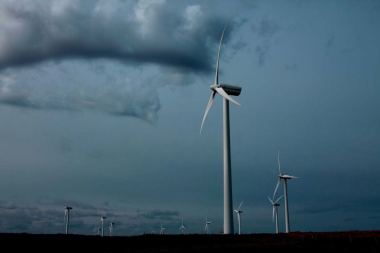
Woolnorth wind farm (Photo: David Murphy)
¶ The latest version of Australia’s National Energy Guarantee has raised concerns that it could put a de-facto cap on efforts by state governments, retailers, and even corporate buyers to go beyond the the federal government’s weak targets. Those interested in renewable energy have complained about at least two potential big problems. [RenewEconomy]
¶ The 2018 Off Target report, published by the Climate Action Network Europe, said Ireland is the second-worst performing EU member state in tackling climate change, both in terms of its national action and its support for greater ambition. CAN is very critical of Ireland and warns that it “faces annual non-compliance costs of around €500 million.” [Irish Times]

Irish wind farm (Photo: Dara Mac Donaill | The Irish Times)
¶ Eastern Australia is home to the world’s largest battery. It is increasingly integrating renewable energy into one of the world’s longest interconnected energy systems. And in the past six months, about 180 MW of new demand response resources have entered the ancillary services markets. The effects on obsolete technology are disruptive. [RenewEconomy]
¶ The 228-MW Lal Lal wind farm in Victoria has attracted the corporate investors it needs to go ahead with construction. Lal Lal, which is being built by Vestas and Zenviron, is expected to be fully operational in late 2019, at which point it is expected to generate over 650 GWh per annum, enough energy to power over 92,000 households. [RenewEconomy]
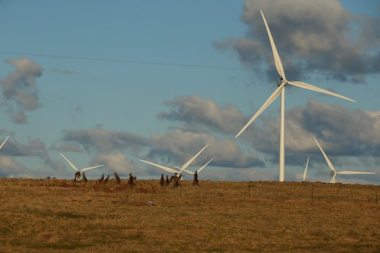
Kangaroos and wind turbines (Vestas Wind Systems AS)
US:
¶ Innogy is to build a 440-MW portfolio of solar PV projects in partnership with local player Birdseye Renewable Energy. A total of 13 developments are included in the deal, which is part of what the German utility calls its “renewables expansion strategy.” The projects are in the North Carolina, South Carolina, Georgia, and Mississippi. [reNews]
¶ President Donald Trump ordered a rescue of the nation’s struggling coal and nuclear power industries, but that does not mean utilities are reconsidering the shutdown of unprofitable plants. Many said Trump has not altered their plans to retire old units despite the prospect of his trying to force grid operators to buy power from old plants. [Bloomberg]

Cross Generating Station (Photo: Luke Sharrett | Bloomberg)
¶ The 15th annual American Renewable Energy Day Summit is underway this week in Aspen. The 2018 summit has 176 speakers taking part in more than 80 panel discussions, keynote addresses and networking events. Founder Chip Comins is known for saying, “Climate change doesn’t give us a break, so we’re not going to give it one, either.” [Aspen Times]
¶ Ward County, North Dakota, is on the radar of wind energy companies seeking new areas for expansion. The Ward County Planning Office has had contacts with three companies interested in potential projects, including one that is considering reviving a portion of the large Hartland project that had been proposed 10 years ago. [Minot Daily News]
geoharvey is free and without ads.
geoharvey is not tax-deductible.
Posted in nuclear power, renewable power, solar, wind | 1 Comment »
Tags: nuclear, nuclear power, renewable power, solar power, wind power
June 17, 2018
Opinion:
¶ “Full Fledged 5 Alarm Climate Emergency In Antarctica” • Abusing the Earth is finally having the effects scientists have been warning us about for decades. But as the Earth burns, our leaders have fiddled, frittering away nearly every chance to rein in the destruction before it is too late. Now the point of no return may be upon us. [CleanTechnica]

Crack in the ice (Photo: NASA Goddard Space Flight Center)
Science and Technology:
¶ Climate change could be accelerating a rise in sea levels more than previously thought, researchers have found. A study by an international team of polar scientists has discovered that the process of warmer ocean water destabilising ice shelves from below is also cracking them apart from above, increasing the chance they’ll break off. [thejournal.ie]
World:
¶ Having come through the crisis a decade ago, Iceland is now enjoying an economic revival, with technology, renewable energy and tourism replacing the unsustainable boom in banking. Visitor numbers have quadrupled and output per head is among the strongest in Europe. The employment rate is the highest in the world. [The Guardian]

Reykjavik, a technology incubator (Photo: Alamy)
¶ China fired back in a spiraling trade dispute with President Donald Trump by raising import duties on a $34 billion list of American goods including soybeans, electric cars, and whiskey. The Chinese government said it was responding in “equal scale” to Trump’s tariff hike in a conflict over Beijing’s trade surplus and technology policy. [ETEnergyworld.com]
¶ The Indian city of Chennai has the potential to harness solar energy enough to reduce the demand by at least 20% says a report by Greenpeace India and Gujarat Energy Research and Management Institute. The report found that the total rooftop potential of the city was 1,380 MW and that at least 46% can come from residential areas. [Deccan Chronicle]
¶ RES has broken ground on a 10-MW battery storage project in Germany. It is building the facility, with funding from the EU and supported by the state of Schleswig-Holstein, for German utility VBB. The project will provide grid stabilisation and back-up power to the Bordesholm area in the event of a network failure or disruption. [Energy Live News]
¶ The US split from other Group of 20 member countries over the future of the coal industry and the 2015 Paris climate accord. At a press conference at the close of the G-20 meeting of energy ministers in Bariloche, Argentina, Germany’s director of energy policy Thorsten Herdan said G-20 member countries “have to get out of coal.” [The Japan News]
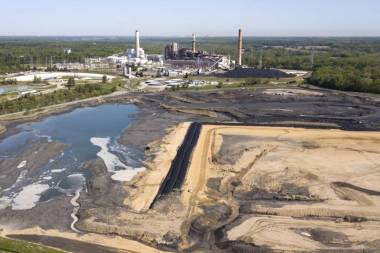
Ash ponds at a West Virginia coal plant (AP file photo)
¶ China’s Silk Road Fund Co is investing in the world’s largest solar thermal plant, which is under development in Dubai, an executive said. The project is being built by Riyadh-based Acwa Power International and Shanghai Electric Group Co Ltd. Its planned capacity is 700 MW, and it is expected to cost $3.9 billion to build. [The National]
¶ The No 2 reactor at Taiwan’s Second Nuclear Power Plant in northern Taiwan was brought to operate at full capacity, the Taiwan Power Co said. It was the first time in more than two years that the reactor has operated at full capacity. It went offline in May 2016 following a glitch in its electrical system during major maintenance work. [Taiwan News]

Kuosheng Nuclear Power Plant (Wikimedia Commons)
US:
¶ Research by two Harvard University scientists concluded that the Trump administration’s environmental policies could result in an additional 80,000 deaths per decade. The research, which was published in the Journal of the American Medical Association, examined the health impacts of the EPA’s policies on toxic chemicals and air pollutants. [The Hill]
¶ For a split-second after the demolition plunger went down, the cooling towers at St Johns River Power Park stood as if they would remain for 30 more years as Jacksonville landmarks. Then the burst of 1,500 pounds of dynamite ripped through them, and they collapsed into dust. From the crowd, a child’s voice called out: “Do it again.” [The Florida Times-Union]
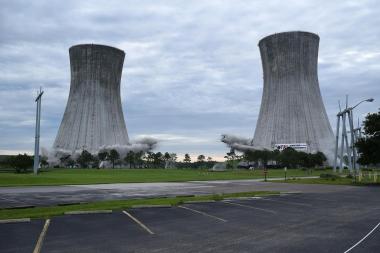
Cooling towers being blasted (Bob Self | Florida Times Union)
¶ Entergy New Orleans may not have directly paid actors to support its controversial proposal to build a $210 million gas-fired power plant in the city. But it did pay contractors thousands of dollars to recruit and educate supporters on the value of its proposal, with the goal of mimicking, as one consultant put it, an “organic” effort. [The Advocate]
¶ New York Governor Andrew M Cuomo announced that the New York State Energy Research and Development Authority received a $18.5 million DOE grant to lead a national research and development consortium for the offshore wind industry. The consortium will be supported by a public-private partnership and will include other states. [STL.News]
geoharvey is free and without ads.
geoharvey is not tax-deductible.
Posted in nuclear power, renewable power, solar, wind | 1 Comment »
Tags: nuclear, nuclear power, renewable power, solar power, wind power
June 16, 2018
Opinion:
¶ “100% renewable energy, no net metering caps and more in Massachusetts Senate bill” • A bill passed last night in the Massachusetts Senate removes the state’s caps on net metering, sets a 100% renewable energy mandate, boosts the state’s energy storage procurement target to 2 GW and more. But can it pass the House? [pv magazine USA]
¶ “Despite Tariffs, Solar Energy Is Cheaper Than Ever” • The cost of solar power continues to fall to new lows in the US, even as tariffs are imposed in favor of keeping the coal and natural gas industries afloat. One expert pointed out that it is cheaper to build a new PV plant than just to operate an existing coal or natural gas plant. [The Weather Channel]
Science and Technology:
¶ A special issue of the journal Nature is dedicated to Antarctica. In it, scientists said that if the Paris Accord fails to reverse emission trends, we will see “economic losses from the flooding of coastal cities exceeding $1 trillion per year” within decades. There is enough ice at risk in the Antarctic to raise sea levels more than 100 feet. [ThinkProgress]

Iceberg the size of Delaware (Mario Tama | Getty Images)
World:
¶ In India, excessive demand, mismanaged water resources, erratic weather patterns, and climate change have led to a water shortage that is only getting worse. According to a report by NITI Aayog, India is facing its worst water crisis and about two lakh (200,000) people die every year due to inadequate access to potable water. [India Times]
¶ Milan is getting set for a progressive ban on diesel cars, which is due to start as early as January 2019. The bold move came as a surprise when Milan’s mayor Giuseppe Sala announced it a few days ago at the annual Energy Festival in Rome. Diesel emissions became a focus for government action because of the VW diesel scandal. [CleanTechnica]

Milan
¶ Japan’s SoftBank is planning to invest between $60 billion to $100 billion in a solar power project in India, a Japanese report said. The report by broadcaster NHK comes after SoftBank announced in March it would partner Saudi Arabia on a multi-billion dollar solar project that the company’s founder called the largest in the world. [Daily Times]
¶ The Overseas Private Investment Corporation will extend $225 million (€194.2 million) to back the construction of a 252-MW wind park in the Indian state of Tamil Nadu. The funds will be allocated to Mytrah Vayu Sabarmati Pvt Ltd, a subsidiary of Indian renewable power producer Mytrah Energy Ltd, OPIC announced. [Renewables Now]
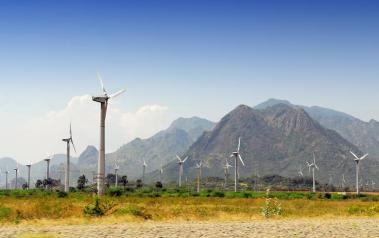
Indian wind park (Image: Regien Paassen | Shutterstock.com)
¶ Jiangsu Seraphim Solar System Co, Ltd announced that it won the supply agreement for a monumental 246-MW Ukraine solar project, developed by Ukraine’s largest energy group, DTEK. This installation will be Ukraine’s largest renewable energy power plant to date. Seraphim is the sole module supplier for the project. [pv magazine International]
¶ In its drive to become a 100% renewable energy driven city, the French city of Strasbourg is betting on geothermal energy for heating and power generation. Through Electricité de Strasbourg and its geothermal subsidiary ES Geothermie, there is a lot happening on research and development. But concrete projects are also under way. [ThinkGeoEnergy]

Quai Saint-Nicolas (Valentin R | Flickr, creative commons)
¶ Unit 1 of the Wolsong nuclear power plant will be retired prior to the expiration of its operating licence in 2022, Korea Hydro and Nuclear Power announced. The company also said it has cancelled plans for four new nuclear reactors. The move is in line with the South Korean government’s policy to phase out the use of nuclear energy. [World Nuclear News]
US:
¶ Massachusetts moved closer to embracing an economy-wide price on carbon, as the Senate approved an energy bill with a “market-based compliance mechanism.” One of New England’s largest utilities backed the move, saying a carbon price is needed for the region to have a chance of meeting its greenhouse gas emission targets. [CommonWealth magazine]

Electric vehicle charging
¶ The Boring Company announced a project with the Chicago Transit Authority to develop a set of tunnels connecting Chicago’s O’Hare Airport and downtown Chicago. The new route, the Chicago Express Loop, would get passengers from O’Hare to downtown in just 12 minutes for around $20–25. That’s half the price of a cab. [CleanTechnica]
¶ Though renewable energy has been a Democrat point in the past, more Republicans in Wisconsin say they’re getting excited about it. Over the weekend, Republican State Sen Patrick Testin told people attending the Midwest Renewable Energy Fair that he is looking at solar and wind installation companies as job creators. [Wisconsin Public Radio News]
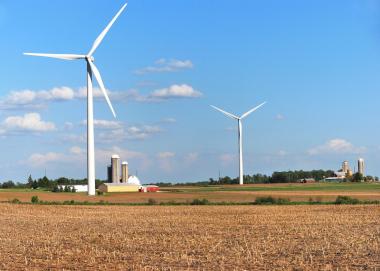
Wind turbines in Fond du Lac County (Dave, CC-BY-NC-ND)
¶ The Hawai‘i Public Utilities Commission met with the Hawaiian Electric Companies and Hawaiʻi Energy, at the request of Gov David Ige, to develop a series of rapid response actions to address the loss of renewable generation from the Puna Geothermal Venture power plant. The loss was due to the ongoing lava flow on Hawaiʻi Island. [Big Island Now]
¶ AT&T, the Dallas telecommunications giant, is buying 820 MW of electricity generated by wind power from NextEra Energy Resources, a Florida utility. The power will come from four NextEra-owned wind farms that are under construction in Texas and Oklahoma. Three of them are expected to be operational in December. [Laredo Morning Times]
geoharvey is free and without ads.
geoharvey is not tax-deductible.
Posted in nuclear power, renewable power, solar, wind | 1 Comment »
Tags: nuclear, nuclear power, renewable power, solar power, wind power
June 15, 2018
Opinion:
¶ “NRDC, 19 Other Groups Challenge EU’s Mistaken Climate Decision” • EU policymakers agreed on a new Renewable Energy Directive that failed to fix Europe’s broken bioenergy policies. The decision to continue to label the indiscriminate burning of wood as “carbon neutral” undercuts the EU’s climate targets. [Natural Resources Defense Council]
¶ “Nuclear Power Won’t Survive Without A Government Handout” • Once upon a time, if you were an American who didn’t like nuclear energy, you had to stage sit-ins and marches and chain yourself to various inanimate objects in hopes of closing the nation’s nuclear power plants. Today, all you have to do is sit back and wait. [FiveThirtyEight]
Science and Technology:
¶ The world’s system for allocating fish stocks is being outpaced by the movement of fish species in response to climate change, according to a study undertaken by an international team of marine ecologists, fisheries and social scientists, and lawyers. The study found that 70 or more countries will see changed fishery stocks by 2100. [Science Daily]

Fishing boats (Credit: Gabriel Reygondeau)
World:
¶ Australian renewable energy developer Windlab announced that it was awarded environmental approval by the Tanzanian Government to construct the country’s first wind farm. The 300-MW Miombo Hewani Wind Farm, and the transmission line project to bring its power to the grid, are set to be built in the center of the country. [CleanTechnica]
¶ Danish offshore wind energy developer Ørsted has officially opened the 573-MW Race Bank Offshore Wind Farm, which will provide over half a million UK homes with clean electricity. The ceremony took place in Grimsby, home to Ørsted’s East Coast Hub, the UK’s largest offshore wind Operations and Maintenance base. [CleanTechnica]
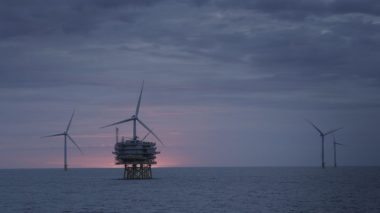
Race Bank Offshore Wind Farm
¶ Volkswagen’s diesel emission scandal is still ongoing with German prosecutors fining the automaker €1 billion (£882 million, $1.16 billion) for cheating. The one-billion-euro fine is one of the highest fines ever imposed by German authorities against a company, according to Reuters. However, things aren’t slowing down for VW. [Yahoo News UK]
¶ Indonesia has inaugurated its first three solar-plus-storage mini-grids, thus enabling three remote villages to enjoy uninterrupted, off-grid access to electricity for the entire day. The hybrid mini-grids are made up of solar PV and lithium-ion battery storage set up by Akuo Energy, a French renewable power developer. [pv magazine International]

Indonesian islands (Image: Jon Hanson | Wikimedia
¶ At an upcoming meeting of the G20 countries, one of the topics on the agenda will be increasing natural gas production investments by as much as $1.6 trillion by 2030. A report by Oil Change International finds doing so will use up the entire remaining carbon budget limits needed to meet the climate goals of the Paris climate accords. [CleanTechnica]
¶ Norwegian energy company Equinor, together with partners, is looking to supply power from renewable land sources to three gas platforms currently powered by gas turbines. The scheme will seek to utilise and expand existing land infrastructure to power the sites by renewable energy sources such as offshore wind and solar. [Offshore Technology]

Gudrun gas platform (Credit: Equinor)
US:
¶ Connecticut selected a city fuel cell company and a major offshore wind farm developer to help bring more than 250 MW of clean electricity to the state’s consumers. Gov Dannel P Malloy and other officials announced that FuelCell Energy of Danbury and Deepwater Wind were selected from among the 27 bidding companies. [Danbury News Times]
¶ The DOE announced $140 million in funding for the Frontier Observatory for Research in Geothermal Energy, an experiment in rural Utah aimed to develop ways to extract geothermal energy at less-than-ideal locations. If it proves successful, this resource could become a major power source throughout the nation. [Salt Lake Tribune]

Geothermal rig in Utah (Rick Allis | Utah Geological Survey)
¶ Sonnen partnered with California’s SunPower to offering SunPower® Equinox™ home solar energy systems and sonnen’s intelligent energy storage to residential customers across the US. Customers of SunPower’s participating installers benefit from the ability to provide themselves with inexpensive and reliable power. [Renewable Energy Magazine]
¶ Developers of a $2 billion transmission project aimed at getting renewable power from New Mexico and Arizona to large markets in the Southwest are aiming to clear one more regulatory hurdle. Over the next five days, consultants and concerned ranchers will testify before the New Mexico Public Regulation Commission in Santa Fe. [Kdminer]

Transmission lines (Adobe stock photo)
¶ EDF Renewables and Alliant Energy’s Iowa energy company signed contracts by which EDF Renewables will develop and construct up to 200 MW of the Golden Plains Wind Project. The project is located in Winnebago and Kossuth counties in the north central portion of Iowa. It is expected to be completed by early 2020. [PennEnergy]
¶ Massachusetts utilities have signed an agreement to bring hydropower from Quebec through Maine via a new 145-mile transmission corridor. The agreement is a necessary step for the New England Clean Energy Connect transmission project, which will bring power from Hydro-Quebec to markets in the Bay State. [Kennebec Journal & Morning Sentinel]
geoharvey is free and without ads.
geoharvey is not tax-deductible.
Posted in nuclear power, renewable power, solar, wind | 1 Comment »
Tags: nuclear, nuclear power, renewable power, solar power, wind power
June 14, 2018
Science and Technology:
¶ Sea levels will rise and all coastal countries could be seriously threatened by flooding if nothing is done to stop the massive melt of sea ice in Antarctica, according to nine award-winning scientists who have studied the continent for many years. In the journal Nature, they outline two scenarios, one promising, one bleak, for what could happen by 2070. [CNN]

Penguin selfie
¶ Antarctica is shedding ice at an accelerating rate, according to a report in the journal Nature. Satellites monitoring the state of the White Continent indicate some 200 billion tonnes a year are now being lost to the ocean as a result of melting. This is pushing up global sea levels by 0.6 mm annually, three times as fast as it was in 2012. [BBC]
World:
¶ Scotland’s Climate Change Secretary announced that the country had met its statutory annual greenhouse gas emissions target for the third year in a row in 2016, and this resulted in emissions being down 49% on a 1990 baseline. Of European countries, only Sweden, with a drop of 51%, reduced emissions faster than Scotland. [CleanTechnica]

Wind farm in Scotland
¶ Swytch, blockchain-based clean energy incentive, and the Energy2market, a German company aggregating energy trading in Europe, announced a blockchain renewable energy trial that could power over 500,000 homes. The pilot program, which is in Germany, includes approximately 3.5 GW of solar, wind, hydro, and biogas energy capacity. [SmartCitiesWorld]
¶ Tata Power, India’s largest integrated power company, said that a subsidiary has won a 150-MW Solar PV project in Maharashtra. Tata Power Renewable Energy, Ltd, received the Letter of Award to develop the project. It will sign a 25-year Power Purchase Agreement with the Maharashtra State Electricity Distribution Co, Ltd. [Indiainfoline]

Transmission lines
¶ Tata Power Renewable Energy, a subsidiary of Indian utility Tata Power, said that it signed a power purchase agreement with the US-based conglomerate GE. The Indian renewables company will provide solar installations for six manufacturing and services sites across the country. They will generate over 1,000 MWh per year. [Energy Digital]
¶ A milestone was reached towards the UK becoming a low carbon economy as a new wind farm capable of powering over 500,000 homes opened off the East Coast. The Humber is playing an increasingly significant role with four other huge projects in the pipeline, which will set records as the world’s largest as they come on line. [Yorkshire Post]
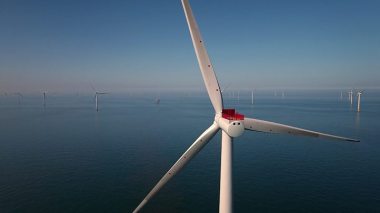
Turbine at the new Race Bank wind farm
¶ Swiss group ABB said the 500-MW Maritime Link connection between Newfoundland and Nova Scotia is finished. The high-voltage direct current link will transmit renewable energy from Newfoundland and Labrador to the North American grid, linking to it in Nova Scotia. It will enable Nova Scotia to integrate more renewable power. [Renewables Now]
¶ Lightsource BP, based in the UK, plans offer residential customers in Australia an option to go solar at no upfront cost. Lightsource will supply, install, operate, and maintain a solar PV array, a battery, and a smart metering system. The customers will buy renewable power at a fixed price under terms of a power purchase agreement. [Renewables Now]

Rooftop solar array (Image: Ralf Gosch | Shutterstock.com)
¶ Samsung, the Korean electronics behemoth, announced plans to transition its existing facilities, offices, and factories across US, Europe, and China to 100% renewable energy sources within two years. It plans to install 42,000 square metres of PV panels at its Digital City site in Korea, along with other solar arrays and geothermal plants. [CNET]
¶ The president of TEPCO said the utility is considering the future of the Fukushima No 2 nuclear plant. Fukushima No 2 is about 12 kilometers south of the Fukushima No 1 plant, which was crippled by the March 2011 earthquake and tsunami. He said the company is leaning toward scrapping all four nuclear reactors at the plant. [The Japan Times]
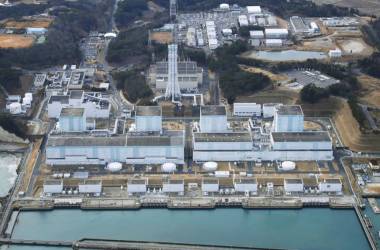
Fukushima No 2 nuclear plant (KYODO image)
US:
¶ Consumers Energy, Michigan’s largest energy provider, said it will stop using coal to generate electricity by 2040. The utility company has said it will increase its use of renewable resources, especially solar, and begin closing its remaining five coal-fired units in 2023. The plan is being filed with the Michigan Public Service Commission. [The Detroit News]
¶ State regulators are seeking more information on the 12-MW Aqua Ventus floating offshore wind demonstration project, led by the University of Maine, before deciding on a power purchase agreement. The Maine Public Utilities Commission will make requests for additional information in the coming weeks, the University of Maine said. [reNews]

VolturnUS prototype (Photo: UMaine)
¶ E.ON entered into a long-term power purchase agreement for 50 MW from its West of the Pecos solar project with a unit of SK E&S Co, Ltd, based in South Korea. West of the Pecos is a 100-MW PV solar project, located in Reeves County, Texas, about 75 miles southwest of Midland-Odessa. It is expected to come online in 2020. [Electric Light & Power]
¶ The US added more solar electric capacity than any other type in the first quarter of 2018. A report from the nonprofit Solar Energy Industries Association said the US solar market added 2.5 GW of new capacity in the first quarter, up 13% from the first quarter of 2017. That accounts for 55% of all new US electric capacity for the quarter. [Business Insider]
geoharvey is free and without ads.
geoharvey is not tax-deductible.
Posted in nuclear power, renewable power, solar, wind | 1 Comment »
Tags: nuclear, nuclear power, renewable power, solar power, wind power
June 13, 2018
Science and Technology:
¶ The Mammal Society and Natural England study said almost one in five British mammals was at risk of extinction. Factors such as climate change, loss of habitat, use of pesticides and disease are to blame, the report said. The hedgehog and water vole have seen their populations decline by almost 70% over the past 20 years. [BBC]

Endangered red squirrel (PA)
¶ Clariant Catalysts and Hydrogenious Technologies formed an alliance to provide reliable, scalable and safe hydrogen supplies for a wide variety of applications. They will use Hydrogenious Technologies’ innovative means of storing H2 by chemically binding the molecules to Liquid Organic H2 Carriers, from which it can later be released. [gasworld]
World:
¶ The oil markets shrugged off the historic meeting in Singapore between President Trump and North Korean dictator Kim Jong Un. Both sides hailed the summit as a breakthrough, with a pledge towards denuclearization, but as expected, there was a lack of even the most basic details on how they might get there. Oil was flat at the start of Tuesday. [OilPrice.com]
¶ Chinese battery heavyweight CATL looks to invest up to €1 billion into a new battery factory in Germany, according to a report from Bloomberg. The move would put one of the largest plug-in vehicle battery manufacturers right in the backyard of Germany’s luxury automotive makers, including BMW, Daimler, Volkswagen, and Porsche. [CleanTechnica]
¶ Germany’s KfW IPEX-Bank said it structured non-recourse financing for the 101.4-MW Pomona wind project, which power producer Genneia is developing in Argentina. The deal supports German exports, as German wind turbine maker Nordex won the contract to supply and install 26 units of its N131/3900 turbine for the project. [Renewables Now]

Nordex 2.4-MW turbines (Source: Nordex SE)
¶ The Swiss company ABB will install a 30-MW battery system in South Australia. It is expected to improve the reliability of power supplies and help balance the network on a daily basis. But in the event of a grid outage, it will support a microgrid powered by the 90-MW Wattle Point wind farm and distributed rooftop solar PV. [Renewable Energy Magazine]
¶ The World Bank is providing an additional $125 million for Morocco’s innovative solar technology. The increased financing, including $25 million from the Clean Technology Fund, will support the development and construction of the Noor-Midelt I and II plants. The plants will have a total capacity of 600 MW to 800 MW. [Renewable Energy Magazine]

Concentrating solar power plant
¶ In the last two months, India has seen 2.5 GW of wind tenders completed at record low tariffs at or slightly below $37/MWh, and the Indian Energy Minister increased India’s renewable goal from 175 GW to 227 GW by 2022. Meanwhile, the largest import coal plant in India, the relatively new 4.6-GW Mundra facility, sits idle, unable to compete. [RenewEconomy]
¶ Italian energy giant Eni is to build, develop and operate the 50-MW Badamsha wind farm in north-west Kazakhstan, its first large-scale investment in wind power. Eni said construction of the plant, which is located at Aktobe Oblast, will start in the coming months. The plant is expected to be in commercial operation by the end of 2019. [reNews]

Wind turbines (Pixabay image)
US:
¶ Bailing out nuclear and coal-fired power plants will not help toughen the US power grid against cyber attacks as the Trump administration claims, according to cyber experts. Hackers have a wide array of options for hitting high-profile targets such as electric infrastructure and nuclear facilities. The ability to store fuel is not relevant. [Reuters]
¶ The Department of Defense has a goal to produce or procure at least 25% of its energy from renewable sources by Fiscal Year 2025. Renewable sources provided 12.6% of its energy in 2016. To go further, while managing their solid waste, individual branches have partnered with industry to build or study waste-to-energy projects. [waste360]

The Pentagon (US Air Force via Getty Images)
¶ Two new reports, published in the span of a few days, have shed light on the state of the US solar industry in 2018. They reveal that billions were lost in cancelled projects due to the Trump administrations imposition of its solar tariffs. But they expect flat growth that, according to GTM Research, is “actually pretty good news.” [CleanTechnica]
¶ A report by the American Jobs Project indicates that offshore wind projects could lift Maine’s flagging manufacturing sector. It contends that wholehearted commitment could boost the state with thousands of new, long-term jobs, millions in financial windfall and helping Maine meet its clean energy goals while paying off handsomely. [Electric Light & Power]

Pilot offshore project in Maine
¶ Federal Energy Regulatory Commission members criticized President Trump’s order to prevent the closing of financially struggling coal and nuclear plants. Republican FERC Chairman Kevin McIntyre dismissed claims that the reliability of the grid is at immediate risk because of planned coal and nuclear plant closures. [Washington Examiner]
¶ As Fort Calhoun’s reputation as the home of nuclear power in eastern Nebraska comes to an end, a deal has been struck that could make the area a home for Nebraska solar power. Omaha Public Power District has worked with city officials to create plans for a 35-acre, 5-MW, community solar facility just east of the city limits. [Blair Enterprise Publishing]
geoharvey is free and without ads.
geoharvey is not tax-deductible.
Posted in nuclear power, renewable power, solar, wind | Leave a Comment »
Tags: nuclear, nuclear power, renewable power, solar power, wind power
June 12, 2018
Science and Technology:
¶ International scientists have discovered that most of the oldest and largest African baobab trees have died over the past 12 years. They suspect the demise may be linked to climate change, although they have no direct evidence of this. The tree can grow to an enormous size, and may live hundreds if not thousands of years. [BBC]

Baobab trees (Getty Images)
¶ In a study published in the journal Science Advances, a team of MIT researchers said 39% of all the freshwater withdrawn from rivers, lakes, and reservoirs in the US is earmarked for cooling at power plants that use fossil fuels or nuclear power. They devised a way to recapture some of that water vapor with a process they say is cost effective. [CleanTechnica]
¶ Finland’s VTT Research Centre of Technology found that new wind power technology enables higher towers, longer blades and reasonable efficiency in low wind conditions. These traits will allow turbines to be located more freely in the future, for example in forested areas. Wind provides over 10% of Europe’s electric power. [Renewable Energy Magazine]

Wind turbines
World:
¶ Market research firm IHS Markit published new figures showing the global solar market will increase by around 11% in 2018 despite China’s solar policy reductions. China’s cuts make large amounts of PVs available elsewhere, and Bloomberg New Energy Finance predicts that prices for PVs will drop by around 35% this year. [CleanTechnica]
¶ Engineering consulting firm WSP has been awarded a contract to work on the 500-MW Greenlink interconnector between Wales and Ireland. The €400 million ($471 million) privately financed interconnector is being developed by a subsidiary of Element Power, Greenlink Interconnector Ltd. Construction is to start in 2020. [Renewables Now]

Wind turbines in Ireland (Harry Pears, CC-BY-SA 2.0 Generic)
¶ Global science-based company Royal DSM signed a purchase agreement with Dutch energy firm Eneco to operate on 100% renewable energy in the Netherlands. Under the terms of the agreement, Eneco will supply DSM with electricity generated by Dutch wind parks Krammer and Bouwdokken for the years 2018 through 2025. [Power Technology]
¶ Tilt Renewables Ltd has brought online its 54-MW Salt Creek wind park in Western Victoria, Australia, and started exporting power to the grid. The Salt Creek wind farm is powered by 15 turbines supplied by Vestas Wind Systems A/S. After further testing and commissioning, the wind farm is expected to reach full production in July. [Renewables Now]
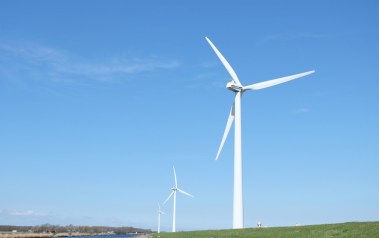
Vestas turbines
¶ The City of London Corporation has pledged to source 100% of its electricity from renewable sources starting this October. The organisation, which is the governing body of the financial and commercial district Square Mile, plans to invest in both onsite and offsite renewable energy as well as buying green power currently on the market. [Energy Live News]
US:
¶ The American Jobs Project issued a report that focuses on energy transformation in Maine. It shows how a combination of interest from cooperative industry associations in the state, a growing network of composites manufacturers, and offshore energy potential because of strong winds could expand the state’s energy economy. [CleanTechnica]
¶ Nevada Power, a utility owned by Warren Buffett’s Berkshire Hathaway, has signed a deal to build more than 1 GW of new large-scale solar in the US, with power purchase agreements starting as low as $21.55/MWh, a record low in the US. More than half of the PV systems will be co-located with battery storage, priced in separately. [RenewEconomy]
¶ German utility EnBW formed a joint venture with US outfit Trident Winds to develop up to 1 GW of floating offshore wind power off the coast of California. The joint venture’s first job is to get a site lease from the Bureau of Ocean Energy Management. It hopes to secure a grid connection made available by the Morro Bay power plant’s shutdown. [reNews]

Offshore wind turbines (reNews image)
¶ Minneapolis’ Metropolitan Council, which operates the transit systems and wastewater treatment in the Twin Cities region, and Xcel Energy are working to get the Council’s use of renewable energy for its wastewater and transit systems to 100% by 2040. The agreement includes efforts to get more electric buses onto Minnesota roads. [Windpower Engineering]
¶ Despite pronouncements from the White House, the preferred utility power mix is no longer a portfolio based largely on coal and nuclear energy. Both those resources have seen their market share undercut by cheaper natural gas in recent years, pushing many of the oldest and least efficient plants offline. And natural gas may decline also. [Utility Dive]

Solar power plant
¶ Crocker Wind Farm LLC, a subsidiary of Geronimo Energy, has been given the green light to build a wind farm in Clark County, South Dakota with a capacity of up to 400 MW. The wind project will have up to 120 turbines and a 5.2-mile transmission line. The wind farm is expected to start operations by the fourth quarter of 2019. [Renewables Now]
¶ Sixteen senators and 63 representatives delivered a letter to Massachusetts Department of Public Utilities Chair Angela O’Connor to show support for expanding access to solar energy while raising concerns about a utility-backed proposal to cap the amount of credits that community solar customers receive on their bills. [Solar Power World]
geoharvey is free and without ads.
geoharvey is not tax-deductible.
Posted in nuclear power, renewable power, solar, wind | 2 Comments »
Tags: nuclear, nuclear power, renewable power, solar power, wind power
June 11, 2018
Science and Technology:
¶ A team of researchers at UC Berkeley developed a potential solution to water shortages; a box that can harvest water out of desert air, without any need for power other than sunlight. The key to the device is not a pump or solar panel-operated tap, but rather the materials contained in the box, what the chemists call a metal-organic framework. [Alphr]
Berkeley water collector in the lab
¶ A beetle that has killed millions of acres of pines in southern forests is munching its way north, and research suggests its tree-killing could get worse. Once unknown north of Delaware, the southern pine beetles have been expanding their range as the climate warms. They have been caught as far north as New England. [Fort Wayne Journal Gazette]
World:
¶ Several years ago, India set what seemed like a lofty target of 175 GW of wind and solar energy by March 2022. Few believed that was a practical target, but then India plowed forward and happily impressed the world. This week that goal was increased to 227 GW! India has installed more than 70 GW already, and additions are coming faster. [CleanTechnica]
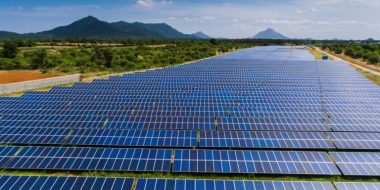
Solar farm (Image: Siemens Gamesa)
¶ The Maharashtra government is considering using the Swiss challenge method to finalize a bidder to set up floating solar plants across various reservoirs and water bodies in the state. Under the system, any person with suitable credentials can submit a development proposal to the government for a public project. [ETEnergyworld.com]
¶ The Tokyo metropolitan government plans to introduce “solar roads” that collect energy from the sun via solar panels installed beneath the surface of the roads. The effort aims to promote Tokyo as an eco-friendly city, both domestically and abroad, ahead of the 2020 Olympics and Paralympics. Trial installations will begin next year. [The Independent]
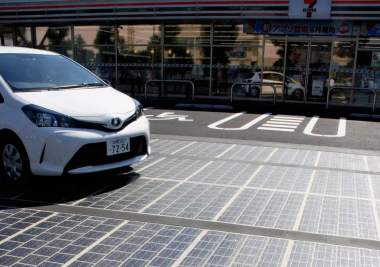
Solar parking lot in Tokyo (Photo: Japan News-Yomiuri)
¶ The Asian Development Bank will help Pakistan build 2,330 MW of solar capacity in Punjab and 5,204 MW of micro-hydro generating capacity from hundreds of power plants in off-grid areas of Khyber Pakthunkhwa. The projects are to be built by 2026 under the bank’s “Access to Clean Energy Investment Programme.” [Pakistan Observer]
¶ Even in places where pastoral tribesmen still tend livestock, they may chat over smart phones and use money-transfer apps to pay their debts. To charge the phones without grid access, Africans spend more than $17 billion each year on such fuels as kerosene to power generators. Azuri Technologies Ltd is helping with solar panels and AI. [Bloomberg]

Azuri home solar system delivery (Photo: Azuri Technologies)
¶ Dailyexcelsior reported that a third-generation European Pressurised Reactor reactor in China carried out its first nuclear chain reaction. It is a first for the much-delayed European technology, and Xavier Ursat, head of new nuclear projects for EDF, tweeted the news. EDF has a 30% holding in the reactor that was being tested. [SteelGuru]
¶ Lekela, which has utility-scale projects across Africa, succeeded in reaching financial close on two additional wind power projects in South Africa. The Kangnas and Perdekraal East wind power projects together will add 250 MW of electric power to South Africa’s grid. The projects are expected to be fully operational in under 28 months. [African Review]

Wind project (Image: Markus Distelrath | Pixabay)
US:
¶ One of the Hawaii Civil Defense Agency’s biggest fears about Volcano Kilauea has been realized. Puna Geothermal Venture, Hawaii’s first and only geothermal plant, was flooded by lava, destroying two of its building and shutting down the plant. PGV contributed nearly 30% of the electricity for the Island of Hawaii, according to the DOE. [Inverse]
¶ A new survey of Southeast cities found that about half expect to install or buy more renewable energy. West Palm Beach and Atlanta are among the leaders. Only about 20% of the cities have set emissions-reduction goals so far, but more are taking a closer look at their emissions and plan to make greater use of renewable energy. [InsideClimate News]

Jacksonville, Florida (Credit: A Davey | CC-BY-ND-NC-2.0)
¶ A utility serving Oregon, Idaho, and Washington issued a request for proposals for up to 50 MW in renewable power generation capacity, including geothermal energy. Avista Utilities provides energy services and electricity to 375,000 customers and natural gas to 336,000 customers in parts of Washington, Idaho, and Oregon. [ThinkGeoEnergy]
¶ Battery technology is speeding up change in the US electricity sector and could help power a rally in certain renewable energy and utility stocks, Barron’s reported. After a decade of steep cost declines, wind and solar installations, often paired with battery storage, are increasingly displacing older coal and gas-fired power plants. [ETEnergyworld.com]
geoharvey is free and without ads.
geoharvey is not tax-deductible.
Posted in nuclear power, renewable power, solar, wind | 1 Comment »
Tags: nuclear, nuclear power, renewable power, solar power, wind power

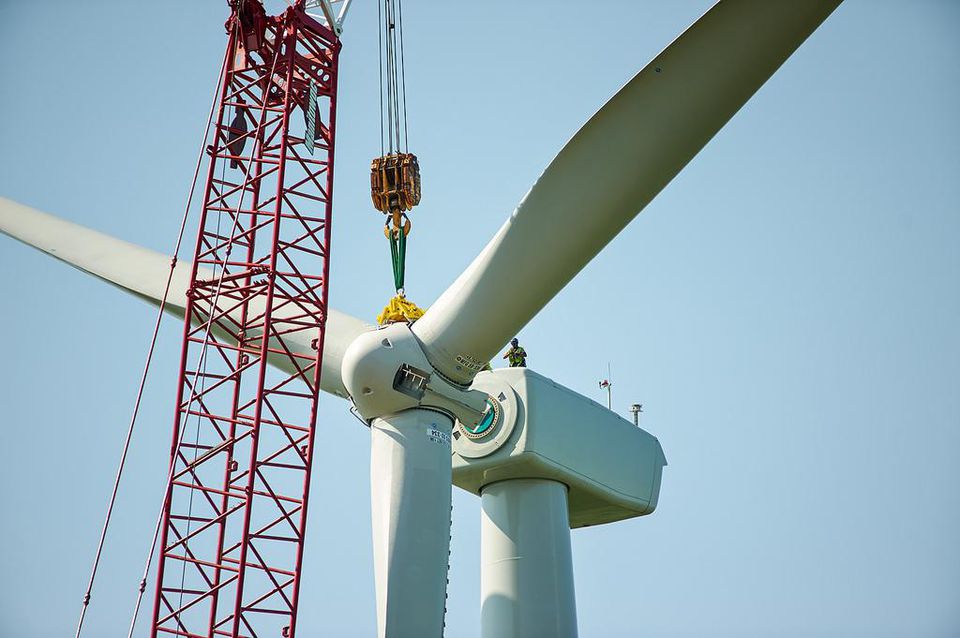


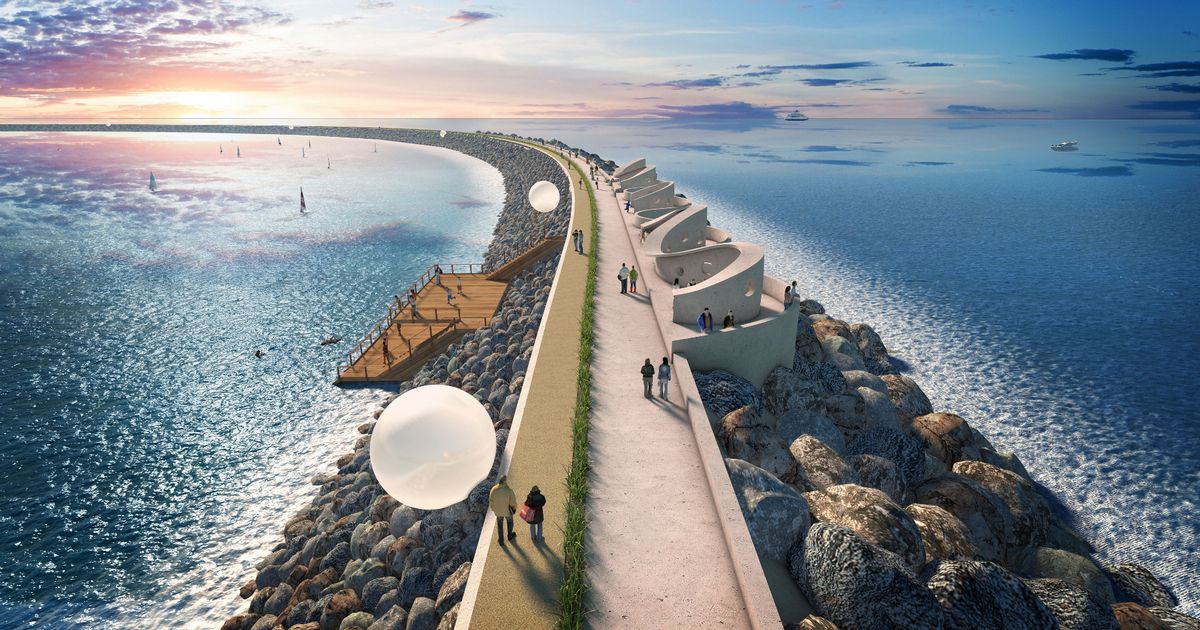


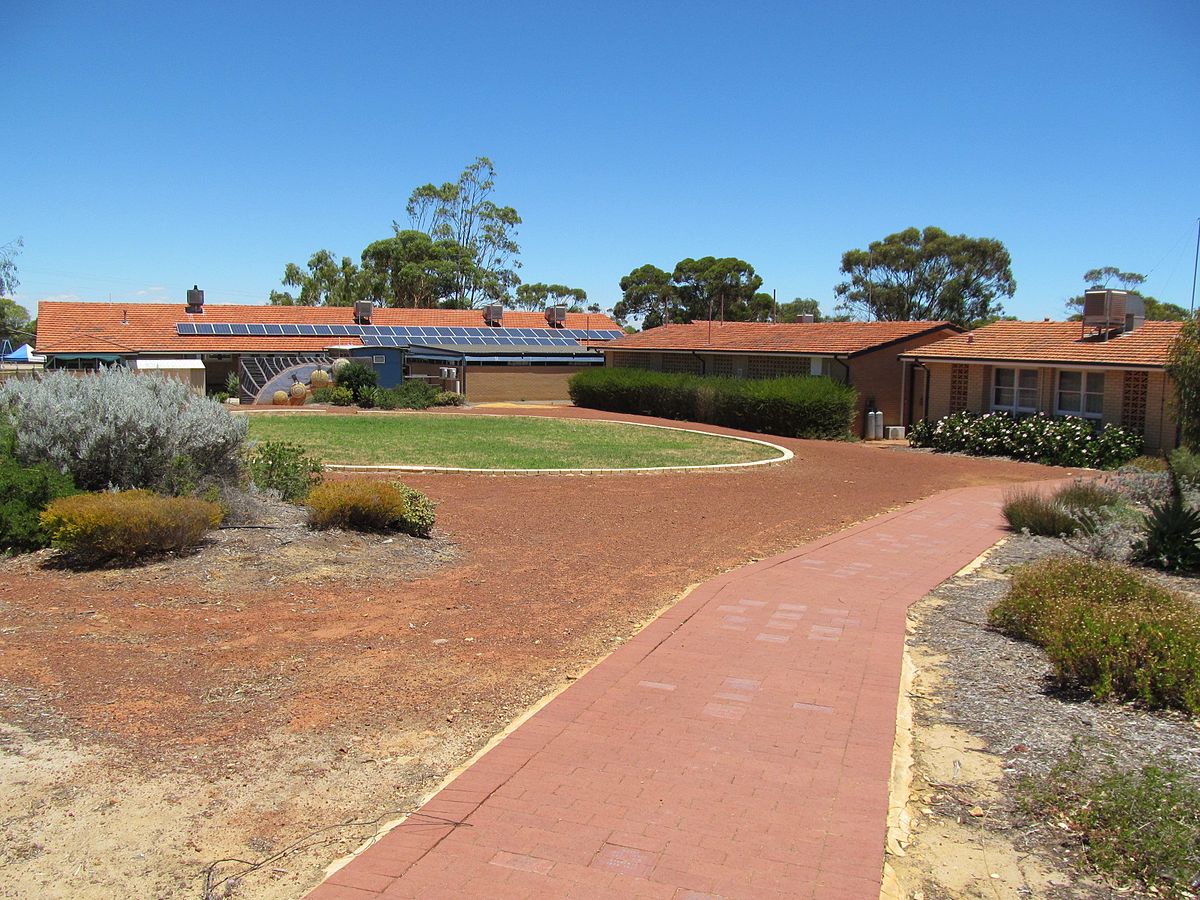

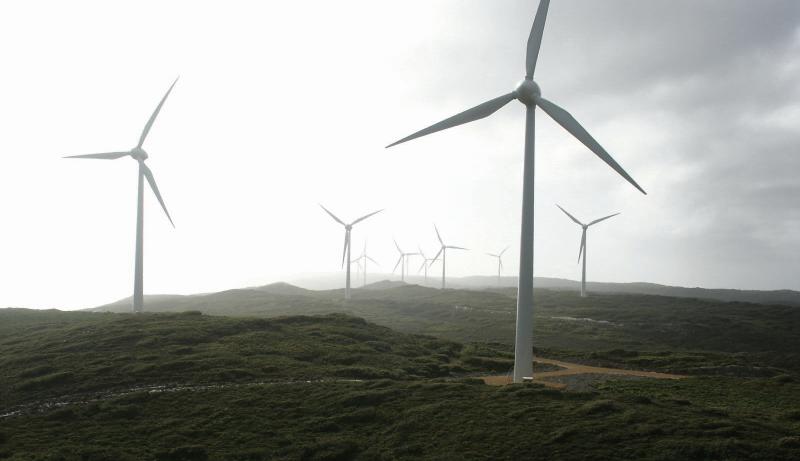


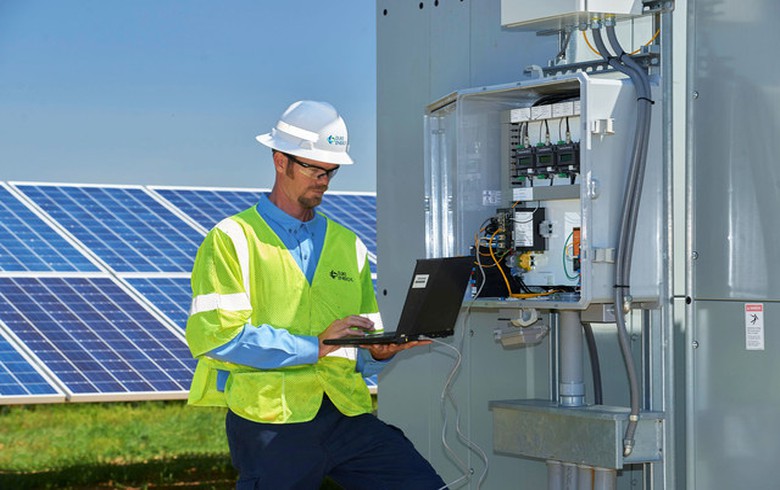


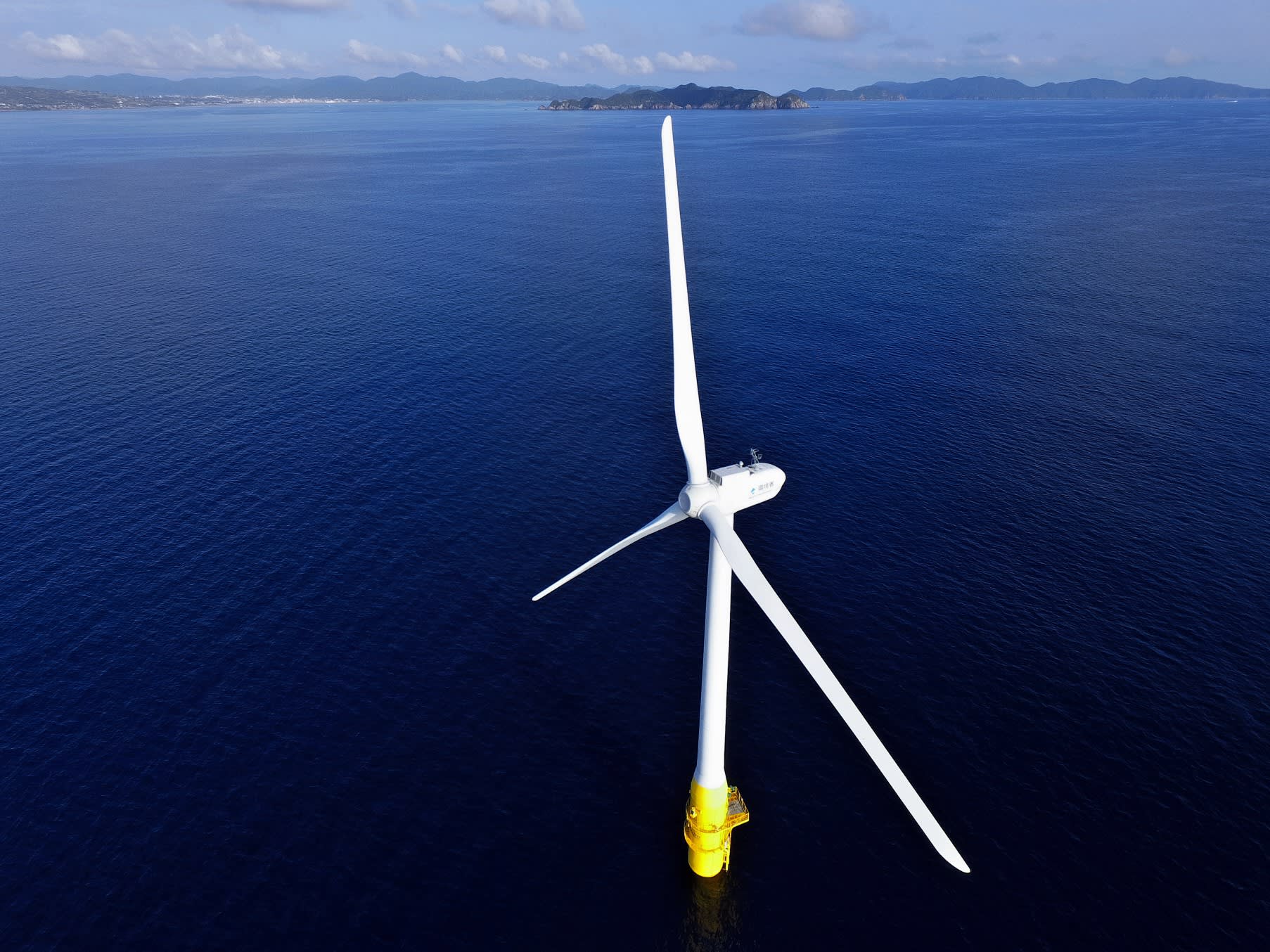


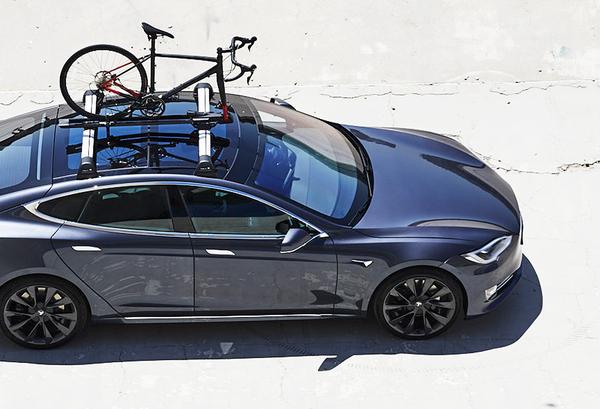
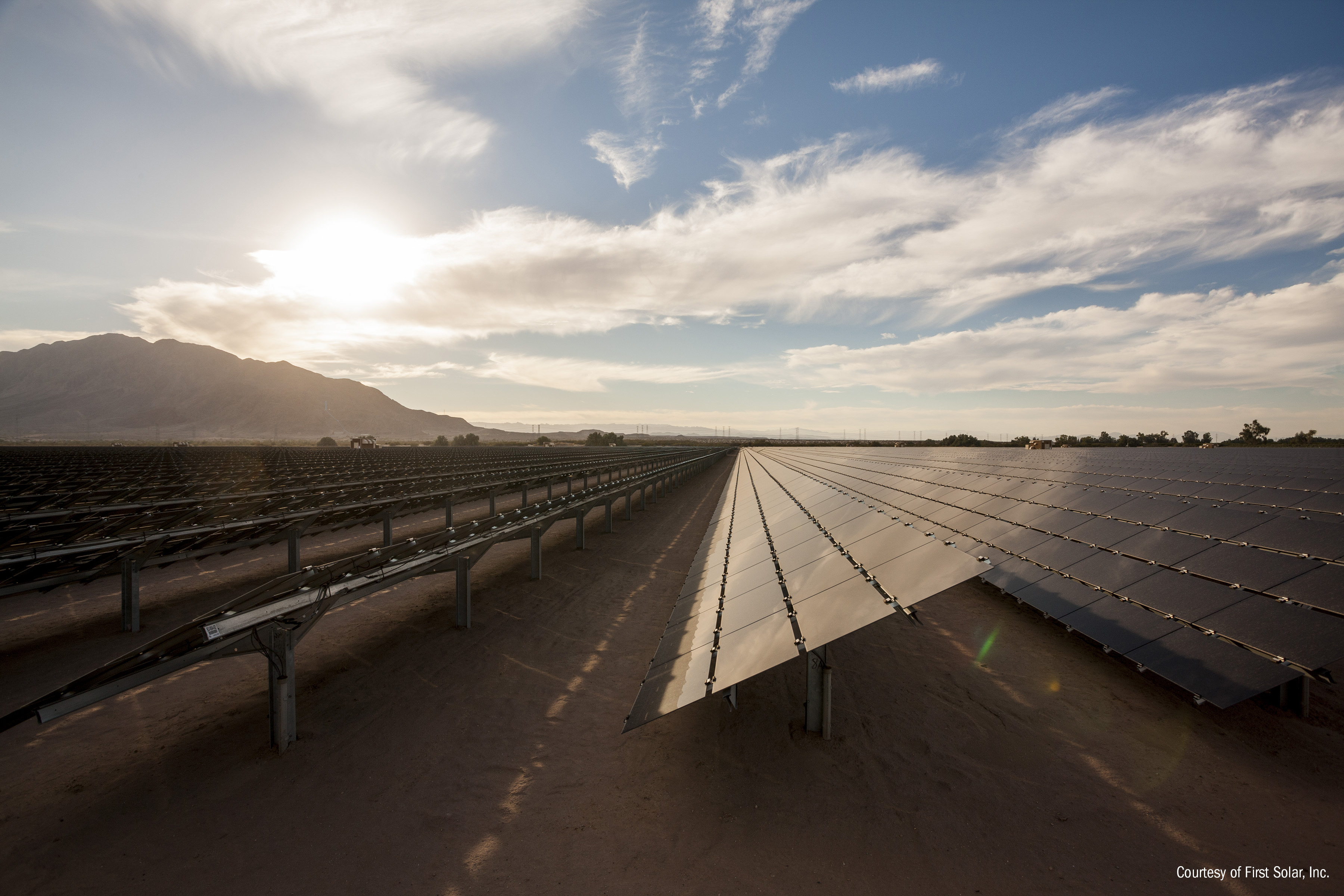

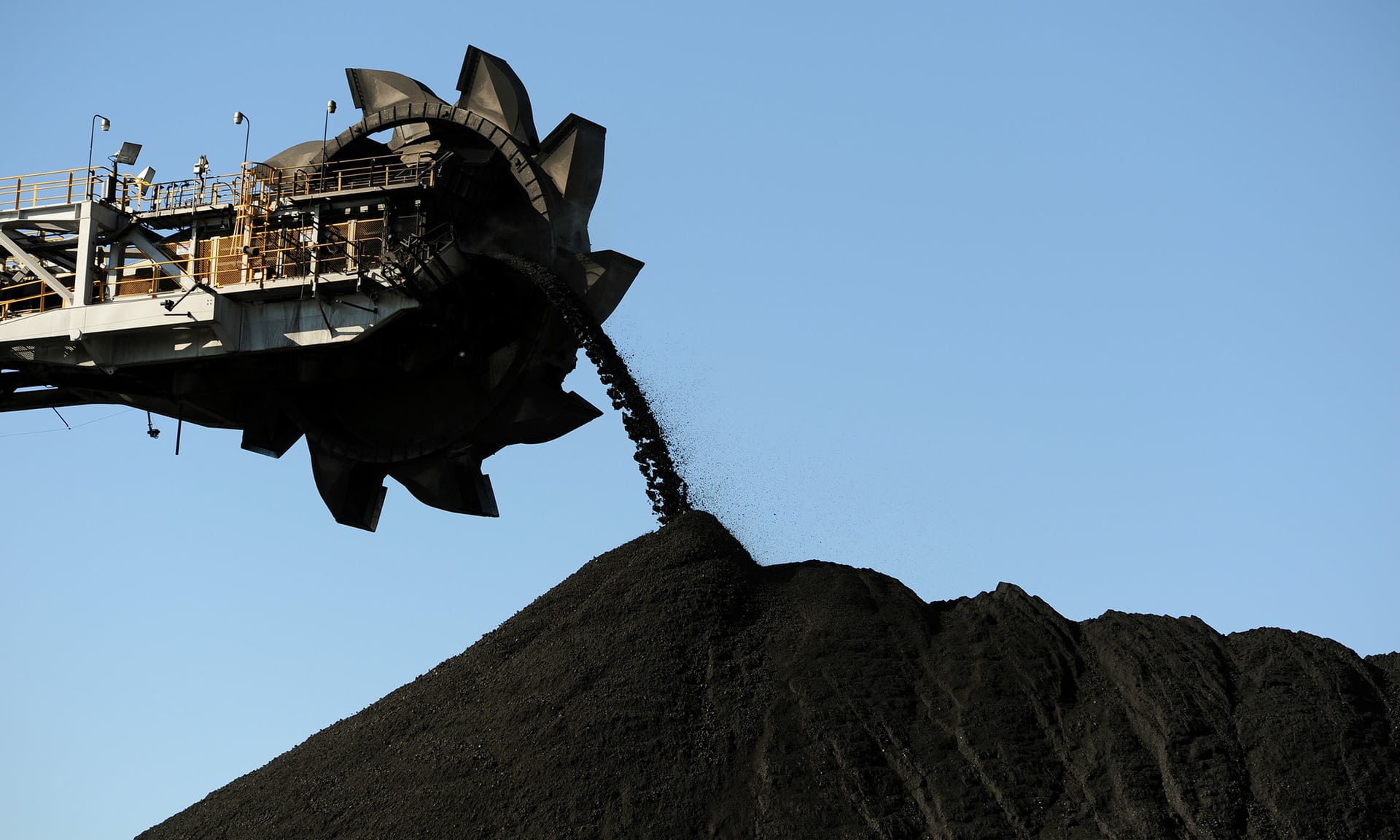

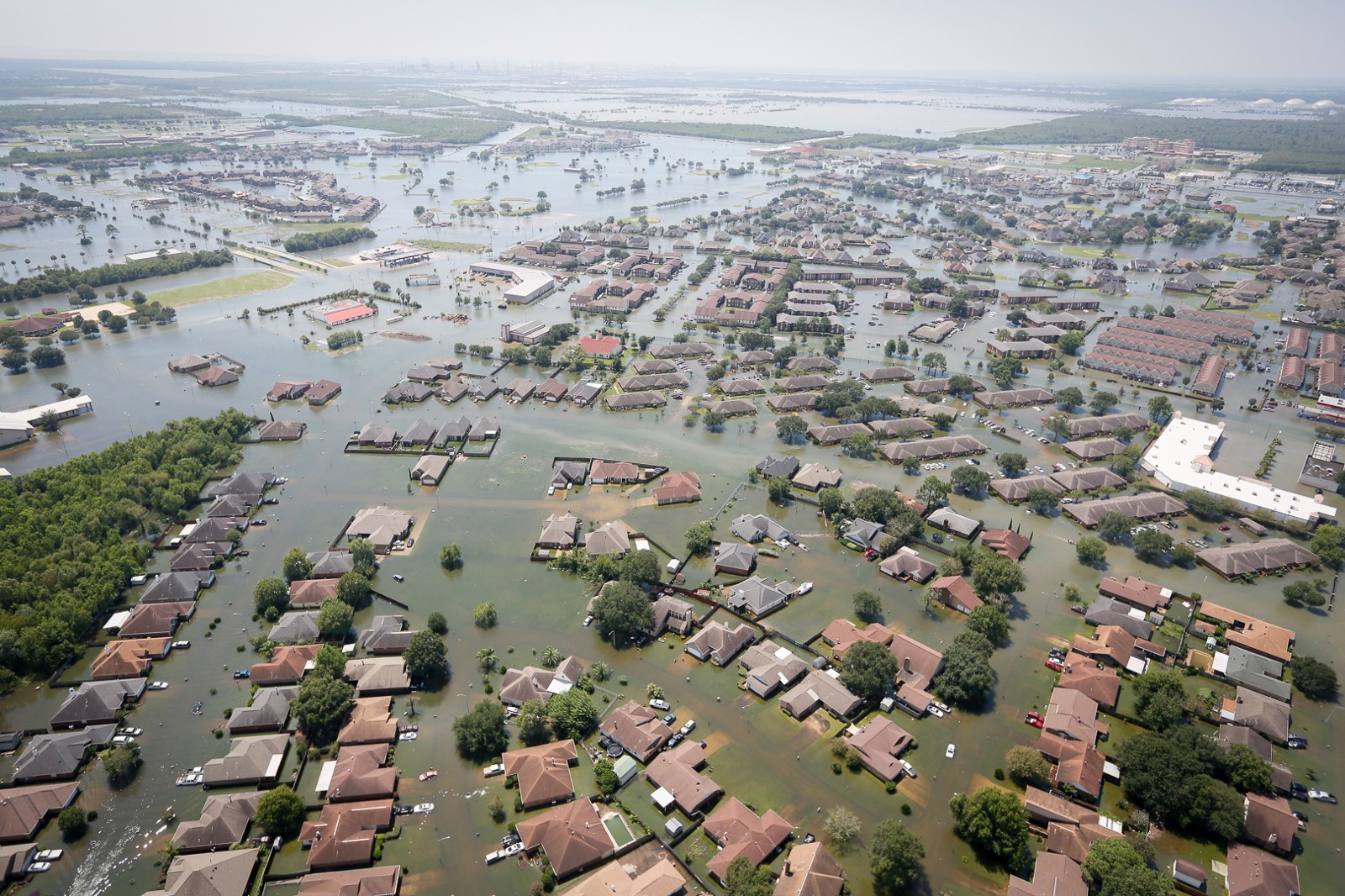


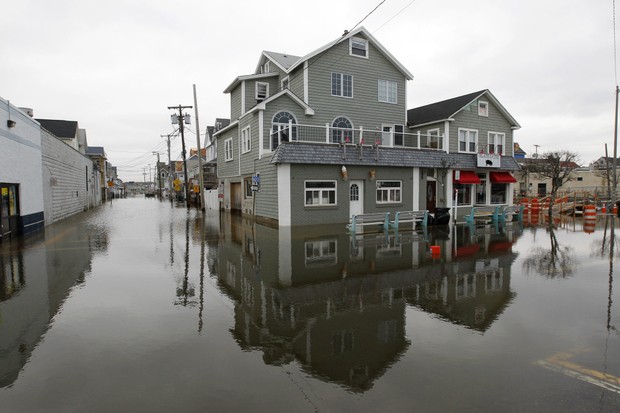
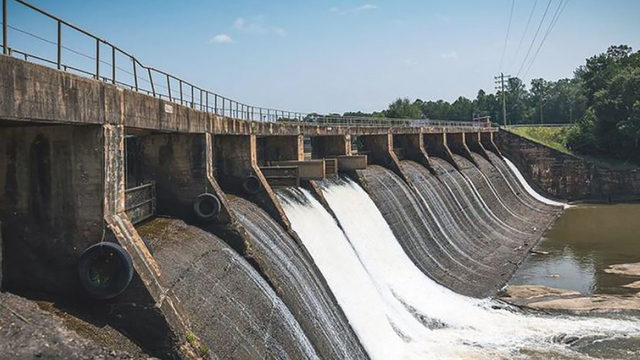

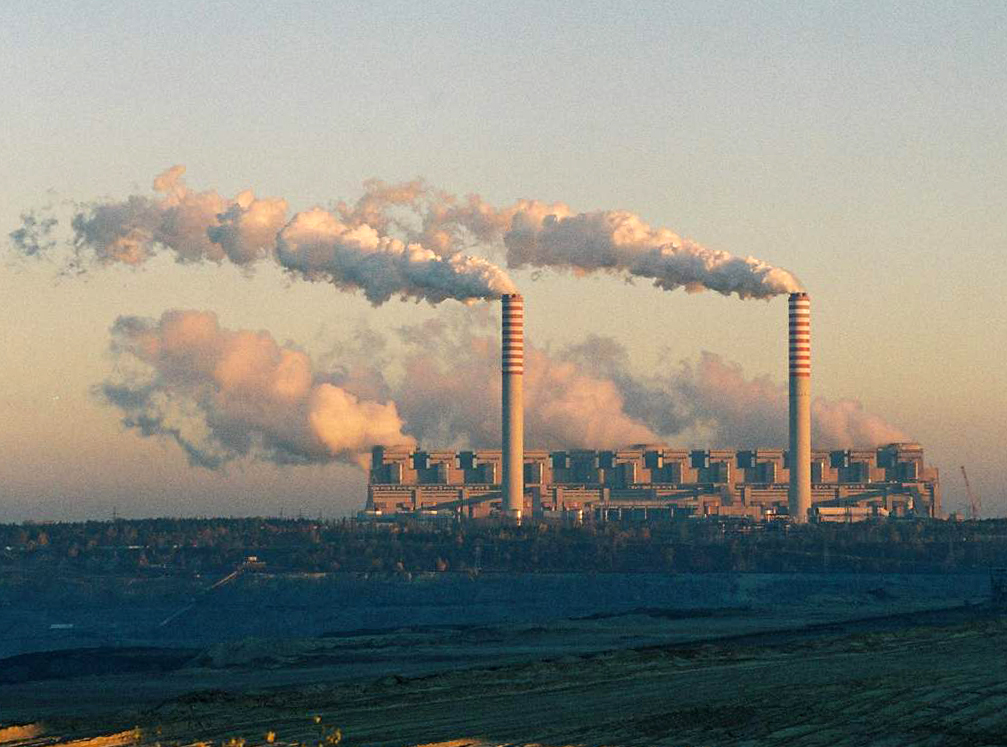

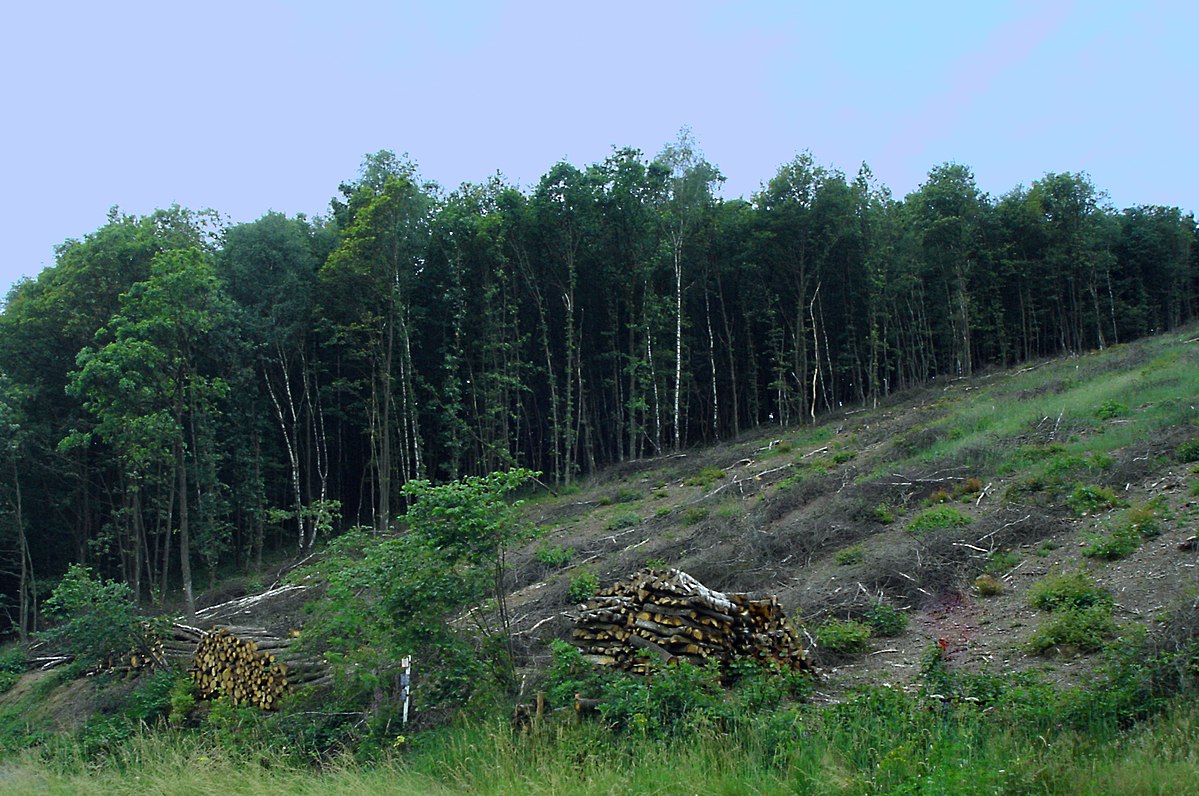




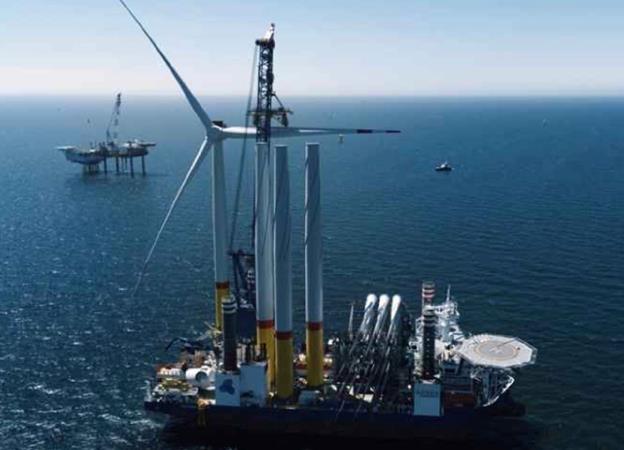


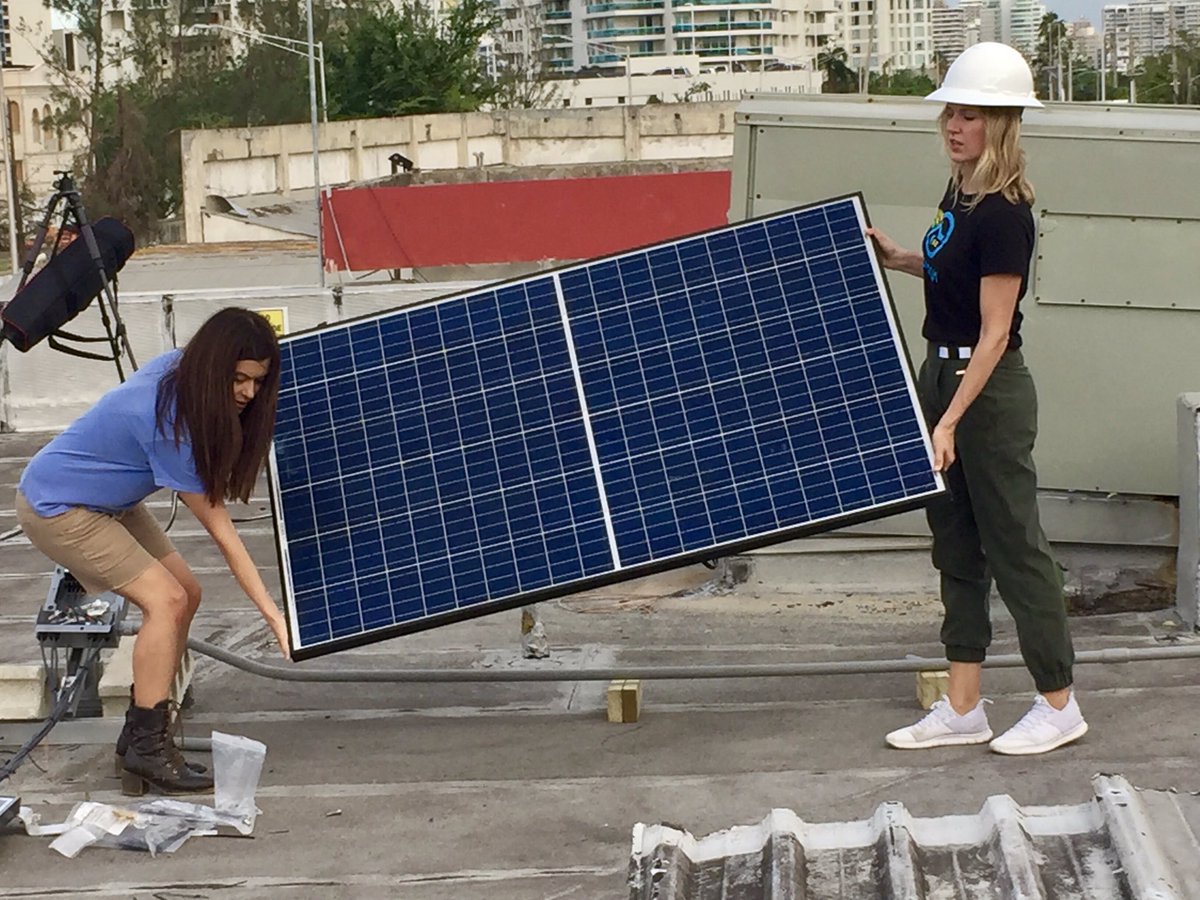
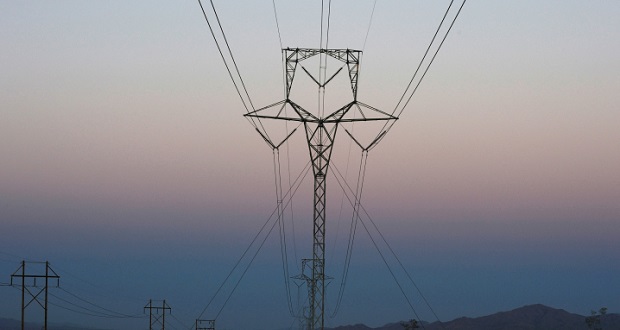
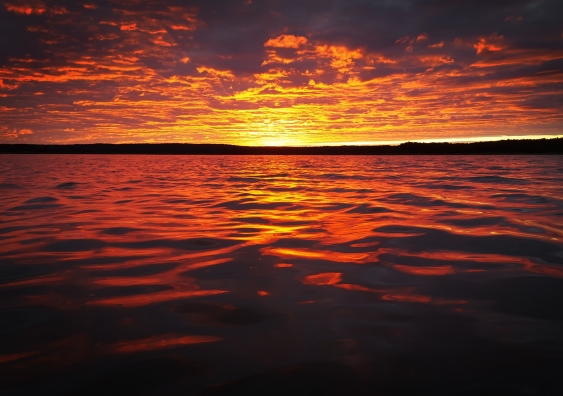
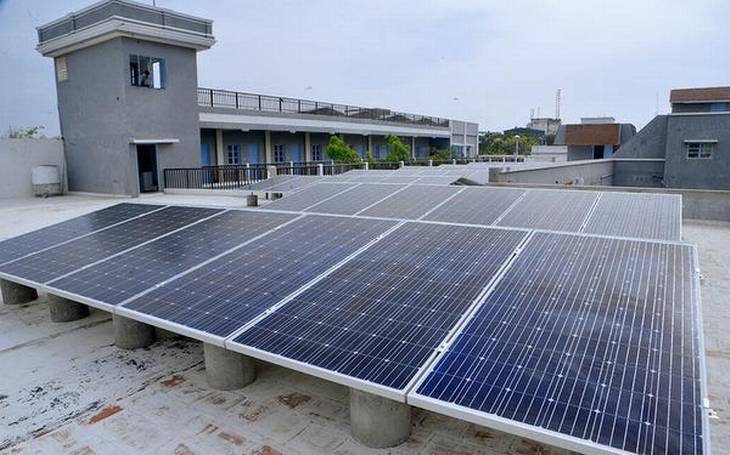
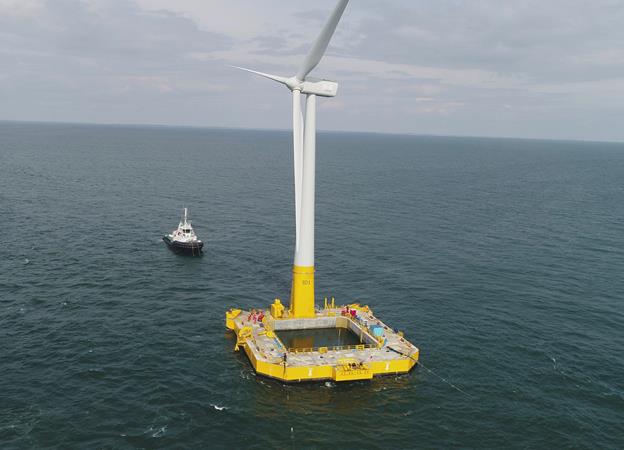


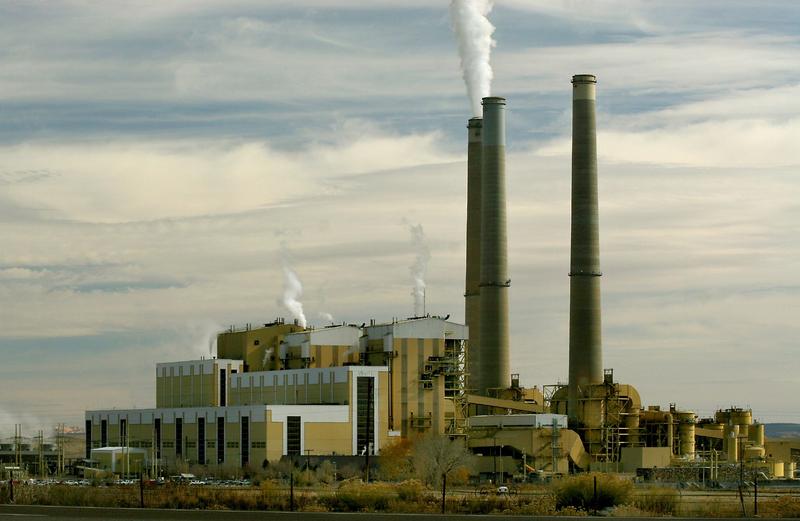



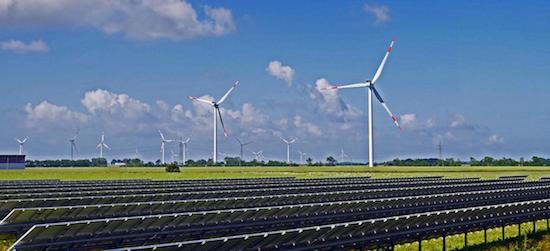


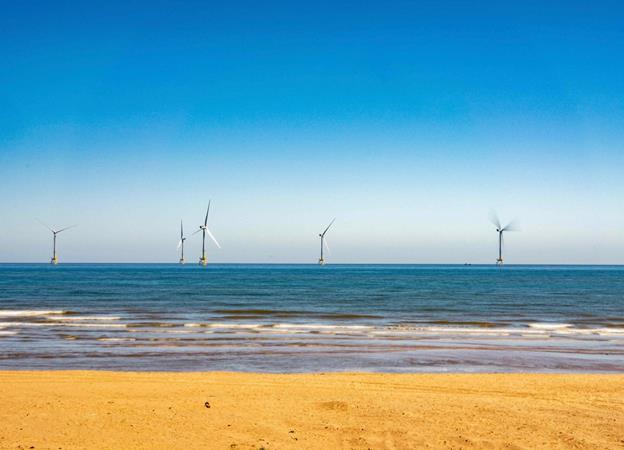



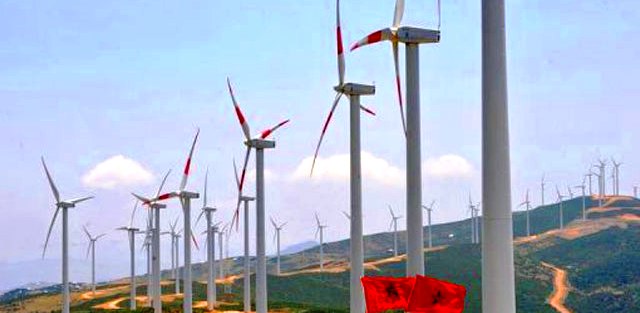


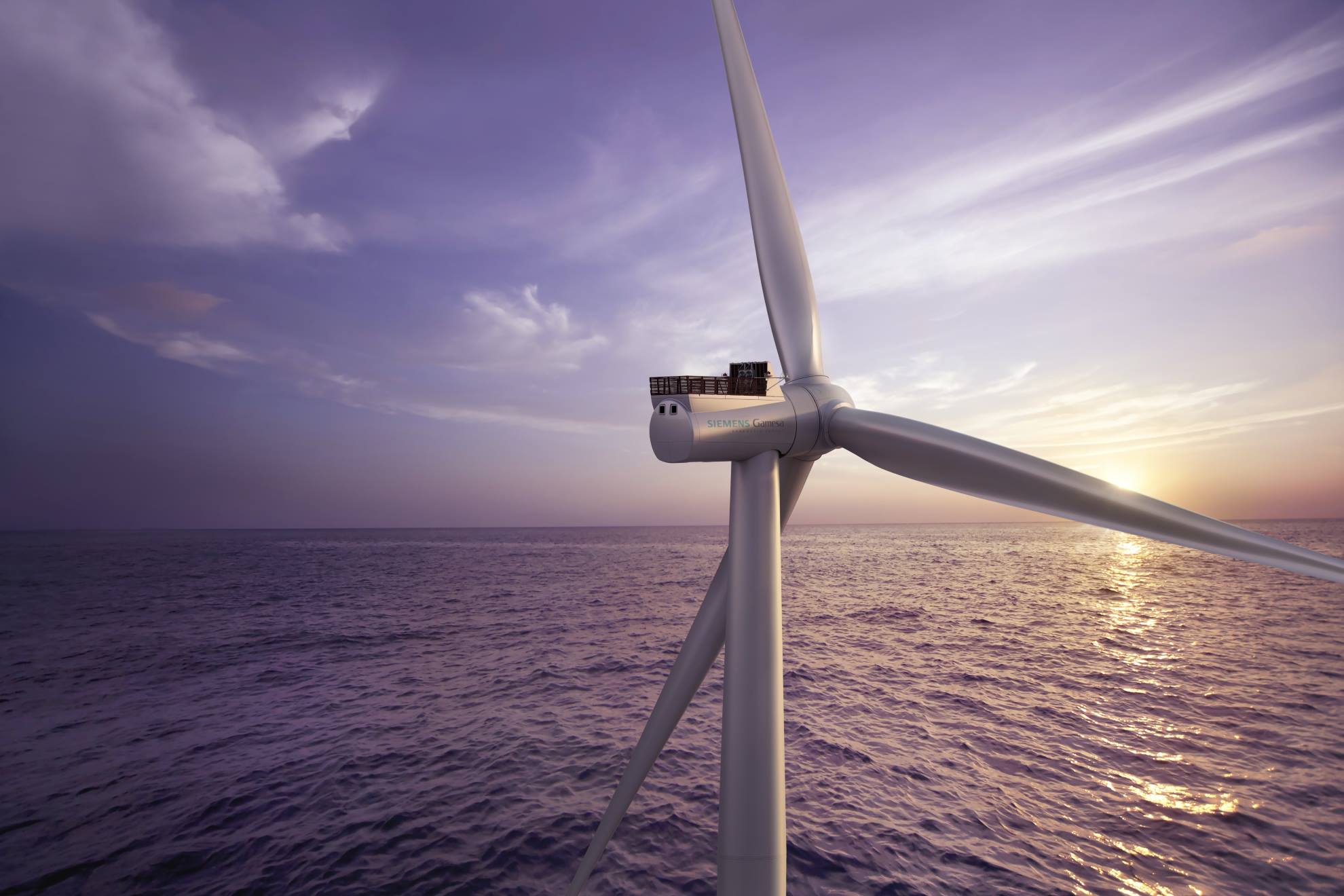


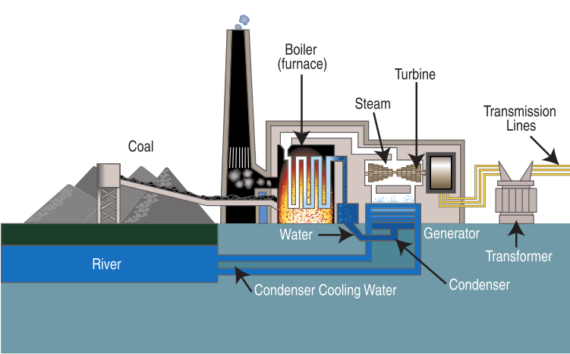
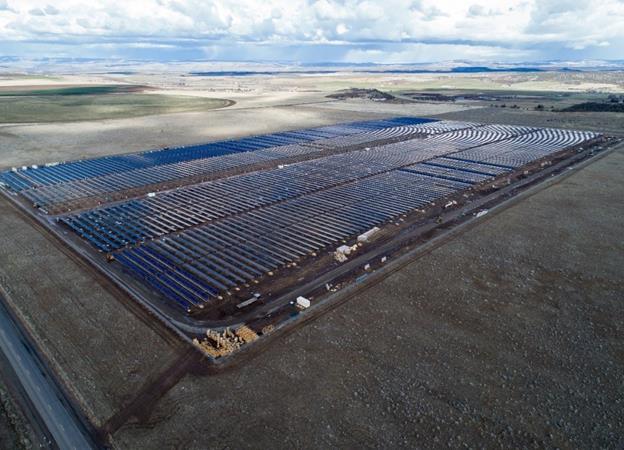


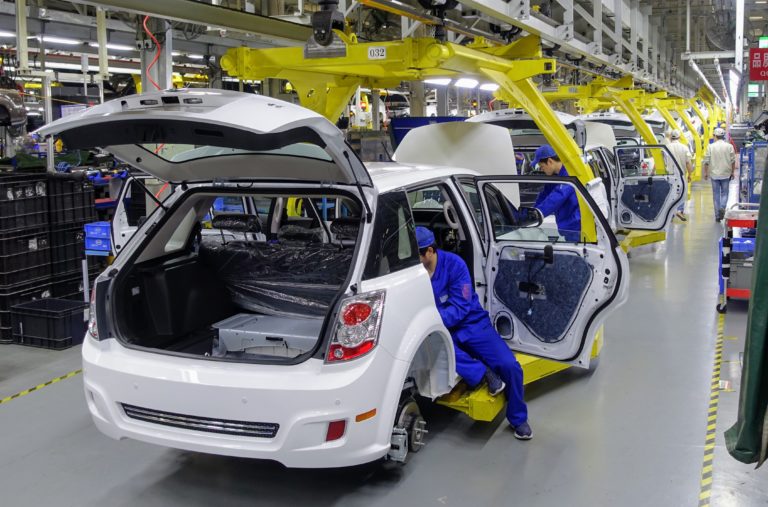



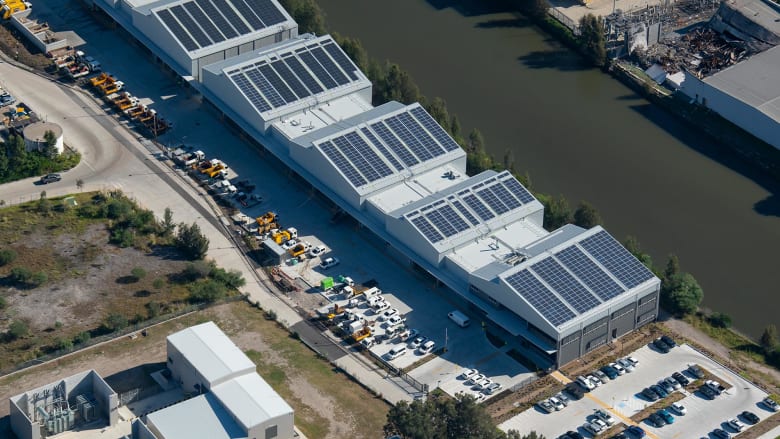



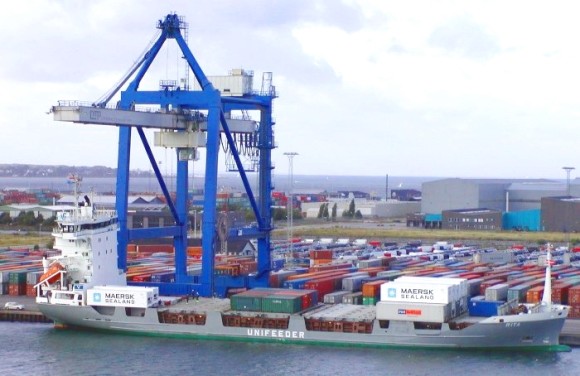


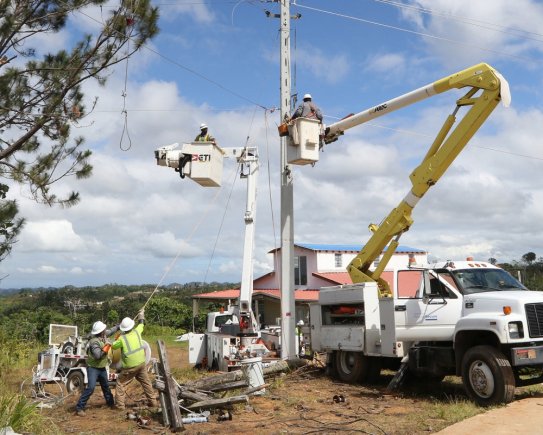

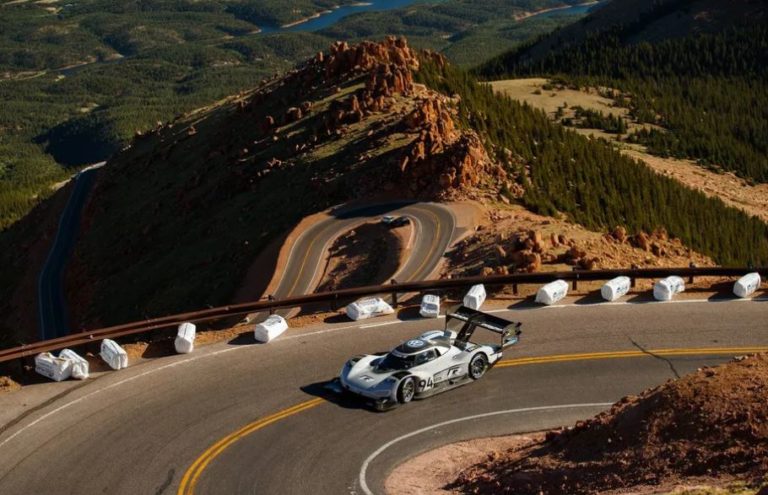

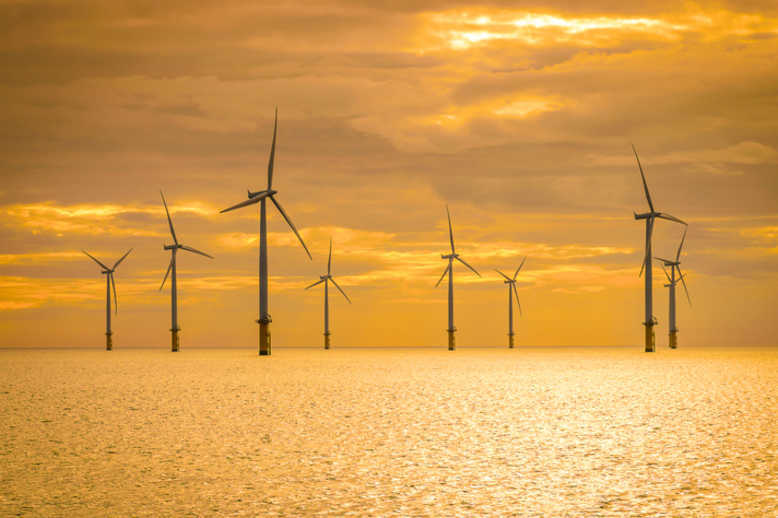


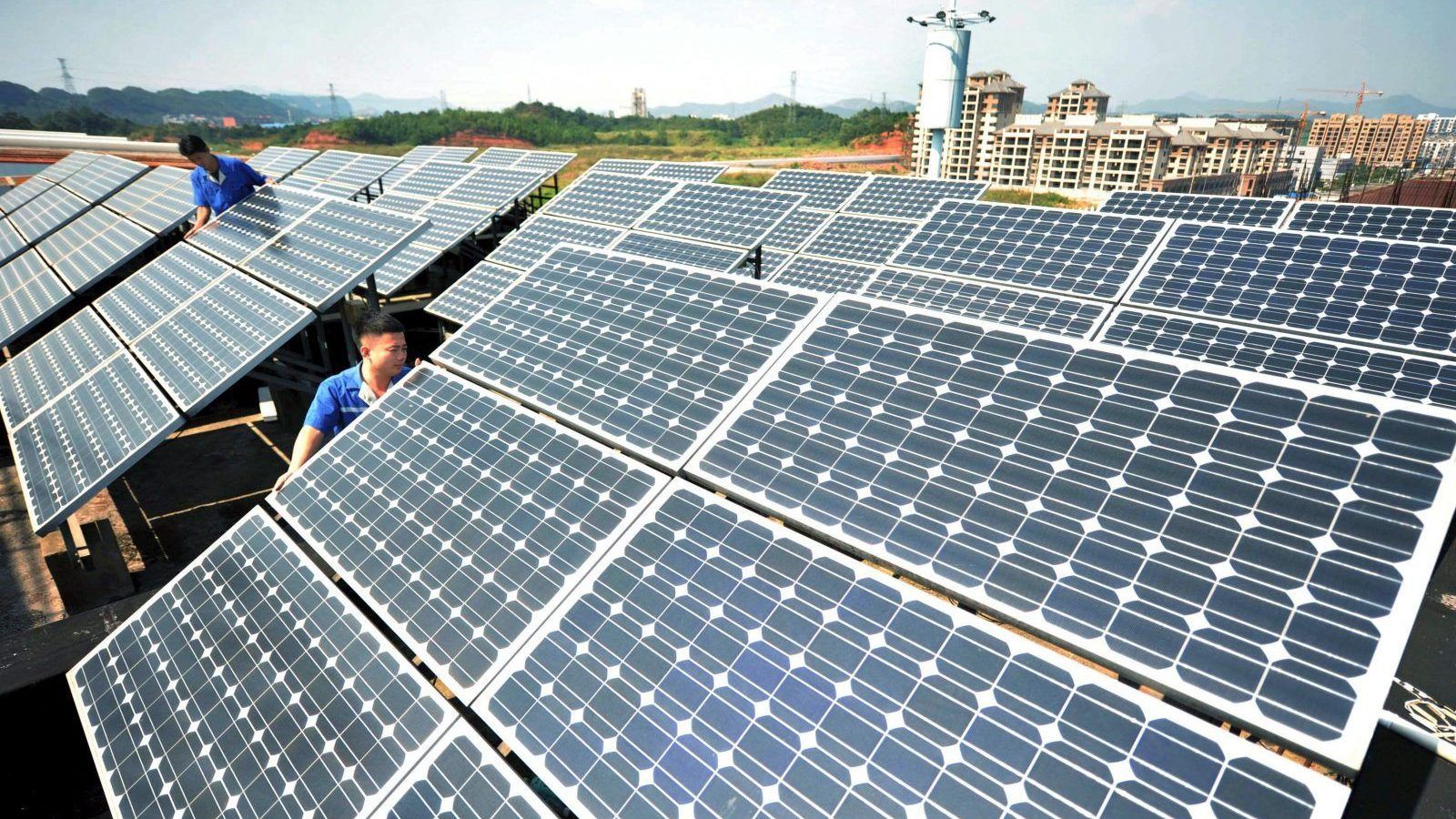



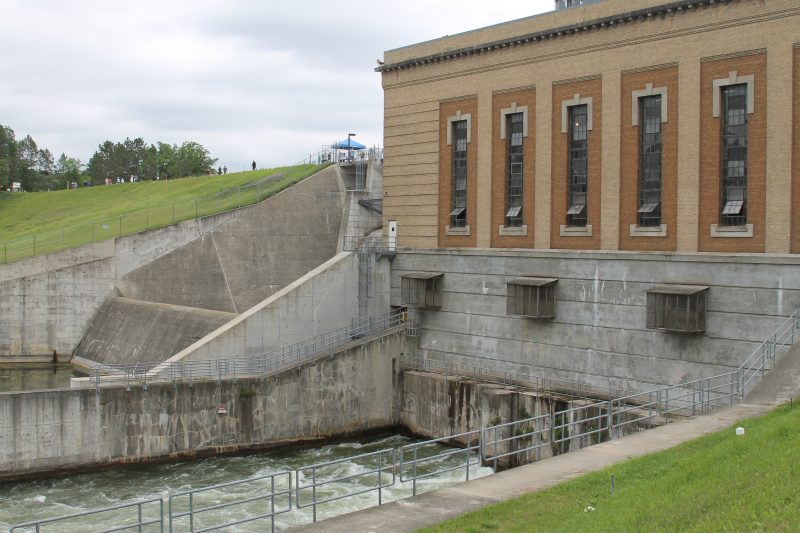



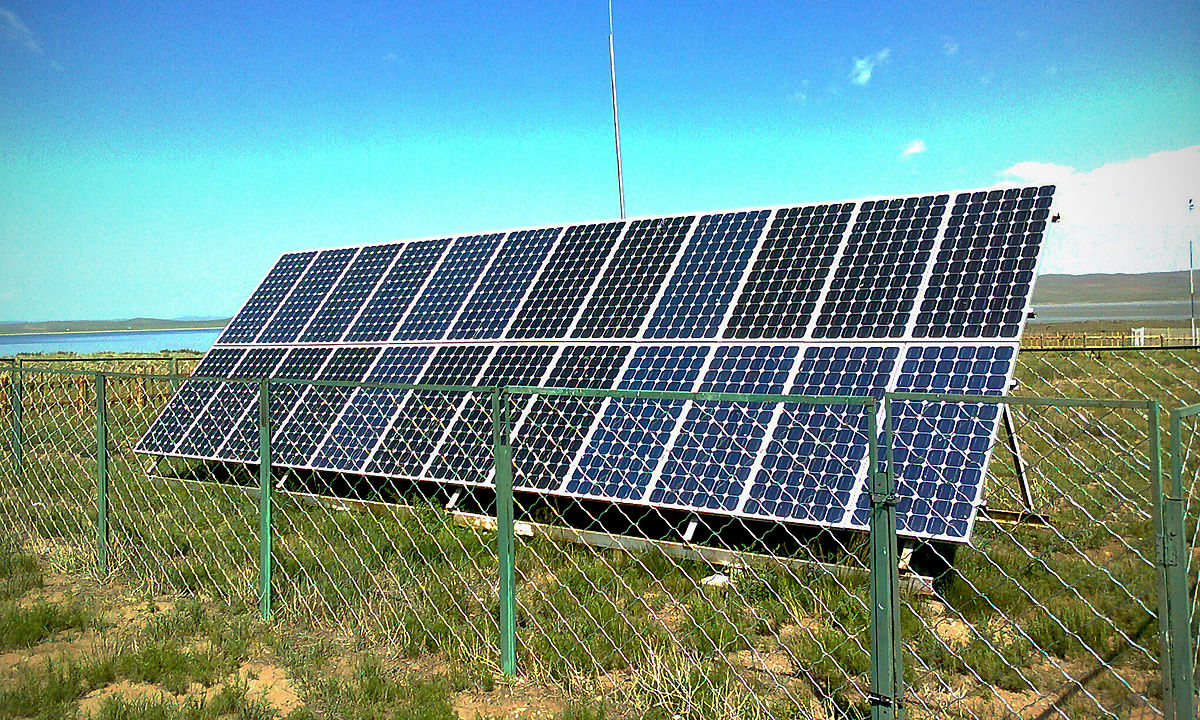
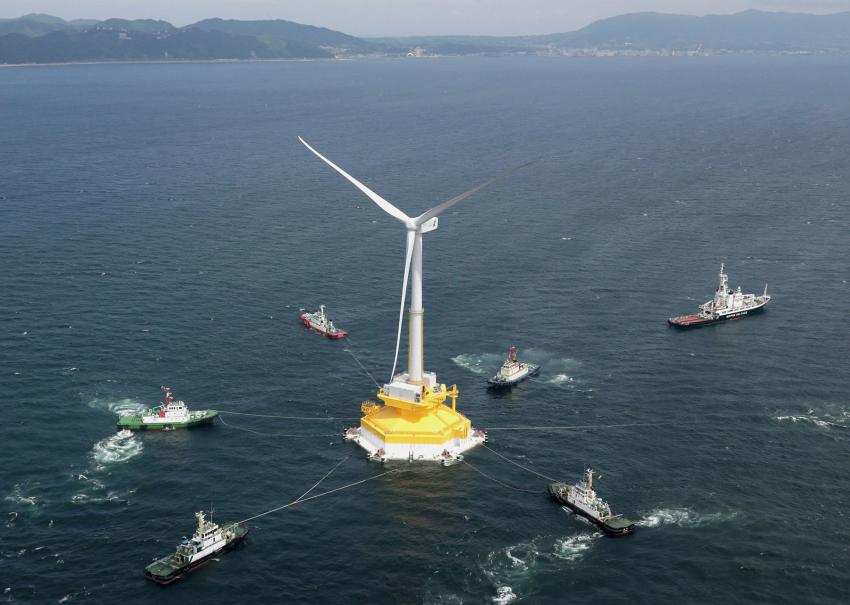



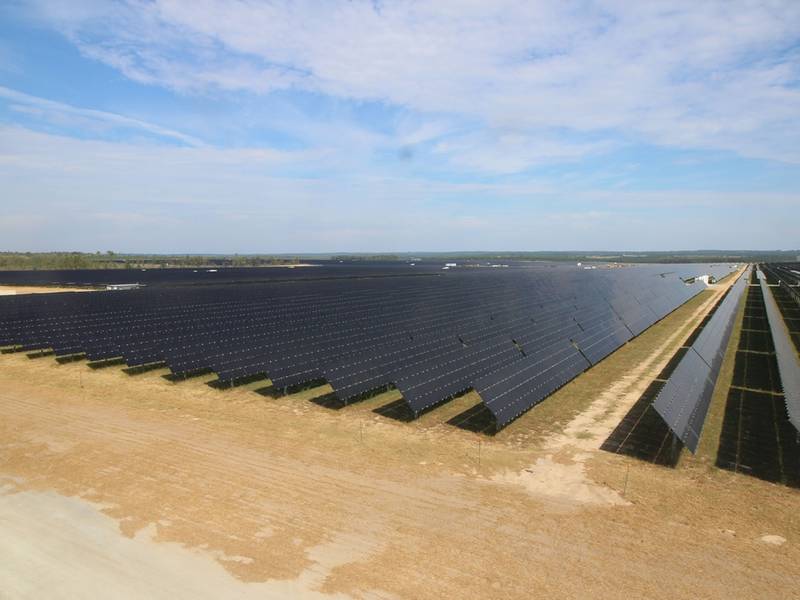

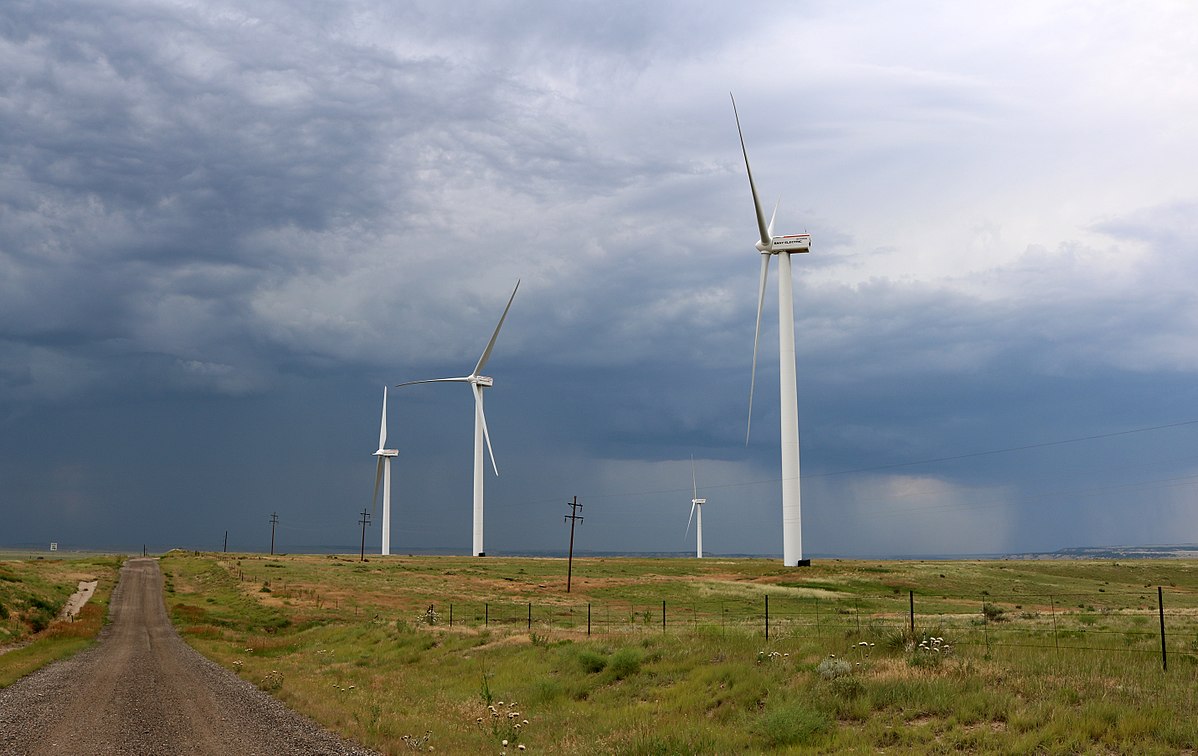



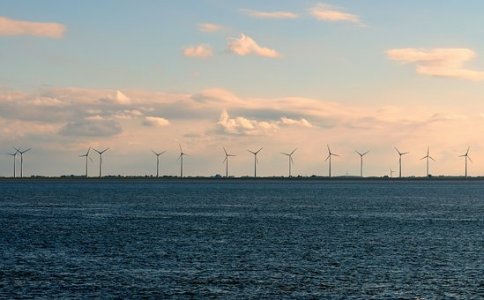

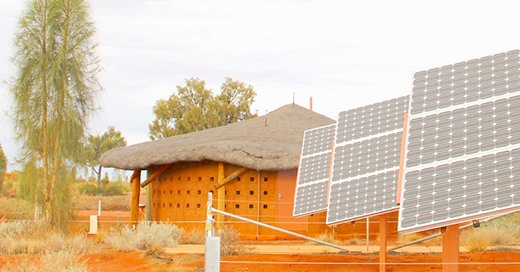
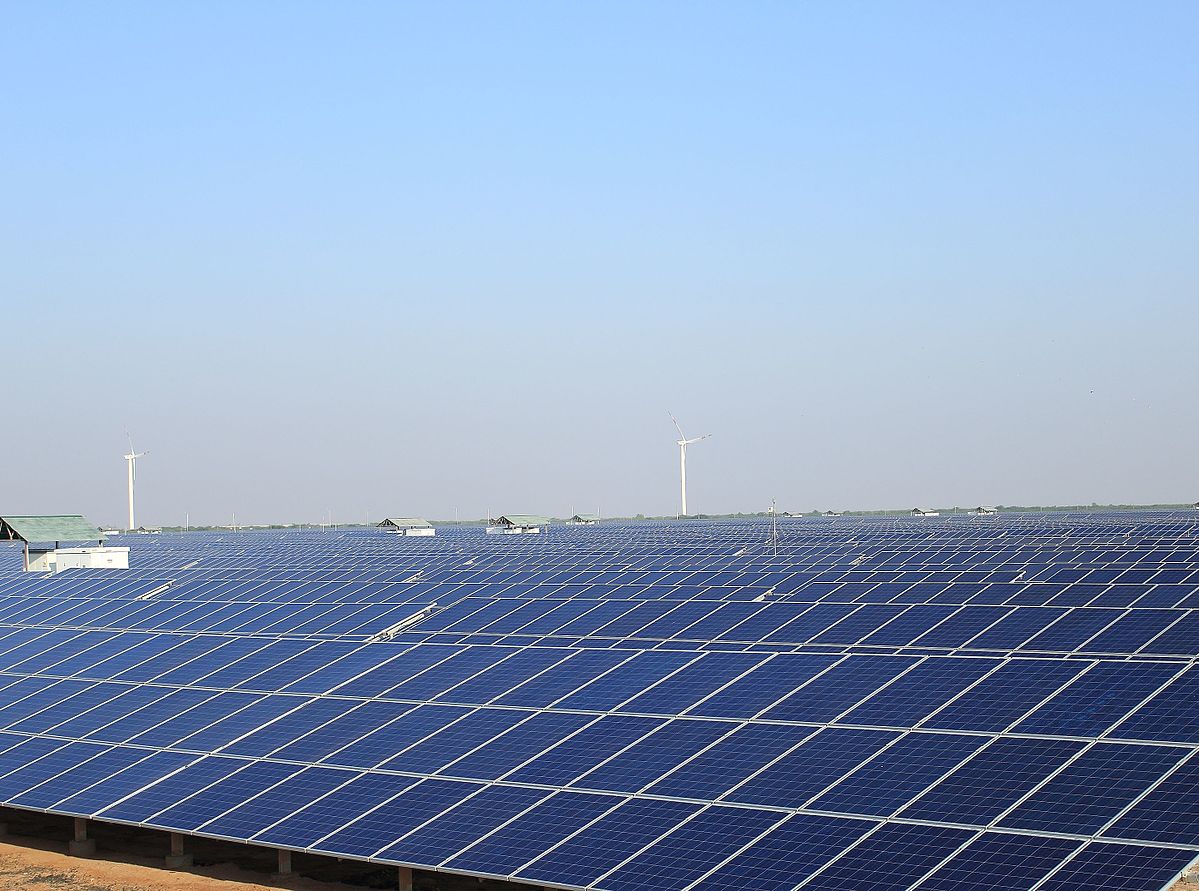
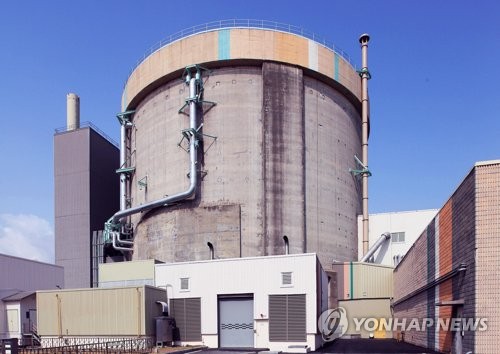




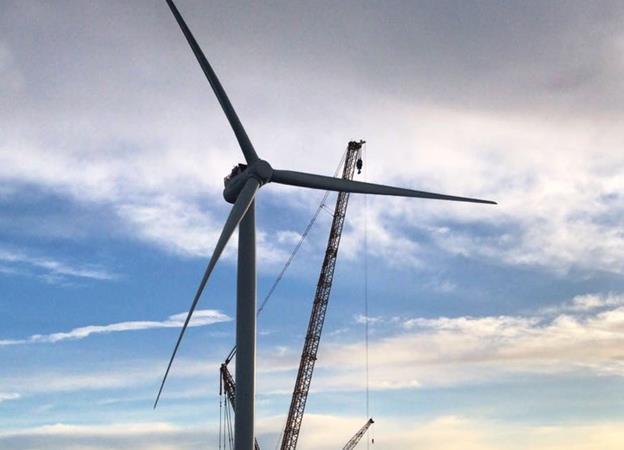




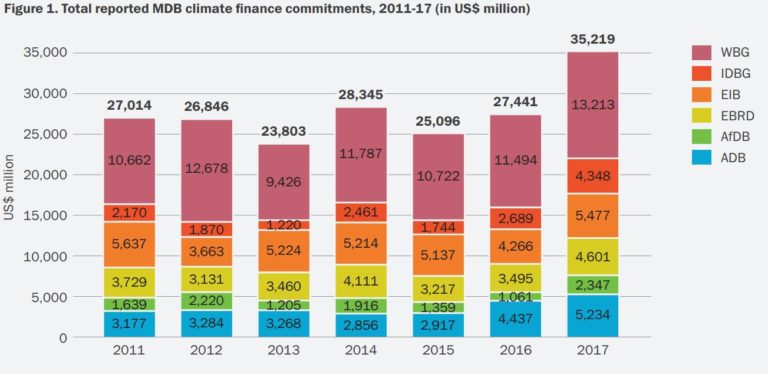







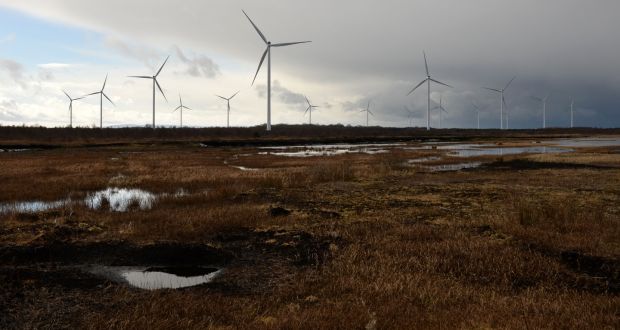
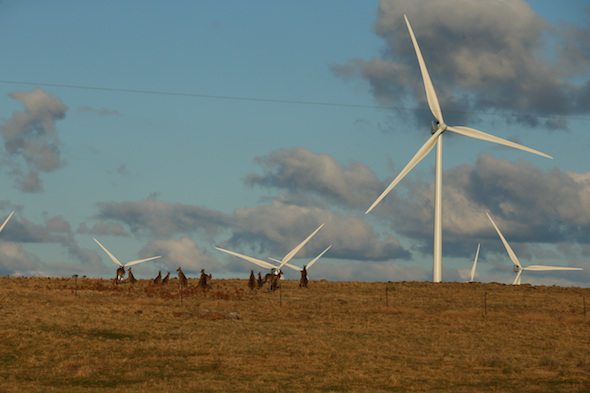
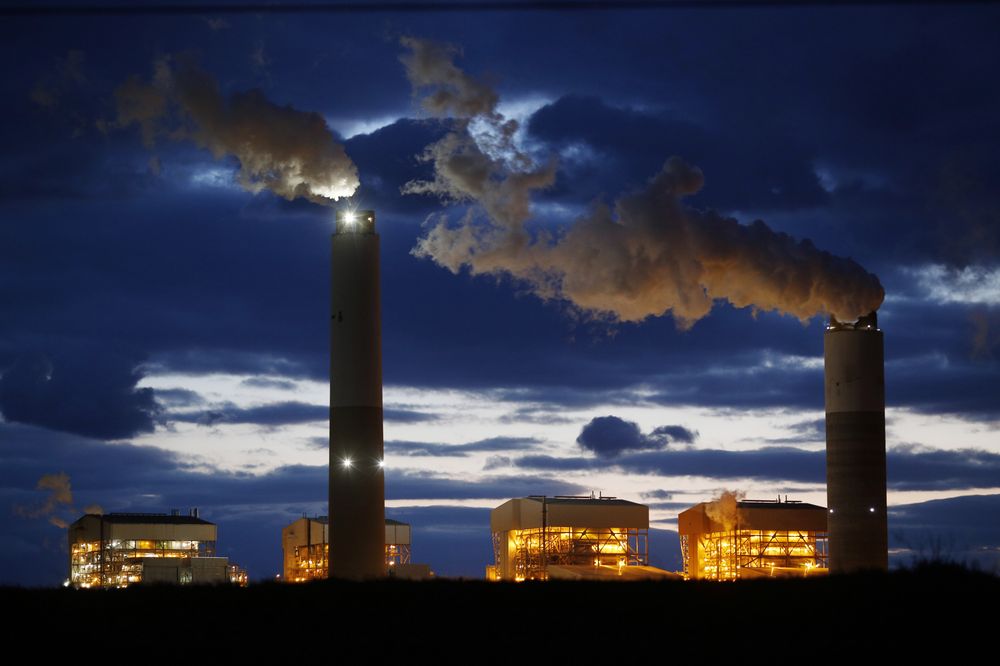



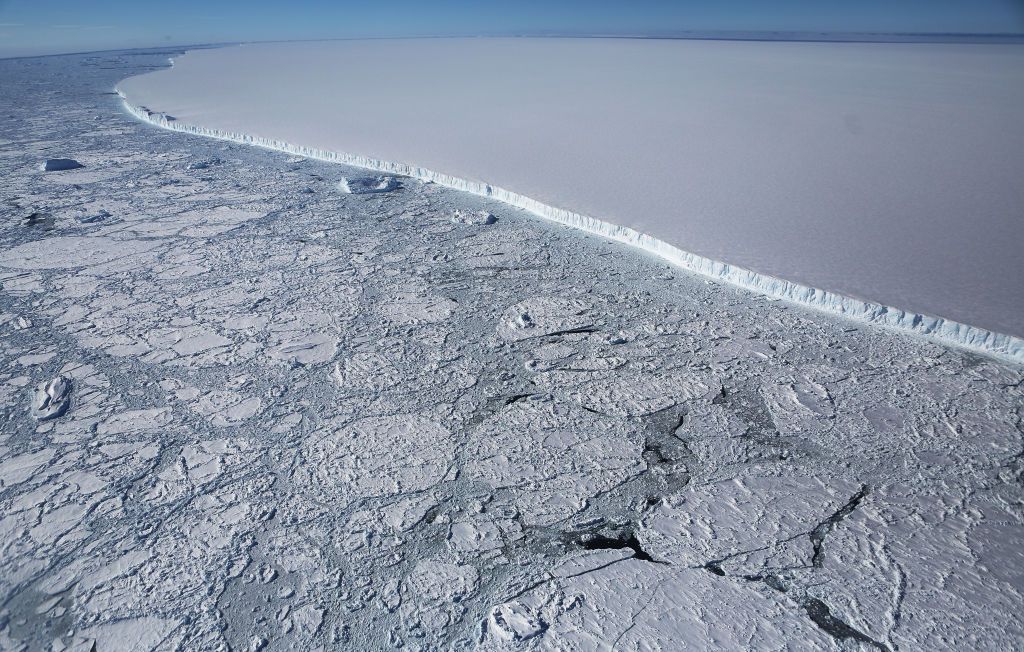

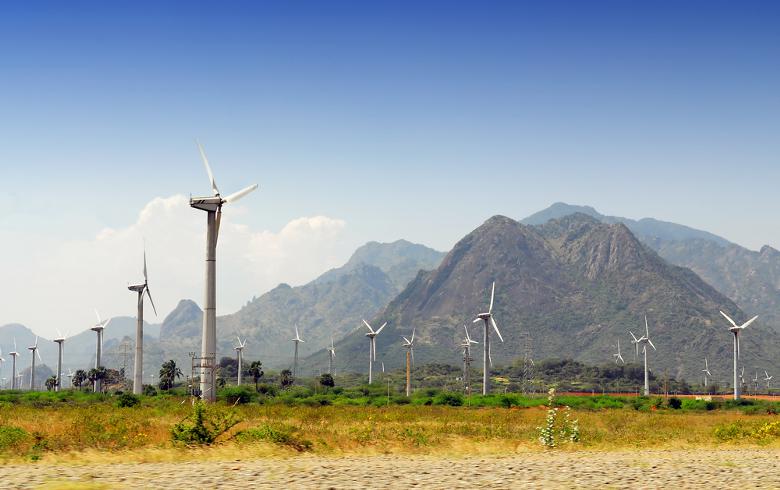

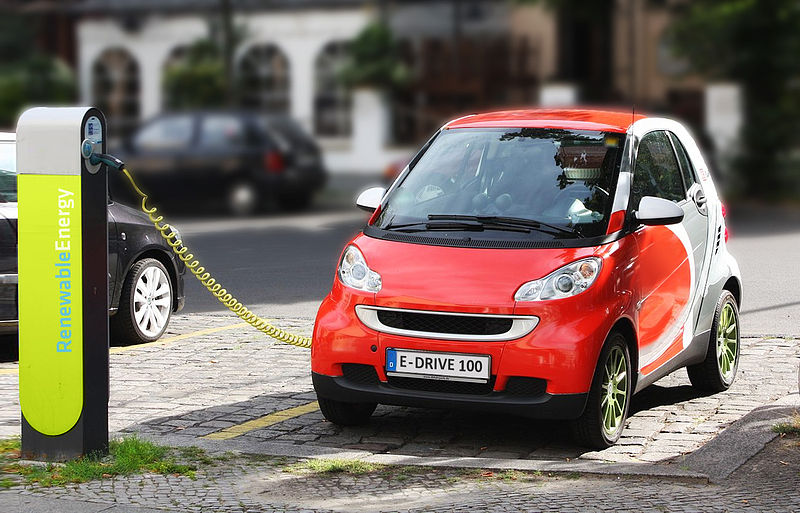

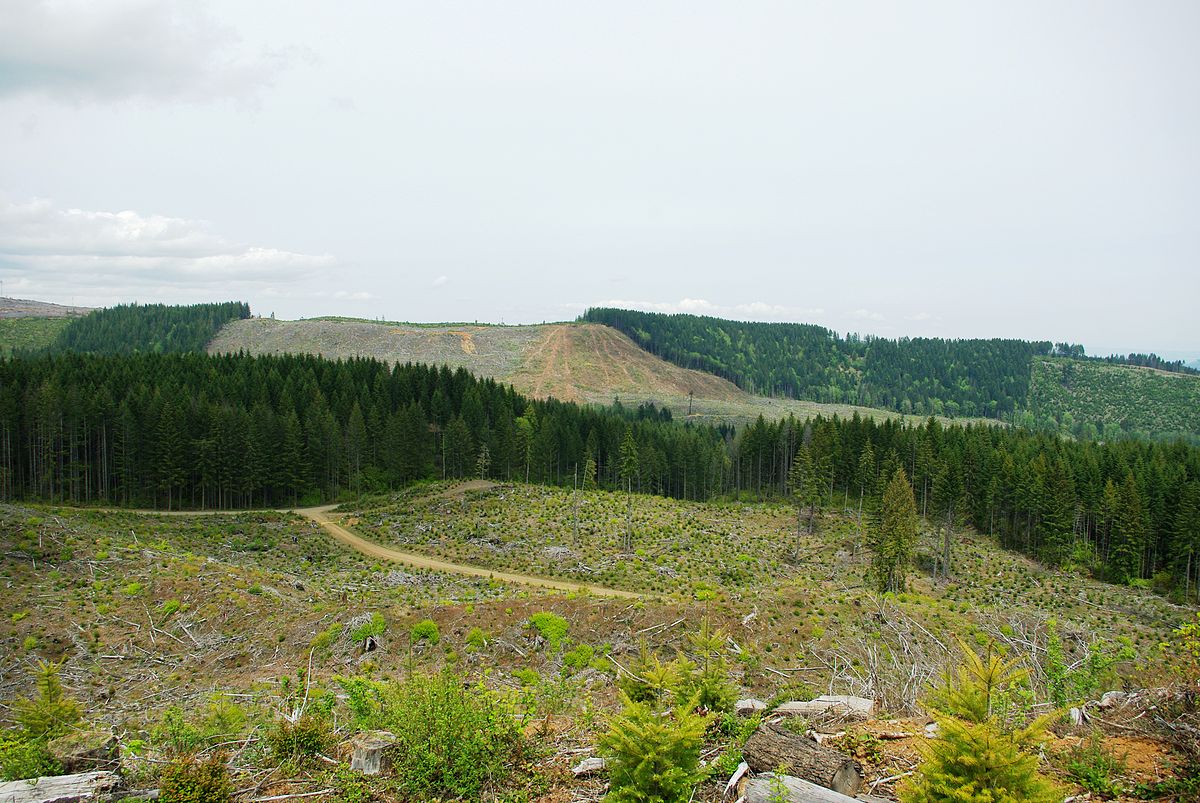

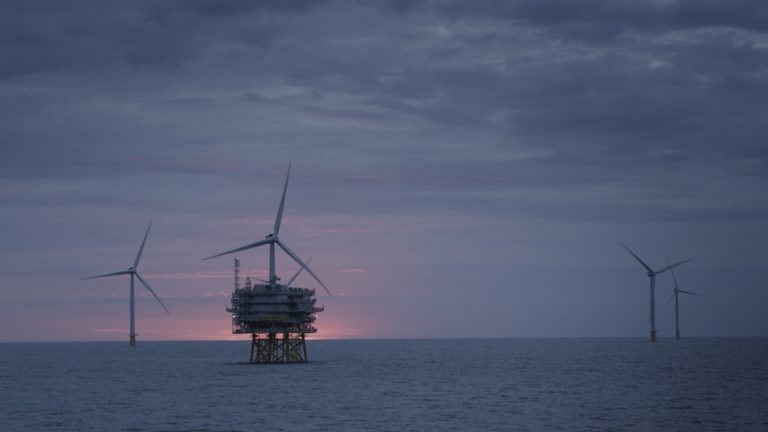




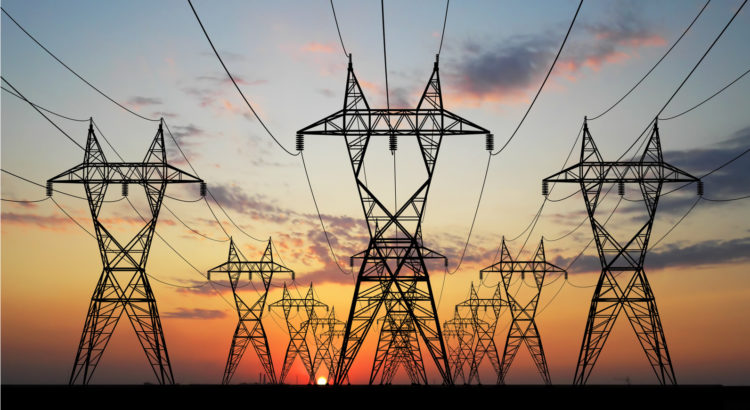
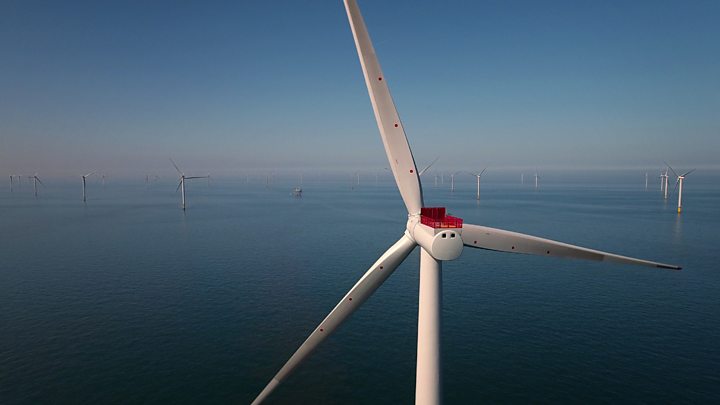





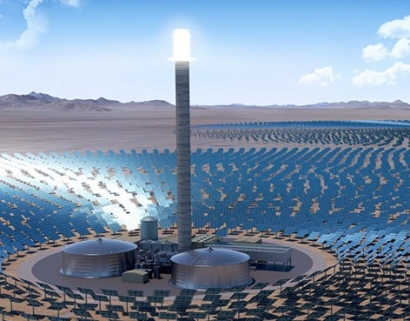
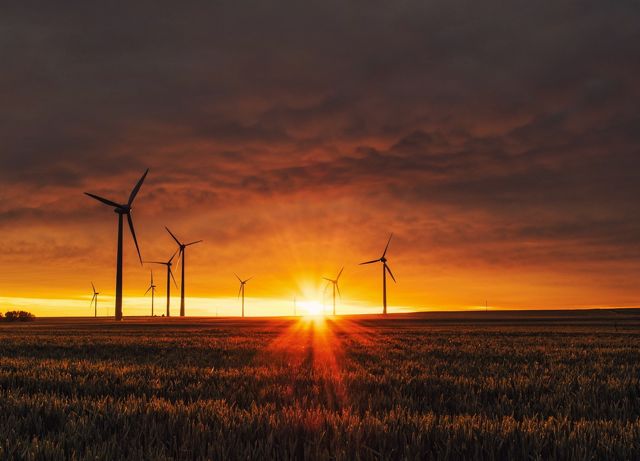

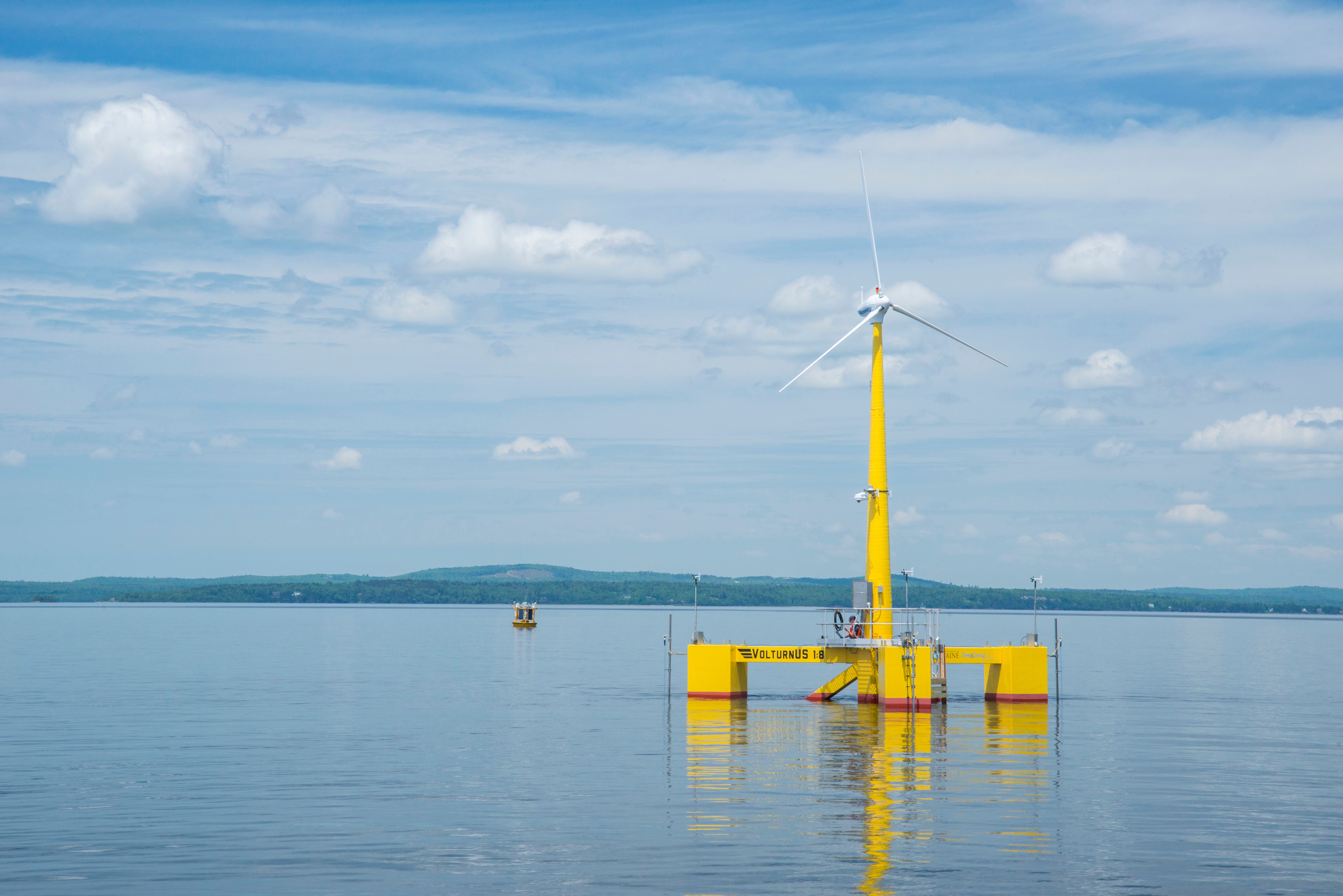

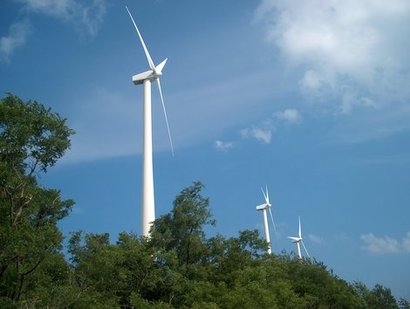
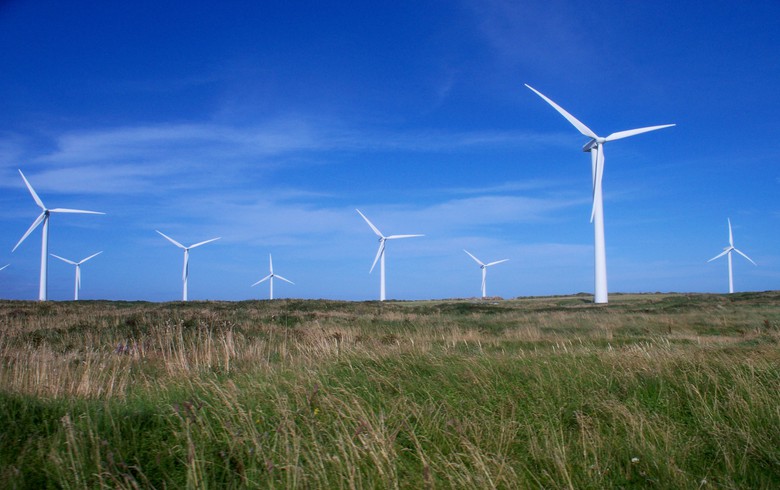
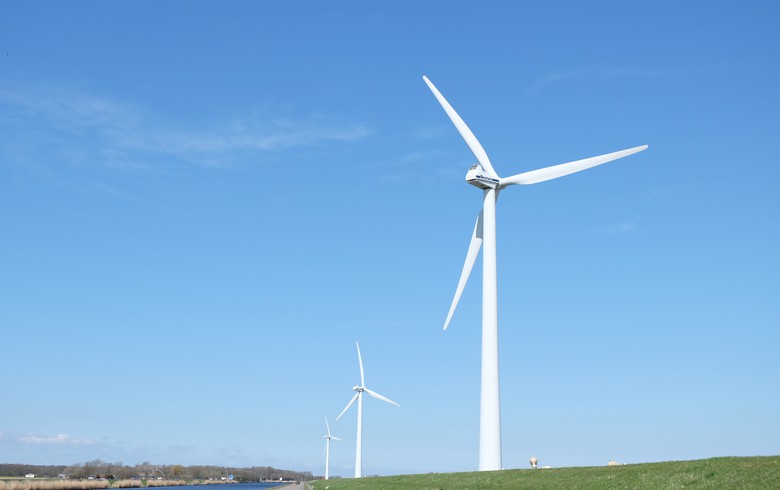


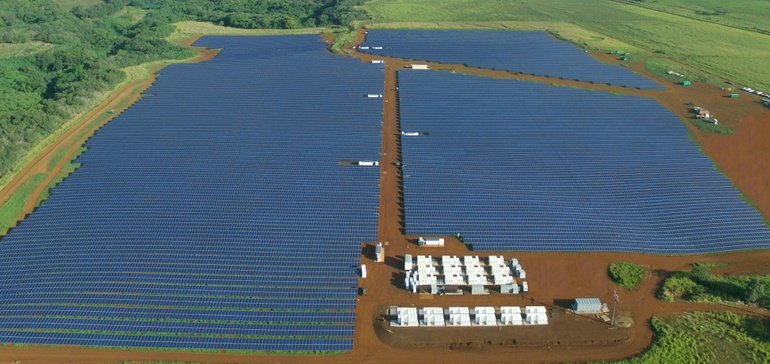
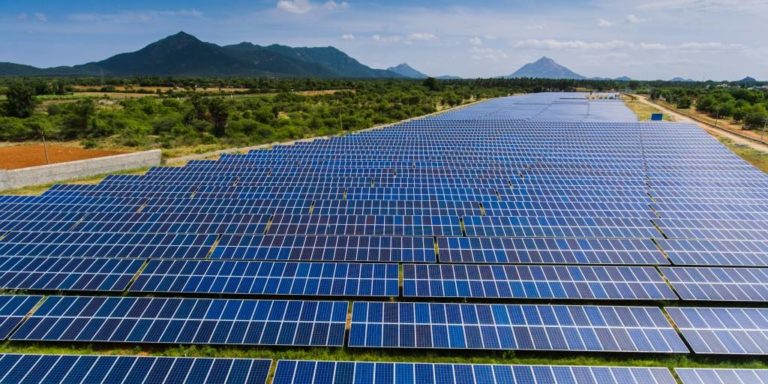


 geoharvey