September 14, 2018
Opinion:
¶ “A Million Climate Deniers Flee Hurricane Florence, Never Stop To Ask Why” • As Hurricane Florence bears down on the Carolinas and Virginia, a million climate deniers are rushing to escape the brunt of the storm without ever stopping to ask why they are in the path of one of the most powerful storms ever to hit the Atlantic coast. [CleanTechnica]

Hurricane from space
Science and Technology:
¶ “‘Golden Sandwich’ Photoelectrode Harvests 85% Of Sunlight” • Scientists at the Research Institute for Electronic Science at Hokkaido University created a photoelectrode that captures 85% of sunlight and uses it to create hydrogen. The “golden sandwich photoelectrode” is still experimental, but the implications are potentially enormous. [CleanTechnica]
World:
¶ “DNV GL Predicts Global Energy Demand To Peak In 2035” • The world’s energy demand is expected to decline from 2035 onward, according to global risk management and quality assurance company DNV GL. It published a report predicting that the demand decline will result in a reshaping of energy investment trends. [CleanTechnica]
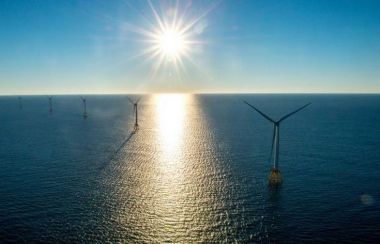
Offshore wind farm
¶ “All GE Haliade turbines installed at 396-MW Merkur offshore wind farm” • The last GE Haliade 150-6MW turbine is in place at the 396-MW Merkur offshore wind farm in the German North Sea, GE Renewable Energy said on Twitter. Commissioning of the 66 Haliade turbines will continue until through the end of the year. [Renewables Now]
¶ “Europe keeping dirty fuels alive; will spend $68 billion in hidden subsidies by 2040” • Europe will spend almost €58 billion ($68 billion) by 2040 to scale up coal, gas and nuclear plants, according to the analysis and data gathered by Greenpeace. Of these subsidies, 98% will be spent on capacity mechanisms to ensure supply. [Down To Earth Magazine]
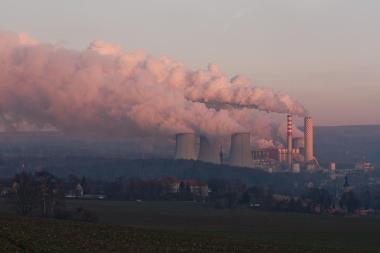
Thermal power plant (Credit: Wikimedia Commons)
¶ “Construction begins on Sweden’s largest PV plant” • Swedish-Swiss engineering multinational ABB has started construction on a 5.5-MW solar project in Säve, near Gothenburg. The company is providing a substation with switchgear, relays, and distribution transformers, together with all of the control equipment and inverters. [pv magazine International]
¶ “Facebook’s €300 million Irish data center site is 100% powered by renewable energy” • Facebook’s new €300 million data center park in Clonee, County Meath, is powered 100% by renewable energy, the company said. Every detail for sustainability and renewable energy at the site was considered, even down to a plan for saving the bees. [Siliconrepublic.com]
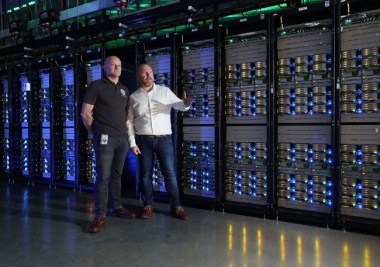
Managers at the new site (Image: Robbie Reynolds, Facebook)
¶ “Wind and solar power are unstoppable, even without government support: Deloitte report” • Australian wind and solar power are booming despite the Australian government’s retreat on carbon emissions and energy policy, a Deloitte report claims. The report also says Australia enjoys the lowest global cost for solar panels. [Energy Matters]
¶ “Leading businesses team up with London Mayor to go green” • A group of 11 leading businesses, including Tesco, Sky, and Siemens, have joined forces with the Mayor of London to make it the world’s greenest city. The business group will work with Sadiq Khan to cut levels of pollution and emissions “far in excess of government targets.” [Energy Live News]

London (Shutterstock image)
¶ “Gambia moves forward with first large-scale PV project” • The World Bank has issued a request for expressions of interest to select consultancy providers for a PV project of 10-20 MW in Gambia. The utility National Water and Electricity Company Ltd is planning to develop the project in the western part of the country. [pv magazine International]
US:
¶ “Gas-related explosions set fire to homes near Boston” • At least one person has been killed and others injured in 60 to 80 incidents thought to be gas explosions and fires in towns north of Boston. A fire chief said investigators suspect the fires were caused by “over-pressurisation of a gas main” belonging to Columbia Gas lines. [BBC]

Damaged house (Getty Images)
¶ “NY To Phase Out Hydrofluorocarbons, Thumbs Nose At Trump Administration” • Governor Andrew M. Cuomo announced that his administration will phase out the use of HFCs, one of the most powerful climate pollutants on earth. This contravenes Trump administration federal mandates not to regulate HFCs. [CleanTechnica]
¶ “Tesla Bringing 3 New ‘Grohmann Machines’ Online to Reach 8,000 Battery Packs per Week” • After a tour of Gigafactory 1, a team at Worm Capital shared some of the things they saw. They said that the existing production assets at GF-1 should allow it to achieve a sustainable rate of 6,000 Model 3 battery packs per week. [CleanTechnica]

Tesla Powerwall production
¶ “Legislators Narrowly Override Sununu’s Biomass Veto, But Fall Short On Net Metering” • New Hampshire’s timber industry scored a major victory as legislators narrowly voted to overturn the governor’s veto of a bill subsidizing biomass plants. But they fell just short of overturning a veto of a bill subsidizing net metering. [New Hampshire Public Radio]
¶ “US climate change pledges: What America’s states are doing without Trump” • When Donald Trump announced his intention to withdraw from the Paris Agreement, the worldwide effort to halt global warming was put at risk. Now local governments are subverting their leader by working individually to fulfill the US climate change pledges. [Compelo]
Have a triumphantly effective day.
geoharvey is free and without ads.
 geoharvey is not tax-deductible.
Posted in nuclear power, renewable power, solar, wind | Leave a Comment »
Tags: nuclear, nuclear power, renewable power, solar power, wind power
September 13, 2018
Science and Technology:
¶ “Clean energy can provide 100% of electricity” • A report by the Centre for Alternative Technology says clean energy could meet all our electricity needs, using only existing technology, at all times of the day, and all year round. It draws on “scenarios” designed to meet the targets of the Paris Agreement, developed at various scales. [Eco-Business]
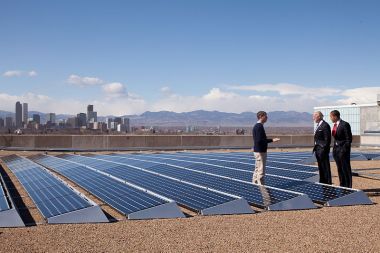
Barack Obama and Joe Biden at a solar site in
Denver (White House photo, Wikimedia Commons)
Hurricane Florence:
¶ “EPA assessing vulnerability of at least nine toxic sites in Florence’s projected path” • Hurricane Florence, with its strong winds and massive storm surge, is threatening to release toxic chemicals from hazardous waste sites the EPA has designated contaminated Superfund sites. The agency said it is monitoring nine of them. [CNN]
¶ “North Carolina didn’t like science on sea levels … so passed a law against it” • In 2012, North Carolina reacted to a prediction by its Coastal Resources Commission that sea levels could rise by 39 inches over the next century by passing a law banning policies based on such forecasts. Now it is in the path of Hurricane Florence. [The Guardian]

Hurricane Irene in North Carolina, 2011 (Jim Lo Scalzo | EPA)
¶ “Nuclear plants in Florence’s path prepare to weather storm” • As Hurricane Florence churns its way towards the Carolinas, at least 8 nuclear power plants stand in its way. North Carolina’s Brunswick Nuclear Plant, and South Carolina’s Robinson and Vogtle Nuclear Stations are in areas that will likely see the worst impacts. [The Weather Network]
World:
¶ “Engie ties up with STOA to set up 2 GW wind plants in India” • Engie said it partnered with STOA, a French infrastructure equity investor, to build a 50-50 joint venture platform to set up more than 2,000 MW of wind power projects in India within five years. Industry estimates are that over $1.8 billion of investment will be required. [Financial Express]
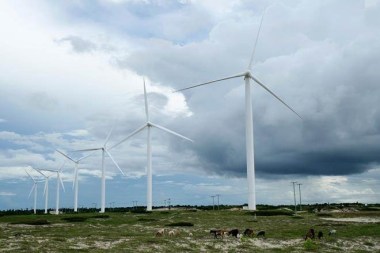
Wind turbines and cattle
¶ “EU Plan to Rely on Wood for Energy Will Increase Emissions” • A plan that the EU says will almost double its use of renewable energy by 2030 through increased use of wood products will also significantly increase both deforestation and greenhouse gas emissions, according to a study published in the journal Nature Communications. [US News & World Report]
¶ “Google Signs Wind Farm Deals To Power Finnish Data Center” • Google announced that it has signed 10-year power purchase agreements to buy power from three unsubsidized new wind farms in Finland. The three wind farms, with a total capacity of 190 MW, are to be built by France’s Neoen and Germany’s CPC and WPD. [Silicon UK]
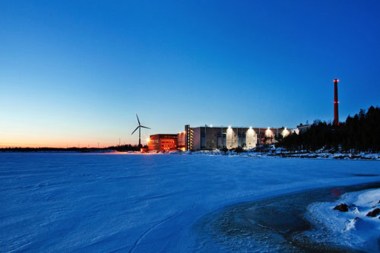
Google’s data center in Finland (Credit: Google)
¶ “American company to invest $ 1.2 billion in renewable energy in Uzbekistan” • An American company, Headwall LLC, intends to invest $ 1.2 billion in renewable energy in Uzbekistan, a regional administration press service reported. The project envisages the installation of solar panels with a capacity from 300 MW to 1 GW. [AzerNews]
¶ “Climate change saps WA’s native forestry industry” • Western Australia’s ailing native timber industry appears to be hanging by a thread, as loggers are unable to meet quotas. A report on the management of WA’s forests has painted a bleak picture of the associated timber industry as it struggles with the ravages of climate change. [The West Australian]

Forest in Western Australia
US:
¶ “US Solar Market Experiences Slight Turnaround In Q2” • US solar saw something of a turnaround in the second quarter, with utility-scale solar procurement soaring and the residential installations stabilizing, according to new research from Wood Mackenzie Power & Renewables and the Solar Energy Industries Association. [CleanTechnica]
¶ “United Renewable Energy completes first installment of Georgia Power’s community solar program” • United Renewable Energy has announced the completion of a 2-MW solar facility as the first installment of Georgia Power’s Community Solar program. URE said this is a win for all Georgia Power residential customers. [Solar Power World]

Community Solar Array (Georgia Power image)
¶ “Renewable Natural Gas Leaders to Share Expertise on Developing Biogas Projects at ‘Power of Waste’ Conference” • Renewable natural gas industry leaders will gather in Los Angeles to share the keys to successful biomethane development on October 2. Two California utilities and the nonprofit Energy Vision will be hosts. [PR Newswire]
¶ “Minnesota’s clean energy industry grows to more than 57,000 jobs” • Clean Energy Economy Minnesota has released a report from Clean Energy Trust and Environmental Entrepreneurs that finds that Minnesota has 57,351 total clean energy jobs. It said that over the last 12 months, Minnesota’s clean energy industry has grown by 5.3%. [Windpower Engineering]
¶ “Annapolis officials tout bright future for solar panel plant, even on a cloudy day” • A sprawling new field of solar panels draped atop an 80-acre, capped Annapolis landfill has started generating both clean energy and fresh income for the city, officials said at the plant’s ceremonial opening. It is one of the largest capped landfills in the US. [CapitalGazette.com]
¶ “JEA sues, and is sued, over fate of expensive nuclear project” • Jacksonville’s electric utility and City Hall filed a lawsuit seeking to void a decade-old agreement requiring local ratepayers to help build and eventually buy power from two planned nuclear reactors in Georgia, the only active nuclear power project in the country. [The Augusta Chronicle]
Have an extraordinarily refreshing day.
geoharvey is free and without ads.
geoharvey is not tax-deductible.
Posted in nuclear power, renewable power, solar, wind | Leave a Comment »
Tags: nuclear, nuclear power, renewable power, solar power, wind power
September 12, 2018
Opinion:
¶ “Global Climate Summit: Thank Goodness for Clean Energy State Champs” • Given the actions of the Trump administration, the world community can reasonably question our national commitment on climate change. We have a state champions to be proud of, from California to North Carolina, from Texas to Massachusetts. [Union of Concerned Scientists]

Offshore wind farm
Science and Technology:
¶ “Fossil Fuel Demand Set To Peak In The 2020s” • The rapid growth of clean technologies is expected to cause fossil fuel demand to peak in the 2020s, according to a new report from Carbon Tracker, serving to put at risk trillions for investors ignorant of or unwilling to participate in the transition to a low-carbon economy. [CleanTechnica]
¶ “Airbus SeaWing Kite Sails To Cut Fuel Costs For Cargo Ships 20%” • Last year, some Airbus engineers formed a company called AirSeas to develop wind power technology for ocean-going cargo ships. Airbus will use prototype kite sails on cargo ships that move parts for aircraft between its locations in Europe and the US. [CleanTechnica]

SeaWing kite sail
World:
¶ “Court Rules Frankfurt Must Implement Diesel Ban” • An administrative court of Wiesbaden announced a decision that Frankfurt must implement driving bans, as early as February of 2019. This ruling has come following one of several lawsuits filed against the government by the environmental protection group Deutsche Umwelthilfe. [CleanTechnica]
¶ “EBRD backs Turkey’s Akfen Renewables with loans of over $100 million” • The European Bank for Reconstruction and Development said it is providing a financing package of up to $102 million to the Turkish conglomerate Akfen Holding. The Bank said the funds will be used for 327 MW of wind and solar plant capacity. [Hurriyet Daily News]
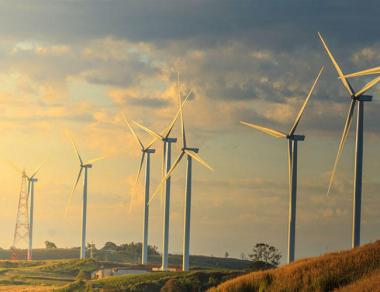
Wind farm
¶ “Global Divestment Movement Reaches $6.24 Trillion, Aims For $10 Trillion By 2020” • The fossil fuel divestment movement has influenced the global economic and energy sectors over the past five years. It has hit a new milestone, with $6.24 trillion in assets committed to divestment, up from only $52 billion four years ago. [CleanTechnica]
¶ “Victoria’s renewable push is getting a positive response from industry” • The Australian Industry Group welcomed the Victorian government’s decision to increase the state’s renewable power generation targets after the state announced that winning bids for its first renewable energy auction will generate more than 900 MW. [Manufacturers’ Monthly]

Clean Energy
¶ “Renewables bring 33.8% of Spain’s power in August” • Sources of renewable energy accounted for 33.8% of Spain’s power generation in August, up 14.4% from the previous August. Wind farms were the top renewable source at 14.5% of the country’s total power. At 24.4%, nuclear plants were Spain’s leading power source. [Renewables Now]
¶ “South Africa double time for Nordex” • Nordex secured a deal for 80 AW125/3150 turbines for two wind farms totalling 252 MW in South Africa. Enel Green Power ordered 46 machines for the Garob project, while Elawan booked 34 turbines for the Copperton facility. The deals include delivery, installation, and service. [reNews]
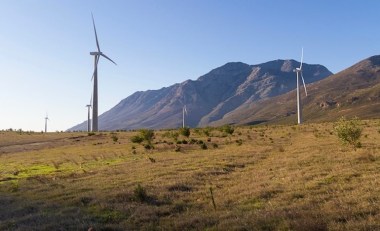
Wind turbines (Nordex image)
¶ “Toshiba’s NuGen slashes headcount at British nuclear project” • Toshiba’s NuGen has cut the team working on its Moorside nuclear project, to fewer than 40 people from over 100 as a sale of the project is taking longer than expected. The plant has had several setbacks after Toshiba’s nuclear arm Westinghouse went bankrupt. [Nasdaq]
US:
¶ “Trump Administration Wants to Make It Easier to Release Methane Into Air” • The Trump administration is about to take its third major step this year to roll back federal efforts to fight climate change. It is preparing to make it significantly easier for energy companies to release methane, a powerful greenhouse gas, into the atmosphere. [New York Times]

Flaring (Credit: Orjan F Ellingvag | Corbis, via Getty Images)
¶ “US Energy Efficiency Industry Employs 2.25 Million People” • The US energy efficiency industry added more new jobs than any other industry in the country’s entire energy sector in 2017. Energy efficiency now employs nearly 2.25 million people, according to new figures from E4TheFuture and Environmental Entrepreneurs. [CleanTechnica]
¶ Enel drives California storage” • eMotorWerks, a subsidiary of Enel X, has deployed a 30-MW virtual battery storage project in California. It consists of over 6000 eMotorWerks residential JuiceBox and other JuiceNet-enabled EV chargers distributed across the state. The company is aggregating and bidding EV loads at the wholesale level. [reNews]

EV charging (eMotorWerks image)
¶ “Xcel Resource Planning Executive: We Can Buy New Renewables Cheaper Than Existing Fossil Fuels” • Xcel Energy has long been a leader in renewable energy, investing in wind and solar even when they were not the cheapest alternatives. But today, new wind and solar are often cheaper than existing coal generation. [Greentech Media]
¶ “Kaiser to power 27 of its 39 hospitals with renewable energy” • Kaiser Permanente, based in Oakland, California, signed a power purchase agreement for 180 MW of energy from solar and wind farms, along with the nation’s largest battery storage system. The deal provides Kaiser with enough renewable energy to power 27 of its 39 hospitals. [Becker’s Hospital Review]
Have an unforgettably fortunate day.
geoharvey is free and without ads.
geoharvey is not tax-deductible.
Posted in nuclear power, renewable power, solar, wind | Leave a Comment »
Tags: nuclear, nuclear power, renewable power, solar power, wind power
September 11, 2018
Opinion:
¶ “Hurricane Florence: Four Things You Should Know That Your Meteorologist is Truly Too Busy to Tell You” • Florence has an unusual path and conditions are making it powerful. We should keep that in mind as we look at the climate dynamics that make Florence stand out from others in the history of Atlantic hurricanes. [Union of Concerned Scientists]
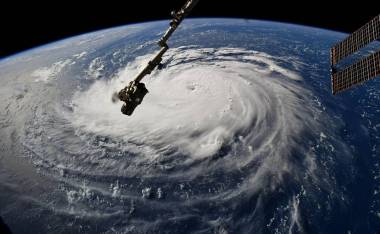
Atlantic hurricane (NASA image)
Science and Technology:
¶ “Best Way To Capture Carbon Emissions? Don’t Create Them In The First Place” • Researchers at Michigan Technological University studied how many plants like switchgrass or trees it would take to capture all the carbon emissions from coal-fired generating plants in the US. The answer is 62% of all the arable land in the US. [CleanTechnica]
¶ “Plan to clean up the Great Pacific Garbage Patch is getting underway” • An ambitious project to clean up the ocean’s plastic pollution got underway over the weekend as members of The Ocean Cleanup project began towing their system out to sea. It is being taken 240 nautical miles off shore for a two-week test in the open ocean. [CNN]

Ocean Cleanup System 001 leaving San Francisco
World:
¶ “UN chief Guterres calls on world leaders to prevent ‘runaway climate change’” • Secretary-General Antonio Guterres warned that the world is facing an existential threat and must shift from dependence on fossil fuels by 2020 to prevent “runaway climate change.” He called the crisis urgent and decried a lack of global leadership. [France 24]
¶ “Renewable energy on a roll in Jamaica” • At a forum at The University of the West Indies, Professor Anthony Chen, a member of the Intergovernmental Panel on Climate Change, said that solar, wind and hydro generation already account for between 15% and 20% of the energy supply in Jamaica. Islanders are concerned about rising seas. [Jamaica Observer]
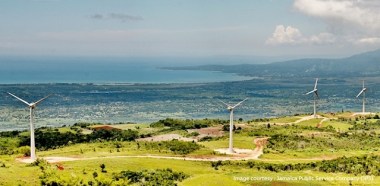
Wind farm in Jamaica
¶ “Sony, McKinsey, and RBS Join RE100 In Commitment To 100% Renewable Energy” • Global corporate leadership initiative RE100 announced that several big-name companies had joined in commitment to securing 100% of their energy needs from renewable sources. Entertainment and electronics giant Sony Corporation is just one of them. [CleanTechnica]
¶ “Nuclear power is being left behind, industry experts say” • The 2018 edition of the Nuclear Industry Status Report says that solar and wind saw its share in the global power mix increase by 35% and 17% respectively in 2017, while the growth of nuclear power was of only 1% last year. Only four reactors became operational in 2017. [pv magazine International]

Workers at Fukushima Daiichi (Image: Flickr | IAEA Imagebank)
Australia:
¶ “More Renewable Energy To Drive Down Power Prices” • The first renewable energy auction in Victoria was initially expected to deliver at least 650 MW of renewable energy. That goal has been smashed, with the auction instead delivering 928 MW of renewable energy, almost 45% more power than originally anticipated. [Mirage News]
¶ “Victorian Government promises half-price solar batteries if re-elected” • The Victorian Government committed to provide half-price solar batteries for 10,000 homes if it wins the election in November. This follows the Labor Government’s $1.3-billion pledge to pay half the cost of installing solar panels on 650,000 homes over the next 10 years. [ABC Local]

Solar panels (Photo: Murray Green)
¶ “Tony Abbott targets renewables subsidies in latest energy intervention” • Former Australian Prime Minister Tony Abbott has reignited his push to scrap subsidies for renewable energy, taking on the new energy minister, Angus Taylor, at his first meeting of the Australian government’s backbench energy and environment committee. [The Guardian]
US:
¶ “Natural gas line explosion leads to evacuations in western Pennsylvania town” • Dozens of people were evacuated after a natural gas line explosion in a small western Pennsylvania community. There were no injuries as a result of the blast shortly before 5 a.m. ET in Center Township in Beaver County, police Chief Barry Kramer said. [CNN]

Gas explosion in Pennsylvania
¶ “California governor signs law for clean energy by 2045” • California now has a law committing the state to exclusively carbon-free electricity sources by 2045. This is a very big step. If California were it an independent country, it would have the fifth largest economy in the world, trailing only Germany, Japan, China, and the US. [BBC]
¶ “Otis Microgrid: Cape Cod Military Base To Run Fully On Renewable Energy” • The Department of Defense’s first wind-powered microgrid is nearly ready at Otis Air National Guard Base on Cape Cod, Massachusetts. The “grid-connected microgrid” will serve as a model for similar Air National Guard and DOD projects. [CleanTechnica]

Otis microgrid wind turbine (Image courtesy of DVIDS)
¶ “‘Million Solar Roofs of Energy Storage’ Bill Approved By California Legislature” • The California legislature approved a bill that will provide up to $830 million in incentives for behind-the-meter storage for residential and small business solar systems. Backers hope to boost such distributed battery storage in the state to 3,000 MW by 2026. [CleanTechnica]
¶ “Global Infrastructure Partners Company Acquires 4.7-GW SunPower Solar Pipeline” • Clearway Energy Group, a company formed out of the sale of NRG Energy to Global Infrastructure Partners and one of the largest US clean energy companies, acquired a 4.7-GW pipeline of utility-scale solar development projects from SunPower. [CleanTechnica]
Have a fascinatingly agreeable day.
geoharvey is free and without ads.
geoharvey is not tax-deductible.
Posted in nuclear power, renewable power, solar, wind | Leave a Comment »
Tags: nuclear, nuclear power, renewable power, solar power, wind power
September 10, 2018
Opinion:
¶ “Air pollution: know your enemy” • Sometimes you can’t even see it, but air pollution is everywhere. Perhaps you think that air pollution does not affect you because you live in a place with no smog. If so, you are most likely wrong. Nine out of ten people worldwide are exposed to air pollutant levels the WHO considers unsafe. [UN Environment]

Beijing (Photo: Reuters)
¶ “Tesla Energy is quietly setting its sights on peaker plants” • Tesla’s energy storage solutions are starting become more and more accepted by utility companies. This is particularly true, since battery technology has reached a point where it now has the potential to replace inefficient and dirty “Peaker” power plants. [Teslarati]
World:
¶ “Green power set to surge while fossil fuels decline: report” • Electricity is set to dominate energy demand by 2050, as cars, buildings and manufacturers shift away from fossil fuels, a global energy transition report says. But the anticipated surge falls well short of meeting the Paris Agreement’s goals for limiting climate change. [Climate Home]
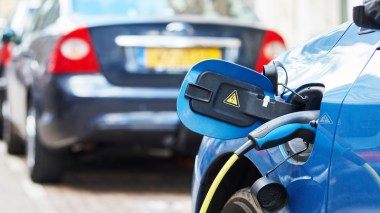
Charging an EV (Photo: Deposit Photos)
¶ “India readies a slew of power sector reforms” • The Indian government has readied a raft of power sector reforms, including implementing the direct benefit transfer scheme for better targeting of subsidies, freeing renewable energy from licensing requirement for generation and supply, and promoting retail competition. [Livemint]
¶ “Plans to generate 10,000 MW solar power in Andhra Pradesh by 2022” • The government of the Indian state of Andhra Pradesh has outlined plans to add 10,000 MW solar power by 2022, to help bring down costs and give the state a power surplus. The government has already taken up 4,000 MW ultra solar power projects. [The Hindu]
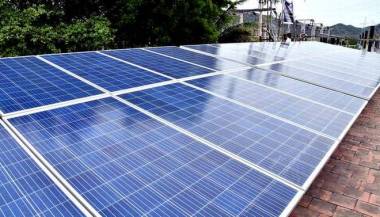
Solar power project
¶ “Australia could be 100% renewable by 2030s, meet Paris targets by 2025” • Australia could reach the equivalent of 100% renewables for its electricity by the early 2030s by merely maintaining the current pace of wind and solar development, according to a report from Australian National University researchers. [RenewEconomy]
¶ “Six new solar, wind farms to be built in Victoria to help meet renewable energy target” • After a reverse auction, new solar and wind farms to be built in Victoria will generate enough energy to power 640,000 homes. The Victorian Renewable Energy Target sets the generation from renewables to 25% by 2020, and 40% by 2025. [ABC News]
Renewable energy (Photo: Master Wen | Unsplash)
¶ “Heavy hitters on climate change converge on San Francisco for Global Climate Action Summit” • The Global Climate Action Summit is a hybrid of any number of high-level international meetings in which political figures discuss what can be done to address climate change, sign declarations, adjourn, and get set to meet again. [Santa Cruz Sentinel]
¶ “Bolivia commissions 60 MW solar park” • The president of Bolivia, Evo Morales, officially inaugurated the 60-MW Uyuni Photovoltaic Solar Plant. The project will cover half of the electricity demand in the Potosí region, and is the largest PV installation in the country. The project had an investment of $62 million. [pv magazine International]

Uyuni solar plant (Evo Morales’ Twitter account)
US:
¶ “Tesla Model 3 = #1 Best Selling Car In The US (In Revenue)” • In August, Tesla’s Model 3 became a top 5 best-selling car in the US in terms of units sold. But it cost twice as much as the cars by Toyota and Honda that sold greater numbers. In terms of the revenues from the cars sold, the Tesla Model 3 was the number one car. [CleanTechnica]
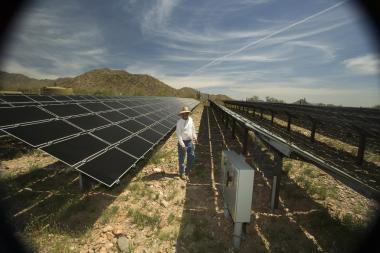
¶ “Tucson utility joins fight against initiative to increase solar, renewable use” • Tucson’s largest utility is joining the fight against a November ballot initiative that seeks to increase the use of renewable power in Arizona. Proposition 127 would require public utilities to get 50% of their power from clean energy sources by 2030. [Phoenix Business Journal]
Solar array in the desert
¶ “Texas Leads The Country In Wind Power Capacity” • With at least 12,750 turbines, Texas ranks first in the US for installed windpower. The state’s capacity was measured at over 23,200 MW in 2017. The renewable resource provided between 14% and 17% of all in-state energy production last year, and more capacity is being added. [Texas Public Radio]
¶ “Salesforce Announces New Virtual Power Agreement” • Salesforce, which is committed to reaching 100% renewable energy by 2022, announced its third and largest virtual power purchase agreement to date. The 15-year VPPA will support 80 MW of wind energy from the Bright Stalk wind project in Mclean County, Illinois. [Triple Pundit]
Have an emphatically fun day.
geoharvey is free and without ads.
geoharvey is not tax-deductible.
Posted in nuclear power, renewable power, solar, wind | Leave a Comment »
Tags: nuclear, nuclear power, renewable power, solar power, wind power
September 9, 2018
World:
¶ “Climate change: Protests held ahead of California summit” • Organised by New York-based group 350.org, environmentalists held protests around the world demanding stepped up action on climate change, ahead of a summit in California. Thousands took part in Paris, days after France’s environment minister quit over perceived policy failures. [BBC]

Demonstration in Sydney harbor
¶ “Dirty Reality Catching Up With Fossil Fuel Vehicles” • The new Worldwide Harmonised Light Vehicle Test Procedure has been put into force in the EU from 1st of September 2018. With it and the Real Driving Emissions test, OEMs whose cars have always been highly polluting, and are finding that they are now running out of road. [CleanTechnica]
¶ “Companies want blockchain technology for Europe’s electricity market” • A growing number of companies want blockchain technology to become a core feature of Europe’s electricity market. With blockchain, traders can do business with no centralized intermediary, such as an exchange, and the system is considered more resilient. [Market Business News]

Electricity market based on blockchain technology
¶ “Kenya Being Duped Into The Coal Power Plant, Experts Say” • Environmental experts and civil society members have called on the government of Kenya to suspend the construction of a proposed coal power plant in Lamu County. They put a focus on dire health and environmental consequences associated with coal energy. [kenyanews.go.ke]
¶ “Sony to source all its energy from renewables by 2040” • Sony plans to have all the energy it uses come from renewable sources by 2040, up from the current level of 7%. Sony has already gone fully to green energy in Europe, but it has 111 business sites around the world, and 80% of the group’s energy consumption is in Japan. [Nikkei Asian Review]
Solar array (© Reuters)
¶ “‘Disappointed’: Josh Frydenberg sorry to see NEG dumped” • Former Australian Energy Minister Josh Frydenberg says he is disappointed the National Energy Guarantee is now dead. He says the Coalition’s message at the next federal election will be that both the major parties have failed to land durable emissions policies. [The Guardian]
¶ “30,000 Zambian households gain access to energy” • Over the course of a period of nine months, 30,000 Zambian households have gained access to energy for the first time. The increased access was achieved through the collaborative efforts between renewable energy company Fenix International and telecom firm MTN. [Lusaka Times]

Solar panels and a thatched roof
¶ “First Minister suggests trip to north-east turbines might change Trump’s mind” • As she officially opened the European Offshore Wind Deployment Center, First Minister of Scotland Nicola Sturgeon said US President Trump might “change his mind” if he paid a visit to the wind farm off Aberdeen he has famously opposed. [Aberdeen Evening Express]
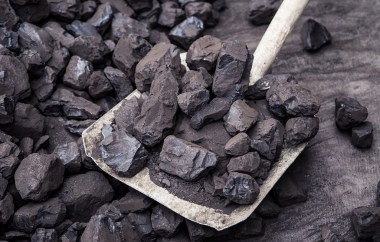
¶ “Coal sector in crisis” • A study revealed South Africa’s coal sector is in a state of crisis, including both coal mining and coal-fired electricity. Rising costs of coal mining, complicated procurement procedures, and energy insecurity have made coal increasingly less competitive. The crisis could place thousands of jobs at risk. [eNCA]
Coal
¶ “World Nuclear Association Calls For Abandoning Fossil Fuels To Achieve Green Future” • Agneta Rising, the director general of the World Nuclear Association, called on the global community to boost efforts to decarbonize economies and increase the use of nuclear power in order to achieve a clean energy future. [UrduPoint News]
US:
¶ “Scenes From San Francisco’s #RiseforClimate” • In San Francisco, political and business leaders are gathering for the Global Climate Action Summit. On Saturday, so were 30,000 people, who came to make it clear that the stakes for dawdling on replacing fossil fuels with a just transition to clean energy are very, very high. [Sierra Magazine]

Young Aztec dancer (Photo: Sam Murphy)
¶ “Tesla’s battery business is booming amid Model 3 struggles” • For the past year, Tesla watchers have been obsessively focused on its struggles to build its Model 3 electric sedan. But another element of Tesla’s business has been booming. Deployment of Tesla’s stationary batteries surged 450% during the first half of 2018. [San Francisco Chronicle]
¶ “Wisconsin professor cycles around the Midwest for solar” • On Jim Tinjum’s #bikethewind tour last year, he often saw turbines towering gracefully in the distance from miles away. On his recent #bikethesun tour of about 1,200 miles of the Upper Midwest, he had to search for solar destinations nestled into the countryside. [San Francisco Chronicle]

Solar system in North Dakota (US Fish and Wildlife Service)
¶ “Maine regulators to hold hearings in towns eyed for CMP hydropower project” • The Maine Public Utilities Commission said it will hold public witness hearings in Farmington and The Forks Plantation on September 14 to let citizens comment on a proposed hydroelectric transmission line that will run from Canada to Lewiston. [Bangor Daily News]
¶ “A Crack In Co-Owner Support For Vogtle, As Costs Skyrocket” • Georgia Power’s announcement last month of an unexpected increase of $2.3 billion more to complete Vogtle units 3 and 4 triggered confusion and the requirement for a vote by each of the co-owners on whether to continue participating in the project this month. [Atlanta Progressive News]
Have a thumpin’ good day.
geoharvey is free and without ads.
geoharvey is not tax-deductible.
Posted in nuclear power, renewable power, solar, wind | Leave a Comment »
Tags: nuclear, nuclear power, renewable power, solar power, wind power
September 8, 2018
Opinion:
¶ “Department of Energy Walks Into a Fight About Subsidies” • A fight over power plant costs could threaten grid reliability, and it is not as simple as people have been hearing. By throwing three issues together, each to cost billions, policymakers are putting into jeopardy the electric grid reliability they say they are trying to protect. [Union of Concerned Scientists]
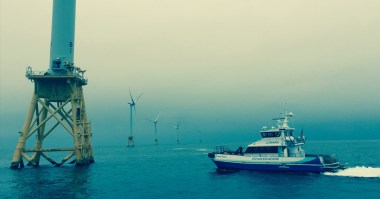
Block Island wind farm
¶ “Japan’s power supply system a weak link in times of disaster” • The blackout across the entire northern island of Hokkaido after a powerful earthquake struck showed the weak link in Japan’s ultra-modern system of technology. The earthquake put the country in mind of the 2011 meltdowns at the Fukushima Daiichi nuclear power plant. [The Japan Times]
World:
¶ “LG Chem’s 2020 Battery Production Target Raised 29% To 90 GWh” • LG Chem is one of a handful of EV battery companies that dominate global EV battery production. It is a major supplier of EV batteries. Recent news indicates that LG Chem increased its 2020 production target from 70 GWh to 90 GWh, approximately 29%. [CleanTechnica]
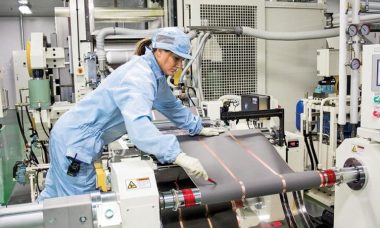
LG Chem battery production
¶ “Engie, J-Power to collaborate on offshore wind” • Engie SA and Japanese utility Electric Power Development Co (J-Power) will work together on power projects, especially large-scale offshore wind, J-Power announced. Engie wants to get into the Japanese market, and J-Power is involved in an offshore wind project of up to 220 MW. [Renewables Now]
¶ “UK Set To Have Thousands More Electric Vans” • An initiative led by Global Action Plan, with the UK Clean Van Commitment and Engie as partners, is aiming to get 2,400 new electric vans in operation by 2020, and for 18,000 new electric vans to replace diesel vans by 2028. Sixteen UK van fleet operators are taking part in the initiative. [CleanTechnica]

Renault Kangaroo
¶ “India’s NTPC Awards 1.2 GW in its First-Ever Wind Energy Auction” • The first national level wind energy auction organized by NTPC Limited, India’s largest power generation company, saw increases over 10% in the lowest tariff bid. NTPC offered 1.2 GW of capacity and developers were free to set up projects at sites of their choosing. [CleanTechnica]
¶ “Ryan Zinke brushes past threatened islands’ most pressing demand during visit” • Interior Secretary Ryan Zinke has spent his week traveling through a series of tropical islands in the Pacific Ocean, part of an effort meant to strengthen strategic and security-based alliances. But he is ignoring their need to deal with climate change. [ThinkProgress]
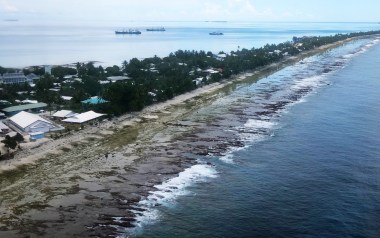
Living between the breakers and the wet place
(Credit: Fiona Goodall | Getty Images For Lumix)
¶ “BBC issues internal guidance on how to report climate change” • The BBC, one of the world’s largest and most respected news organisations, has issued formal guidance to its journalists on how to report climate change. The BBC has faced repeated criticism over the past decade for enabling “false balance” on the topic. [Carbon Brief]
¶ “EDF Renewables awarded 276 MW of wind energy projects in Brazil” • At the last federal competitive tender held by the Brazilian regulator, EDF Renewables was awarded two wind power projects located in Bahia State, totaling 276 MW. The company won nearly a quarter of the 1200 MW capacity awarded at the auction. [REVE]

Wind turbines in Brazil
US:
¶ “Federal Policy Vacuum Spurs Surge of State Environmental Ballot Measures” • At least 11 states will get a chance to vote this fall on a variety of environmental ballot measures, in a surge of activity that could foreshadow policies of a future Democratic administration. The measures run a gamut of environmental policies. [Scientific American]
¶ “Bombshell: Tesla Announcement Implies HUGE Quarter 3” • The latest Company Update from Tesla had a statement buried in it that really stands out when it is allowed to sink in. “We are about to have the most amazing quarter in our history, building and delivering more than twice as many cars as we did last quarter.” [CleanTechnica]
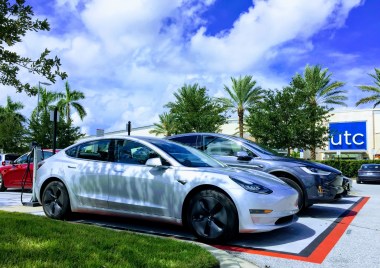
Tesla Model 3 and Tesla Model X
¶ “Sunrise Solar Solutions is proposing a pollinator-friendly community solar project in New York” • Sunrise Solar Solutions is proposing the development of a solar energy system on 4 acres at the rear of Oakwood Cemetery in Mount Kisco, New York. A key aspect of the project is the creation of a “pollinator-friendly” habitat. [Solar Power World]
¶ “US House Committee passes Offshore Wind for Territories Act” • The House Committee on Natural Resources passed the Offshore Wind for Territories Act unanimously to amend federal law to authorize offshore wind development at American Samoa, Guam, the Northern Mariana Islands, Puerto Rico, and the US Virgin Islands. [Windpower Engineering]

Offshore windpower
¶ “Western Kentucky to soak up the sun with state’s largest solar farm” • An 800 acre of solar system is planned for Lyon County, Kentucky. It will have a capacity of 86 MW, and the Kentucky Municipal Energy Agency, a group of eleven city-owned utilities, have agreed to purchase the majority of its power, starting in late 2022. [Courier Journal]
¶ “Californian Ski Area to be Run on 100% Solar Energy From This Winter” • In California, the Squaw Valley Alpine Meadows ski area has announced that all of its electricity will be purchased from Liberty Utilities’ nearby solar generation plant in Luning, Nevada. This will make the resort’s electric power supply 100% renewable. [InTheSnow]
Have a surprisingly rewarding day.
geoharvey is free and without ads.
geoharvey is not tax-deductible.
Posted in nuclear power, renewable power, solar, wind | Leave a Comment »
Tags: nuclear, nuclear power, renewable power, solar power, wind power
September 7, 2018
Science and Technology:
¶ “Drones & AI Used To Quickly Inspect Wind Turbines” • The French drone software startup Sterblue’s technology employs drones and AI to inspect such industrial infrastructure as power lines, power towers, and wind turbines. Drones get up close to wind turbines and record high-quality images, which are then analyzed using AI. [CleanTechnica]

Drone inspecting a wind turbine
¶ “Research Breakthrough Reduces the Cost of Solar Cell Production by 10%” • Researchers at Aalto University in Finland and Michigan Technical University, working with a dry etching process for PVs that captures more of the sunlight that hits it, say the manufacturing cost of their solar cells is 10% less than for conventional cells. [CleanTechnica]
¶ “Big wind, solar farms could boost rain in Sahara: study” • A study in the journal Science used computer modeling to simulate the effect of covering 20% of the Sahara Desert with solar panels and installing three million wind turbines there. In addition to slowing global warming, it would also give a small but beneficial boost to rain. [ETEnergyworld.com]

Wind turbines reflected on the water
World:
¶ “August the ‘cleanest energy month of the year in modern times’ in UK” • Fossil fuel generation in the UK fell to record lows last month, while renewables provided a quarter of all electricity, making August “the cleanest calendar month of the year in modern times” energy experts at consultancy EnAppSys said. [Power Engineering International]
¶ “‘Bold’ Climate Action Could Deliver $26 Trillion In Economic Benefits Through 2030” • A report from the Global Commission on the Economy and Climate shows that benefits of climate-smart growth are “significantly” underestimated. It says “bold climate action” could drive at least $26 trillion in economic benefits through 2030. [CleanTechnica]

Studying under an electric light
¶ “Facebook to build $1 billion Singapore data center, first in Asia” • Facebook said it will invest over $1 billion to build a data center in Singapore, powered by renewable energy and adapted to the tropical climate. The center, its first in Asia, is expected to be operational around 2022, hosting Facebook servers and IT operations. [The Borneo Post]
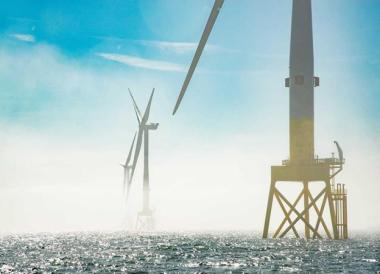
¶ “Aberdeen Bay ready to party” • Vattenfall officially opened its 93.2-MW Aberdeen Bay offshore wind farm, also known as the European Offshore Wind Deployment Center, off the coast of Scotland. The project has two MHI Vestas V164 8.8-MW turbines and nine 8.4-MW machines. Swire Blue Ocean jack-up Pacific Orca installed the turbines. [reNews]
Aberdeen Bay wind turbines (Vattenfall image)
¶ “Wind turbines could cover 40% of the current electricity consumption in Germany” • Windpower, along with solar, hydropower and biomass, should cover 65% of German electric power needs by 2030, according to the German government. Optimal distribution of the plants on the German mainland by the operators is a prerequisite. [Phys.org]
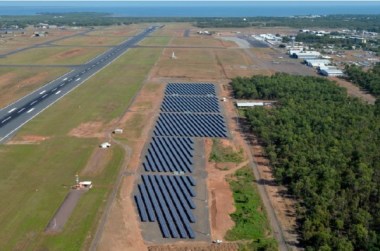
¶ “Three new solar farms and battery storage system to power NT airports” • Three solar farms and a large-scale battery storage system will be built in the Northern Territory as part of $300 million expansion of airport facilities. The project is co-funded by the $5 billion Northern Australia Infrastructure Fund of the federal government. [One Step Off The Grid]
Darwin Airport
¶ “Japan acknowledges first radiation-linked death out of Fukushima” • Japan‘s Ministry of Health, Labor, and Welfare admitted that a man employed at the Fukushima nuclear power plant died of lung cancer linked to radiation exposure. Three reactors melted down in March 2011 when a tsunami hit the Fukushima area. [Preston Business Review]
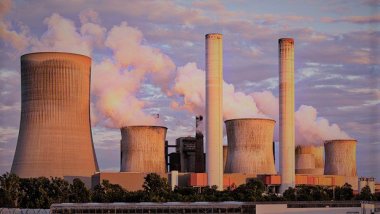
¶ “No future: Even existing coal to be beaten by renewables and storage on costs” • A new report authored by Australian and international researchers suggests there is no prospect for a new coal generator in Australia, and even existing coal generators are going to be challenged by the falling costs of renewables and storage. [RenewEconomy]
Liddell coal-burning power plant
US:
¶ “US Energy Storage Deployments Increase 200% Year-Over-Year” • Wood Mackenzie Power & Renewables published its US Energy Storage Monitor, collaborating with the Energy Storage Association. It showed that 156.5 MWh of energy storage were deployed in the second quarter of 2018, up 200% over Q2 ’17 (which was particularly low). [CleanTechnica]
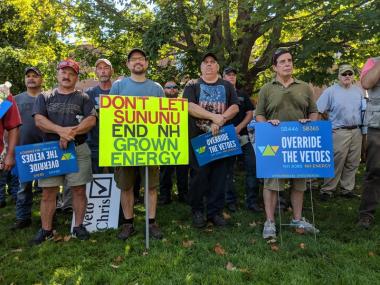
¶ “Statehouse Rally Marks Final Week Of Energy Veto Override Campaign” • Hundreds of people from the timber and renewable energy industries rallied at the New Hampshire State House for legislators to overturn two of Governor Sununu’s vetoes. The people say the vetoes were wrong and could put them out of business. [New Hampshire Public Radio]
Rally in Concord (Annie Ropeik | NHPR)
¶ “NextEra Energy establishes carbon dioxide emissions rate reduction target as part of its commitment to creating a sustainable energy future” • NextEra Energy, Inc announced a new CO2 emissions target. It already reduced its CO2 emissions rate by 52% since 2001, and it plans to reduce the rate more than 65% by 2021. [pv magazine USA]
¶ “Augusta commission endorses 100% green energy goal” • Solar power has a place in Augusta, Georgia. Augusta Commissioners approved a resolution support a goal of 100% clean energy by 2050. The resolution wants Augusta to hit 80% renewable energy us by 2030. This is to protect the earth and to avoid a climate catastrophe. [WJBF-TV]
Have a wonderfully merry day.
geoharvey is free and without ads.
geoharvey is not tax-deductible.
Posted in nuclear power, renewable power, solar, wind | Leave a Comment »
Tags: nuclear, nuclear power, renewable power, solar power, wind power
September 6, 2018
World:
¶ “Lower Costs, Incentives Drive Electric Bus Adoption” • A senior research analyst for Navigant Research said the adoption of electric buses is gaining speed but not as fast as some might hope for. China is adding about 95,000 electric buses each year, but Navigant predicts electric buses will account for only 15% of the US market by 2025. [CleanTechnica]

Proterra electric bus
¶ “Origin to develop 5 MW virtual power plant in Victoria” • With a grant from the Victorian government, Origin Energy is gearing up to connect solar and battery systems of up to 650 residential and commercial properties across the state. It is to be Origin’s first virtual power plant and the largest one in Victoria to date. [pv magazine Australia]
¶ “Global Electricity Demand To Increase By 57% By 2050, BNEF Forecasts” • Global electricity demand is expected to reach approximately 38,700 TWh by 2050 according to Bloomberg New Energy Finance, up from 25,000 TWh in 2017. The increase will drive significant new investment in world power generating capacity. [CleanTechnica]
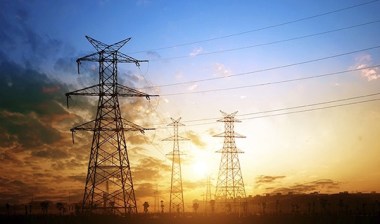
Transmission lines
¶ “Decentralized renewable energy is an over $100 billion opportunity” • The investment potential for decentralized renewable energy in India may be as high as over $100 billion, analysis says. These solutions need to be larger parts of national and state energy systems if India is to truly to achieve quality 24/7 power for all. [ETEnergyworld.com]
¶ “Socially just energy transition for coal workers no pie in the sky, study finds” • As the UN’s climate chief called for more “urgency” from negotiators at the Bangkok climate talks, a report found that a socially just transition is already feasible for coal workers and communities, while coal production is expected to decline globally. [EURACTIV]
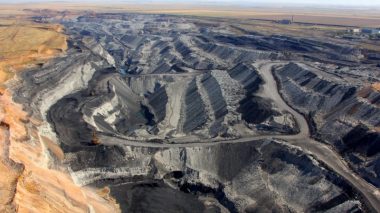
Open pit coal mine (Shutterstock image)
¶ “Lock ‘Em Up? Bavarian Judges Propose Jail Time For Politicians Who Ignore Air Pollution” • When politicians don’t enforce measures to protect the public from pollution, should they be punished? And if so, then how severely? Bavarian judges are putting this question to the European Court of Justice, seeking legal guidance. [CleanTechnica]
¶ “World’s largest offshore wind farm launches off English coast” • The Walney Extension project opened off Cumbria, in the northwest of England, with a capacity of 659 MW. This makes it the world’s biggest offshore wind park in operation, overtaking the London Array off England’s east cost with a capacity of 630 MW. [Deutsche Welle]
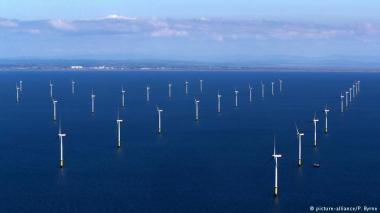
Offshore wind project
¶ “Clean tech transition could generate 65 million jobs, save $26 trillion – study” • Two reports point at economic advantages of clean tech transitions. Carbon pricing schemes could reap global sales of around $2.8 billion. Opportunities for storage and electric heating could further save UK homes around $258 per year. [pv magazine International]
¶ “80% of local heads in nuke disaster areas say they can’t meet population goals: poll” • About 80% of 45 administrative district heads in six Fukushima Prefecture municipalities with areas that are difficult to live because of the Fukushima nuclear disaster said it is not possible to meet goals for returning people, a Mainichi Shimbun survey found. [The Mainichi]
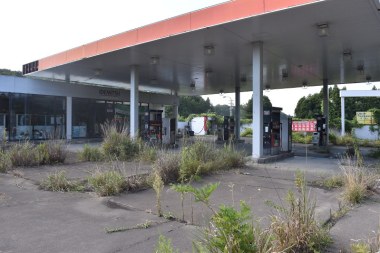
Abandoned Fukushima gas station (Mainichi image)
US:
¶ “US Distributed Wind Surpasses the 1 GW Mark” • The market for distributed wind energy crept over the 1 GW mark in 2017 according to the 2017 Distributed Wind Market Report, which was published by the DOE’s Office of Energy Efficiency & Renewable Energy. Nearly 100 MW was added last year, bringing the total to 1,076 MW. [CleanTechnica]
¶ “Court Upholds Massachusetts’ Authority to Cap Power Plant CO2 Emissions” • Massachusetts’ highest court resoundingly upheld the state’s power to impose limits on carbon emissions from power plants. It is an example of states establishing their authority to fill the regulatory void the Trump administration is creating. [InsideClimate News]
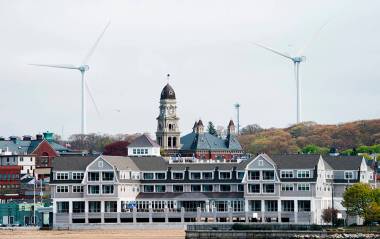
Gloucester (Don Emmert | AFP | Getty Images)
¶ “Advocates: Trump’s coal-friendly power plan will hurt Ohio’s health” • Ohioans likely face more early deaths, more asthma attacks, and higher electric bills under the Trump administration proposal to replace the Clean Power Plan, say environmental groups. Those conclusions come from the EPA ’s own analysis of the proposal. [Energy News Network]
¶ “Average Atlantic Coast Offshore Wind Farm Could Add Billions To Economy & Thousands Of Jobs” • A report shows that an average-sized offshore wind farm located off the Atlantic Coast of the US could result in billions in economic benefits and yield thousands of jobs. Such wind farms could be put up in any of several states. [CleanTechnica]

Block Island Wind Farm
¶ “New Jersey board starts review of Nautilus offshore wind application” • The New Jersey Board of Public Utilities formally accepted the application for the up to 25-MW Nautilus pilot offshore wind project in state waters, it was announced. The plan is to erect three wind turbines about 2.8 miles east of the coast at Atlantic City. [Renewables Now]
¶ “Rhode Island’s solar-powered move: Conti signs 35 MW EPC agreement with Southern Sky” • Conti Solar and Southern Sky Solar Rhode Island signed an agreement for five PV projects, totaling 35 MW. They are just a small part of Rhode Island’s development queue, which aims for 1 GW of renewable energy in 2020. [pv magazine USA]
Have a mystifying groovy day.
geoharvey is free and without ads.
geoharvey is not tax-deductible.
Posted in nuclear power, renewable power, solar, wind | Leave a Comment »
Tags: nuclear, nuclear power, renewable power, solar power, wind power
September 5, 2018
Opinion:
¶ “The Next Financial Crisis Lurks Underground” • Some of fracking’s biggest skeptics are on Wall Street. They argue that the industry’s financial foundation is unstable: It has not proven that it can make money. “The industry has a very bad history of money going into it and never coming out,” says one hedge fund manager. [New York Times] (Thanks to Tad Montgomery.)

Fracking and where it is going (Image: Zak Tebbal)
¶ “5 Stats About Offshore Wind Power That’ll Blow You Away” • Countries and companies are turning to offshore wind power as a critical source of renewable energy. From the skyscraper-sized turbines developed by GE to the impressive resource potential of the US, here are five incredible stats about offshore wind power. [Motley Fool]
¶ “Politicians lagging on renewables will soon be fossils” • Many politicians seem not to realise that there have been incredible technological advancements in renewable energy, as well as batteries, that have led to dramatic improvements in their ability to convert wind and sun into large quantities of electricity at an affordable cost. [Courier Mail]

Queensland transmission lines
Science and Technology:
¶ “Arctic Expedition Makes Climate Change Up Front and Personal” • Students on Ice, an organization that educates the world’s youth about the importance of the Polar Regions, brought 130 students and over 80 staff from 20 countries to western Greenland and the Canadian High Arctic during the summer of 2018. [CleanTechnica]
¶ “Refurbishing Baseload Power Stations To Backup Renewables” • Stories have popped up in the news recently about turning traditional hydroelectric stations, which generate power by using water captured from a flowing river, into pumped storage facilities, which cycle the water, using more energy to do so than they produce. [CleanTechnica]

Lake Mead at reduced water levels
¶ “Semi-Artificial Photosynthesis Could Harness Solar Power” • Researchers from St John’s College and Cambridge University found new ways to produce and store solar energy using semi-artificial photosynthesis, by combining biological components with man-made technologies to convert water into hydrogen and oxygen. [R & D Magazine]
World:
¶ “EU Removes Trade Barriers On Chinese Solar Imports” • Following reports last week that the EU was considering scrapping import controls on solar panels and cells from China, the European Commission has announced that it will remove trade duties on solar panels and cells imported from China, Taiwan, and Malaysia. [CleanTechnica]
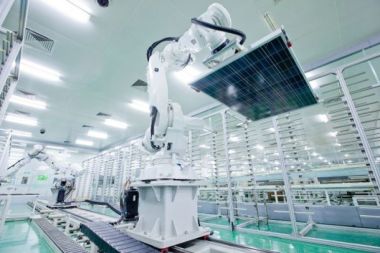
Manufacturing solar panels
¶ “South Australia commits $180 million to batteries, storage and virtual power plants” • The South Australia Liberal government is about to finally roll out its Home Battery Scheme after it confirmed allocating $180 million for installing battery storage in 40,000 homes, large batteries, demand management, and virtual power plants. [RenewEconomy]
¶ “Vestas to enter Senegal with 46 turbines” • Vestas has announced it will enter the Senegalese market by providing wind turbines for the African nation’s Parc Eolian Taia N’Diaye wind power project. The 159-MW wind park is the first large wind energy project in Senegal and is also set to be the largest wind project in West Africa. [Energy Digital]

Vestas wind turbine (Getty Images)
¶ “Japan Program for Reuse of Nuclear MOX Fuel in Doubt” • The Japanese government has pushed for the reuse of mixed-oxide fuel in the country’s nuclear reactors, but utilities that finance the reprocessing have not funded those operations since fiscal year 2016, according to financial reports released by the power companies. [Power magazine]
¶ “Farmers to flock to solar and battery storage, as power costs bite” • A report from Commonwealth Bank of Australia suggests the shift to solar and battery storage in the nation’s expansive agribusiness sector has only just begun. It says a staggering 76% of all farmers, nationwide, are planning to tap solar and battery storage. [One Step Off The Grid]
US:
¶ “Trump to name climate change skeptic as adviser on emerging technologies” • William Happer, a retired Princeton atomic physicist and prominent skeptic questioning whether humans are causing rapid climate change, is joining the National Security Council as senior director for emerging technologies, according to NSC officials. [CNN]
¶ “The sinking islands of the Southern US” • The pejorative perception of the Gullah Geechee being uneducated or backcountry has shifted to one in which the identity is celebrated, both by academics and those who grew up in the culture. Yet the Gullah Geechee ways are slipping away, as their islands are lost to climate change. [BBC]

Gullah Geechee fisherman (Credit: ZUMA Press, Inc | Alamy)
¶ “Young conservatives flock to Washington in support of clean energy” • This week, hundreds on young conservatives from across the country will be visiting the nation’s capital with a message. And the message these young men and women have is simple: they support clean energy, and they want to power more of America with it. [The Hill]
¶ “UC system to get 100% renewable power in less than 10 years” • The University of California system set a goal of powering all its campuses and medical centers with 100% renewable energy by 2025, as part of its efforts to fight climate change. The university system has already committed to making its daily operations carbon-neutral. [San Francisco Chronicle]
Have an astoundingly fruitful day.
geoharvey is free and without ads.
geoharvey is not tax-deductible.
Posted in nuclear power, renewable power, solar, wind | Leave a Comment »
Tags: nuclear, nuclear power, renewable power, solar power, wind power
September 4, 2018
Opinion:
¶ “We need to respond to climate change immediately” • It is time for elected officials to stop pandering to the interests of well-moneyed corporations whose positions fly in the face of facts and overwhelming scientific consensus. It is time for them to legislate and govern in a manner that adheres to scientific recommendations. [Washington Post]

Mendocino Complex fire (Justin Sullivan | Getty Images)
¶ “Will Farmers Bring The World To Its Senses About Climate Change?” • In Germany, 10,000 farmers are facing bankruptcy after a summer of record high heat and record low rainfall, according to a report by NPR. Dairy farmers are slaughtering their cows because there is not enough grain available to feed them. [CleanTechnica]
Science and Technology:
¶ “Emissions From Huge Vessels Are About To Get Slashed With The Use Of Rotor Sails – Large Scale Testing Begins” • Two 30-meter tall rotor sails have been installed onboard the product tanker vessel Maersk Pelican, targeting a reduction in fuel cost and associated emissions on typical global shipping routes of 7% to 10%. [CleanTechnica]

Rotor sails (Credit: Maersk Tankers)
¶ “Nuclear Has to Use Climate Crisis to Justify High Cost, MIT Says” • Nuclear energy cannot compete on cost with cheap natural gas or renewables and therefore needs the help of policy makers who are willing to promote its low-emission power generation as a way to fight climate change, a landmark new study says. [Bloomberg]
World:
¶ “How China’s giant solar farms are transforming world energy” • China has more solar energy capacity than any other country in the world, at a gargantuan 130 GW. Unsurprisingly, China is the home of many sizeable solar farms. The largest solar plant in the world at the moment is in China’s Tengger Desert, which has a capacity of over 1,500 MW. [BBC]

Solar farm in Datong County
¶ “Rolls Royce Electric Debuts SAVe Energy Battery Propulsion System For Ships” • Rolls Royce Energy, based in Norway, is introducing its proprietary SAVe Energy battery propulsion and energy management system for commercial ferries and ships. They are modular, which means they can be sized to the needs of any ship. [CleanTechnica]
¶ “TenneT starts NordLink subsea cable laying in German section” • Dutch transmission system operator TenneT, which also operates in Germany, announced that it has started laying its subsea cable section in the German North Sea for the 1.4-GW NordLink. NordLink is the first interconnection between Norway and Germany. [Renewables Now]
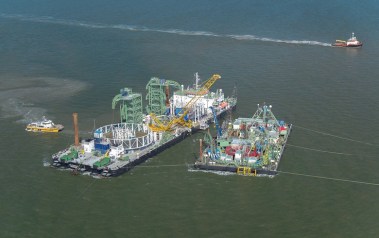
Cable laying (Source: TenneT Holding BV )
¶ “Queensland could be 90% renewable by 2030 – with right policy settings” • Coal-dependent Queensland could meet almost 100% of its electricity needs from renewable energy sources by 2030, a new report has found, if all of the state’s almost 15,000-MW pipeline of large-scale wind and solar projects went ahead. [RenewEconomy]
¶ “Modern Energy Management to take part in 130-MW PV project in Myanmar” • Thailand-based renewable energy consultancy Modern Energy Management has joined hands with an unnamed partner to develop a 130-MW solar PV project in Myanmar. They expect to bring the project online in the last quarter of next year. [Renewables Now]

Solar farm (Image: Business Wire)
¶ “Japan’s nuclear reboot gathers pace, set to curtail LNG demand” • Japan’s liquefied natural gas consumption is falling as the country’s nuclear reactors restart, and output from atomic power set for its highest since the aftermath of the Fukushima disaster. Each reactor cuts LNG demand by a million tonnes per year. [Hellenic Shipping News Worldwide]
US:
¶ “EDPR backs 200-MW wind project in Illinois with new PPA” • EDP Renewables North America announced that it struck a power purchase agreement for 50 MW of its Broadlands wind project in Illinois. The deal came from an unnamed energy company and lifts the contracted capacity for the project to 200 MW. [Renewables Now]

Maple Ridge wind farm (Image: EDPR, all rights reserved)
¶ “Utilities are reluctant to invest in coal plants, even after Trump tries to save them” • No utilities contacted by the Washington Examiner said they would commit to improving their coal plants or re-evaluate planned retirements because of the EPA’s Affordable Clean Energy rule. And none of them have plans to build new coal plants. [Washington Examiner]
¶ “Navy now considering plans for ocean wind farms – and Morro Bay is a top prospect” • Efforts to build fields of floating wind turbines off the coast of California are gaining momentum, and Morro Bay might be at the front of the line. Despite a lack of publicity, activity on the West Coast’s offshore windpower is moving along. [The San Luis Obispo Tribune]
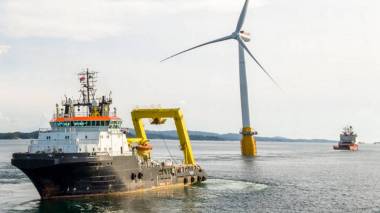
European offshore wind turbine (Courtesy photo)
¶ “‘It sort of exploded’: the rapid rise of solar energy in North Carolina” • Solar energy growth in North Carolina is among the fastest in the country, according to an Environment North Carolina report, and it shows no signs of slowing down. Between 2008 and 2017, the state’s solar production rose from 7 GWh to 5,783 GWh. [The Daily Tar Heel]
¶ “Commercial solar is about to become a reality in Alaska” • A 408-panel solar PV array is weeks away from completion on a plot of land along the Glenn Highway in Willow, Alaska. When it’s switched on next month it will be the largest solar power project in Alaska. A larger array, however, is already being built near Fairbanks. [Anchorage Daily News]
Have a fantastically cool day.
geoharvey is free and without ads.
geoharvey is not tax-deductible.
Posted in nuclear power, renewable power, solar, wind | Leave a Comment »
Tags: nuclear, nuclear power, renewable power, solar power, wind power
September 3, 2018
Opinion:
¶ “Automakers Try Hard To NOT Sell Electric Cars” • Automaker executives from Ford, GM, Nissan, and Toyota are fond of saying that few consumers want electric cars. They sometimes claim they could produce many more electric cars, but customers are not asking for them. But they are pushing gasmobiles, and putting no effort into EVs. [CleanTechnica]

New Nissan LEAFs
¶ “The reality is new coal power is not the answer for cheaper electricity bills” • The tipping point has been reached: renewable energy is now a cheaper source of power for Australia’s future electricity needs than coal. The cold, hard numbers show it, and no less an authority than the Australian Energy Market Operator agrees. [ABC News]
Science and Technology:
¶ “Australia unveils starfish-killing robot to protect Barrier Reef” • Scientists at Queensland University of Technology announced that they have built a robot called the RangerBot, developed with a grant from Google, that could be able to serve as a “robo reef protector” for the vast World Heritage site off Australia’s northeastern coast. [Daily News & Analysis]
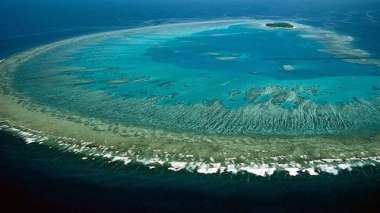
Barrier Reef
¶ “Yes, There Will Be Plenty Of Lithium For Energy Storage” • Concerns about the global supply chain for lithium could soon be moot. The California-based startup Lilac Solutions has an innovative, low-impact method for extracting lithium from abundant brines around the globe. And it has just received a major financial boost. [CleanTechnica]
World:
¶ “China Doubled Its Battery Storage Capacity In Just Six Months” • Thanks to a central government policy boost, and to some regional storage policies, China added nearly as much battery storage capacity in the first half of 2018 as it had in total at the end of 2017, according to data by the China Energy Storage Alliance. [OilPrice.com]

Charging an electric car in China
¶ “IRENA: Renewable Energy Costs Falling Rapidly” • A report published by the International Renewable Energy Agency indicates that the cost of renewables is falling at such a rapid rate that it will be a consistently cheaper electricity source than traditional fuels in only a few years’ time, posing a mounting threat to the fossil fuel industry. [Financial Tribune]
¶ “Solar power installations in India down 52% in April-June 2018” • Solar installations in India were reduced 52%, to 1,599 MW, during the second quarter of 2018. This was mainly due to uncertainties around trade cases and module price fluctuations, according to Mercom India Research’s “Q2 2018 India Solar Market Update.” [ETEnergyworld.com]
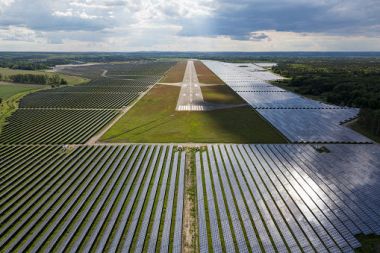
Solar array
¶ “India Now Third Largest Electricity Producer In The World, Beats Out Russia And Japan” • According to a report in the Business Standard, India has overtaken Russia and Japan in terms of electricity production and currently ranks as the third highest producer and consumer in the world after China and the United States of America. [Swarajya]
¶ “Tunisia plans 1.7-GW solar complex” • Tunisia is set to build the solar park across three phases. It will be located in Tunisia’s southernmost region of Remana, in the Sahara Desert. The project was conceived by the Tunisian Government to support organic farming and improve security at the border with Libya. [pv magazine International]

Tunisia (Image: Julien | Flickr)
¶ “Solar energy can reduce gas reliance of Australian industry” • Solar energy can help Australian industry cut energy costs by reducing reliance on gas, a publication of the Clean Energy Finance Corporation and associated groups says. Major efficiency improvements are achievable by “fuel shifting” from gas to clean technology. [Energy Matters]
¶ “Business gives up on Coalition, turns to Labor and states on energy, climate” • Business has all but given up on the Coalition’s energy and climate policy. There is now no expectation of any meaningful moves on policy from the Coalition government between now and the next election, which must be held by the end of next May. [RenewEconomy]
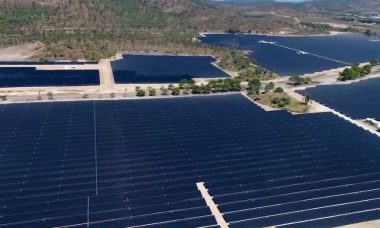
Solar farm
¶ “Japanese utilities ended funding for nuclear fuel reprocessing in 2016, putting MOX program in doubt” • Utilities that operate nuclear power plants stopped funding the reprocessing of nuclear fuel in fiscal 2016, their financial reports showed, a step that may affect resource-scarce Japan’s nuclear fuel recycling policy. [The Japan Times]
US:
¶ “Driven by climate change, fire reshapes US West” • Wildfires in the US have charred more than 10,000 square miles this year, with large fires still burning in every Western state including many that are not fully contained. Whether sparked by lightning or humans, fire has long been a force shaping the landscape of the West. [Phys.Org]

Wildfire (Kent Porter | The Press Democrat via AP, File)
¶ “Can Miami’s Aquifer Survive Climate Change?” • Climate change is endangering drinking water resources in Miami-Dade County. The geography of the Miami area makes it particularly difficult to protect drinking water resources. Officials are puzzling over how Miami can keep its water safe and what that will cost, as sea levels rise. [Water Online]
¶ “GOP Climate Denier Seeks To Chair House Science Committee” • Rep Dana Rohrabacher (R-CA) dismissed climate change research as “junk science.” Now, he is angling to chair the House Science, Space and Technology Committee if Republicans maintain control of Congress after November, according to Roll Call. [The National Memo]
Have an absolutely joyful day.
geoharvey is free and without ads.
geoharvey is not tax-deductible.
Posted in nuclear power, renewable power, solar, wind | Leave a Comment »
Tags: nuclear, nuclear power, renewable power, solar power, wind power
September 2, 2018
Opinion:
¶ “Market speeds coal’s demise” • FirstEnergy Corp announced that it will close Pennsylvania’s largest coal-fueled power plant by 2021, along with three smaller plants in Ohio. FirstEnergy tried to blame federal energy policy. But policy makers should note that coal has become uncompetitive, and its economics will not improve. [Scranton Times-Tribune]
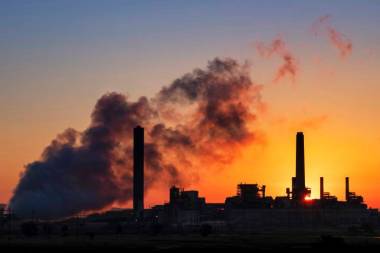
Coal-burning power plant (Photo: J David Ake | AP)
World:
¶ “Cerro Pabellón: Taking Geothermal Power to New Heights” • South America’s first and only geothermal power plant, the 48-MW Cerro Pabellón project, sits at an elevation of 4,500 meters above sea level in Chile’s harsh and remote Atacama Desert. Building and operating a plant in these extreme site conditions was no easy task. [POWER magazine]
¶ “Solar panels are worth considering, say energy experts” • While a decade ago solar energy provided virtually no power, around 840,000 homes in the UK now have solar panels. Solar panel installations have slowed because the incentives for home installations have been reduced. But there are still reasons to install them. [The Westmorland Gazette]

Lighthouse with solar panels (Pixabay image)
¶ “China-backed solar-power plant settles atop remote mountain peak in Argentina” • Atop a remote mountain peak near the borders of Chile and Bolivia, in the remote northern-most region of Argentina, workers with the Shanghai Electric Power Construction Company built a Chinese-financed solar project 4,000 meters above sea level. [Xinhua]
¶ “Award-Winning Pumped-Storage Hydro Facility a Modern Marvel” • The Frades II pumped-storage project in Portugal took advantage of existing dams for a scheme that includes the largest variable-speed reversible units ever installed in Europe. The facility provides a versatile option for managing wind and solar power fluctuations. [POWER magazine]
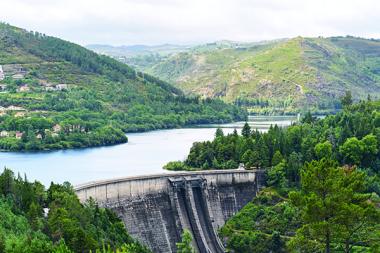
Frades II
¶ “Australia will honour Paris climate agreement, Simon Birmingham says” • After the Coalition government removed the emissions reduction component from its national energy guarantee, the trade minister claimed Australia will honour its Paris climate agreement commitments. He did not say how that would be done. [The Guardian]
¶ “Champagne region struggles to adapt to climate change” • Temperatures have risen 1.2° C (2.16° F) in 30 years, and pickers are scrambling to bring in yet another early harvest. The spectre of climate change is haunting the vineyards of France, and its creeping effects, including chaotic weather, are becoming the new normal. [CP24 Toronto’s Breaking News]

French grapes (Photo: Virginia Mayo | AP)
US:
¶ “Repeal of the Clean Power Plan could mean more pollution for PA” • The Trump administration’s expected replacement of the Clean Power Plan is unlikely to reduce harmful greenhouse gases by much at all, and it could end up making air quality in parts of Pennsylvania worse, according to several analyses and experts. [StateImpact Pennsylvania]
¶ “Companies Have Bought More Clean Energy Than Ever This Year, and It’s Only August” • According to the Rocky Mountain Institute’s Business Renewables Center, increased corporate procurements of renewable energy have already made this year a record breaker, with four months still to go. There are nearly sixty companies leading the way. [Gizmodo UK]

Wind turbines at night
¶ “Salesforce funds wind energy project, expands business in Chicago” • Salesforce, a cloud computing mammoth based in San Francisco, has made plans to support a wind farm construction project in central Illinois, reports say. This is to enhance its reach in the Chicago region. The project represents an investment of $300 million. [CMFE Research]
¶ “Renewed Vision Shines Light on Dormant Nuclear Site” • An abandoned nuclear project, with the framework of a cooling tower and weathered concrete walls with empty windows, sits in rural Tennessee. The remains of what might have been provide the backdrop for what is: a solar farm that is boosting economic development. [POWER magazine]
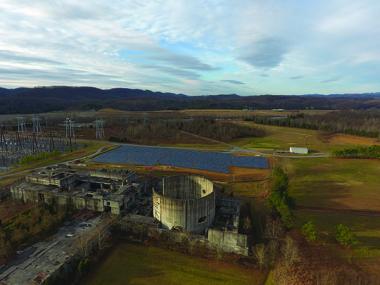
Abandoned nuclear project with new solar array
¶ “Andrew Cuomo Faces An Environmental Revolt” • There was a time when New York Gov Andrew Cuomo fashioned himself as the nation’s most aggressive governor on climate change. But many environmentalists say Cuomo’s climate policies amount to half measures he maintains along with lucrative ties to donors in the fossil fuel industry. [HuffPost]
¶ “Cynthia Nixon Promises to Convert Cayuga Power Plant Into a Renewable Energy Facility, Vows Plant Will ‘Never’ Run on Fracked Gas” • Cynthia Nixon, a candidate for the Democratic party nomination for governor of New York, announced her intent to convert the Cayuga Power Plant into a renewable energy facility. [The Cornell Daily Sun]
Have an excitingly rewarding day.
geoharvey is free and without ads.
geoharvey is not tax-deductible.
Posted in nuclear power, renewable power, solar, wind | 1 Comment »
Tags: nuclear, nuclear power, renewable power, solar power, wind power
September 1, 2018
Opinion:
¶ “Toward A More Democratized Energy World” (Interview) • Next Kraftwerke aggregates and sells electricity from almost 5,000 independent renewable energy generators all over Europe as a virtual power plant. CEO and co-founder Jochen Schwill spoke of the vision he and co-founder Hendrik Sämisch had and how it was realized. [CleanTechnica]

Virtual power plant
¶ “US Electricity Generation By Renewables Edges Out Nuclear” (Interview) • A SUN DAY analysis of Energy Information Administration data showed that renewables generated slightly more than what nuclear power produced in the first half of 2018. Ken Bossong, the Executive Director of the SUN DAY explained the importance of this. [CleanTechnica]
Science and Technology:
¶ “Nearly Every Ecosystem on the Planet Will Be Transformed by Climate Change” • If nations fail to rein in their greenhouse gas emissions, nearly every terrestrial ecosystem on the planet will undergo “major transformations” that will completely change the world’s biomes, warn a team of 42 scientists in the journal Science. [Yale Environment 360]
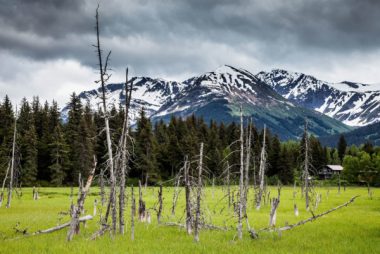
Ghost trees (PeterRintels | Flickr)
World:
¶ “Canadian Appeals Court Rules Against Trans Mountain Pipeline” • The Canadian federal appeals court ruled that the Trans Mountain Pipeline’s application process was legally flawed. One flaw noted in the unanimous decision was a failure to engage in meaningful consultations with the indigenous people affected if the pipeline is built. [CleanTechnica]
¶ “UK onshore growth ‘at risk'” • The future growth of the UK onshore wind industry is at risk unless there is a change in government policy, RenewableUK has warned. It said current policy blocking onshore wind from competing for Contracts for Difference means the industry faces a steep drop off in new investment. [reNews]
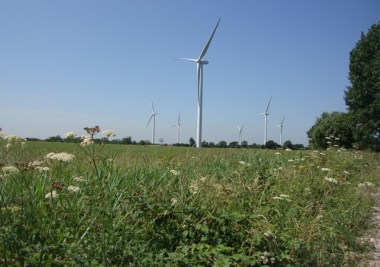
Wind farm (R-UK image)
¶ “Triton nails financial close” • Innogy and partners have reached financial close on the 860-MW Triton Knoll offshore wind farm off the east coast of England. The company has entered into a number of contracts for the project, including one with MHI Vestas which will supply 90 V164-9.5MW turbines, with pre-assembly in Teeside. [reNews]
¶ “Tidal energy: the silent giants of the Pentland Firth” • In the waters between the Orkney Islands and mainland Scotland, four MeyGen 1.5-MW turbines convert tidal energy into electricity. The turbines, now operational, supply enough electricity for 2,600 Scottish homes. Plans are afoot to potentially deploy 265 more of them. [Geographical]

Installing a MeyGen turbine (Image: SIMEC Atlantis)
¶ “India gets solar, wind, storage hybrid power plant” • A 41-MW solar photovoltaic, wind, and battery storage hybrid plant is being built in Andhra Pradesh by IL&FS Energy Development Company Limited. The project will include 25 MW of solar PV and 16 MW of windpower coupled to an optimized energy storage system. [Electric Light & Power]
US:
¶ “The Oil and Gas Industry Wants Us to Protect It From Climate Change” • The state of Texas is pursuing a $12 billion, mostly taxpayer-funded project to erect a 60-mile-long barrier made up of concrete sea walls, steel levees, and the like to keep rising waters from destroying all that is to be found along the Gulf coastline. [Natural Resources Defense Council]
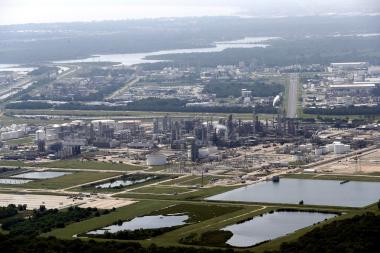
Petrochemical facilities (David J Phillip | AP)
¶ “Inspector general to review whether politics influences EPA’s science” • The EPA inspector general’s office announced that it will review the “extent and type of employee concerns, if any, with scientific integrity.” The review is significant because of the Trump administration’s focus on how the EPA and other offices conduct and use science. [CNN]
¶ “CIP starts construction on 298 MW of US solar projects” • Danish fund manager Copenhagen Infrastructure Partners has announced construction has begun on its two US solar farm projects which will have a total capacity of almost 300 MW. These are to be located in Texas and Utah. Both are expected to be operational in 2019. [Energy Digital]
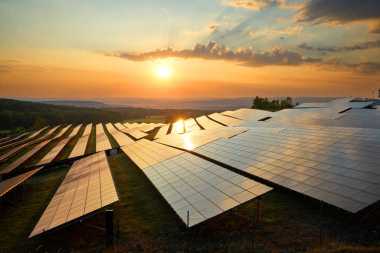
Solar system (Getty Image)
¶ “Lawmakers approve bill that makes PG&E, ratepayers share wildfire costs” • PG&E will be allowed to have ratepayers shoulder some of the multibillion-dollar cost of last year’s wildfires under a bill approved by both houses of California’s Legislature. But PG&E must open its books for an examination by regulators. [Santa Rosa Press Democrat]
¶ “$1 Billion Program Aims To Put Solar On Low Income Multifamily Housing In California” • The Solar on Multifamily Affordable Housing Program will be administered by a group of established solar and housing organizations. For ten years, the California Public Utilities Commission will provide $100 million annually. [CleanTechnica]

Rooftop solar panel systems (Via Panasonic)
¶ “Distributed solar saved ISO-NE consumers $20 Million during July heat wave, report says” • During peak hours for electricity demand, distributed solar can reduce load on the New England grid by more than 1 GW, the report found, helping to reduce system-wide costs. The analysis was done by Synapse Energy Economics. [Utility Dive]
¶ “Legislative effort to reorganize California’s electricity grid dies” • A California bill that would have created an organization to run electricity grids across the West died in the legislative session’s last hours, despite strong support from Gov Jerry Brown. Some lawmakers feared sharing control with coal-dependent states. [San Francisco Chronicle]
Have an enchantingly pleasant day.
geoharvey is free and without ads.
geoharvey is not tax-deductible.
Posted in nuclear power, renewable power, solar, wind | Leave a Comment »
Tags: nuclear, nuclear power, renewable power, solar power, wind power
August 31, 2018
Science and Technology:
¶ “Low-cost, printable solar panels offer ray of hope amid energy gridlock” • An Australian physicist is leading a push to pioneer a new type of low-cost solar energy he believes could make signing up for energy accounts as simple as taking up a mobile phone plan. They can be produced for less than A$10 ($7.20) per square meter. [The Guardian]

Installing printed solar cells (Photo: Newcastle University)
¶ “Minesto Successfully ‘Flies’ Marine Energy Kite” • Swedish developer, Minesto, has successfully “flown” its marine energy kite in full subsea trajectories at the Holyhead Deep site 8 km off the coast of Holyhead, North West Wales. The Deep Green technology generates electricity from tidal streams and ocean currents. [Renewable Energy Magazine]
World:
¶ “The Growth & Challenges Of Distributed Solar PV In China” • Solar PV installations have boomed globally since 2010, with an annual growth rate of 40%. China is leading that growth. And China’s growth is especially high for distributed solar PV systems, which now account for 27.1% of China’s total solar PV installations. [CleanTechnica]
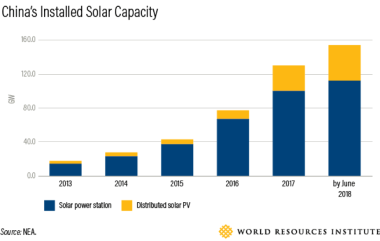
Please click on the image to enlarge it.
¶ “UK contributes to $500 million South African energy storage project” • As part of Prime Minister Theresa May’s African visit, the UK announced it will contribute $73 million (£56 million) to a $500 million South African energy storage fund. The fund will help secure renewable power in South Africa by developing battery technology. [Energy Digital]
¶ “Northern Europe and Germany have been the leaders in wind farms constructed offshore, but US and China are gaining ground” • According to report by Global Market Insights Inc, the offshore energy market will surpass $60 billion by 2024 because of a worldwide quest for more sustainable and cleaner energy sources. [OilVoice]
¶ “Mexican wave: harnessing the Pacific’s blue rollers for green energy” • Energy from the ocean breakers that pound Mexico’s Pacific Coast could soon be turned into electricity by an Israeli joint venture. Eco Wave Power says it could prove an effective way to deliver power to coastal communities in countries with little access to electricity. [Reuters]
¶ “Summer heat wave see’s solar energy output increase” • According to research from Oxford University, the European heat wave of this summer was a result of climate change. It also negatively impacted the continent’s wind-power industry. But when wind power dropped below average, solar power was above average. [Open Access Government]

Solar system
US:
¶ “Climate change is going to cost California, and the bill will be staggering” • As California lawmakers struggled this week to address an apparent new normal of epic wildfires, there was an inescapable subtext: Climate change is going to be staggeringly expensive, and virtually every Californian is going to have to pay for it. [CALmatters]
¶ “Trump administration reconsiders rule on coal’s mercury pollution” • The EPA said it was reconsidering part of an Obama-era rule on emissions of mercury from coal-fired plants, its latest move to ease coal industry regulations. Mercury is dangerous to pregnant women and can put infants and children at risk of developmental problems. [Reuters]

Exhaust from burning coal (Brian Snyder | Reuters)
¶ “California energy storage subsidy extension passes Assembly” • After the passage of a California bill to mandate 100% carbon-free electricity by 2045, another bill which may contain one of the keys to making that happen has passed the Assembly. It will support the installation of nearly 3 GW of behind-the-meter storage. [pv magazine International]
¶ “Portland tidal energy startup entering rough investment waters” • Alternative energy startup Ocean Renewable Power Co, based in Portland, Maine, has developed a sustainable technology that allows underwater turbines to generate electricity from flowing rivers and shifting tides. It is seeking $12 million in new funding. [Press Herald]

RivGen Power System under tow to an Alaskan
village (Courtesy of Ocean Renewable Power Co)
¶ “Arizona Supreme Court: Voters will decide renewable-energy rules in November” • The Arizona Supreme Court has ruled that the state’s voters will decide in November whether Arizona’s Constitution should require electric companies to get half their electricity from renewable sources such as solar PVs and windpower. [AZCentral.com]
¶ “Ohio business community backs 2.2 GW of Ohio solar” • Five prominent firms with operations in Ohio are endorsing a report advocating 2.2 GW of solar for Ohio by 2030. According to the report, reaching 2.2 GW of solar in Ohio would involve $3.6 billion in investment and boost the state’s GDP by $1 billion per year. [pv magazine USA]
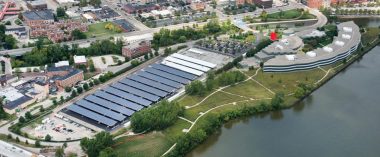
Owens Corning plant in Toledo (Businesswire image)
¶ “FES to close all coal-fired & nuclear power plants” • The currently bankrupt FirstEnergy Solutions is planning to close all of its coal-fired and nuclear power plants in the coming years. It intends to close its last coal-fired power plants in Ohio and Pennsylvania in 2021-2022, unless the federal government bails it out. [Kallanish Energy]
¶ “Ohio PUC details utility reform roadmap in PowerForward initiative” • The Public Utilities Commission of Ohio released a roadmap to their PowerForward program to help guide the state to a regulatory environment where distributed power systems in a grid can thrive, providing benefits to customers at a reasonable cost. [Utility Dive]
Have an inspiringly happy day.
geoharvey is free and without ads.
geoharvey is not tax-deductible.
Posted in nuclear power, renewable power, solar, wind | 1 Comment »
Tags: nuclear, nuclear power, renewable power, solar power, wind power
August 30, 2018
Opinion:
¶ “New ‘Affordable Clean Energy’ Plan Lands With A Thud” • The Trump administration announced its new “Affordable Clean Energy” rules for power plants last week, and while coal stakeholders may be excited, the verdict is already in from utilities: meh. Then California set a goal to be 100% free of emissions. [CleanTechnica]

Image in Trump’s dreams
¶ “Can you turn a coal plant ‘green?'” • The owners of the coal-burning Drax power plant, the largest power plant in Western Europe, plan to have it stop burning coal entirely by 2023. It is a story repeated all over the world, including the US. But this leaves a big question: what do we do with all of those old power stations? [BBC]
World:
¶ “Before coal disappears from Germany, more villages will” • The village of Keyenberg is in a German region with a long history of coal mining and the heart of the country’s post-war industrial growth. It is ancient and atmospheric, with ruins dating from the Roman era. But it will be destroyed to extend an open-pit mine. [WBFO]

Garzweiler II mine, covering 48 km², or 18.5 mi² (Wikipedia)
¶ “Europeans Have Spent €150 Billion In Extra Fuel Costs Since 2000” • A study showed that Europeans have had to pay €149.6 billion ($174.9 billion) in extra fuel costs because car makers lied on efficiency tests, promising better performance than was in reality possible. German drivers have been hardest hit, wasting €36 billion since 2000. [CleanTechnica]
¶ “Equinor plans to deploy floating offshore wind to power oil and gas fields” • Norwegian energy giant Equinor has revealed plans to build the first floating offshore wind turbine to supply green electricity to its oil fields on the Norwegian Continental Shelf. This is part of Equinor’s plans to cut emissions across its operations. [businessgreen.com]
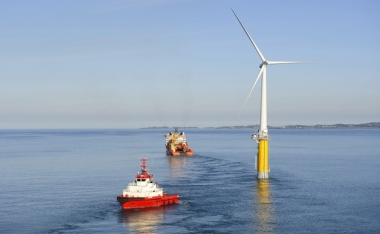
Hywind floating offshore site in Scotland
¶ “GE To Supply Turbines & Facilitate €90 Million Financing For 100 MW Ukrainian Wind Farm” • GE Energy Finance Services said this week that it will facilitate €90 million in financing and supply the wind turbines for a 100-MW wind farm in Ukraine. GE’s onshore wind business won the contract to supply 25 wind turbines [CleanTechnica]
¶ “Fukushima fisheries group opposes release of tritium-tainted water into sea” • Tepco has a system to remove most radioactive material from contaminated water at Fukushima Daiichi, but not tritium. The suggestion that releasing the polluted water into the sea after it is diluted with fresh water is being opposed by the fishing industry. [The Japan Times]
Australia:
¶ “Renewables forecast to halve wholesale energy prices over four years” • Australia’s Morrison government has identified lowering power prices as a key early priority, but analysis says wholesale prices will almost halve over the next four years because of renewables, technologies many conservatives in the government oppose. [The Guardian]
¶ “Tesla “Big Battery” Responds To “Power System Emergency” In Australia” • Lightning strikes caused power system emergency across the eastern Australian states. Lights barely flickered in South Australia, as the Hornsdale Power Reserve backed up the grid, and in Queensland, as home battery systems filled the gap there. [CleanTechnica]
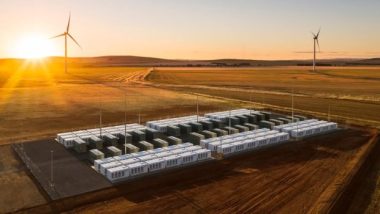
Hornsdale Power Reserve
¶ “Queensland says wind, solar key to lower power bills, creates new renewables generation company” • Queensland created a government-owned power company focused on renewables. The state energy minister said CleanCo would help reduce wholesale prices by $7/MWh, which could cut household bills by $70 per year. [RenewEconomy]
US:
¶ “Los Angeles Wants to Use the Hoover Dam as a Giant Battery. The Hurdles Could Be More Historical than Technical” • Los Angeles is looking into whether it should spend an estimated $3 billion on a massive, 20-mile underground pumped hydropower storage system that would be connected to the iconic Hoover Dam. [Government Technology]

Hoover Dam
¶ “ForeFront Power To Install 3.7 Megawatts Of Solar At 13 California School Sites” • ForeFront Power has been selected by three California school districts to install 3.7 MW of solar PV capacity across 13 locations. Over 5 million kWh of electric energy is expected to be generated each year by the solar canopy installations. [CleanTechnica]
¶ “Trump donor buys California power plant, asks feds to change energy market” • Last year, a company tied to a Trump campaign donor took possession of a bankrupt power plant in California. They filed a complaint with the Federal Energy Regulatory Commission, arguing that the state’s policies are killing existing power plants. [San Francisco Chronicle]

La Paloma power plant (Photo: Gary Kazanjian)
¶ “Oklahoma coal plant’s future bleak amid cheaper power” • An independent coal-fired electricity generator and about 100 employees in eastern Oklahoma face an uncertain future as the power market becomes more competitive. The 360-MW AES Shady Point plant could close as soon as January, the Oklahoman reported. [San Francisco Chronicle]
¶ “Xcel to Replace Two Colorado Coal Units with Renewables and Storage” • The Public Service Company of Colorado, an Xcel subsidiary, will retire 660 MW of coal, and replace it with more than 1,800 MW of wind and solar. The renewable energy will be backed by 275 MW of storage. Xcel’s CEO said time is running out for coal. [Greentech Media]
Have an outstandingly wonderful day.
geoharvey is free and without ads.
geoharvey is not tax-deductible.
Posted in nuclear power, renewable power, solar, wind | Leave a Comment »
Tags: nuclear, nuclear power, renewable power, solar power, wind power
August 29, 2018
Opinion:
¶ “50% Of Industrial Climate Change Emissions Tied To Fossil Fuel Companies” • The Rocky Mountain Institute released a report saying that in 2015, half of the global industrial greenhouse gas emissions came from 50 companies working in fossil-fuel industries. It says many mining companies are among the top greenhouse gas emitters. [CleanTechnica]
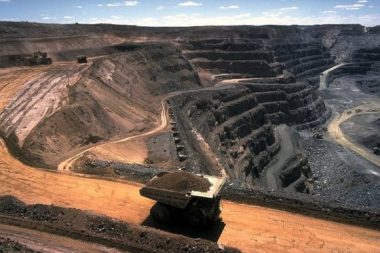
Strip mining coal
¶ “Fakenomics: Coal lights the fires under climate science” • The coal industry in the United States was the first source of funding for climate denial during the late ‘80s and ‘90s. The industry knew that its survival depended on undermining climate change science and threw its considerable influence and power into funding climate denial. [The Ecologist]
World:
¶ “EU Could Move To Scrap Import Controls On Chinese Solar By September” • Reuters reported that the European Commission proposed to dismiss a request for an “expiry review” of existing anti-dumping and anti-subsidy measures, a move which has received backing from a majority of the European Union’s 28 Member States. [CleanTechnica]

First Solar manufacturing plant
¶ “In a posh Bangkok neighborhood, residents trade energy with blockchain” • Residents in a Bangkok neighborhood are trying out a renewable energy trading platform that allows them to buy and sell electricity among themselves, signalling the growing popularity of such systems as solar panels get cheaper. The system will begin operating next month. [Reuters]
¶ “Iran opens its largest wind farm in renewable push” • Iran has put its largest wind farm into operation, marking a turning point in its bid to procure electricity from renewable sources such as wind power, solar and hydropower. The 18-turbine wind farm in northern Iran has a nominal capacity of generating 61 MWh of power annually. [PRESSTV]

Turbines at the 60-MW wind farm in northern Iran
¶ “Facebook Pledges to Power Operations With 100% Renewable Energy Within Two Years” • Facebook announced that it has set a target of powering its global operations with 100% renewable energy by the end of 2020. In addition, it announced that it is committing to reducing its greenhouse gas emissions by 75% in the same timeframe. [Fortune]
¶ “European market for renewable energy continues to grow, with wind power surging ahead” • New data from the Association of Issuing Bodies comparing year-to-date supply and demand of Guarantees of Origin for 2018 and 2017 show that renewable energy supply has increased by 45 TWh, while demand is up by 34 TWh. [Renewable Energy Magazine]

US National Wind Technology Center (Dennis Schroeder, NREL)
¶ “‘NEG is dead’: States go it alone on energy policy” • Australia’s National Energy Guarantee seems to be gone with former prime minister Malcolm Turnbull. State Labor governments now vow to go it alone on their own ambitious renewable energy schemes after the Coalition government left a “vacuum” in national energy policy. [The Australian Financial Review]
US:
¶ “Spokane, Washington, aims to be free of fossil fuels by 2030” • The city council of Spokane, Washington, adopted an ordinance that would make it the second city in the state to set the goal of being powered entirely with renewable energy by 2030. Spokane’s Sustainability Action Plan will include a specific climate action roadmap. [The Architect’s Newspaper]

Forest in Oregon (Jason Leem | Unsplash)
¶ “US Renewable Energy Sources Surpass Nuclear In First Half Of 2018” • According to the Energy Information Administration’s latest “Electric Power Monthly” report, renewable energy sources accounted for 19.867% of the country’s electrical generation during the first half of the year, while nuclear power accounted for 19.863%. [CleanTechnica]
¶ “Falling Renewables Prices Present ‘Unprecedented Opportunity’ For Western Co-ops” • The declines in prices for renewable energy are creating opportunities for the electric cooperatives in the Mountain West region to deliver cost-savings to their members, according to a new study from the nonprofit Rocky Mountain Institute. [North American Windpower]

Colorado countryside
¶ “After Settlement with Walmart, Duke Energy to Change its Clean Energy Program” • Duke Energy Corp. has agreed to change part of its Green Source Advantage clean-energy program in a settlement with Walmart Stores Inc. Walmart took a stand against the program, saying it was too expensive and would not add renewable energy. [Energy Manager Today]
¶ “California bill requiring 100% renewable power heads to Brown’s desk” • California took a giant leap toward its climate change goals with lawmakers voting to approve a bill that would require the state to get 100% of its electricity from carbon-free energy sources like solar, wind, and geothermal by 2045. The bill has gone to the governor. [The Desert Sun]

Geothermal power plant in California (Photo: US DOE)
¶ “NYS renewable energy advocates want an easier to understand solar valuation policy” • Some solar developers estimate that over $800 million worth of community solar projects have been cancelled in New York state since the Value of Distributed Energy Resources Policy was implemented in 2017. Advocates called for the governor to review net metering. [WBFO]
¶ “Radioactive waste stranded as US shifts from nuclear energy” • The US appears to be witnessing the slow death of nuclear power. Nuclear plants are aging out and retiring, as cheaper, simpler, and less controversial sources are taking over the market. But the lack of a long-term repository leaves communities as de facto waste storage sites. [Chemical & Engineering News]
Have a wildly successful day.
geoharvey is free and without ads.
geoharvey is not tax-deductible.
Posted in nuclear power, renewable power, solar, wind | Leave a Comment »
Tags: nuclear, nuclear power, renewable power, solar power, wind power
August 28, 2018
World:
¶ “BNEF 2018 Report: Renewables Surge, China Dominates, Coal Loses, EVs Soar” • The Bloomberg New Energy Finance 2018 report peers into the future to predict how world energy markets will change between now and 2050. There is much good news. It says falling prices for renewables will propel them to a 50% market share by 2050. [CleanTechnica]
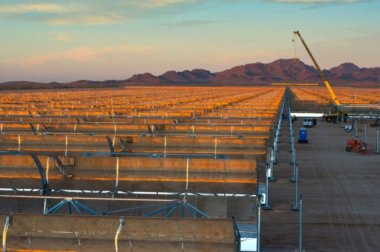
Solar energy
¶ “Fast-Growing User Base Suggests Evolutionary Growth Spurt in the Making for Developing-World Solar Mini-Grids” • Private utilities in Africa, Asia, and Latin America are developing over 550 “green” mini-grids, over $550 million worth, according to the developer of a software platform that connects developers and investors. [Solar Magazine]
¶ “Jaguar to make an electric version of 1960s sports car the E-Type” • Jaguar announced it will upgrade original E-Type cars to full electric. The cars will have the same weight distribution as it did before, and with other parts unchanged, the car will handle and drive much as it did with a gasoline engine. It will, however, be somewhat quicker. [BBC]

Electric E-type Jaguar
¶ “Mexico is building Latin America’s largest solar installation” • While the US government squanders time and opportunity, pursuing short-term profit by imposing disruptive tariffs and curtailing sustainability-focused goals, Mexico is powering ahead. Its goal is to generate up to 35% of its energy from renewable sources by 2024. [The Architect’s Newspaper]
¶ “European Electric Car Sales Increased 42% In H1 2018 vs H1 2017” • EV data collection and analysis firm EV Volumes have just published European plug-in vehicle sales results for the first half of 2018. Most notably, there was a 42% market growth year over year, and the number of plug-in vehicles in Europe passed one million. [CleanTechnica]

Growth in European plug-in vehicles
¶ “Batteries cut Energiewende costs, spell utility trouble – researcher” • Germany’s boom in residential solar batteries can have profound effects on the Energiewende, according to the director of technical consulting at RWTH Aachen University. They can make expensive grid extensions unnecessary but will reduce utilities’ sales. [Clean Energy Wire]
¶ “From London To New York, 19 Cities Commit To Net-Zero Carbon Buildings By 2030” • Last week, 19 mayors from around the world, including Paris, London, and New York, signed a significant commitment to cut greenhouse gasses in their cities by ensuring that all new buildings will operate at net-zero carbon by 2030. [CleanTechnica]

London
¶ “Siemens Gamesa partners up on green ammonia production” • Gamesa signed an agreement with a Danish environmental group, Energifonden Skive, to study the clean production of ammonia for energy storage. They will do research on ecologically friendly ways to use ammonia to store surplus energy generated by wind turbines. [Energy Digital]
¶ “Atlas secures long-term financing for 130-MW Mexican PV project” • Atlas Renewable Energy said it has closed long-term financing for its 129.5-MW Guajiro solar project in the state of Hidalgo. The plant is expected to come online in the second quarter of 2019, generating enough electric power for about 120,000 homes. [Renewables Now]
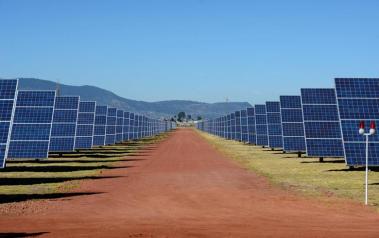
Solar park in Mexico (Presidencia de la República Mexicana)
US:
¶ “Tesla Gigafactory To Be Powered 100% By “Tesla Solar” By End Of 2019” • Elon Musk shared on Twitter that Gigafactory 1 will be powered 100% by Tesla Solar by the end of 2019. This came after claims that the emissions footprint for building an electric vehicle are higher than those for building a vehicle with an internal combustion engine. [CleanTechnica]
¶ “How to save Louisiana from drowning” • The salt marsh is also a landscape that is changing, fast. From 1932 to 2016 in Louisiana, on average, open water subsumed a chunk of wetlands the size of a football field every hour. Artificial reefs can slow or stop the loss. Reefs made of concrete are not as good for that as reefs made of oyster shells. [BBC]
Biloxi Marsh (Credit: Amanda Ruggeri)
¶ “Clean Heating & Cooling Systems – More Ways To Reduce GHG Emissions” • About 25% of our energy goes to heating and cooling. So the New York State Energy Research and Development Authority announced that the state will launch its first community campaigns designed to install clean heating and cooling systems. [CleanTechnica]
¶ “State Regulators Give OK To Xcel Energy’s $2.5 Billion Clean Power Plan” • The Colorado Public Utilities Commission gave its approval to a proposed $2.5 billion investment in solar, wind, and natural gas power in the state. The plan will add about 1,100 MW of wind power and 700 MW of solar power to Xcel’s grid by 2026. [KUNC]

Colorado solar farm (Rebecca Jacobson | Inside Energy)
¶ “Utilities Recommit to Clean Energy in the Wake of the Trump Administration’s Regulatory Rollback” • After Trump’s plan to replace the Clean Power Plan was unveiled, utilities welcomed increased regulatory roles for states, but they also affirmed their commitment to deploy clean energy and meet emissions reduction targets. [Greentech Media]
¶ “Judge rejects bid to knock renewable energy measure off Arizona ballot” • A Maricopa County Superior Court Judge rejected contentions that the Clean Energy for Healthy Arizona initiative is misleading because the proposal to require utilities generate 50% of their power from renewable source by 2030 excludes nuclear power. [Arizona Daily Star]
Have a thoroughly superior day.
geoharvey is free and without ads.
geoharvey is not tax-deductible.
Posted in nuclear power, renewable power, solar, wind | Leave a Comment »
Tags: nuclear, nuclear power, renewable power, solar power, wind power
August 27, 2018
Opinion:
¶ “100% Renewables Requires Less Land Footprint Than Reliance On Fossil Fuels In California – RealityCheck” • An opinion piece from a think tank funded by fossil fuels said taking California to 100% renewable energy would “wreck vast onshore and offshore territories with forests of wind turbines and sprawling solar projects.” It is not true. [CleanTechnica]

Wind turbines and solar panels
¶ “Connecting the Dots: A Firsthand Account of How The UKIP Surge Drove the Tories to Sabotage the Renewables Industry” • The UK’s Government has nearly killed vibrant solar PV and onshore wind industries, responding to powerful spinning from the UK Independence Party. It has links to Cambridge Analytica, Facebook, Trump, and Russia. [CleanTechnica]
Science and Technology:
¶ “The Rise Of The Electric Vehicle Conversion Shop” • Stripped down cars are increasingly being seen with new and improved powertrains and battery packs. These improvements replace clunky engines that burn things with new high-tech batteries, motors controllers, battery management systems, batteries, and laptops. [CleanTechnica]

Altered VW
¶ “Scientists Say Hotter Weather Worsens Wildfire in Western US” • The Associated Press has studied information on weather and wildfires from the last 35 years. The media group’s findings show that the years in which wildfires burned the highest number of hectares were also years with the hottest weather. Scientists agree. [Voice of America]
World:
¶ “China’s Electric Car Sales Up 64% In July – CleanTechnica Report” • The Chinese plug-in electric vehicle market is in summer-chill mode, up only 64%. This is a slowdown from the three-digit growth rates of previous months, which is explained by reduced subsidies for vehicles with full-charge driving range lower than 150 km. [CleanTechnica]

BYD Yuan PHEV
¶ “Cost of coal-fired power hits new record” • The cost of coal-fired power hit a new record in South Korea this year as supply dropped, newly released data showed. This is a cause of alarm for a country where coal is the biggest source of power generation. The average cost of power from coal is 10.5% higher than it was last year. [Yonhap News]
¶ “Radebe Releases Draft IRP, Nuclear Power Off Table for Now” • Releasing the long-awaited draft Integrated Resource Plan, South Africa’s Energy Minister announced that renewable energy will be the key focus over the next decade, instead of nuclear. The draft notes that electricity consumption is 30% less than projected in 2010. [Eyewitness News]
¶ “Shell Took 16 Years to Warn Shareholders of Climate Risks, Despite Knowing in Private All Along” • It took oil company Shell over 16 years to warn its shareholders that climate policy posed a financial risk to the company’s business model. This is despite its knowing about the relationship between its products and climate change. [Truthout]
Australia:
¶ “Australia adds 514 MW of renewables under RET in a single month” • In July, large-scale renewable power plants with a combined capacity of 514 MW were accredited under Australia’s Renewable Energy Target. These add to the over 1.2 GW of assets accredited in the first half of the year. The 1,088 MW added last year was a record. [Renewables Now]
¶ “Morrison will fight to stay in Paris climate deal” • Australia’s new Morrison government will resist any internal push to walk away from its commitment to the Paris climate change targets, despite dropping emissions reduction as a consideration of energy policy. There are considerable differences within the government. [The Australian Financial Review]
¶ “Morrison names leading anti-wind campaigner as energy minister” • Australia’s new prime minister has ended combining the energy and environment portfolios. He appointed one of the country’s most prominent anti-wind campaigners as energy minister and a former mining industry lawyer as environment minister. [RenewEconomy]
US:
¶ “Trouble in Paradise: TVA studies whether to close more coal plants” • The Tennessee Valley Authority, which has already shut down more than half of the 59 coal-fired plants it once operated, has decided to launch a new study to determine whether it also may close its Paradise and Bull Run coal plants in Kentucky and Tennessee. [Chattanooga Times Free Press]
¶ “Solar is looking ‘bright’ for the Tennessee Valley Authority” • TVA officials say renewable energy is an important part of the public utility’s long-term business plan. In particular, solar power is becoming a major part of TVA’s sustainable energy strategy. A spokesperson also added that the TVA will not be going back to burning coal. [Johnson City Press]

Solar panels (TVA photo)
¶ “The Nevada Clean Energy Fund takes shape” • In 2017, Nevada passed a law that mandated the formation of an independent, nonprofit corporation called the Nevada Clean Energy Fund. Now Nevada is one of 15 states to have a “green bank,” as they are known. Now the green bank is being developed, modelled on similar projects in other states. [KNVC ]
¶ “The battle for cheap solar power heads to the sunny South – but utilities are fighting back” • Alabama Power, the state utility company, has set a policy that to stay connected to the power grid, a customer with solar panels that can supply power to the grid would have to pay connection fees amounting to an extra $25 to $30 a month. [Salon]
Have an enjoyably productive day.
geoharvey is free and without ads.
geoharvey is not tax-deductible.
Posted in nuclear power, renewable power, solar, wind | Leave a Comment »
Tags: nuclear, nuclear power, renewable power, solar power, wind power
August 26, 2018
Opinion:
¶ “How New Jersey can finance its bold new clean energy targets” • New Jersey had a major economic and environmental victory when Gov Phil Murphy signed a law that will soon make the Garden State an even greener. The Board of Public Utilities started work to establish a community solar pilot program within one year. [Environmental Defense Fund]
Science and Technology:
¶ “Electric Vehicles Represent Near-Term Challenges and Long-Term Opportunities For Utilities” • Rapid transition to EVs will increase demand for electricity, and this will be concentrated in certain places. But the potential to tap into EV batteries as multifunctional energy storage units on wheels is getting some utilities interested. [CleanTechnica]
¶ “Our ocean currents are changing, and scientists are searching for answers” • The North Icelandic Jet is an obscure ocean current in a remote part of the world, but what happens to it as the oceans warm could affect all our lives. To investigate it, one scientist is heading into the teeth of some of the worst weather imaginable. [The Week Magazine]

Alliance docked in Ísafjörður (Ari Daniel | Courtesy PRI)
World:
¶ “South Korea Doubles Down On Gas And Renewables” • Korea Gas has launched a new strategy designed to overhaul its business, worth a total investment of $9 billion (10 trillion won). The move comes as South Korean President Moon Jae-in is acting to replace nuclear and coal-fired thermal power plants with renewables. [OilPrice.com]
¶ “Malcolm Turnbull Slams Troglodytes In His Own Party” • Malcolm Turnbull was ousted as prime minister of Australia by his own party because he supported a national energy plan with renewable energy goals. Later, he spoke of climate change policy as “very hard” because it is treated as an ideological matter with “bitterly entrenched” views. [CleanTechnica]

Tesla battery in South Australia (Credit: Tesla)
¶ “Iran, Russia resume talks to build new nuclear plant” • Iran’s Energy Minister Reza Ardakanian has said the country has restarted negotiations with Russia to build a new nuclear power plant with up to 3,000 MW of capacity. The move came after the US withdrew from a landmark Iran nuclear agreement and imposed sanctions. [The Nation]
¶ “Locals boycott thermal power projects as electricity shortages loom” • Vietnam’s Ministry of Industry and Trade warned about electricity shortages to come in five to seven years, making building more power plants a must. The biggest hindrance in developing power plants is environmental problems rather than any lack of capital. [VietNamNet Bridge]
US:
¶ “Electric utilities focus on power grid work over power plants” • Electric utilities are pouring billions of dollars into a race to prevent terrorists or enemy governments from shutting down the power grid. Russian hackers have targeted the nation’s energy grid, but so far they seem to be focused on reconnaissance rather than disruption. [Electric Light & Power]
¶ “California’s renewable energy limits hold back military base production” • The US military has extensive land and funding in California. Despite its willingness to take part in producing green energy, its potential is held back. California has maintained renewable energy limits that greatly restrict the US military in the state. [Hydrogen Fuel News]
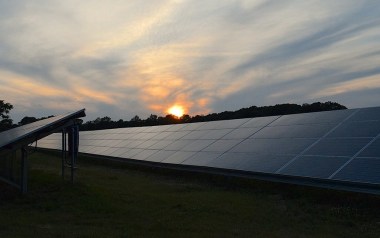
Solar farm at sunset
¶ “California embraces renewables despite resistance from White House” • Growth in California’s solar power is projected to continue, keeping the state on track to meet its goal of 50% renewable energy by 2030. Currently, renewables of a broad range of technologies account for about 27% of the state’s energy usage. [ThinkProgress]
¶ “Invenergy plans solar farm east of Brewster” • A Chicago-based renewable energy company is finalizing landowner leases to construct a 125-MW solar farm on 900 acres in western Jackson County, Minnesota. The project could be completed in 2021. Once the solar farm is operational, it will generate enough energy to power 31,000 homes. [Daily Globe]
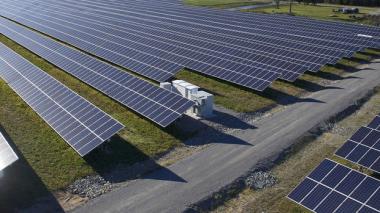
Invergy solar project (Courtesy Invenergy)
¶ “Microgrid adoption could accelerate in the US in coming years” • As microgrid technology advances, private companies, universities, and the military are increasingly looking to microgrids as a way to increase reliability. One industry expert expects the industry to grow at a compound annual growth rate of 9.7%. [S&P Global Platts]
¶ “Navajo Nation solar facility expansion expected to double power output” • A solar facility in Navajo Nation is expected to double the number of homes it can provide renewable energy to over the next year. Navajo Nation broke ground on the second phase of an expansion project that will provide a 28-MW addition to a solar facility in Arizona. [KTAR.com]

Navajo solar farm (Photo: Salt River Project)
¶ “Two of the very last Puerto Ricans got power today. Now, work to build a stronger grid must begin.” • José Saldaña’s power was finally restored, more than 11.5 months after it first went out and more than a week after the island’s power authority announced electricity had been fully restored across the island. Now, a second round of work begins. [90.5 WESA]
¶ “Where the wind comes sweepin’ down the plain” • Kansas is a top producer of wind-generated energy, a DOE study found, confirming what leaders at Westar Energy have known for years. More than 35% of the state’s electricity comes from wind, which is the second-highest ranking in the nation, according to the report. [Hays Daily News]
Have an utterly splendid day.
geoharvey is free and without ads.
geoharvey is not tax-deductible.
Posted in nuclear power, renewable power, solar, wind | Leave a Comment »
Tags: nuclear, nuclear power, renewable power, solar power, wind power
August 25, 2018
Opinion:
¶ “Why Trump’s coal reprieve is unlikely to revive the industry” • The Trump administration’s rollback of the Clean Power Plan will increase the amount of carbon dioxide in the air and cause 1,400 premature deaths every year. What it’s unlikely to do, economists say, is stop the coal industry’s precipitous economic decline. [CBS News]

Power plant in West Virginia, 1973 (Harry Schaefer, EPA)
¶ “Climate Change Impacts Are Already Here” • Nearly $1 billion in property value in Connecticut has vanished due to rising sea levels according to the non-profit First Street Foundation. The organization found that Milford was the hardest hit city or town in the state with $127 million in lost property value between 2005 and 2017. [NBC Connecticut]
¶ “Research Shows That A Low-Carbon Future Will Be A Renewable Future” • Almost all existing fossil fuel and nuclear generation assets are coming to end-of-life by 2050. Academic studies show clearly that renewables will replace them close to 100% of the time. With grid integration and diversification, even storage is not necessary. [CleanTechnica]
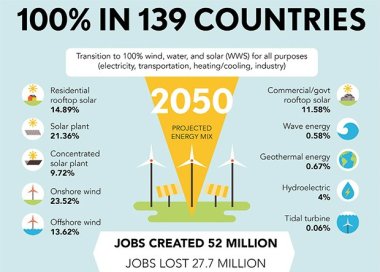
Transition graphic
Science and Technology:
¶ “India’s devastating rains match climate change forecasts” • Once-a-century rains that pounded the Indian state of Kerala and displaced 1.3 million people are in line with the projections of climate scientists, and they warn that worse is to come if global warming continues. There has been a 3-fold increase in extreme rains since 1950. [Phys.org]
World:
¶ “Climate change is melting the French Alps, say mountaineers” • The mountaineers who climb among the snowy Alpine peaks know that it is far from business as usual. Due to a warming climate, the familiar landscape is rapidly changing. Permafrost is evaporating, making rocks unstable and prone to collapse, making trails unsafe. [The Guardian]

Mount Blanc (Philippe Desmazes | AFP | Getty Images)
¶ “Sweden to reach its 2030 renewables target 12 years early!” • Bloomberg reports that Sweden about to show how fast the deployment of cost-effective renewables is progressing. By the end of this year, Sweden will have added enough capacity to reach its 2030 target of 18 TWh of new renewable energy output 12 years early. [Treehugger]
¶ “European Onshore Wind Industry To Be Driven By Policy Incentives” • New policy research has shown that policy-based incentives are expected to drive the expansion of the onshore wind sector in Northern and Western Europe over the next decade, with capacity in excess of 70 GW expected through the next ten years. [CleanTechnica]
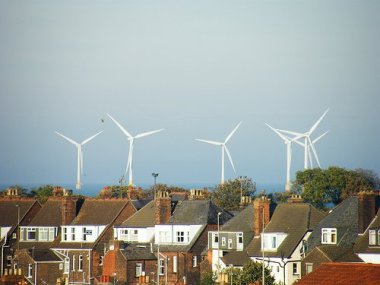
English wind turbines
¶ “Solar Energy in Mexico Benefits the Impoverished Most” • Recent reforms in Mexican law have made solar energy not only viable, but economically optimal. Mexico’s promotion of solar energy will not only benefit the Mexican economy as a whole, but it will also help the impoverished, both in Mexico and around the world. [Borgen Project]
¶ “Bosch Takes Aim At Zero-Emission Cities With Electrified eCityTruck Powertrain” • Bosch has taken the wraps off of its new eCityTruck powertrains for light commercial vehicles. It was developed to provide electrification solutions for vehicles to operate in urban environments where combustion engines are restricted or banned. [CleanTechnica]

Bosch eCityTruck vehicle
US:
¶ “Trump Power: Industry Analysts Say New Rule Will Not Fuel Coal Comeback” • The president thinks his new rules are fueling a “coal comeback.” But industry experts and even the DOE’s own analysts see little evidence that the policy changes will alter the downward course for coal as it faces stiff competition in the energy market. [Ohio Valley ReSource]
¶ “Amid relaxed coal restrictions, NIPSCO keeps plan to retire plants” • A spokesman for Northern Indiana Public Service Co, the region’s largest supplier of electricity, said the utility does not anticipate altering its plans as a result of the Trump proposal. It plans to retire half of its coal-fired plants by 2030 and improve its environmental impact. [Chicago Tribune]

Coal plant at sunrise (Armando L Sanchez | Chicago Tribune)
¶ “Exxon Seeks Wind, Solar Power Delivery in Texas” • Exxon Mobil Corp, the largest US oil company, has requested proposals for 12, 15, or 20 year contracts for solar or wind power, according to a document obtained by Bloomberg. Exxon, based in Texas, is seeking at least 100 MW and would consider proposals for more than 250 MW. [BloombergQuint]
¶ “Tesla Powerpack moves Samoa toward 100% renewable energy” • American Samoa has long been dependent on diesel power for electricity generation. Now the American Samoa Renewable Energy Committee has a goal of getting 50% of the territory’s energy from renewable energy resources by 2025 and 100% by 2040. [Red, Green, and Blue]

Samoa
¶ “California Passes Bill Requiring Diablo Canyon Plant to Be Replaced With Carbon-Free Resources” • A bill now headed to Gov Jerry Brown’s desk would fund worker retraining and ensure that the Diablo Canyon’s 2.2 GW of baseload nuclear power will be replaced by electricity from a portfolio of greenhouse-gas-free resources. [Greentech Media]
¶ “New York State Bridge Authority nears 50% renewable energy” • The New York State Bridge Authority is in the process of building a solar farm at the Kingston-Rhinecliff Bridge that will provide 26% of the electricity it uses. The authority has also switched to LED lighting, and the combination accounts for 48% of its electricity. [Mid-Hudson News]
Have a fabulously cool day.
geoharvey is free and without ads.
geoharvey is not tax-deductible.
Posted in nuclear power, renewable power, solar, wind | Leave a Comment »
Tags: nuclear, nuclear power, renewable power, solar power, wind power
August 24, 2018
Opinion:
¶ “Trump’s coal plan – neither clean nor affordable” • The Affordable Clean Energy proposal does not disappoint coal executives: It lays out what the EPA appears to view as sufficient to meet statutory obligations set out in the 2007 Supreme Court decision in Massachusetts v. EPA, which said the EPA had to regulate carbon dioxide. [The Conversation US]

Coal burner
¶ “Redirecting Trump’s Coal and Nuclear Bailout to Fund Economic Redevelopment” • State policymakers face hard choices to define a pragmatic approach to nuclear facilities, depending on how they value pollution. But there are no good reasons to believe coal will become competitive on cost or pollution anytime soon. [Greentech Media]
¶ “The US is on the verge of an offshore wind revolution” • There is no question the US is a latecomer to offshore wind. It has precisely five turbines, churning out 30 MW since late 2016. In the rest of the world offshore wind is 20 years old and now represents more than 18,800 MW. But the US is poised catch up, and quickly. [Yale Climate Connections]
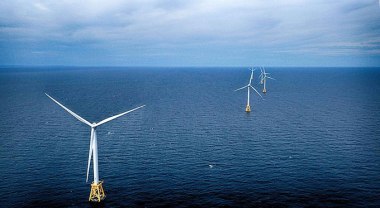
Block Island wind farm (Ionna22, Wikipedia, CC BY-SA 4.0)
¶ “Snubbing clean energy boom could cost Coalition billions” • Australian MPs turning their backs on billions of dollars worth of clean energy projects in the vain hope a new prime minister can bring coal investments back means snubbing thousands of construction jobs in their electorates to pursue obsolete coal technology. [The Australian Financial Review]
Science and Technology:
¶ “Tesla Battery Life Longer Than Anyone Expected” • Real-world experience has shown that concerns about battery life are overstated. Tesloop, a southern California intercity shuttle, put 400,000 miles on one Tesla in about three years. The original battery was replaced at 194,000 miles. The second replacement was at 324,000 miles. [CleanTechnica]

Tesloop’s Tesla
World:
¶ “Morrison vows action on power prices as conservative MPs maintain the rage” • Australia’s new Prime Minister, Scott Morrison, put lowering electricity prices at the top of the agenda of his new government, as conservative Liberal MPs vowed to continue to put the brakes on climate action and prop up coal-fired power. [The Sydney Morning Herald]
¶ “Kalashnikov’s CV-1 electric car touted as Russia’s answer to Tesla” • Russian manufacturing firm Kalashnikov has wheeled out a retro-looking electric car it says will give Elon Musk’s Tesla a run for its money. The CV-1 was presented at an event near Moscow. Kalashnikov said the care was inspired by a Soviet hatchback created in the 1970s. [BBC]

Car to give Tesla a run for its money (AFP | Getty Images)
¶ “India Plans 25-GW Solar Power Park In Jammu and Kashmir” • The government of India has once again floated the idea of setting up a large solar power project in the Ladakh region of its northernmost state of Jammu & Kashmir to take advantage of its high solar radiation. The government will issue a single tender to set up a 25-GW solar park. [CleanTechnica]
US:
¶ “Hurricane Lane, Hawaii’s Biggest Threat In Decades, Gives Glimpse Of A Warmer World” • Hawaii faces its biggest weather threat in 26 years as Hurricane Lane, its third major storm since 1959, lashes the state with rain and fierce winds. Climate change may not be the direct cause a hurricane, but it certainly adds to its intensity. [Huffpost]
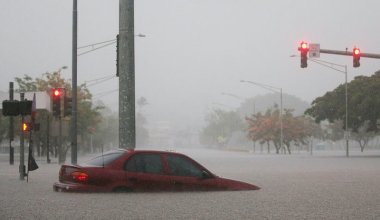
Stuck car (Mario Tama via Getty Images)
¶ “Coal miner: Trump’s ‘false promises’ will ‘only line the pockets’ of executives” • In a New York Times op-ed video, Nick Mullins, a ninth-generation Appalachian from Virginia, said that if Trump wants to help the Appalachian mining communities that support him, “lowering emission standards is not the way to do it.” [CNN]
¶ “Trump Maladministration Claims America No Longer Needs To Conserve Oil” • The US has so much oil, it doesn’t need to conserve it any more, according to a memo quietly released by the DOE in support of the EPA’s decision to cancel scheduled increases in fuel economy standards for automobiles and light trucks. [CleanTechnica]

Oil platform
¶ “Vivint Solar Introduces Solar Leasing In Florida” • A leading US residential solar provider, Vivint Solar, announced that it will begin making available solar leases to its customers in Florida. The Florida Public Service Commission issued a declaratory statement affirming that Vivint Solar’s solar leasing plans do not make it a utility. [CleanTechnica]
¶ “US wind sector riding high” • The US installed 7 GW of wind in 2017 as the average price of long-term power deals for the sector dropped to 2¢/kWh. DOE figures released this week showed 89 GW of wind farms produced 6.3% of the nationwide energy mix in 2017 with 14 states hitting 10% and four of them getting over 30%. [reNews]

Wind farm (EDP image)
¶ “Boston Takes a Big Step Toward Community Choice Aggregation” • Boston Mayor Martin J. Walsh announced that the city will issue a request for qualifications to assist with the creation of a municipal electricity aggregation program. The city is committed to making renewable energy more accessible to its residents. [North American Windpower]
¶ “Tri-State could save $600 million by boosting renewable energy use, report says” • Tri-State Generation & Transmission is an electric power co-op based in Colorado. Its members have pushed for more use of renewable energy sources, and a report says it could save more than $600 million through 2030 by doing just that. [The Denver Post]
Have a perfectly peachy day.
geoharvey is free and without ads.
geoharvey is not tax-deductible.
Posted in nuclear power, renewable power, solar, wind | Leave a Comment »
Tags: nuclear, nuclear power, renewable power, solar power, wind power
August 23, 2018
Opinion:
¶ “Are forgotten crops the future of food?” • Just four crops, wheat, maize, rice and soybean, provide two-thirds of the world’s food supply. Scientists in Malaysia are trying to change that by reviving crops that have been relegated to the sidelines. Crops For the Future researches crops that are virtually unknown outside their home regions. [BBC]

Wheat, one of our four major crops (Credit: Alamy)
¶ “Why China, and not the US, is the leader in solar power” • The solar panel was invented in the US. So why is the US not its biggest proponent? Policy. China has deliberate, conscious, industrial development policies modelled on South Korea’s. In the US, policy supports whoever had the most financial clout to buy it. [Aljazeera.com]
World:
¶ “Australia is devastated by drought, yet it won’t budge on climate change” • Australian Prime Minister Malcolm Turnbull committed A$1.8 billion ($1.3 billion) in relief funds for farmers because of drought. The very next day, he announced he was dropping a national policy to cut carbon emissions from the energy sector. [CNN]

Coal terminal in Queensland
¶ “AIIM invests in 9 renewable energy projects” • African Infrastructure Investment Managers acquired majority stakes in nine renewable energy projects that will contribute 800 MW to the South African grid. The projects will fall under a government program seeking to add 2,300 MW of clean energy over the next five years. [Africa Oil & Power]
¶ “Norway’s plan for a fleet of electric planes” • Much of the Norway’s terrain is mountainous and there are many inhabited islands, which means there are a lot of short-haul flights. Avinor runs 46 airports. Norway has promised all of its short-haul flights will be on electric aircraft by 2040. It could revolutionise the airline industry. [BBC]

Pipistrel (Credit: Alamy)
¶ “India coal project cancellations snowballing” • Back in 2010, India’s coal pipeline stood at well over 600 GW, a number to have every coal supporter in Australia drooling. Sadly for them, times have changed. Since 2010, India’s coal-fired power station pipeline saw shelved and cancelled projects totalling a staggering 573 GW. [RenewEconomy]
¶ “Leading UK Pension Funds At Risk Of Climate Change” • Global nonprofit ClientEarth has put the United Kingdom’s largest pension funds on notice over its failure to appropriately adapt to increasing climate risk. ClientEarth’s climate finance lawyers sent letters to 14 of the UK’s largest pension schemes about climate risks. [CleanTechnica]

Gathering storm clouds
¶ “Pacifico sun rises in Japan” • Pacifico Energy has started building two solar projects totalling 184 MW in Okayama and Hyogo prefectures in Japan. The 112-MW Bizen project in Wake and the 72-MW Yumesaki plant, in Himeji-city will both be built on the sites of golf courses, and both are expected to come online in 2020. [reNews]
¶ “Middle East & Africa To Install More Than 83 GW Of Solar By 2023” • New regional research by GTM Research focusing on the Middle East and Africa has forecast solar installations to increase by 170% this year and continue accelerating. The region could install more than 83 GW of new solar capacity between 2018 and 2023. [CleanTechnica]
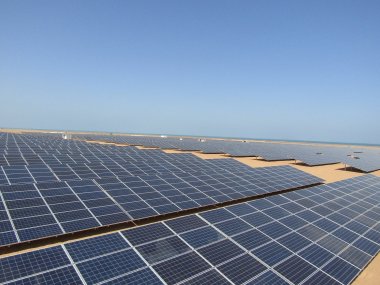
Egypt’s Red Sea solar plant
¶ “Costs soaring to safeguard nuclear plants from terrorists” • Mandatory safety steps, including those to respond to possible terrorist attacks, will cost plant operators a total of at least ¥4.41 trillion ($40 billion), this year’s estimate says. This undermines a government claim that nuclear energy will be the cheapest power source in 2030. [Asahi Shimbun]
¶ “Hydro-Quebec signs initial PPA for 200-MW wind project” • Hydro-Quebec announced it has a preliminary power purchase agreement to buy the output of the 200-MW Apuiat wind power project in Quebec. The project is the first phase of a 400-MW scheme being developed by Canadian renewables developer Boralex Inc. [Renewables Now]
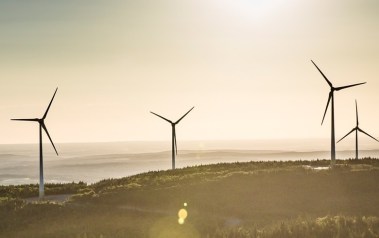
Wind farm in Canada (Boralex image)
US:
¶ “Toolkit to aid municipalities in developing solar projects” • NYSERDA, New York State’s energy authority, announced the Municipal Solar Procurement Toolkit. The Toolkit provides guidance and resources for communities seeking to develop solar projects on underutilized properties such as brownfields and landfills. [Dansville-Genesee Country Express]
¶ “Nuclear plant measure passes. Are PG&E bills now going to go up?” • A bill to ease the impacts from the pending closure of California’s last nuclear power plant received final approval by the state Legislature with an overwhelming Assembly vote. The decision likely will increase monthly utility bills for PG&E customers. [Daily Democrat]
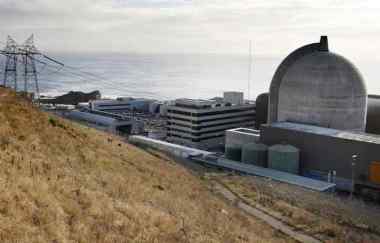
Diablo Canyon nuclear plant (Associated Press Archives)
¶ “PNM seeks to join Western states in ‘energy imbalance market’” • Public Service Company of New Mexico, the state’s largest electric utility, plans to join 12 other Western state utilities in what is known as an “energy imbalance market.” The market would allow members to buy and sell power more efficiently. [Santa Fe New Mexican]
¶ “Arcadia Power Closes $25 Million Investment Round and Commits To 120 MW Of Community Solar” • Arcadia Power announced that it closed a $25 million funding round and a 120 MW of community solar projects. Connecting customers with renewable sources, the company says it has had 500% member growth in the last 12 months. [CleanTechnica]
Have a magically perfect day.
geoharvey is free and without ads.
geoharvey is not tax-deductible.
Posted in nuclear power, renewable power, solar, wind | Leave a Comment »
Tags: nuclear, nuclear power, renewable power, solar power, wind power
August 22, 2018
Opinion:
¶ “The Victims of Climate Change Are Already Here” • Climate change is not a future problem. Climate change is a current problem. Despite this, the US has pulled back from a number of already-insufficient commitments to reversing emissions. NGOs and states have stepped forward but they still have a long way to go. [The Atlantic]

Workers and crops (Gosia Wozniacka | AP)
¶ “If Trump and GOP don’t understand climate change, they don’t deserve public office” • Trump’s proposed new EPA rules are not just vindictive, they are dangerous. The administration wants to allow coal-burning power plants to emit more deadly carbon and to give states greater leeway to allow big-money companies to pollute. [CNN]
Science and Technology:
¶ “Arctic’s strongest sea ice breaks up for first time on record” • The oldest and thickest sea ice in the Arctic has started to break up, opening waters north of Greenland that are normally frozen, even in summer. This phenomenon, which has never been recorded before, has occurred twice this year due to warm winds during heat waves. [The Guardian]
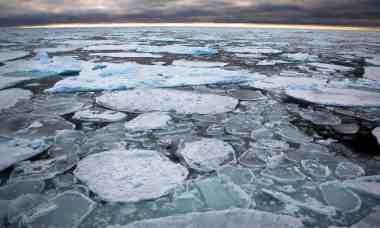
Thinning ocean ice (Photo: Nick Cobbing | Greenpeace)
World:
¶ “TenTree Clothing Company Plants 10 Trees For Every Item It Sells” • The idea that a company could change the world just by selling clothing is a bit mind-bending. The fact that it is working to plant more than 1 billion trees by 2030 is impressive and humbling. To date, TenTree Clothing Company has planted over 21 million trees. [CleanTechnica]
¶ “CWP unveils plan for 800 MW of solar-plus-storage in New South Wales” • Australian developer CWP Renewables has unveiled plans for the Parkesbourne project, deploying a total of 800 MW of capacity in New South Wales. The project would have 600 MW of solar PV capacity and 200 MW of battery storage. [Renewables Now]
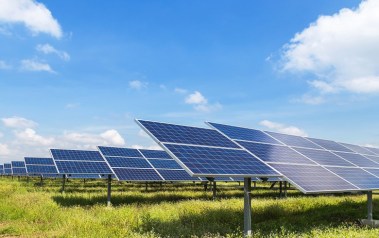
Solar panels (NSW Department of Planning and Environment)
¶ “Mercury Energy uses Tesla to power homes, businesses” • Mercury Energy launched New Zealand’s first grid-scale battery storage facility in Auckland. Using Tesla’s Powerpack battery, the direct grid-connected storage system is part of a project that will test direct integration of battery storage with New Zealand’s electricity grid. [New Zealand Herald]
¶ “Sydney Airport turns to wind energy for 75% of supply” • Sydney Airport has decided to turn to wind energy to reduce its electricity costs and lower emissions. It has signed a contract with Origin Energy that will result in three-quarters of its electricity supply coming from the Crudine Ridge wind farm in central west New South Wales. [RenewEconomy]
¶ “Japanese firms in talks over alliance on nuclear power: sources” • Two major utilities and a pair of power plant manufacturers are considering a four-way alliance on nuclear power operations, according to sources. Companies in the nuclear energy industry are grappling with rising costs related to decommissioning and safety. [The Japan Times]
US:
¶ “Trump Moves To Let States Regulate Coal Plant Emissions” • The Trump administration has moved to formally replace the Clean Power Plan, an environmental regulation that former President Barack Obama once lauded as the most important step America has ever taken to fight climate change, with a plan of its own. [MTPR]
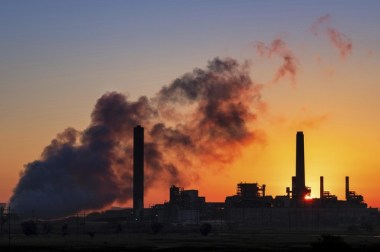
Coal-fired power plant in Wyoming (J David Ake | AP)
¶ “While Trump Touts Coal Revival, EPA Analysis Shows Mining Decline” • “It is really happening – we are back,” Trump told the cheering crowd, many of whom were sporting hard hats and carrying “Trump Digs Coal” signs. “The coal industry is back.” But the EPA projects that the amount of coal produced in the US will decrease. [West Virginia Public Broadcasting]
¶ “New Trump rule to aid coal-power plants unlikely to slow Northwest push for cleaner electricity” • The plan released by the EPA to scale back federal restrictions on coal-plant emissions is unlikely to have any significant impact in the Pacific Northwest and California, where a transition away from coal is well underway. [Seattle Times]

Colstrip coal-fired plant (Mike Siegel | The Seattle Times)
¶ “Trump’s Plan To Prop Up Coal Could Lead To More Deaths, Cost Billions” • EPA models estimate that under the Trump plan, 300 to 1,500 more people would die prematurely each year by 2030. And when health costs from air pollution are factored in, the new plan would cost the country $1.4 billion to $3.9 billion annually. [OPB News]
¶ “Trump EPA plan would prolong power plants, but Wisconsin utilities are moving away from coal” • Aging coal-fired power plants could get a new lease on life under an industry-friendly proposal by the Trump administration that would replace the Clean Power Plan. But Wisconsin’s two largest utilities still plan to burn less coal. [Milwaukee Journal Sentinel]

Coal-fired plant in New Hampshire (Photo: Jim Cole | AP)
¶ “In Massachusetts, solar developers linger amid financial uncertainty” • In Massachusetts, solar developers and their potential customers are waiting to learn whether the final details of the new Solar Massachusetts Renewable Target Program will help advance the role of renewables in the state or put a damper on growth. [Energy News Network]
¶ “CleanChoice Energy launches community solar in Maryland” • CleanChoice Energy, a renewable energy company that provides wind and solar energy products to customers across the country, launched the CleanChoice Energy Community Solar project in Maryland with 21.4 MW of proposed community solar capacity available. [Your Renewable News]
Have a memorably beautiful day.
geoharvey is free and without ads.
geoharvey is not tax-deductible.
Posted in nuclear power, renewable power, solar, wind | Leave a Comment »
Tags: nuclear, nuclear power, renewable power, solar power, wind power
August 21, 2018
Opinion:
¶ “Sea-Level Rise Is A Major Urban Economic Risk” • When we think of sea-level rise due to global warming, we tend to think of beaches eroding or perhaps tiny Pacific nations like the Maldives slowly disappearing. The reality, however, is that it will not be countries or country sides bearing the economic brunt of sea-level rise. It will be cities. [CleanTechnica]
¶ “Why not wreck the planet? It could save your political skin” • There is a certain mindset in politics that distrusts expertise. That mindset is presently revealing itself in Australia, where this week a small group of conservative-minded members of parliament held the prime minister, Malcolm Turnbull, hostage over climate policy. [CNN]
Science and Technology:
¶ “Duke University Students Set World Record For Hydrogen Fuel Cell Fuel Economy – 14,573 Miles Per Gallon” • Guiness World Records confirmed that Duke University students set a new world fuel economy record for hydrogen fuel cell vehicles. In an experimental vehicle, the students got a stunning 14,573 miles per gallon. [CleanTechnica]

Students and their experimental vehicle
¶ “Study: Climate change possible cause of bird species decline” • Climate change could be to blame for the collapse of bird populations in the desert along the Nevada-California border, Berkeley scientists said. The number of bird species has fallen by an average of 43% over the past century at survey sites over a wide area. [Yahoo News]
World:
¶ “Drax makes fourth bio switch” • Drax Power switched on its fourth biomass generating unit. The conversion of the Yorkshire facility Britain from coal to biomass was completed in just over two months. Drax previously upgraded three of its coal units to use biomass. It said it was on course to be off coal before the government’s 2025 deadline. [reNews]

Drax power station (Drax image)
¶ “Scots tidal hits milestone” • Scotrenewables, an Orkney tidal outfit, has notched 3 GWh of generation from its 2-MW floating turbine in the past 12 months. The Kirkwall company said the SR2000 tidal device installed at the European Marine Energy Centre’s Fall of Warness site has at times supplied 25% of Orkney power demand. [reNews]
¶ “DOC on Borkum 2.2 cable role” • Deutsche Offshore Consult is to start supervising the inner array cable installation works at Trianel’s 200-MW Borkum West 2.2 offshore wind farm in the German North Sea. DOC’s task will begin with cable loading and the necessary preparatory work for the cable pull-ins at the substation. [reNews]

Monopile installation (Image: Trianel | TWB II)
¶ “New microgrid program for Latrobe Valley boosts renewable energy development” • The Victorian government will fund a $3-million grant program to help grow the new energy technology sector in the Latrobe Valley. Minister for energy Lily D’ambrosia announced the Latrobe Valley microgrid grant program on August 21. [PACE Today]
¶ “Most British people want to install their own solar panels, survey reveals” • The majority of the British public would like to install solar panels and home energy storage schemes if greater government assistance was available, a new survey has revealed. In total 62% said they would like to fit solar panels and 60% would install an energy storage device. [The Independent]

Small solar project (Image: Rex)
US:
¶ “Acting EPA head signs Trump admin proposal that would release more CO2 into the air, WSJ reports” • The EPA will allow states to set their own emission standards for coal-fueled power plants, the Wall Street Journal reported Monday. Critics say the decision will result in much more carbon dioxide being released into the atmosphere. [KSHB]
¶ “Near-Zero-Emissions Heavy Duty Trucks Now Hauling Freight At Southern California Ports” • The South Coast Air Quality Management District, which includes the ports of Long Beach and Los Angeles, has a goal of zero emissions by 2035. Since its beginning, the CAAP has reduced particulate emissions by 85%. [CleanTechnica]

Near zero emissions drayage truck.
¶ “Ocean City’s solar plant will power the resort and beyond” • Ocean City, Maryland, has partnered with Constellation Energy, an Exelon company, to build a 10-MW solar energy project that will include more than 30,000 PV panels on 113 acres of land. The project is part of a commitment by the city to achieve green goals. [Delmarva Daily Times]
¶ “DTE Energy partners with Wisconsin dairy farm to create renewable natural gas” • DTE Energy recently launched a project with a Wisconsin dairy farm to create renewable natural gas from dairy cow waste. The initiative, a joint effort with Pagel’s Ponderosa Dairy, will create fuel to power compressed natural gas vehicles. [Daily Energy Insider]

Cows (Image: ©Shutterstock)
¶ “World-Renowned Scientists: California Must Operate on 100 Percent Clean Electricity” • In a summer of record-setting heat and wildfires worsened by climate change, 37 scientists signed a letter published in the Sacramento Bee, calling on California state legislators to pass the “100 Percent Clean Energy Act of 2018.” [Union of Concerned Scientists]
¶ “Jacksonville Utility wants out of Plant Vogtle purchase agreement” • One of the utilities that had agreed to buy power from the new nuclear reactors at Vogtle says it wants out. In a letter to a plant owner, Jacksonville Electric Authority wrote that a decision to continue the new reactors “cannot be justified on any rational basis.” [WSAV-TV]
Have a surprisingly pleasant day.
geoharvey is free and without ads.
geoharvey is not tax-deductible.
Posted in nuclear power, renewable power, solar, wind | Leave a Comment »
Tags: nuclear, nuclear power, renewable power, solar power, wind power
August 20, 2018
Opinion:
¶ “Turnbull just showed what happens when ‘ideology and idiocy take charge of energy policy'” • Some parts of the government do not believe in climate change. Their ideological ties to the coal-based power systems built 40 to 50 years ago has scuttled every attempt to develop credible climate change energy policy over the past 10 years. [The Guardian]

Prime Minister Malcolm Turnbull at a Snowy Hydro
power station in 2017 (Photo: Alex Ellinghausen | AA)
¶ “The Liberal party is self-destructing over energy. Here’s what you need to know” • The Turnbull government has flipped and flopped its position on the national energy guarantee with a remarkable tempo, even by the lowly standards of current Australian parliament. So how on earth did we get here? We’ve compiled this handy explainer. [The Guardian]
Science and Technology:
¶ “Tesla Model 3 Is The Most Efficient Electric Car On Highways” • New aggregated data from A Better Route Planner show that Tesla Model 3 efficiency is the highest of any production car at highway speeds. This outstanding efficiency, which is combined with great supercharging speeds, makes the Model 3 the best road tripping EV in production. [CleanTechnica]
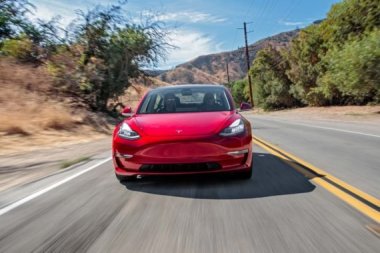
Tesla Model 3
World:
¶ “What to look out for in SA’s new energy plan” • The South African Ministry of Energy is to release an updated electricity plan this month. Analysts hope it will launch the country’s power sector into a modern sustainable, clean power future, and that outdated and financially unfeasible facets of previous plans will be laid to rest. [The South African]
¶ “CEA working on optimised power system cost for 2030” • India’s Central Electricity Authority has undertaken a study to ascertain the cheapest power mix in 2030, its Chairman Pankaj Batra said. According to estimates by the Ministry of Power, the share of renewable energy in India’s electricity mix is set to increase to around 55% by 2030. [News Nation]

Transmission lines (News Nation File Photo)
¶ “Swiss startup ‘storing’ renewable energy in concrete towers” • Borrowing from pumped hydro energy storage principles, a Swiss startup is building energy storage systems using cranes and blocks of concrete instead of water and dams. The towers require much more space than lithium batteries unit of energy, but they last longer and use no chemicals. [OODA Loop]
¶ “ALPS system at Fukushima No 1 plant failing to remove more than tritium from toxic cooling water” • The tritium-tainted water piling up at the crippled Fukushima Daiichi nuclear power plant has been found to contain more radioactive substances than just tritium, defying the defunct plant’s special treatment system, Kyodo News has learned. [The Japan Times]
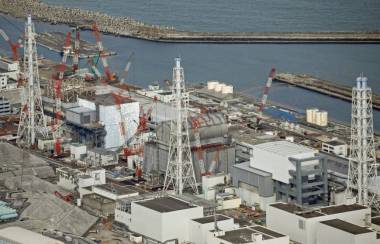
Fukushima Daiichi nuclear plant (KYODO)
Australia:
¶ “Turnbull dumps emissions from NEG in final act of capitulation” • The Turnbull Coalition government has effectively dumped the emissions component from the proposed National Energy Guarantee, in what could be prime minister Malcolm Turnbull’s final act of capitulation to the far right forces within the government parties. [RenewEconomy]
¶ “NEG is dead without emissions target, says ACT” • The Australian Capital Territory slammed the Turnbull government’s “complete capitulation” on the NEG’s emissions reduction pillar, saying it has killed off any hope the much maligned policy will do anything to address climate change – and any chance it might win the approval of the states. [RenewEconomy]

Yallourn W Power Station (Marcus Wong, Wikimedia Commons)
¶ “NSW Premier Gladys Berejiklian announces Climate Change Fund money to reduce energy costs” • Premier Gladys Berejiklian announced that $35 million would be given to about 250 manufacturing businesses to install energy efficient equipment and meters to track energy use. And $24.5 million will go to low-income renters for home efficiency. [ABC News]
¶ “Game changer for solar in Victoria” • The government of Victoria announced a $1.24 billion funding package to install solar on 650,000 Victorian homes over the next decade, adding about 2,000 MW of solar power. Environment Victoria, a leading charity, called the deal a game-changer and a breath of fresh air in the energy debate. [EcoGeneration]
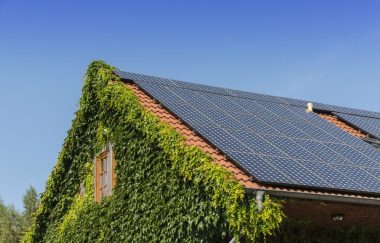
Rooftop solar (Image: Shutterstock cc: OFC Pictures)
US:
¶ “Murray Energy Bankrolls Opposition To Lake Erie Icebreaker Wind Farm – #CleanTechnica Investigation” • We learned that Murray Energy, the largest privately owned US coal company, has bankrolled opposition to the 20.7-MW Icebreaker Wind project on Lake Erie. It may not be illegal, but it has been described by some involved as deceptive. [CleanTechnica]
¶ “Mine cleanup funds at risk as coal power suppliers lose customers” • The defection of local electric cooperatives from a Colorado power wholesaler could imperil cleanup funds for coal mines, a complaint to federal regulators says. The funds, which are guaranteed by Tri-State Generation and Transmission, have no outside backing. [Energy News Network]
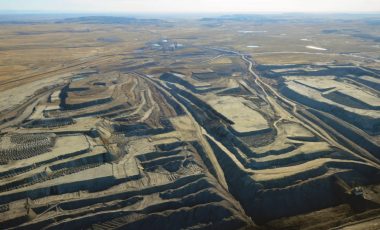
Part of a strip mine (Mark Olalde, Energy News Network)
¶ “Apple Agrees to Develop New Wind and Solar Energy Farms” • Apple, Akamai, Etsy, and Swiss Re announced an agreement to develop two new wind and solar energy farms in Illinois and Virginia. Spearheaded by Apple, the new projects will generate 290 MW and feed it into the PJM electric grid serving much of the Eastern US. [Chasing Markets]
¶ “GPA to sign contracts for 120 MW of solar power” • Guam Power Authority said its customers will save millions of dollars a year in fuel charges, as it gets ready to sign 25-year contracts with two companies to provide 120 MW of solar energy. The power agency is required to produce at least 25% of its power using renewable energy by 2035. [Pacific Daily News]
Have a gloriously happy day.
geoharvey is free and without ads.
geoharvey is not tax-deductible.
Posted in nuclear power, renewable power, solar, wind | Leave a Comment »
Tags: nuclear, nuclear power, renewable power, solar power, wind power
August 19, 2018
Opinion:
¶ “It’s the end of the Earth as we know it. Read all about it!” • It is hard to get ordinary people engaged, so hats off to the crack team of Earth scientists, led by climate change professor Will Steffen, whose peer-reviewed report on how emissions are driving the Earth into an irreversible hothouse state has been downloaded more than 270,000 times to date. [The Guardian]

Melting Arctic ice (MB Photography | Getty Images)
¶ “Trump’s Power Plant Proposal May Increase US Carbon Pollution” • Donald Trump is poised to replace former President Barack Obama’s plan to cut power plant emissions with one that could actually increase them. The move is one of a series of actions that represent significant retreats from the fight against climate change. [Bloomberg]
¶ “How hydrogen could shake up Canada’s energy sector” • The use of hydrogen is still in its infancy, but it is growing in Canada. It is the most abundant element in the universe and could change the country’s transportation, electricity, and energy sectors. The interest in hydrogen vehicles is largely because they are regarded as emission-free. [CBC.ca]
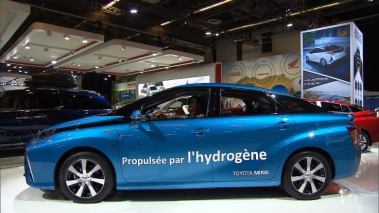
Hydrogen powered Toyota
Science and Technology:
¶ “Abrupt Thaw of Permafrost Beneath Lakes Could Significantly Affect Climate Change Models” • Methane released by thawing permafrost from some Arctic lakes could significantly accelerate climate change, a 12-year study led by the University of Alaska Fairbanks showed. The study was published in the journal Nature Communications. [Astrobiology Magazine]
World:
¶ “Tilos, Greece | Renewable Resort: Greek Island To Run On Wind, Solar Power” • When the blades start turning on its 800-kW wind turbine, the small Greek island of Tilos will become the first in the Mediterranean to run exclusively on wind and solar power. Though the winter population is 400, as many as 3,000 people visit in the summer. [STL.News]
¶ “With Brexit looming, energy sector builds new links to Europe” • The UK’s energy system is set to become much more dependent on the EU, despite Brexit. Today there are four cables linking the UK with other countries, providing around 6% of the UK’s power. But with eleven new connections, 20% of the electric power could be imported. [The Guardian]
¶ “Solar boom ‘bringing hundreds of jobs’ to Queensland’s Darling Downs” • A renewable energy boom across Queensland’s Darling Downs is bringing the region’s economy back to life after a downturn caused by coal seam gas development slowing earlier than expected. One council alone approved one wind farm and eleven solar projects worth $6 billion. [ABC News]
Queensland solar farm
US:
¶ “Ryan Zinke concedes that climate change is a factor in raging wildfires” • Interior Secretary Ryan Zinke recently said things that landed him squarely in a debate over how forests are managed. In one interview, he blamed “environmental terrorist groups” for the California wildfires. He later admitted a connection between the fires and climate change. [The Seattle Times]
¶ “The US Military Now Has The Money It Needs to Prepare For Climate Change” • President Trump signed into law the John S McCain National Defense Authorization Act for Fiscal Year 2019. The $716 billion military spending bill funds the military’s operations. Included in it are funds to help the military prepare for climate change. [ScienceAlert]

Waiting out a dust storm (Wikimedia Commons)
¶ “Solar power farm a first for Northeast Tennessee” • Officials with BrightRidge, the Tennessee Valley Authority, and Silicon Ranch Corp, an energy company based in Nashville, broke ground on what they say is the first solar power plant in Northeast Tennessee. The 5-MW plant is set to be operational by the end of this year. [Johnson City Press]
¶ “News study warns fracking is destroying US water supply” • A study from Duke University puts into perspective the affects fracking has on the US water supply. The researchers, who published the peer-reviewed findings in Science Advances, used years of data to draw the conclusion that fracking is destroying the country’s water. [NationofChange]

Pump jack (Image Credit: Clean Water Action)
¶ “Trump to unveil plan for coal-fired power plants” • President Trump plans to unveil a proposal this week that would empower states to establish emission standards for coal-fired power plants rather than speeding their retirement. The proposal is part of a major overhaul of former President Obama’s signature climate policy. [Northwest Arkansas Democrat-Gazette]
¶ “Board meeting for state-owned utility Santee Cooper cancelled, bonds downgraded” • South Carolina’s state-owned utility opted to postpone this month’s meeting without rescheduling, just as Moody’s downgraded its bonds. The state leaders continue to grapple with the fallout from a multibillion-dollar nuclear construction debacle. [ABC News 4]
Have an unprecedentedly easy day.
geoharvey is free and without ads.
geoharvey is not tax-deductible.
Posted in nuclear power, renewable power, solar, wind | Leave a Comment »
Tags: nuclear, nuclear power, renewable power, solar power, wind power
August 18, 2018
Opinion:
¶ “When Fossil Fuel Money Talks, the DNC Listens” • Lately, the Democratic Party leadership faced a difficult decision relating to global climate change and money-in-politics. Unfortunately, it decided to pass a resolution expressing gratitude for donations from workers in the energy industry and their “employers’ political action committees.” [Sierra Magazine]

Donkey money
World:
¶ “Saudi Arabia & Iran Rekindle Oil Pricing War” • The rivalry between Saudi Arabia and Iran is increasingly evident in the oil pricing policies of the two large producers. Both countries are reigniting the market share and pricing war ahead of the returning US sanctions on Iranian oil. Iran is cutting prices, and Saudi Arabia is boosting production. [CleanTechnica]
¶ “China Files Complaint With WTO Over US Solar Tariffs” • China has filed a complaint with the World Trade Organization regarding the US import tariffs on solar PV products, which it believes violate WTO regulations. Since a 30% tariff on imported solar cells and modules was announced in January, the global solar industry has been in flux [CleanTechnica]

Solar manufacturing
¶ “Tesla Sues Ontario” • The new Ontario government has kneecapped a popular electric vehicle incentive program, and Tesla is now taking it to court. The complaint is not that policy changed. It is that the government worked out a special deal for people who had bought or ordered their cars before the policy change but excluded Tesla buyers. [CleanTechnica]
¶ “Berlin ‘could hit’ 2020 targets” • Berlin could meet 2020 climate targets by shutting down one third of Germany’s coal-fired power plants and offering an extra 9 GW of capacity for wind and solar projects, according to Greenpeace research. A study lists 14 older power stations with a combined capacity of 6.1 GW that would need to be shut down. [reNews]

Pollution (SXC image)
¶ “Indonesian court rejects bid to stop coal power plant expansion” • An Indonesian court rejected a legal challenge from local residents trying to halt expansion of a coal power plant on the holiday island of Bali, according to Greenpeace. Residents near the Celukan Bawang power plant had tried to stop the planned expansion due to pollution fears. [Reuters]
¶ “Key takeaways from the latest UK energy statistics release – including record renewable electricity use” • Coal is declining, more energy is being imported and renewable electricity has hit record figures. These are just some of the key takeaways of the latest data from the UK government’s Department for Business, Energy and Industrial Strategy. [Compelo]
Power transmission lines
¶ “European Commission approves Danish renewables support measures” • The European Commission approved three Danish schemes to support wind and solar power production under EU State Aid rules. Denmark aims to supply 50% of its energy consumption from renewable sources by 2030 and become free of fossil fuels by 2050. [S&P Global Platts]
¶ “CWP gets nod to create 470-MW renewables hub in New South Wales” • CWP Renewables announced that it has secured planning approval to add around 200 MW of solar and storage power capacity to its 270-MW Sapphire wind project in New South Wales. The Sapphire Renewable Energy Hub will be the largest one of its kind globally. [Renewables Now]

Wind and solar together (Photo: Gerry Machen)
¶ “Milestone: World’s First AP1000 Nuclear Reactor Reaches Full Power” • The world’s first AP1000 nuclear reactor – Sanmen 1 in China’s Zhejiang province – commenced 100% power operation for the first time, China National Nuclear Corp said. China now has a total of 38 nuclear plants with a total installed capacity of 36.9 GW. [EnerCom Inc]
US:
¶ “Wind energy potential dwarfs today’s electricity use, report says” • Winds blowing off the Atlantic coast could provide four times more electricity each year than the region currently uses, according to a report from Environment New Jersey Research & Policy Center. Just two wind leases off the New Jersey coast could power 1.5 million homes. [Press of Atlantic City]

Block Island wind farm (provided)
¶ “Billion-Dollar Hydropower Plant Gets An “Invisible” Makeover” • Where can you drop a massive new 300-MW hydropower plant without anybody noticing? Finding new sites for hydropower has difficult technical, environmental, and political challenges. But we might take a look at Duke Energy’s latest hydropower project in South Carolina. [CleanTechnica]
¶ “Michigan coal plant closures helping push small utility to clean energy” • Plans by Michigan’s two major utilities to close coal plants within the next 15 years are having a ripple effect on smaller companies that purchase power from them. Traverse City Light and Power is a case in point, as it has taken on the job of finding renewable resources. [Energy News Network]

Belle River Power Plant (Photo: Tom, Creative Commons)
¶ “Redundancy Failed at Reagan International Airport, Causing 90-minute Outage” • A 90-minute power outage at Reagan International Airport happened after redundancy built into the power system failed, a Dominion Energy spokesman said. Two utility feeds both failed. Dominion is investigating exactly what went wrong. [Microgrid Knowledge]
¶ “State Has 75,000 Clean Energy Jobs” • A report on clean energy say 2.5 percent of Wisconsin’s workforce has jobs that involve renewable energy or efficiency. The bulk of those jobs are in construction or manufacturing and are concentrated in Dane, Milwaukee, and Waukesha counties, but they are found in all of the state’s 72 counties. [urbanmilwaukee]
Have an engagingly delightful day.
geoharvey is free and without ads.
geoharvey is not tax-deductible.
Posted in nuclear power, renewable power, solar, wind | Leave a Comment »
Tags: nuclear, nuclear power, renewable power, solar power, wind power
August 17, 2018
World:
¶ “EU backs Norway and Germany power link” • A power grid link between Norway and Germany is being backed by the European Investment Bank. It signed a €100-million financing agreement with TenneT, one of Europe’s major electricity transmission system operators. The the 624-km, 1.4-GW interconnector will go under the North Sea. [Energy Reporters]
Sysen Dam in Norway
¶ “Wind power generation greatly increases in Azerbaijan” • Wind farms in Azerbaijan produced 14.1 million kWh of electricity in January to July 2018, which is 63.9% more than they did in the same period of last year. Also, solar power plants generated 23.4 million kWh hours of electricity, according to the State Statistics Committee, Trend reported. [AzerNews]
¶ “Solar irrigation leads move to low-carbon energy sourcing” • A World Bank report estimated in 2015 that there were 1.34 million diesel-fired irrigation pumps in Bangladesh. The government plans to replace at least 10,000 diesel-fired pumps with solar-powered ones by 2020 to reduce the use of fossil fuel to check against carbon emissions. [newagebd.net]

Solar power for irrigation (Sony Ramany)
¶ “Canada’s WindRiver gets green light for 75-MW pumped storage project” • The Alberta Utilities Commission has given the thumbs-up to a 75-MW pumped storage project by a WindRiver Power Corp subsidiary, it was announced. The Canyon Creek project will use existing infrastructure from a decommissioned open-pit coal mine. [Renewables Now]
¶ “UNSW wind power test lab will be an Australian first” • World-leading UNSW Sydney researcher Professor Joe Dong has secured more than $2 million in funding from Chinese wind power giant Goldwind for research projects including an Australian-first lab to test wind technology. Goldwind is the largest wind technology company in China. [UNSW Newsroom]

Wind turbines (iStock image)
¶ “‘No need for new coal:’ Sun Metals formally opens solar farm in ‘George’ town” • A 125-MW solar farm in north Queensland is the first large-scale solar farm to be built directly by a major energy user in Australia. It signalled the start of the shift of Australian heavy industry away from “baseload” coal power and to renewable energy. [RenewEconomy]
¶ “‘Tens of thousands’ of workers exposed to radiation risks in Fukushima cleanup, UN rights experts say” • Three UN human rights experts criticized the Japanese government for allegedly exploiting and putting at risk the lives of “tens of thousands” of people engaged in cleanup operations at and around the crippled Fukushima nuclear plant. [The Japan Times]
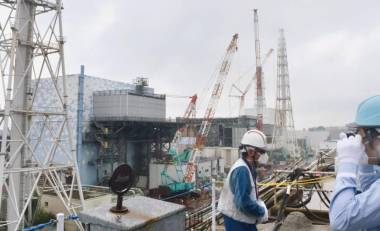
Decommissioning work (Kyodo image)
¶ “US firm pulls out of building Hitachi nuclear plant in Britain” • Bechtel Corp is to withdraw from its key role in building a UK nuclear power plant due to concerns over the profitability of the project, sources said. Costs estimated by Bechtel are higher than those of Hitachi, which is leading the project’, so they cannot agree on the price tag. [Asahi Shimbun]
US:
¶ “New 9.8-MW Solar Farm In Gallup, New Mexico, Will Save City $785,000 In First 8 Years” • By taking advantage of otherwise unusable land in a floodplain, and with financing provided by the solar company itself, Gallup, New Mexico, will benefit from a new 9.8-MW solar farm, saving an estimated $785,000 in energy costs in the first 8 years. [CleanTechnica]
Gallup’s solar array (Standard Solar image)
¶ “New Jersey Plans Path Toward 100% Clean Energy By 2050” • The New Jersey Energy Master Plan Committee will host a series of public meetings in September, launching a process to shape converting the state’s energy production profile to 100% clean energy sources by 2050, the New Jersey Board of Public Utilities announced. [North American Windpower]
¶ “Arizona renewable energy referendum meets signature requirement” • Clean Energy for a Healthy Arizona’s initiative to impose a 50% by 2030 renewable energy mandate passed another one of the hurdles standing between it and its place on the ballot in November. A review of petition signatures showed the number was sufficient to move on. [pv magazine USA]

Window Rock (Ben FrantzDale, Wikipedia Commons)
¶ “Engie flush for Texas wind” • Engie North America has secured a $320 million (€281 million) financing package and a power price hedge for the 200-MW Live Oak wind project in Texas. The utility raised the construction and tax equity funding through Bank of America Merrill Lynch, with BofAML Global Commodities providing the power hedge. [reNews]
¶ “Plan To Build 75 Wind Turbines Along Colorado-Wyoming Border Takes Shape” • A regional energy project entering final planning stages is set to become one of northern Colorado’s largest sources of wind power. When finished the Roundhouse Renewable Energy Project will deliver roughly 150 MW of energy to Colorado communities. [KUNC]

Turbines in a wind farm (Courtesy of NCAR/UCAR)
¶ “Offshore Wind Energy Market in the United States to hit $5 billion by 2024” • The US offshore wind power market is set to have annual installations of more than 1 GW by 2024, propelled by discovery of new potential sites and significant investment to scale up the supply chain. Investment valued at $60 billion by 2024 is predicted by a report. [REVE]
¶ “Tribal Communities Across The US Get Federal Funding For Wind, Solar” • The DOE announced nearly $9 million in funding for 15 tribal energy projects, including wind and solar facilities. The funding is designed to help Native American and Alaska Native communities harness their vast undeveloped energy resources. [North American Windpower]
Have a delightfully worthwhile day.
geoharvey is free and without ads.
geoharvey is not tax-deductible.
Posted in nuclear power, renewable power, solar, wind | 1 Comment »
Tags: nuclear, nuclear power, renewable power, solar power, wind power
August 16, 2018
Opinion:
¶ “The message of a scorching 2018: We’re not prepared for global warming” • This summer of fire and swelter looks a lot like the future that scientists are warning about for the era of climate change, and it is revealing in real time how unprepared much of the world remains for life on a hotter planet. The disruptions to everyday life have been devastating. [SBS]

Rhine River at Düsseldorf
¶ “Climate Change ‘Skepticism’: 6 Overlapping Drivers” • A burning question for most of the world is why do climate change deniers deny the so-strongly supported science. Here are six important reasons why people deny science. With them, however, is a glimmer of hope for those of us who understand the problem more objectively. [CleanTechnica]
Science and Technology:
¶ “Boeing, Airbus, GE, & Aerospace Leaders Confirm Electric Flight Will Take Many Shapes & Forms” • Electric aviation is knocking at the door of every aerospace industry. But electric aircraft come in more shapes and forms than land-bound EVs. Electric air mobility is already getting off the ground, and much more is coming. [CleanTechnica]

eVTOL Volante
World:
¶ “Tesla wins contract for another massive battery system with Powerpacks” • It is estimated that Tesla’s 100-MW/129-MWh Powerpack project in South Australia reduced the grid service cost by 90%. Infigen Energy, wanting to duplicate that success, ordered a 25-MW/52-MWh energy storage system for the 278.5-MW Lake Bonney Wind Farm in the same state. [Electrek]
¶ “Juwi bags EPC deals for 250 MW of S African solar projects” • Juwi Renewable Energies, part of renewables developer Juwi Group, sealed ZAR 3 billion ($206 million, €181 million) worth of contracts to build, operate, and maintain 250 MW of solar parks in South Africa. The contracts are for three projects ranging from 78 MW to 86 MW. [Renewables Now]

Solar farm (Photo: Michele Lamberti, CC-BY-SA 2.0 Generic)
¶ “E.ON offers EV drivers ‘850 free miles’ with new energy tariff” • E.ON has become the latest energy supplier to launch a 100% renewable electricity tariff tailor-made for electric vehicle owners. The company is offering customers who sign up a cash incentive of £30 annually, which it says is the equivalent of 850 free driving miles per year. [businessgreen.com]
¶ “OPT adds spice to Chile wave” • US wave developer Ocean Power Technologies signed an agreement with Enel Green Power to develop a potential installation off the coast of Chile. OPT will evaluate a PB3 PowerBuoy deployment through a detailed feasibility study as an autonomous offshore platform hosting oceanographic sensor systems. [reNews]
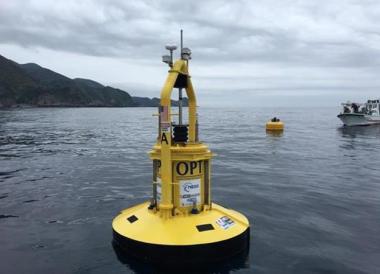
PB3 PowerBuoy (OPT image)
¶ “US sanctions force British Quercus out of Iran’s energy sector” • The US sanctions on Tehran led British renewable energy investor Quercus to cancel a €500 million ($570 million) solar power plant in Iran, Iranian news reported. The US imposed santions after pulling out of a nuclear agreement achieved after two years of negotiations. [AzerNews]
US:
¶ “EPA Staff Claim Fuel Economy Rollback Based On Junk Science” • The EPA and the Transportation Department have taken the position that vehicle fuel economy standards put in place under President Obama should be relaxed. But the EPA’s own experts say that the new policy initiative is based on flawed assumptions. [CleanTechnica]

Traffic congestion
¶ “California’s Zero-Carbon Bill Aims To Set Climate Example” • California lawmakers want to prove that the state can wean its electric power sector off of fossil fuels, using a bill expected to receive a final vote before the end of August. If enacted, Senate Bill 100 would make California the second state to adopt a 100% renewables mandate. [Bloomberg BNA]
¶ “Wells Fargo backs 52-MW solar project in Florida” • US bank Wells Fargo & Co said it committed the capital in construction debt, as well as the tax-equity funding of $35 million (€31 million) for a 52-MW solar project in Florida. Solar company Origis Energy USA is the developer and will provide the balance of the project’s capital. [Renewables Now]

Georgetown University solar project (Origis Energy image)
¶ “Dominion buying 240 MW in Virginia solar power projects” • Dominion Energy is buying two planned Virginia solar farms totaling 240 MW. Work on both the 142-MW Colonial Trail West and 98-MW Spring Grove farms is scheduled to begin next year, with the former to be operational by December 2019 and the later by October 2020. [Electric Light & Power]
¶ “A coal company and Interior teamed up to save a power plant” • In September 2017, Peabody Energy Corp sent the Interior Department a game plan for keeping the coal-burning, 2,100-MW Navajo Generating Station in Arizona operating. A Peabody mine supplies coal to the plant. The plant is a symbol of Trump’s support for the coal industry. [E&E News]
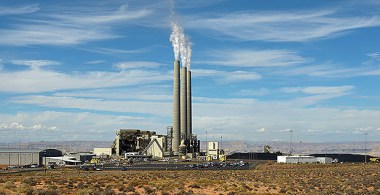
Navajo Generating Station (Wolfgang Moroder | Wikipedia)
¶ “Solar Energy Becoming Increasingly Popular In Florida As Homeowners Save Money On Power Bills” • The US installed more solar energy than any other source of electricity in the first quarter of this year. And it’s becoming increasingly popular in Florida, where there’s no shortage of rays. For some people, going solar is a no-brainer. [CBS Miami]
¶ “Attorneys for SCE&G customers ask for all money collected since nuclear cancellation” • Attorneys suing South Carolina Electric & Gas say the utility should have to refund $452 million, everything it collected for its failed nuclear project in the past year. They say the law does not allow charges for plants that have been abandoned. [Charleston Post Courier]
Have an excitingly comfy day.
geoharvey is free and without ads.
geoharvey is not tax-deductible.
Posted in nuclear power, renewable power, solar, wind | Leave a Comment »
Tags: nuclear, nuclear power, renewable power, solar power, wind power
August 15, 2018
Opinion:
¶ “Claimed power price cuts from energy guarantee are ‘virtually meaningless'” • The Turnbull government is trumpeting power price reductions to result from its national energy guarantee, but analysis from the Australia Institute’s chief economist says that subsidies for coal-fired power stations will render those forecasts “virtually meaningless.” [The Guardian]
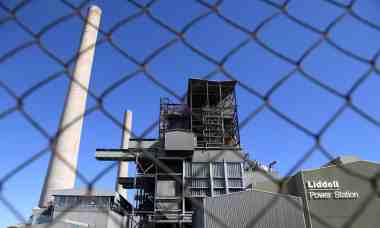
Liddell Power Station (Dan Himbrechts | AAP)
Science and Technology:
¶ “Rising Temperatures Could Cause Common Songbird Population To Collapse” • University of Missouri researchers said numbers of a common songbird, the Acadian flycatcher, could decline greatly within this century if the climate continues to warm. In fact, it is possible it could be driven into near extinction in just 90 years. [CleanTechnica]
¶ “Solar Farms Can Become Pollinator Habitats & Help Save the Bees!” • At the US DOE’s Argonne National Laboratory, researchers are investigating ways to reinvigorate pollinator habitats at solar farms. They hope their work can help rehabilitate pollinator populations that play a crucial role in national and global agricultural industries. [CleanTechnica]

Bees at work
World:
¶ “Caribbean Nations Partner With Global Superstars & Corporate Giants For $1 Billion Climate Accelerator” • A coalition of 26 Caribbean nations, over 40 private sector giants, 8-time Olympic gold medal winner Usain Bolt, and global music superstar Sean Paul intend to make the Caribbean region the world’s first climate-smart zone. [CleanTechnica]
¶ “Argentine water utility AySA seeks to procure renewable energy” • Argentine public water utility Agua y Saneamientos Argentinos SA is looking to procure renewable energy in line with a law that requires large users to cover a portion of their power consumption with renewables. AySA is seeking bids for 10 MW of power over 10 years. [Renewables Now]

Renewable energy (Gerry Machen, CC No Derivs 2.0)
¶ “Modus Group to embark on 35-MW solar project in Ukraine” • Lithuania’s Modus Group said it will invest €30 million ($34.2 million) building a 35-MW solar power plant in Ukraine. The group has a strategy to expand its renewables business in Europe and this is its first investment in Ukraine. The project will be built by two Modus business units. [Renewables Now]
¶ “New ‘Power Grid Action Plan’ to accelerate network development” • Technical fixes, better communication, and smoother planning procedures can accelerate Germany’s grid expansion, the energy minister said. He has a new plan for a modernised power grid, which he said is essential for the move to renewable energy. [Clean Energy Wire]
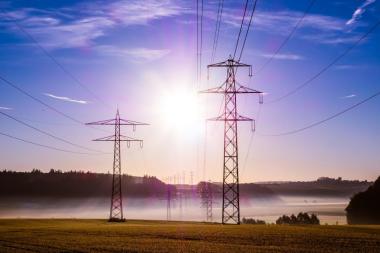
Power lines (Pixabay image)
¶ “Sanjeev Gupta unveils $1 billion SA energy plan” • Billionaire industrialist Sanjeev Gupta launched a $1 billion, 1-GW renewable energy plan based in South Australia’s mid-north. He says it will lead Australian industry’s transition to more competitive power. The project will feature 280 MW of solar power and a battery larger than Elon Musk’s. [InDaily]
¶ “Two in five London businesses consider renewable energy a ‘fad’” • Research from Haven Power, one of the UK’s largest business electricity suppliers, reveals that 40% of London business decision makers think renewable energy is a passing fad. They say cost as the biggest barrier preventing businesses from changing to sustainable practices. [London Loves Business]
Renewable energy
¶ “Germany’s RWE output, earnings hit by coal, lignite, nuclear plant closures, lower margins in H1” • Coal, lignite, and nuclear plant closures as well as falling generation margins hit RWE’s first half 2018 financial performance. Output from conventional plants in Germany declined 18% on year, mainly due to closing one coal plant and one nuclear reactor. [S&P Global Platts]
¶ “Hydro, wind and solar output rises as gas generation slumps” • The latest quarterly report from the Australian Energy Market Operator shows that Australia experienced a significant jump in output from hydro power, and wind and solar farms in the second quarter of 2018, mostly at the expense of gas generation and some black coal output. [RenewEconomy]

Acciona wind farm
US:
¶ “Sunrun Installs 91 MW In Mixed Second Quarter” • In its second-quarter earnings report, US residential solar company Sunrun confirmed itself as the country’s leading solar installer for the quarter by installing a total of 91 MW of new capacity. It was Sunrun’s best ever quarter, despite earnings that were well below expectations. [CleanTechnica]
¶ “Maryland launches a community solar power pilot program” • A new community solar power pilot program has been launched in Maryland. About 200 MW in community solar projects have been authorized so far by the General Assembly, over three years. This amount of power is about equal to providing electricity to about 40,000 homes. [Hydrogen Fuel News]
Community solar project
¶ “Traverse City Light & Power Board Votes To Use 100 Percent Renewable Energy By 2040” • Traverse City, Michigan, is now one step closer to running on 100% renewable energy. In a five to one vote, The Traverse City Light & Power board voted to accept a three-step plan with an end goal of getting 100% of their energy from renewable sources by 2040. [9&10 News]
¶ “Kit Carson’s new solar farm a step on the path toward 100% renewables” • Another 4,000 solar panels have been erected in the service territory of Taos-based Kit Carson Electric Cooperative. Kit Carson now has 10 MW of solar capacity, enough to supply 25% of the daytime load of the coop members. And it says more is coming. [Mountain Town News]
Have a fabulously worthwhile day.
geoharvey is free and without ads.
geoharvey is not tax-deductible.
Posted in nuclear power, renewable power, solar, wind | Leave a Comment »
Tags: nuclear, nuclear power, renewable power, solar power, wind power
August 14, 2018
Science and Technology:
¶ “Minesto to fly Wales kite” • Minesto, a Swedish company, is poised to start subsea testing of its 500-kW tidal kite off the coast of Wales after completing initial commissioning sea trials. The company said the DG500 will undergo “flying” full subsea trajectories off Holyhead as part of the next phase of tests, which cover power take-off and generation. [reNews]

DG500 tidal kite (Minesto image)
¶ “New ‘flow battery’ could charge electric vehicles in seconds, say researchers” • A new type of energy storage system could revolutionise energy storage and drop the charging time of electric cars from hours to seconds, claim its creators. Electric cars based on the flow battery could be charged in seconds, as the electrolyte is a pumpable liquid. [Envirotec]
¶ “Renewable Energy Could “Effectively Be Free” by 2030, Says UBS Analyst” • A research analyst at Swiss investment bank UBS believes the cost of energy renewables could be so near to zero by 2030 “it will effectively be free.” Renewables could soon be less expensive than all other energy sources, and that this “is great news for the planet.” [Inverse]

Wind turbines
World:
¶ “National Energy Guarantee endorsed by Coalition party room despite backbench concern” • Australia’s Coalition party room approved the plan for the NEG after debate, in which former prime minister Tony Abbott expressed strong concerns. The NEG aims to cut emissions in the electricity sector by 26%, decrease energy bills, and ensure reliability. [ABC News]
¶ “731.5 Megawatt Borssele III & IV Offshore Wind Farms Reach Financial Close” • The Blauwwind Consortium announced that it had reached financial close on the Borssele III/IV wind farms set to be constructed in the Dutch North Sea with a total installed capacity of 731.5 MW. Commercial power production is expected to begin in 2021. [CleanTechnica]
Gwynt y Mor wind farm
¶ “62% Of Capacity Added In Q2 2018 In India Came From Solar” • According to latest data released by various agencies of the Indian government, India added more solar power capacity in Q2 2018 than in any second quarter. A total of 1,372 MW of solar power capacity was added during the quarter. That was 62% of capacity change. [CleanTechnica]
¶ “Female Solar Engineers Bring Hope To Farmers In Togo” • In Agome-Sevah, a village in the southeast of Togo, farmers are now smiling and hope to rise out of poverty due to solar electricity installed in the entire village by four illiterate women. One maize farmer said his wife would no longer have to walk miles to have corn ground. [CleanTechnica]

Installing a solar system (Photo: Lar Bolands)
¶ “India Cancels 2.4 GW of Solar Capacity Awarded In Largest Tender” • In a shocking decision by the Solar Energy Corporation of India, five major solar developers lost 2.4 GW of capacity they had secured last month in the. The reason given for the action was that the spread of price bids was too wide, and that the tariff bids quoted were high. [CleanTechnica]
¶ “Ratch’s 42.5-MW solar project in Queensland delivers first power” • The 42.5-MW Collinsville solar project in Queensland has started to generate electricity, according to developer Ratch Australia Corp. The project is undergoing a staged testing and commissioning process and is expected to reach full commercial operation in September. [Renewables Now]

Collinsville Solar PV Project (collinsvillesolar.com.au)
¶ “First virtual power plant enters UK Balancing Mechanism” • Energy technology innovator Limejump entered the Balancing Mechanism with the first virtual power plant admitted into the market. UK regulator Ofgem allowed the move after Limejump built a portfolio of renewable generators, batteries, and demand response assets. [Power Engineering International]
¶ “Renewables step into the breach to counteract power plant problems during Europe’s heat wave” • Europe’s summer heat wave has had a significant impact on power plants, with nuclear and coal plants either reducing their output or closing down temporarily. Renewables compensated for serious shutdowns and curtailments over the summer months. [REVE]

Wind turbine in a desert
¶ “Blow for coal power as EU carbon emissions price hits 10-year high” • The amount polluters pay for emitting carbon in the EU has hit a 10-year high, in a blow for coal power station owners and a boost for renewable energy. The price of carbon in the bloc’s emissions trading scheme reached €18 (£16, $20.55) per tonne, triple the level of a year ago. [The Guardian]
US:
¶ “Of New Power Generation, How Much is on the Roof? Quarterly Update – 2018 Q1” • Over the past year, distributed generation, which is electricity produced locally from rooftop solar on homes and businesses or in nearby community solar gardens, has provided on average 18.5% of the electric power that came from new capacity. [CleanTechnica]

Please click on the image to enlarge it.
¶ “EIA Data Undermines Trump’s Love Affair With Coal and Nuclear” • Reports published over recent weeks by the Energy Information Administration and the Federal Energy Regulatory Commission show that coal and nuclear continue their decline across the country. Meanwhile installations of renewable energy continue to increase. [CleanTechnica]
¶ “Siemens to help California city save millions through solar energy” • An energy savings performance contract with Siemens will allow the city of Wasco to use energy savings to fund a solar project situated on a former burn dump. The renewable energy produced will help offset approximately 60% of the city’s current energy usage. [pv magazine USA]
Have a thoroughly copacetic day.
geoharvey is free and without ads.
geoharvey is not tax-deductible.
Posted in nuclear power, renewable power, solar, wind | Leave a Comment »
Tags: nuclear, nuclear power, renewable power, solar power, wind power


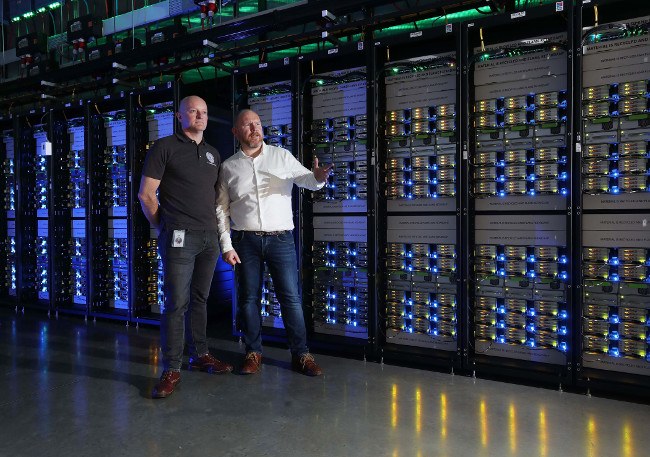




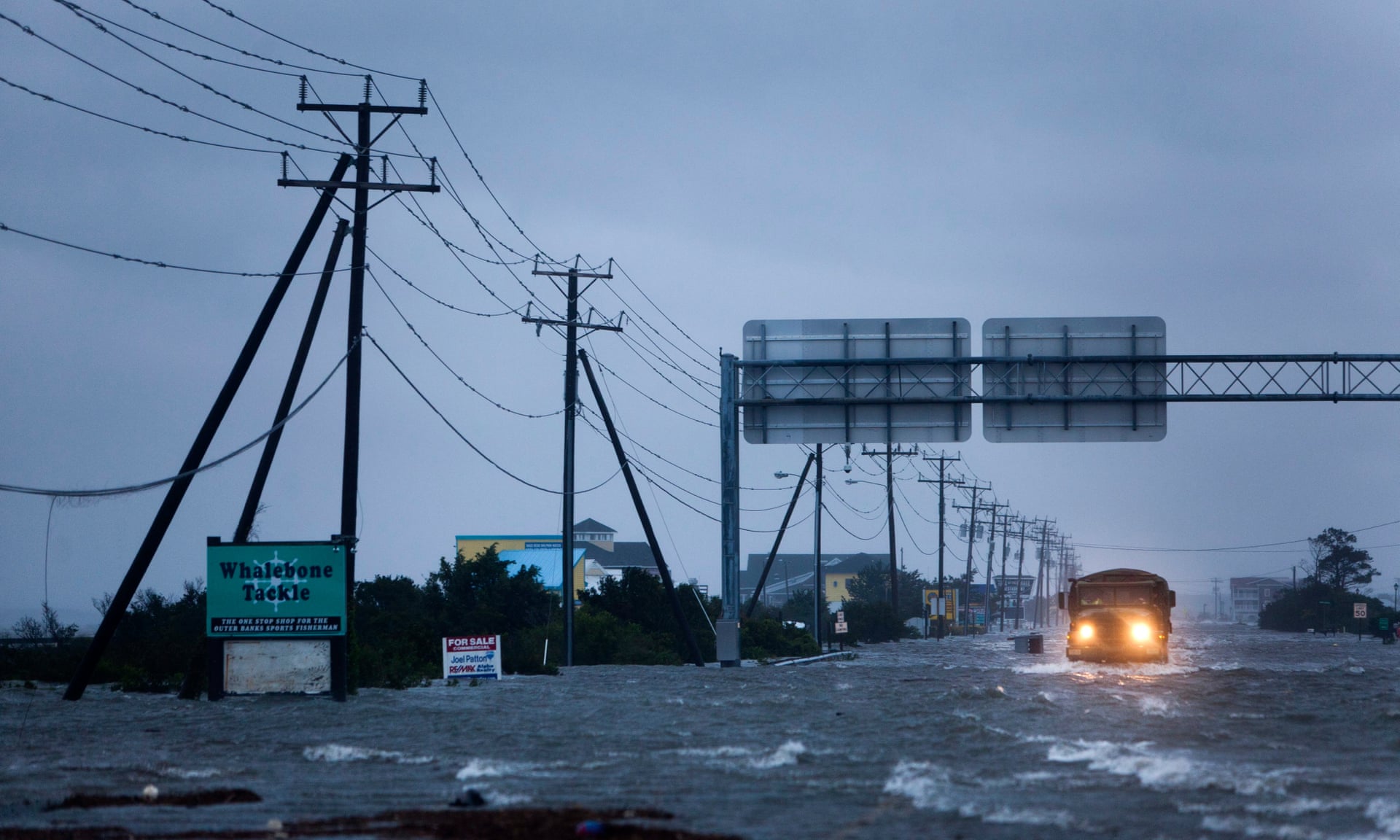

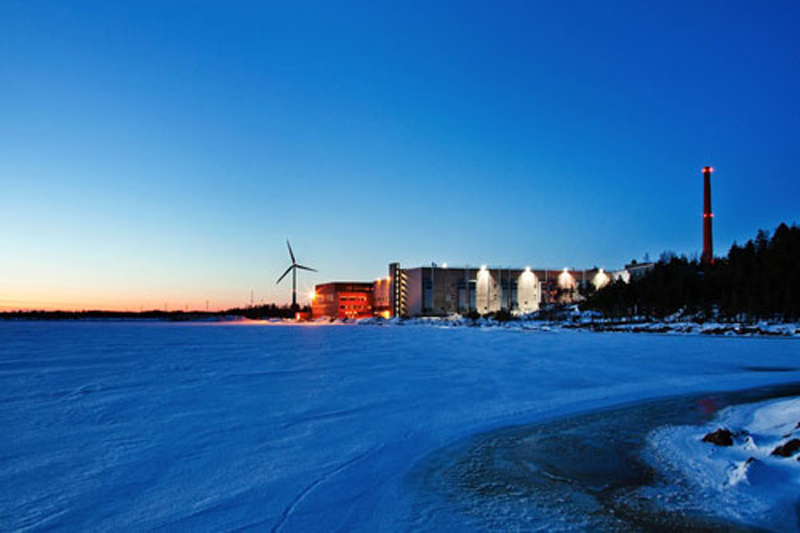


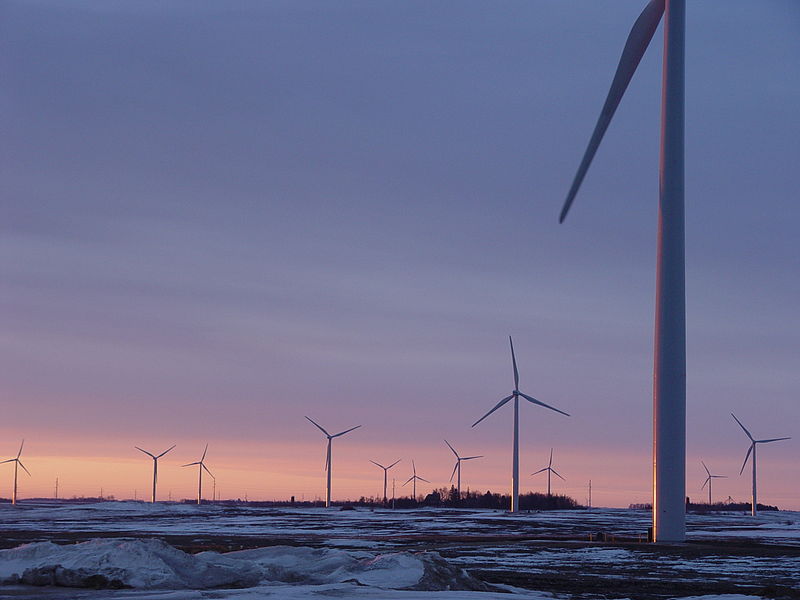



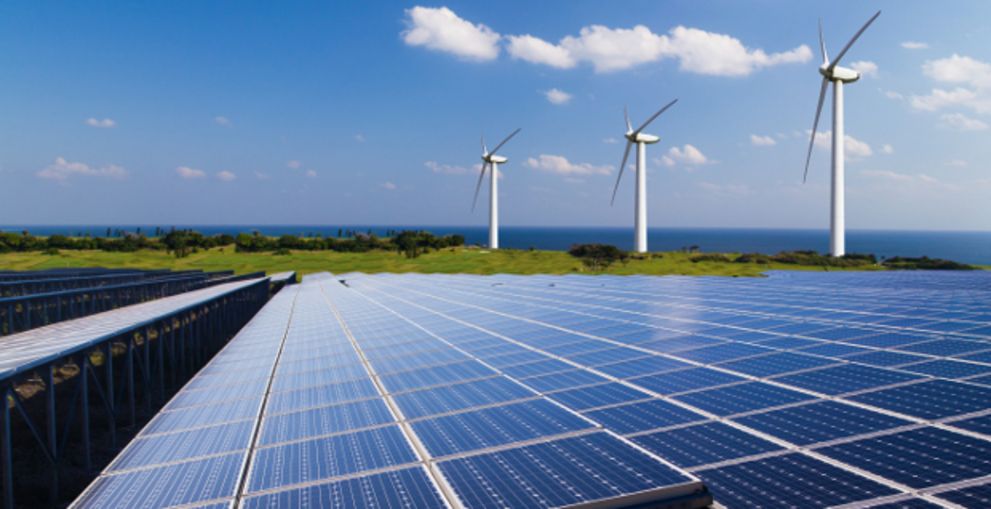
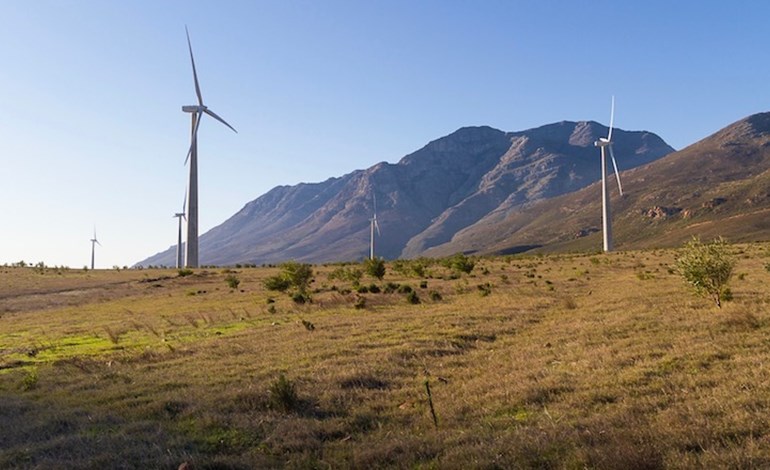

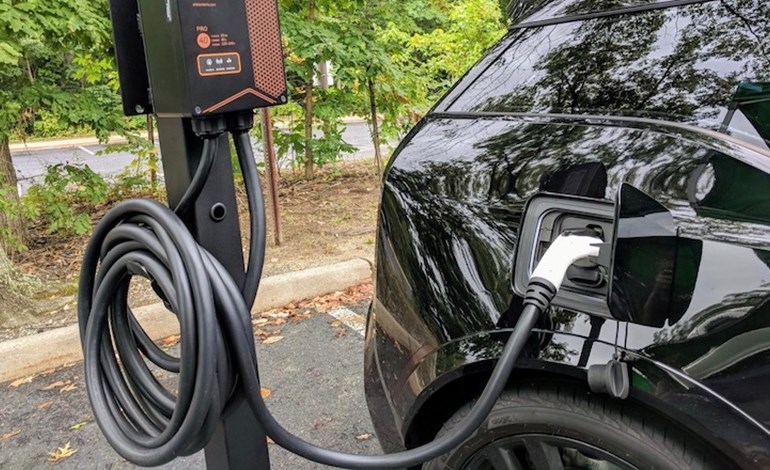
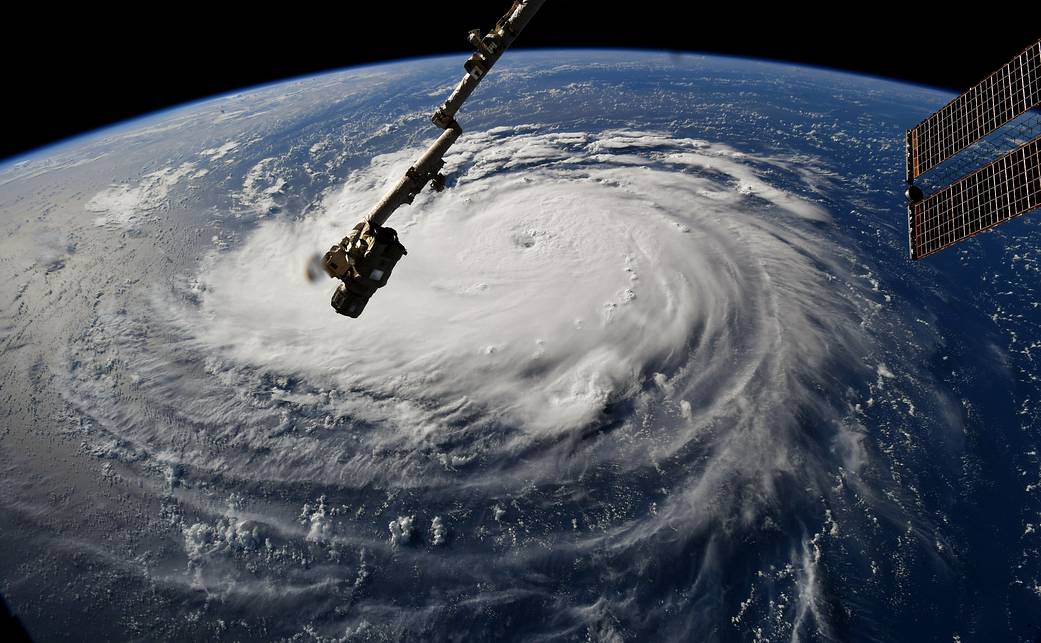
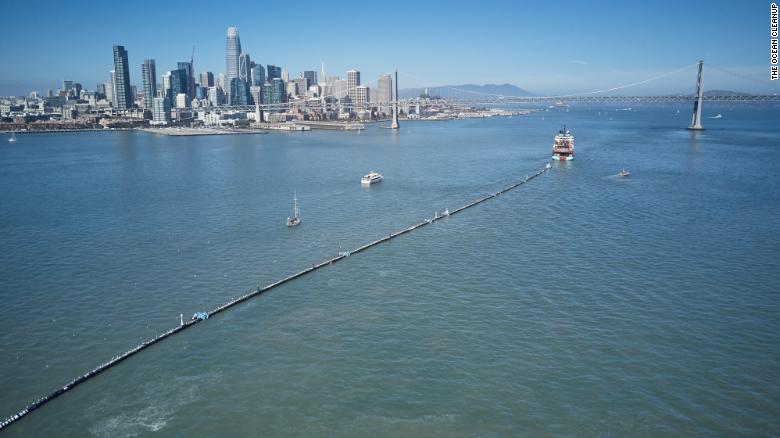
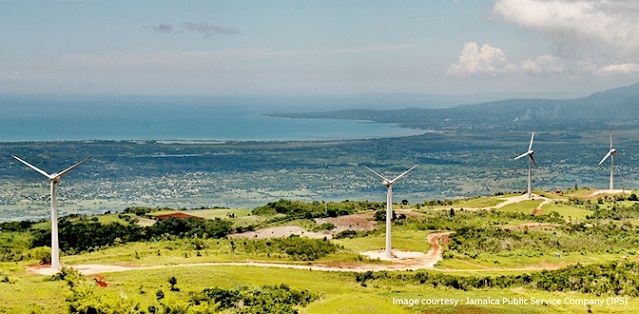


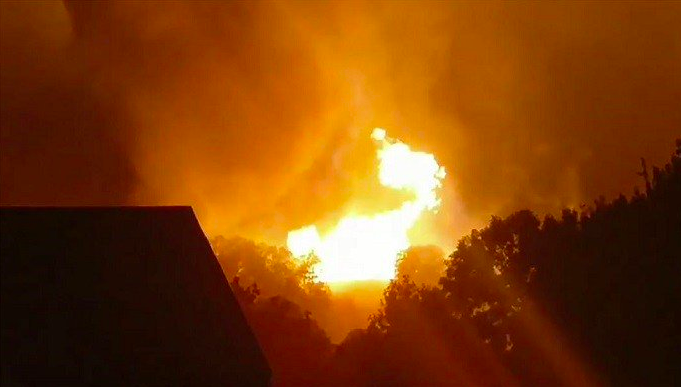


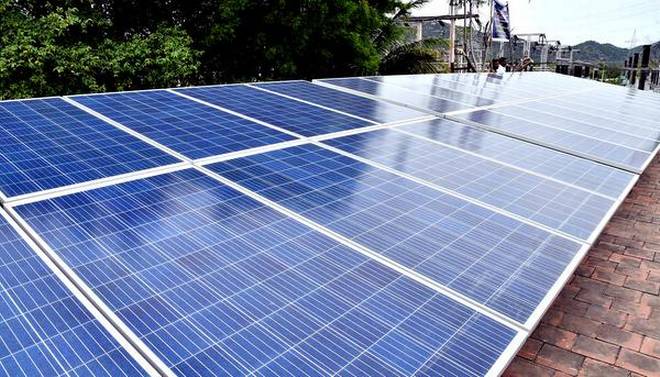


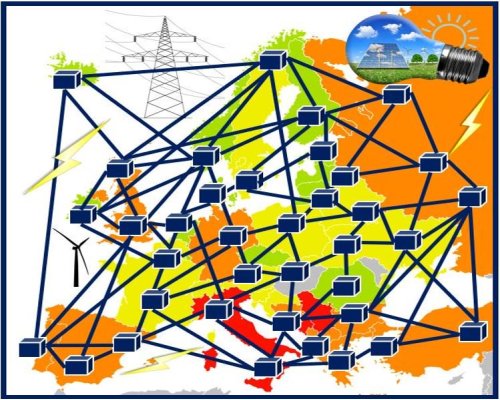

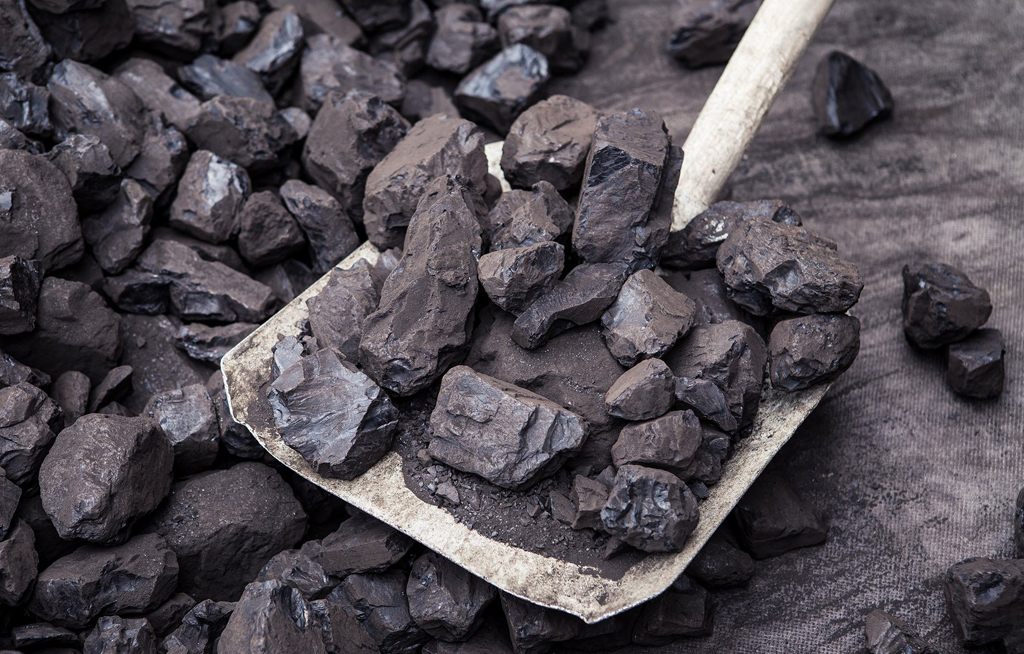



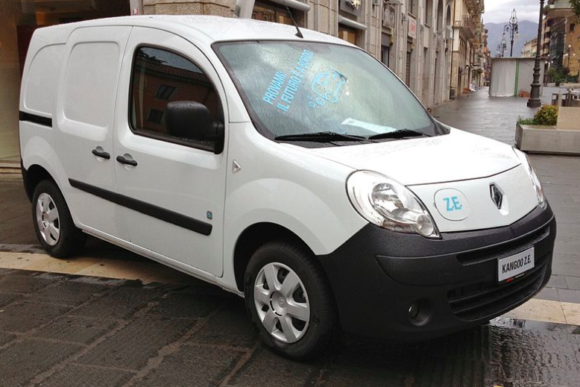


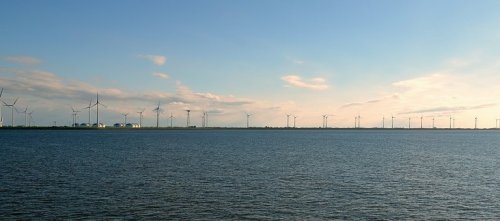


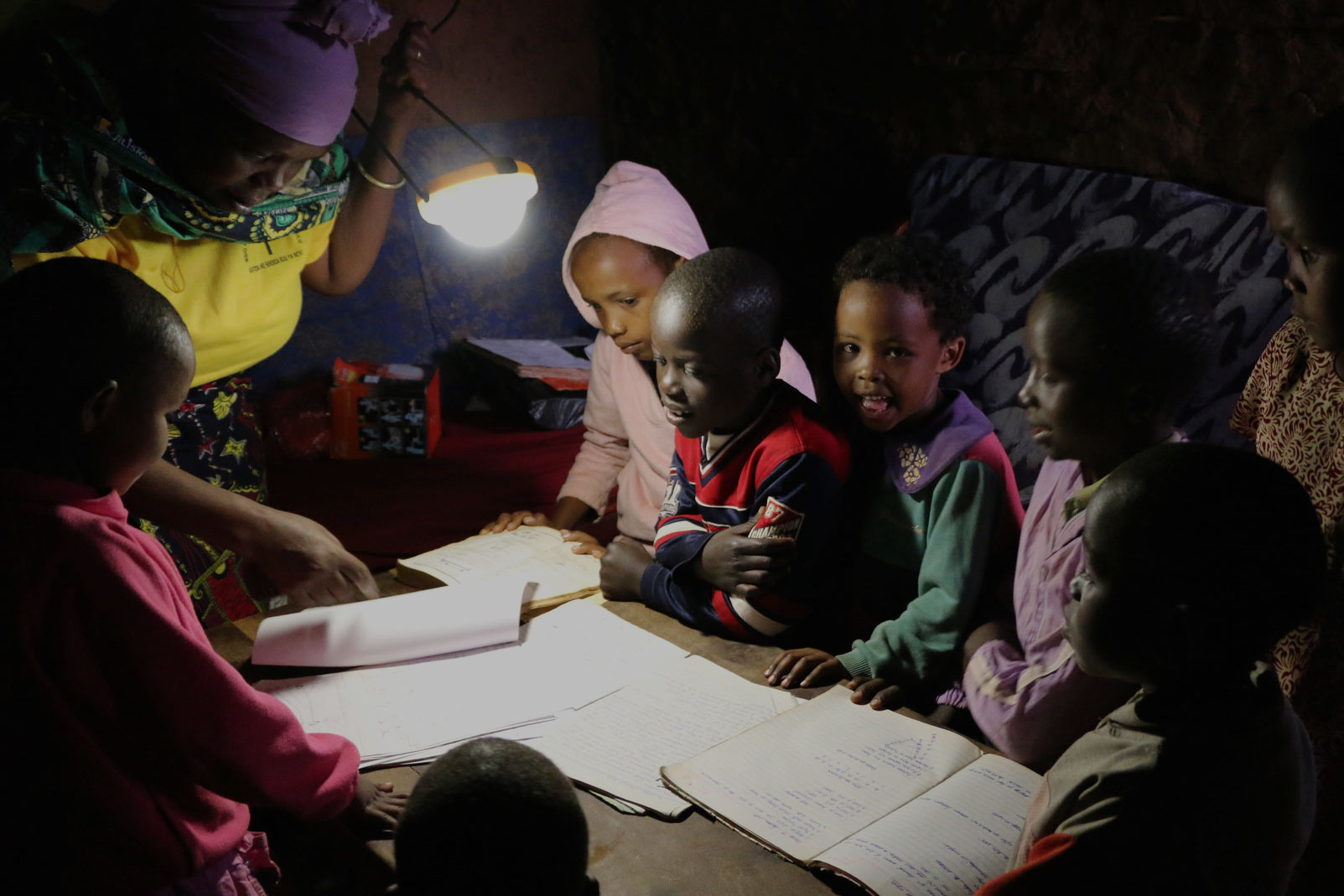
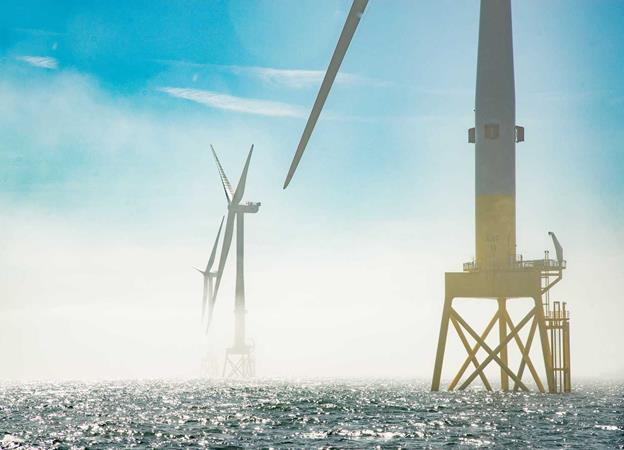




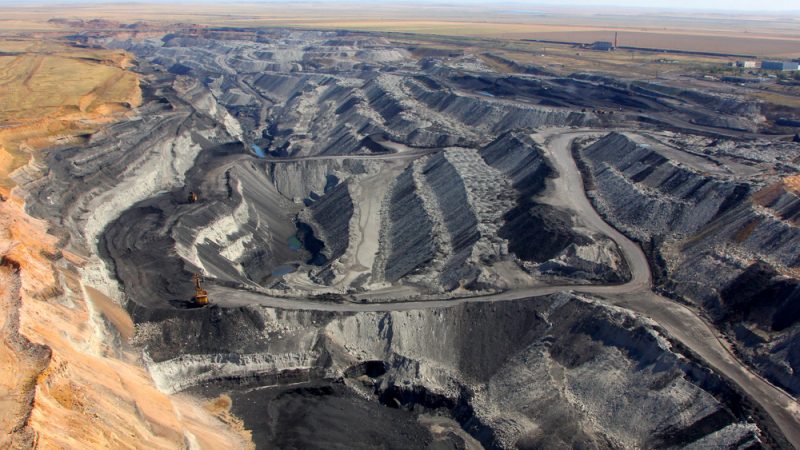




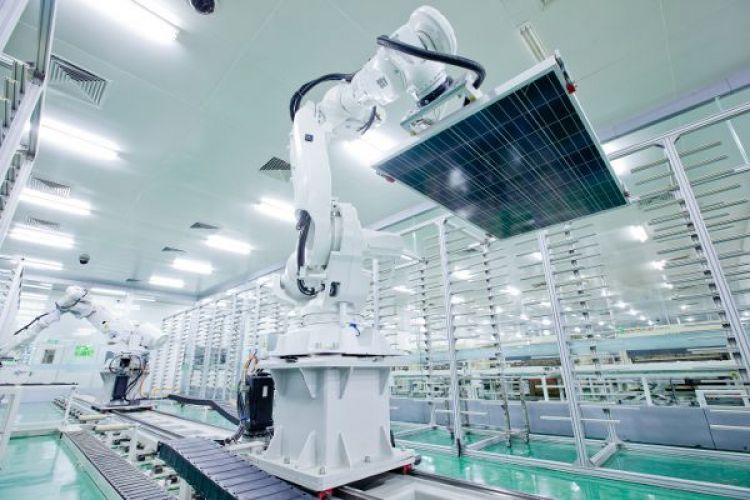




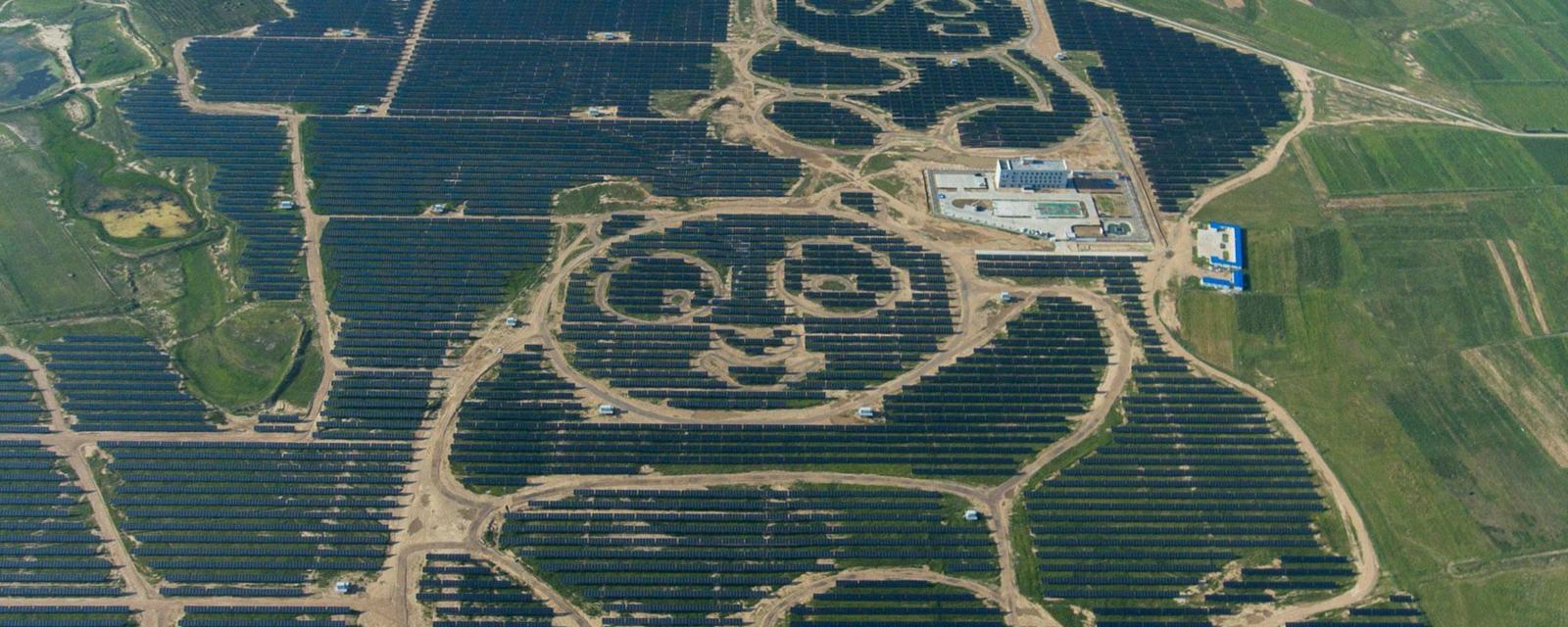
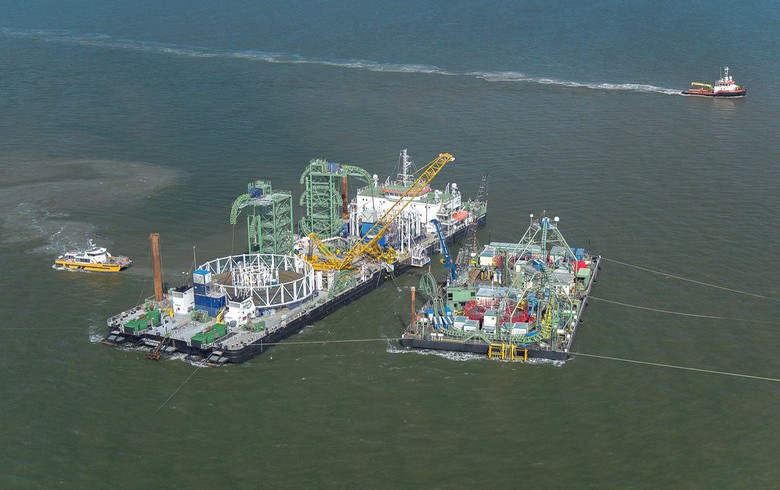


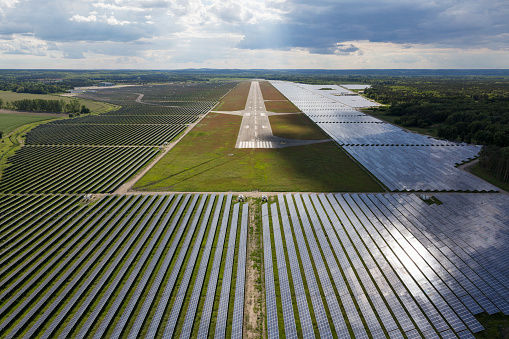

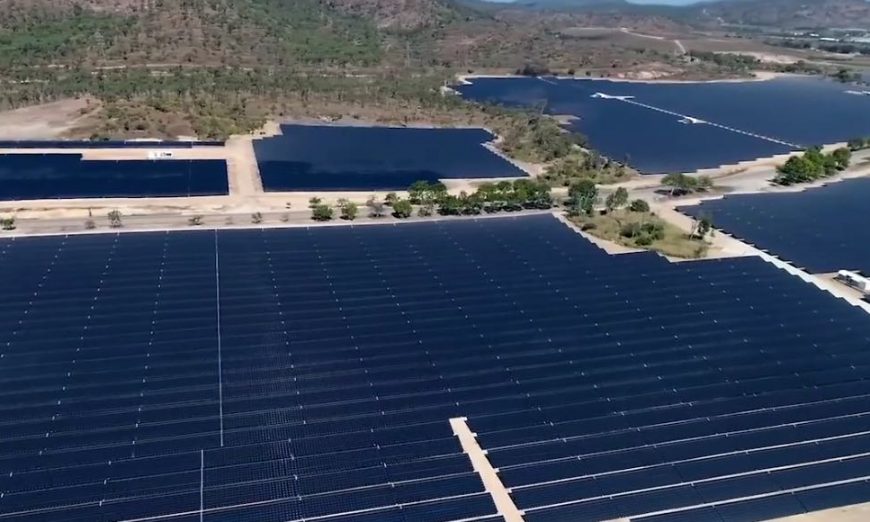

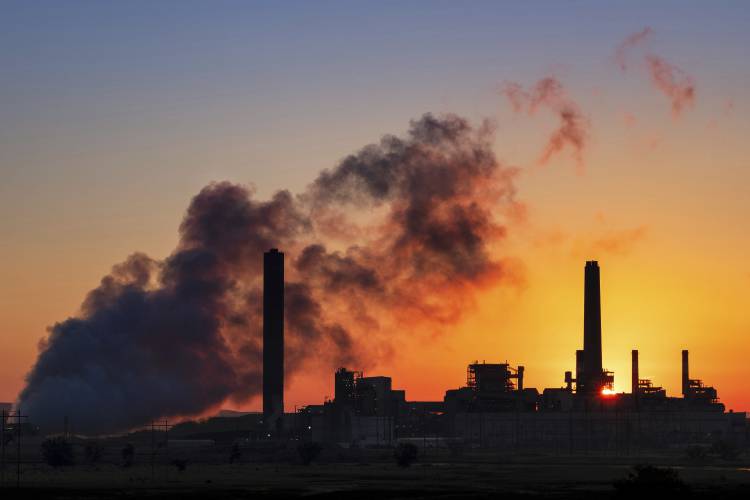
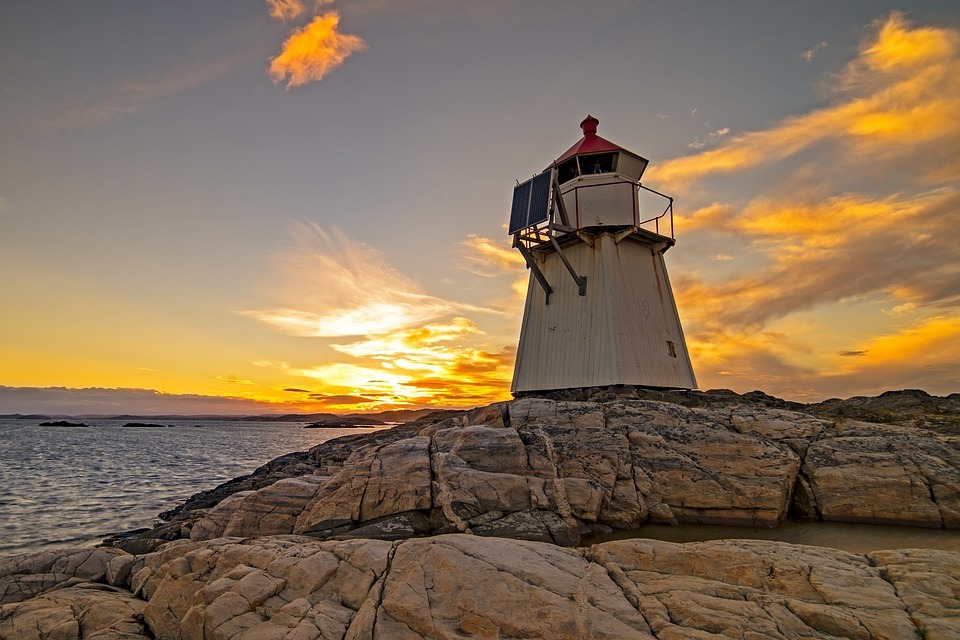


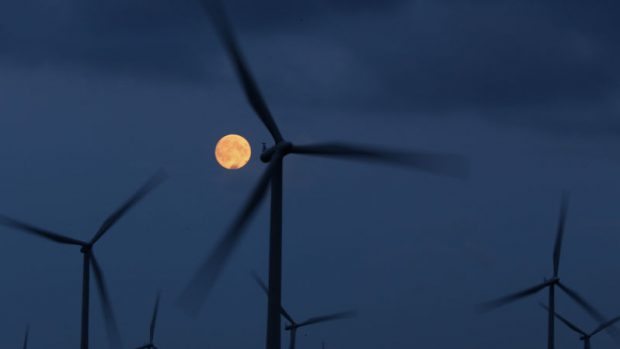
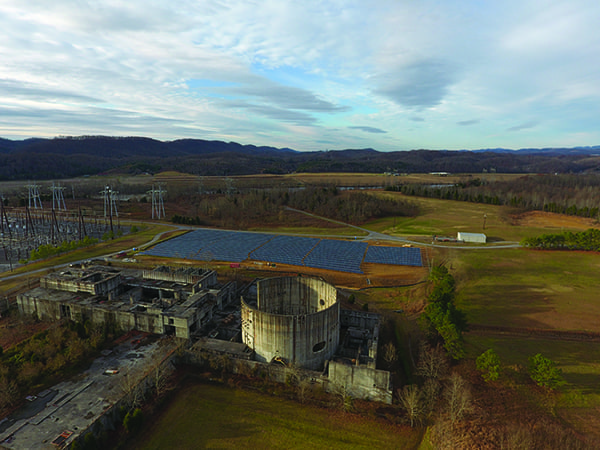

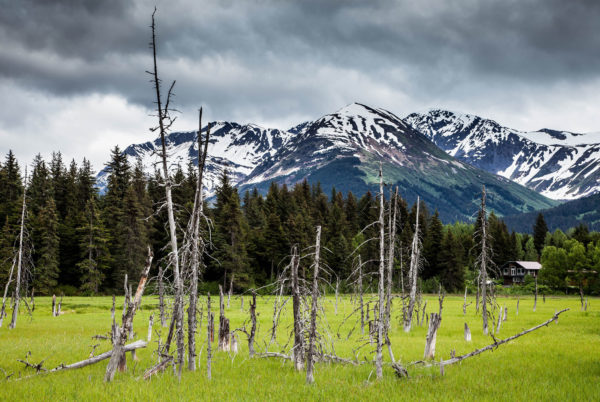




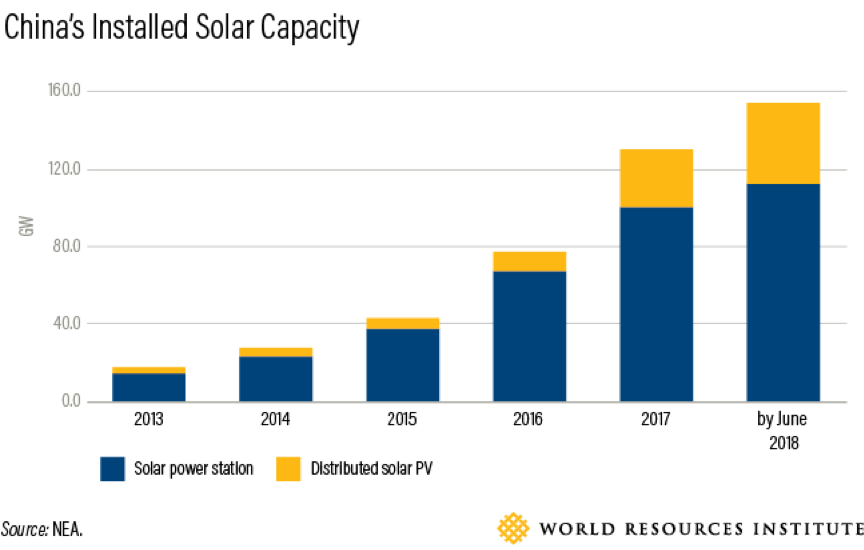

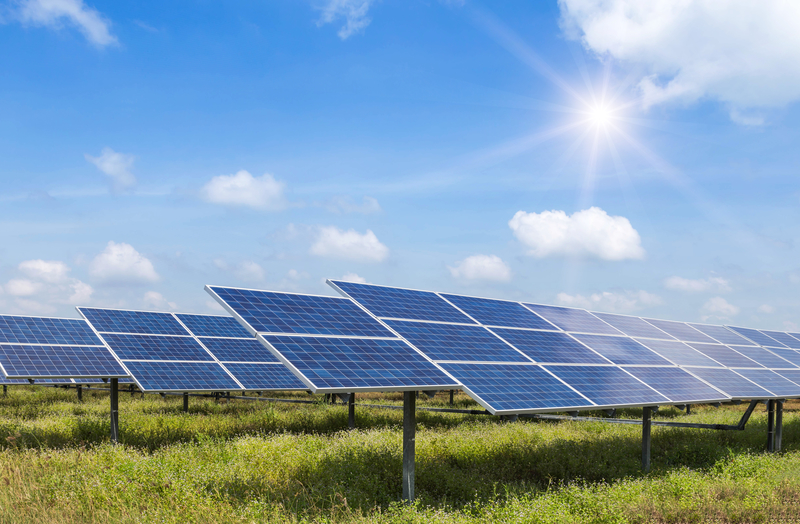

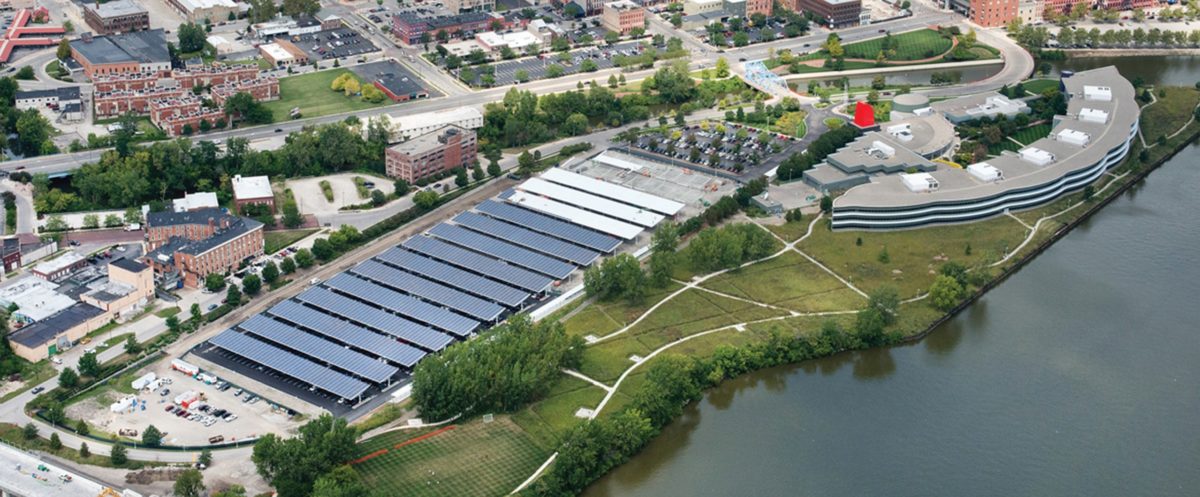


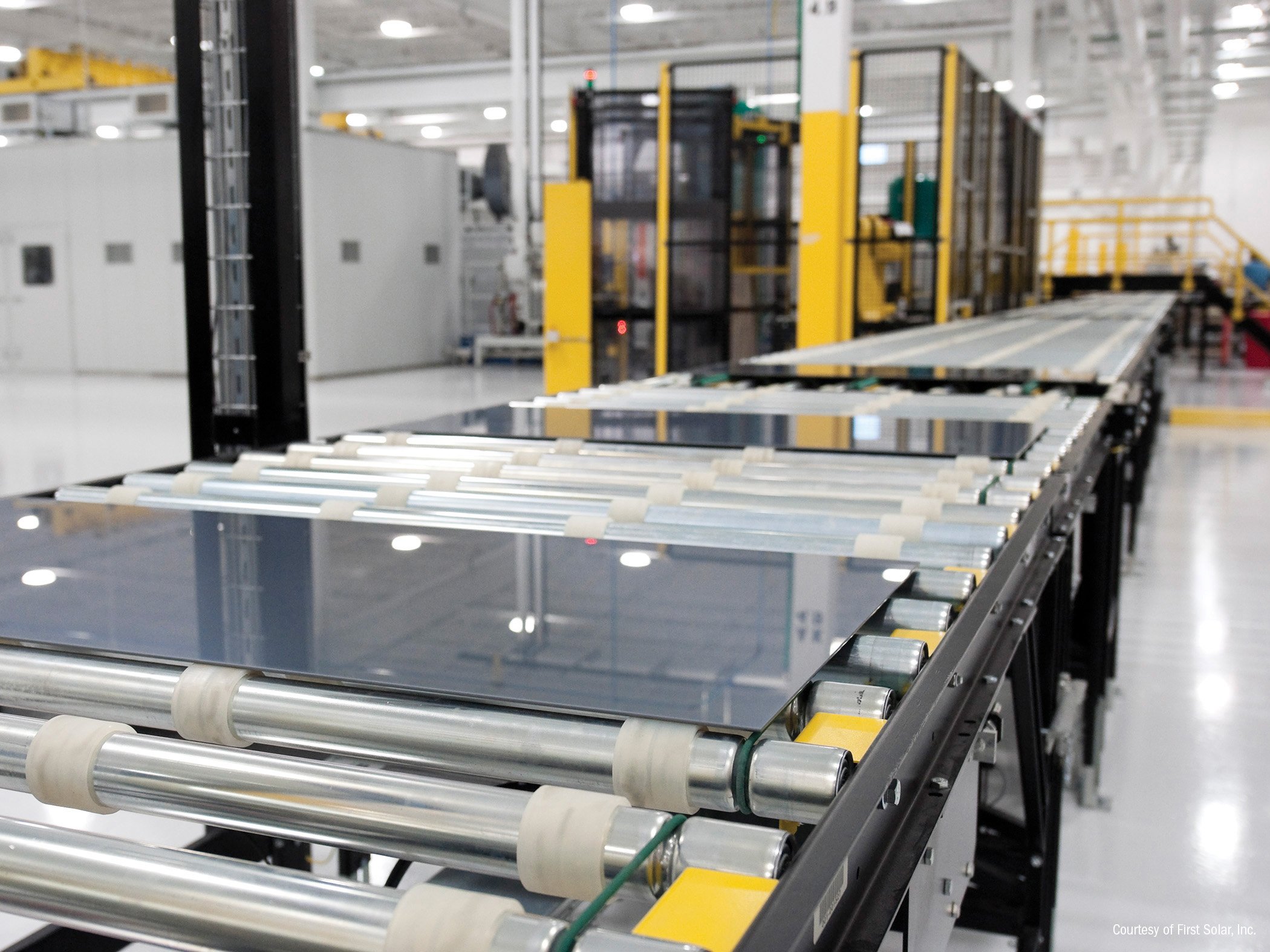
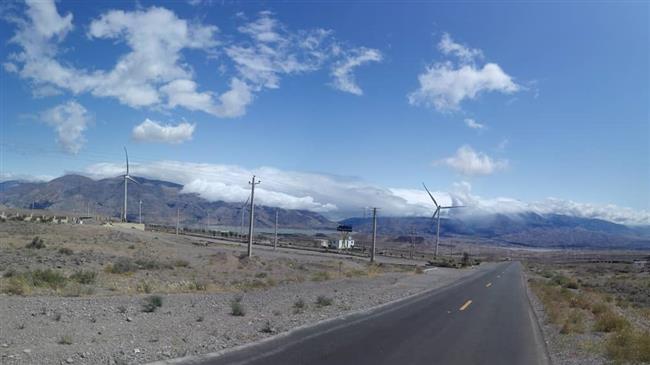


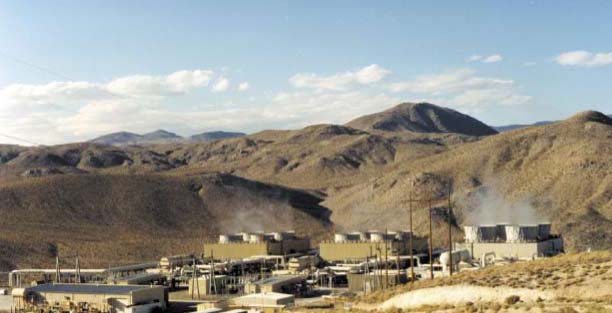


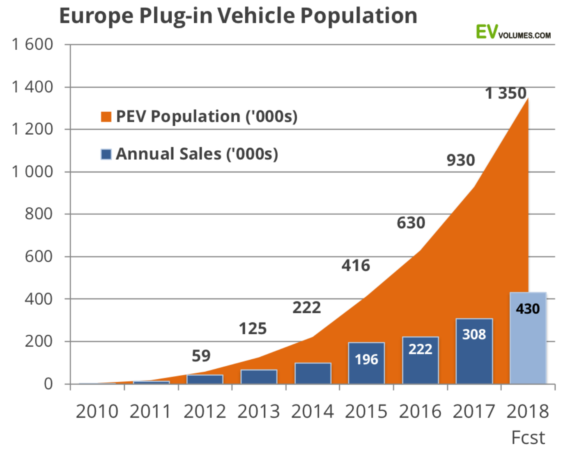


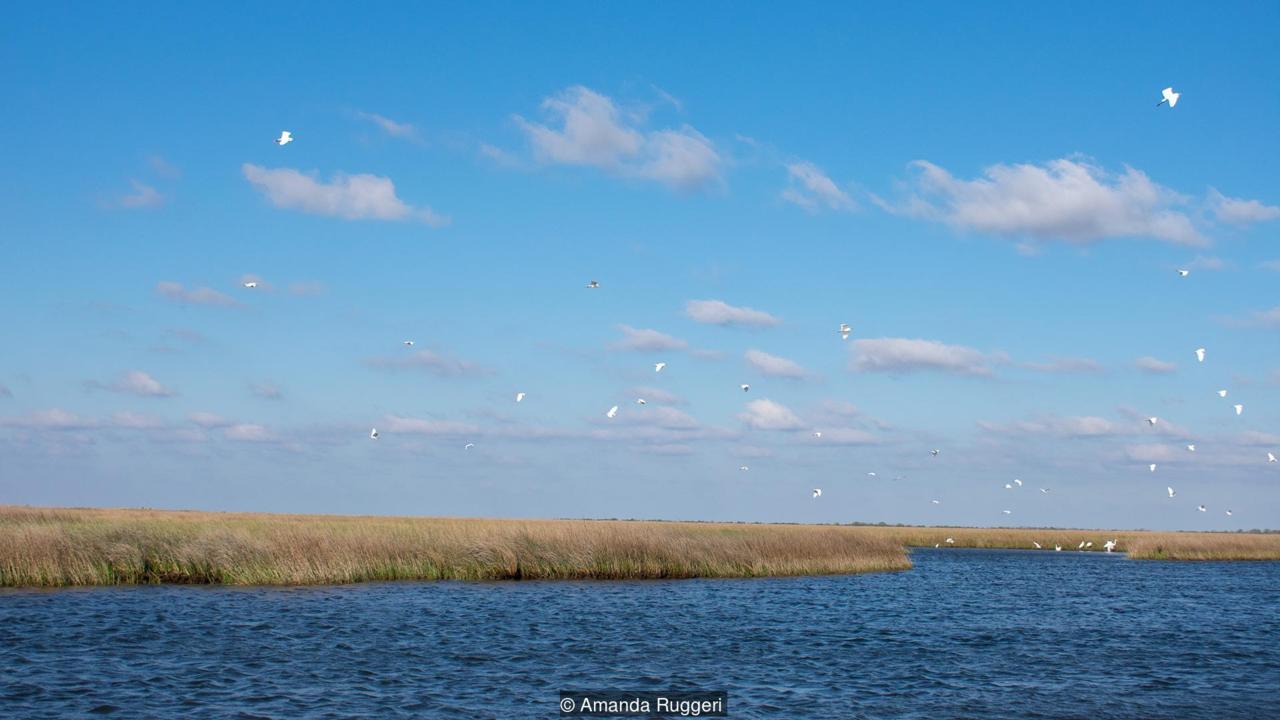
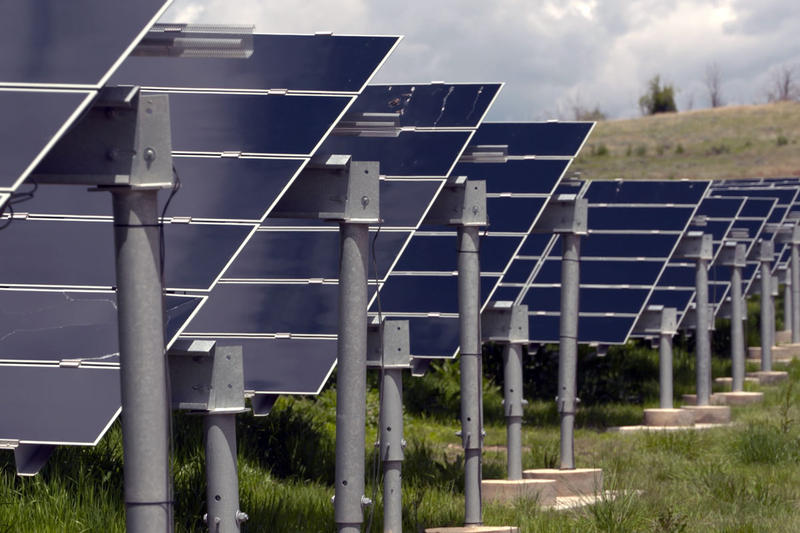
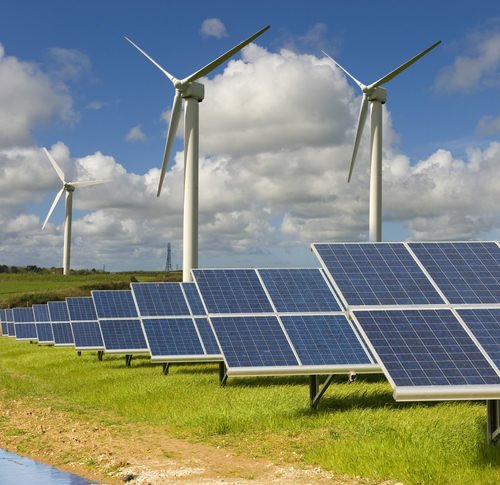




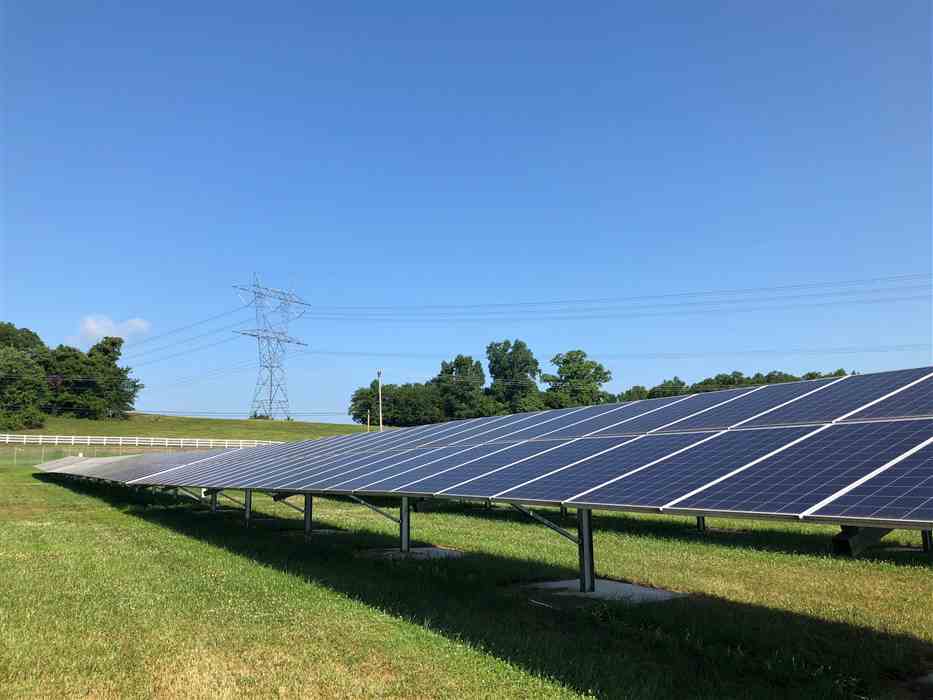
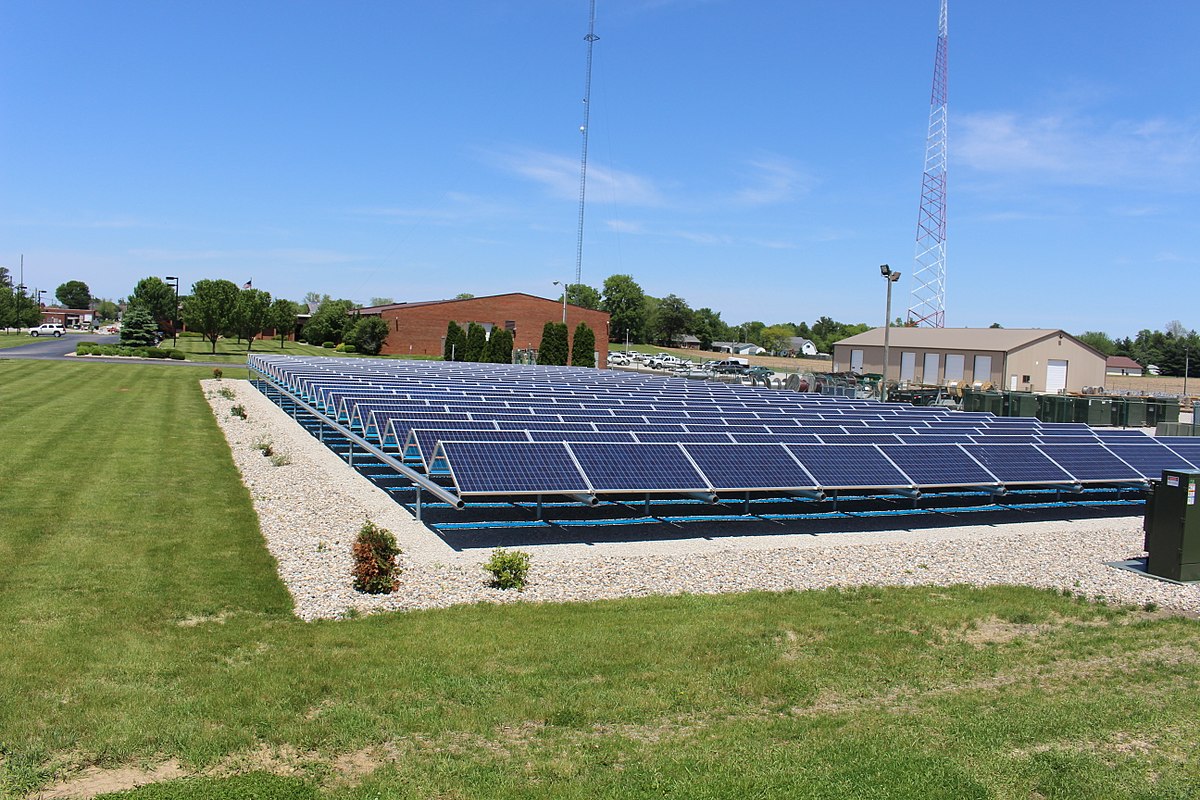



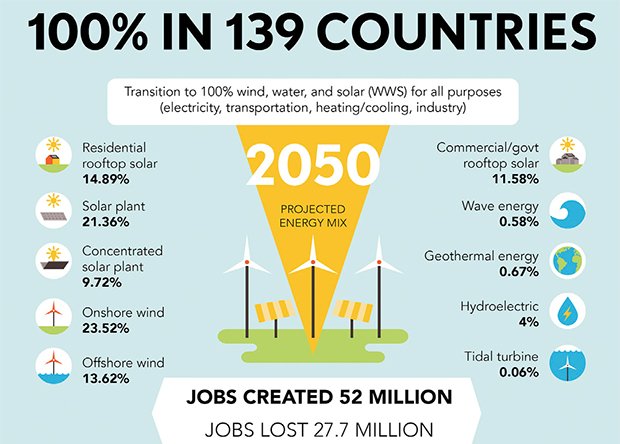


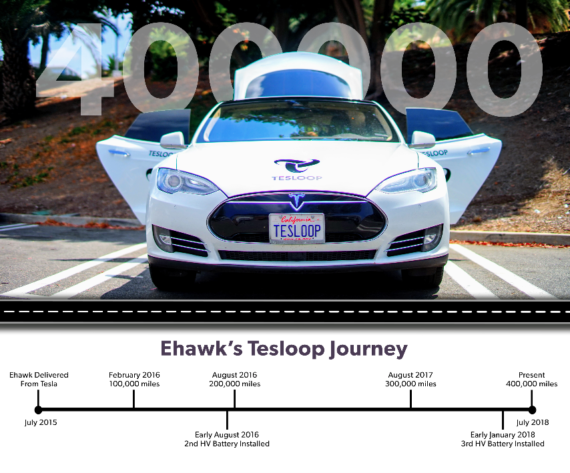

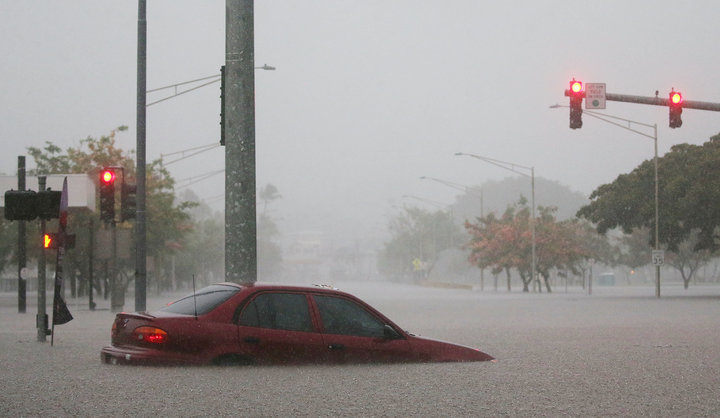



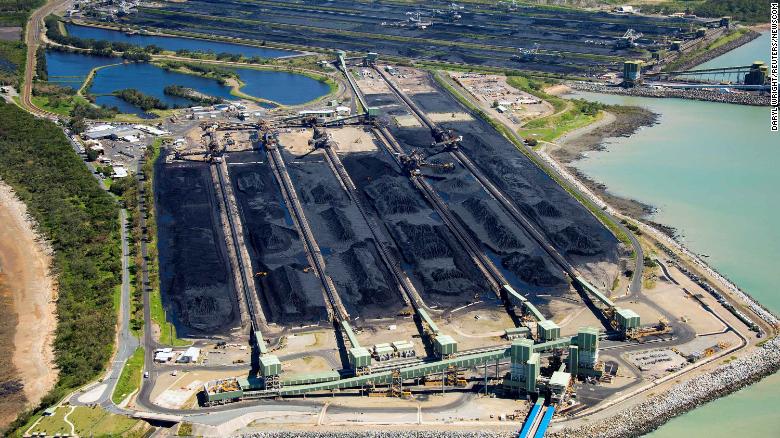


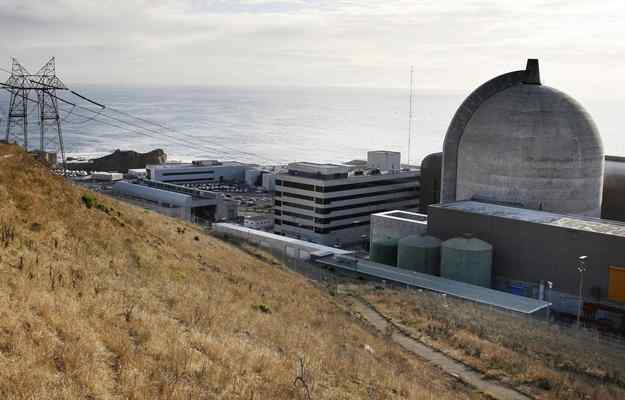

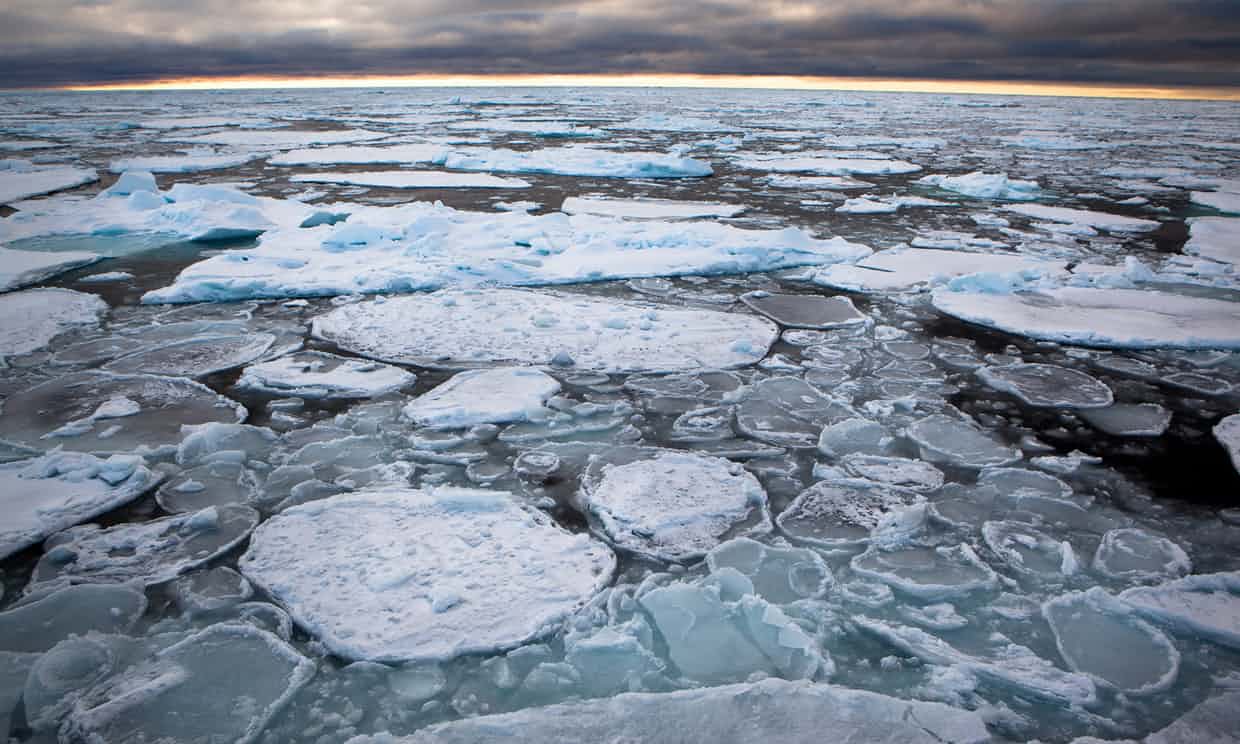



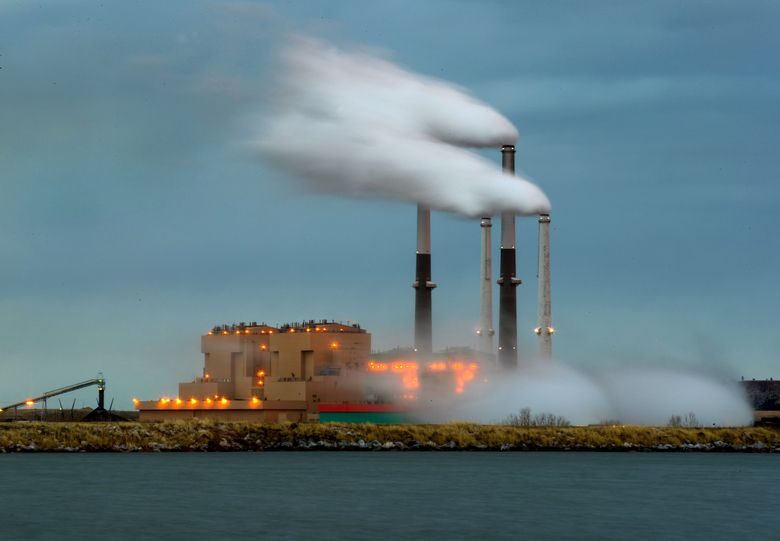
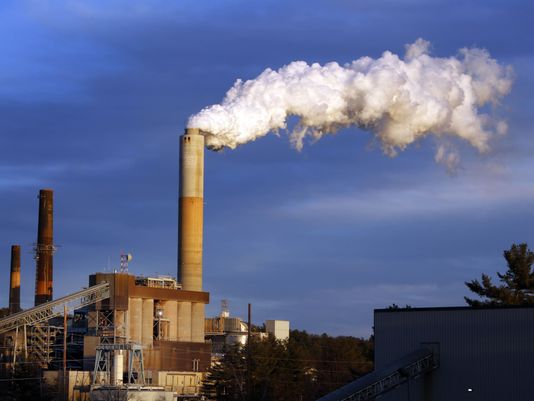


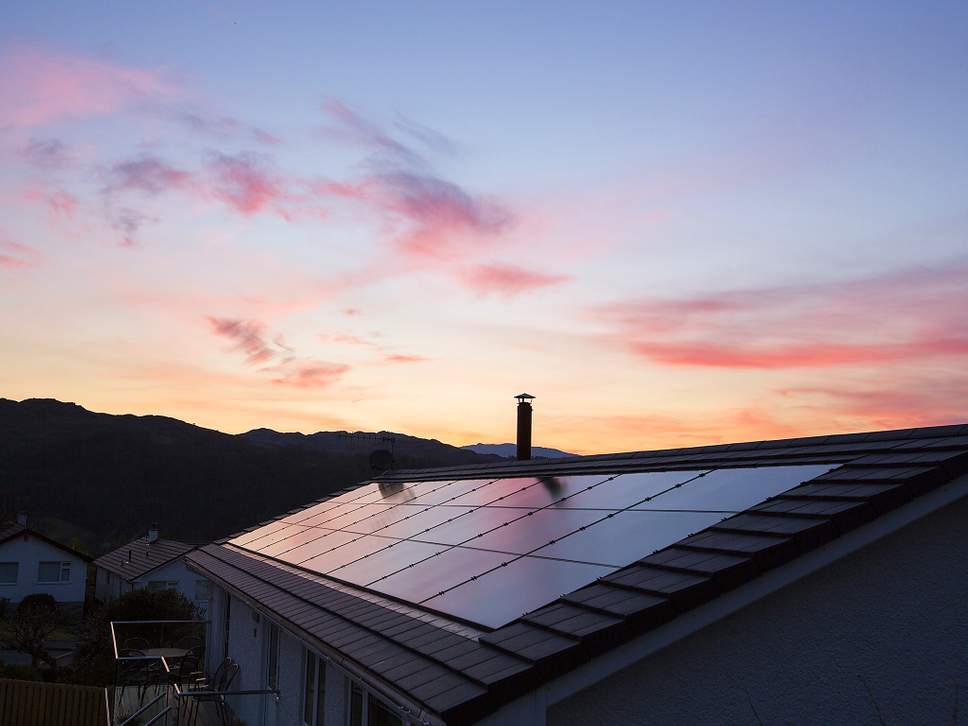


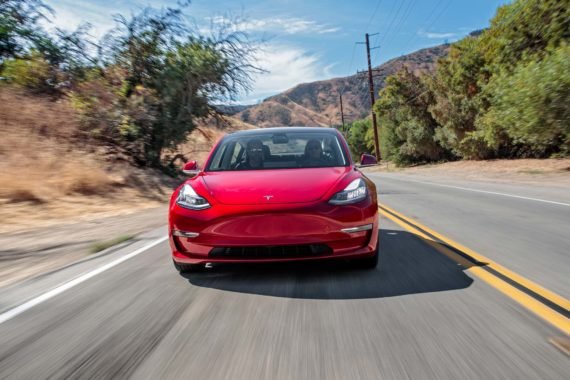

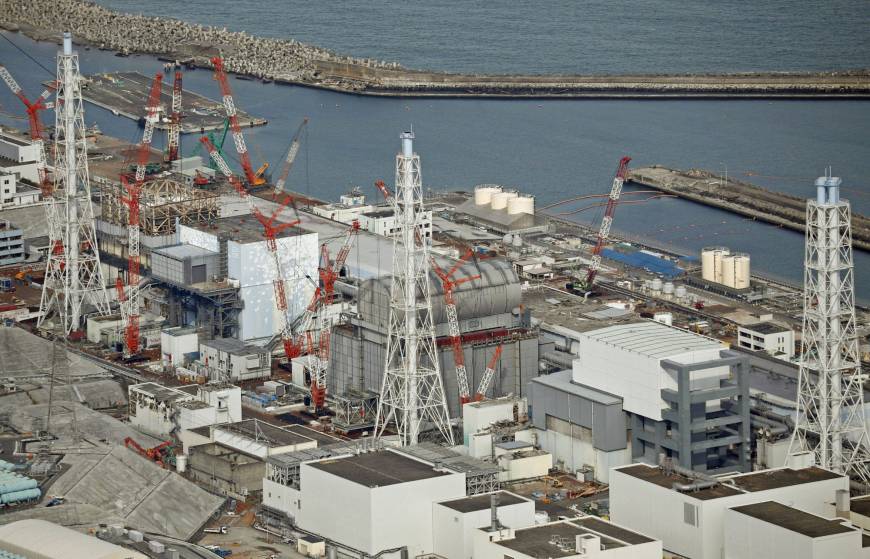





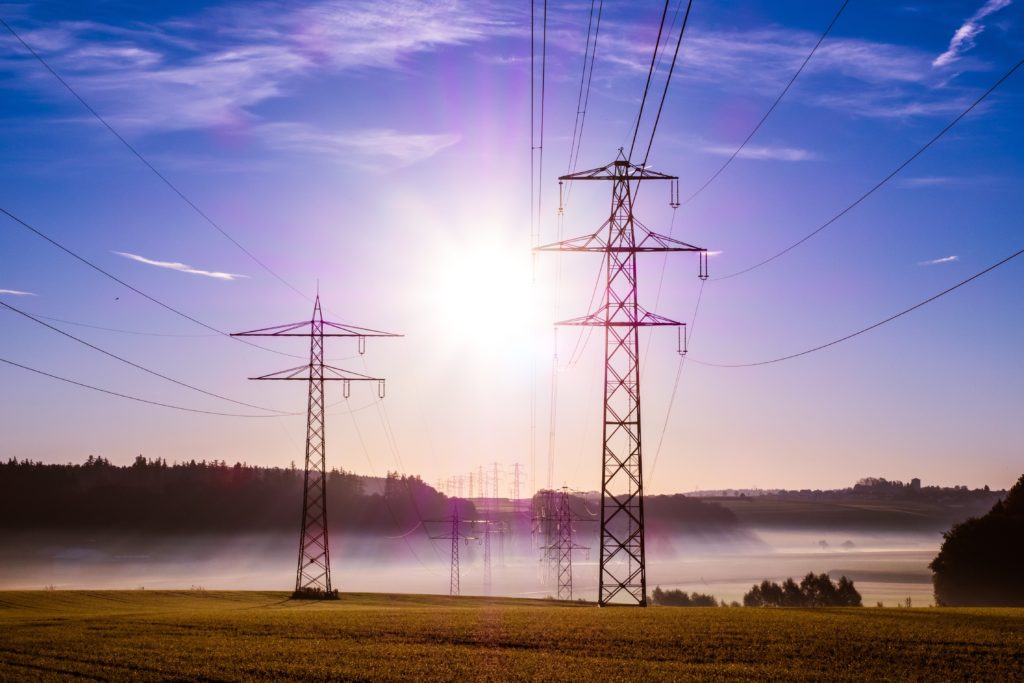

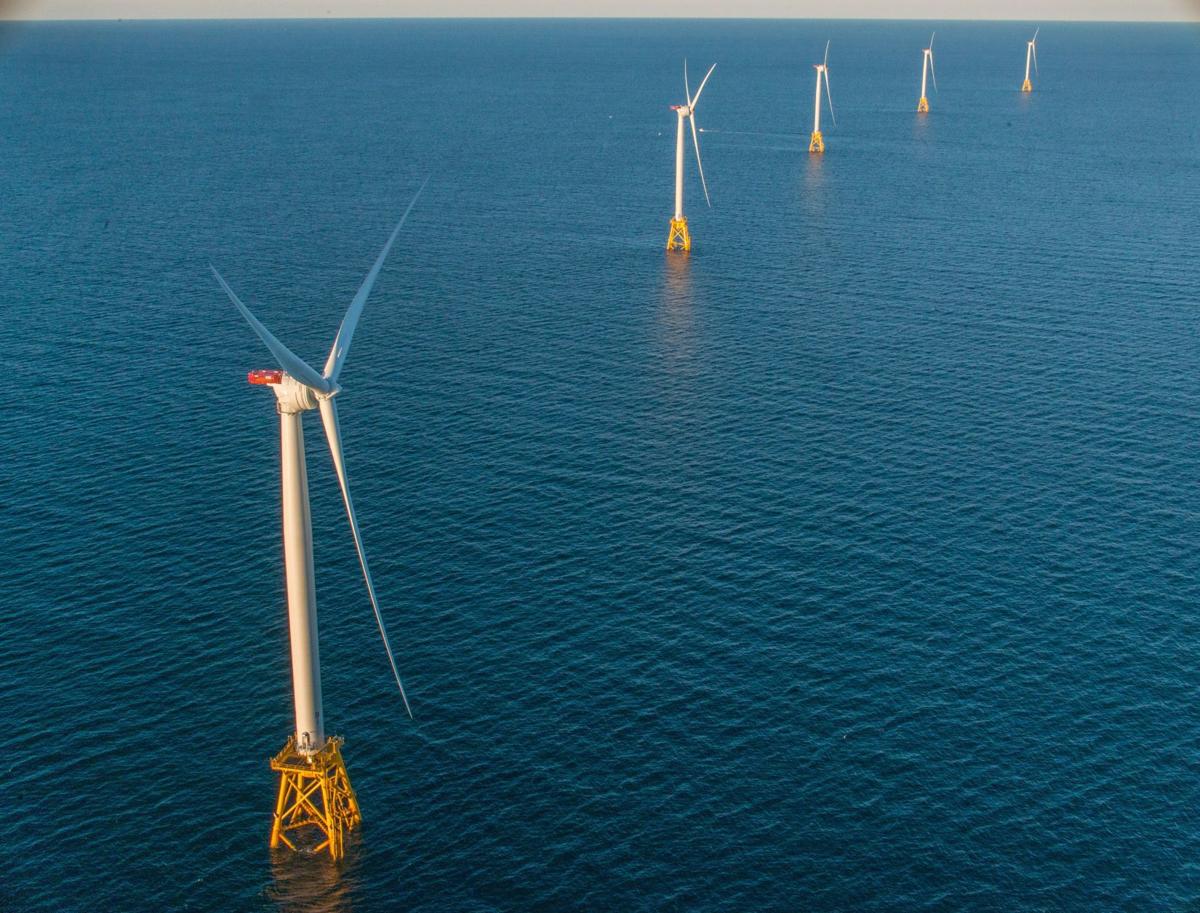
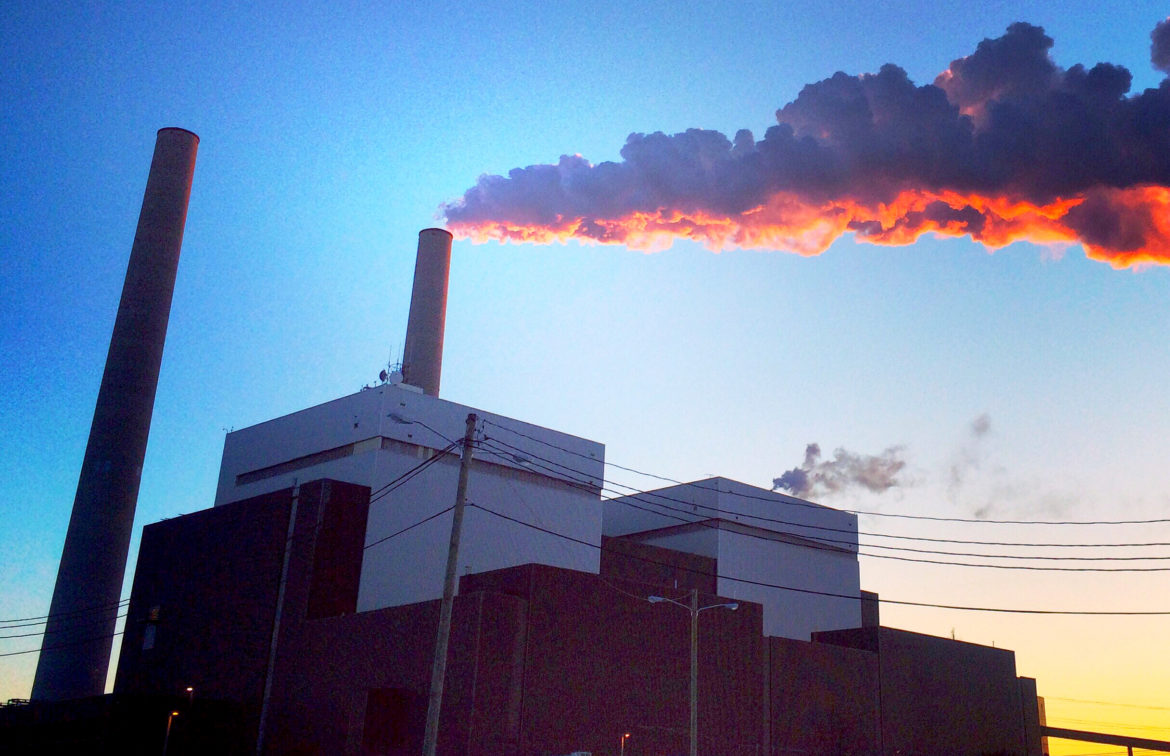
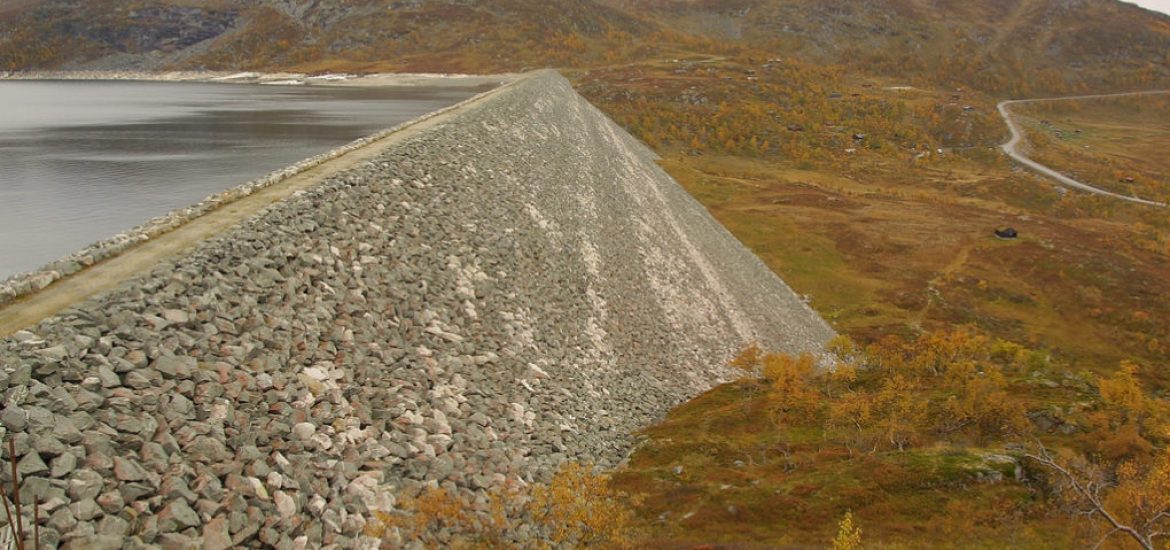


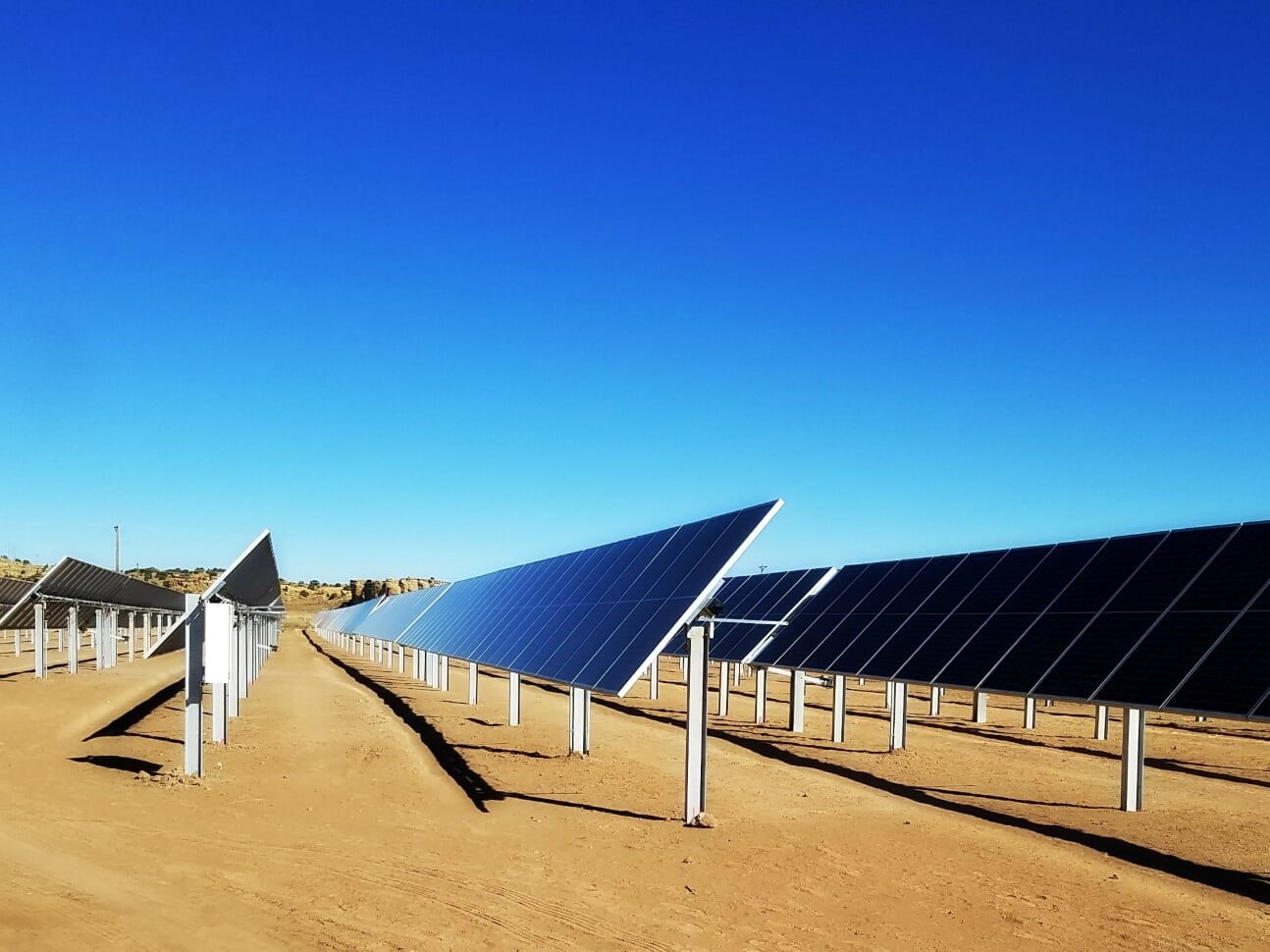




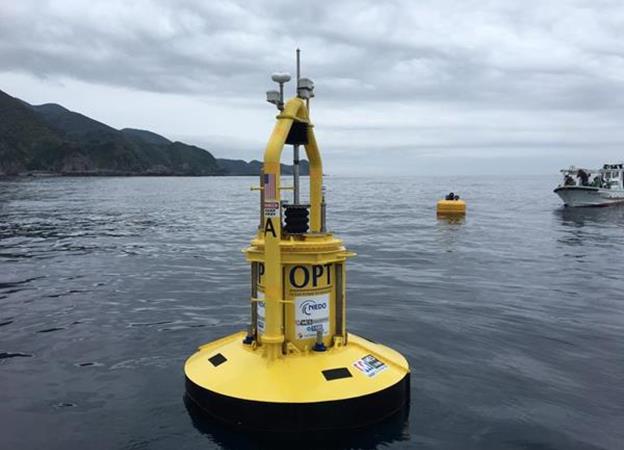

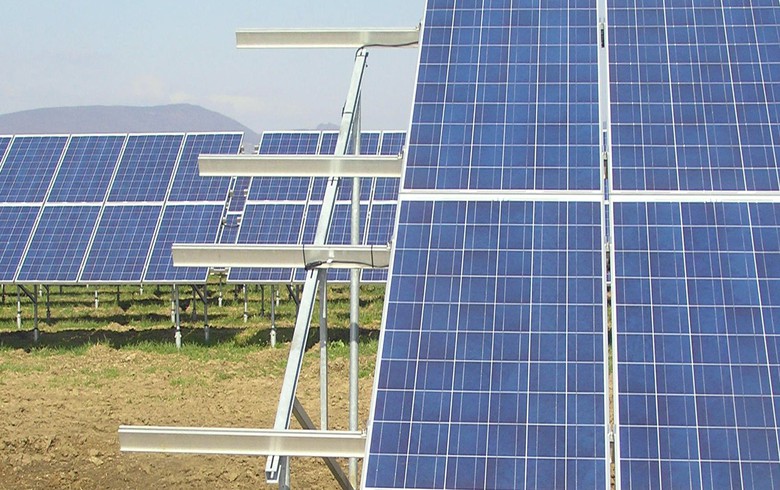
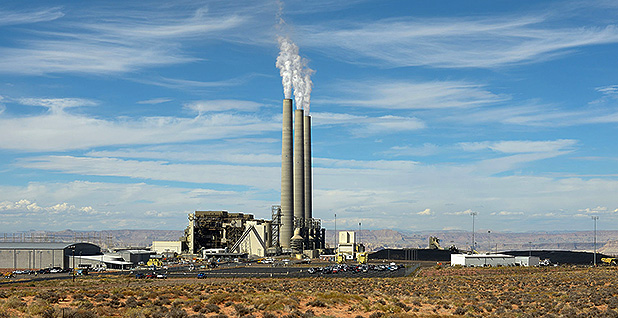
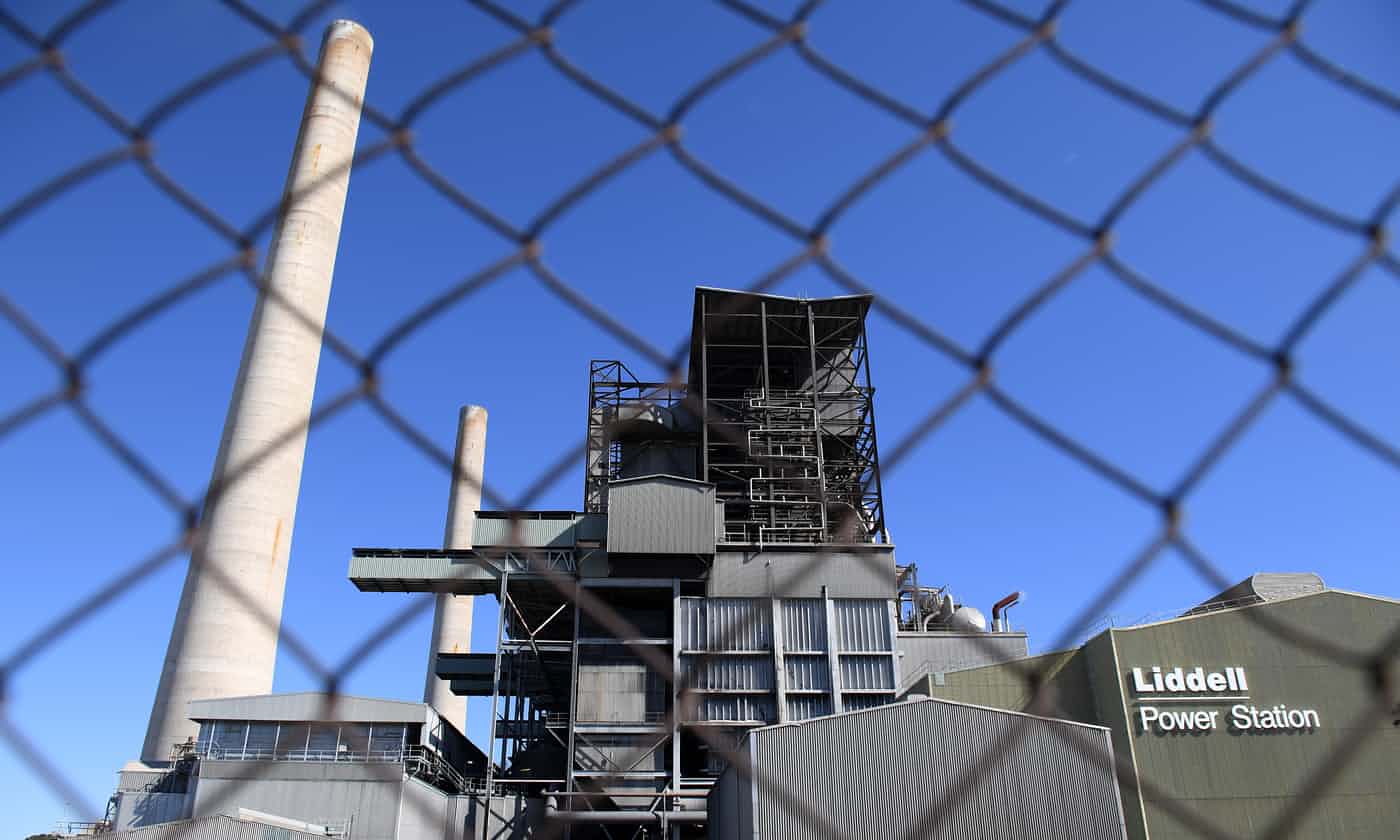


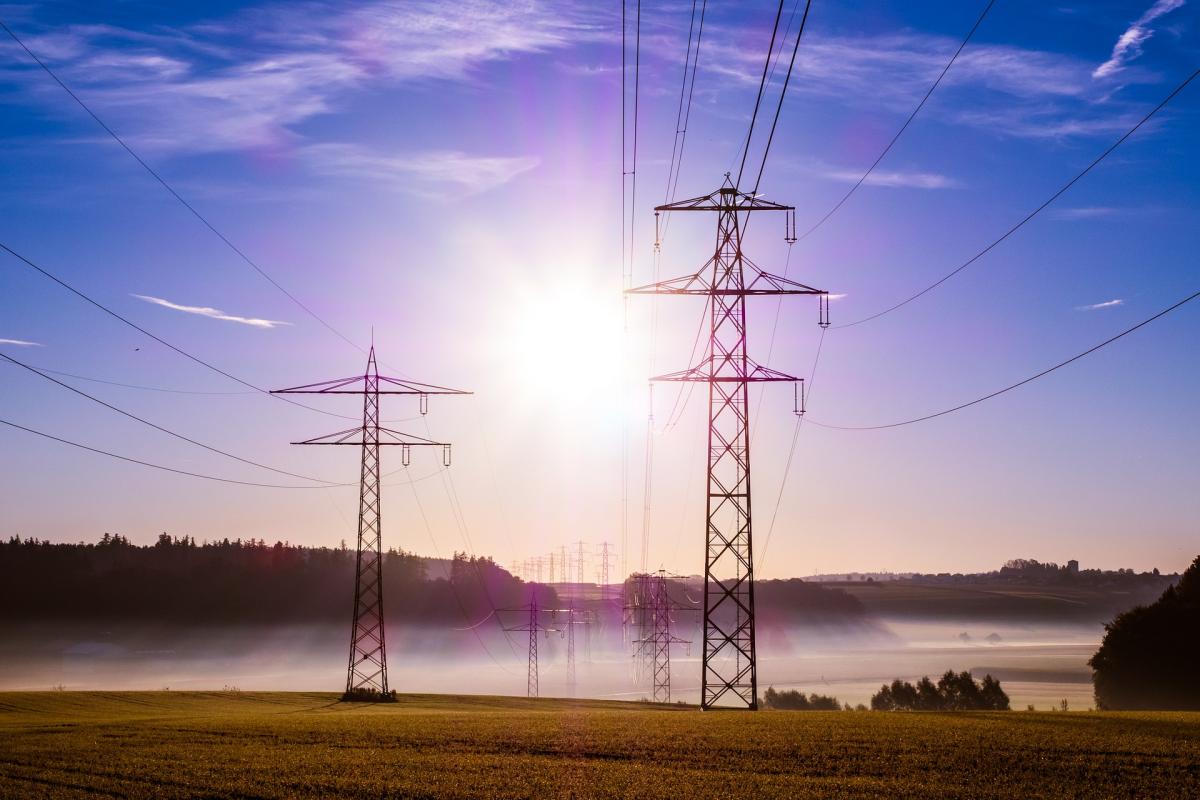


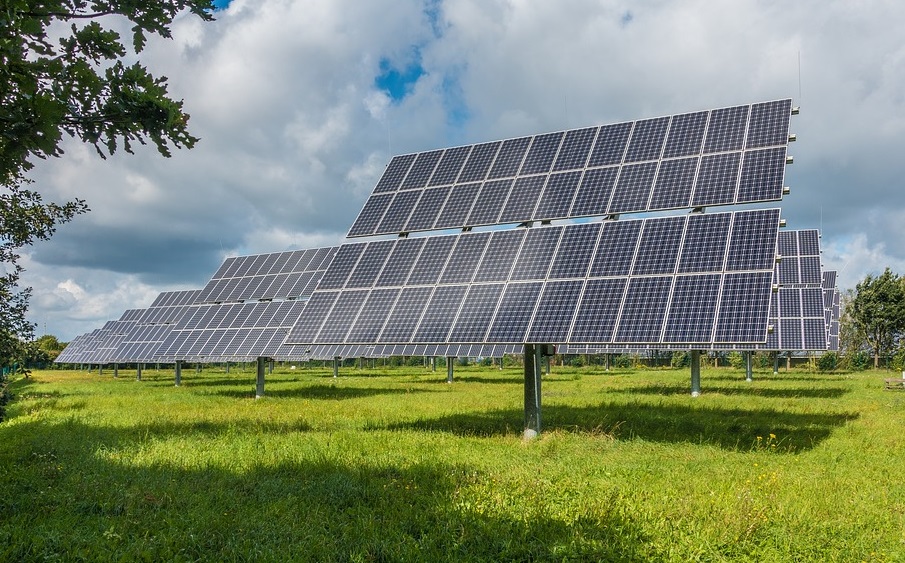



 geoharvey