Archive for the 'solar' Category
October 17, 2015
Science and Technology:
¶ When 149 countries, with 87% of the global population and 86% of climate-altering greenhouse gas emissions, had submitted their carbon-curbing pledges to the UN, Climate Action Tracker, a tool developed to model changes, said the pledges would put world is on course for average global warming of about 2.7° C. [Yahoo News UK]
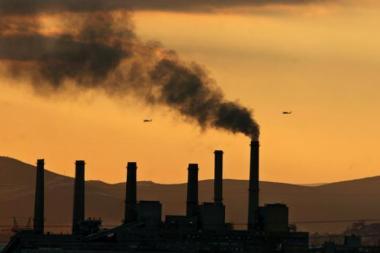
The Climate Action Tracker, a tool developed by a group of research organisations, in September predicted the Earth was on track for average warming of 3 degrees Celsius by 2100. AFP/AFP/File
World:
¶ Data from the Indian Ministry of New and Renewable Energy says 4.35 GW of utility-scale solar and grid connected rooftop solar capacity will be added during FY 2015-16, with FY 2016-17 numbers adding up to 10.86 GW. This would multiply India’s cumulative installed solar capacity of 4 GW by more than four. [CleanTechnica]
¶ UK energy supplier Ovo Energy announced it has removed coal and nuclear power from its energy supplies, as part of a new initiative to accelerate the transition to a gas and renewables-based energy mix. The company said this would cut its carbon emissions by 34% but have no impact on customers’ rates. [Business Green]
¶ China’s wind power capacity is to hit 120 GW by the end of 2015, according to the National Energy Administration. Wind power capacity reached 105 GW by the end of June this year, making it an important part of China’s energy mix, according to a representative of the NEA’s New and Renewable Energy Department. [Moneycontrol.com]
¶ BMW South Africa’s Rosslyn, Pretoria, plant will get up to 30% of its power through renewable energy from a biogas project, the German car maker announced. About 40,000 tonnes of cattle manure and 20,000 tonnes of organic waste will be fed into digesters each year to produce biogas to drive a gas engine for power. [TechCentral]

A part of BMW’s Rosslyn plant (image: BMW)
¶ Bengaluru, the capital of the Indian state of Karnataka, is facing the worst power crisis of the decade. The city is gearing up for day-long power cuts on weekends, as the Siddaramaiah-led Congress government has not been able to purchase power from other states so far. Power cuts of six hours have already become common in the city. [India Today]
¶ A survey by non-profit ethical investment platform Ethex concluded that 2.9% of the UK’s population are now actively involved in so-called “positive investing and saving.” Investment in values-driven enterprises grew 11% in the last year, the report says, reaching £3.6 billion, with projections they will grow to £11 billion by 2020. [Business Green]
¶ China-based construction machinery company Sany Group plans to invest about $5 billion in the Indian renewable energy sector. About $3 billion of the investment will be to install 2,000 MW of capacity between 2016 and 2020. The renewable projects are expected to generate 4.8 TWh of clean power annually. [Energy Business Review]
¶ Chile’s renewable power generation grew 17.8% year-on-year to 623 GWh last month, reaching 10.8% of total output, according to a monthly government report. Wind power was 28.9% of renewable sources, followed by mini hydro plants at 23.69%, biomass at 23.31%, solar systems at 21.06%, and biogas at 3.12%. [SeeNews Renewables]
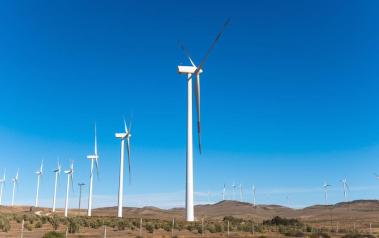
Wind farm in Chile. Featured Image: Pablo Rogat/Shutterstock.com
¶ Climate change is taking a heavy toll on Canada’s far north. Buildings collapsing as melting permafrost destroys foundations, rivers running low, and wildfires all drain limited finances. With a population less than 50,000, the Northwest Territories spent more than $140 million in two years on problems linked to global warming. [Reuters]
US:
¶ The United States is quickly approaching a major milestone when it comes to solar power systems installed at homes. More than 1 million homes should have solar panels installed on their rooftops by February 2016. This highlights the aggressive growth that the solar sector has been seeing over the past year. [Hydrogen Fuel News]
¶ Texas’ primary grid operator, ERCOT, released an updated Analysis of the Impacts of the Clean Power Plan and there are some bright spots. ERCOT’s analysis confirms that compliance with the plan will keep Texans’ 2030 electric bills below 2002 prices, when Texas first opened the electric market to competition. [Environmental Defense Fund]
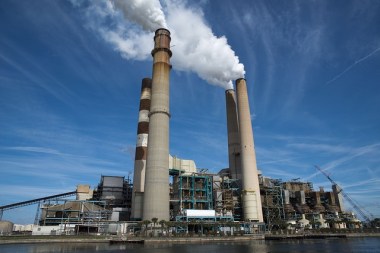
Texas power plant. Pixabay.
¶ The city council members of Elgin, Illinois, voted to go green. A one-year contract, which council members approved by a narrow majority this week, went to Dynegy Energy Services, which will supply 100% green electricity at the rate of 6.798¢ per kWh starting in January, saving customers an average of $22 each year. [Chicago Daily Herald]
¶ A federal judge approved a $4.3 million settlement in the Moapa Band of Paiute Indians’ Clean Air Act lawsuit against a Nevada utility that polluted the tribe’s land by openly dumping coal ash. The settlement requires Nevada Power to pay $4.3 million to the tribe and close the Reid Gardner plant by December 31, 2017. [Courthouse News Service]
¶ Entergy announced it will take a $965 million charge against its third-quarter earnings for the decreased value of its FitzPatrick nuclear plant, which the company has said it might close. The write-down does not mean that a final decision has been reached about whether to close FitzPatrick, an Entergy representative said. [Syracuse.com]
Posted in nuclear power, renewable power, solar, wind | Leave a Comment »
Tags: nuclear, nuclear power, photovoltaic, renewable power, solar power, wind power
October 16, 2015
Opinion:
¶ Kochi Airport’s Major Milestone Could Be The Answer To India’s Depleting Coal Capacity • India is heavily reliant on coal for its electricity needs. A report indicates that India’s contribution amounted to 28%, or almost a third of global emissions growth in 2014 alone. A move by Kochi Airport comes as a much-needed breather. [Youth Ki Awaaz]

Kochi Airport. Image source: WordPress
¶ A Low Carbon World – Are We Finally Getting It? • As we move closer to the Paris climate talks, ever more stakeholders seem to be ready to be part of the solution. Negotiations bogged down in zero-sum confrontations suddenly have a ring of can-do optimism about them. Why? … Actually, the new question seems to be: “Why not?” [CleanTechnica]
World:
¶ Inox Wind has commissioned a wind farm of 116 MW capacity in Gujarat. The wind farm will prevent the burning of 0.17 million tonnes of coal and the creation of 0.2 million tonnes of carbon dioxide emissions every year. Inox Wind also commissioned a sub-station capacity capable of carrying 400 MW for further expansion. [CleanTechnica]
¶ SBJ Cleantech, a joint venture of SoftBank, Foxconn, and Bharti Enterprises, has stuck its first deal in the solar power market. It signed an agreement with the state government of Andhra Pradesh to set up 2 GW of solar capacity, which will be further expanded. The company will also set up 1 GW wind capacity in the state. [CleanTechnica]
¶ Irish power utility Electricity Supply Board inaugurated a 20-MW wind farm in County Waterford. The Woodhouse wind farm is expected to produce enough power for 10,000 homes. It consists of eight 2.5-MW Nordex turbines. Including this €33 million power plant, ESB’s 15 Irish wind farms have total capacity of 300 MW. [SeeNews Renewables]

Wind farm in Ireland. Author: Harry Pears. License: Creative Commons, Attribution-ShareAlike 2.0 Generic
¶ Cuba says it is working to increase by six times the use of renewable energy in the national energy matrix by 2030. Among things it will do is to build 13 large wind energy farms capable of producing 633 MW. Cuba’s program is aimed at raising renewable energy sources to 24% of the country’s power generation. [postzambia.com]
¶ Vestas wind turbines have reached a global capacity landmark figure of 70 GW, enough to cover the annual electricity needs of 75 million Europeans. Vestas have installed 55,000 turbines, and Vestas believes its success provides evidence that wind energy provides the best combination of low-cost, availability and carbon-free energy. [reNews]
¶ Oil and gas industry leaders have launched a final charm offensive to highlight the sector’s relevance in the global fight against climate change before a key summit in Paris later this year. The leaders of 10 gas and oil companies issued a statement calling for an “effective” agreement at the United Nations climate change summit. [The Guardian]
US:
¶ Danish wind turbine maker Vestas Wind Systems announced it has received a firm order for 144 MW to be supplied for a project in Michigan. The supply-only contract calls for Vestas to deliver 72 pieces of its V110-2.0 MW turbine model. A 10-year Active Output Management 5000 service deal has also been agreed. [SeeNews Renewables]
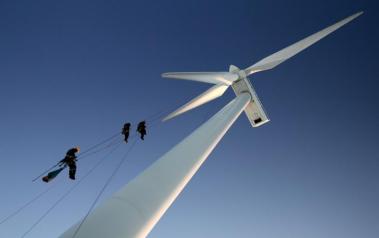
Vestas wind turbine. Source: RenewableUK. License: All Rights Reserved.
¶ At a conference of American energy firms meeting about national security concerns, US law enforcement officials revealed ISIS is trying to hack American electrical power companies. They said the attacks by the Islamic State have been unsuccessful. Terrorists are not currently using the most sophisticated hacking tools as yet. [CNN Money]
¶ The US clean tech industry employed more than 1.47 million people during second quarter of 2015, marking an increase of 16% on the same period last year. The Institute said July 2015 saw the number of new jobs being created in the industry more than double year-on-year. August 2015 saw an increase of 57%. [Business Green]
¶ The James FitzPatrick nuclear plant in Oswego County, New York, may close. The Ginna plant is on life support. Gov. Andrew Cuomo says he wants to close Indian Point. Vermont Yankee is down. Pilgrim is going down. Some nuclear experts say this may be a denouement to the story of nuclear power in the United States. [Capital New York]
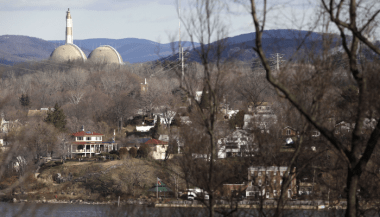
Indian Point. (AP Photo/Julie Jacobson)
¶ Aviation researchers and industry leaders came together to push for renewable fuels to replace fossil fuels in jets. Without them regulatory pressures could hamper the growth of commercial aviation. Aviation uses less than 6% of the world’s fossil fuel, the industry is highly vulnerable to regulations. [Puget Sound Business Journal (Seattle)]
¶ A national network of utility interest groups and fossil-fuel industry-funded think tanks is providing funding, model legislation, and political cover for anti-solar campaigns across the country, and would-be solar power owners could pay the price, said a new report by Environment New York Research & Policy Center. [Long Island Exchange]
¶ Oklahoma is on track for more than 900 earthquakes this year, many presumed to be linked to oil and gas production. Cushing, the key pipeline and tank crossroads for the oil industry, just experienced a 4.5 quake Saturday. It came right after a government report found nearby geologic faults had awakened and reactivated. [KERA News]
Posted in nuclear power, renewable power, solar, wind | Leave a Comment »
Tags: nuclear, nuclear power, photovoltaic, renewable power, solar power, wind power
October 15, 2015
World:
¶ Ormat Technologies Inc and Toshiba Corp have signed a strategic collaboration agreement that will bring together the companies’ expertise in different geothermal technologies. The two will explore ways to provide a more competitive offering for comprehensive geothermal development to capture a larger market share. [SeeNews Renewables]
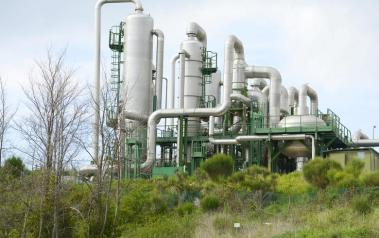
Geothermal power plant. Featured Image: cate_89/Shutterstock.com
¶ Australian developers hope to tap into the voracious demand for clean energy from the big north Asian economies, and create a “solar fuels” export industry at a scale many would find unimaginable. Proponents are talking of developing massive solar arrays in the Australian outback at a scale of “multiple tens” of gigawatts. [RenewEconomy]
¶ On October 15 Japan restarted a second nuclear reactor after a shutdown triggered by the 2011 Fukushima crisis, as the government pushes to return to a cheaper energy source. The development is despite widespread public opposition. Engineers will now spend several days bringing the newly restarted reactor up to operational level. [Channel News Asia]
¶ Navigant Research has concluded that revenue from the global market for solar PV combined with energy storage nanogrids will expand rapidly through 2024. Navigant Research says the market for nanogrids based on PVs and energy storage nanogrids is likely to reach $23.1 billion, up from its current $1.2 billion in 2015. [CleanTechnica]
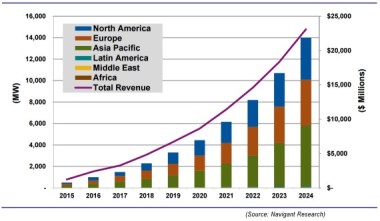
Total Solar PV plus Energy Storage Nanogrid Capacity and Revenue by Region, World Markets: 2015-2024. Source: Navigant Research
¶ The 21 member-economies of the Asia-Pacific Economic Cooperation seek to phase out fossil fuel subsidies, double renewable energy use, and promote nuclear energy. Their goals include global energy security, sustainable development, and reducing greenhouse gas emissions. Fossil fuel subsides are estimated at $5.3 billion annually. [InterAksyon]
¶ German energy giant E.ON said it would sell its Norwegian oil and gas exploration business to Deutsche Erdoel DEA for $1.6 billion (€1.4 billion) as it shifts focus to renewable energy. E.ON, hit by Germany’s green energy transition, said last year it would spin off its conventional power activities to focus on renewable energy. [Daily Sabah]
¶ The government of the UK is facing growing pressure to ease off on its plans to cut subsidies for renewable energy that have helped hundreds and thousands of people install rooftop solar panels, just days before a consultation on the feed-in tariff review closes. The government’s feed-in tariff review, proposes cuts of up to 87%. [Business Green]
¶ Two ageing nuclear reactors at the Oskarshamn plant in Sweden will be decommissioned, according to the owner and operator, OKG. The Oskarshamn 1 reactor will be closed between 2017 and 2019; no date was provided for the closure of the Oskarshamn 2 reactor. Sweden gets 38% of its power from nuclear plants. [Gulf Times]

AFP/Stockholm
¶ Taking forward an announcement made by the Indian Prime Minister on August 15, the Union ministry of power has readied a plan to electrify 18,500 villages in seventeen states over the course of three years. Of these villages, around 3,500 would get their electricity through off-grid or renewable energy solutions. [Business Standard]
¶ Net retail sales of ethical and socially responsible investment funds in the UK have more than doubled from £206 million in 2013 to £460 million in 2014. However the UK has some catching up to do. Funds under management in this area have grown from $13.3 trillion at the start of 2012 to $21.4 trillion at the start of 2014. [FT Adviser]
US:
¶ New figures from EnergySage show solar installation costs in the US for the first half of 2015 averaged around $3.79 per watt. This is one of the primary conclusions of EnergySage’s new 2H 2014-1H 2015 EnergySage Solar Marketplace Intel Report, which focused on the residential and small-scale commercial solar market. [CleanTechnica]
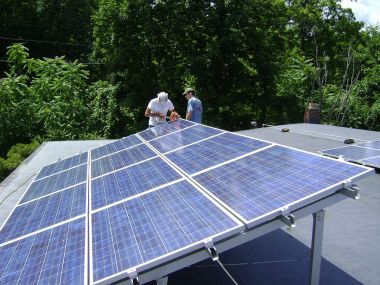
Two workers installing a tilt-up photovoltaic array on a roof near Poughkeepsie, NY. Photo by Lucas Braun. CC BY-SA 3.0. Wikimedia Commons.
¶ Florida’s electric utilities have been fighting a battle over a proposed constitutional amendment intended to lift major obstacles to rooftop solar development. The issue is before the Florida Supreme Court, which is expected to rule on whether the proposed amendment can appear on the state’s November 2016 election ballot. [energybiz]
¶ The looming shutdown of Pilgrim Nuclear Power Station in Plymouth is quickly changing the debate about energy on Beacon Hill, moving it out of the policy-wonk arena and into the political realm. The four big energy variables on the table are natural gas pipelines, Canadian hydropower, solar, and offshore wind. [CommonWealth magazine]
¶ The Democratic hopefuls for president vowed to embrace forceful measures to combat climate change in their curtain-raising debate last night. They did not explain how they would get help of Republican lawmakers needed to enact their plans. Four of the five candidates raised the climate issue in their opening statements. [Scientific American]
¶ The Hawaiian Public Utilities Commission has decided to do away with net energy metering, cutting the credit new Oahu PV customers get for sending excess energy to the grid from the current 26.8 cents per kWh to about 15 cents under a new grid supply program. Residents of the other islands will get different rates. [Hawaii News Now]
Posted in nuclear power, renewable power, solar, wind | 1 Comment »
Tags: nuclear, nuclear power, photovoltaic, renewable power, solar power, wind power
October 14, 2015
World:
¶ The Swedish government seeks to become the world’s first fossil fuel free nation. The country says it is laying the groundwork and reinforcing progress at every turn. It will be spending an extra $546 million on renewable energy and climate change action, according to “The Budget Bill for 2016 – Investing in Sweden’s Future.” [CleanTechnica]

Image by magnus.johansson10 (CC BY-SA)
¶ Siemens announced it had been awarded the contract to supply, install, and commission 54 of its direct-drive, SWT-3.2-101 wind turbines, amounting to 172.8 MW, for the Clyde Extension project. The project will increase the capacity of one of Europe’s largest onshore wind power plants to an impressive 523 MW. [CleanTechnica]
¶ Kenya’s electricity generator said on Wednesday it plans to add 511 MW of renewable energy to the national grid by the end of 2018. Electricity Generating Company MD Albert Mugo told an investor briefing in Nairobi that construction of the first 70 MW of geothermal power will begin in the first quarter of 2016. [Coastweek]
¶ Home to about 300 people, Tyalgum, New South Wales, is at the centre of a project to create the first Australian town powered by 100% renewable energy, with the potential to voluntarily disconnect from the electricity grid. It could save the community about $580,000 each year in energy costs, a feasibility study says. [The New Daily]
US:
¶ In 2008 the USGS reported that California has a 99% chance of a magnitude 6.7 or larger earthquake in the next 30 years. Just last year a 6.0 magnitude earthquake knocked out power to more than 40,000 people in the San Francisco Bay area. The City of San Francisco is not taking chances – they’re preparing with microgrids. [RMI Outlet]

Image courtesy of Shutterstock.
¶ Pilgrim Nuclear Power Station in Plymouth, Massachusetts, will close no later than June 1, 2019, its Louisiana-based operator announced Tuesday morning. In its news release, Entergy said the exact timing, which depends on several factors, including discussions with regulators, would be decided during the first half of next year. [Fx Report Daily]
¶ Oregonians may get to vote on ballot initiatives that force utilities to phase out the sale of electricity from coal-fired plants and boost renewable energy. Two ballot measures were filed to require utilities to stop selling power from coal-fired plants by 2030 and mandate that 50% of energy from renewable sources by 2040. [Pamplin Media Group]
¶ US independent power producer EDF Renewable Energy said that the 194-MW Spinning Spur 3 wind farm in Texas has achieved commercial operation in late September, three months ahead of schedule. The facility consists of 97 units of Vestas’ V-100 2 MW turbines and generates enough power for 58,200 households. [SeeNews Renewables]
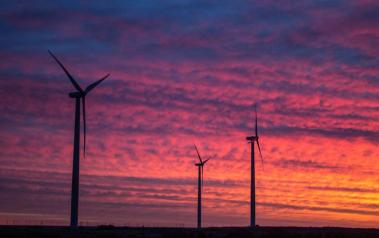
Wind park in Texas. Author: Rockin’Rita. Creative Commons, Attribution-NonCommercial-NoDerivs 2.0 Generic.
¶ A report from Lawrence Berkeley National Laboratory says the increasing cost-effectiveness of solar power has resulted in a 70% decline in the prices of power purchase agreements since 2009. The report predicts the prices will continue to decline, while natural gas prices are expected to float upward with increased demand. [Solar Industry]
¶ Tesla battery packs will be used to part-power 24 office buildings in California. The Irvine Company, a real-estate firm with properties throughout California, will install Tesla battery systems the size of five parking spaces, that will reduce peak grid energy consumption across the company’s entire portfolio by 25%. [edie.net]
¶ There is a fight brewing against the Clean Power Plan, but most utilities won’t be a part of it, the Wall Street Journal reports. President Obama’s plan to lower greenhouse gas emissions largely aligns with market forces that the industry has already been following, including a greater focus on renewable energy and energy efficiency. [Utility Dive]
Posted in nuclear power, renewable power, solar, wind | 1 Comment »
Tags: nuclear, nuclear power, photovoltaic, renewable power, solar power, wind power
October 13, 2015
World:
¶ In 2013, renewables accounted for 5% of Africa’s needs but this figure could reach 22% over the next 15 years, the International Renewable Energy Agency said in its Africa 2030 report. Africa’s energy production must double and its electricity production triple to keep up with the pace of development and meet demand. [Yahoo7 News]

Portion of the Cookhouse Wind Farms in South Africa. Photo by NJR ZA. CC BY-SA 4.0. Wikimedia Commons.
¶ Genex Power has unveiled plans to build a 150-MW solar PV project at an old mine in Queensland, adjacent to a proposed 330-MW pumped hydro storage project. If it goes ahead, it could be the biggest solar plant in Australia, but it certainly will be the largest combined solar and storage project, and a world first on the latter metric. [CleanTechnica]
¶ VW has company. Emissions Analytics has tested almost 200 diesel cars from Audi, Renault, Nissan, Hyundai, Citroen, Fiat, Volvo, Jeep, Mercedes-Benz, Honda, Mazda, and Mitsubishi and found all but five of them emitted more nitrous oxide emissions in normal driving than they did during official testing – up to 20 times more. [CleanTechnica]
¶ According to new calculations by Platform London, and released in conjunction with 350.org, Friends of the Earth, and Community Reinvest, failed investments in coal firms caused by the recent coal crash cost UK local council pension funds up to £683 million, with Greater Manchester’s interests in coal crashing by £148 million. [CleanTechnica]
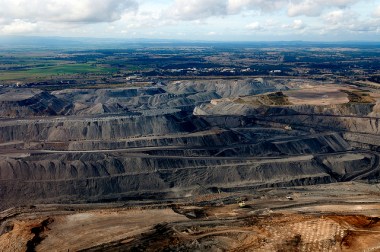
Open pit coal mine in green countryside.
¶ Europe’s climate change chief says he is astonished at the positive progress by governments towards a global deal on CO2, saying even six months ago he would not have believed such commitments would appear. He warned, though, that the pledges had not yet reached the level needed to prevent potentially dangerous warming. [BBC]
¶ Australia’s energy markets are on the cusp of rapid change, but it is not just the prospect of individuals quitting the grid that represents the biggest challenge to industry incumbents. It’s possible whole towns and communities will defect. The creation of micro-grids is seen by many as an obvious community-based solution. [RenewEconomy]
¶ The Isle of Man Government granted a survey licence for a local company to explore the possibility of developing a tidal array on an area of the island’s seabed. The seven-year agreement will enable Manx Tidal Energy Limited’s preliminary study on the commercial viability of offshore electricity production. [Blue & Green Tomorrow]
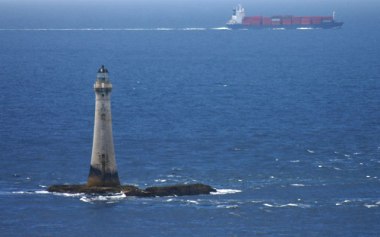
Chicken Rock Lighthouse, Isle of Man. Photo by Andy Stephenson. CC BY-SA 2.0. Wikimedia Commons.
¶ For the French nuclear industry the past five years have been a tale of technical problems and cost overruns that brought Areva to its knees and called into question the country’s ability to deliver on next generation technology. A Finnish reactor is ten years behind schedule. A French reactor is at 350% of its budget. And it goes on. [Financial Times]
US:
¶ Pennsylvania has seen jump from 100 natural gas fracking wells in 2006 to 8,000 today. A study from Johns Hopkins University suggests that the industry’s growth has come at high price for local residents, especially expectant mothers. Along with increases in fracking have come increases in high-risk pregnancy and premature birth. [CleanTechnica]
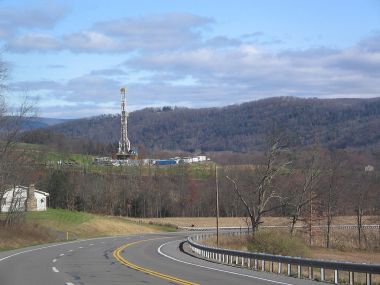
Tower for drilling horizontally into the Marcellus Shale Formation for natural gas. Photo by Ruhrfisch. GFDL. CC-BY-SA. Wikimedia Commons.
¶ Colorado’s second-biggest power generation company is upping the ante on renewable energy. The Tri-State Generation and Transmission Association, a wholesale power supplier for 1.5 million customers, announced it will buy all the power from a new 25-MW solar power station in southwest New Mexico. [9NEWS.com]
¶ During the Polar Vortex cold, grid operator PJM only barely met demand. Over the past several months, Environmental Defense Fund and The Accelerate Group have been working closely with PJM, and others in Chicago to develop an innovative pilot program to how demonstrate demand response can play a vital role in grid stability. [Breaking Energy]
¶ Construction on a 7-MW/3.5-MWh energy storage facility in Ohio is scheduled to begin this month, with completion expected in February. It will be tied to a PV plant, which will be online by the end of the year. Changes to the state’s renewable energy standard made the owners of the plant look for added value from other sources. [pv magazine]
Posted in nuclear power, renewable power, solar, wind | 1 Comment »
Tags: nuclear, nuclear power, photovoltaic, renewable power, solar power, wind power
October 12, 2015
World:
¶ So far, about 150 nations have promised the UN to curb CO2 emissions, but analysts say the pledges are not enough. One think-tank estimates current promises will lead to a global temperature rise of about 2.7° C, well over the 2° C “safety threshold.” At a meeting of 36 nations in Morocco, governments will judge for themselves. [BBC]
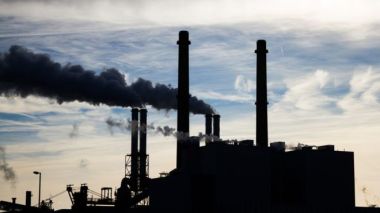
How fast are countries prepared to decarbonise their economies?
¶ Sunlabob Renewable Energy Ltd recently finalized a contract to provide turnkey implementation of eleven solar-powered micro-grids in remote communities of Myanmar. The micro-grids will provide reliable, clean energy access at the household level in eleven villages throughout Shan State and Chin State, Myanmar. [pv magazine]
¶ German utilities’ reserves for the country’s planned exit from nuclear power are adequate, the ministry for economics and energy says, citing a government-commissioned report on the matter. “The affected companies have fully covered the costs with the designated provisions,” economics minister Sigmar Gabriel said. [The Australian]
¶ Gamesa has won new orders in several countries around the world, including India and Brazil with a new 8-MW offshore wind turbine on the way via a joint venture with Areva. Also, Gamesa is to build a 40-MW turnkey wind farm in India for ReNew Power, one of India’s leading independent power producers. [Renewable Energy Magazine]
¶ US firm First Solar Inc installed the last of the 677,760 PV panels at AGL Energy Ltd’s 53-MW Broken Hill solar park in New South Wales, Australia. Roughly half of the capacity was put into operation in mid-September. The rest is expected to come online later in October, the Australian Renewable Energy Agency said. [SeeNews Renewables]
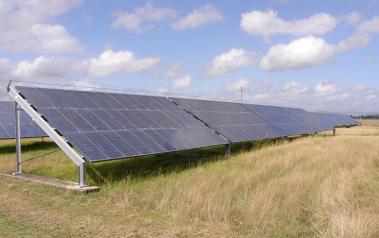
Solar park. Author: Chris Baird. License: Creative Commons, Attribution 2.0 Generic.
¶ India’s strategy of a foreign currency-denominated tariff plan for solar energy is aimed at providing solar power at a new low of ₹4.75 (7¢) per unit to the states. It will provide a purchase guarantee, making such projects bankable and helping solar power eventually cost the same as that purchased from the grid (ie, at grid parity). [Livemint]
¶ Every house in Canberra’s newest suburb will have solar panels installed. Denman Prospect will be Australia’s first suburb to have a minimum requirement for solar power installation on all residences; with each house to have a minimum 3-kW system. Each system is expected to generate approximately 4,146 kW annually. [Energy Matters]
¶ A fleet of 10 Renault electric vehicles powered by renewable energy are now available to hire by residents and visitors to the Outer Hebrides of Scotland. The cars come to the region through a partnership between E-Car Club and the wind farm operators and are powered almost entirely by the wind farm’s renewable energy. [EV Fleet World]
US:
¶ Following in the footsteps of Burlington, Vermont and Greensburg, Kansas, Aspen, Colorado has weaned its electric power from fossil fuels and is running 100% on renewables. Aspen’s “Canary Action Plan” commits to reducing the community’s remaining greenhouse emissions 30% by 2020 and 80% by 2050. [EarthTechling]
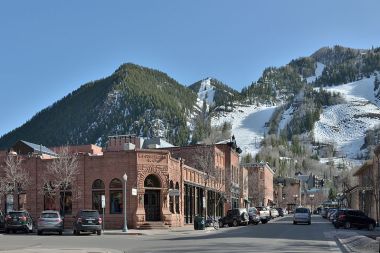
Aspen, Colorado. CC License
¶ For every dollar spent on energy efficiency last year, Michigan ratepayers realized benefits of $4.38, a report from the Michigan Public Service Commission says. Between 2010 and 2014, the overall cost of the state’s Energy Optimization program has been $1.1 billion, but the lifetime savings to all ratepayers will be $4.2 billion. [MiBiz]
Posted in nuclear power, renewable power, solar, wind | 1 Comment »
Tags: nuclear, nuclear power, photovoltaic, renewable power, solar power, wind power
October 11, 2015
Opinion:
¶ “New ways to put energy in the bank” There are many ways to store energy. Big batteries cost a lot of money. But concerns about climate change and consumer demand for clean energy are creating more demand for energy storage solutions – especially to fully capture the possibilities of alternative energy. [Los Angeles Times]
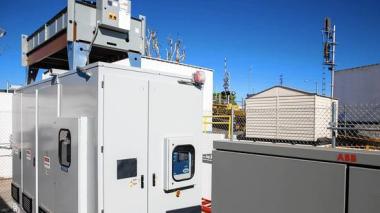
DESI (Distributed Energy Storage Integration) uses lithium-ion battery technology by NEC Energy Solutions to help Southern California Edison deliver more reliable electricity. (Ivan Penn / Los Angeles Times)
¶ “China’s green revolution” China has overtaken the US as the world’s largest economy, and over the past two decades its blitz of industrialization has pulled millions of people out of poverty. The world’s worst polluter is worried about climate change, and is now the biggest global investor in green technology. [The Week Magazine]
World:
¶ Provincial carbon pricing programs can both cut emissions and drive economic growth if managed correctly, according to experts. Despite some claims that a carbon tax would have negative impact, carbon pricing plans would have little impact on the economy in the short term and positive effects in the longer term. [National Observer]
¶ A group of 11 leading energy utilities from around the world have published a major report detailing how 50 different electricity technologies could play a role in meeting international climate change targets. It projects costs for solar PVs to fall to $1 per watt, and a new generation of nuclear reactors coming by the 2040s. [Business Green]
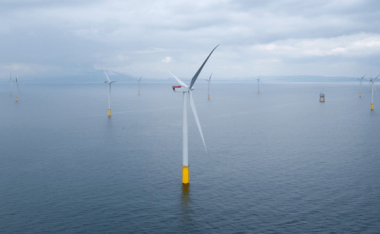
Walney Offshore Wind Farm. Photo: DONG Energy AS
¶ The Latrobe Valley in the Australian state of Victoria is home to four operating brown coal-fired power plants, which are the most greenhouse gas intensive in the country. Many of the region’s towns were founded or expanded on the back of the industry over the last century. Now the Greens are pushing for closing the plants. [The Age]
US:
¶ Hilton has announced a rollout of EV charging stations. The stations are being installed at fifty Hilton Worldwide hotels in the US by the end of 2015; and a hundred US hotels by the end of 2016. It is worth noting that different charging stations will be present for those driving Teslas and those driving other EVs or plug-in hybrids. [CleanTechnica]
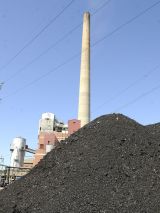
Lansing Board of Water and Light’s Eckert Power plant uses coal to create electricity for their customers. Photo: Greg DeRuiter, Lansing State Journal
¶ Coal-fired power plants have supplied over 50% of the Michigan’s electricity generation for years, but that figure will soon drop. Due to old age and tighter environmental regulations, 25 coal units at Michigan power plants are scheduled to shut down by 2020. Likely replacements are gas, renewables, and efficiency. [Detroit Free Press]
¶ A $2.75 million settlement announced last month between Friends of Maine’s Mountains and SunEdison involving New England’s largest wind farm, near Bingham, has exposed a deep rift in the state’s wind-power resistance movement. While opponents decried it, parties to the settlement explained it in interviews. [Press Herald]
¶ Electric cars are few and far between in Oklahoma, but that isn’t stopping a startup company from charging ahead to find uses for the large advanced batteries once their driving life is over. Spiers New Technologies began in late 2014 in a warehouse in Oklahoma City. Now, it has 15 employees and contracts with car companies. [NewsOK.com]
¶ In North Carolina, state and local officials worry that an end this year to tax credits for solar farms could halt or significantly curtail an industry that has helped build the tax base and generate economic activity in job-hungry rural areas. The state budget passed last month does not include a 35% tax credit for solar energy. [Fayetteville Observer]
Posted in nuclear power, renewable power, solar, wind | Leave a Comment »
Tags: nuclear, nuclear power, photovoltaic, renewable power, solar power, wind power
October 10, 2015
Opinion:
¶ “Xcel’s Plan to Cut Carbon 60 percent is Affordable and Will Benefit Minnesota’s Economy” Xcel’s revised proposal for Minnesota would accelerate investments in renewable energy by adding wind power solar power. They are doing this to take advantage of lower costs and replace coal. [The Equation: Blog of the Union of Concerned Scientists]

Source: Xcel. (Click on image to enlarge.)
World:
¶ According to the International Energy Agency’s Energy Efficiency Market Report 2015, energy efficiency improvements of IEA member countries contributed to a total 10 billion tonnes of carbon dioxide emissions avoided over the last 25 years. This is roughly equivalent to annual emissions by all IEA member countries. [CleanTechnica]
¶ The UK government announced it still intends to end subsidies for onshore wind farms, but has included a grace period to soften the blow. The government expects about 2.9 GW of onshore wind capacity will be eligible for grace period criteria, but believes 12.3 GW can still be installed by 2020, even without subsidies. [CleanTechnica]
¶ The Borkum Riffgrund 1 offshore wind power plant has been officially inaugurated. It has 78 Siemens wind turbines, each with a capacity of 3.6 MW. Its output will supply around 320,000 German households with ecofriendly electricity. Siemens is also providing service and maintenance for the turbines for 10 years. [7thSpace Interactive]
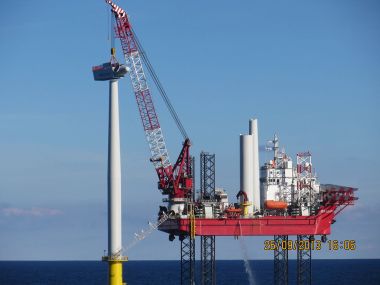
Construction of a wind turbine in the offshore wind park. Photo by Rscbelgium. CC BY-SA 3.0. Wikimedia Commons.
US:
¶ The US will add 11 GW of utility-scale solar power plants in 2015 and 2016, doubling the cumulative capacity in that segment, the US Energy Information Administration projects. California, North Carolina and Nevada will get 70% of the expected new solar capacity. About 4.4 GW will be deployed in California alone. [SeeNews Renewables]
¶ California Governor Jerry Brown signed bill AB 693, which designates $100 million to solar installations in low-income communities over the next 10 years. The bill should assist installations in 215,000 multifamily housing units. Low-income families using solar power will also be eligible for credits toward utility costs. [Grist]
¶ Burlington, Vermont, is installing solar arrays on city buildings, serving as a model to encourage private businesses and organizations to do so, too. The arrays help ensure low-cost and locally generated power will be available during times of high use, such as hot summer days when demand for energy is greatest. [BurlingtonFreePress.com]
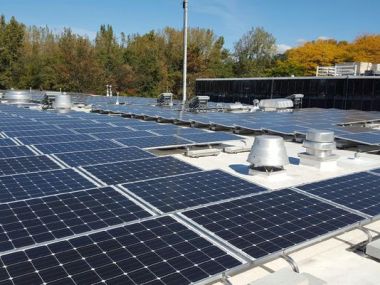
A new solar array on the roof of the Burlington Electric Department headquarters on Pine Street. Photo courtesy of Burlington Electric Department
¶ The House passed legislation approving U.S. oil exports, setting up another showdown with President Obama, who threatened a veto. The bill passed the House with bipartisan support by a vote of 261 to 159. Twenty-six Democrats voted in favor of the bill. The measure undoes a 40-year-old ban on exporting American oil. [Texas Insider]
¶ Two pieces of legislation introduced by Senator Murkowski, R-Alaska, would expand Alaskan hydro power. They would authorize expansion of the 33.5-MW Terror Lake hydropower plant on Kodiak Island and allow FERC continue an existing stay on the proposed 9.6-MW Mahoney Creek project near Ketchikan. [HydroWorld]
¶ Lawmakers in Wisconsin have introduced legislation to end the state’s 32-year-old ban on the construction of nuclear plants. Bills introduced to both of the state’s legislative houses seek to change the approval process for new nuclear power plants by repealing current legislation and including nuclear as a generating option. [World Nuclear News]
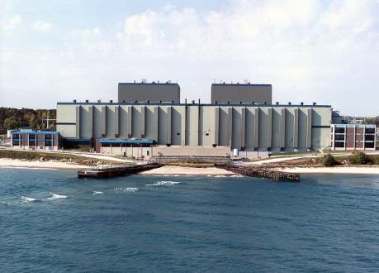
Point Beach: Wisconsin’s only operating nuclear plant (Image: US Nuclear Regulatory Commission)
¶ Real estate company Farmland Partners has signed a deal with Iberdrola Renewables that will provide green energy to an Amazon data center. Farmland announced that two of its farms in North Carolina will become part of the 208-MW Amazon Wind Farm US East. Iberdrola will build, own, and operate the farm. [Commercial Property Executive]
¶ New York may be giving California a run for its money as the most progressive state at transforming the electric grid. Governor Andrew Cuomo announced new goals, increasing the state’s commitment to clean energy. Topping the list is a target to install solar arrays on 150,000 additional homes and businesses by 2020. [pv magazine]
Posted in nuclear power, renewable power, solar, wind | 1 Comment »
Tags: nuclear, nuclear power, photovoltaic, renewable power, solar power, wind power
October 9, 2015
World:
¶ Electricity sent to the National Grid by wind turbines in Scotland was 82% higher in September than the same month last year, analysis by WWF Scotland and data company WeatherEnergy found. The grid took 563,835 MWh of power from Scotland’s windfarms in September 2015, up from 308,301 MWh in September 2014. [Scotsman]
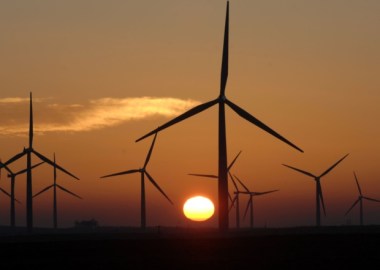
September’s unusual weather led to green energy boom. Picture: Ian Rutherford
¶ According to a study by the Organisation for Economic Co-operation and Development, in collaboration with Climate Policy Initiative, public and private finance that was mobilized by developed countries for climate action in developing countries grew from $52 billion in 2013 to an impressive $62 billion in 2014. [CleanTechnica]
¶ Renewables represented only 7% of the energy used in the production and consumption of food across EU member states in 2013, compared to 15% in the overall energy mix, according to a JRC Science and Policy report. The small share of renewables can be explained with the food industry’s high reliance on fossil fuels. [SeeNews Renewables]
¶ Australia’s first wind farm commissioner has been appointed to take office fort three years. The government also established a scientific panel to “provide advice on the science and monitoring of potential impacts of wind turbine sound on health and the environment,” as part of a deal with anti-wind farm crossbench senators. [Sydney Morning Herald]
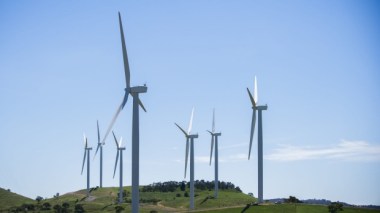
The Turnbull government has appointed a wind farm commissioner to handle complaints against the industry. Photo: Rohan Thomson
¶ The largest solar power project in Punjab was commissioned at a village in Bathinda district. After inaugurating the 32-MW plant, Union Food Processing Minister Harsimrat Kaur Badal said Punjab was the first state in India to work out a diversification scheme which had turned farmers into green energy entrepreneurs. [The Indian Express]
¶ The Indian Government is likely to overachieve its 2030 climate intensity target without having to implement any new policies, according to Climate Action Tracker. In its UN climate plan, India has stated it would reduce the emissions intensity of its economy by 33–35% below 2005 levels by 2030. [Business Spectator]
¶ It’s no secret that renewable energy sources such as solar and wind are getting cheaper and more efficient by the day, and as a result, countries around the world are increasingly beginning to embrace the technology. More capacity for renewable energy is already being added each year than coal, natural gas, and oil combined. [ScienceAlert]
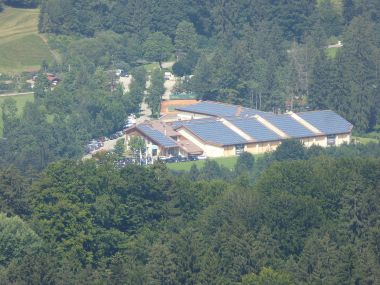
Oberstdorf solar PV installation. Photo by Molgreen. CC BY-SA 4.0. Wikimedia Commons.
¶ SunEdison, one of the world’s biggest renewable energy investors has warned that “draconian” UK subsidy cuts will kill solar power in Britain, blaming policy changes for a pullback that led to the collapse of a big installer and nearly 1,000 job losses. Just two weeks ago Drax said it was pulling out of a £1 billion UK plan. [Financial Times]
¶ The Ehime prefectural assembly in western Japan gave its consent Friday to a plan to restart the No 3 reactor at Shikoku Electric Power Co’s Ikata plant and adopted a resolution stating the necessity of doing so. The plant is a step closer to becoming Japan’s second nuclear facility to restart under stricter safety regulations. [kyodo news]
US:
¶ America’s reliance on renewable sources of energy has reached historic levels and is poised to make even greater gains in the near future, according to report by the Natural Resources Defense Council. The report found that energy sector carbon pollution was lower last year than in 1996, down 10% reduction in the past decade. [solarserver.com]
¶ The US Energy Information Administration has released forecasts predicting total renewables used in the electric power sector to decrease by 2.7% in 2015. Hydropower generation is expected to decrease by 9.7% due to the drought in the West, and non-hydropower renewable power generation is forecast to increase by 4%. [Biomass Magazine]
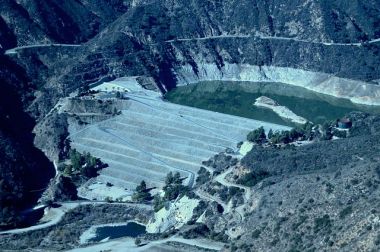
San Gabriel Dam in Los Angeles County, California, 2013. Photo by Shannon1. CC BY-SA 4.0. Wikimedia Commons.
¶ While pipeline companies and politicians insist that bringing more natural gas to New England will lower energy prices, Massachusetts recently approved a plan that puts the cost for that gas on electricity customers. The state’s Department of Public Utilities endorsed allowing electric companies to enter into natural-gas contracts. [ecoRI news]
¶ Xcel Energy is adding luster to its growing renewable portfolio with approval by the New Mexico Public Regulation Commission for the company’s purchase of 140 MW of photovoltaic solar-produced electric power from two planned developments near Roswell. They will be the largest solar farms in the state when completed. [KCBD-TV]
¶ DC Water commissioned a $470 million project that produces 10 MW of green electricity from wastewater treatment. The project includes a dewatering building, 32 sleek thermal hydrolysis vessels, four concrete anaerobic digesters holding 3.8 million gallons of solids each, and three turbines the size of jet engines. [Power Technology]
Posted in nuclear power, renewable power, solar, wind | 1 Comment »
Tags: nuclear, nuclear power, photovoltaic, renewable power, solar power, wind power
October 8, 2015
World:
¶ Scotland has reached and surpassed its target of generating 500 MW of locally and community owned renewable energy five years early. Scotland’s Energy Minister announced that Scotland has already installed an estimated 508 MW of community and locally owned renewable energy capacity, well in advance of its target of 2020. [CleanTechnica]
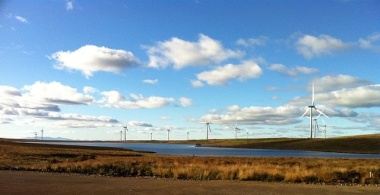
Whitelee’s wind farm with Arran in the background. Photo by Bjmullan. CC BY-SA 3.0. Wikimedia Commons.
¶ Scotland’s onshore wind industry is pulling ahead of England’s, but England is focusing a lot of its attention on its offshore industry. These are the key findings from a new report from the UK’s leading renewable energy trade association, RenewableUK, which published its annual Wind Energy in the UK report this week. [CleanTechnica]
¶ Sterling and Wilson is planning to construct 300 MW of solar plants in Egypt. The company already won two solar PV Projects of 50 MW each and is looking forward to another 200 MW in Egypt. Worldwide, Sterling and Wilson has over 400 MW of solar projects operational, 498 MW under-construction and a 251 MW order book. [Greentech Lead]
¶ A pioneer of the United Kingdom’s renewable energy industry says the British government is distorting the market in an attempt to support fossil fuels and nuclear power. His accusation comes just as RenewableUK announced that in the second quarter of this year renewable energy outproduced both nuclear power and coal. [eco-business.com]
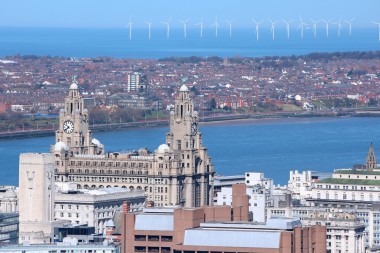
Offshore wind farm near in Merseyside county of North West England in the United Kingdom. Image: Shutterstock
¶ United States Republican presidential candidate Donald Trump is staging a new round of a legal fight against an offshore wind farm near his Scottish golf resort, taking the case to the Supreme Court in London. Scottish Government ministers approved the 11-turbine scheme off the Aberdeenshire coast in 2013. [Bradford Telegraph and Argus]
¶ Solar PVs became Australia’s largest source of renewable energy in 2014, with a cumulative installed capacity of 4 GW, overtaking wind power, which totaled 3.8 GW, according to research and consulting firm GlobalData. This report was built using information from proprietary databases, research, and in-house analysis. [InvestorIdeas.com]
¶ A study of the information security measures at civilian nuclear energy facilities around the world found a wide range of problems at many facilities that could leave them vulnerable to attacks on industrial control systems—potentially causing interruptions in electrical power or even damage to the reactors themselves. [Ars Technica]
US:
¶ Spot shortages in solar panel equipment are lengthening delivery schedules and threatening to stall utility-scale projects for electric cooperatives. Some vendors and manufacturers project lead times for large orders of up to six months, beginning in 2016, and saying their delivery capacity could be completely booked by year’s end. [Electric Co-op Today]
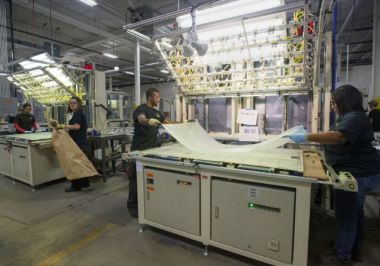
Manufacturers are warning that increased demand to meet the need of large solar installations could lead to spot shortages of some components. (Photo By: Suniva)
¶ Work on the interior of the Tesla Gigafactory, and also an onsite data center, is apparently well under way at this point, based on permit records for the project recently uncovered by a local news outlet. Tesla is currently planning for the pilot facility, a fourth of the factory, to begin producing cells in the early part of 2016. [CleanTechnica]
¶ Volkswagen’s US boss has admitted he was aware early last year of the emissions cheating affecting millions of the company’s vehicles. He said he was told about a “possible emissions non-compliance” in the spring of 2014. The revelation is in testimony due to be presented to a committee of the US House of Representatives. [BBC]
¶ California Governor Jerry Brown signed an ambitious climate change bill, aiming to increase the state’s use of renewable electricity to 50% and make existing buildings twice as energy-efficient by 2030. Brown had also tried to cut petroleum use by half in the next 15 years, but oil interests defeated that part of the package. [St. Augustine Record]
¶ The federal permit for the Texas facility that is supposed to take most low-level radioactive waste from the demolition of the Vermont Yankee nuclear power plant will expire 20 years before Yankee is expected to be decommissioned, according to commissioners of the Texas Low-Level Radioactive Waste Disposal Compact. [The Recorder]
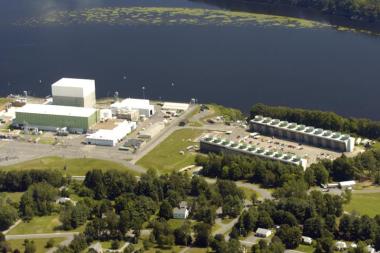
BirdsEyeViews photo – The Vermont Yankee Nuclear Plant in Vernon, Vt.
¶ While the production of fossil fuels drops in the United States, solar and wind power is skyrocketing as technology and cheaper financing drive down the costs. The federal government expects a surge in renewable energy in the coming year, just as America’s fracking boom is starting to falter and crude oil production declines. [Sacramento Bee]
¶ A trio of analysts on a supply/demand panel at the LDC Gas Forum Rockies & the West in Los Angeles threw a wet blanket on the chances of growth in natural gas-fired generation in the West, particularly California, blaming the sun and the wind. The analysts were unenthusiastic about both export projects and storage. [Natural Gas Intelligence]
¶ The monthly natural gas share of total US electricity generation surpassed the coal share in July for the second time, with natural gas fueling 35.0% of total generation to coal’s 34.9% share. Compared to the previous July, coal-fired generation fell in every region of the country, while natural gas-fired generation rose in every region. [Your Renewable News]
Posted in nuclear power, renewable power, solar, wind | 1 Comment »
Tags: nuclear, nuclear power, photovoltaic, renewable power, solar power, wind power
October 7, 2015
Opinion:
¶ “The Republican Party stands alone in climate denial” Sondre Båtstrand at the University of Bergen compared the climate positions of conservative political parties from the USA, UK, Norway, Sweden, Spain, Canada, New Zealand, Australia, and Germany. He found the US Republican Party stands alone on climate change denial. [Skeptical Science]
Science and Technology:
¶ The CITE project is a full-scale model of an ordinary American town, to be used as a petri dish to develop new technologies that will shape the future of the urban environment. No one will live there. The $1 billion scheme is dedicated to ambitious experiments in fields such as transport, construction, communication and security. [CNN]

Cite Project
¶ New research published in the journal Nature says 3.3 million people are killed every year as a result of outdoor air pollution. The number of deaths each year is currently set to rise to 6.6 million a year by 2050 (by researcher estimates), if emissions aren’t cut, reminding us of the importance of electric vehicles. [CleanTechnica]
¶ Wind power is now comparable in price to fossil fuels, and solar is well on its way, according to a new report by Bloomberg New Energy Finance that confirms earlier predictions that renewables aren’t just the best option for the environment – they’re unequivocally the smartest long-term investment you can make on energy. [ScienceAlert]
World:
¶ During a military parade in Beijing, there were azure blue skies with cotton-white clouds, because the government closed industries for the occasion. China built 23.2 GW of new wind capacity in 2014, accounting for about 45% of the world total, and that is having its own effect, and Beijing’s notorious smog has eased slightly this year. [WantChinaTimes]
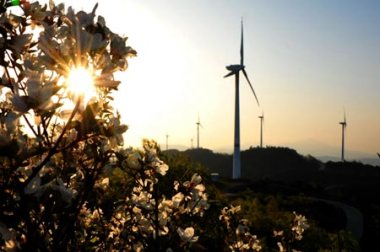
Wind turbines in Qixia, Shandong province, May 5. (Photo/Xinhua)
¶ Greenpeace is exploring funding options to buy Vattenfall’s lignite operations in Germany as it seeks to shut the power plants and to prevent others from starting new coal mines. Vattenfall’s plants and mines, with a capacity of more than 8,000 MW combined, are worth €2 billion to €3 billion, according to one analyst. [BDlive]
¶ If anyone had any doubts about whether there had been much of a change in renewable energy policy with Malcolm Turnbull replacing Abbott as Prime Minister, Environment Minister Greg Hunt erased them in a speech he gave yesterday to a conference organised by the Investor Group on Climate Change. [Business Spectator]

Solar PVs on the side of a building in Denmark. Photo by RhinoMind. CC BY-SA 3.0. Wikimedia Commons.
¶ Denmark’s renewable cumulative capacity is expected to reach 16.1 GW by 2025, up from 13.5 GW in 2014. The country is expected to produce 75% of its electricity from renewables, with wind energy the major resource. Wind power is forecast to account for 44.8% of total power generation by 2020. [Energy Live News – Energy Made Easy]
¶ Australian utility and gas group Alinta Energy has plans to close two coal-fired power stations at Port Augusta, South Australia, aiming for 31 March next year instead of previously planned closure March 2018. The 240-MW Playford and 540-MW Northern power plants have only operated sparingly for the past three years. [Argus Media]
US:
¶ Energy efficiency saved large manufacturers in the United States an estimated $2.4 billion in energy costs over the past five years, and could generate over $11 billion in annual energy savings by 2020, according to the US Department of Energy’s Better Plants Program, a multi-sector initiative to improve energy efficiency in buildings. [CleanTechnica]
¶ SunEdison announced completion of two solar power systems in Minnesota totaling 1,280 kW AC. The systems were developed for the Metropolitan Council of the Twin Cities’ waste water treatment plant in partnership with Oak Leaf Energy Partners, a national solar developer. SunEdison will be the long-term owner and operator. [Water Online]
¶ Renew Oregon, a new coalition of clean-energy advocates, filed two proposed measures they hope to get on the November 2016 ballot. The measures would require Oregon’s large utilities to phase out coal-fired power generating plants by 2030. Oregon could be the first state in the nation to vote on the issue. [Statesman Journal]
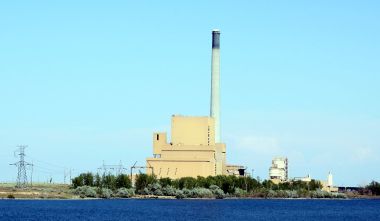
Boardman Turbine Coal Plant near Boardman, Oregon. Photo by Tedder. CC BY-SA 3.0. Wikimedia Commons.
¶ The expectation of additional solar, wind and hydro-based power entering the California Independent System Operator’s grid is credit negative for the state’s merchant generators and companies that market electricity at competitive rates, according to Moody’s Investors Service. Natural gas plants may suffer lost value. [Moodys.com]
¶ At a ribbon-cutting ceremony on October 6, students, faculty, and administrators celebrated the completion of 132-kW roof-mounted solar installations at two schools in Clinton, Connecticut. Combined, the two photovoltaic solar arrays are expected to produce 325,000 kWh of clean electric energy per year. [Zip06]
¶ About one-third of U.S. nuclear power plants will close this fall for refueling, the most in nine years, as operators take advantage of a drop in electricity demand to carry out maintenance. Thirty of the nation’s 99 reactors, representing 31% of the fleet’s power supply, are expected to shut down through November. [The Japan Times]
Posted in nuclear power, renewable power, solar, wind | Leave a Comment »
Tags: nuclear, nuclear power, photovoltaic, renewable power, solar power, wind power
October 6, 2015
Science and Technology:
¶ SimpliPhi Power batteries use a lithium-ferro-phosphate chemistry that brings the benefits and energy density of conventional lithium-ion batteries without some of the problems. The proprietary architecture and battery management pulls this chemistry together in a unit that’s 98%, efficient with a number of important advantages. [CleanTechnica]
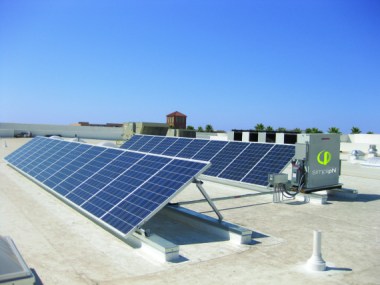
Rooftop solar with SimpliPhi battery backup.
¶ The breath-taking cynicism of Volkswagen’s fraud against regulatory authorities and consumers over emissions from its diesel cars is stunning. But it is debatable whether this is the worst act ever to be perpetrated on consumers by big car makers. VW was not the first cheater; VW was just the first to admit its wrongdoing. [RenewEconomy]
¶ The risk of serious cyber-attacks on nuclear power plants is growing, according to a new report by think-tank Chatham House. Some plants don’t understand connectivity, and believe they are safe from hacking because they think they have no internet connection. When it is shown that they do have a connection, they go into denial. [Computerworld]
World:
¶ The Indian government will launch tenders for offshore wind leases in early 2016, with the number of zones up for grabs yet to be determined. The New and Renewable Energy Secretary said that the tenders will start in three months. The developers that offer the lower tariffs for offshore wind power will get contracts. [SeeNews Renewables]
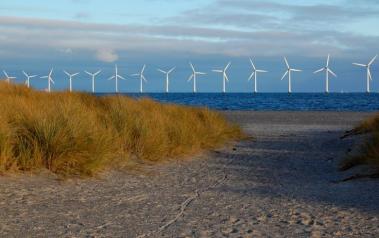
Turbines at sea. Author: SirPecanGum. License: Creative Commons, Attribution-ShareAlike 2.5 Generic
¶ Wind turbine manufacturer Suzlon group today said it has won a repeat turnkey order for 100.8 MW from Orange Renewable which will be installed at a wind park in the Indian state of Andhra Pradesh to be commissioned in 2016-2017. The wind park comprises 48 wind turbine generators of Suzlon’s S111 90m, 2.1 MW wind turbines. [mydigitalfc.com]
¶ The Otahuhu B gas-fired turbine, run by Contact Energy not far from Auckland, New Zealand, has been turned off because of the increasing development of renewable energy. The company’s CEO said electricity from the 400-MW plant had been offered to the market but there wasn’t sufficient interest to keep it operating. [Stuff.co.nz]
¶ South Africa plans to build a solar park in its Northern Cape Province to produce an additional 1,500 MW. Africa’s most advanced economy is investing heavily in renewable energy to counter chronic electricity deficits, which have made utility Eskom resort frequently to controlled power cuts to prevent the grid from collapsing. [Citizen TV]
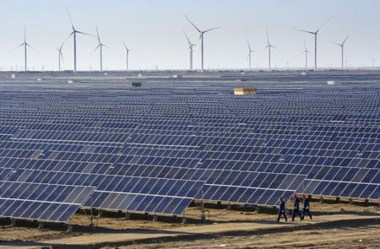
Solar and wind power in South Africa.
¶ RenewableUK’s latest annual “Wind Energy in the UK” report notes that over 60% of UK onshore wind projects are now installed and operational in Scotland, and that Scottish onshore wind is now generating a higher annual turnover (£211 million) for the UK overall than England, Wales and Northern Ireland combined. [Click Green]
¶ Last Friday, the rather conservative International Energy Agency quietly released its Medium-Term Renewable Energy Market Report 2015. The report concluded that by 2020, 26% of the world’s energy will be generated by renewable sources. The agency calls it “a remarkable shift in a very limited period of time.” [Motherboard]
US:
¶ The US electric bus market is finally getting lively, judging by news from US manufacturer Proterra. The company announced plans for a new West Coast factory to complement its first plant in South Carolina, and just opened its new California headquarters in Silicon Valley while introducing a new addition to its production line. [CleanTechnica]

Proterra Image
¶ To combat climate change, some of the most influential companies have become a part of a green alliance called RE100. RE100 has 36 member companies, all of whom are moving to 100% renewable power in their operations. Goldman Sachs, Starbucks, Nike, P&G, and Walmart have all joined the campaign. [OilPrice.com]
¶ Environmentalists asked the New Mexico Supreme Court on Monday to disqualify all but one member of the state’s Public Regulation Commission in a case that will determine the fate of a coal-fired power plant, arguing that four members of board have created at least an appearance of being biased through their public statements. [Albany Times Union]
Posted in nuclear power, renewable power, solar, wind | Leave a Comment »
Tags: nuclear, nuclear power, photovoltaic, renewable power, solar power, wind power
October 5, 2015
Opinion:
¶ “Africa’s ‘Light Bulb Moment’ and Its Lead Role in the Global Renewable Energy Transformation” Africa’s lack of access to clean, affordable energy is a scandal. The poorest households in Africa are spending the equivalent of U.S. $10 per kilowatt-hour on lighting. But Africa’s energy deficit is not only a scandal. It is an opportunity. [AllAfrica.com]
World:
¶ An expert report submitted to the Victorian government notes that in that state, as in many others in Australia, the current levy on PV exports to the grid pays rooftop solar owners around 6 ¢/kWh, which is then resold at 20 to 30¢/kWh, leaving 15 to 25¢/kWh to be shared as a “windfall profit” by the retailer and network operator. [RenewEconomy]
¶ South Africa’s ageing grid needs investment of $15 billion by 2022, an executive at German state development bank KfW said. Africa’s most advanced economy is investing heavily in renewable energy to counter chronic electricity deficits, but an ageing power grid is making feeding more electricity into the system difficult. [BizNews]
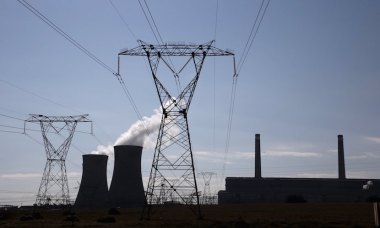
South Africa’s struggling power utility Eskom has marked 30 straight days without imposing rolling power cuts, providing a spark of hope to an economy on the brink of recession. REUTERS/Siphiwe Sibeko
¶ The International Energy Agency is revising its new renewable energy forecasts. In its recent medium-term outlook assessment it now expects renewable energy will account for two-thirds of net additions to global power capacity over 2015 to 2020. It expects installation of 700 GW of renewable capacity in the next five years. [Business Spectator]
¶ TEPCO announced completion of the removal of a protective dome installed over Unit 1 at Fukushima Daiichi. The dome was installed in 2011 to stop radioactive particles from escaping into environment after the facility suffered a meltdown. The protective dome had to be taken down to remove debris inside the power unit. [Sputnik International]
US:
¶ Three famous Las Vegas casino companies announced they are attempting to terminate their contracts with NV Energy, their current provider. According to representatives of the three companies, they can cut down on their electricity bills if the power for their properties is provided by solar farms or another electrical company. [Casino News Daily]
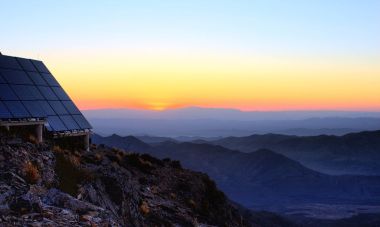
Unrelated, near Las Vegas. The 911 emergency expansion for LV metro Police, 90 kw. Photo by Ballonboy101. CC BY-SA 3.0. Wikimedia Commons.
¶ In Wisconsin, Madison Gas and Electric officials say that interest in solar energy is at an all-time high, but many residents are either priced out of investing in the expensive panels or have homes that don’t receive enough sunlight. The company is working to bring large-scale solar power to its customers by next summer. [Channel3000.com]
¶ Vassar College in the Town of Poughkeepsie has announced two renewable energy initiatives. One is a project with BQ Energy, a 2-MW solar farm to be in the Town of Northeast at a decommissioned landfill. The other is an agreement with the hydro-power company Gravity Renewables for power from the Groveville Hydro Facility. [Mid-Hudson News]
¶ Elected officials from the local, state and congressional level have organized a rally in support of the FitzPatrick Nuclear Power Plant in New York state. There has been news of a possibility it could close. Lower electricity prices are squeezing the profits from some nuclear plants. FitzPatrick is owned by Entergy. [WRVO Public Media]
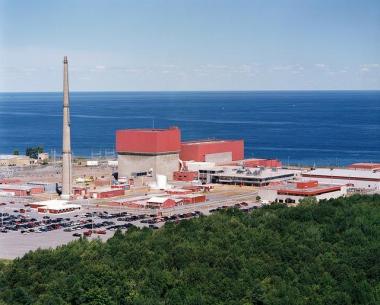
The FitzPatrick Nuclear Power Plant in Oswego County. NRC photo.
¶ Ten global food companies urged both the United States and world leaders to agree to address climate change in a joint letter. The CEOs from Mars, Unilever, General Mills, Nestlé USA, Kellogg Company, Ben & Jerry’s, New Belgium Brewing, Stonyfield Farm, Clif Bar and Dannon USA all signed the letter. [The Green Optimistic]
¶ This month SolarCity will start producing a solar panel with 22% efficiency. The company plans to produce the majority of the new PV panels at its 1-GW-plus manufacturing facility in Buffalo, New York, which is expected to open in 2016. Until that plant opens, the PVs will be produced in a pilot facility. [SeeNews Renewables]
Posted in nuclear power, renewable power, solar, wind | Leave a Comment »
Tags: nuclear, nuclear power, photovoltaic, renewable power, solar power, wind power
October 4, 2015
Opinion:
¶ “100 days to save the world” World leaders are set to meet again 100 days from Saturday. They have met in the past, and based on the experience we have had so far, it has become difficult to expect much out of diplomacy. This time in Paris. And, this time, against all odds, there’s ample evidence things finally will be different. [CNN]

Cloud bank at Elephant Island, off Antarctica. Moss growth on the island records the history of climate change. Photographer: Lieutenant Philip Hall, NOAA Corps. Public Domain. CC BY SA 2.0.
¶ “G20 Energy Ministers Heart Renewables, Squash ‘Energy Poverty’ Case For Fossil Fuels” High-level energy ministers from G20 countries met got for the first time ever, and if fossil fuel stakeholders were hoping for a show of support from that historic event, they got bupkus. Fossil sector’s talk of “energy poverty” fell on deaf ears. [CleanTechnica]
World:
¶ Divisions over money between rich and poor countries re-emerged as nations submitted their plans for tackling climate change to the UN, with some developing countries saying they need help. 148 countries, out of a total of 196, have met a UN deadline for submitting a plan, termed an Intended Nationally Determined Contribution. [BBC News]
¶ Up to 10,000 jobs could go in Northern Ireland as a result of the decision to end subsidies for renewable energy a year ahead of schedule. Additionally, a spokesman for Action Renewables told the BBC’s Inside Business programme that some people who had invested in wind turbines faced massive losses because of program changes. [BBC News]

Array of Solar Panels, Saintfield High School, Northern Ireland. Photo by Peter Clarke. CC BY SA 3.0.
¶ In the little agricultural town of Droogfontein in South Africa a quiet revolution is under way. And, fairly soon, one of the first renewable energy projects initiated by independent power producers will ensure that the town, situated near Kimberley in the Sol Plaatje Municipality, goes completely off the national grid. [Independent Online]
¶ Snowy Hydro is preparing for an El Nino dry that will extend well into 2016 by slashing power generation as it harbours its water reserves to avoid prospective shortages it encountered in the previous big dry a decade ago. Variations in local weather conditions depend on world weather patterns. [Sydney Morning Herald]
Photo by kawamoto takuo. CC BY SA 2.0.
¶ Police sent papers on 32 current and former executives of TEPCO, as well as the company itself, to public prosecutors over radioactive water leaks at its Fukushima Daiichi nuclear plant. The company and the 32 individuals are suspected of neglecting preventive measures, resulting in leaks of 300 tons of radioactive water. [The Japan News]
US:
¶ At a visit to NYU, New York Governor Andrew Cuomo announced he will hold a competition among the state’s colleges and universities. The three schools with the highest scores based on three criteria, becoming energy efficient, reducing carbon emissions, and increasing renewable energy use, will win $1 million dollars. [NYU Washington Square News]
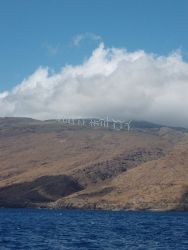
Kaheawa wind energy site on the west end of Maui. 30MW of clean renewable energy. Hawaii. Photo by Claire Fackler, CINMS, NOAA.
¶ Lalamilo Wind Co LLC is building five wind turbines at the former Lalamilo Wind Farm near Puako, which Hawaii Electric Light Co decommissioned in 2010 after operating for 25 years. The turbines will generate 3.3 megawatts to power eight Hawaii County Department of Water Supply wells on the property. [Hawaii Tribune Herald]
¶ A contract between Hawaiian Electric Co. and Pacific Biodiesel Technologies to supply biodiesel for Oahu power generators was approved by regulators. The Hawaii Public Utilities Commission has approved a contract between Hawaiian Electric Co and Pacific Biodiesel Technologies to supply biodiesel for Oahu power generators. [West Hawaii Today]
Posted in nuclear power, renewable power, solar, wind | 1 Comment »
Tags: nuclear, nuclear power, photovoltaic, renewable power, solar power, wind power
October 3, 2015
Video:
¶ At the Highland Wind Farm in Iowa, 214 wind turbines silently generate enough electricity for hundreds upon hundreds of homes each year. “At 2.3 MW, you could imagine the average homes, produces 5,000 to 7,000 watts, is what an average home uses,” said Bill Nosbisch, Manager of Engineering at MidAmerican Energy. [Siouxland News]
World:
¶ Renewable energy plants in Scotland have helped displace 12.3 million tonnes of carbon dioxide emissions in 2014, which is 119% more than in 2010. Scotland’s wind, solar and hydropower plants saved more CO2 from entering the atmosphere than what is released by every single car, bus and train journey in the country. [SeeNews Renewables]
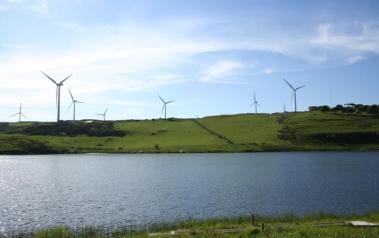
Wind farm in Scotland. Author: Paisley Scotland. CC BY SA 2.0
¶ Tidal Lagoon Power has pushed back the start-date for its 320-MW Swansea Bay project by a year until 2017. The company is reported to have taken the “pragmatic” decision against a background of ongoing discussions with DECC over supports for the £1 billion project. The discussions were originally due to wrap up last month. [reNews]
¶ Twenty of the world’s leading economies have affirmed their committment to renewable energy at a meeting of G20 energy ministers. Participants endorsed an 11-point program that included a “toolkit” produced by the International Renewable Energy Agency, providing a long-term sustainable approach to development. [reNews]
¶ Global oil investments this year are on track to drop by 20%, marking their biggest decline in history, Fatih Birol head of the International Energy Agency said. A 50% drop in oil prices in the past year has hit energy companies’ revenues and is discouraging them from spending on both exploration and production. [MENAFN.COM]
¶ Kyushu Electric Power Co will restart a nuclear reactor, the No 2 reactor at its Sendai complex in southwestern Japan, on October 15. It will be the second to return to operation since the government introduced stricter safety regulations following the 2011 triple reactor meltdowns at the Fukushima Daiichi power plant. [Japan Today]
US:
¶ The Friends School of Portland in Maine is the first Passive House school building in the state, and the third in the country. The neighboring OceanView Retirement Community is donating solar panels for the school to use, making the facility net zero energy. This was achieved in part through a special intergenerational partnership. [CleanTechnica]
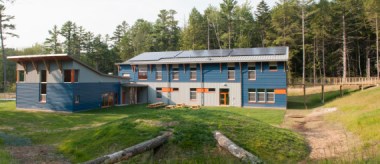
Photo credit: The Forecaster, Friends School of Portland, ncob photo
¶ Based on new research, the North American Insulation Manufacturers Association estimates that roughly 90% of existing US single family homes are under-insulated. This wastes energy, costs more, and decreases comfort. The study focuses on how increased insulation across the US housing sector can decrease energy use. [CleanTechnica]
¶ New Hampshire has just been given a front row seat in the battle for our energy future. Policymakers are facing a decision that could make or break the future of rooftop solar in the Granite State. Some state legislators want to expand net metering, but others are being influenced by lobbyists to increase importation of energy. [CleanTechnica]
¶ Xcel Energy says it will accelerate cuts in its Minnesota-region greenhouse gas emissions by increasing renewable investment in this decade and replacing two big coal-burning generators, with a natural gas-fired unit in the mid-2020s. This could mean a 60% cut in the utility’s Upper Midwest carbon-dioxide emissions by 2030. [Minneapolis Star Tribune]
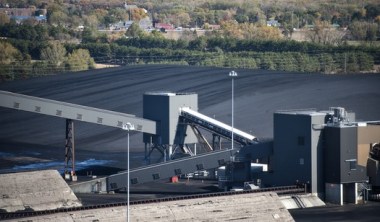
Stockpiled coal at Xcel Energy’s Sherco plant in Becker, Minn.
¶ SolarCity unveiled a new solar panel product that the company says will be the “world’s most efficient.” The new panel will be manufactured in the US, and will produce 30% to 40% more power than standard panels while costing less than the average panel now when manufactured at scale, according to the company. [TIME]
¶ Under a five-year power purchase agreement with SunEdison, Equinix will buy electricity for all its California facilities from a 150-MW solar project in Imperial Valley. The project will generate approximately 300,000 kWh of electricity per year. This will increase the company’s global renewable energy use from 30% to 43%. [EIN News]
¶ The Hawaiian Electric Companies proposed a community-based program and tariff to the Hawai‘i Public Utilities Commission that would allow customers who cannot or chose not to take advantage of rooftop solar to receive the benefits of renewable energy to help offset their monthly electric bills and support clean energy for Hawai‘i. [Maui TV News]
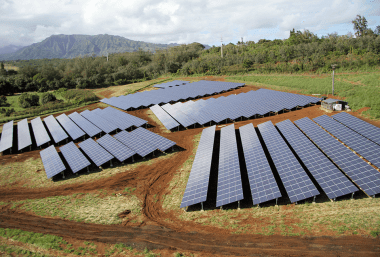
HEI is seeking approval to provide “rooftop energy” to customers with no rooftops, in projects like this solar farm on Kauai. Photo Courtesy Recsolar.com
¶ Residents of the Northeast Kingdom Town of Irasburg voted overwhelmingly against a developer’s plan to put two 500-foot wind turbines atop one of its ridges. The vote, taken at the packed meeting, was 274 to 9. It was spurred a plan of David Blittersdorf to erect two wind turbines atop Kidder Hill, where he owns a cabin. [Vermont Public Radio]
¶ For the first time in Three Mile Island’s 41 years of commercial operation, the nuclear power plant failed to secure a contract in August to sell a year’s worth of electricity on the regional power grid, meaning that it will lose a major revenue source. The failed bid, along with other factors, raises questions about TMI’s future. [Lebanon Daily News]
Posted in nuclear power, renewable power, solar, wind | 1 Comment »
Tags: nuclear, nuclear power, photovoltaic, renewable power, solar power, wind power
October 2, 2015
World:
¶ Oil giant BP Plc’s second-quarter profit reported missed analyst estimates. The investor presentation accompanying the earnings call following the results announcement highlighted the difficulties faced by BP Plc as cash flow dries up. The company’s earnings did not cover costs. Other oil companies are also suffering. [Bloomberg]
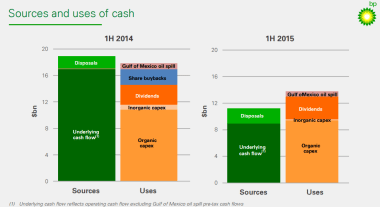
Image by BP
¶ Nottingham’s Robin Hood Energy is bringing a not-for-profit model to the UK city of Nottingham, which could save participants up to £237 a year each on their utility bills. The company is supplying energy from the city’s incinerator, solar panels, and “waste food plants,” as well as gas and electricity purchased on the market. [CleanTechnica]
¶ India has submitted its 2030 climate action plan to the United Nations in advance of December’s Paris climate talks. The plan includes a pledge to expand its renewable power capacity to 40% of its energy mix and cut greenhouse gas emissions 35% by 2030. It aims to install 175 GW of solar, wind and biomass power capacity by 2022. [PennEnergy]
¶ Renewable energy will represent the largest single source of electricity growth over the next five years, driven by falling costs and fast expansion in emerging economies, the IEA said today in an annual market report. The report warns governments to reduce policy uncertainties that are acting as brakes on greater deployment. [Commodities Now]
¶ After oil prices hit a record high in 2008, the Marshall Islands declared an economic emergency. Around 90% of its energy needs were met by imported petroleum products. Now solar powers 99% of lighting on its outer islands, and solar energy is being fed into the otherwise diesel-powered grids on the main urban islands. [Christian Science Monitor]
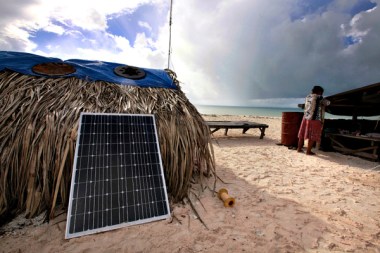
A woman checks the roof of her home as a storm approaches the central Pacific island nation of Kiribati, which consists of islands that stand just a few feet above sea level. David Gray/Reuters/File
¶ Half of the world’s coal isn’t worth digging out of the ground at current prices, according to Moody’s Investors Service. The global metallurgical coal benchmark has fallen to the lowest level in a decade, hitting $89 a metric ton. “Further production cuts are necessary to bring the market back into balance,” an analyst wrote. [The Globe and Mail]
¶ During the 70th United Nations General Assembly, SkyPower, the world’s largest developer of utility-scale solar projects, together with Prime Minister Hasina of Bangladesh, announced plans to build 2 GW of utility-scale solar energy over the next five years in that country, representing an investment of $4.3 billion. [Your Renewable News]
¶ A small fishing village on the Caribbean coast of Honduras has become an example for renewable power, replacing candles and dirty costly fossil fuels with hydropower from a mini-dam, while reforesting the river basin. They now have round-the-clock electric power, compared to just three hours a week in the past. [Inter Press Service]

The village of Plan Grande. Credit: Thelma Mejía/IP
US:
¶ Florida Power & Light Company has revealed that three of the company’s solar PV projects are on track to be completed in 2016. Each of these facilities is expected to have a nameplate electricity generation capacity of about 74 MW. Once completed, the projects will effectively triple the firm’s current solar energy capacity. [CleanTechnica]
¶ The Obama administration continued its push for clean, renewable energy during a White House summit on offshore wind, awarding a half-million dollar competitive grant to state offices in Maine, Massachusetts, New York and Rhode Island to “advance offshore wind market development through multi-state cooperation”. [Fx Report Daily]
¶ US utility Duke Energy Corp says it is taking steps to realise the first project under a plan to install up to 500 MW of solar power capacity in Florida by 2024. The company’s long-term plan for the state envisages installing 35 MW of solar by 2018, which will help the firm retire half of its Florida coal-fired fleet by 2018. [SeeNews Renewables]
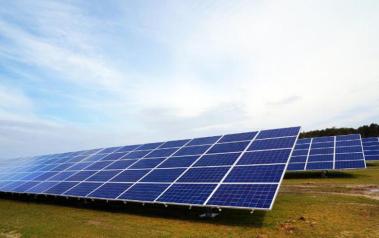
Millfield solar park, North Carolina. Author: PRNewsFoto/Duke Energy
¶ New solar power farms could be coming to Louisa, Powhatan and Isle of Wight counties, Dominion Virginia Power announced Thursday. The utility has asked the State Corporation Commission for permission to build three projects that would generate 58 MW, enough electricity to power about 3,500 homes each year. [Richmond Times-Dispatch]
¶ If you want to install solar panels at your home in New Hampshire, it’s about to get a little more expensive. A reduction in the state’s renewable energy rebate goes into effect Thursday. The previous rebate was $.75 per watt, up to a maximum of $3,750, whereas the new one will be $.50 a watt, up to $2,500. [New Hampshire Public Radio]
¶ National Grid wants to impose new fees on wind and solar systems in Rhode Island, and renewable-energy developers and advocates are not happy. It is Rhode Island’s primary electric utility. It says the fees are necessary to offset the costs of running and improving the electric grid as power generation shifts toward renewables. [ecoRI news]
¶ A group of nuclear industry leaders bemoan the Clean Power Plan is a “missed opportunity” to ramp up what they call the largest source of zero-carbon power. Nuclear plants produce roughly 20% of the country’s electricity, but they face tough times making money these days, and their market share is in decline. [StateImpact Pennsylvania]
Posted in nuclear power, renewable power, solar, wind | Leave a Comment »
Tags: nuclear, nuclear power, photovoltaic, renewable power, solar power, wind power
October 1, 2015
Observations:
¶ “Mining and Burning Coal Draws Tourists in Germany” While Germany’s Energiewende, or “energy transition,” will result in the near-term closure of its hard coal mines, the lignite mines will keep operating for a few more decades. This is a sore spot for environmentalists who points to environmental loss. [89.3 WFPL]
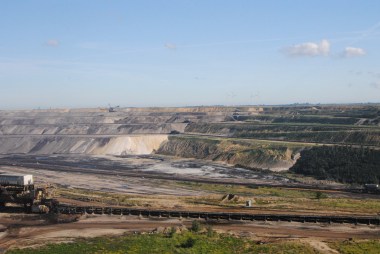
The Garzweiler II lignite mine. Click on the photo to see the relative size of the wind farm on the mine’s far edge. Photo by Erica Peterson | wfpl.org
World:
¶ A new survey conducted by ComRes for the UK’s Energy and Climate Intelligence Unit concluded that the majority of British adults believe that climate change is both happening and mainly caused by human activities. Notably, the percentage who believe this increased dramatically since 2014, rising from only 53% to 61%. [CleanTechnica]
¶ Vestas, the Danish wind energy giant, announced that it had received an order for 70 units of the V110-1.8 MW turbine for the 126-MW Had Kanghan project, in the Songkla and Nakhon Si Thamarat provinces of Thailand. The order was placed by developer Energy Absolute PCL, with project commissioning expected in 2016. [CleanTechnica]
¶ Renewable power plants produced 31.3% of Spain’s power output in September, led by wind farms with 15.2% of total output. The wind farms generated 3,023 GWh, up 41.8% on the year. Hydro, PV and concentrated solar power plants registered shares of 8%, 3.5% and 2.5% of total generation, respectively. Demand was down 3.7%. [SeeNews Renewables]
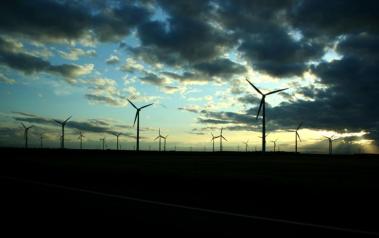
Wind turbines in Spain. Author: petter palander. CC BY SA 2.0
¶ European countries have been warned that threats to energy security in Europe show the importance of expanding the use of renewable energy in the armed forces. The European Defence Agency has pointed out that energy and environmental factors are becoming increasingly important as Europe moves into a low carbon economy. [DefenseNews.com]
¶ Swiss engineering firm ABB has raised the upper limit for microgrid renewable-energy penetration without storage. Research by the company suggests up to 50% intermittent generation could be admitted to microgrids without needing storage, provided that automation systems are in place to keep the grid stable. [Greentech Media]
¶ The EU Court of Justice ruled Sweden’s levy on the available power of reactors rather than the actual amount of electricity they provide does not violate the bloc’s energy tax directive. After Sweden increased the tax by 17% in August, it now costs the nuclear industry about 4.6 billion kronor ($548 million) a year. [Bloomberg]
US:
¶ Capital buildings in the state of California will soon be powered 100% by renewable energy. Plans are also now in the works for all government buildings in the state to make the transition to 100% renewables in the near future as well. The move follows plans for a 50% renewable portfolio standard made it through the state legislature. [CleanTechnica]

The California capital building will be 100% renewably powered.
¶ Energy storage just got a big vote of confidence from one of the world’s largest utilities. The CEO of NextEra Energy says he expects the company to deploy $100 million in energy storage projects in the next 12 months. He expects there will be no gas-fired peaking plants built after 2020 because of competition from batteries. [Greentech Media]
¶ In Ohio, the Republican-controlled Energy Mandates Study Committee released a report recommending that the state not resume its march toward achieving 25% of its power from renewable sources such as wind, solar, and advanced sources by 2025. Ohio Governor John Kasich says the recommendation is “unacceptable.” [Toledo Blade]
¶ Intuit Inc has switched its Dallas-area campus to wind power as part of the company’s ongoing commitment to reduce greenhouse gas emissions and improve energy efficiency. Following the switchover on October 1, the facility has been 100% powered by wind energy, which has reduced its carbon footprint to zero. [MarketWatch]
Posted in nuclear power, renewable power, solar, wind | 1 Comment »
Tags: nuclear, nuclear power, photovoltaic, renewable power, solar power, wind power
September 30, 2015
World:
¶ The UK’s South West is self-sufficient and even able to export electricity on sunny summer days, the region’s renewable industry body has revealed. The potential of Solar power in Devon and Cornwall is highlighted as new official figures showed that more than a quarter of the UK’s electricity came from renewables this spring. [Western Morning News]
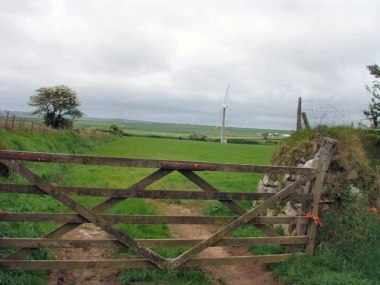
Cold Northcott wind farm in Cornwall. Photo by Jon Coupland. CC BY-SA 2.0
¶ Speaking in a radio interview on Tuesday morning, Australia’s Energy Minister confirmed that the Liberal Party, under the new leadership of Malcolm Turnbull, its new leader and subsequently Australia’s new Prime Minister, will be supporting the renewable energy sector and opening up support for emerging technologies. [CleanTechnica]
¶ Like the US, China has been slow to adopt fuel cell electric vehicles, but it looks like things are stepping up in a big way. The cities of Foshan and Yunfu are jumping into the lead with a $17 million order for 300 fuel cell electric buses, just announced by the Canadian company Ballard Power Systems through its Chinese licensee. [CleanTechnica]
¶ Western Power, the state-owned company that operates the grid in the south-west corner of Western Australia, may take some communities completely off grid so that it can save money on costly network upgrades and extensions. They are considering up to ten stand-alone systems, using solar, batteries, and back-up diesel. [One Step Off The Grid]

Margaret River, Western Australia, is one of the communities that may go off-grid. Photo by Rob & Jules. CC BY 2.0.
¶ BHP Billiton, the world’s largest mining company, did an analysis of climate change, and issued the findings in a report. The company says it believes climate change is real and that action will be taken. In fact, the introduction calls for an agreement to restrict global warming to 2 degrees warmer than pre-industrial levels. [Business Insider Australia]
¶ Despite getting 55% of its energy from coal-fired plants, the Alberta premier says the province will drop coal. She said the government is looking for a strategy to phase out the use of coal as quickly as possible, switching to renewables and efficiency without imposing unnecessary price shocks or unnecessarily stranding capital. [MINING.com]
¶ Rosatom initially pledged to have the first of the four reactors in the southern Turkish town of Akkuyu ready by 2019 but regulatory hurdles and Russia’s financial woes have slowed the $20 billion project’s progress. In March, there was talk that it would be delayed until at 2022, at earliest. Now, more delay is expected. [Today’s Zaman]
US:
¶ A newly expanded Nevada plant is providing 16.2 MW of renewable energy, enough for 22,500 Los Angeles households, reducing greenhouse gas emissions equivalent to taking 14,600 cars off the road, officials announced Tuesday. The plant, built as an expansion of an existing facility and completed months ahead of schedule. [MyNewsLA.com]

Don Campbell I geothermal plant in Nevada. Photo courtesy of the Nevada Department of Energy
¶ International credit rating agency Moody’s Investors Service expects battery storage to be economical within 3 to 5 years in the US. The biggest losers will be coal-powered generators and peaking gas plants. Moody’s says battery storage costs have fallen 50% in recent years, and their rapid fall is likely to continue in the next few. [CleanTechnica]
¶ The US House passed the RAPID Act, prohibiting federal agencies from following draft guidance from the White House Council on Environmental Quality for “consideration of greenhouse gas emissions and the effects of climate change” in environmental reviews. Citibank puts the worldwide cost of the emissions at $44 trillion annually. [CleanTechnica]
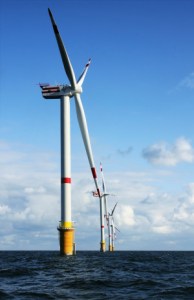
The Deep Water Wind project will create five turbines off the coast of Block Island. Photo by Hans Hilewaert.
¶ Three miles off the coast of Block Island, Deep Water Wind is overseeing construction of the first offshore wind farm in the United States and is expecting the controversial turbines to begin producing electricity by fall 2016. The project will consist of five turbines connected to the mainland by an underwater cable. [The Brown Daily Herald]
¶ Solar energy pricing is at an all-time low, according to a report from Lawrence Berkeley National Laboratory. Driven by lower installed costs, improved project performance, and a race to build projects ahead of a reduction in a key federal incentive, utility-scale solar PV power sales agreements are averaging just 5¢/kWh. [solarserver.com]
¶ North Carolina has surpassed 1 GW of installed solar capacity, the fourth US state to do so, according to the North Carolina Sustainable Energy Association. The state reached 1.04 GW of installed capacity as of September 24. California, Arizona, and New Jersey had already reached the 1-GW milestone. [CleanTechnica]
Posted in biomass, geothermal, hydro, nuclear power, renewable power, solar, technology, wind | Leave a Comment »
Tags: nuclear, nuclear power, photovoltaic, renewable power, solar power, wind power
September 29, 2015
Opinion:
¶ “People Power Just Defeated Shell in the Arctic. Here’s How You Did It” Years ago, Shell paid billions of dollars for the right to drill for oil in the Arctic. Now, the company is pulling out and has no plans to go back. It is a huge victory for everyone who took action, whether writing a letter or climbing a giant skyscraper in protest. [RYOT]

Protesters hang from bridge in Portland, Oregon, to block oil rig exit. AP Photo/Don Ryan
World:
¶ Deutsche Bank analysts say China may increase its 2020 solar power target to 150 GW from the current target of 100 GW. China also proposes a competitive power dispatch that prioritizes the emissions-free, near-zero marginal dispatch cost of renewables, which would reduce carbon emissions by 200 million tonnes per year. [CleanTechnica]
¶ Mining giant Rio Tinto has switched on a 1.7-MW solar PV plant at its Weipa bauxite mine and processing facilities in north Queensland, making it fully operational. It is the largest solar array to date to support an Australian mining operation. The project could be extended to 6.7 MW and include battery storage in the future. [RenewEconomy]
¶ The nuclear industry will lobby for nuclear energy in Australia, saying Prime Minister Turnbull should embrace the technology as a way to cut greenhouse gas emissions. The move is the latest attempt to overturn legal obstacles to nuclear energy generation in Australia. Federal environmental law bans building nuclear reactors. [The Guardian]
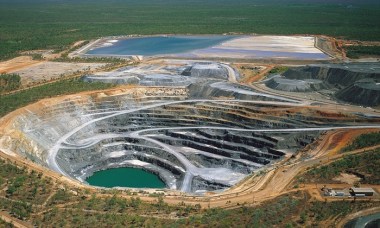
The Ranger uranium mine in the Northern Territory. Photograph: John Carnemolla/Corbis
¶ RenewableUK and the Solar Trade Association have initiated a campaign urging the UK Government to rethink its decision to reduce financial support for small-scale renewables. Titled ‘People Power’, the campaign has called for members of the public to petition the UK Government to provide steady support to the maturing sectors. [Power Technology]
¶ California-based energy storage firm Imergy Power Systems is partnering with Juno Capital Group to provide large-scale energy storage at telecommunications sites throughout China. Juno will integrate Imergy’s storage platform into off-grid or weakly connected telecommunications installations, replacing diesel generation. [Utility Products]
¶ The Seychelles Minister of Environment, Energy and Climate Change, Didier Dogley, has said that he expects the country to meet its national target of producing 15% of its energy requirements from renewable sources up to a decade before schedule. The country is currently dependent on diesel oil for its electricity. [Seychelles News Agency]

The five wind turbines at Ile de Romainville and three at Ile du Port can each yield 750 kW each, making a total of 6,000 MW. (Patrick Joubert, Seychelles News Agency)
¶ Japan NTT Facilities Inc,a subsidiary of Nippon Telegraph and Telephone Corp, announced last week it is building a 32.6-MW solar power plant at a former golf course in Miyazaki prefecture. The plant is expected to produce 40,000 MWh annually, enough to supply the needs of some 11,000 local households. [SeeNews Renewables]
¶ The UK Labour Party’s new Shadow Energy and Climate Change Secretary has called for an investigation into costs for the Hinkley Point nuclear plant. Lisa Nandy wrote the chairwoman of the House of Commons Public Accounts Committee, warning the costs may present a risk to UK energy security and increase fuel poverty. [Business Green]
US:
¶ Under an agreement between Principal Solar and Entropy Investment Management, a 100-MW development, launched in August, should be completed by the end of this year. Located in Cumberland County, North Carolina, the project is expected to produce enough electricity to power about 20,000 average American homes. [CleanTechnica]
¶ The Vermont Public Service Department has released the state’s 2015 Comprehensive Energy Plan for public review, and has scheduled five meetings in October to take comment. The plan reaffirms Vermont’s goal of meeting 90% of the state’s energy needs through renewable sources by 2050, with emphasis on microgrids. [Utility Dive]
View from Vermont’s Hogback Mountain. Photo by chensiyuan. CC BY SA 4.0. Wikimedia Commons.
¶ Amazon Web Services, the cloud computing platform of online retail giant Amazon, secured the final permit to build an 80-MW solar farm in Virginia. The farm will be developed and owned by EPC Community Energy, which has partnered with Amazon Web Services to deliver the plant under a long-term power purchase agreement. [pv magazine]
¶ A handful of utilities in Nebraska’s northeast corner have decided to switch from the Nebraska Public Power District to a different supplier to take advantage of flexibility it offers. The utilities expect to save money, but also want shorter contracts and more flexibility to buy renewable energy from other providers on the side. [Norfolk Daily News]
¶ Walmart has taken a big step towards becoming 100% supplied by renewable energy. The discounter entered into a long-term power purchase agreement to buy the majority of the electricity generated by Pattern Energy Group’s new Logan’s Gap Wind facility. The 200-MW facility is in Comanche County, Texas. [Drug Store News]
Posted in nuclear power, renewable power, solar, wind | 1 Comment »
Tags: nuclear, nuclear power, photovoltaic, renewable power, solar power, wind power
September 28, 2015
Opinion:
¶ “The fantasy of cheap, safe nuclear energy” Back in the 1970s and 80s, solar and wind energy were expensive and were criticised by the nuclear industry for dreaming of a renewable energy future. Nowadays countries are on their way to their targets of 80%-100% renewable electricity while global nuclear energy fails to grow. [InDaily]
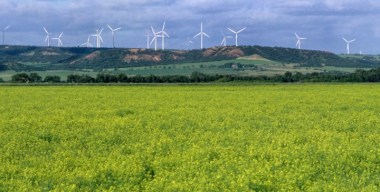
Australia’s national electricity market could be operated 100 per cent on renewable energy, argues Mark Diesendorf. AAP image
World:
¶ Jan De Nul Group has won an order to produce and install the foundations for the 50 MHI Vestas turbines and the high-voltage substation at Belgium’s 165-MW Nobelwind offshore wind farm. The project will be the first offshore wind job for the group’s newly acquired offshore jack-up heavy lift vessel, Vidar. [SeeNews Renewables]
¶ A VW engineer warned the company about cheating over its emission tests as early 2011, a German newspaper reports. Separately, Bild am Sonntag said the internal inquiry had found that parts supplier Bosch had warned Volkswagen not to use its software illegally. VW said they would not comment on “newspaper speculation.” [BBC]
¶ In a surprise announcement, Royal Dutch Shell said it would end exploration off Alaska “for the foreseeable future.” Shell said it did not find sufficient amounts of oil and gas in the Burger J well to warrant further exploration. The company has spent about $7 billion on Arctic offshore development in the Chukchi and Beaufort seas. [BBC]
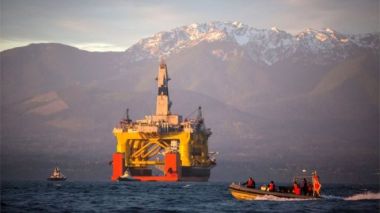
Off-shore oil rig.
¶ Industry body Scottish Renewables has taken steps to complement the country’s growing renewables sector with a new Storage Network. The Network aims to revolutionise the way that energy is stored through the use of storage technologies such as batteries, electric vehicles, flywheels, supercapacitors, hydrogen and hydro. [edie.net]
¶ Jacking up Alberta’s carbon tax is the best way to reduce the province’s greenhouse gas emissions from power generation, says a government-funded analysis obtained by The Canadian Press. Charging large emitters up to $50 a tonne for carbon emissions – an almost 70% increase – would produce the best result, according to the report. [Stockhouse]
¶ The US Trade and Development Agency awarded a grant to NextGen Solawazi Limited to support the development of a 60-MW solar photovoltaic power plant in Shinyanga, a city in northwestern Tanzania. The project is critically important to Tanzania’s economic growth as only 15% of its population has access to electricity. [Your Renewable News]
Why Are Customers Ditching the Big Six Energy Companies?
¶ A new green energy scheme, Clean Energy Switch, was launched earlier this month and attracted tens of thousands of British households to ditch the Big Six energy companies in the first 48 hours. More than 42,000 homes signed up for the scheme, which will use collective bargaining for affordable renewable energy. [International Environmental Technology]
¶ One of the UK’s biggest food manufacturers is turning to the power of the potato as it seeks new sources of energy to run its factory. 2 Sisters Food Group has installed a £50 million anaerobic digester to produce 3,500 MWh per year. Waste ranging from potato peelings to damaged cottage pies will be used in the five-story plant. [Financial Times]
¶ More than 70% of the nuclear fuel in one of the reactors at TEPCO’s Fukushima Daiichi nuclear power plant is highly likely to have melted in the wake of the massive 2011 earthquake and tsunami, according to a research team at Nagoya University. The team used special film that can detect muons, which bounce off uranium. [The Japan Times]
US:
¶ Twenty-one new hydroelectric projects that will utilize already-existing dam infrastructure in Ohio, West Virginia, Indiana, Pennsylvania, and Mississippi, are set to be developed, following closure of a senior loan facility between Free Flow Power New Hydro and Crestline Investors. They are expected to produce over 200 MW. [CleanTechnica]
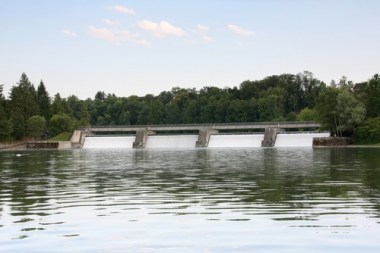
Many small dams already in place can be developed for power generation.
¶ Fourteen US mayors made a historic commitment last week to take action to reduce climate risks and protect the future of their communities. The mayors, many from the Midwest, signed the The Path to Positive Proclamation to pledge their leadership, prepare for climate change, and promote solutions that advance prosperity. [CleanTechnica]
¶ More than 4 million tons of New Jersey’s biomass, fuel derived from organic materials like plants and waste, could be used to produce electricity or propel transportation each year. The resource, largely underutilized, could help the state achieve important policy goals, including reducing dependence on fossil fuels. [NJ Spotlight]
¶ Four wineries in New York’s Finger Lakes region are working together to turn to solar power. Each winery has its own collection of solar panels, which, depending on the winery, are designed to produce 50% to 100% of their electrical needs. The systems range from 51 kW to 250 kW, and total 472 kW. [Rochester Democrat and Chronicle]
Posted in nuclear power, renewable power, solar, wind | 1 Comment »
Tags: nuclear, nuclear power, photovoltaic, renewable power, solar power, wind power
September 27, 2015
Opinion:
¶ Hinkley: a truly major national scandal – Although it was originally claimed that Hinkley Point C would cost only £10 billion and be “cooking Christmas dinners by 2017”, its completion date is now likely to be well after 2023, and its cost has spiralled so fast it will be way over the current figure of £24.5 billion. [Telegraph.co.uk]

Illustration of Hinkley Point: The new reactors at Hinkley would be the first of eight new nuclear power stations to be built in the UK. Image: EDF Energy
World:
¶ China pledged a ¥20 billion ($3 billion) fund to help developing countries combat climate change. The China South-South Climate Cooperation Fund will also enhance their access to the Green Climate Fund, according to a China-US joint presidential statement on climate change signed during President Xi Jinping’s state visit to the US. [WantChinaTimes]
¶ A study prepared by DIW Econ, a German institute for economic research, found that, as a whole, countries that belong to the Organization for Economic Cooperation and Development have already decoupled their economic growth from emissions. This means economies can grow without increasing greenhouse gas emissions. [The Guardian]
¶ Lekela Power believes Ghana’s power deficit will be substantially bridged when it completes a $300 million utility scale wind-farm power project that is the biggest not only in Ghana but West Africa, the CEO confirmed. The project could provide up to 5% of the country’s electricity and is expected to generate a capacity of 225 MW. [GhanaWeb]
¶ Fountain Technologies Limited, a local subsidiary of the multinational investments firm FEP Holdings Ltd based in Kenya, has announced plans to invest up to $70 million in Ghana’s telecoms and renewable energy sectors. The company brings its experience and competence to complement government’s quest for renewable power. [GhanaWeb]
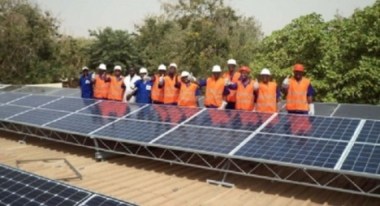
Fountain Technologies Limited
¶ Non-profit organisation Climate Group today said the use of clean energy like solar power by 1.3 billion people without electricity across the world could save them $ 27 billion. They currently spend an estimated $30 billion per year buying kerosene for lighting. Lighting bills from solar micro-grids are known to be over 90% cheaper. [Economic Times]
¶ German companies will invest 350 million euros in Khuzestan province to set up wind, solar and thermal power plants in Arvand and Mahshahr free zones, according to the Managing director of Khuzestan Regional Electricity Company. A 47-MW wind power plant will be set up in the first phase of the project, with solar to follow. [Zawya]
¶ The World Bank extended a loan of $20 million to Nepal for the Power Sector Reform and Sustainable Hydropower Development Project. The first component of the project will support preparations of the Upper Arun Hydroelectric Project and the Ikhuwa Khola Hydroelectric Project. It will also support transmission line projects. [Himalayan Times]
US:
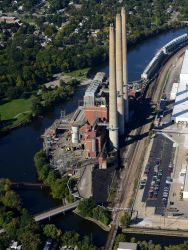
The BWL Eckert plant. Photo: Dave Wasinger/Lansing State Journal
¶ The Lansing Board of Water and Light is seeking community input on how to replace the Eckert Power Station, set to be retired in 2020. Dating to the 1950s, the coal-fired power plant generates about one third of the power within the BWL’s service territory, and “is at the end of its operational life,” according to a press release. [Lansing State Journal]
¶ A team of researchers from Harvard University have developed an even cleaner solution for storing energy. The group of scientists and engineers showed an updated flow battery that can safely store electrical energy by dissolving plentiful, inexpensive elements like carbon and oxygen in water. It is nontoxic and non-flammable. [UPI.com]
Posted in nuclear power, renewable power, solar, wind | Leave a Comment »
Tags: nuclear, nuclear power, photovoltaic, renewable power, solar power, wind power
September 26, 2015
World:
¶ The Welsh government has agreed additional funding of £938,000 to three community-led and locally supported onshore wind projects in south Wales. Carmarthenshire Energy Limited, a small Welsh-based community developer, will receive a loan of £785,000 and a £25,000 grant towards the building of a 500-kW turbine. [reNews]
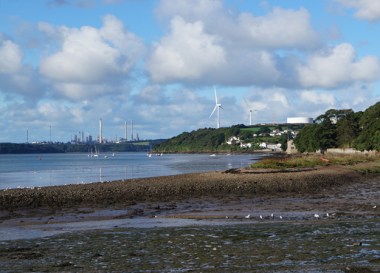
Wear Point wind farm in Wales (Infinergy)
¶ Based on estimates of the amounts of excess pollutants released by the 11 million cars VW admitted to fitting with cheating software, Kevin Drum has come up with a rough estimate of a death toll. Worldwide, it may be that 3,700 people died because VW cheated. This is a problem professions will doubtless take up. [CleanTechnica]
¶ The presidents of the US and China have made a bargain. China will implement a national cap-and-trade program, requiring Chinese electric companies, iron and steel plants, and other manufacturers to trade emissions credits beginning in 2017. The US will make its carbon cuts through existing or planned regulations. [World Magazine]
¶ The European Commission has signed off on a revised technical layout for the 400-MW Kriegers Flak combined grid solution in the Baltic Sea. The Germany-Denmark interconnection is planned between the Danish region of Zealand and German Mecklenburg-Western Pomerania. Operation is planned to start by the end of 2018. [reNews]
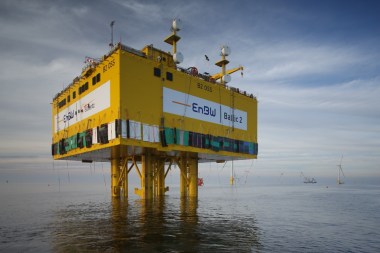
Baltic 2 substation (EnBW)
¶ The governments of Scotland, the Republic of Ireland, and Northern Ireland plan to coordinate the development of offshore renewable energy in their shared ocean water. The goal is to build an interconnected network of offshore generation and transmission facilities in the Irish Sea, the straits of Moyle, and the western coast of Scotland. [IEEE Spectrum]
¶ Sweden is setting out to prove that the world doesn’t need fossil fuels. The Swedish government plans to completely abandon fossil fuels, funding the change with taxes on petrol and diesel oil. It it will start with an investment of $546 million in their 2016 budget to meet challenges of climate change and develop renewable technology. [EcoWatch]
¶ The UK government’s stance on renewable energy is under scrutiny after Drax pulled out of a £1 billion climate change project, saying policy u-turns made investing too risky. The Prime Minister’s pledge to lead the greenest government ever looks like a distant memory as he launched a series of cutbacks to renewable support. [DIGITALLOOK]
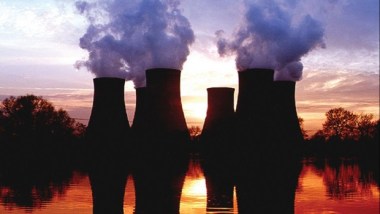
Drax power station
¶ Mackie’s of Scotland has taken a big step forward in its drive to become self-sufficient in renewable energy by investing millions of pounds in a solar energy farm. The ice-cream, crisps and chocolate producer got its first wind turbine a decade ago. Now it has nearly 1.8 MW of solar PV panels on its land in Aberdeenshire. [Herald Scotland]
¶ TEPCO turned down requests in 2009 by the nuclear safety agency to consider concrete steps against tsunami waves at the Fukushima No. 1 nuclear power plant, which suffered a tsunami-triggered disaster two years later, government documents showed Friday. TEPCO wanted to wait until 2012 for studies to be completed. [The Japan Times]
US:
¶ Just at a time some are calling for the use of US RICO laws to investigate and possibly prosecute those who may have been attempting to defraud us about the climate, we have found that Exxon was concealing its own science predicting climate change. A look at the data shows their predictions were nearly spot-on. [CleanTechnica]
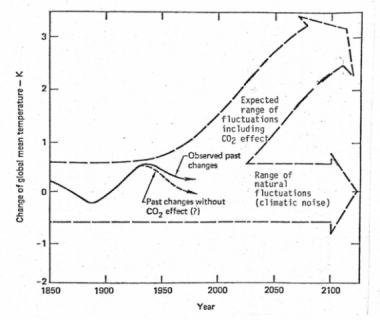
This is a graph from the now famous Exxon documents that date to 1981, explaining how Exxon scientists were projecting global warming with continued release of the greenhouse gas CO2 into the atmosphere.
¶ SolarWorld, a US company with 40 years’ experience making PVs, announced that they and Panasonic Enterprise Solutions Co have signed an agreement on a large number of solar PV panels. SolarWorld will 65 MW of high-efficiency 72-cell solar panels for a solar farm planned in remote southeast Oregon. [AZoCleantech]
¶ The overall collective risk of cancer via exposure to 7 toxic air contaminants in California has declined by an incredible 76% since comprehensive air quality regulations went into effect there back into 1990, according to a new study from the California Air Resources Board. The worst offender is said to be diesel particulates. [CleanTechnica]
¶ Advocacy group New Energy Economy charged that the Public Service Company of New Mexico has “fabricated” numbers to try to convince the state Public Regulation Commission that using nuclear power from Arizona and coal power from the San Juan plant near Farmington would cost less than solar and wind power. [Santa Fe New Mexican]
Posted in nuclear power, renewable power, solar, wind | 1 Comment »
Tags: nuclear, nuclear power, photovoltaic, renewable power, solar power, wind power
September 25, 2015
World:
¶ Danish industry site Energy Watch has reported on an application submitted by Denmark’s Bregentved Estates to local municipal authorities for a 100-MW capacity solar park to be located in Faxe municipality, Sjælland, eastern Denmark. It’s a bold ambition; Denmark’s current largest solar installation is just 2.1 MW. [CleanTechnica]

Rooftop PV provides power to UN City in Copenhagen, but utility-scale solar power is lacking. Photo Credit: Adam Mørk / 3XN.
¶ Developed countries are lining up to pledge support to India’s ambitious renewable energy targets. The UK would support India’s ambitious renewable energy targets through cooperation on developing and implementing new technologies. New Zealand has also expressed interest in sharing technology and expertise. [CleanTechnica]
¶ More than a quarter of the UK’s electricity came from renewables this spring, official figures show. Renewables accounted for 25.3% of electricity generation in the second quarter of 2015, up from 16.7% for the period in 2014, and overtaking coal for the first time. Coal generating fell to 20.5% in the same period. [Business Reporter]
¶ In Q2 2015, Scotland generated 4,832 GWh of renewable electricity, an increase of 37.3% on Q2 of 2014, while wind and hydro power increased by 52.5% and 27% respectively. The Scottish Government had a target to reduce energy consumption by 12% by 2020; this was already met in 2013, seven years early. [Aberdeen Business News]

Renewables electricity generation up 13.5% in one year
¶ Drax Group Plc pulled out of a plan to build the UK’s first commercial-scale power plant equipped with a carbon capture and storage system, a blow to the government’s ambition to spur the technology crucial to protecting the climate. Drax cited the “drastically different financial and regulatory environment” from two years ago.[Bloomberg]
¶ The president of Hokkaido Electric Power Co signaled the company’s plan to give up the restart of the three reactors at its Tomari nuclear power plant in Hokkaido by the end of March. At a news conference, he said that realistically, it would be difficult to bring any of the reactors back into operation by the end of fiscal 2015. [The Japan Times]
US:
¶ The University of Texas at Austin has let out word that a research team guided by professor John Goodenough, the man who invented lithium-ion batteries, has come up with a new cathode material leading to the development of a marketable sodium-ion battery. The new energy storage involves eldfellite, a yellow-green mineral. [CleanTechnica]
Crystal structure of the eldfellite cathode for a sodium-ion battery. Image by Cockrell School of Engineering.
¶ Leonardo DiCaprio has joined a growing consortium of investors that is breaking ranks with fossil fuels. The movie star joined the ranks of Divest Invest, which has grown to 2,040 individuals and 436 institutions from 43 countries representing $2.6 trillion in assets. One year ago, DI members represented $50 billion. [CNN]
¶ In what’s being referred to as the “first utility-adopted” solar sharing program, Yeloha and Green Mountain Power have partnered to offer GMP’s customers the opportunity to go solar, even if it’s with someone else’s roof. Yeloha acts as a middleman between people who want solar and people with places for panels. [CleanTechnica]
¶ Energy Resources USA Inc has applied for a preliminary permit to build a hydropower plant at Lock and Dam No 11 on the Mississippi River, which has long been in place but has no generating facility. The proposed plant would produce 119,655 MWh per year, enough to power 10,000 to 11,000 homes. [Construction Equipment Guide]

Hydropower is the largest source of renewable energy in the United States, providing about 7 percent of the nation’s power, according to the U.S. Department of Energy.
¶ Ormat Technologies Inc says the second phase of its Don A Campbell geothermal power plant in Nevada is operating commercially. The plant is expected to generate 19 MW. The power will go to the Southern California Public Power Authority, which intends to resell it to the Los Angeles Department of Water and Power [SeeNews Renewables]
¶ The Arkansas Public Service Commission ruled that Entergy Arkansas can buy 20 years of solar power from a solar park to be built near Stuttgart, Arkansas. NextEra Energy Resources of Juno Beach, Florida, plans to build an 81-MW solar energy farm on a 475-acre site about seven miles southeast of Stuttgart. [Arkansas Online]
Posted in nuclear power, renewable power, solar, wind | Leave a Comment »
Tags: nuclear, nuclear power, photovoltaic, renewable power, solar power, wind power
September 24, 2015
Opinion:
¶ “The new Senate Democratic energy bill is a wonk’s dream” In anticipation of the pope’s visit to Washington, and to signal their support of Obama’s agenda at climate talks in Paris this December, Senate Democrats have released a new bill: the American Energy Innovation Act of 2015. It is astonishingly substantive. [Vox]

The author’s view of Senate Democrats. Painting by Elizabeth Thompson. Public domain, via Wikimedia Commons.
¶ “Shame upon them! The government’s nuclear lies exposed” There’s no doubt about it. The UK Government is spreading untruths about the price of renewable energy. Is it deliberate? One can only assume so owing to the consistency of the pattern. And, it’s always in the context of supporting nuclear power over renewable energy sources. [The Ecologist]
Science and Technology:
¶ The top microgrid electricity generation modality in the US will soon be solar PV, according to a new report from GTM Research. With the overall growth of microgrids in recent years, a slow shift from reliance on combined heat and power systems, or diesel generators, is taking place, with solar PV taking position as the top choice. [CleanTechnica]
World:
¶ PowerStream is Ontario’s second largest municipally owned electric utility. Recently, it has begun an experiment with the so-called internet of energy. Twenty homes will have solar panels and small battery systems installed. The systems will be tied together and operated as a single system using batteries and software in a network. [CleanTechnica]
¶ The Brazilian northeast region is not at risk of suffering power outages, due to its wind and thermal power facilities, the president of the federal energy planning authority EPE, Maurício Tolmasquim, said on Monday. Increasing renewable energy sources in the northeast region has been instrumental in dealing with the dry season. [SeeNews Renewables]
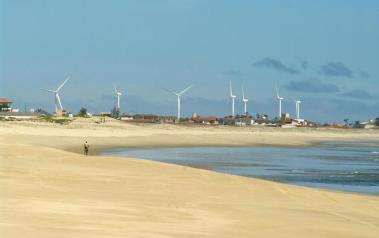
Wind farm in Brazil. Author: Otávio Nogueira. License: Creative Commons, Attribution 2.0 Generic
¶ The Australian renewable energy industry has more good news from the Liberal Party. Speaking to The Australian Financial Review, the Environment Minister (who kept his position in the leadership change), has reaffirmed that Australia’s new leadership structure will be more focused on supporting the country’s renewable energy. [CleanTechnica]
¶ Change continues for utilities. With this year’s release of Siemens’ Spectrum Power Microgrid Management System, Siemens hopes to give clients yet another option for controlling their energy resources while promising greater reliability, cost-efficiency and ways to manage the increased share of power generated by renewables. [energybiz]
¶ Expanding investments in wind and solar can free up Egypt’s carbon energy, reduce fiscal spending and create jobs, consultancy PWC said in a report. For Egypt, oil and gas reserves are a two-edged sword and developing renewable energy will ease pressure on government budgets, create jobs and attract investments. [gulfnews.com]
¶ Enel Green Power is close to completing the construction of the first facility in Italy to store electricity generated from a photovoltaic plant. The plant, which is being built in Catania, Sicily, will have a 1-MW/2-MWh storage system that can be connected to EGP’s 10 MWp Catania 1 photovoltaic plant. GE developed the system’s technology. [reNews]
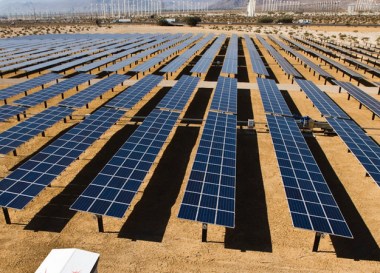
Italian Solar farm. (SPI Solar)
¶ Australian Capital Territory’s Minister for the Environment says a review of the Territory’s roof-top solar feed-in tariff initiative proves the program has been a success. “The ACT went from less than 1000 connections prior to the start of the scheme in 2009 to 10,175 FiT-supported connections with a capacity of 26.0 MW in operation today.” [Energy Matters]
¶ French oil and gas group Total SA intends to spend about $500 million (€ 445.8 million) per year on renewable energy developments, it said in an investor presentation on Wednesday. The group wants to build a profitable business by taking advantage of the rapidly growing renewables industry, it said as cited by Bloomberg. [SeeNews Renewables]
US:
¶ The US’ wind and solar power generation capacity grew by 3.4 GW in the first eight months of 2015, when 201 MW of biomass and 45 MW of geothermal plants were switched on as well. The Federal Energy Regulatory Commission says renewable energy accounted for 59% of all new power capacity in the US for the period. [SeeNews Renewables]
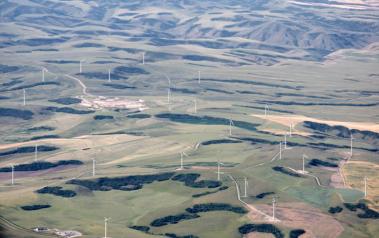
Wind farm in US. Author: Sam Beebe. License: Creative Commons, Attribution 2.0 Generic.
¶ The federal government is leasing wind farm sites off the coast of New Jersey. Fully developed, they could support at least 3.4 GW of commercial wind generation, which would be enough to meet the annual power consumption of about 1.2 million households, according to estimates by the DOE’s National Renewable Energy Laboratory. [Bulletin Leader]
¶ Yesterday, Hillary Clinton announced that she opposes the construction of the Keystone Pipeline. Today, she released her energy infrastructure plan. First item on the list: repairing and upgrading our existing pipelines. The words, “solar,” “wind,” and “alternative,” do not appear in the plan at all, and “renewable” shows up only twice. [AMERICAblog]
¶ The Vermont Public Service Department released the Public Review Draft of the 2015 Comprehensive Energy Plan. The plan emphasizes the importance of efficiency and conservation. Since the last CEP was published in 2011, Vermont has added more than 100 MW each of wind and solar PV, while power rates grew slower than inflation. [Vermont Biz]
Posted in nuclear power, renewable power, solar, wind | Leave a Comment »
Tags: nuclear, nuclear power, photovoltaic, renewable power, solar power, wind power
September 23, 2015
World:
¶ Research and consulting firm GlobalData highlighted the role the UK will play in the global offshore wind market. According to GlobalData’s predictions, the UK will see its installed offshore wind capacity increase from 4.5 GW in 2014 to 23.2 GW in 2025. In 2014, the UK accounted for 51.3% of global offshore wind energy capacity. [CleanTechnica]
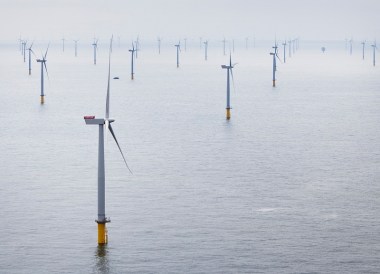
London Array – the world’s largest offshore wind farm (Siemens)
¶ West Australian energy minister Mike Nahan has delivered a damming critique of the regulators in his state, claiming that the “ban” on battery storage and electric vehicles for WA households was a case of “red tape gone mad.” The ban prevents any household with a battery storage device or EV from exporting back into the grid. [CleanTechnica]
¶ Scotland will offer more “clarity and certainty” for solar power projects by retaining the ‘grandfathering’ guarantee for solar under the Renewables Obligation’ in contrast to England and Wales. The guarantee ensures that the level of support for each unit of electricity will not change throughout the lifetime of a solar installation after it is built. [reNews]

Knitted graffiti at Lappeenranta University of Technology. Photo by Tommi Nummelin. CC BY SA 4.0.
¶ Energy Watch Group and Lappeenranta University of Technology, in Finland, have published the report which claims the International Energy Agency has been holding back global energy transition for years. EWG-LUT says the false predictions in the WEO reports have led to high investments in fossil and nuclear power sectors. [Greentech Lead]
¶ Siemens aims to achieve a net-zero carbon footprint by 2030, starting with a €100m investment over the next three years to reduce the energy footprint of its production facilities and buildings The German company plans to cut its carbon dioxide emissions – which currently total about 2.2m tonnes a year – in half by 2020. [reNews]
US:
¶ Climate-change denial has been compared to Big Tobacco’s 50-year-campaign to deny the dangers of cigarettes. It’s not widely known, but what ended the Big Tobacco campaign was actual prosecution under the RICO racketeering statute. Now, a group of scientists wants to use the RICO act against climate deceivers. [Red, Green, and Blue]
¶ InsideClimate News has a series about Exxon quietly studying fossil fuels and global warming. They found that in 1978, Exxon’s own scientists were telling the company that oil and gas use contribute to global warming that would play havoc on the planet’s climate. Exxon then funded politically motivated climate denialism. [CleanTechnica]
¶ Volkswagen is facing multiple investigations, including a criminal probe from the Department of Justice. These follow admission by VW that it deceived US regulators in exhaust emissions tests. A DOJ criminal investigation would be serious, as federal authorities can bring charges with severe penalties against a firm and individuals. [BBC]

VW Jetta, the “Green Car of the Year” at the 2009 Montreal International Auto Show. Photo by Bull-Doser. Released into the public domain by the author.
¶ Pope Francis is scheduled to address Congress. There’s a good chance he’ll dwell on two of his signature issues: global poverty and climate change. These issues are not especially popular with congressional Republicans. So perhaps it’s a bit surprising that, so far, only one of them has publicly expressed trepidation about the speech. [Grist]
¶ In recent months, Apple has poached Tesla’s top autonomous driving engineer, poached other Tesla engineers with $250,000 signing bonuses, hired a former Fiat Chrysler Automobiles executive, while hiring others for a new project. Now, the Wall Street Journal is reporting that Apple’s first electric car will hit the market in 2019. [CleanTechnica]
¶ With the opening of a 3.5-MW solar panel facility, North Adams, Massachusetts, now expects to be 100% solar powered. The thousands of panels supplementing electricity for the municipal and school buildings reside on a capped landfill about a mile from the city center, under a 20-year purchasing agreement with the developer. [The Beacon]
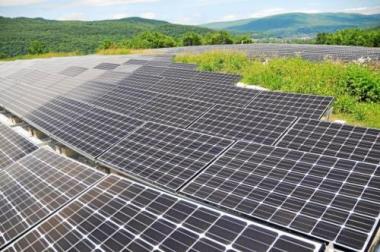
Photo by Scott Stafford, The Berkshire Eagle
¶ Nine well-known firms – Johnson & Johnson, Procter & Gamble, Goldman Sachs, Nike, Starbucks, Salesforce, Steelcase, Voya Financial, and Walmart – will use the annual Climate Week in New York to announce they have joined the global campaign RE100, which encourages businesses source 100% renewable power. [Business Green]
¶ North Carolina plans to file a lawsuit against the US EPA Clean Power Plan, which it believes will lead to higher costs for ratepayers. But at the same time, the state is taking a closer look at boosting the use of nuclear generation as a way to comply with the regulations, the state’s Department of Environmental Quality secretary said. [Argus Media]
Posted in nuclear power, renewable power, solar, wind | Leave a Comment »
Tags: nuclear, nuclear power, photovoltaic, renewable power, solar power, wind power
September 22, 2015
Science and Technology:
Prototype JBT ceramic batteries undergoing high-temperature testing.
¶ Solid-state battery technology may deliver up to three times more energy than equivalent-sized lithium-ion cell, while eliminating many of the durability and safety issues associated with conventional lithium-based energy sources. The technology employs ceramic electrolytes instead of volatile liquid or gel electrolytes. [IHS Electronics360]
¶ According to new research from Griffith University, in Queensland, Australia, harnessing the energy created from salinity gradients could provide a renewable source of power able to mitigate climate change impacts, reduce reliance on fossil fuels and improve processes within the desalination industry. [WaterWorld]
World:
¶ Yingli Green Energy Holdings has announced a partnership with Namene Energy International, a leading renewable energy projects developer in Africa, to work together to set up 100-MW of utility-scale and 50 MW of rooftop solar power projects in Ghana and other African countries. Each company will have a 50% share. [CleanTechnica]
¶ Canada’s clean energy sector employs more people than the oil sands, and the workforce grew another 14% last year. According to Clean Energy Canada’s latest Tracking the Energy Revolution, this sector attracted almost twice the number of investors than the fishing, forestry and agriculture sectors combined. [CleanTechnica]
¶ In 2017 the solar industry is expected to face, again, accelerating declines in prices and margins as manufacturing capacity additions are set to “dangerously” exceed demand, IHS projects. A cut to the federal solar investment tax credit in the US will lead to a drop in global demand in 2017 and new challenges to suppliers. [SeeNews Renewables]
¶ SunPower supplied a total of 41 MW to La Compagnie du Vent for the construction of four solar power plants under the French Ministry of Ecology, Sustainable Development and Energy national tender programme. A a dedication ceremony at one facility was attended by French President Francois Hollande. [reNews]
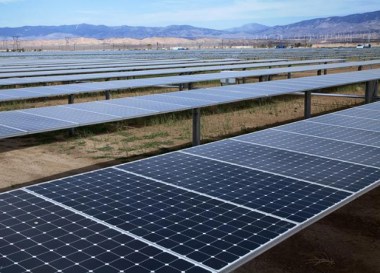
SunPower panels (SunPower)
¶ French utility EDF wants to expand into renewable energy beyond Europe, according to the company’s CEO. He said barely 5% of EDF’s assets were outside Europe, where there is little economic or demographic growth. EDF would remain in its key markets of France, Britain and Italy, would increase international operations. [Reuters]
¶ Major nations seem to be reducing fossil fuel subsidies but still have “ample scope” for deeper cuts in recent support of up to $200 billion a year, the Organisation for Economic Cooperation and Development says. The OECD nations are estimated to subsidize fossil fuels production $160 billion to $200 billion annually. [Times of Malta]
¶ A study released Monday in the science journal Philosophical Transactions says the Fukushima Disaster was preventable. It says, “Had the TEPCO modellers had any experience with tsunamis, they would have had immediately recognized that their ‘high’ resolution predictions were underestimating the hazard.” [Washington Post]
¶ Volkswagen AG plans to set aside €6.5 billion ($7.3 billion) in the third quarter to cover the costs of addressing irregularities in diesel engines installed in 11 million vehicles worldwide, as the scandal that started in the US widens. Germany, France, South Korea, and Italy have said they would look further into the issue. [Bloomberg]
US:
¶ Notre Dame officials said Monday that a plan to phase out coal-burning power plants over the next five years will ultimately pay for itself through lower energy costs. The announcement comes ahead of Pope Francis’ planned visit to the United States, and the move is part of Francis’ plea for bold action to curb climate change. [WISH-TV]

Photo from University of Notre Dame
¶ Tesla will drive down battery-pack-level costs by 70% (down to around $38/kWh) once the Gigafactory hits peak production via economies of scale, improved chemistry, supply chain optimization, and other factors, according to Jefferies analyst Dan Dolev. Model S battery cells could be brought to 88$/kWh. [CleanTechnica]
¶ With energy prices rising, solar projects stalling and discussions of how to reduce fossil fuel consumption happening on Beacon Hill, state Senator Marc Pacheco sees a part of the solution, and it is all around him: wind. He points out that wind power is cheap. “Once you pay for the capital investment, the fuel is free,” Pacheco said. [MassLive.com]
¶ Energy storage specialist Younicos said Monday it will install a 1-MW turnkey battery storage system at one of OCI Solar Power LLC’s sites in Texas. They system is planned to go live in early 2016 and would be the first integrated grid-scale solar-plus-storage project in the Electric Reliability Council of Texas market. [SeeNews Renewables]
¶ Discussing how US and China can collaborate on nuclear energy, smarter electricity use, and other clean technologies is a top agenda item as Chinese President Xi Jinping arrives in Seattle, almost a year after he and President Barack Obama announced their nations would cooperate to fight climate change. [Thegardenisland.com]
Posted in nuclear power, renewable power, solar, wind | 1 Comment »
Tags: nuclear, nuclear power, photovoltaic, renewable power, solar power, wind power
September 21, 2015
World:
¶ Greenpeace, working in collaboration with the German Aerospace Center, issued a report saying a 100% renewable power can be achieved by 2050. And not only is this transition possible, but it will create jobs and is cost-competitive, with the necessary investment more than covered by savings in future fuel costs. [Greenpeace International]
Greenpeace volunteers of Youth Solar (Jugendsolar) in cooperation with volunteers from the organisation ‘Solaragenten’, install a photovoltaic power plant on avalanche barriers in the ski resort of Bellwald.
¶ Britain can produce 85% of its power via renewable energy by 2030 provided it undergoes significant changes in energy production and use, according to the Greenpeace study. However, energy initiatives would be necessary in the areas of home heating and insulation to reduce energy use there by 60%. [The Guardian]
¶ In Australia, the Turnbull government is signalling a new approach to climate policy despite its pledge to stick with the “Direct Action” climate plan, abandoning Tony Abbott’s attempt to abolish two key renewable energy agencies and considering tougher “safeguards” to ensure the policy actually reduces emissions. [Business Green]
¶ UK Chancellor George Osborne has announced that the UK will guarantee a £2 billion deal under which China will invest in the Hinkley Point nuclear power station. EDF welcomed the news but did not say if it put the project back on track. EDF recently admitted the project, which was to be running by 2023, would be delayed. [BBC]
¶ Munich’s Oktoberfest is superlative: It’s got nearly 200 rides flashing their lights, clashing music blaring out from multiple speakers, shooting galleries offering plastic roses. Then there are the festival tents filled with traditional German Volksmusik and girls in Dierndls dancing atop the long tables. But it is all very green. [Deutsche Welle]

Most drinkers in beer tents don’t realize their waste is flushed away with reused grey water
¶ The 117-MW Tafila wind farm in southern Jordan has started commercial operation in line with all deadlines and contracts. The 38-turbine wind park is worth about $287 million. Construction of the wind farm began in the spring of 2014. Now that the facility is operational, it will be producing about 400 GWh annually. [SeeNews Renewables]
¶ The UK Green Investment Bank and John Laing Group have committed £48 million of equity to Estover Energy’s forthcoming £138 million renewable energy facility in Cramlington, Northumberland. The biomass combined heat and power plant will generate 213 GWh of electricity each year, enough to power 52,000 homes. [ChronicleLive]
¶ The world’s first smog-fighting urban sculpture has been constructed in the Dutch city of Rotterdam with the ability to suck in polluted air, remove particles and blow out fresh air through a series of vents. The entire system is run on renewable wind power, and can clean 30,000 cubic metres of air per hour. It can be easily moved. [Architecture AU]
The Dutch city of Rotterdam is home to the world’s first “vacuum cleaner” structure that turns smog into fresh air. Image by Studio Roosegaarde
US:
¶ The University of Notre Dame, in South Bend, Indiana, plans to stop burning coal within five years and to cut its carbon footprint by more than half in the next 15 years in response to Pope Francis’ plea for bold action to curb climate change. Notre Dame may spend $113 million on renewable energy sources. [Diverse: Issues in Higher Education]
¶ LG Chem, one of the world’ s largest lithium-ion battery manufacturers, has supplied a 1-MW/2-MWh energy storage system for a solar power station in Cedartown, Georgia. A Southern Company and Electric Power Research Institute initiative, the project is evaluating the grid impacts of the energy storage system. [Energy Matters]
¶ NRG Energy Inc unveiled plans to separate its expensive clean-energy businesses, as part of a series of moves by the power producer to simplify its structure and cut down on expenses and debt. GreenCo will operate independently from NRG’s conventional generation and retail business beginning January 1, 2016. [Herald Current]
¶ In Vernon, Vermont, a town hit hard by the shutdown of Vermont Yankee, officials say a natural-gas plant may be in the works. The optimism in Vernon is carefully qualified because the plant is far from a sure bet, and it’s not yet been disclosed which sites are under consideration. Development costs are estimated at $750 million. [vtdigger.org]
Posted in nuclear power, renewable power, solar, wind | Leave a Comment »
Tags: nuclear, nuclear power, photovoltaic, renewable power, solar power, wind power
September 20, 2015
Opinion:
¶ “Governor Shumlin: A model for getting energy right” Powerful fossil fuel interests and their climate-denier allies in Congress prevent meaningful action and work to preserve the status quo. Here in Vermont, however, we are showing that progress can be made and that there is a model for energy that is good for our economy and our environment. [Vermont Biz]
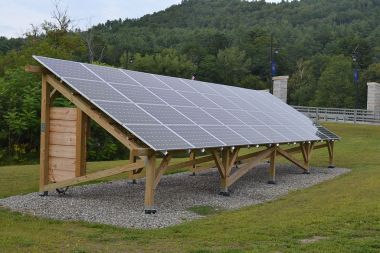
A solar array at the Vermont Law School. Photo by SayCheeeeeese. Public domain, CC0.
¶ “Recent hearings were the last gasps of the Yucca Mountain road show” The federal government’s long-winded campaign to mollify the nuclear power industry by adopting Yucca Mountain as the burial grounds for spent, highly radioactive fuel rods is running on fumes. The NRC conducted hearings, but only because of a court order. [Las Vegas Sun]
Science and Technology:
¶ It is not clear where the idea of a “global warming hiatus” originally came from, but over the last several years it has been a widely held idea. Now, two papers by different groups of researchers show there has not been any pause in global warming. NASA says 2015 will very likely break 2014’s record as the warmest ever recorded. [Morning Ticker]
World:
¶ Denmark is preparing what may be the biggest IPO in the nation’s history as it sets up the sale of state utility Dong Energy. The government is giving itself a maximum of 18 months. The company, which comprises units in oil, gas, wind parks and distribution networks, could be worth as much as $11 billion. [The Australian Financial Review]

On the table will be distribution systems and power generation, including by renewables, such as wind. Bloomberg
¶ Gearing up for its plan to provide 24×7 power to all, the Indian government has started the process of drafting National Electricity Plan for next five years which will outline sector’s projections, including generation. The committee in charge started by constituting 11 subcommittees to deal with different aspects of the sector. [Economic Times]
¶ The CEO of Reon Energy Limited, an energy systems provider in Pakistan, urges small and medium enterprises to tap the solar energy source to deal with persistent power cuts and rising electricity tariffs. There are over 3.2 million such businesses in Pakistan, accounting for 40% of the country’s employment. [The News International]
¶ Though renewable energy solutions alone cannot solve Pakistan’s power crisis, it can take the pressure off the traditional forms of energy generation. It can also create a localised mechanism for the production and delivery of energy. Large-scale operations already include a 100-MW solar project in the Cholistan desert. [The News on Sunday]
¶ The Dubai Electricity and Water Authority is seeking an Expression of Interest for the 800-MW phase three of the Mohammed Bin Rashid Al Maktoum Solar Park. The project, which is based on the Independent Power Producer model, is another project that will establish the leadership of Dubai and the UAE in clean energy production. [Gulf Today]
US:
Apropos of no article. Crystal Mill, an 1892 wooden powerhouse in Crystal, Colorado. Photo by John Fowler. CC BY 2.0. Wikimedia Commons.
¶ It didn’t add up. VW diesel cars were spewing harmful exhaust when testers drove them on the road. In the lab, they were fine. Discrepancies in the European tests on the diesel models of the VW Passat, the VW Jetta and the BMW X5 last year gave Peter Mock an idea. He checked the cars. VW had a cheat device on them. [Bloomberg]
¶ Popularity of solar co-ops is growing in Maryland. Retrofit Baltimore, part of the nonprofit Civic Works, works with homeowners on making their homes more environmentally friendly. Allen said 150 homeowners from the Baltimore area joined Retrofit’s first solar co-op, but there is enough of a demand for another. [ABC2 News]
Posted in nuclear power, renewable power, solar, wind | 1 Comment »
Tags: nuclear, nuclear power, photovoltaic, renewable power, solar power, wind power
September 19, 2015
Opinion:
¶ “Hinkley Point must be stopped – even if you believe in nuclear” UK support for low-carbon energy technologies is running at £250 million a year. But the government wants to throw four times that amount, every year for 35 years, at the Hinkley C nuclear power station. Meanwhile, the cost of solar power keeps dropping. [The Ecologist]

Salisbury Cathedral took 46 years to build. Would Hinkley C be any quicker? Photo: Photo Phiend via Flickr. CC BY-NC-ND.
Science and Technology:
¶ The summer of 2015 is Earth’s hottest on record. The meteorological summer of June-July-August saw its highest globally averaged temperature since records began in 1880, according to NOAA. Those record highs occurred on the surface of both land and sea. Scientists had predicted a record-breaking summer based on modeling. [CNN]
World:
¶ Australian utility AGL Energy Limited has announced its Broken Hill Solar Plant, in the eastern state of New South Wales, has begun generating electricity and feeding it into the National Electricity Market. The plant is not fully completed yet, with the currently-installed 26 MW only representing half of the expected 53 MW. [CleanTechnica]
¶ Wind farm operators in Honduras, Nicaragua and Costa Rica, have decided to use the Condition Monitoring hardware and Remote Service of Bachmann Monitoring GmbH, of Rudolstadt/Jena, Germany. The order package consists of the hardware and monitoring contracts for 83 Gamesa turbines. [Windpower Engineering]
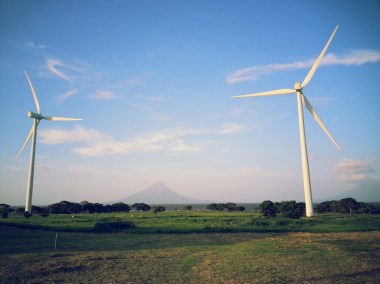
The CMS of Bachmann Monitoring GmbH are already in operation at the foot of the Concepcion volcano in the Southwest of Nicaragua.
¶ High electricity prices, limited connectivity to the national grid and frequent power outages all point to the need to innovate in Cambodia’s energy sector. Government officials and experts have agreed that solar power should have a prominent place in future plans. The country still has a long way to go, however. [The Cambodia Daily]
¶ One third of Irish households will be generating their own electricity within 10 years, the chief executive of ESB, the Irish retail electric provider, has predicted. Pat O’Doherty said that the company is witnessing a dramatic rise in the number of customers investing in new technologies to reduce their reliance on the national grid. [Irish Times]
¶ The Japanese government intends to make use of Tokyo 2020 as the venue to show off hydrogen fuel-cell technology to the rest of the world. This will be an expensive undertaking, but it will also be green, and a whole lot greener than Beijing 2008. The budget for the infrastructure could possibly exceed $300 million. [Ubergizmo]

Photo credit: Kawasaki Heavy Industries
US:
¶ For the first time since it was created 80 years ago, EPB, Chattanooga’s utility, may generate its own power. It will use solar PVs at a new community-based solar farm to produce power for about 125 homes. EPB and the TVA will partner on a 1.35-MW pilot program constructed on one of EPB’s service lots. [Chattanooga Times Free Press]
¶ The renewable energy technology that presents Hawaii the greatest potential for environmental impacts is utility-scale renewable energy, including wind and solar, according to the Hawaii Clean Energy final programmatic environmental impact statement by the US Department of Energy, released on Friday. [Pacific Business News]
¶ The Kaua‘i Island Utility Cooperative has signed an agreement with SolarCity to construct the nation’s first utility-scale photovoltaic array with a battery storage system. The new project will generate 52 MW to charge a system of batteries which KIUC will then be able to turn on and off, just like a conventional generator. [Hawaii Public Radio-HPR2]

Kaua’i is not all this rugged. Photo by Christopher Michel. CC BY 2.0
¶ The New York State Energy Research and Development Authority (NYSERDA) announced the second round of support for Solarize campaigns is now open. Under Andrew M. Cuomo’s NY-Sun Community Solar NY program, Solarize campaigns make solar easier and more affordable through community-driven initiatives. [RealEstateRama]
¶ The US DOE, collaborating with National Institute of Building Sciences, has officially defined zero energy buildings, which also are referred to as net zero or zero net energy buildings. The definition extends to communities, campuses, and portfolios. They published guidelines for measurement and implementation. [Energy Manager Today]
Posted in nuclear power, renewable power, solar, wind | Leave a Comment »
Tags: nuclear, nuclear power, photovoltaic, renewable power, solar power, wind power
September 18, 2015
Science and Technology:
¶ Toyota now collects more than 90% of the nickel-metal hydride batteries used in its hybrid cars, and is aiming for 100% collected. But what happens to the batteries after they’re collected? Some are recycled, but from an environmental perspective, it’s even better if they are reused. They have a second life in Yellowstone Park. [The Guardian]
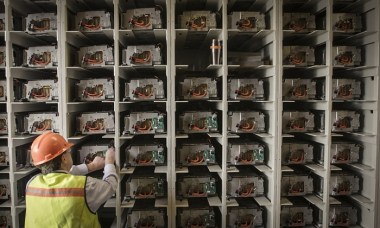
Reused Toyota Camry Hybrid battery packs store solar energy in a distributed energy system now online at the Lamar Buffalo Ranch field campus in the Yellowstone National Park. Photograph: Toyota
¶ A new line of solar modules from JA Solar eliminates the need for racking, allowing for direct mounting on rooftops, cutting installation time. The modules are made up of 60 “cell laminates” per unit, surrounded by a heavy-duty aluminum frame strong enough for them to be mounted directly to the roof, without any additional racking. [CleanTechnica]
World:
¶ India’s National Thermal Power Corporation had invited bids last May for ten separate 50-MW solar PV projects to be developed in phases in the Ghani Solar Park, Kurnool District of Andhra Pradesh. Bids were submitted last week, and the call has been oversubscribed by 10 times, with a total of 30 developers in the foray. [CleanTechnica]
¶ Utility-scale grid connected battery storage may reach 12 GW by 2024, while annual revenues could grow to $8.44 billion, according to a report from Frost & Sullivan. The US will be a leader, followed by China, Japan and Germany. Despite an overall positive outlook, there are significant market challenges to overcome. [pv magazine]
¶ The mayor of London, reminded cabinet ministers that 10,000 local jobs were dependent on this renewable power technology which had, in his view, “many, many attractions”. The warning from the high-profile Conservative came as the chief executive of Shell predicted solar would become the “backbone” of our energy system. [The Guardian]
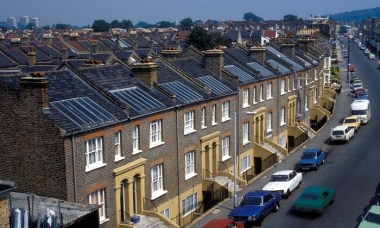
Solar panels on residential houses in East Dulwich, Southwark, South London. Photograph: Alamy
¶ Australia will be one of the first countries to get Tesla’s vaunted Powerwall battery storage system. Several companies are scrambling to sign up Australian households with solar rooftops. Tesla said that its 7-kWh home energy storage units, predicted to arrive in Australia in 2016, would be available by the end of the year. [The Guardian]
¶ With Canada’s federal government out for the count, it was the provinces who spearheaded the addition of a total 3.63 GW in renewable power generation in 2014 and a rate of investment in green energy that was 88% higher than in 2013, pushing Canada to sixth place ranking for renewables development, Clean Energy Canada says. [National Observer]
¶ The UK’s Green Investment Bank has stepped up efforts to boost the offshore wind power sector, joining forces with the Offshore Renewable Energy Catapult in an attempt to tackle faltering investor confidence in the market. The organizations will act in a three-year partnership to address technical and financial issues. [Business Green]
US:
¶ The Department of Transportation in Washington wrapped up a bid proposal for up to 800 electric buses in 12 different categories. BYD buses has been awarded the contract in 10 of those categories. The contract may be the biggest in US history. It includes buses from 30 to 60 feet in length for highway and intra-city applications. [CleanTechnica]

Electric bus. BYD photo.
¶ New solar energy funding has been announced along with a new DOE energy efficiency roadmap that aims to double energy efficiency in the US by 2030 through standards for utilities, vehicles, and consumer goods. Solar energy is already cost competitive in 14 US states. This may make it competitive in the rest of them. [CleanTechnica]
¶ Two extensive studies reveal that major US business identities have knowingly undermined the health, safety, and survival of real humans and other living things in regards to climate. One examines ExxonMobil’s actions, and the other implicates almost half the world’s 100 largest companies in obstructing climate change legislation. [CleanTechnica]
¶ Officials at the Pilgrim Nuclear Power Station are considering whether they can afford the multimillion-dollar safety improvements and other reforms required by federal officials. If not, they say, they might close the plant. The NRC downgraded the plant’s safety rating this month, listing Pilgrim as among the least safe in the country. [The Boston Globe]
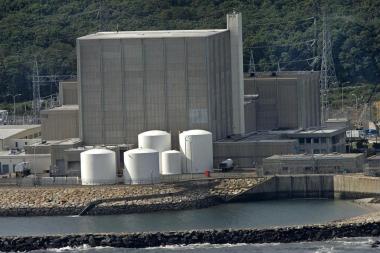
The Pilgrim nuclear power plant in Plymouth, Massachusetts. David L. Ryan / Globe Staff / File
¶ Sulphur Springs Valley Electric Cooperative and SunPower announced signing a 20-year power purchase agreement. SunPower will build a 20-MW solar PV plant in Cochise County, Arizona. Expected to be operational by the end of 2016, the plant should provide enough electricity for 4,500 homes, on an annual basis. [Your Renewable News]
¶ The mayor of Burlington, Vermont, and the president of the University of Vermont announced a partnership between the city and UVM develop 1 MW of solar energy projects on UVM campus properties. A request for proposals encourages a wide variety of projects, including roof-top installations and solar canopies over parking areas. [vtdigger.org]
¶ SunEdison announced it is supplying lithium-ion batteries for nine prototype homes in California that will be fully powered by renewable energy. The zero-net energy home project is part of a larger state-wide plan to have all new construction homes run 100% off renewables, such as photovoltaic roof panels, by 2020. [Computerworld]
Posted in nuclear power, renewable power, solar, wind | Leave a Comment »
Tags: nuclear, nuclear power, photovoltaic, renewable power, solar power, wind power
September 17, 2015
World:
¶ Offshore wind installation vessel Pacific Osprey has installed the 100th pile installation at Northland Power’s 600-MW Gemini offshore wind project. The 161 meter, six-legged jack-up is pushing on to complete work at the project, located in the Dutch North Sea. Two substations and the first transition pieces are already in place. [reNews]
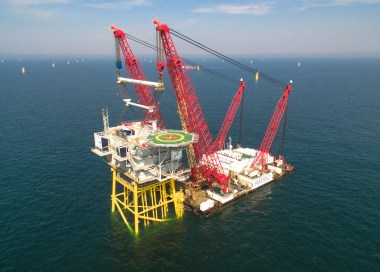
Substation lifted into place at Gemini (Rambiz)
¶ A report looks at whether coal from two sources would be sold at all without subsidies. It concludes that significant subsidies backing the production of coal in Australia and in the Powder River Basin in the US are “distorting the market, driving up emissions, and acting as a barrier to entry for cleaner energy sources.” [CleanTechnica]
¶ Israeli clean energy firm NewCO2Fuels Ltd is in final discussions to install and test technology for the conversion of carbon dioxide emissions into fuel at a large industrial coal-fired power plant. It will have two commercial reaction units able to turn around 160 tonnes carbon dioxide annually into fuel and oxygen. [SeeNews Renewables]
¶ Investment in renewable energy in Canada almost doubled last year as developers largely in Ontario and Quebec built solar, wind and hydropower projects, according to Clean Energy Canada. Spending on generation capacity rose 88% to C$10.9 billion ($8.3 billion), and the industry now employs about 27,000 people, the group says. [Bloomberg]
¶ Siemens AG has entered into an agreement to supply two wind turbines for Taiwan’s first offshore wind farm. Formosa I Wind Power Co (海洋風電公司) is to start operating two offshore wind turbines with a combined capacity of 8 MW in the third quarter of next year, with plans to add 30 units by the fourth quarter of 2019. [Taipei Times]
US:

Consumers Energy’s Cross Winds Energy Park opened in November 2014 in Tuscola County, in Michigan’s Thumb area. Photo by Consumers Energy Co.
¶ Consumers Energy Co plans to contract with Geronimo Energy to build a new 100-MW wind farm in Huron County in the Thumb area. The wind power facility is expected to push Consumers past its 10% renewable energy production requirement under Michigan’s 2008 energy law, which expires at the end of this year. [Crain’s Detroit Business]
¶ To highlight the plea by Pope Francis, spiritual leader of the world’s 1.2 billion Roman Catholics, that all people of good will respond to the moral imperative of solving climate change, faith leaders today hand-delivered “Laudato Si’,” the Pope’s first complete encyclical to the faithful, to all Catholic members of the US Congress. [CleanTechnica]
¶ The California legislature has passed SB 350, the Clean Energy and Pollution Reduction Act of 2015. The bill calls for energy efficiency in buildings to increase by 50% and for 50% of the state utilities’ power to come from renewable energy by 2030. Petroleum use was not covered by the bill in its final form. [Energy Manager Today]
¶ The first Colorado Climate Plan has been rolled out, focusing on seven key sectors and highlighting ways business and local governments can play a role. In 2013, the Colorado legislature passed a bill saying climate change “presents serious, diverse and ongoing issues for the state’s people, economy and environment.” [Denver Business Journal]
¶ San Diego County’s Board of Supervisors voted 4-0, to “add to the County’s Legislative Program support for legislation that would remove and relocate outside of the San Diego region the spent nuclear fuel stored at the decommissioned San Onofre Nuclear Generating Station.” San Diego says NO to spent nuclear fuel. [CleanTechnica]
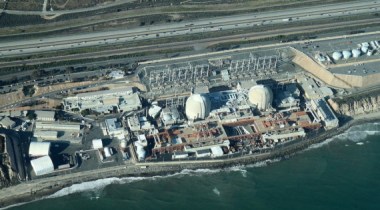
San Onofre Nuclear Generating Station by Jelson25 via Wikipedia (CC BY SA, 3.0 License)
¶ A 52-MW battery system being developed by SolarCity in Hawaii will be adjacent to one of Kauai Island Utility Cooperative’s existing 12-MW solar fields. Under a 20-year power purchase agreement with SolarCity, the co-op will pay 14.5¢ per kWh for battery-stored power, primarily during KIUC’s evening peak demand hours. [Electric Co-op Today]
¶ A scathing report commissioned by a power industry trade group is hammering Massachusetts Governor Charlie Baker’s plan to tap Canadian hydropower as “ill conceived” and warns the move could increase the already sky-high price of electricity in the state. The state’s electric utilities stand to lose money if the plan is put in place. [Boston Herald]
¶ Producers of motor fuels from plant waste say they have been left behind in President Barack Obama’s push to fight climate change. Executives from about two dozen companies that produce advanced biofuels say a proposal to reduce the amount of the cleaner-burning fuel refiners must use in gasoline is crimping investment. [Bloomberg]
Posted in nuclear power, renewable power, solar, wind | Leave a Comment »
Tags: nuclear, nuclear power, photovoltaic, renewable power, solar power, wind power
September 16, 2015
Science and Technology:
¶ Populations of marine mammals, birds, fish and reptiles have declined by 49% since 1970, a report says. The study says some species people rely on for food are faring even worse, noting a 74% drop in the populations of tuna and mackerel. In addition to human activity such as overfishing, the report also says climate change is having an impact. [BBC]

The report analysed more than 1,200 species of marine creatures in the past 45 years. Science Photo Library
¶ A relatively cheap and environmentally friendly battery that uses salt water and other commonly available materials to store electric energy has been awarded the Lemelson-MIT Prize. The head of the company making the battery, Aquion, said batteries capable of powering a typical single family home should cost between $1,000 and $3,000. [CNBC]
World:
¶ The point of “mass adoption” of household battery storage could arrive in Australia as soon as 2020, a new report from UBS has predicted, at which time the payback period for storage systems for solar households would be just five to six years. The UBS Utilities Sector report predicts storage system costs will fall at 20% per year. [CleanTechnica]
¶ Siemens has for some time been known to have its sights on developing the next generation of wind turbines, a class of platforms rated to 10 MW and above. But as a new €200 million manufacturing plant takes shape, the company’s management has begun speaking more openly on activities geared towards those objectives. [CleanTechnica]
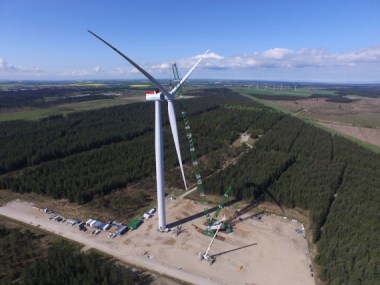
The prototype in Østerild, Denmark was installed only a few months after the product launch at EWEA Offshore trade show in Copenhagen.
¶ The attractiveness of the UK as a place to invest in renewables has fallen dramatically following Government moves to curb subsidies for clean technology, a report suggests. The latest quarterly assessment by EY has seen the UK drop out of the top 10 for places to invest in renewable energy for the first time. [Western Morning News]
¶ In Australia, in his media conference immediately after winning the Liberal leadership, Malcolm Turnbull had some words to say on the subject of technology: “We have to recognise that the disruption that we see driven by technology, the volatility in change is our friend if we are agile and smart enough to take advantage of it.” [The Fifth Estate]
¶ Parcels of farmland totaling 250 hectares near the crippled Fukushima Daiichi nuclear plant are returning to life and being covered with solar panels, amid government incentives to invest in renewable power. At least one village has set up its own tiny power company. The solar farms are scheduled to generate about 160 MW. [The Japan Times]
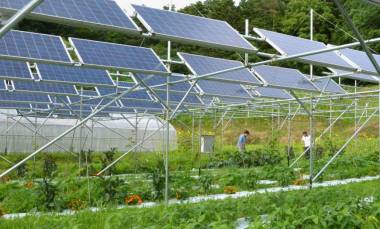
Solar panels installed in Minamisoma, Fukushima Prefecture. | Kyodo
US:
¶ Green Mountain Power’s Mary Powell was joined today by Congressman Peter Welch, Governor Peter Shumlin, Rutland Mayor Chris Louras, and community leaders to announce that Rutland, Vermont is the Solar Generation Capital of New England. More solar power is generated in Rutland per capita than in any other New England city. [Vermont Biz]
¶ The debate over rooftop solar is increasingly contentious, pitting solar PV companies against utilities in many states. Nowhere has the debate been more heated than in Arizona, where customers have flocked to rooftop solar as prices fell. Most recently, utility Salt River Project has introduced a demand charge for solar customers. [CleanTechnica]
¶ Coronal Group LLC and Panasonic Eco Solutions are building eight PV parks with a total capacity of 37 MW in North Carolina. The PV farms are expected to generate over 71 GWh each year, enough to provide annual needs of 4,500 local households. Panasonic will supervise, engineer, construct, and operate the project. [SeeNews Renewables]

Solar parking lot canopy. Author: Darin Dingler. License: Creative Commons. Attribution 2.0 Generic
¶ If the federal solar investment tax credit is not extended, the US could witness in 2017 the lowest annual level of solar installations since 2012, a new report predicts. The planned ITC cut at the end of 2016 is expected to result in a rush to complete projects, and a subsequent sharp drop in activity in 2017. [SeeNews Renewables]
¶ Thanks to EPA’s Clean Power Plan, the US returned as the number-one market for renewable energy in the latest Ernst & Young country attractiveness index. China is now second, after keeping the lead for many months. Its economic woes and grid constraints are overshadowing ambitious renewable energy targets. [SeeNews Renewables]
¶ State utility regulators have voted to review and possibly change a rule that small Montana wind-power projects say has hampered their development. A rule change could make it easier for these small projects to get contracts to supply NorthWestern Energy, the state’s major electric utility, and thus build their project. [KXLF Butte News]
Posted in nuclear power, renewable power, solar, wind | Leave a Comment »
Tags: nuclear, nuclear power, photovoltaic, renewable power, solar power, wind power
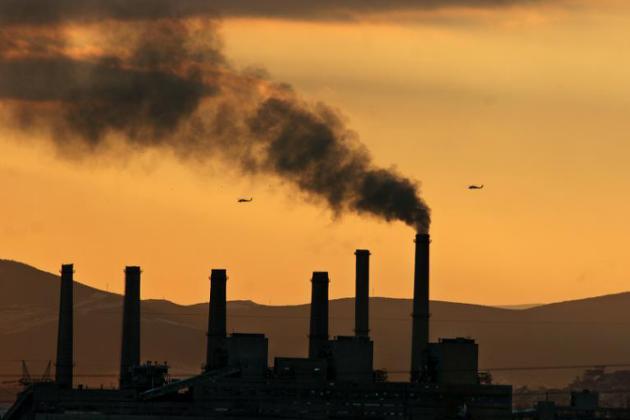

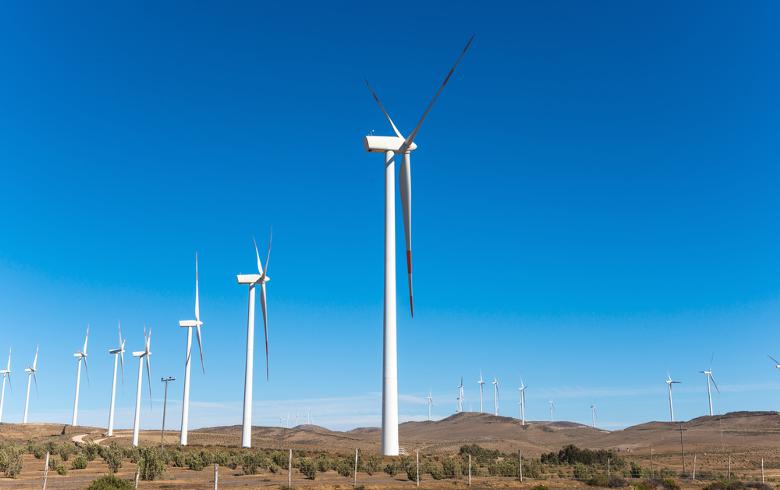
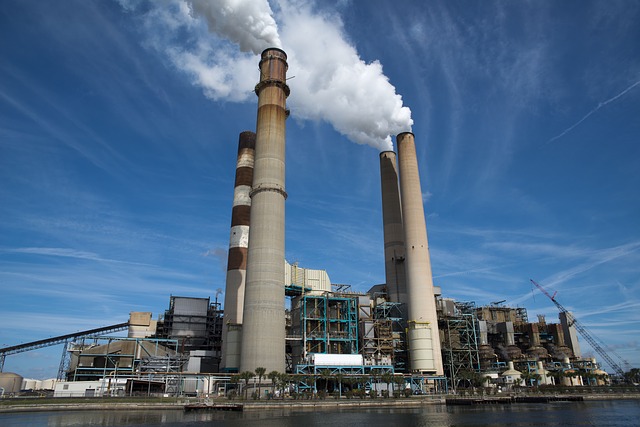
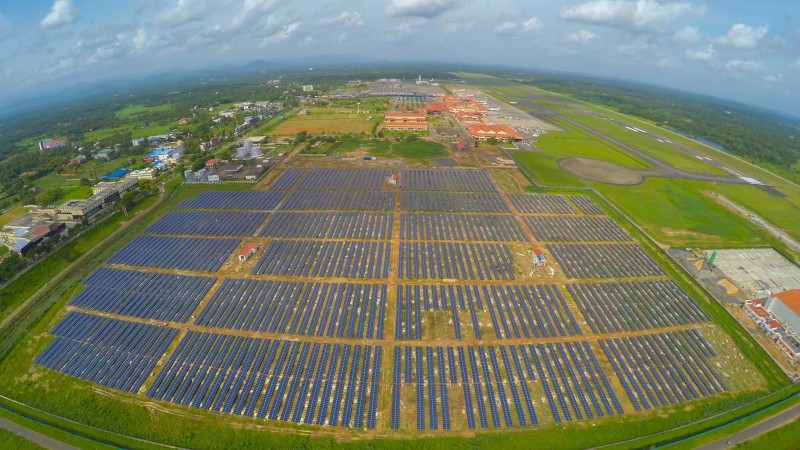

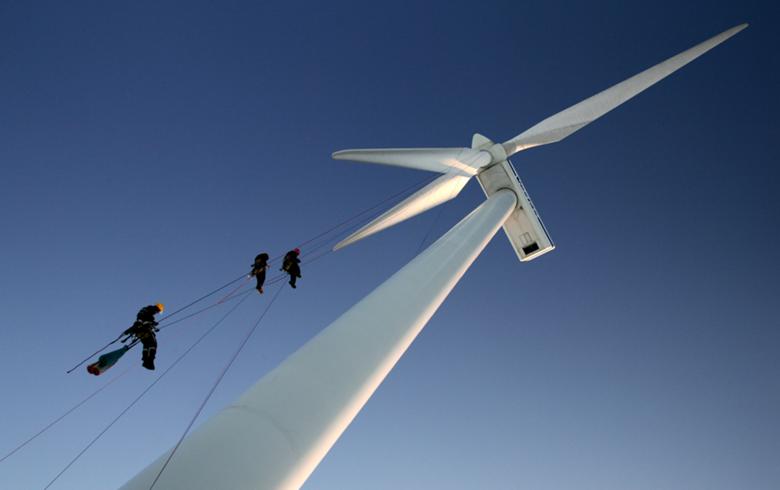
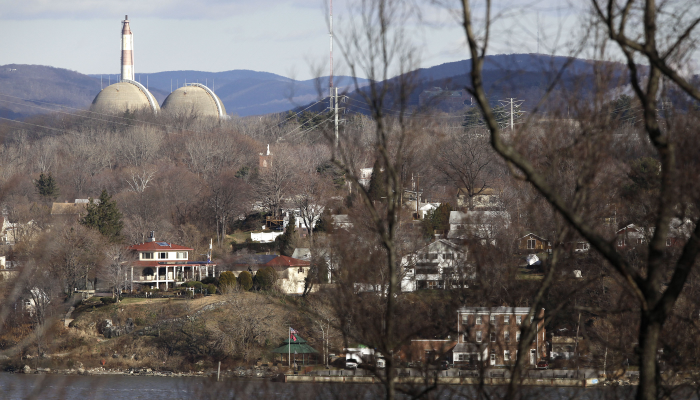
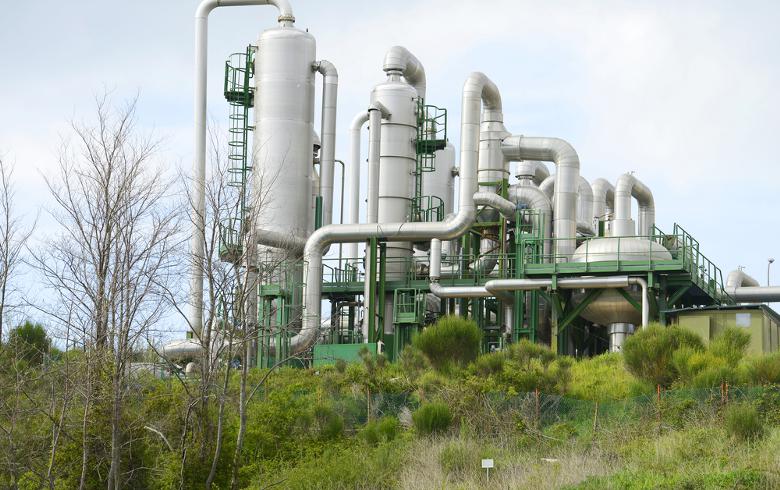
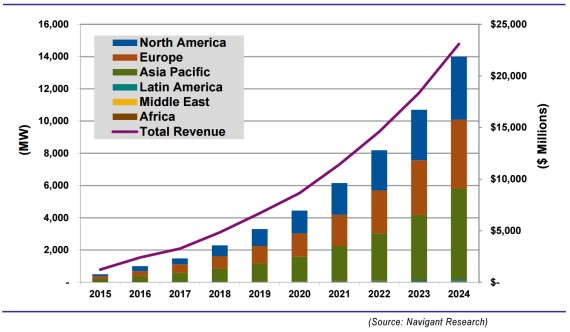
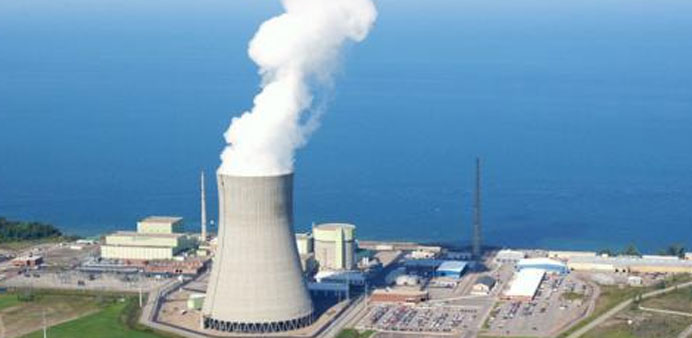
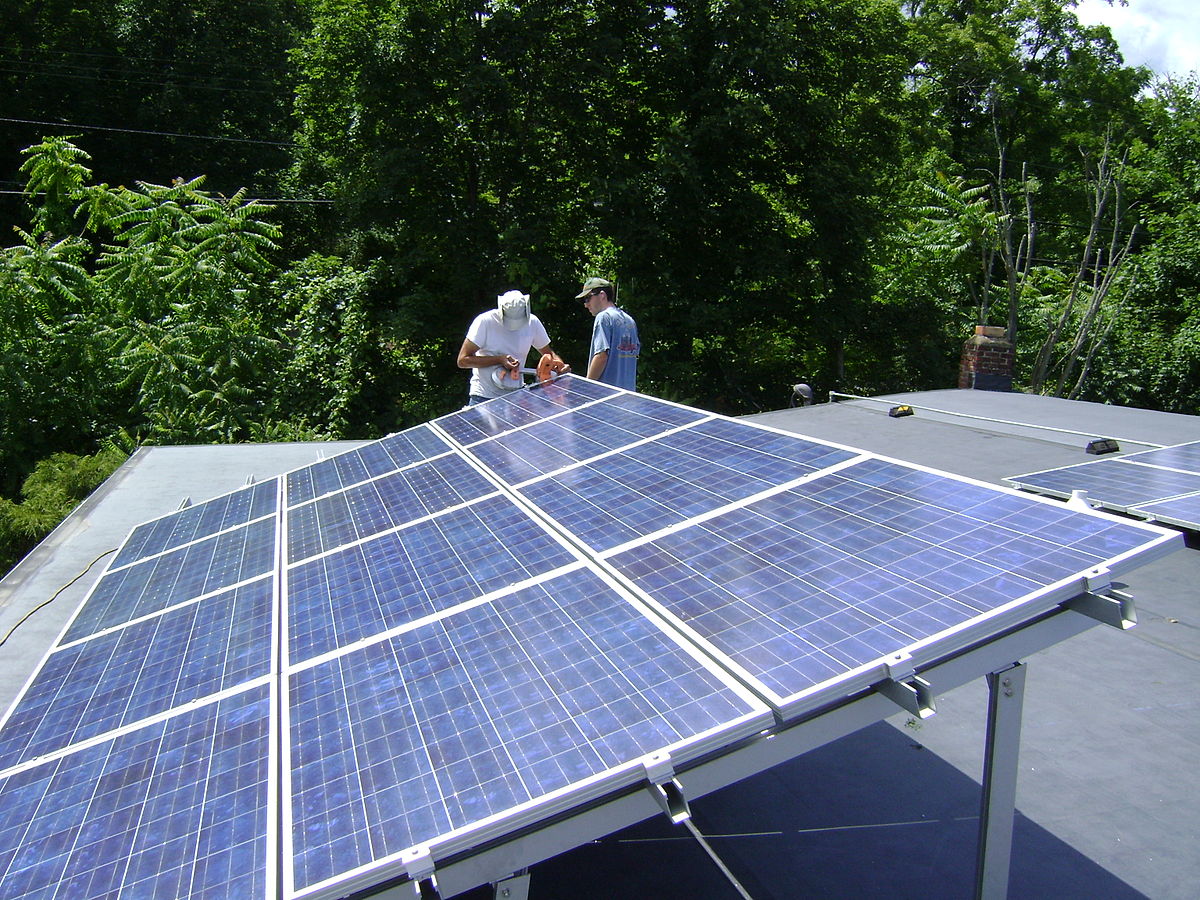




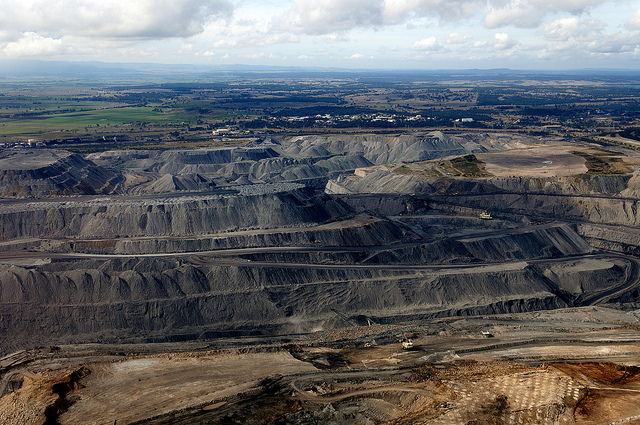
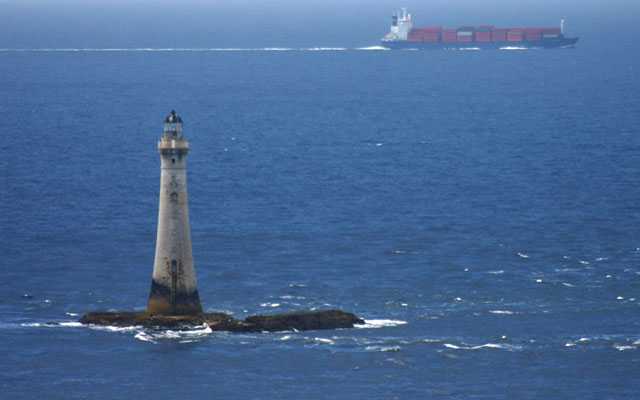
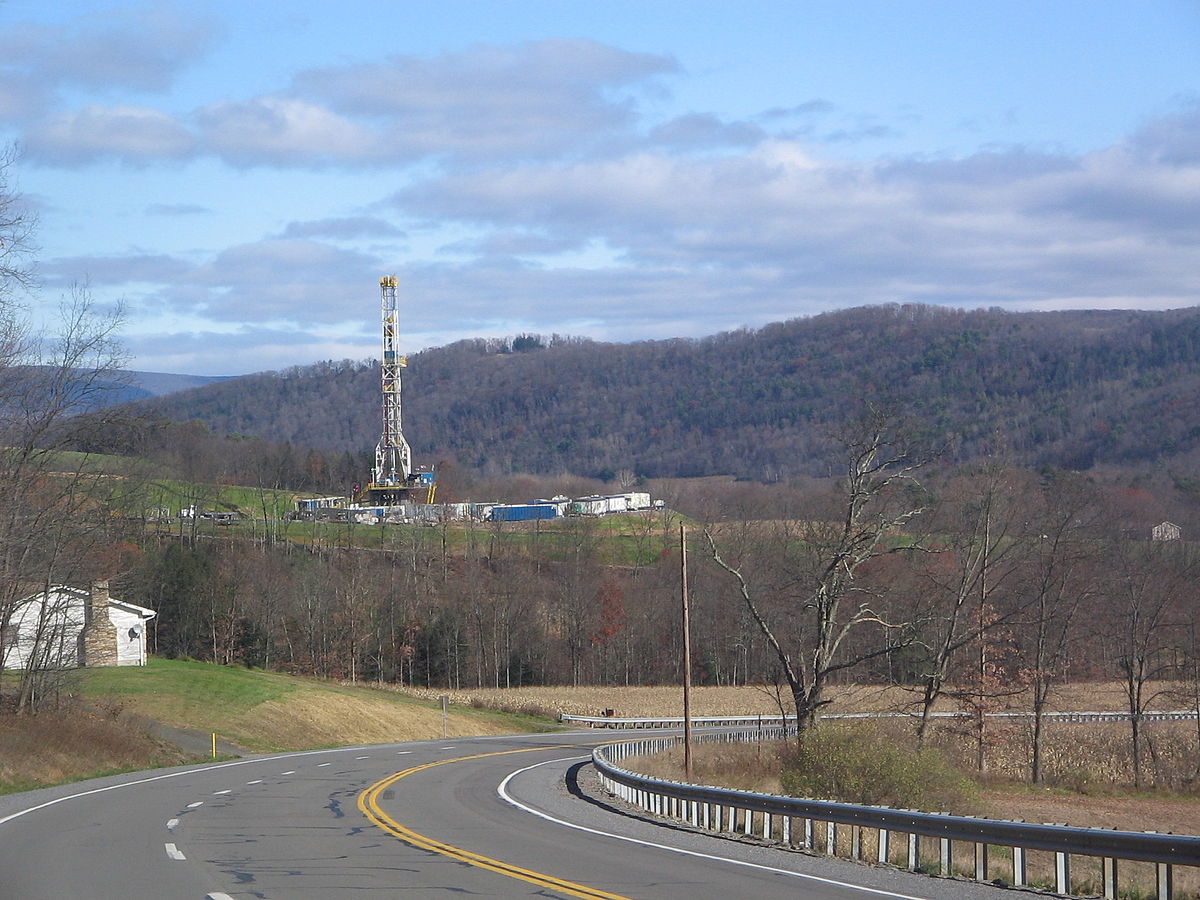
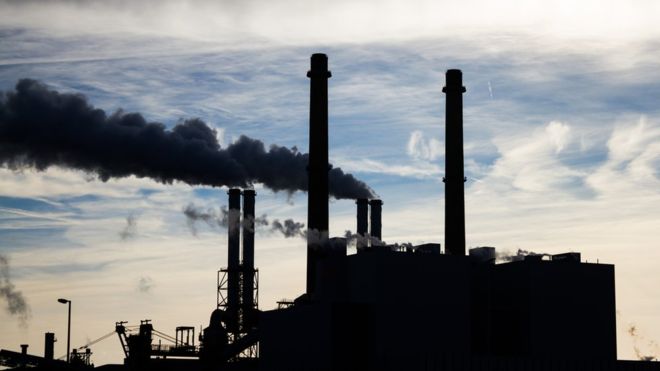
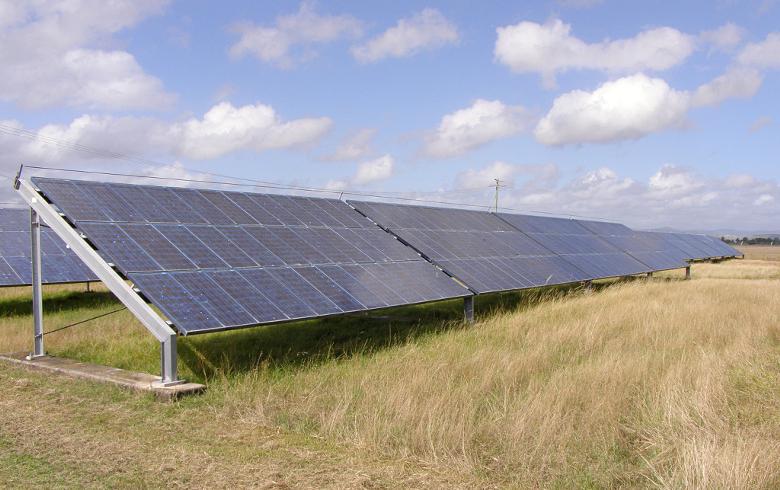
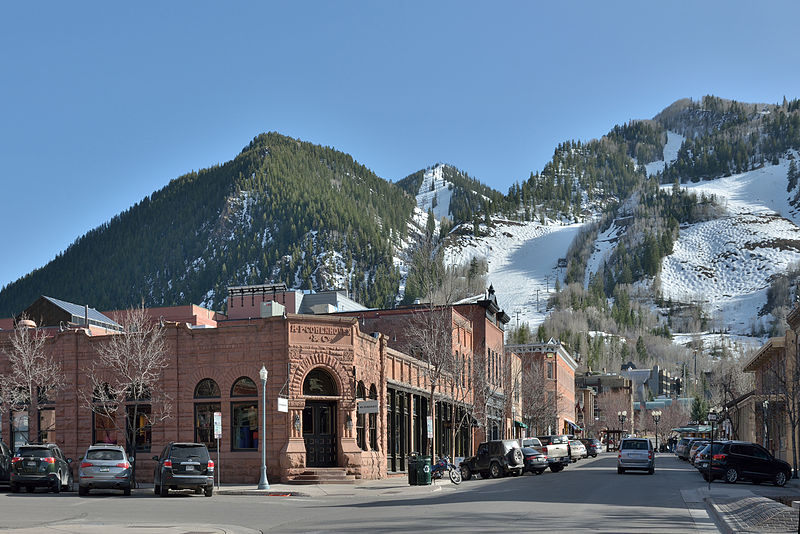
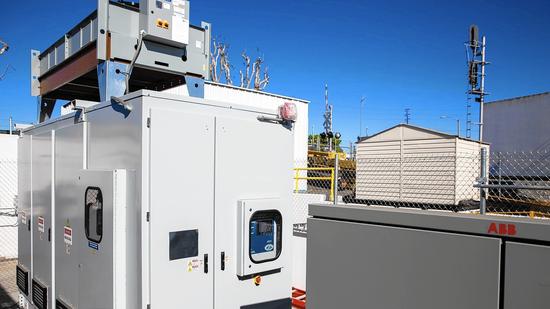

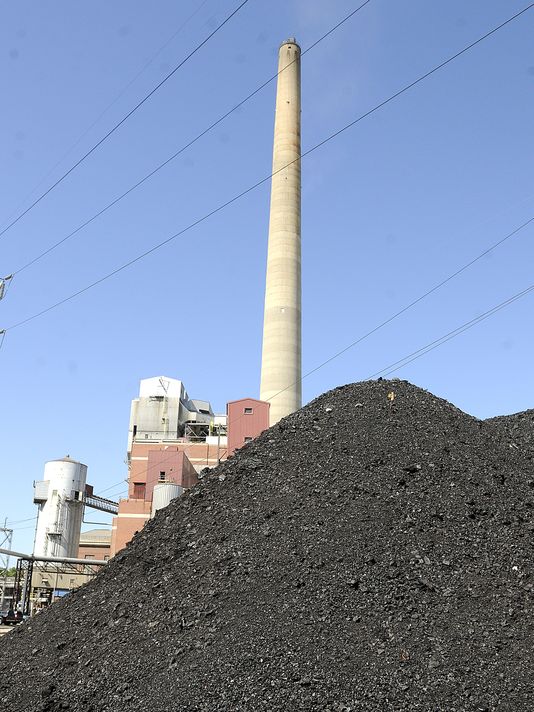
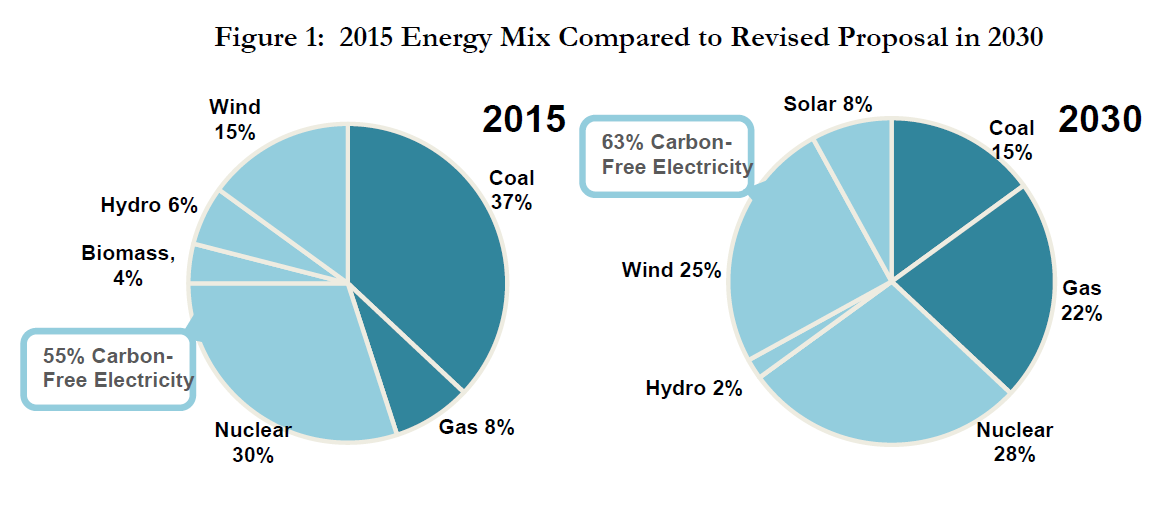
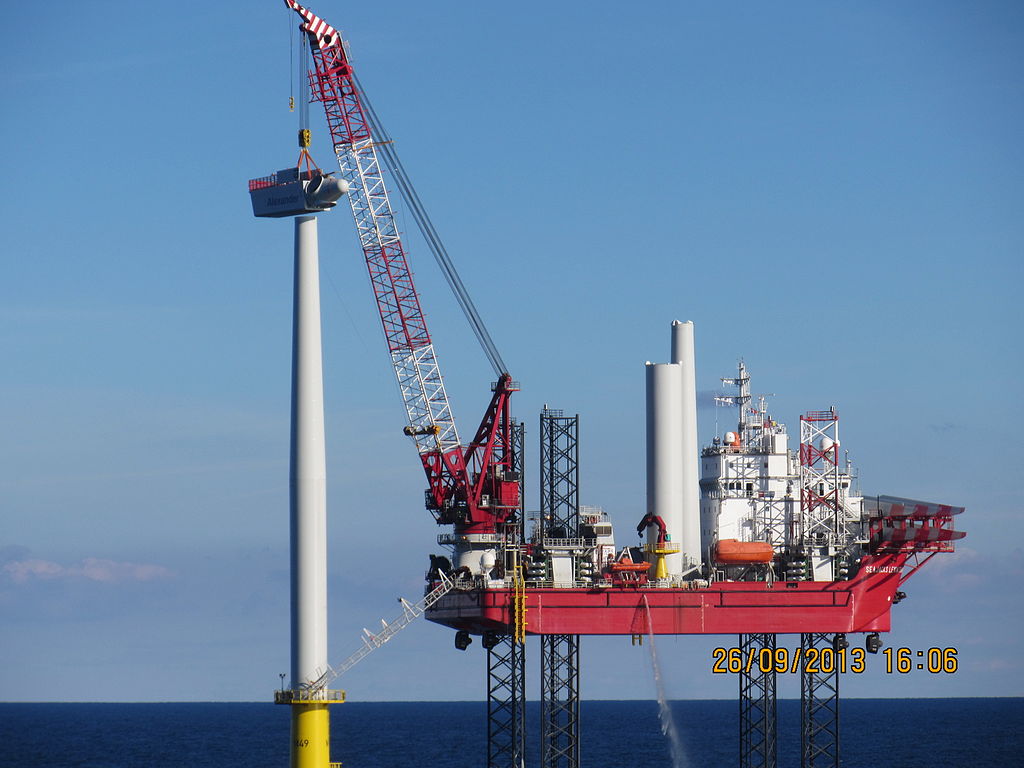
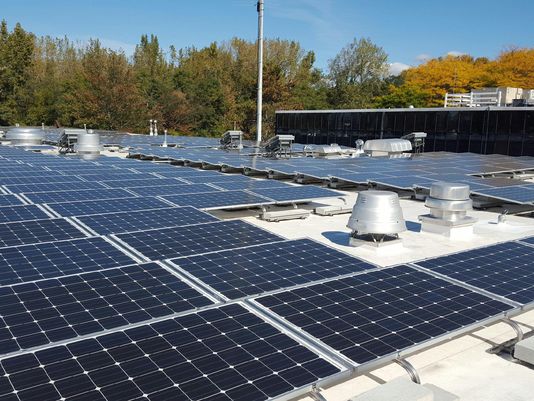
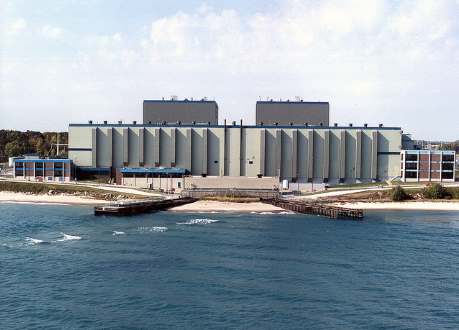
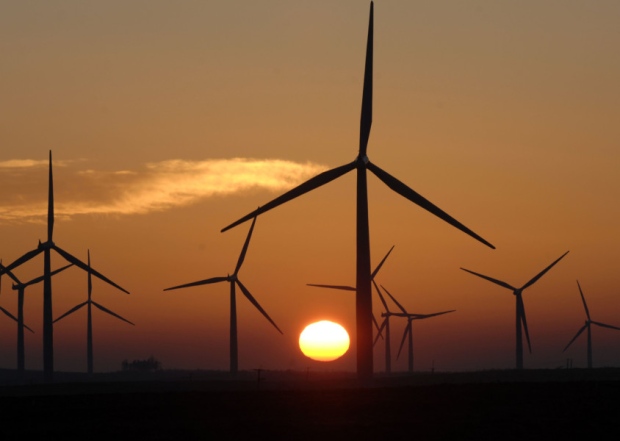



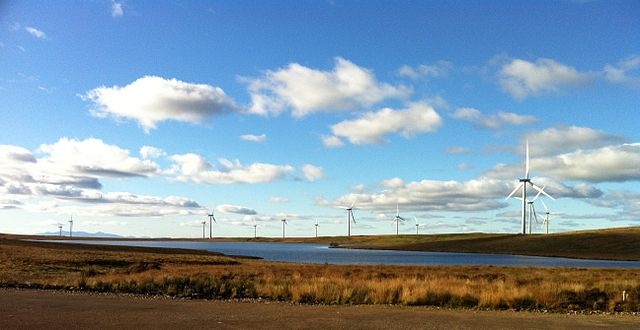
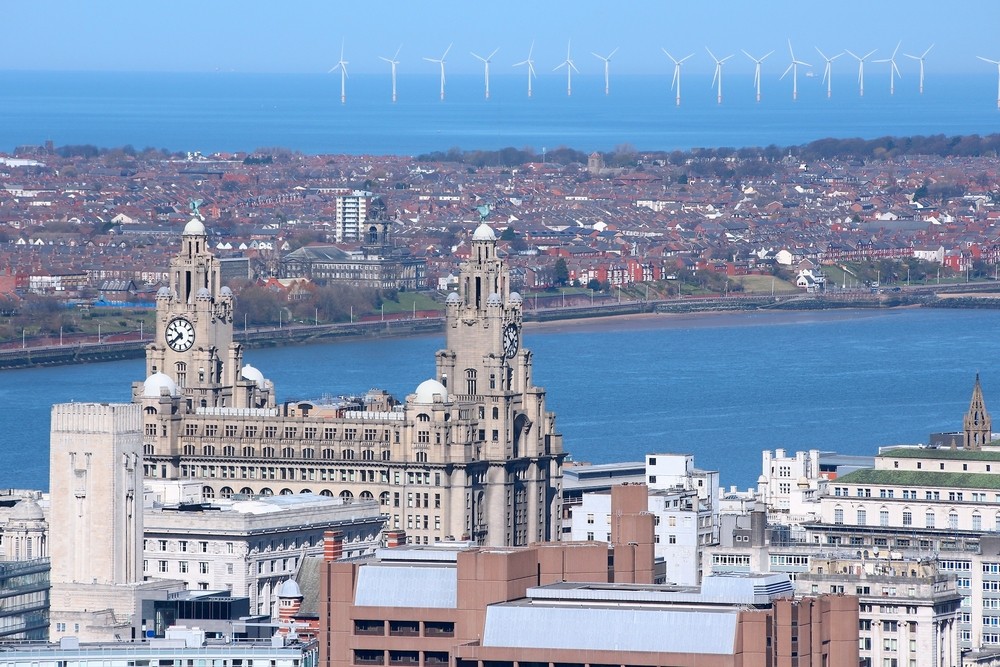

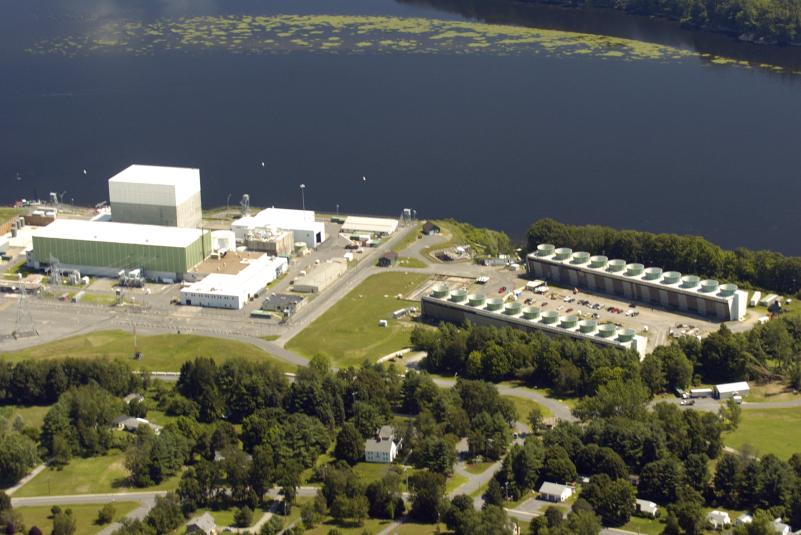

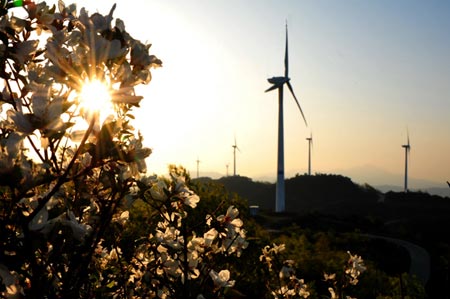
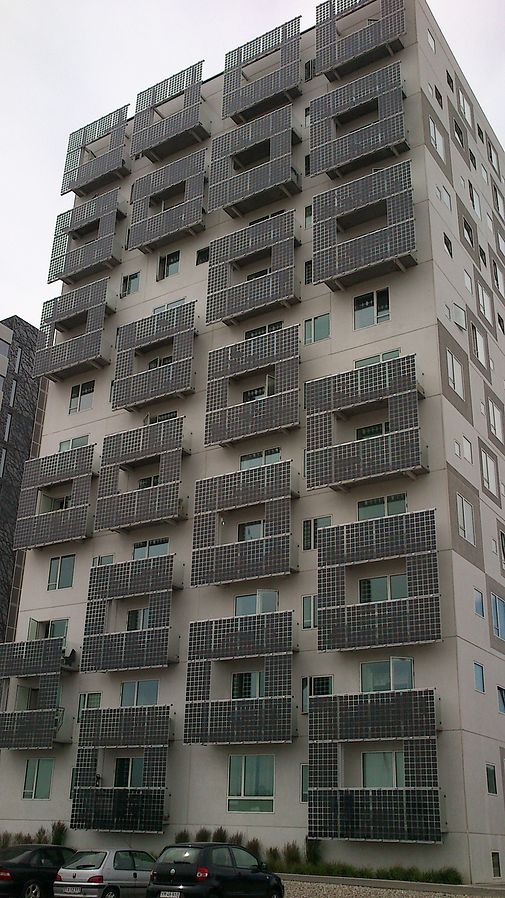
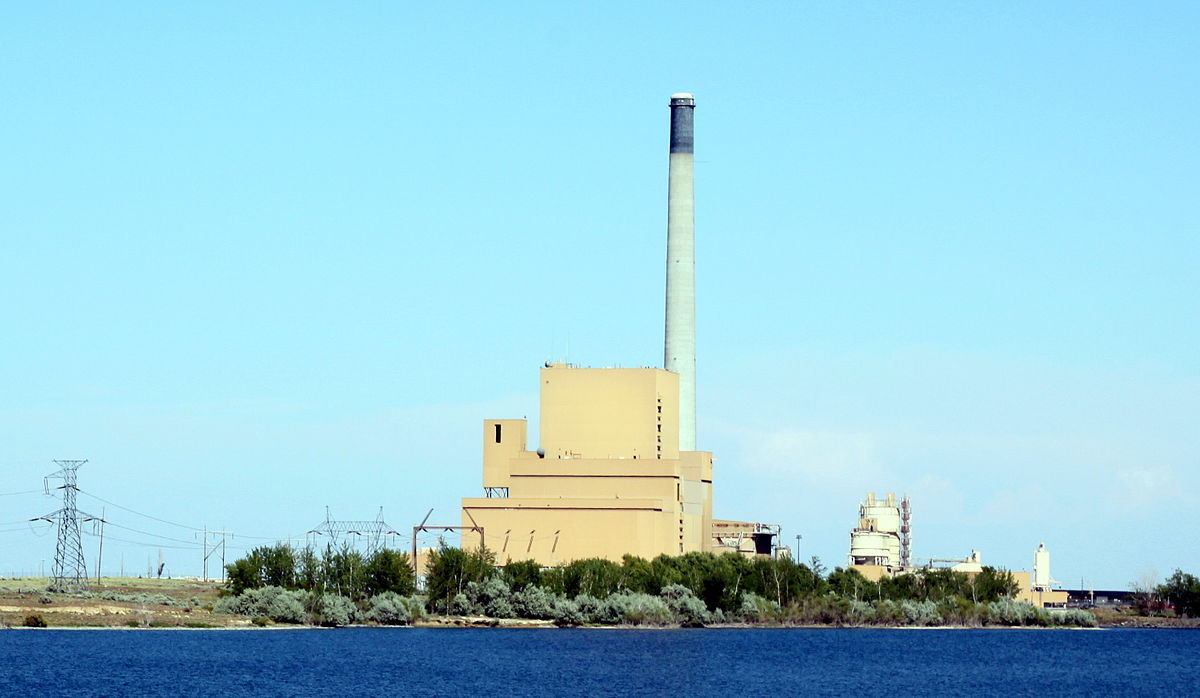
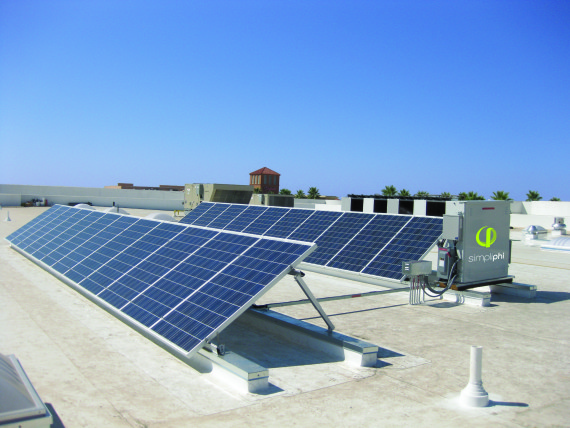
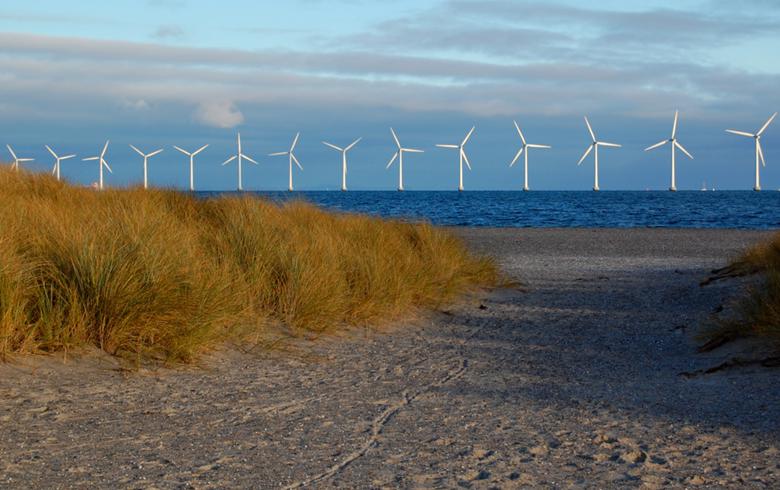
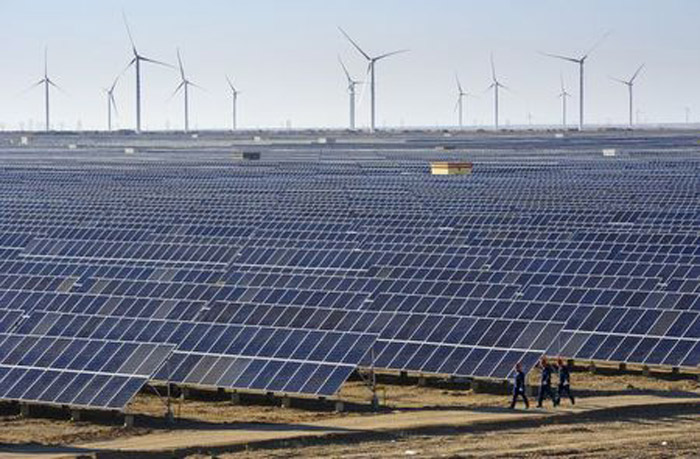


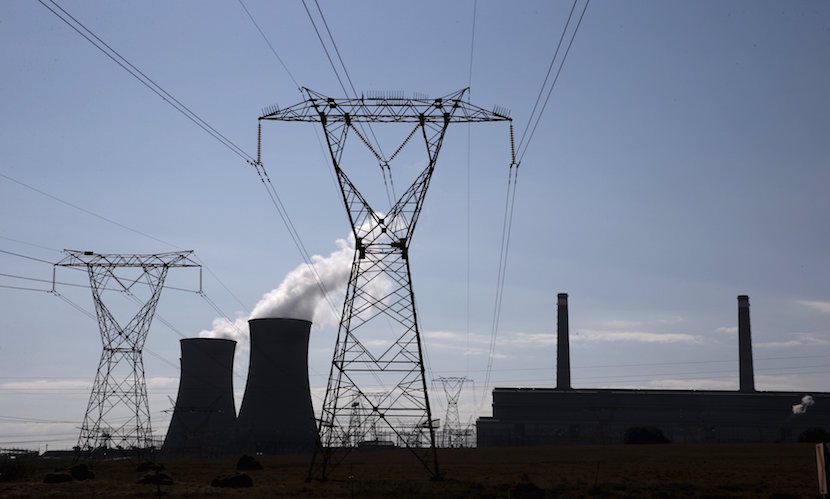
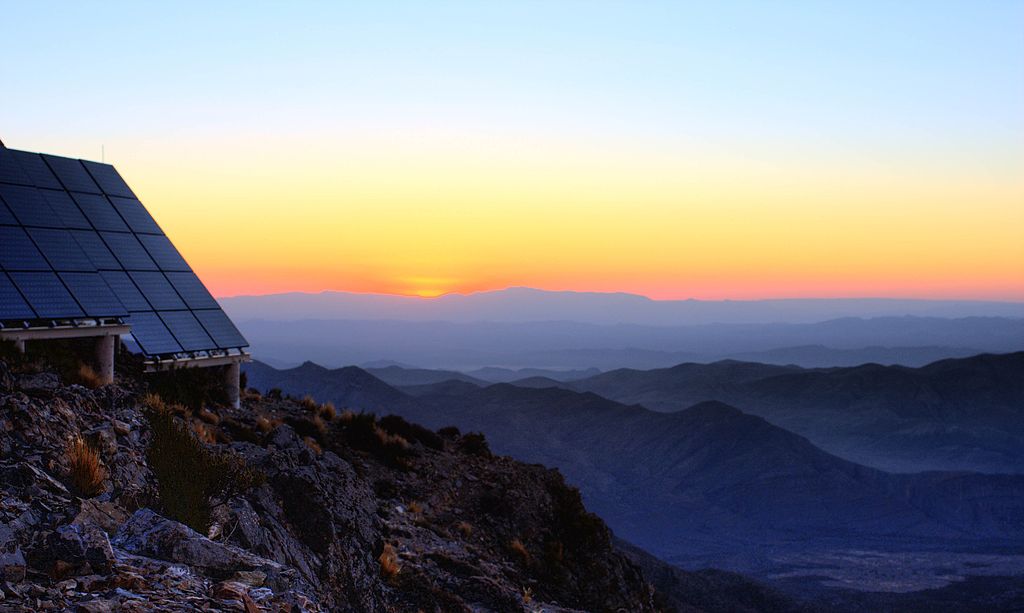
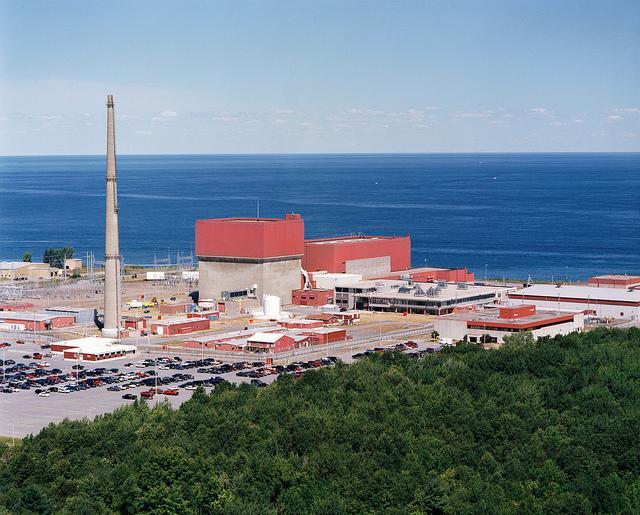




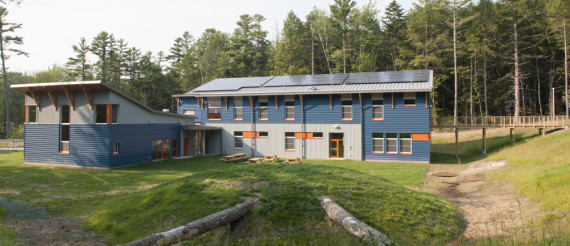
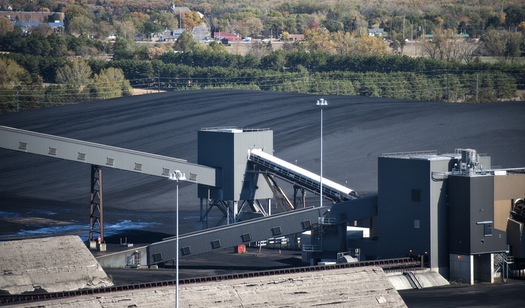
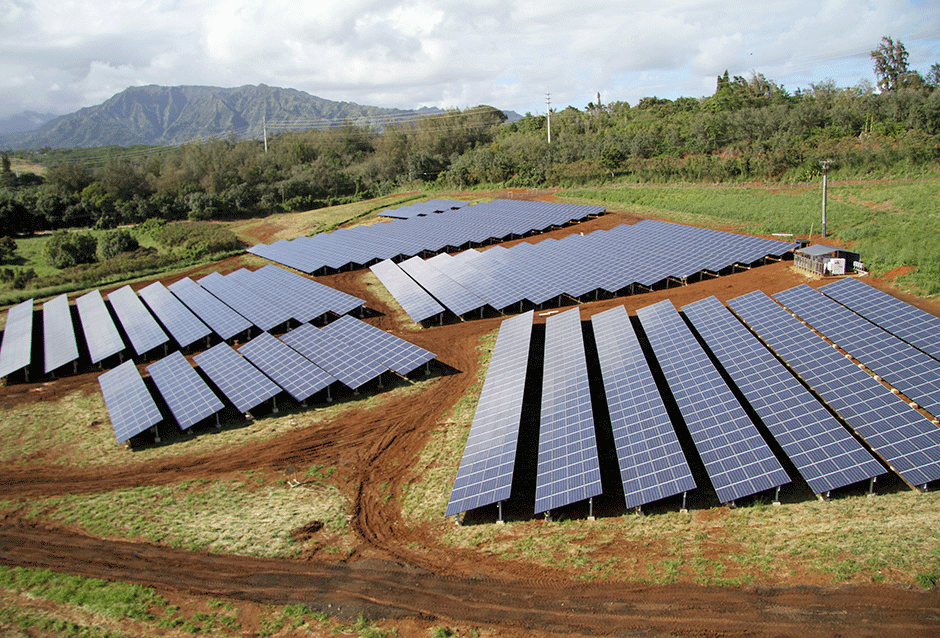
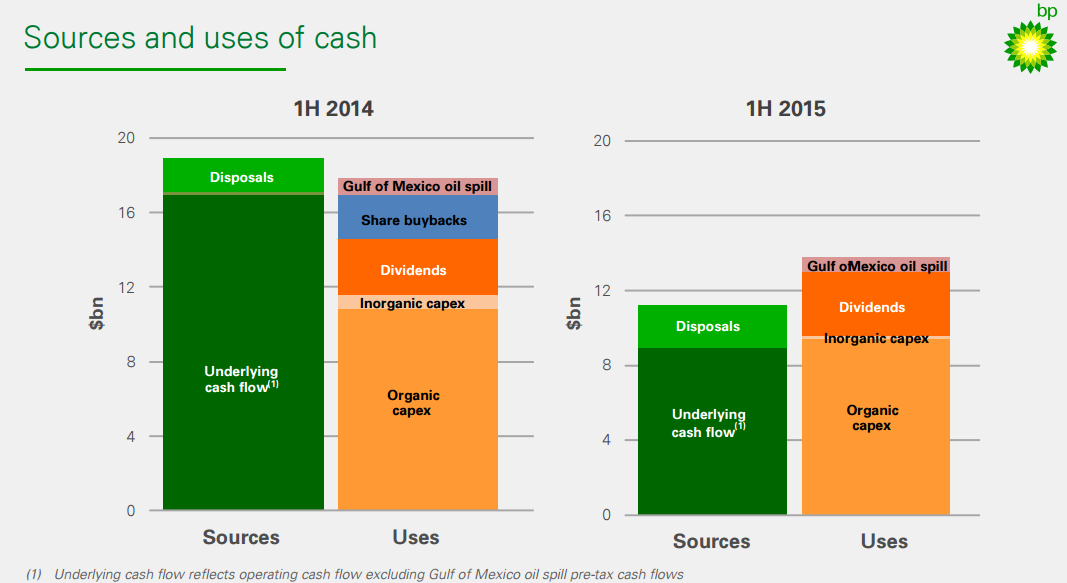

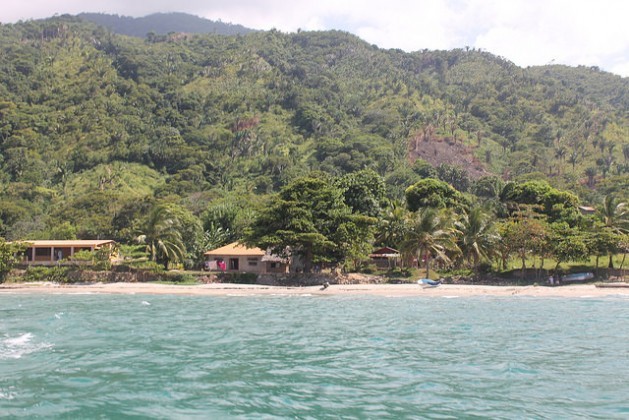

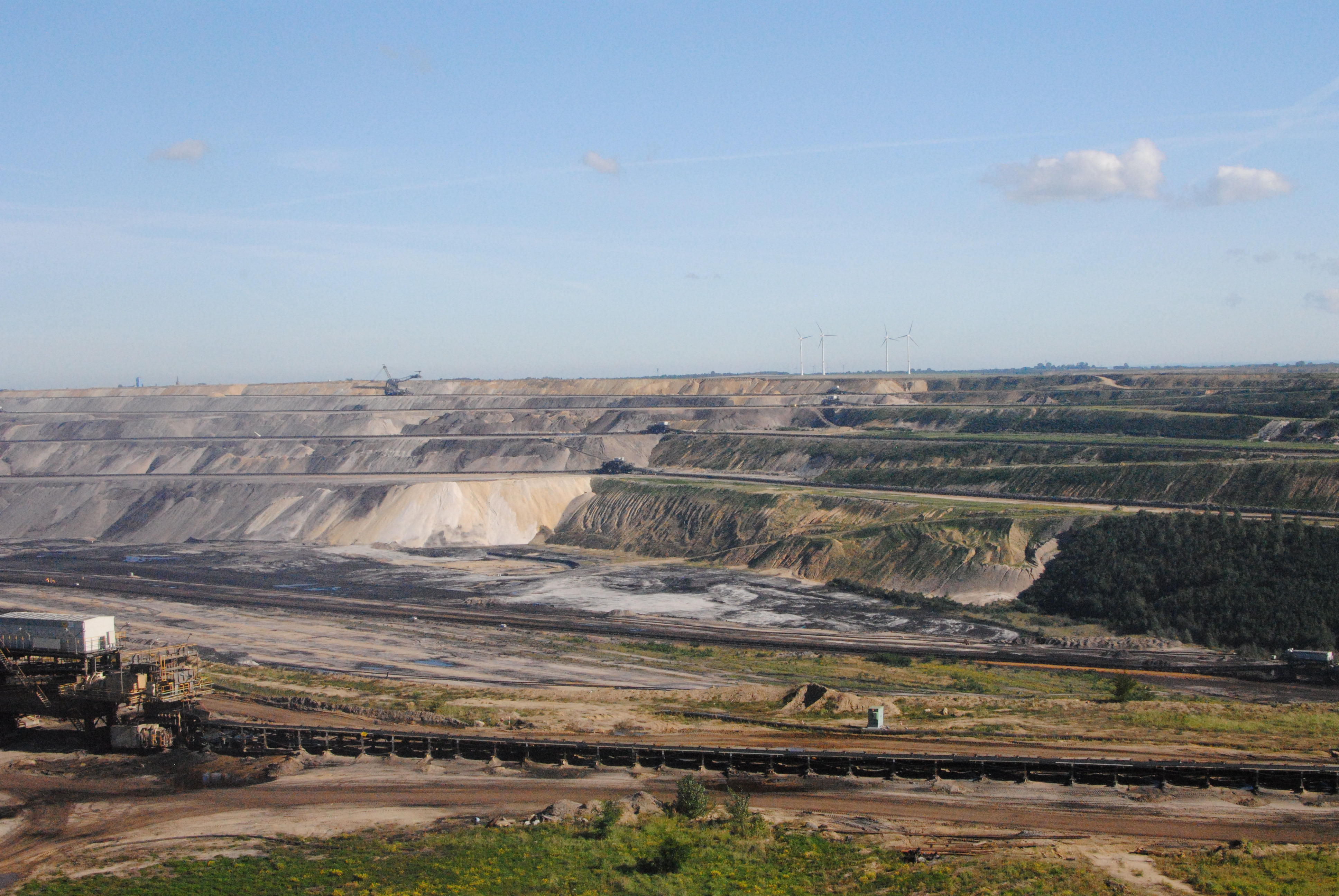
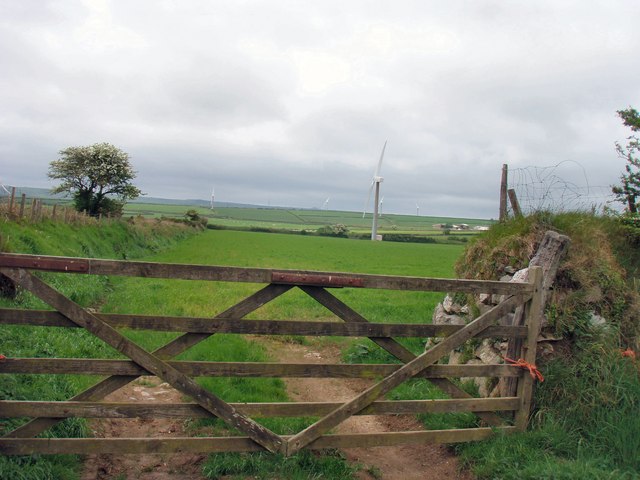

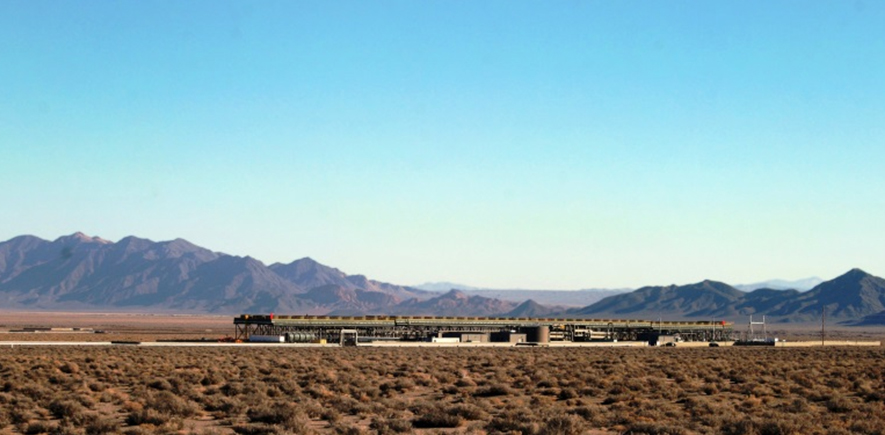
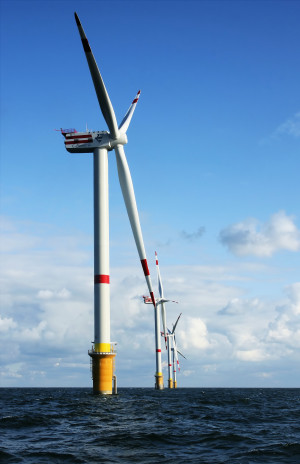

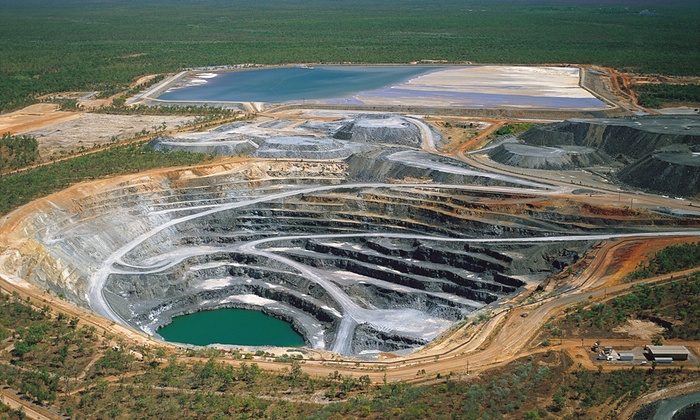
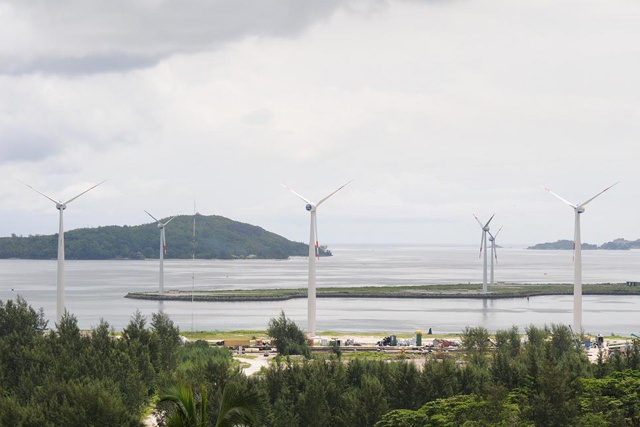
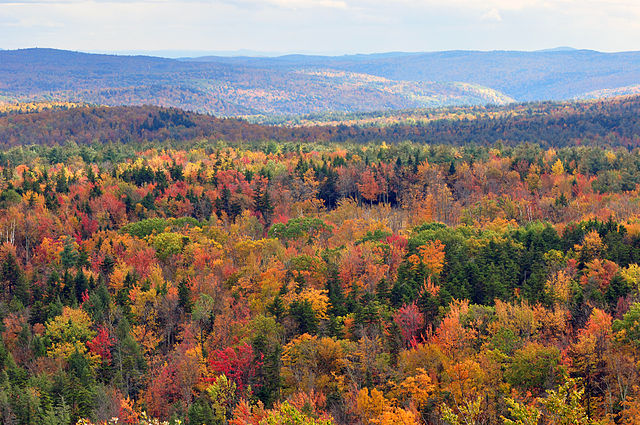
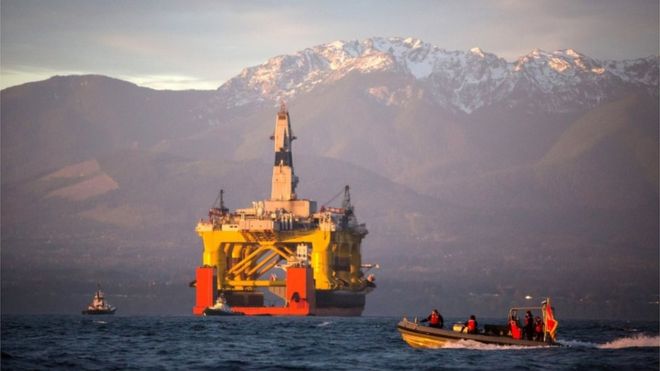

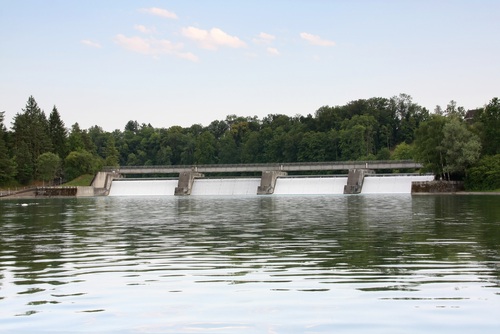
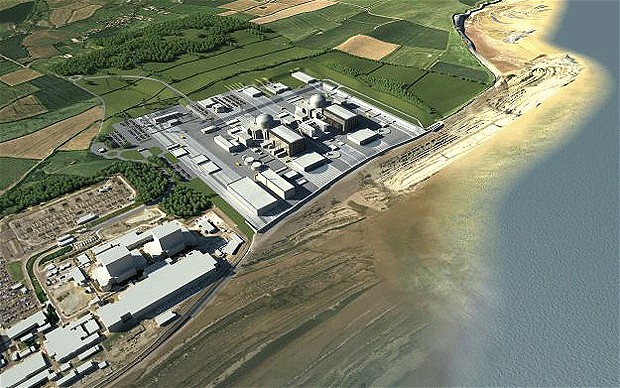
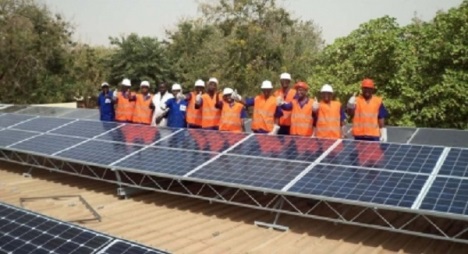
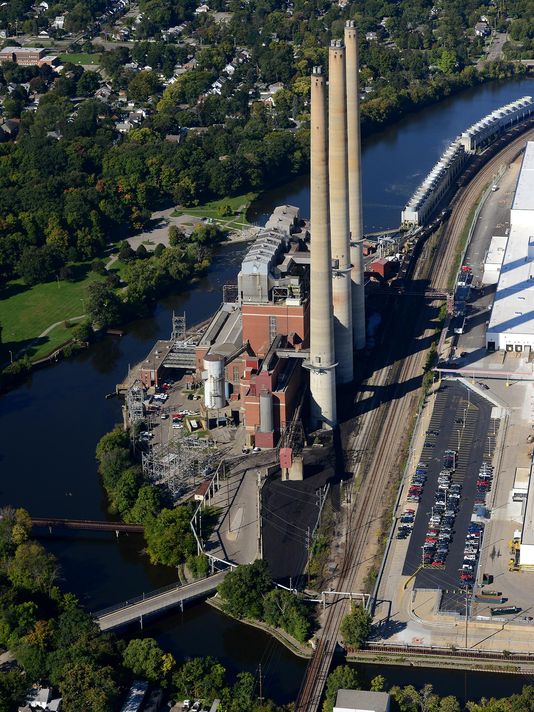
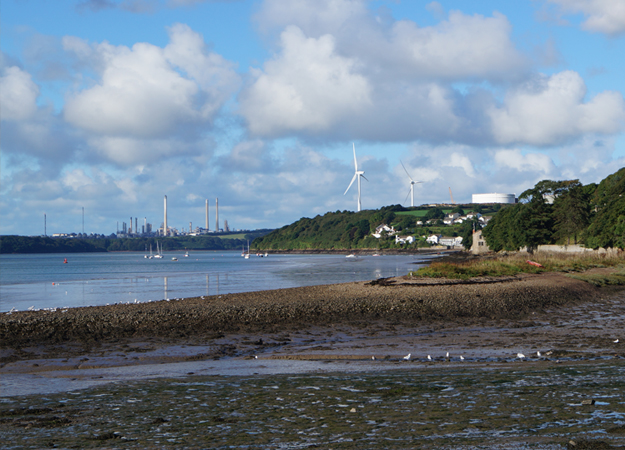
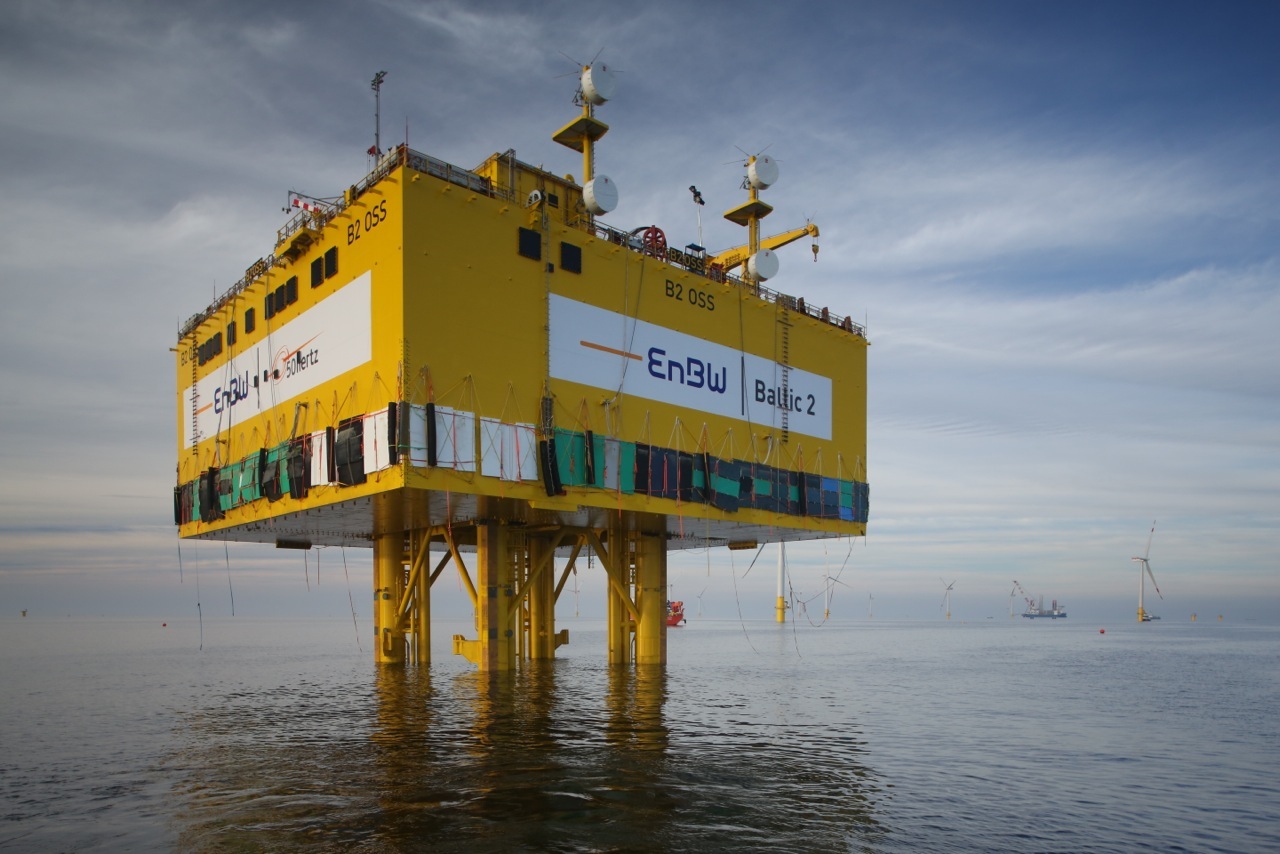
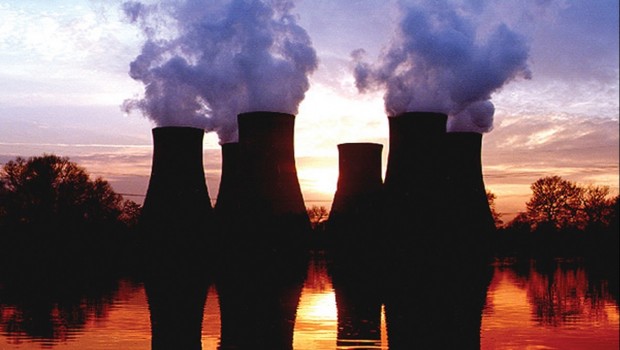
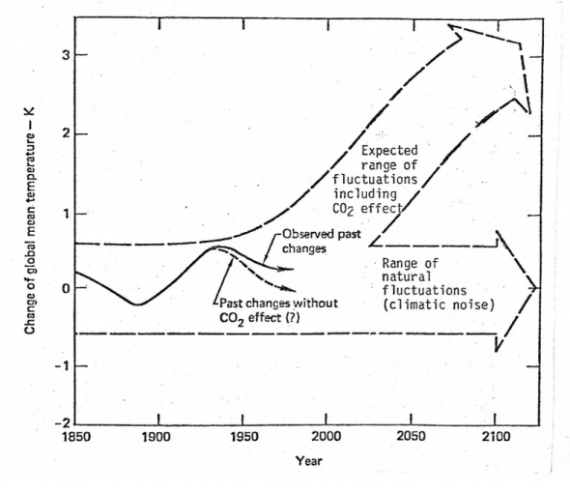

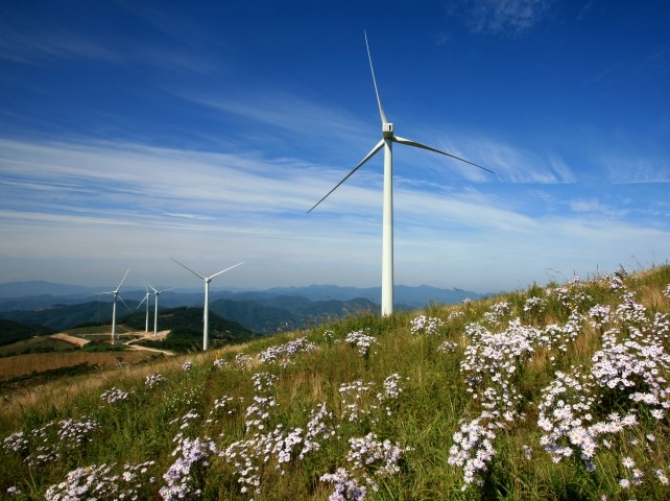



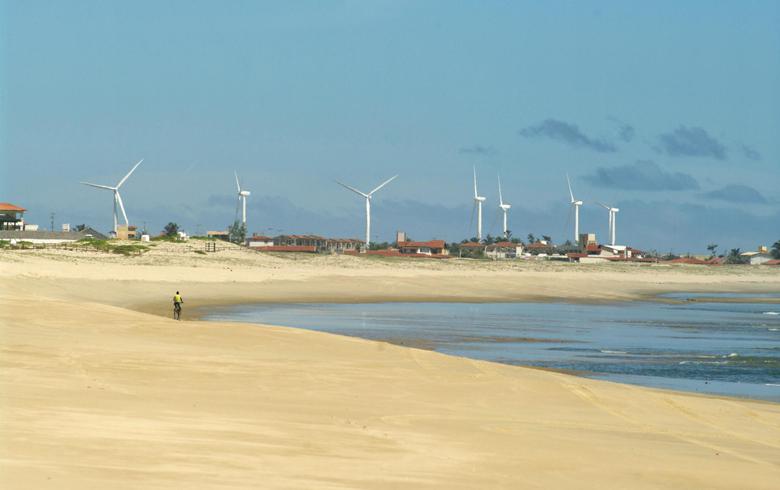
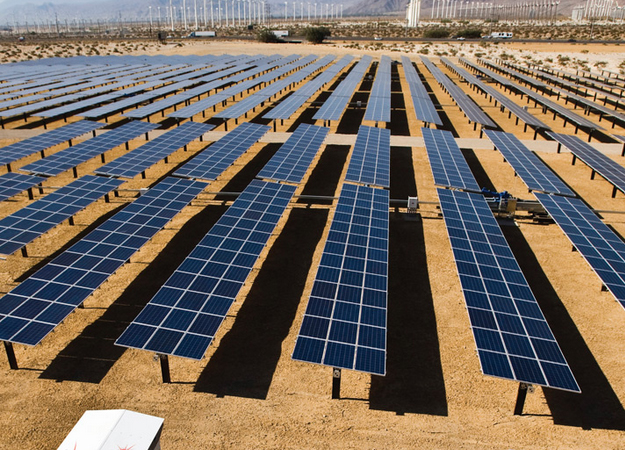
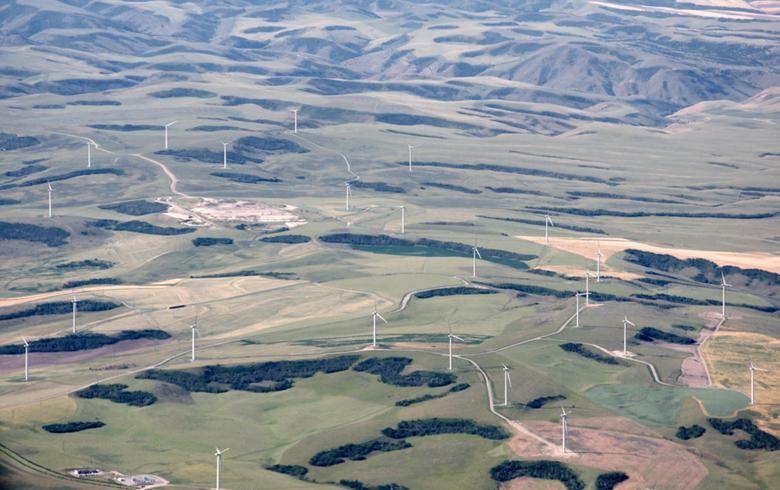
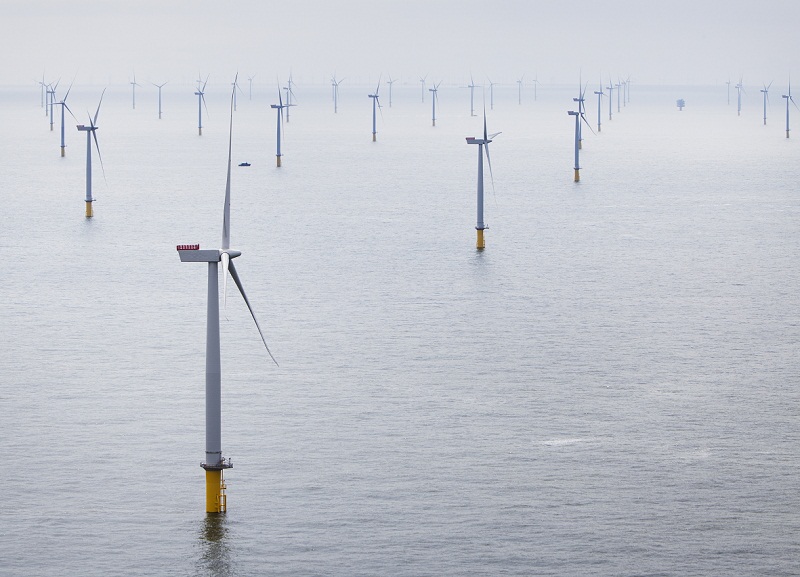

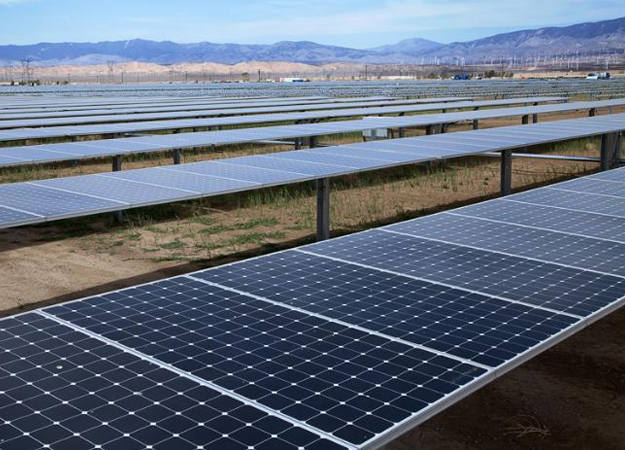

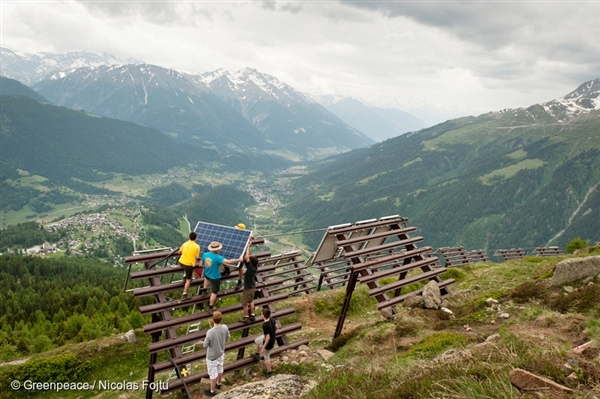




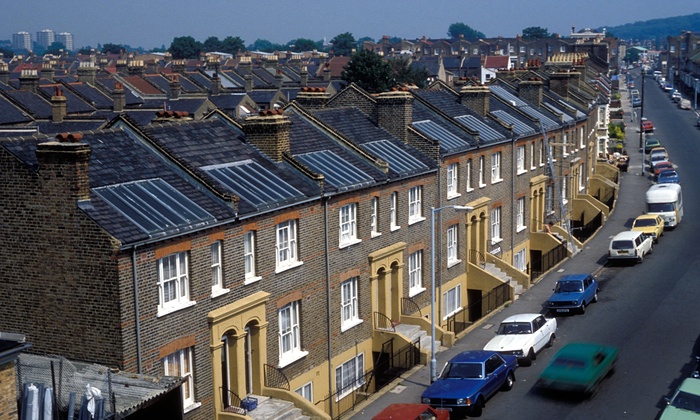

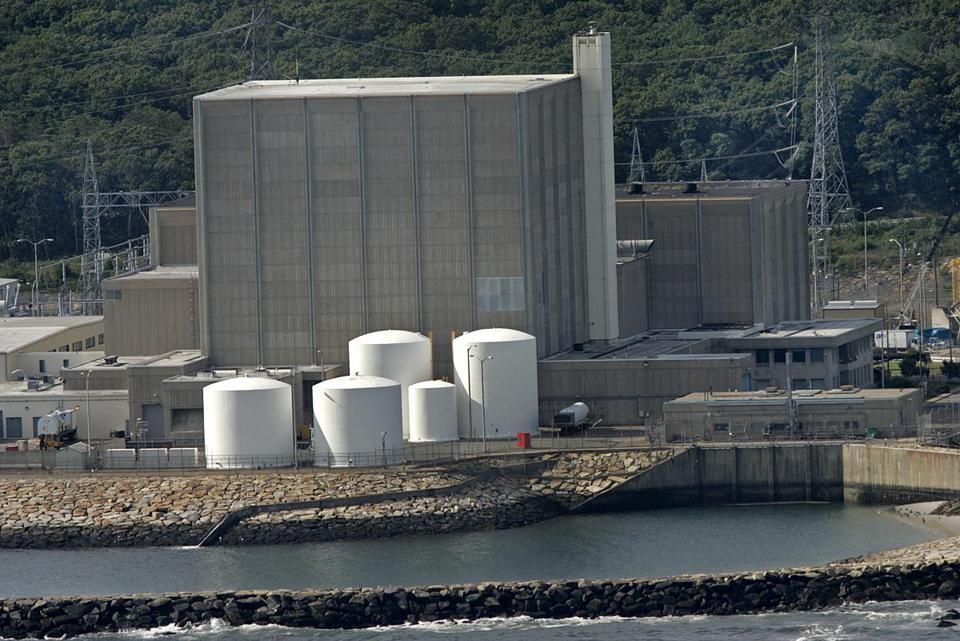
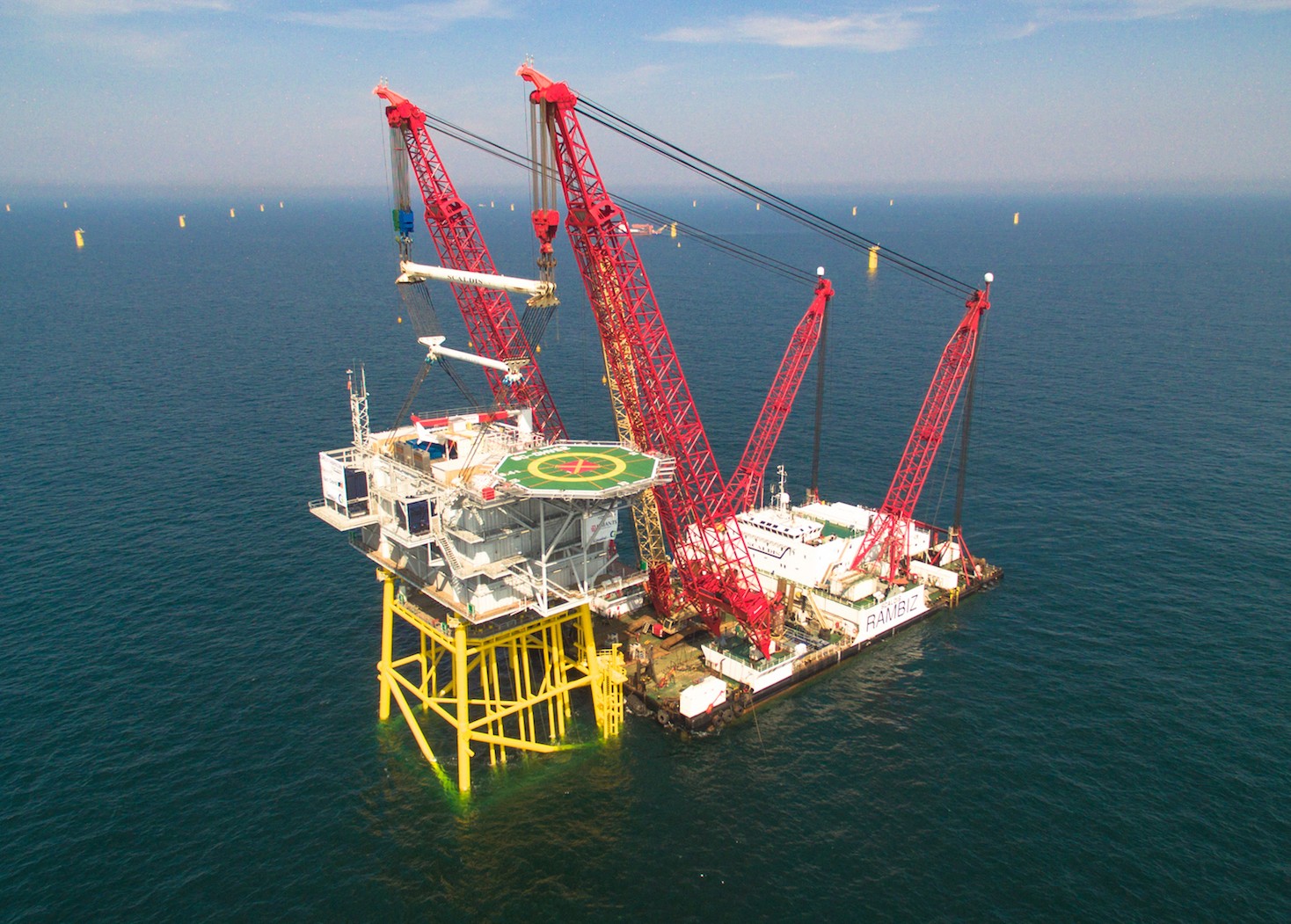
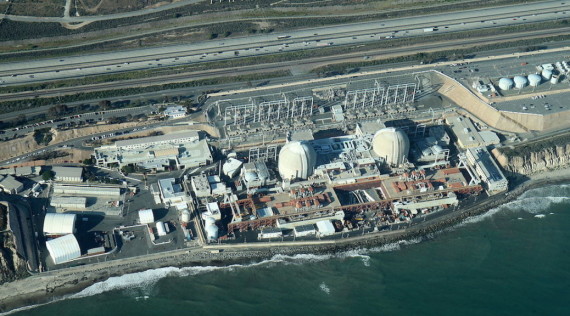
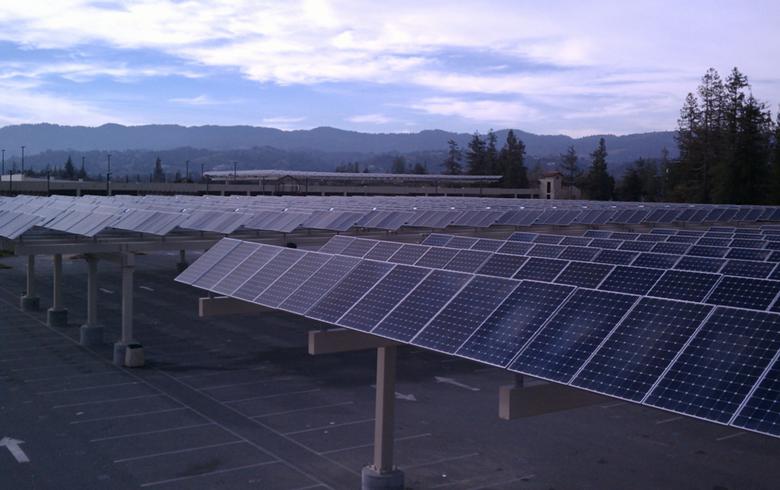

 geoharvey

