World:
¶ “Hungary’s ‘Water Guardian’ Farmers Fight Back Against Desertification” • A region in Hungary, once an important site for agriculture, is drying out. Where crops once filled the fields, today there are growing sand dunes. With climate change and poor water practice, rains don’t come. ‘Water guardian’ farmers are working on getting water to the area. [ABC News]

Great Hungarian Plain, 2004 (GaborLajos, CC BY-SA 2.5)
¶ “Two Charts, One Grid: Clean Electricity Is Getting Cheaper But Feels More Expensive” • A pair of charts show the same thing but seem to contradict each ohter. One plots nominal residential electricity prices against carbon intensity in 2015 and 2024 for the ten largest electricity producing countries. The other adjusts those prices for inflation. [CleanTechnica]
¶ “Electric Buses Prove Their Worth Down Under” • Transport for New South Wales announced that data from regional trials have proven the worth of electric buses. Twelve electric buses in the trial delivered generally positive outcomes, covering more than 300,000 kilometers. They saved emissions, and they saved a lot of money. [CleanTechnica]
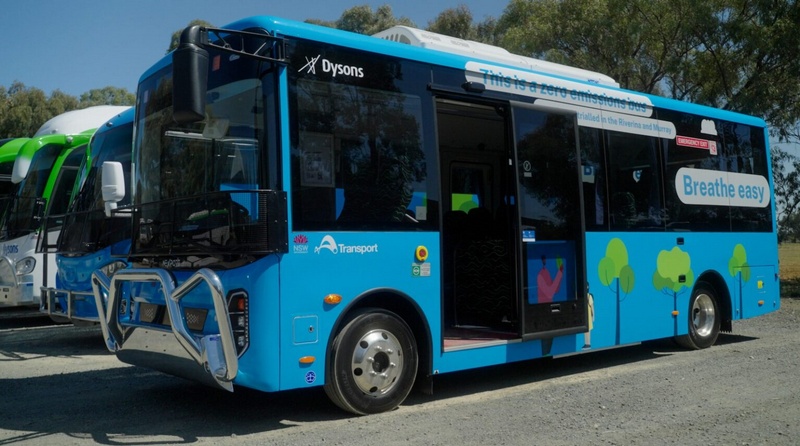
Transport NSW Electric bus (Dyson’s media release)
¶ “Renewable Energy Is Cheaper And Healthier. So Why Isn’t It Replacing Fossil Fuels Faster?” • A decade ago, the cheapest way to meet growing demand for electricity was to build more coal or natural gas power plants. Not anymore. Solar and wind power aren’t just better for the climate; they’re also less expensive today than fossil fuels at utility scale. [Yahoo News UK]
¶ “Renault Filante Record 2025 Raises The Efficiency Bar For Electric Cars” • Renault has been involved in Formula One racing since 1977, and it has learned a bit about aerodynamic efficiency in the process. Building on that body of knowledge, the company has just revealed its experimental electric car, the Filante Record 2025. [CleanTechnica]

Filante Record 2025 (Renault image)
¶ “China’s Clean Energy Growth Helps Cut Emissions” • Growth of wind and solar in China for the first half of 2025 was huge, with over 105 GW of solar and 46 GW of wind added. China’s total solar capacity passed 1 TW. The result was that China’s carbon dioxide emissions in the power sector were reduced by about 1 % year-on-year. [Microgrid Media]
¶ “Renewable Energy Becomes The World’s Biggest Source Of Electricity ” • For the first time, renewable energy like solar and wind are producing more electricity than coal in many parts of the world. This change marks a big shift in how the world gets power, and it could help slow climate change. This milestone was reported by BBC News. [Microgrid Media]
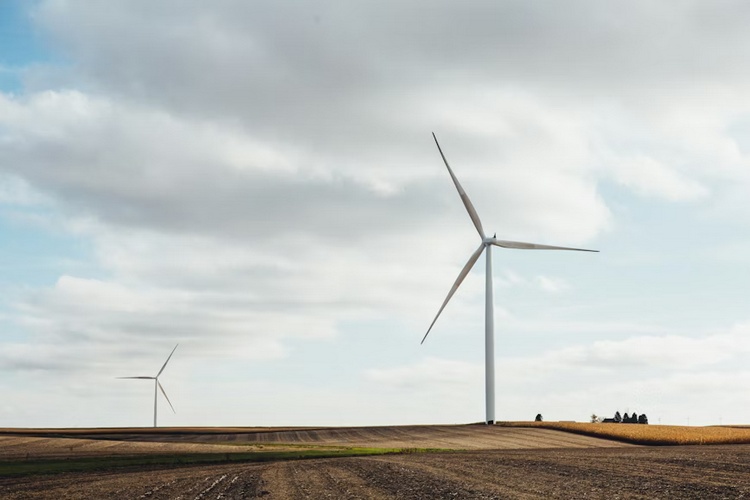
Wind turbines (Drew Hays, Unsplash)
¶ “Bucharest’s Main Airport To Produce Its Own Renewable Energy” • The National Company Bucharest Airports announced a major investment in a 31.5-MW PV power plant with 30 MWh of battery storage to cover part of the energy needs of Henri Coandă International Airport, the main airport serving the Romanian capital. [Romania Insider]
¶ “Climate Change Could Put Everyday Food At Risk, Scientists Warn” • According to reporting by The Guardian, scientists have concluded that losses of key global crops to pests will increase significantly as the planet warms. Wheat, rice and maize are forecast to suffer losses of about 46%, 19% and 31% respectively if global heating reaches 2°C. [MSN]

Corn field (Nathan Kelly, Unsplash)
¶ “Engineers Scramble To Make ‘Crucial’ Repairs At Ukraine Nuclear Power Plant” • International experts started “crucial” work on power lines connecting to Europe’s largest nuclear power plant, which sits on the front line of fighting between Russia and Ukraine. The safety of the Zaporizhzhia nuclear plant is of great concern. [Newsweek]
US:
¶ “Cox Automotive Forecasts 9% Sales Decline For Tesla In The USA In 2025” • Cox Automotive, which gets auto sales data from dealerships, has come up with an estimate of how many vehicles Tesla will sell in the US in 2025, and it isn’t pretty. Cox expects 1.8% growth in US auto sales overall in 2025, but it is forecasting a significant decline at Tesla. [CleanTechnica]
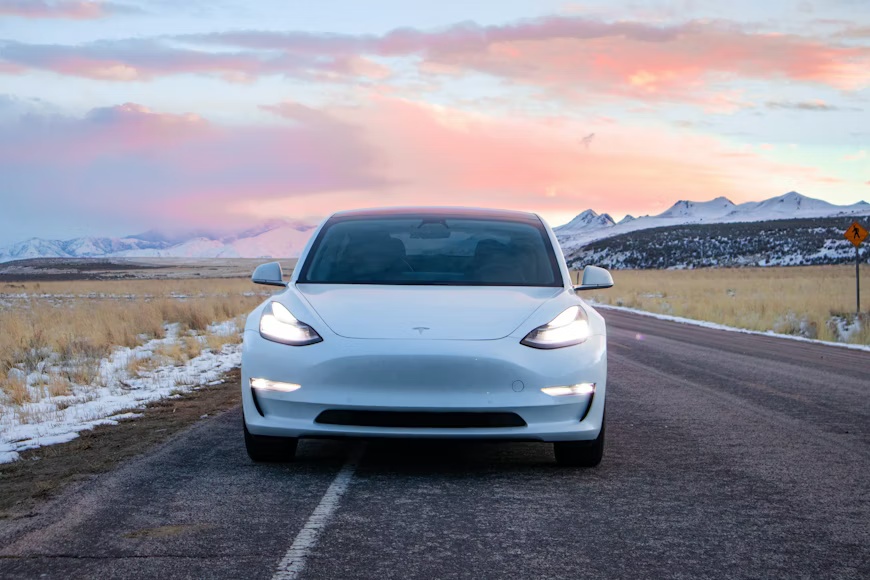
Tesla (Taun Stewart, Unsplash)
¶ “How Trump Transformed Energy, Environmental Policy This Year” • Since President Trump’s inauguration, the administration has embraced fossil fuels while eschewing renewable energy, climate actions and regulations. He has pushed nuclear energy and AI, while it eliminated vital parts of the federal work force. It has published information denying science. [The Hill]
¶ “Utah Leaders Are Hindering Efforts To Develop Solar Despite A Goal To Double Its Energy Supply” • Utah needs to meet the energy demands of a growing population as well as data centers and AI it wants to fuel its economy. Governor Cox acted to double its electric ouput. But Utah’s legislature has taken a hard turn against solar power. [Utah News Dispatch]
Have a happily noteworthy day.

 geoharvey