Opinion:
¶ “Tesla vs. Tesla: The Juice In Your Car Will Increasingly Come Through HVDC, Edison’s Preferred Current” • This is partially a Thomas Edison vs Nikola Tesla story. Edison was committed to direct current, but Tesla liked alternating current. Edison did some ugly things to try to win the fight, but lost. Now the world is moving his way. [CleanTechnica]

Converter Transformers
¶ “The year is 2037. This is what happens when the hurricane hits Miami” • After the hurricane hit Miami in 2037, hotel lobby floors in Miami Beach are covered by a foot of sand. A dead manatee floats in a pool where Elvis had swum. Most damage came not from the hurricane’s 175-mile-an-hour winds, but from the twenty-foot storm surge. [The Guardian]
¶ “Canada’s Oil Capital Making Leap to Renewable Energy” • The government of Alberta, home to the world’s third-largest oil reserves, auctioned off 595 MW of renewable energy capacity, exceeding its target of 400 MW. The government billed moving toward renewables as a continuation of the province’s leading position in energy. [Financial Tribune]

Sunset with wind turbines and solar panels
World:
¶ India plans to boost solar module manufacturing by providing ₹11,000 crore ($1,653 million) of direct support together with concessions to cut reliance on imports from China. The Ministry of New and Renewable Energy aims to provide a 30% subsidy for setting up new plants and expanding the existing ones, according to its website. [BloombergQuint]
¶ In an attempt to revive aging farming communities and put clean energy on the local electric grid, two farms in northeastern Japan are growing cloud-ear mushrooms underneath arrays of solar panels. Together, the farms will produce a combined 4,000 kW of solar power and 40 tons of cloud-ear mushrooms every year. [GOOD Magazine]

Installing solar panels
¶ As part of its campaign to promote green energy, the Central Railway has installed 28 solar power plants with a capacity of 924 KW on its five divisions and at a workshop. In addition, LED lights, which save energy as compared to conventional lights, have already been provided at 250 railway stations on Central Railway. [Times of India]
¶ The South Australia government decided to fast-track its switch to 100% renewable energy through a contract with Adelaide-based SIMEC ZEN Energy. The company plans to build 1 GW of solar, storage, and demand management to power the Whyalla Steelworks, which expects to cut its costs by 40% with a switch to renewables. [RenewEconomy]

Solar thermal system in Nevada
¶ Siemens Gamesa is set to add 380 MW to the Egyptian national electricity grid with the Gabal Al-Zayt wind farms during the first quarter of 2018. Sources at the New and Renewable Energy Authority said that Gab al Al-Zayt project implementation rate stood at 80%, surpassing the time schedule set for the project by Gamesa. [Daily News Egypt]
¶ Tasmanian residential energy prices could drop up to 6.5% over the next two years, the Australian Electrical Market Commission said. The AEMC’s annual report on price trends indicated a national fall in prices from mid 2018 as variable wind and solar generation comes online. Australia has seen an 11% price rise in the past year. [Tasmania Examiner]
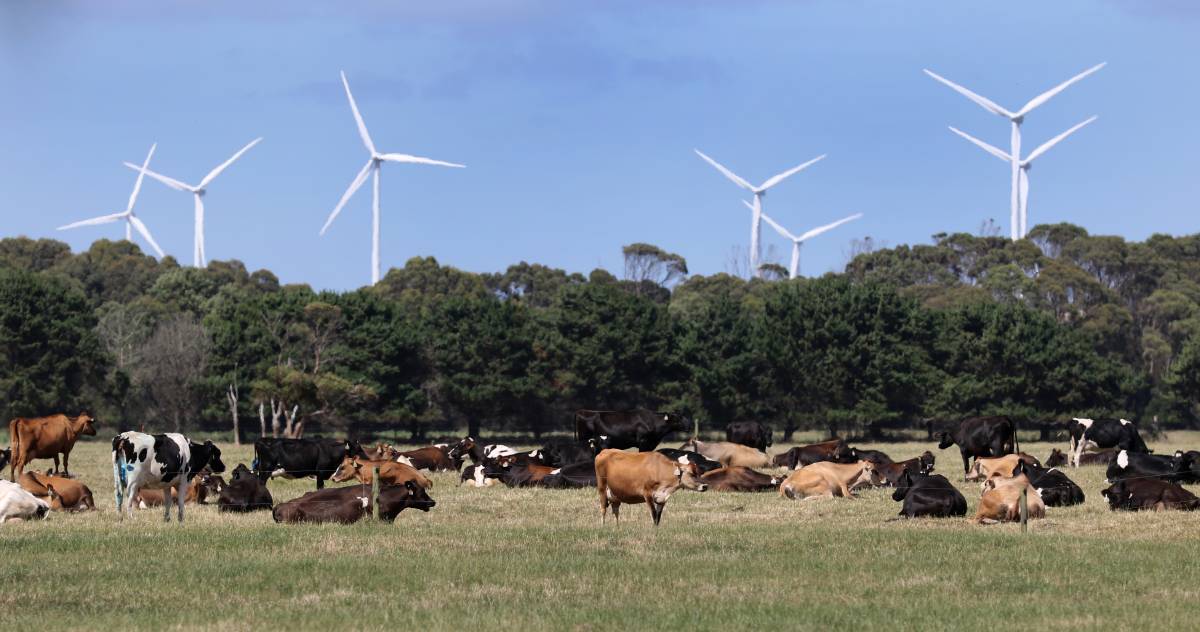
Wind farm (Tasmania Examiner file photo)
US:
¶ The US renewable energy industry expressed relief after a compromise Republican tax bill released late on Friday preserved key tax credits that had been at risk of being removed, but it raised concerns about a provision that may threaten investment in the sector. Solar industry group SEIA called the tax bill a “great victory” for the sector. [The Japan Times]
¶ Batteries plus solar energy could topple natural gas peaker plants. A GTM Research senior adviser said 10 GW of the 20 GW of the plants projected to be constructed between 2018 and 2017 could be taken over by energy storage. More aggressive estimates suggest the gas peaker plants may not even have a place after 2020. [Inhabitat]
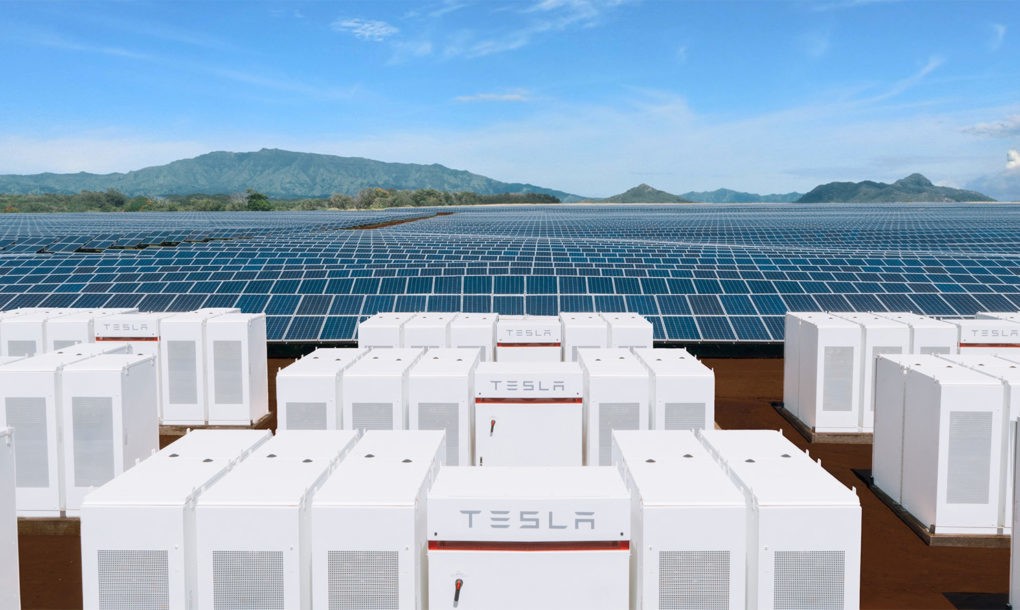
Tesla battery storage at a solar array
¶ Health leaders say they are alarmed about a report that officials at the CDC are being told not to use certain terms in official budget documents, including “fetus,” ”transgender,” and “science-based.” Climate change is just one of several topics on which federal agencies have downscaled data collection since President Trump took office. [Press of Atlantic City]
¶ Hundreds of US colleges and universities are taking action to combat global warming, but so far just one residential college has turned 100% to renewable energy: Hampshire College, in Amherst, Massachusetts. The college has installed a 19-acre solar farm, with 15,000 panels and a capacity of about 4.7 MW of power. [Jefferson Public Radio]
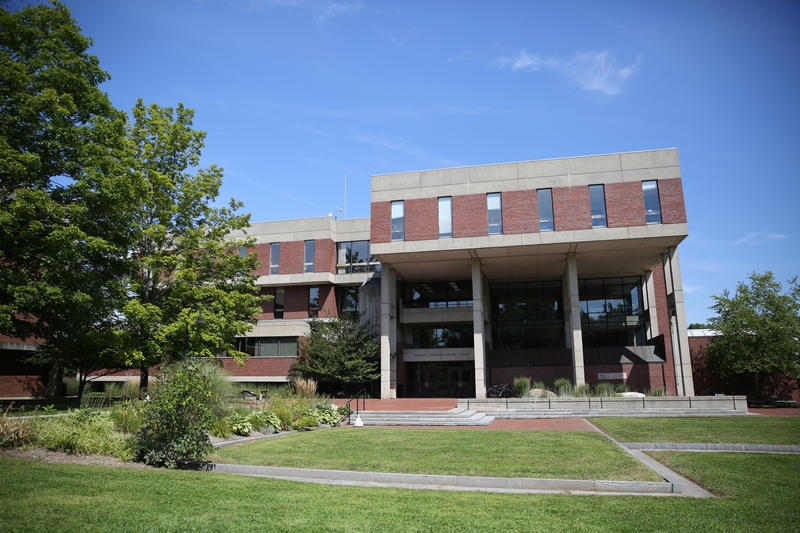
The Harold F Johnson library at Hampshire College
¶ The rate of new thyroid cancer cases in the four counties just north of New York City, which was 22% below the US rate in the late 1970s, is now 53% above the US rate, a study said. The Indian Point nuclear plant may be to blame. A study co-author said, “The only known cause of thyroid cancer is exposure to radioactivity.” [San Francisco Bay View]
¶ It’s a question few in the Atlanta area want to think about: What happens if state regulators pull the plug on Plant Vogtle’s units 3 and 4? The first thing to empty would be the 42-acre lot where Vogtle’s 6,000 construction workers park. Then there would be an exodus of RVs, travel trailers, and campers the workers called home. [The Augusta Chronicle]

 geoharvey