Opinion:
¶ The “Careful, Thoughtful” Approach to Indian Point Is to Close
It • Given the facts, the careful, thoughtful approach to Indian Point is to close it. Last month, 227 of the 832 bolts holding the inner walls of the reactor core together were found to be missing or damaged. But a list of problems goes on. [AlterNet]

Indian Point nuclear plant. Photo by mandritoiu / Shutterstock
Science and Technology:
¶ University of Washington researchers have developed technology that enables sensors and small electronics to be entirely powered wirelessly from TV, radio, cell phone, and Wi-Fi signals. The miniature devices don’t require a battery or any wiring because energy in the signals. [OilPrice.com]
World:
¶ Many African countries are facing energy crises. Since the mid-1990s, external finance to Africa’s power sector has averaged only around $600 million per year. But countries are increasingly able to supply power in an environmentally and economically sound fashion. [The Worldfolio]
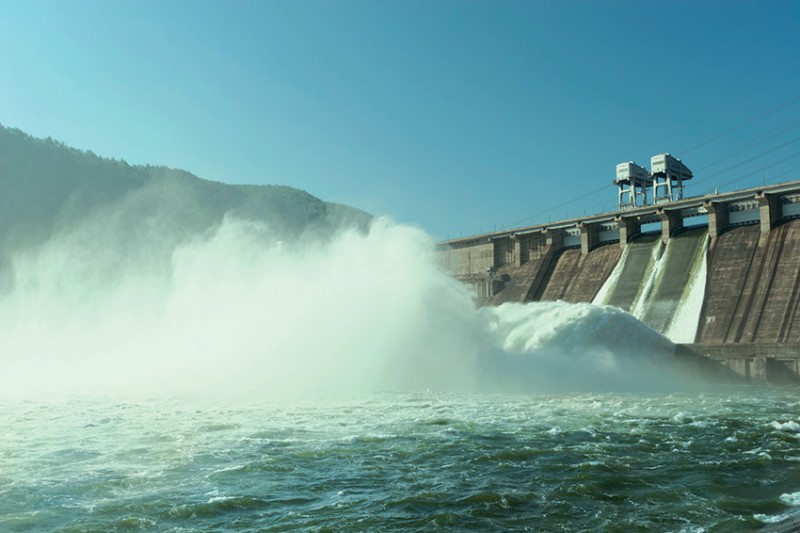
The unfinished Tokwe Mukosi dam in Zimbabwe
¶ The Philippines has 18 biomass power plants on grids, with a combined capacity of 241 MW, enough to energize more than 300,000 homes. They are fueled mainly by bagasse and rice husk. This capacity does not include 166 MW from private firms for their own consumption. [InterAksyon]
¶ Abu Dhabi’s renewable energy company Masdar has installed 9,000 solar systems out of 17,670 planned across 940 villages in rural Morocco. Each solar home system has a capacity of 290 watts. This and other initiatives will bring power to 99% of rural Morocco by the end of 2017. [Utilities-ME.com]
¶ Australia agreed to join with the rest of the world to limit global warming to 2° C. Since signing the agreement, Australia has re-approved one of the world’s largest coal mines, opened a new research center for the fossil fuel industry, and cut funding for renewable energy. [New Matilda]

Australian protestors. Image: Flickr, James Ennis.
¶ The Carbon Disclosure Project ranked the Australian capital city of Canberra as a global climate change leader. It placed the city among the top ten in the world for quality and completeness of environmental risk reporting, showing it’s commitment on climate change. [The Marshalltown]
¶ Saudi developer ACWA Power plans to invest $10 billion to $12 billion in Egypt in the next five years, its chairman said. The company will invest in the Egyptian power generation sector at both renewable and traditional levels, adding approximately 10,000 MW. [Zawya]
US:
¶ Southern California’s reliance on natural gas has grown much more clear. Utilities are warning of possible blackouts this summer after the massive Aliso Canyon methane leak took the region’s largest gas storage field offline. Blackouts underscore the true meaning of fossil fuel dependence. [OCRegister]
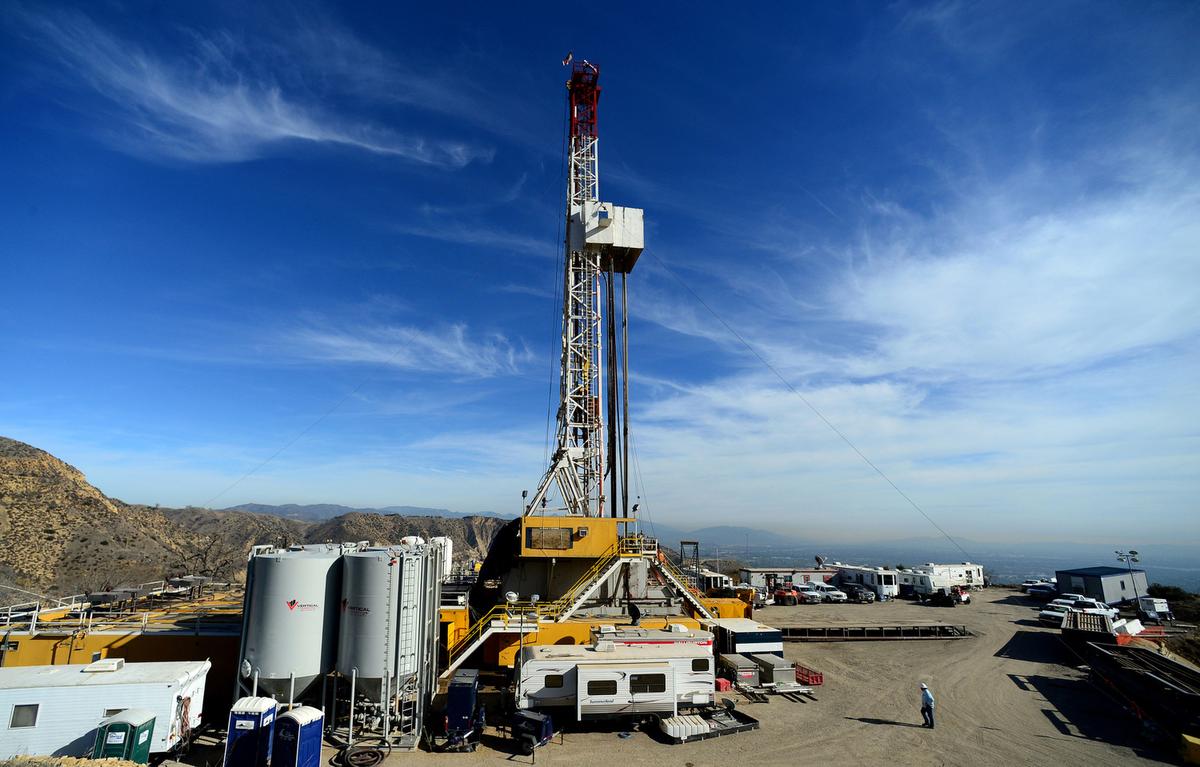
Crews working to stop the natural gas leak in Aliso Canyon in December. Musgrove / AP
¶ The Vermont Public Service Board is currently revising the net metering program. The PSB must design a revised program with input from impacted parties and the public. But the proposed revisions may make net metering much more difficult in Vermont. [Green Energy Times]
¶ A report from Lawrence Berkeley National Laboratory says states with renewable portfolio standards have been highly successful at meeting their targets, with a handful of states setting higher targets within the past year while adding an average of 1.3% to customer bills. [Midwest Energy News]

Wind turbines in Minnesota
¶ New renewable energy standards in Massachusetts are adding to the problems of Maine’s logging industry, which is already threatened by the collapse of the biomass market and recent closure of pulp and paper mills. Maine Governor Paul LePage is asking Massachusetts to reconsider. [Valley News]

 geoharvey