
Science and Technology:
¶ The National Snow and Ice Data Center reported that the spread of Arctic sea ice set a new record low for the second straight year, stopping last week at 5.607 million square miles. That’s 5,000 square miles less than last year’s record low and 431,000 square miles less than the average. [CNN]
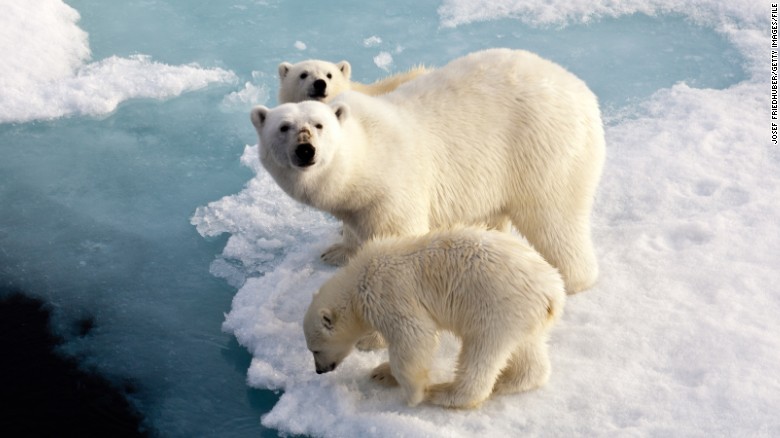
The consequences of climate change go
far beyond warming temperatures.
¶ MIT researchers demonstrated a calcium-metal-based liquid battery intended for grid-scale storage and a long cycle life. Calcium was blended with magnesium to make it usable. Use of earth-abundant materials and a scalable kind of construction are among the battery’s advantages. [CleanTechnica]
World:
¶ There are renewed calls to re-examine Alberta’s deregulated power market after the announced closure of a coal-fired electrical generator. Maxim Power Corp announced the temporary shut down of the 44-year-old plant, saying it is losing money at current spot market prices. [Calgary Sun]
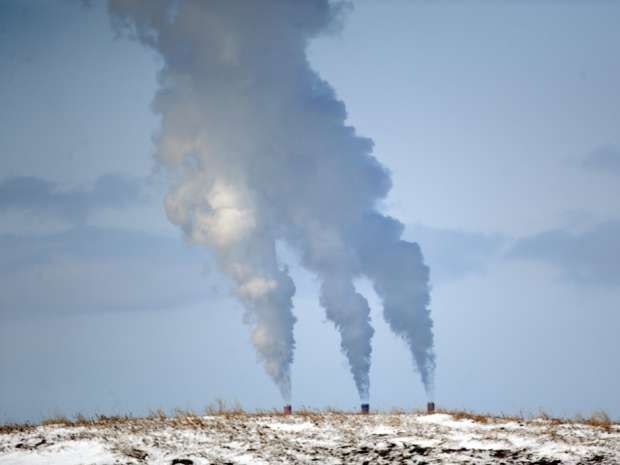
Power Plant northeast of Calgary. (Postmedia Network)
¶ The European Investment Bank agreed to provide £500 million for a major reinforcement of the electricity transmission network in the north of Scotland to improve connections between wind, wave and tidal renewable energy schemes and the national power network. [Your Industry News]
¶ Renewable energy developers won contracts to produce 1,720 MW of power in Mexico’s first-ever private auction. Seven wind and solar companies including Enel Green Power, SunPower Systems Mexico, and Recurrent Energy, won 15-year contracts for power beginning in 2018. [Energy Voice]
¶ Scotland’s Western Isles is preparing to run its own utility as part of a long-term plan to tap the islands’ renewable energy potential. Hebrides Energy will be a collaboration between Comhairle nan Eilean Siar and an unnamed UK energy supplier, together with representation from others. [reNews]
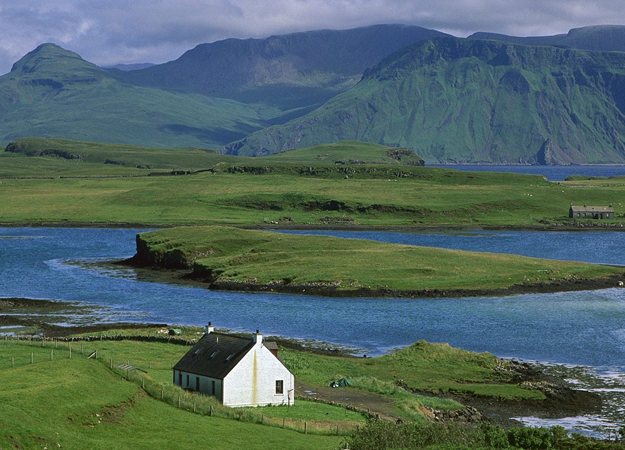
Fuel poverty is a major issue in islands off Scotland (Mi9)
¶ Japan’s Nuclear Regulation Authority gave TEPCO a go-ahead to freeze the soil around the reactors at the crippled Fukushima Daiichi nuclear power plant. The aim of the frozen soil wall is to block the flow of groundwater into the reactor buildings to prevent it from becoming contaminated. [Asahi Shimbun]
US:
¶ Wind energy reduces a variety of health-harming air pollutants, including smog-causing oxides of sulfur and nitrogen. This helps reduce rates respiratory diseases such as asthma. Electricity generated by wind in 2015 represented $7.3 billion in avoided health costs last year alone. [Green Energy Times]

Oil and Wind. Creative Commons via BBC World Service on Flickr
¶ The Tennessee Valley Authority, in partnership with the Tennessee Valley Public Power Association, is awarding 16.7 MW of solar capacity to four local power companies who applied through the Distributed Solar Solutions pilot. The projects will generate power for over 1,300 homes. [Your Renewable News]
¶ A unique hybrid renewable energy project in Northern Nevada was celebrated by a host of dignitaries, including the Prime Minster of Italy. Enel Green Power combined 33.1 MW of geothermal capacity, 26.4 MW of PV, and 2 MW of solar thermal at a cost of $200 million. [Las Vegas Review-Journal]
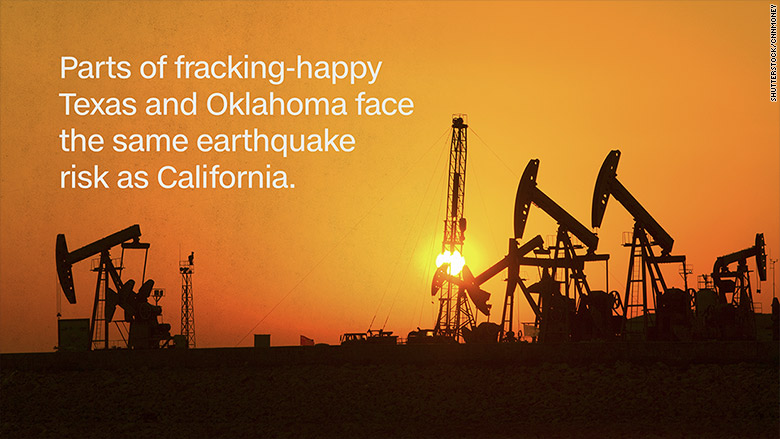
Earthquakes in Oklahoma and Texas
¶ About 7.9 million people are now at risk from earthquakes scientists believe are caused by fracking, including certain regions in Oklahoma, Kansas, Colorado, New Mexico, Texas and Arkansas, the US Geological Survey said. The earthquakes don’t factor in building-code maps, but do create a hazards. [CNN]
¶ An anti-Clean Power Plan bill Colorado Senate Republicans insist has “nothing to do with climate change” prompted them to argue on the Senate floor that human-caused global warming is a myth. The bill would have the state inactive pending Supreme Court review. [The Colorado Independent]
¶ Aerojet Rocketdyne, a subsidiary of Aerojet Rocketdyne Holdings, Arkansas Electric Cooperative Corporation, and Ouachita Electric Cooperative Corporation, will announce full commissioning of the 12-MW East Camden solar field, the largest solar project in Arkansas, on March 31, 2016. [EIN News]
 geoharvey
March 31, 2016 at 3:53 pm
Reblogged this on nuclear-news.