
Science and Technology:
¶ According to NASA, February 2016 was the most anomalously warm month in 135 years of record keeping – 1.35° C (2.43° F) warmer than the 1951 to 1980 average. While the recurring El Niño event certainly drives short-term oscillation, the long-term warming trend is quite apparent. [CleanTechnica]

2010, 2014, and 2015 were all record-breaking years. Climate Central graph
World:
¶ The South African Energy Minister launched the Solar Capital De Aar 3 in the Northern Cape – the 17th solar photovoltaic plant in the province. She said the commercial operation of the 75-MW plant is a huge achievement in scaling up the deployment of renewable energy in South Africa. [AllAfrica.com]
¶ Last summer, the Mayor of London unveiled plans to test a fleet of double-decker electric buses to ply the tourist-friendly Route 16. Things must have gone swimmingly because just last week a fleet of five of the hulking EVs was announced for Route 98 to calm a pollution hotspot. [CleanTechnica]

Electric bus. Image via businesswire.com
¶ Greenpeace has challenged the case for a new nuclear power station at Wylfa Newydd, Wales. It submitted evidence to Westminster’s Welsh Affairs committee warning that the project is based on an “outdated” concept and questions whether nuclear is most effective for low-carbon power. [WalesOnline]
¶ Statoil is to deploy a 1-MW storage system at its 30-MW Hywind floating offshore wind farm off the Scottish coast. The Batwind battery is based on lithium technology and will be installed at the end of 2018. Hywind will feature five Siemens SWT-6.0-154 machines. It is due to be fully operational in 2017. [reNews]
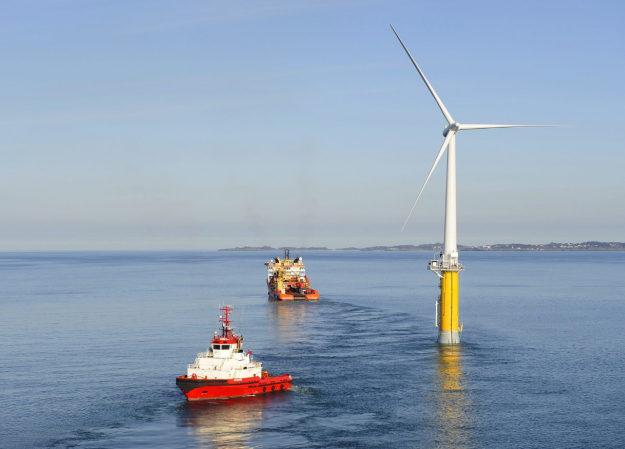
Statoil image
¶ China plans to more than triple solar power capacity by 2020 to as much as 143 GW to help reduce carbon emissions. The country will add 15 to 20 GW of photovoltaic power annually in the next five years, the head of the National Energy Administration said in a conference in Beijing. [Bloomberg]
¶ The first four days of March saw maximum temperatures in much of the country 4° C above average, and 8° C to 12° C above average in most of southeastern Australia, a Climate Council report says. It argued that heat impacts lent urgency to climate mitigation efforts. [The Marshalltown]
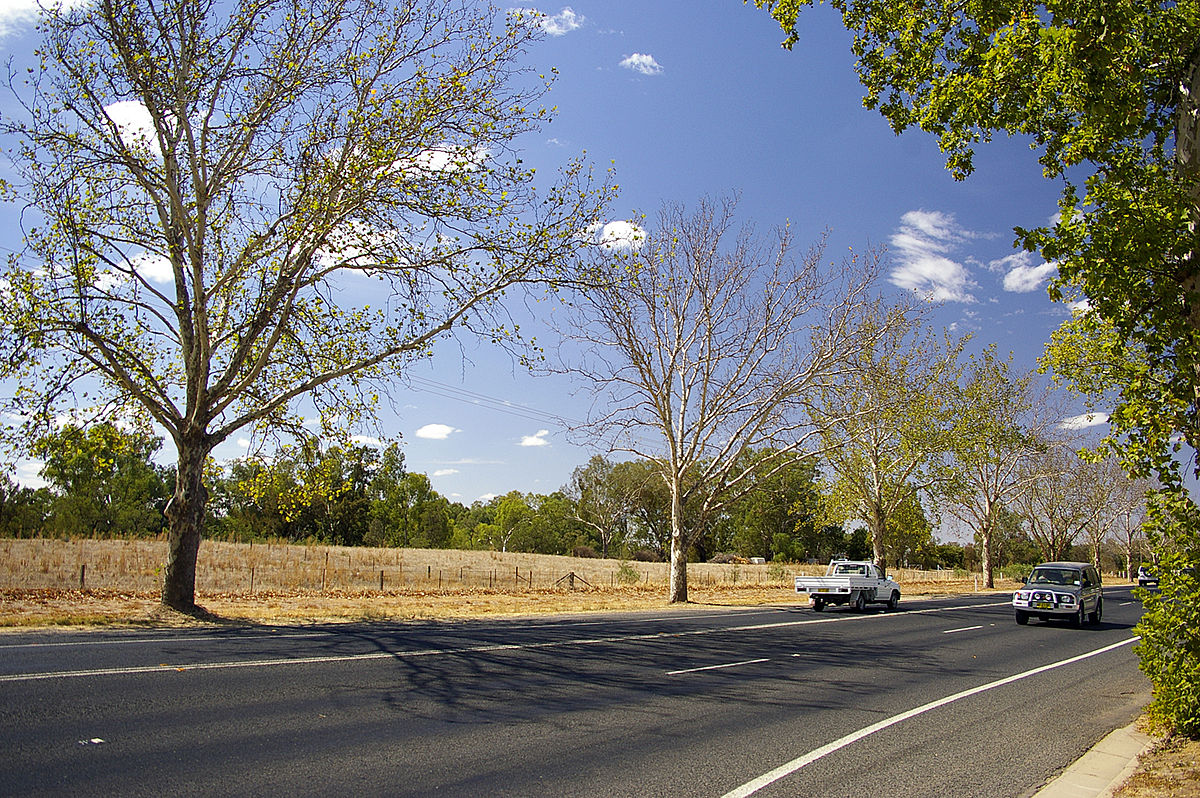
Drought and heatwave affected London Plane Trees. Photo by Bidgee. CC BY-3.0 unported. Wikimedia Commons.
¶ EDF’s new nuclear power station in France faces years of further delays if tests confirm that the steel used in its reactor is flawed, the country’s atomic watchdog has warned. The flagship plant at Flamanville in Normandy has already been subject to years of delays and cost overruns over 200%. [Financial Times]
US:
¶ Additions this year to the ERCOT grid in Texas are expected to be dominated by ⅔ from wind and solar PV, according to energy research from SNL. If SNL research proves true, this will be a huge boost to the generation of renewable electricity within this historic oil-producing state. [CleanTechnica]

ERCOT control room operator. Photo by Dpysh w.
CC BY-3.0 unported. Wikimedia Commons.
¶ A renewable energy campaign has the goal of producing as much solar power energy as Ginna nuclear plant by the year 2025. ROCSPOT, a community-based organization, shows people the environmental and financial benefits of solar power and helps them through the installation process. [13WHAM-TV]
 geoharvey
March 21, 2016 at 7:24 pm
Reblogged this on A Green Road Daily News.
March 22, 2016 at 3:54 pm
Reblogged this on nuclear-news.