
Opinion:
¶ Sooner than you think? A prediction that electric cars will cause the next oil crisis • There used to be a cartoon series called Closer than We Think. Now Bloomberg Business has a video series, Sooner Than You Think. The first episode suggests the electric car could cause the next oil crisis. [Treehugger]

One day, cars will be powered by the sun. Image via Paleofuture / Arthur Radebaugh
Science and Technology:
¶ Carbon dioxide can be tapped and transformed into green energy using innovative approaches, a professor from Qatar University has said. It can be captured and combined with hydrogen to produce methanol. The methanol can be used as a feedstock for transportation fuel. [Gulf Times]
¶ Bees, birds, butterflies and beetles are among a growing list of pollinator species in jeopardy of global extinction, a UN study warns, a trend that could threaten the world’s food supply. About three-fourths of the world’s food crops depend on pollination by insects and other animals. [CNN]

Scientists warn that declining populations of pollinators will affect future food supply.
World:
¶ French energy giant Engie launched a three-year strategic transformation plan to become a world leader in the energy transition. The announcement is part of the company’s intentional plan to speed up the implementation of a strategy previously decided upon two years ago. [CleanTechnica]
¶ London has seen more bike riders and fewer car commuters. According to Transport for London, over the last decade and a half car drivers have decreased by almost 50%, from 137,000 in 2000 to 64,000 in 2014, while the number of cyclists has tripled from 12,000 to 36,000. [CleanTechnica]
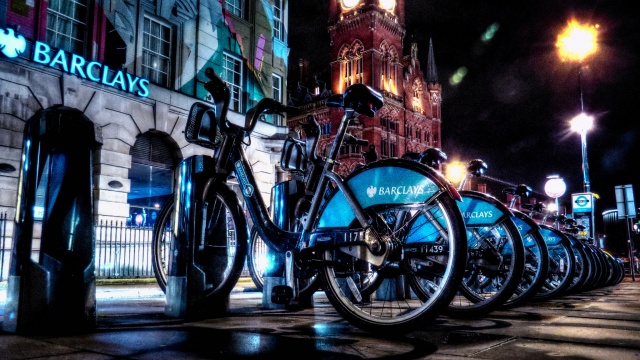
London cycling. Photo by David Skinner (some rights reserved)
¶ South Africa has in place a target of generating 42% of its power needs through renewable energy sources by 2030. The Transport Minister says sources include on-shore wind‚ concentrated solar thermal‚ biomass solid‚ biogas‚ landfill gas‚ small hydro‚ and solar photovoltaic. [Sowetan Live]
¶ Kansai Electric Power Co said it started up a nuclear reactor, the fourth to come back online following a nationwide shutdown after the March 2011 tsunami disaster. The accident forced all of Japan’s dozens of reactors offline for about two years as the nation examined safety issues. [Japan Today]
US:
¶ Green Mountain Power announced year-end operational results for Kingdom Community Wind in Lowell, Vermont. In 2015, the 21-turbine project generated enough electricity to power 26,700 homes for a year, an increase of 7%, 1,800 homes, over the previous year. [Vermont Biz]
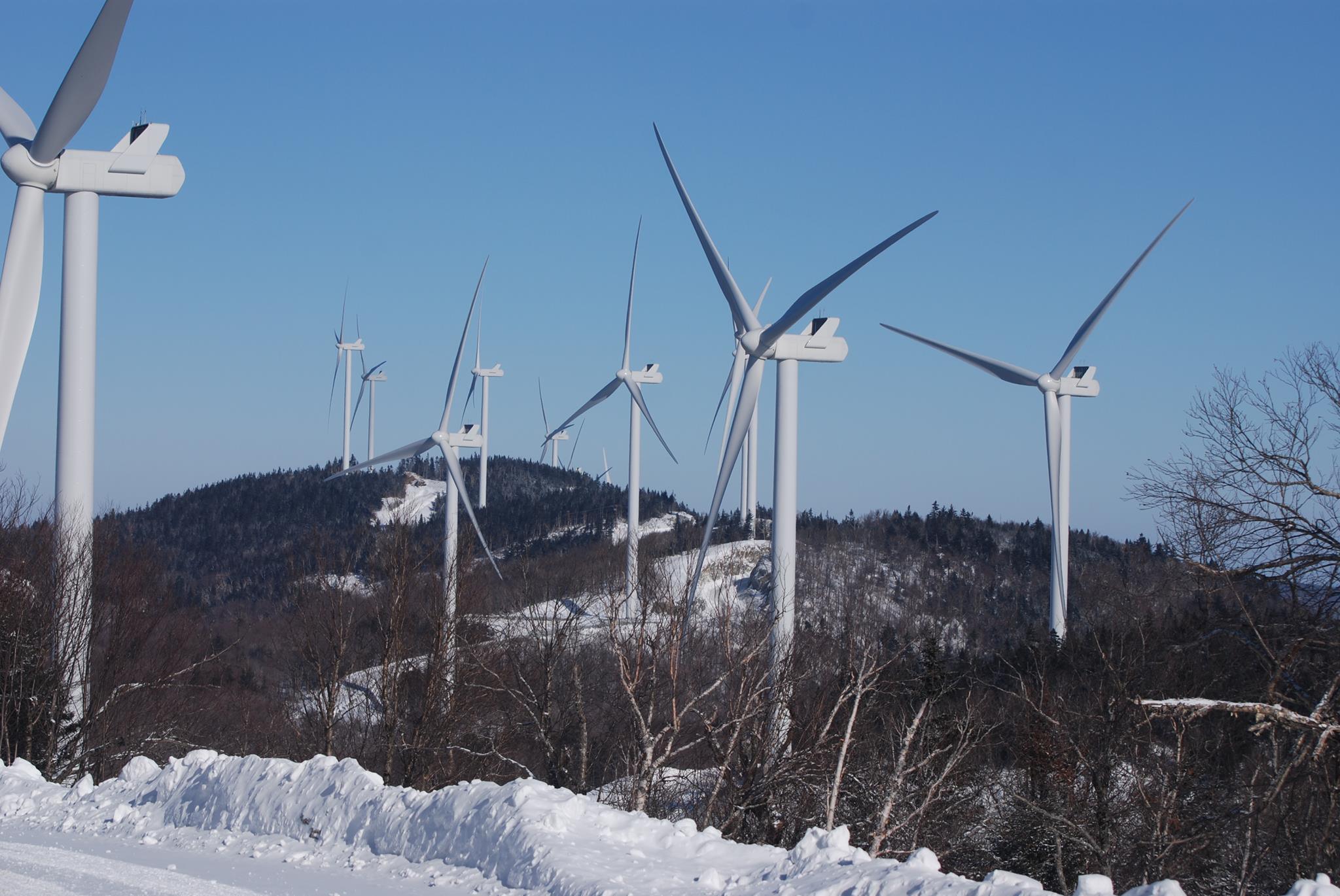
Photo courtesy GMP.
¶ Corn and soybean fields in Somerset County, Maryland, formerly ticketed for wind turbines may now become home to one of the largest solar power plants in the eastern US. Algonquin Power & Utilities Corp of Canada has plans to collect up to 150 MW of power from the area. [Delmarva Daily Times]
¶ New legislation would require all new construction in San Francisco, both residential and commercial, to have solar panels installed. The renewable energy ordinance would make San Francisco the first and only major city in the country to require solar panels on new buildings. [KRON4.com]
¶ Rural areas have typically weighed against progress on clean energy. But that may be changing. A new story out of Wisconsin illustrates that a slow, tentative shift is underway, as rural electricity consumers and the utilities that serve them take a new look at the benefits of solar power. [Vox]
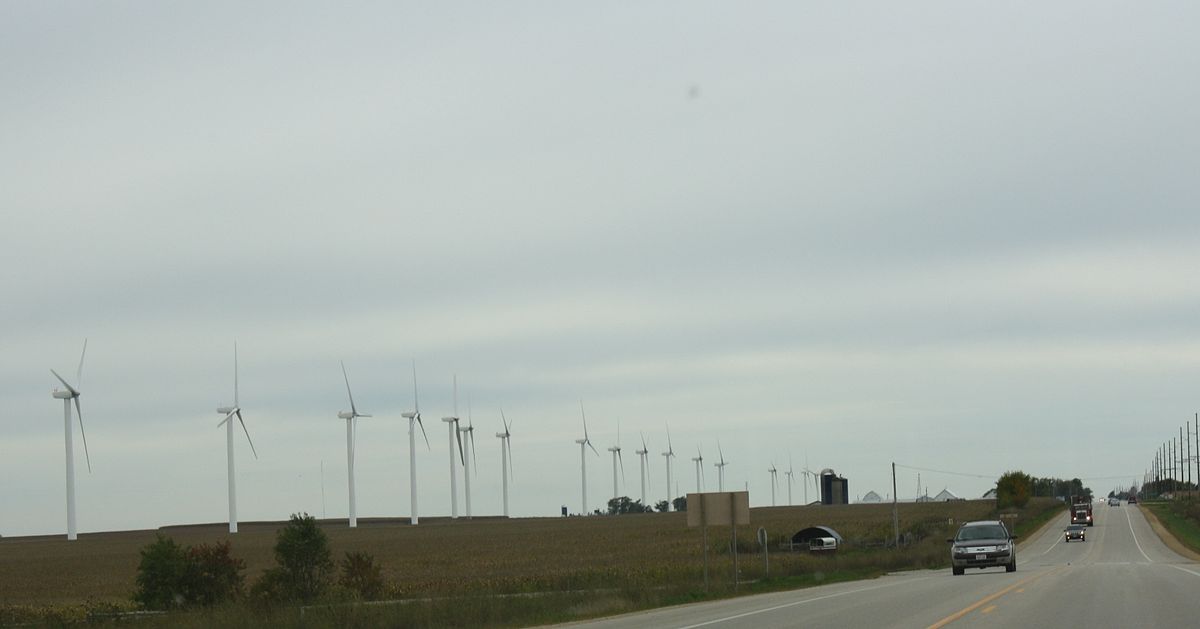
Wisconsin wind farm. Photo by Royalbroil. CC BY-SA 3.0 unported. Wikimedia Commons.
¶ Pacific Gas and Electric Company (PG&E), a California Utility announced hitting a significant milestone for 2015 with 29.5% of retail electricity coming from renewable clean energy. That number actually exceeded the State targets of 23.3% for years 2014 through 2016. [GetSolar.com]
¶ Anyone who sees Vermont’s renewable energy installations may be surprised to learn that the state’s utilities get 0% of their power from wind and solar energy. That is the number cited in a report on allowing renewable energy credits to be sold to utilities in southern New England. [Valley News]
 geoharvey
February 27, 2016 at 1:26 pm
Reblogged this on A Green Road Daily News.