
Science and Technology:
¶ A study examined the persistence of carbon dioxide in the atmosphere and concluded that some sea level rise is effectively locked in. The study’s authors found that the carbon pollution we have emitted so far will cause an eventual sea level rise of 1.7 meters (5.5 feet). [The Guardian]

A parking lot full of yellow cabs flooded by Superstorm Sandy in Hoboken. Photograph: Charles Sykes/AP
¶ Scientists have modeled a history of the planet’s sea levels spanning back 3,000 years, and concluded that the rate of increase last century “was extremely likely faster than during any of the 27 previous centuries.” The study found human activity probably caused part of the rise. [CNN]
World:
¶ OpenHydro has completed a £1.8 million project to design, build and test a power conversion unit for its open-center turbine at the European Marine Energy Center in Orkney. The project is part of an initiative to assist in the development of wave and tidal energy technology in Scottish seas. [reNews]
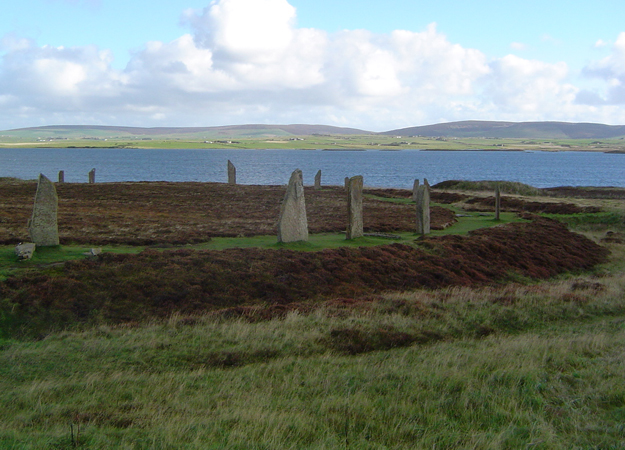
Image: Orkney (sxc)
¶ DONG Energy has announced that it will invest in and build the world’s first bio plant for handling unsorted household waste without prior treatment. The technology allows unsorted household waste to be digested into biogas” as well as other things like recyclable plastics and metals. [CleanTechnica]
¶ The world’s top coal producer, and the biggest emitter of greenhouse gases, will shut down 1,000 coal-fired power plants this year. It’s a move that will simultaneously cool off China’s over-supply of dirty coal and help tackle the country’s air pollution crisis. Deeper cuts are to come. [Mother Jones]
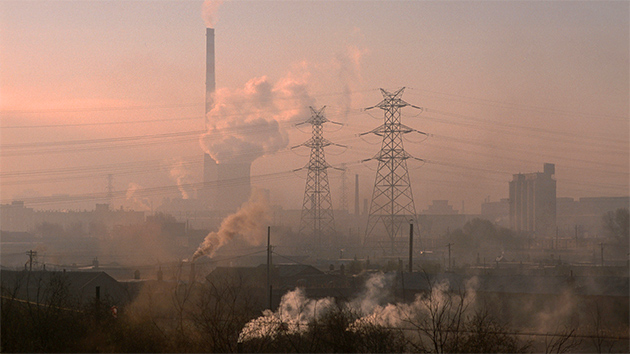
Chimneys spew pollution in an ailing industrial city in China’s northeast. Mark Henley / Ropi / Zuma Press
¶ Chile’s solar industry has seen strong development as the country’s green energy boom has kept down both carbon emissions and the high electricity costs of other Latin American countries. Solar bids are coming in as low as $65 per MWh, while Coal’s have been $85 per MWh. [Manufacturer.com]
¶ A Statkraft-led consortium unveiled plans for giant €1.1 billion, 1-GW network of wind farms in central Norway. Work is already poised to get underway on the wind farms. Construction is scheduled to start in the second quarter of this year with commissioning in 2020. [Business Green]
US:
¶ The US DOE’s National Renewable Energy Laboratory recently verified during testing that a SunPower X-Series solar panel achieved a conversion efficiency of 22.8%, thus marking the official achievement of a new world record for its class. Now, the X-22 panel is coming to market. [CleanTechnica]
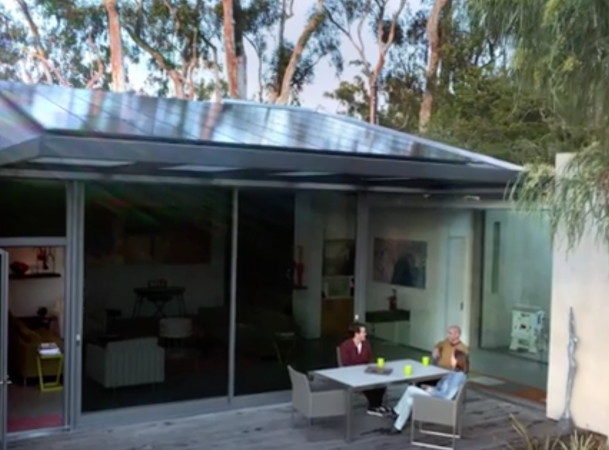
Image via SunPower
¶ New York’s Public Service Commission said it is speeding up a “rescue plan” to keep the FitzPatrick nuclear complex in upstate New York running, after the power generator said a proposal made last month wouldn’t come in time to save it. The agency said it would offer “expedited financial support.” [Daily News]
¶ The DOE’s National Renewable Energy Laboratory released analysis of the impacts of the extension of federal tax credits on renewable energy deployment. The report explores how the extension might change both renewable energy deployment and carbon dioxide emissions. [Renewable Energy Magazine]
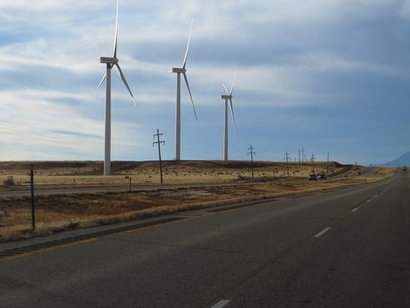
Wind farm in Colorado
¶ Cash-strapped coal companies are reaching the conclusion that energy policy is a matter for the courts rather than Congress. As dwindling demand puts pressure on mining companies to cut costs and climate rules threaten their very survival, many are shifting tactics. [Bloomberg Big Law Business]
¶ SolarReserve’s Crescent Dunes Solar Energy Project, which began testing operations last fall, has reached full production. The complex is the first utility-scale project with an integrated energy storage system allowing it to continue generating 24 hours a day. [CanadianManufacturing.com]
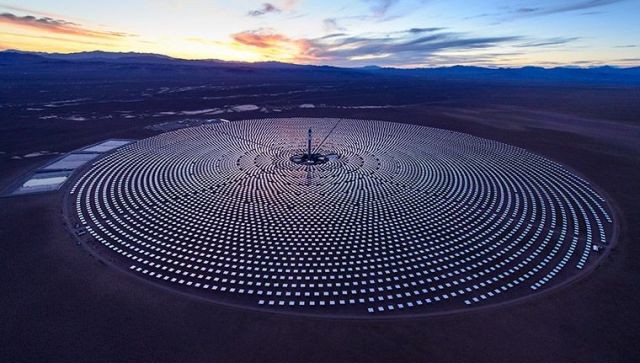
The Crescent Dunes solar project outside of Tonopah, Nevada. Photo: SolarReserve
¶ The Red Lake Band of Chippewa Indians signed an agreement to provide solar energy projects for the three Red Lake casinos and various other tribal buildings. Red Lake will install 15 MW of solar panels across the rooftops of the band’s largest buildings. [Indian Country Today Media Network]
¶ New York state regulators decided that the average RG&E electric customer must pay an extra $2.20 a month to subsidize the Ginna nuclear power plant. The new fee replaces a temporary $1.79 monthly surcharge RG&E customers have been paying since September. [Rochester Democrat and Chronicle]
 geoharvey
February 24, 2016 at 10:44 am
Reblogged this on A Green Road Daily News.