Opinion:
¶ Why cheap oil isn’t bad for the environment • A lot of opposing forces are shaking the old assumptions. In the jaws of bargain oil, the US DOE expects Americans to increase their use of renewable power this year by almost 10%. Why is this time different? There are many factors, and nearly all favor renewables. [The Daily Advertiser]
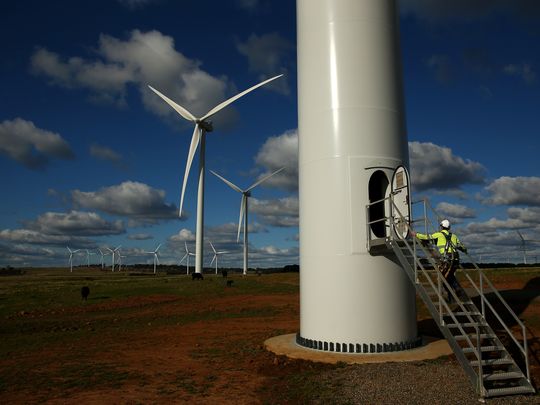
A Vestas service technician walks up the stairs to the door of a wind turbine at the Taralga Wind Farm. (Photo: Mark Kolbe, Getty Images)
¶ The NYC Security Risk That Candidates Aren’t Discussing • It is surprising that presidential candidates don’t do more to protect to New York City. But to be fair, New Yorkers themselves may not know the security risk the Indian Point nuclear plant poses, several miles up the Hudson River. [Huffington Post]
¶ France Peddles Unsafe Nuclear Reactors to India, Drawing Protest • The present Indian government has included a new “Made in India” tag on the Jaitapur nuclear project. What it actually means is that India would assume liability for a controversial reactor design from the economically troubled EDF. [Truth-Out]
World:
¶ The wave of optimism that followed last month’s climate change deal in Paris is wending its way down Wall Street. Investors and financiers meeting in New York this week vowed to harness their trillions of dollars in collective wealth to develop clean energy projects and curb the planet’s carbon emissions. [International Business Times]

Wind turbines are pictured at a wind farm in Penonome, Panama, November 10, 2015. Photo: Carlos Jasso / Reuters
¶ Another large-scale solar power tender in India has been launched by NTPC Limited with a solar power park in the southern Indian state of Karnataka. The tender will involve allocation of six solar power projects with 125 MW capacity each. The last three auctions by NTPC seen record low solar power tariffs. [CleanTechnica]
¶ The government of Pakistan has planned to generate an additional 900 MW of electricity from the Quaid-e-Azam Solar Park, which is already producing 100 MW of renewable energy. Officials also suggested giving each house in far-off villages a solar panel, which would be cost-effective than transmission. [The Express Tribune]
¶ Local wind projects have helped Nova Scotia Power surpass renewable energy targets. The company’s performance on renewable energy exceeded the legislated 2015 requirement of 25% renewable electricity, and positions the company well to meet the 40% renewable requirement that takes effect in 2020. [Cumberland News Now]

Wind energy has helped Nova Scotia Power surpass renewable energy targets. © File
¶ The No 3 reactor at the Takahama nuclear plant in Fukui Prefecture reached criticality Saturday morning following its reactivation the previous afternoon, Kansai Electric Power Co said. The self-sustained fission reaction started at 6 a.m., according to Kepco, which serves western Japan. [The Japan Times]
¶ Russia and its Central Asian neighbors could have 100% renewable electricity as soon as 2030, while significantly cutting costs, a study from Lappeenranta University of Technology in Finland says. The cost of a renewable energy buildout in the area would be roughly half of that of new nuclear power plants. [CleanTechnica]

Image: solar power plant in Russia by Darya Ashanina (some rights reserved)
US:
¶ Duke Energy is seeking collaboration on climate change, a spokesman said. The company hopes North Carolina will start a less confrontational approach on the federal Clean Power Plan, working with the EPA and stakeholders in the state to develop a workable program for carbon reduction. [Charlotte Business Journal]
¶ Renewable portfolio standards have shown net benefits running into the billions of dollars, according to a new study from the Lawrence Berkeley National Laboratory. The numbers illustrate what new policies that align the goals of renewable energy mandates and the Obama administration’s Clean Power Plan could do. [Utility Dive]
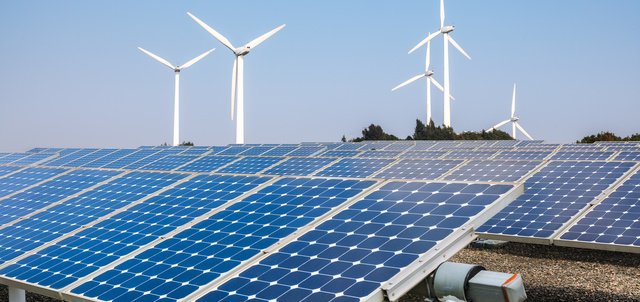
Image Credit: Depositphotos
¶ New legislation that would spark growth in Nebraska’s wind energy sector is making progress among state lawmakers. The legislation was introduced to the Natural Resources Committee this week and has received tentative support from the Nebraska Public Power District, which had initially voiced opposition. [Hydrogen Fuel News]
¶ As many US power companies fight the federal Clean Power Plan, Xcel Energy took a different path Friday, declaring the utility’s Minnesota operations are “nearly certain” to comply with the plan’s greenhouse gas reductions through cost-effective investments over the next decade. [Minneapolis Star Tribune]
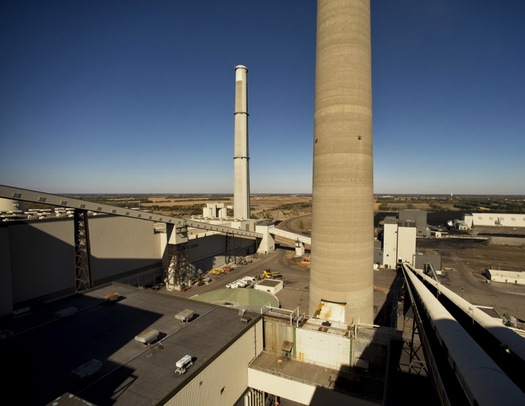
Two coal-burning units at the Sherco power plant in Becker, Minnesota, will be retired sometime in the 2020s, Xcel Energy said.
¶ The Minnesota Public Utilities Commission unanimously approved a 10-MW solar energy installation at the Minnesota National Guard’s base in central Minnesota. The $30 million project will help Minnesota Power achieve about one-third of its requirement under the state’s Solar Energy Standard. [Brainerd Daily Dispatch]
¶ Georgia Power plans to retire coal-fired and oil-fired units at two power plants in the state and replace them with more power from new solar and other renewable power projects. The utility also expects efficiency programs to reduce peak electricity demand by about 12% by 2019. [Atlanta Journal Constitution]

 geoharvey