Opinion:
¶ Africa’s Cities of Tomorrow Won’t Need Power Stations • Despite renewable energy reducing power cuts by half in South Africa, the government is adamant about its nuclear power program. But successful businessmen are talking about cities that generate their own power. [CNBCAfrica.com]

Every three days a wind turbine is being installed in South Africa. Photo: Wikipedia
¶ Our Energy Transformation in 2015 • Like 1973, the year 2015 marked a decisive shift in the world’s energy economy. 2015 saw what may be profound shifts, even turning points, in the energy sector. The price of oil tanked. Fossil fuels are barely growing, while renewables expand. [MIT Technology Review]
¶ WOW! UK power stations slash CO2 emissions 23% in just two years • There have been lots of interesting energy-related headlines coming out of Britain recently: Renewables beat coal for an entire quarter, Britain pledged to end coal use by 2025, and most major cities are going to 100% renewable energy. [Treehugger]
World:
¶ With climate change now a major global issue, the Indian government has fixed a target to quadruple its renewable capacity to 175 GW by 2022 while supplying electricity to every household. It goal is 100 GW of solar capacity, 60 GW of wind power, and 10 GW of biomass and 5 GW of hydro. [Jagran Post]
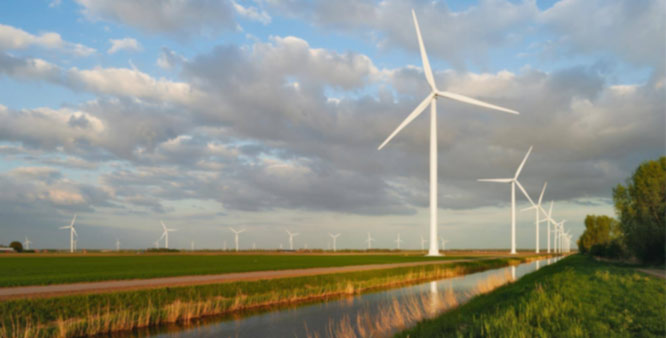
Indian wind turbines
¶ SunEdison has signed a 10-year agreement with Ontario’s Independent Electricity System Operator to supply 5-MW/20-MWh of battery storage to the province. Vanadium redox flow battery technology will be provided by Imergy Power Systems. The IESO will use data on the system for grid planning. [CleanTechnica]
¶ China realized universal power access when power was brought to a remote group of 39,800 people without electricity. The light came on Wednesday in the last two villages in the country without power. Two thirds of households are connected to the national grid while the rest use PV devices. [ecns]
¶ The small Alpine town of Albertville, which is best known for having hosted the 1992 Winter Olympics, has recently become home to a new type of power plant. Bacteria bred in whey are hard at work generating biogas, a clean, renewable energy source that can also be used to produce electricity. [VICE News]
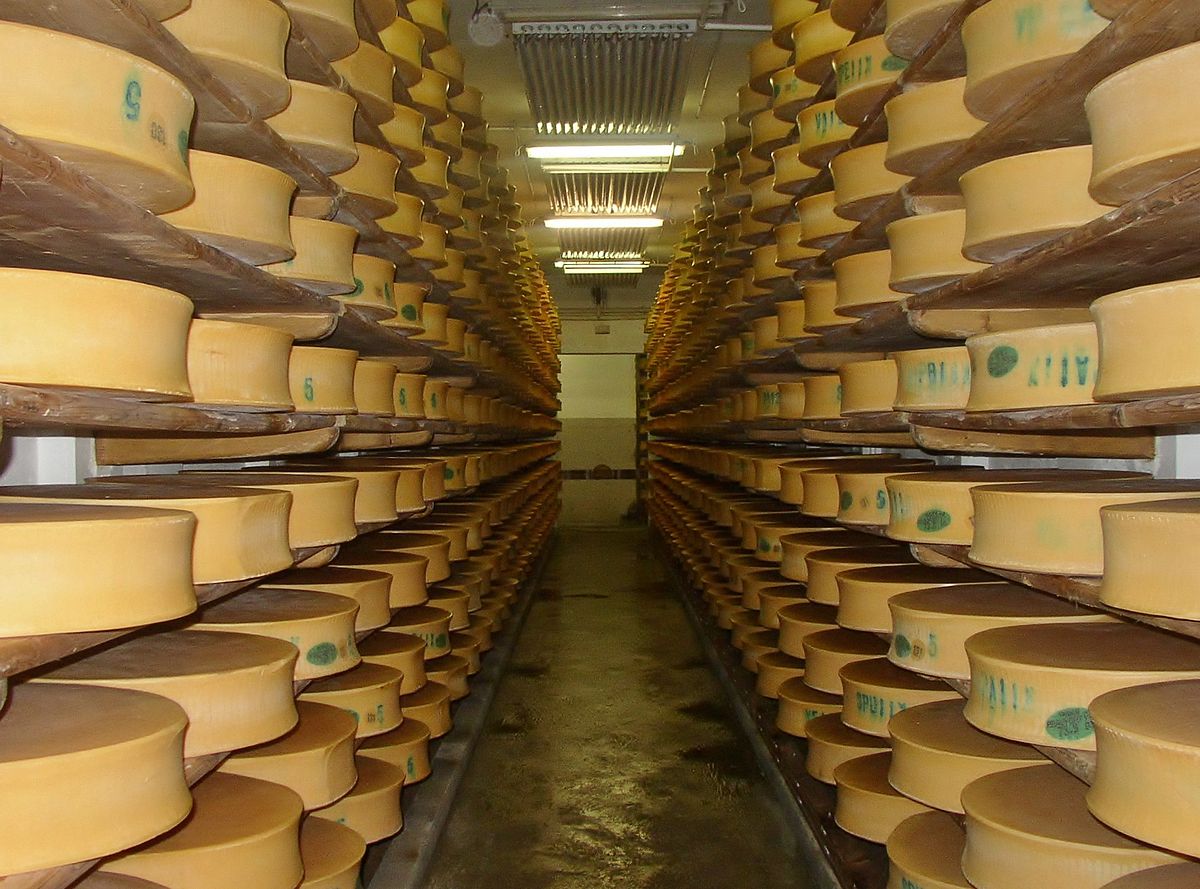
Beaufort Cheese Cave. Photo by Florian Pépellin. CC BY-SA 3.0. Wikimedia Commons.
¶ Chinese investments in coal-burning power plants have increased this year. The power market changed dramatically in 2015, an energy expert from the China Electricity Council said, but the central government has not adjusted the five-year investment targets, which it set in 2011, to suit demand. [Caixin Media]
US:
¶ The Narragansett Bay Commission saves $1.1 million a year thanks to three wind turbines, which provide over 40% of the power at the agency’s Field’s Point wastewater treatment facility in Providence, Rhode Island. The agency now wants to get up to 80% of its power from renewable sources. [Rhode Island Public Radio]
¶ EDF Renewable Energy is working closely with wildlife biologists to reduce the ecological impact of turbines at the Altamont wind farm in California. New turbines so efficient that each one replaces thirty old machines are being installed. They are taller, with blades far above where most birds fly. [EarthTechling]
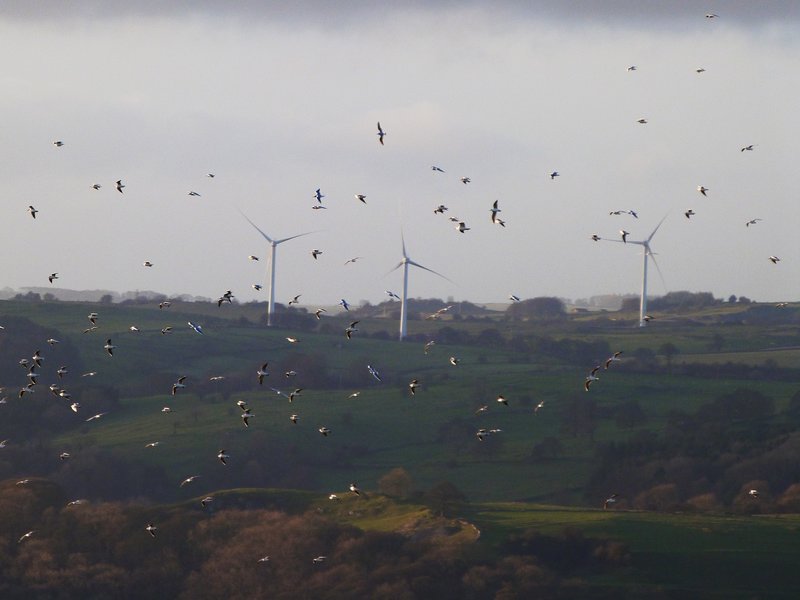
Image credit via Flickr under creative commons license
¶ Demand for electricity on the South Fork peninsula has far outpaced the rest of Long Island, with highest usage in the summer. Residential air conditioning is the primary culprit. Over the last decade, the number of residential accounts has grown by 4%, while peak use has risen 44%. [East Hampton Star]
¶ Tennessee Governor Bill Haslam announced Tuesday that Google will invest $600 million to bring the company’s eighth US data center to Clarksville and create 70 new jobs.Google acquired the former Hemlock Semiconductor site in Clarksville, which it will transform into the data center. [PennEnergy]

 geoharvey